
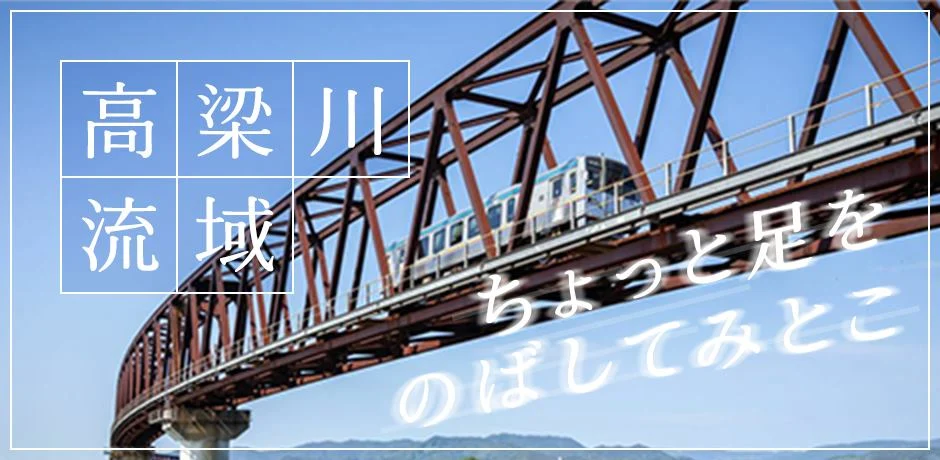
The Takahashi River is a first-class river flowing through the western part of Okayama Prefecture.
Along with the Yoshii River and Asahi River, it is counted as one of the three major rivers of Okayama, boasting the largest basin area among the three major rivers when including the basins of Okayama and Hiroshima Prefectures.
Major tributaries include the Nariwa River and the Oda River, with the main basin primarily in the former Bichu Province, and parts of the tributary basin extending into Hiroshima Prefecture.
Originating from Hanamiyama (elevation 1,188 meters: Niimi City), it flows through the Kibi Highlands and empties into the Mizushima-nada of the Seto Inland Sea (Kurashiki City).
From ancient times in the Kibi region to the medieval period in Niimi, the early modern period in Bitchu Matsuyama, and the modern era in Kurashiki, the history, culture, and industry of each era are spread throughout the basin.
Following the footsteps of businessman Ohara Magosaburo, who founded the Ohara Museum of Art, Ohara Soichiro proposed viewing the Takahashi River as a "fateful shared resource," leading to the establishment of the Takahashi River Basin Federation in 1954.
In line with this purpose, in 2015, seven cities and three towns in the basin signed a cooperation agreement related to the formation of a core urban area for the Takahashi River basin, working towards integrated regional development.
- Kurashiki City
- Niimi City
- Takahashi City
- Soja City
- Hayashima Town
- Yakage Town
- Ibara City
- Asakuchi City
- Satosho Town
- Kasaoka City
Kurashiki City
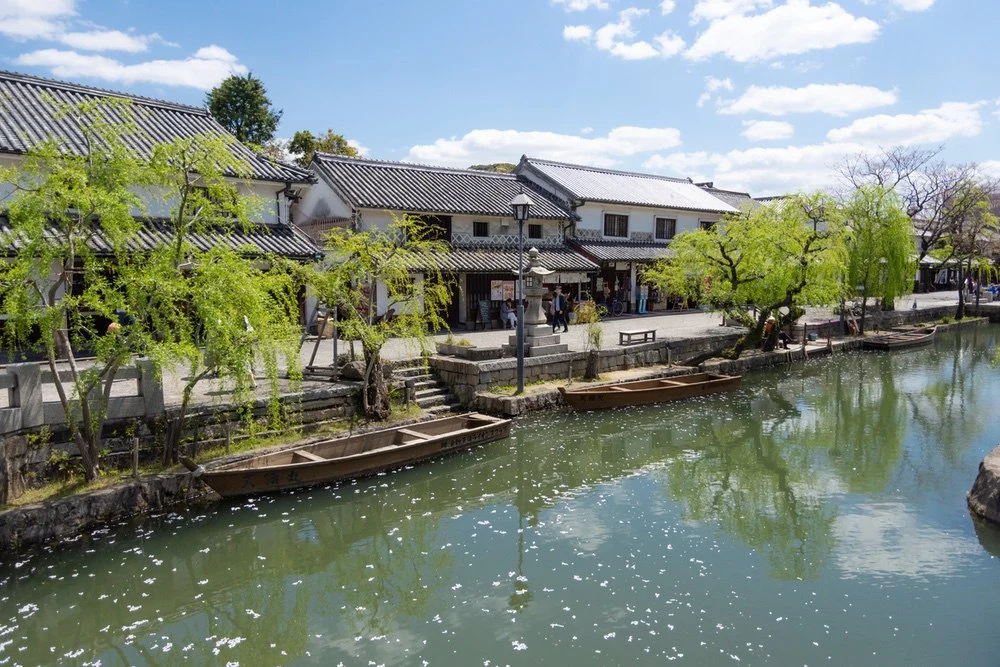
Located at the mouth of the main stream of the Takahashi River, the old Kurashiki area, including the Bikan Historical Area, as well as Kojima, Tamashima, Chayamachi, Mabi, and Funao, each have their own cultural and industrial roots.
The Mizushima area, facing the Seto Inland Sea, is home to one of the largest industrial complexes in western Japan, with significant industrial output.
Mabi Town, which suffered damage from the heavy rain disaster in July 2018, is also known as the birthplace of Kibi no Makibi, a politician and scholar from the Nara period, and was the venue for the G7 Education Ministers' Meeting held in 2016.
| Area | 355.63 square kilometers |
|---|---|
| Total Population | 480,974 people (as of March 2021) |
Niimi City
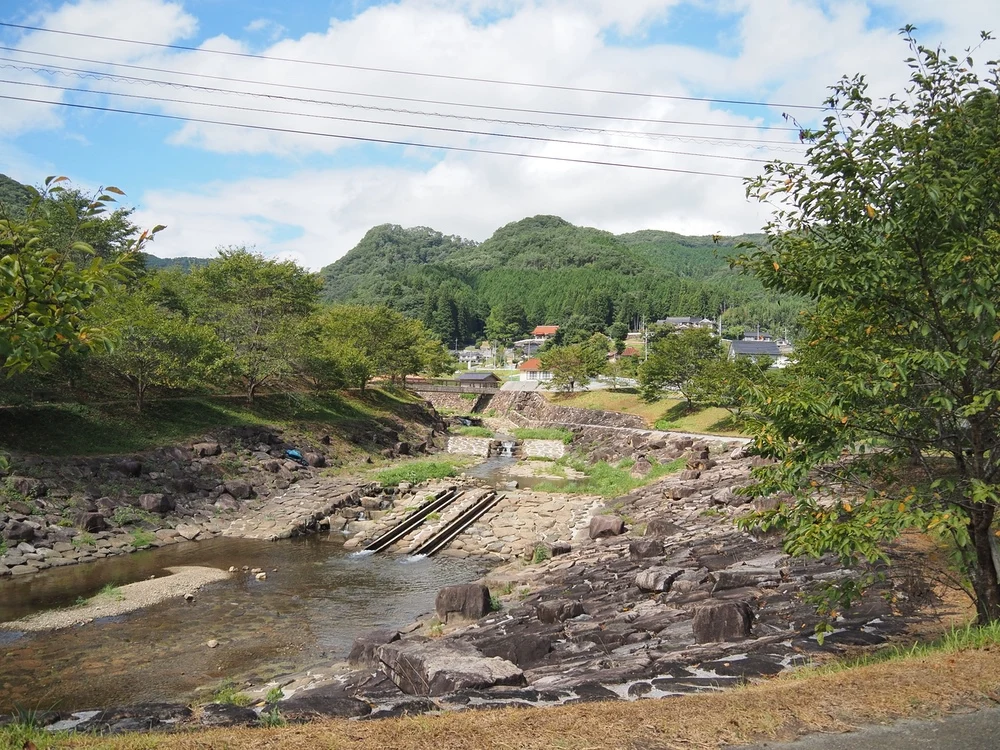
Located in the northwestern part of Okayama Prefecture, most of the city is situated on a limestone karst plateau at an elevation of 400 to 600 meters, where high-quality snow accumulates in the winter mountainous areas.
It is located upstream of the Takahashi River, home to ayu and amago fish.
In the southern part, there are limestone caves such as Ikurado Cave.
From the Heian period to the Sengoku period, it flourished as a shōen (manor) of the imperial family and Toji Temple (Kyoto), inheriting traditional cultures such as the watari-bayashi and taiko rice planting.
Today, agricultural products such as Chiyagyu Beef are local specialties.
| Area | 793.29 square kilometers |
|---|---|
| Total Population | 28,194 people (as of March 2021) |
Takahashi City
The main stream of the Takahashi River and one of its major tributaries, the Nariwa River, flow through this area.
From autumn to winter, sea of clouds can often be seen from scenic spots, and Bitchu Matsuyama Castle, a surviving mountain castle, is referred to as the "Castle in the Sky."
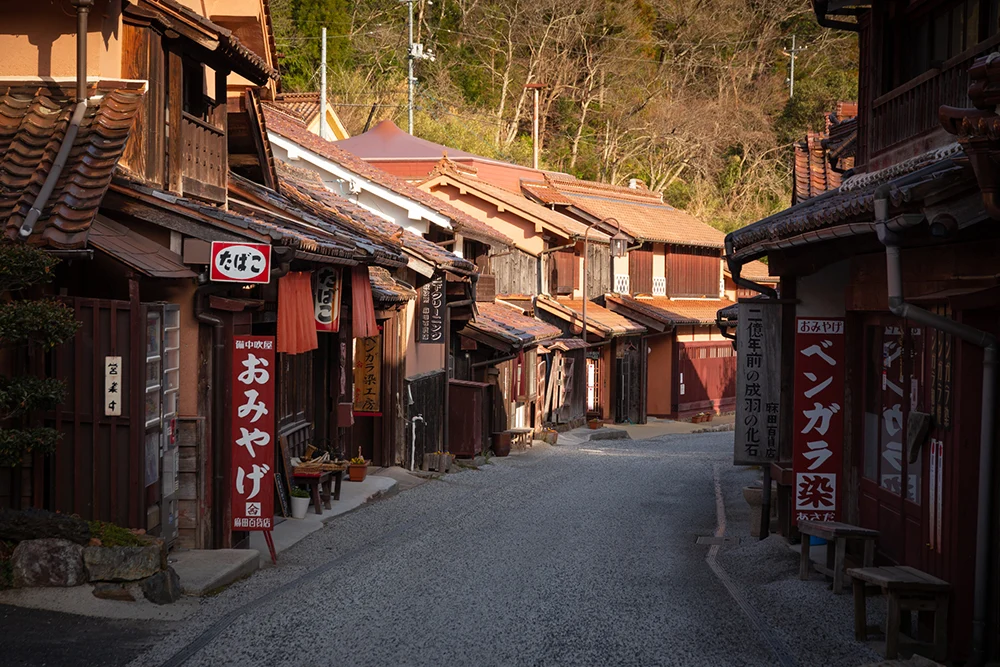
The Fukiya area once thrived as a bengara (red iron oxide) production site, and the streets with red plaster walls still remain today.
Since the Edo period, this area has been known for its enthusiasm for education, establishing institutions such as Junsei Girls' School, one of the earliest in Okayama Prefecture, during the Meiji period.
| Area | 546.99 square kilometers |
|---|---|
| Total Population | 28,825 people (as of March 2021) |
Soja City
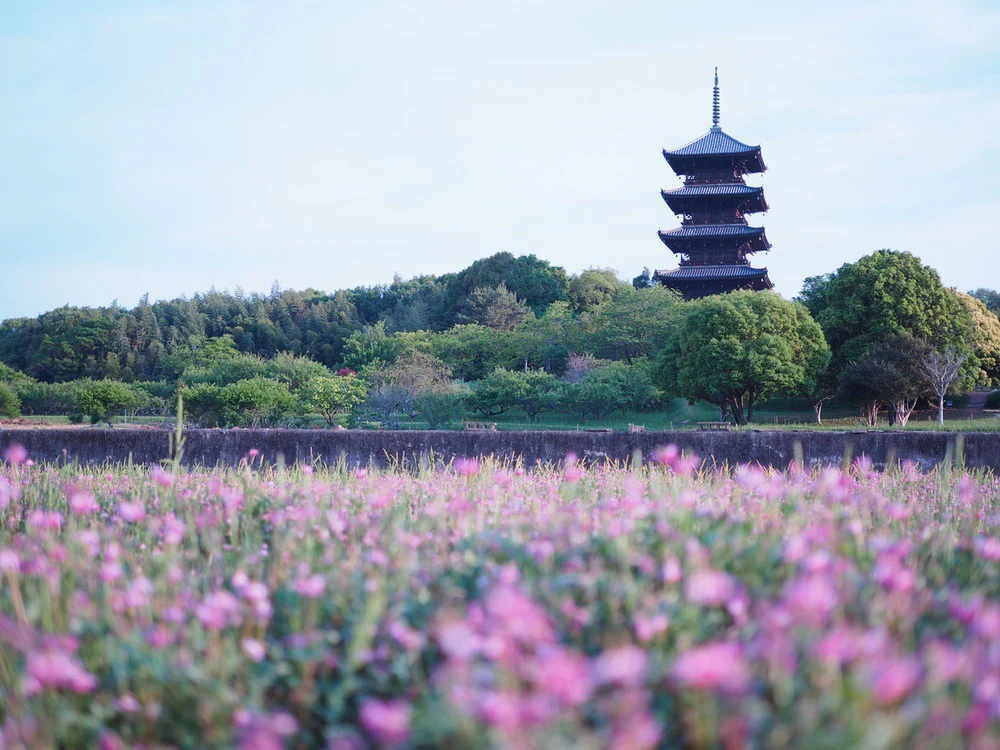
This area is said to have been the center of the ancient Kibi region, with numerous ancient tombs and Bichu Kokubun-ji Temple remaining.
There are legends of Kibi no Takemikazuchi, who is said to be the model for the famous folk hero Momotaro, and the legend of the demon Ura, as well as the ruins of Kinojo Castle, which is believed to have been built by the ancient Yamato court.
It is also known as the birthplace of the famous painter Sesshu.
Currently, the city aims to create a multicultural community, including foreign communities.
| Area | 211.90 square kilometers |
|---|---|
| Total Population | 69,739 people (as of March 2021) |
Hayashima Town
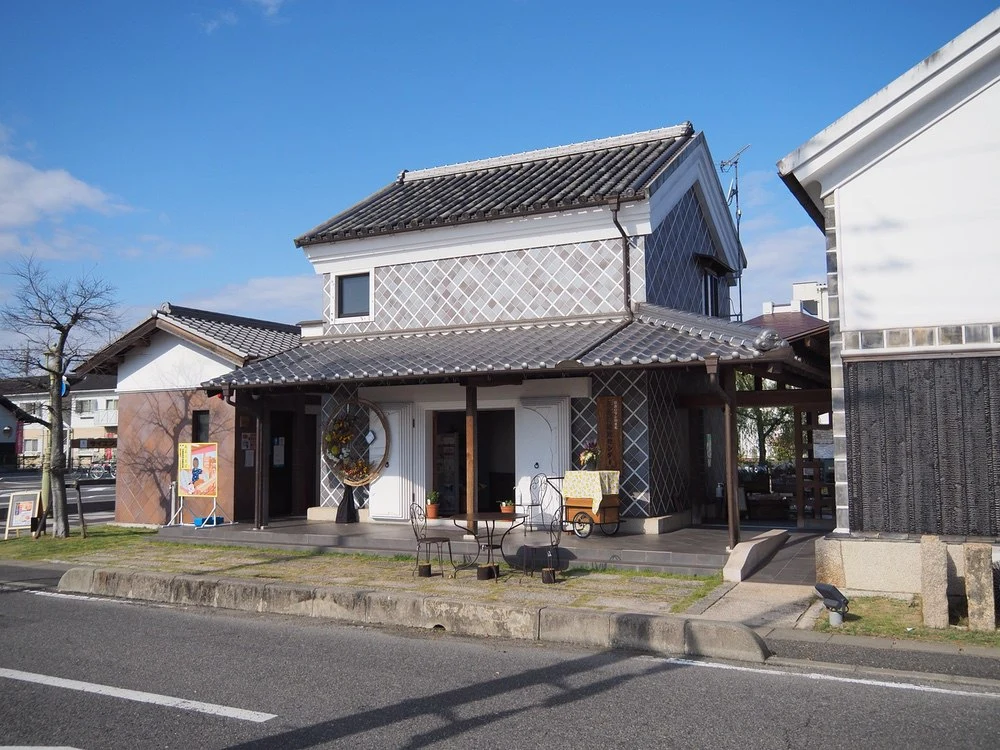
It is the smallest town in Okayama Prefecture in terms of area and has the highest population density.
Surrounded on all sides by Okayama City and Kurashiki City, it serves as a bedroom community for both.
A key transportation hub, the Okayama Prefectural General Distribution Center, one of the largest in the Chugoku and Shikoku regions, spans Hayashima Town and Okayama City, and the convention facility "Convex Okayama" is also located here.
| Area | 7.62 square kilometers |
|---|---|
| Total Population | 12,584 people (as of March 2021) |
Yakage Town
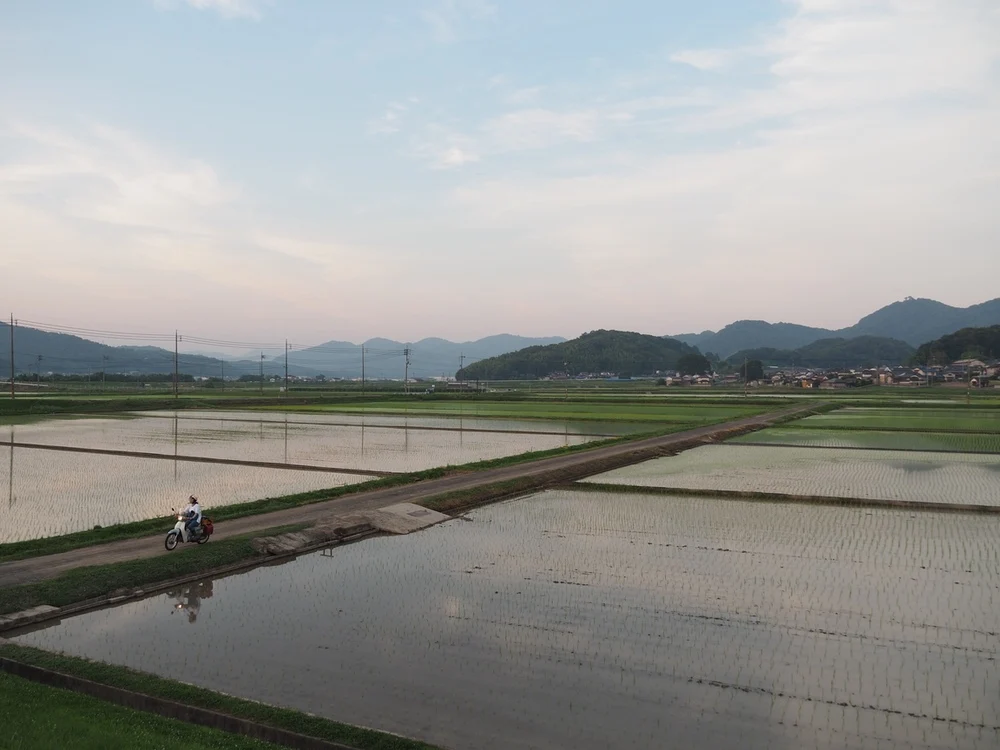
A former post town on the old Sanyo Road, there are records of Atsuhime staying here on her way to Edo from Satsuma to marry into the shogunate.
The town center still retains the streets of the past, including the remains of the honjin (main inn) and wakihonjin (sub-inn), and there are ongoing efforts to renovate old houses into accommodations.
The Oda River, one of the main tributaries of the Takahashi River, flows through the area, with agriculture being the primary industry, and commercial and tourism industries are also on the rise in recent years.
| Area | 90.62 square kilometers |
|---|---|
| Total Population | 13,218 people (as of March 2021) |
Ibara City
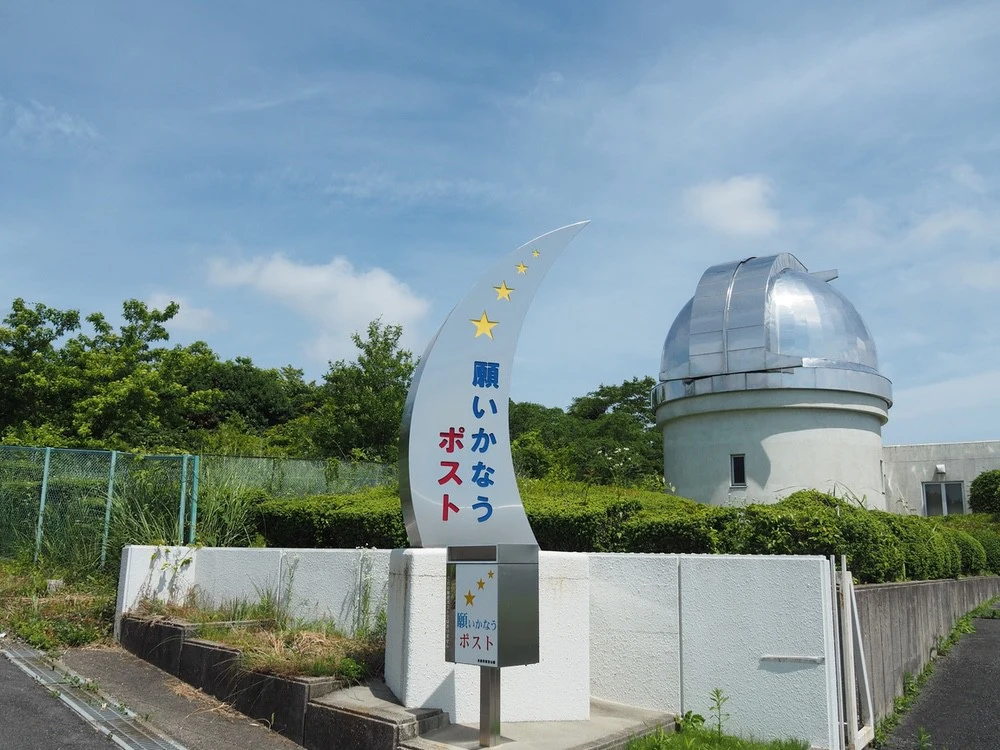
The city center spreads across the basin of the Oda River, a tributary of the Takahashi River, while most of the area is surrounded by mountains, forming an agricultural mountain village.
The former Bisei Town claims to be the "Town of Astronomy," having established Japan's first "Light Pollution Prevention Ordinance" in 1989.
Additionally, the Bisei Space Guard Center is the world's first facility designed for the observation of space debris.
It is said to be the birthplace of the lullaby "Chugoku Chihou no Komoriuta," arranged by Kosaku Yamada.
| Area | 243.54 square kilometers |
|---|---|
| Total Population | 38,236 people (as of March 2021) |
Asakuchi City
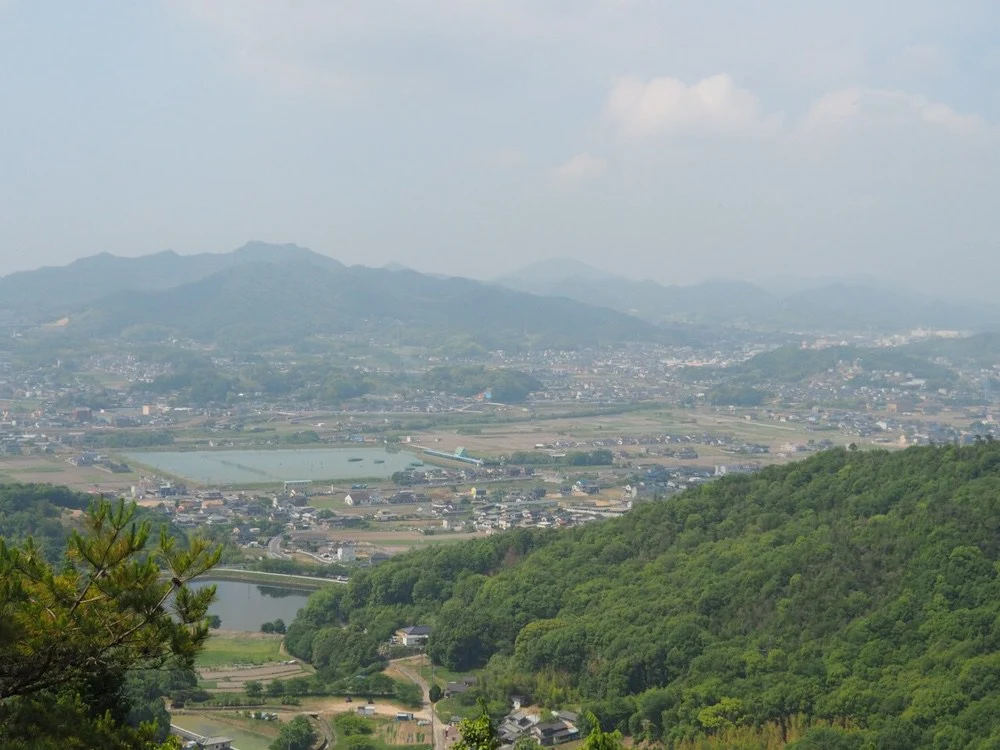
Located in the southwestern part of Okayama Prefecture, the Satomi River, a branch of the Oda River, flows through this area.
The town has a rich history of traditional industries and local industries, including noodle making, sake brewing, landscaping, cap production, and straw production.
Due to its suitability for astronomical observation, the Kyoto University Okayama Observatory has been established here, and one of the largest telescopes in Asia, named "Seimei Telescope" after the local legend of Abe no Seimei, is in operation.
Kankon Town in Asakuchi City has a history of thriving as a gateway town for the Kankon sect, preserving a retro atmosphere in its streets.
| Area | 66.46 square kilometers |
|---|---|
| Total Population | 32,669 people (as of March 2021) |
Satosho Town
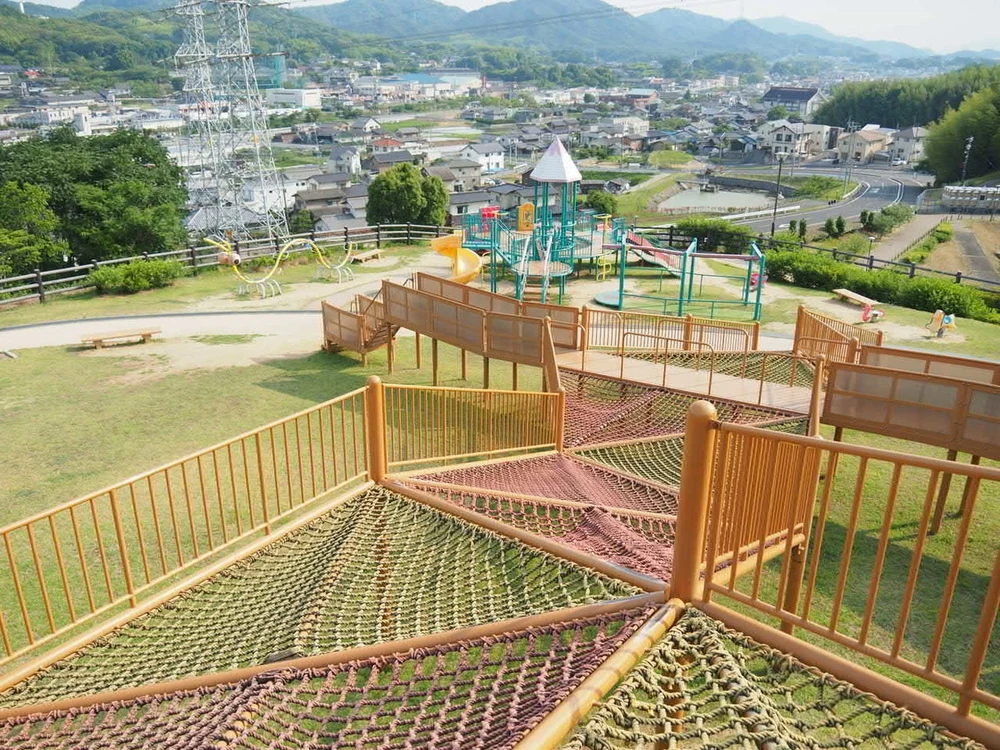
Located in the southwestern part of Okayama Prefecture, the Satomi River and the Shinjo River flow through this area.
The main industries include agriculture, along with various food processing factories.
The town is working on branding "makomotake," a high-quality ingredient in Chinese cuisine, which can be enjoyed at local restaurants.
It is the birthplace of Yoshio Nishina, known as the father of Japanese atomic physics.
| Area | 12.23 square kilometers |
|---|---|
| Total Population | 10,969 people (as of March 2021) |
Kasaoka City
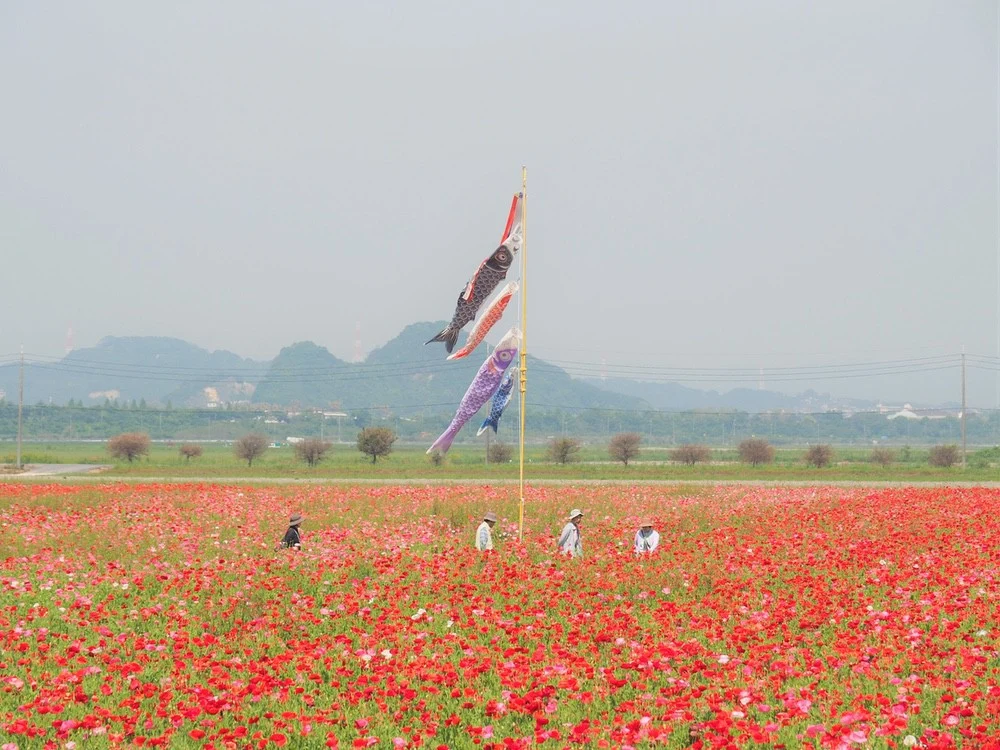
Located in the southwestern part of Okayama Prefecture, Kasaoka City has cultural and economic ties to the Bingo region, centered around Fukuyama City in Hiroshima Prefecture.
Facing the Seto Inland Sea, it features the vast Kasaoka Bay reclaimed land and 31 islands of various sizes.
Oehama, a breeding ground for the "living fossil" horseshoe crab, is designated as a national natural monument.
The Shiraishi Odori, a traditional dance from Shiraishi-jima Island in the Kasaoka Islands, is designated as an important intangible folk cultural asset.
| Area | 136.24 square kilometers |
|---|---|
| Total Population | 46,080 people (as of March 2021) |