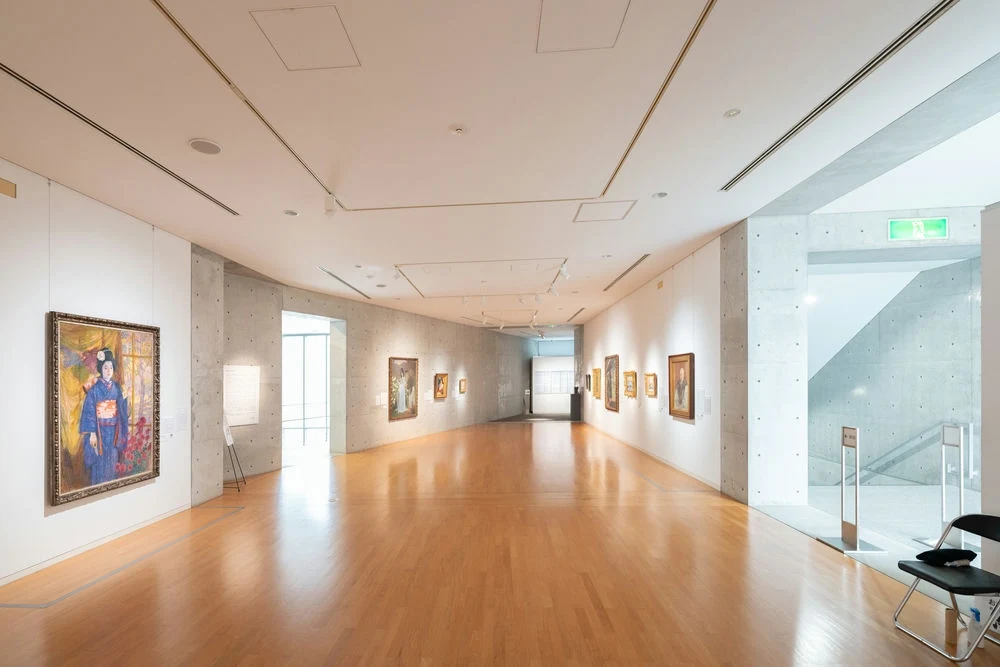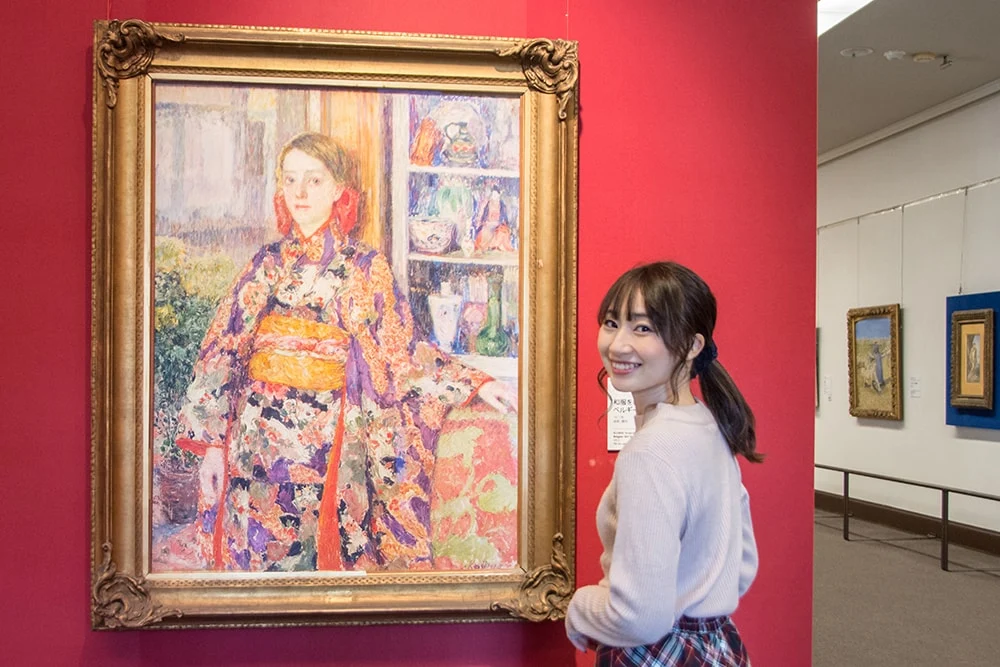
Kurashiki's pride, Ohara Museum of Art.
I love art and visit museums across the country. Among them, Ohara Museum of Art is one of my favorites.
Amazing works are displayed, from Western art to contemporary pieces from Japan and abroad.
However, the charm of Ohara Museum of Art is not just that. It is a place where even those who think "museums are too highbrow" can enjoy themselves!
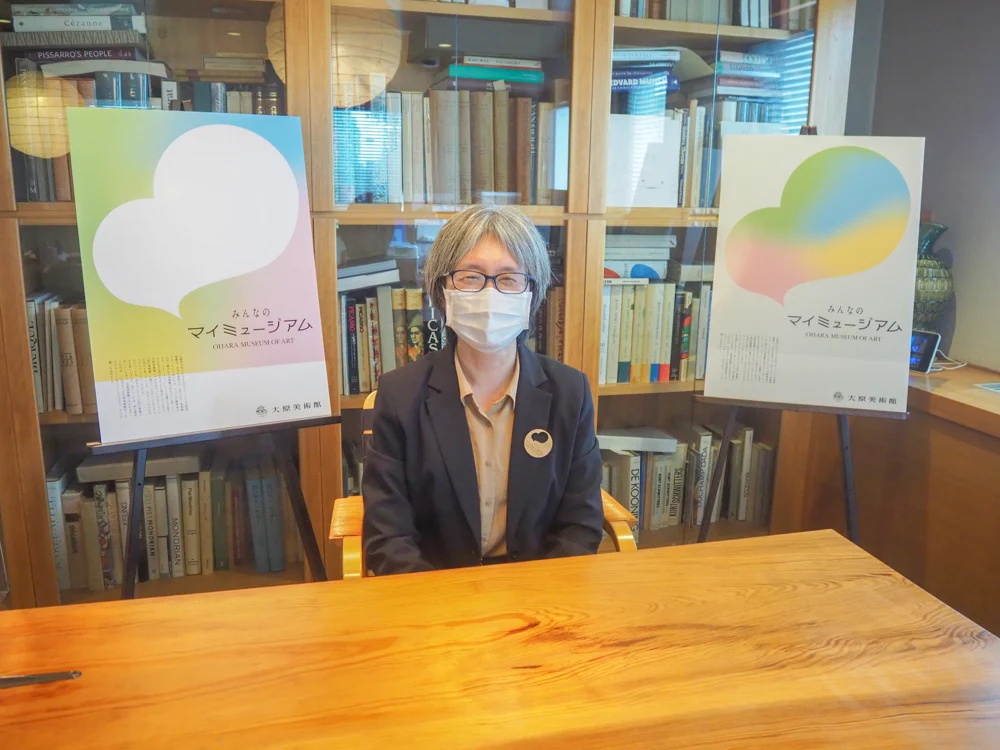
I visited the museum with model Isako, and we were guided by staff member Okazaki.
I will convey the charm of Ohara Museum of Art in a condensed form.
Photography is generally prohibited inside Ohara Museum of Art. This time, we have received special permission to take photos.
What is Ohara Museum of Art
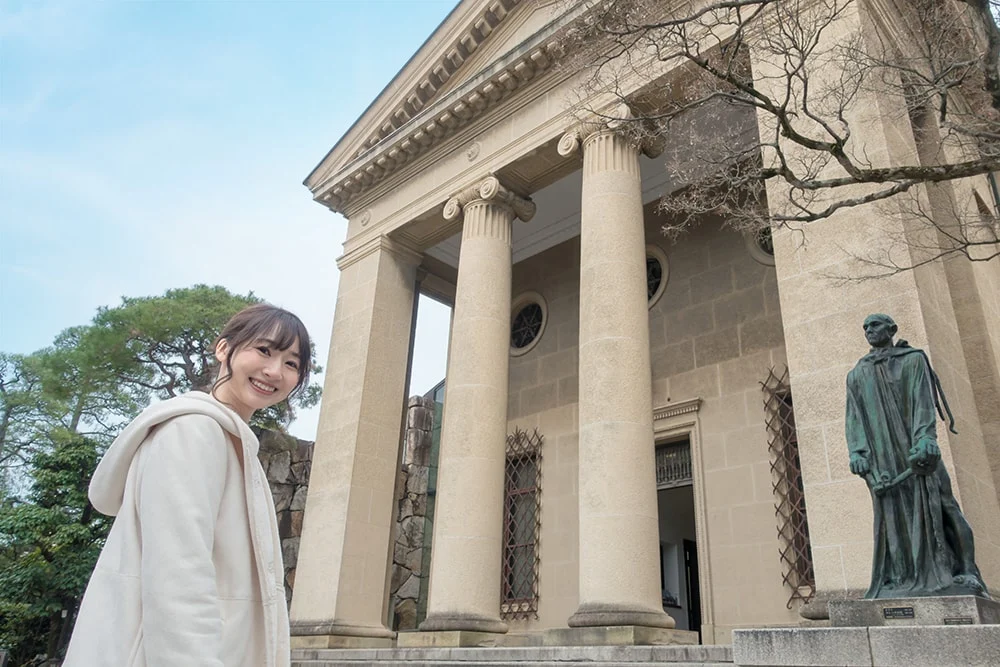
The founding of Ohara Museum of Art
Ohara Museum of Art was established in 1930 (Showa 5), the first private museum in Japan focused on Western art.
At that time in Japan, it was difficult to see genuine Western paintings.
I want to make excellent works visible in Japan -- this strong desire of painter Kojima Torajiro was supported by businessman Ohara Magosaburo.
For the development of the Japanese art world, with Magosaburo's support, Torajiro collected Western paintings.
The core of Ohara Museum of Art today consists of the works collected at that time.
The two were said to have been bound by a deep friendship. It is a museum born from friendship and passion.

The structure of Ohara Museum of Art
Ohara Museum of Art is divided into the Main Building, Annex, and Craft and Oriental Hall.
The collection consists of about 3,000 pieces. As of April 2023, about half of them are on display.
The museum shop is also available, where you can buy souvenirs.
The "Yurin-so Villa" located in front of the Main Building is usually not open to the public and is specially opened every spring and autumn.
- Annex (currently closed)
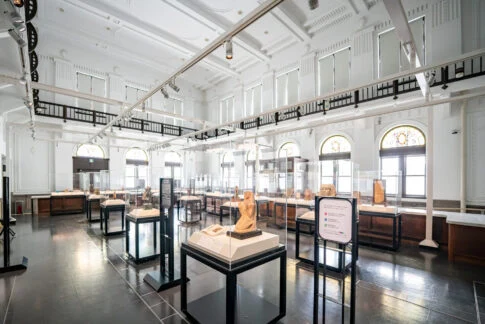
- Craft and Oriental Hall
- Kojima Torajiro Memorial Gallery (before the official name was decided, it was called "Shin Kojima Hall (tentative)". Grand opening scheduled for the end of 2024)
- Museum Shop
- Yurin-so Villa
Highlights of the Main Building of Ohara Museum of Art - Works
Among the many wonderful works, I will briefly introduce the highlights.
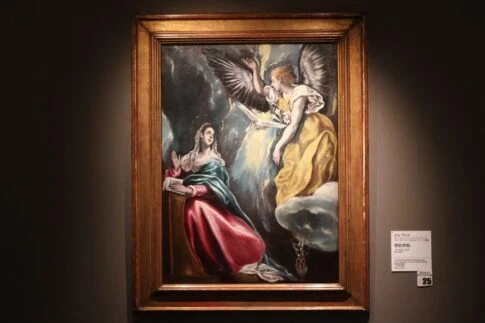
El Greco "The Annunciation"
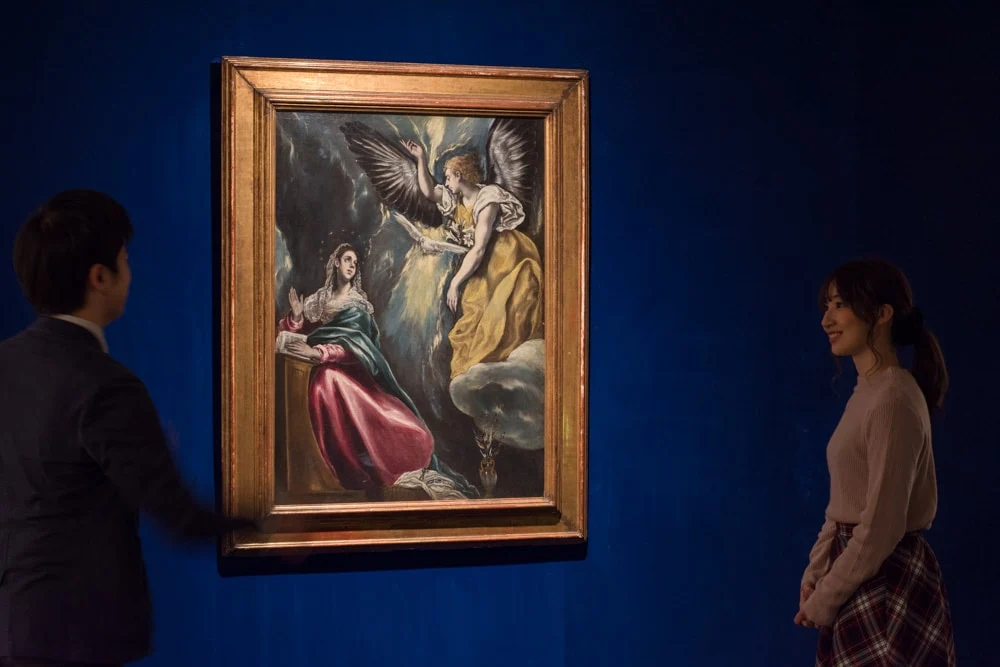
This is a work said to be a miracle to be found in Japan.
It depicts the scene where the Virgin Mary is told by the angel that she will conceive Christ, with dramatic use of color and background!
In fact, the halo above the Virgin Mary's head is said to have been added later. It is preserved as part of the painting's history.
Monet "Water Lilies"
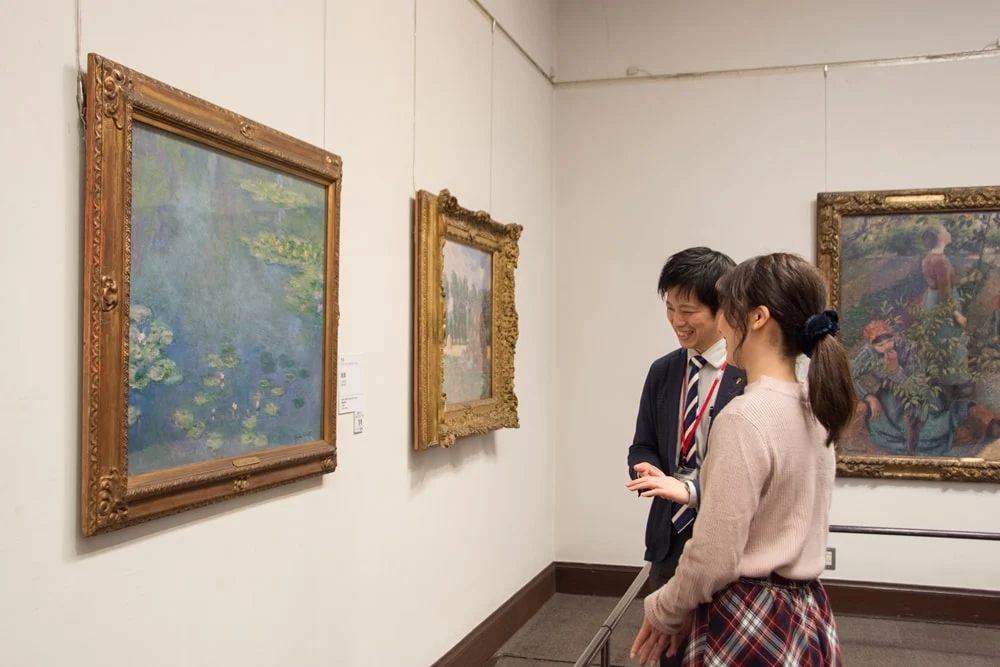
Among the many "Water Lilies," this is said to be Monet's favorite, a work he kept without selling.
It is believed that he entrusted this important work to Japan out of respect.
What is depicted is a pond with water lilies, but can you see the sky and clouds reflected on the water's surface?
Please take a look from a little distance.
Gauguin "The Fragrant Earth"

This is a work painted by Gauguin, who sought a primitive lifestyle, after he moved to Tahiti in the South Pacific.
I felt a mysterious atmosphere.
Works by famous artists such as Picasso, Fujita Tsuguharu, Matisse, and Modigliani
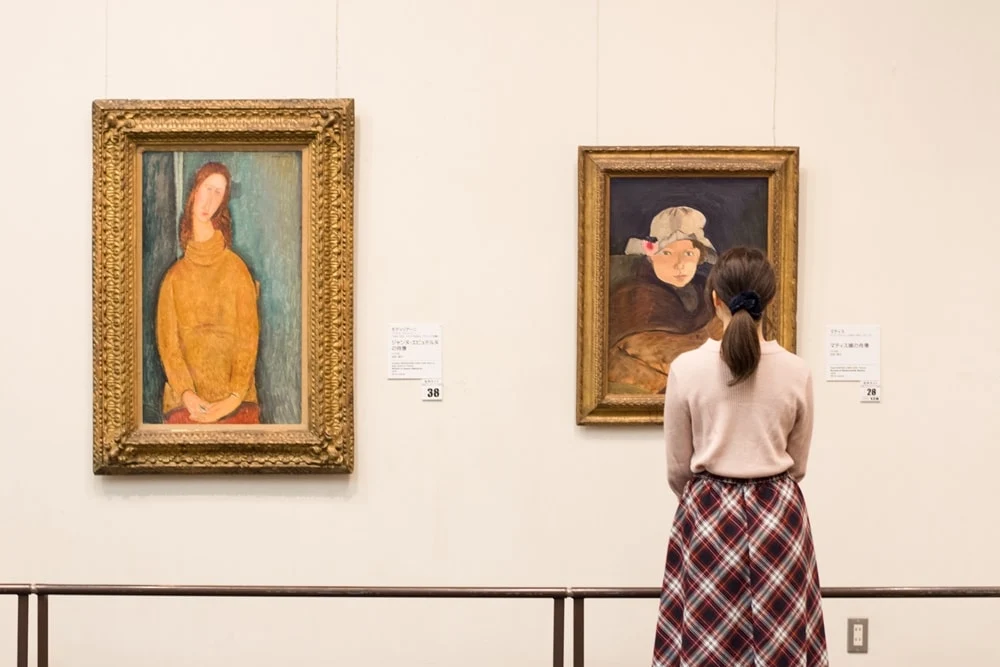
Ohara Museum of Art displays many works said to be "masterpieces" by the artists.
For example, the work by Matisse on the right is so famous that even his daughter, the model, regretted saying, "I shouldn't have let it go."
Various contemporary art
The works displayed at Ohara Museum of Art are not just medieval Western paintings!
For example, there are works that involve slashing a canvas painted bright red.
I vividly remember being shocked when I saw this work as a high school student. I realized that "art doesn't have to be this way."
There are a wide range of works, including those by Duchamp, an artist who shook the art world, and works by Yayoi Kusama, known as the "Queen of Polka Dots."
Highlights of the Main Building of Ohara Museum of Art - Architecture
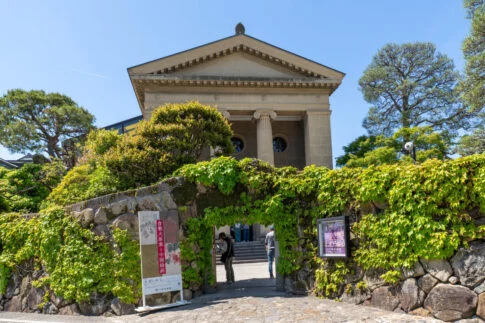
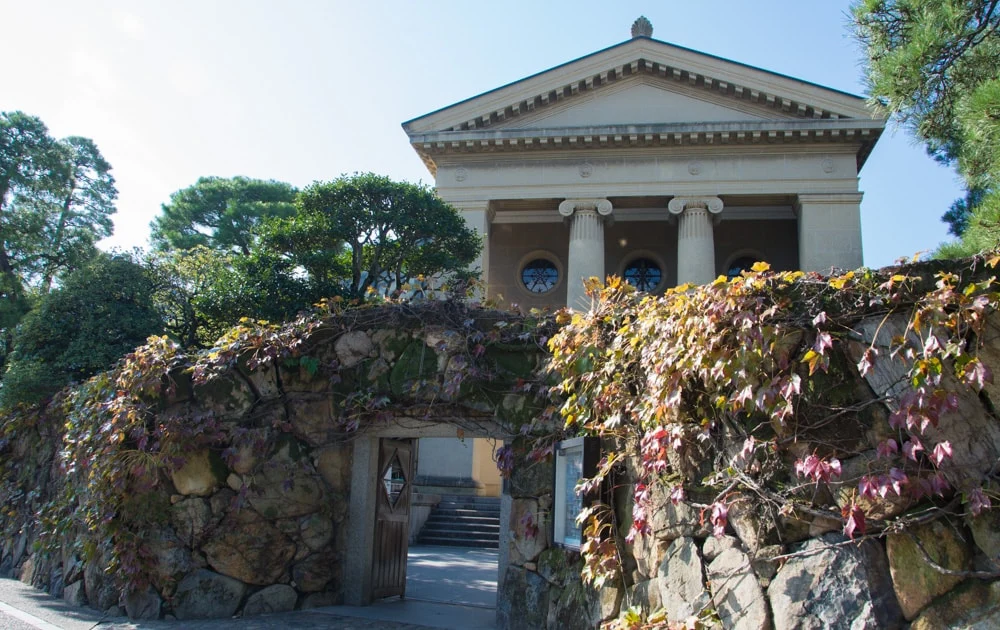
Exterior resembling a Roman temple
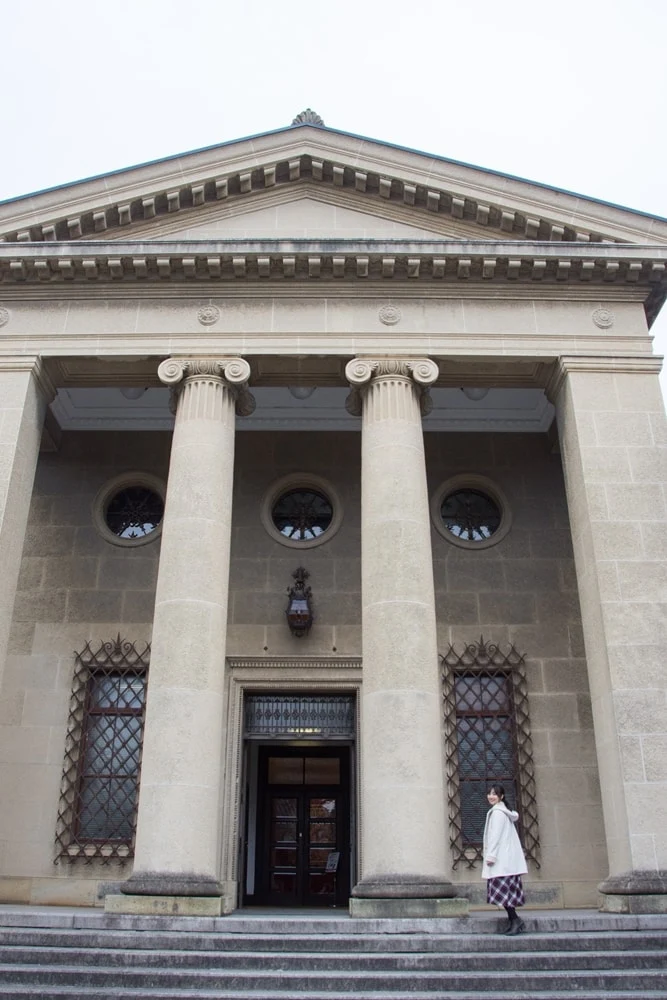
The main building of Ohara Museum of Art is designed in a Roman temple style.
You can feel the dignity from the large columns.
Interior with different architectural styles
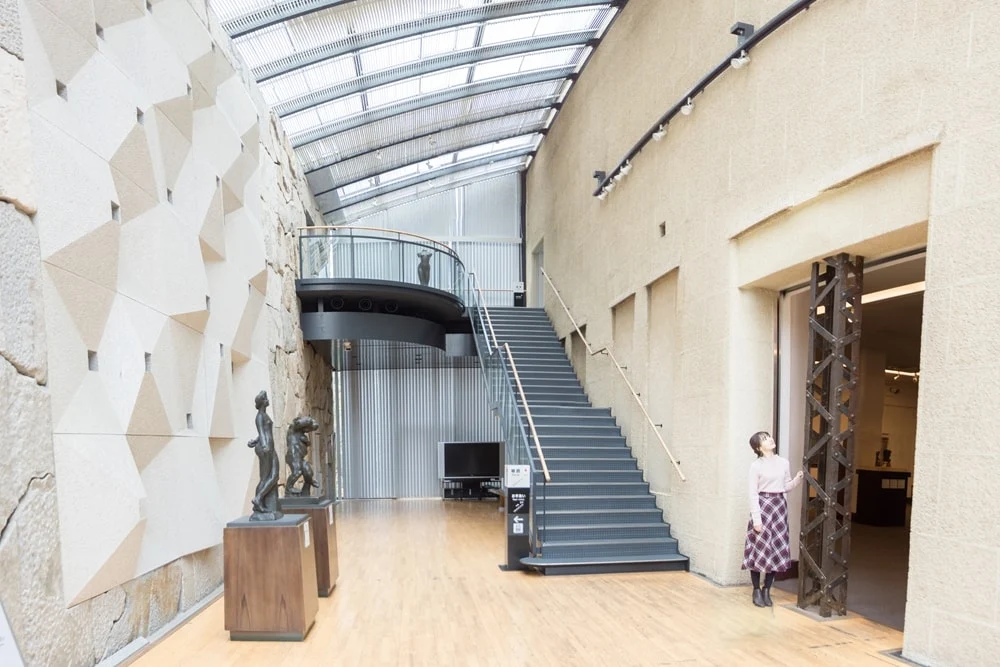
The atrium of the expanded main building has an open and airy feel.
The walls and ceiling are modern and stylish.
The steel columns on the right were discovered during the expansion work and have been preserved as a part of the museum's history.
White walls & rare red walls of the Craft and Oriental Hall
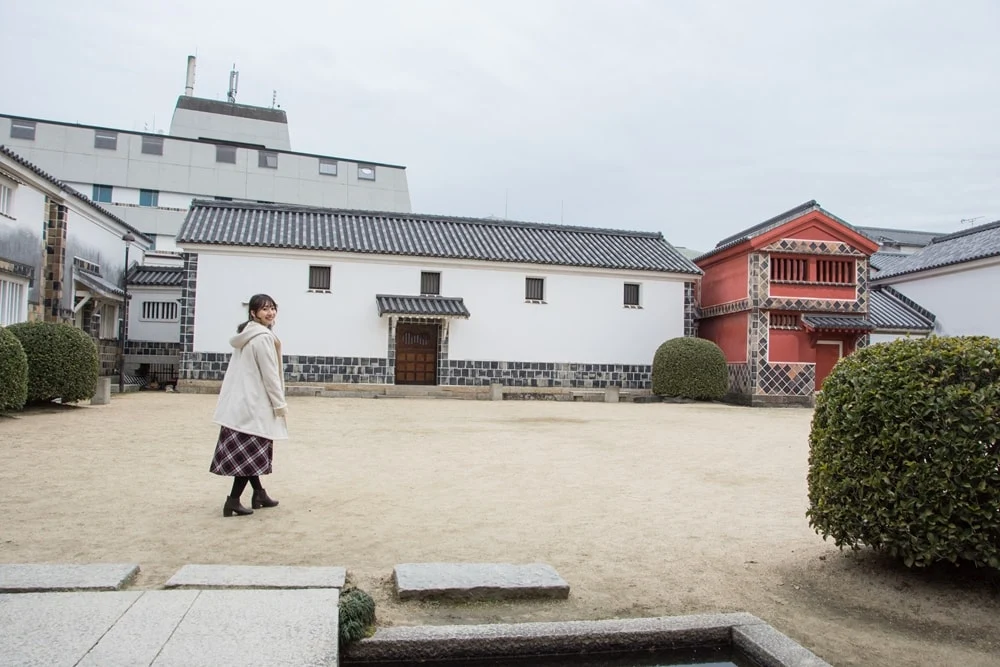
The Craft and Oriental Hall features traditional Japanese architecture.
In addition to white walls, there are also red-walled storehouses that catch the eye.
The wall of the Kurashiki International Hotel visible in the back left of the photo also uses the same namako wall design, which has been designed to blend in when viewed from Ohara Museum of Art.
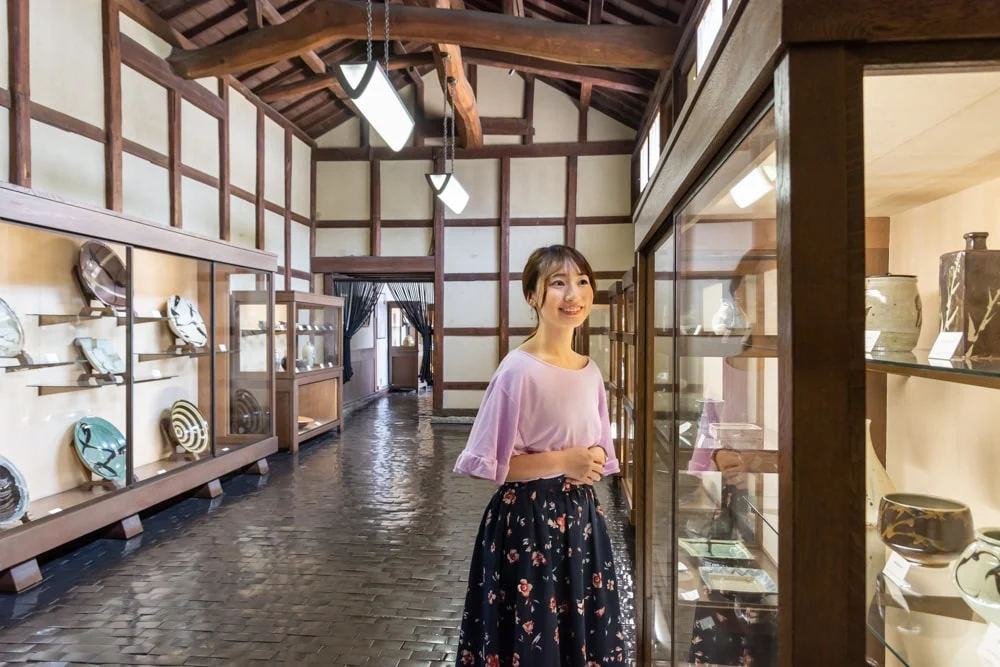
Is a museum too highbrow? Is it difficult?
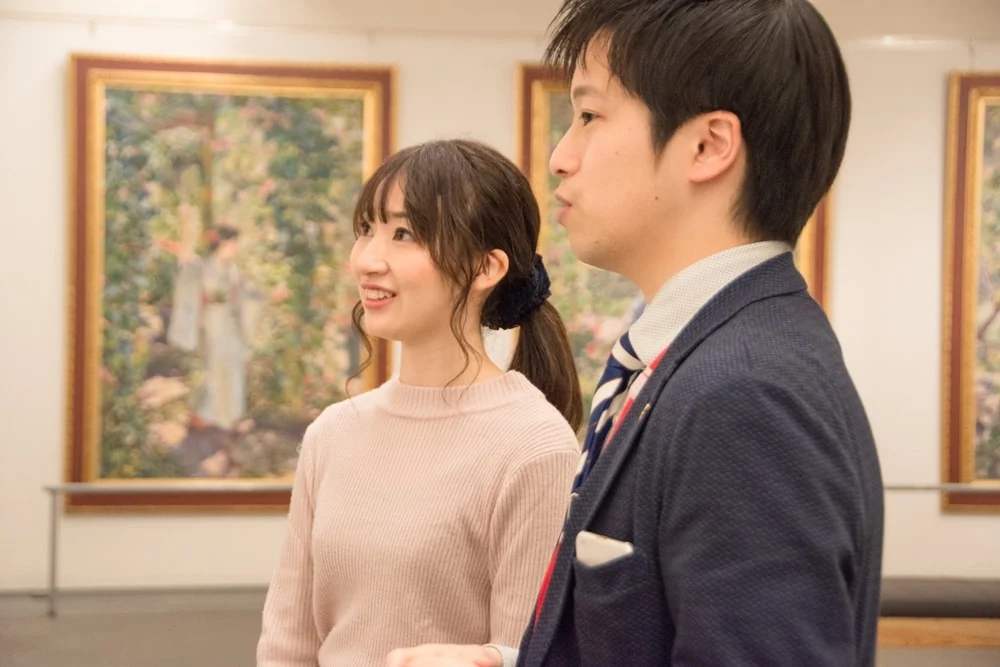
Do you think that knowledge and education are essential to enjoy art?
That is not the case!
Staff member Okazaki shared some examples of how to enjoy art.
- Consider why something catches your interest
- Observe closely how it is depicted
- Wonder why this color is used, etc.
- Focus on your emotions when you see the work
- Hide the title and artist's name and look at it purely
The above are just examples, so it's okay to enjoy it in your own way.
"When your observational perspective changes, your daily life changes. Enjoy encounters with interesting things," he said.
Enjoying Ohara Museum of Art more: Tips and spots
View from the round window
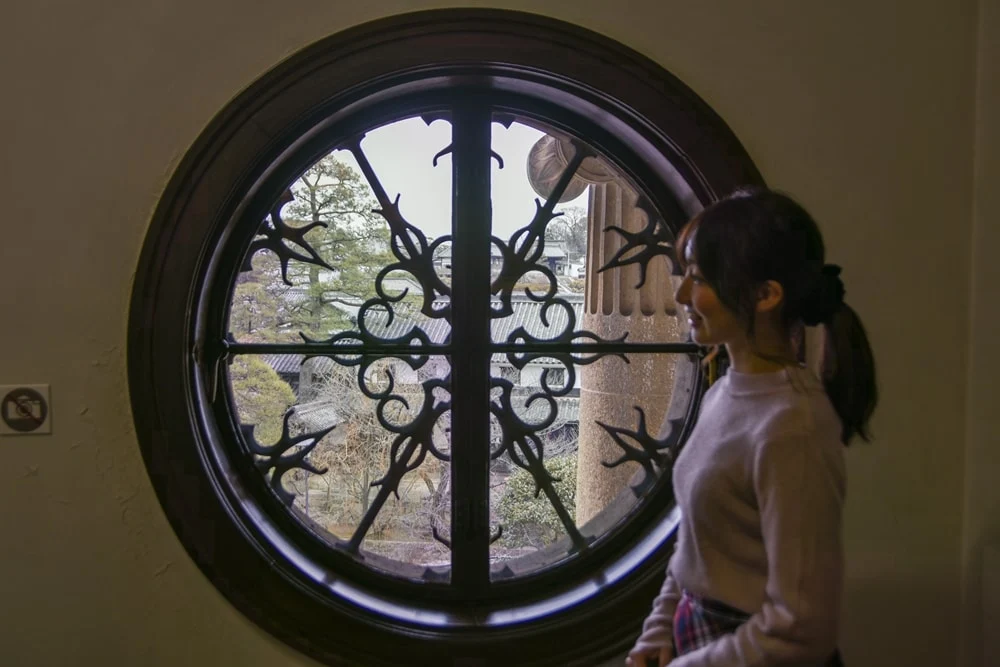
The round window in the gallery on the second floor of the main building is beautiful both in terms of the window and the view, so don't miss it!
Since there are hardly any tall buildings in the Bikan Historical Area, places where you can overlook the area up close are precious. (The former villa of the Ohara family, Yurin-so Villa, has a good view, but it is usually not open to the public.)
You can also see the decorations on the top of the pillars that stood at the entrance up close.
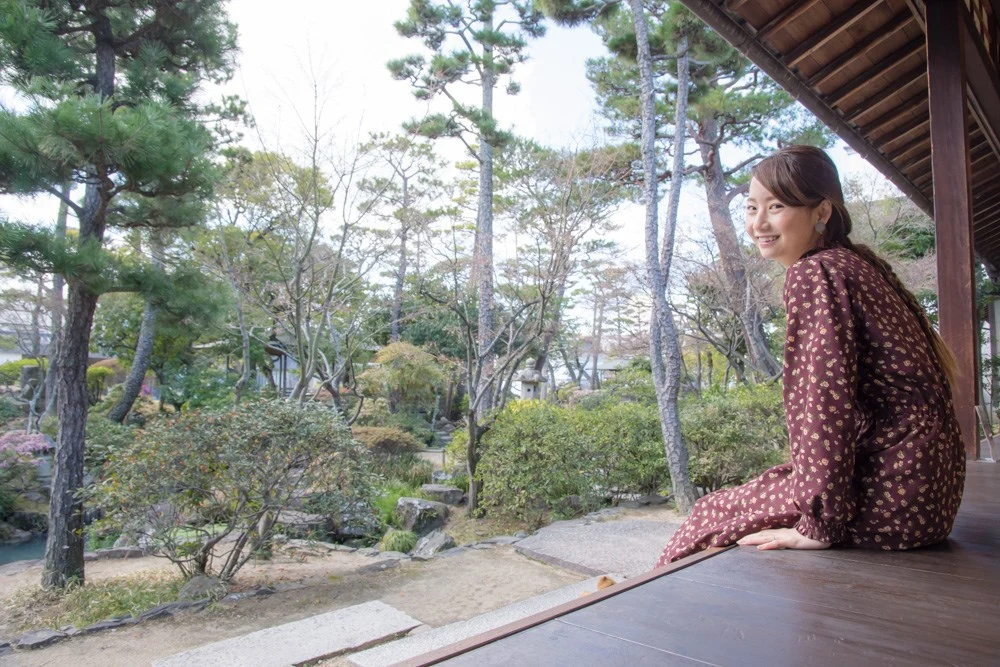
A place where you can overlook the garden widely
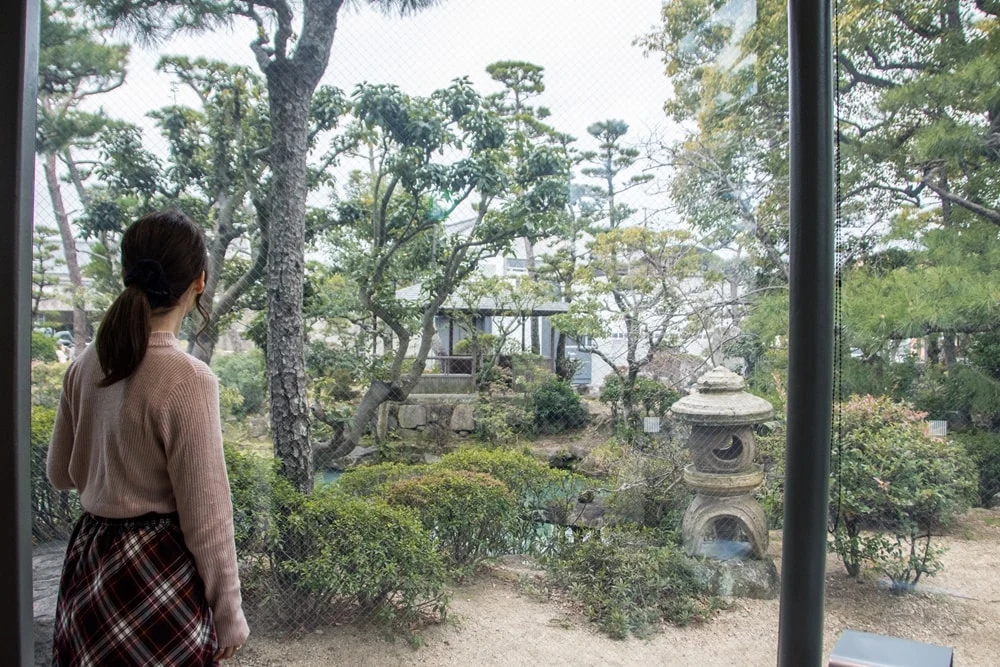
From a certain place inside the main building, you can enjoy a wide view of the Japanese garden of Shinkei-en Garden.
Since it is located in a place that is not easy to notice, please try to find it.
The annex (branch/ceramics and Asian art museum) can be viewed later, with no expiration date
The Ohara Museum of Art has three buildings (main building/annex/ceramics and Asian art museum), and tickets are stamped at the entrance of each building when you enter.
You can use the buildings that do not have a stamp on the ticket (those you have not entered) on another day as long as you have the ticket. There is no expiration date!
Even if you don't have much time, you can say, "This time I'll just see the main building, and I'll come back to see the annex and the ceramics and Asian art museum when I visit Kurashiki again."
The annex is currently closed for an extended period.
Activities of the Ohara Museum of Art

The Ohara Museum of Art does not just display works.
For the community and the art world, it engages in various activities to help many people learn about the Ohara Museum of Art.
- Gallery tours where curators explain the history and works of the museum
- Friendly talks where visitors discuss their impressions in front of the artworks
- Concerts held inside the museum
- Yoga sessions held in the Ohara Museum of Art and the former villa Yurin-so Villa
- Art classes conducted by the director
- Participatory experience program "Children's Art Museum"
- Learning support for local elementary and junior high school students
- Experience programs for preschool children
- Supporting young artists by inviting them to Kurashiki for residency and holding exhibitions "ARKO"
- A puzzle-solving game to find the 'secret painting' hidden in the Ohara Museum of Art
In particular, the number of support activities for children is among the best in the country!
I personally think, "It's a historically significant museum with a high global reputation, so it wouldn't be surprising if it were 'stuck up'."
Even so, it conducts wide and flexible activities, being a "museum that everyone can enjoy," creating opportunities for children to easily encounter real art, and supporting contemporary artists—these are the reasons I love the Ohara Museum of Art.
In the latter part of the article, I interviewed Shota Okazaki, a staff member of the Ohara Museum of Art, to learn about the museum's thoughts and the interesting aspects of art.
- Model: Isako
Data of the Ohara Museum of Art
| Name | Ohara Museum of Art |
|---|---|
| Location | 1-1-15 Chuo, Kurashiki City, Okayama Prefecture |
| Contact | 086-422-0005 |
| Parking | None |
| Opening Hours | [December to February] 9:00 AM - 3:00 PM (Last admission: 2:30 PM) [March to November] 9:00 AM - 5:00 PM (Last admission: 4:30 PM) |
| Closed | Monday If it coincides with a public holiday or substitute holiday, it will be open Winter closure and temporary closures may occur |
| Admission Fee (including tax) | [General] Adults: 2,000 yen High school, junior high, and elementary school students (under 18): 500 yen |
| Payment Methods |
|
| Reservations | Available No reservation is required for individuals |
| Smoking | Completely non-smoking |
| Restrooms | Western-style toilets, barrier-free toilets |
| Childcare | Nursing room, diaper changing station, stroller rental The nursing room is located in the ceramics museum Diaper changing stations are available on the second floor of the main building and in the ceramics museum |
| Barrier-free | Wheelchair rental, ramps, barrier-free toilets, elevators |
| Website | Official website of the Ohara Museum of Art |