Did you know that there is a building in the Bikan Historical Area where you can leisurely view a Japanese garden for free?
It serves as a relaxing spot during sightseeing and is also a rental space available at a low cost, called Shinkei-en Garden. It features traditional Japanese architecture and gardens that evoke a sense of history and charm.
The garden was created by a gardener said to be the best of the Meiji and Taisho periods. It shows various expressions depending on the season.
In fact, I had never visited Shinkei-en Garden before. After researching, I regret not knowing about such a wonderful place.
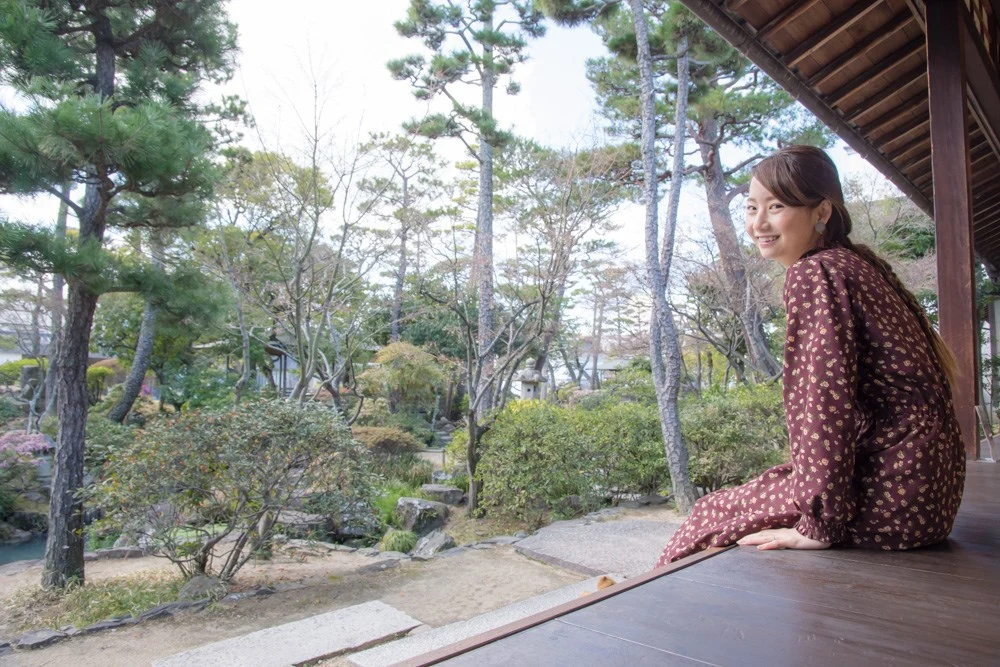
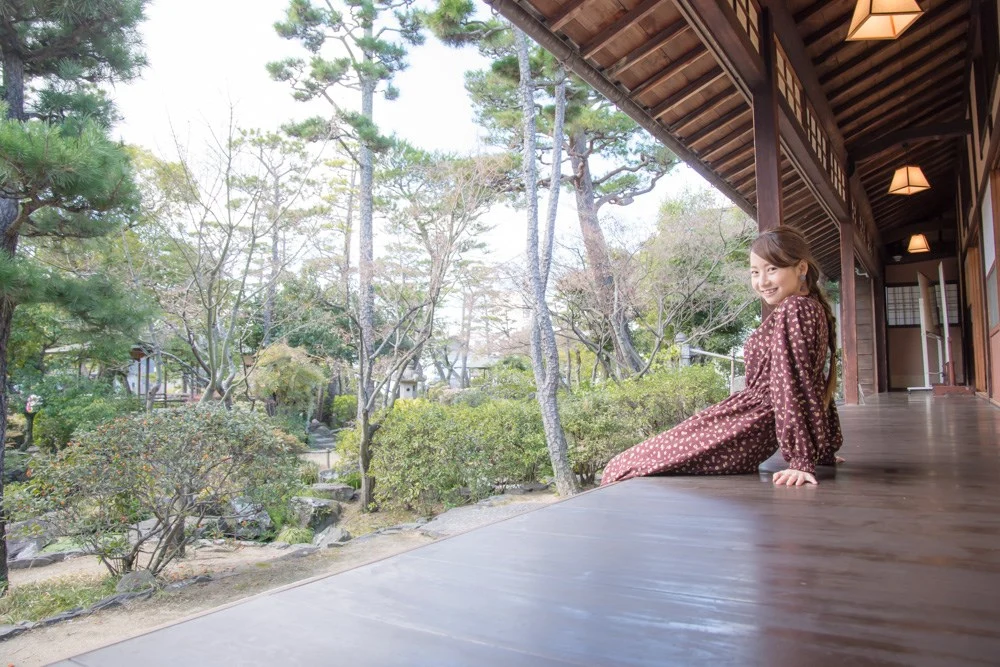
Sitting on the engawa (veranda) in a calm space and leisurely gazing at the garden is a time of healing!
Let me introduce the highlights and ways to enjoy Shinkei-en Garden.
What is Shinkei-en Garden? From Ohara Family's Villa to a Place of Relaxation for Citizens
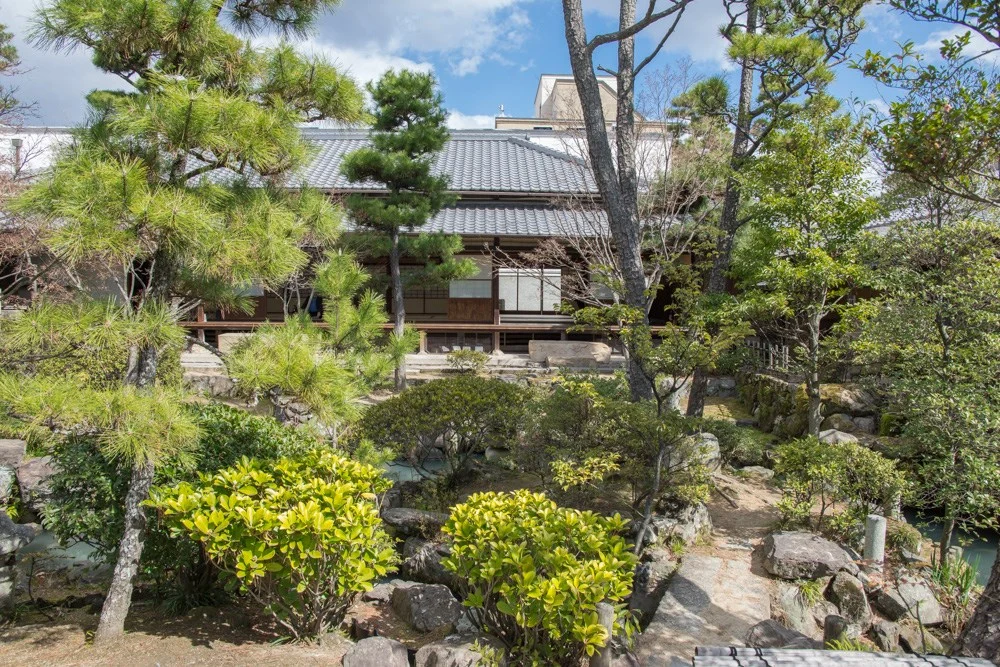
Shinkei-en Garden is a traditional Japanese building and garden built as a villa for the Ohara family.
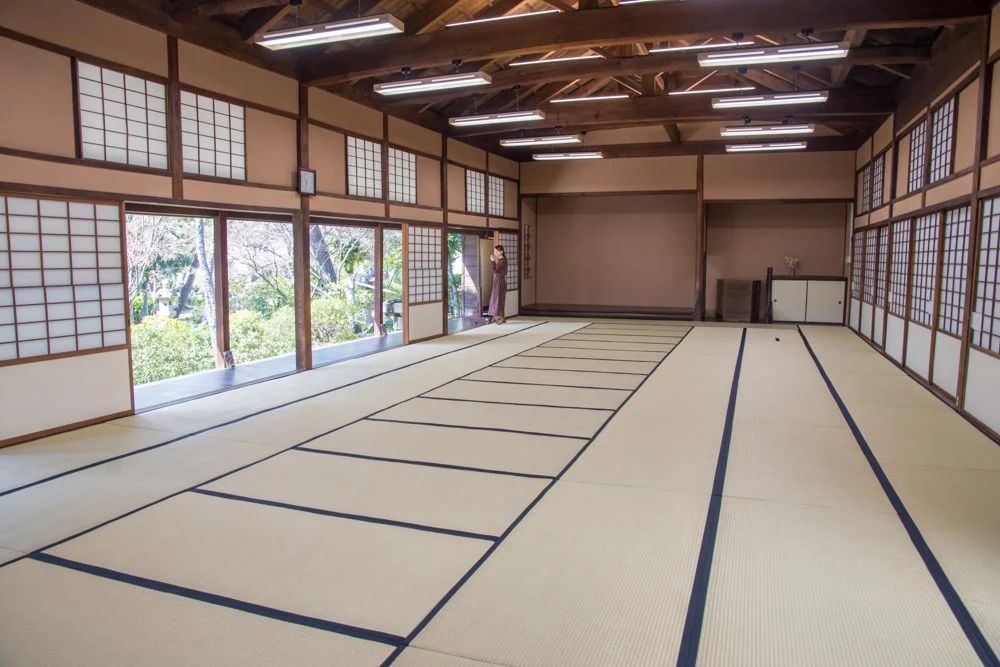
Admission is free. You can leisurely view the beautiful garden from the spacious 56-tatami Japanese room.
Additionally, it is open to the public as a rental space and is popular for various events and activities.
History of Shinkei-en Garden
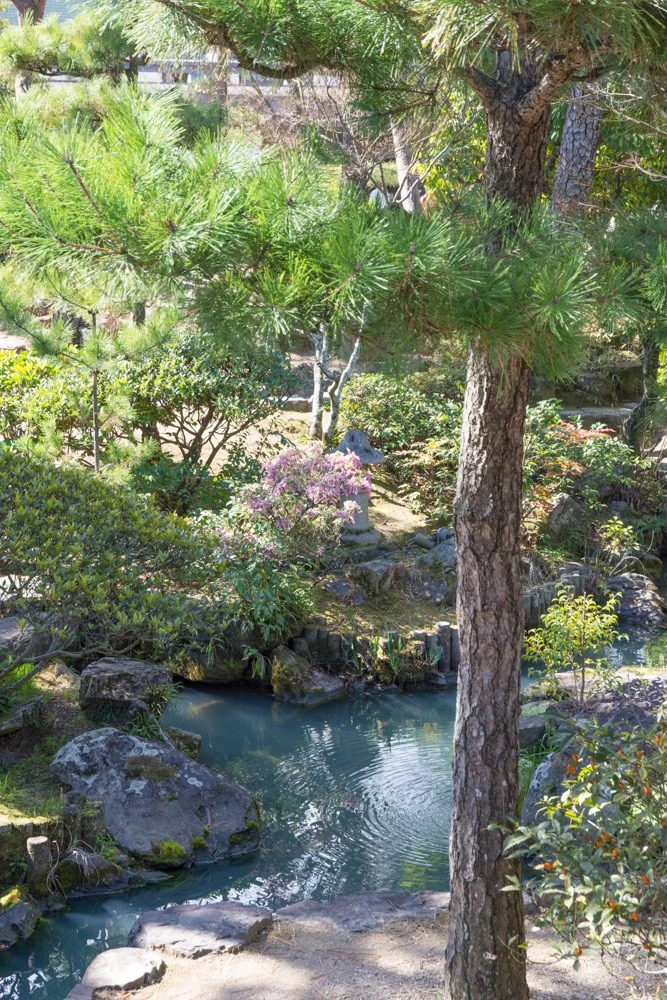
Shinkei-en Garden was constructed in 1893 (Meiji 26) as a villa for Ohara Koshiro, the first president of KURABO INDUSTRIES LTD.
The reason for building the villa was said to be for Koshiro's 60th birthday celebration. What a lavish story!
It was built across from the Ohara family's main residence (Ohara House Katalyzer), and at the time of construction, it was called "Mukaitei."
The Ohara family greatly contributed to the development of Kurashiki and returned the wealth they built back to society.
Koshiro's son, Ohara Magosaburo, the founder of the Ohara Museum of Art, donated the land and building to the then Kurashiki Town in 1922 (Taisho 11), wishing for it to be widely used by the citizens. Moreover, he reportedly donated a preservation fund as well.
It was named "Shinkei-en" from Koshiro's pen name "Shinkei." The name Shinkei-en carries the meaning of honoring the achievements of the Ohara family.
In 1991 (Heisei 3), nearly 100 years after its construction, a large-scale renovation was carried out due to significant deterioration.
It was reborn while preserving the original charm of the building, and it is now widely open to the public in accordance with the intent of the donation.
Structure of Shinkei-en Garden
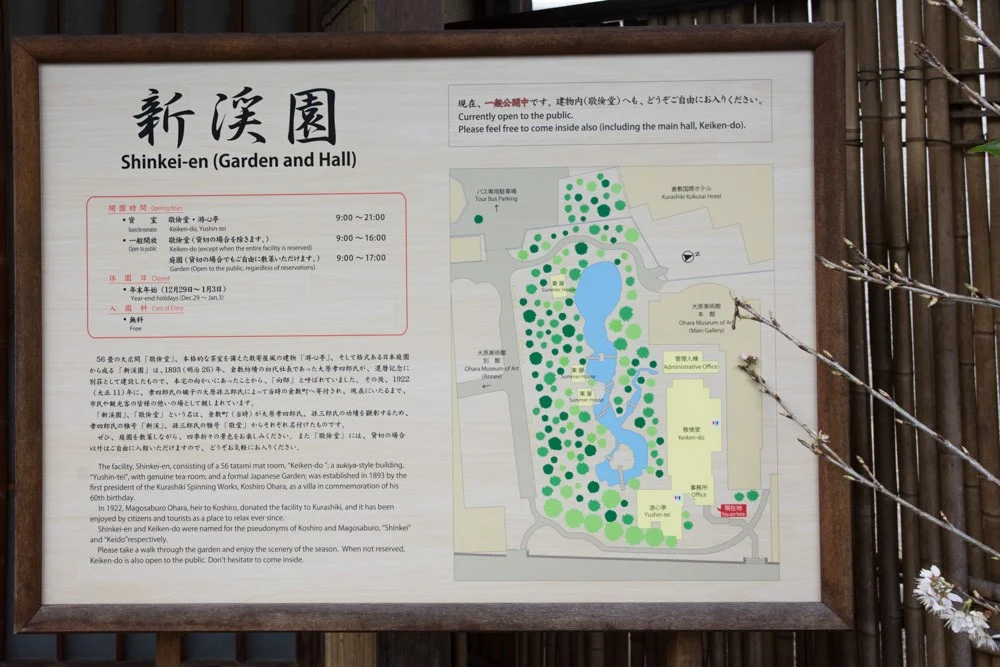
Shinkei-en Garden consists of the following buildings and gardens.
- 56-tatami Large Hall "Keikendo"
- Japanese garden modeled after the Eight Views of Omi
- "Yushintei" with a genuine tea room
There seem to be various interpretations regarding the point of being "modeled after the Eight Views of Omi."
Next, let's take a look at each one.
Highlights of Shinkei-en Garden
56-tatami Large Hall "Keikendo"
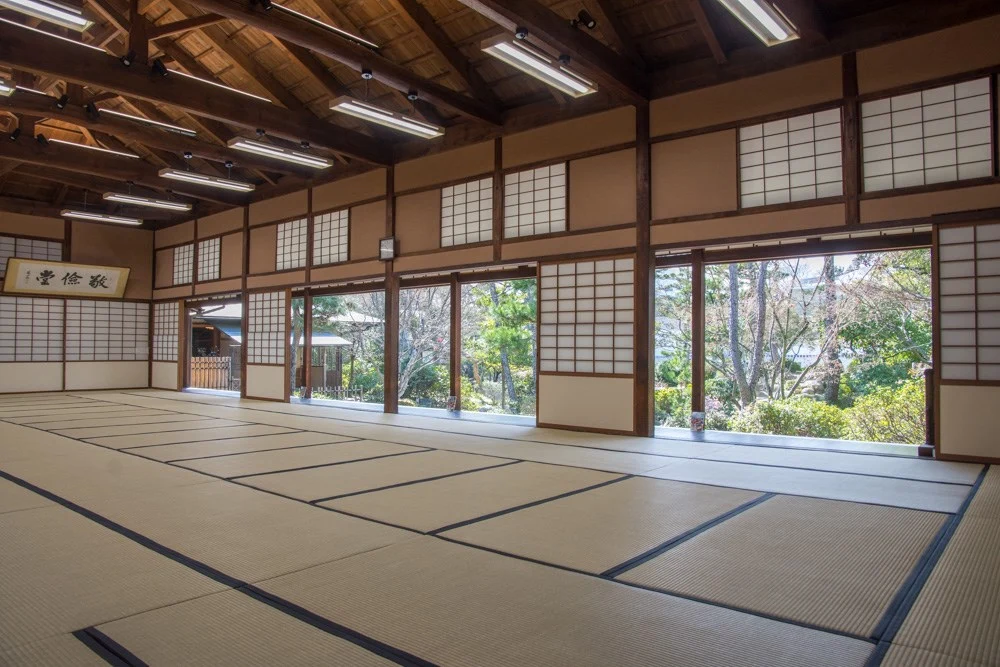
A spacious large hall with 56 tatami mats and an engawa, a pure Japanese architectural structure.
The impressive beams are charming, and the high ceiling offers an elegant atmosphere.
Although the interior has been renovated, the framework remains as it was at the time of establishment.
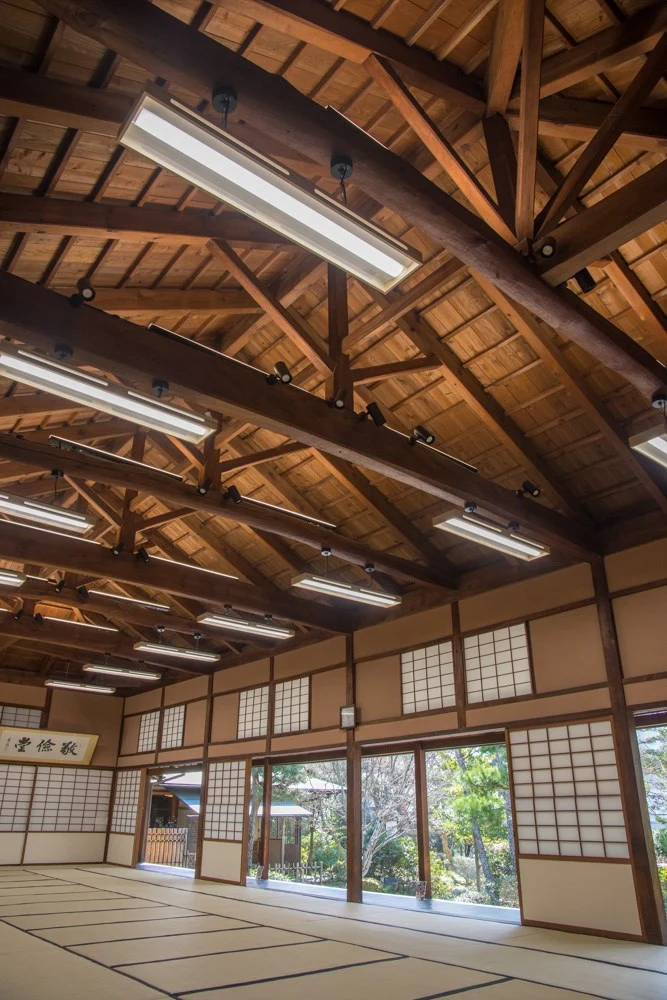
Enjoy the "framed garden," where the pillars and transoms are likened to a picture frame for viewing the garden.
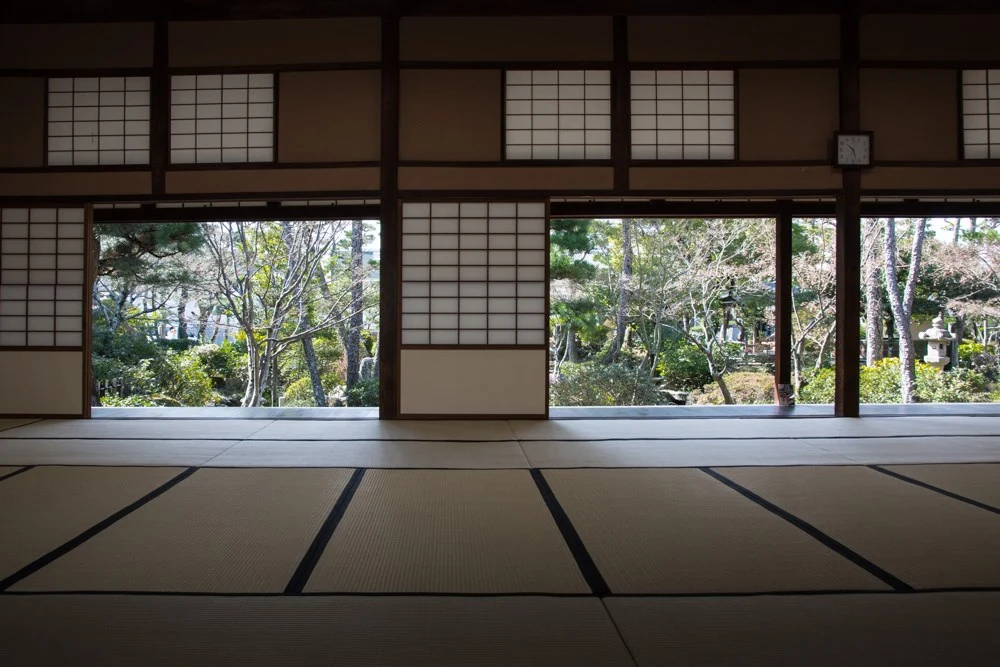
Lush Japanese Garden
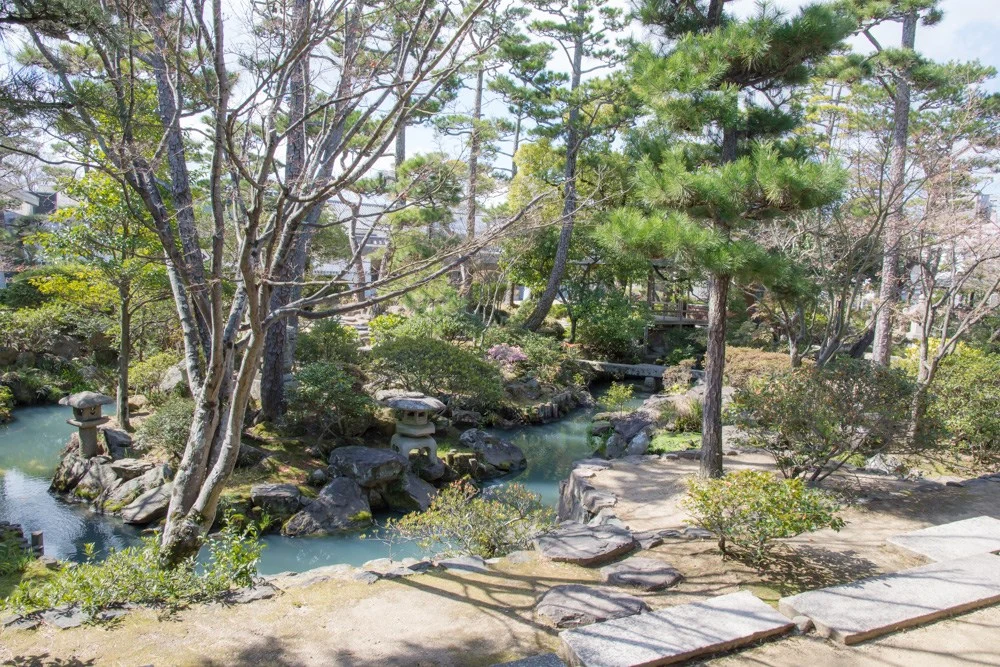
A beautiful pond-style garden that changes its expression with the seasons.
It was created by Ogawa Jihei VII, a pioneer of modern Japanese gardens.
Ogawa Jihei, regarded as the best gardener of the Meiji and Taisho periods, also worked on the garden of Yurin-so Villa, which was built by Magosaburo for his ailing wife.

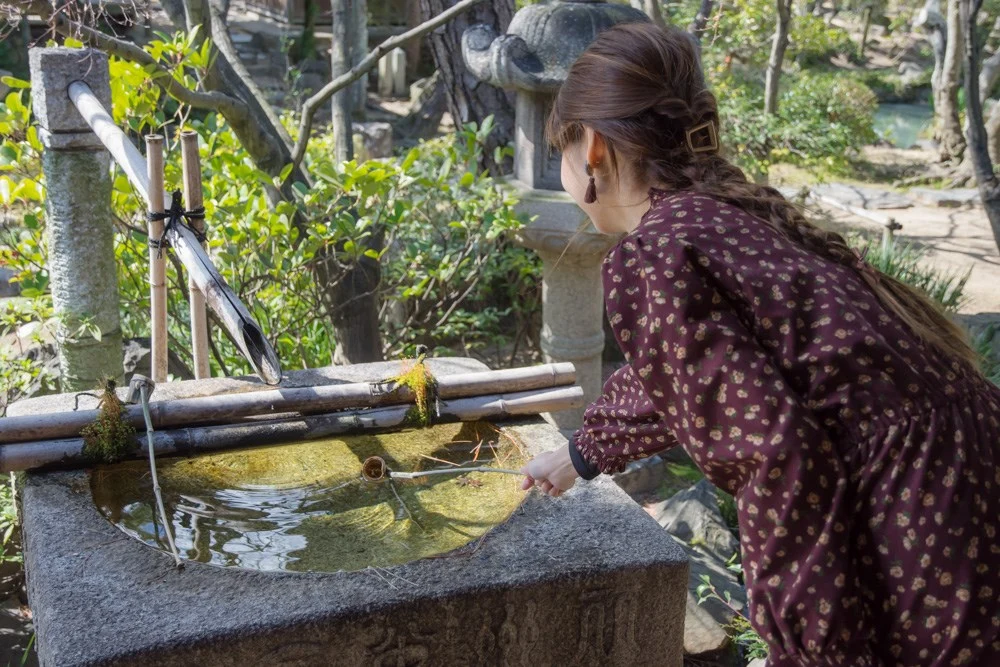
In March when I visited, I saw horsetails growing. When true spring arrives, the fresh greenery is said to be beautiful. In April and May, azaleas bloom, and in autumn, the garden is dyed with vibrant maple leaves.
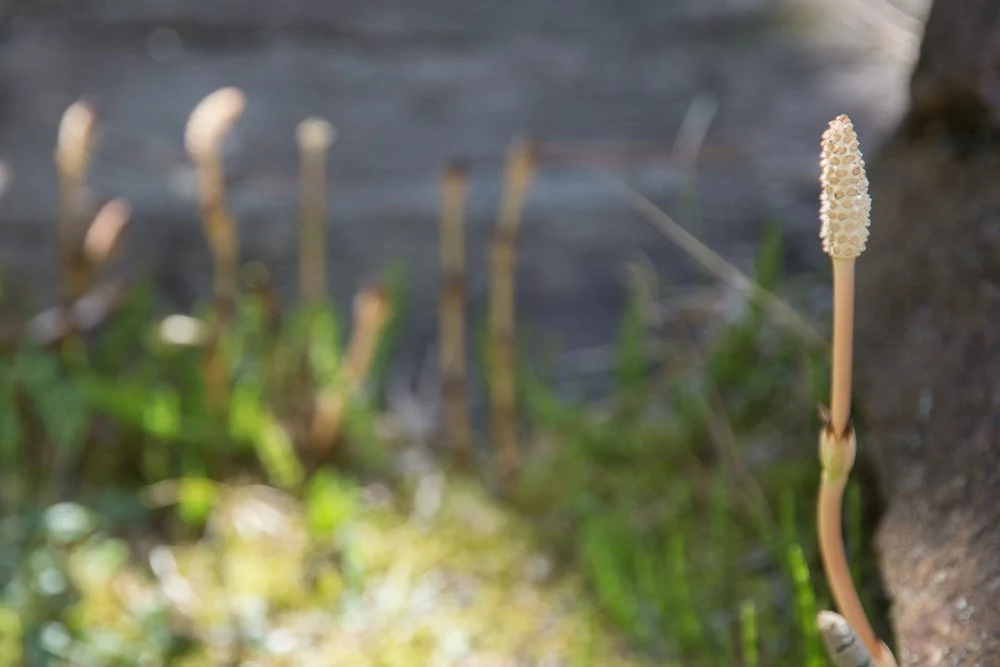
I felt that I wanted to visit multiple times throughout the seasons.
The garden, designed to evoke the scenery of Lake Biwa, is also characterized by its abundant water.
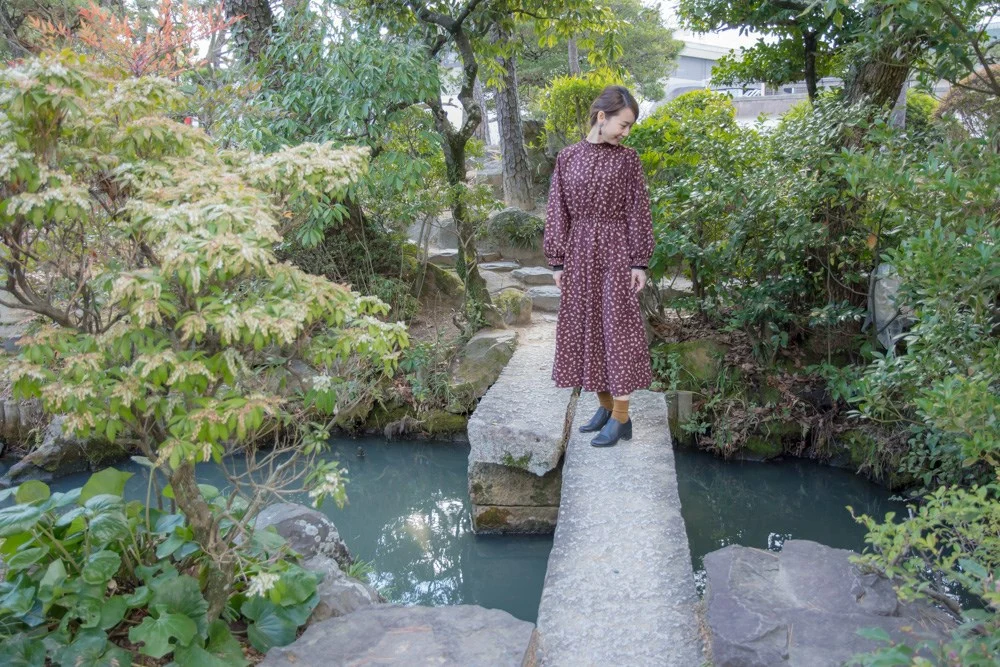
You can enjoy the garden while crossing a small bridge. Koi were gracefully swimming in the pond.
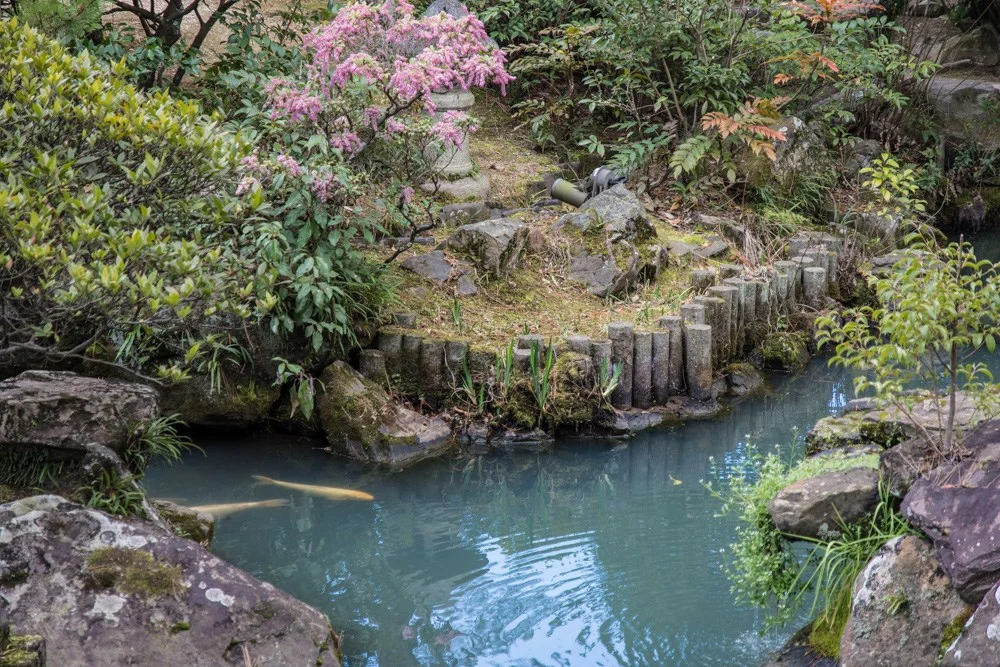
The water in this pond is said to be drawn from the Kurashiki River.
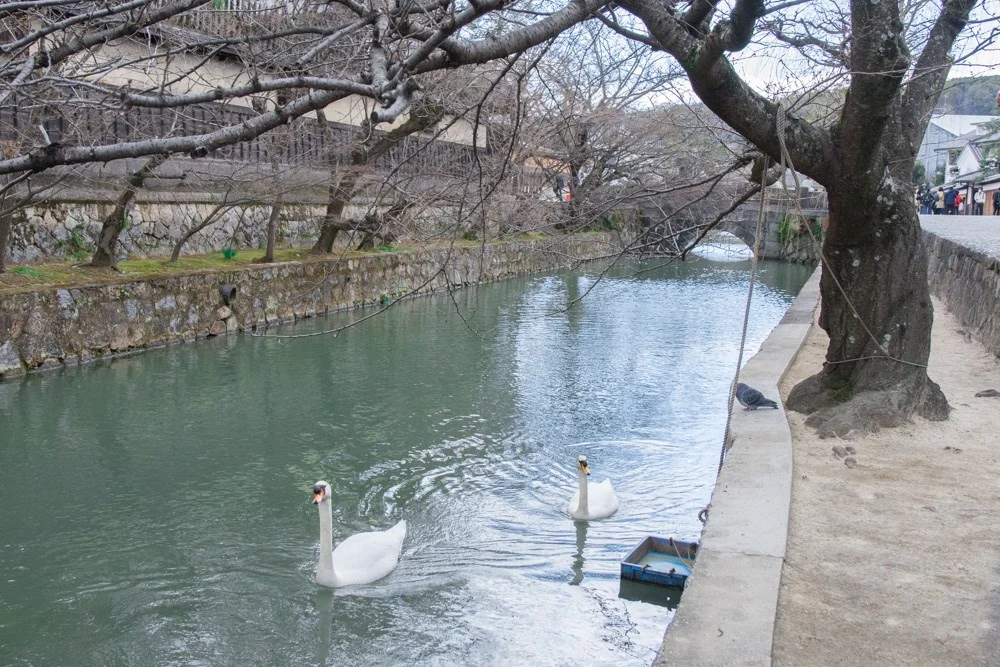
Here’s a little side story.
A beloved presence among both tourists and locals is the swans, Sora and Yume, living in the Kurashiki River. It seems that the Kurashiki Tourism Convention Bureau, which manages Shinkei-en Garden, feeds them.
You can also see the garden of Shinkei-en from the Ohara Museum of Art.
"Yushintei" with Japanese-style Rooms and Tea Room
"Yushintei" is a Sukiya-style building that was added during the Heisei renovation.
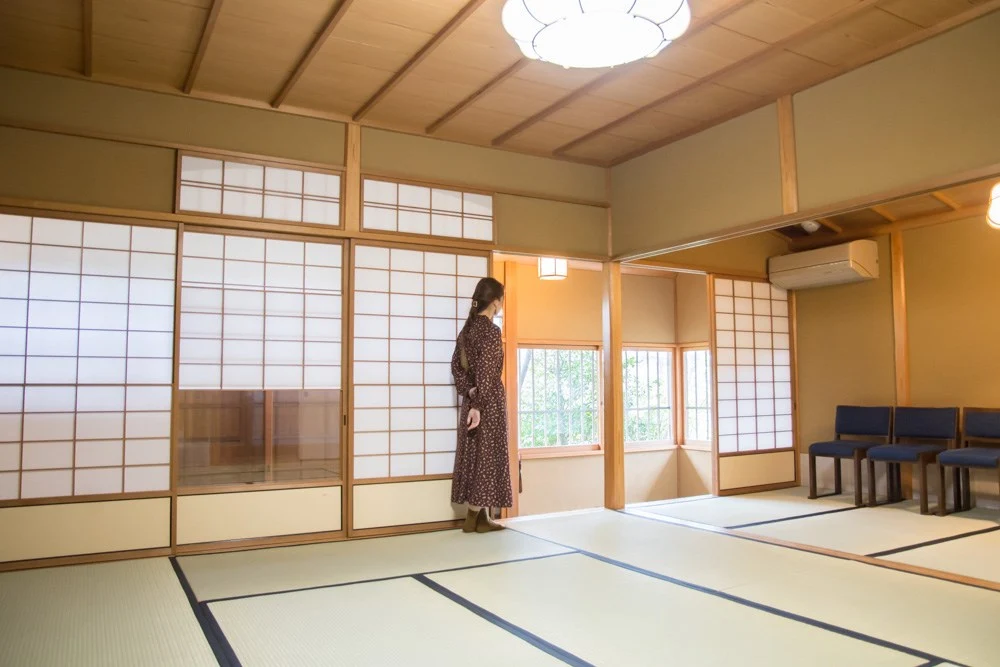
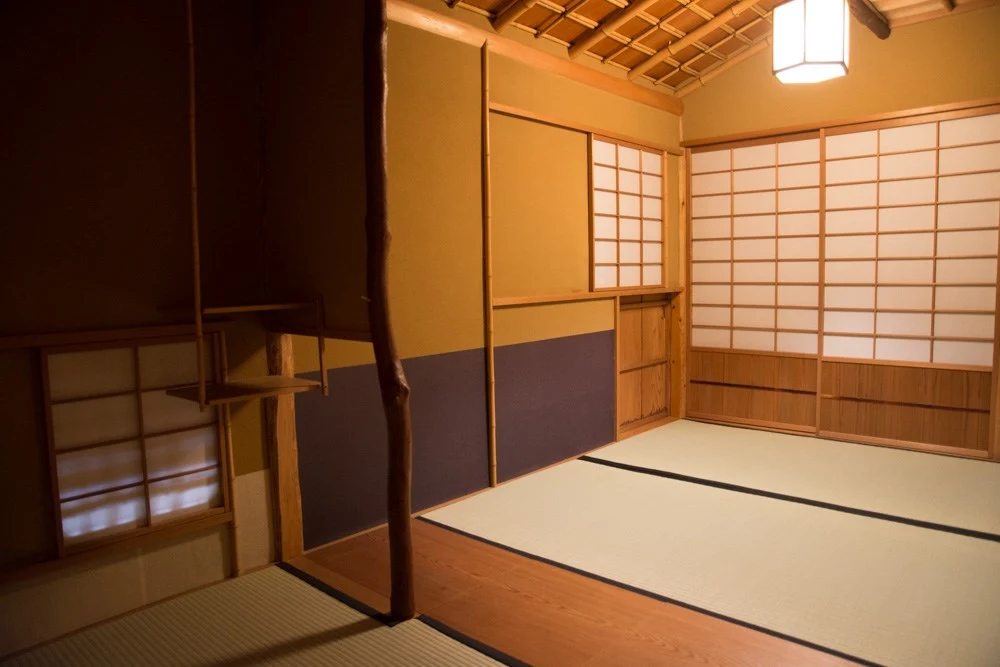
It has two Japanese-style rooms (15 tatami mats in total) and a genuine tea room.
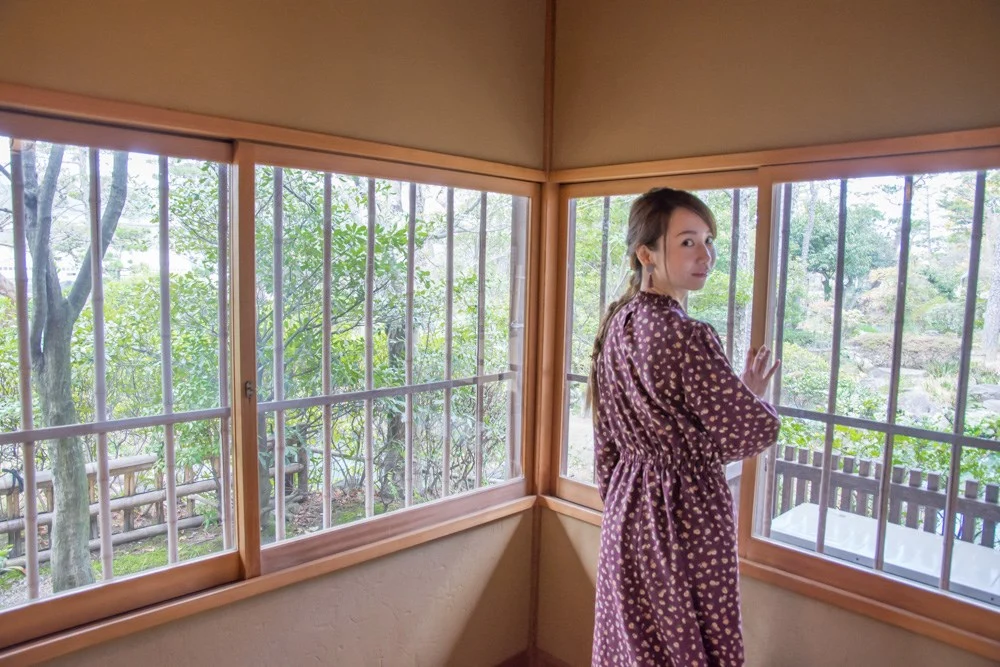
First, let's take a look at the Japanese-style room.
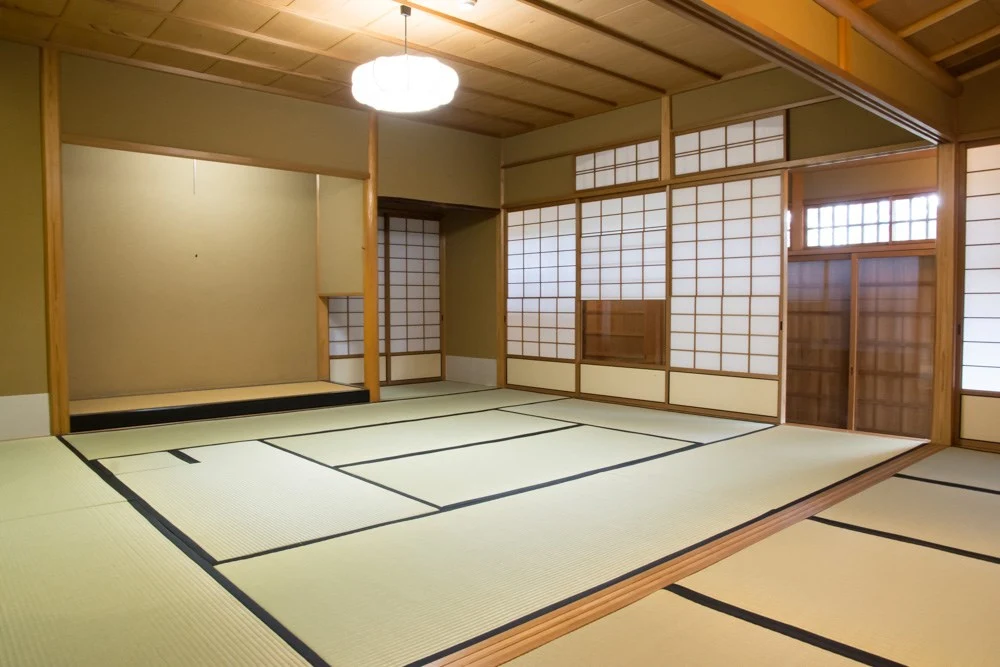
In the photo, the rain shutters are closed, but when in use, you can also view the garden through the snow-viewing shoji. Chairs were also provided for those with difficulty walking.
Next is the tea room.
On the outside of the building, there is a "Machiya" where people waiting for tea can sit and enjoy the garden while avoiding the sunlight.
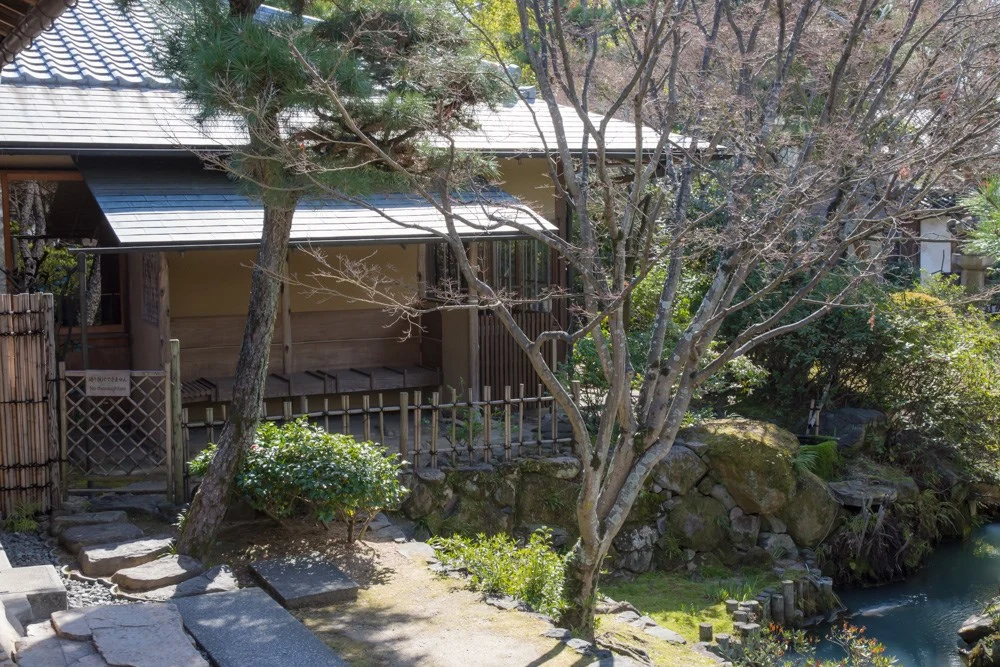
A tea room with a Machiya is rare and is said to be used as a famous spot for tea ceremonies. (In the photo, a wooden cover is placed on the Machiya's chair.)
Free Admission! Let's Explore Shinkei-en
Shinkei-en offers room rentals as a rental space. Therefore, during times when the Keikendo is reserved for events, visitors may not be able to view some areas.
Please check the sign in front of the entrance to see if viewing is possible.
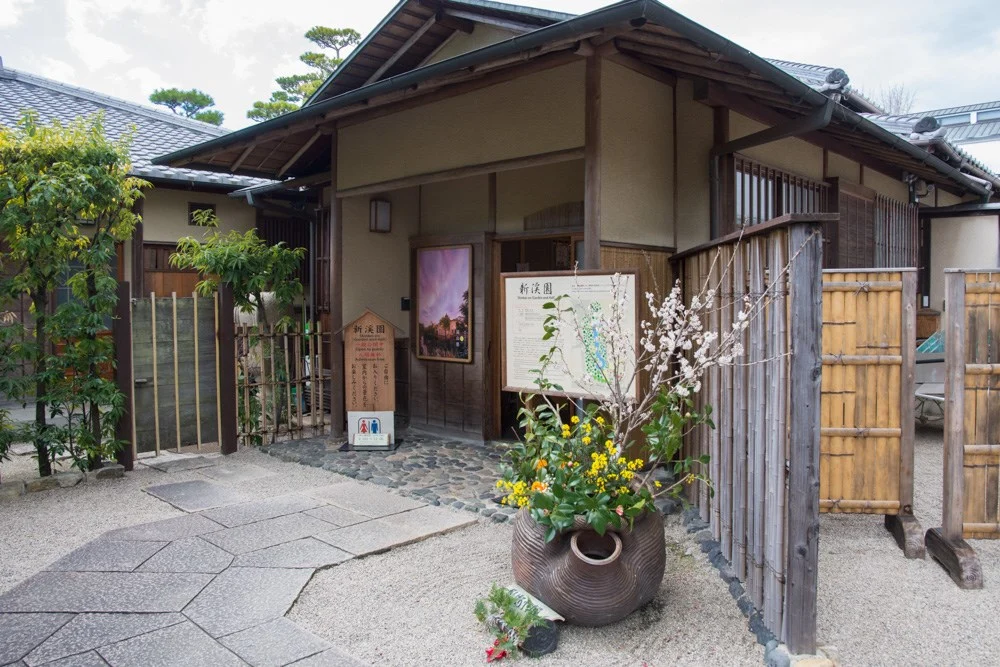
Depending on the season, it seems that nearly 90% of weekends and holidays in spring and autumn are booked for events.
Let me introduce some recommended ways to enjoy your visit based on the situation.
When Not Reserved
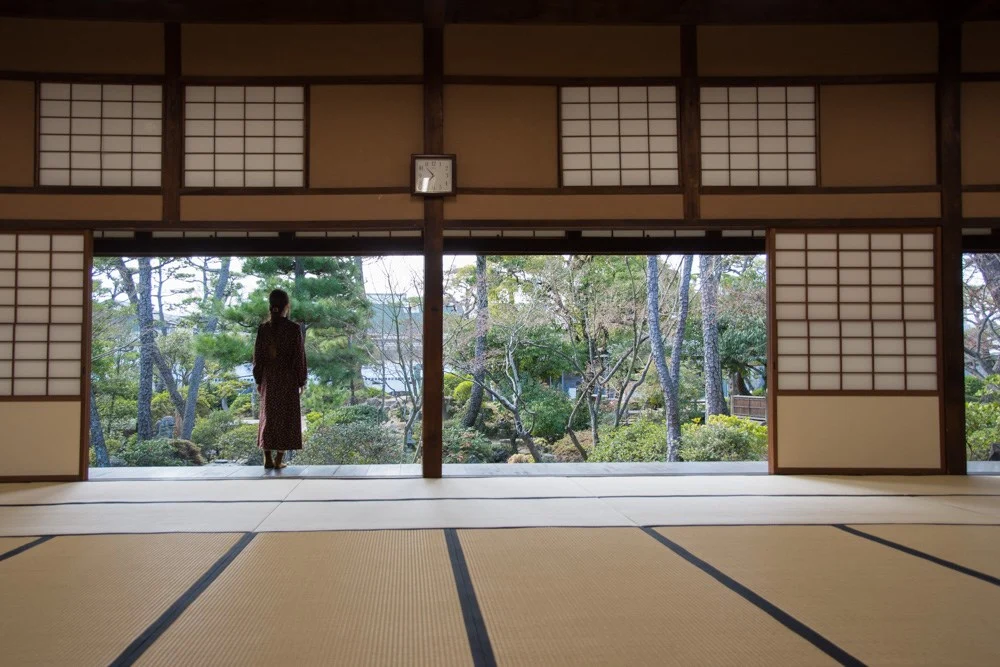
You can enjoy the Keikendo and the garden.
First, from the spacious Keikendo room, it is recommended to view the "Framed Garden."
Then, sit on the engawa (veranda) and leisurely enjoy the garden. It is very pleasant and relaxing.
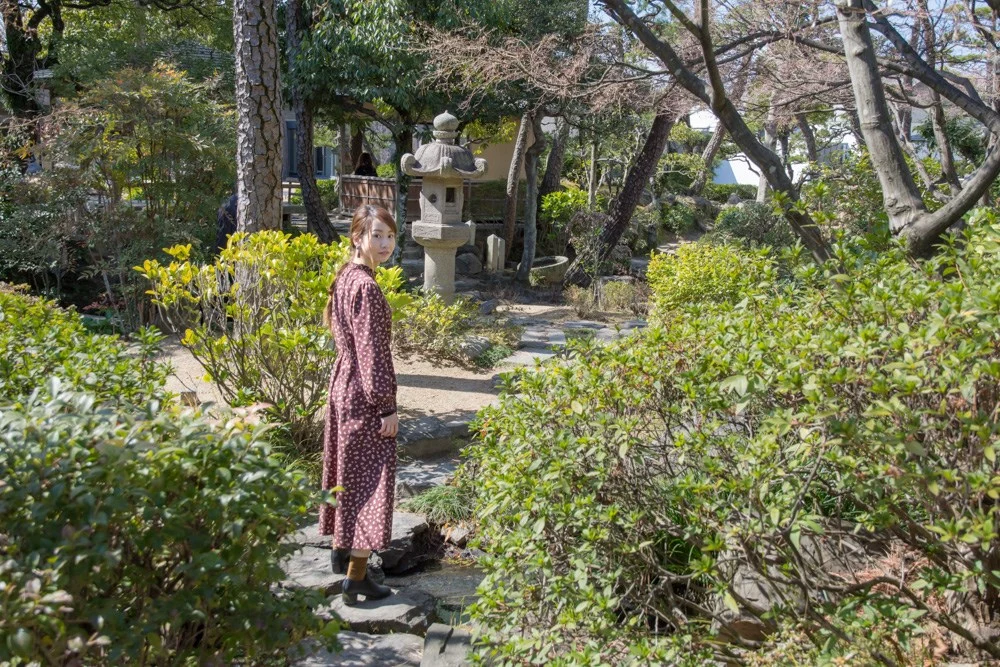
After that, if you go down to the garden and take a walk, you may notice different charms of the garden compared to when you viewed it from the building.
When Reserved
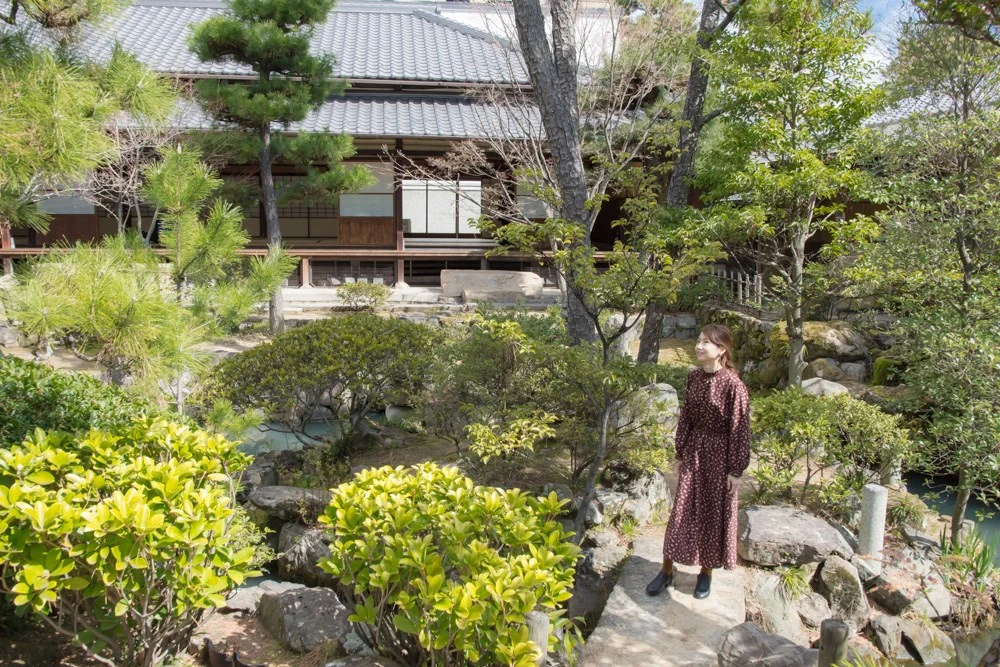
Depending on the reservation, you may not be able to enter the Keikendo.
However, even in that case, you can enter the Japanese garden from the outside (near the Ohara Museum of Art Annex) and walk through the garden to admire the exterior of the Keikendo.
Since it is a strolling garden, you can fully enjoy the beauty of the garden even while walking through it.
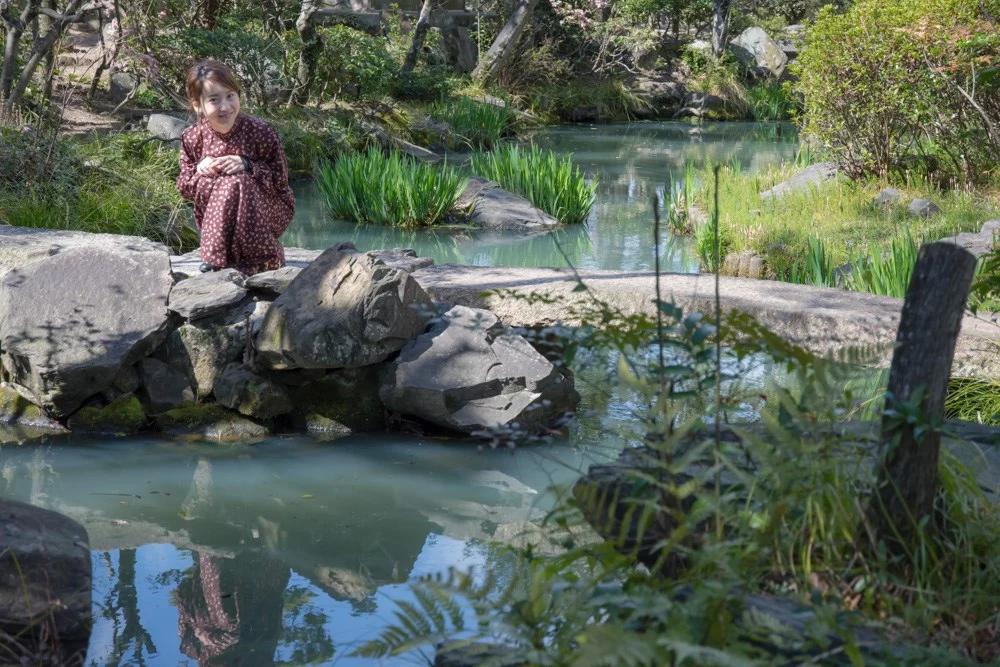
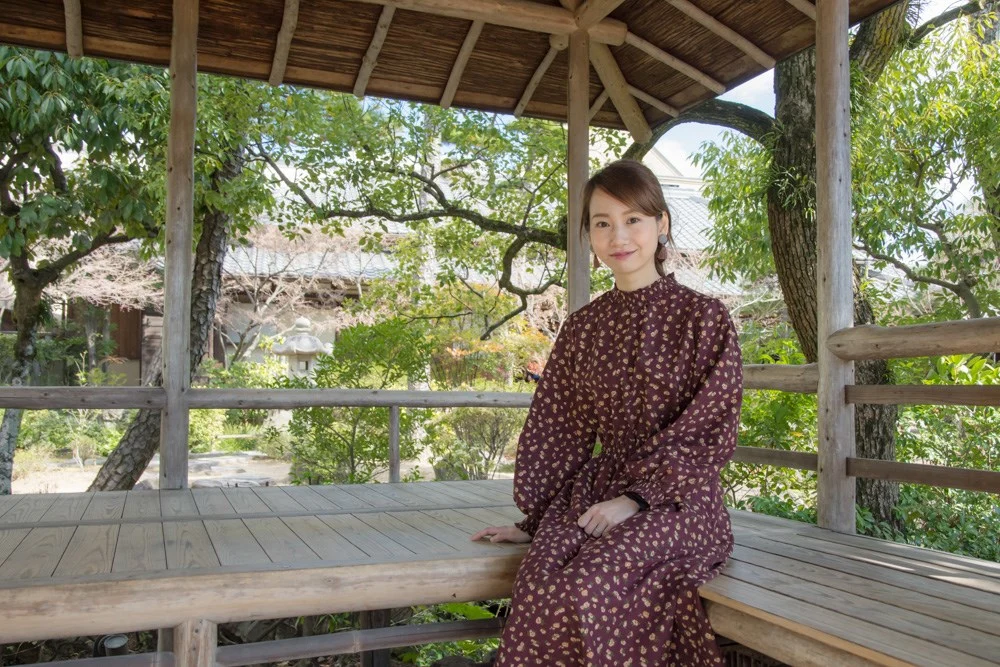
There are three azumaya (pavilions) in the garden, so sitting and leisurely gazing is also recommended.
For Events and Weddings - Use Shinkei-en as a Rental Space
Shinkei-en can be used as a rental space by the general public.
For example, it is used for weddings, pre-wedding photoshoots, tea ceremonies, kimono dressing lessons, sales events, and meetings.
It is a luxury to have a spacious area overlooking a beautiful garden.
Moreover, it can be used at a very reasonable price, in line with the intention of Magosaburo's donation to be widely used as a community gathering place.
| Facility Name | From 9 AM to Noon | From Noon to 5 PM | From 5 PM to 9 PM |
|---|---|---|---|
| Keikendo | 1,810 yen | 2,310 yen | 4,120 yen |
| Yushintei Japanese Room | 1,480 yen | 2,140 yen | 3,630 yen |
| Yushintei Tea Room | 1,980 yen | 2,530 yen | 4,400 yen |
- Usage for business, advertising, or other similar purposes will incur a 100% increase in usage fees.
- Air conditioning and heating costs are additional.
- Rental of equipment other than tables and cushions is not permitted.
Additionally, events involving food and drink are also allowed, which is another great point. As long as you are not excessively intoxicated, alcohol is permitted, and there have been sales events where sake tasting was held.
Reservations can be made one year in advance, but popular seasons fill up quickly. Please make your reservations early.
Events Held at Shinkei-en
The following events are held at Shinkei-en as a venue.
- Kurashiki Hina Meguri (February to March)
- Kurashiki Spring Evening Akari (March)
- Kurashiki Byoubu Matsuri (October)
During the Kurashiki Hina Meguri, about 30 sets of Hina dolls gather at Shinkei-en, creating a spectacular sight.
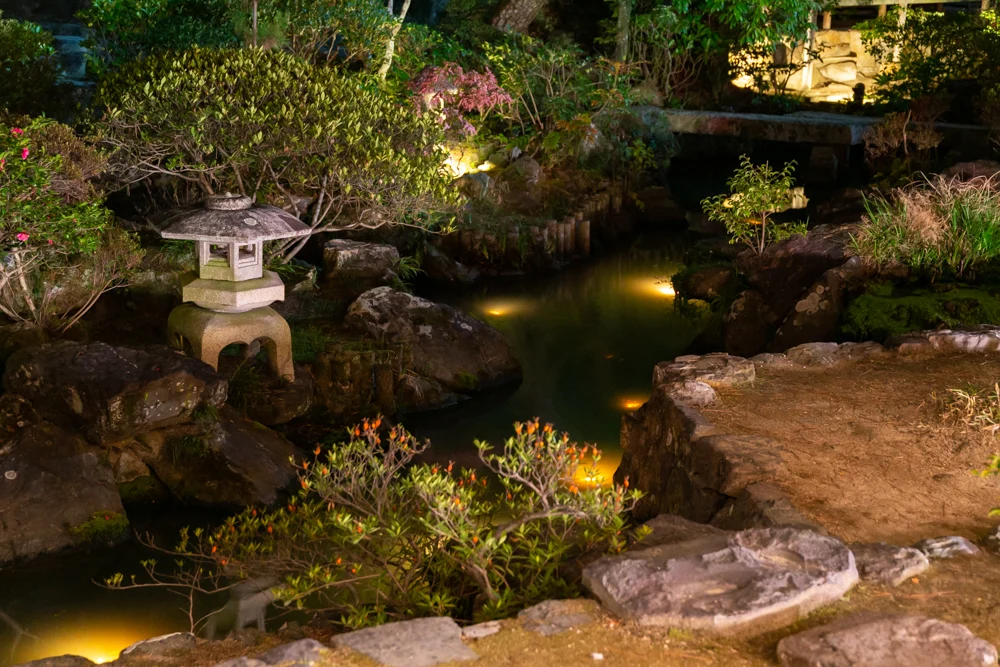
During the Spring Evening Akari, the garden is illuminated.
Lighting is installed not only under the trees and along the veranda but also in the pond, allowing for a different expression than during the day. The illuminated Shinkei-en can basically only be seen during the Spring Evening Akari. Be sure to visit!
Conclusion
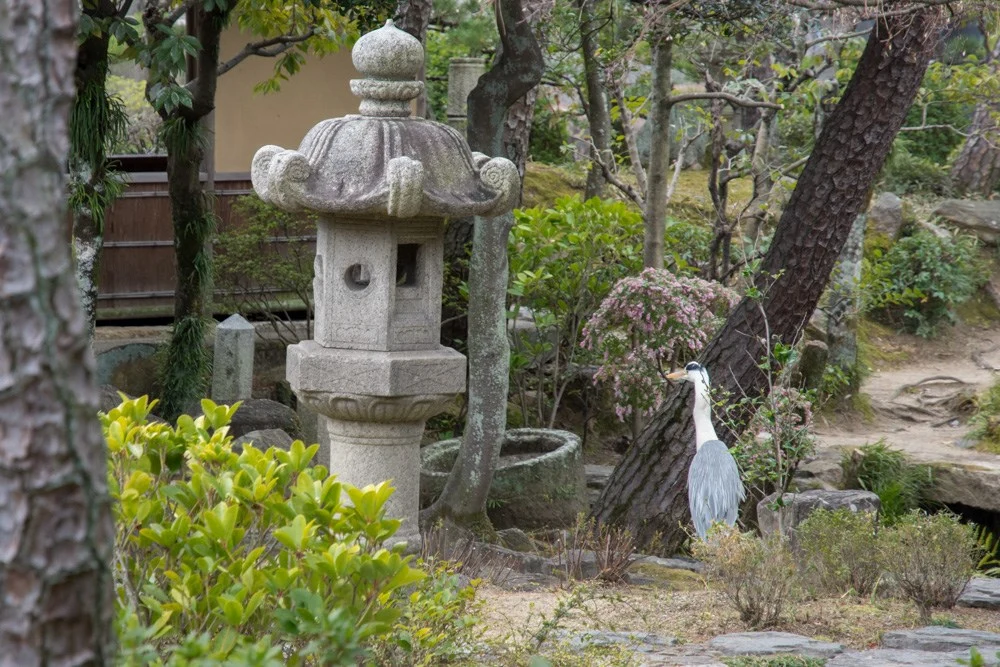
The refreshing and picturesque buildings, along with the lush garden, were very healing. And to think it can be viewed for free!
The seasons of fresh greenery and autumn leaves must be even more wonderful. I have found more places I want to visit repeatedly.
You can also rent the Japanese room and authentic tea room, making it great for events and photoshoots.
Please enjoy the beautiful buildings and gardens.
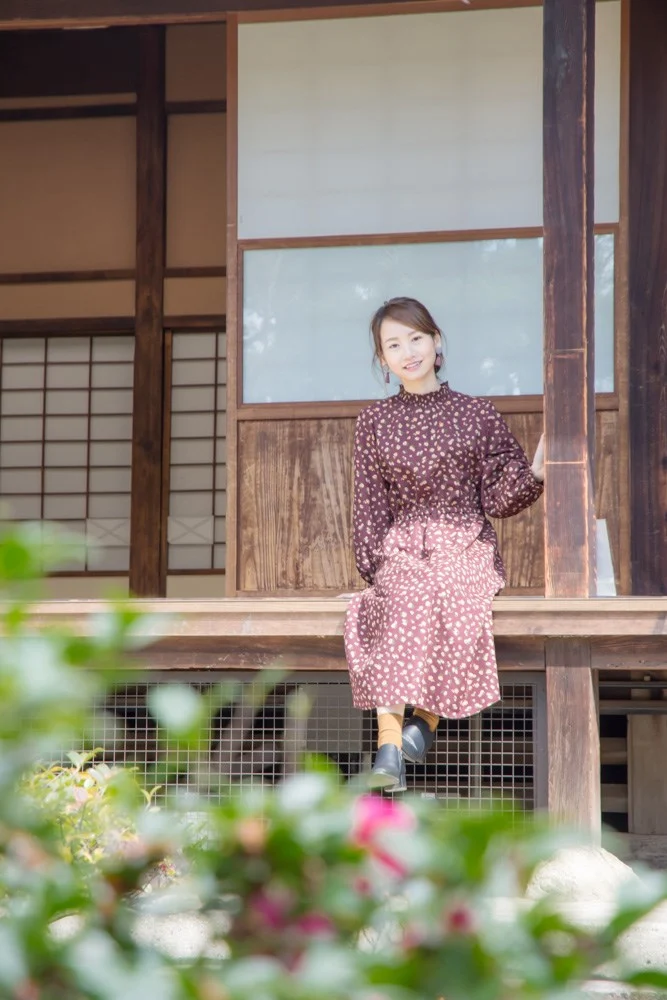
- Model: Yurichelle
Data of Shinkei-en Garden
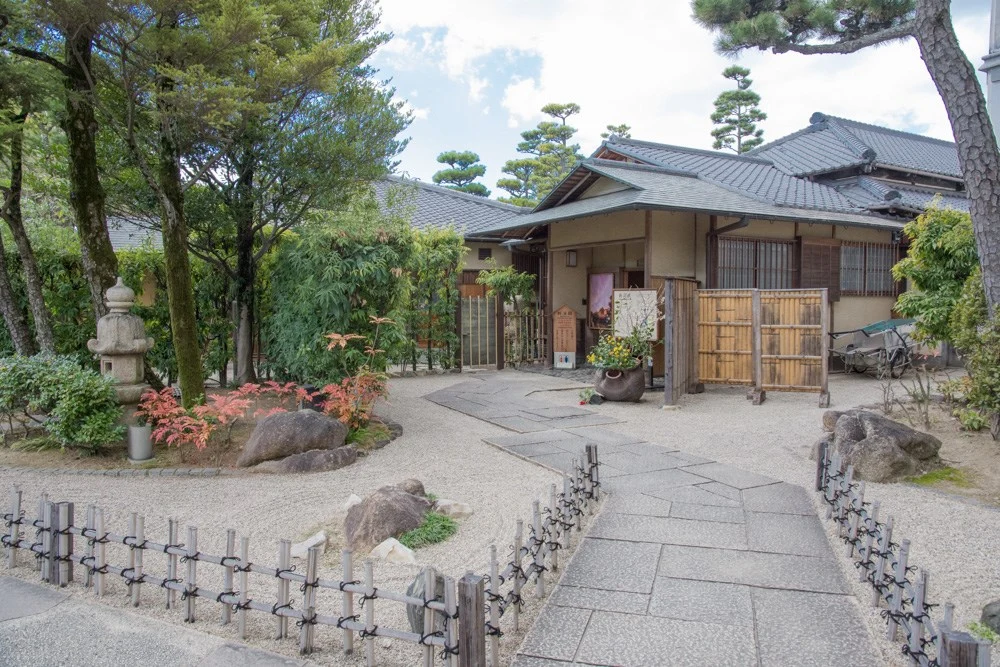
| Name | Shinkei-en Garden |
|---|---|
| Location | 1-1-20 Chuo, Kurashiki City |
| Contact | 086-422-0338 |
| Parking | None |
| Opening Hours | Tourism: 9:00 AM - 5:00 PM Room Rental: 9:00 AM - 9:00 PM |
| Closed | None Closed during New Year holidays (December 29 - January 3) |
| Admission Fee (including tax) | Free for viewing Refer to the article for room rental fees |
| Payment Method |
|
| Reservation | Available Room reservations can be made from one year in advance |
| Smoking | Completely non-smoking |
| Restrooms | Western-style and Japanese-style restrooms |
| Childcare | No special facilities such as nursing rooms, but available if no room rental is needed. |
| Website | Shinkei-en Garden | Kurashiki Tourism WEB |