
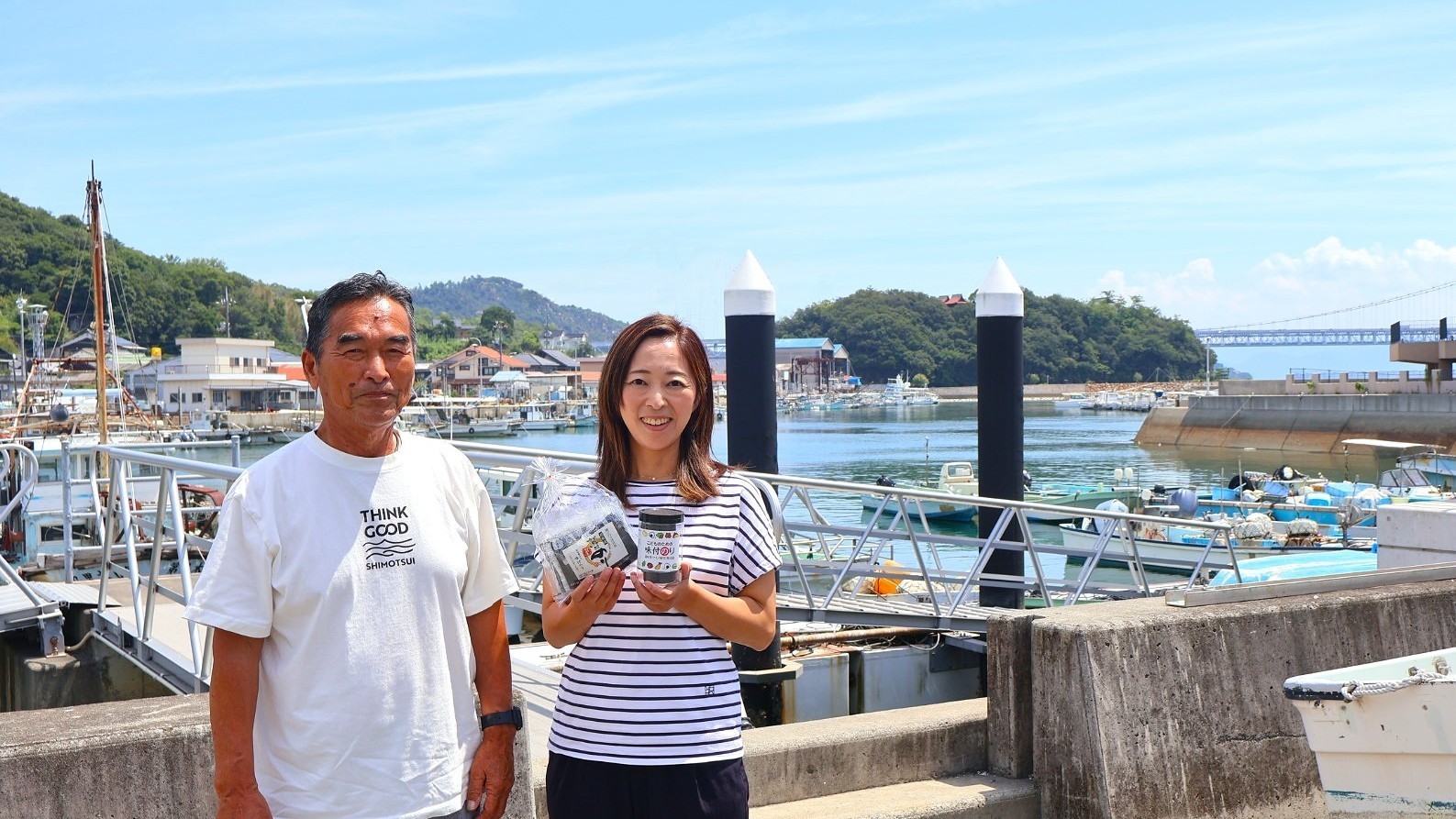
In the Shimotsui area of Kurashiki City, there used to be around 30 to 40 seaweed producers crowded together.
However, due to harsh natural conditions, environmental changes, and a lack of successors, only a handful remain in operation today.
Nanjou Nori Co., Ltd. (hereinafter referred to as "Nanjou Nori") is one of those few remaining producers, continuing the craft of seaweed production for over 50 years. In recent years, they have also been focusing on the sales of their own brand, Washu Nori.
We interviewed them about their passion for seaweed production and their commitment to quality.
About Nanjou Nori Co., Ltd.
Nanjou Nori is a seaweed farming, manufacturing, and sales company located in Shimotsui, Kurashiki City.
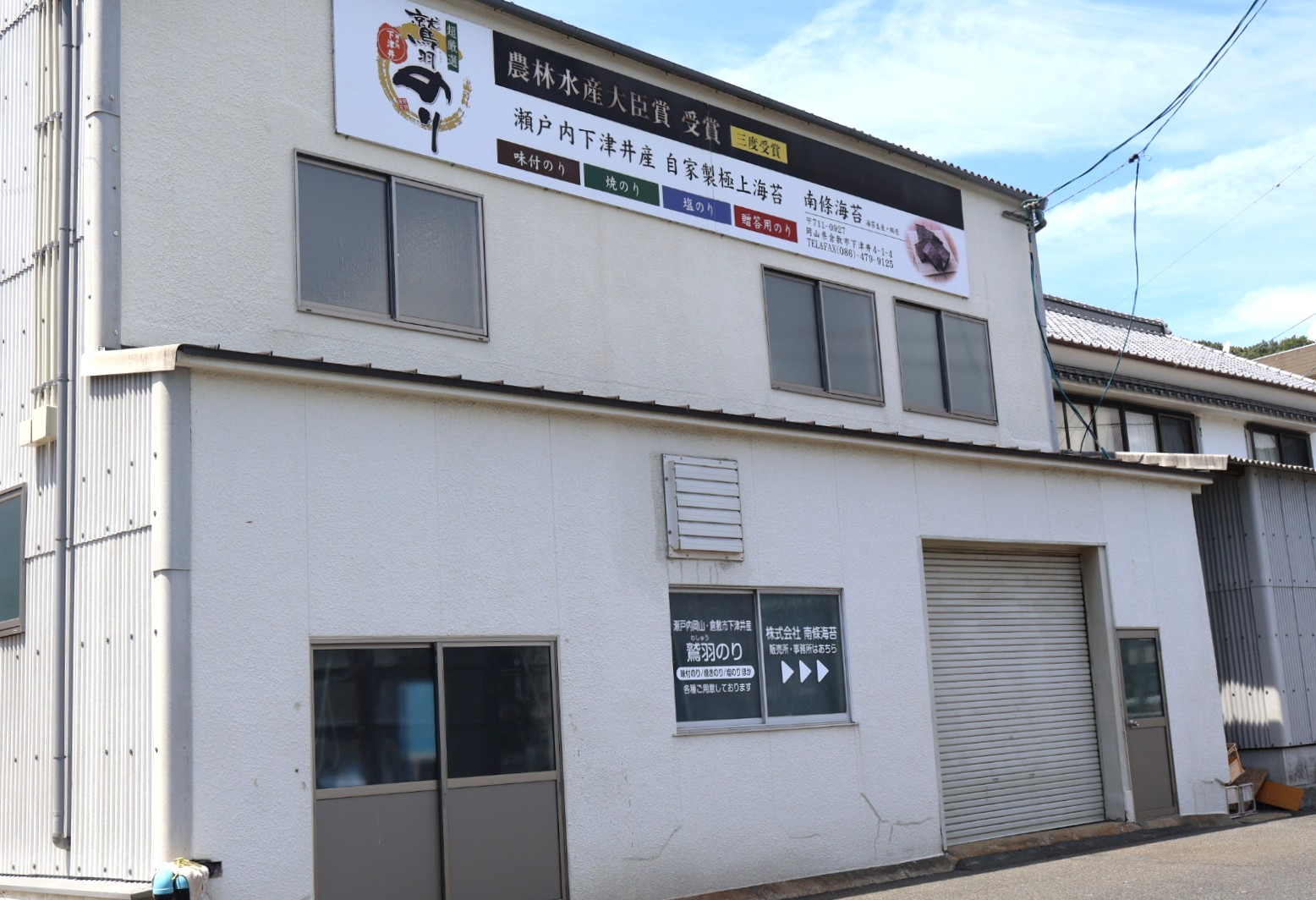
The founder is the current representative, Nanjou Yuji, who is the son of Iwamatsu. Iwamatsu, who was originally a fisherman, started this business as a source of income during the winter when there were no fishing jobs.
The main business pillar is shipping the cultivated and manufactured seaweed to the Okayama Prefectural Fisheries Cooperative Association (hereinafter referred to as "Prefectural Fisheries"). Additionally, since 2015, they have been developing their own brand, "Washu Nori."
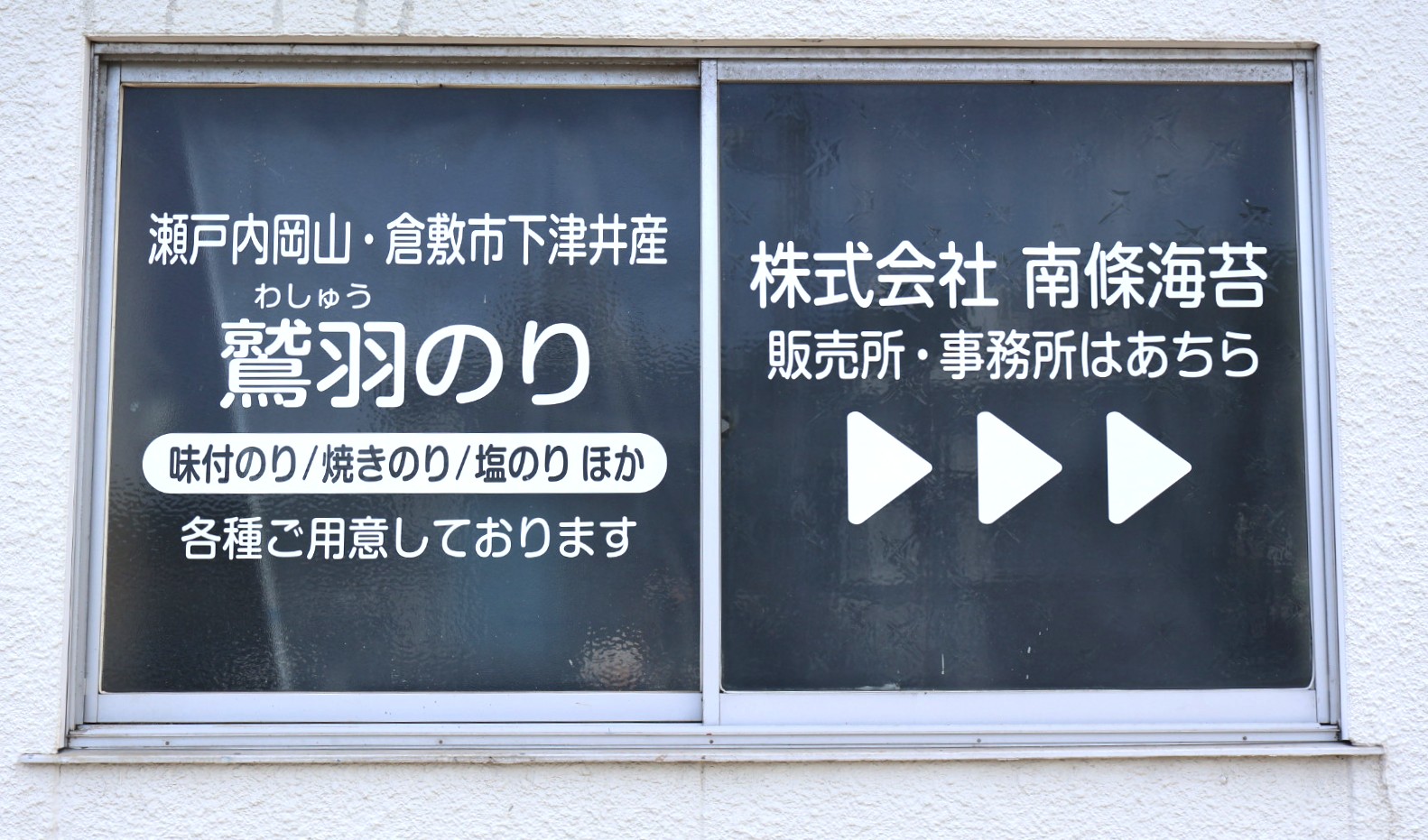
The seaweed produced using knowledge and experience passed down through generations has been highly evaluated at the prefectural fisheries' sponsored competitions, winning the highest award, the Minister of Agriculture, Forestry and Fisheries Award, three times in the past.
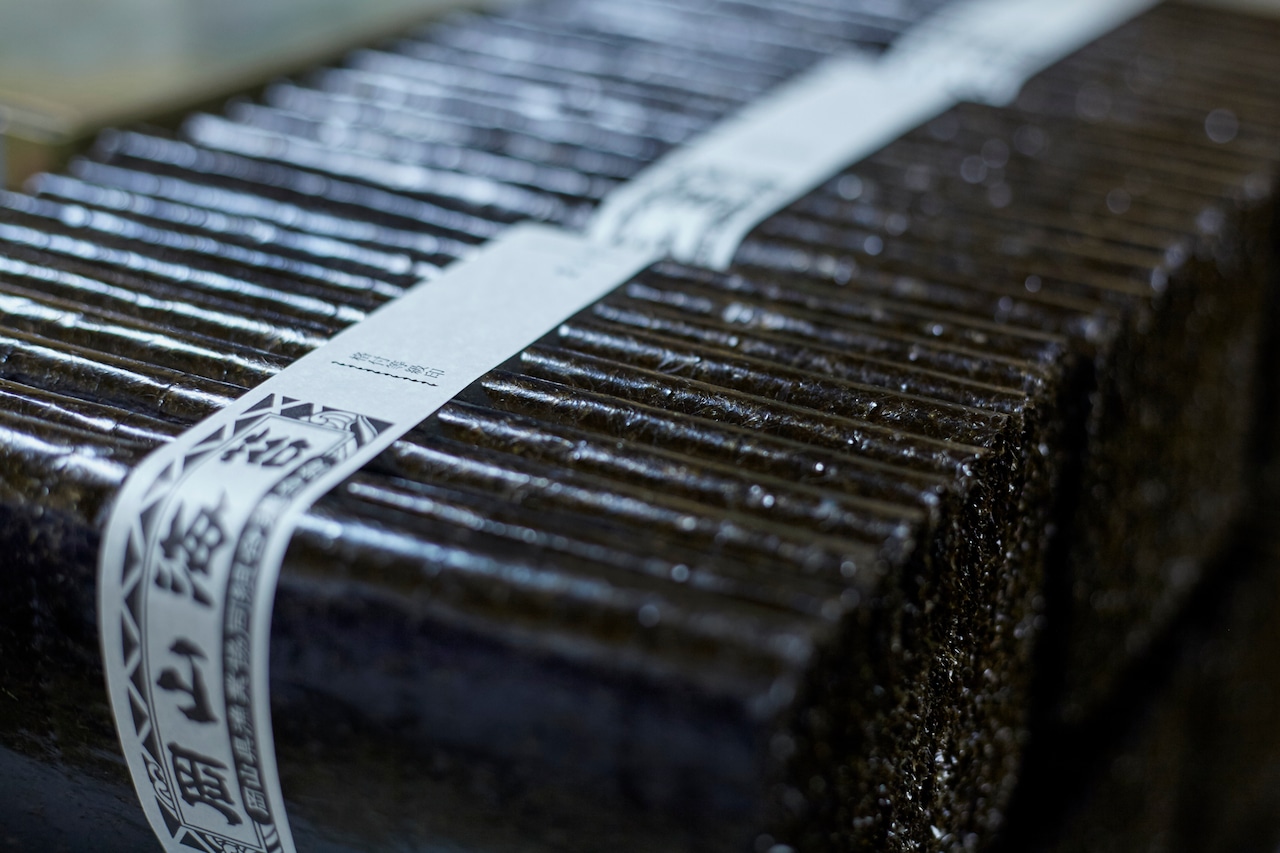
The Process of Growing Seaweed in Harmony with Nature
What processes are involved in creating a single sheet of seaweed?
The seaweed production season runs from autumn to winter.
It begins with "seedling collection" (sai-byō), where the seaweed seeds prepared from spring to summer are attached to nets. Then, the baby seaweed attached to the nets is nurtured in the sea or tanks through "seedling cultivation" (iku-byō), and as the seawater temperature begins to drop, the full-fledged seaweed farming season arrives.
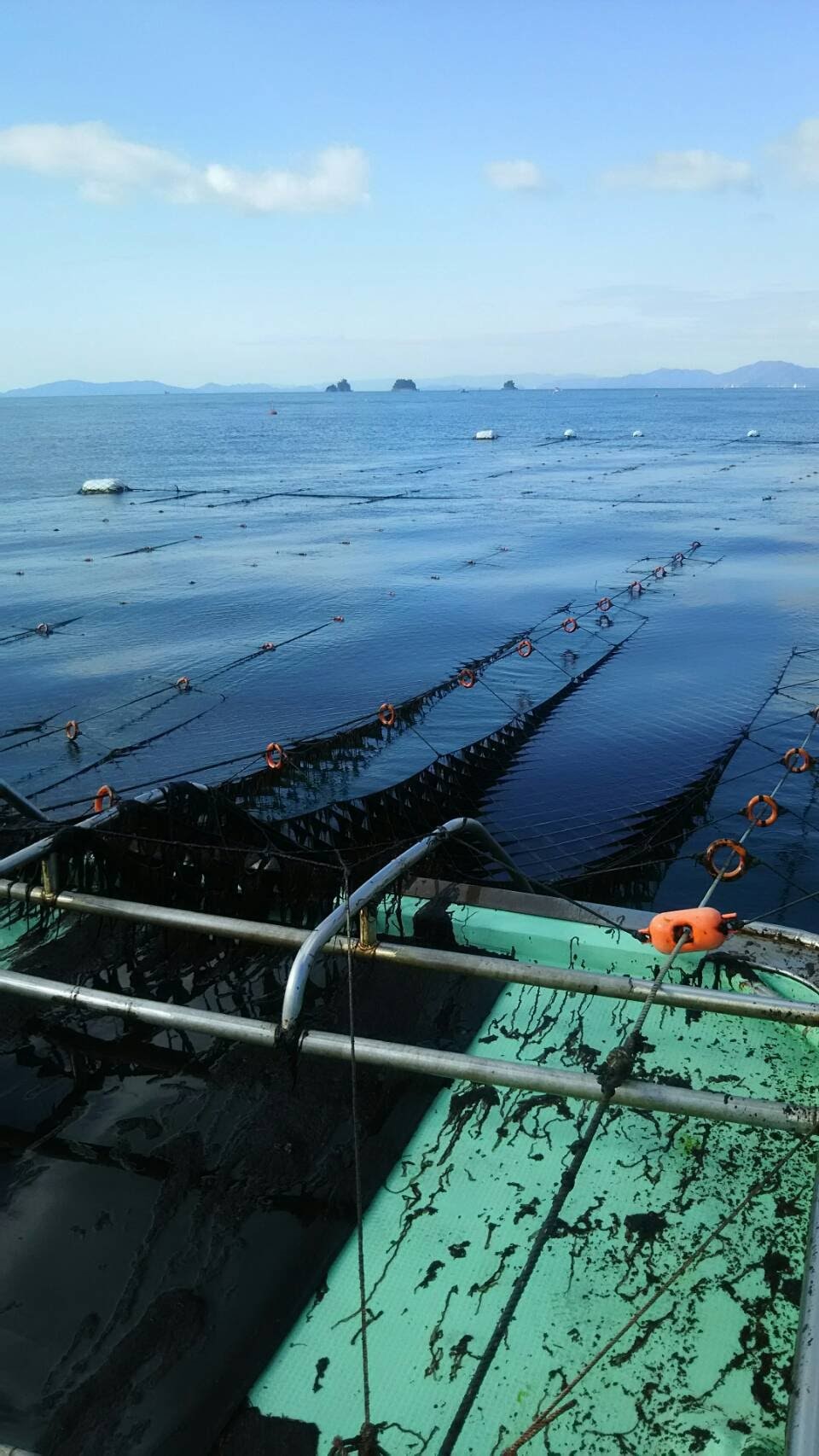
Once the seaweed has grown to about 30 cm, it is immediately taken to the land factory.
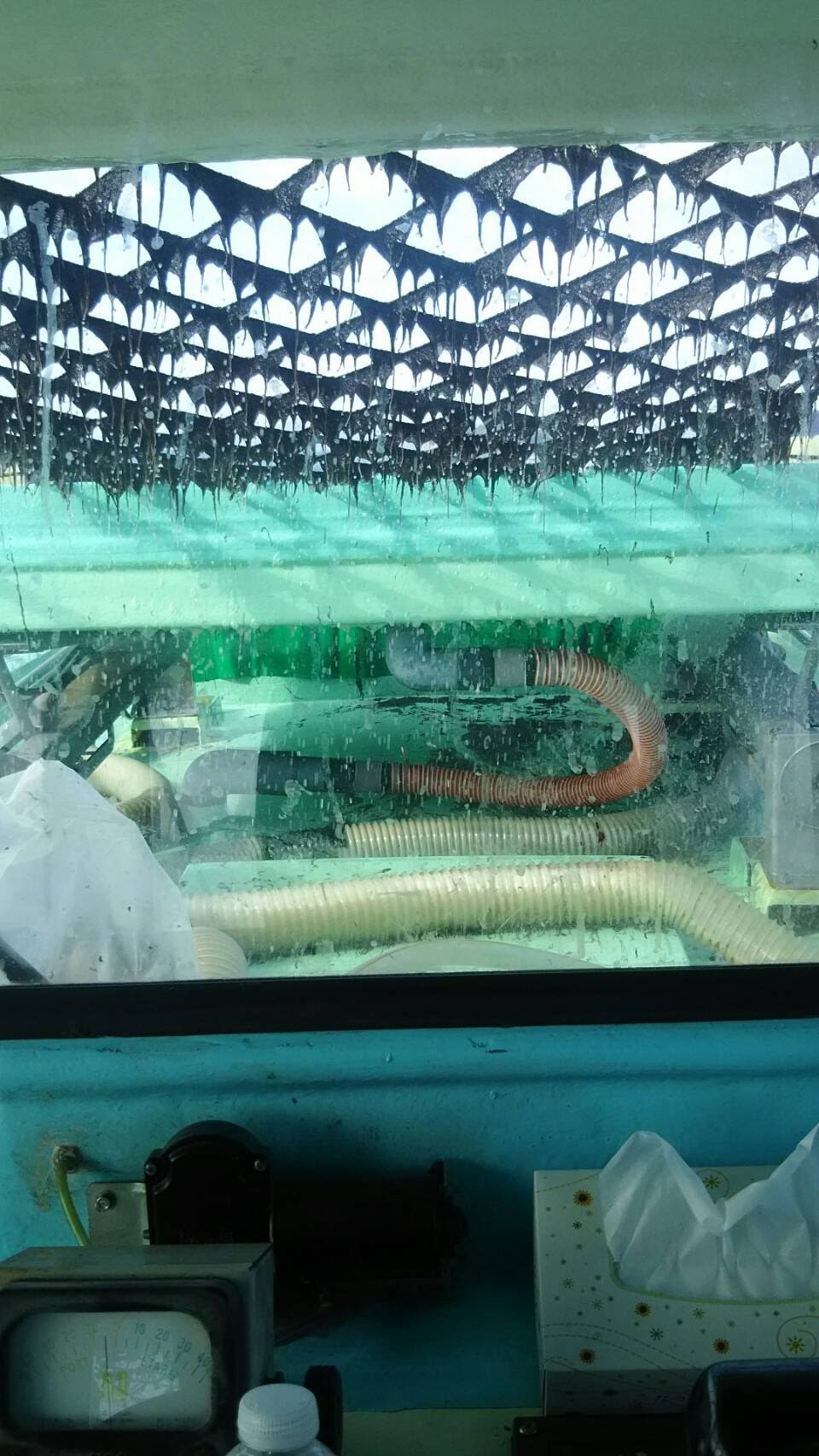
Through multiple processes such as washing, foreign matter removal, aging, and shaping, the familiar form of seaweed is finally achieved. According to Yuji, during this period, the family collaborates and works around the clock, taking short naps as needed.
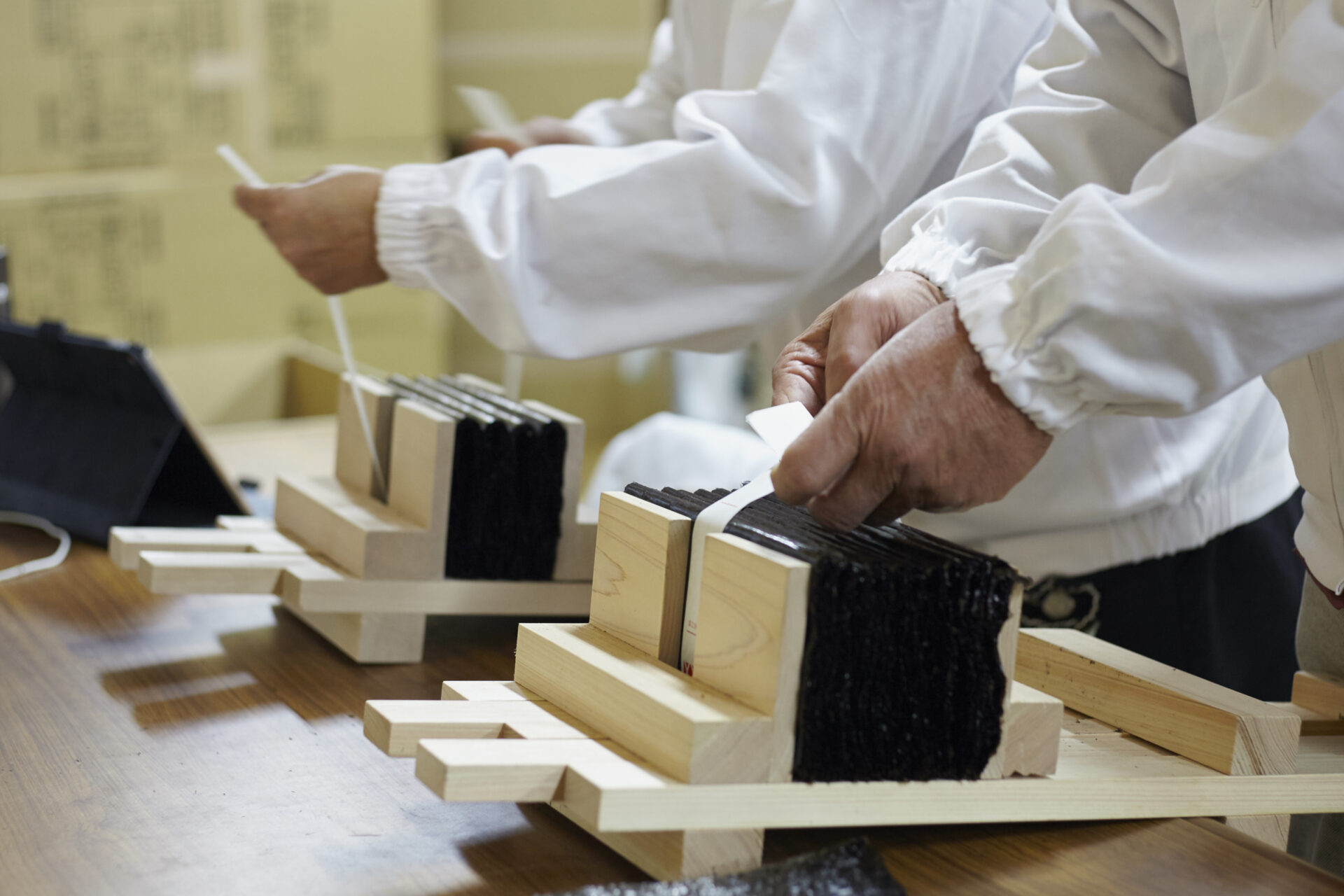
In recent years, due to the effects of global warming, seawater temperatures have risen, shortening the fishing season. Additionally, predation damage (birds and fish eating the seaweed during cultivation) has also led to a decrease in harvest volume.
In the field of seaweed production, such challenges that did not exist in the past are reportedly increasing.
Nanjou Nori's Commitment to Quality Seaweed
Here are some of the products handled by Nanjou Nori.
"Washu Nori" Focused on First and Second Harvests
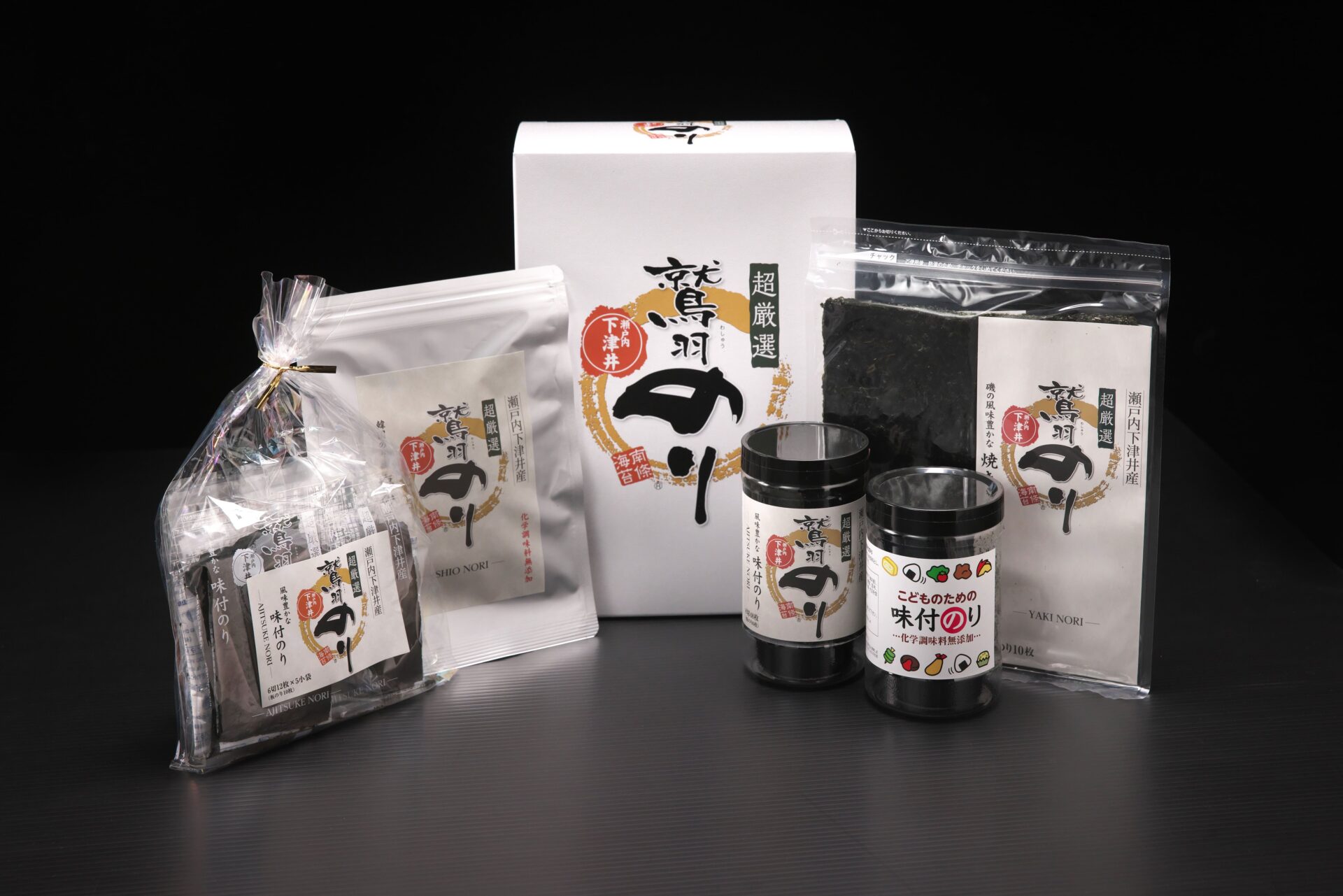
Nanjou Nori's own brand, "Washu Nori," uses only the first harvest (hatsu-dami) and second harvest seaweed collected at the beginning of the harvest season. Its characteristics include a soft texture that melts in the mouth and a rich, deep black color that gives a strong taste of the sea.
The appeal of the ingredients is utilized in various products such as flavored seaweed, roasted seaweed, and Korean-style salted seaweed.
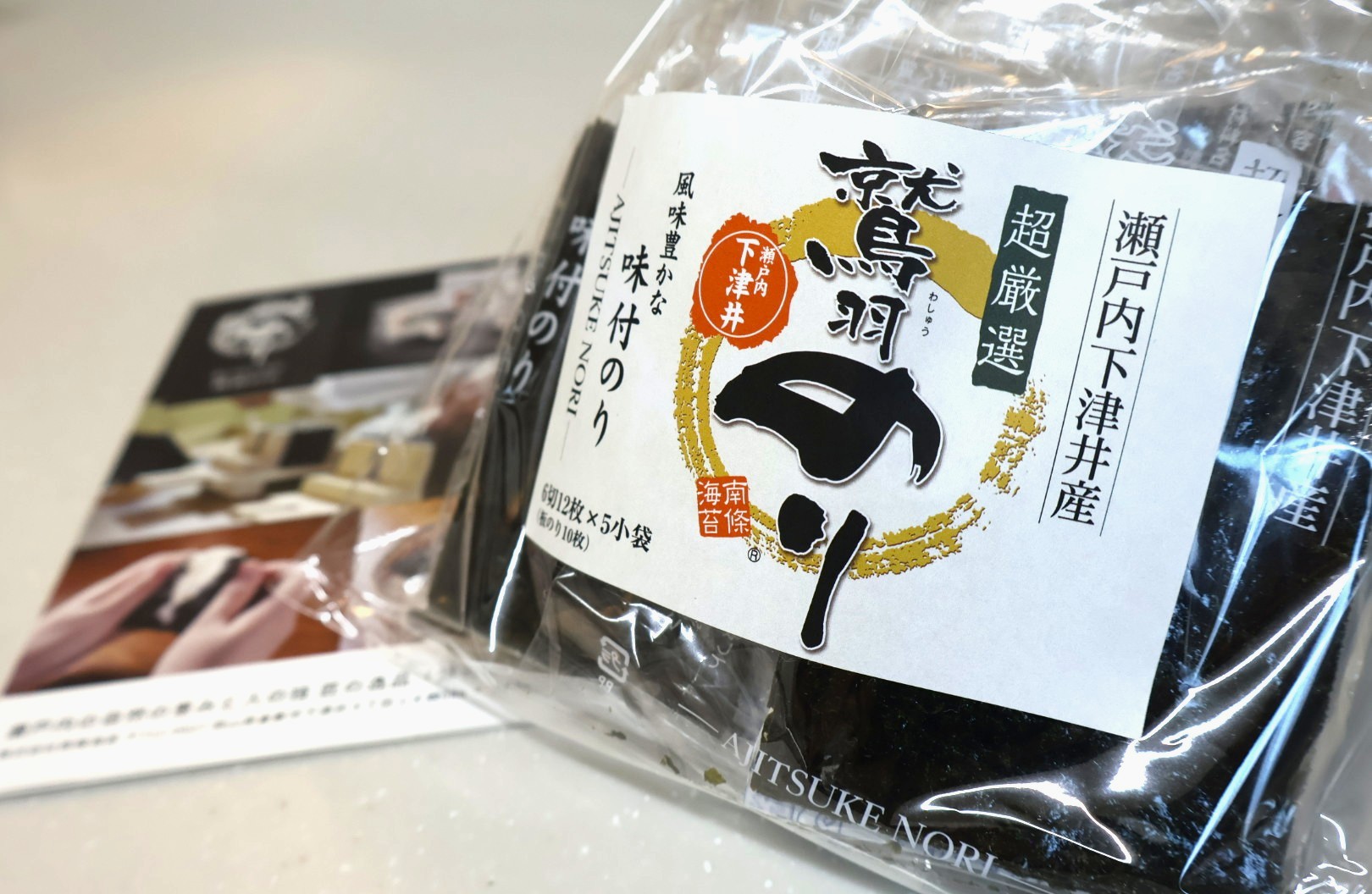
Seaweed can grow again after being harvested, but it becomes slightly harder with each successive harvest. Nanjou Nori typically harvests about eight times in one season. Among these, the first harvest is limited in quantity compared to the later ones, making it a precious product.
"Children's Lunchbox Nori" for Kids
The "Children's Lunchbox Nori" series was born from the desire to deliver seaweed that is gentle on the body and safe for children to eat. The ingredients used are the same first and second harvest seaweed grown in-house, just like "Washu Nori."
The series includes the following three varieties.
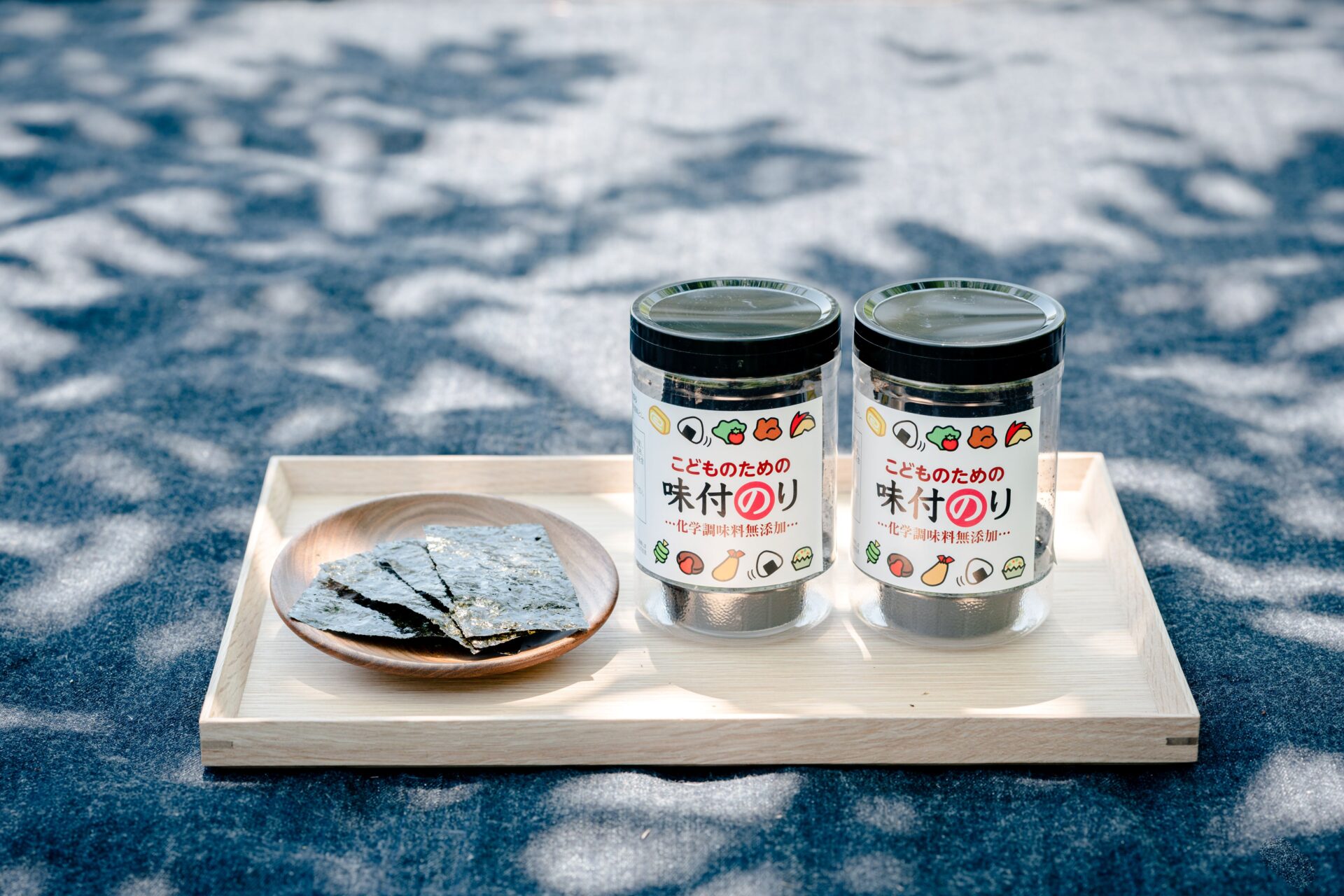
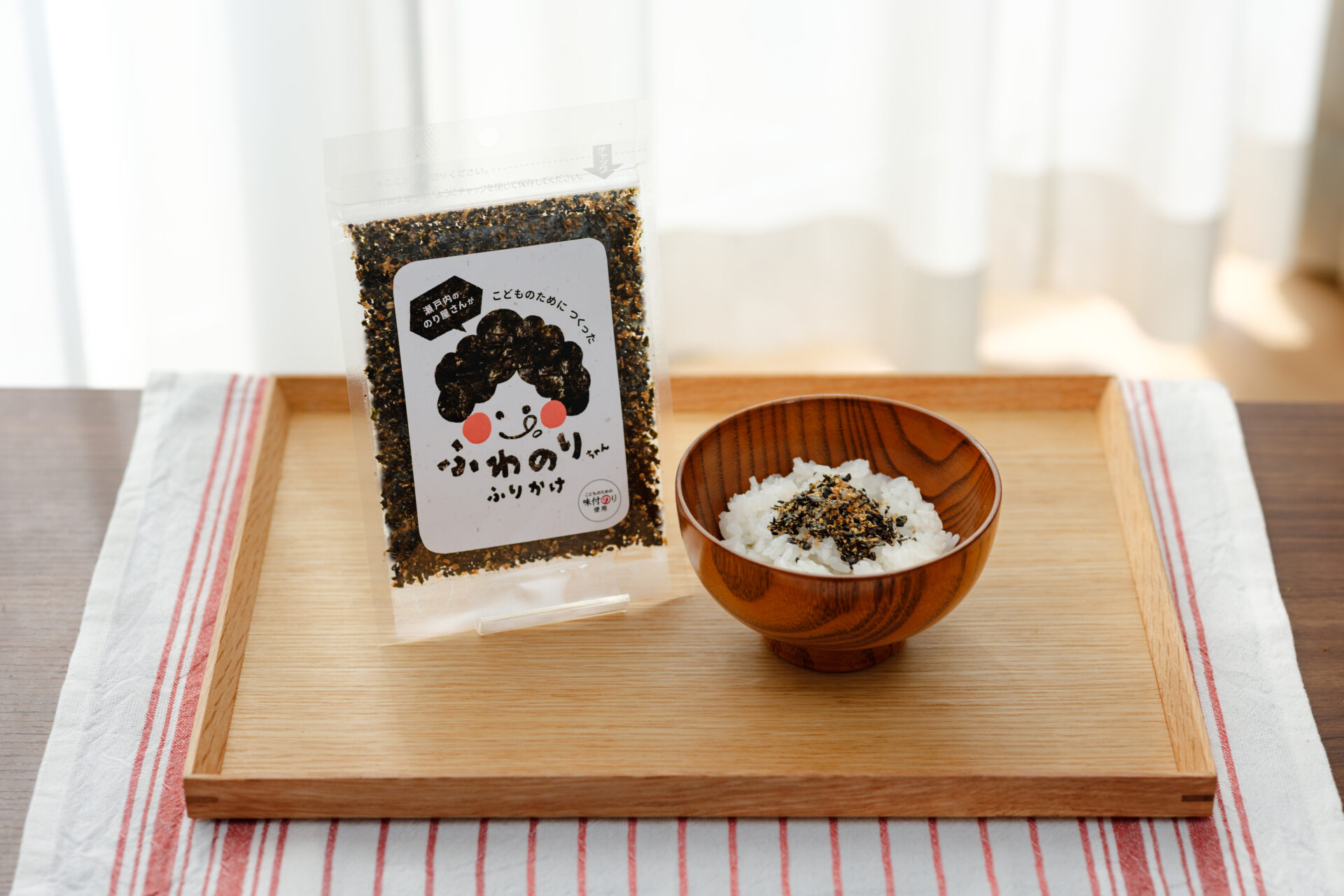
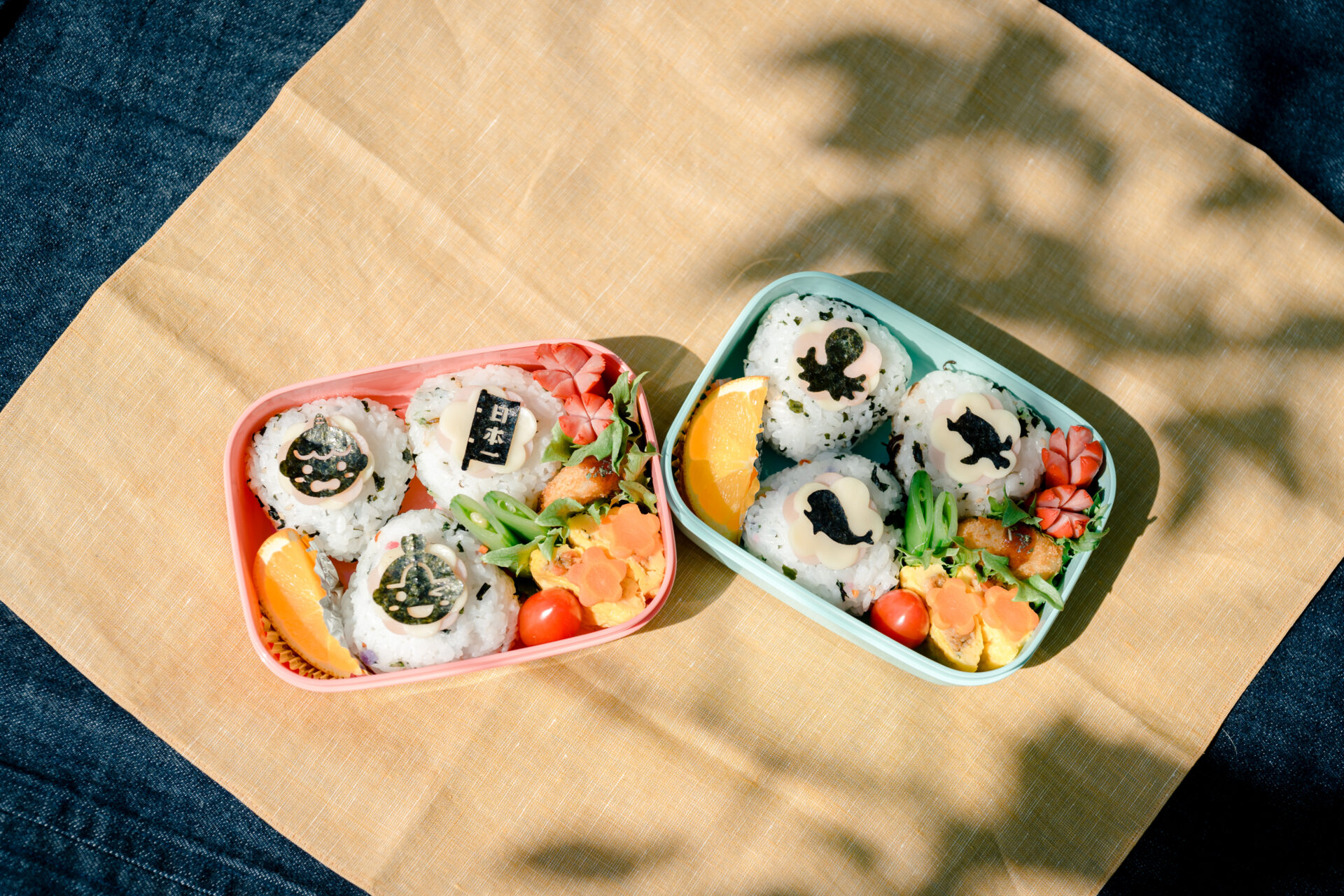
"Flavored Seaweed for Kids" has been so well received that one customer affectionately referred to it as "Devil's Seaweed."
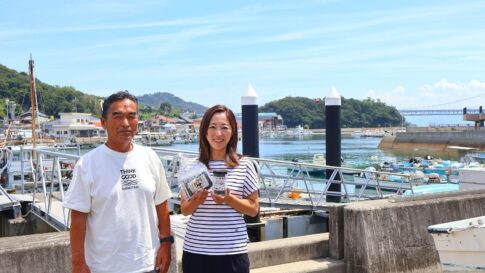
We spoke with Yuji Nanjou, the president of Nanjou Nori, and his daughter Yoko Nanjou, who is in charge of product planning and public relations, about seaweed production.
Data of Nanjou Nori Co., Ltd.
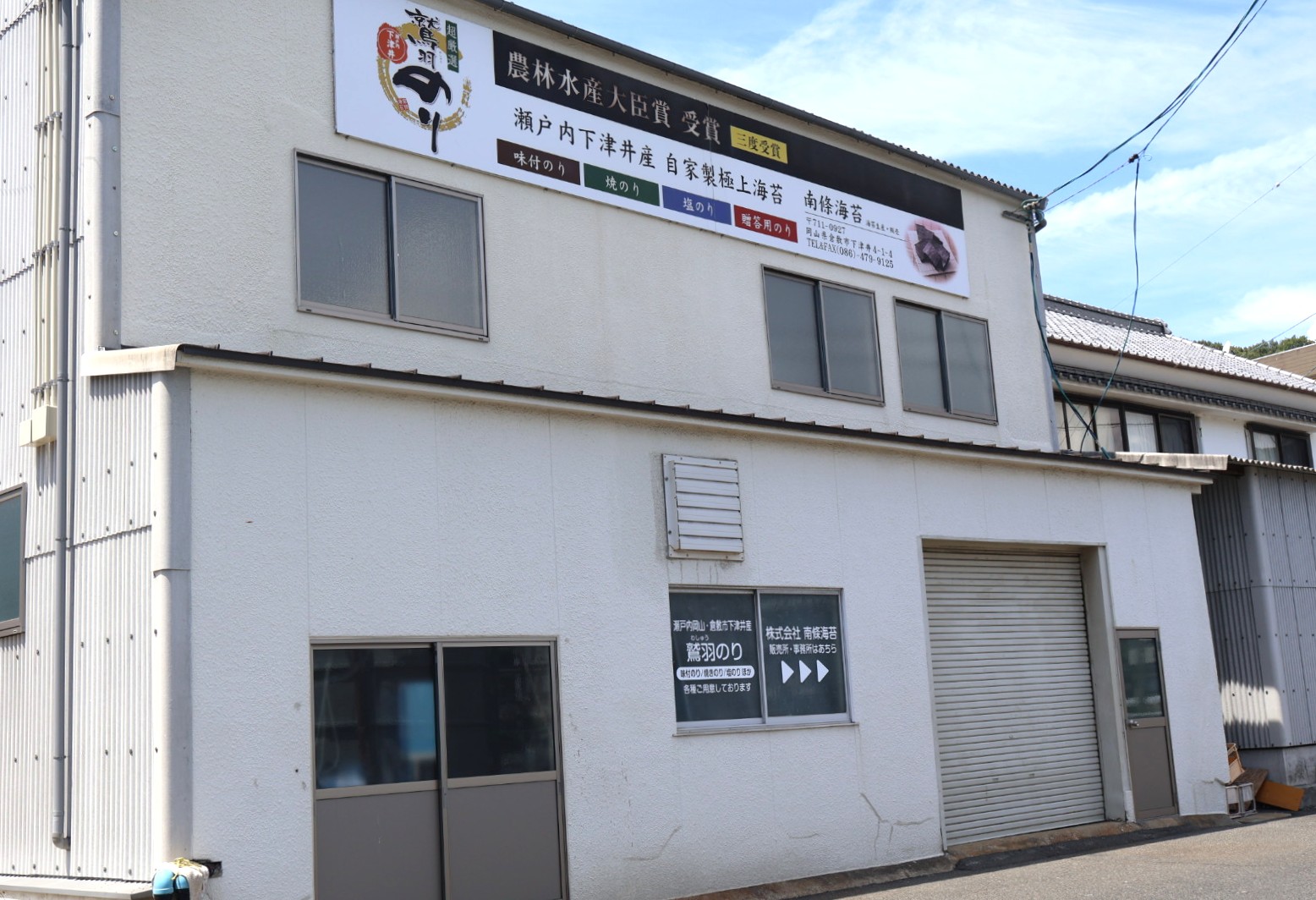
| Organization Name | Nanjou Nori Co., Ltd. |
|---|---|
| Industry | Seaweed Cultivation, Manufacturing, and Sales |
| Representative Name | Nanjou Yuji |
| Year Established | 1974 |
| Address | 4-1-4 Shimotsui, Kurashiki City, Okayama Prefecture |
| Contact | 086-479-9125 (Weekdays 1 PM - 4 PM) |
| Website | Nanjou Nori |


Free from chemical seasonings, with a gentle taste that is not spicy
Using "Flavored Seaweed for Kids," this furikake is finished with sesame, salt, and soy sauce
Seaweed cut into shapes of sea creatures and the character Momotaro