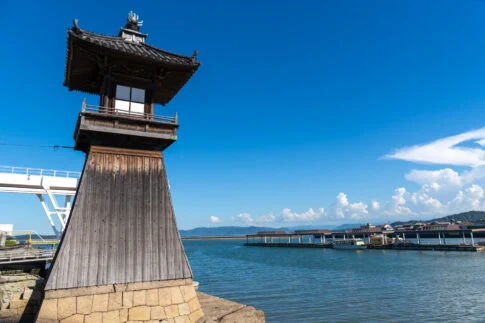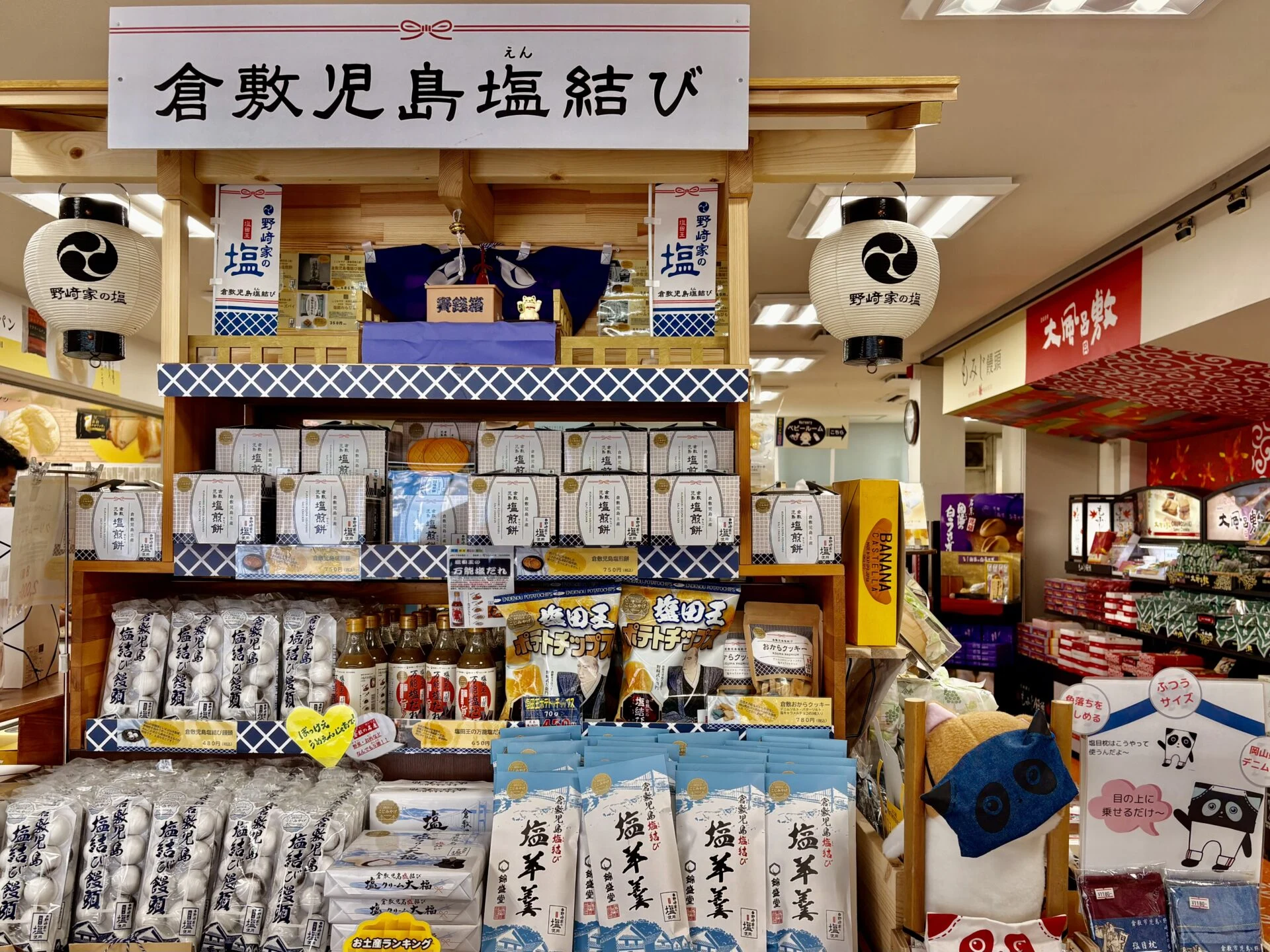
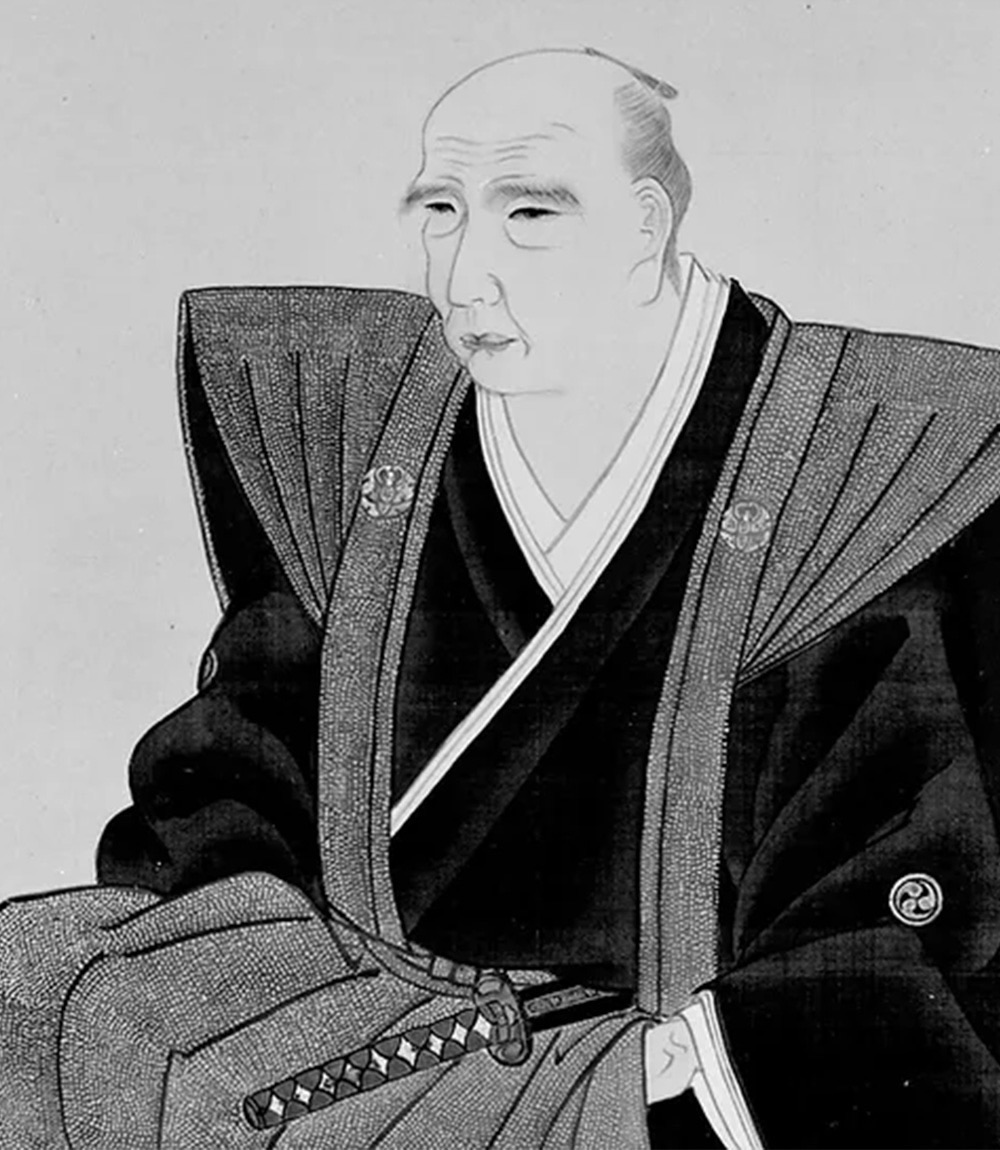
Kojima in Kurashiki City was once a region that flourished as one of Japan's leading salt production areas. During the Edo period, the Salt King of Japan, Nozaki Buzaiemon, built vast salt fields in a single generation.
However, entering the 1960s, the evolution of salt production technology and the increase in imported salt led to a rapid decline in domestic salt fields. Kojima's salt fields were no exception, and the long history of salt production disappeared.
The Kurashiki Kojima Salt Binding Project aims to once again make Kojima's salt culture a source of local pride and connect it to the future in a new form. The project not only seeks to revive Kojima's salt but also to reevaluate the region's history and culture and utilize it as a new tourism resource.
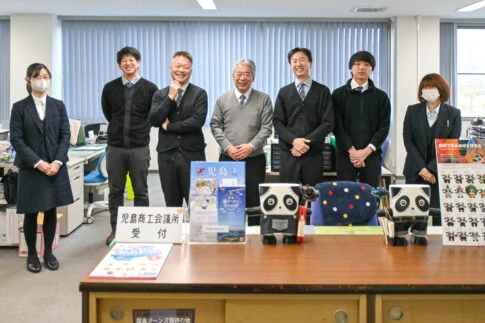
We spoke with representatives from the Kojima Chamber of Commerce and Shimotsui Railway Co., Ltd. (hereinafter referred to as "Shimotsui Railway") about their goals and future prospects for the project.
What is the Kurashiki Kojima Salt Binding Project?
The name "Salt Binding" embodies the desire to "weave together the people and history of the region through salt." The goal is not just to revive salt but to connect the culture and the thoughts of the people in the region.
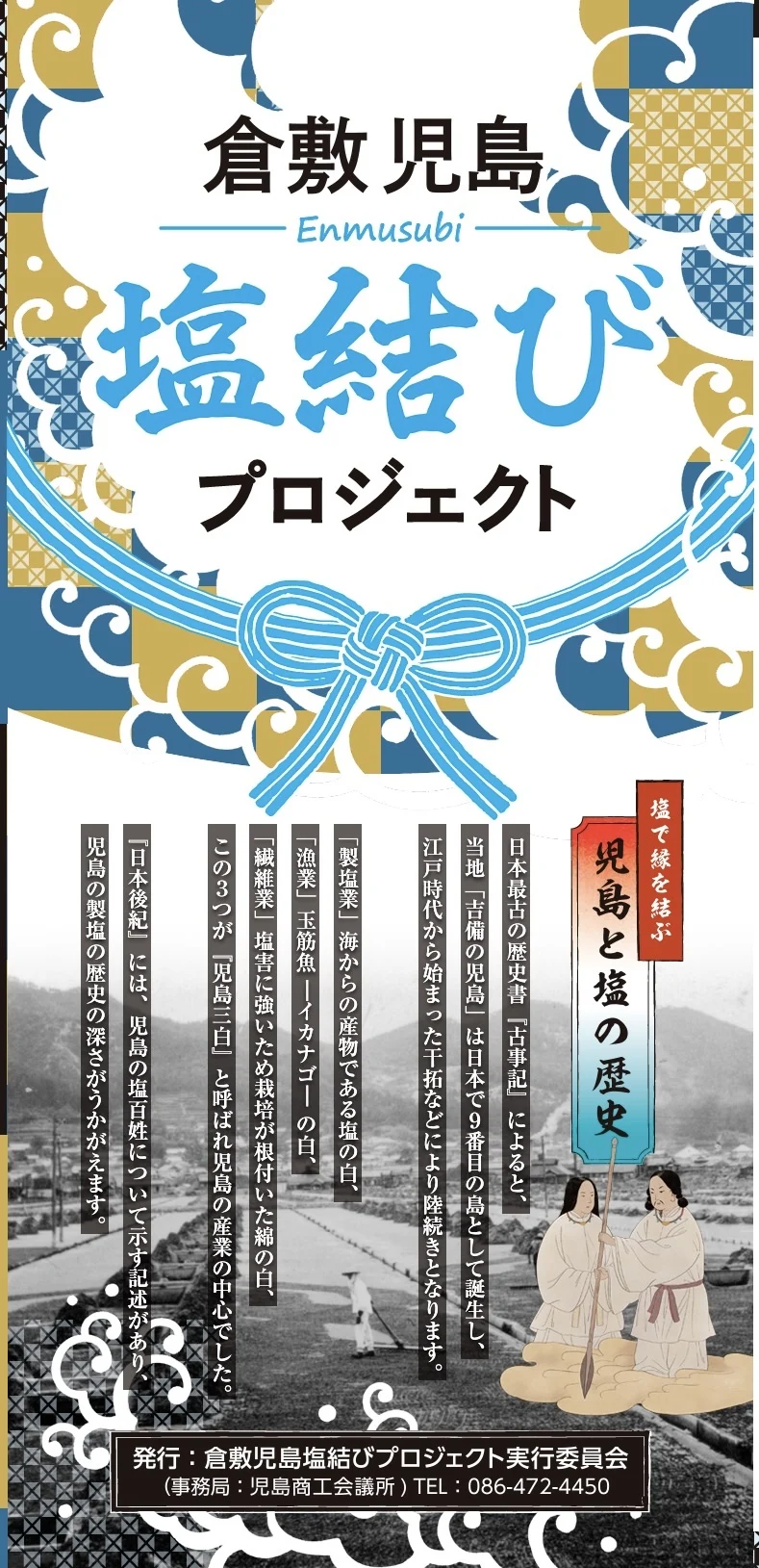
This project promotes product development utilizing salt and further collaboration with tourism. It is an attempt to create new regional attractions by leveraging Kojima's rich history and natural resources.
Regional revitalization efforts centered around "Salt of the Salt King Nozaki Family"
At the heart of the project is the production of salt using seawater from Okayama. With the former salt fields now gone, efforts are underway to produce salt using new methods and utilize it as a local specialty.
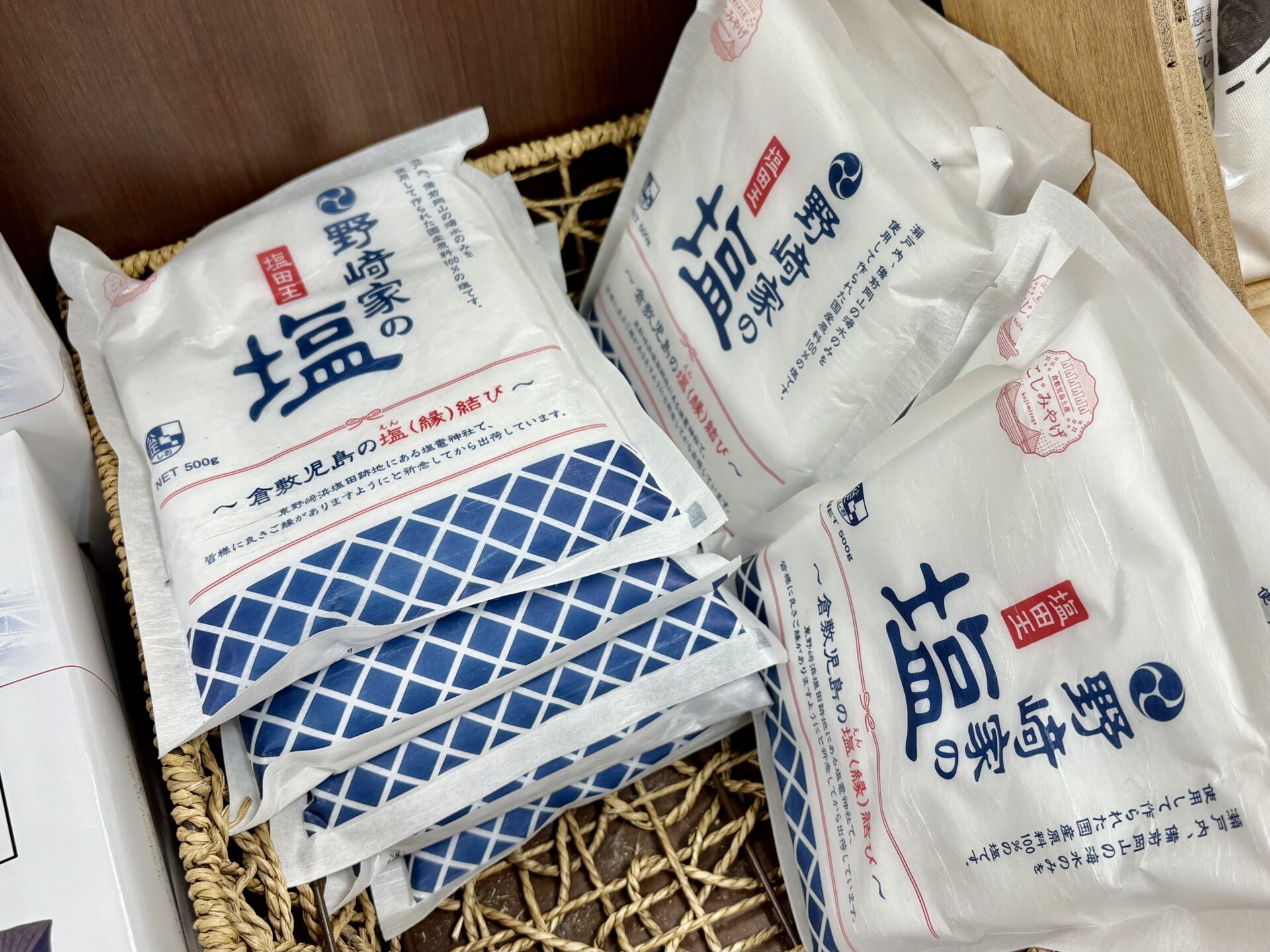
As part of this, a new brand called Salt of the Salt King Nozaki Family (hereinafter referred to as "Nozaki Family Salt") was developed in collaboration between Naikai Salt Industry Co., Ltd. (hereinafter referred to as "Naikai Salt Industry") and Shimotsui Railway. This salt is characterized by its rich minerals and mild flavor, made from Okayama seawater.
Products using Nozaki Family salt
Nozaki Family salt is used in various products, taking advantage of its mild flavor.
Souvenirs
In collaboration with traditional Japanese and Western confectionery shops, products such as salt yokan (sweet bean jelly) have been developed and are popular among tourists. They also play a role in promoting Kojima's charm as a local specialty.
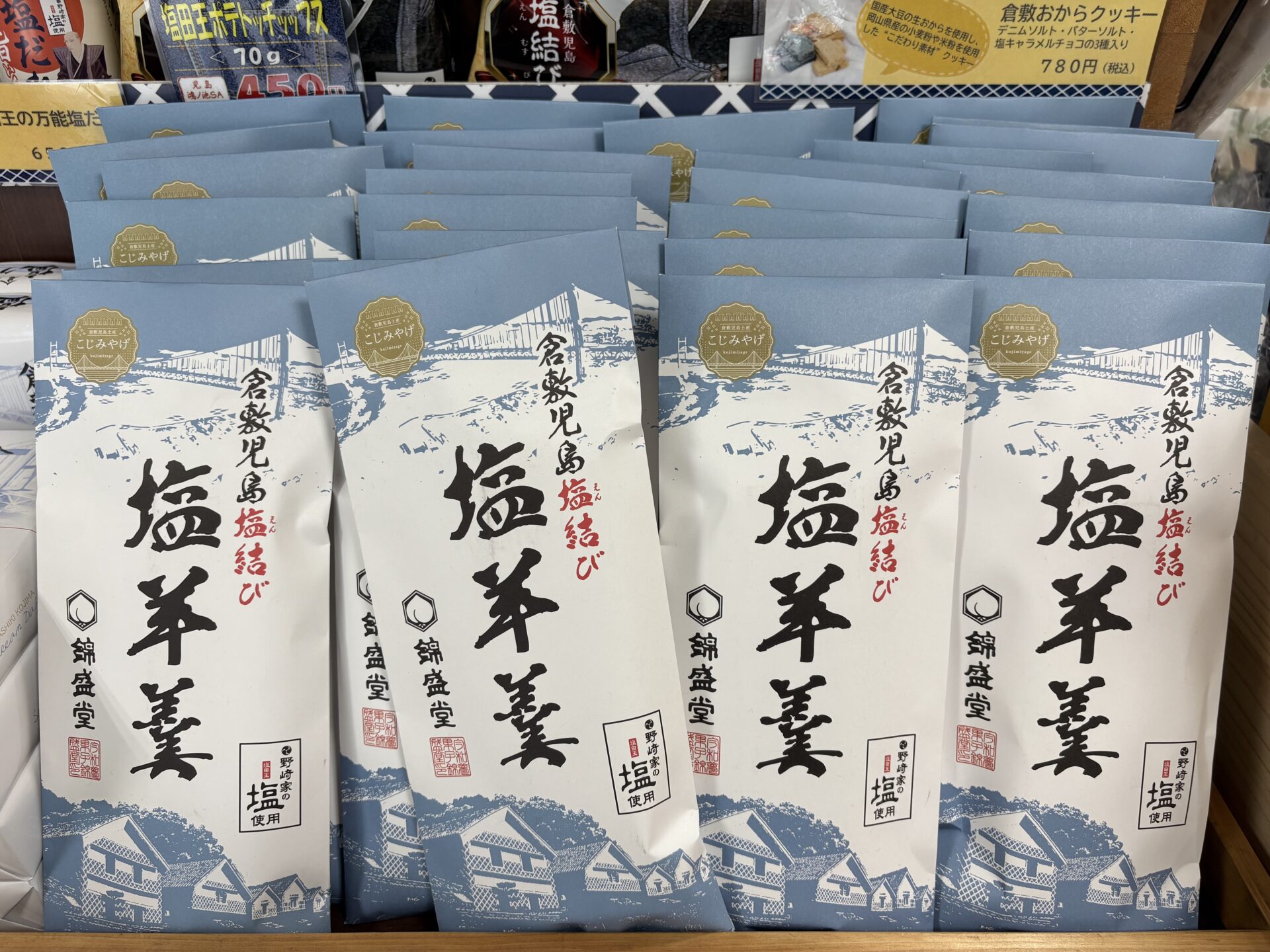
The "Salt Yokan" produced by the long-established Japanese confectionery shop Imawamukashi Kinseido is a product that emphasizes Okayama Prefecture's ingredients. By using Nozaki Family salt, it creates a refined flavor.
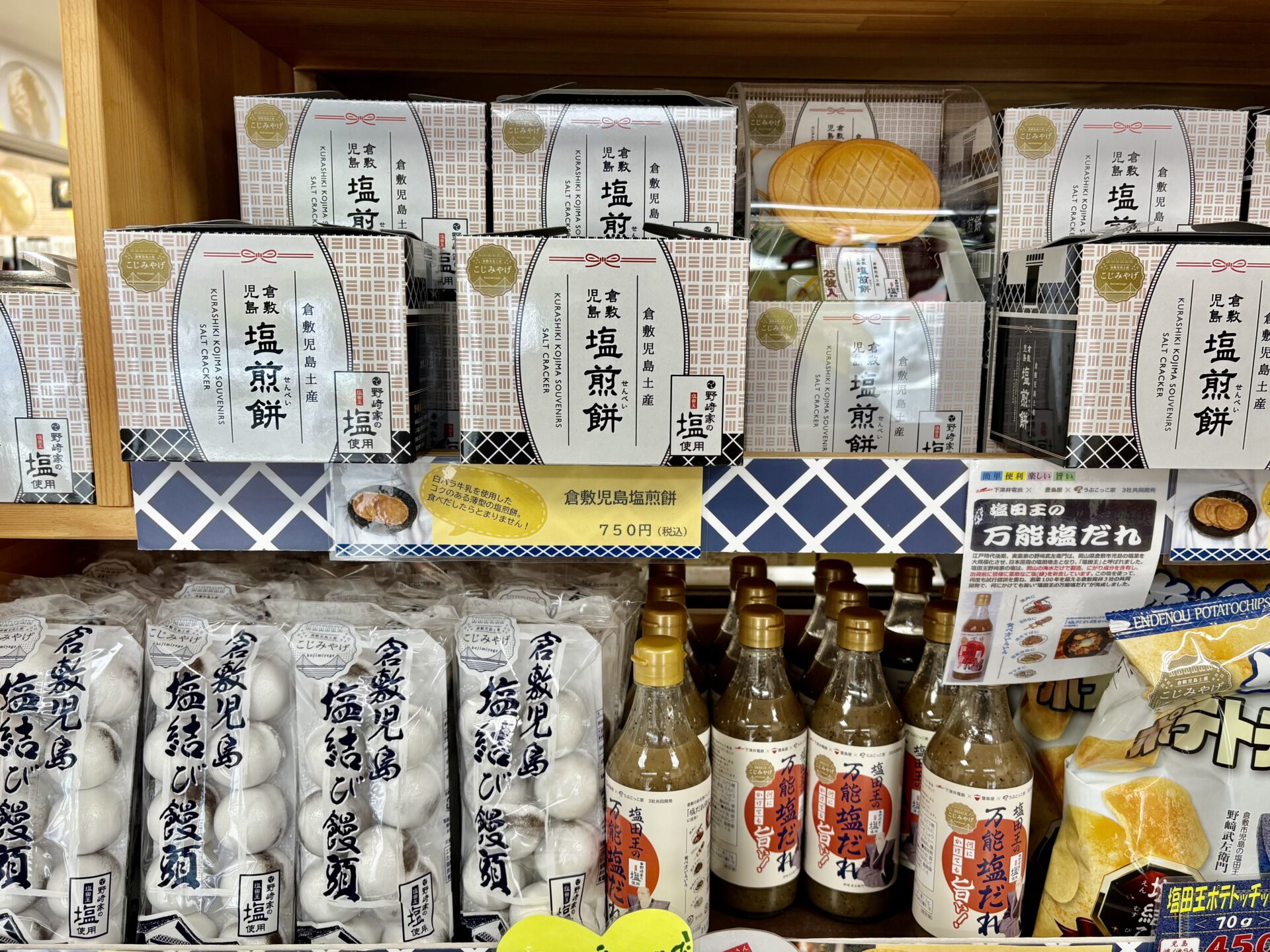
There are many other products using Nozaki Family salt. Development of new souvenirs using Nozaki Family salt is ongoing, and further expansion is expected.
Gourmet
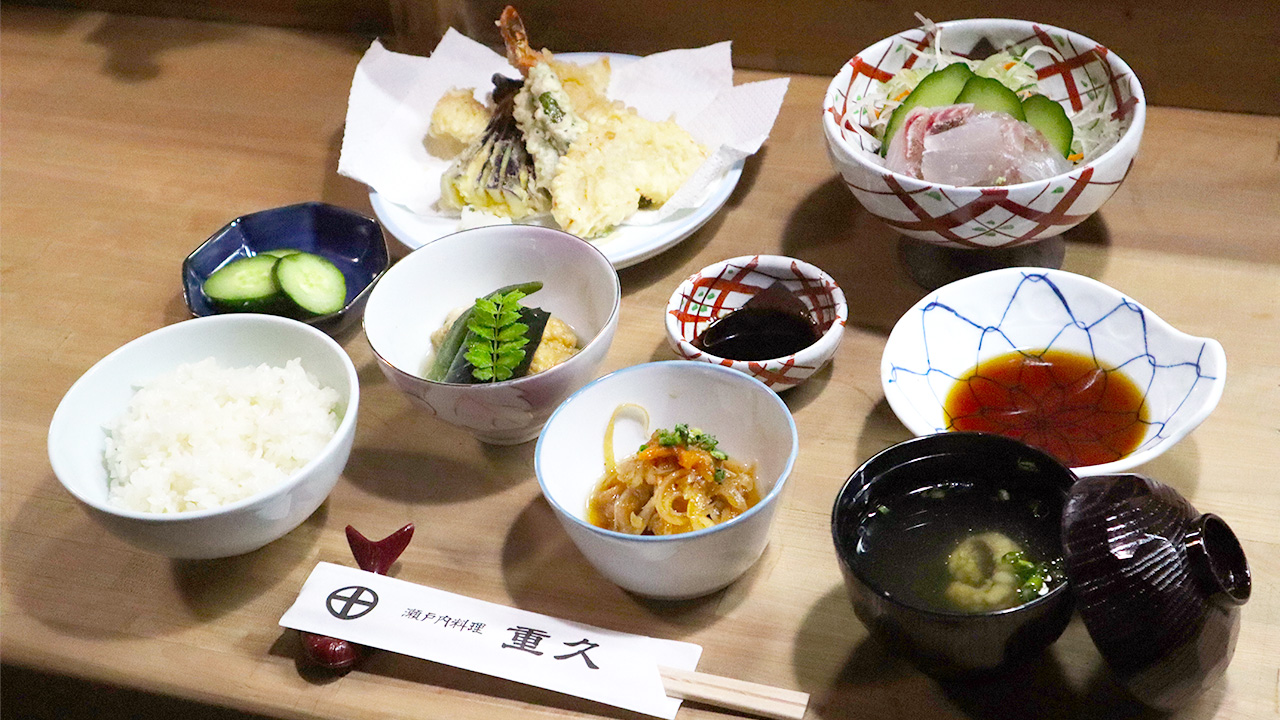
It is also used in the menus of local restaurants. Additionally, it is being developed as a local gourmet item.
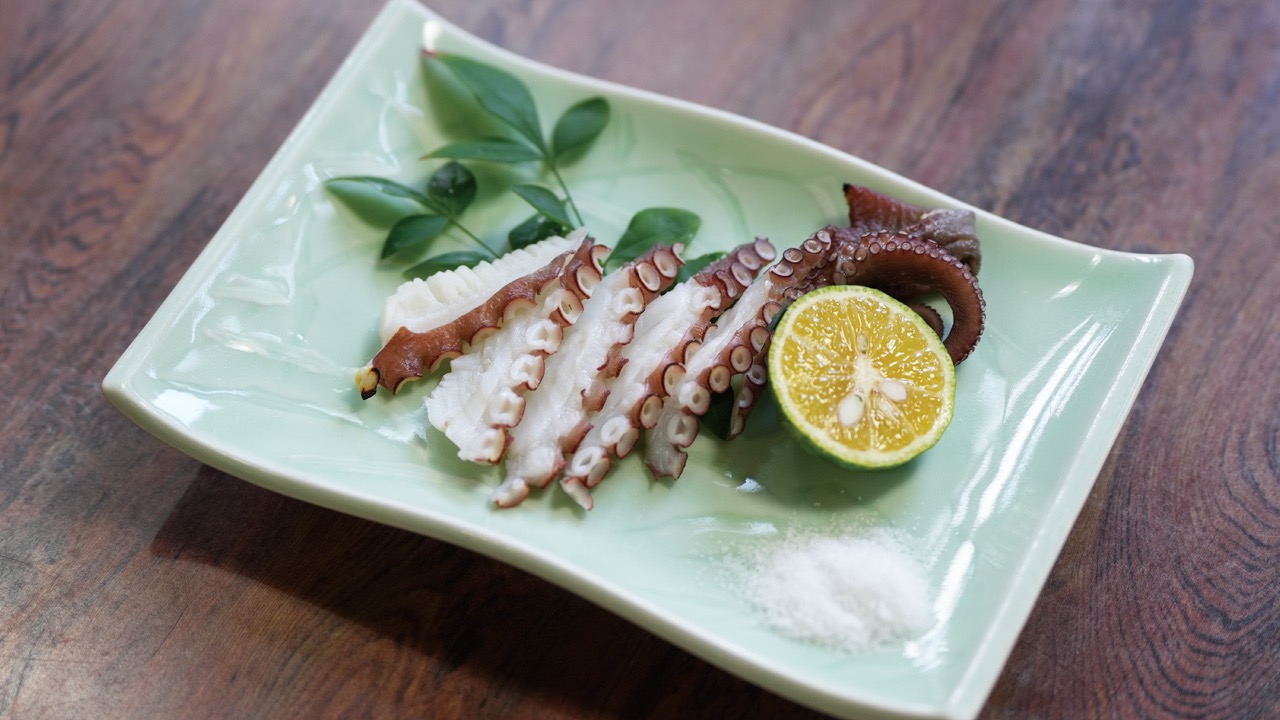
The "Tako Shioyaki" (grilled octopus) offered at Sushi Kappo Matsumoto in Shimotsui also uses Nozaki Family salt, allowing you to enjoy the blessings of the sea in Shimotsui.
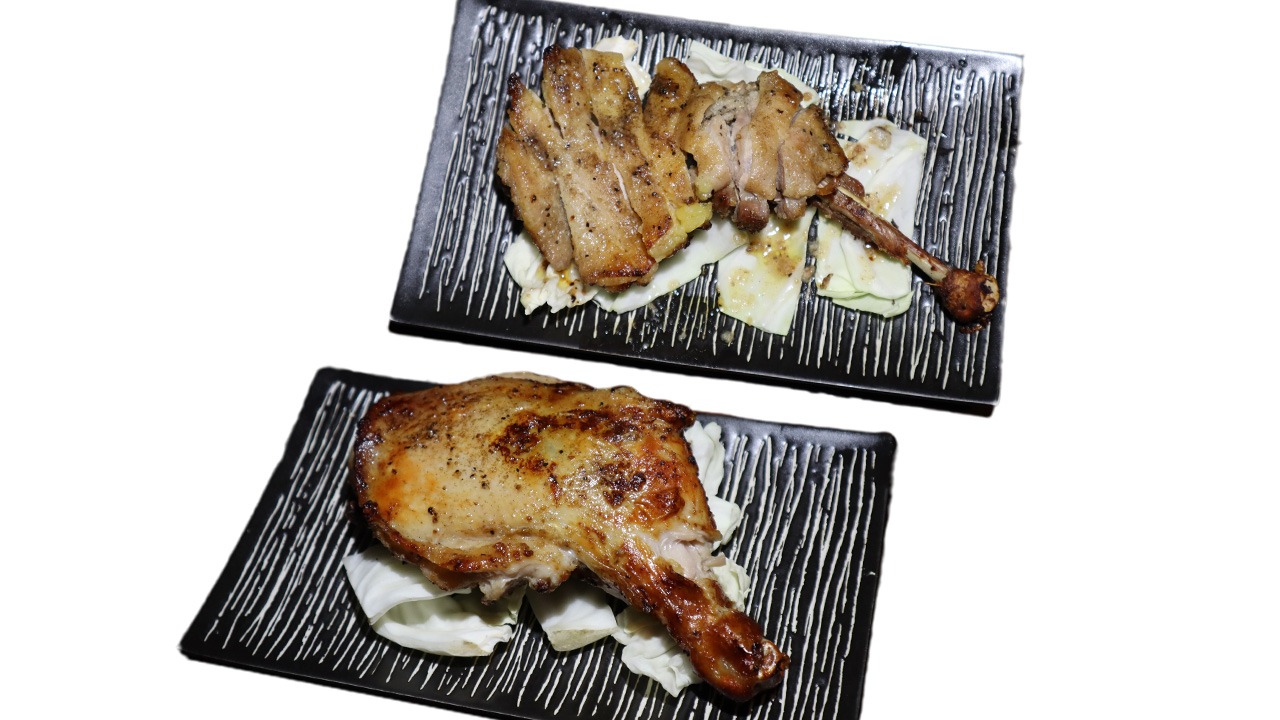
At Yakitori Torifuku Honten, located in front of Kojima Station, some of the chicken dishes served use Nozaki Family salt. Its umami enhances the flavor of the ingredients, making it a dish that allows you to enjoy the taste of Kojima even more.
It is also used in many other restaurants, becoming an essential seasoning that represents Kojima's food culture.
Tourist facilities to experience Kojima's salt
The project is also working on tourism to the Kojima area through salt.
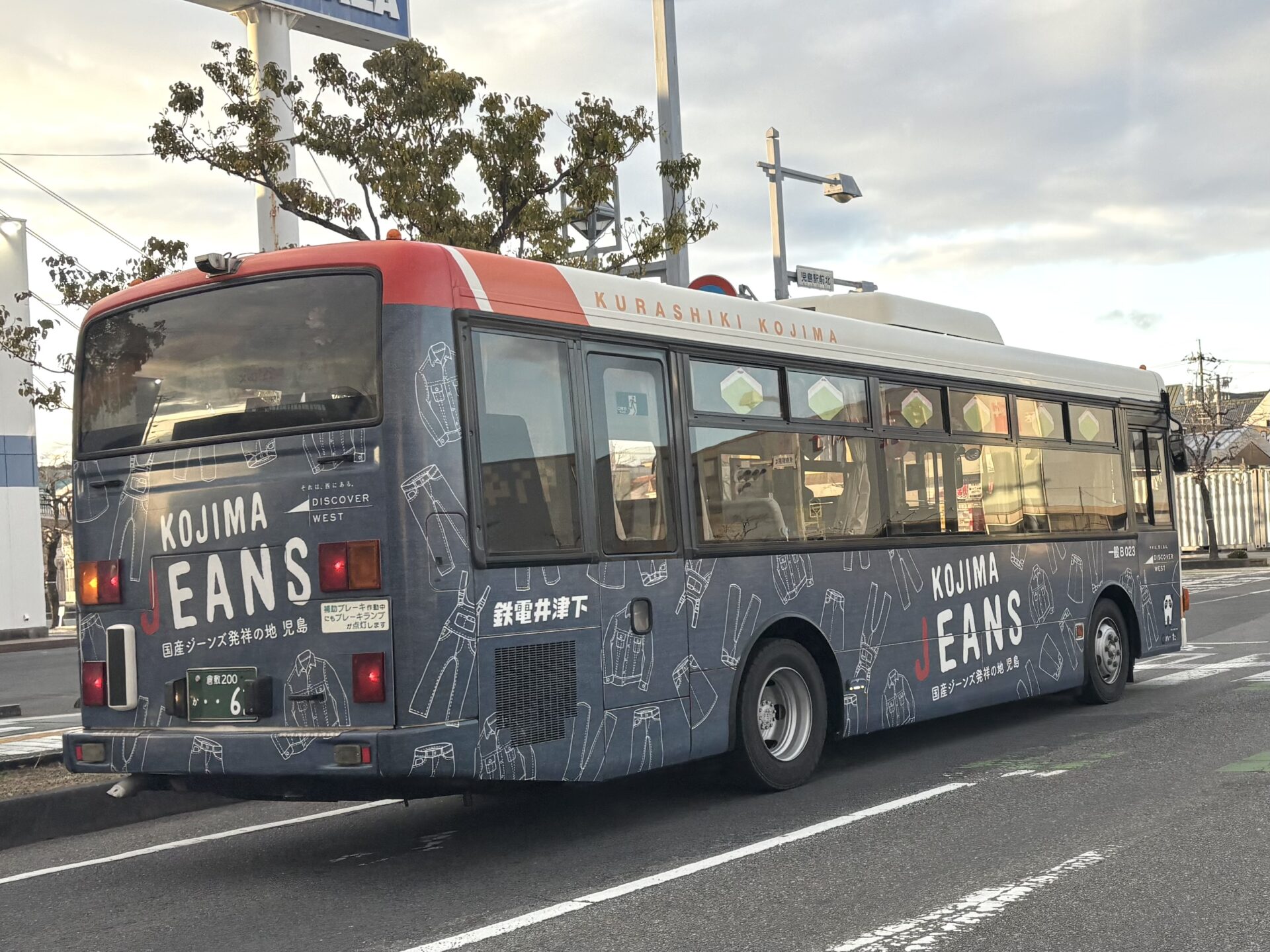
The "Jeans Bus" operated by Shimotsui Railway is a convenient bus that tours tourist facilities and jeans shops in the Kojima area, allowing you to discover the charm of Kojima.
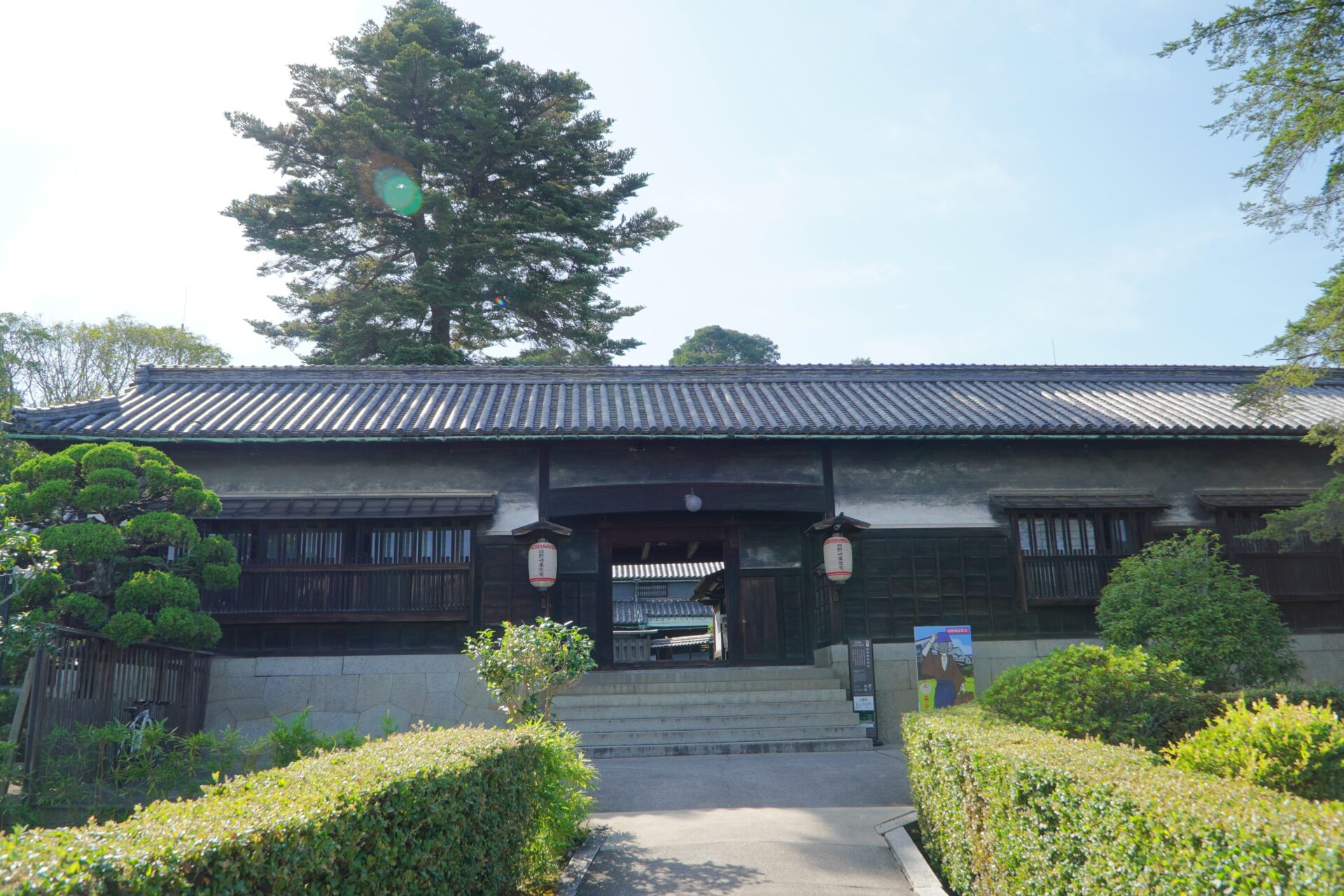
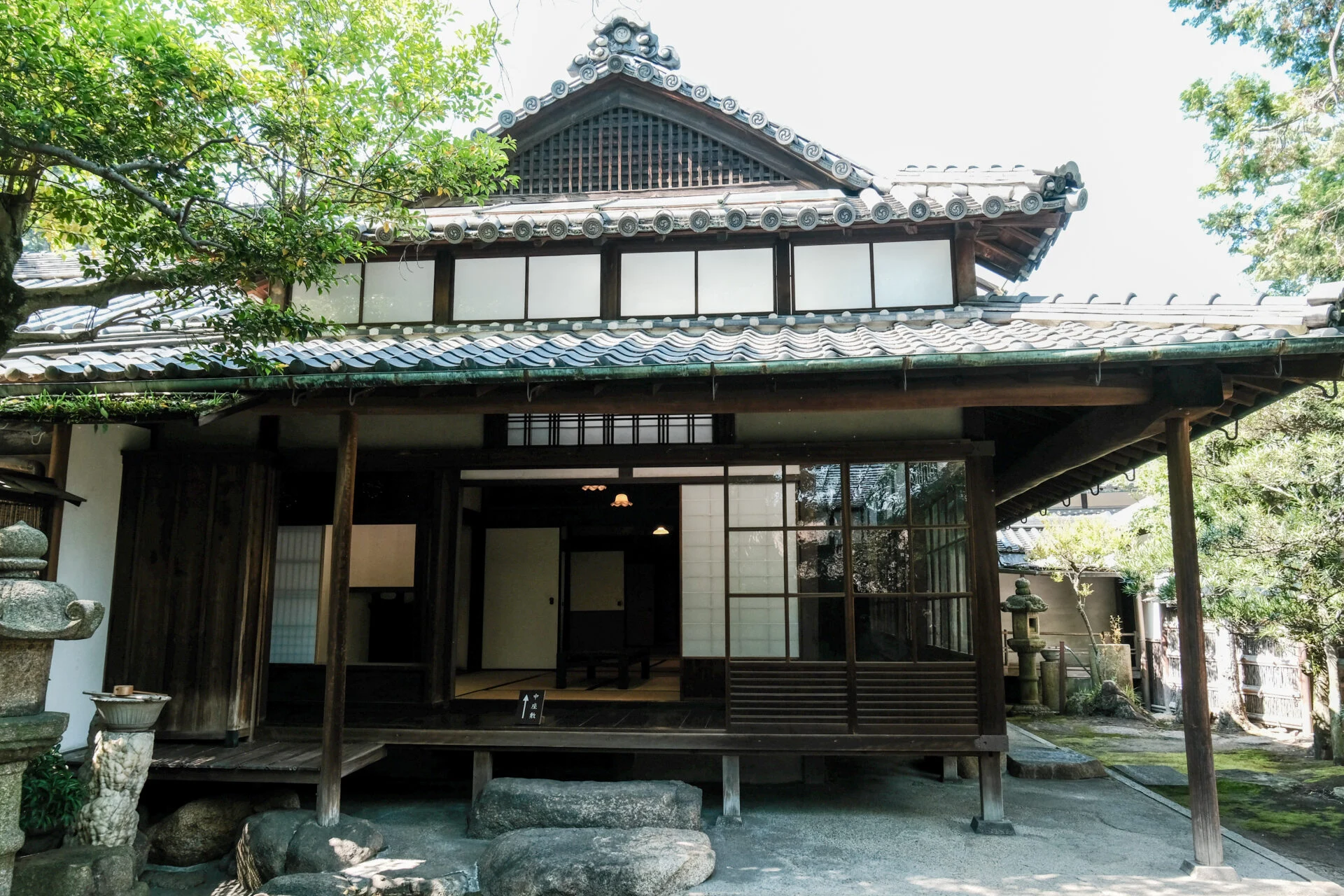
The Nozaki's Historical Residence, where the Salt King Nozaki Buzaiemon resided, is also an essential tourist destination when talking about Kojima.
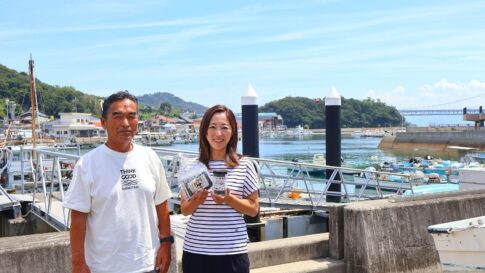
We spoke with Hayata Tomoyuki from Shimotsui Railway, which promotes the "Kurashiki Kojima Salt Binding Project," and Komatsubara Tatsuya from the Chamber of Commerce about the project.
Data on the Kojima Salt Binding Project
| Name | Kojima Salt Binding Project |
|---|---|
| Address | Kojima Chamber of Commerce, Kurashiki Kojima Salt Binding Project Executive Committee |
| Contact | 086-472-4450 |
| Website | Kurashiki Kojima Salt Binding Project |