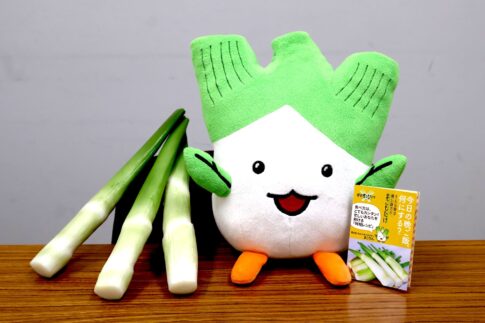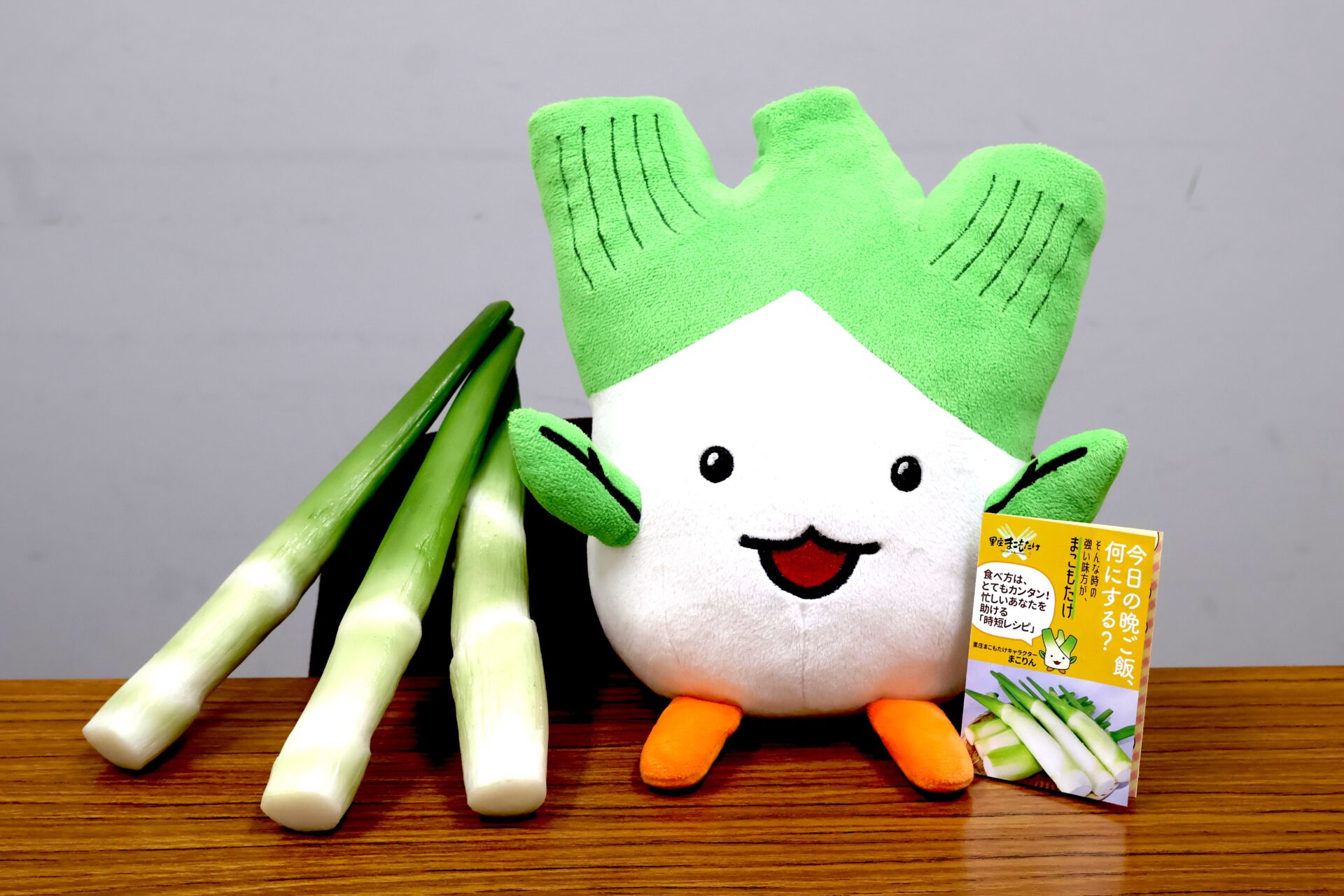
It looks like a green onion, but its name is like that of bamboo shoots. Do you know about the specialty product "makomotake" from Satosho Town?
Makomotake is the swollen part of the stem of the plant "makomo," which belongs to the grass family. It has a slightly sweet taste and a crunchy texture, and in Satosho Town, serious cultivation has been ongoing since around 2011. Its peak season is limited to a short period in autumn, from late September to mid-November.
Even if you see it at direct sales offices or roadside stations, you might think, "I don't know how to eat it." In fact, makomotake can be used in cooking by simply peeling and cutting it. No soaking to remove bitterness is necessary.
This article introduces ways to enjoy delicious makomotake from Satosho as it reaches its peak season.
The information provided is from an article published in October 2026. Please note that it may differ from current information.
What kind of vegetable is makomotake, a specialty of Satosho Town?
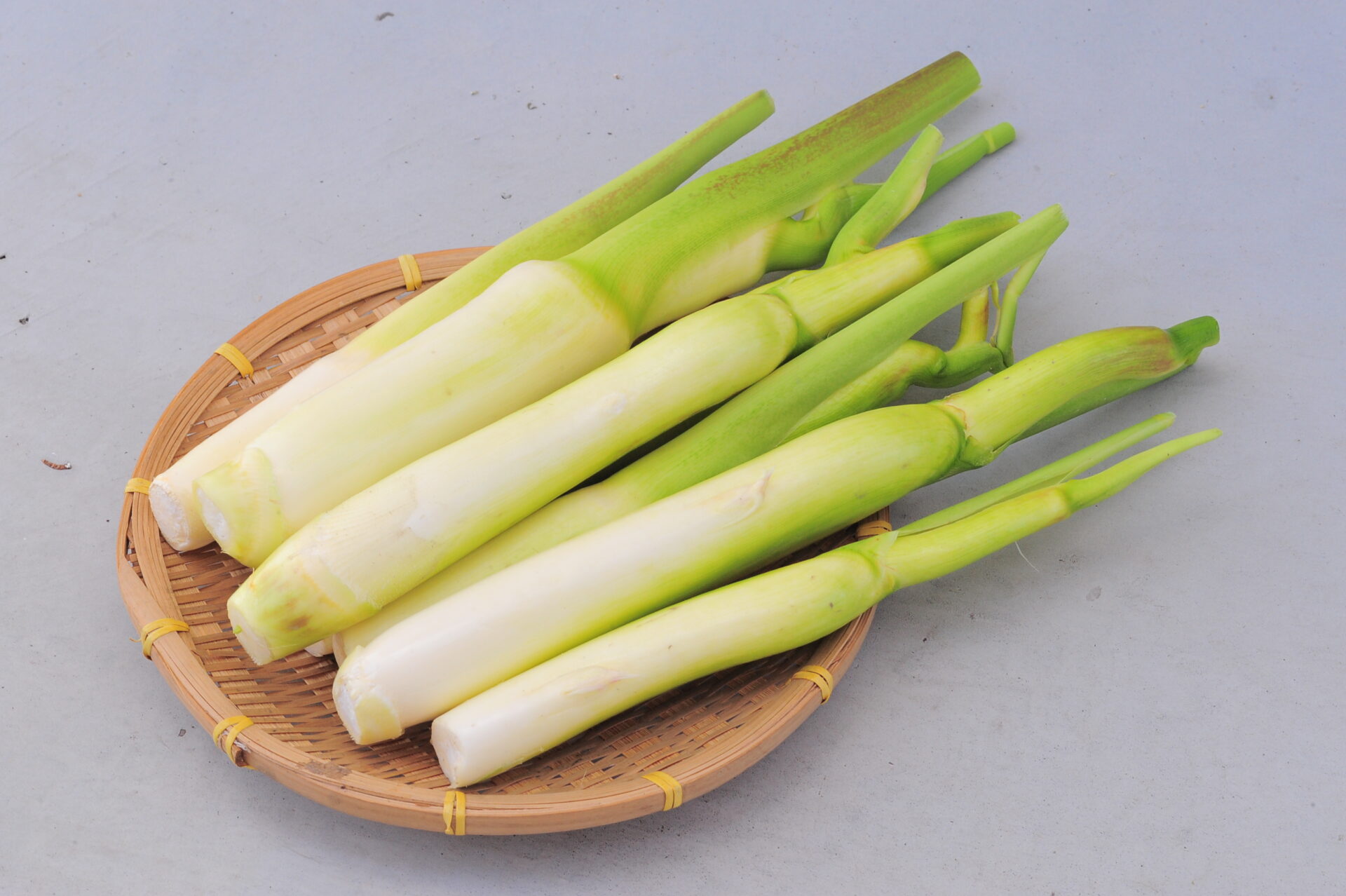
Makomotake is the thickened part of the stem of the plant "makomo."
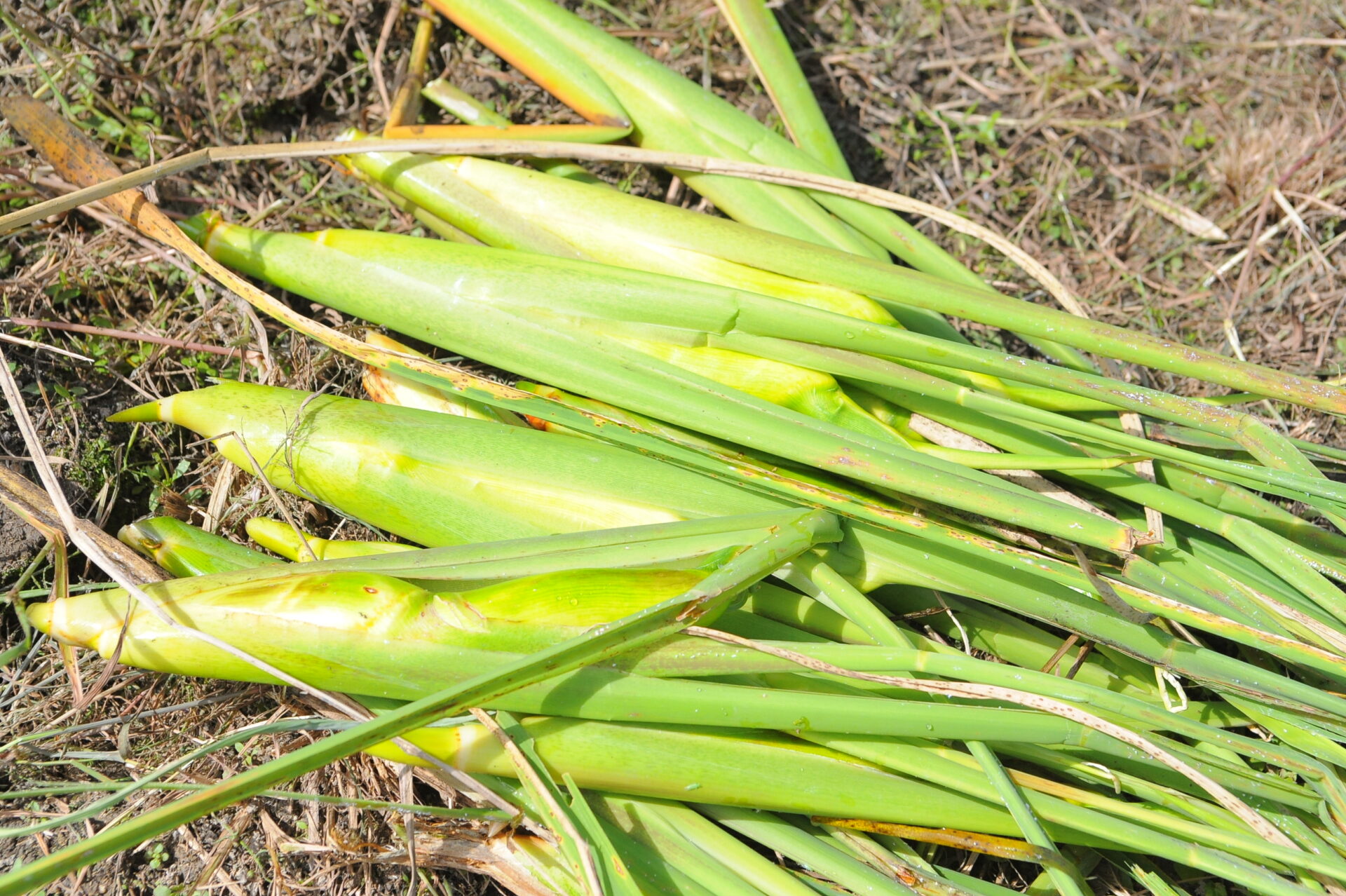
Makomo originally produces ears like rice. However, when a fungus called "kurobokin" inhabits the stem, it uses the nutrients that should go to the ears, causing the stem to swell. This swollen part is eaten as "makomotake."
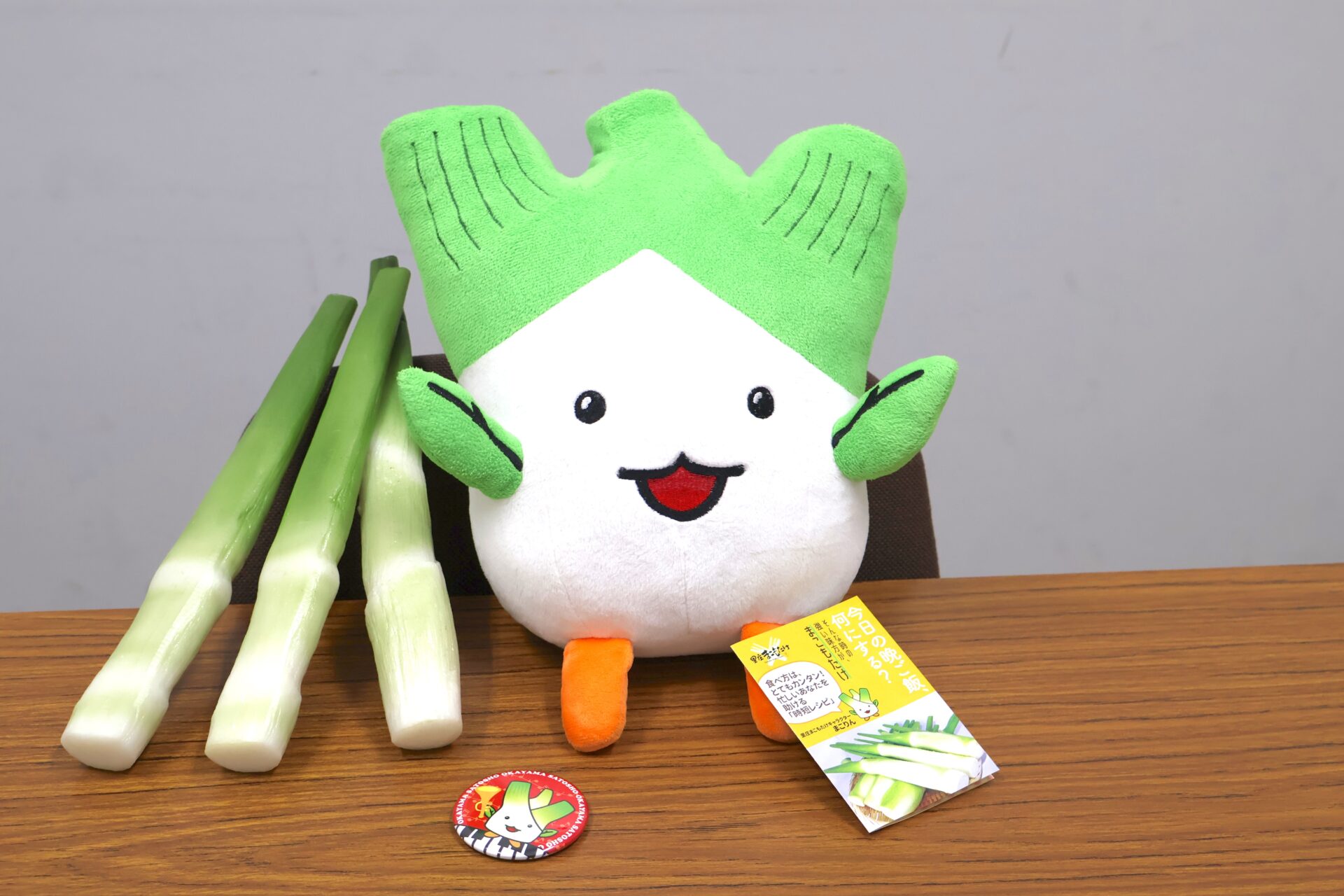
It looks very similar to white leeks and is slightly thicker than them. Larger ones grow to a more substantial thickness. When you peel off the outer green skin, a pure white part appears.
Makomo grows in rice fields, and seedlings are planted from late April to early May. It takes about five months to grow, and it is said to be taller than rice and has sturdy leaves, making it less likely to fall over in the wind.
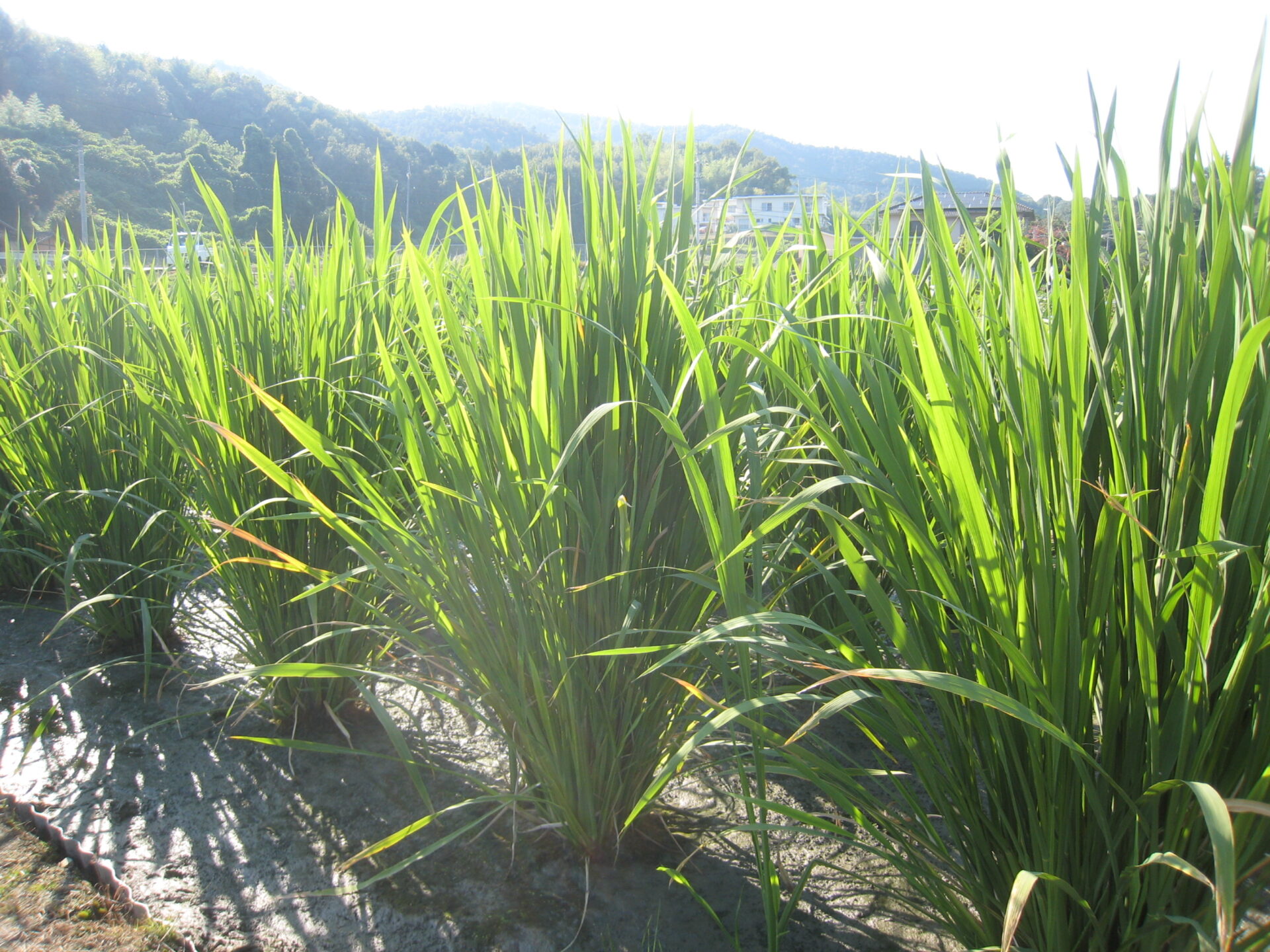
Fresh makomotake can be enjoyed from late September to mid-November
According to Ogino Ryo from Agrikeiell Co., Ltd., which handles the production and sale of makomotake in Satosho Town, the planted seedlings grow stems from the base like rice, developing into clumps about 50 cm in diameter. Harvesting is done manually with a sickle, cutting each one individually when they are ripe, similar to pears or peaches.
For the stems to swell, a temperature difference between cool nights and hot days is essential. Sales begin every year in late September, peaking in mid-October. After early November, the cold makes the makomotake tough. Therefore, fresh makomotake can be enjoyed from late September to mid-November.
In Chinese cuisine, it is known as a high-end ingredient and is sometimes used as a substitute for bamboo shoots. Most of the makomotake available in the country is imported from Taiwan, and domestic production is still limited.
Both the stems and leaves of makomo are utilized.
In Satosho Town, makomo powder made from the leaves, bath additives, and sweets using the powder are also produced, making it a plant with almost no waste.
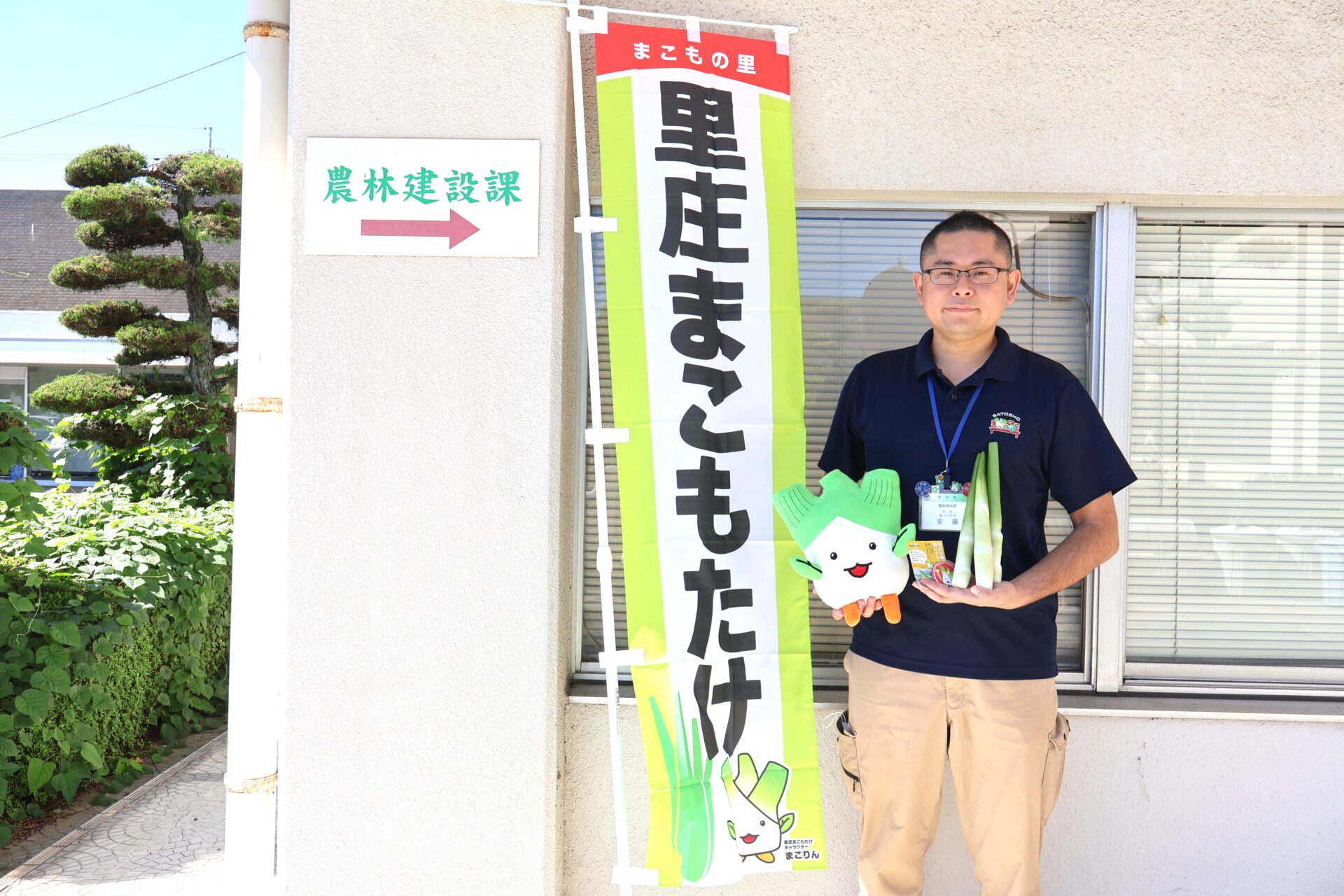
We spoke with Ando Tatsuya from the Satosho Town Office, Agriculture, Forestry and Construction Division
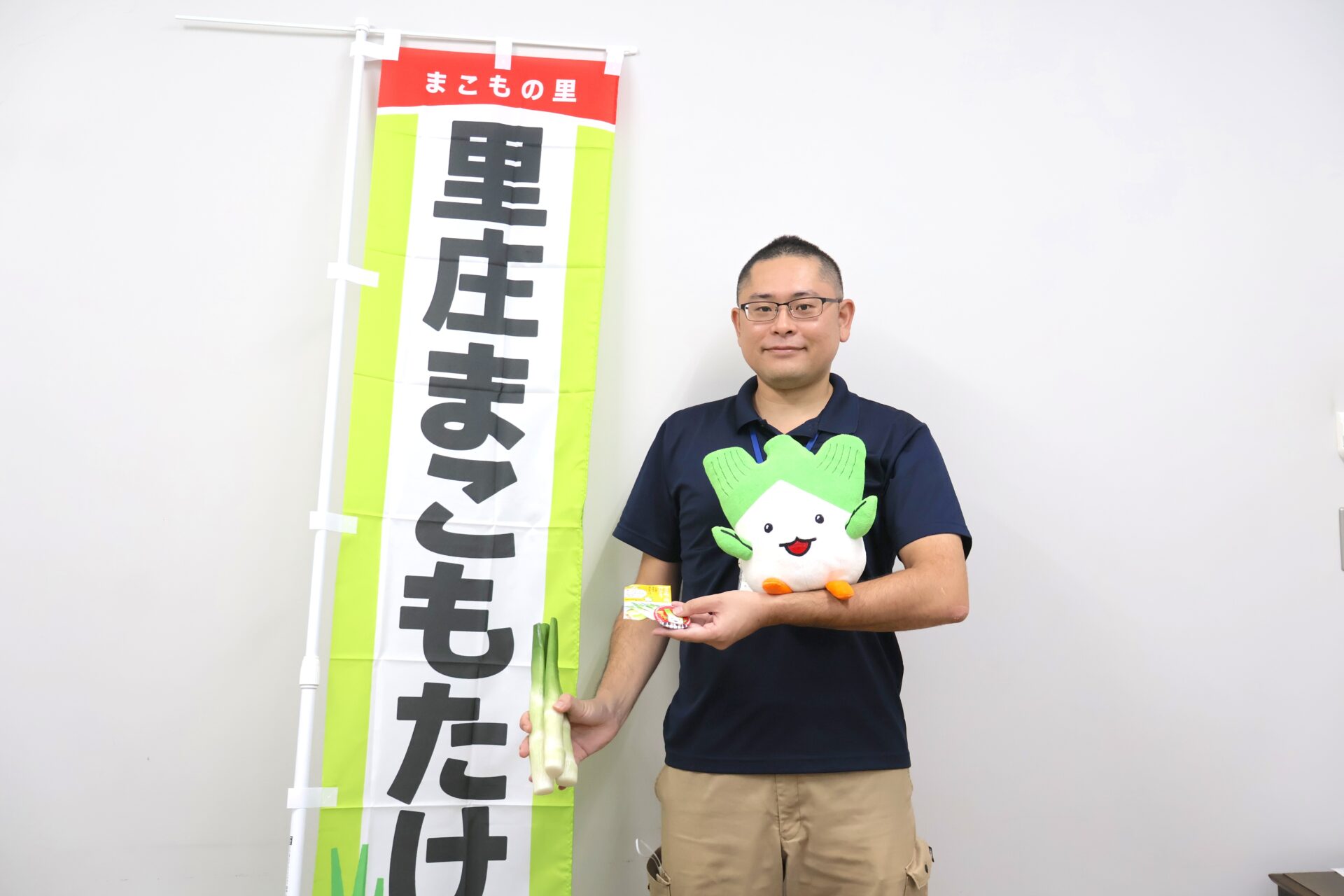
We learned about makomotake from Ando Tatsuya, Chief of the Agriculture, Forestry and Construction Division, Satosho Town Office.
How is this year's (2026) makomotake harvest?
Ando (no honorifics)
I have heard from those selling at the agricultural cooperative's direct sales office that it has matured earlier than usual.
For the past two years, September continued to feel like summer. In comparison, this September had more rain and wasn't as hot.
Makomotake swells after the temperature difference between cool nights and hot days occurs. I think it grew faster this year because the temperature difference started early.
Cooking methods for makomotake
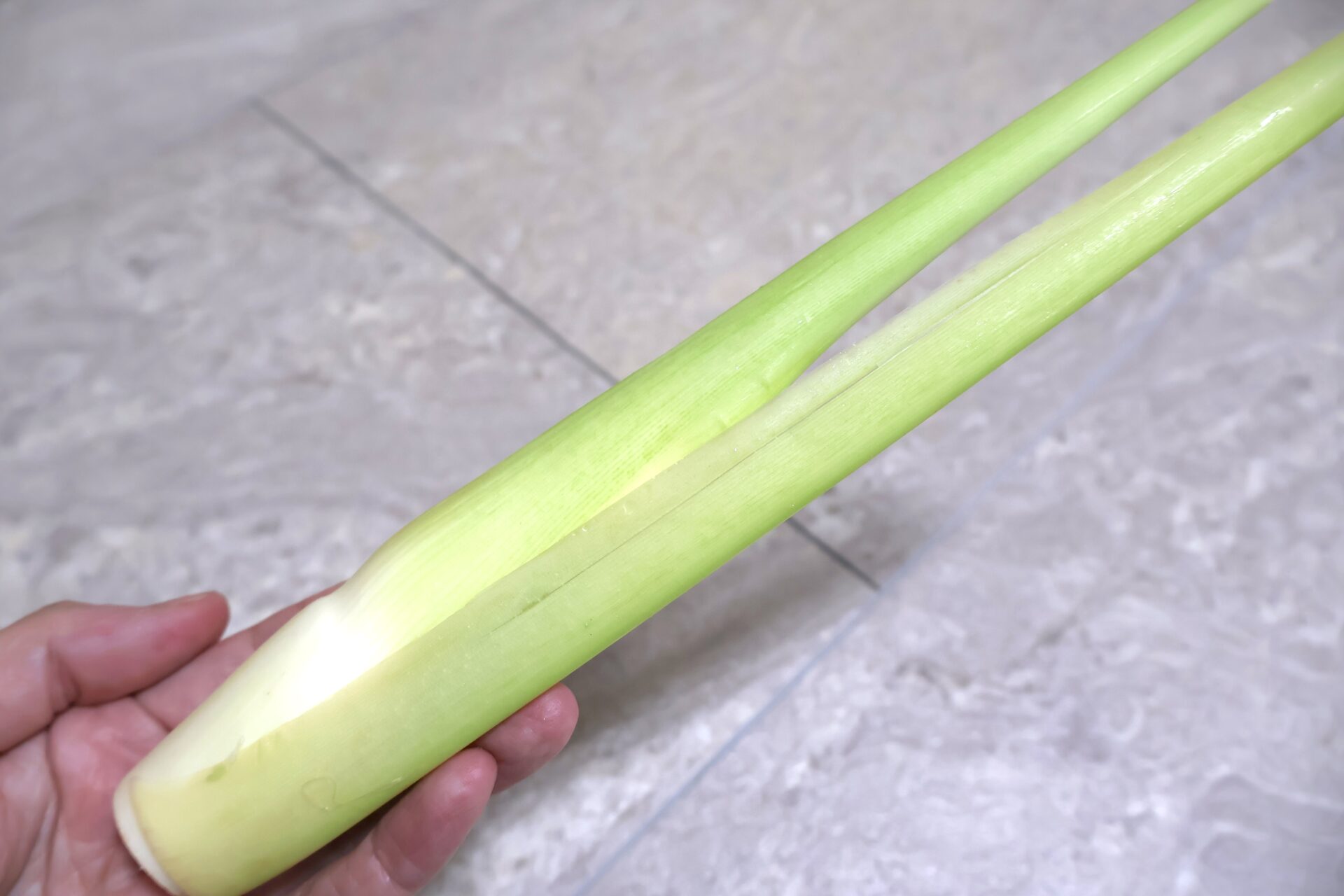
For those who may not know about makomotake, what kind of vegetable is it?
Ando
I didn't know about it until I came to Satosho Town either. Since it looks like a green onion, people often ask me, "Is it a green onion?"
The taste is slightly sweet. It doesn't have any particular strong flavor or bitterness.
The texture is crunchy. When you think of bamboo shoots, you might imagine a crunchy texture, but it's different from that. It's neither like a green onion nor an onion; it has a unique texture.
What should be done for preparation?
Ando
Just peel it and cut it to your preferred size. No soaking to remove bitterness is necessary.
At direct sales offices, it is often sold with one or two layers of the outer skin still on to protect the edible white part.
If the top part is green, you can either peel it off by hand like peeling an onion or use a peeler a few times to reveal the white part. Please eat the white part. Depending on how you cut it, it also cooks quickly.
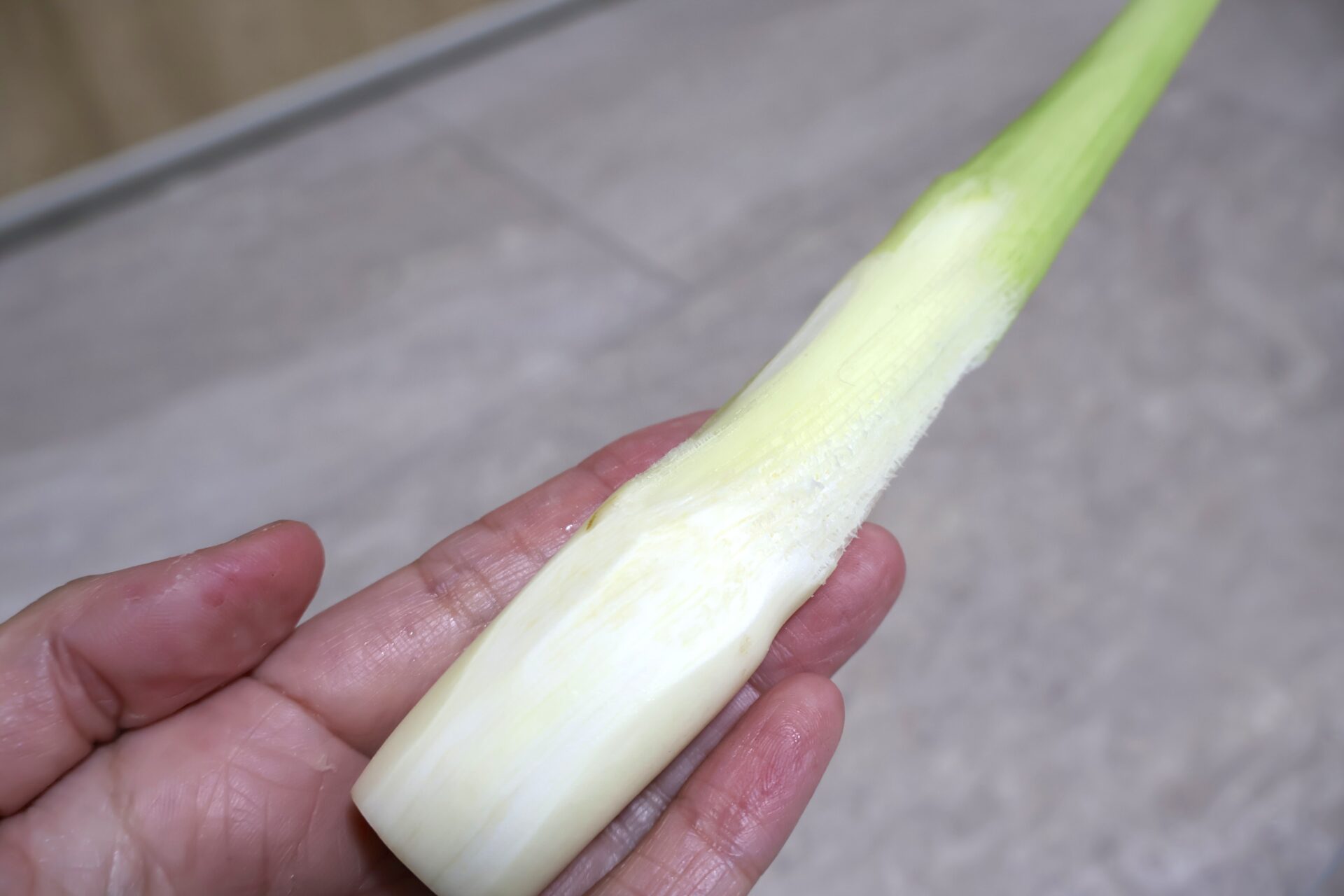
Please tell us your recommended ways to eat it.
Ando
A simple way is to grill it and sprinkle salt and pepper on it. It also pairs well with oil, so you can slice it and stir-fry it with bacon, make tempura, or add it to stews. It goes well with various dishes, whether Japanese, Western, or Chinese.
Thicker ones can be cut in half lengthwise and grilled as is. If you cut them diagonally and thinly, they become easy to stir-fry quickly in a frying pan.
I think tempura is the most delicious. If you cut it into strips and flatten it, coat it in batter, and deep-fry it, it becomes easy to eat.
It is also delicious when used in mixed rice. In elementary school after-school care, they reportedly make handmade gyoza with chopped makomotake as part of an annual event.
If I buy it, how should I store it?
Ando
If stored upright in the refrigerator, it will last about a week. It can also be frozen, but once frozen, the taste will decline.
As time passes, it will lose moisture and become tough. Please try to eat it as soon as possible after purchasing.
Also, black spots like black sesame seeds may appear on the white part. This is the kurobo fungus itself. After some time has passed since harvesting, the kurobo fungus increases and becomes visible, leading to inquiries like, "Is it really edible?"
Since it is originally edible, there is no problem, but I think it is better to eat it before the black spots increase for better taste.
The background of makomotake cultivation in Satosho Town
Why did Satosho Town start cultivating makomotake?
Ando
Since around 2000, abandoned farmland has been a problem.
At that time, rice fields with poor drainage were particularly noticeable. While it was not a problem for people to enter and plant rice, when machines like tractors entered, they would get stuck in the mud. Such rice fields became unused.
I heard that the staff and farmers at that time researched ways to utilize these fields and thought that makomo, which originally grows by the water, could be cultivated there.
They began experiments in the 2009 fiscal year, and serious cultivation started around 2011.
I am starting to crave Satosho's makomotake!
Ando
Fortunately, many people who have tried it once become repeat customers. They take it as souvenirs or enjoy it in urban areas.
However, there is demand, but supply is insufficient. Due to aging, the number of producers is decreasing.
Makomotake is not as mechanized as rice cultivation, so much of the work is done manually. This means that there are no machinery costs, making it easier to engage in while doing other jobs. For example, one could grow summer vegetables and harvest makomotake in autumn.
Moreover, since the cultivation methods are not yet established, the unique techniques discovered by individuals can become strengths. Some people find the trial-and-error aspect enjoyable.
There are now systems in place for renting farmland, even for those who do not own it, and there are also subsidies for those who grow it for sale. If you want to try growing makomotake, please consult the Agriculture, Forestry and Construction Division of the Satosho Town Office. They will assist you in finding farmland.
Let's enjoy Satosho makomotake
I also purchased the seasonal makomotake and tried cooking it.
I sliced it diagonally and stir-fried it with pork in sesame oil, seasoning it with ponzu. The moment I took a bite, the word "delicious" spread in my mouth. The texture was great, and it had an indescribable deliciousness. I hope you try it.
Fresh makomotake is only available during this peak season.
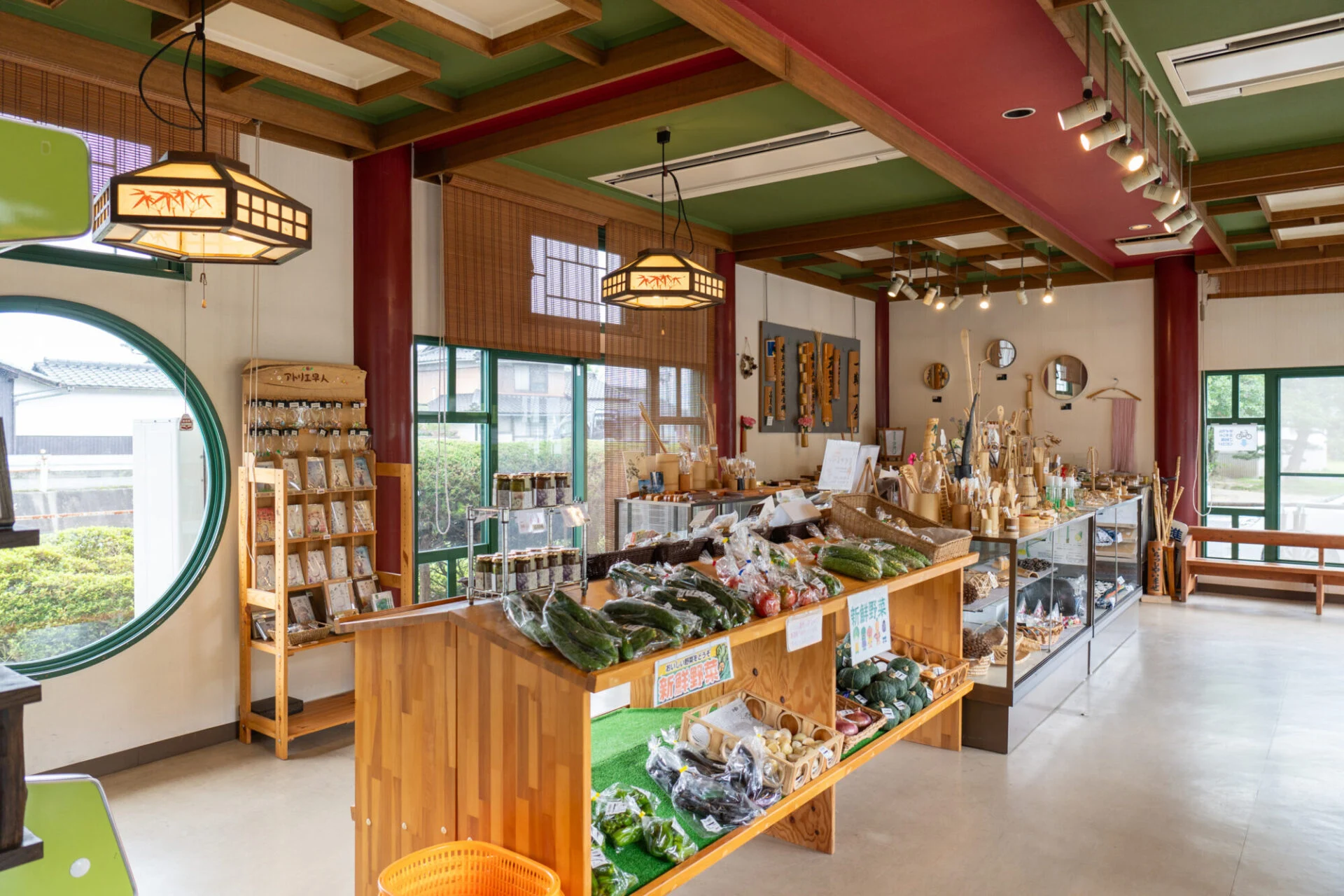
Within Satosho Town, it can be found at JA Hareno Kuni Okayama Satosho Direct Sales Office "Sato-chan," makomotake direct sales office, and Ono Sake Store. Outside the town, it is available at Kasaoka Bay Farm Roadside Station in Kasaoka City. Some stores also provide recipes, so please refer to them for cooking ideas.
Outside the peak season, vacuum-packed makomotake may also be available. Additionally, there are restaurants in Satosho Town that serve dishes using makomotake.
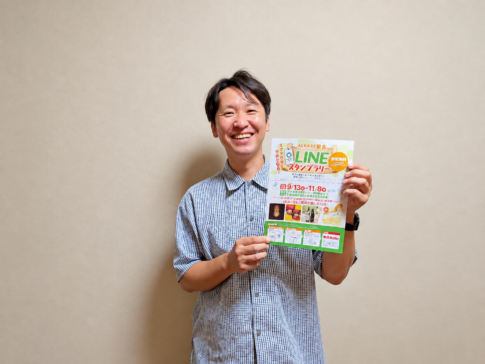
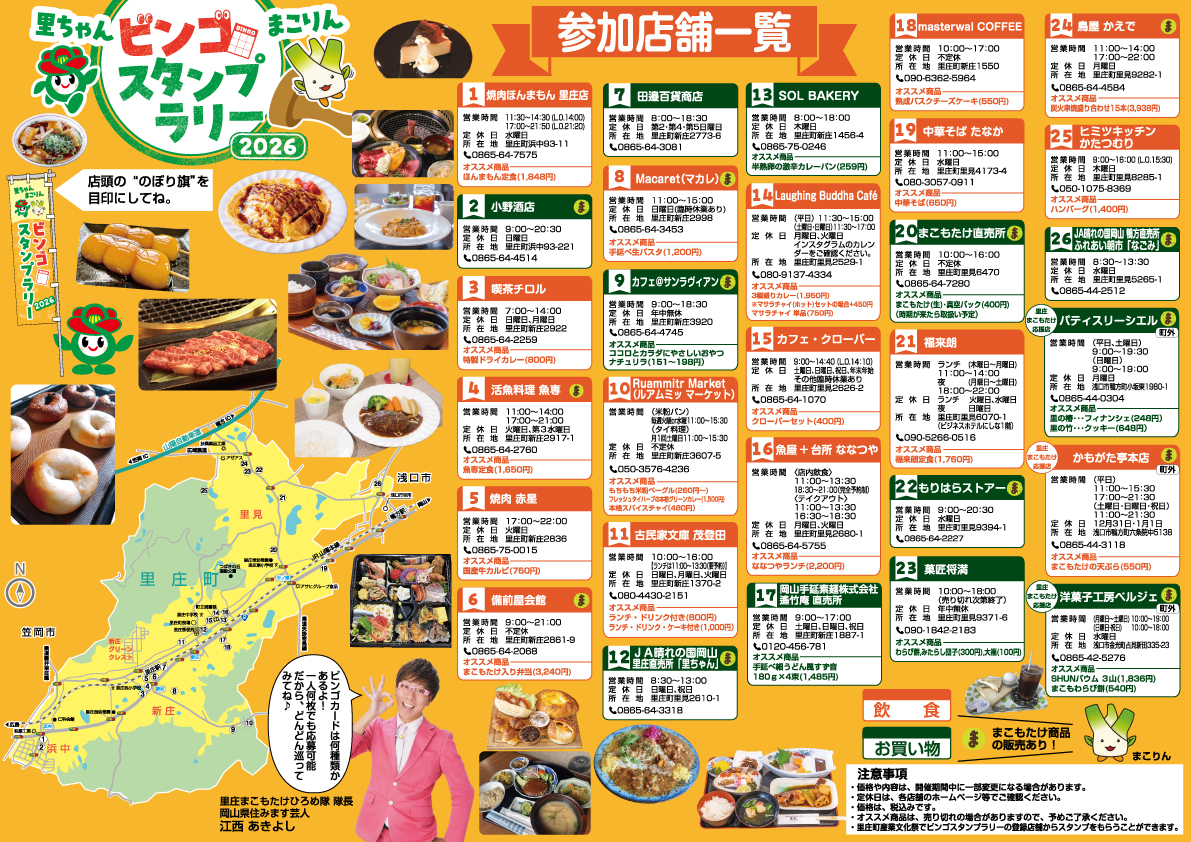
In line with the peak season of makomotake, from October 1, 2026, to January 31, 2027, the "Sato-chan and Makorin Bingo Stamp Rally 2026" is being held. You can receive a stamp by spending over 500 yen at participating stores, and you can enter a lottery for prizes based on the number of bingo stamps collected.
JA Hareno Kuni Okayama Satosho Direct Sales Office "Sato-chan" is also one of the participating stores, so you can collect stamps for makomotake.

And, on October 16 and 17, 2026, at the ‘Tottori Okayama Shimbashi-kan’ in Shimbashi, Tokyo, the ‘Okayama Prefecture Satosho Town Makomotake Gourmet Fair in Tokyo’ is scheduled to be held.
In the event space on the second floor, products from local businesses, including Satosho makomotake, will be displayed and sold. Additionally, there will be a CD sales event by pianist and trumpeter Fujii Sora, who is from Satosho Town, and Okayama Prefecture's resident comedian, Akiyoshi Jiang, along with the town's PR character, Sato-chan, promoting the town at the venue.

Please be sure to taste the seasonal makomotake.



What do you want to know about Kurashiki?
Enter words to search articles from this site