How will the history and events that Kurashiki has walked through be passed down to the present and the future?
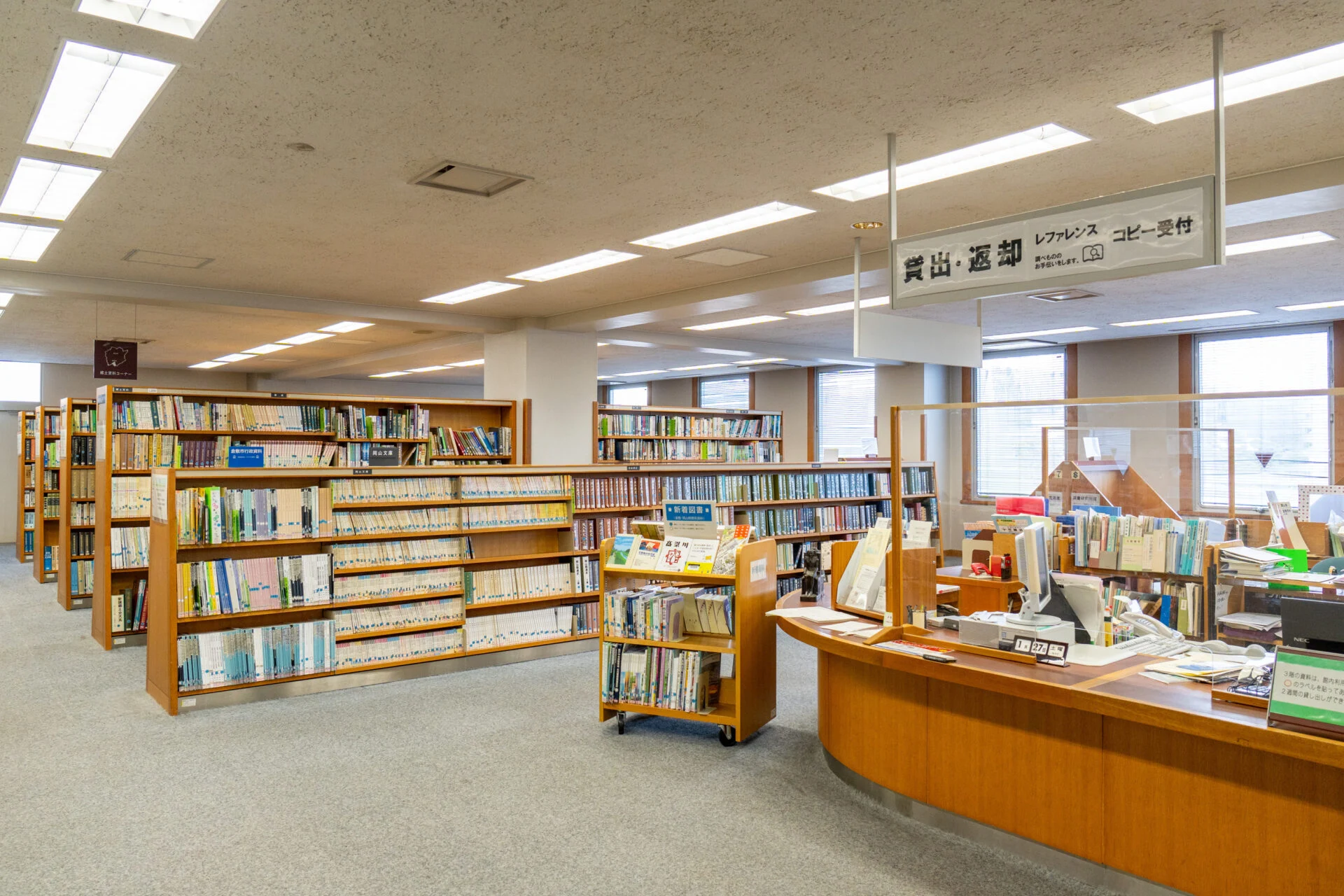
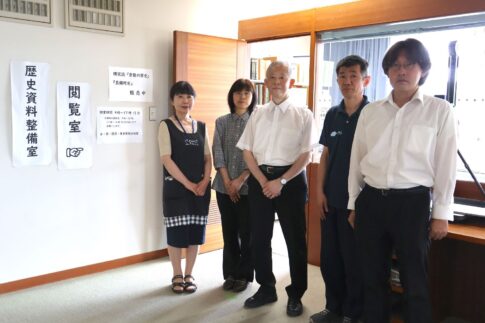
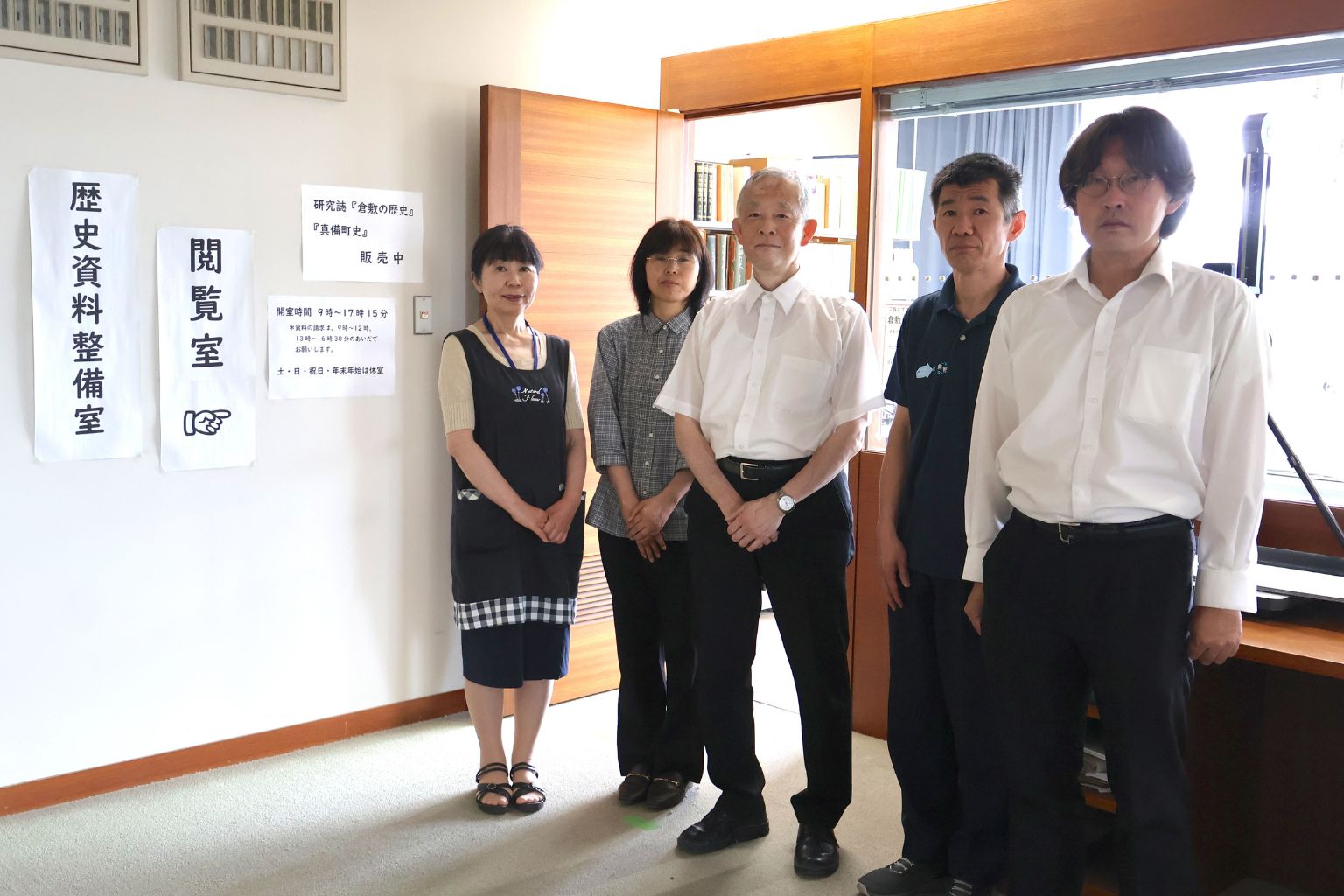
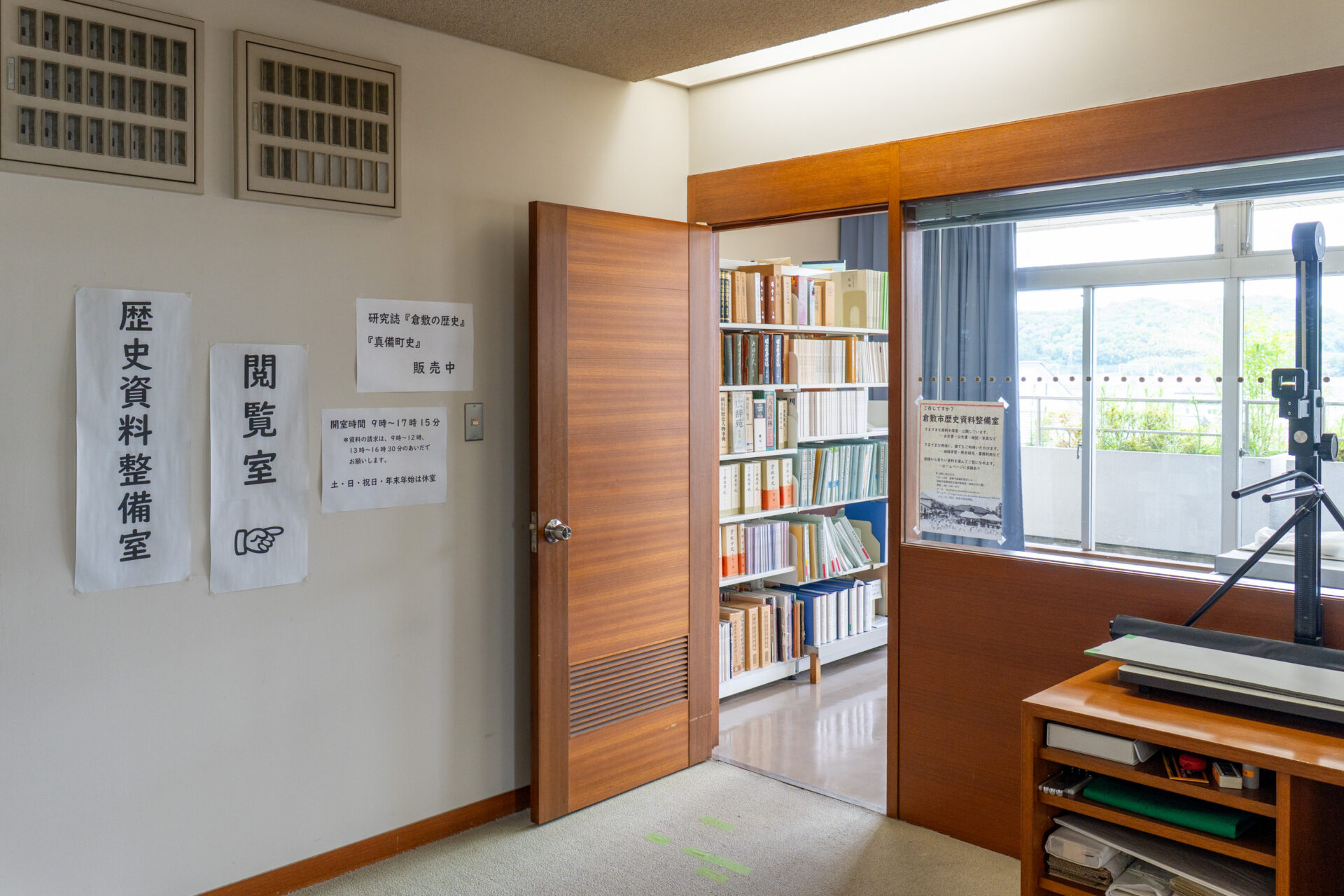
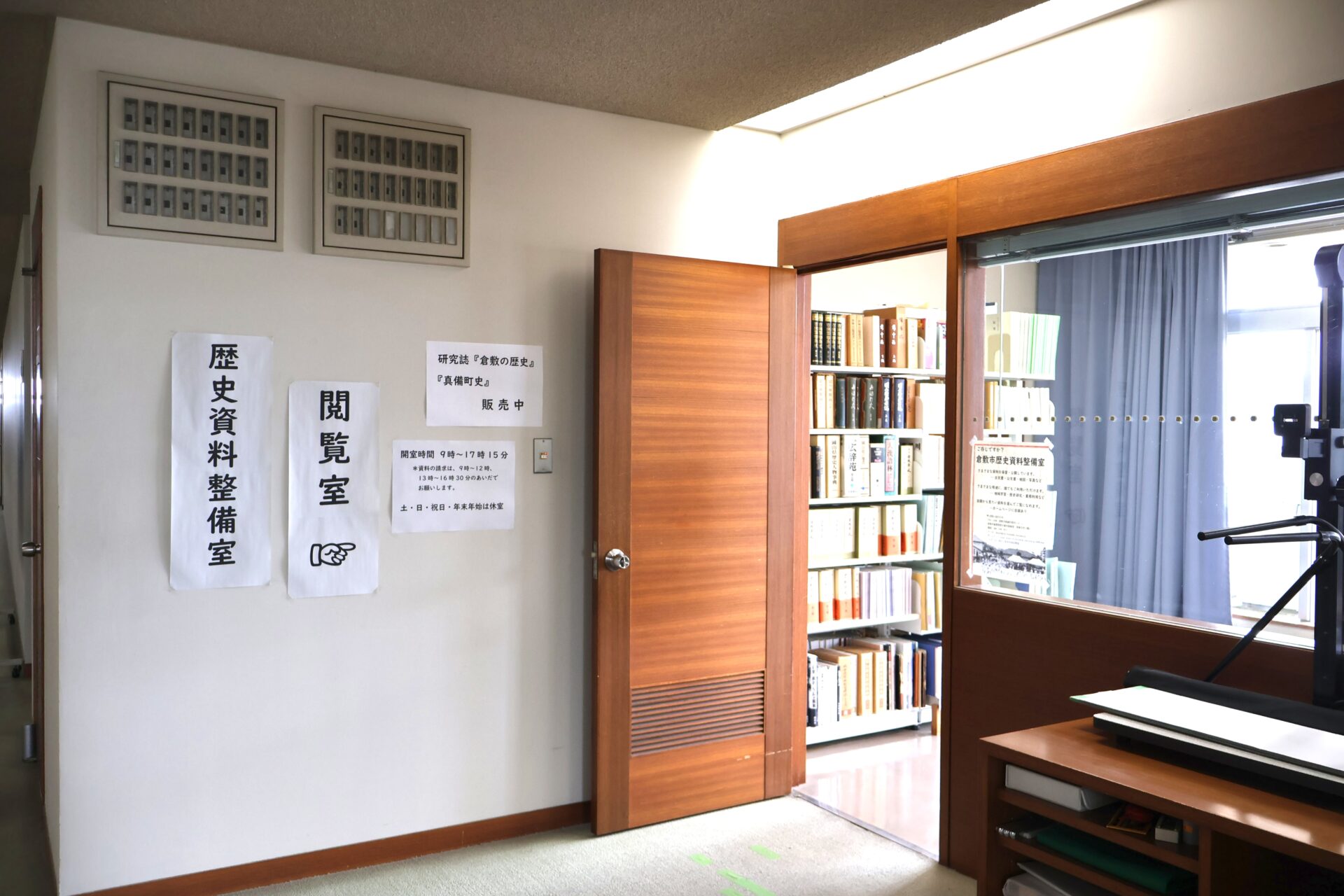
On the third floor of the Kurashiki City Mabi Branch Office, there is the "Kurashiki City Historical Materials Maintenance Office" in a room that was once used as a council space for Mabi-cho in Kibi District (merged into Kurashiki City in 2005). This is a place for collecting and preserving historical documents, ancient texts, photographs, and more from Kurashiki, to leave for the future.
I spoke with the head of the Kurashiki City Historical Materials Maintenance Office, Yamamoto Taro, about what kind of materials are available and the diligent efforts to connect the vast amount of materials to the future.
What is the Kurashiki City General Affairs Division Historical Materials Maintenance Office?
The roots of the Historical Materials Maintenance Office lie in the "compilation of the city history" that was conducted at the city office. From fiscal year 1989 (the first year of Heisei) to fiscal year 2004, the compilation work of the "Newly Revised Kurashiki City History," which spans 13 volumes, was carried out at the Kurashiki City Office Main Building. During this process, the materials collected were reportedly dispersed to various storage locations during the compilation work of the city history.
As a result, in 2009, the office and materials were consolidated and relocated to the former Mabi Town Hall's council space, which became vacant due to the merger of Mabi Town. Subsequently, in fiscal year 2020, the current "Historical Materials Maintenance Office" was officially established as an administrative organization.
The purpose is to investigate, collect, organize, preserve, and publicly display historical materials (historical documents, ancient texts, photographs, films, etc.) from the Kurashiki City area.
Compilation work
The process of gathering and organizing numerous materials and manuscripts to create a systematic book (such as a company history, local history, or dictionary)
Historical documents
Records that are deemed historically significant among the documents created and preserved by administrative agencies and are specially retained
Ancient texts
A general term for documents written by people in past eras
About 375,000 items. Materials that convey the memories of Kurashiki
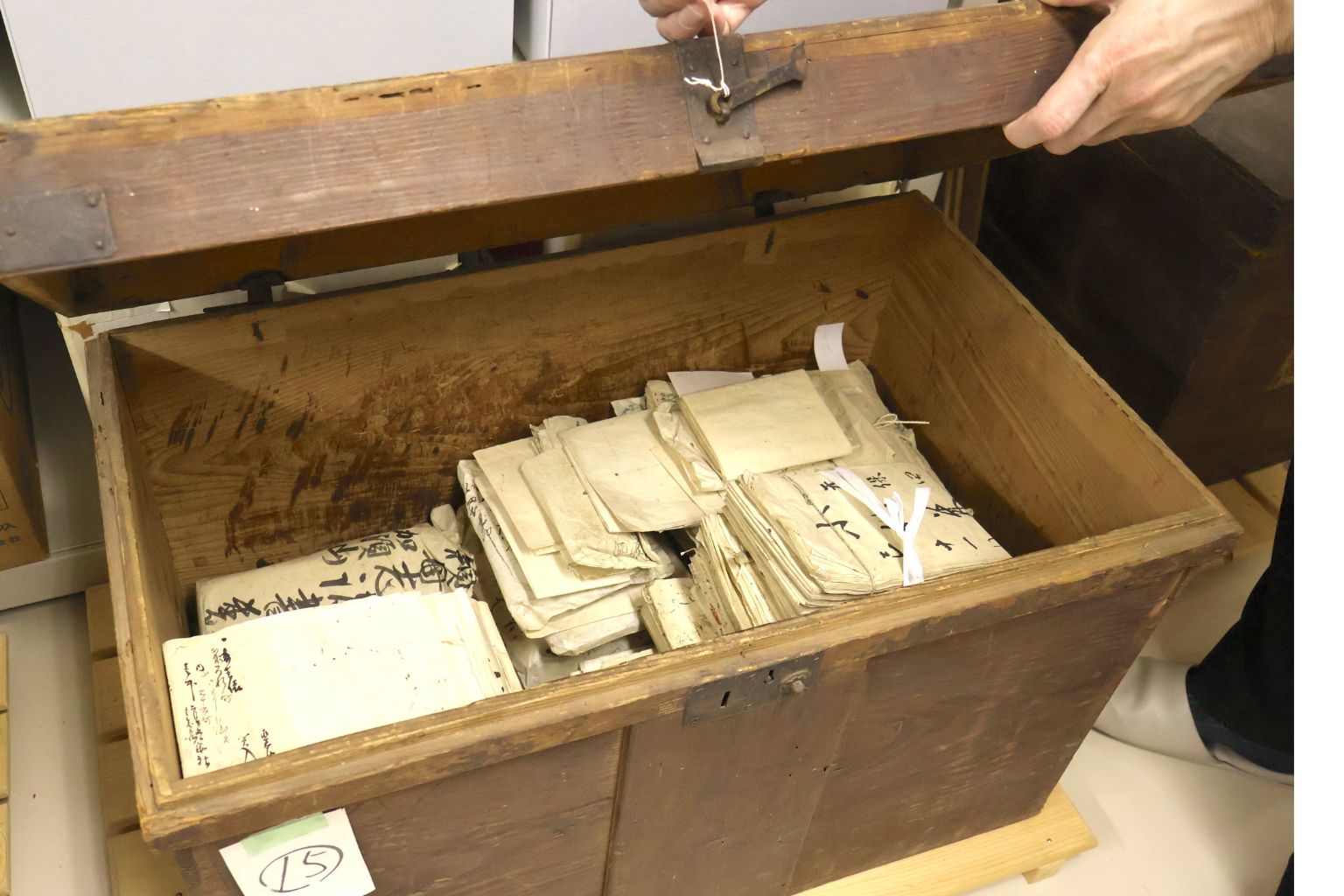
The materials held by the Historical Materials Maintenance Office total approximately 375,000 items. According to the National Archives of Japan (as of June 2026), this is the fourth largest collection at the municipal level in the country.
The breakdown of the materials is as follows:
- Historical documents: approximately 93,000 items
- Ancient texts: approximately 199,000 items
- Donated photographs: approximately 17,000 items
- Donated films: approximately 38,000 items
- Books, newspapers, etc.: approximately 26,000 items
- Others (such as newspaper clipping books): approximately 2,000 items
This is the number of items as of March 2026
Many of the materials are donations from citizens.
Ancient texts passed down from families that have long served as village heads are often difficult to read or utilize in modern times, leading to many cases where they are donated to the Historical Materials Maintenance Office.
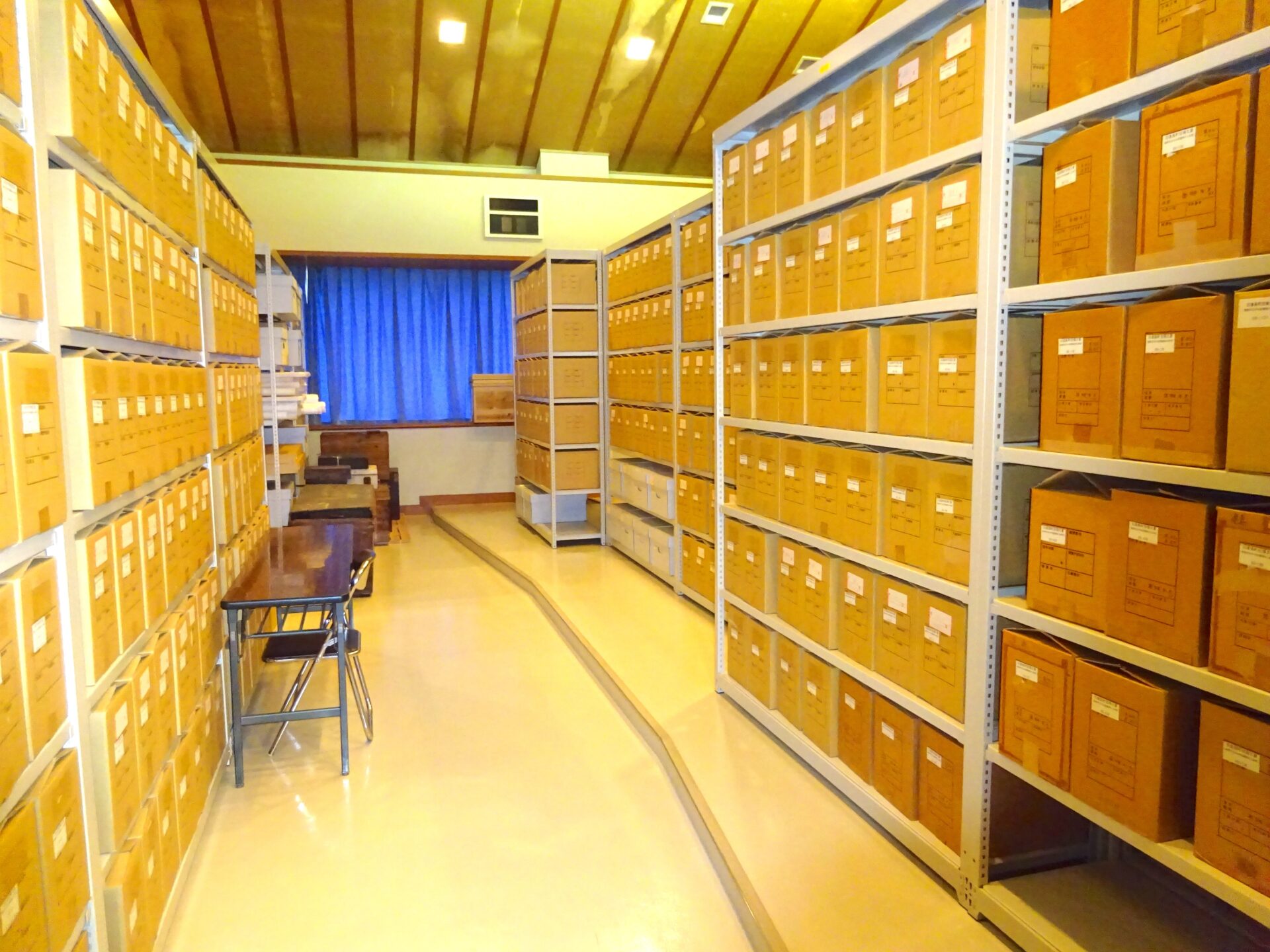
Donated materials often arrive in the boxes they were originally stored in, and the storage room contains documents named after old families in Kurashiki, such as the Ono family documents, Moriya family documents, and Hayashi family documents.
A letter of appreciation from Ashikaga Takauji (1336, the 3rd year of Kenmu, held by the Kameyama family documents at the Kurashiki City Historical Materials Maintenance Office)
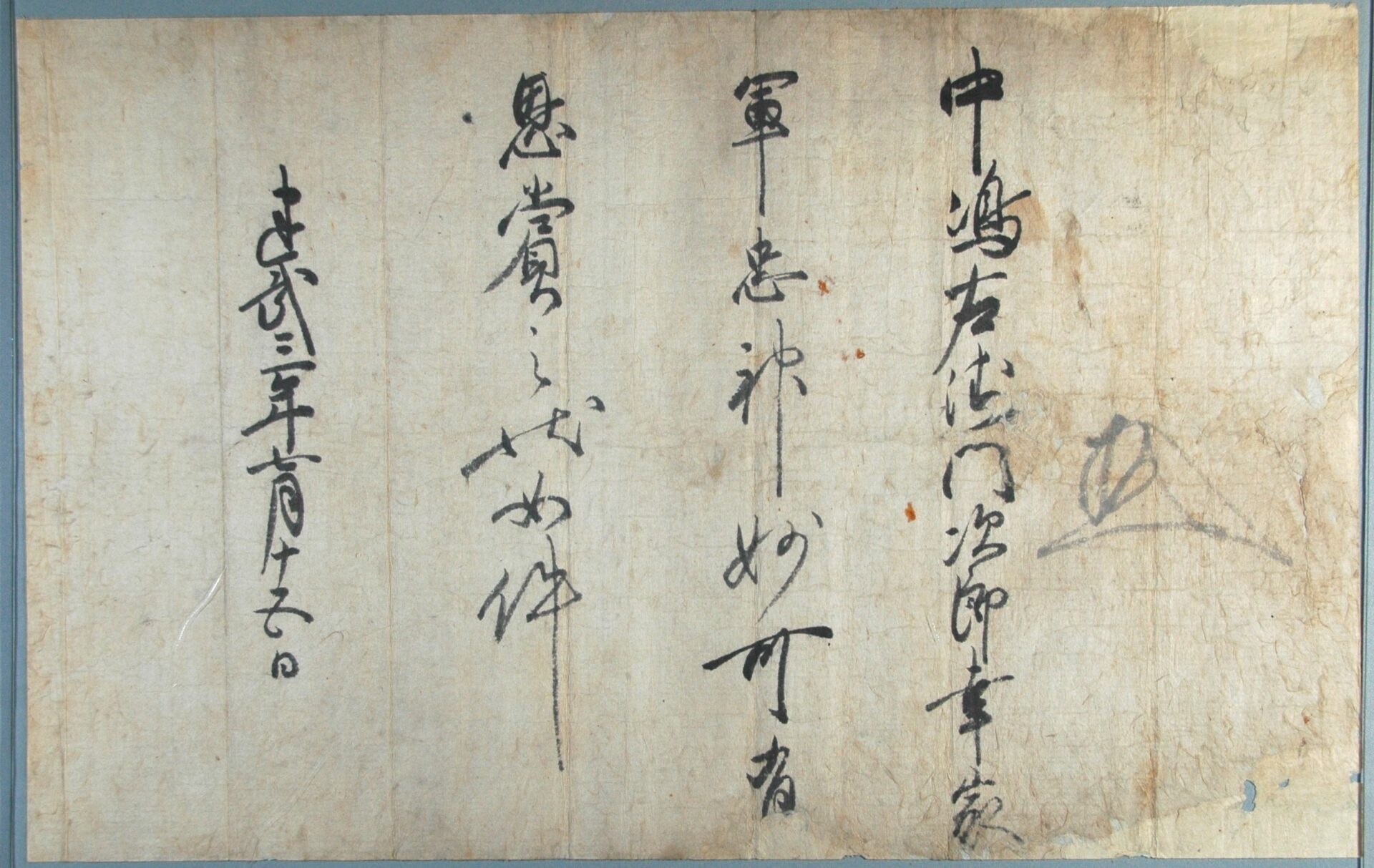
This letter is designated as an important cultural property of Okayama Prefecture.
After Ashikaga Takauji fled to Kyushu, he was helped by Nakajima Yukie (commonly known as Saemon Jiro) in Tsuyama on his way back to Kyoto, and this letter was given as a reward for that achievement.
The signature of Ashikaga Takauji is recorded. It is an extremely important document for studying the history of Okayama Prefecture.
The descendants of the Nakajima family later moved to Katashima in Kurashiki City and formed a marital relationship with the Kameyama family, which is how this document was ultimately donated by the Kameyama family.
An ancient map of the waterman’s residence in Kurashiki Village (circa 1677, held by the Ono family documents at the Kurashiki City Historical Materials Maintenance Office)
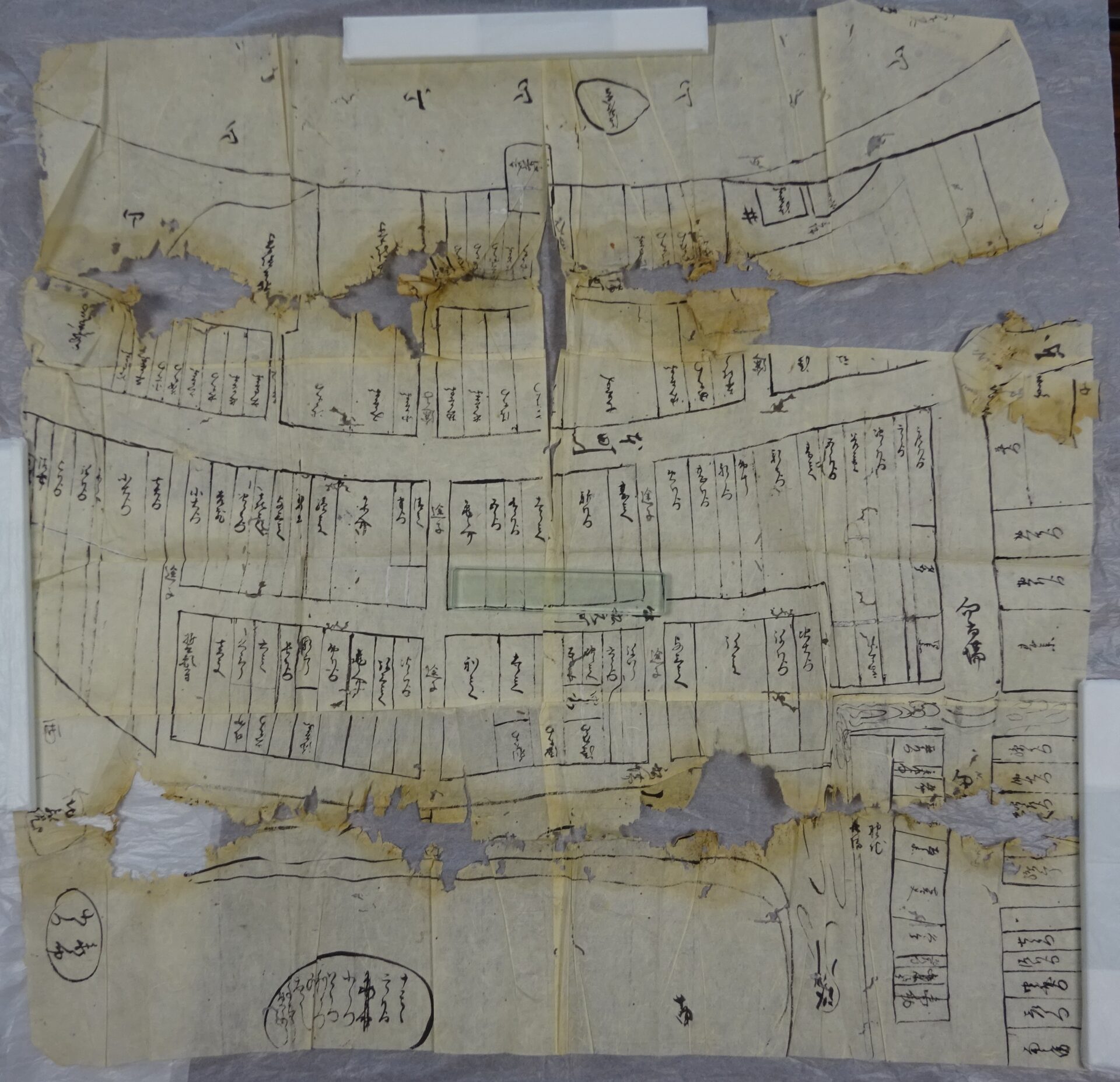
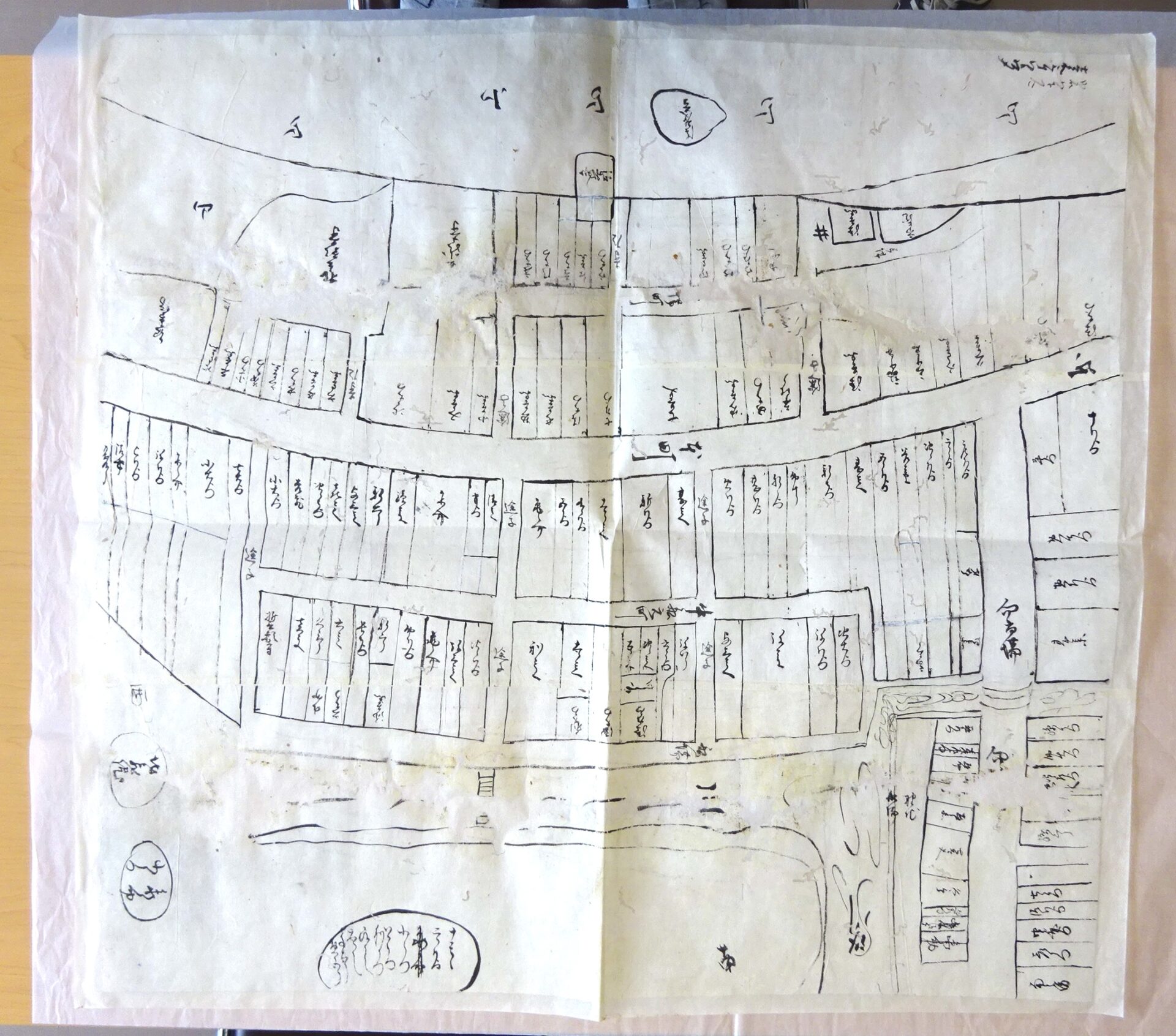
This is considered one of the oldest materials depicting townhouses in Okayama Prefecture. It is a valuable document that can be viewed in comparison with the current townscape.
The names of the residents at the time, the layout of the residences, roads, and waterways are detailed. It has been restored from a damaged state to its current condition.
A letter from Kobori Masatsugu (1601-1603, held by the Ono family documents at the Kurashiki City Historical Materials Maintenance Office)
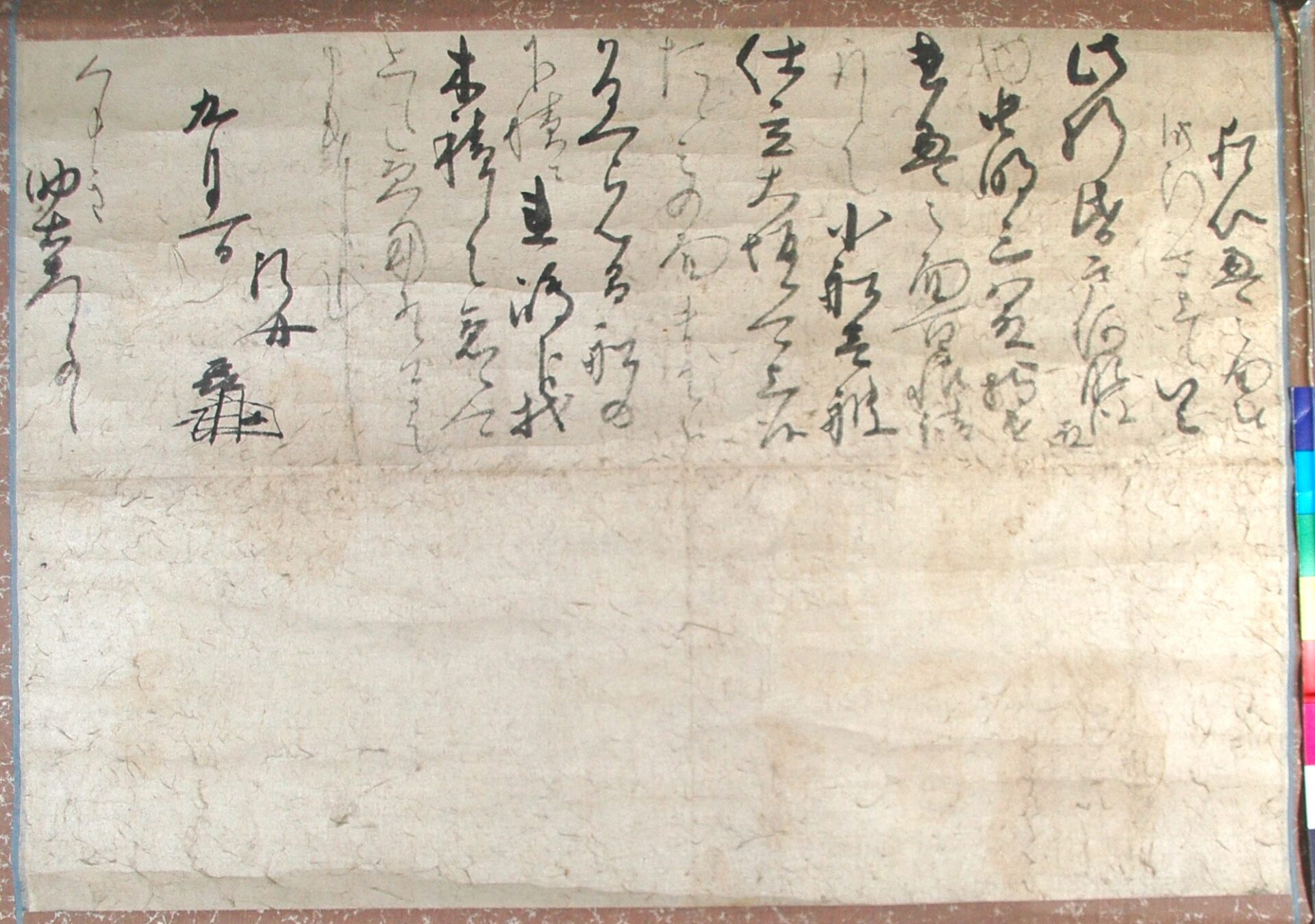
This document is designated as an important cultural property of Kurashiki City.
Kobori Masatsugu, who served as the governor of Bichu Province, wrote this letter to Sukeeemon of Kurashiki Village, who later became a village head.
The content instructs to "load 100 tatami mats and timber onto the ship and transport them to Osaka," indicating that materials were being procured for the construction of a castle at that time.
It is written in the form of "origami," where the paper is folded, and it has been mounted after being unfolded from its original folded state.
Records of the Kurashiki Giyokura (1769, the 6th year of Meiwa, held by the Kurashiki Giyokura documents at the Kurashiki City Historical Materials Maintenance Office)
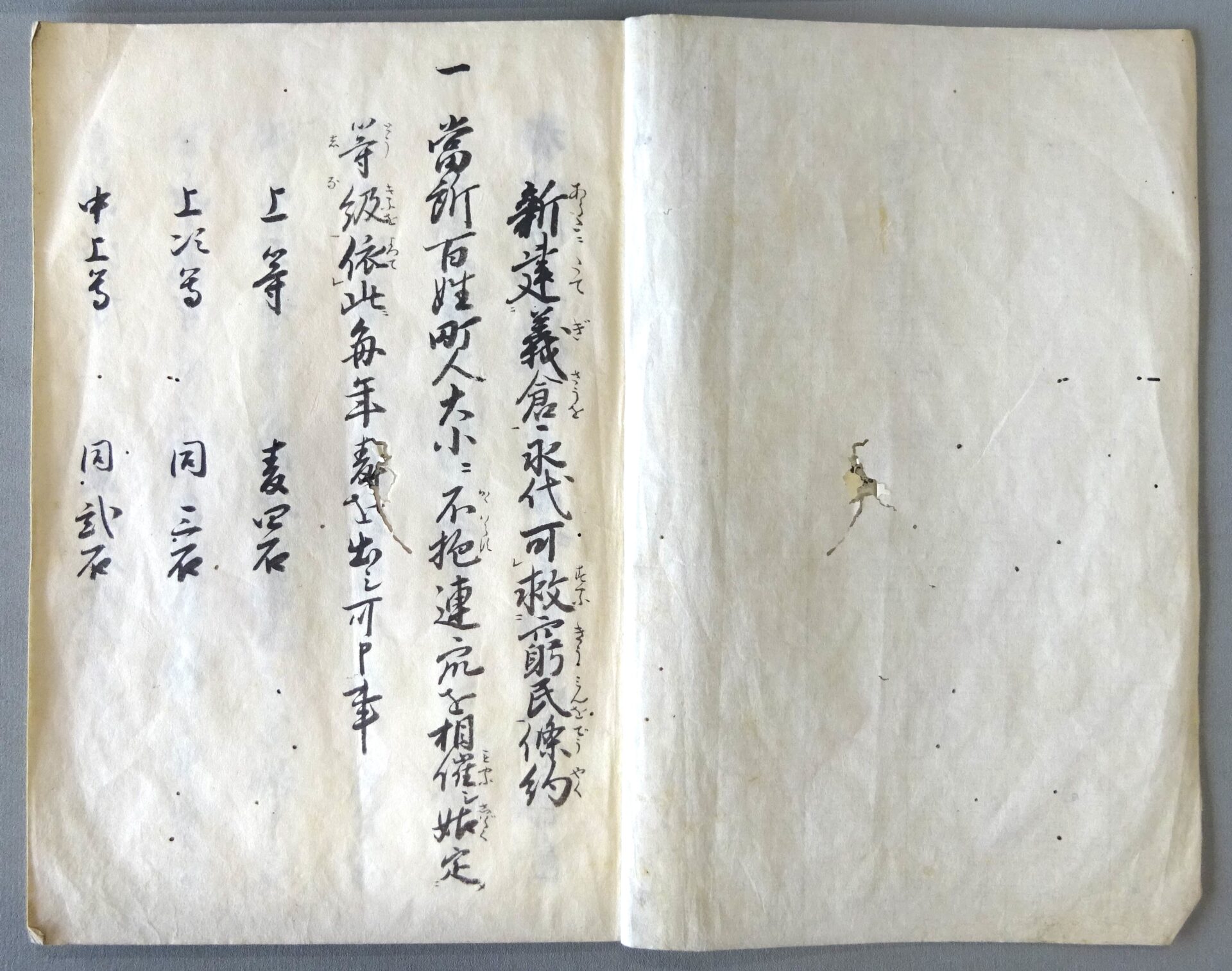
This document is also designated as an important cultural property of Kurashiki City.
The "Kurashiki Giyokura" was a mutual aid system in which the townspeople of Kurashiki voluntarily pooled silver as "Gishu" during the Edo period, using the interest to help the poor and abandoned children.
Unlike similar systems in other regions led by domains, the fact that it was operated by the townspeople themselves in Kurashiki is a notable feature, and it is well-known nationwide. It is a well-preserved original document with carefully added furigana (phonetic guides).
Diary of Omori Kazuharu (held by the Omori family documents at the Kurashiki City Historical Materials Maintenance Office)
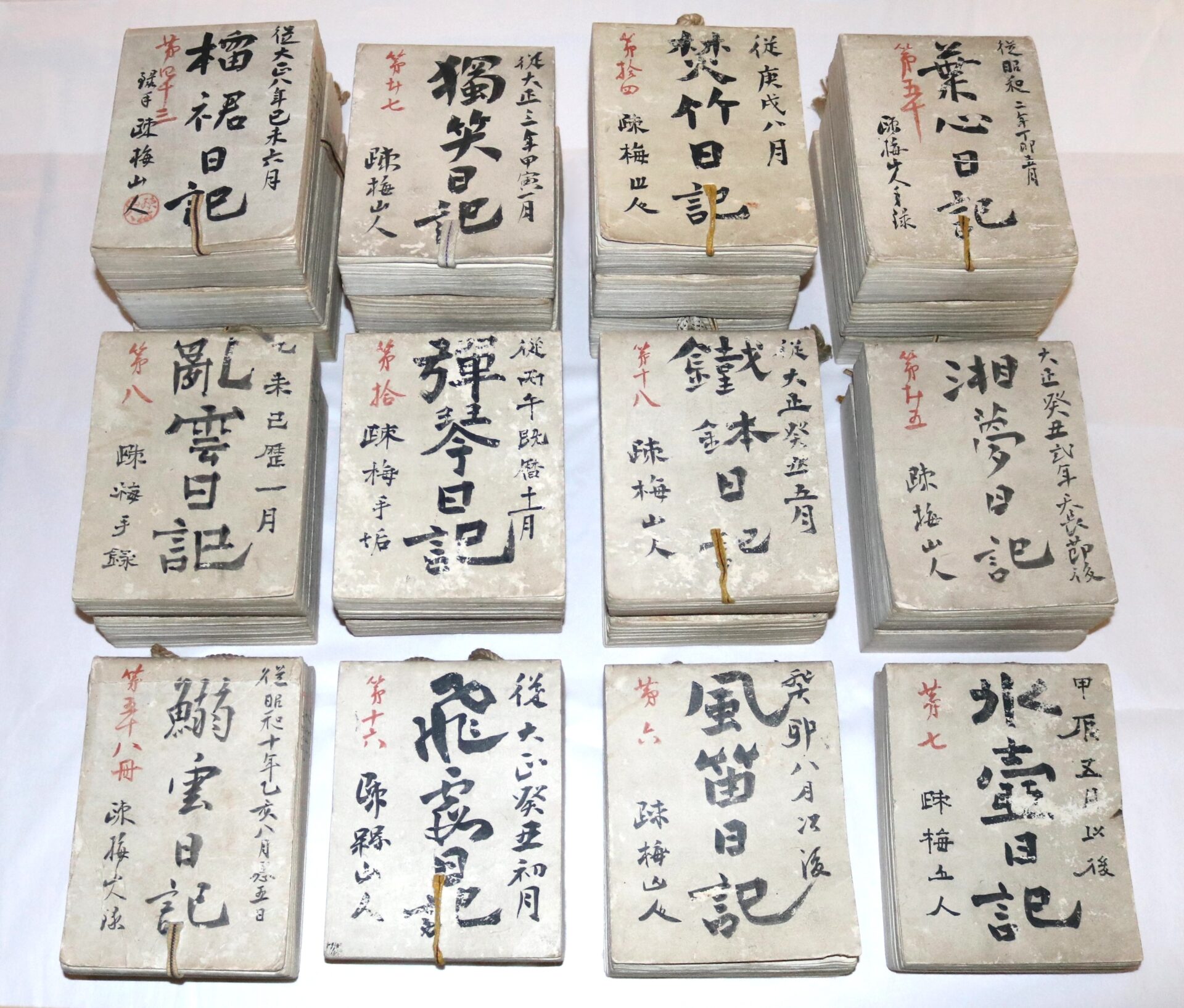
This is a diary written by the owner of the Omori family (Obieya), a rice merchant in Kurashiki. This document is also designated as an important cultural property of Kurashiki City.
It contains daily observations of life and events in Kurashiki City and its surroundings from 1902 (the 35th year of Meiji) to 1936 (the 11th year of Showa), illustrated with the author's own drawings, spanning 57 volumes.
Each year is given a poetic name, such as "Hakui Diary" and "Futei Diary," making it a valuable document that reflects the content of regional and civic life at the time.
Innovations to protect the materials
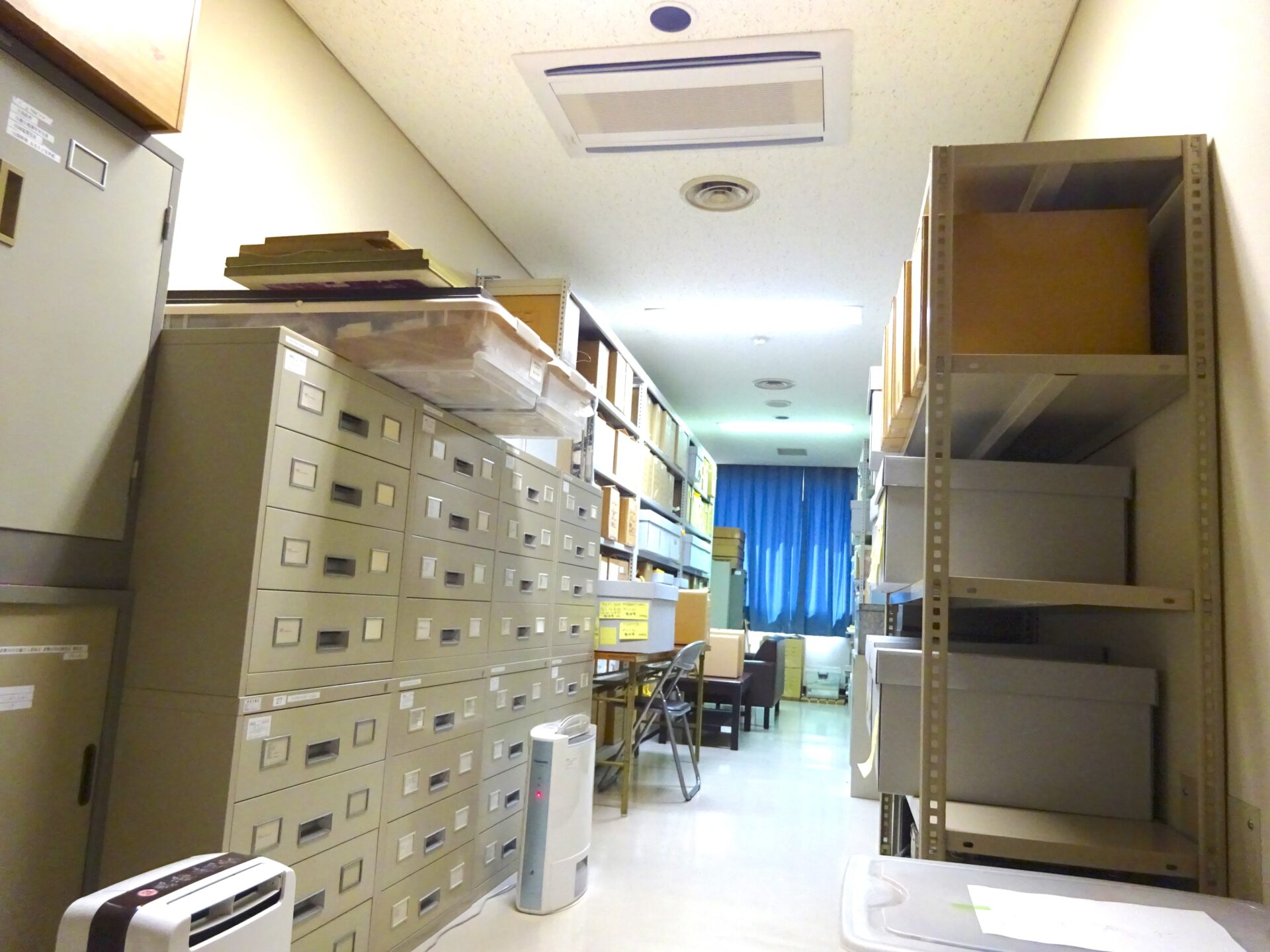
Once a year, a pest control using liquefied carbon dioxide is conducted throughout the facility. To prevent damage from insects, pest monitoring surveys are also conducted annually.
In the room where photos and films are stored, light degradation is prevented with blackout curtains, and the temperature is managed below 20 degrees Celsius and humidity between 30-40% on a 24-hour basis.
The methods for preserving and utilizing ancient documents have changed over time. In the past, ancient documents were photographed on microfilm and utilized by printing on paper.
The Sanyo Shimbun was founded in 1879.
Microfilm of the newspaper's pages since its inception is stored, and since newspapers will become historical materials in the future, they have been preserved in their original form since 1989.
Historical materials are generally not discarded, and the amount of storage continues to increase year by year. It is expected that the storage space will be full in 1-2 years, which is currently a challenge.
Records of Protecting Materials from the Heavy Rain of July 2018
During the heavy rain of July 2018, the first floor of the building housing the Historical Materials Maintenance Office was flooded. Although the materials in the maintenance office were on the third floor and escaped damage, public documents on the first floor and public documents from schools in the Mabi area were soaked in muddy water and suffered significant damage. The staff reportedly felt at a loss in front of the severely damaged materials.
The materials were infested with mold and had a terrible smell, and it was necessary to freeze the materials to stop the mold from spreading during the restoration process. It was difficult to find a place to accept them, but eventually, Okayama Central Refrigeration Co., Ltd. agreed to store the materials free of charge at minus 23 degrees Celsius for over a year.
Afterward, vacuum freeze-drying (a method of drying by turning frozen moisture into gas) was performed by the Fukuoka City Archaeological Center, and the materials were restored after cleaning by the Historical Materials Maintenance Office. The materials that were not frozen were dried in the gymnasium of Mabi Junior High School, while cleaning was carried out by turning the pages one by one in the art room.
Not all materials could be saved, and most were in a state that could not be restored, so they had to be disposed of. However, particularly important were the public documents from schools that recorded the guidance records of each student and the "land registry survey forms" indicating land boundaries.
The land registry survey forms are documents where landowners confirm boundaries and affix their seals, and if lost, the boundaries become unclear. Therefore, they were restored at the request of the National Land Survey Division and returned to that division.
This process is recorded as the Report on Restoration Measures for Water-Damaged Public Documents.
Collecting Modern and Contemporary Records
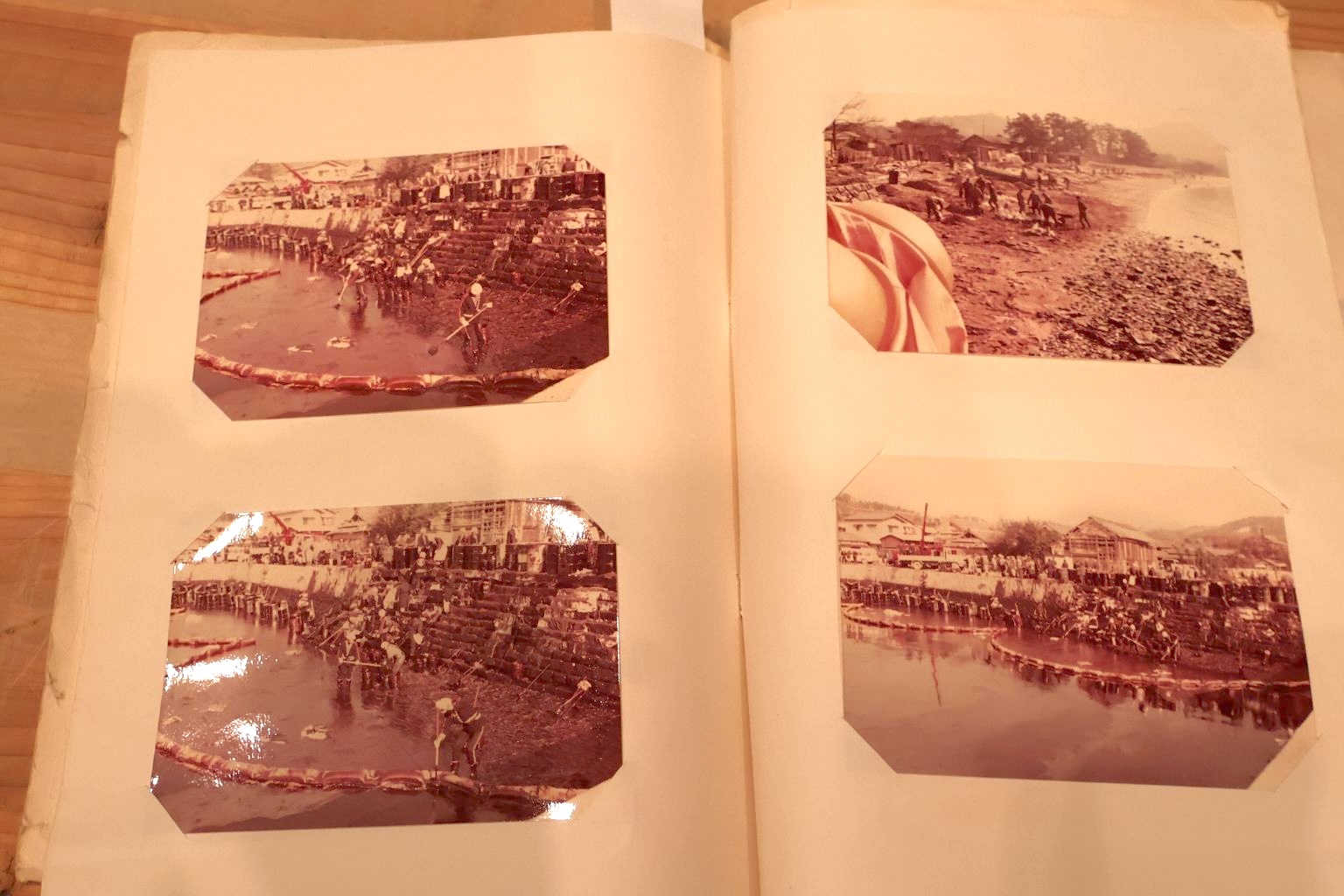
The maintenance office is not only collecting materials from ancient times.
It is also collecting recent materials. For example, public documents, school emblems, flags, photos, and yearbooks from closed schools (such as Kasumioka Elementary School in Mizushima, Nishikozu Elementary School, Higashikozu Elementary School, and Mabi Junior High School) are also preserved.
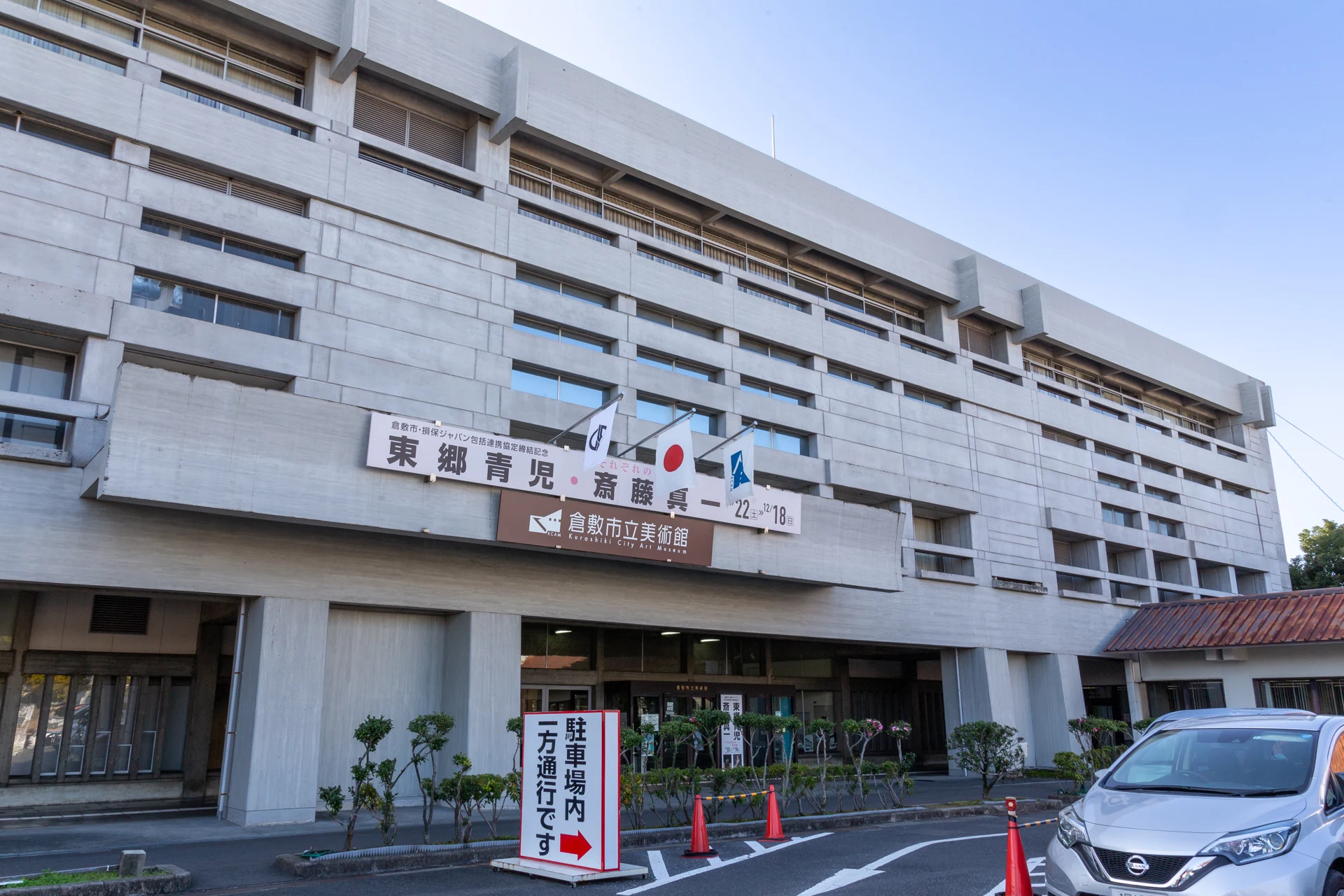
Records of the oil spill accident in Mizushima that occurred in 1974 and construction-related materials for the former city hall (now Kurashiki City Art Museum) designed by Kenzo Tange are also stored, and it plays a role in recording modern and contemporary events.
Efforts to Utilize Materials
The Historical Materials Maintenance Office is an institution primarily aimed at the collection, preservation, utilization, and research of historical materials. Therefore, materials are not always on display, but they have opened a wide window for viewing materials and consultations (reference) for those who want to deeply investigate local history or conduct research using specific public documents and ancient documents.
- Internet catalog search: About 250,000 items in the collection can be searched in advance on the internet.
- Viewing rules: Materials can be viewed by submitting a simple application form in advance. To avoid damaging valuable materials, rules such as "wash your hands well" and "no eating or drinking indoors" must be followed.
For photo materials, data can be provided, and for ancient documents, it is also possible to take photos with your own camera.
Additionally, they are actively engaged in outreach projects to help the general public and children become familiar with history.
- Publication of research journals:
They regularly publish the research journal "History of Kurashiki" to return the results of local historical research to society. - Exhibitions of materials for viewing:
A materials exhibition titled "Takahashi River as Seen in Illustrations" was held for four days from July 24 (Friday) to 27 (Monday) in 2026 at the conference room of the "Former Mabi Health and Welfare Hall" next to the Mabi Branch Office. - Experience courses for children:
Unique events such as "Ancient Document Reading Experience," where elementary and junior high school students can actually handle real ancient documents, read them themselves, and listen to explanations, are held. (In 2026, it will be held on August 6, Thursday.)
In addition, "Historical Materials Lectures" and "Historical Materials Explanation Meetings," which are held annually with a specific theme, attract history enthusiasts and those interested in ancient documents.
Data of Kurashiki City Historical Materials Maintenance Office
| Name | Kurashiki City Historical Materials Maintenance Office |
|---|---|
| Location | 1141-1 Ayata, Mabi-cho, Kurashiki City, Okayama Prefecture, 3rd floor of Kurashiki City Mabi Branch Office |
| Contact | Phone: 086-698-8151 Email: hisedit@city.kurashiki.okayama.jp |
| Parking | Available |
| Opening Hours | 【Office Hours】 9:00 AM - 5:15 PM 【Material Request Hours】 9:00 AM - 12:00 PM, 1:00 PM - 4:30 PM |
| Closed Days | Saturday, Sunday, Public Holidays Year-end and New Year |
| Admission Fee (including tax) | Free *Copying materials using a copier is 10 yen per sheet |
| Payment Method |
|
| Reservation | Possible Advance reservation is preferable, but not required |
| Website | Kurashiki City Historical Materials Maintenance Office |