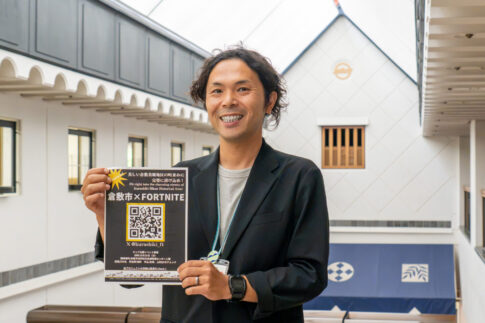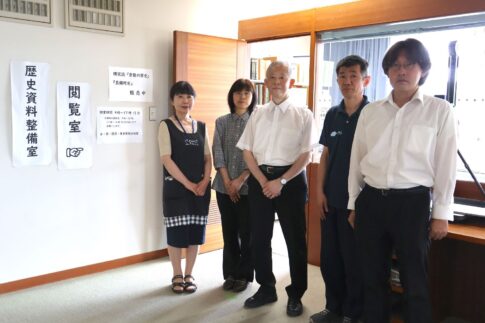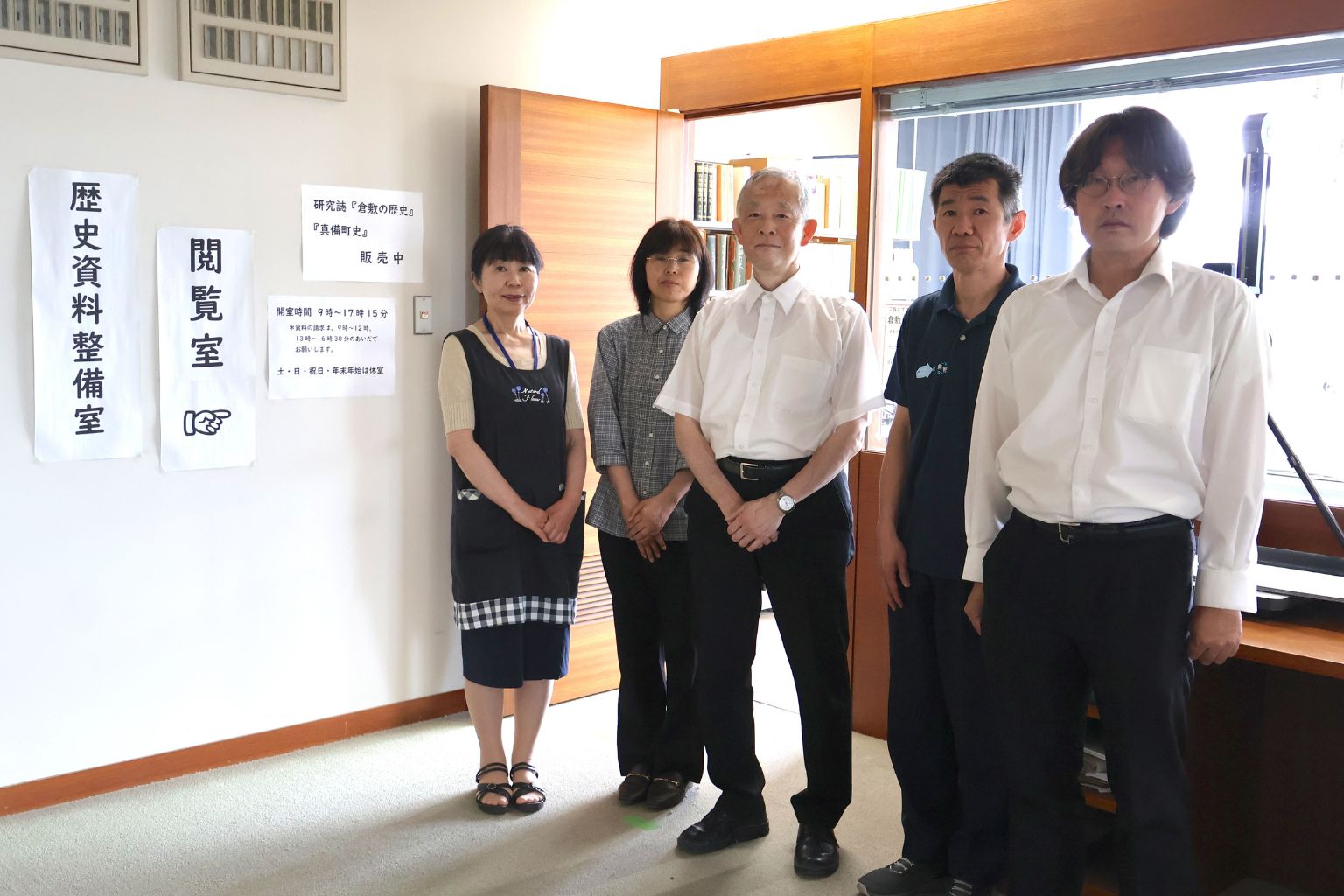
We spoke with Yamamoto Taro, Head of the Historical Materials Division of Kurashiki City
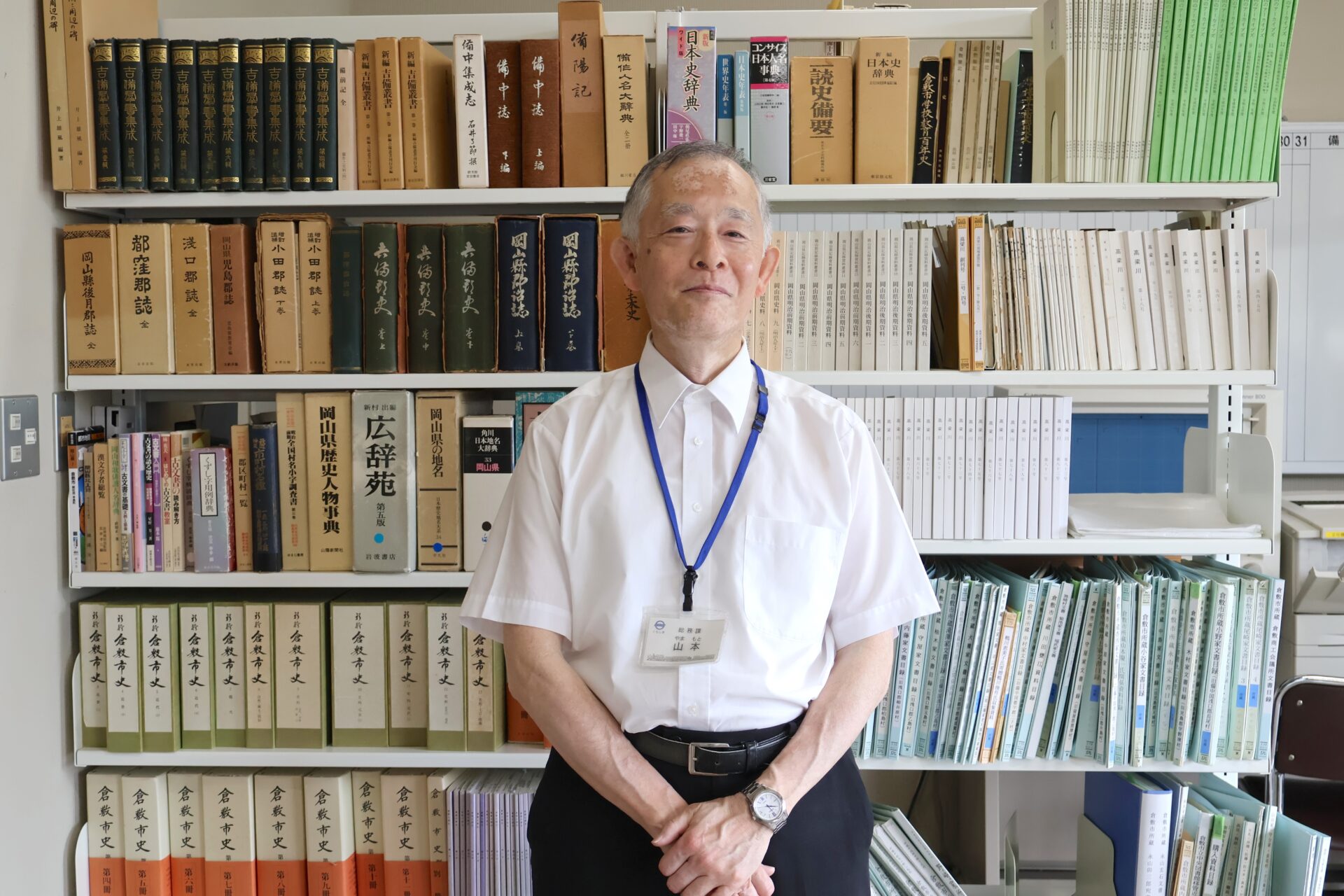
Yamamoto Taro, Head of the Historical Materials Division of the General Affairs Department of Kurashiki City, has been involved in the preservation and utilization of historical materials for over 30 years.
Mr. Yamamoto is a "Certified Archivist," recognized for his expertise by the National Archives of Japan.
We heard from Mr. Yamamoto about his work in "connecting the records of the past and present to the future."
Can you tell us how you became involved in this work?
Yamamoto (no honorifics)
I majored in Japanese history at university and joined the city hall as a general administrative staff member. When the City History Compilation Office was established in 1990, I was assigned there because they needed someone who had studied Japanese history, and I have been involved in this field ever since.
Typically, work at city hall is passed down from seniors, but at that time, there were no seniors in this field. I established new areas such as "preservation of historical documents" and "collection of ancient documents," which Kurashiki City had not previously focused on, and shaped them one by one.
I feel a great sense of fulfillment and enjoyment in this work.
How should people looking to use the materials go about finding them?
Yamamoto
We have a catalog available, but it can be quite difficult to find materials that match what you want to research if you are not familiar with it.
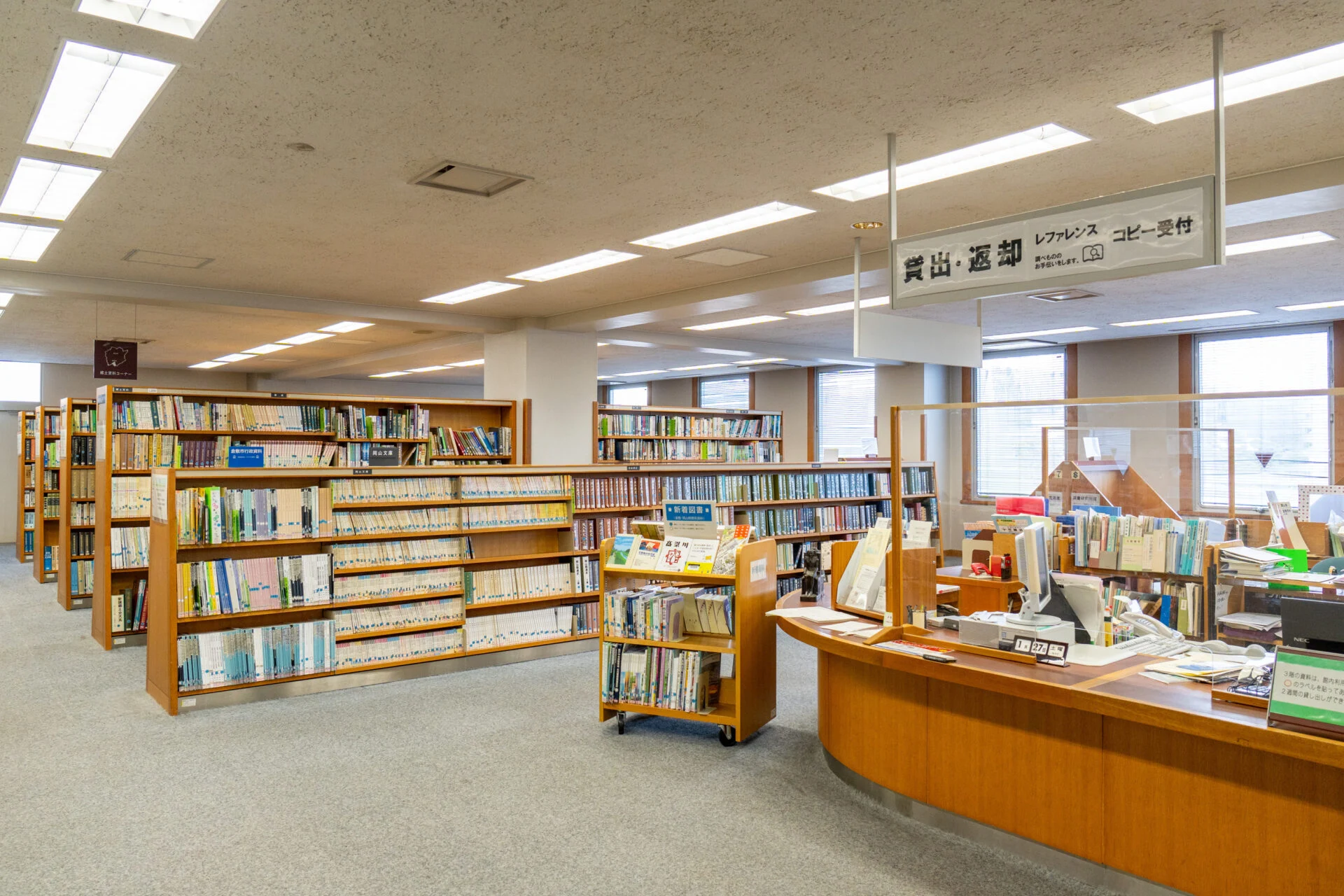
Therefore, we often receive inquiries like, "I want to research this topic; do you have any materials?" We have specialized staff here, so we assist in finding materials that are as close as possible to your purpose from the vast collection.
What are your thoughts on how to pass down materials to the future?
Yamamoto
In the future, I believe it is important to establish a system that allows citizens to easily use and access the collected historical materials. Personally, I am also aware of the future role of public archives as one of the challenges.
I want to work step by step to create a system that ensures the valuable records of Kurashiki City are preserved for future generations based on rules, collaborating with relevant departments.
Passing down the memories of Kurashiki's past and present, to the future
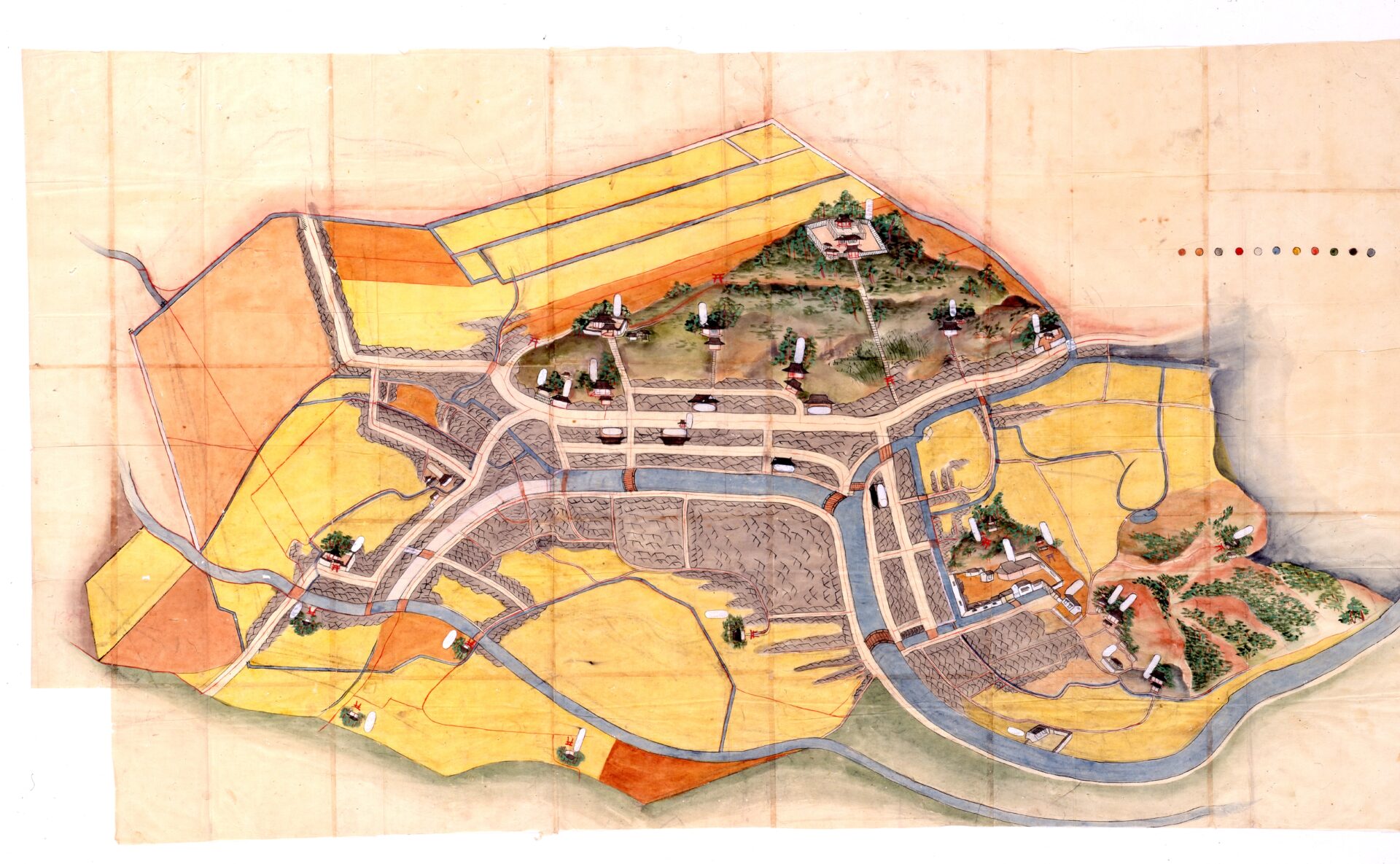
I was previously unaware that there was such a materials room in Kurashiki.
And I was surprised by the numerous valuable materials. The various histories are fascinating, and the records of disasters serve as a reminder of what has happened.
The Historical Materials Division of Kurashiki City operates an official X. They have garnered a lot of responses with photos of "Kurashiki Tivoli Park," introducing valuable materials, so please check it out.
The "now" of Kurashiki that we live in and the culture nurtured in the region will eventually become part of history. I felt that the Historical Materials Division has a role in ensuring that these do not disappear and are delivered to the future hundreds of years from now.
Data from the Historical Materials Division of Kurashiki City
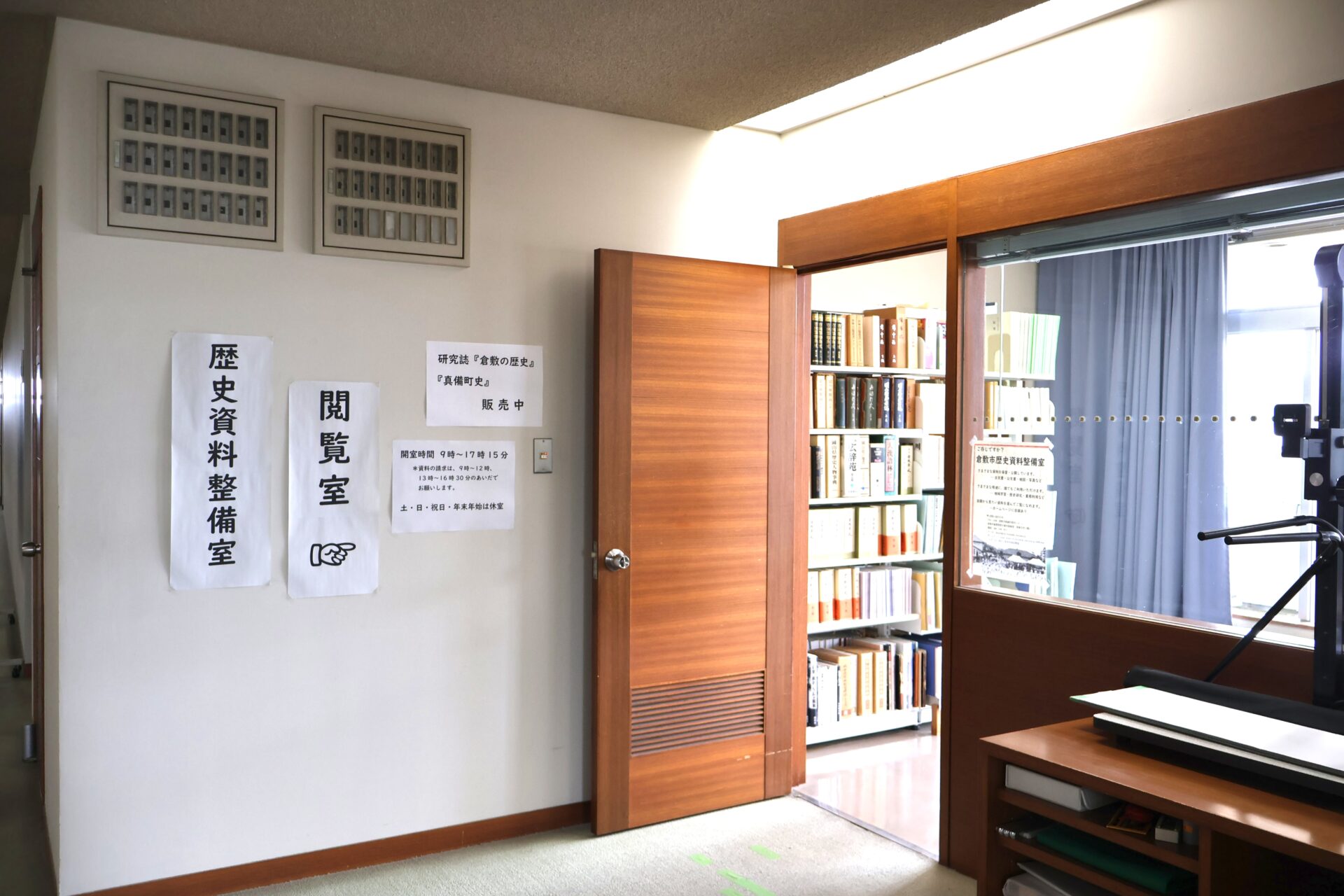
| Name | Historical Materials Division of Kurashiki City |
|---|---|
| Location | 1141-1 Ayata, Mabi-cho, Kurashiki City, Okayama Prefecture, 3rd floor of Kurashiki City Mabi Branch |
| Contact | Phone: 086-698-8151 Email: hisedit@city.kurashiki.okayama.jp |
| Parking | Available |
| Opening Hours | 【Opening Hours】 9:00 AM – 5:15 PM 【Material Request Hours】 9:00 AM – 12:00 PM, 1:00 PM – 4:30 PM |
| Closed Days | Saturday, Sunday, Public Holidays Year-end and New Year |
| Admission Fee (including tax) | Free *Copying materials using the copier is 10 yen per sheet |
| Payment Method |
|
| Reservation | Possible Advance reservation is preferable, but not required |
| Website | Historical Materials Division of Kurashiki City |