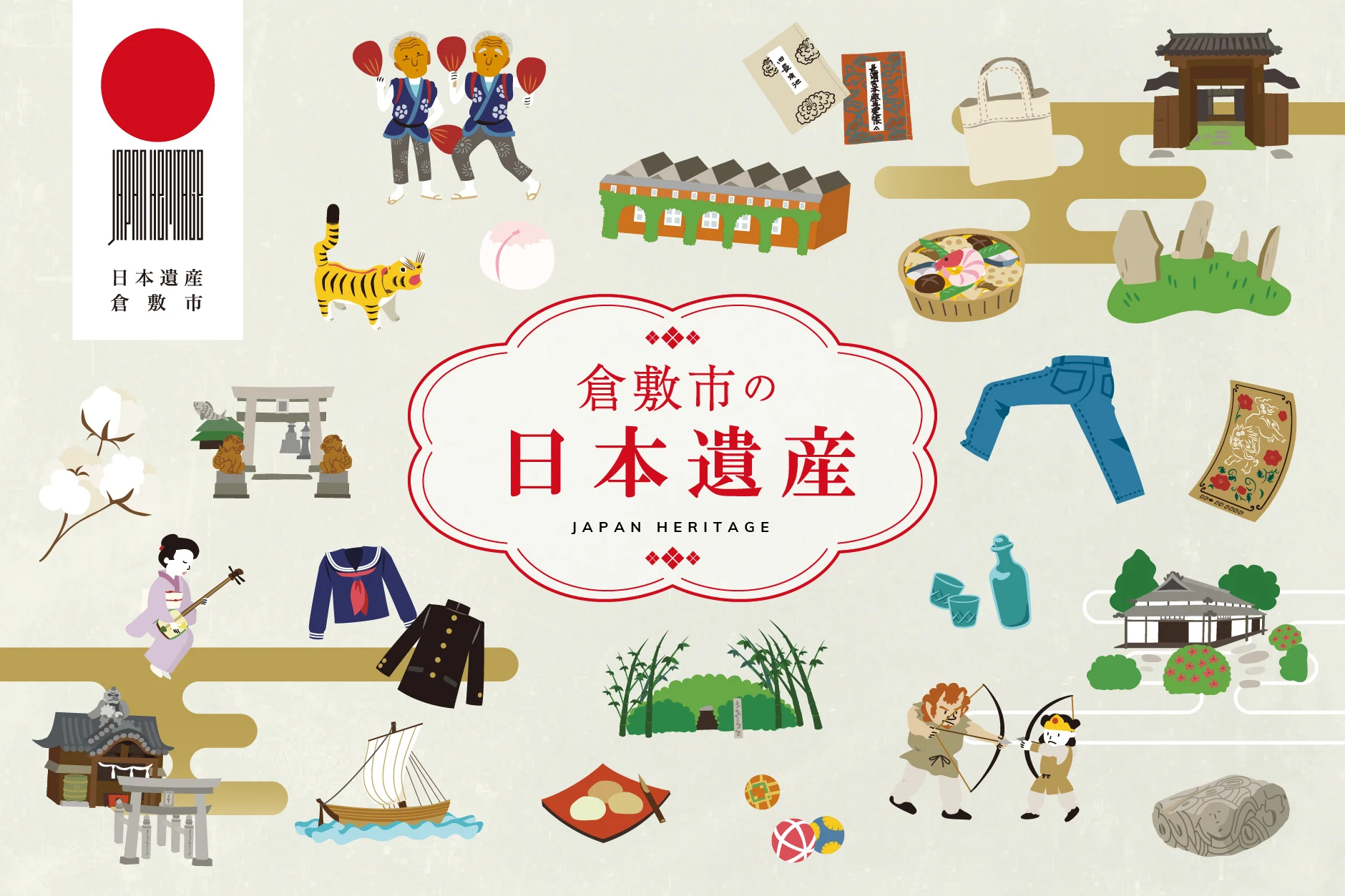
Kurashiki City, where many historical landscapes remain.
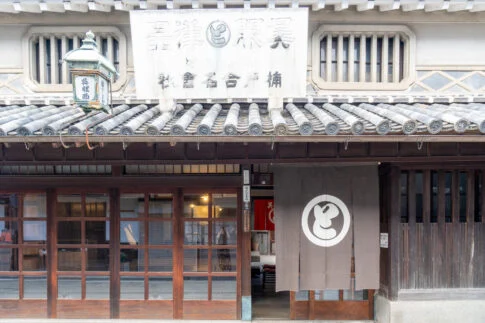
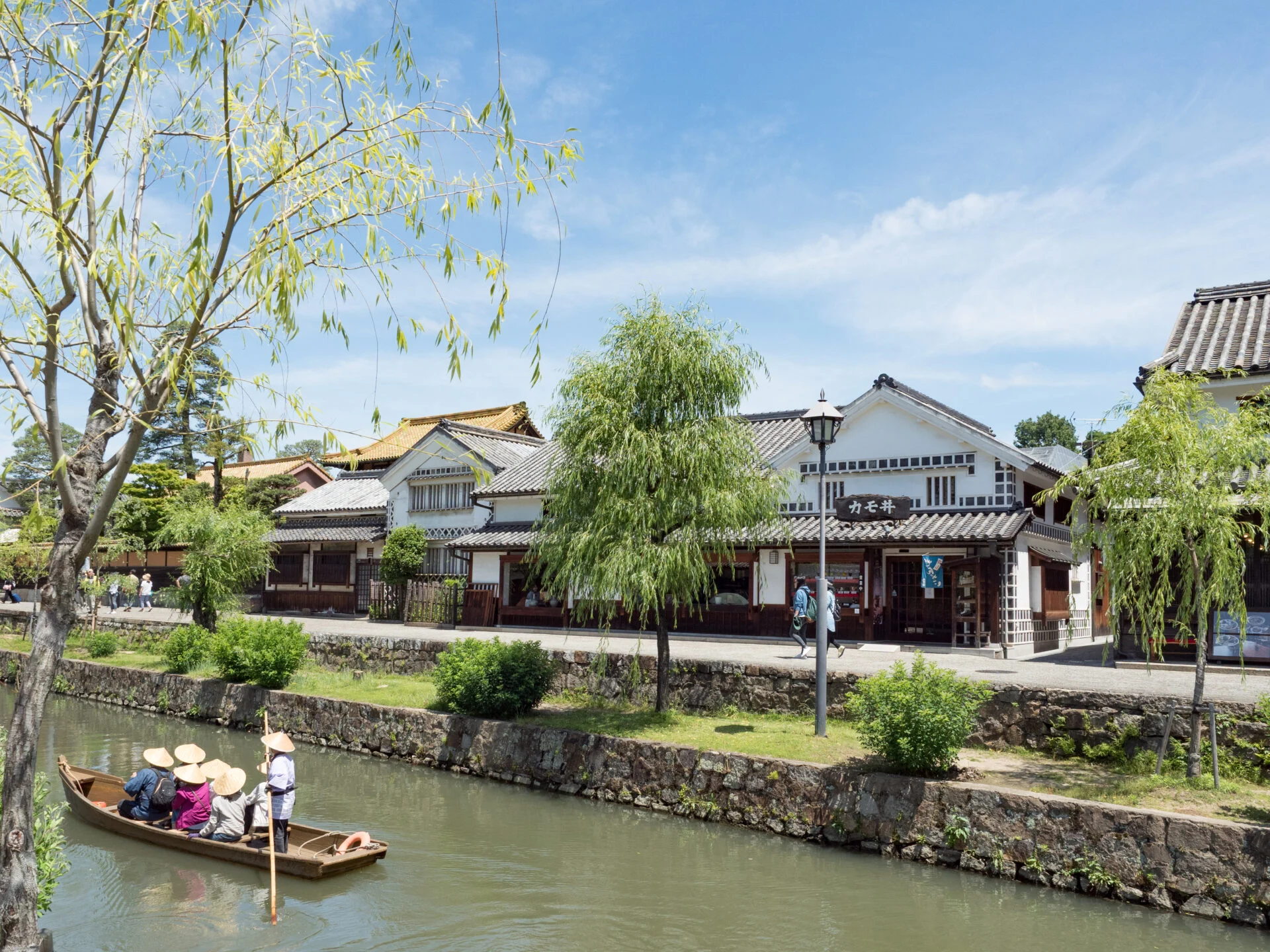
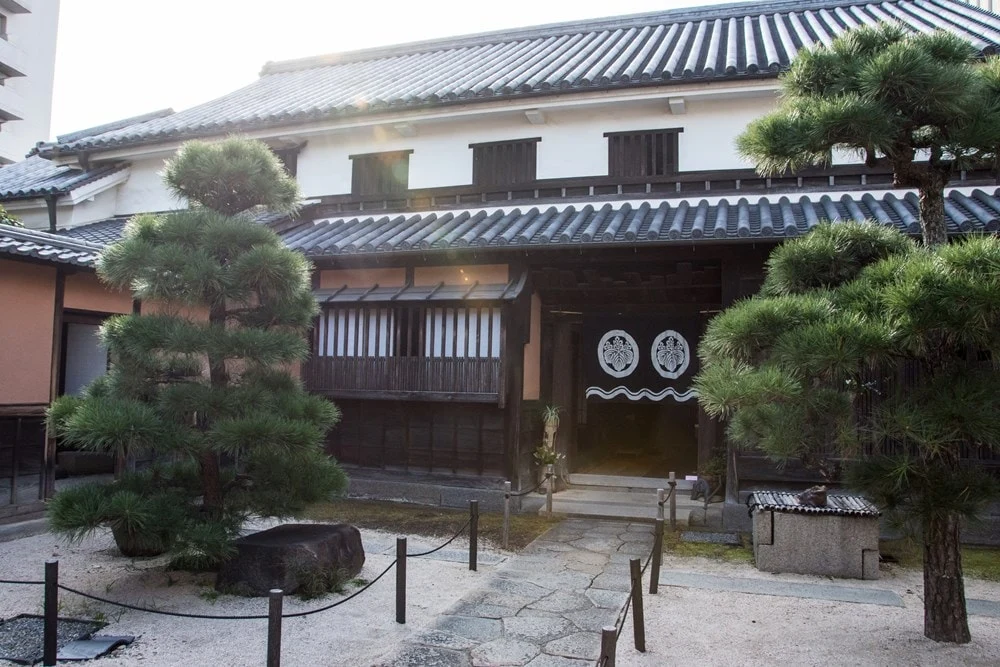
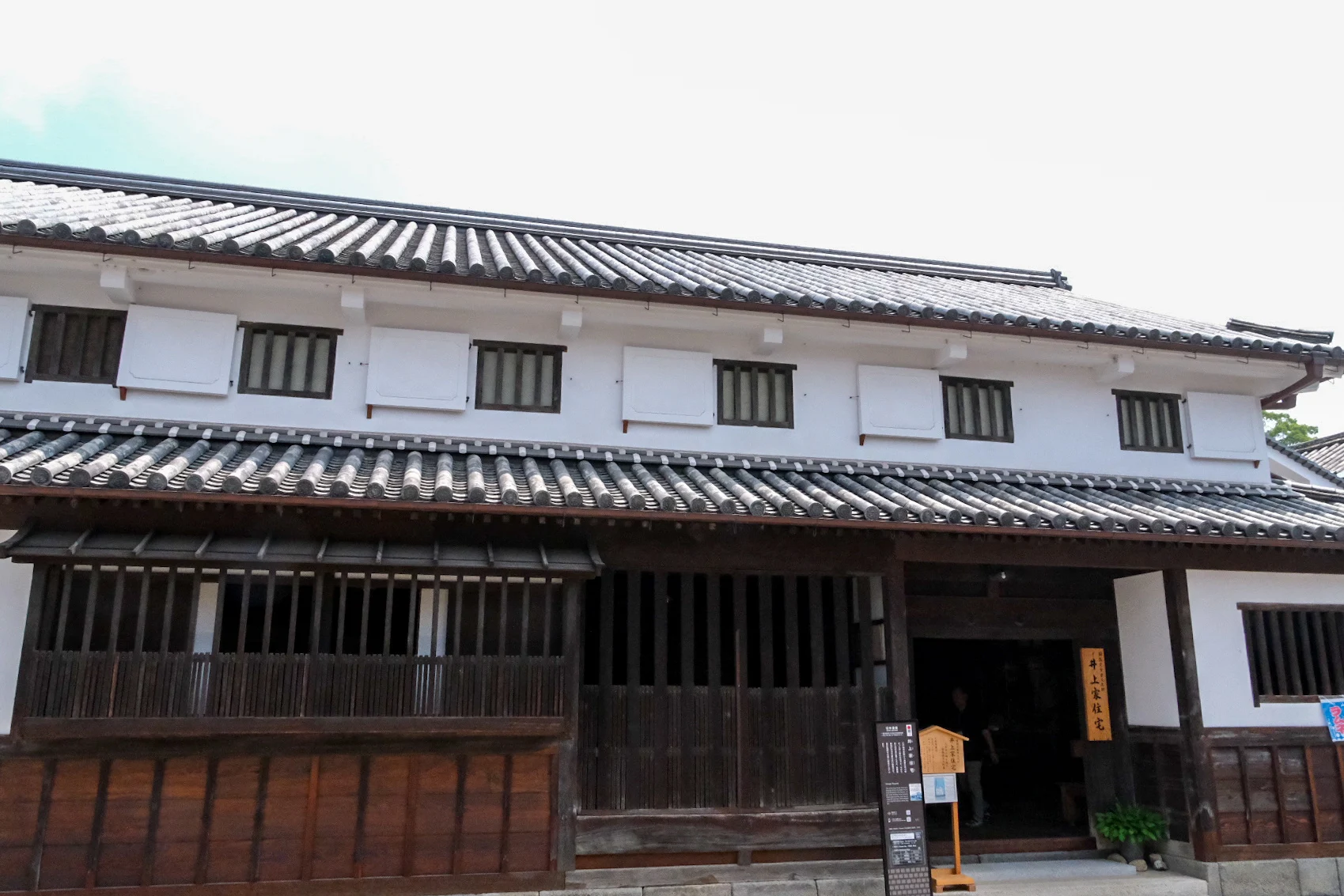
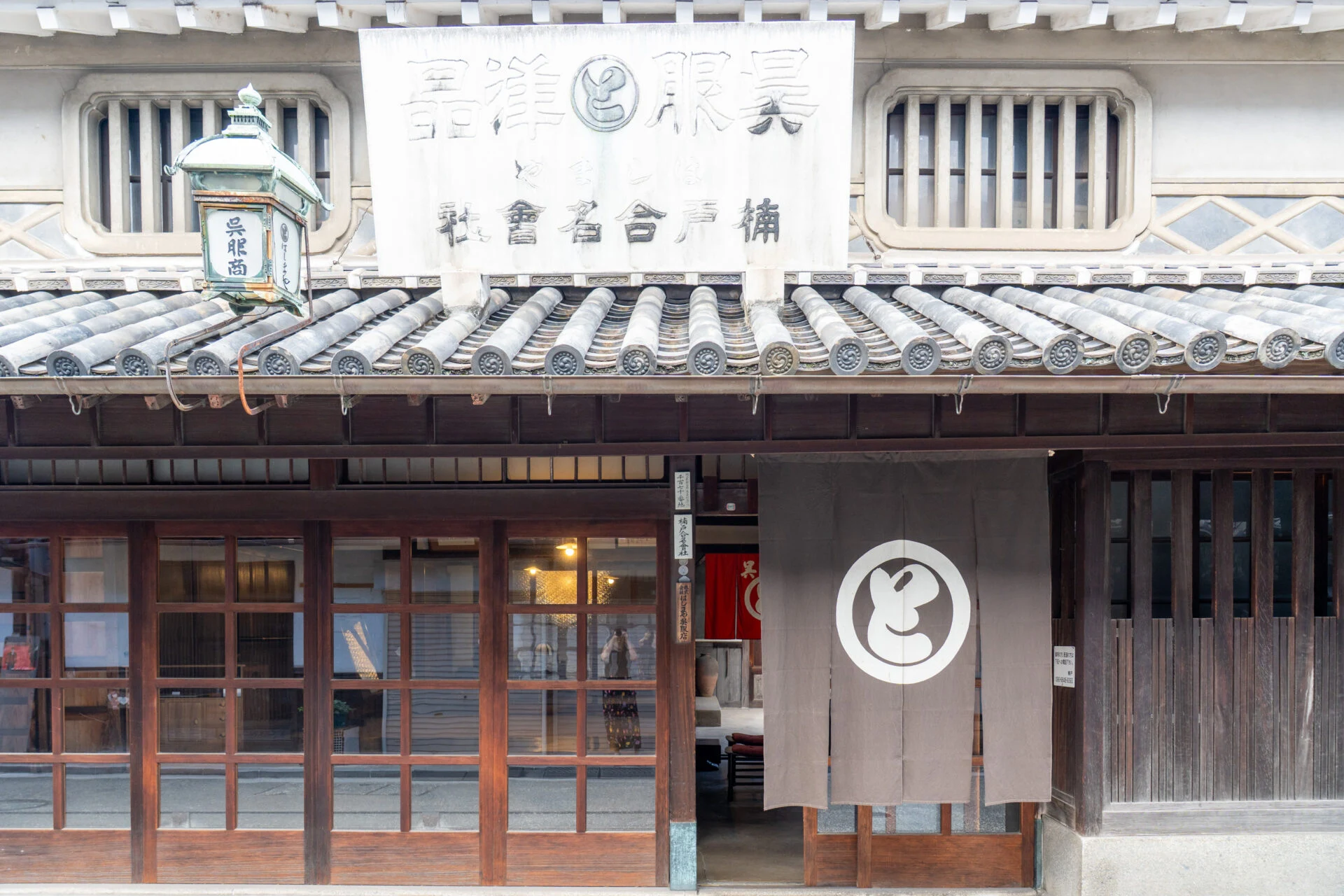
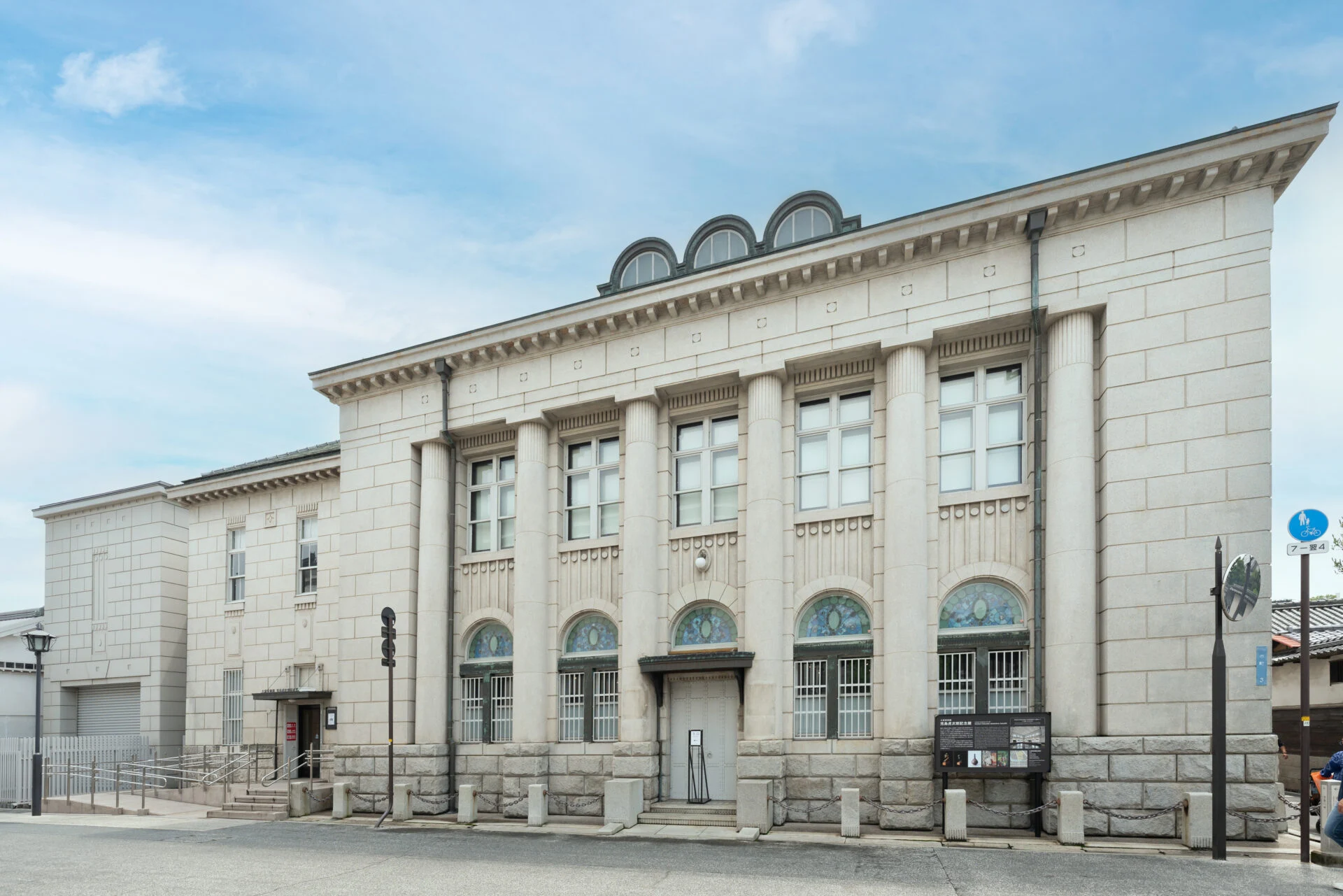
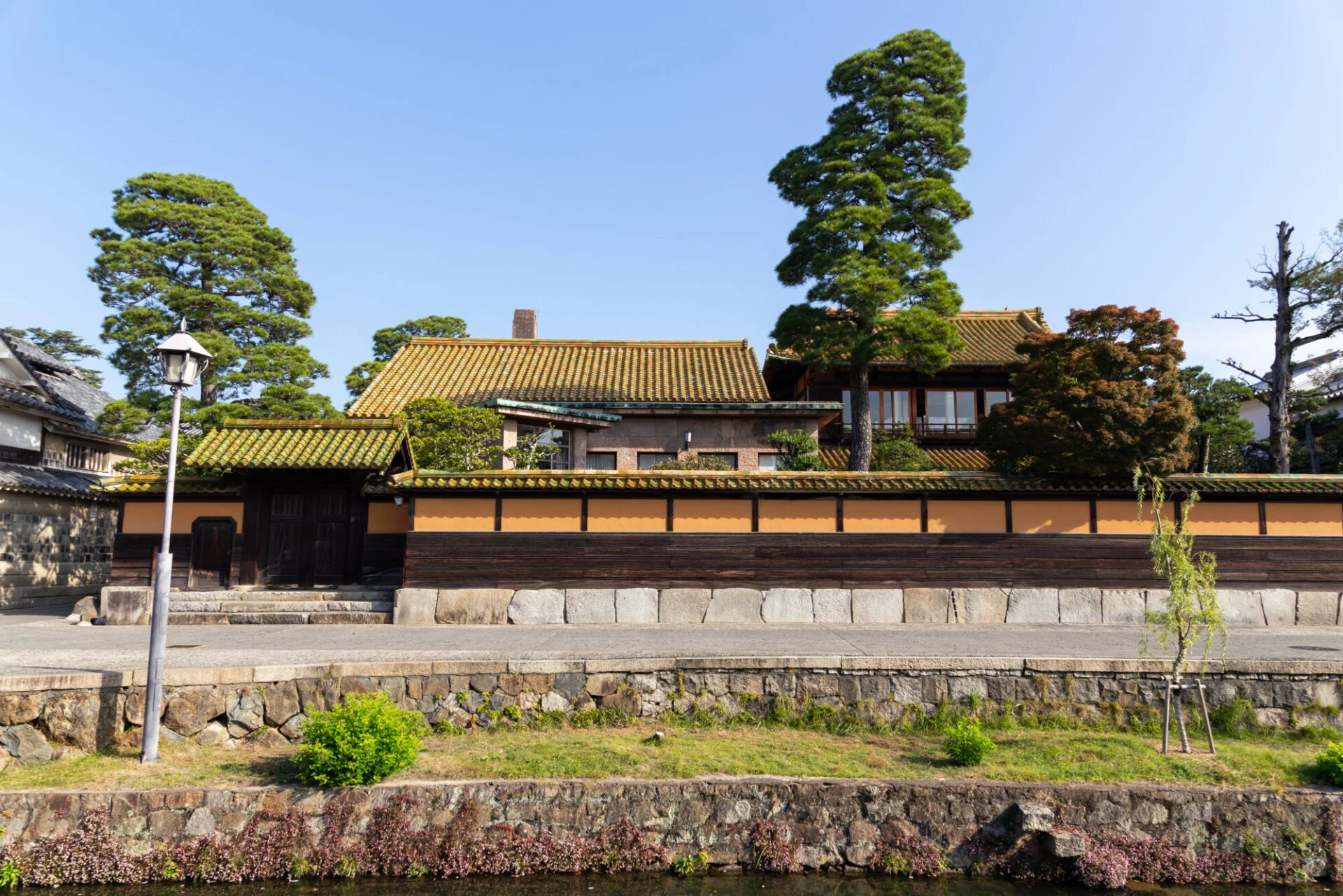
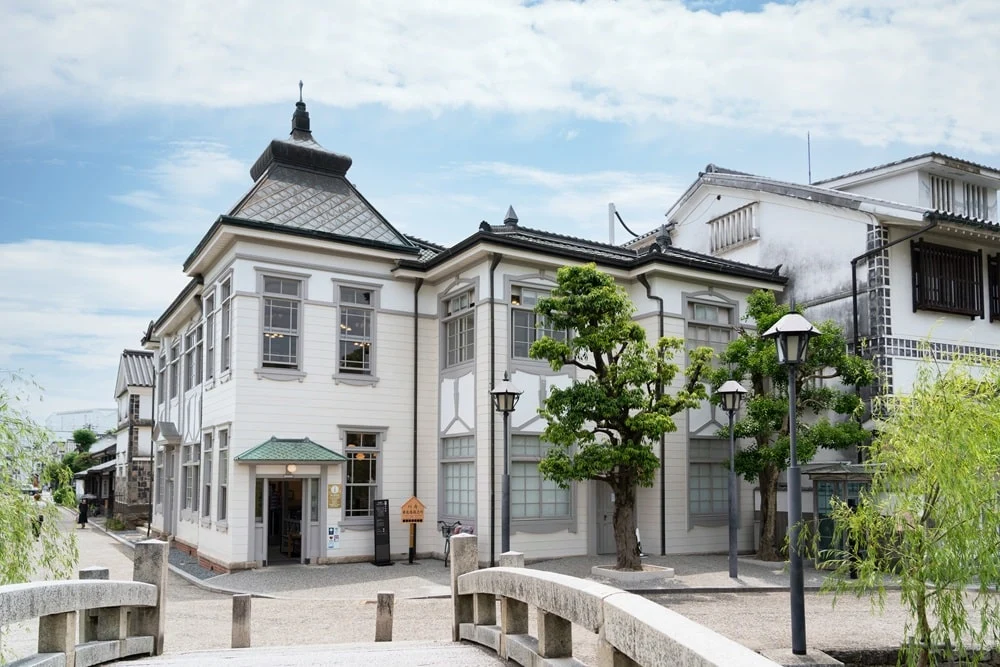
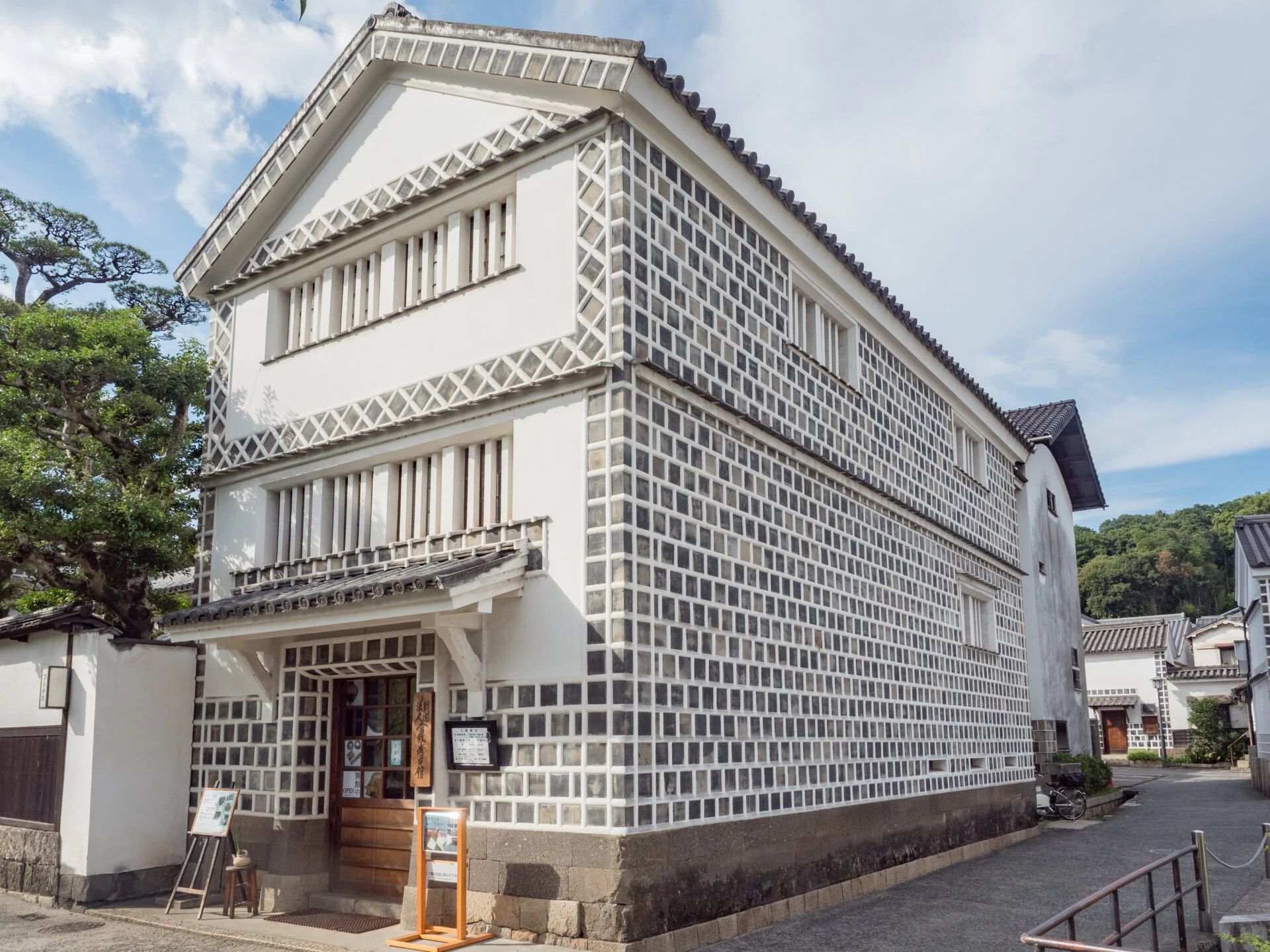
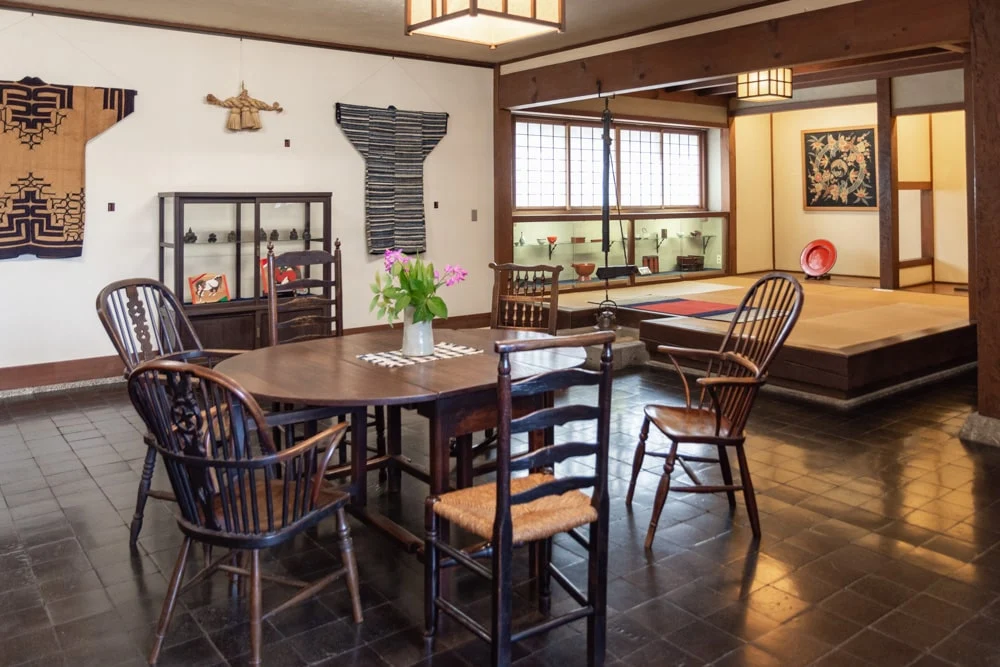
In the Bikan Historical Area, buildings symbolizing the development of the textile industry that has continued since the Edo period can be found, allowing us to see the scenery of that time even today.
The landscapes of Tamashima and Shimotsui, facing the Seto Inland Sea, are townscapes that flourished as a port of call for trading ships, Kitamae-bune during the Edo period.
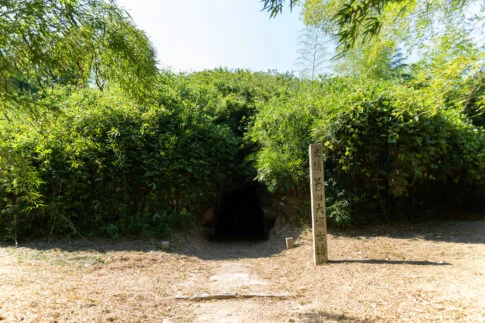
In the northern part of Kurashiki City, in areas like Sho and Mabi, there are ruins associated with the Legend of Momotaro, such as the Tatetsuki Site, Koi Kui Shrine, and Yata Otsuka Burial Mound.
There is a system in place where the historical buildings and townscapes of the region, along with other unique local assets, are systematically compiled into a story recognized by the Agency for Cultural Affairs as a Japan Heritage.
The three Japan Heritage sites recognized in Kurashiki City are as follows.
- A Kurashiki story beginning with a single cotton flower – A town of textiles woven from Japanese and Western influences
- A different world entwined with the dreams of men who overcame the stormy seas – Port of call for Kitamae-bune and the shipowners' village
- Okayama, Birthplace of the Legend of Momotaro – A story of demon-slaying inspired by the ancient heritage of Kibi
We will introduce the 47 cultural properties that make up these three stories.
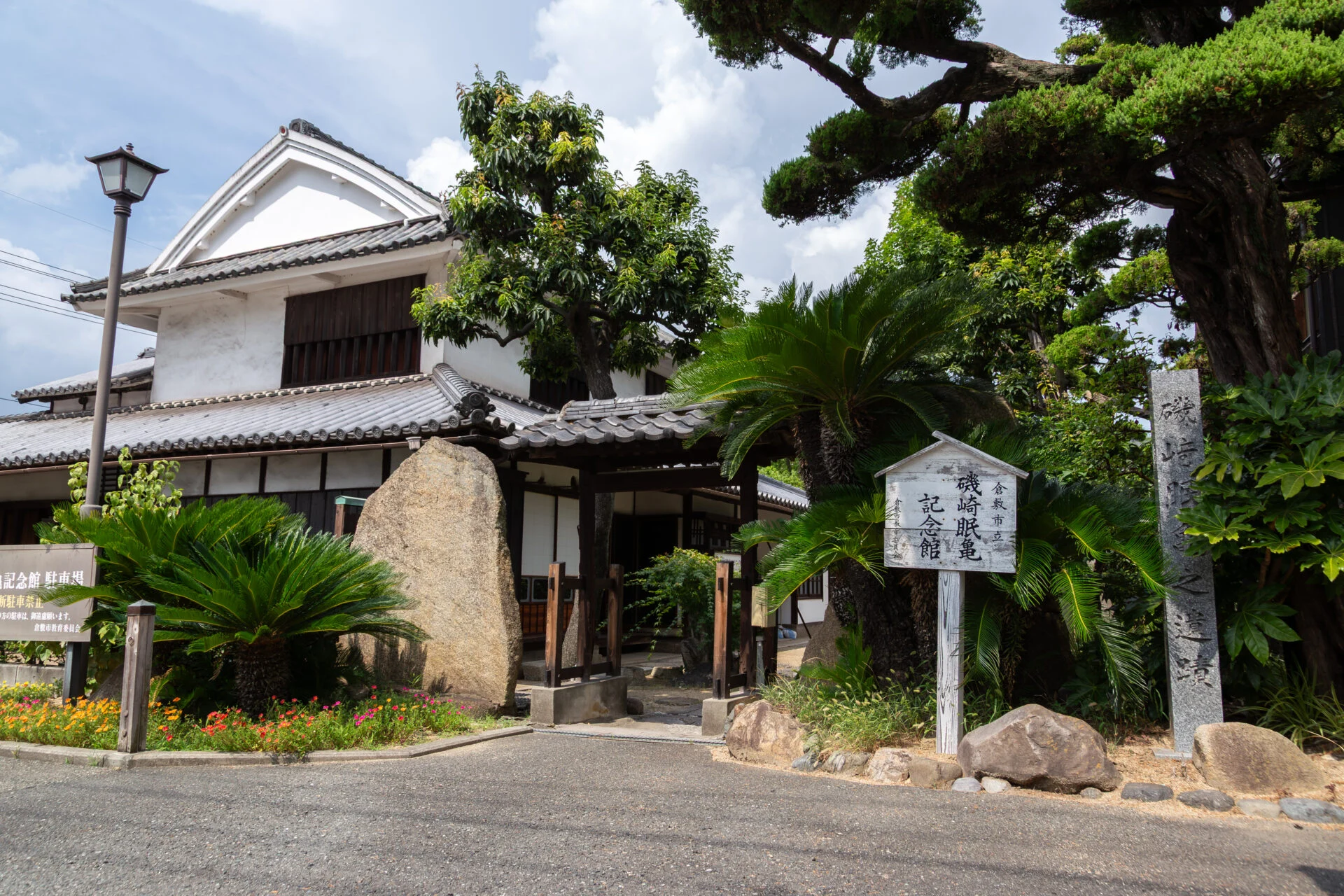
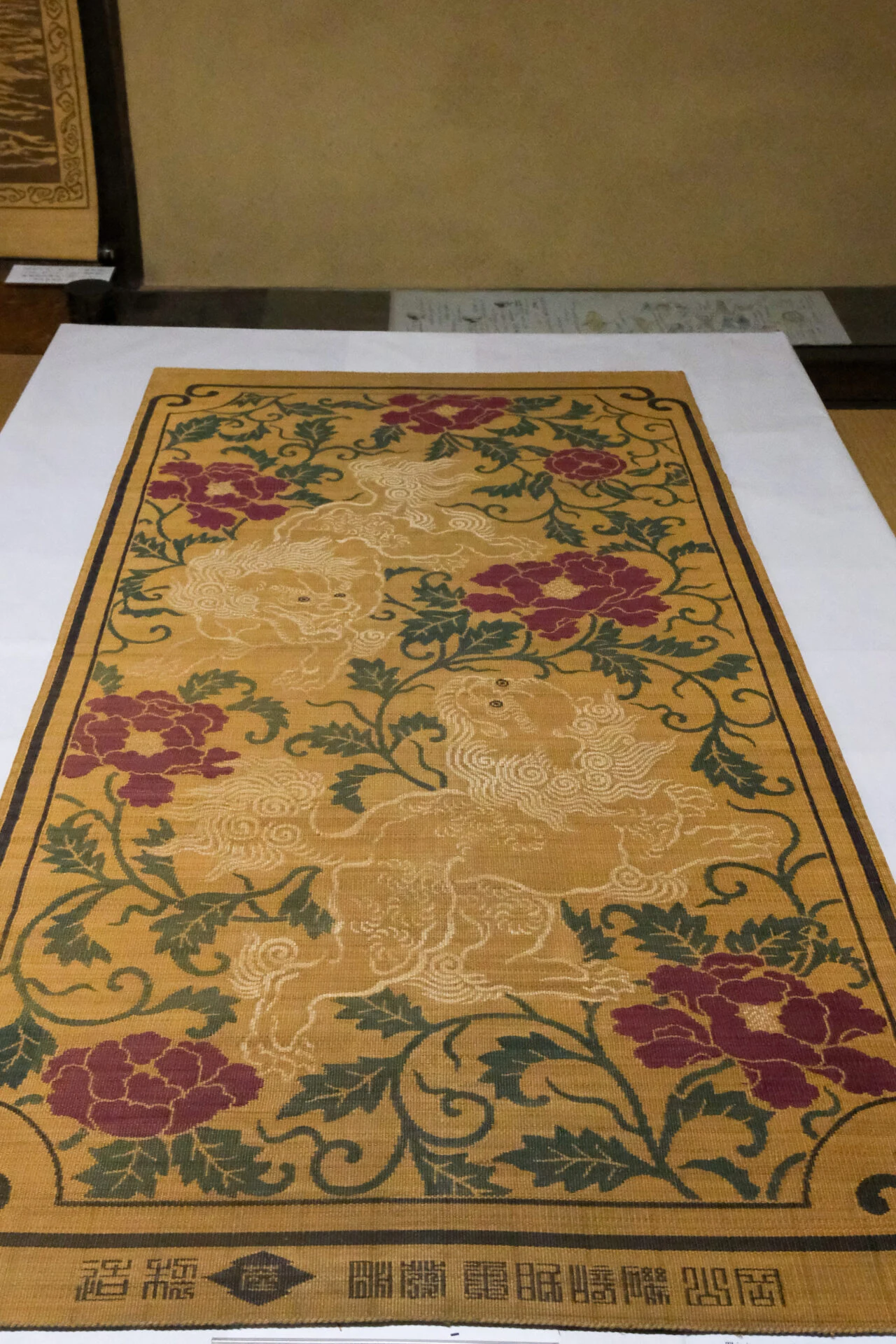
A Kurashiki story beginning with a single cotton flower – A town of textiles woven from Japanese and Western influences
Most of the land in present-day Kurashiki City was once sea.
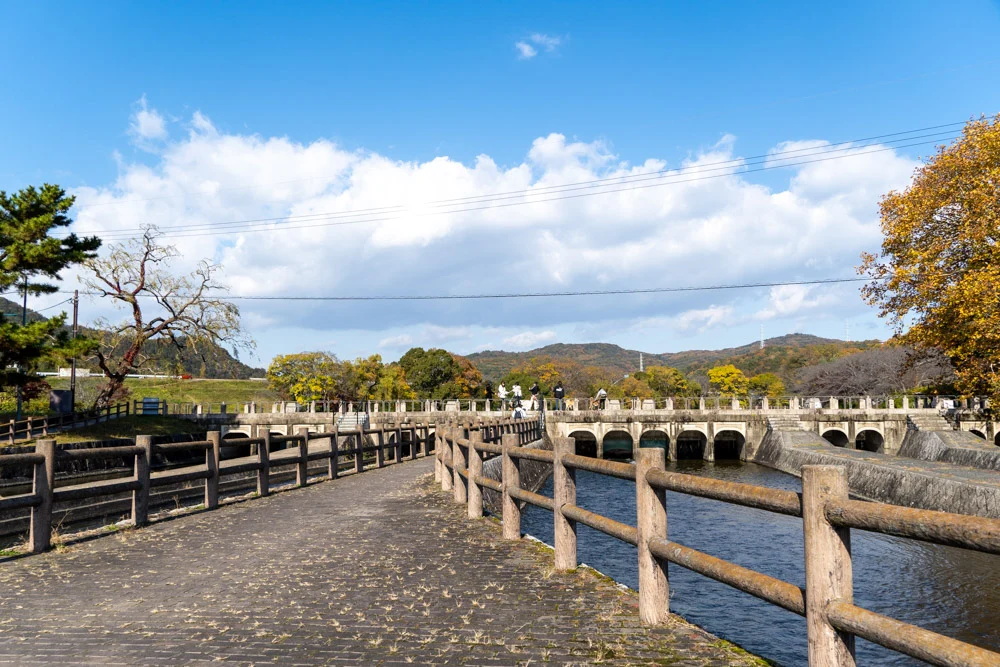
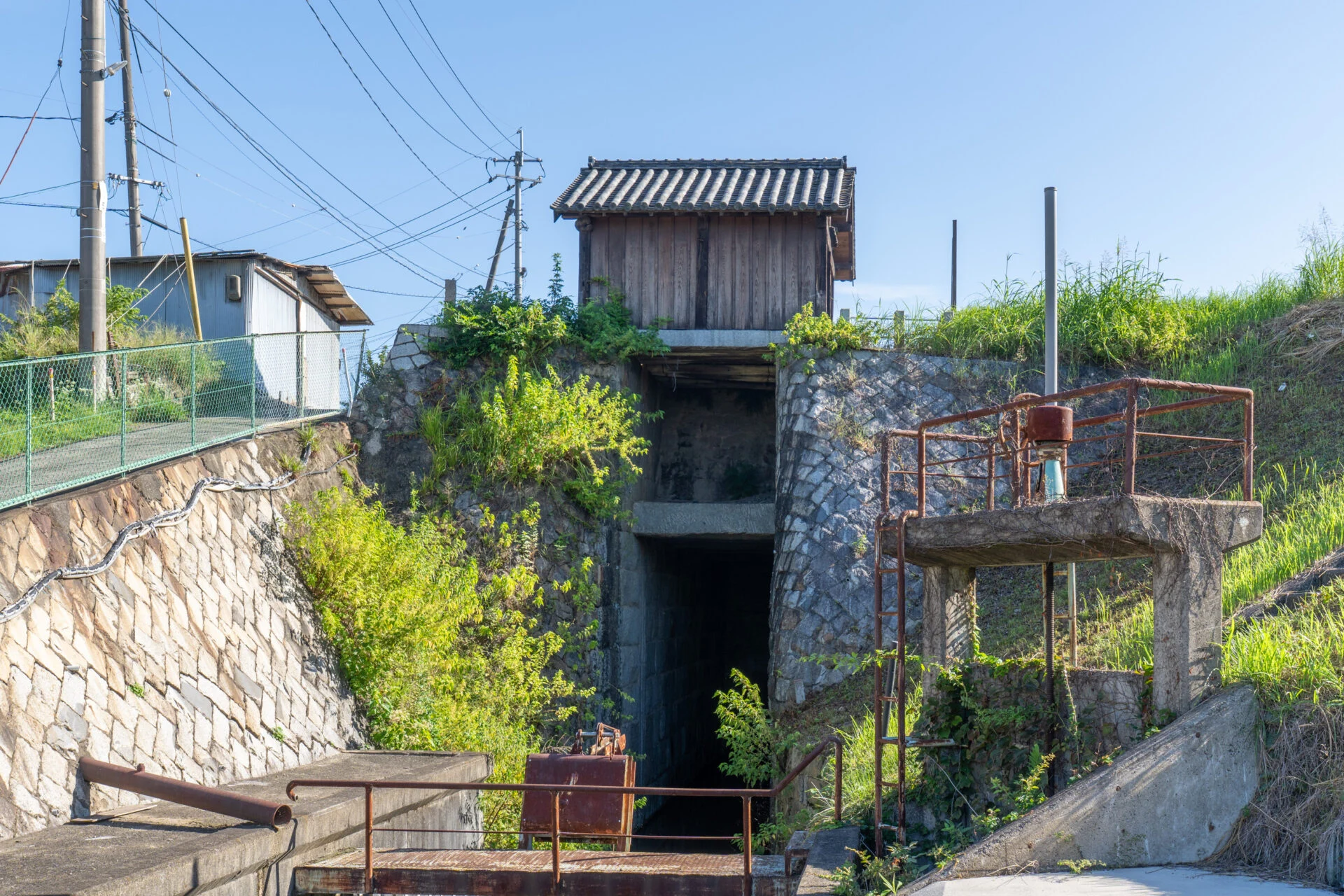
During the Edo period, land created through reclamation began to be used for the cultivation of salt-resistant cotton and rush grass.
The townscape of the Bikan Historical Area begins with the cultivation of cotton during the Edo period.
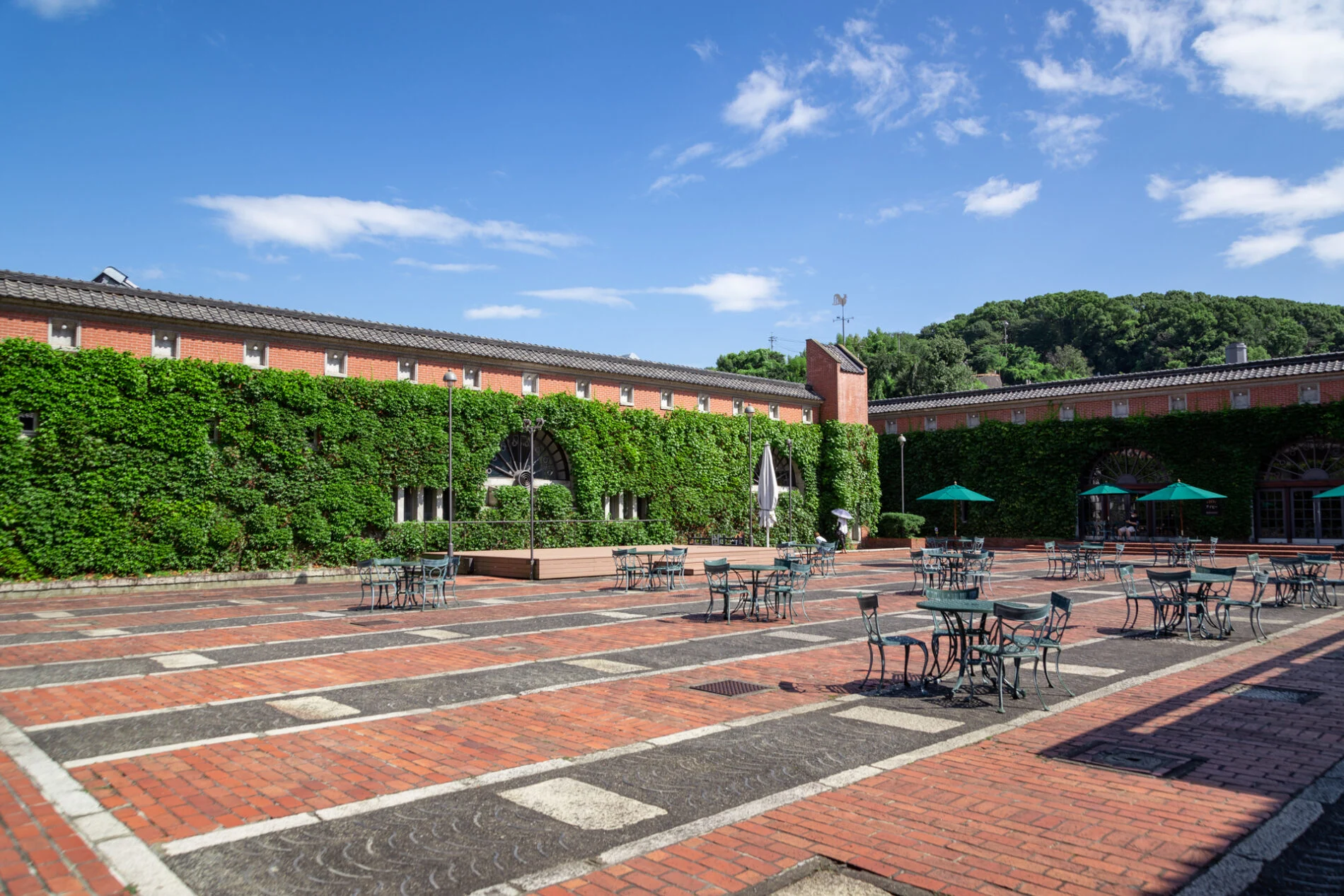
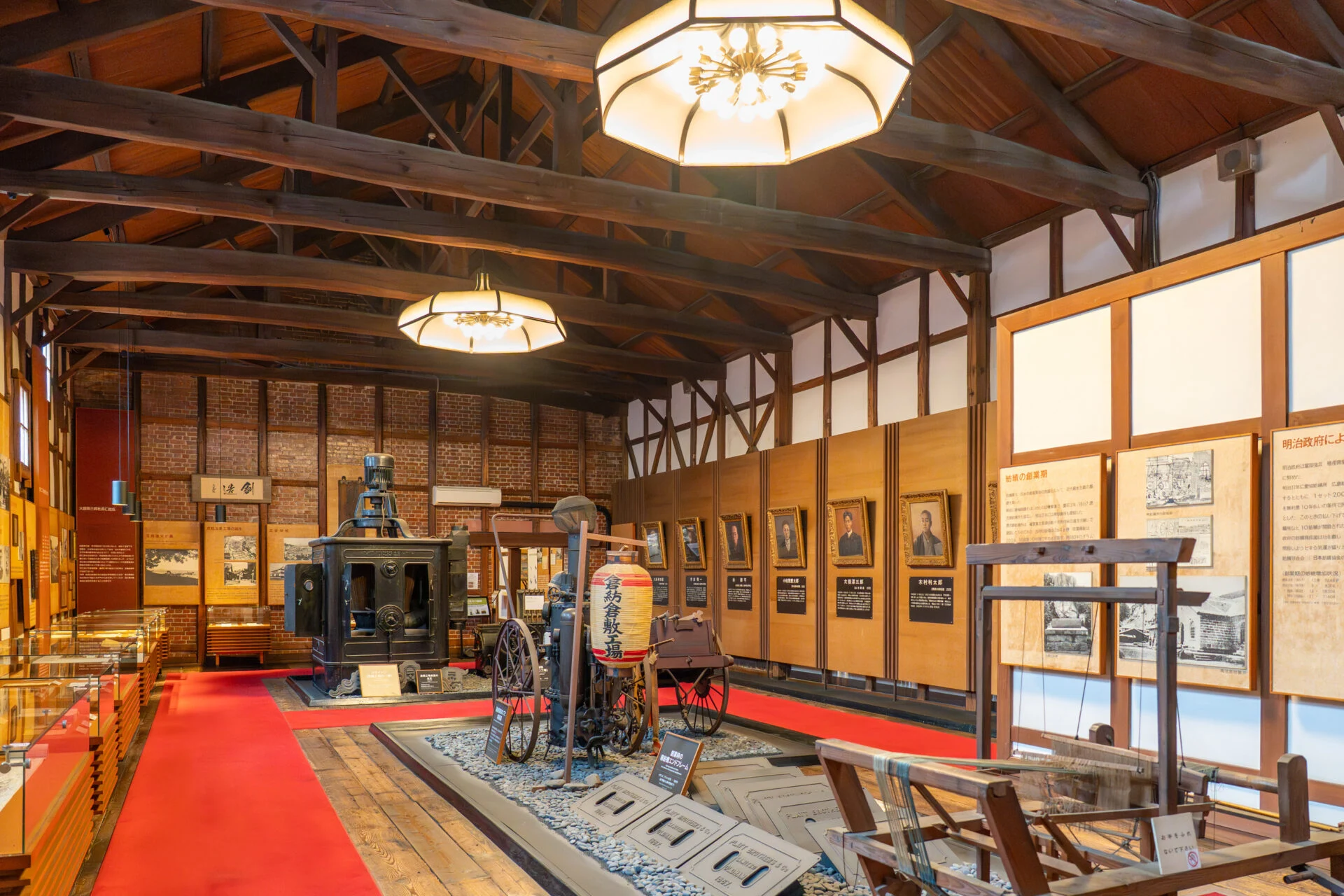
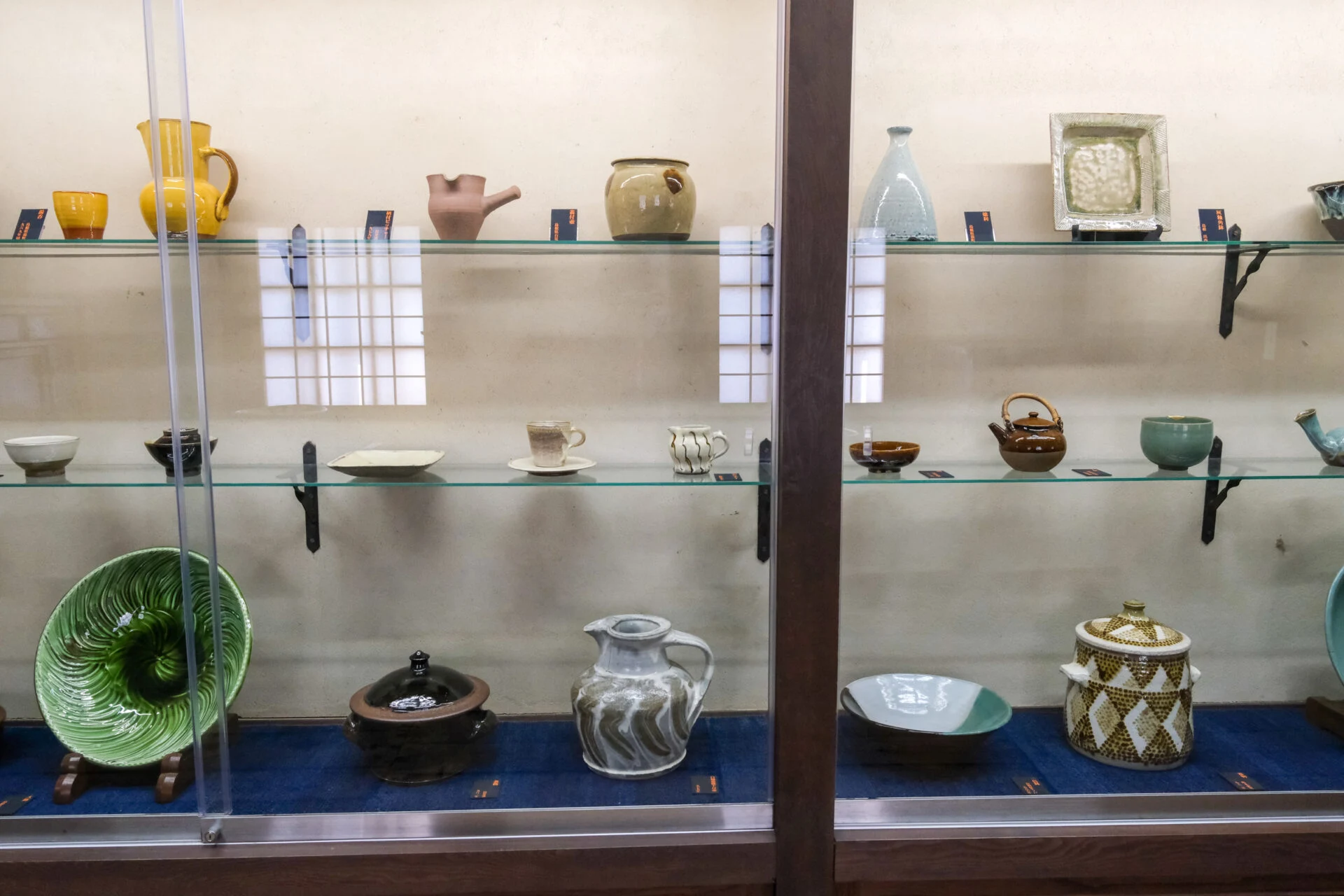
In the Meiji period, industrialization progressed, and with the establishment of the Kurashiki Spinning Company, the textile industry developed. The textile industry has changed shape over time, and today, Kurashiki City is known as one of the leading "towns of textiles" in the country.

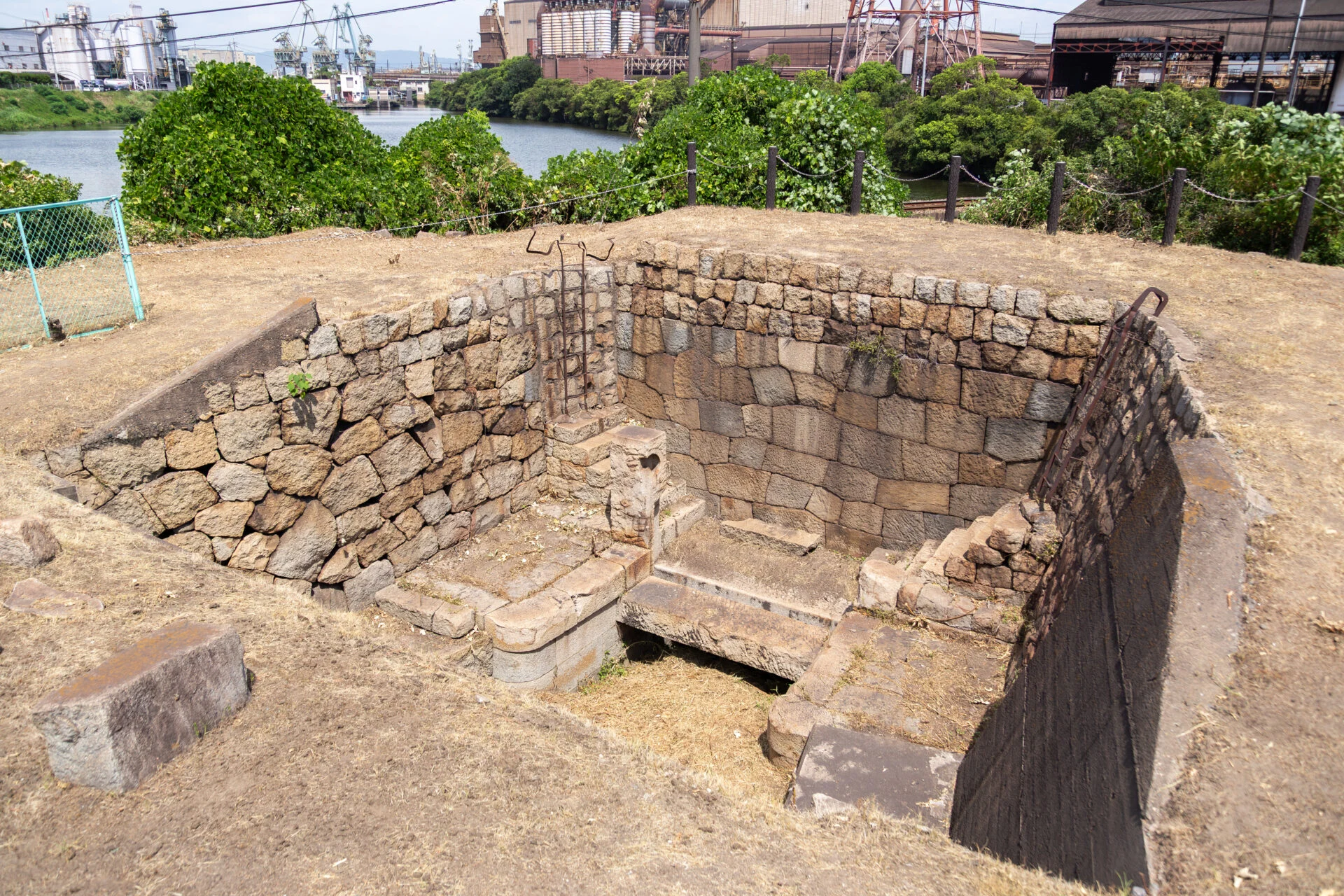
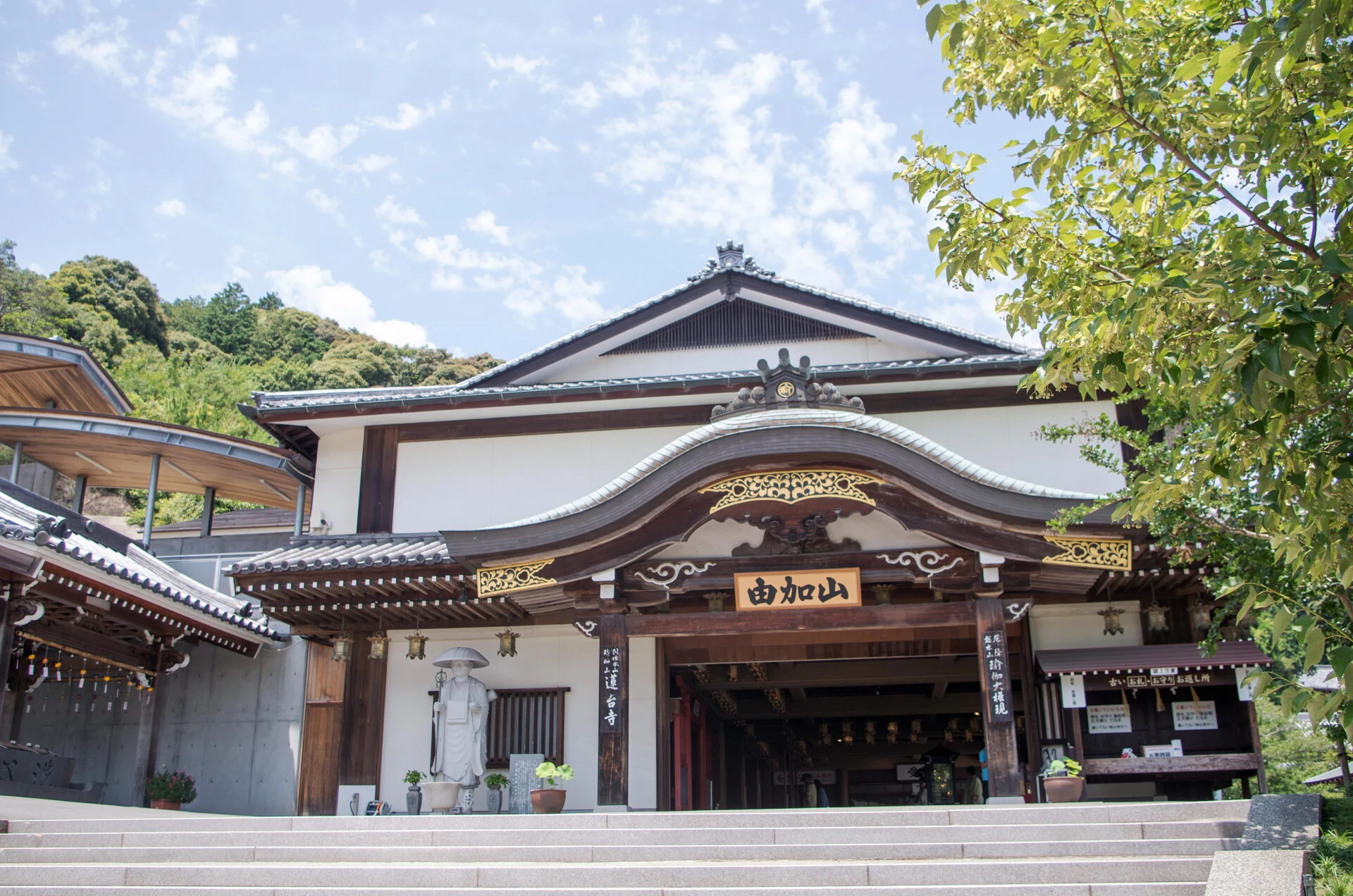
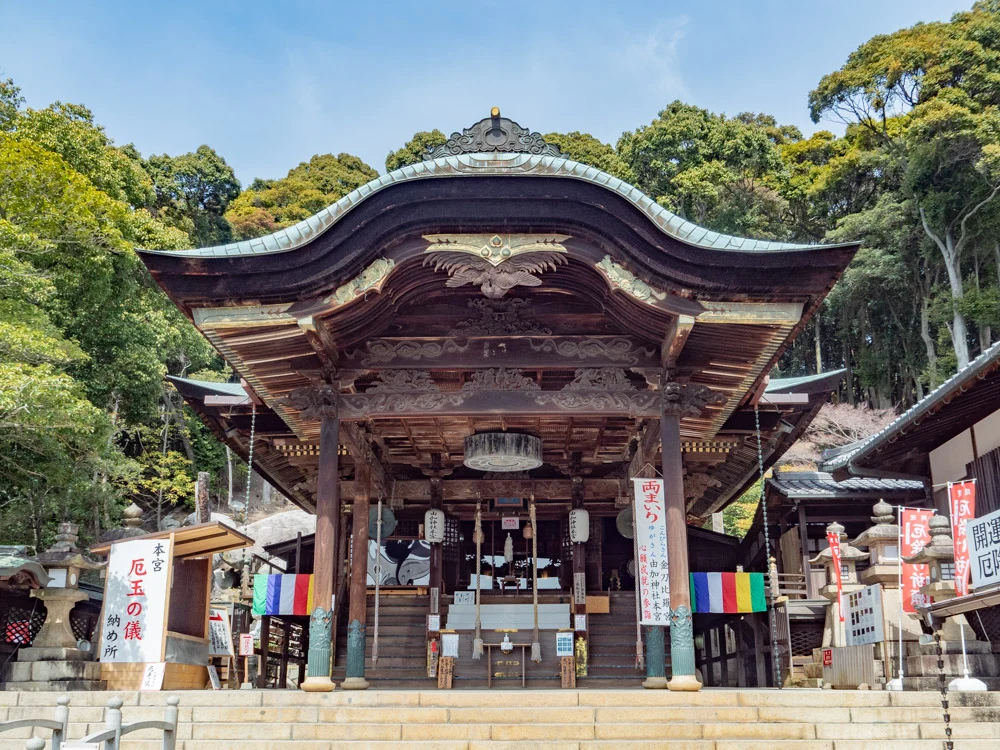
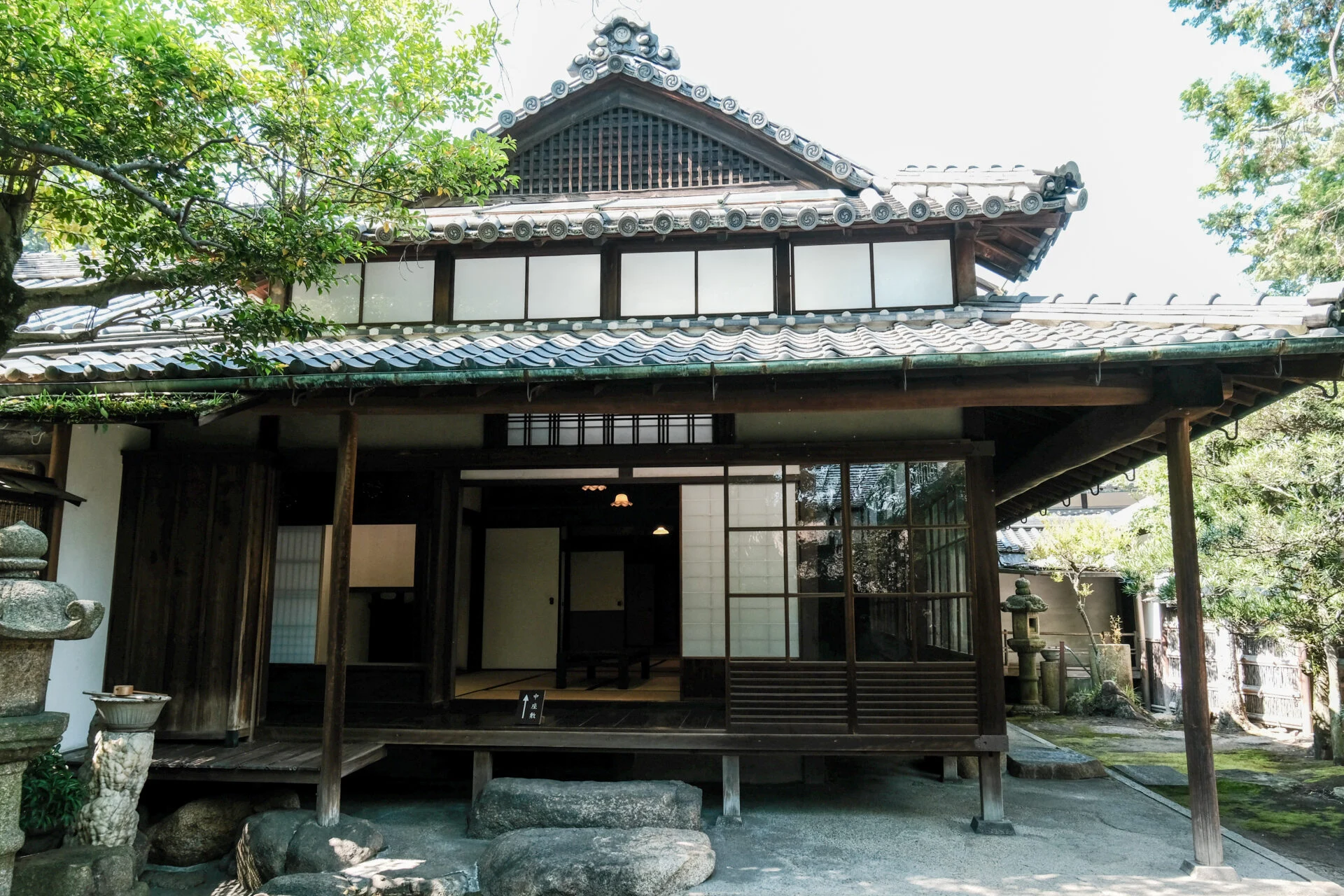

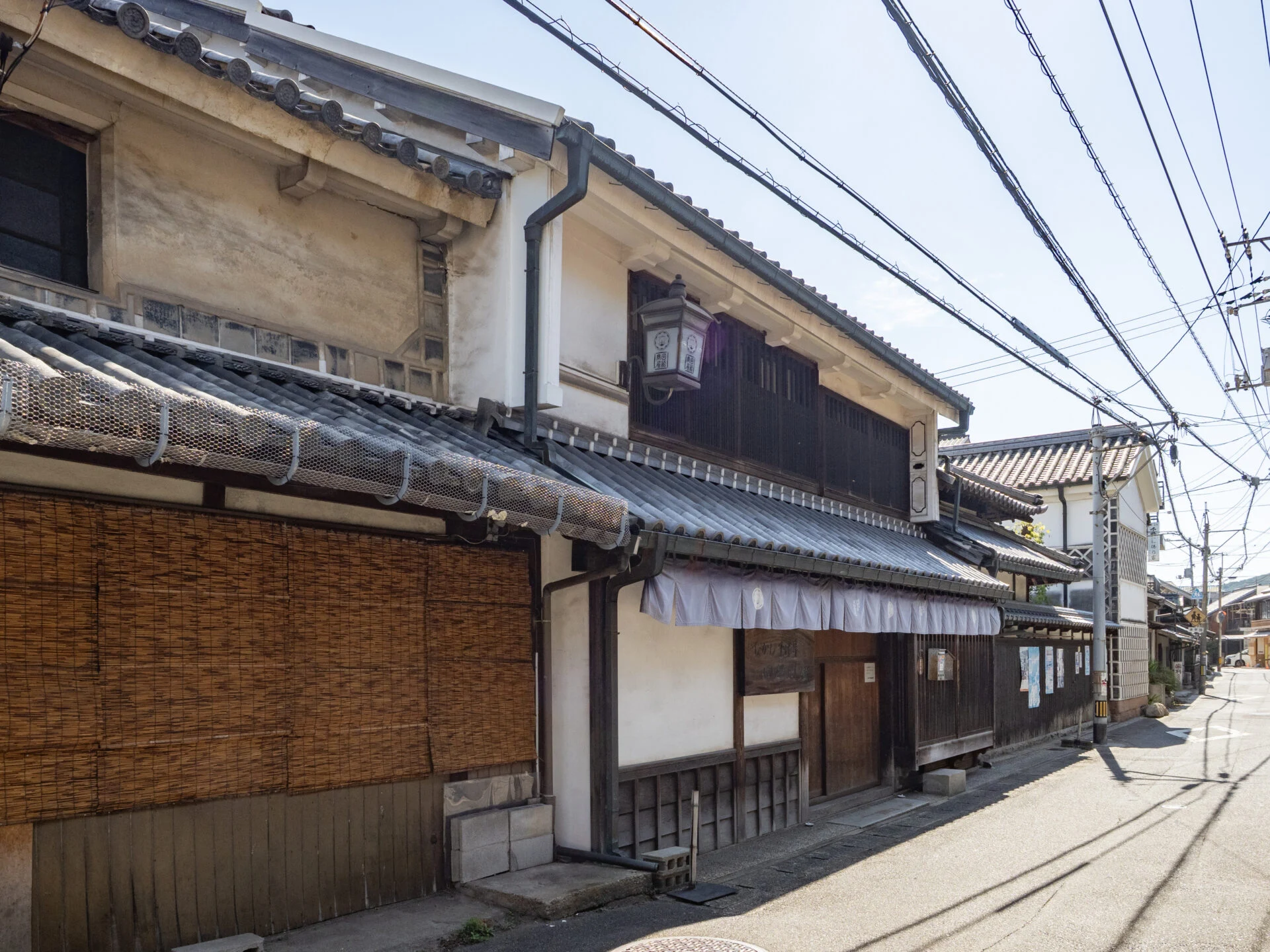
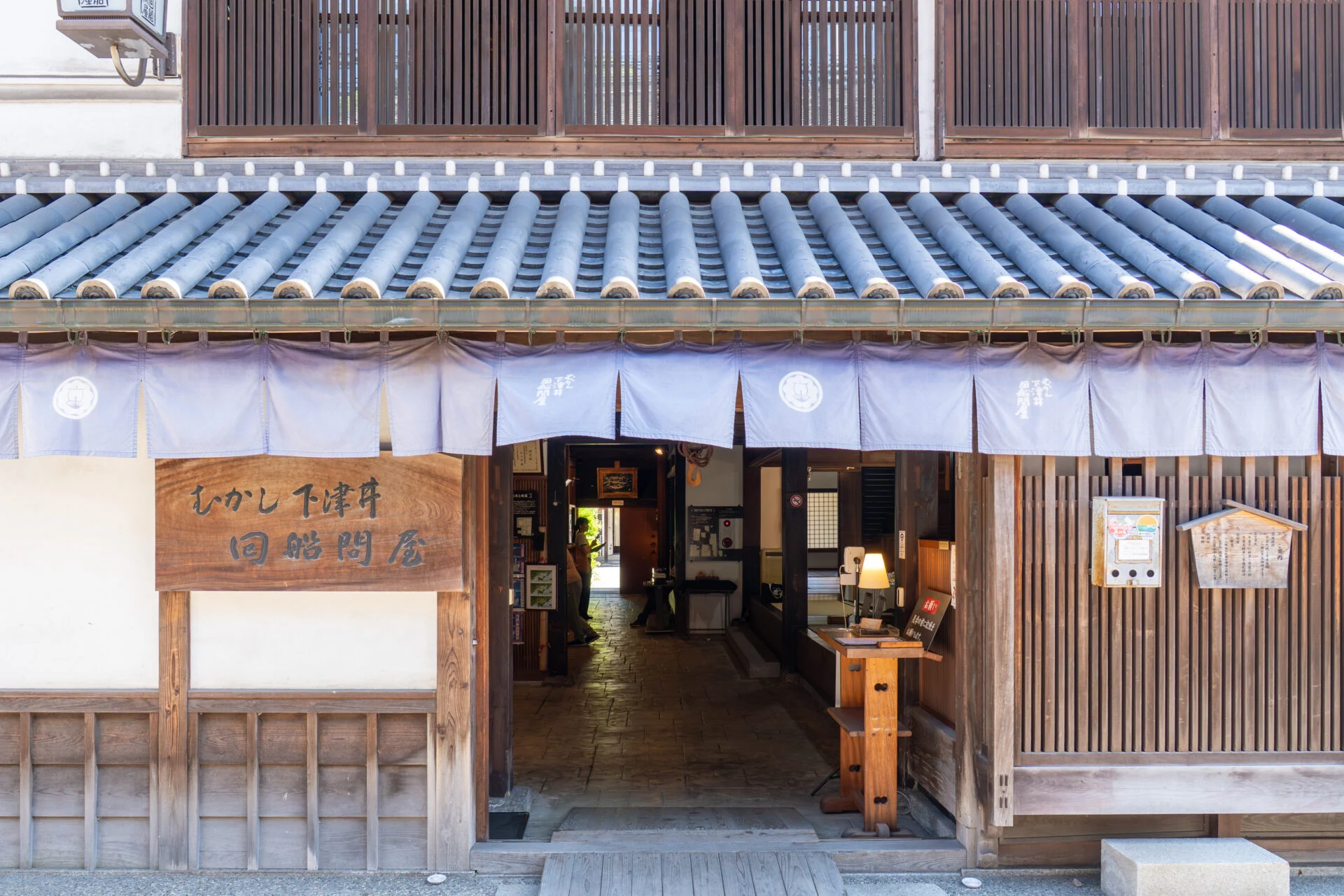
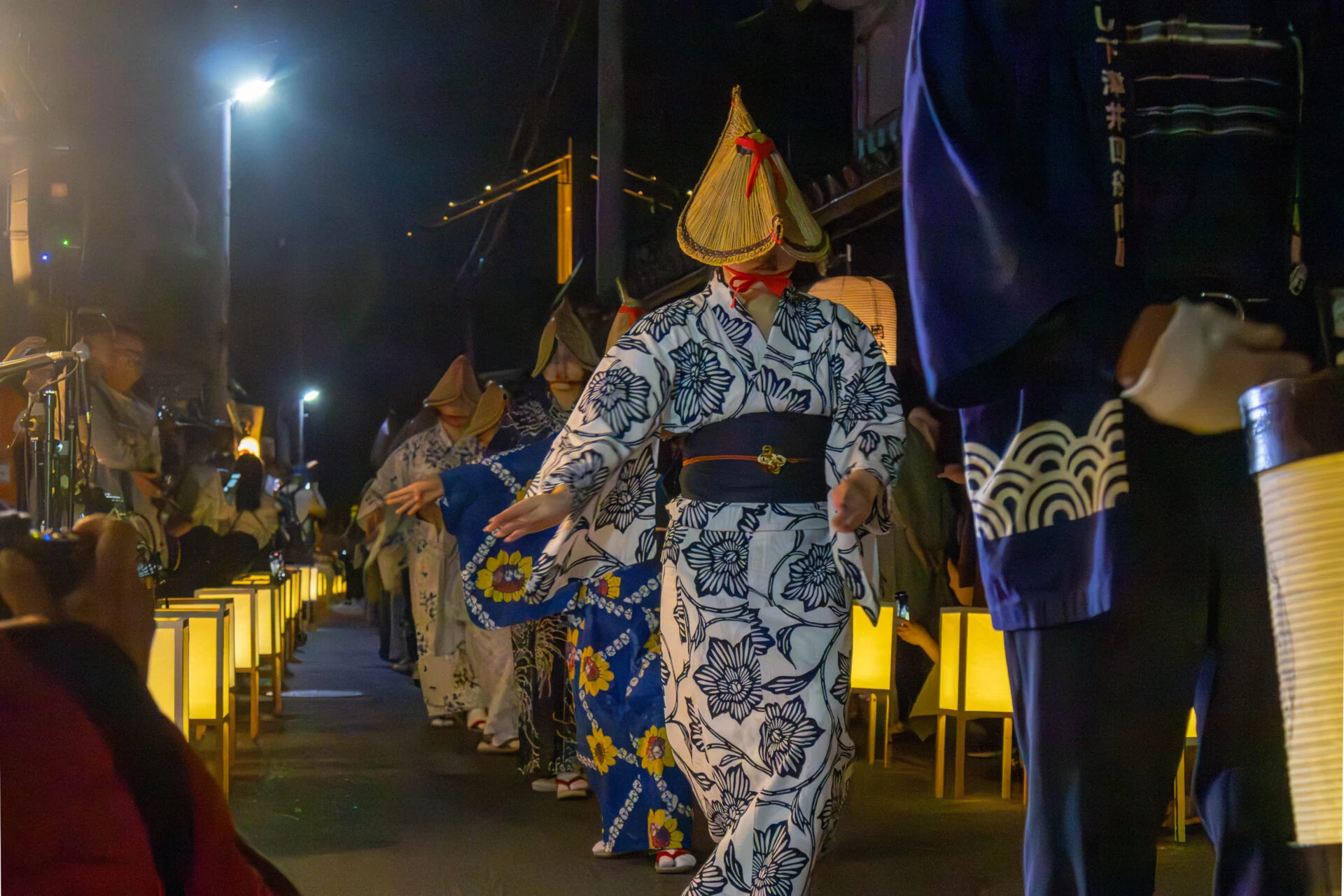
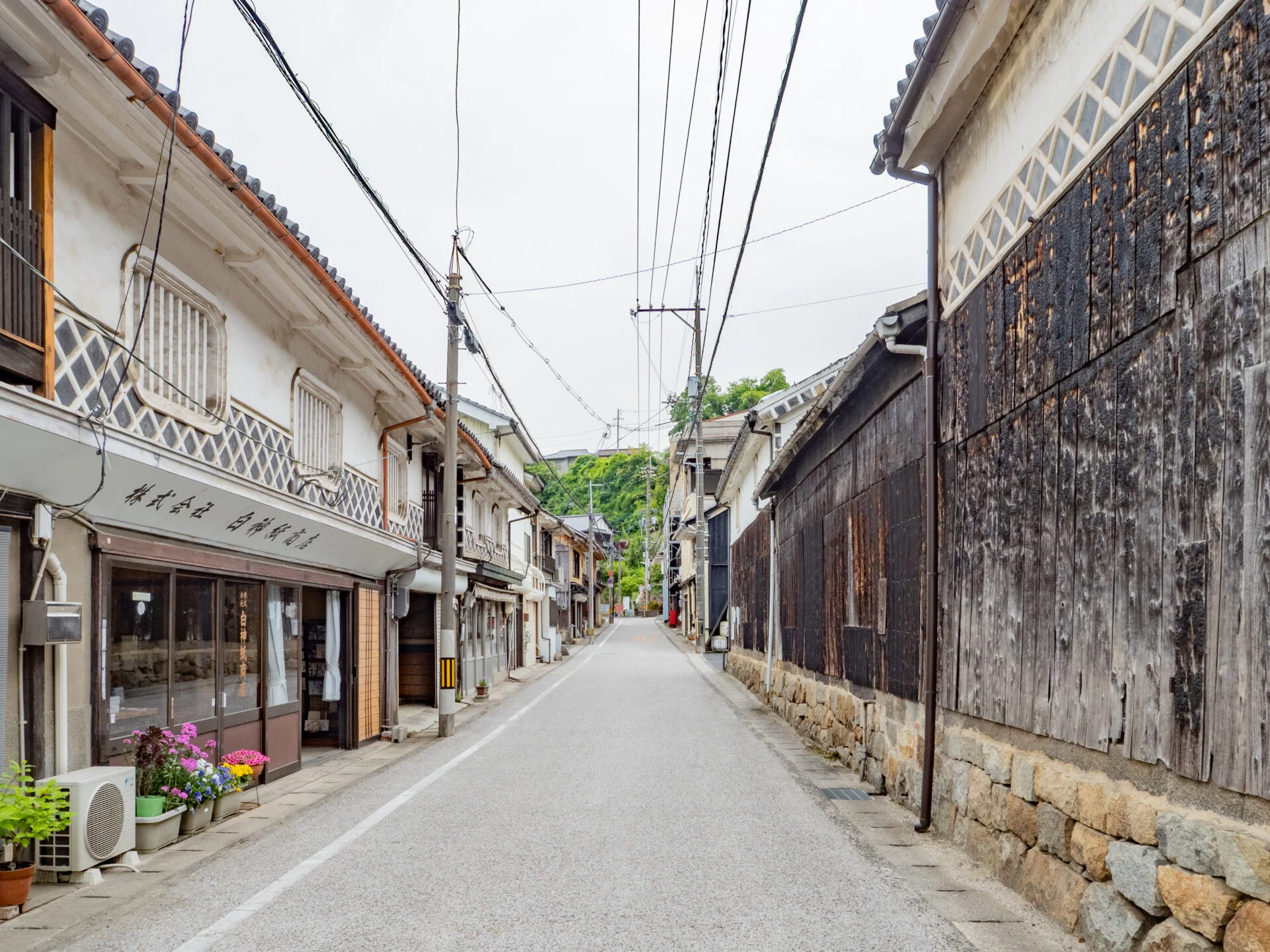
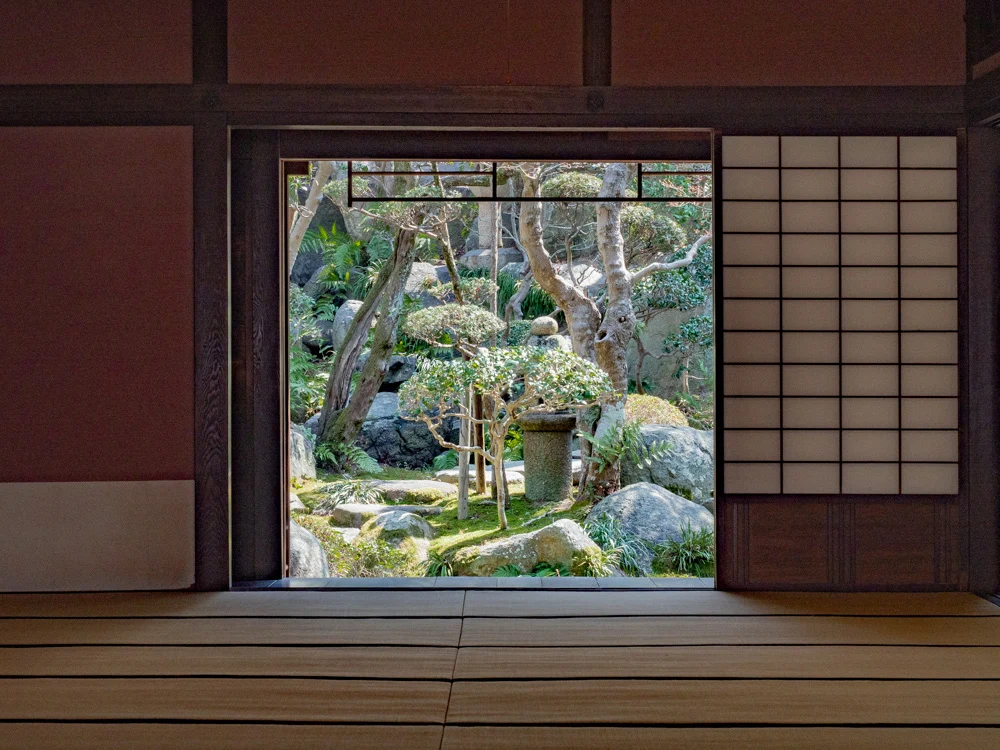
A different world entwined with the dreams of men who overcame the stormy seas – Kitamae-bune Port Town and Shipowners' Village
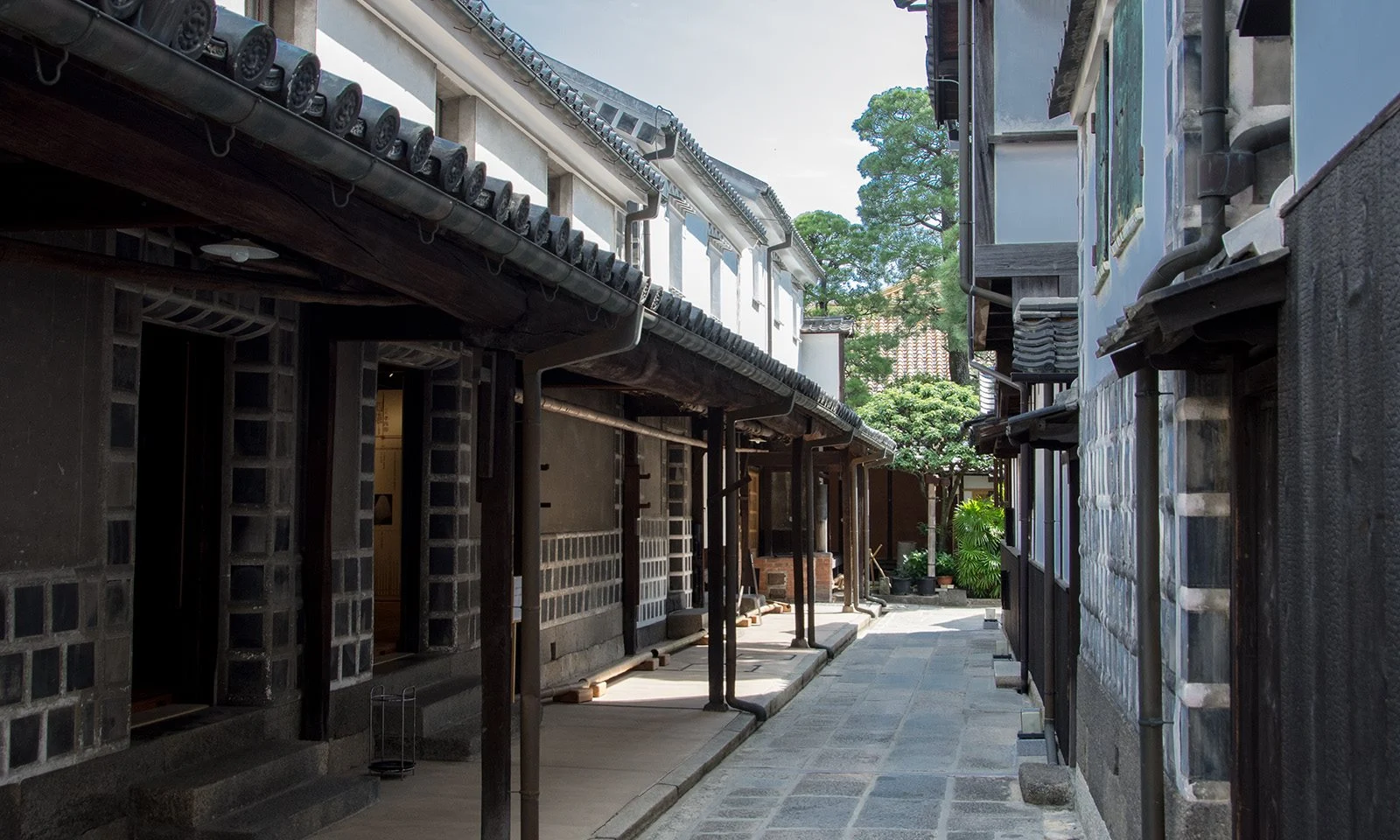
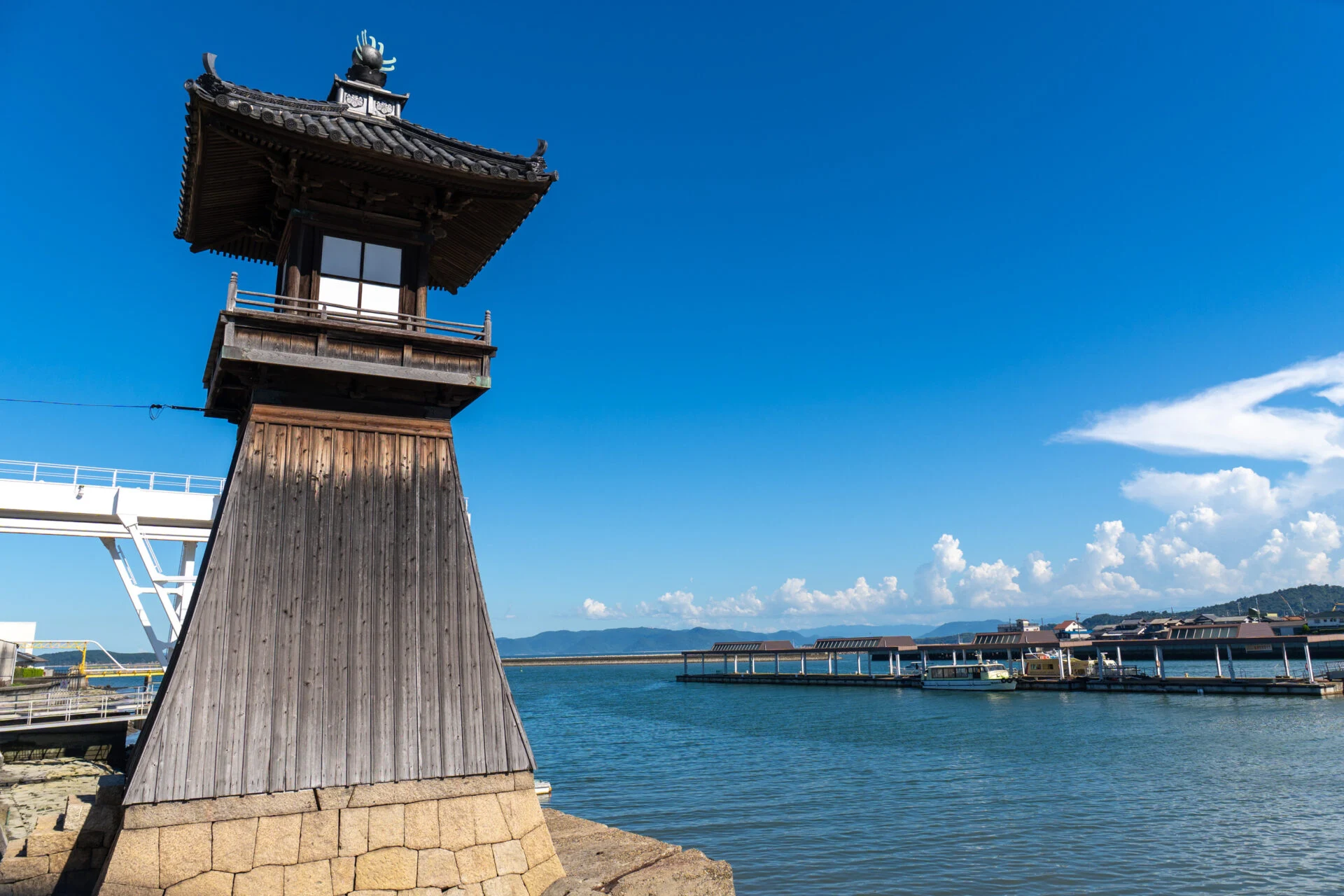
Tamashima and Shimotsui were ports for the Kitamae-bune trading ships during the Edo period.
Various products were brought in from all over Japan, and they developed as a hub for trade.
Many buildings from that time remain in Tamashima and Shimotsui, allowing visitors to feel the atmosphere of a town that thrived as a center of trade.
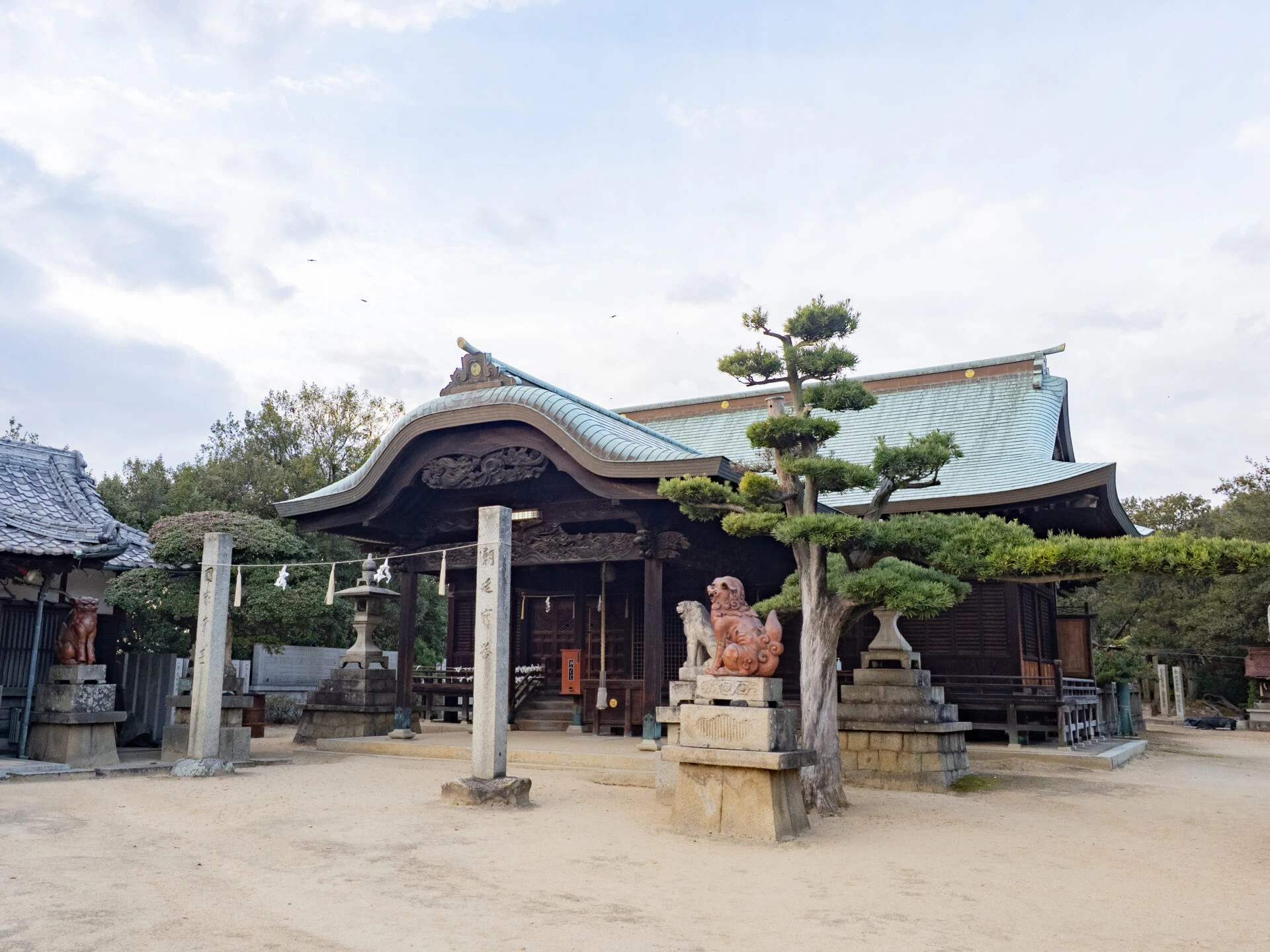
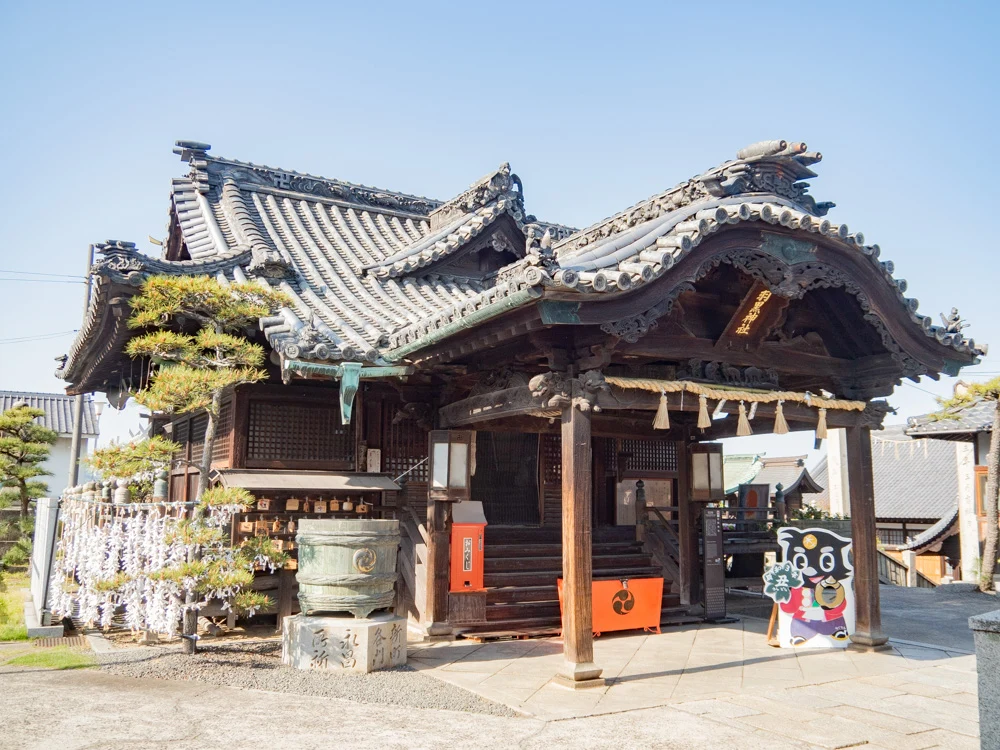
Offerings at Gion Shrine
Scheduled for coverage after 2026
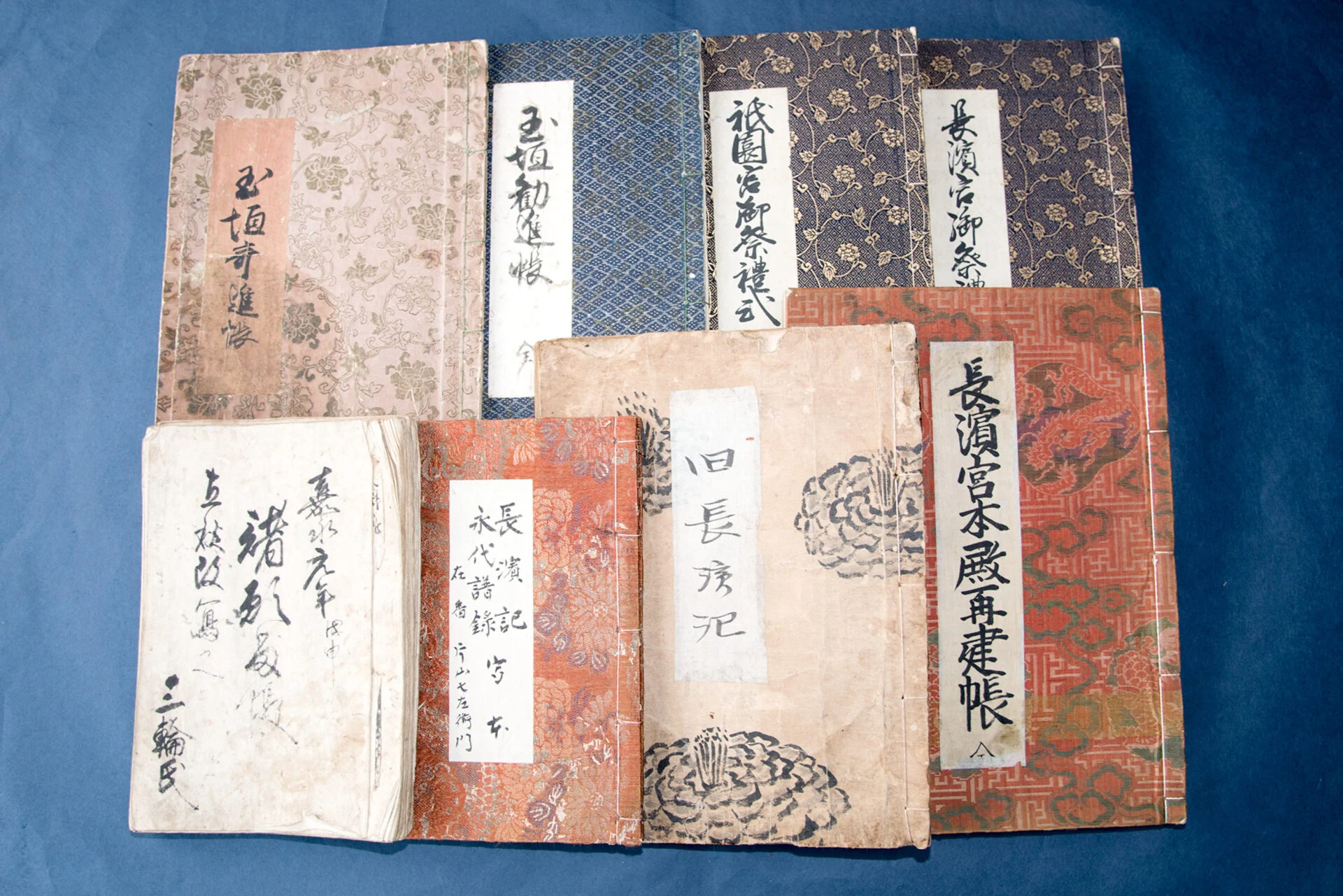
Shimotsui Gion Documents
Scheduled for coverage after 2026
Okayama, Birthplace of the Legend of Momotaro – The Ancient Kibi Heritage Invites the Story of Demon Slaying
The northern part of present-day Kurashiki City was once part of a region called Kibi in ancient times.
Ancient Kibi is said to have boasted a powerful influence due to its warm climate and its land suitable for trade facing the Seto Inland Sea.
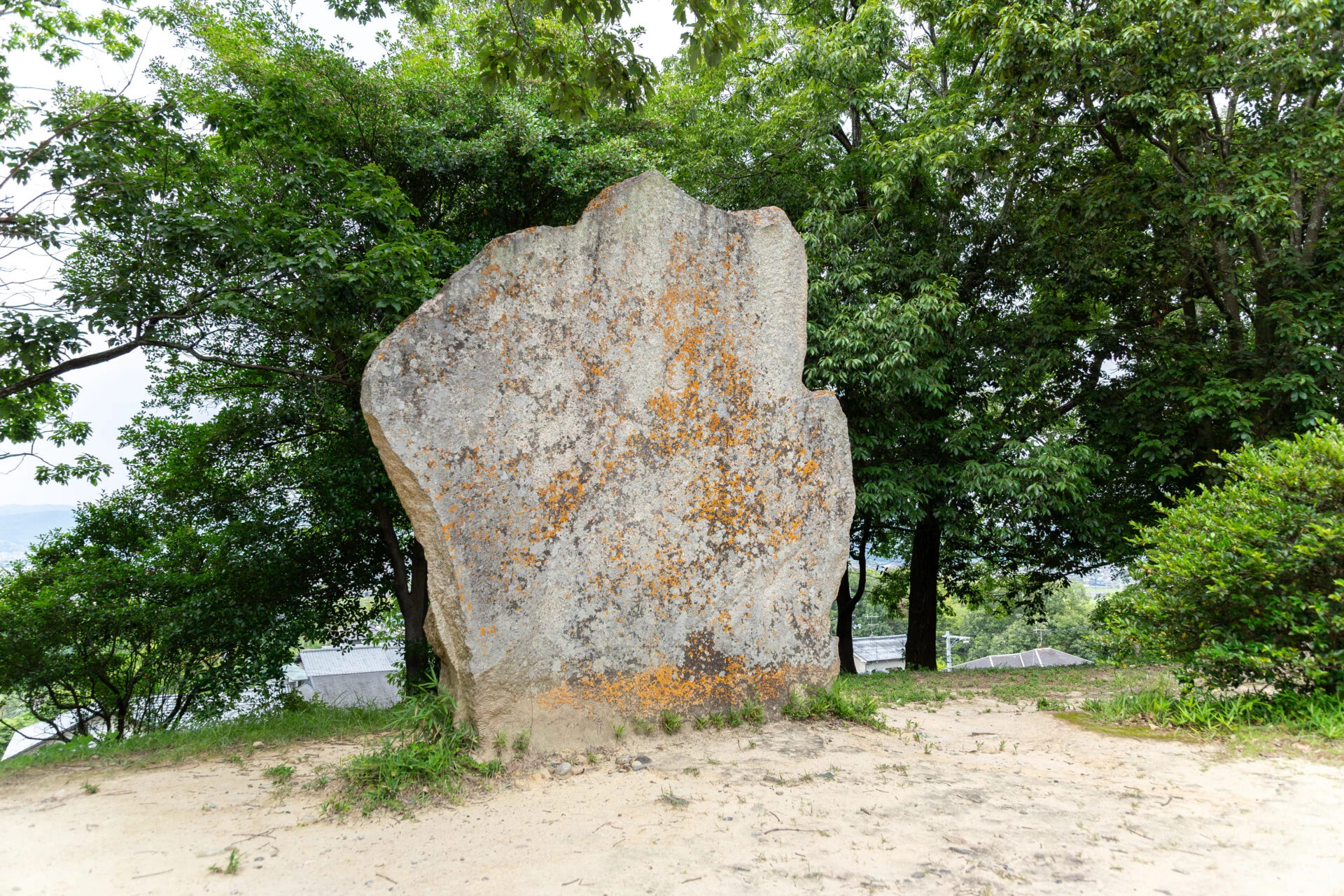
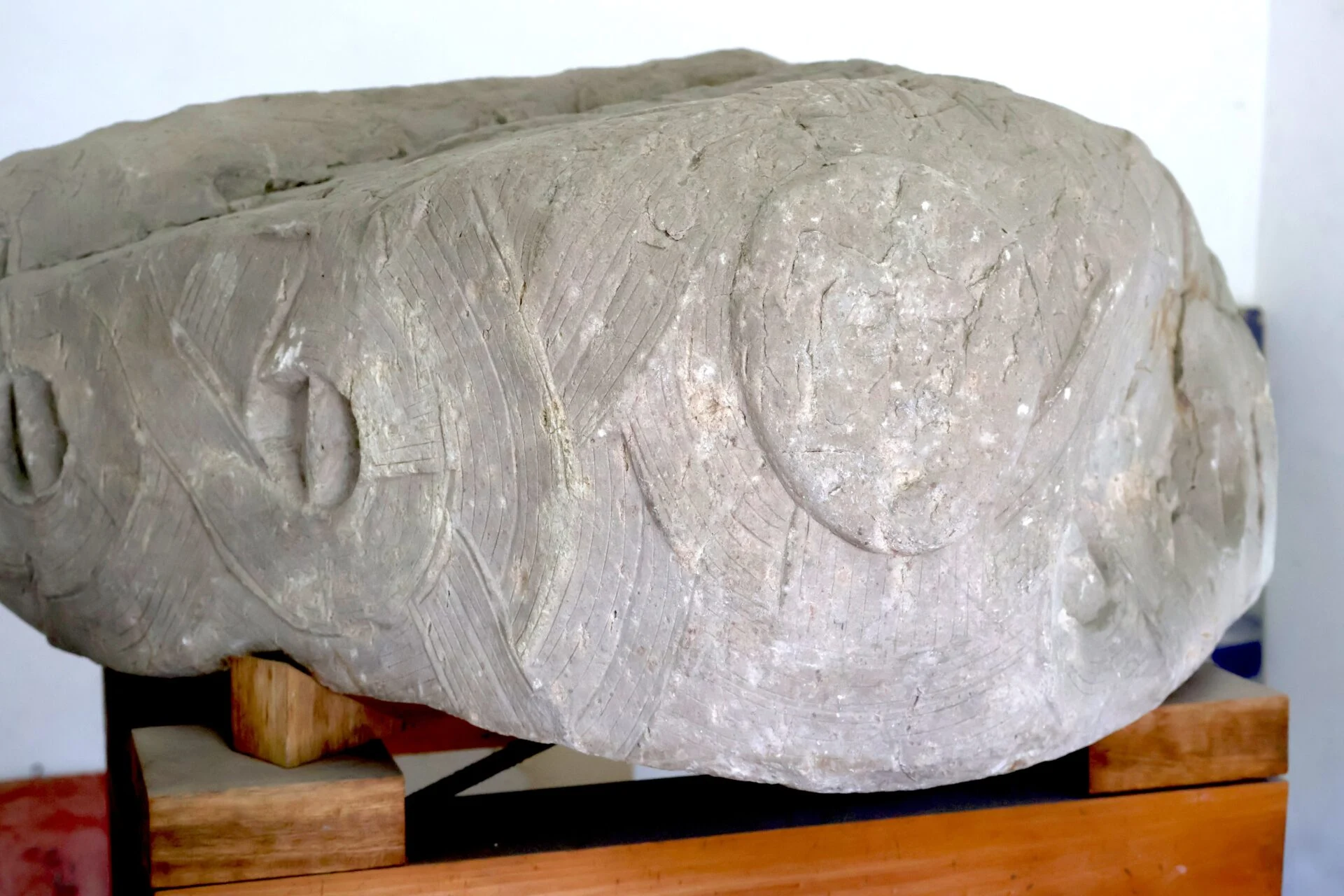
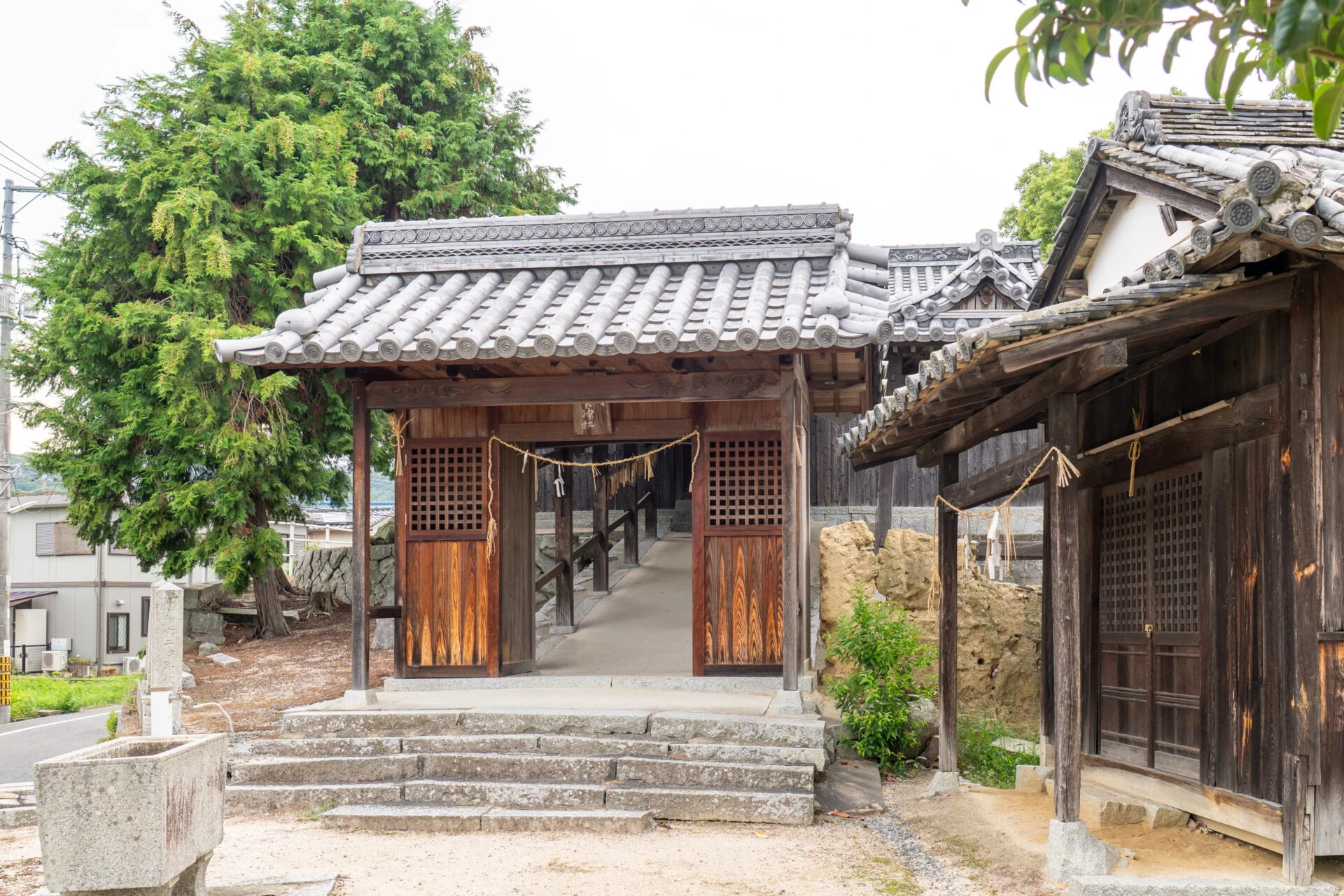
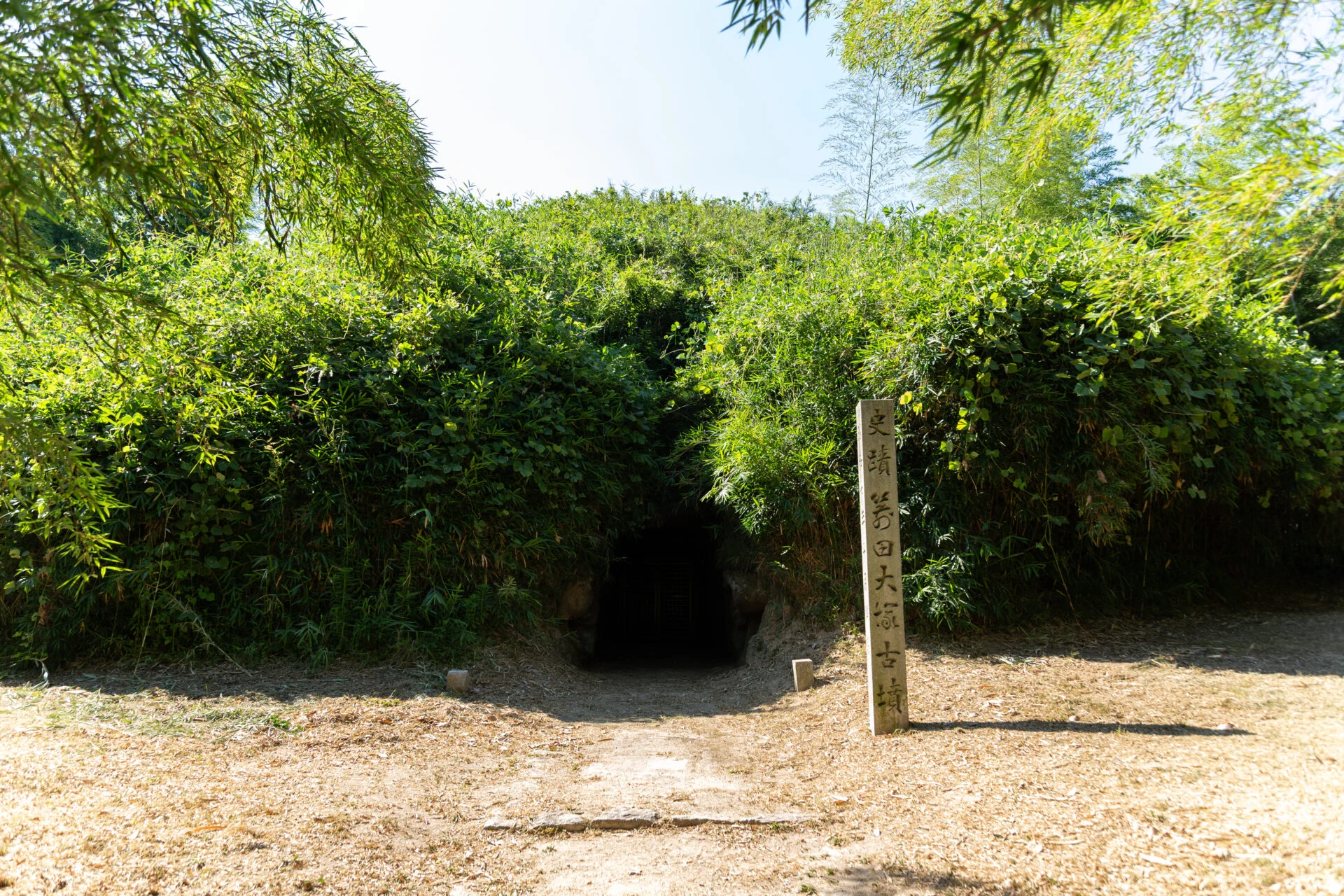
In the northern part of Kurashiki City, there are heritage sites related to the Legend of Momotaro, such as the Tatetsuki Site, Koi Kui Shrine, and in Mabi, the Yata Otsuka Burial Mound.

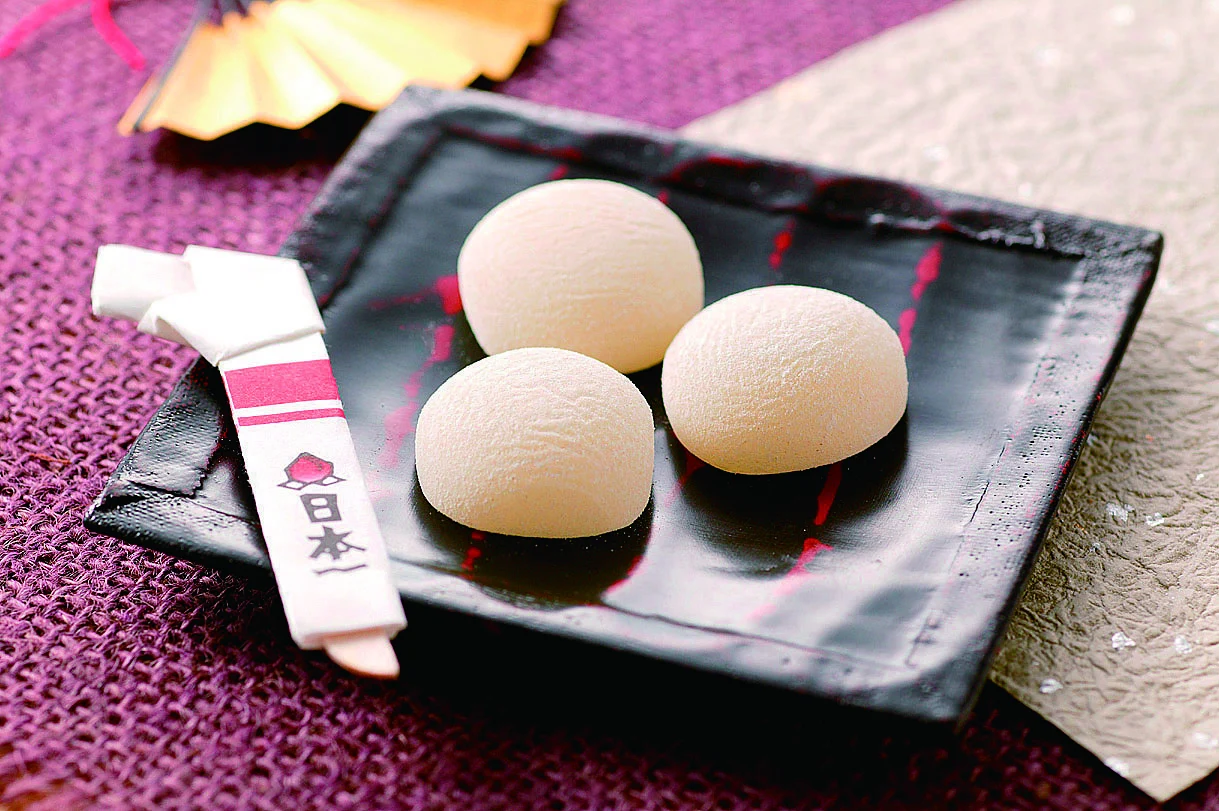
Kibidango
Scheduled for coverage after 2026