
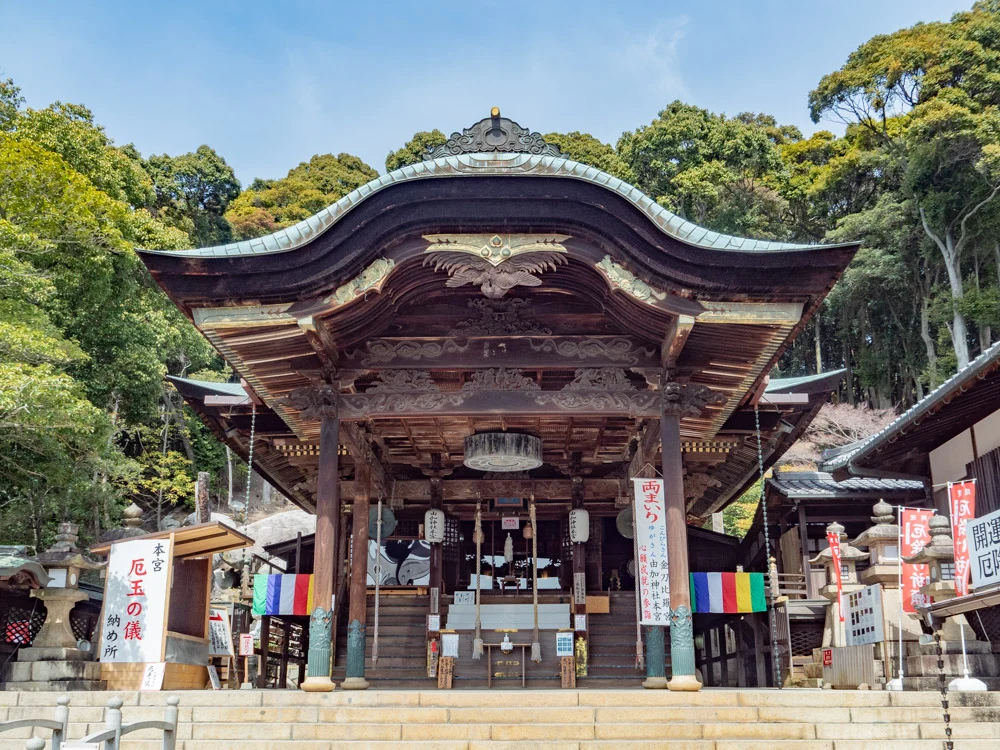
Yuga Shrine Honmiya, one of the cultural properties of the Japan Heritage in Kurashiki City.
In the Kurashiki Japan Heritage Trip, it is introduced as follows.
Yuga Shrine Honmiya
During the Edo period, it received generous treatment from the Okayama feudal lord Ikeda family and was bustling with visitors to the Konpira Shrine in Sanuki, where the town in front of the gate was known for Okura weaving and Sanada cords.
It is designated as an important cultural property (building) of the prefecture.Source: Kurashiki Japan Heritage Trip
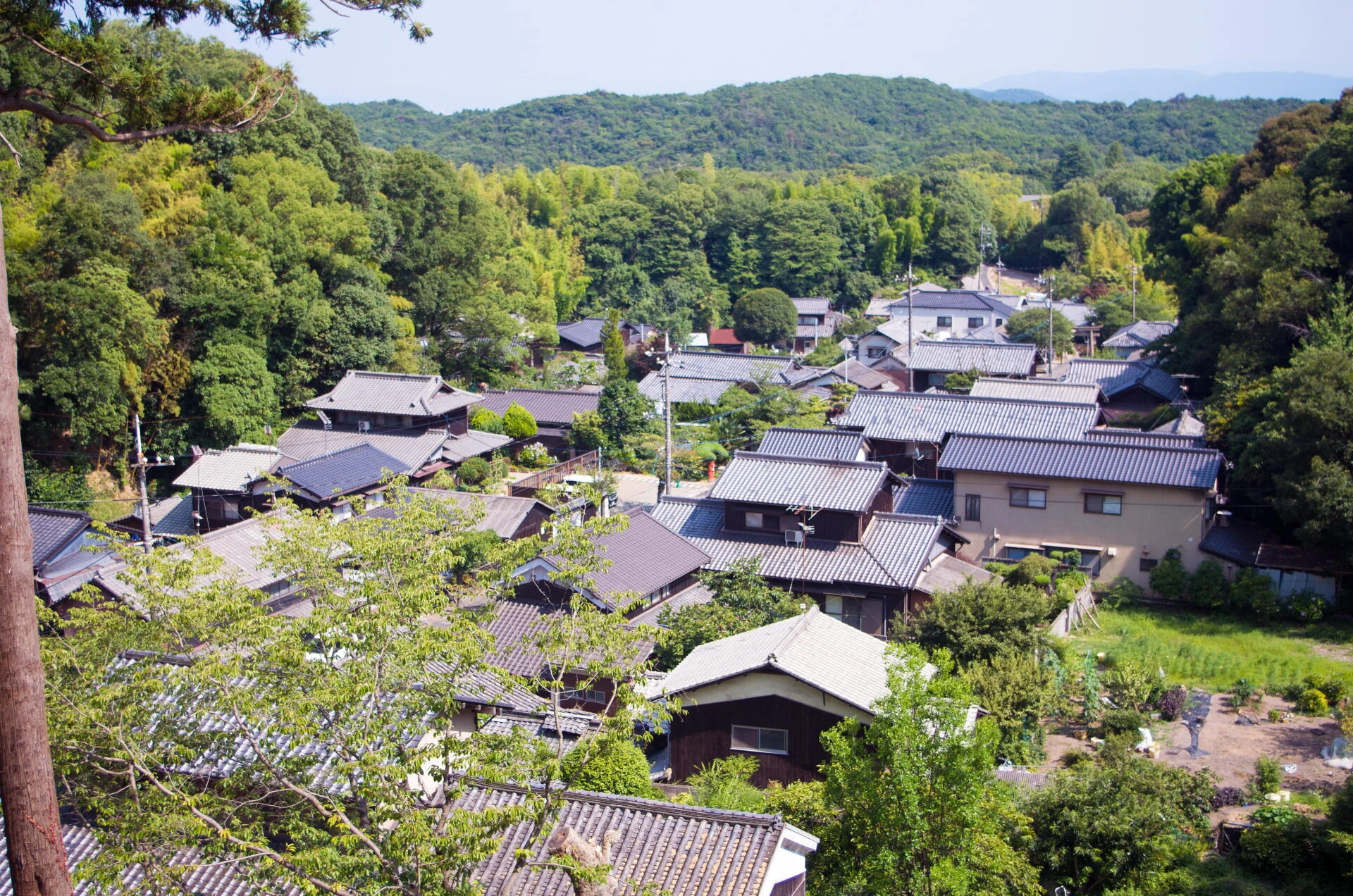
At Yuga Shrine, which was founded by Gyoki Bosatsu about 1,200 years ago during the Nara period, while preserving its long history, it is also challenging new initiatives such as souvenirs featuring the temple cat Fu-chan and a temple where flowers can be enjoyed year-round.
In addition to historical buildings, we will introduce the current initiatives of Yuga-san Yuga Shrine.
What is Yuga-san Yuga Shrine
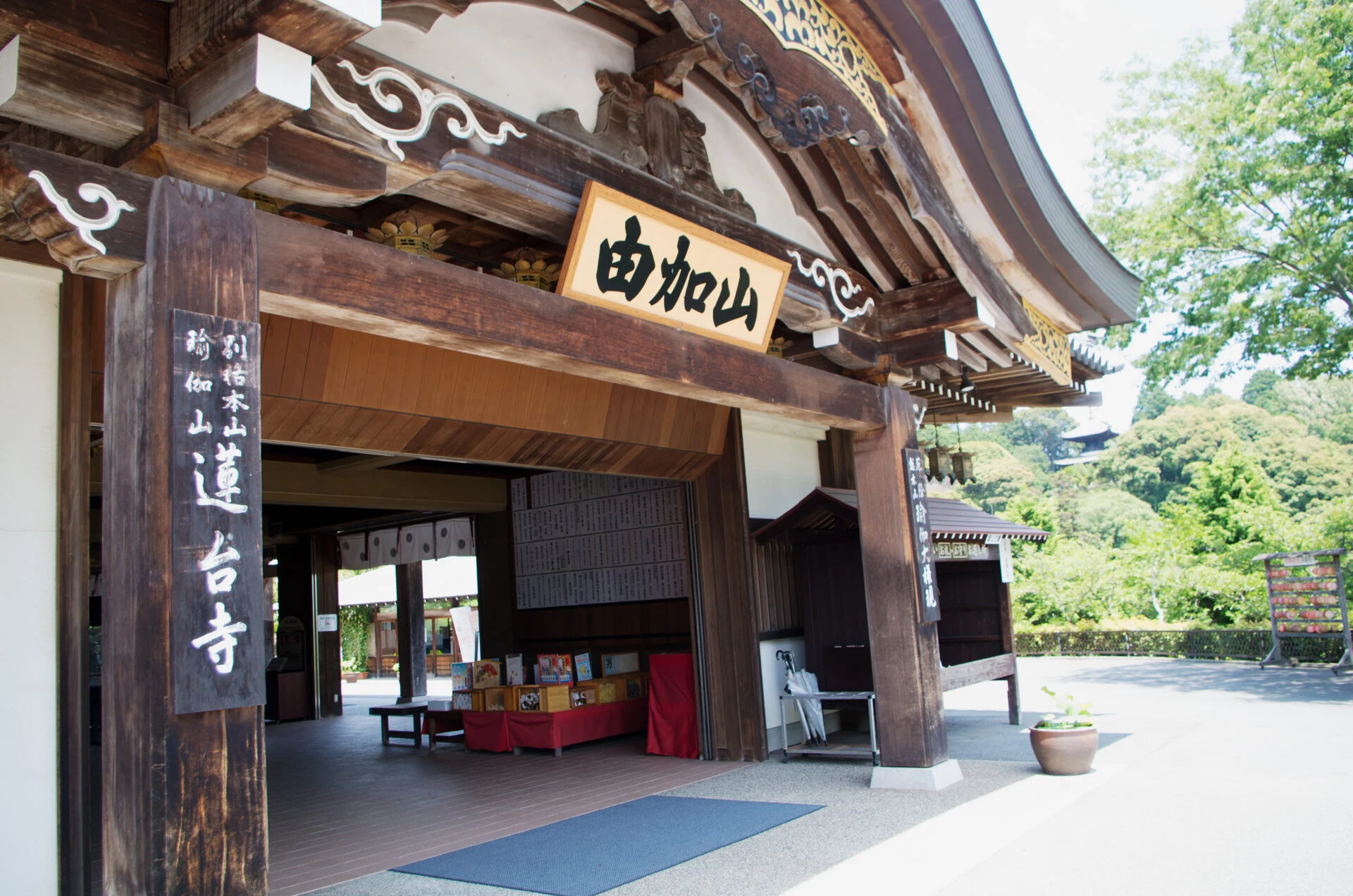
Yuga-san Yuga Shrine (hereinafter referred to as "Yuga Shrine"), located on Yuga Mountain in Kojima, Kurashiki City, has a vast precinct that includes the main hall, main temple, guest hall, and various historical buildings.
First, let’s introduce the representative buildings.
Main Hall
The Main Hall was completed in 1998.
The first floor of the Main Hall has a temple office that handles various receptions, and on the second floor, there is a prayer hall where prayers are conducted daily.
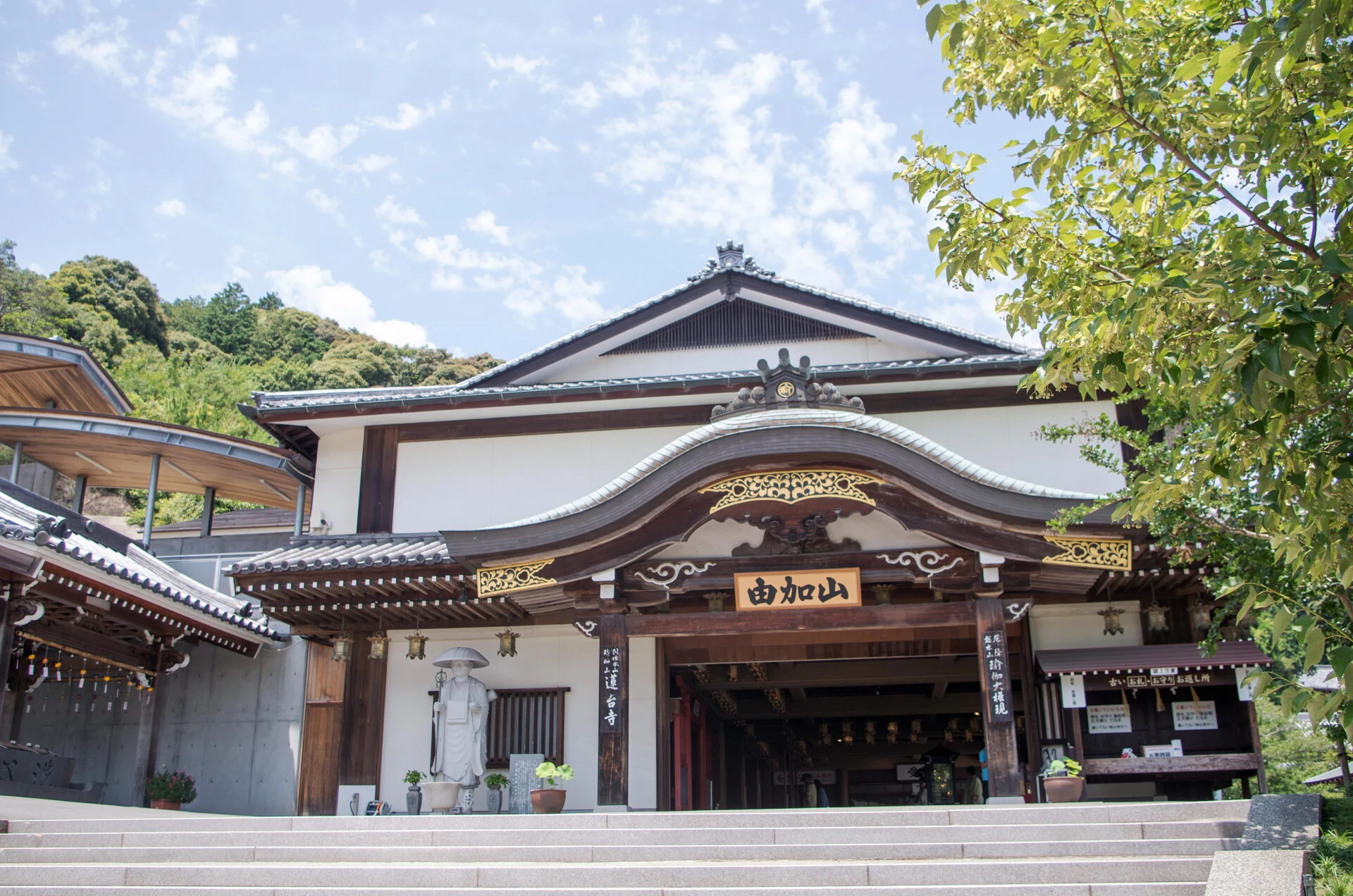
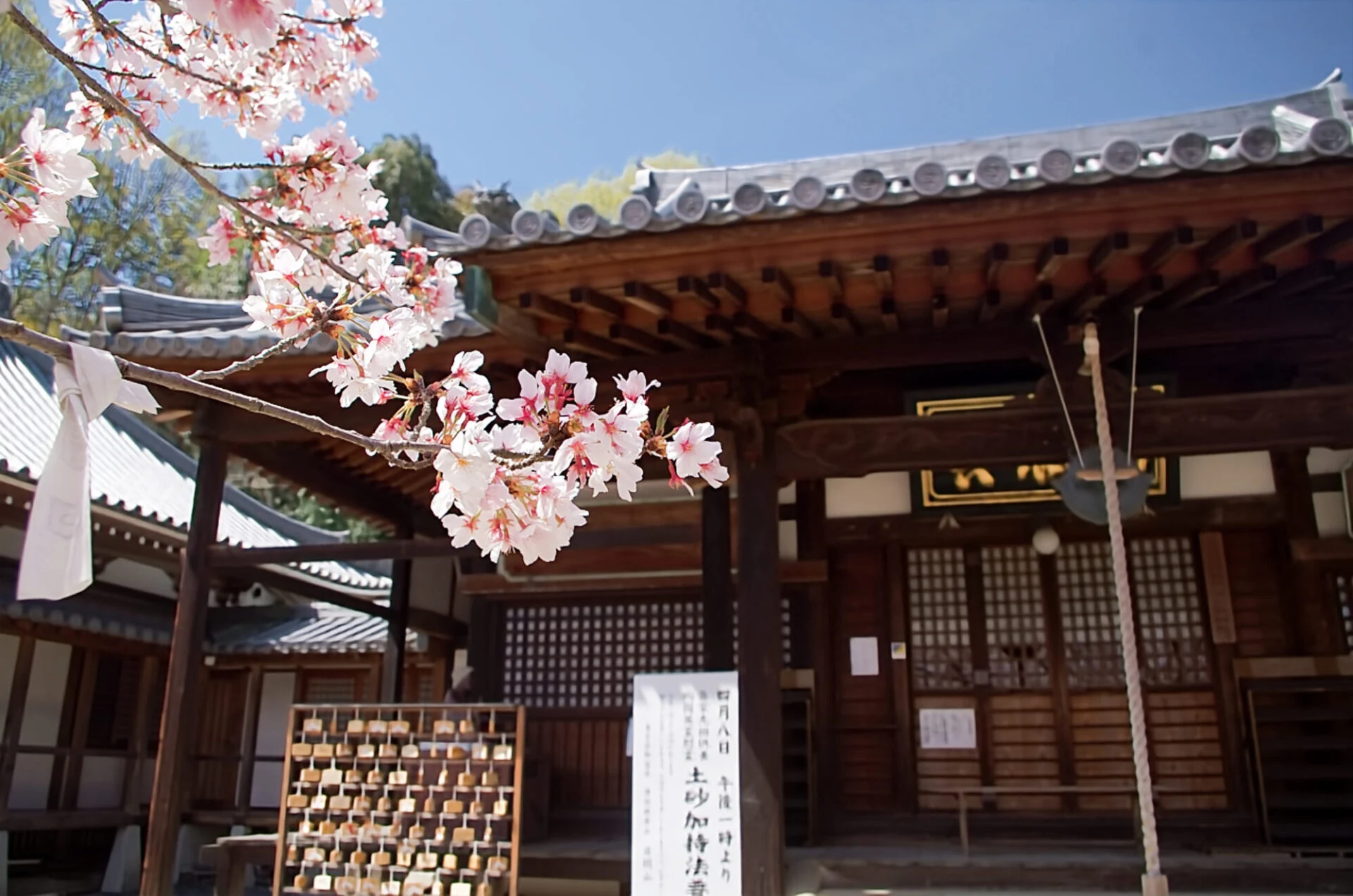
As you pass under the sign that says "Yuga Mountain," a wide and open space appears.
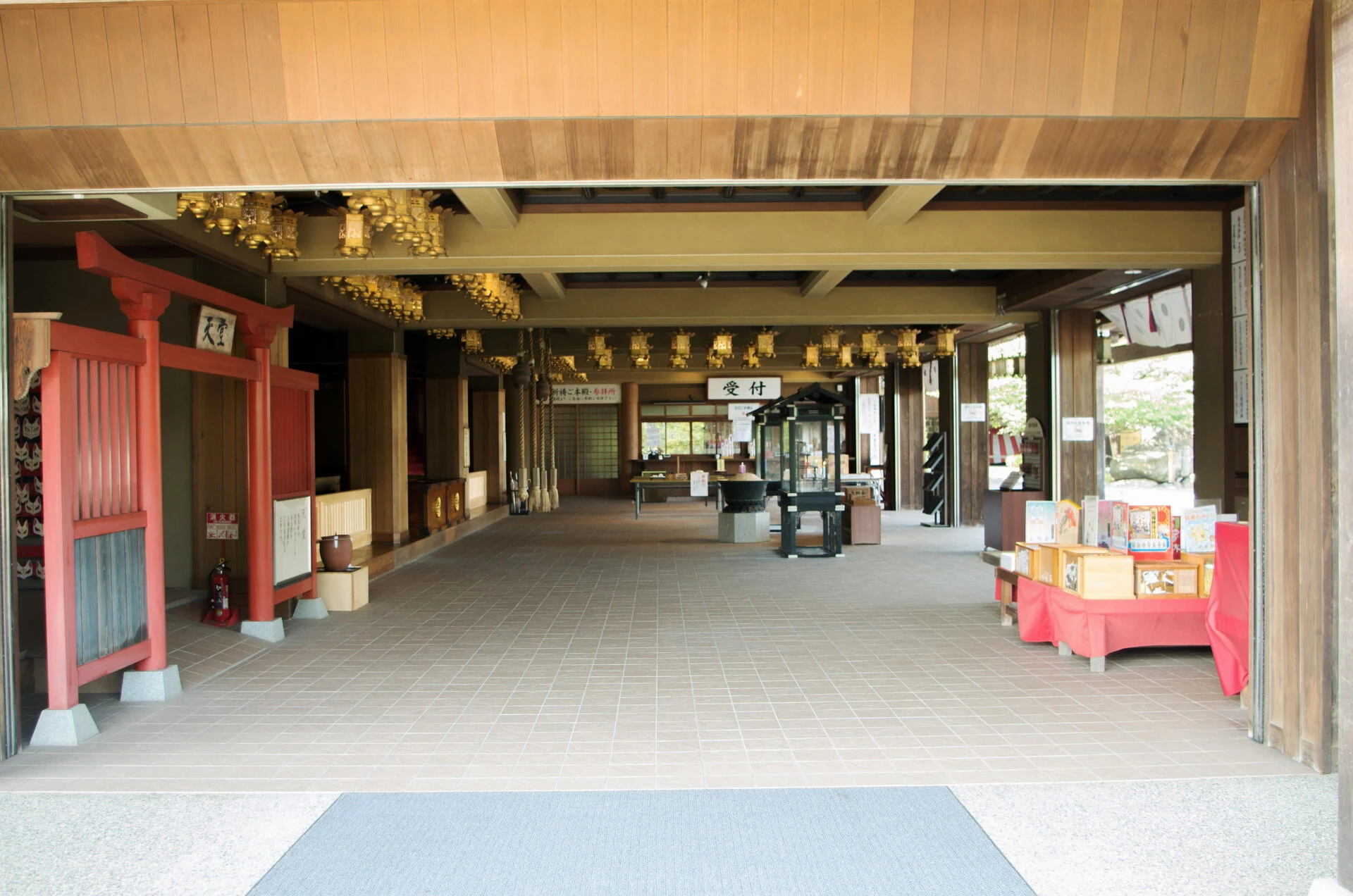
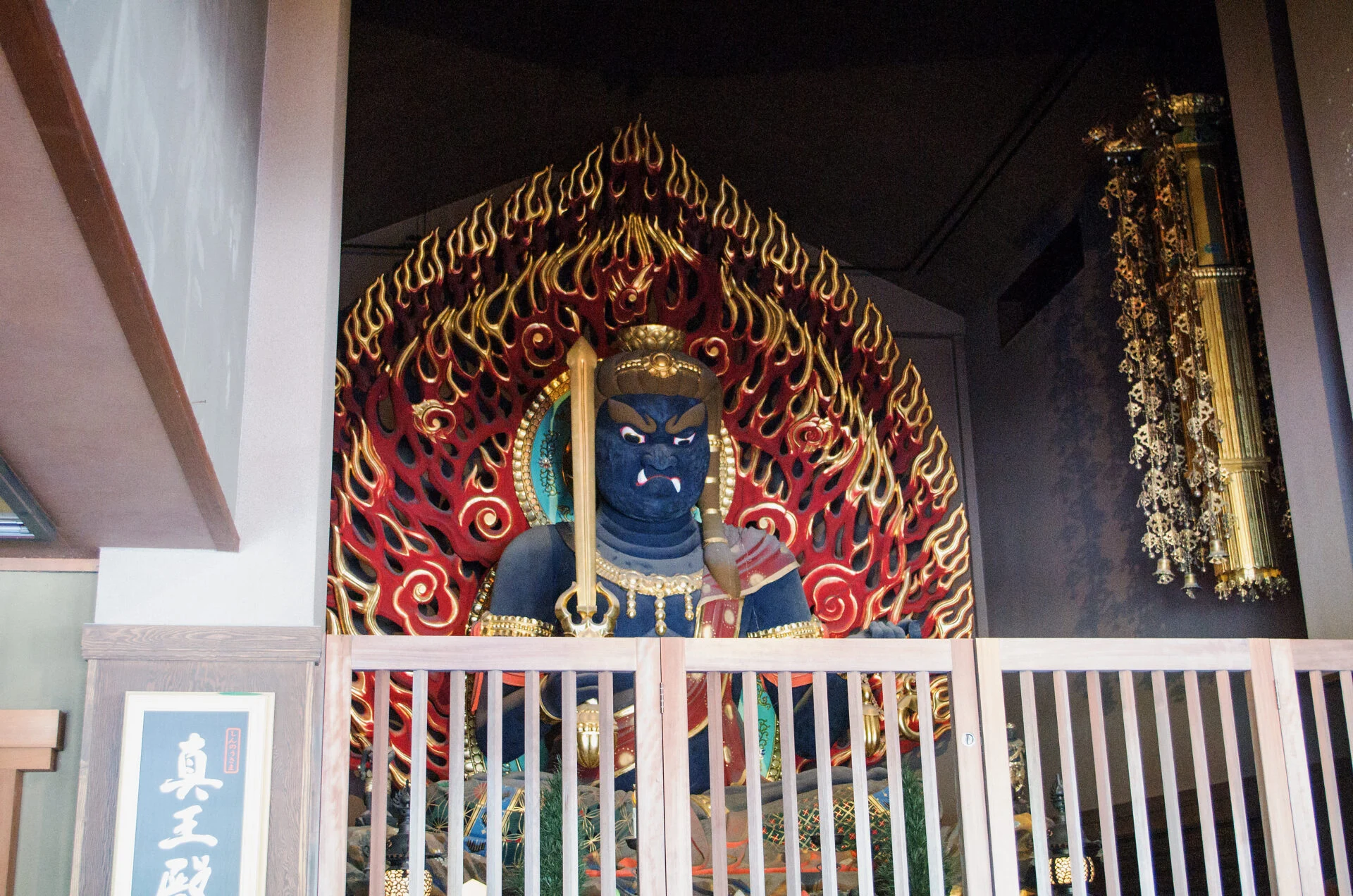
In the back, there is the reception of Yuga Shrine, and on the left side, the deities of Yakushi Fudo Myo-o, Aizen Myo-o, and Dakini-ten are enshrined. In this spacious and open area, you can visit with a calm mind.
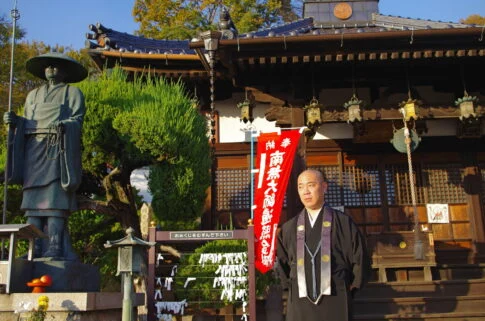
The "Yakushi Fudo Myo-o," who is the messenger of the "Yuga Gongen," is usually a hidden Buddha.
Let’s follow these steps to pray.
Bow once → Join hands → Clap twice → Make a wish → Bow once
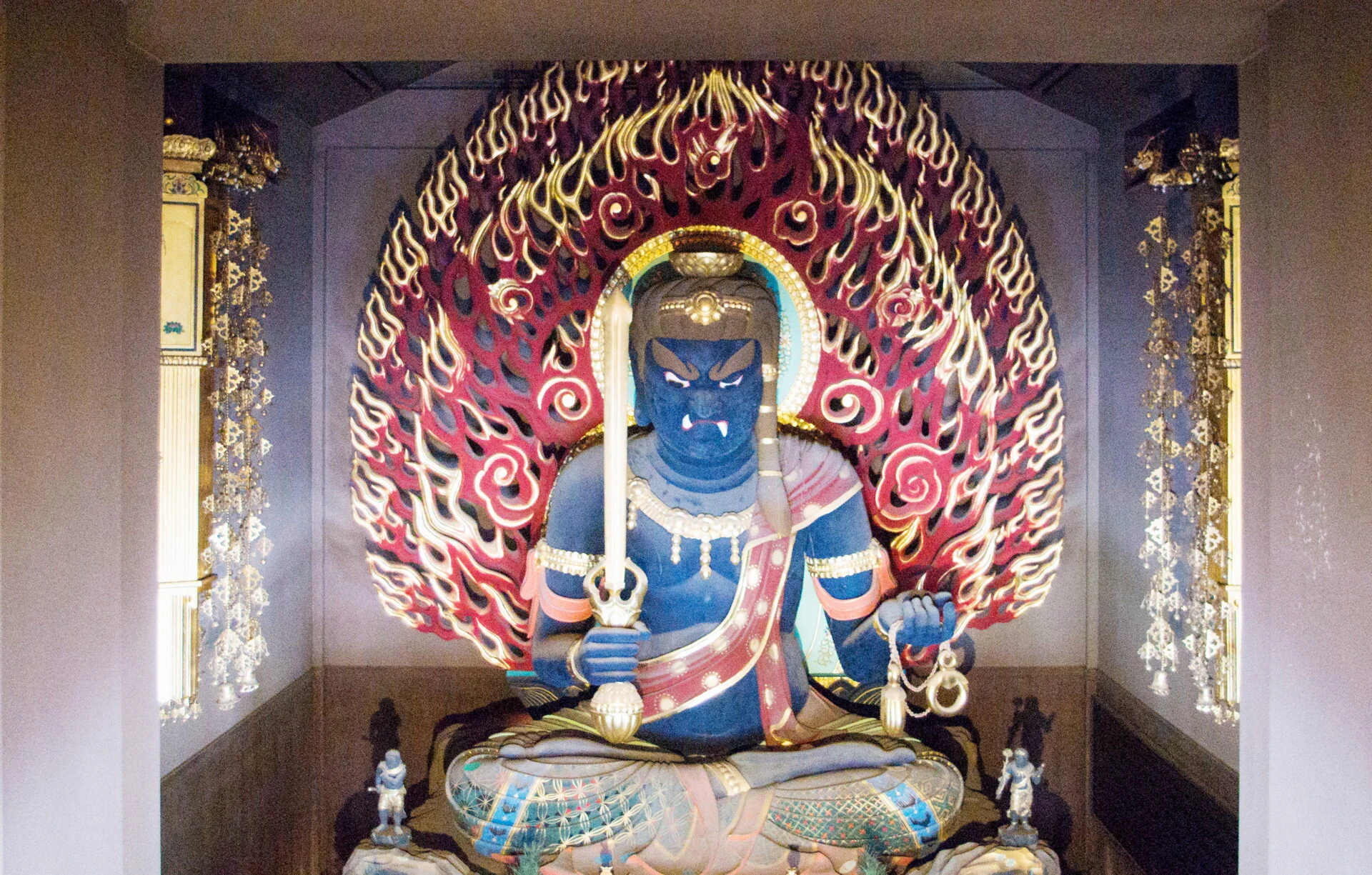
The seated statue of Yakushi Fudo Myo-o was completed in 2007 and was said to be the largest wooden seated statue in Japan at the time of its completion.
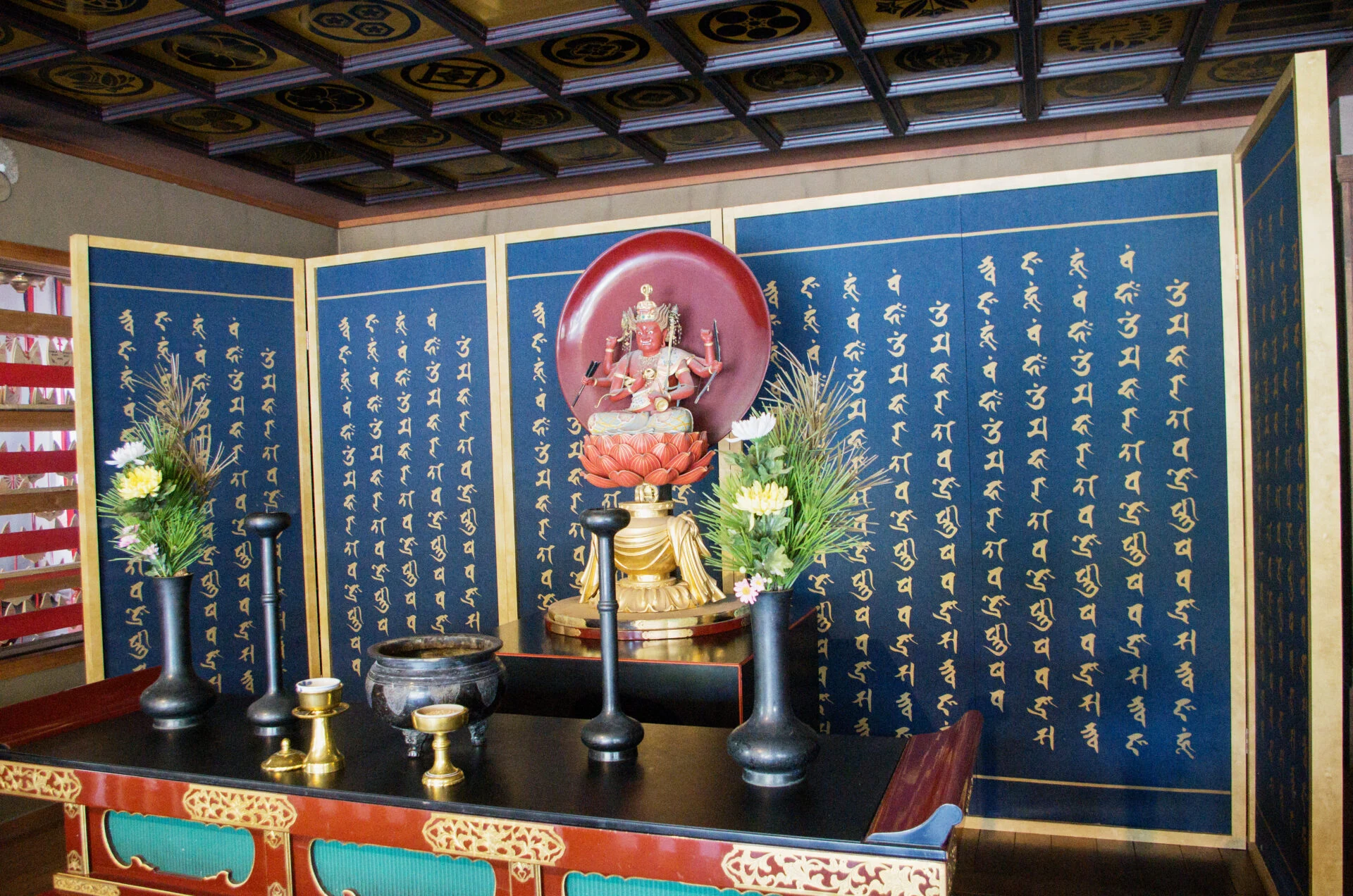
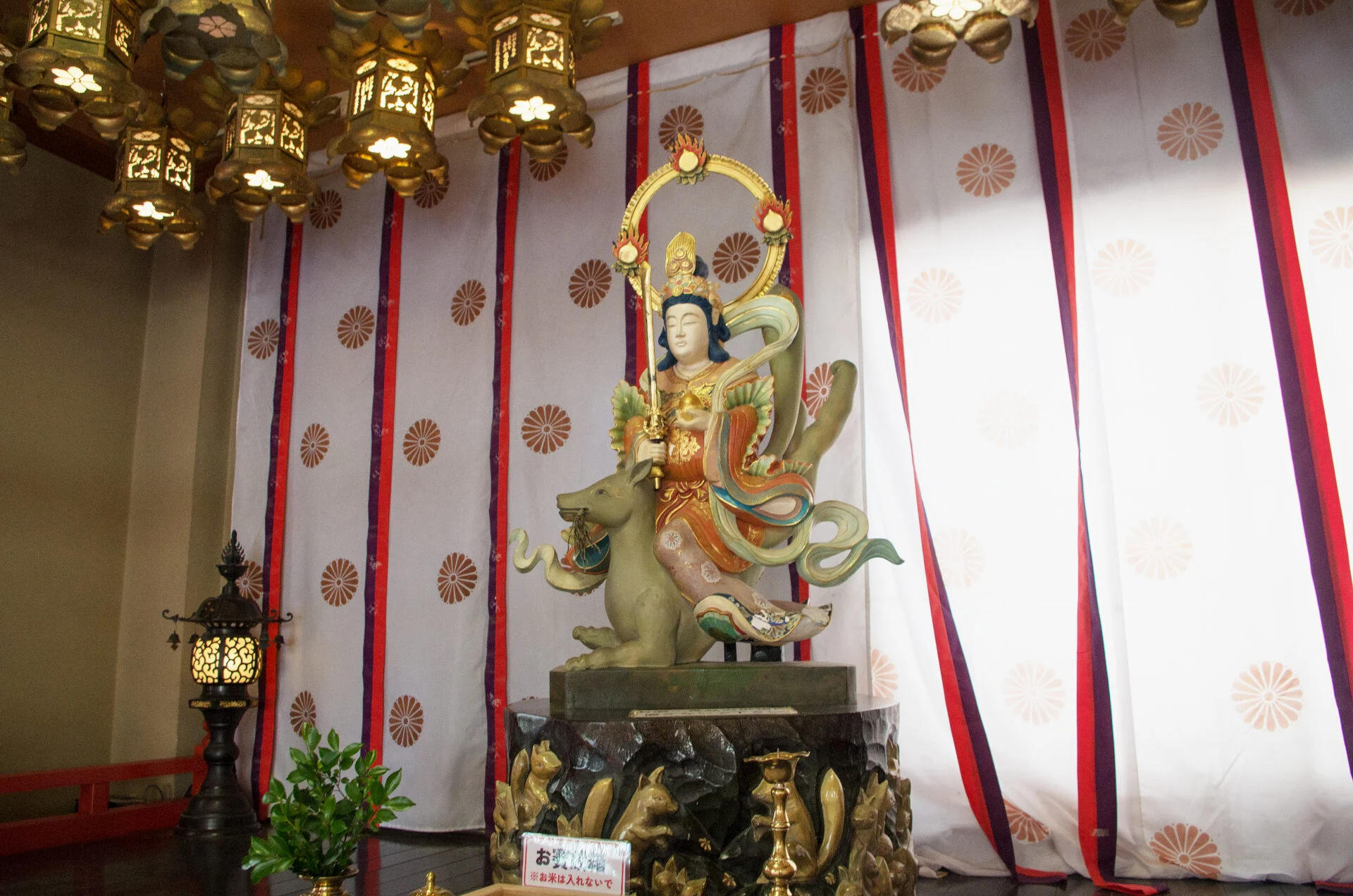
From the left side of the reception, go up to the second floor, and as you proceed to the right, there is a window where you can view Yakushi Fudo Myo-o at the same eye level. It is recommended as you can see Yakushi Fudo Myo-o and the magnificent inner sanctuary from an angle that is usually not visible.
As you go up to the second floor and proceed to the back left, there is a large hall for conducting prayers.
Photography is not allowed in the large hall
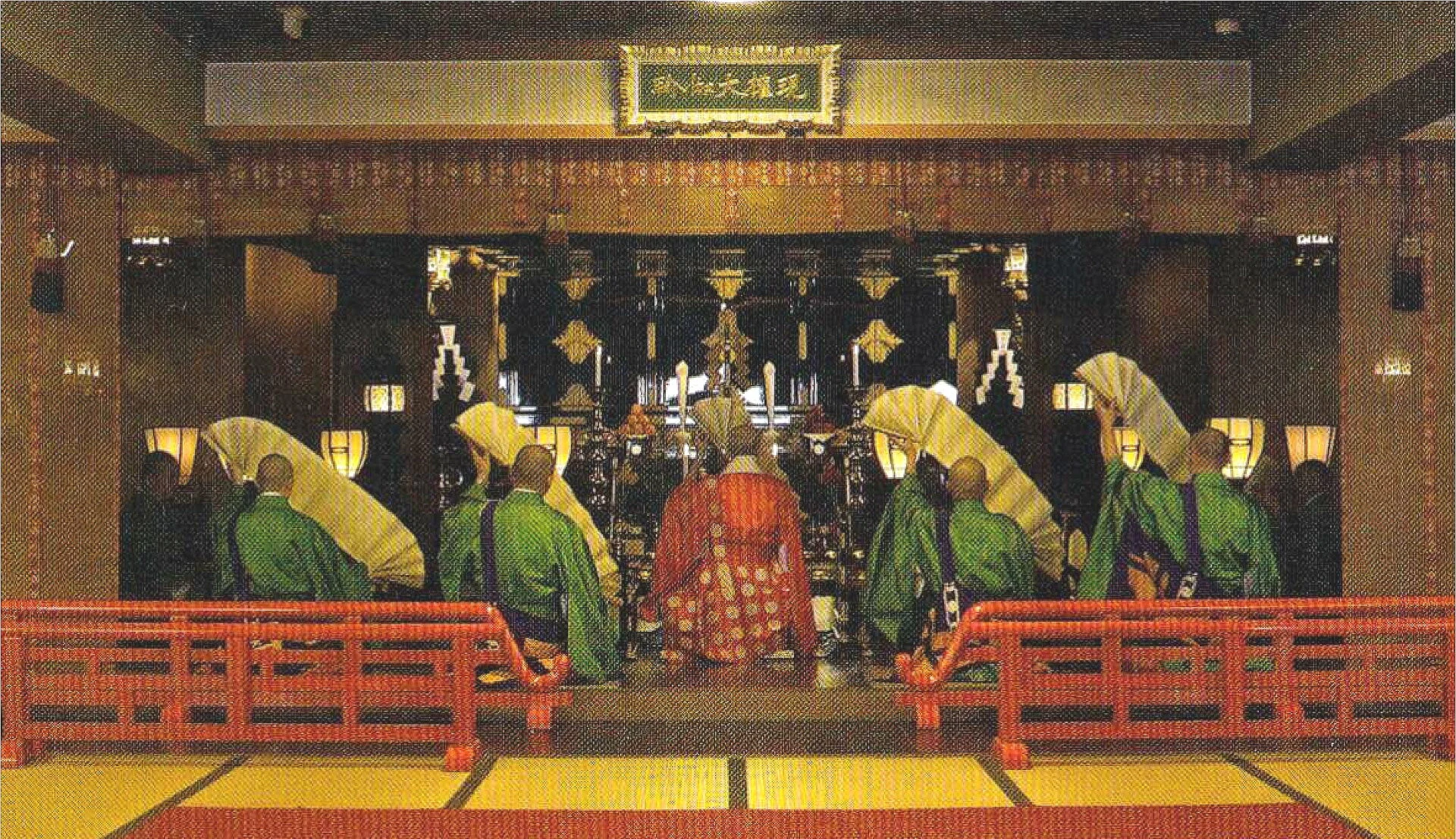
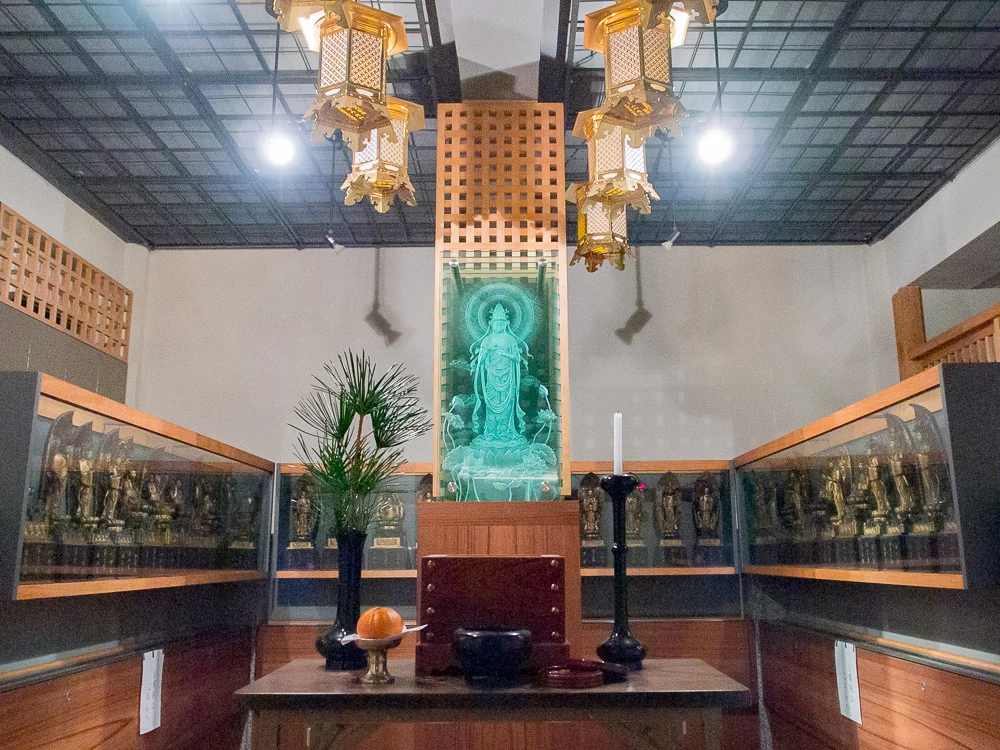
Facing the inner sanctuary, on the right side is the main deity, the Eleven-Headed Kannon, in front is the guardian deity Yuga Daigongen, and on the left side is Kobo Daishi, the founder of the Shingon sect.
The reception hours for prayers are from 9:00 AM to 3:00 PM.
Due to legal affairs, there may be times when prayers cannot be accepted, so please contact us by phone before visiting.
Main Temple and Guest Hall (Prefectural Designated Important Cultural Property)
Next, we will introduce the main temple and guest hall.
In the main temple, there are rooms for Yakushi Nyorai and Fudo Myo-o.
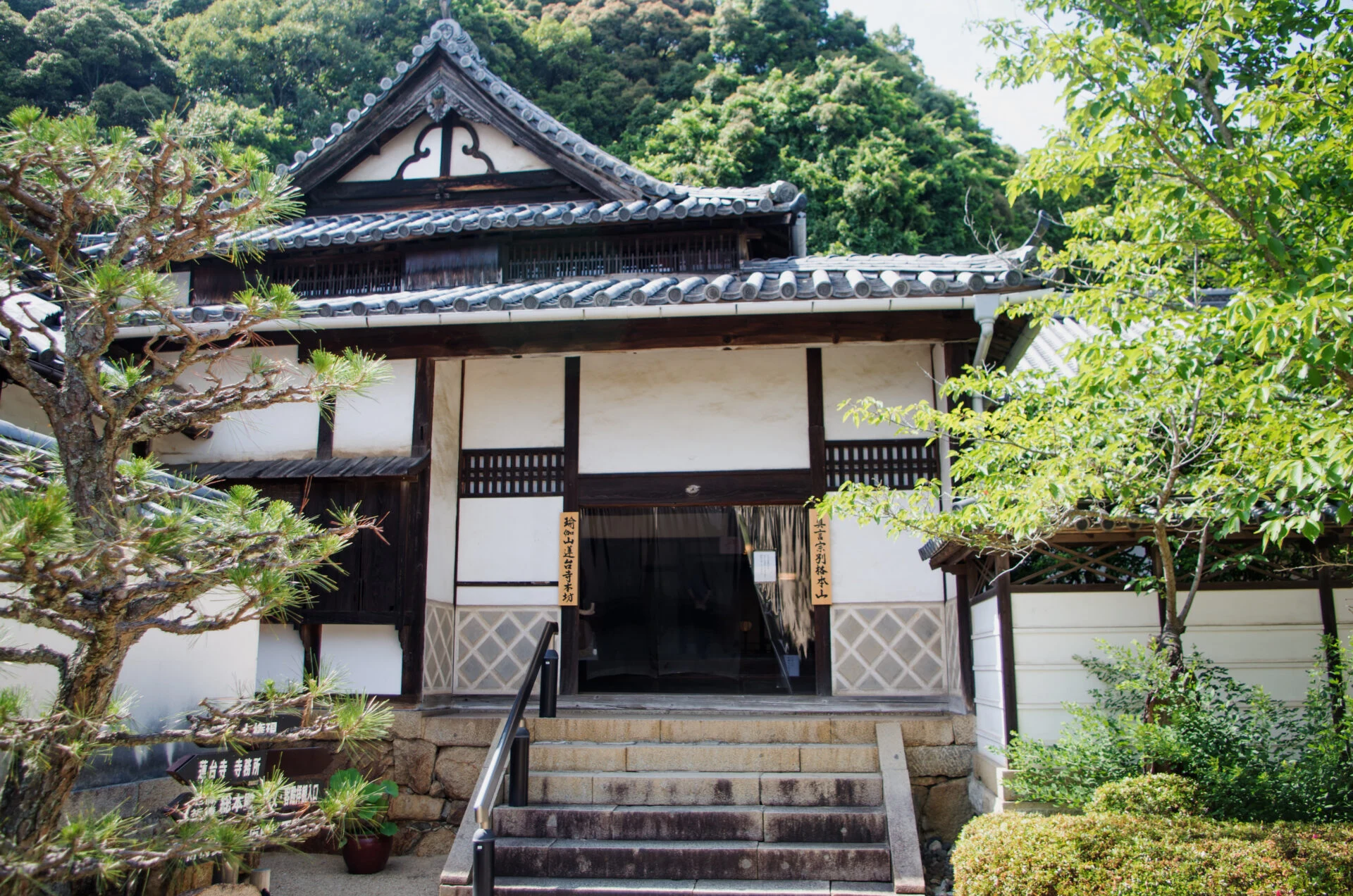
The guest hall adjacent to the main temple was completed during the Kansei era (around 1700) and was built as a lodging and resting place funded by the Bizen feudal lord Ikeda.
It is the largest building in Okayama Prefecture, constructed in a multi-layered irimoya style with tiled roofs.
Including the fishing house and the Onarimon gate, it is designated as an important cultural property of Okayama Prefecture.
In the Yanagi room of the guest hall, there is a painting of bamboo and cranes by Maruyama Okyo, and in the Shishi room of the fishing house, there are twelve sliding doors painted with lions and peonies by Shibata Gito, showcasing impressive artwork.
In the back (mountain side) of the guest hall, there is a splendid garden that spreads across the slope, allowing you to enjoy beautiful trees and flowers throughout the seasons.
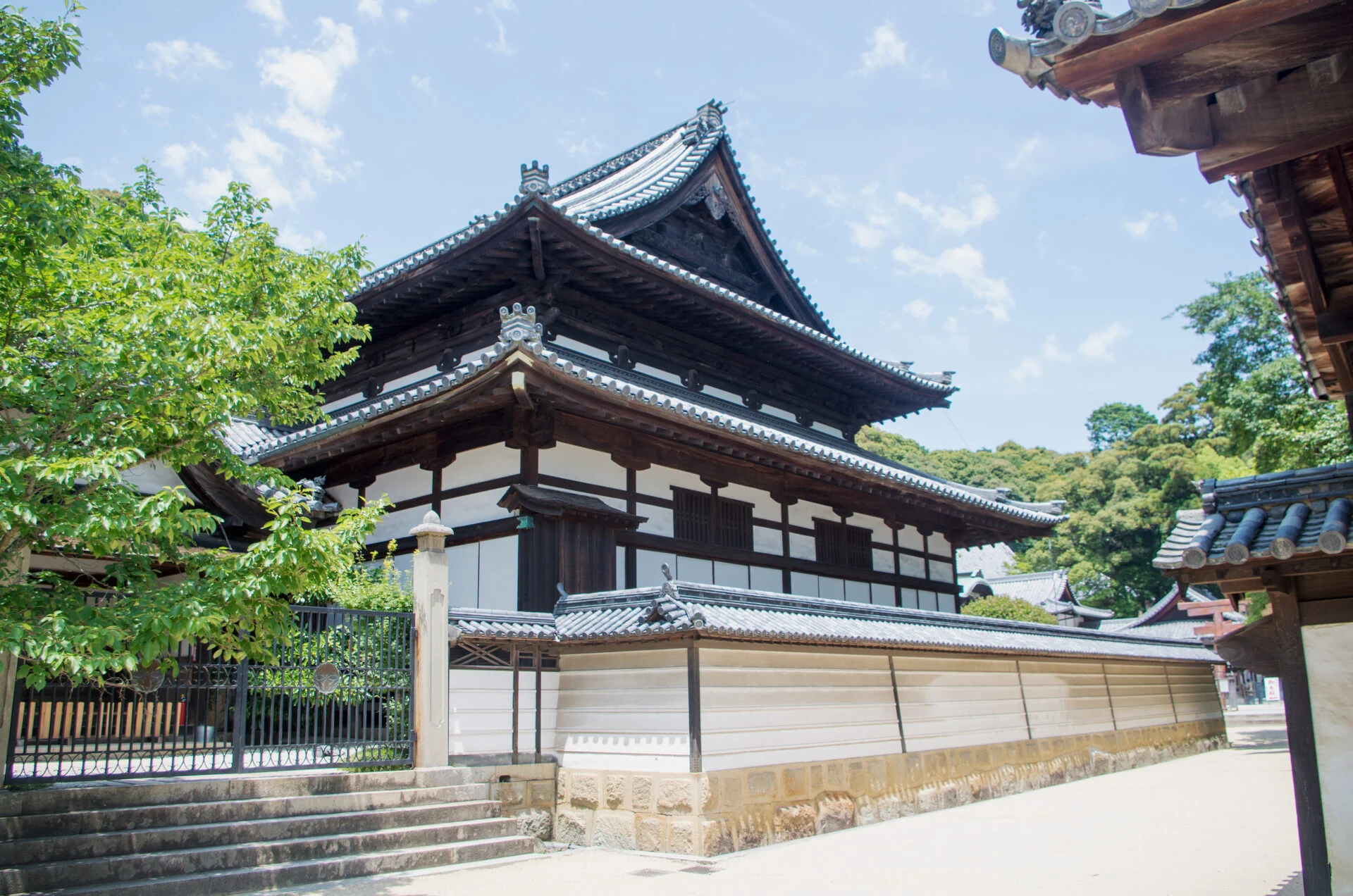
Gongen-do (Inner Sanctuary)
At the back of the guest hall is the inner sanctuary of Yuga Daigongen.
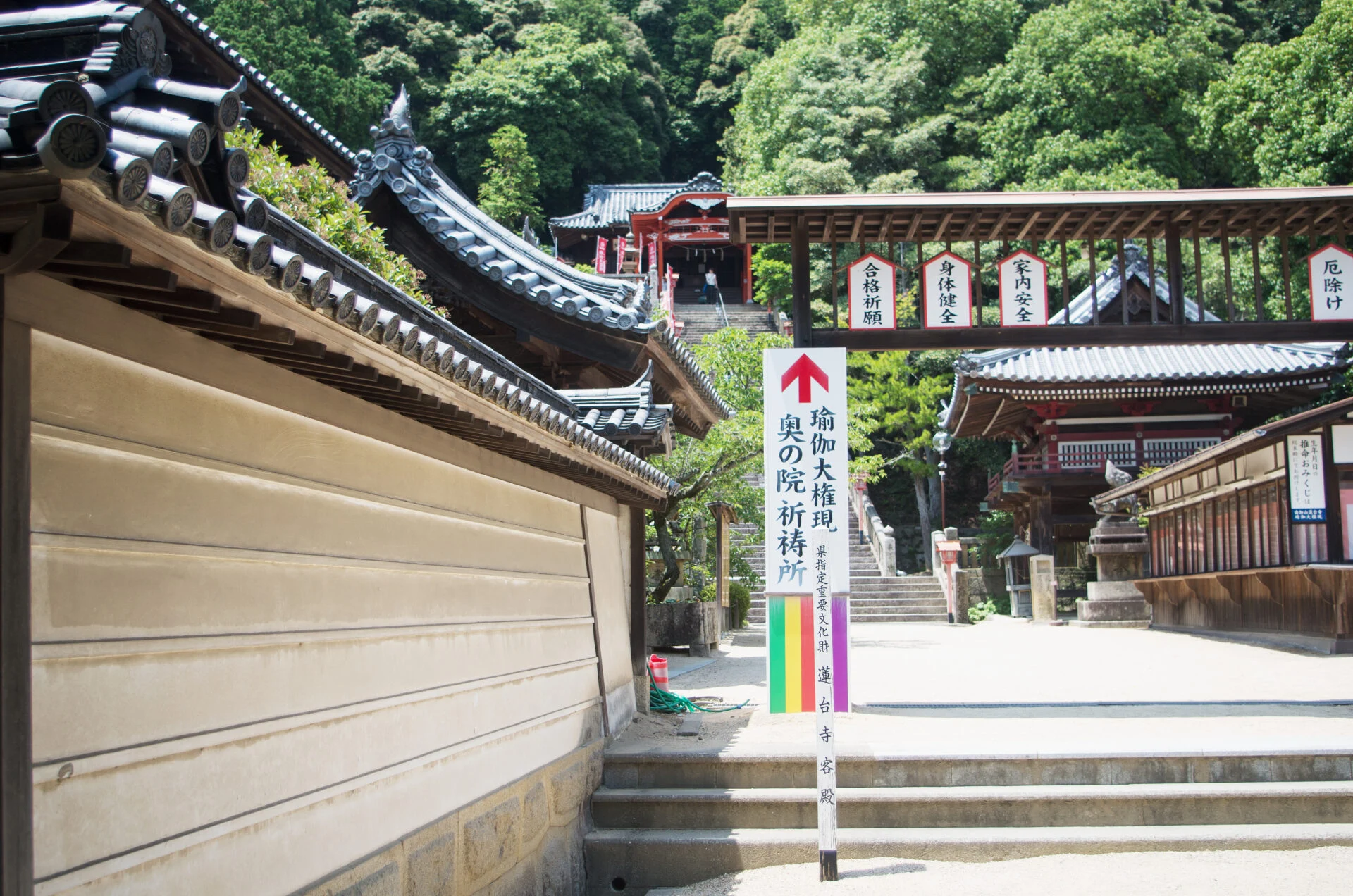
To reach the inner sanctuary, you must climb the eighty-eight steep Yakuyose stone steps.
Due to reasons such as difficulty for worshippers to visit, the Yuga Daigongen, which was enshrined in 1868, was relocated to the Main Hall.
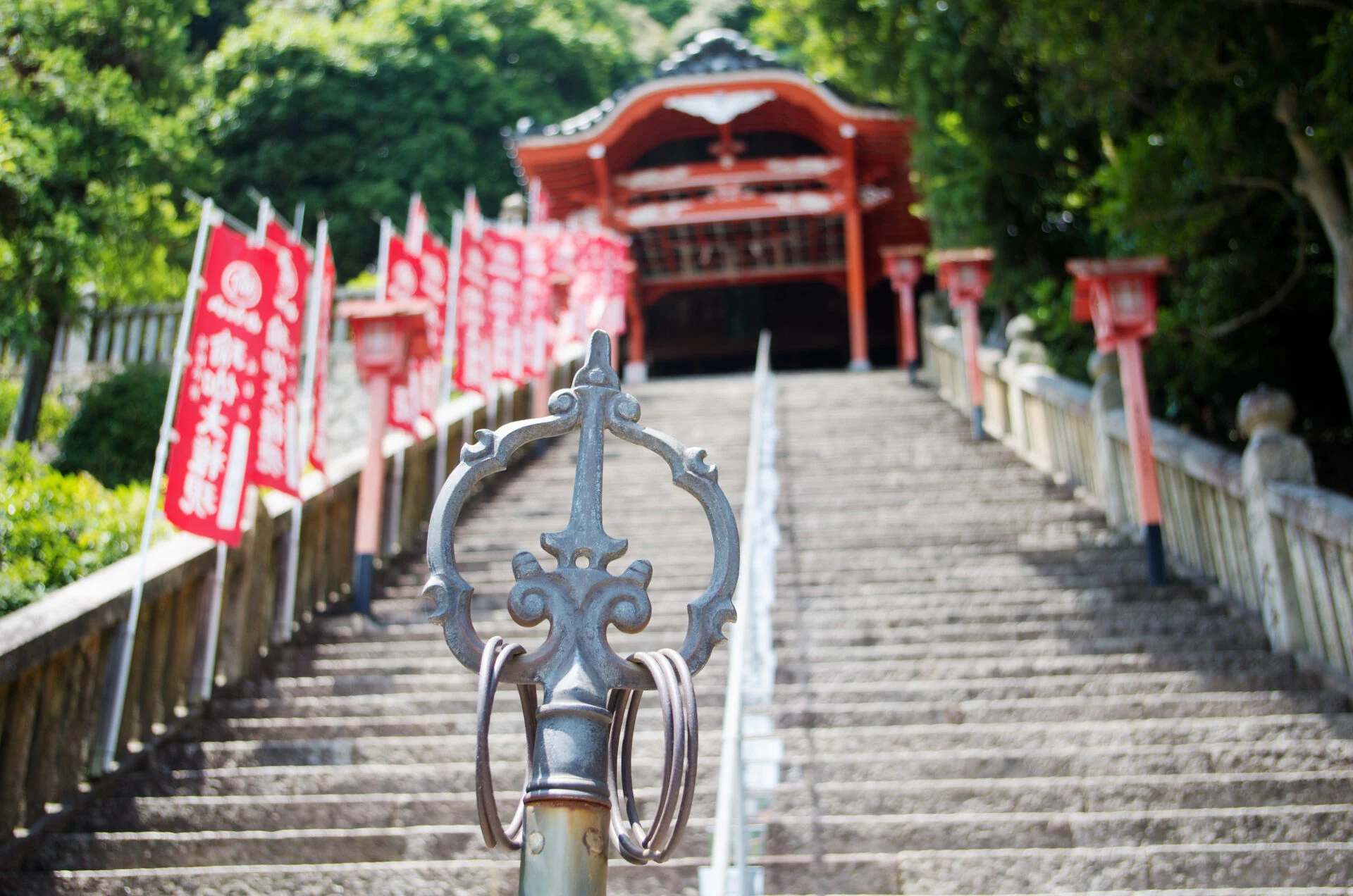
Yuga Daiden (Main Hall)
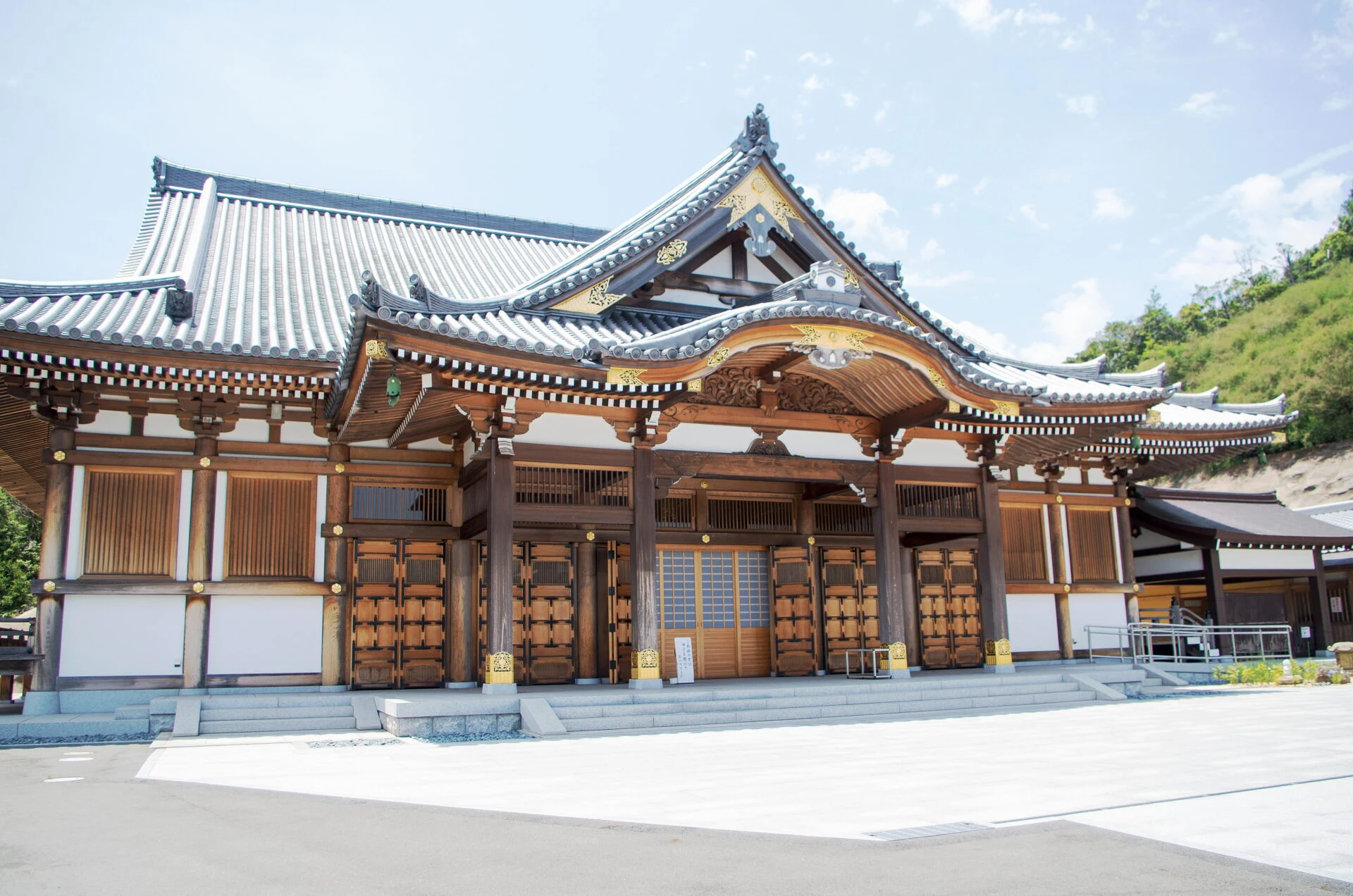
Yuga Daiden (Main Hall) was completed in 2022.
It is said that the previous chief priest had a long-held desire to create a building to enshrine the Eleven-Headed Kannon Bodhisattva, to allow the parishioners to visit, and to create a place for funerals and memorial services for parishioners.
Unfortunately, the Eleven-Headed Kannon Bodhisattva is a secret Buddha and is not usually visible.
The last public viewing was in 2007, and since it occurs every 33 years, the next public viewing is scheduled for 2040.
Yuga Daiden (Main Hall) is built on a high ground to the left of the main hall.
From here, if you turn back towards the main hall, you can see the Tahoto Pagoda in the distance.
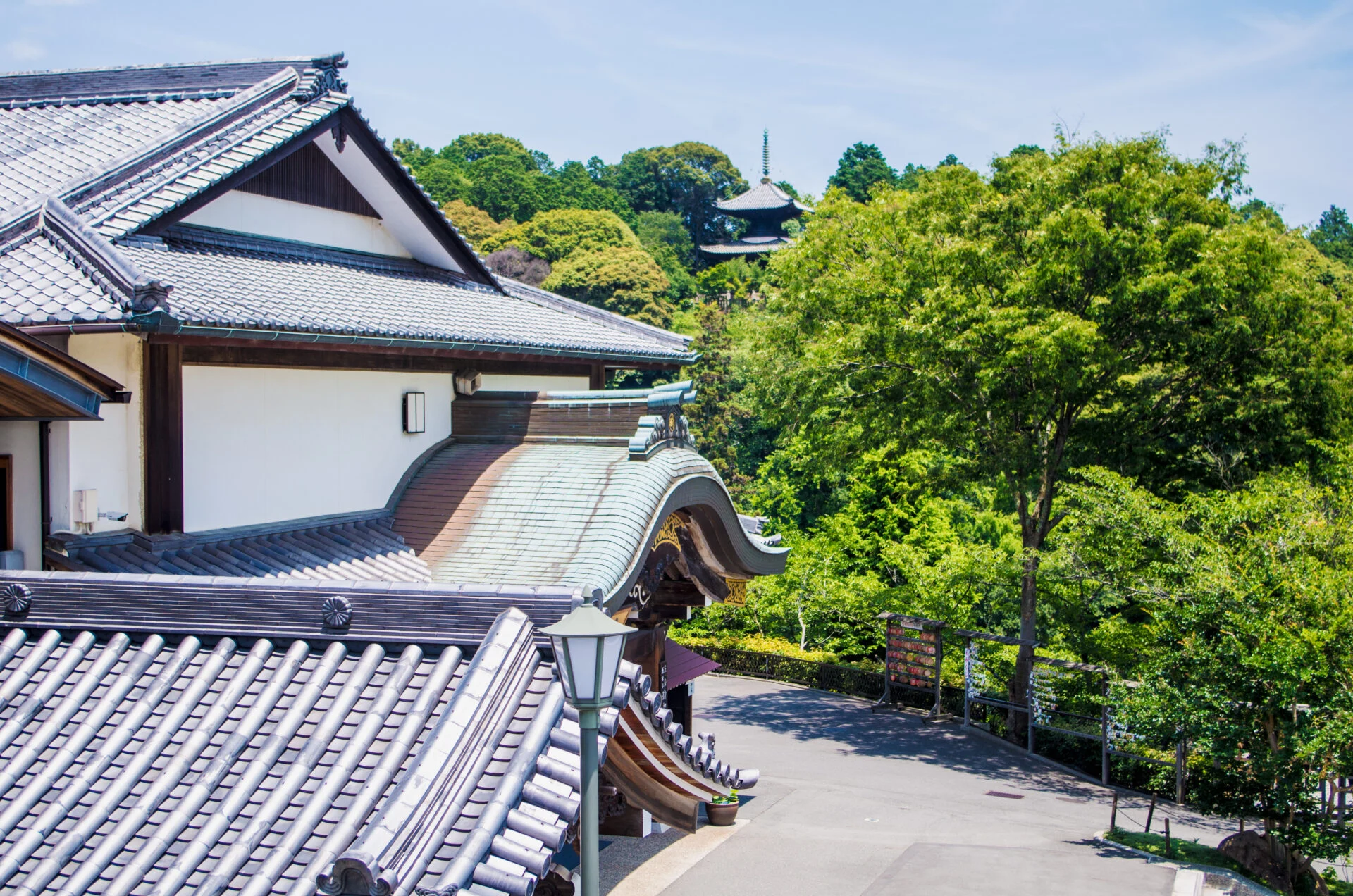
Tahoto Pagoda (Prefectural Designated Important Cultural Property)
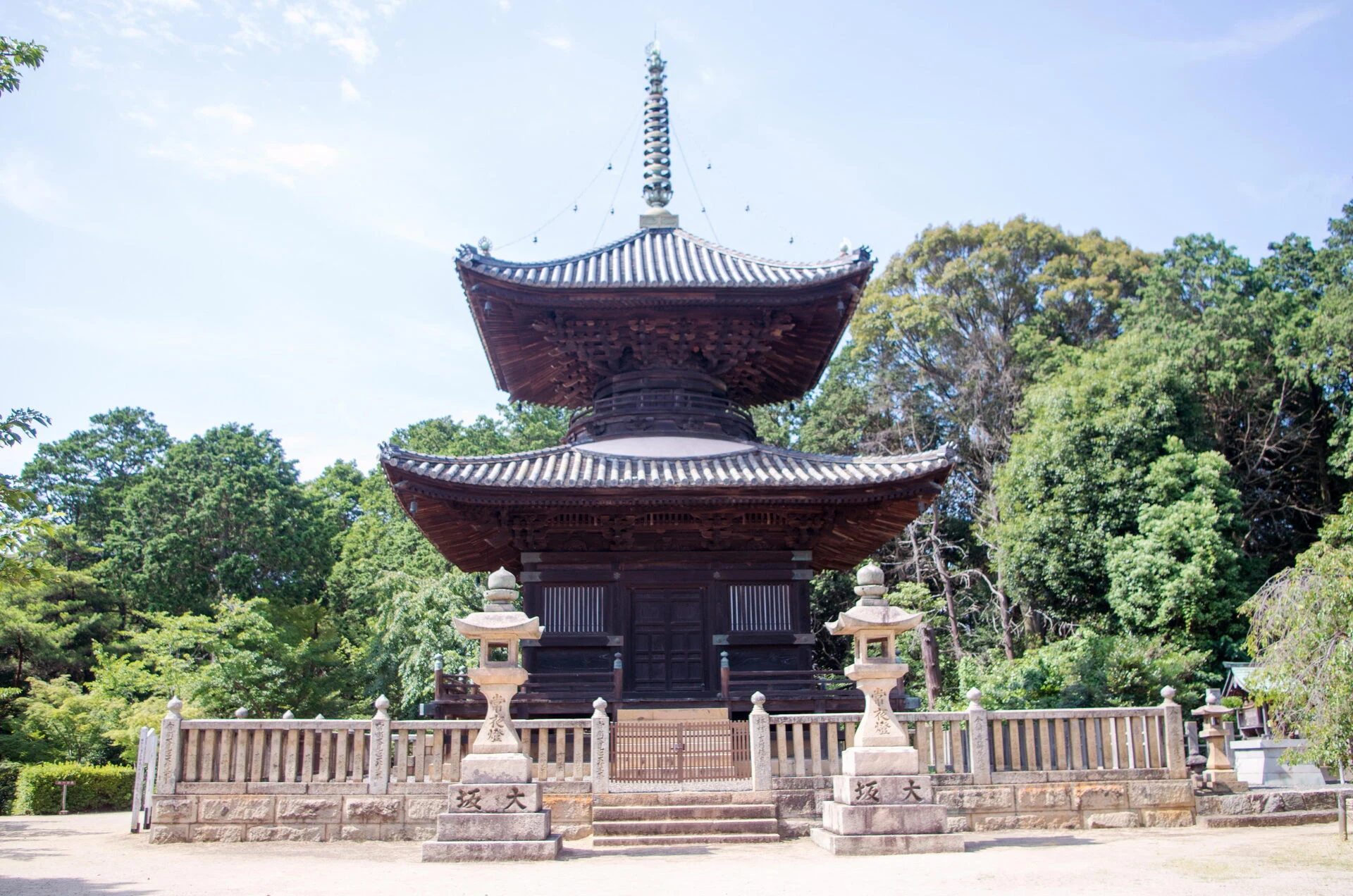
The Tahoto Pagoda is one of the largest in the prefecture and was rebuilt in 1843.
Inside the inner sanctum, the following Five Wisdom Buddhas are enshrined.
- Vairocana (Dainichi Nyorai)
- Akshobhya (Ashuku Nyorai)
- Ratnasambhava (Hoshō Nyorai)
- Amitabha (Amida Nyorai)
- Amoghasiddhi (Fukuju Nyorai)
Kannon-do (Prefectural Designated Important Cultural Property)
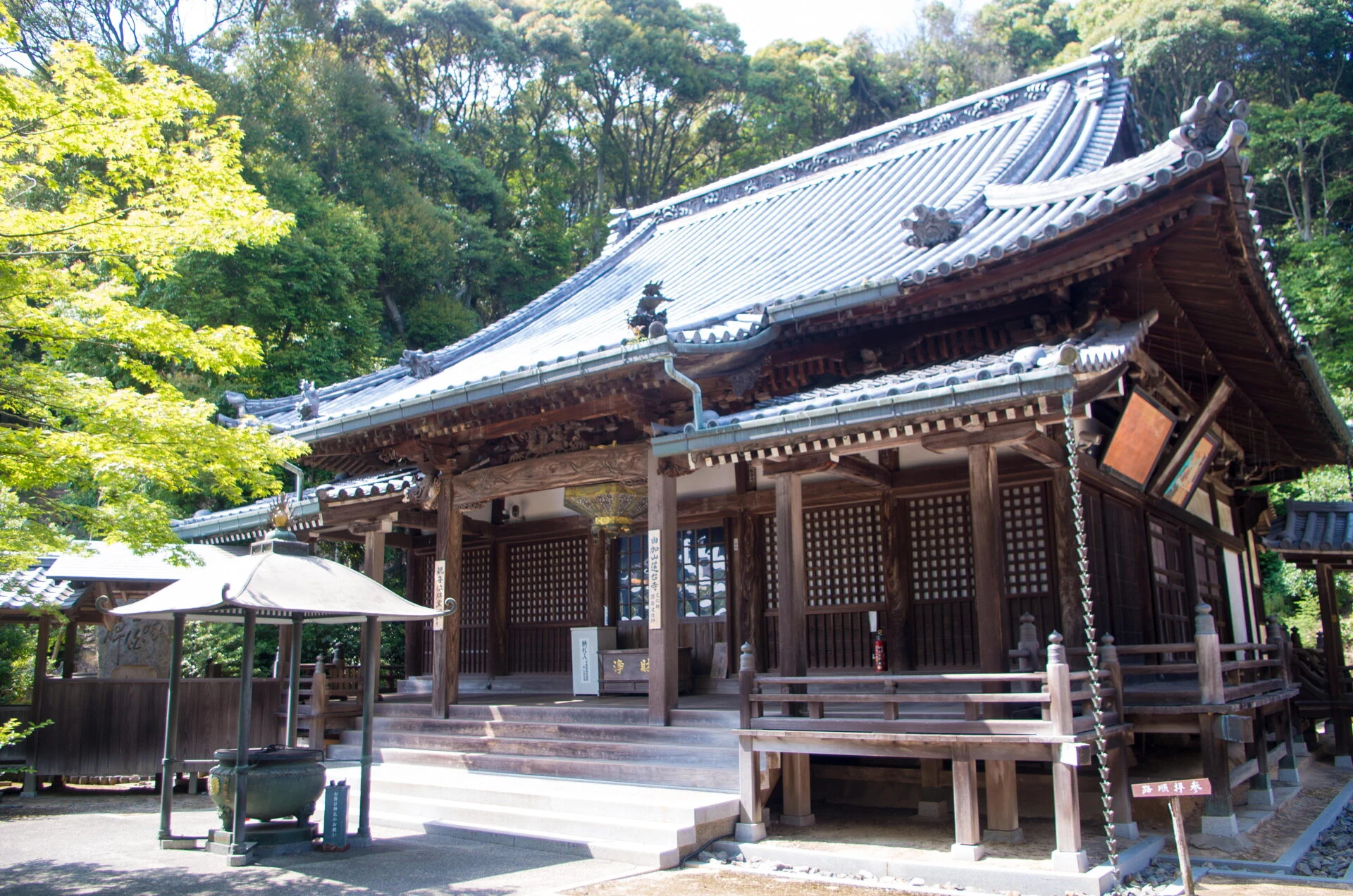
Kannon-do was built during the Kyoho era (1716-1736).
It is one of the largest temples in Kurashiki City and is a representative building of the mid-Edo period, boasting a length of 5 ken (approximately 9.1m) and a width of 4 ken (approximately 7.3m).
In the past, the Eleven-Headed Kannon Bodhisattva, the main deity of Rendaiji, was enshrined here.
New Initiatives at Rendaiji
Rendaiji is undertaking the following initiatives as new efforts.
- Cat-themed souvenirs called "Temple Cat Fu-chan's Souvenirs"
- "Sakura Cat Fundraising"
- Maintenance as a "Temple Where Flowers Can Be Enjoyed Year-Round"
Additionally, from June 1, 2025, the "Wind Chime Festival" will be held, and on December 7, 2025, the "2nd Star Kannon" is also scheduled to take place.
When I visited Rendaiji in early July, the Wind Chime Festival (running from June 1 to around September) was taking place, and colorful wind chimes and cat-shaped wind chimes were hanging from the eaves of the main hall's water basin, creating a refreshing and clear sound.
The cute cat-shaped wind chimes inspired by Temple Cat Fu-chan catch the eye.

Here, I will introduce some of the initiatives related to Temple Cat Fu-chan.
Who is Temple Cat Fu-chan?
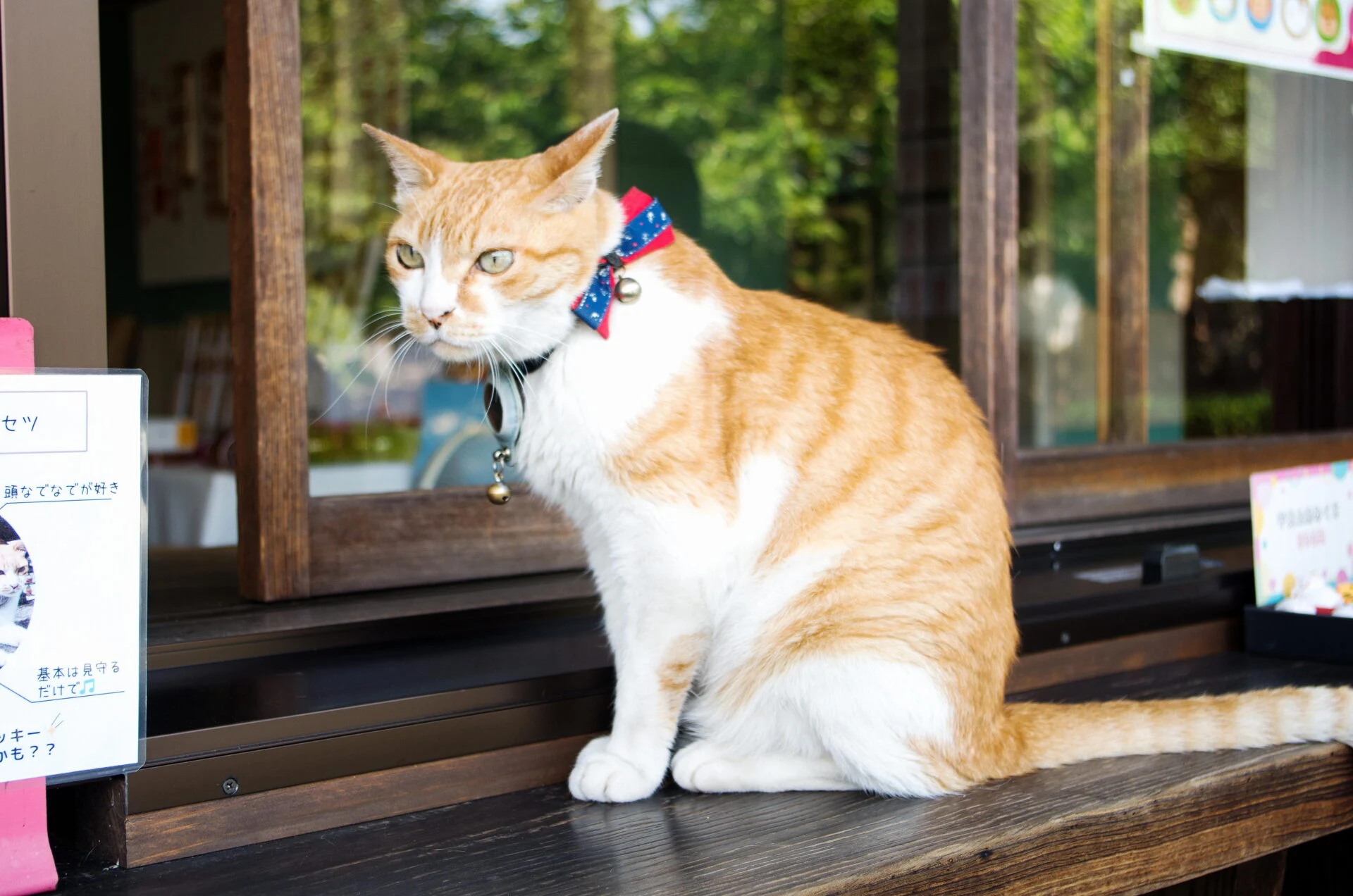
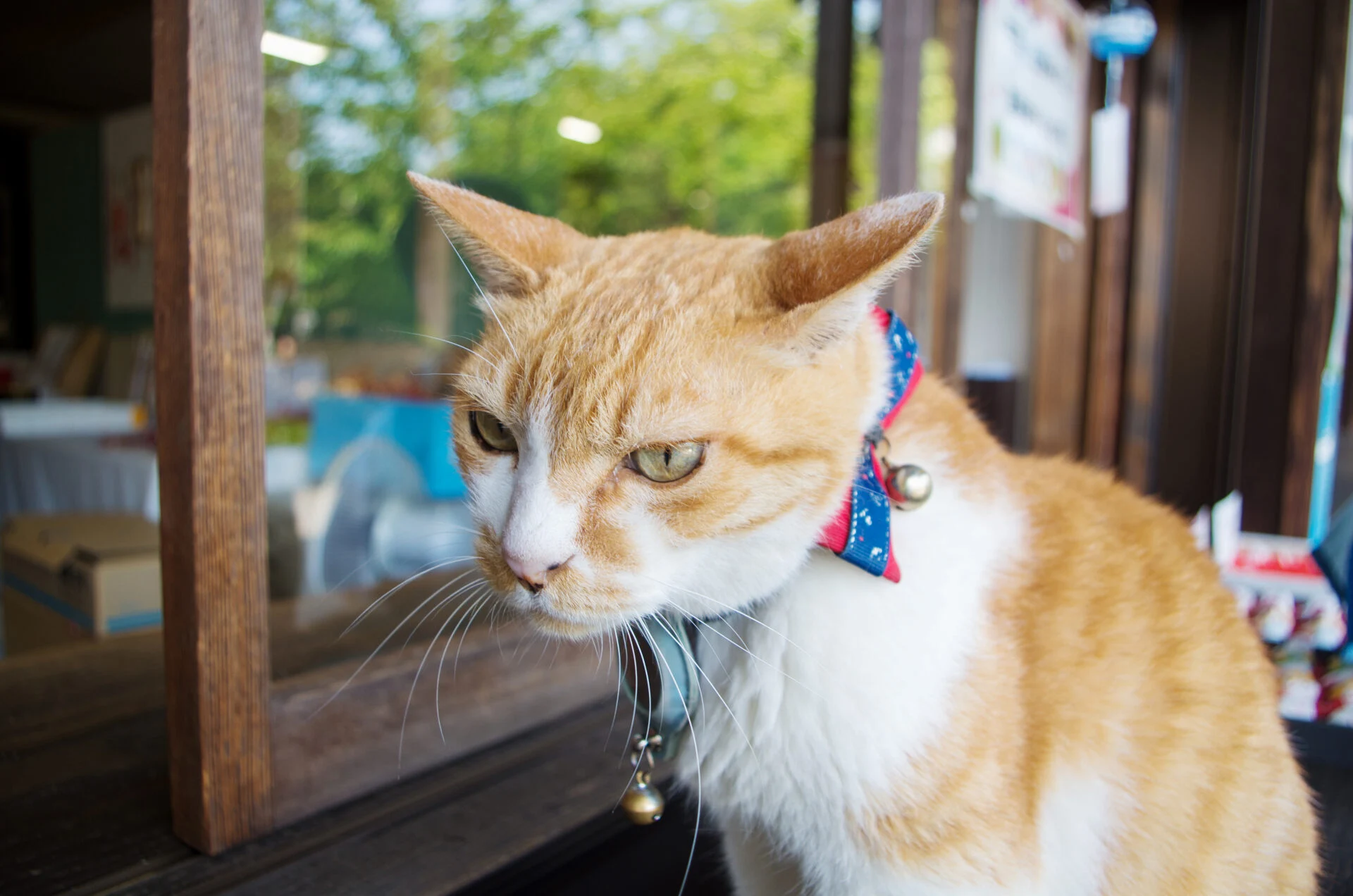
"Fu-chan" is a male cat that wandered into the temple about 10 years ago and is the temple cat of Rendaiji.
I was fortunate enough to meet him in front of the temple office on the first floor of the main hall.
Fu-chan seemed to understand that he was the temple cat of Rendaiji, as he calmly posed for photos without running away when I pointed the camera at him.
It seems that several cats come and go in the temple grounds, but only Temple Cat Fu-chan is specially allowed to enter and exit the temple office.
Here are the instructions for interacting with Fu-chan.
- Estimated to be around 10 years old male
- Not fond of loud people or noisy children
- Likes to be petted on the head
- Generally just observes ♫
- (Caution) Dislikes being touched on the belly or legs. He will bite if you touch places he doesn't like.
Unique Souvenirs from Rendaiji
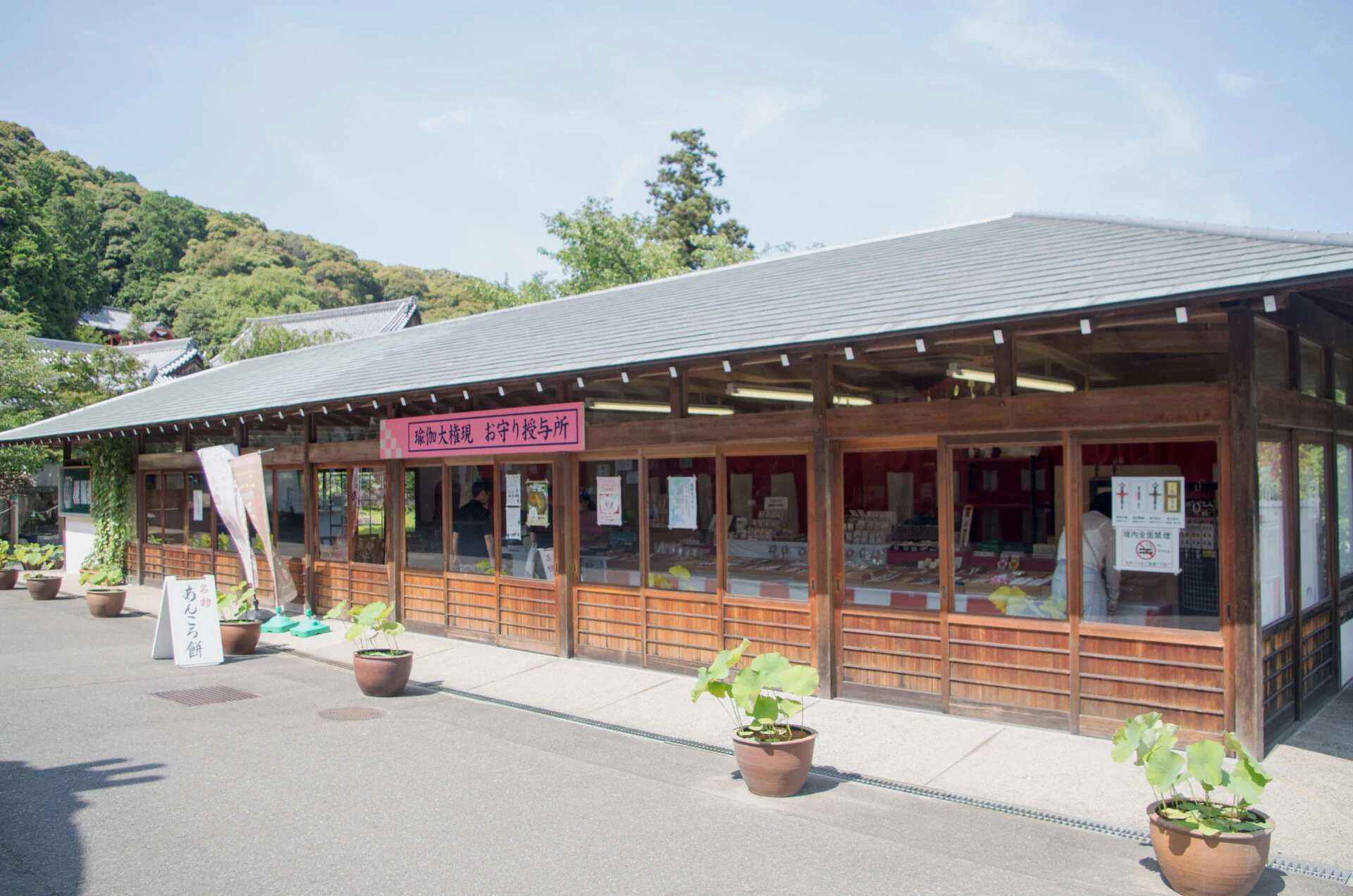
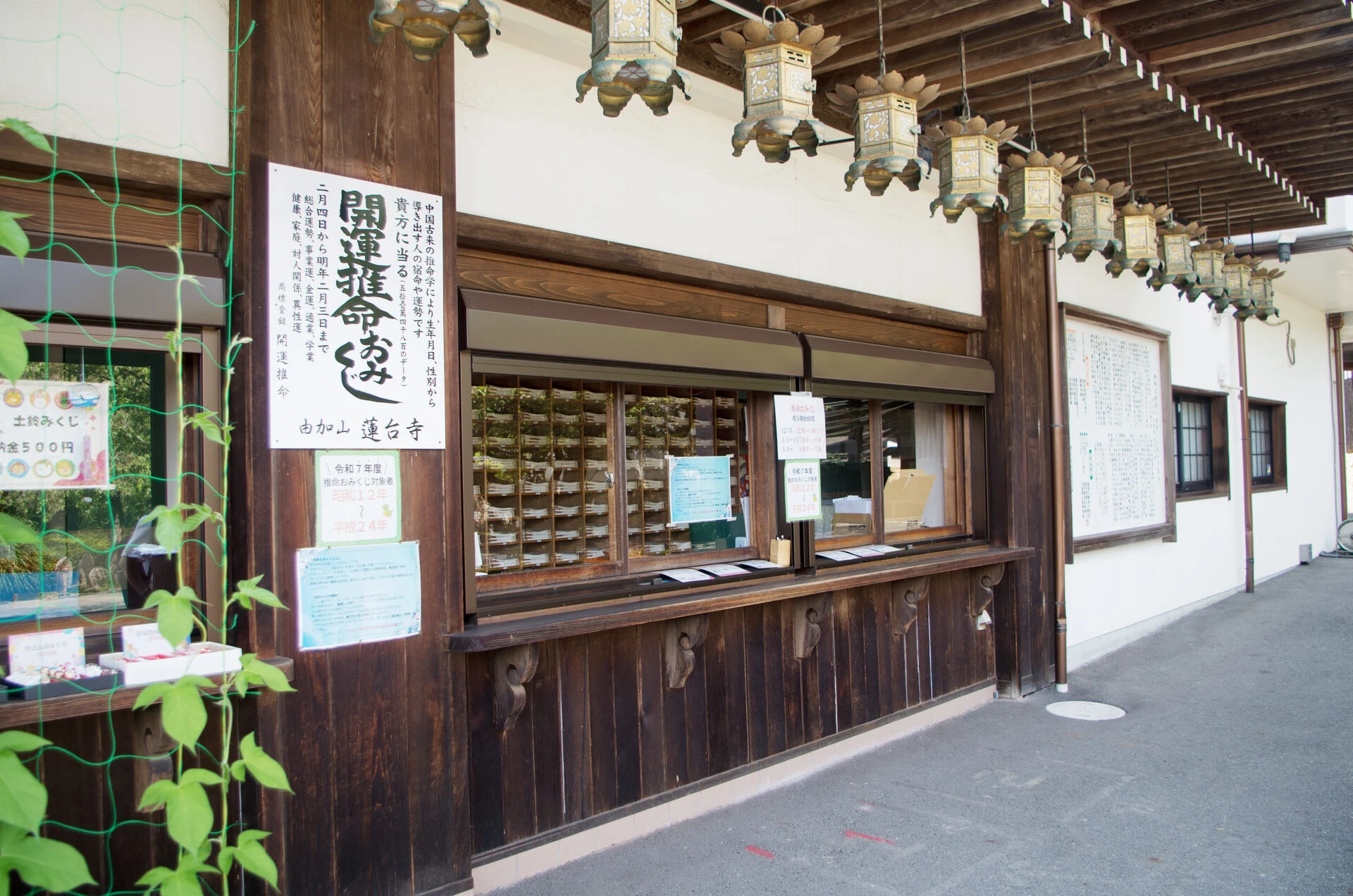
At Rendaiji, amulets and other items are distributed at the amulet distribution office located across from the main hall.
Recommended "Fu-chan" Goods
Temple Cat Fu-chan goods are also recommended.
For example, there is a wide variety of notebooks featuring Fu-chan as the main character (similar to the amulet notebooks at shrines).
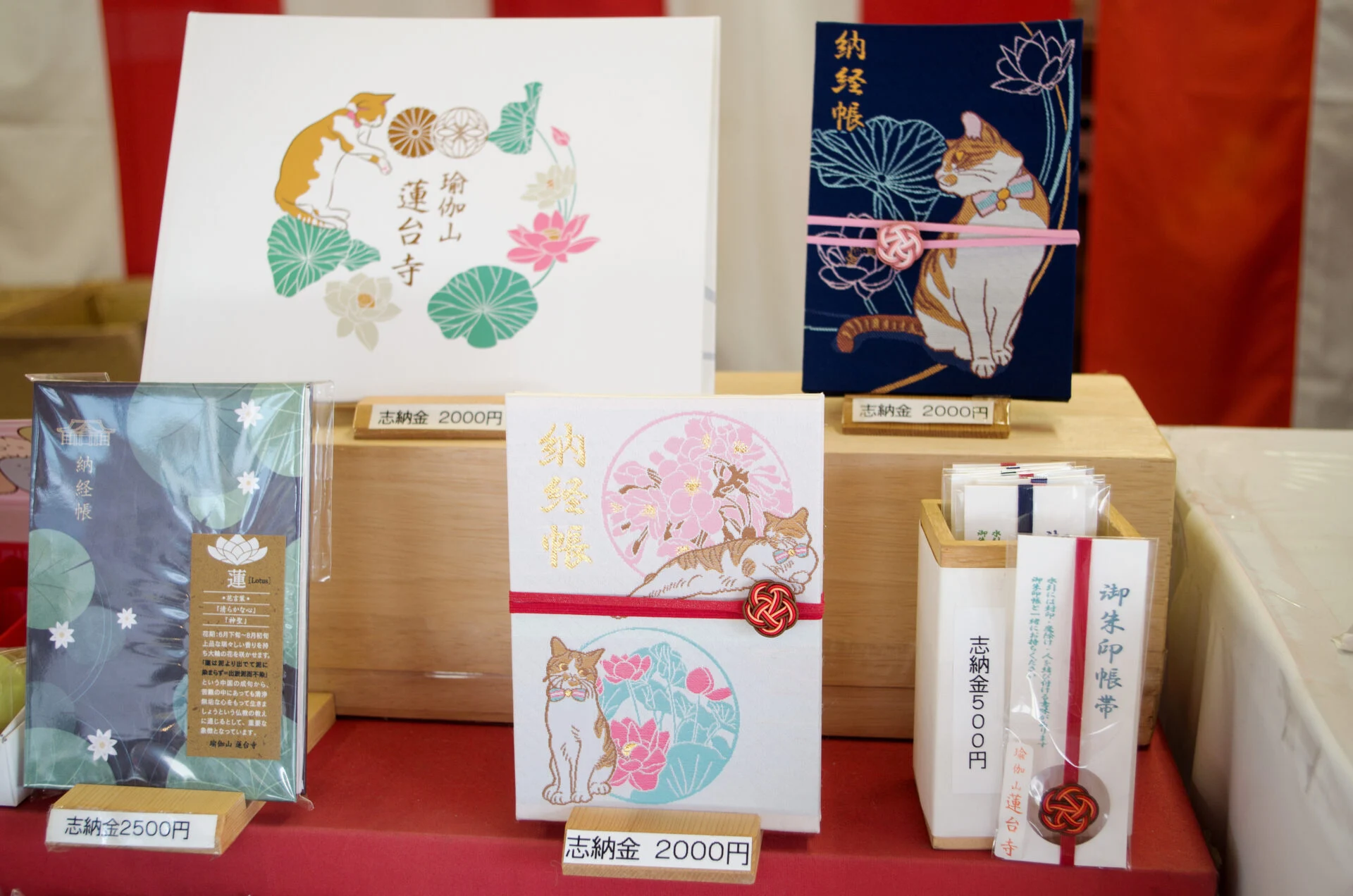
Additionally, in addition to the "Ankoro Mochi" unique to Yuga Mountain, the "Fu-chan Dorayaki" with a hint of rum flavor is also popular.
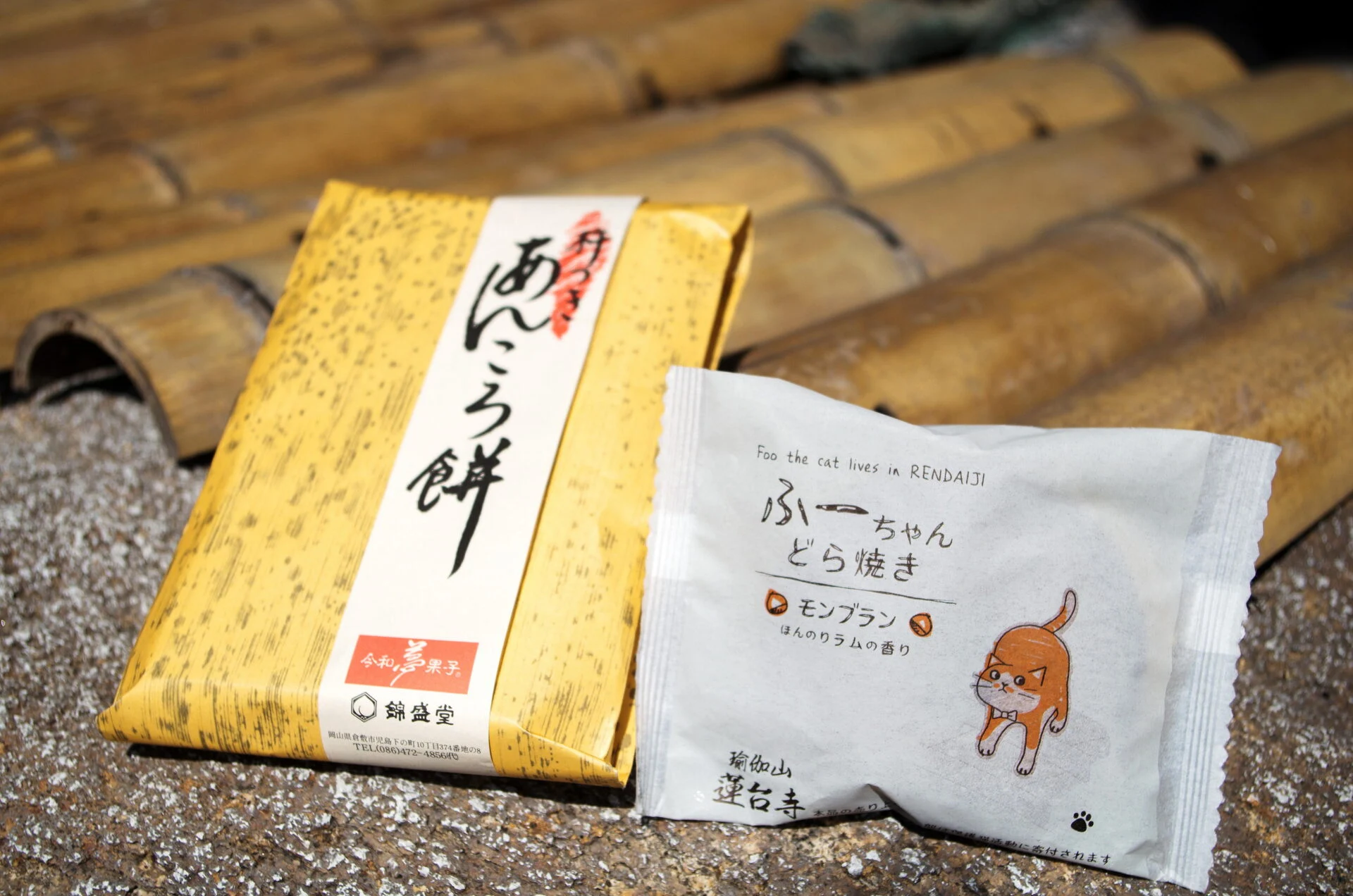
This new product was created in collaboration with "Nakaya Muneyoshi" from Tamano City, led by the younger members of the temple.
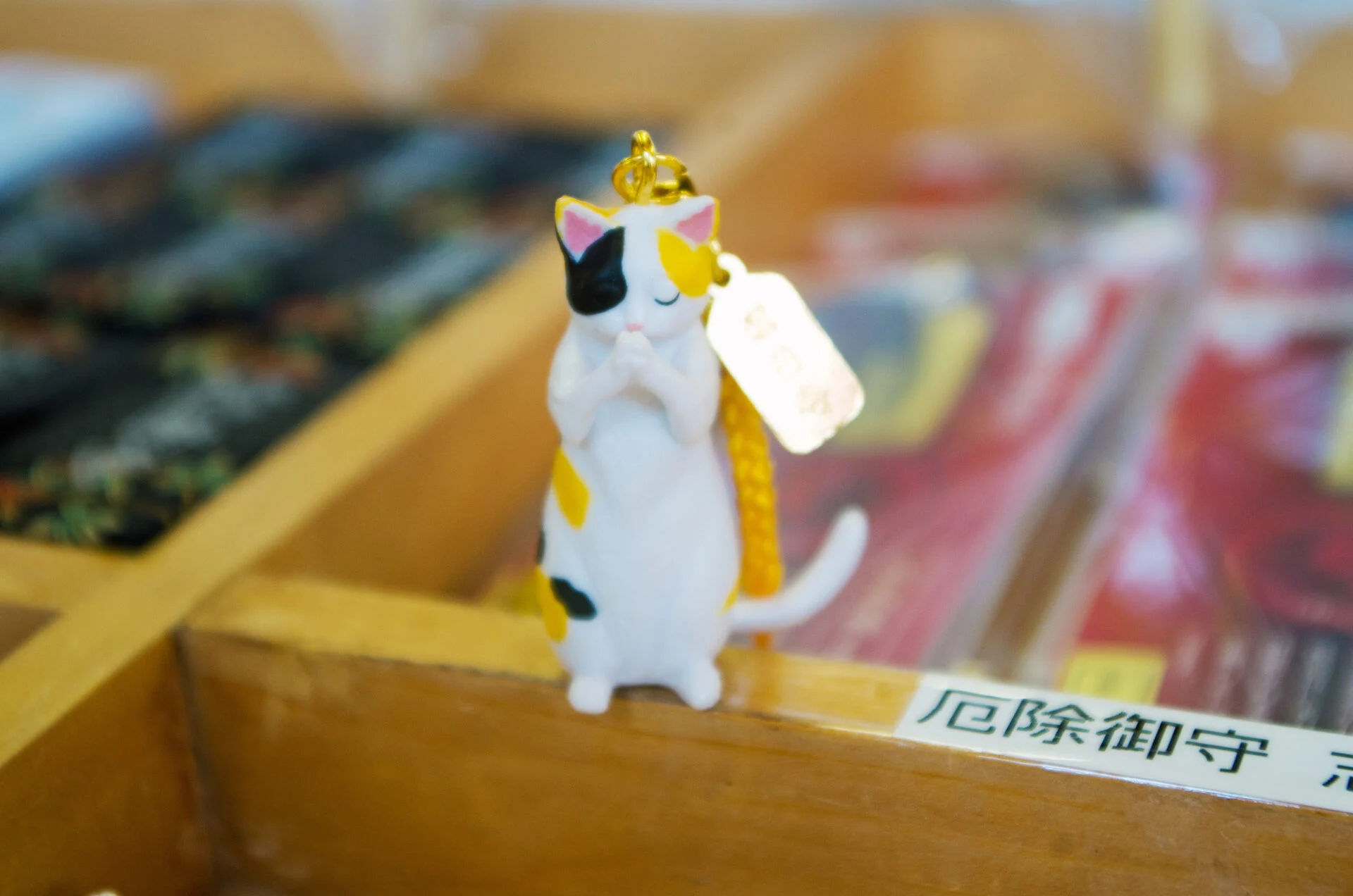
Additionally, this amulet is called the "Fortune Cat". It is noted that it is not Fu-chan, but the cat's gesture of earnestly praying for good fortune while standing on two legs is adorable.
A Variety of Amulets
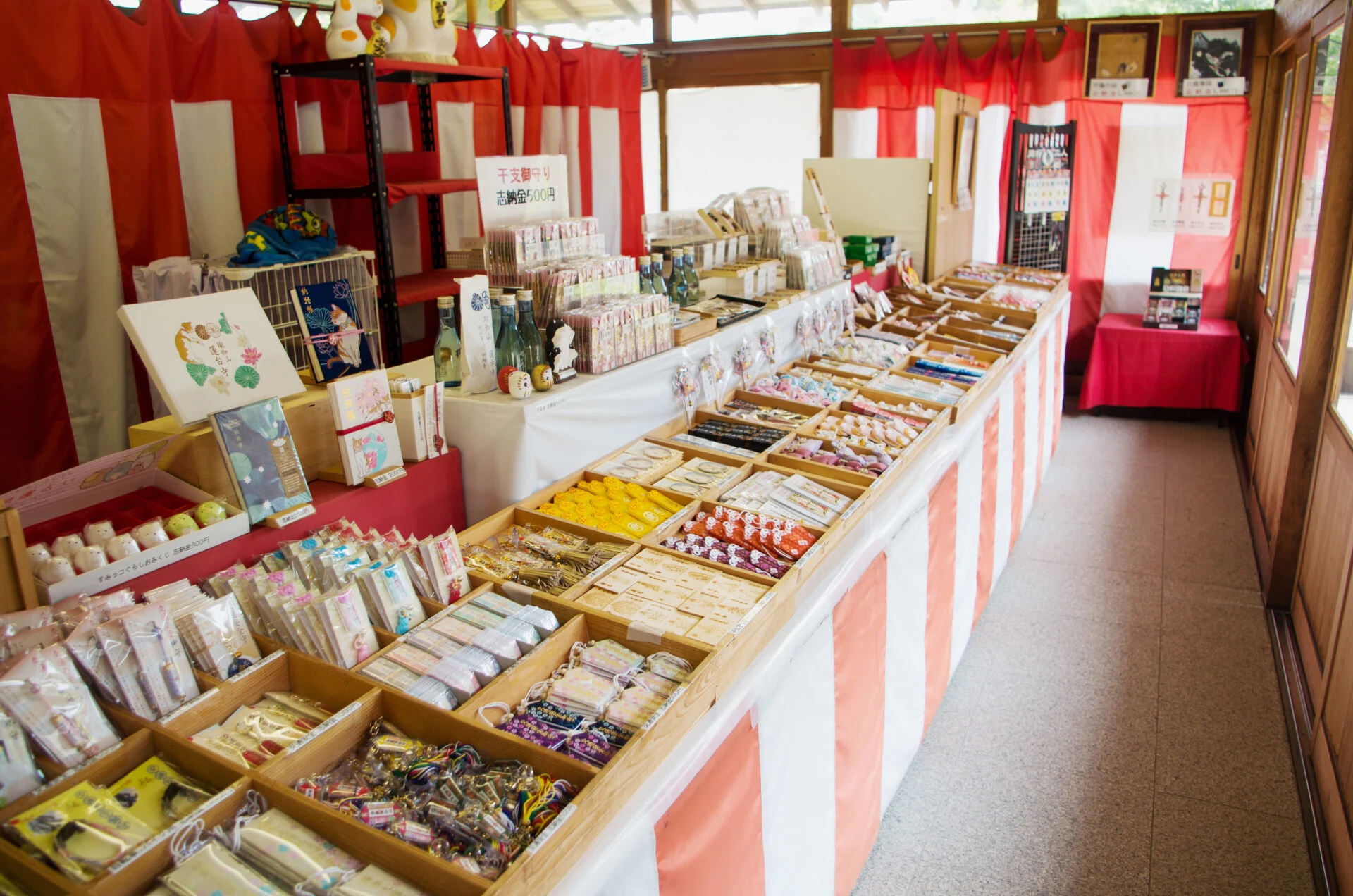
The amulet distribution office offers a wide range of various amulets.
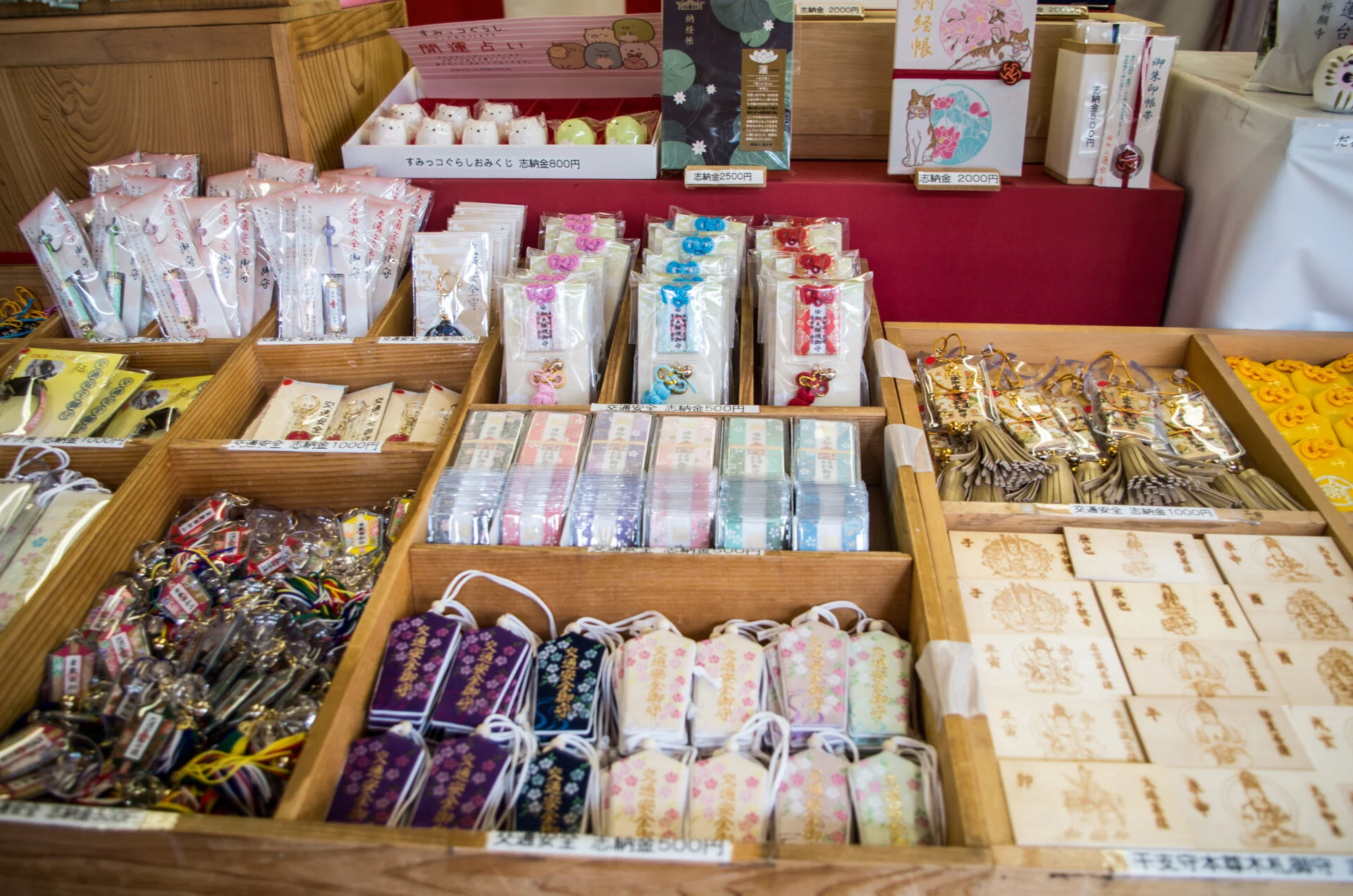
Among them, there are also original health and work amulets unique to Rendaiji.
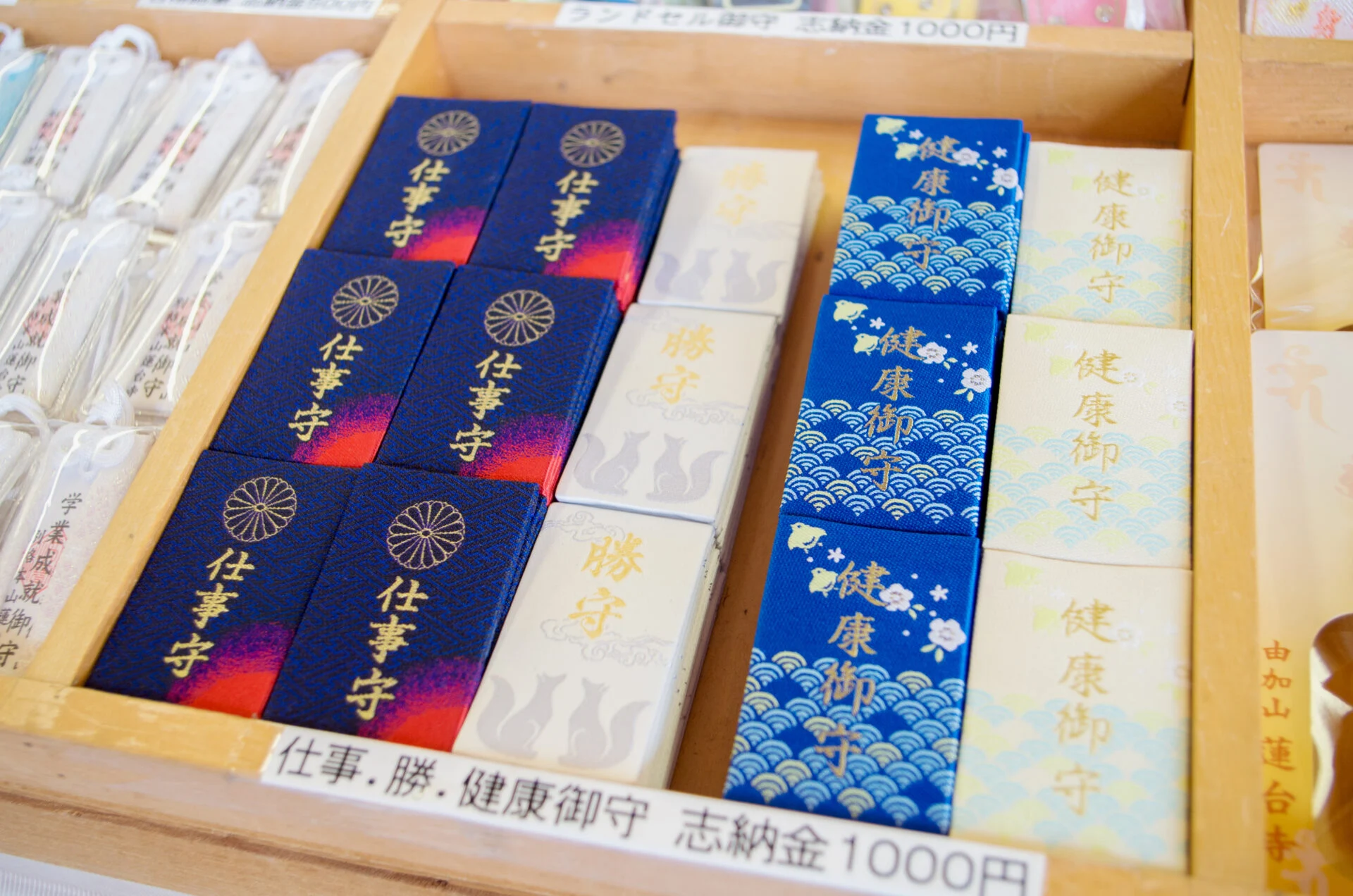
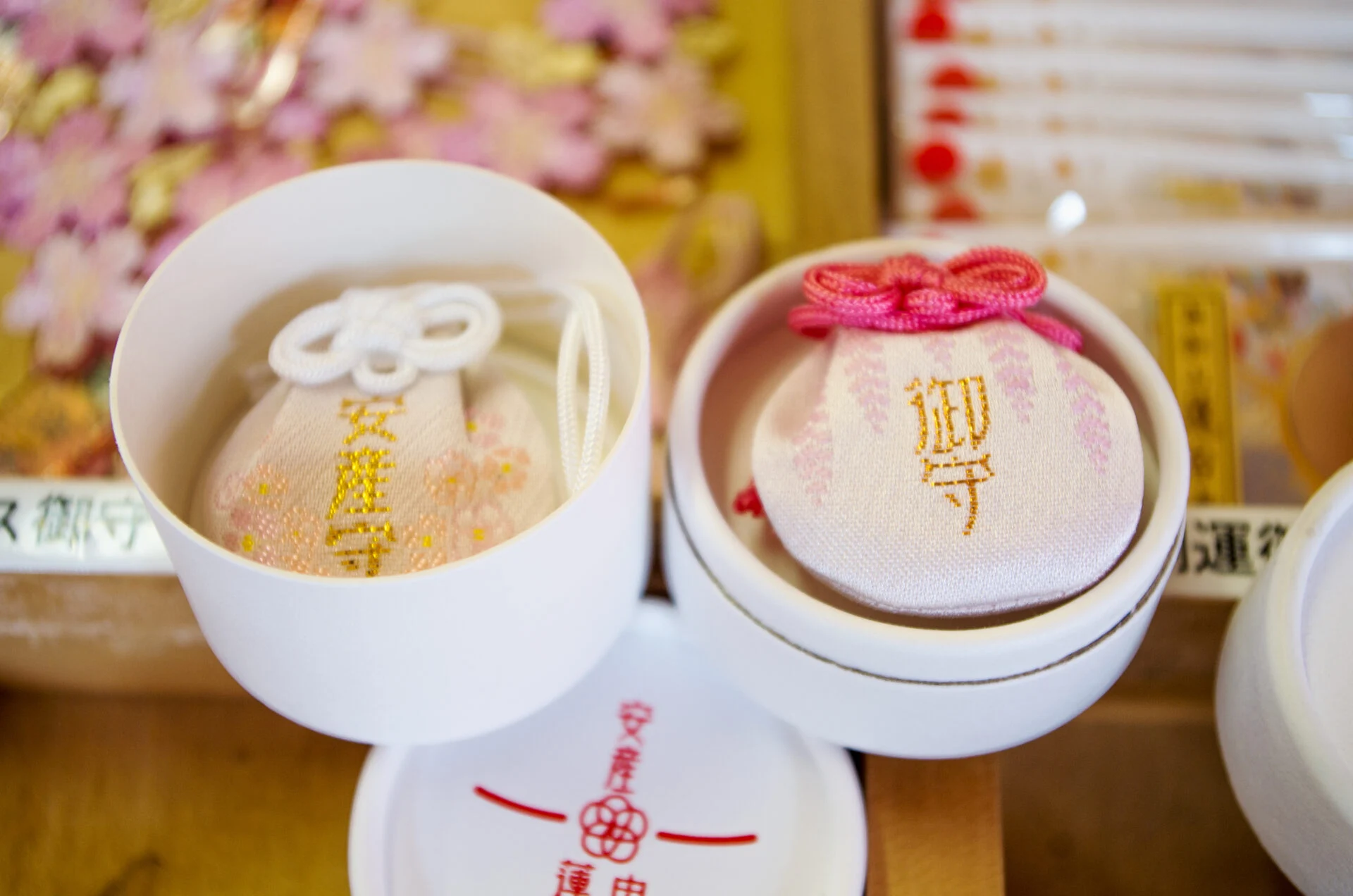
As amulets, the cute safe childbirth amulet and child-rearing amulet are also recommended.
Sakura Cat Fundraising
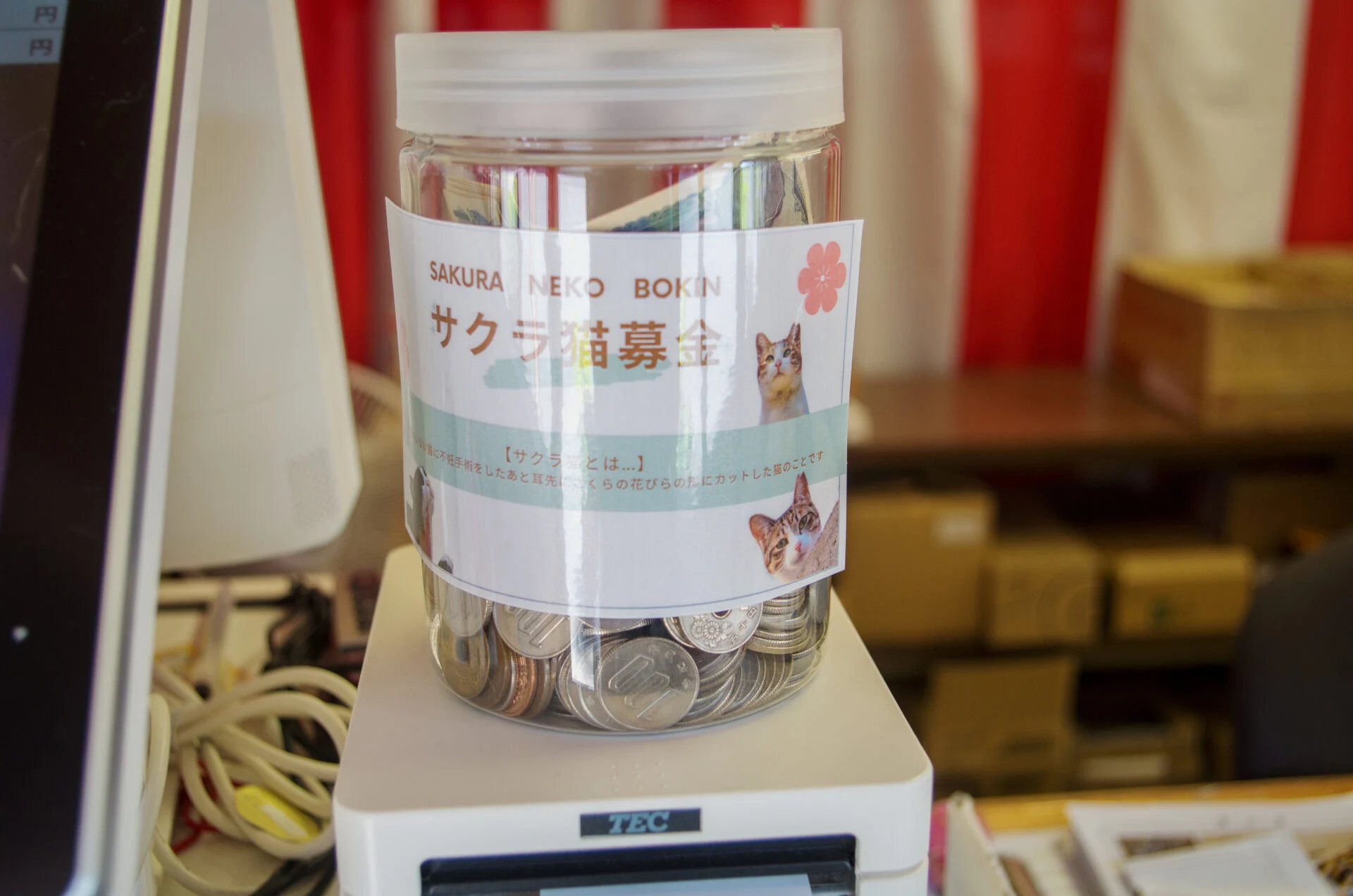
Yugasan Rendai-ji Temple is conducting "Sakura Cat Fundraising."
Sakura Cat
Refers to cats that have undergone sterilization as an effective means to reduce the number of cats that are euthanized. As a mark of the surgery, the tip of the ear is cut to resemble a cherry blossom petal.
A Temple Where You Can Enjoy Flowers All Year Round
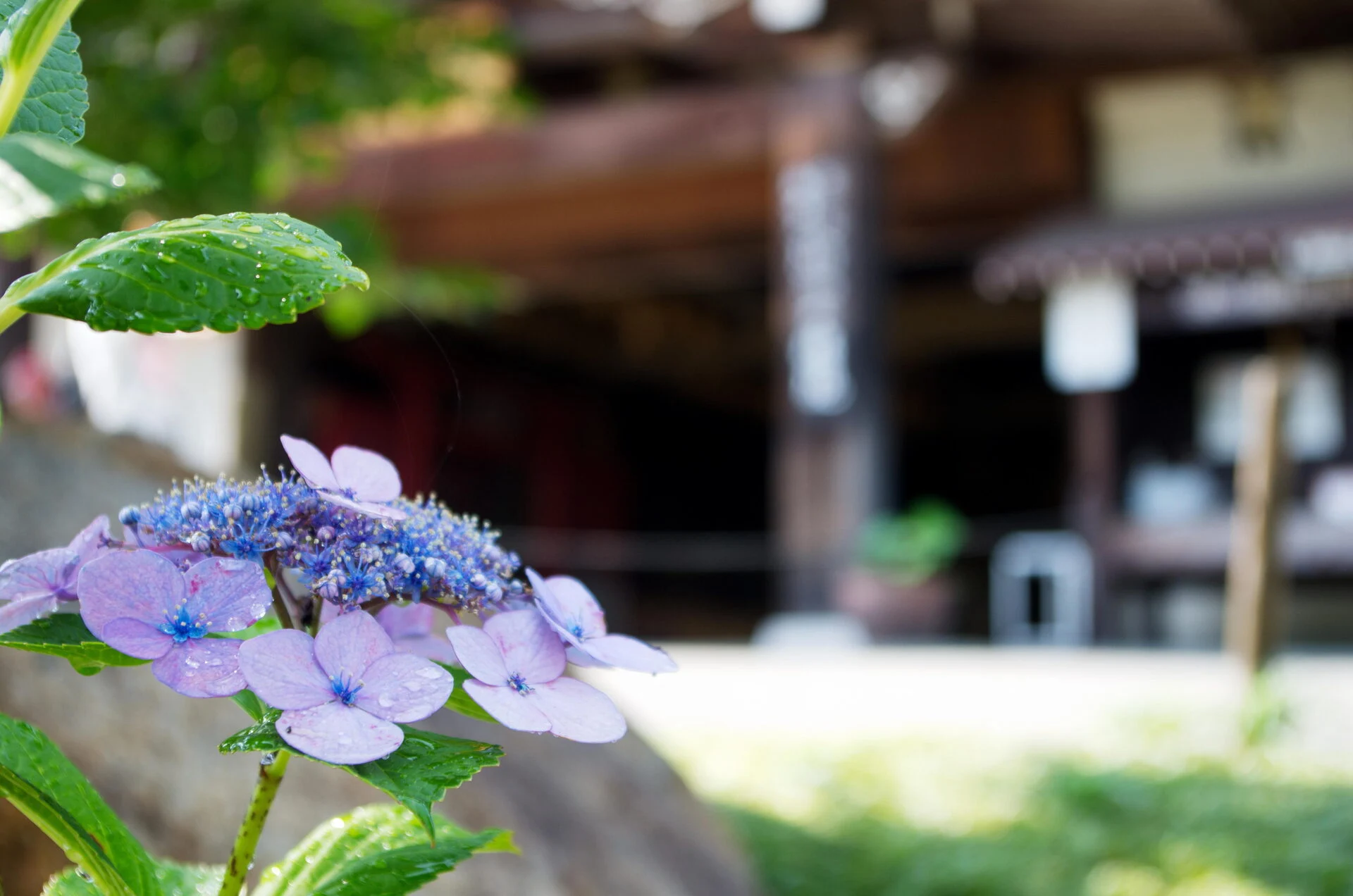
At Yugasan Rendai-ji Temple, you can see various flowers throughout the year. The main flowers that can be enjoyed in each season are as follows:
- January: Wintersweet, Tosa Mizuki
- February: Camellia, Sasanqua
- March: Plum, Camellia, Daffodil, Sanshu
- April: Somei Yoshino, Weeping Cherry, Mountain Cherry, Flower Peach, White Magnolia, Sanshu, Yuki Yanagi, Mountain Azalea, Satsuki
- May: Mountain Azalea, Satsuki, Iris, Maple
- June: Shara, Hydrangea, Iris
- July: Hydrangea, Crape Myrtle, Lotus, Morning Glory
- August: Lotus, Crape Myrtle, Morning Glory, Shaga
- October: Maple, Doudan Tsutsuji, Hagi
- November: Maple, Doudan Tsutsuji
- December: Sasanqua, Nanten, Cold Camellia, etc.
In addition to the history of Yugasan Rendai-ji Temple and the temple cat Fu-chan, please pay attention to the flowers that color the year at Yugasan Rendai-ji Temple.
"Fortune-Telling Omikuji" Popular Among Buyers from Outside the Prefecture
Finally, let me introduce the "Fortune-Telling Omikuji" which is popular among buyers from outside the prefecture. It is a rare omikuji that is only available at three locations nationwide, including Yugasan Rendai-ji Temple, and only at Yugasan Rendai-ji Temple within the prefecture. It has been in use for 15 years already.
Based on ancient Chinese fortune-telling studies, it represents a person's destiny and fortune derived from 100 types of fortunes based on 514,800 data points, taking into account the date of birth and gender.
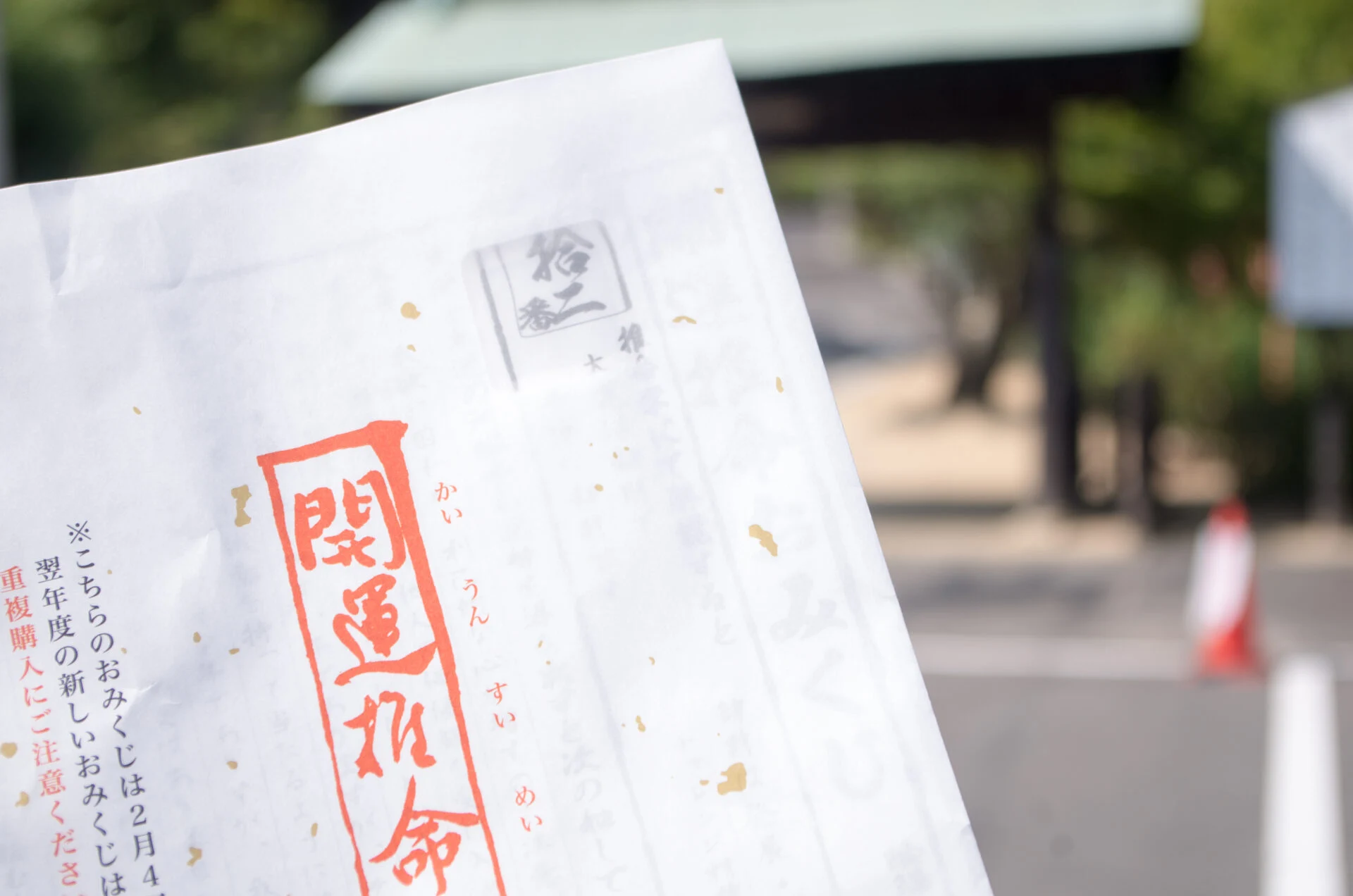
The Fortune-Telling Omikuji can be drawn at the temple office on the first floor of the main hall (300 yen per piece).
Additionally, it can also be applied for online here (500 yen per piece, including shipping), making it easy for those from afar to obtain, which is recommended.
This omikuji contains the fortune for the year from the beginning of spring of that year to the beginning of spring of the following year (February 4 to February 3 of the following year), so please be careful not to purchase it multiple times.
In Conclusion
Yugasan Rendai-ji Temple, where you can enjoy historical buildings, the temple cat Fu-chan, various flowers that color the precincts, and sophisticated souvenirs.
- I hope you can visit with a peaceful heart.
- I hope you take home the heart you had while visiting.
- I want to create a more refined space as a place of worship.
Please visit peacefully at this historic ancient temple, guided by the temple cat Fu-chan.
Articles Related to Japan Heritage in Kurashiki City
Data of Yugasan Rendai-ji Temple
| Name | Yugasan Rendai-ji Temple |
|---|---|
| Other Name | Mt. Yuga |
| Sect | Shingon Sect Omuro School |
| Location | 2855 Yuga, Kojima, Kurashiki City, Okayama Prefecture |
| Contact | 086-477-6222 |
| Parking | Available ・Free parking ・Capacity: 300 cars ・Large buses: 20 buses ・5-minute walk from the parking lot to the main hall |
| Main Deity | Eleven-faced Kannon Yuga Daigongen |
| Benefits | Warding off evil |
| Goshuin (Seal Fee) | Seal fee: 300 yen Special seal for Hoshikannon: 800 yen (limited quantity) Fuchan in the style of the Birds and Beasts Picture Book: 1,000 yen (limited quantity) Cut-out seal of Fudo Myo-o: 1,000 yen (limited quantity) |
| Visiting Hours | 【Visiting Hours】 From 8:00 AM to 5:00 PM 【Prayer Reception】 From 9:00 AM to 3:00 PM (every hour) Closed for the 12:00 PM session from April to November. Due to legal affairs, there may be times when we cannot accept visitors, so please call ahead before your visit. |
| Closed Days | None Only the guest hall is open for viewing, irregularly Please call ahead before your visit. |
| Admission Fee | Admission fee for the guest hall: 400 yen |
| Payment Method for Admission and Seal Fees |
|
| Restrooms | Western-style toilets, Japanese-style toilets, barrier-free toilets |
| Website | Yuga Daigongen, Mt. Yuga |










Total height: 7m59cm
Body height: 3m66cm
Length of the sword held: 3m