Kurashiki flourished as a tenryo (shogunate-controlled) area during the Edo period and now shows the bustle of a tourist destination.
While it gives a strong impression of being a "lively town," there was a time when it faced decline due to a lack of notable industries.
How did the town revive? A record spanning over 135 years from the Meiji period to the present has been preserved at the Kurabo Memorial Hall.
We introduce the Kurabo Memorial Hall, which houses many treasures that convey the history of the spinning industry that supported the Japanese economy and the journey of KURABO INDUSTRIES LTD.
What is the "Kurabo Memorial Hall"?
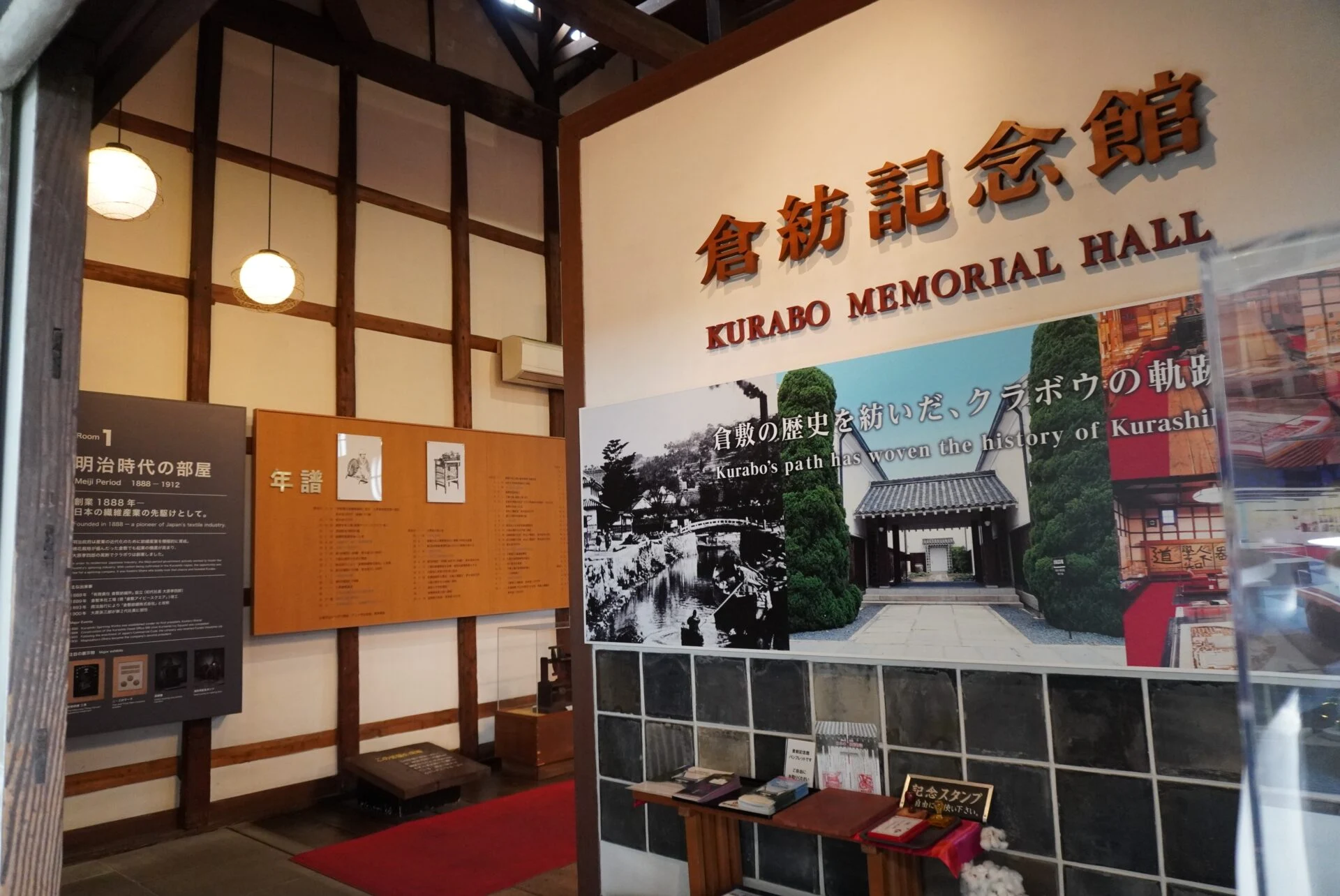
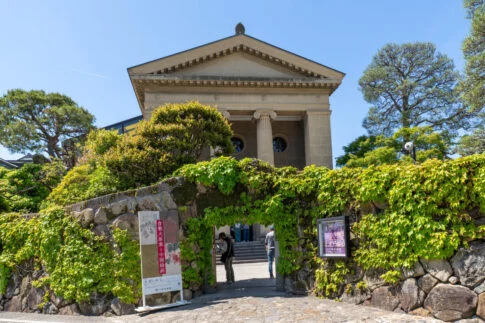
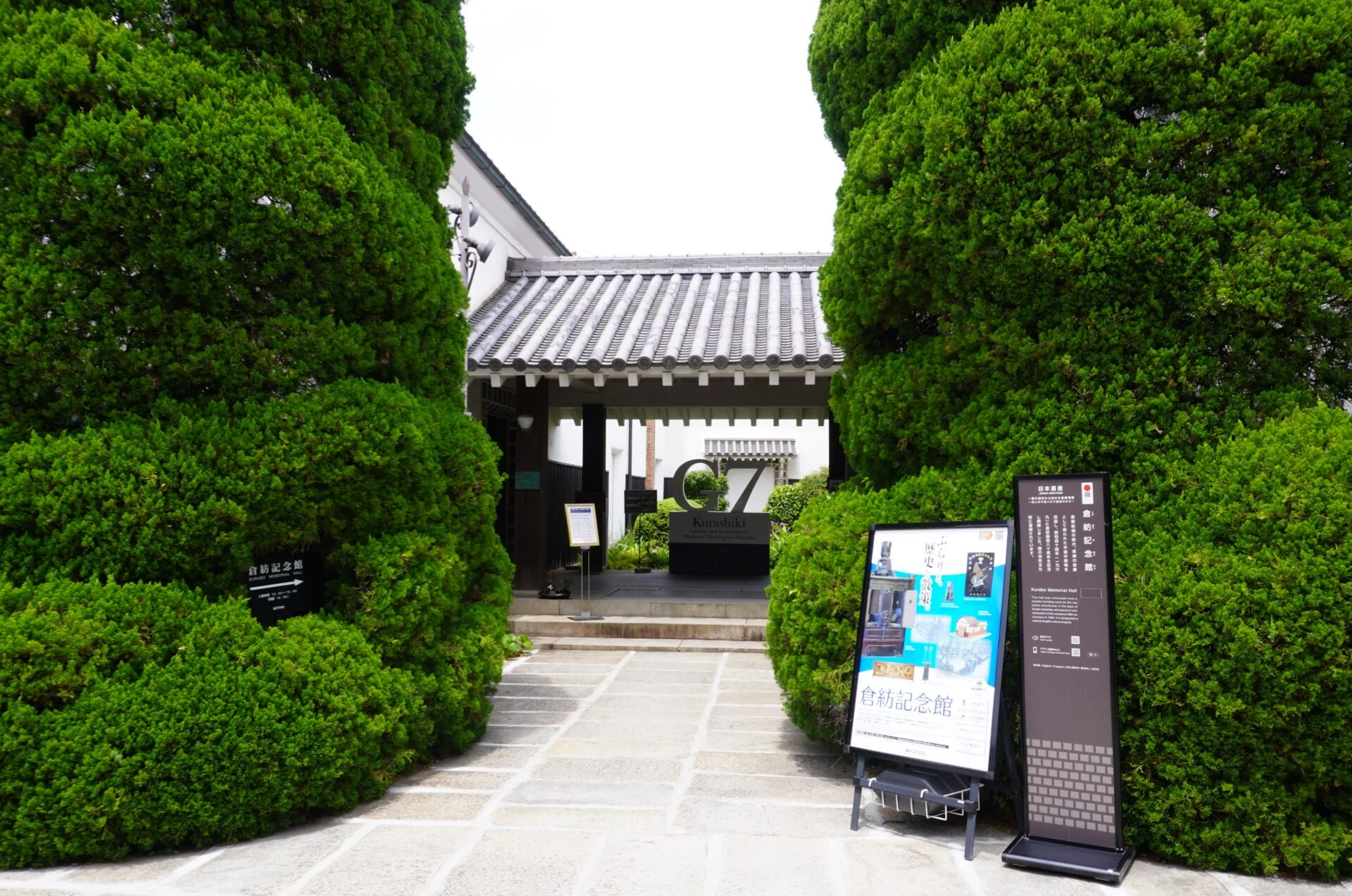
The Kurabo Memorial Hall is a facility that opened in March 1969 (Showa 44) to convey the history of Kurashiki Spinning Co., Ltd. (hereinafter referred to as "KURABO"), which was established as a spinning company in 1888 (Meiji 21) to commemorate its 80th anniversary.
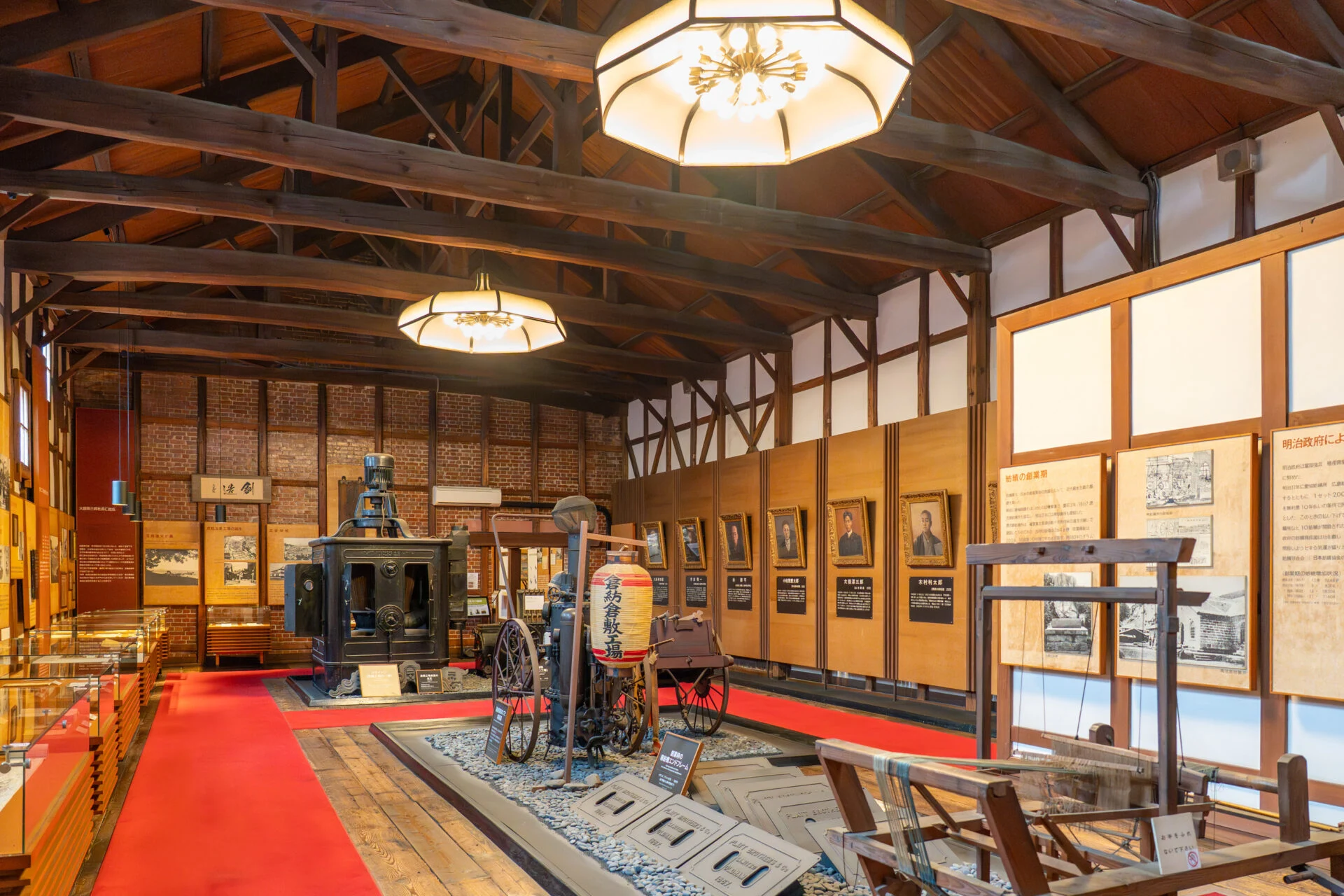
The hall introduces the transitions of KURABO through machinery, models, documents, and audiovisual materials used at the time, as well as providing insights into the historical background, labor environment, and the state of the town from the exhibited materials.
The building is a renovated raw cotton warehouse from the time of establishment, recognized for its historical value, and has received the following certifications.
- Registered Tangible Cultural Property (1998, Agency for Cultural Affairs)
- Modern Industrial Heritage (2007, Ministry of Economy, Trade and Industry)
- Japan Heritage (2017, Agency for Cultural Affairs)
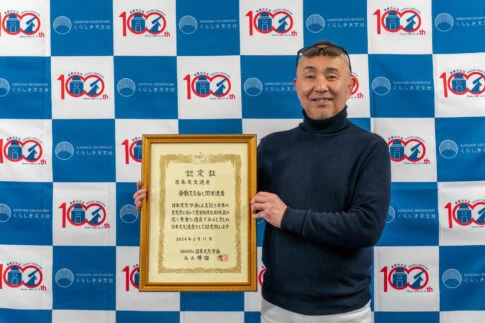
- Japan Labor Heritage (2023, Japan Labor Pen Club)
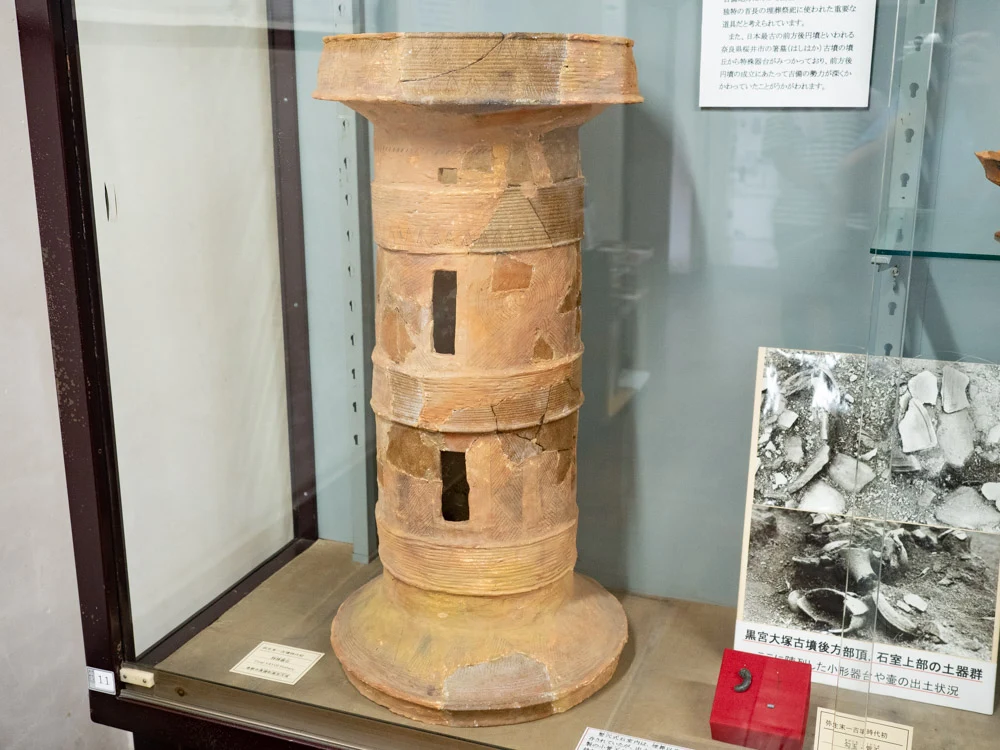
※Part of the exhibits
Five Exhibition Rooms
The interior is divided into the following five blocks for exhibition.
- Room 1: Meiji Period [1888-1912]
- Room 2: Taisho Period [1912-1926]
- Room 3: Showa Period (Pre-war and Wartime) [1926-1945]
- Room 4: Showa (Post-war) to Present [1945-]
- Room 5: Chronology
Room 1: Meiji Period [1888-1912]
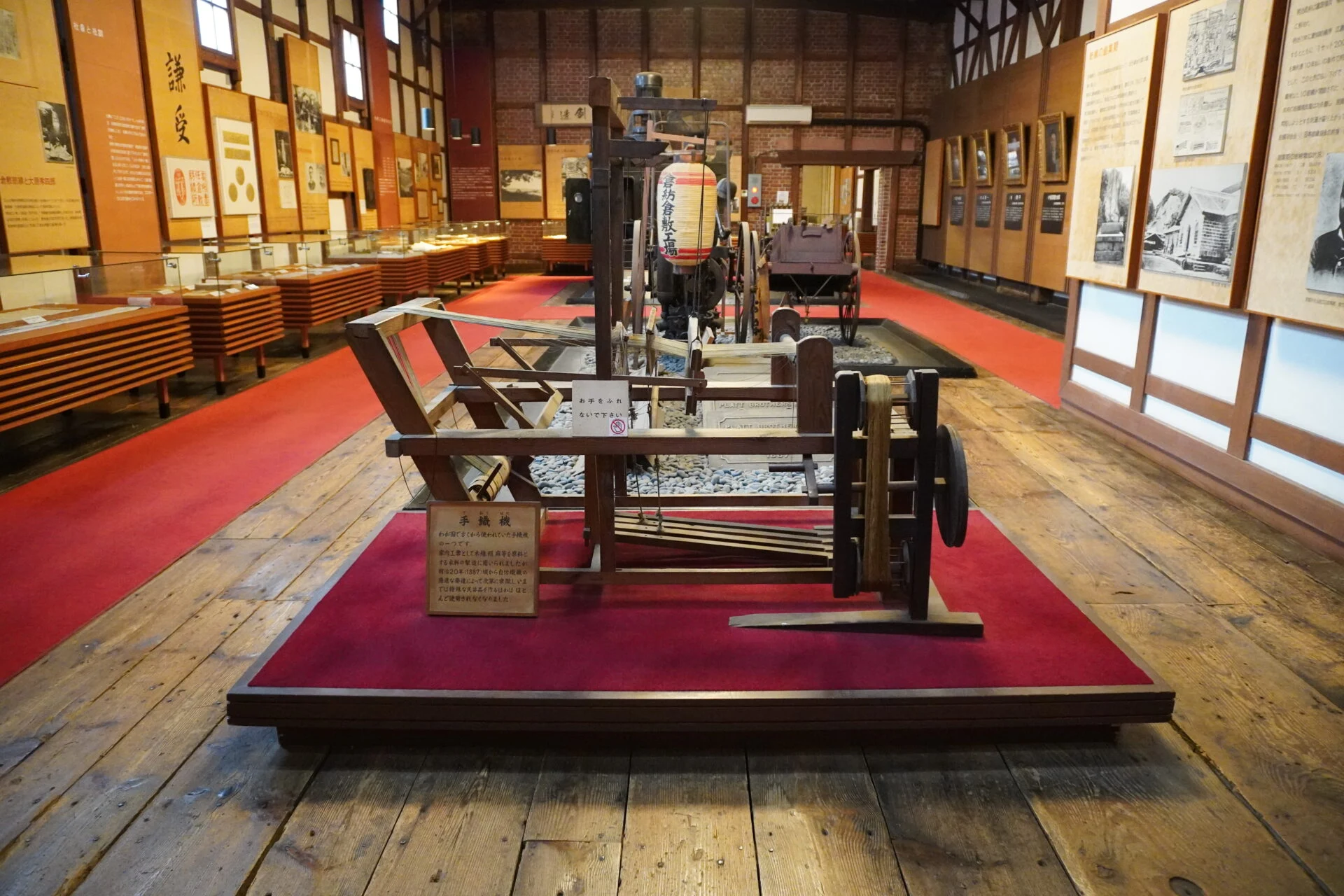
The circumstances of the establishment and the state of the early years are introduced through spinning machinery from the Meiji period and documents from that time.
After the abolition of the magistrate's office during the Meiji Restoration, Kurashiki was on the verge of decline due to a lack of notable industries, when three young men stood up with the desire to "establish a spinning industry," which became the catalyst for the establishment of KURABO.
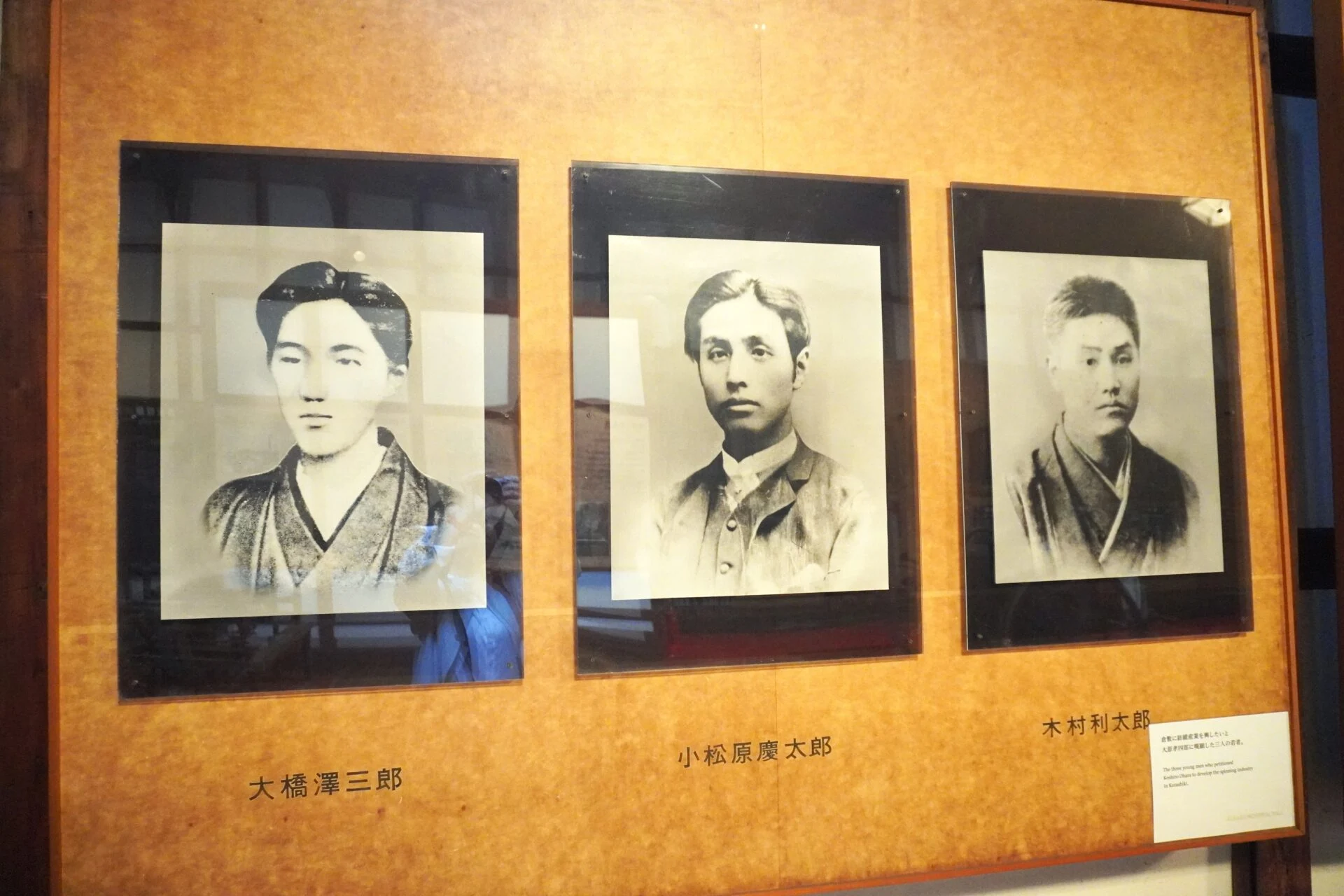
Kurashiki had been a cotton cultivation area since the Edo period, and the Meiji government promoted modern spinning industries under the policy of promoting industry and commerce, which led the three men to persuade local influential figures.
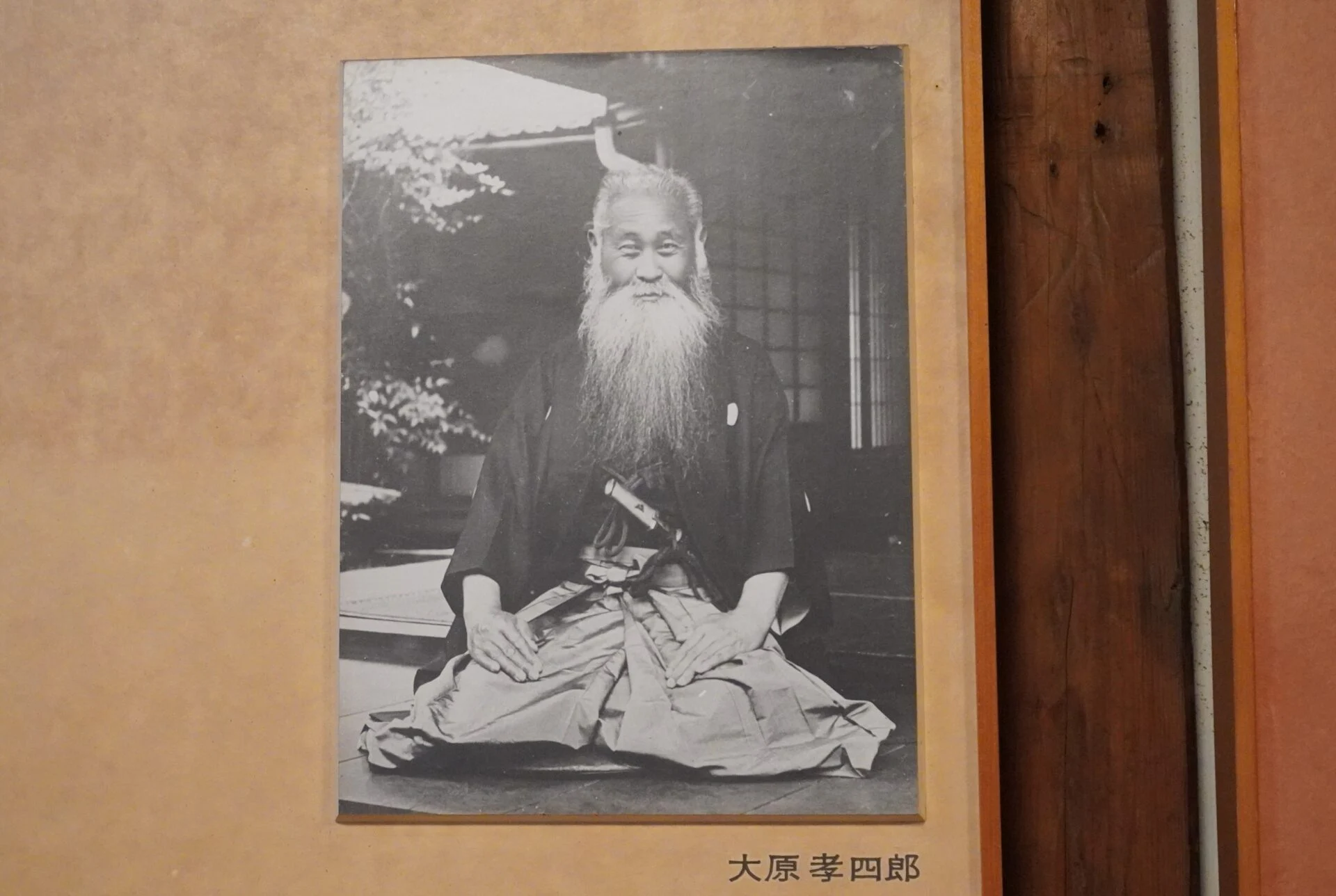
Ultimately, the support and investment of Mr. Ohara Koshiro, who became the first president, led to many residents resonating with the establishment of the new business, resulting in numerous applications for stock subscriptions. Mr. Ohara Koshiro took on the shortfall, making the business feasible. Thus, KURABO was born on the site of the former magistrate's office.
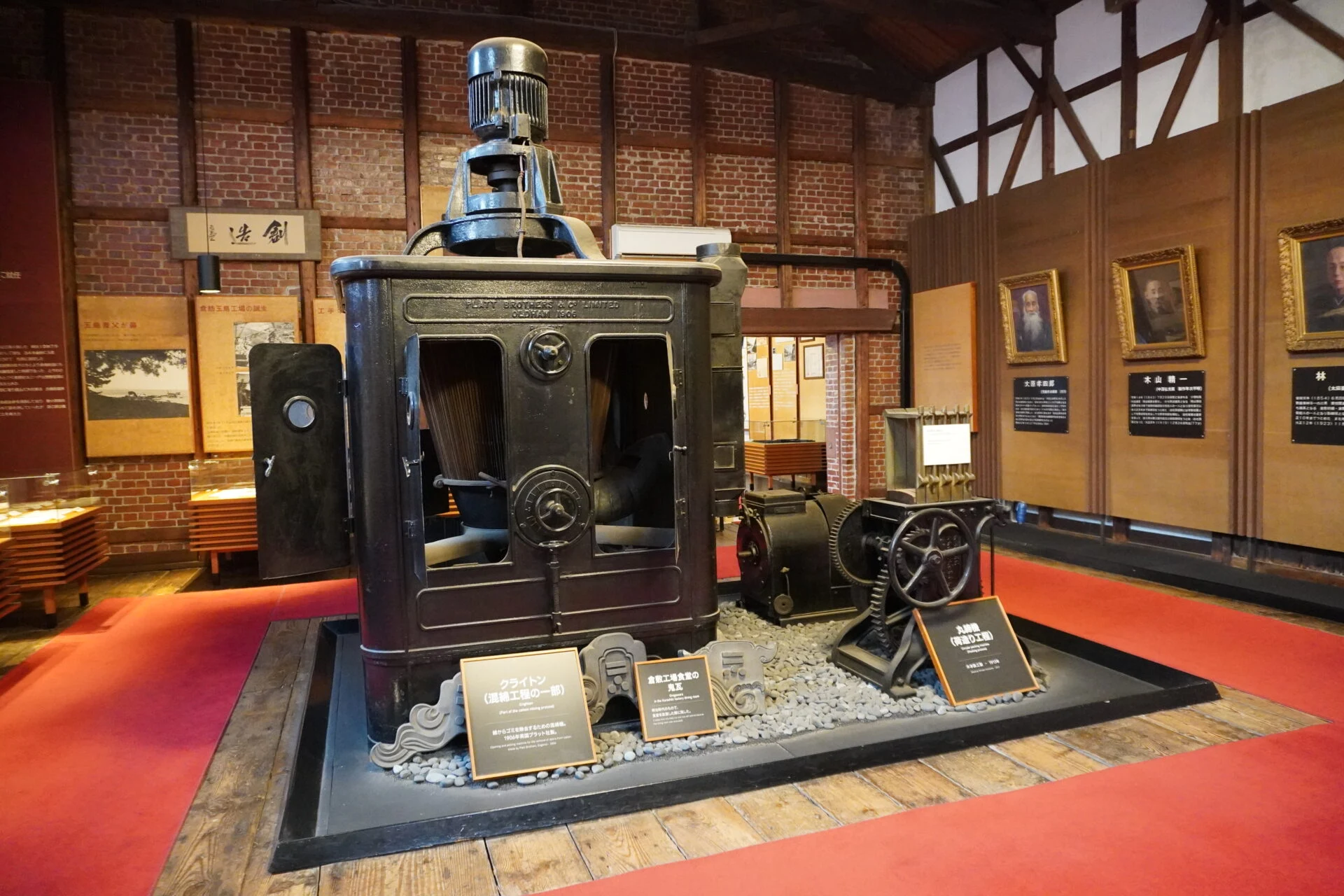
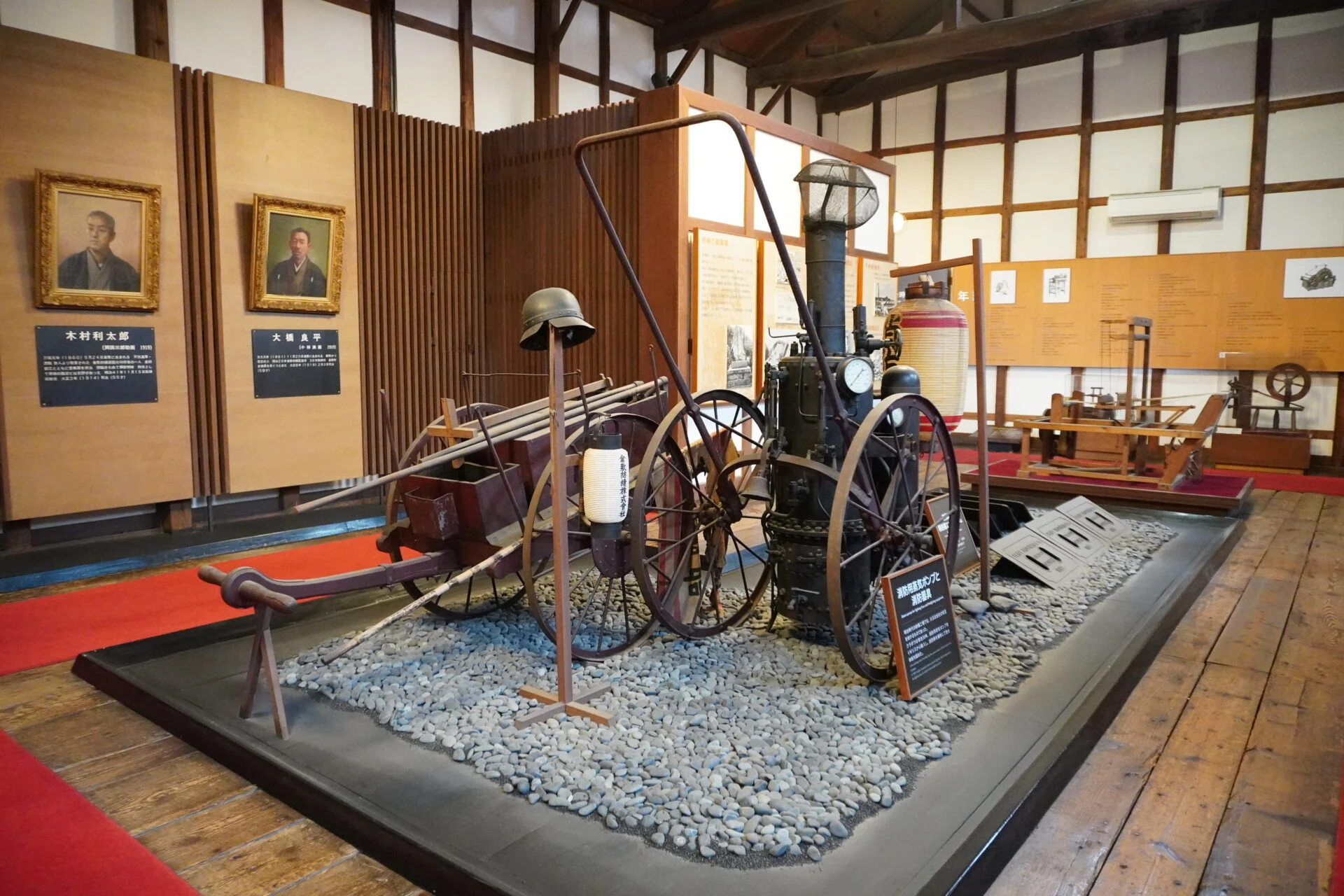
KURABO, which began its journey on March 9, 1888 (Meiji 21) as "Limited Liability Kurashiki Spinning Company," not only had cutting-edge British spinning machinery but also imported fire pumps from England.
Room 2: Taisho Period [1912-1926]
The achievements of Mr. Ohara Magosaburo, who became the second president at the age of 26, are highlighted with materials from the rapidly developing Taisho period.
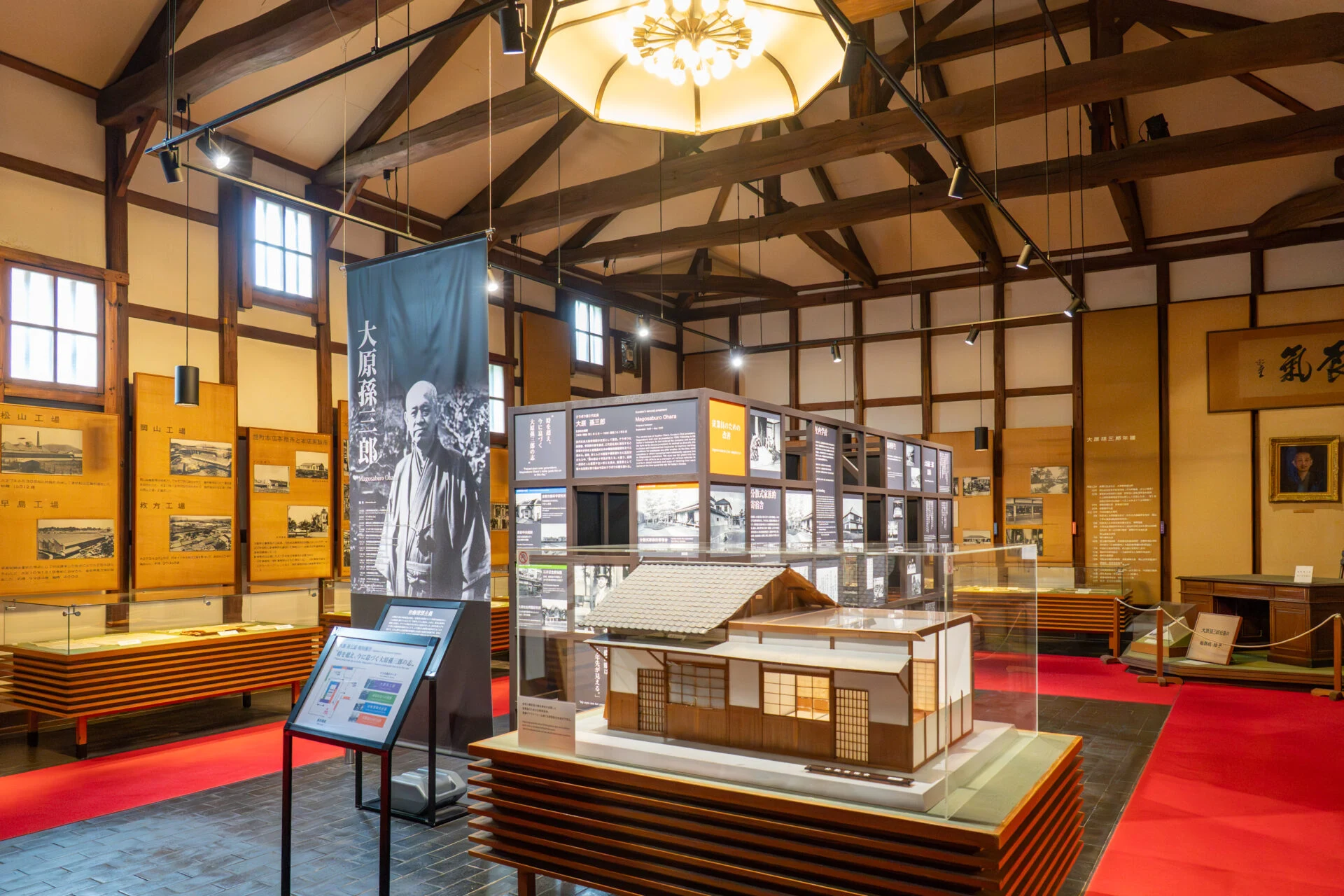
Mr. Ohara Magosaburo stated, "Without the happiness of employees, there is no prosperity for the business," and worked on improving the environment for employees while diversifying the business.
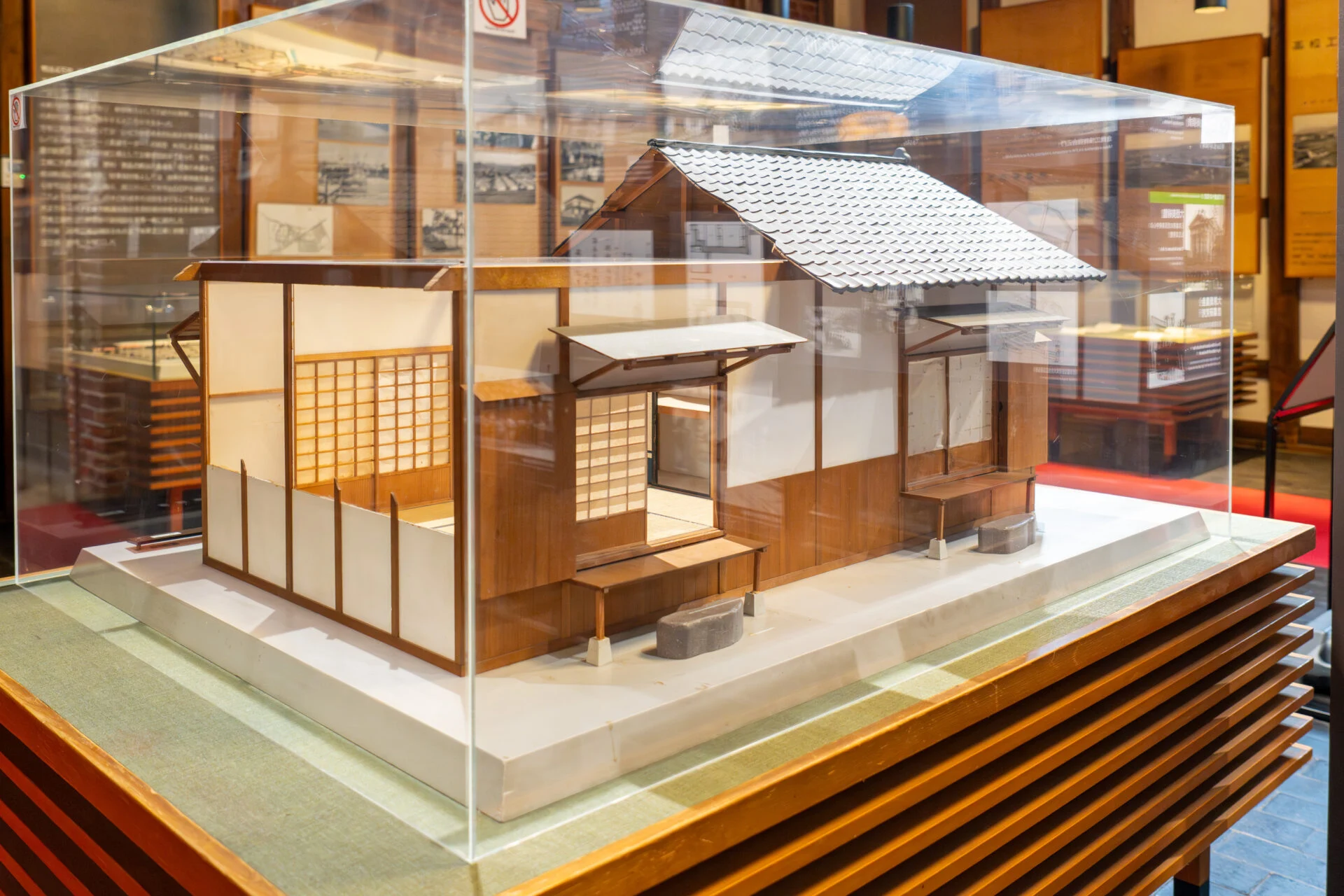
A school was also established for employees, but the most notable feature was the employee dormitory.
At that time, dormitories typically housed 40 to 50 people in large rooms. To make it more like home, a "decentralized dormitory" was created where about four people lived in a house with six and two tatami mats, improving the living environment.
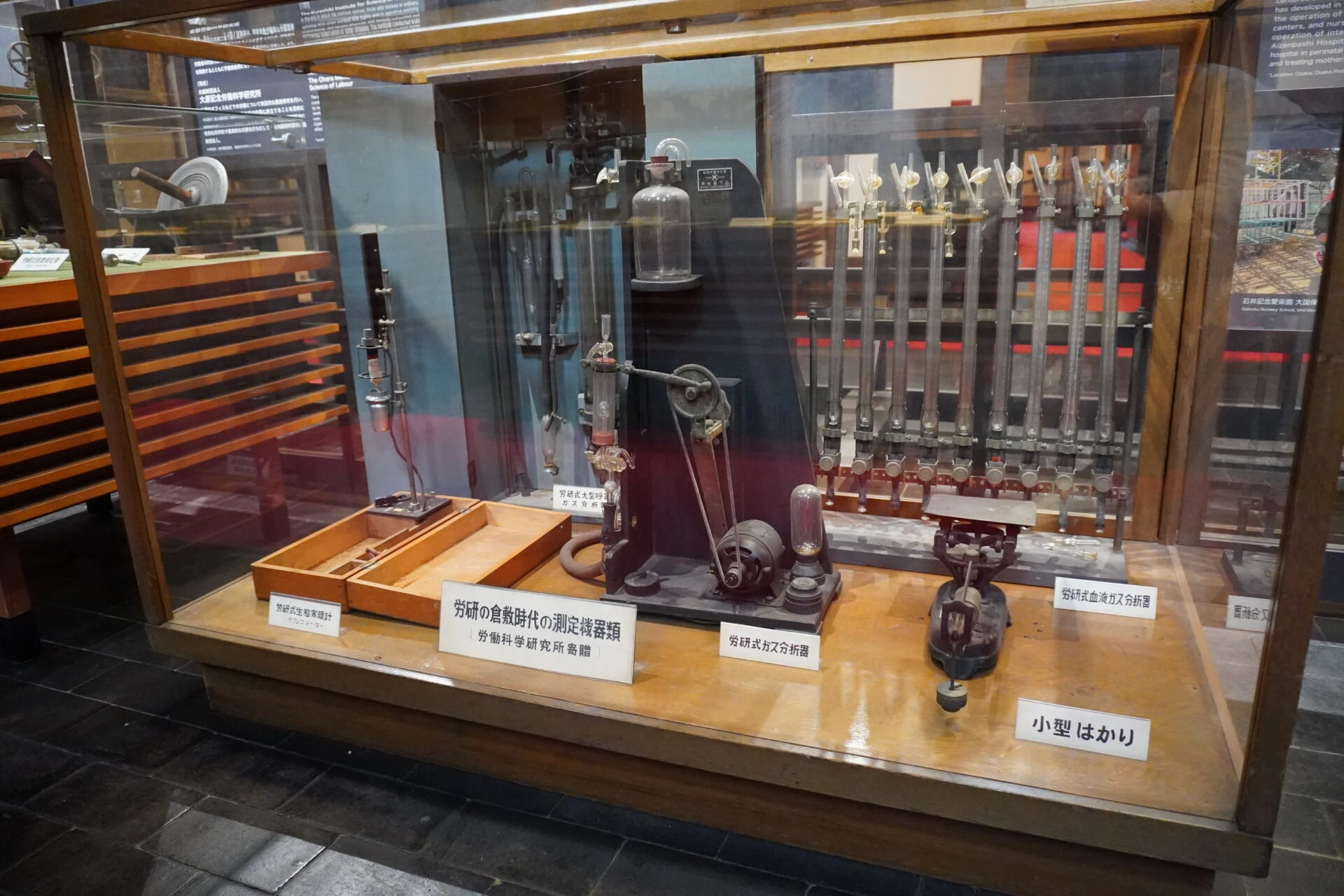
Additionally, the Kurashiki Labor Science Research Institute was established to work on improving labor conditions, promoting labor idealism, and advancing policies for employees and the local community.
Room 3: Showa Period (Pre-war and Wartime) [1926-1945]
During the Showa period, when the business expanded further, efforts to promote art and culture are also introduced.
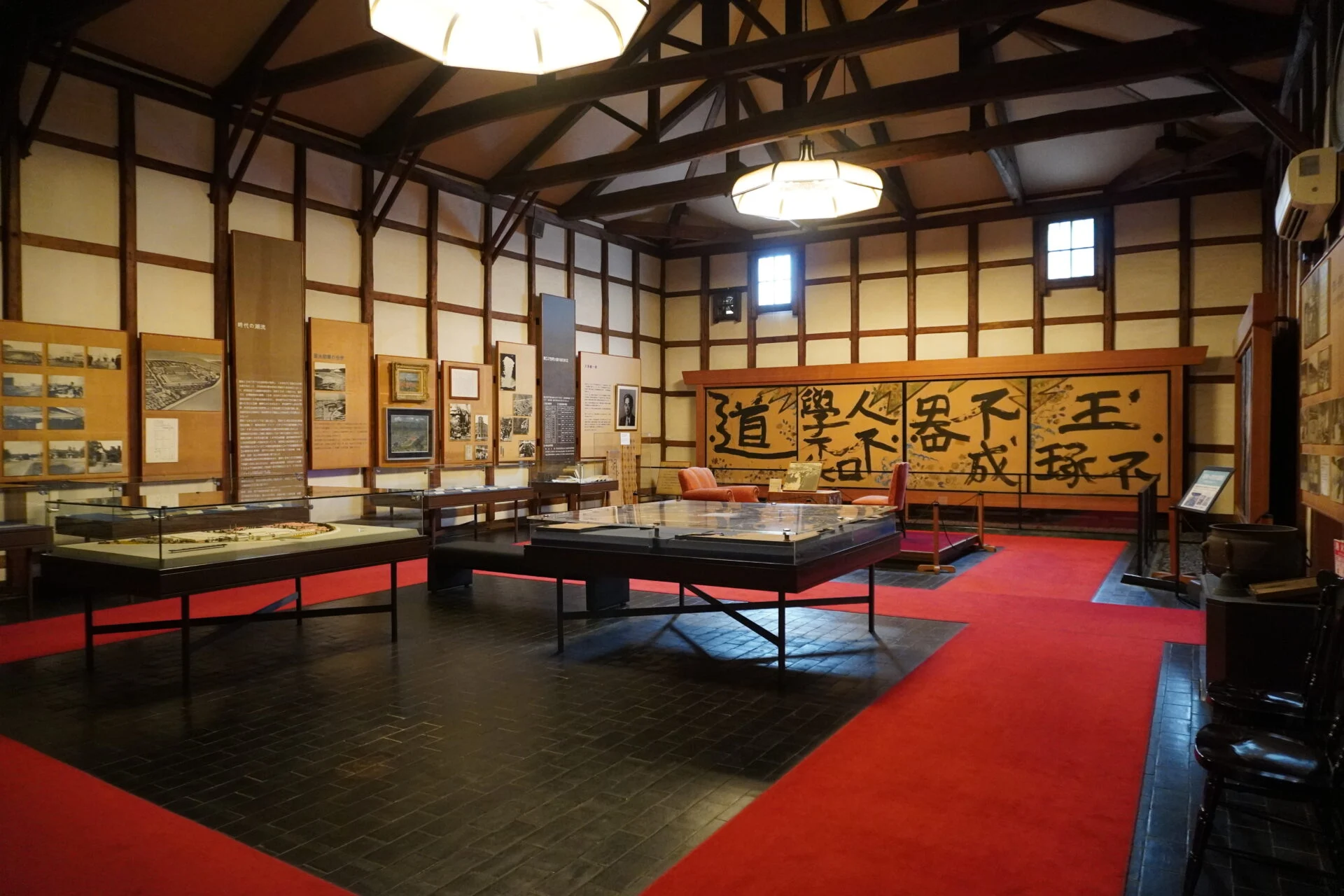
The fourth president, Mr. Ohara Soichiro, who succeeded the will of Mr. Ohara Magosaburo, deepened exchanges with artists.
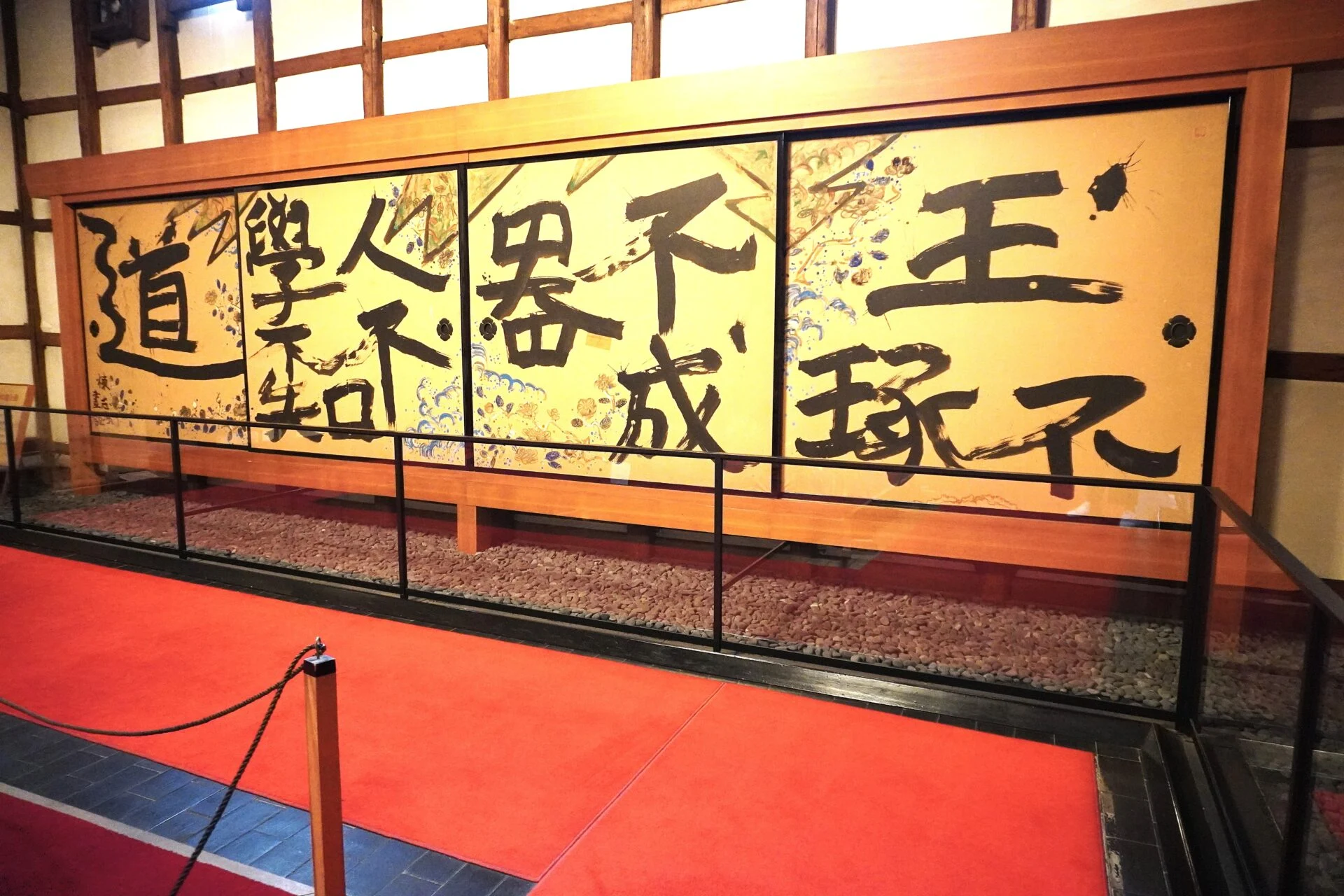
“Without polishing the jewel, it cannot become a vessel; without learning, a person cannot know the way” This is a work by Munehiko Shiko, who preached the importance of learning.
In 1944 (Showa 19), Ohara Soichiro requested that “something beneficial for KURABO employees be drawn,” and it was said to have been installed in the factory's etiquette room so that everyone could see it.
Room 4: Showa (Post-war) to Present [1945–]
Room 4 introduces the post-war Japanese spinning industry and how KURABO undertook business diversification.
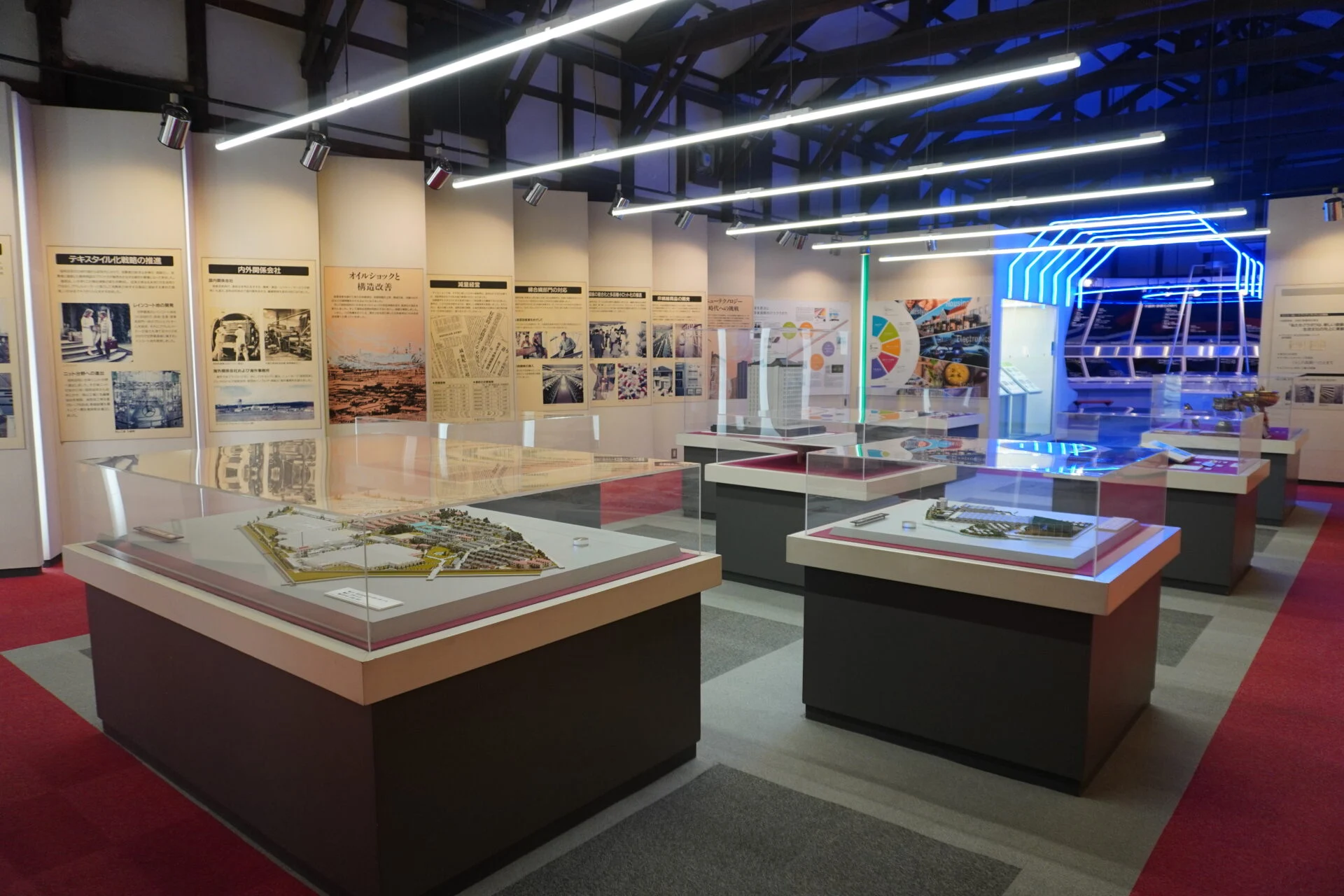
At the time of the establishment of Kurabo Memorial Hall, it was said to have been used for employee education.
Later, it was exhibited at the 1970 World Expo in Japan along with other companies, and it became open to the public after bringing back the exhibited items from that time.
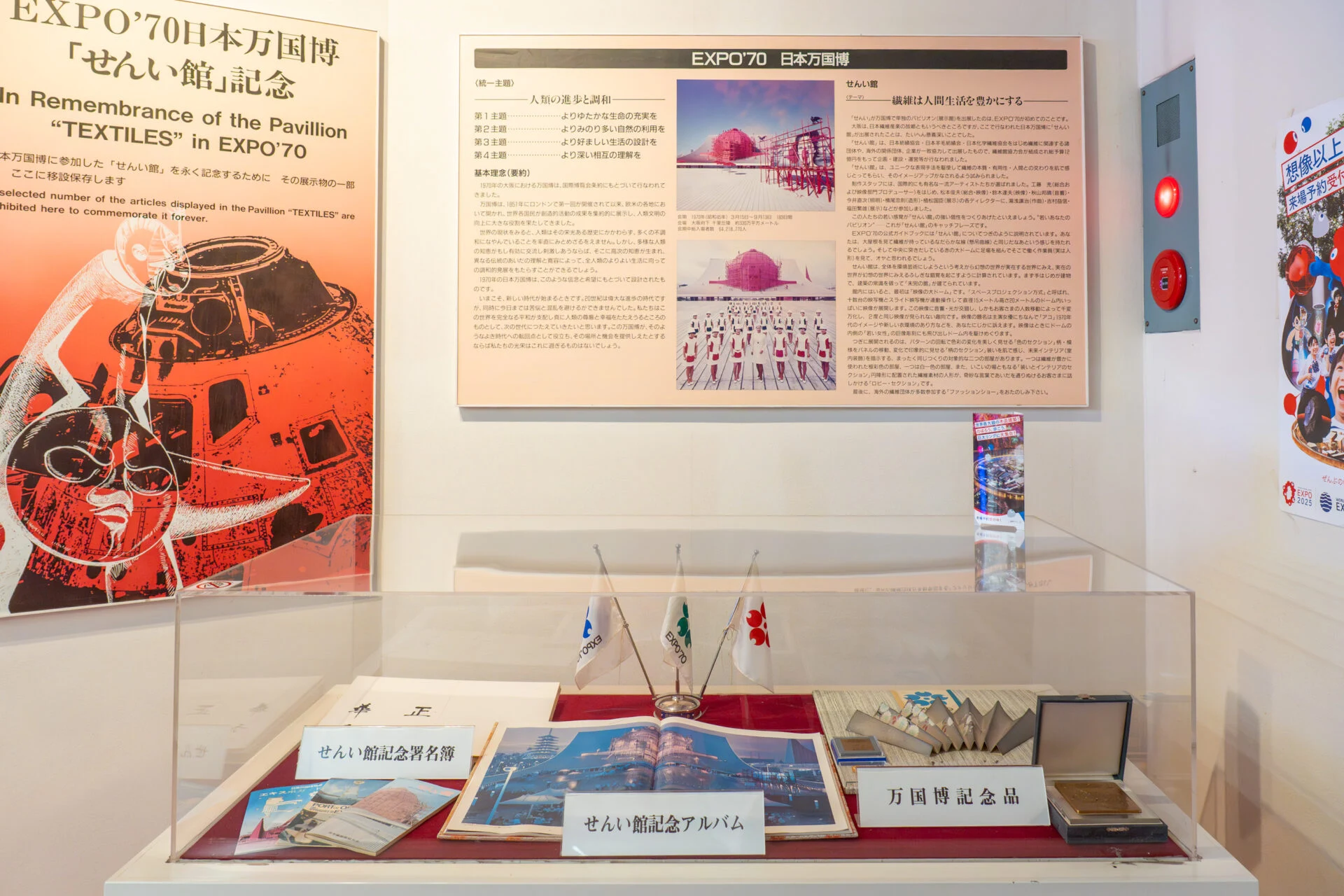
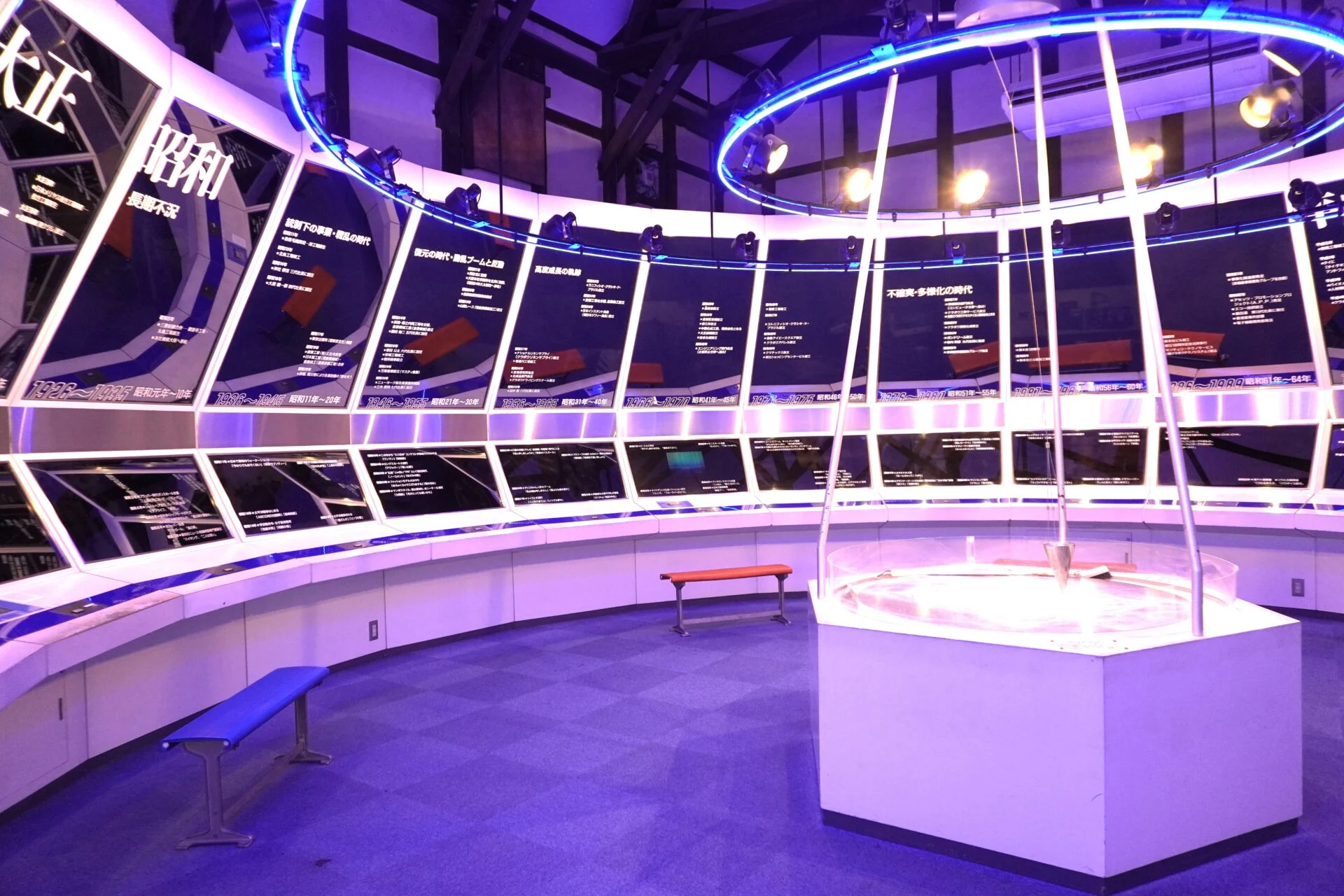
Room 5: Chronology
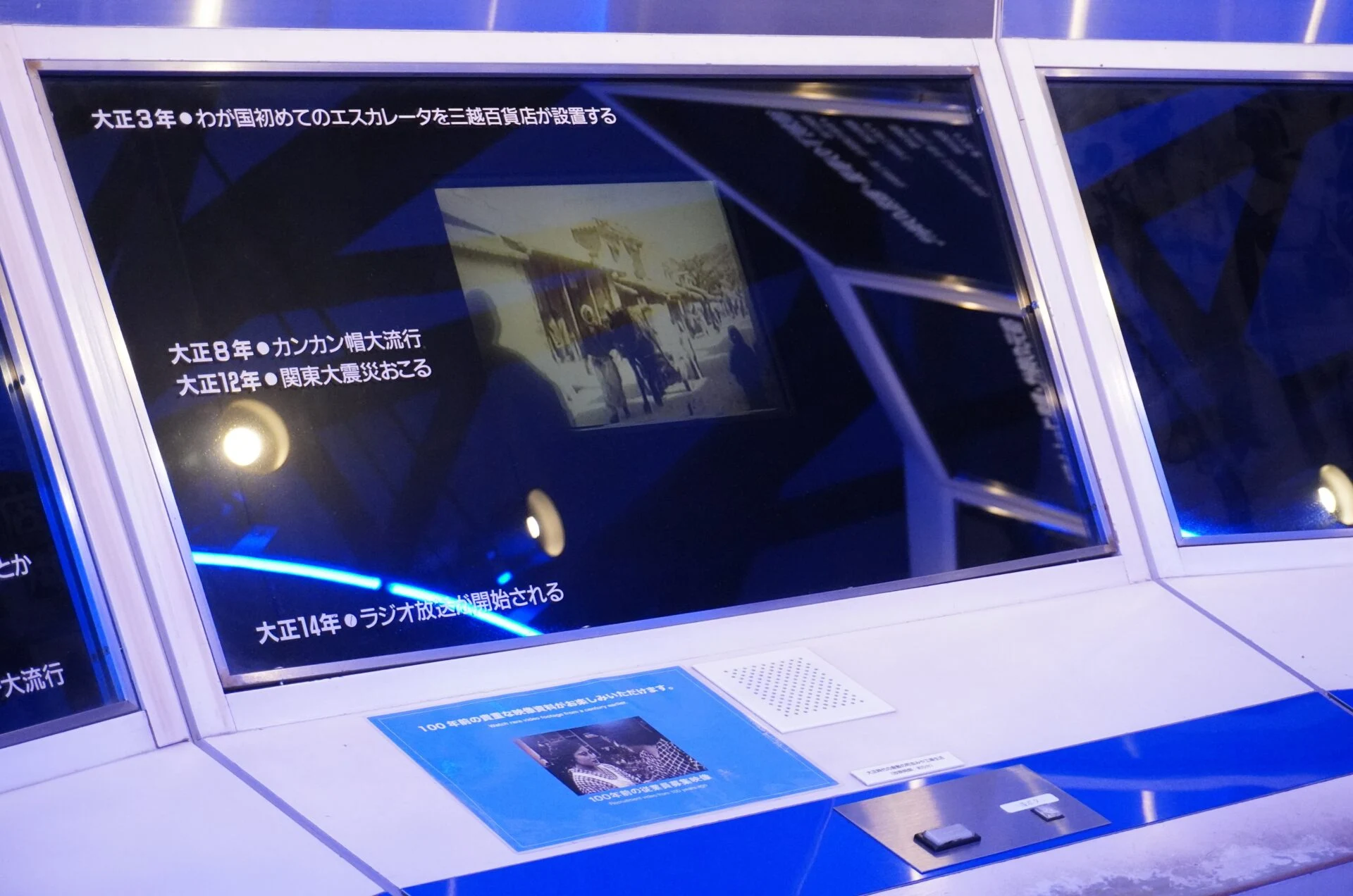
A summary exhibition room from the Meiji period to the present. Videos, photos, and books are on display.
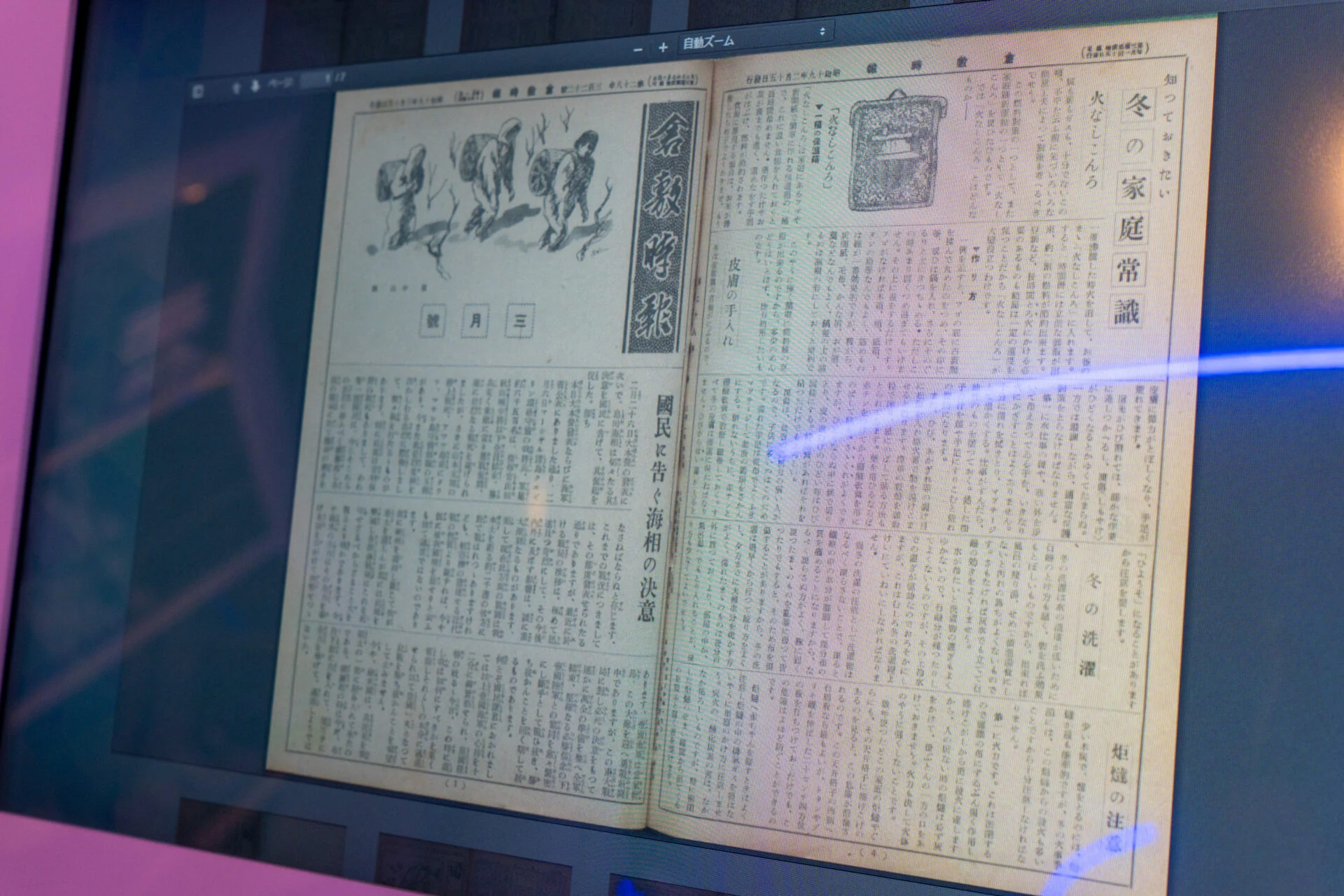
You can also view the company newsletter with over 100 years of history.
It is said that it was published continuously even during wartime, allowing you to feel the atmosphere of each era.
By pressing the button, you can watch videos showing the town of Kurashiki over 100 years ago and the people working in the factory.
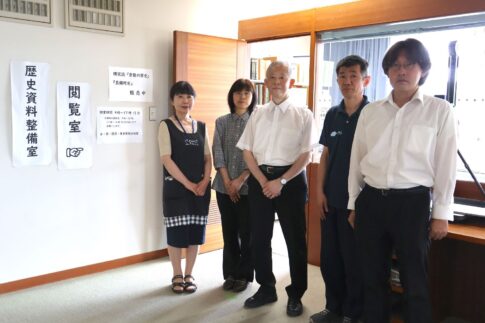
I spoke with Takahashi Ryosuke, who joined KURABO during the Showa era and was involved in the creation of the company newsletter, and is currently the General Affairs Department Manager at Kurashiki Ivy Square (at the time of the interview).
Data of Kurabo Memorial Hall
| Name | Kurabo Memorial Hall |
|---|---|
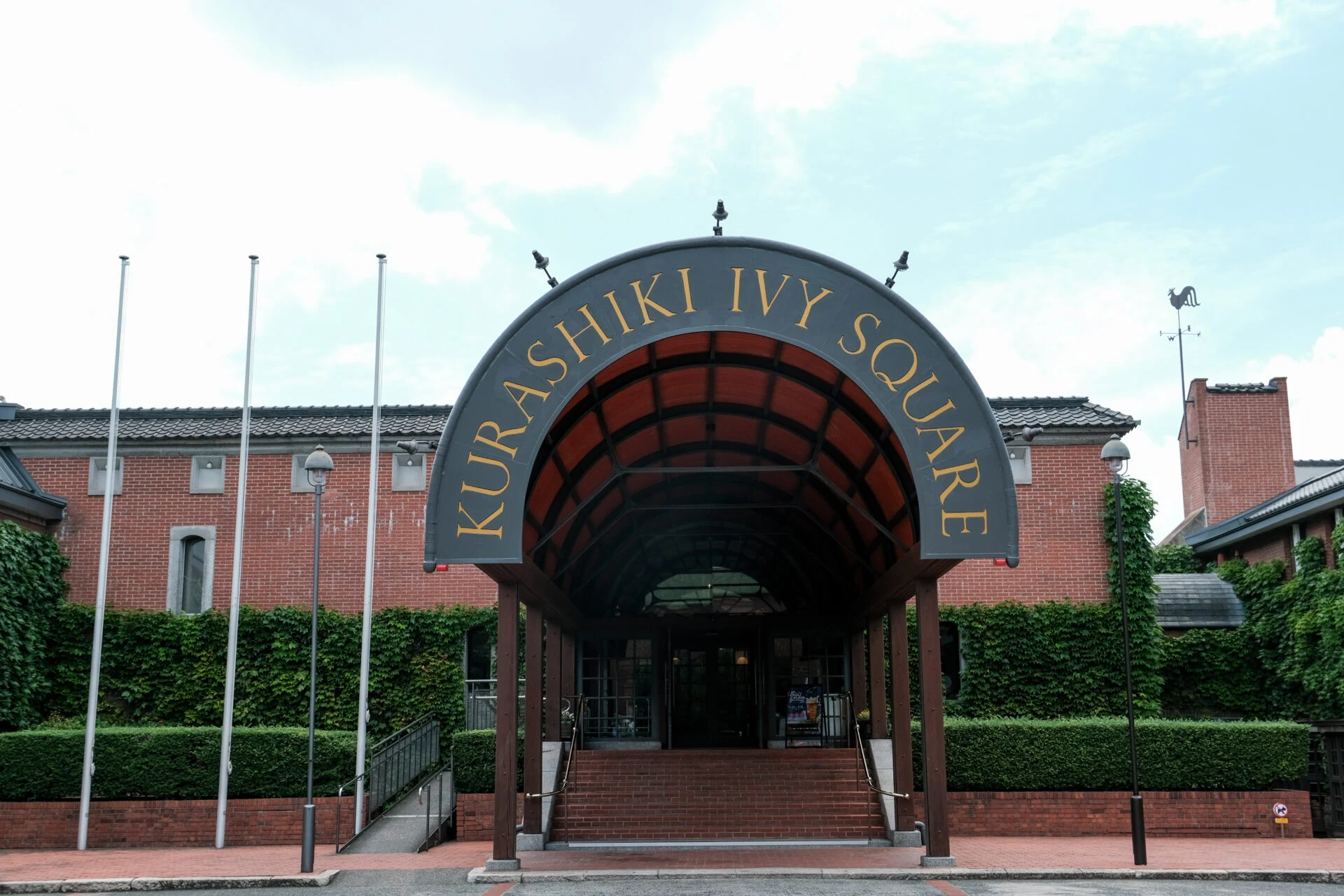
| Location | 7-1 Honmachi, Kurashiki City, Okayama Prefecture (inside Kurashiki Ivy Square) |
| Contact | 【Inquiries about opening days and admission hours】 086-422-0010 【Inquiries about materials】 06-6266-5053 |
| Parking | Available Paid parking at Kurashiki Ivy Square is available |
| Opening Hours | 10:00 AM to 4:00 PM (admission until 3:45 PM) |
| Closed | None |
| Admission Fee (including tax) | Individual: General 300 yen / Student 250 yen Group (30 or more): General 250 yen / Student 200 yen Free for children under elementary school age |
| Payment Method |
|
| Reservation | Not accepted |
| Smoking | Completely non-smoking |
| Restroom | No restroom There is no restroom in the facility, but a restroom adjacent to "Aimi Kobo Shop" is available (Western-style toilet) |
| Barrier-free | Not permanently available, but a wheelchair ramp is available |
| Website | Kurabo Memorial Hall Website |