Interview with Takahashi Ryosuke, General Affairs Manager of Kurashiki Ivy Square
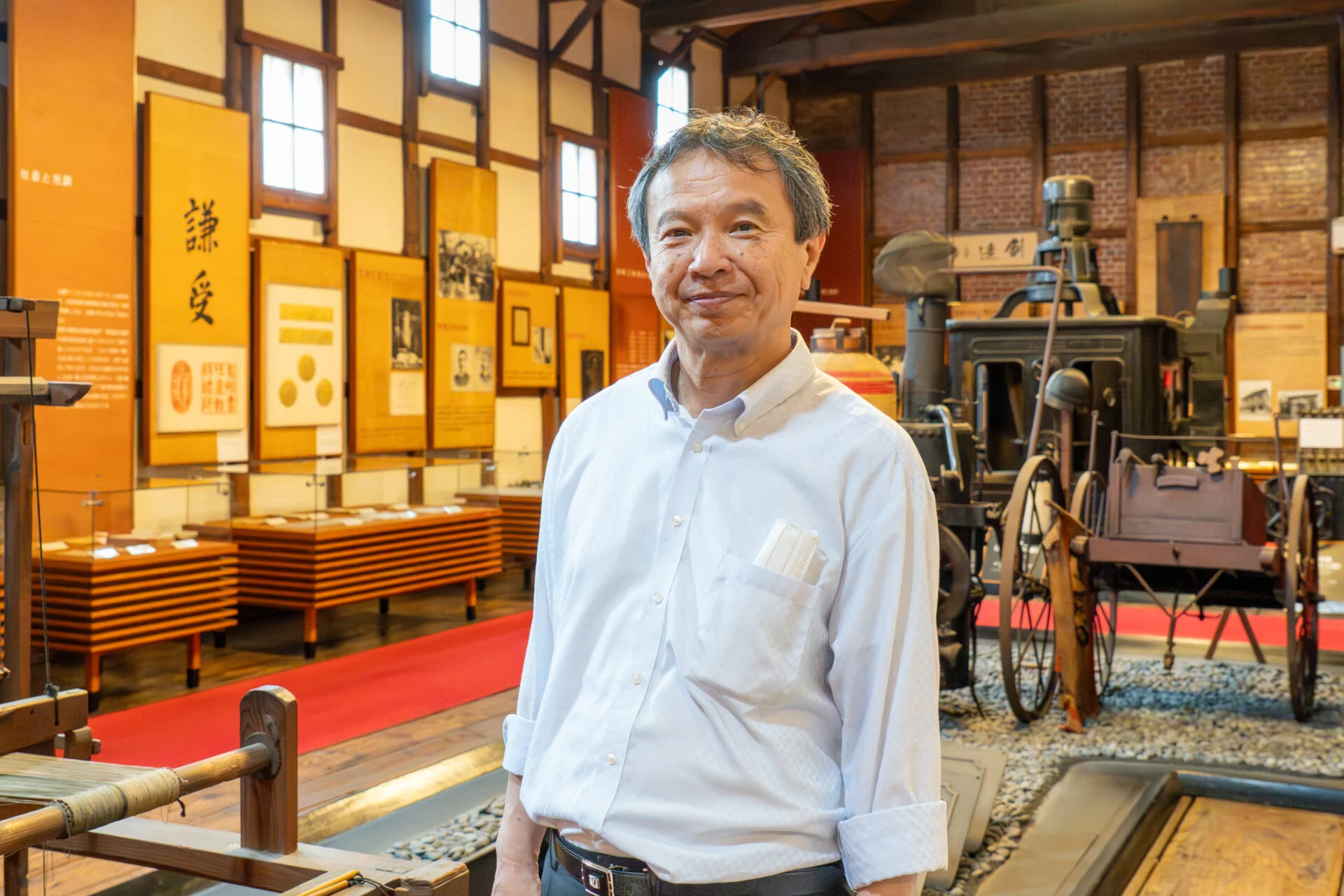
I spoke with Takahashi Ryosuke, the General Affairs Manager of Kurashiki Ivy Square (at the time of the interview).
This interview features content from the initial interview conducted in June 2025.
Kurabo Memorial Hall has been recognized for its historical value and has received various certifications.
Takahashi
Yes, the entire Bikan Historical Area retains the appearance of the Edo period, as well as that of the Meiji, Taisho, and Showa periods.
Kurabo Memorial Hall is within that area, and because it preserves the appearance of a spinning mill created under the modernization policy of the Meiji era, it has been designated as a Japan Heritage cultural property titled "A Kurashiki story beginning with a single cotton flower – A town of textiles woven from Japanese and Western influences."
Additionally, as the spinning mills from the Meiji period have disappeared due to war and aging, it has been recognized as a Registered Tangible Cultural Property and a Modern Industrial Heritage for being a valuable building that conveys the history of the textile industry to the present day.
The labor policies implemented by the second president, Ohara Magosaburo, over 100 years ago are still being passed down to the present day, which adds significant value, and some of the exhibits have also been designated as Japan Labor Heritage.
How has the founding of Kurabo impacted the town of Kurashiki?
Takahashi
Since its founding, as it expanded in scale and created employment, Kurabo has always considered human resource development and the happiness of its employees. The initiative to create a school within the factory was quite advanced for its time (Meiji to Taisho period).
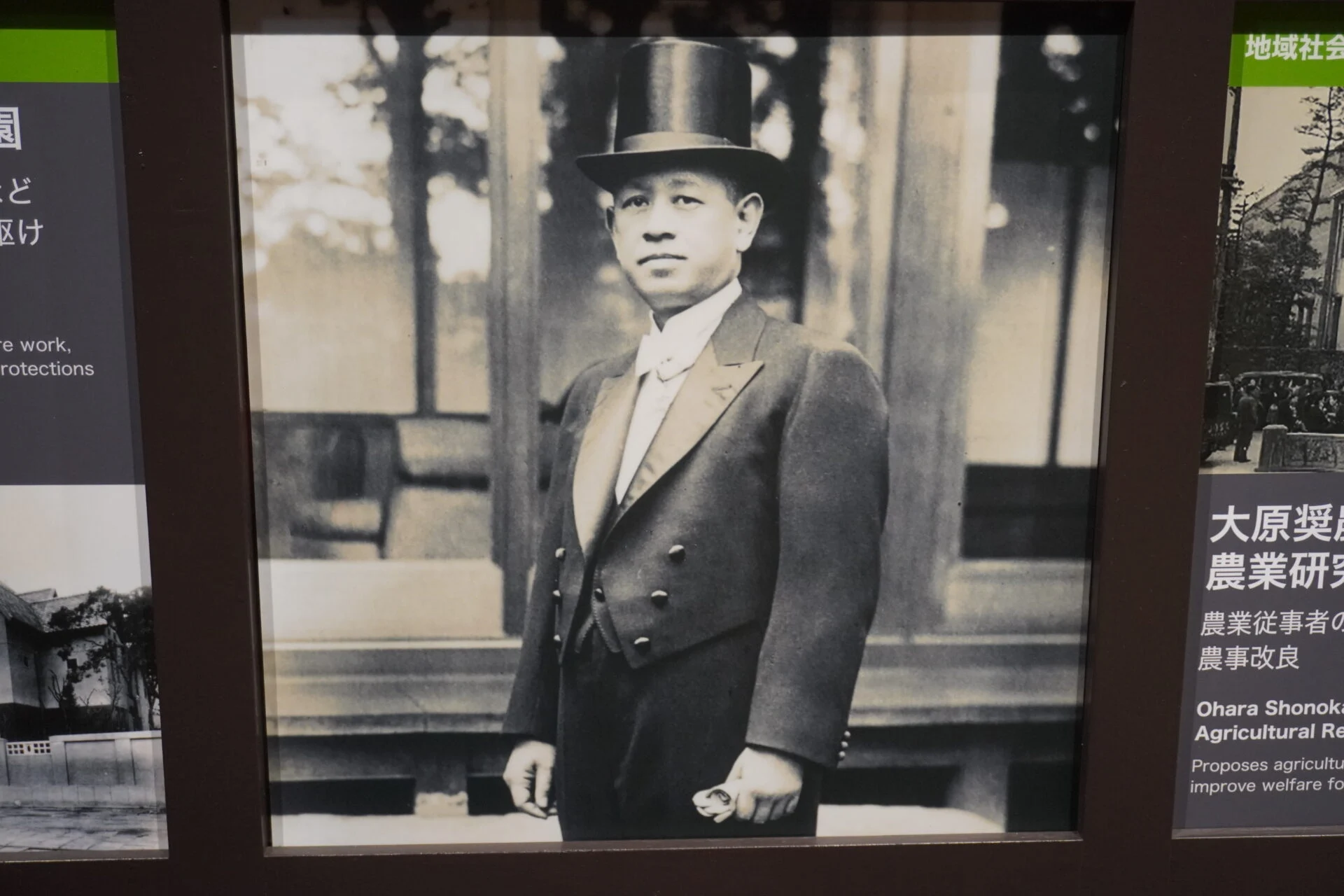
In particular, the second president, Ohara Magosaburo, managed the company based on labor idealism, believing that a company cannot sustainably develop if it only benefits itself; there must be a Win-Win relationship where employees are also happy.
They also established employee dormitories and conducted health check-ups, and created Kurashiki Central Hospital (the present-day Kurashiki Central Hospital) for the employees. The hospital was later opened to local residents as well.
In addition, they established the Ohara Social Problems Research Institute, Kurashiki Labor Science Research Institute, and Ohara Agricultural Research Institute, and through various initiatives, they focused on contributing to the community and society, making a significant impact.
I believe these efforts have contributed to the development of the town of Kurashiki.
What are the highlights of the memorial hall?
Takahashi
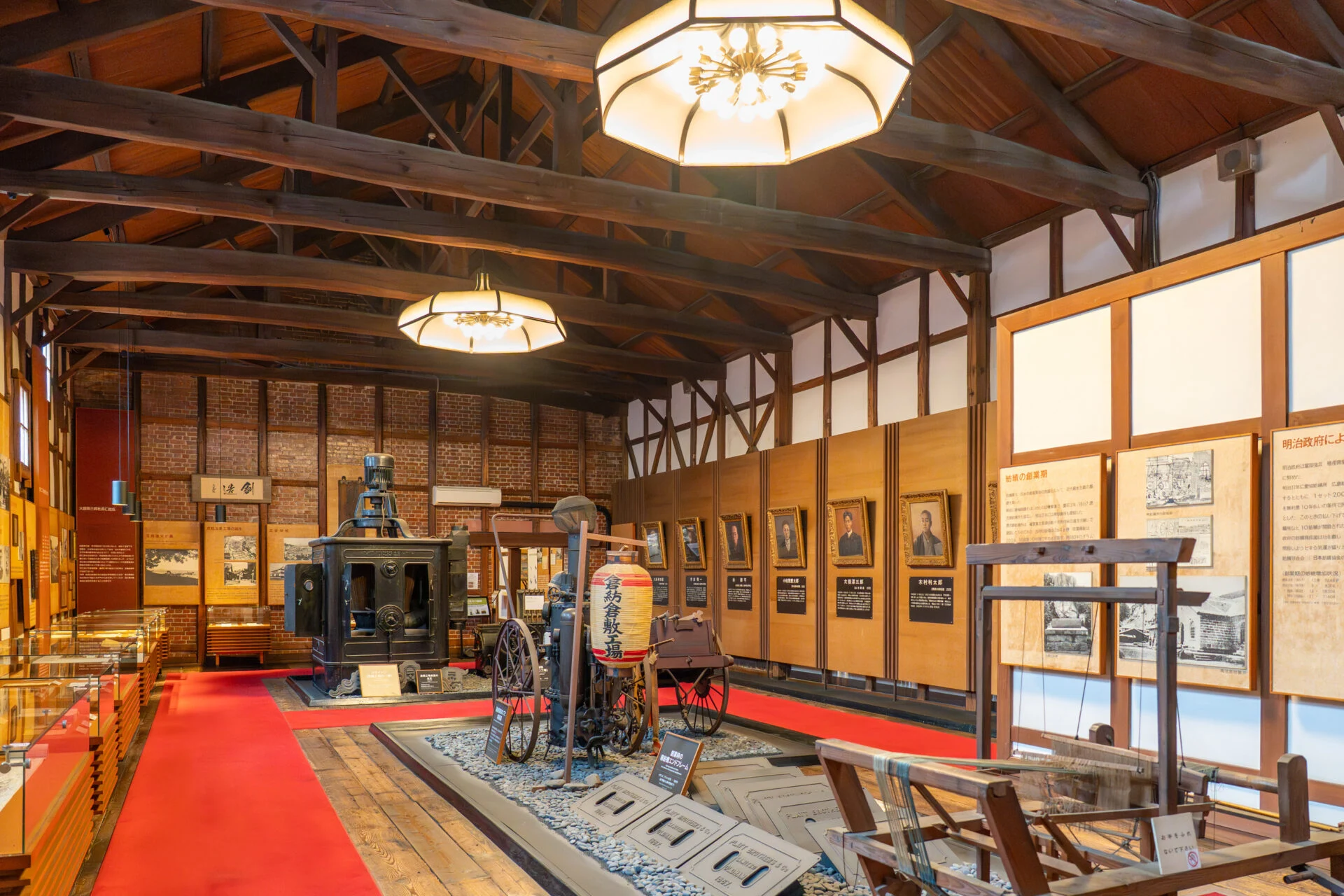
I think the highlight is that it conveys the history of the spinning industry, which supported Japan's economy until the middle of the Meiji, Taisho, and Showa periods, alongside the history of the company Kurabo, which led the modernization of the industry.
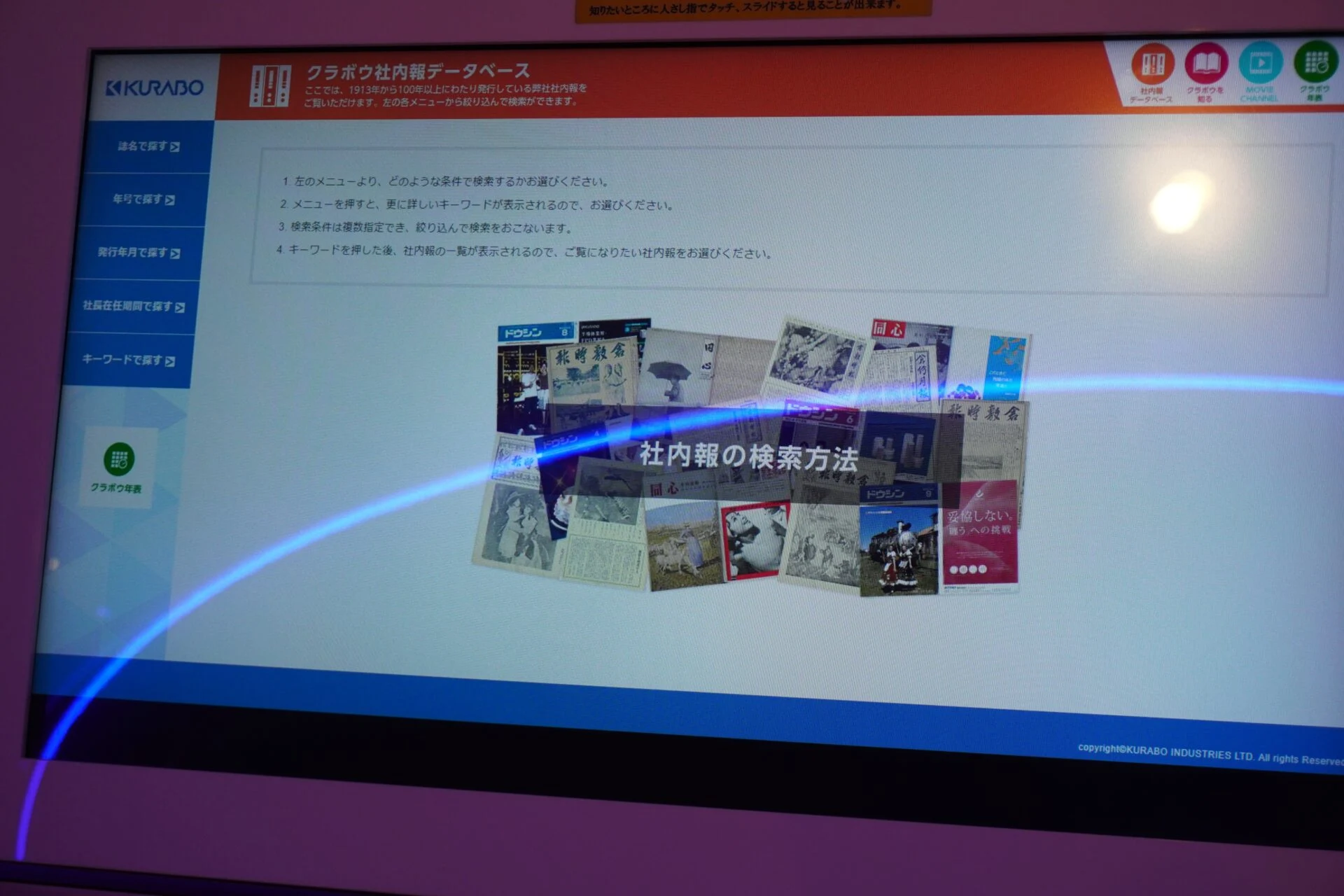
A unique point is that you can view all internal newsletters that have been published for over 100 years.
Even those that were in print have been restored and digitized, and they are available for viewing from 1913 (the second year of Taisho). Since publication continued even during World War II, you can also feel the changes of the times, such as the state of military factories.
It is interesting that you can see valuable videos from the past, which I believe will allow you to feel the era.
Please give a message to the citizens of Kurashiki.
Takahashi
Surprisingly, even among locals, I think many people know the name "Ivy Square," but have never visited Kurabo Memorial Hall.
It is a company that has supported the town of Kurashiki and contains valuable historical materials. Please come and visit.
Conclusion
Kurabo Memorial Hall, which conveys the history of Kurabo, founded in the Bikan Historical Area.
With thick floorboards, high ceilings, and beams protruding from the walls to prevent condensation, stepping into the hall for the first time felt like stepping back in time.
The spinning industry, which supported a significant era in Japan, allows us to glimpse the appearance of Kurashiki in each era through the records of Kurabo's evolution.
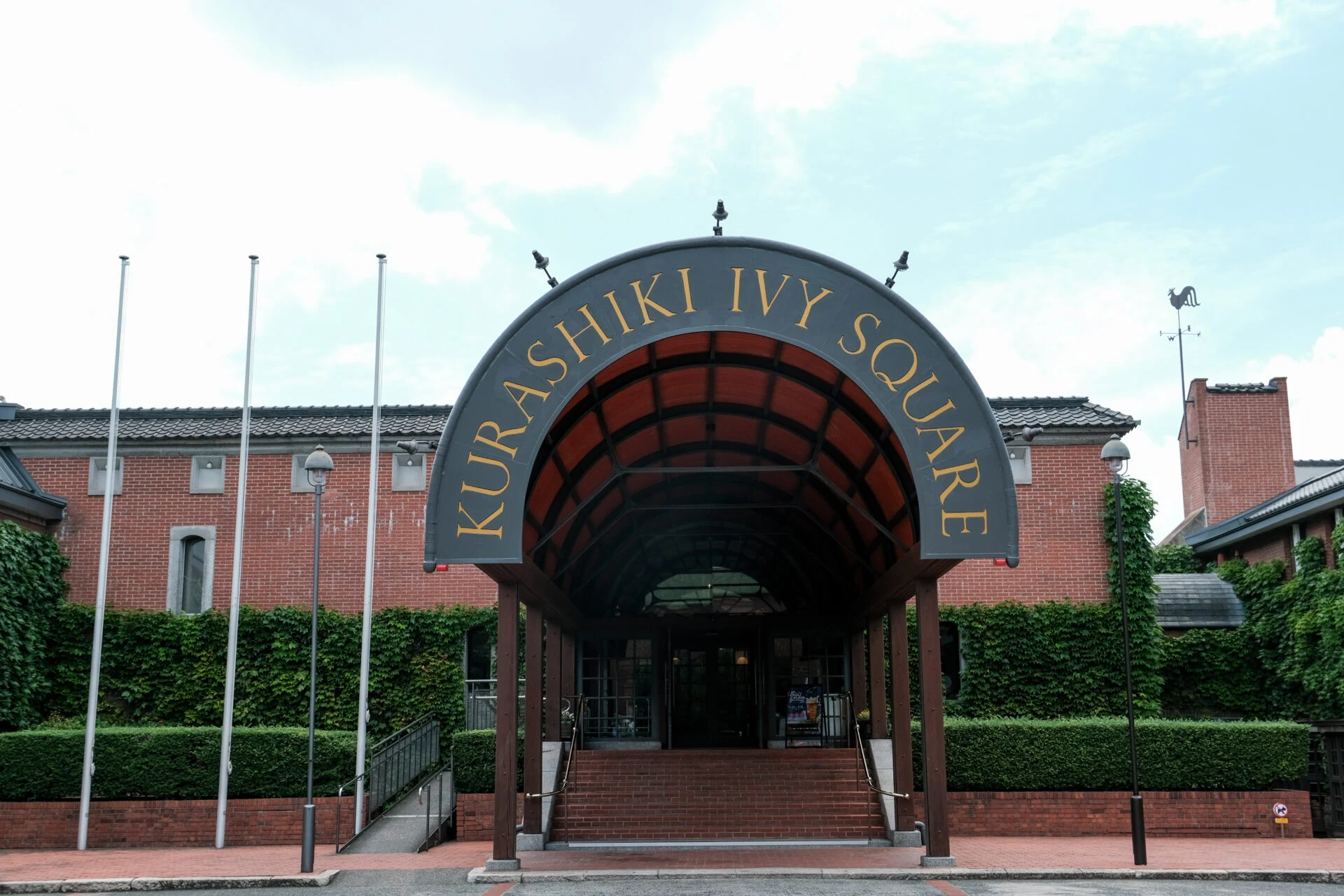
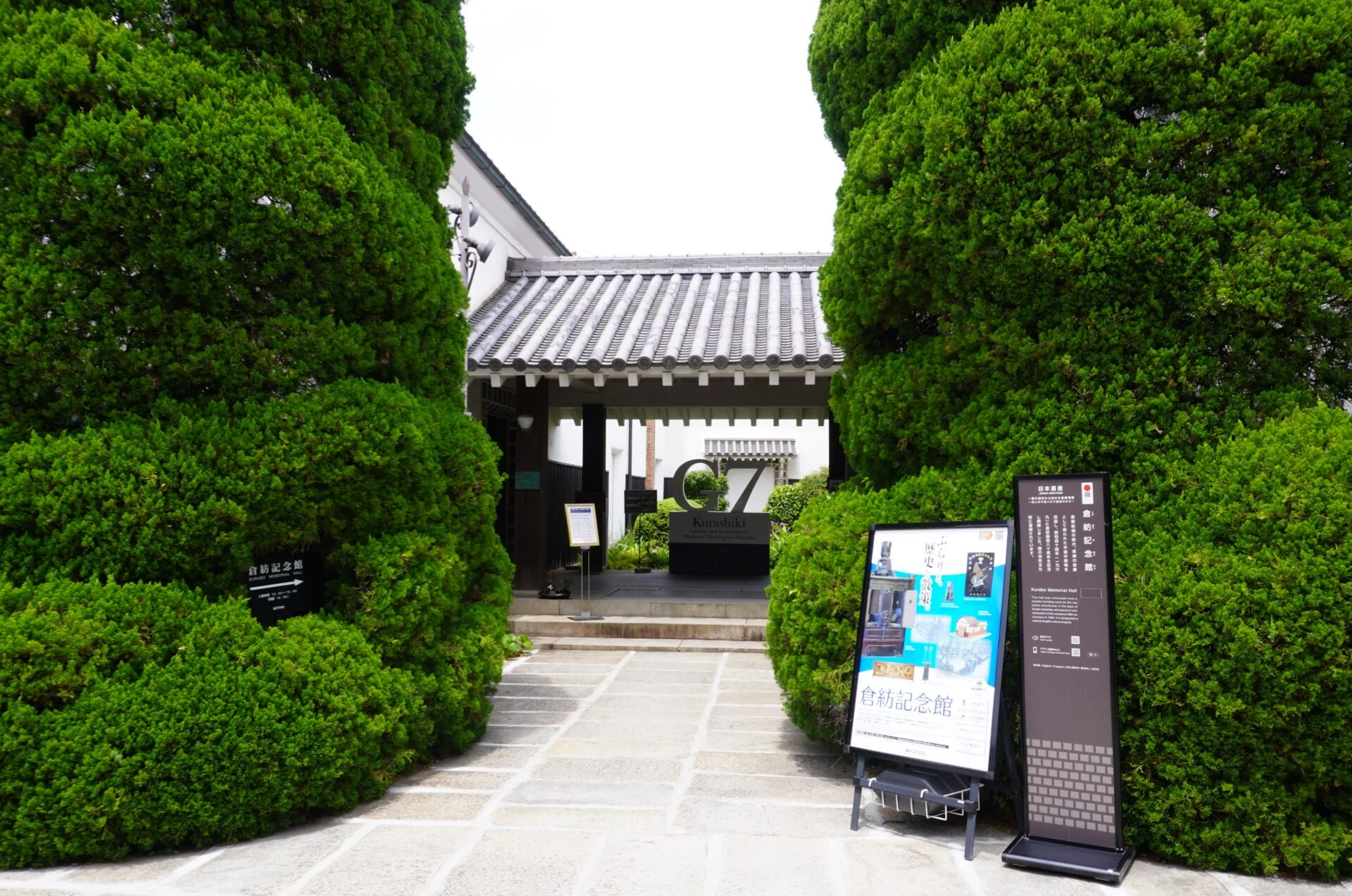
Located just inside the west gate of Kurashiki Ivy Square, Kurabo Memorial Hall, which is slightly set back, still has treasures that have not been introduced.
Please make sure to visit and explore.
Data of Kurabo Memorial Hall
| Name | Kurabo Memorial Hall |
|---|---|
| Location | 7-1 Honmachi, Kurashiki City, Okayama Prefecture (inside Kurashiki Ivy Square) |
| Contact | 【Inquiries about opening days and admission hours】 086-422-0010 【Inquiries about materials】 06-6266-5053 |
| Parking | Available Paid parking at Kurashiki Ivy Square is available |
| Opening Hours | 10:00 AM – 4:00 PM (Admission until 3:45 PM) |
| Closed | None |
| Admission Fee (including tax) | Individual: General 300 yen / Student 250 yen Group (30 or more): General 250 yen / Student 200 yen Free for children under elementary school age |
| Payment Method |
|
| Reservations | Not accepted |
| Smoking | Completely non-smoking |
| Restroom | No restrooms There are no restrooms in the facility, but restrooms adjacent to the "Aimi Kobo Shop" are available (Western-style toilets) |
| Barrier-Free | Not permanently available, but wheelchair ramps are accessible |
| Website | Kurabo Memorial Hall Website |