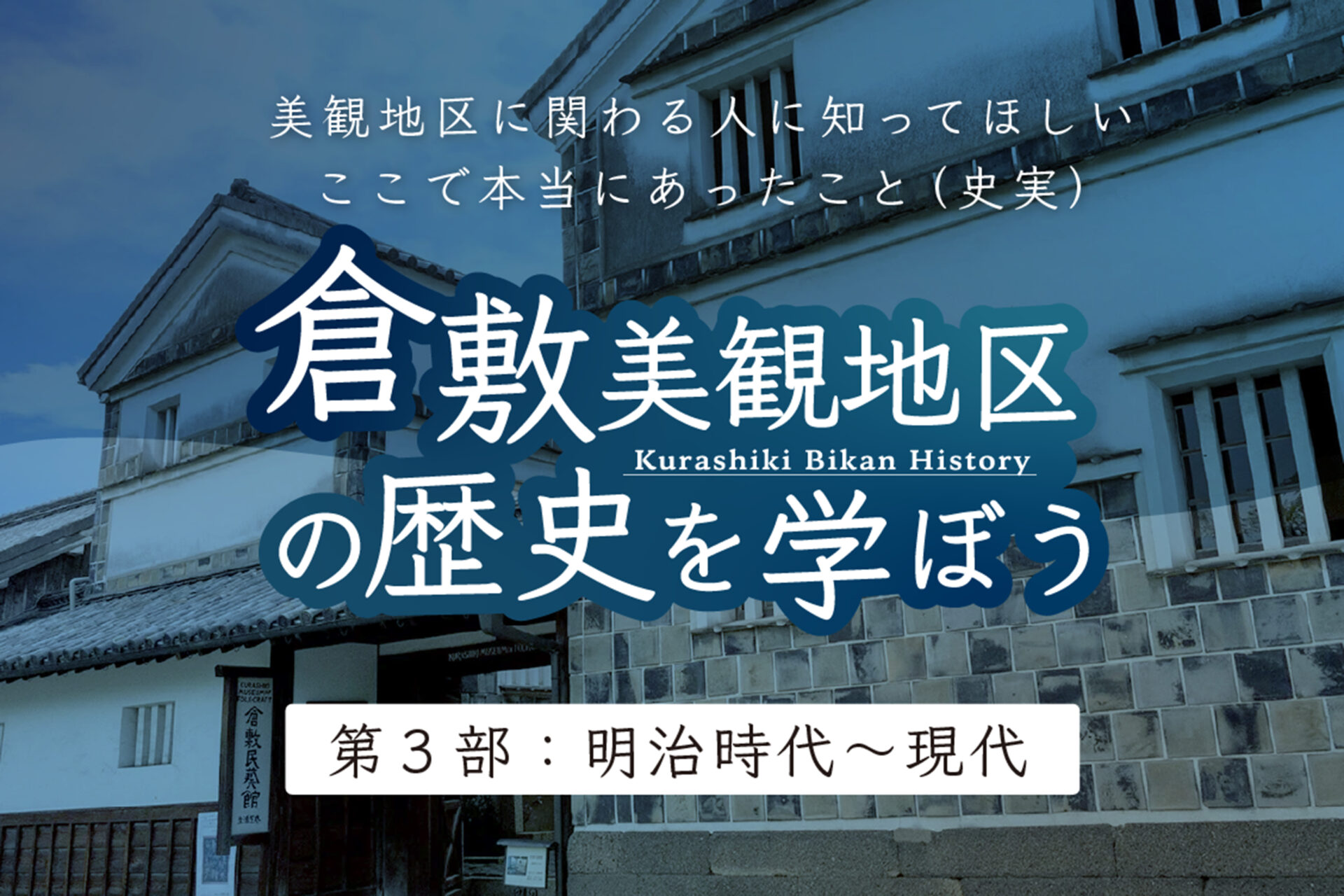
"Let's Learn About the History of the Bikan Historical Area" is based on the reports and slide materials presented by Taro Yamamoto from the Kurashiki City Historical Materials Maintenance Office and Noriyoshi Fujiwara from the Kurashiki City Board of Education during a study session held by the voluntary organization "This Town Time Travel Club" in the 2025 fiscal year, and it was compiled by Kengo Toi, the representative director of the Haretoco General Incorporated Association, taking into account the discussions of the club members.
This article introduces "Part 3: Meiji Era to Modern Times."
Please check the following articles for "Part 1: Ice Age to 16th Century" and "Part 2: Edo Period".
Meiji Era
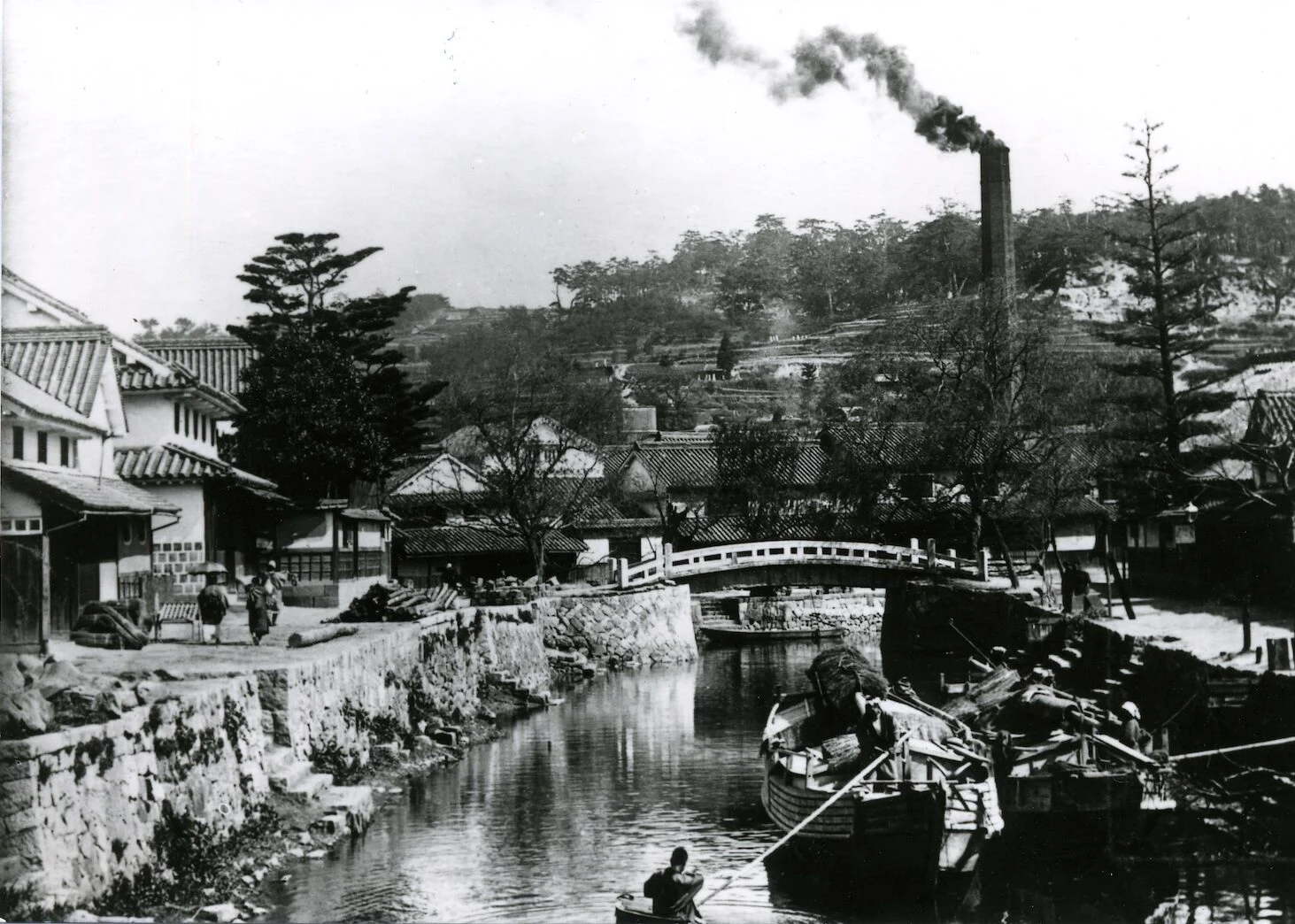
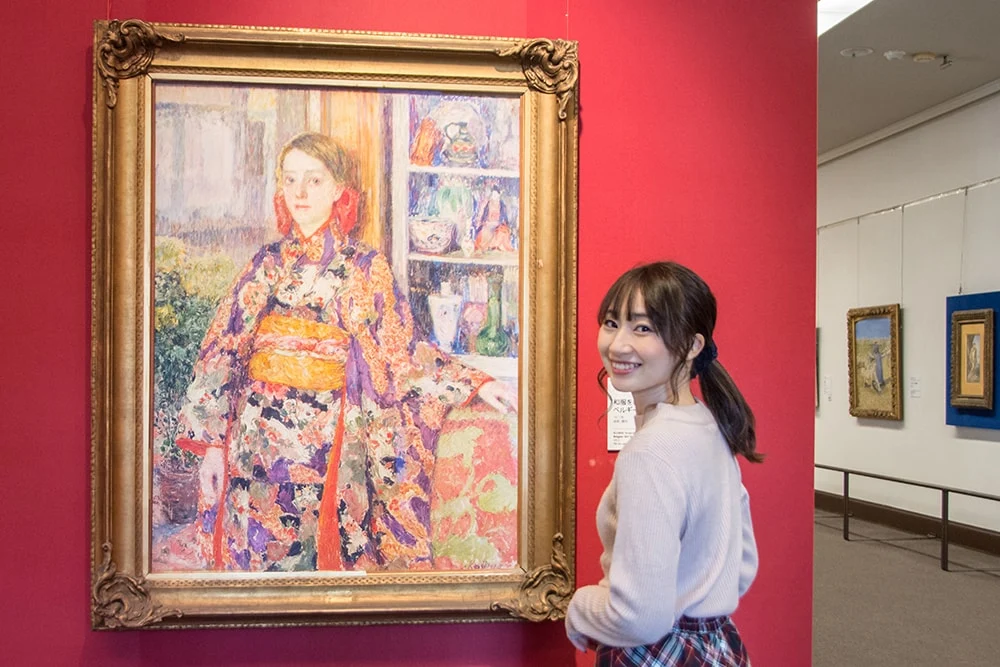
(Image provided by the Ohara Art Foundation)
During the Edo period, Kurashiki prospered as a central town with the establishment of the Kurashiki Daikan Jin'ya, but began to change with the Meiji Restoration.
After the Meiji Restoration in 1868, Kurashiki Village became "Kurashiki Prefecture" by adding several areas that had been under the direct control of the shogunate. Subsequently, in 1871, Okayama Prefecture was established by merging ten prefectures, including Bichu and Bingo, which included Kurashiki Prefecture (initially established as Fukatsu Prefecture).
The prefectural office of Okayama Prefecture was located in present-day Kasaoka City.
As a result, Kurashiki, which had long been the "center of local politics" since the Edo period, was excluded from the political center. Furthermore, in 1875, it was merged into Okayama Prefecture, becoming a "local village within Okayama Prefecture," and gradually declined.
Hitoshi Yamakawa, born in 1880, wrote, "When I became aware of things, Kurashiki was still a village like an old pond with no flowing water."
The Birth of Kurashiki Spinning
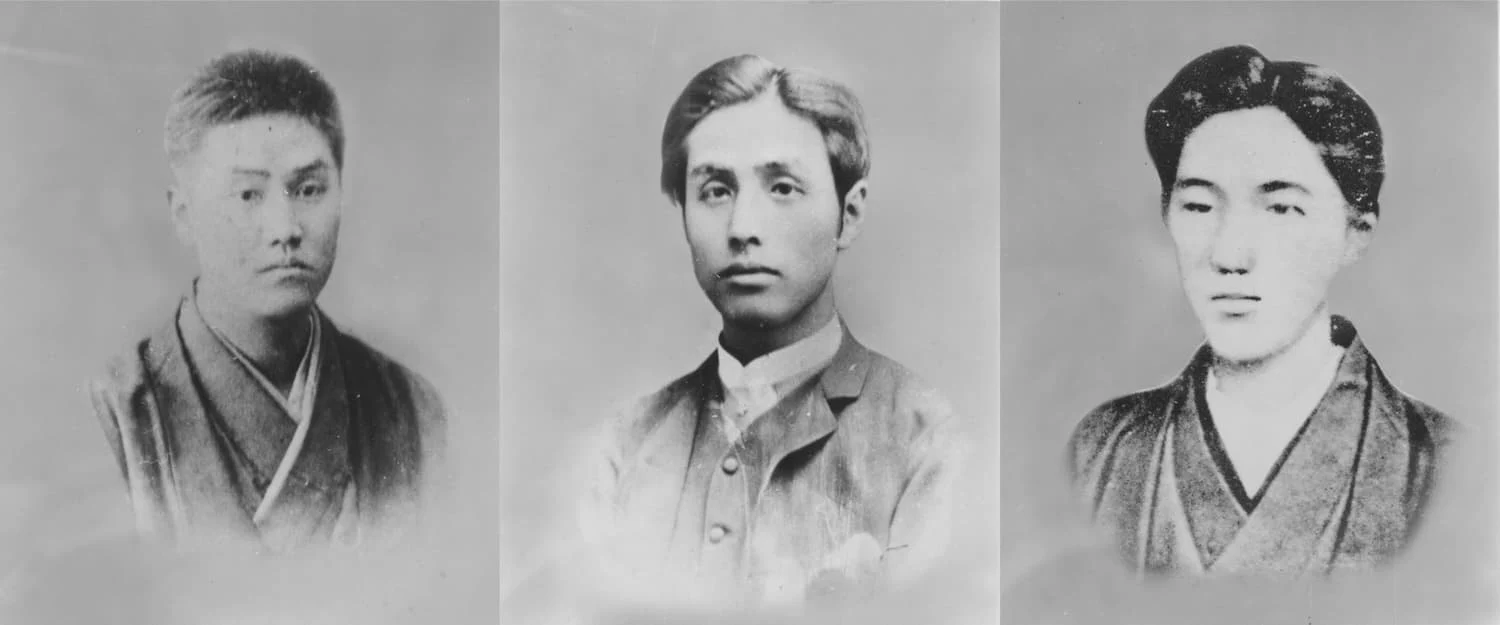
Around 1884, the youth of Kurashiki, which had become a "rural town in Okayama Prefecture," rose up to change their town. Among them, Kimura Ritaro, Komatsubara Keitaro, and Ohashi Sawasaburo were referred to as the "Three Great Men of Kurashiki" and were involved in the establishment of the Kurashiki Spinning Company.
Even in the Edo period, when moving to the city or studying there was not easy, the wealthy class studied in Edo or Kyoto. It is believed that the youth learned about the then-advanced "spinning industry" as a result of their studies in Tokyo during the Meiji era. The presence of such individuals may be evidence that Kurashiki was prosperous during the Edo period.
They had a strong sense of "representing the town and village to learn in the city." Therefore, it was natural for them to share the knowledge they learned locally and to serve their town, and they likely had a strong sense of mission.
Since Kurashiki had been a cotton cultivation area since the Edo period, and the Meiji government promoted modern spinning industries under the policy of promoting production and industry, the three men persuaded local influential figures to establish a spinning company.
With the support and investment of the first president, Ohara Koshiro, many citizens resonated with the plan for the new business after learning about it, and numerous applications for stock subscriptions followed. The shortfall was covered by Ohara Koshiro, making the project feasible. Thus, in 1888, the Kurashiki Spinning Company was established on the site of the former Kurashiki Daikan Jin'ya.
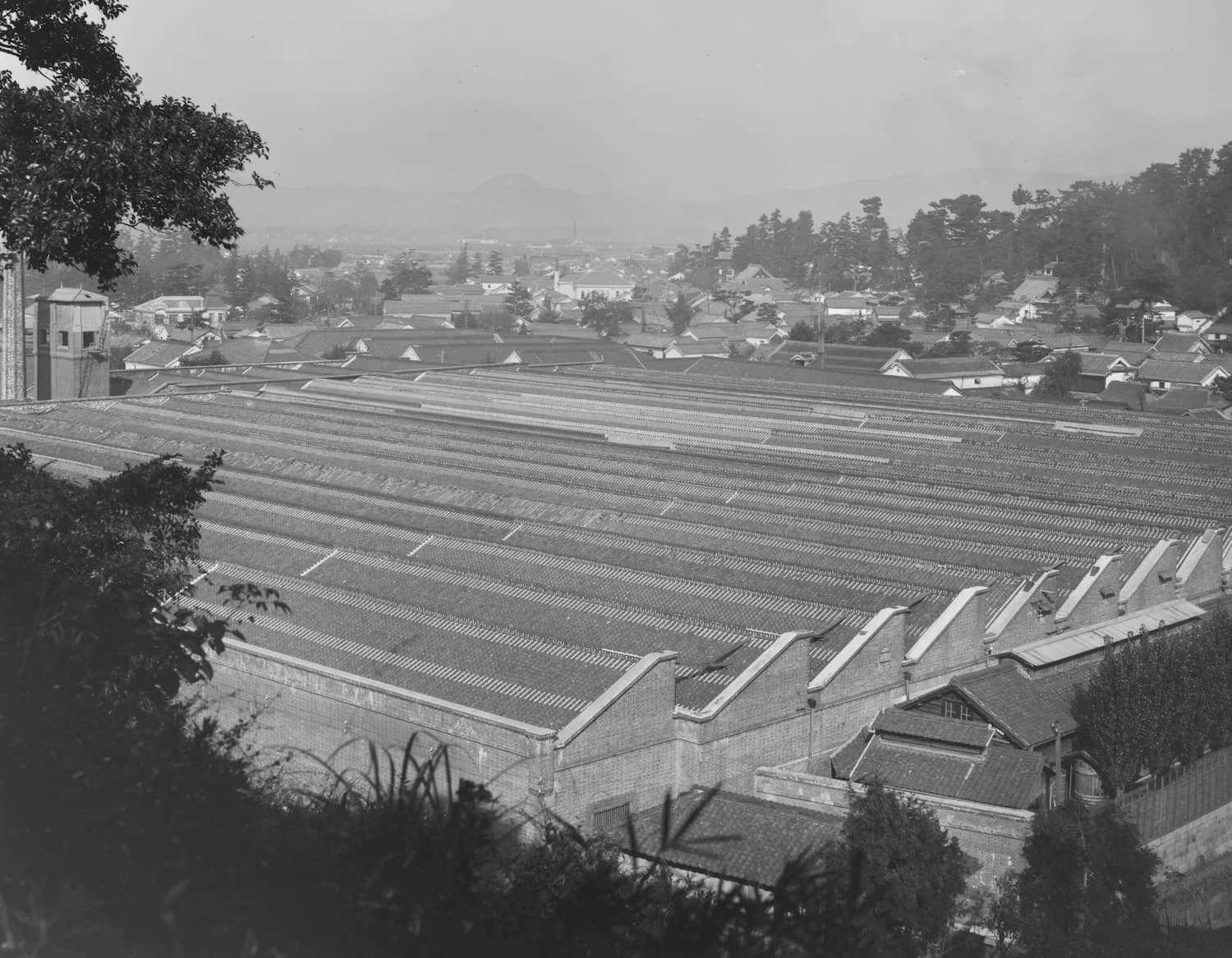
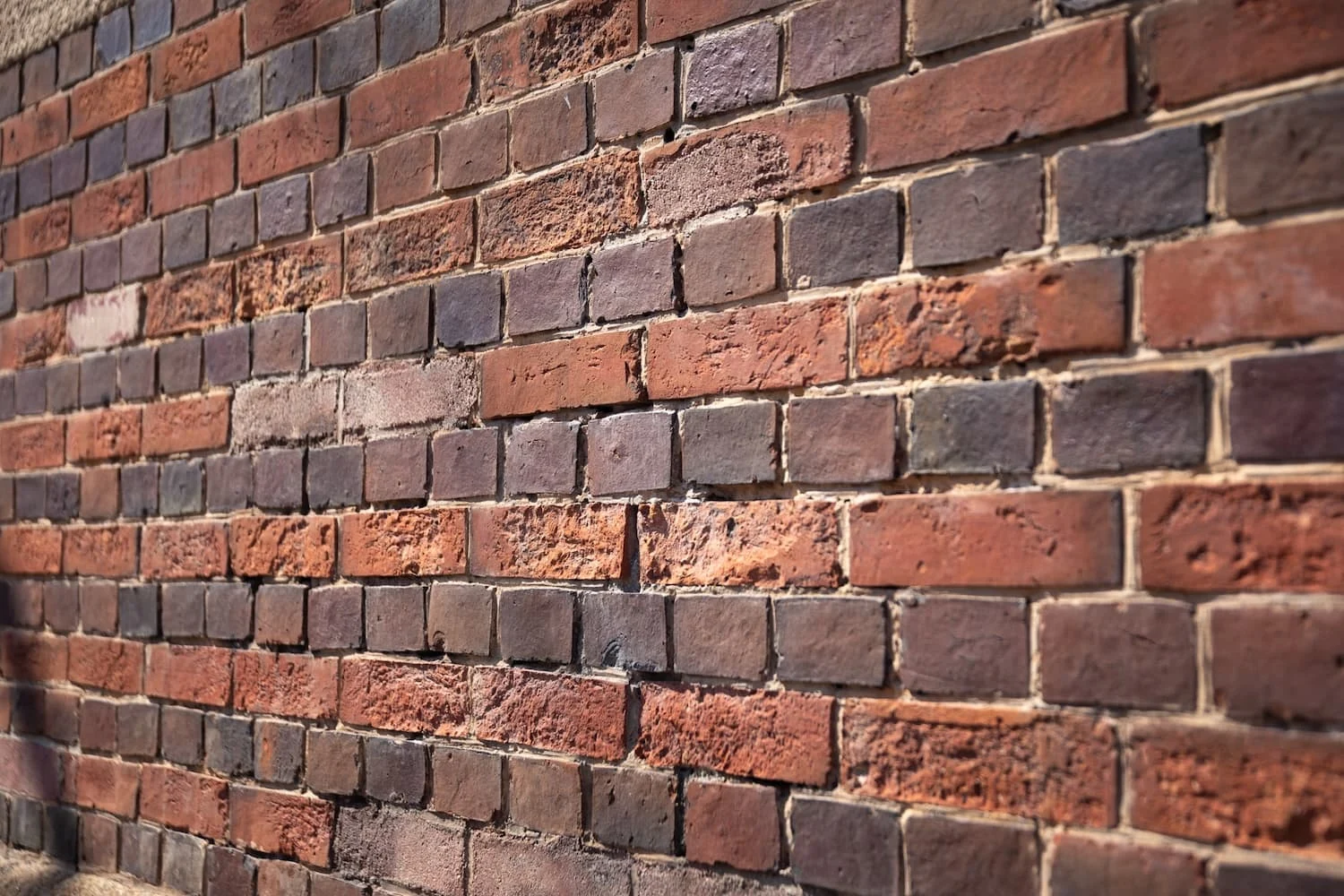
The Kurashiki Spinning Company was a building that incorporated the latest technology from the West.
In the midst of traditional townscapes, the construction of Western-style brick buildings on the site of the former Kurashiki Daikan Jin'ya, which had once been the center of politics, may seem out of place by modern standards. However, at that time, the townscape of the Edo period was the norm. It can be imagined that they found joy in Westernization and modernization rather than in the townscape and white walls of the Edo period.
Taisho Era to Early Showa
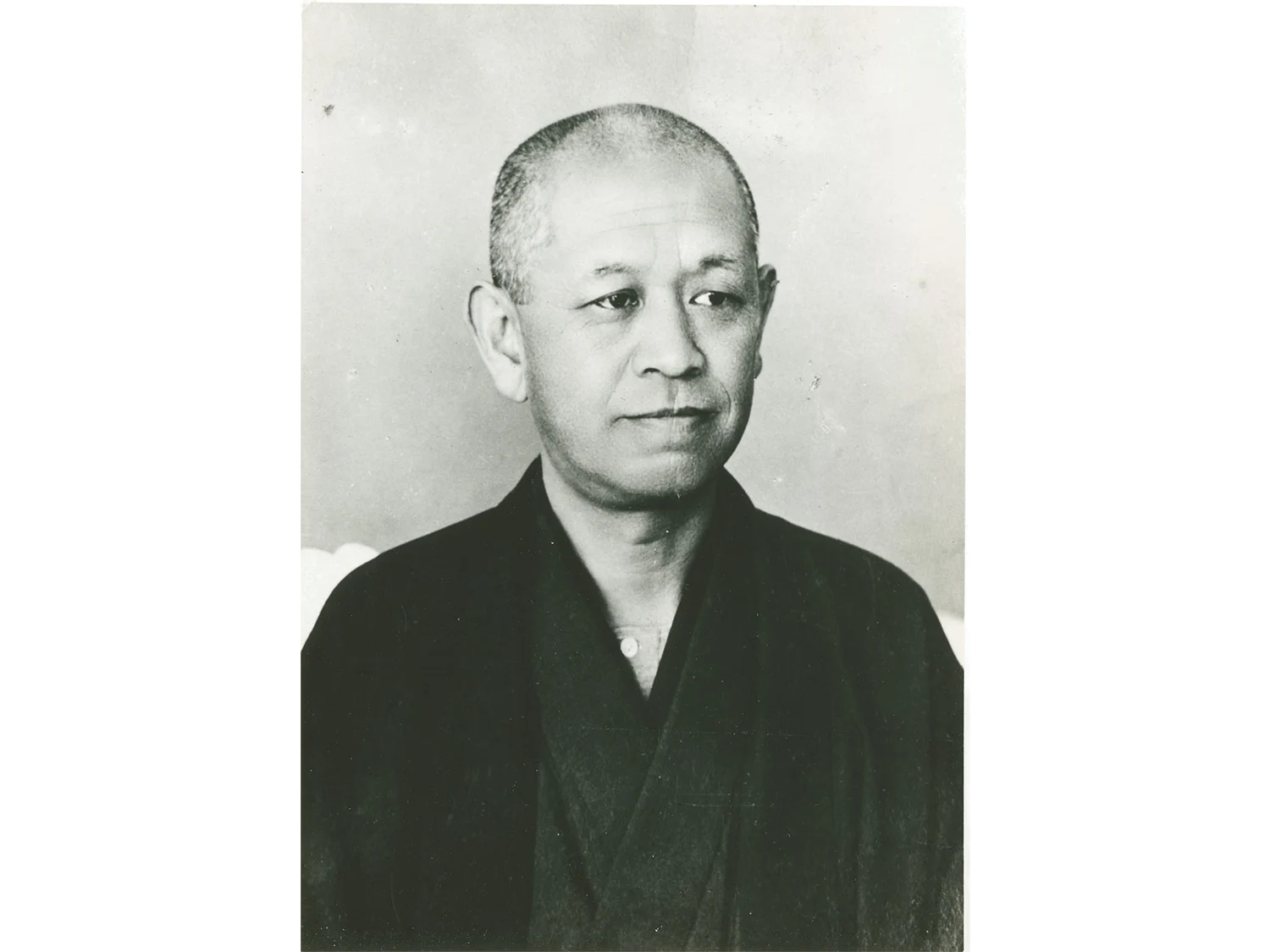
After that, the central figure of the Bikan Historical Area changed to Ohara Magosaburo, who succeeded Ohara Koshiro, the first president of Kurashiki Spinning.
Ohara Magosaburo developed Kurashiki Spinning into a representative spinning company of Japan, while also establishing the Daiichi Godo Bank (now: Chugoku Bank), Kurashiki Silk Textile Co., Ltd. (now: Kuraray), and actively participating in various social projects and cultural activities, including the establishment of Ohara Museum of Art, Kurashiki Central Hospital, Ohara Agricultural Research Institute (now: Okayama University Resource Plant Science Institute), Ohara Social Problems Research Institute (now: Hosei University Ohara Social Problems Research Institute), and Kurashiki Labor Science Research Institute (now: Ohara Memorial Labor Science Research Institute).
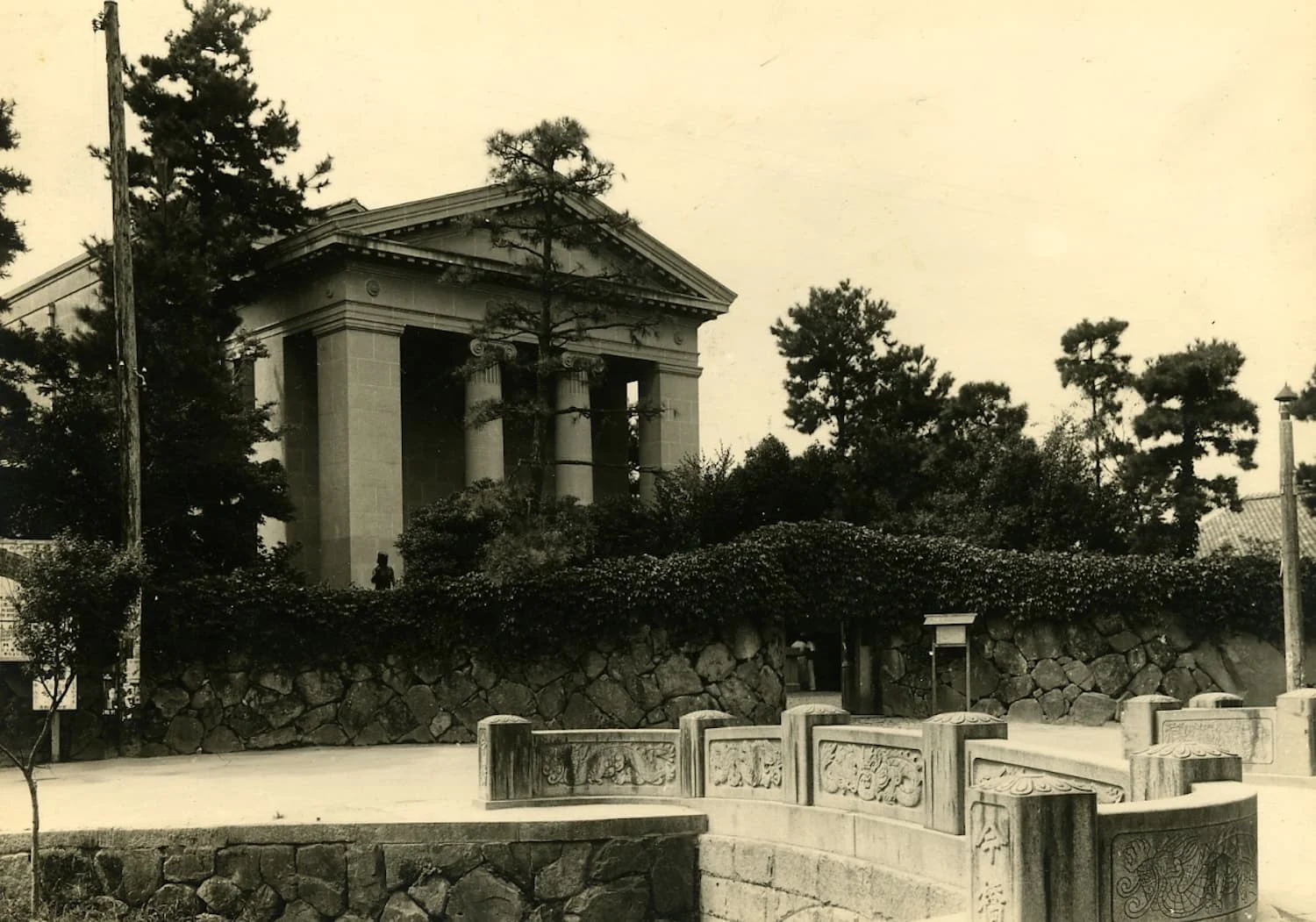
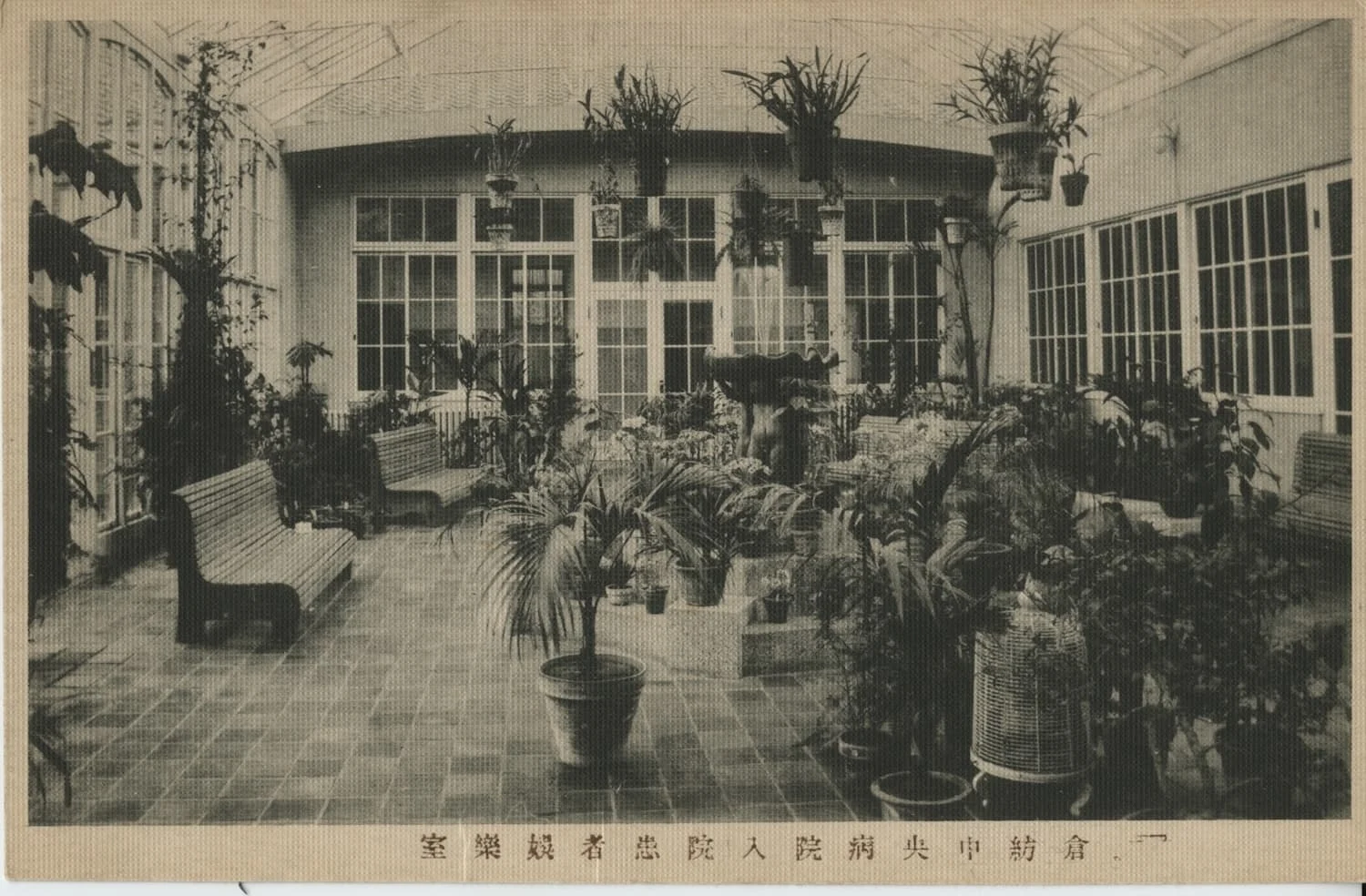
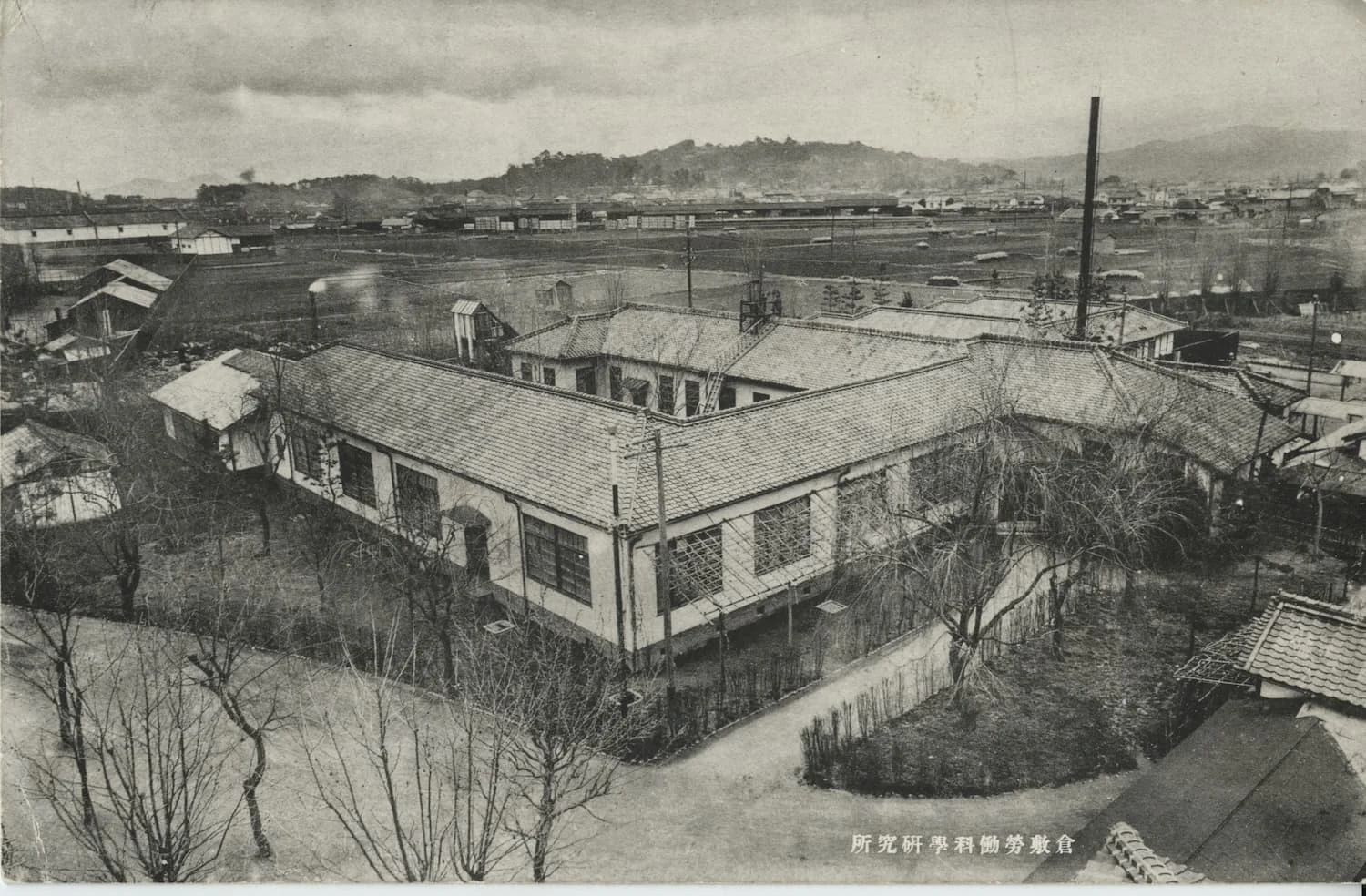
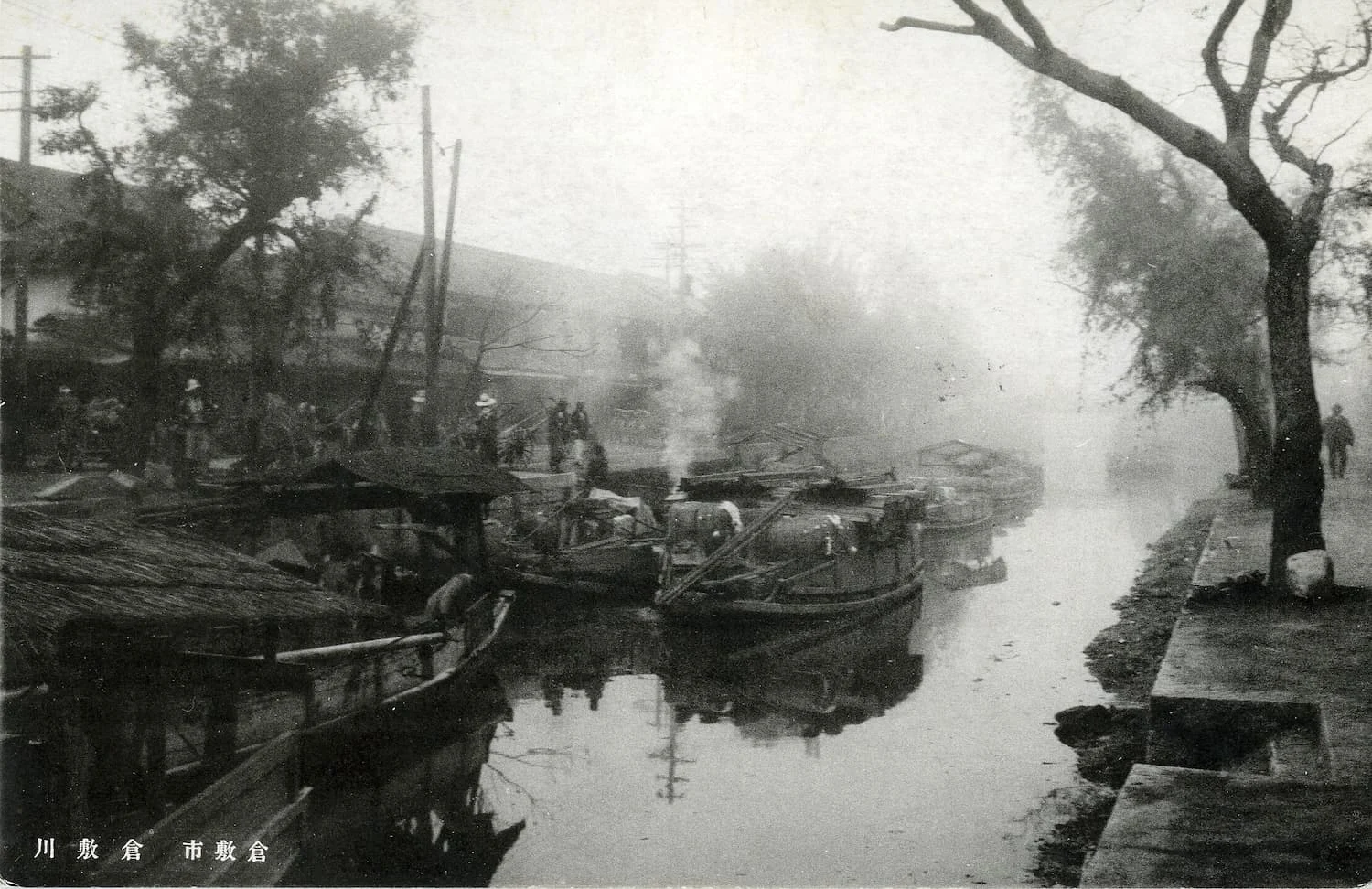
Around this time, Kurashiki began to take pride in being a "tenryo" (directly governed by the shogunate), and people started to have the consciousness of "Kurashiki, the town of tenryo."
It was also around this time that the town began to promote the keyword "Kurashiki, the town of tenryo," which is often heard as a tourist keyword in modern times.
In 1928 (Showa 3), a book published by the Kurashiki City Office titled "Kurashiki City Guide" contains the following description.
"It has continued to develop uniquely as 'Tenryo Kurashiki.'
More than 50 years had passed since the Meiji Restoration, and it may have been a time when the era of direct control by the shogunate began to be romanticized. The town of Kurashiki itself began to use the keyword "tenryo."
Encounter with Mingei
Around this time, there was an important encounter that would lead to future townscape preservation activities. It was the encounter between Ohara Magosaburo and Mingei.
The term "Mingei" is an abbreviation for "popular crafts," a coined term created by Muneyoshi Yanagi. Yanagi believed that objects used in daily life possess a beauty rooted in their purpose, which he called "use is beauty," and he, along with Kanjiro Kawai, Shoji Hamada, and Kenkichi Tomimoto, launched the Mingei movement.
After meeting Yanagi, Ohara Magosaburo fully supported the establishment of the Japan Folk Art Museum and worked to convey the charm of local crafts to many people. As a result, key figures of the Mingei movement began to frequently gather in Kurashiki.
Post-War to Modern Times
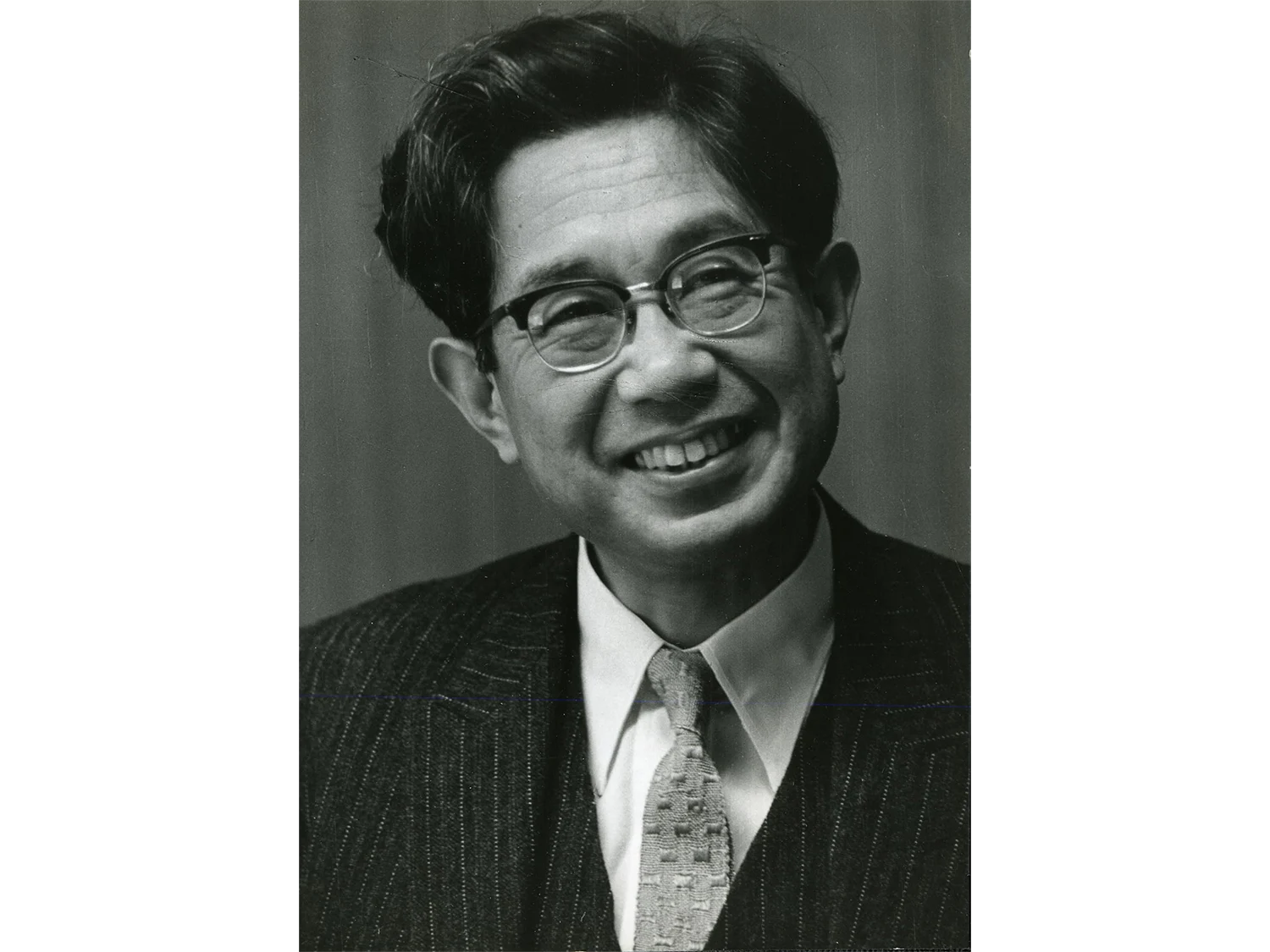
Ohara Magosaburo passed away just before the end of the war in 1943, and the family business, including cultural projects, was handed over to his eldest son, Soichiro.
Soichiro joined Kurashiki Rayon in 1932 and inspected various countries in Europe from 1936 to 1938. It is often mentioned that he was impressed by the preservation of the townscape in Rothenburg, Germany, and engaged in townscape preservation activities in Kurashiki, but there is no clear record that he actually visited Rothenburg.
The only record is a statement from Shizutaro Urabe, a classmate from middle and high school and a maintenance engineer at Kurashiki Rayon, who said that Soichiro expressed the idea of making Kurashiki the "Rothenburg of Japan."
There is no doubt that Soichiro had a strong passion for culture and the arts, as well as for townscape preservation. However, it seems that his stance was more about supporting activities rather than taking the lead himself.
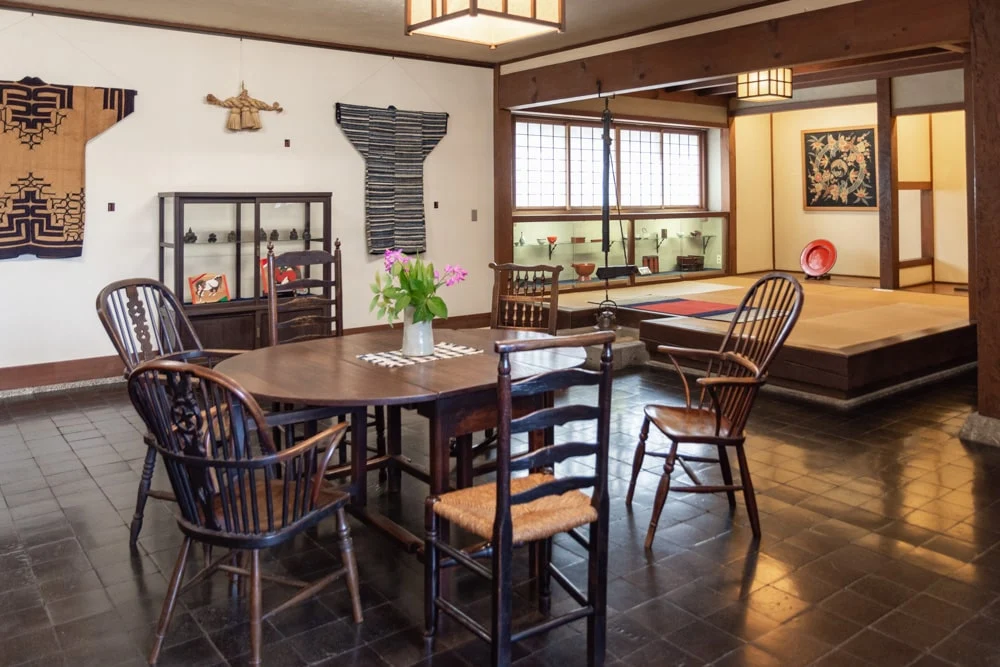
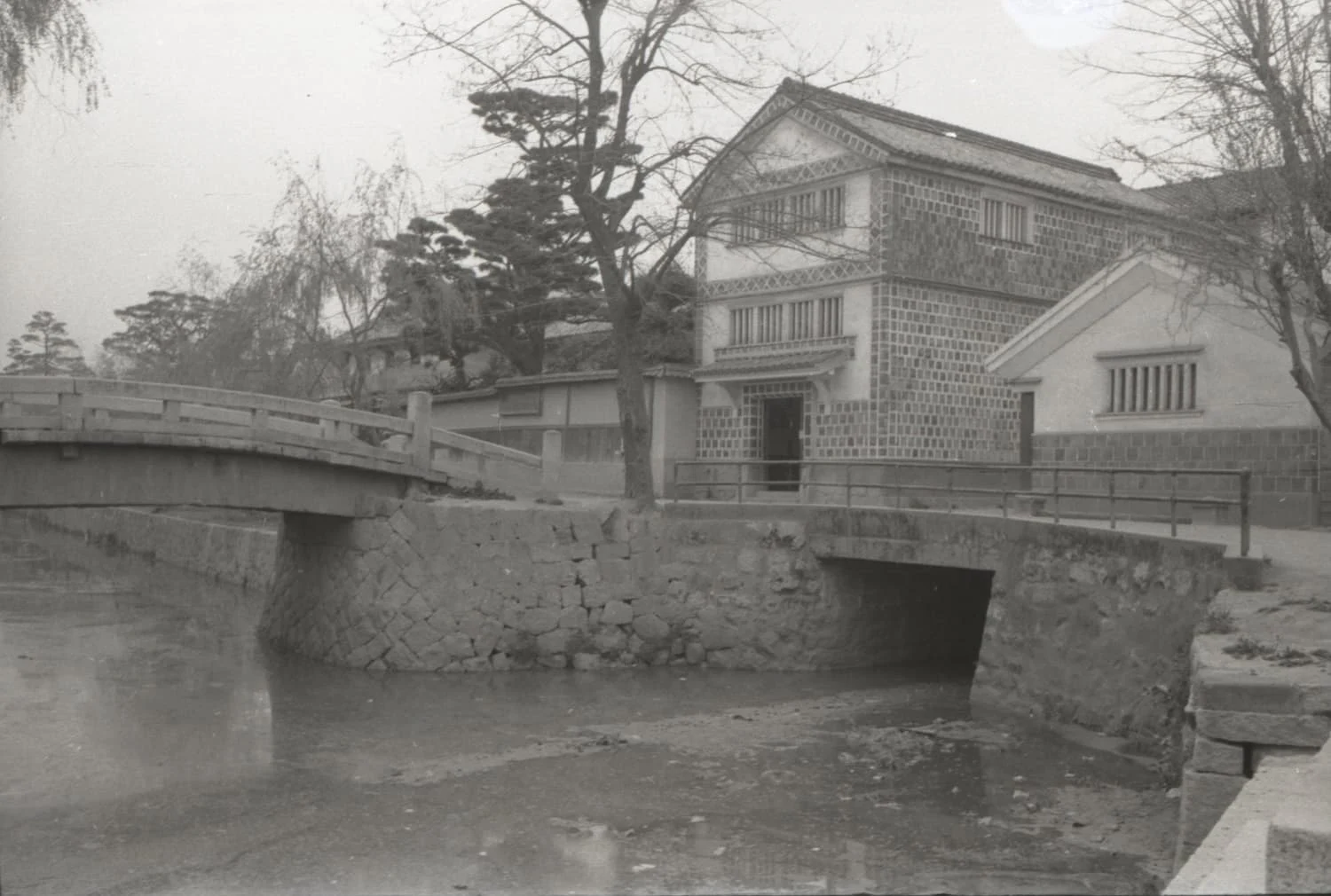
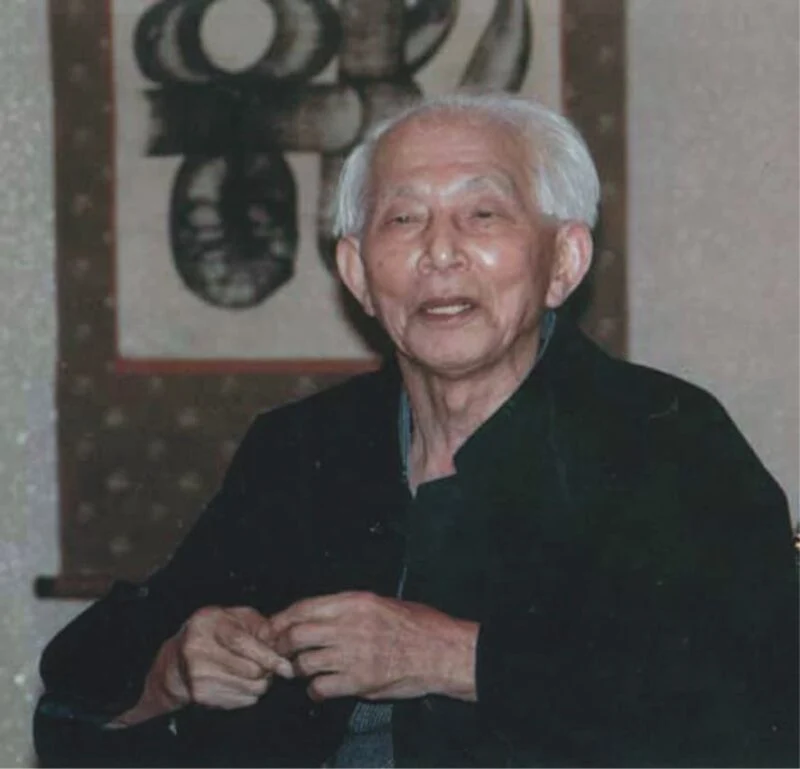
One piece of evidence for this is his involvement with the Mingei (folk craft) movement. Influenced by his father, Magosaburo, he had interactions with people involved in the Mingei movement, and in 1946, shortly after the war, he invited the textile artist Kichinosuke Tonemura to Kurashiki on the recommendation of Soetsu Yanagi. This was to ask Tonemura to teach weaving techniques to the Women's Volunteer Corps, who could not return to Okinawa immediately after the war.
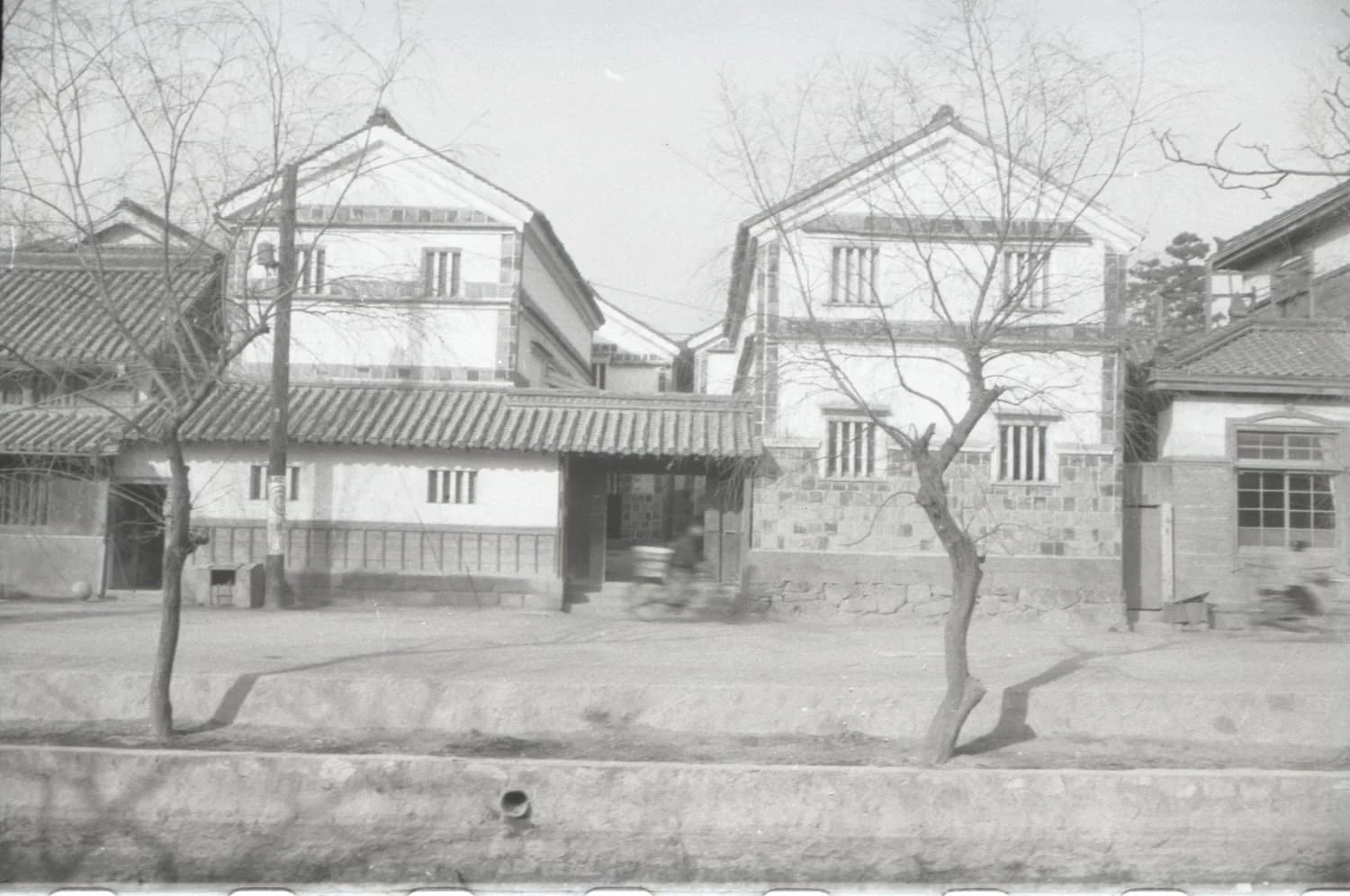
(Image provided by the Kurashiki City Historical Materials Maintenance Office)
(Image provided by the Kurashiki City Historical Materials Maintenance Office)
Subsequently, in 1948, the Kurashiki Museum of Folkcraft was established as the second Mingei museum in Japan. This utilized a rice storehouse of the Ohara family and was the first restoration of an old house in Kurashiki. In modern terms, it could be called a "renovation facility." The spirit of "making use of what is available" is one of the principles of Mingei proposed by Soetsu Yanagi, and it is believed that both Ohara Soichiro and Kichinosuke Tonemura were conscious of this.
Establishment of the Kurashiki Urban Beauty Association and Townscape Preservation Activities
(Collection of the Kurashiki Museum of Folkcraft)
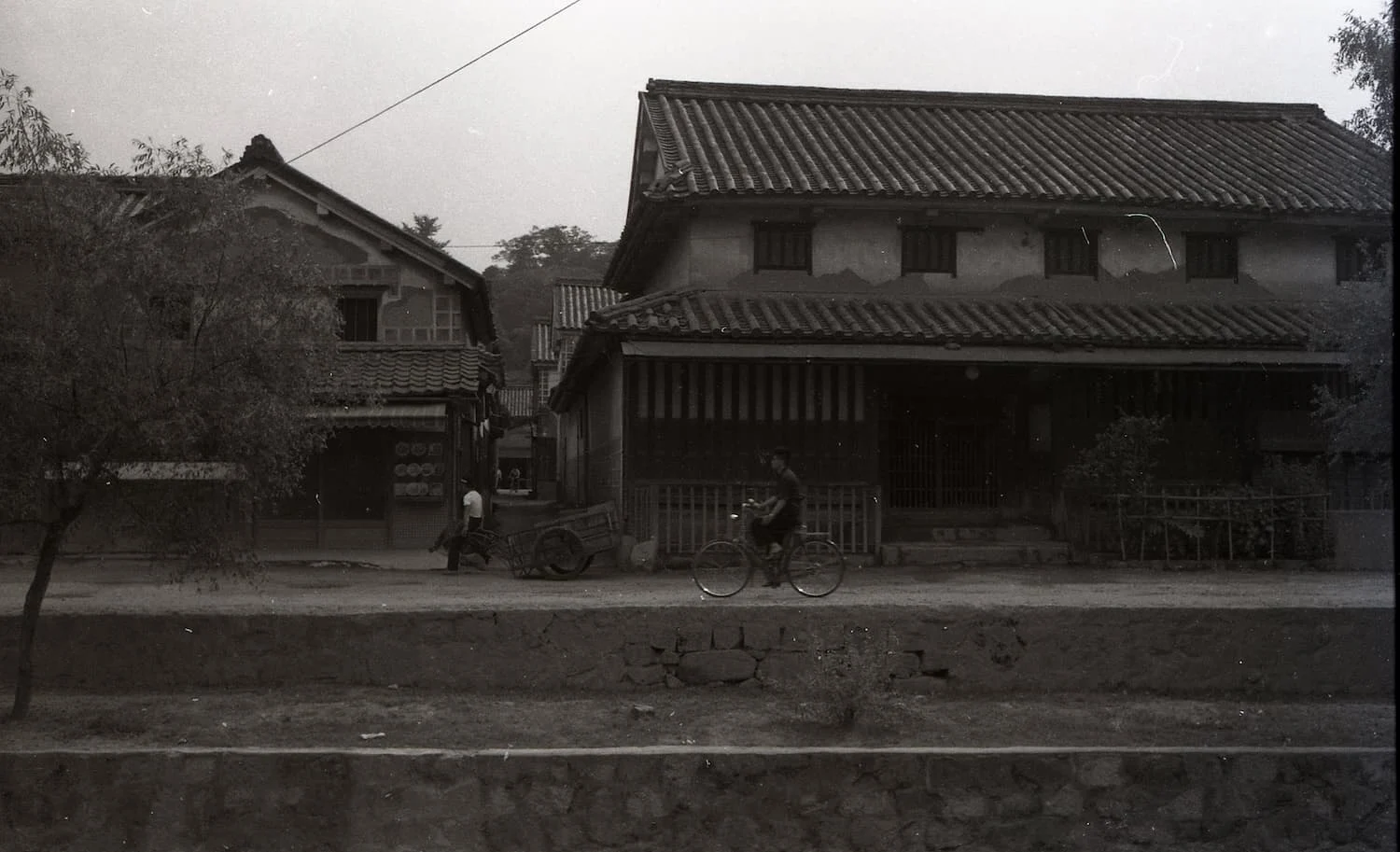
Furthermore, in 1949, the "Kurashiki Urban Beauty Association" was established. This was the first townscape preservation organization in Japan formed by local residents, initiated by local experts including Kichinosuke Tonemura. However, while there was a growing sentiment to preserve the townscape at that time, it was not the "consensus of the residents." Japan was entering a period of rapid economic growth, where it was common to demolish old structures and build new ones.
Nevertheless, the decision to "preserve" was likely supported by key figures like Kichinosuke Tonemura. In this sense, Tonemura played a significant role in the townscape preservation activities in Kurashiki. Additionally, in the early activities of the Kurashiki Urban Beauty Association, a strong encouragement came from an article titled "Folk Houses as Cultural Properties," published by Gaijiro Fujishima in the "Cultural Property Monthly" in January 1952.
The Kurashiki Urban Beauty Association always paid respect to Ohara Magosaburo and Soichiro for laying the foundation for townscape preservation. However, in later years, there seemed to be doubts about the "story of townscape preservation centered around the Ohara family," which was created by those around them. While it is not the case that Soichiro was unrelated to townscape preservation activities, there are no records indicating deep involvement. Since he did not deny the activities and often seemed to align with them, it may have created an atmosphere of giving "official approval."
In fact, in the Bikan Historical Area, many buildings were handled by Shizutaro Urabe, a maintenance engineer at Kurabo, but at that time, it seemed to be perceived as "Mr. Ohara is doing something new." In modern times, architects of new buildings are not often recognized, and it has only been in recent years that the name "Shizutaro Urabe" has been highlighted as an architect.
(Image provided by the Kurashiki City Historical Materials Maintenance Office)
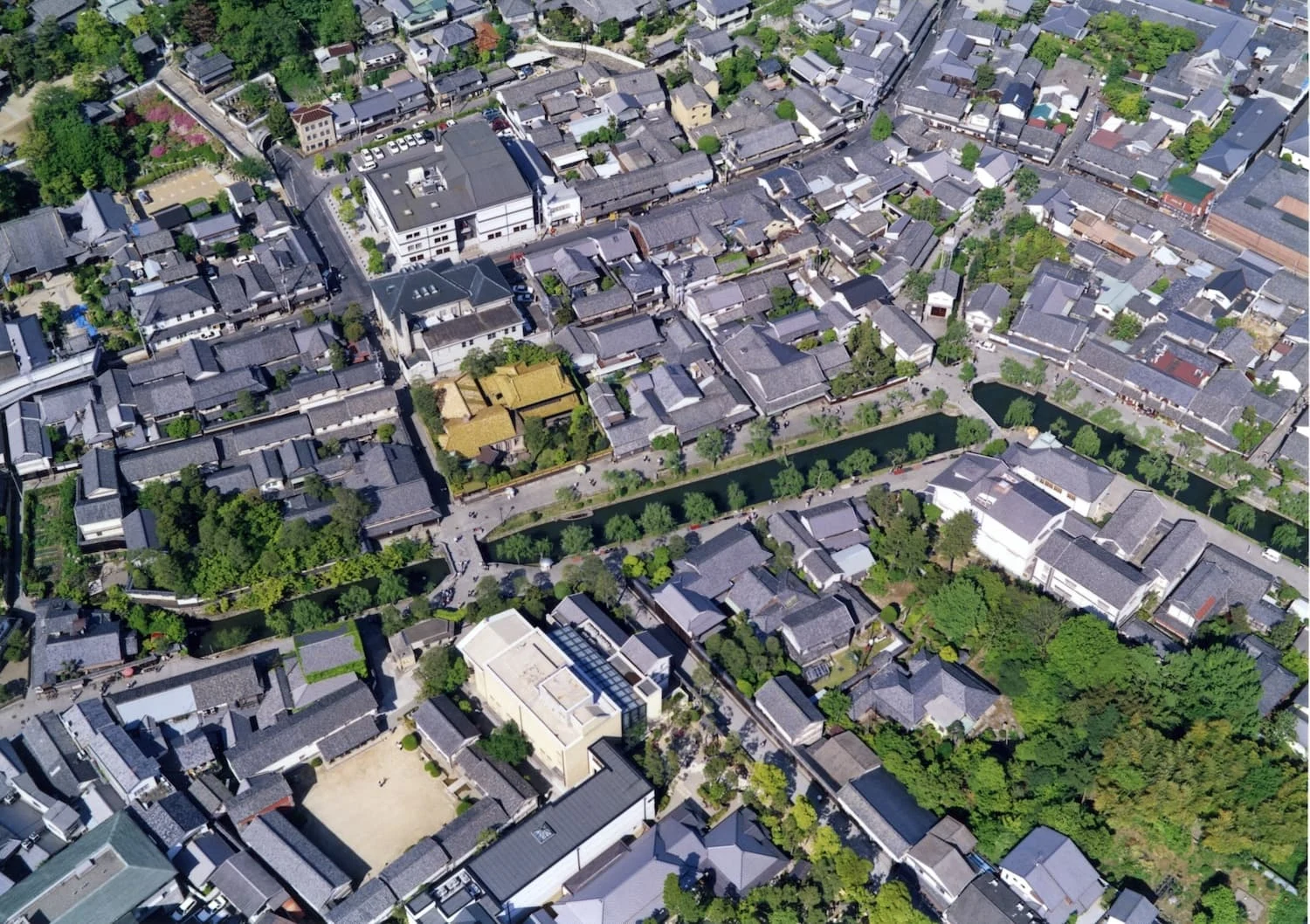
As a result, the voices calling for the establishment of rules to continue preserving the historically protected townscape led to the creation of the "Kurashiki City Traditional Scenic Preservation Ordinance" in 1968, with the support of the local government for residents' activities (enforced in 1969). Furthermore, this initiative became a national system, and in 1978, the area was designated as an Important Traditional Building Preservation District by the national government.
Thus, the townscape preservation in the Bikan Historical Area gained a legal basis and continues to this day.
However, even after obtaining a legal basis, residents' activities continue. This is because, despite becoming a strong tourist destination, the Bikan Historical Area is still a living town where not only merchants but also residents live. Because there are residents, issues related to daily life also arise.
For this reason, the philosophy and activities of the "Kurashiki Urban Beauty Association," established in 1949, have been passed on to the "Kurashiki Traditional Building Preservation Association," which continues activities to nurture a safe and secure town and townscape for future generations.
(Image provided by the Kurashiki City Historical Materials Maintenance Office)
The full article can also be viewed on the special feature page below.
Members of the Town Time Travel Club
- Akane Ohara
Vice Chairman of Sanraku Co., Ltd. - Hiroko Kadotori
Director of Ohara House Katalyzer - Toshihiko Inagaki
First-Class Architect Office Trim Design - Tamako Oga
President of Japanese Folk Toy Museum - Yuichi Akiba
President of Kurabiz Co., Ltd. - Mariko Takaishi
Kurashiki City Regional Revitalization Cooperation Team - Kengo Toi
Representative Director of Haretoco General Incorporated Association
Advisors and Article Supervisors
- Taro Yamamoto
Chief of the Historical Materials Maintenance Office, General Affairs Department, Kurashiki City General Affairs Bureau - Noriyoshi Fujiwara
Curator, Kurashiki City Board of Education - Masatake Nishimura
Advisor, Kurashiki City Bureau of Cultural Industries