Did you know that Kurashiki is a city deeply connected to "mingei" (folk crafts)?
We covered the "Kurashiki Museum of Folkcraft," which is the second folkcraft museum in Japan.
Not only can you see folkcraft items from around the world, but you can also purchase them at the shop.
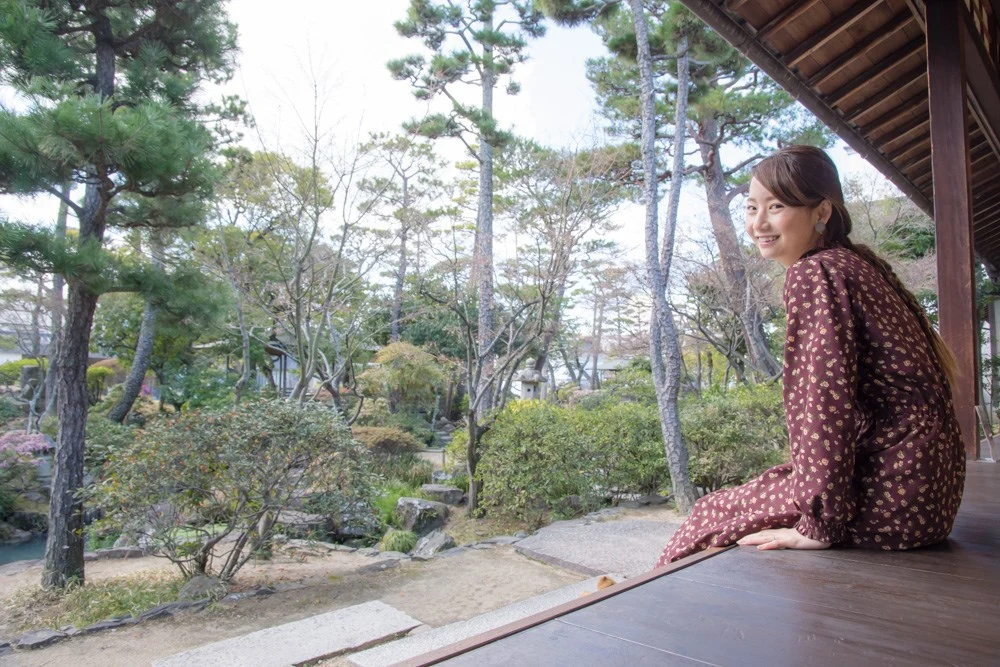
Moreover, the view from the window is so wonderful that it has been praised by poets.
We will also introduce the history and charm of mingei along with information about the Kurashiki Museum of Folkcraft.
Photography is generally prohibited inside the Kurashiki Museum of Folkcraft. This time, we have received special permission to take photos.
The exhibited items are from the initial coverage in May 2019.
What is the Kurashiki Museum of Folkcraft?
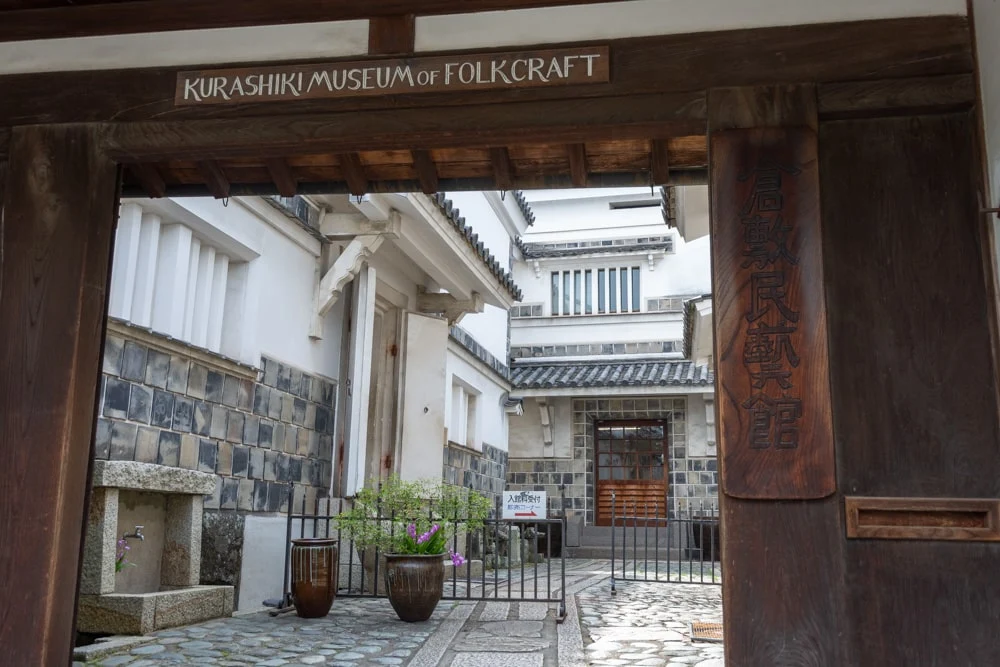
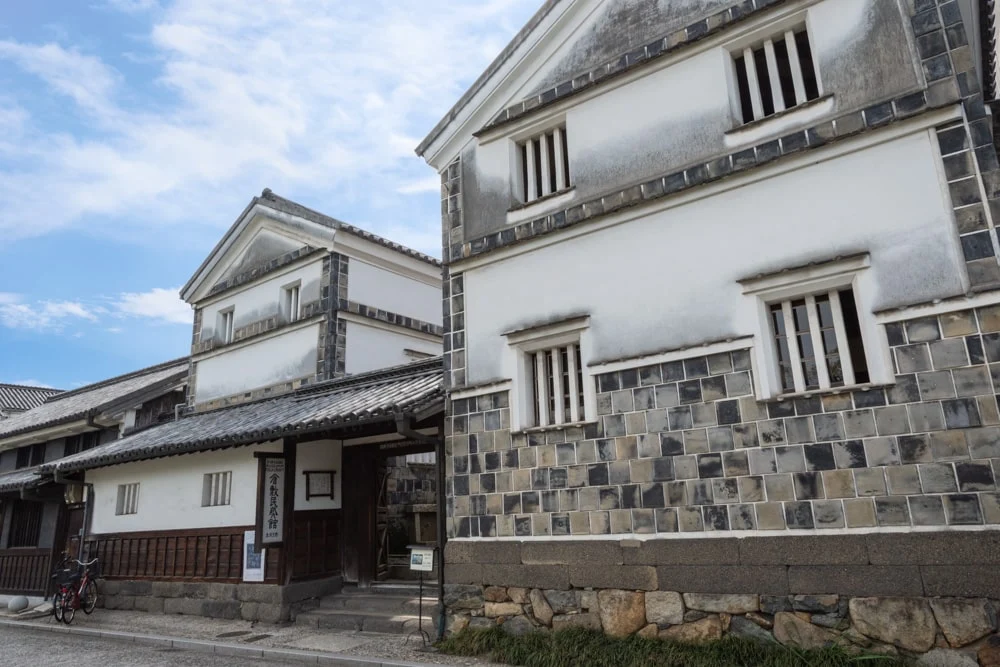
The Kurashiki Museum of Folkcraft is the second folkcraft museum established in Japan.
It opened in 1948 (Showa 23) utilizing a rice storehouse built in the late Edo period.
It exhibits a large number of durable and beautiful folkcraft items used in daily life.
The shop is free to enter, allowing those who do not enter the exhibition room to freely view and purchase items.
What is Mingei?
What exactly are folkcraft items?
You might have the image of "folkcraft items = souvenirs," but that is not the case.
Mingei means "popular crafts."
It refers to durable and beautiful items made by craftsmen for everyday use, such as teacups, bowls, sieves, brooms, furoshiki (wrapping cloth), and chairs, rather than art crafts for appreciation presented to feudal lords.
In the late Taisho period, philosopher Yanagi Soetsu coined the term "mingei" and believed that items used in daily life possess a beauty directly linked to their purpose, known as "the beauty of use."
The movement to spread the value of mingei and the concept of "the beauty of use" is known as the mingei movement, advocated by figures such as Yanagi Soetsu, Tomimoto Kenkichi, Kawai Kanjiro, and Hamada Shoji.
You can see works by five of the people who promoted the mingei movement at the Ohara Museum of Art in the Craft Pavilion.
Kurashiki and Mingei
Ohara Magosaburo, a businessman from Kurashiki known as the founder of the Ohara Museum of Art, was active in promoting the quality of local crafts to many people. During his activities, he met Yanagi Soetsu and supported the mingei movement.
Magosaburo donated a large portion of the construction costs for the Japan Folkcraft Museum (Komaba, Tokyo), the first folkcraft museum in Japan. The Ohara family played an important role in the development of the mingei movement.
Magosaburo's son, Soichiro, also continued his father's will and supported the mingei movement.
In the early post-war period, Soichiro established the Okayama Prefectural Mingei Association to "rebuild the foundation of a correct, strong, and beautiful peaceful Japan." He also envisioned building a folkcraft museum in Kurashiki and invited Tonemura Kichinosuke to be the director.
You can learn more about the activities and achievements of the Ohara family at "Ohara House Katalyzer."
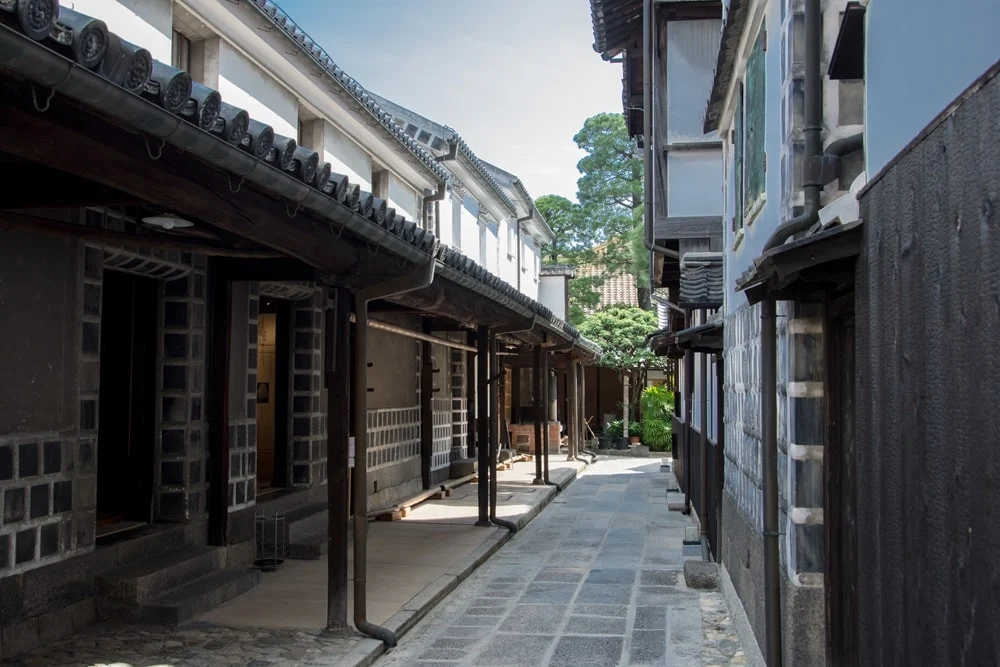
The first director, Tonemura, not only worked hard to promote mingei but also contributed to the landscape preservation of the Bikan Historical Area.
The reason we can now enjoy the view of the old townscape in the Bikan Historical Area is also thanks to the first director, Tonemura.
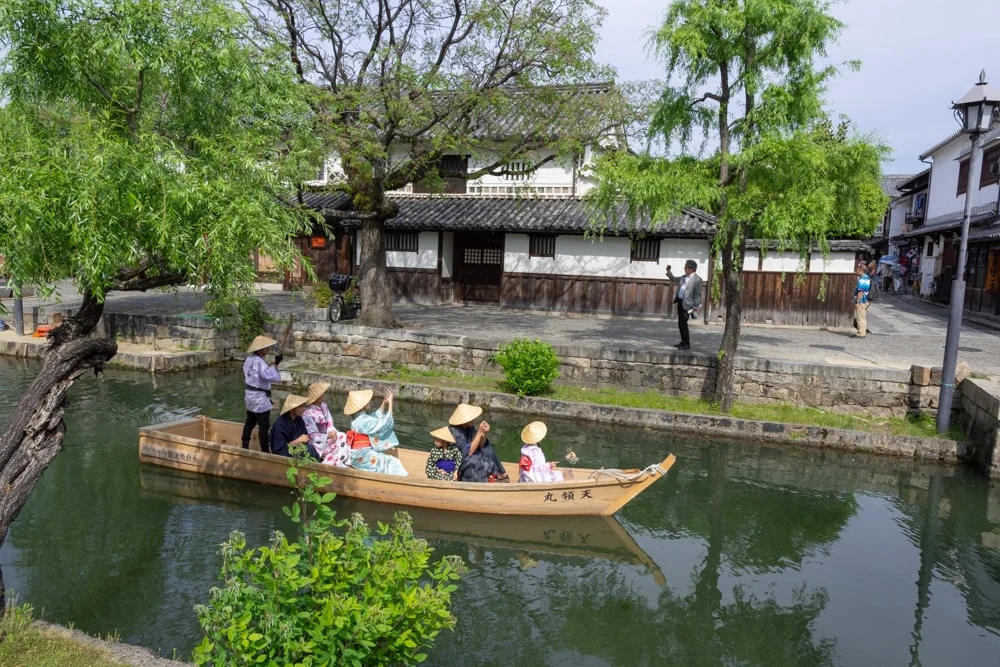
Let me introduce some recommended points of the Kurashiki Museum of Folkcraft, which has supported and nurtured Kurashiki's folkcraft.
Enjoy the Mingei Building
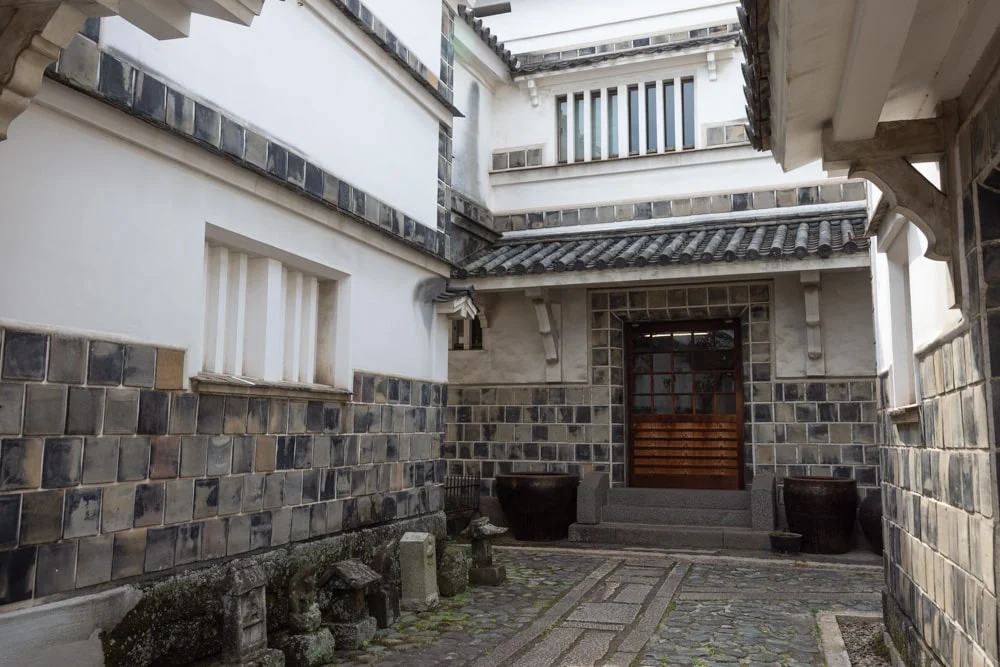
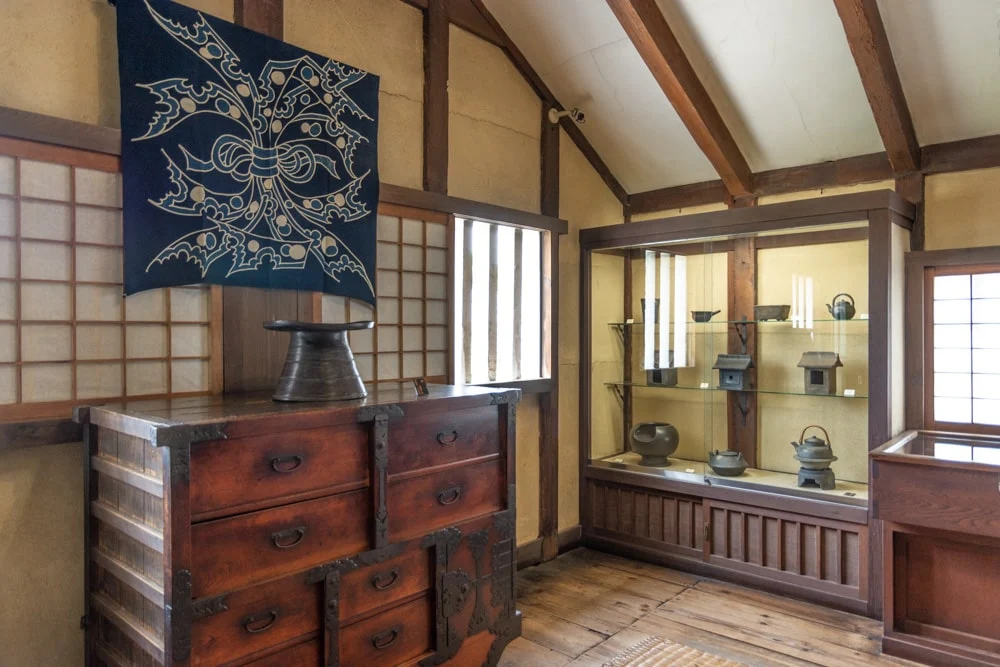
The building of the Kurashiki Museum of Folkcraft is a renovated rice storehouse built in the late Edo period. It was the first to be restored and opened to the public among the old buildings in the Bikan Historical Area.
The museum was established before the Kurashiki River area was designated as a traditional building preservation district.
The rice storehouse can be considered a major folkcraft item made by many craftsmen to protect stored goods from fire, rain, theft, and humidity.
At a time when the awareness of "preserving the townscape" was not yet common, the first director, Tonemura, found the beauty of use in the rice storehouse.
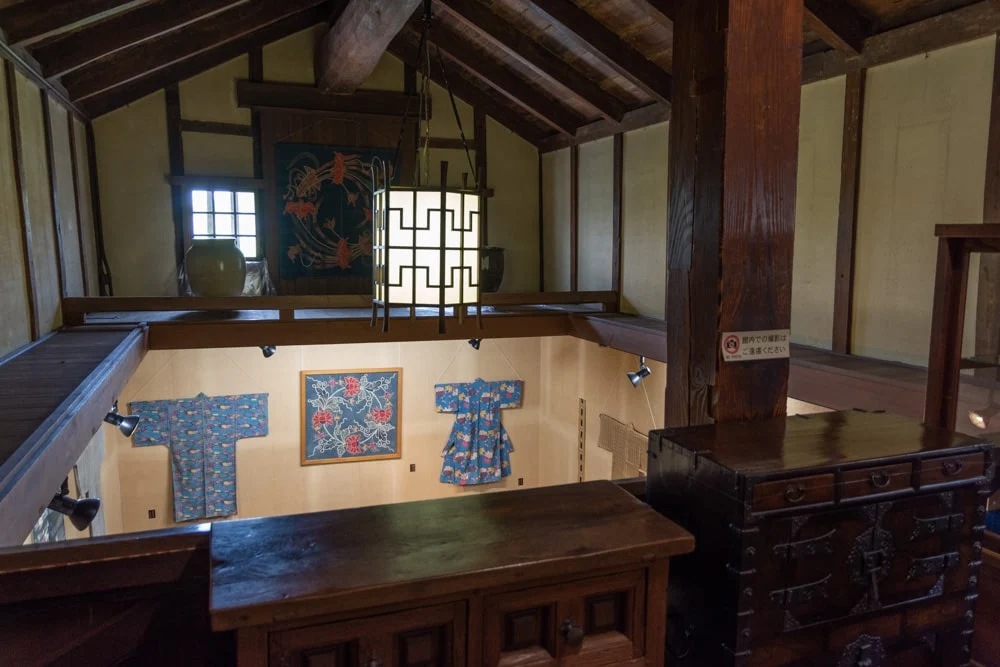
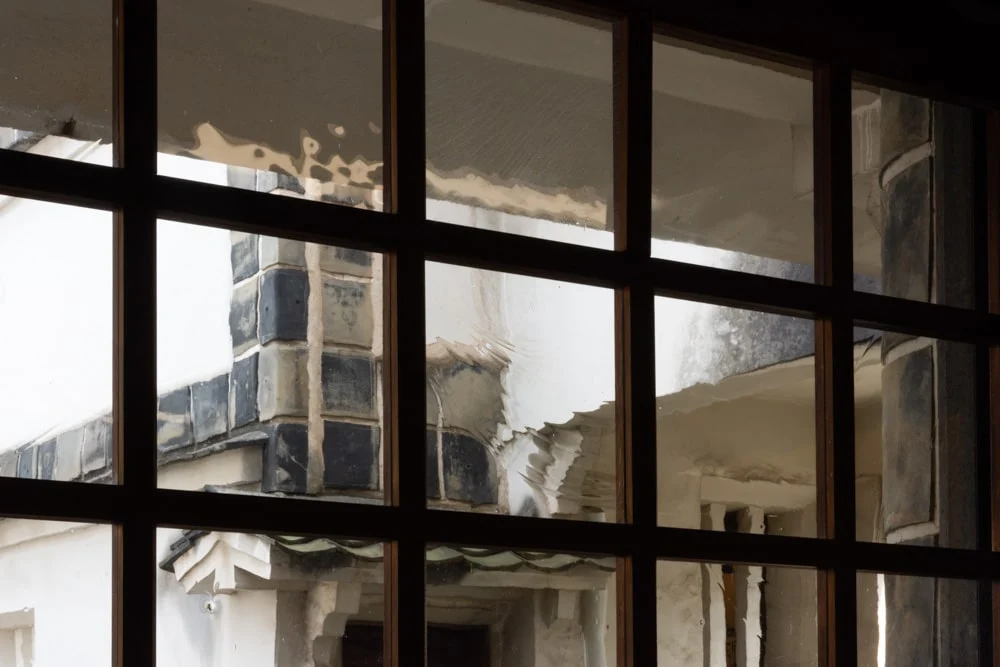
Let's enjoy the beautiful appearance of the typical white-walled storehouse and tiles of Kurashiki from both the outside and inside.
See the Scenery Praised by Poets
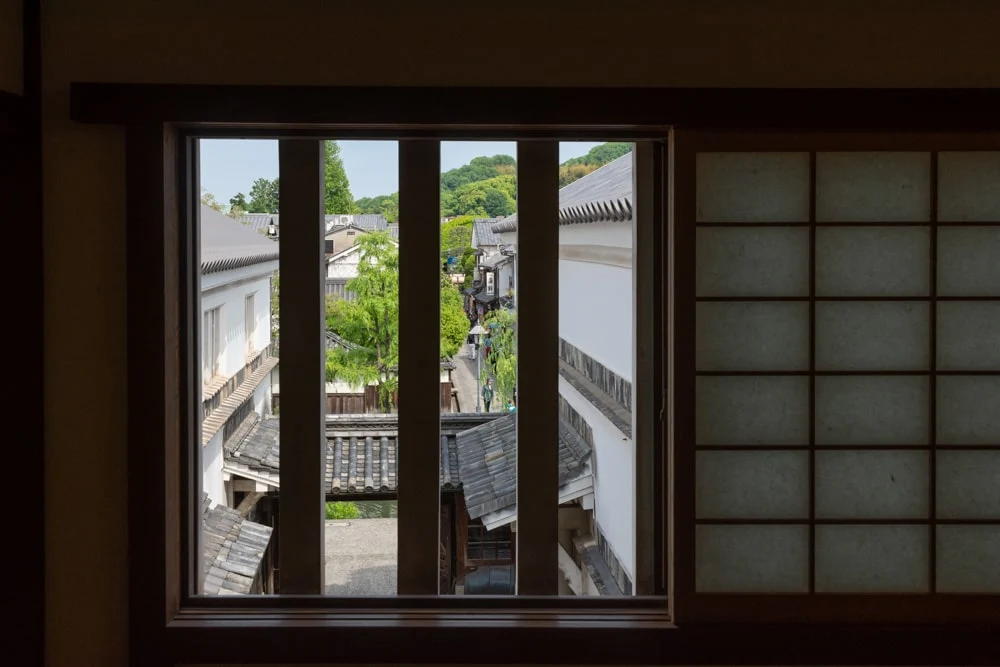
Edmund Blunden, a British poet, visited the Kurashiki Museum of Folkcraft in 1950 and praised the view of the courtyard from the window in his poetry.
When you actually take a peek, you will understand why it is so beautiful that it makes you want to write a poem!
On the day of the coverage, the weather was very nice, and the vibrant fresh greenery and refreshing breeze felt so pleasant that I wanted to gaze at it forever.
View Diverse Folkcraft Items
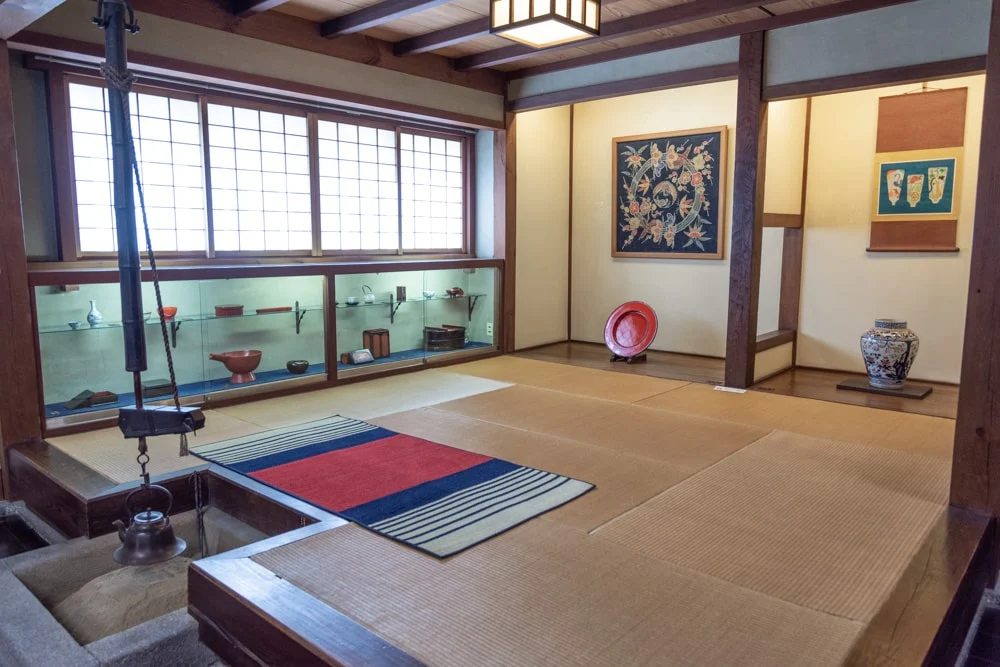
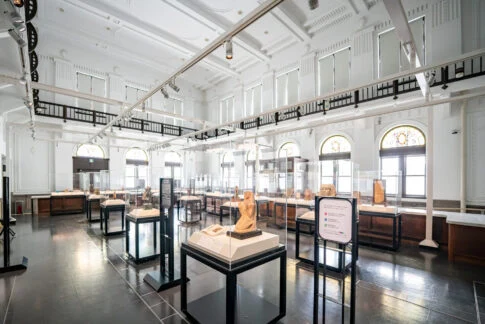
The Kurashiki Museum of Folkcraft houses about 15,000 items of ceramics, glass, lacquerware, textiles, woodwork, and paper crafts from the medieval to modern times, with about 600 items on display.
One-third of the museum is a permanent exhibition, while two-thirds are special exhibitions, which change 2 to 3 times a year, so you may encounter new folkcraft items even on a return visit.
The most famous item in the collection is "Folk Painting: Four-Eyed Fierce Tiger and Magpie." "Folk painting" refers to works created by unknown artists for display in common people's homes. In "Four-Eyed Fierce Tiger and Magpie," a tiger with four eyes is depicted.
You can actually sit on most of the chairs and stools, allowing you to experience their charm as "tools for everyday life."
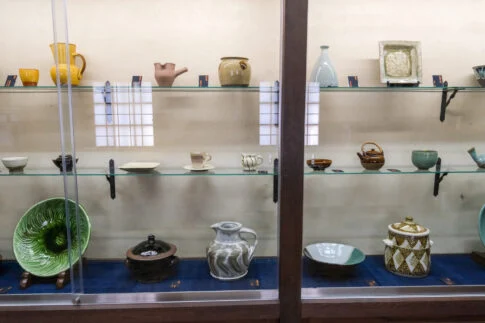
Now, let me introduce some of the exhibited items.
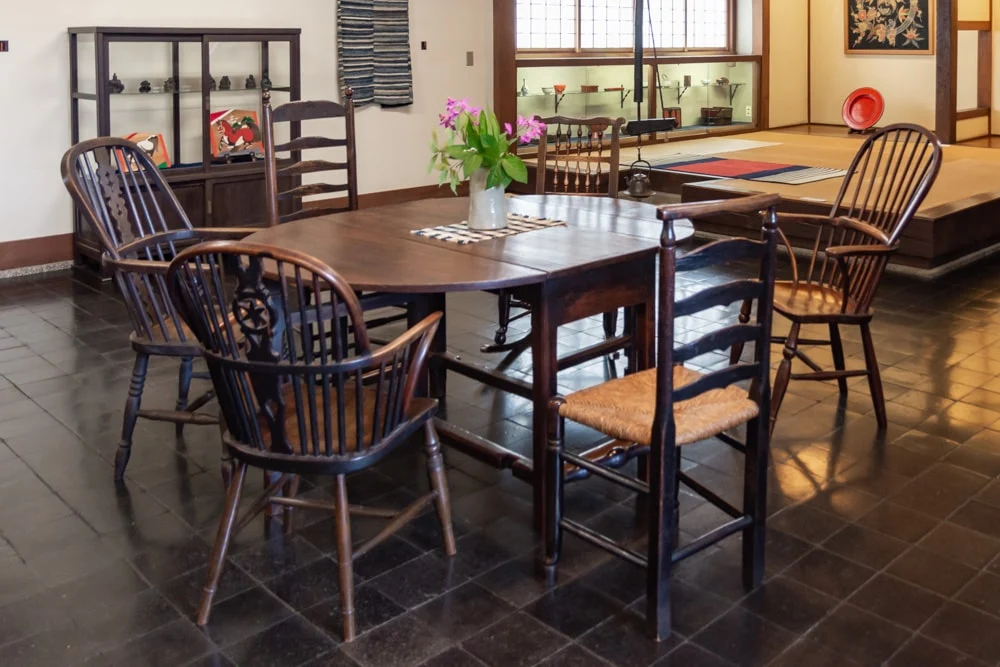
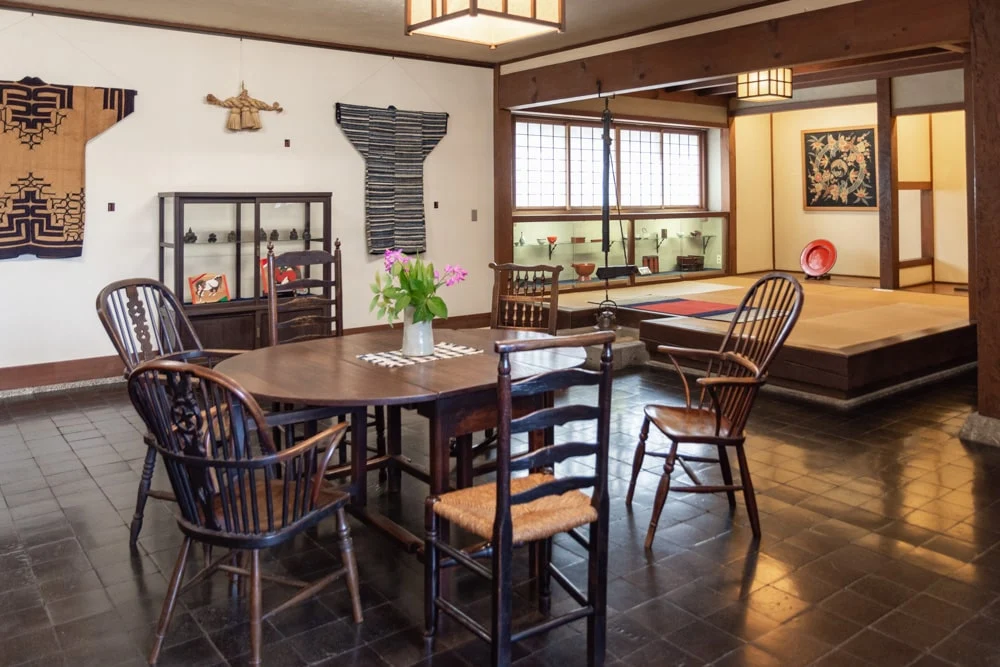
The table in the Irori Room is called a "gateleg table." It can be folded and stored according to the space available.
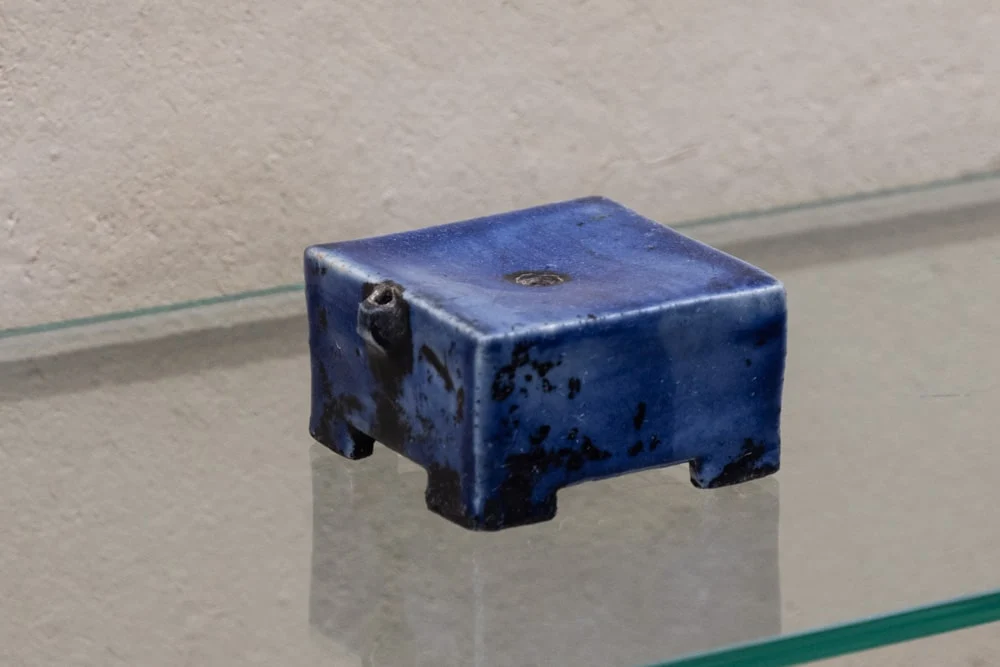
The "water dropper" is used to add water drop by drop to an inkstone.
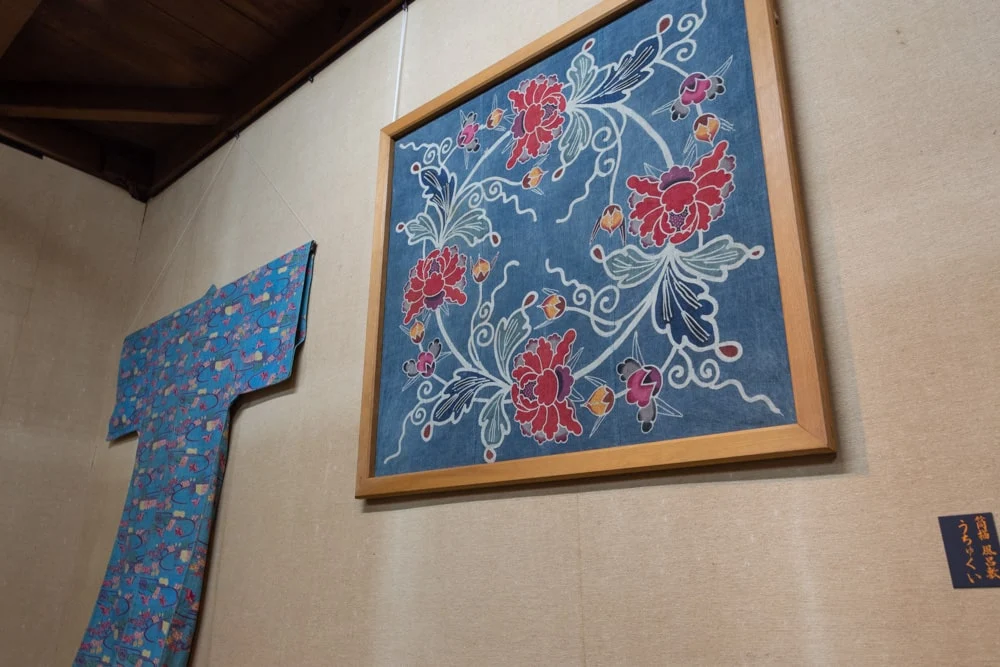
This is a furoshiki (wrapping cloth) and kimono from Okinawa. The blue color is refreshing.
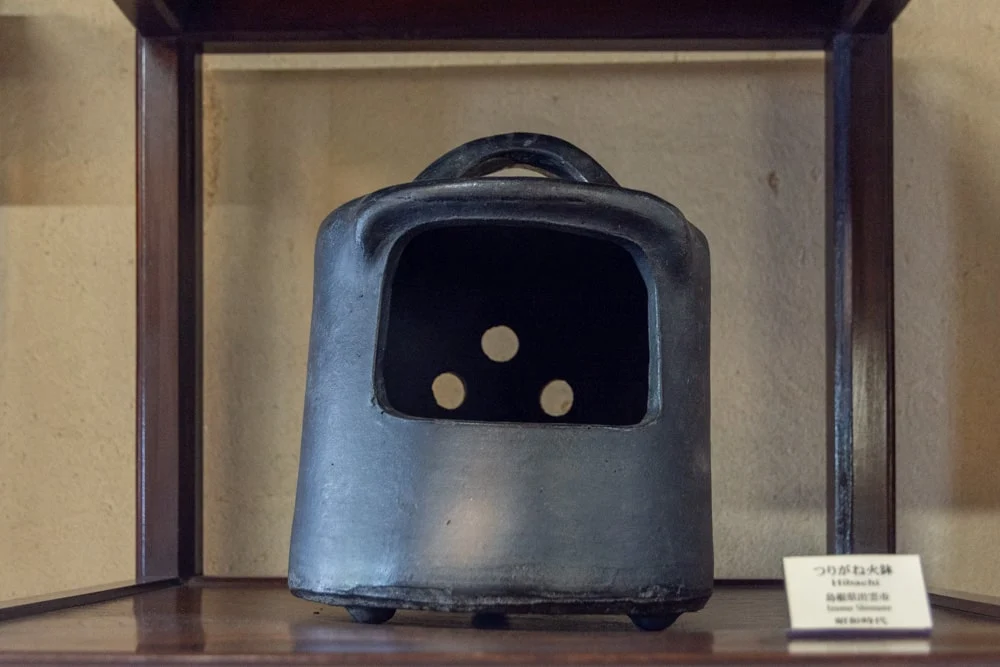
This is a fire bowl used by fishermen on squid fishing boats in Oki.
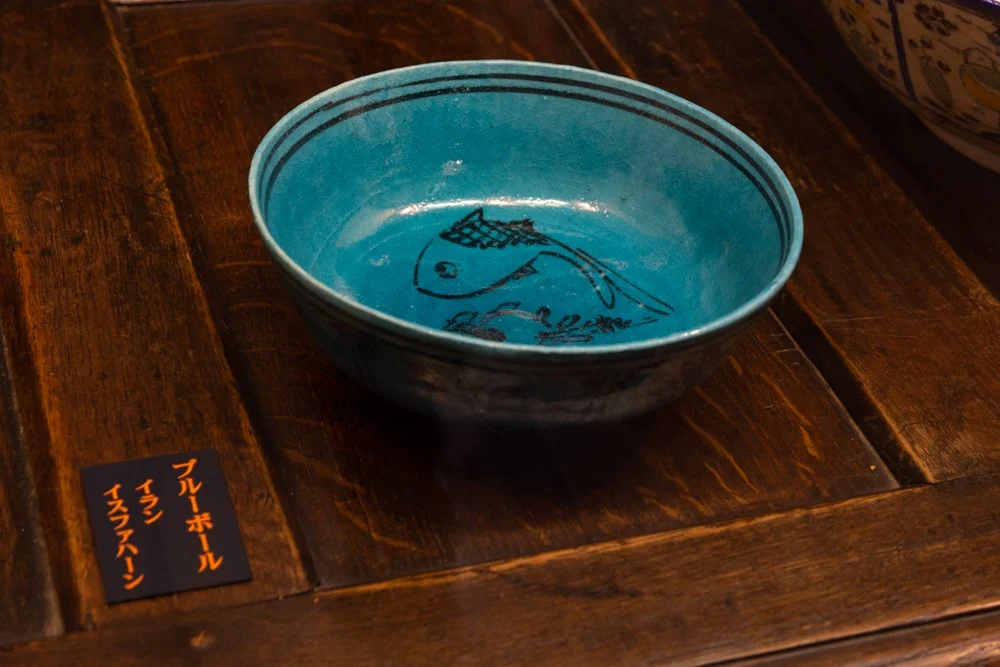
The Iranian vessel has a loosely and adorably depicted fish!
Let's Compare Many Baskets
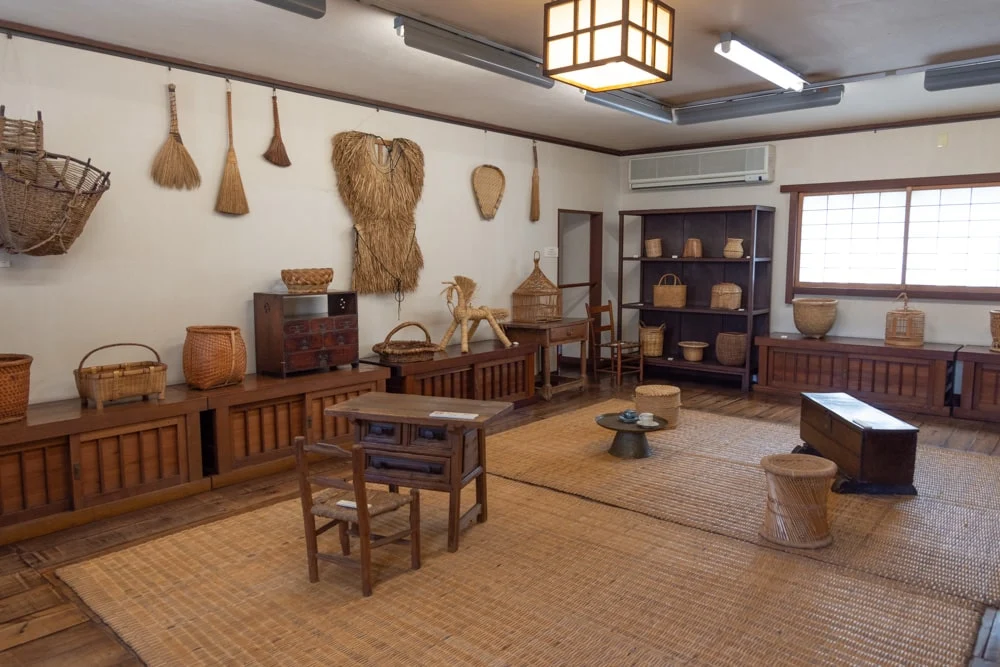
One permanent exhibition room is dedicated solely to baskets, which is a feature of the Kurashiki Museum of Folkcraft.
Tonomura was also dedicated to collecting baskets.
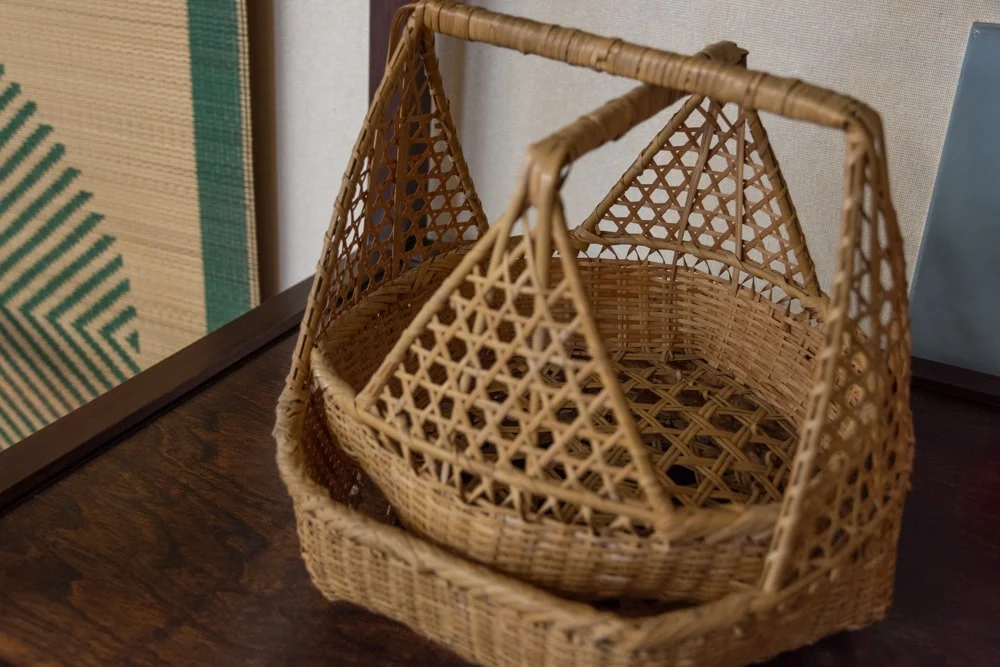
There are various types of baskets, including birdcages, fruit baskets, tofu baskets, and baskets hung from a balance beam, differing by country and purpose. You can see how the shape and weaving method vary depending on what is placed inside and how it is carried.
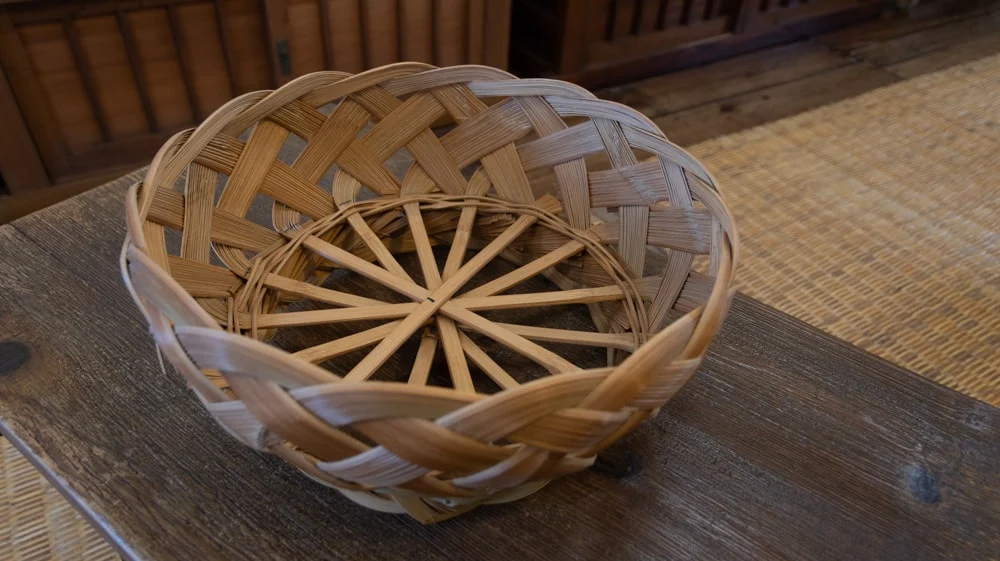
The eye basket (mekago) used to cover dishes after washing is often used by Tonomura to explain "the beauty of utility."
The open weave at the bottom allows water to drain, and the raised bottom prevents water from accumulating.
The structure designed for convenience becomes a beautiful form.
Let's See Kurashiki Glass
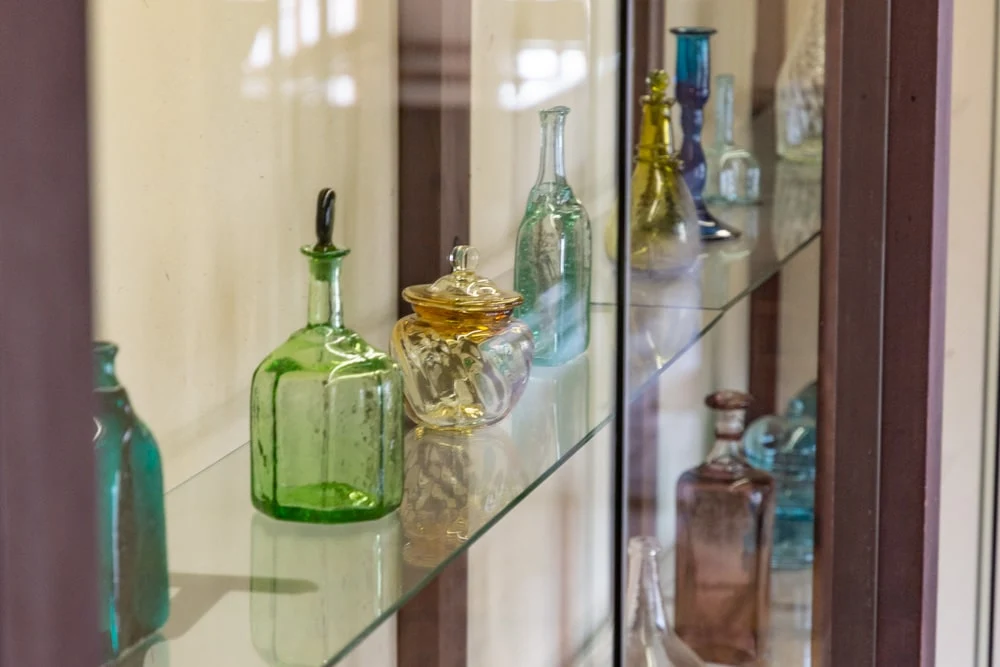
"Kurashiki Glass" refers to the blown glass created by Shinzo Kodani and his son Eiji.
Shinzo originally blew glass ornaments for Christmas trees.
In making cups, he received guidance from the first director of the Kurashiki Museum of Folkcraft and created tableware while referencing the shapes of the museum's collection.
At that time, blown glass was produced through the collaborative work of multiple artisans.
Shinzo established a method in Kurashiki where he innovated tools and processes to complete everything by himself in his own workshop.
He is a pioneering figure in the flow of studio glass in Japan.
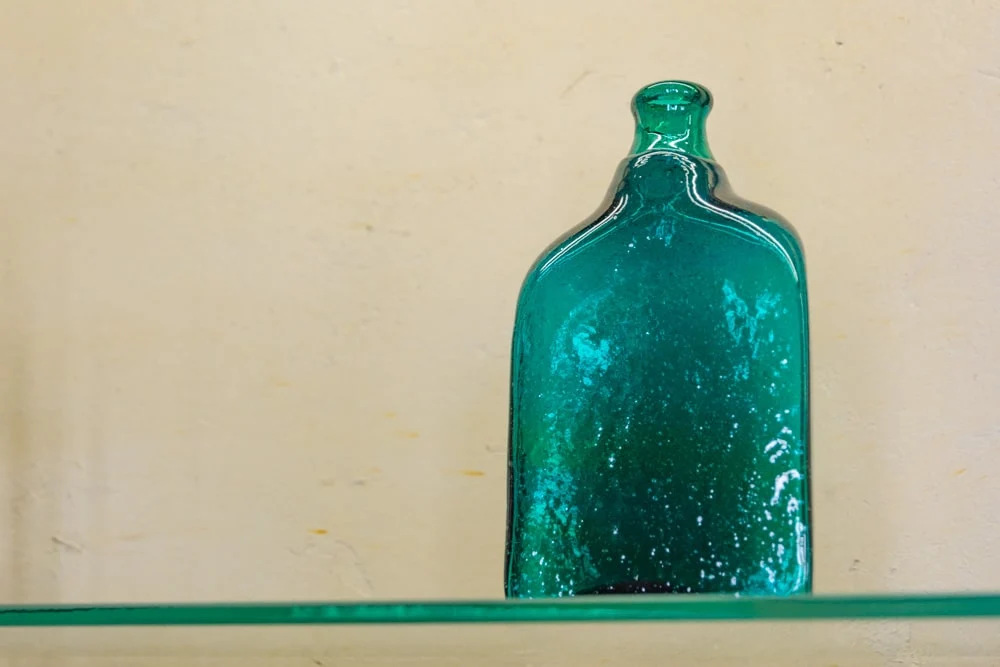
Despite being glass, the style evokes a sense of warmth, and you can feel the beauty of "tools for living."
Eiji's works are sold at the shop, so be sure to check them out.
Take Home Folk Crafts
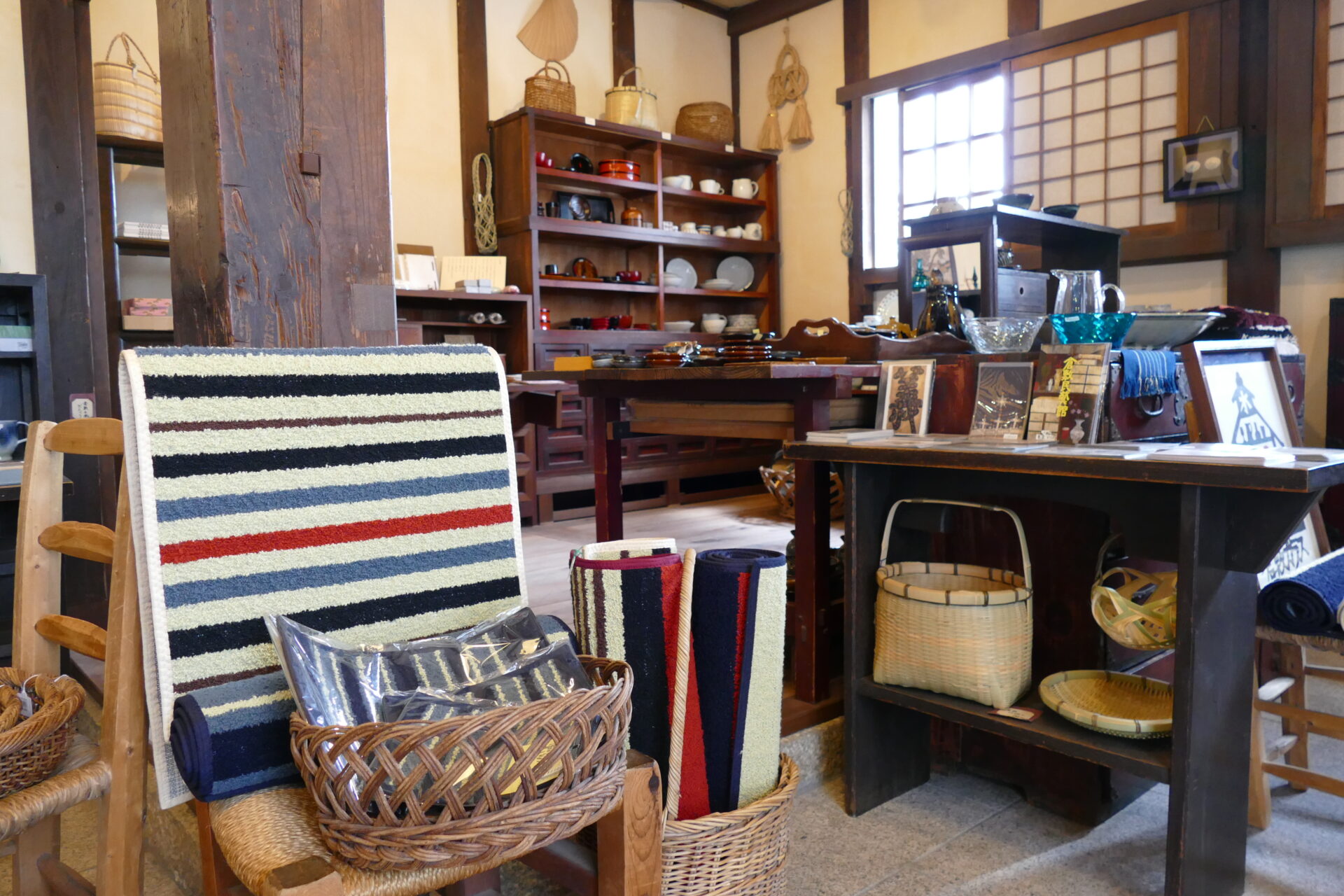
The shop sells folk crafts from all over the country.
It also carries folk crafts from Kurashiki and Okayama, making it a great option for souvenirs.
Local products include the following:
- Kurashiki Glass cups
- Bichu Washi postcards
- Original accessories made from Kurashiki Temari
- Kurashiki Tsuji kiln mugs
- Kurashiki Yuuraku kiln cup and saucer
- Sakezu Enoki kiln plates
- Kurashiki hand-dyed woven table centerpieces
- Kurashiki handwoven rugs (dantsu)
- Kurashiki Hariko
Personally, I felt that there are many items that are easy to purchase.
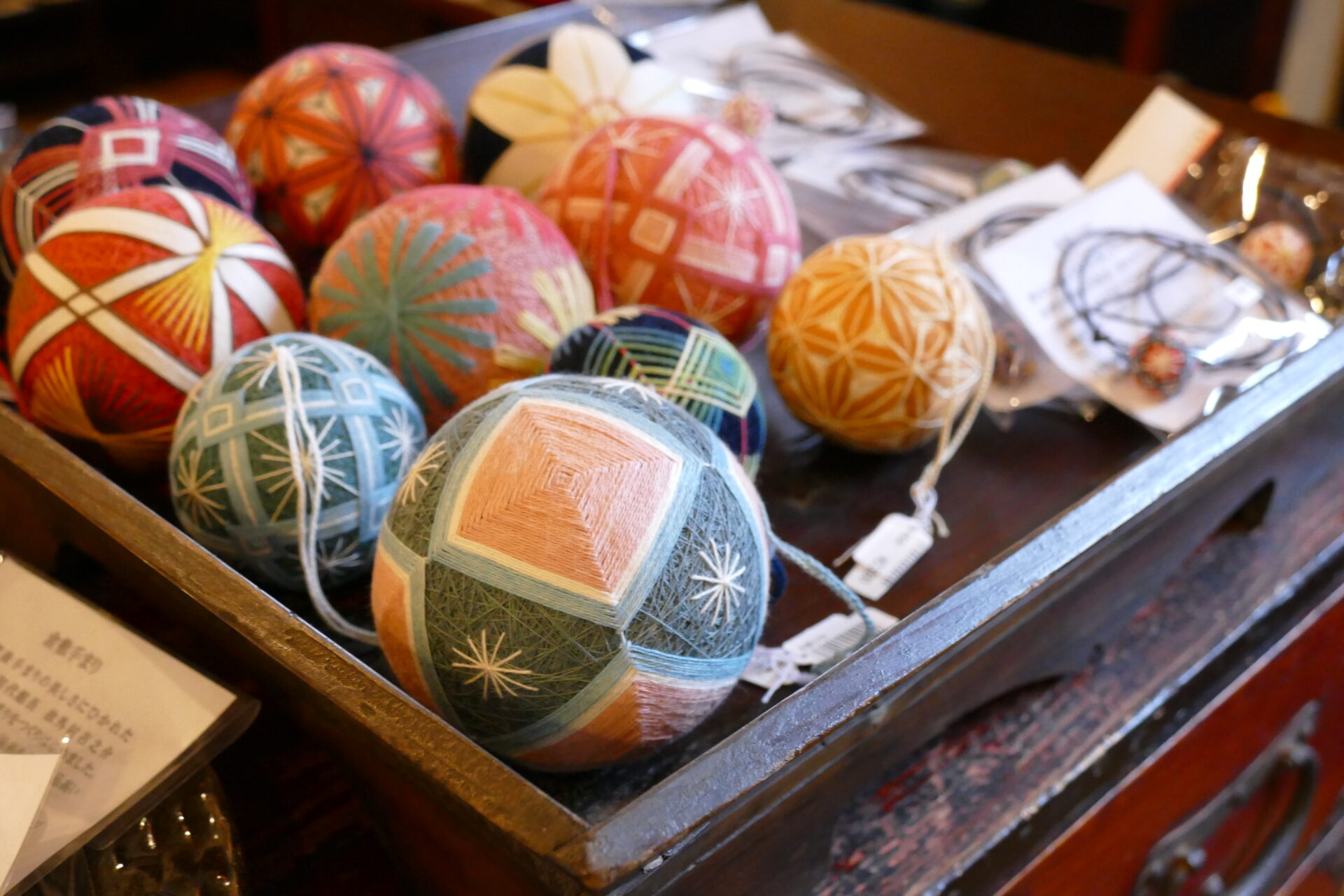
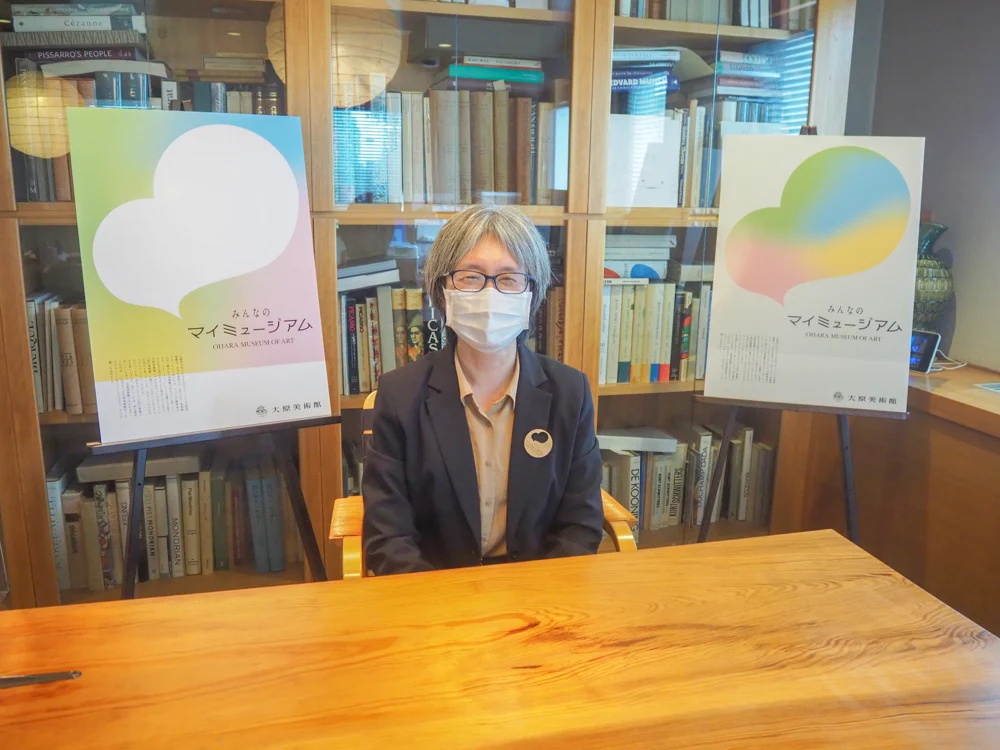
Next, I spoke with a curator from the Kurashiki Museum of Folkcraft.
Data on Kurashiki Museum of Folkcraft
| Name | Kurashiki Museum of Folkcraft |
|---|---|
| Location | 1-4-11 Chuo, Kurashiki City, Okayama Prefecture |
| Contact | 086-422-1637 |
| Parking | None |
| Opening Hours | 10:00 AM - 5:00 PM (Admission accepted until 4:30 PM) |
| Closed | Monday If Monday is a holiday, the following day Year-end and New Year (12/29 - 1/1) |
| Admission Fee (tax included) | Adults: 1,200 yen High school and university students: 500 yen Elementary and middle school students: 300 yen *Group rates available for 20 or more people |
| Payment Methods |
|
| Reservations | Available Reservations accepted for groups only |
| Smoking | Completely non-smoking |
| Restrooms | Western-style restrooms |
| Childcare | Discount available with Momokko Card |
| Website | Official Website of Kurashiki Museum of Folkcraft |