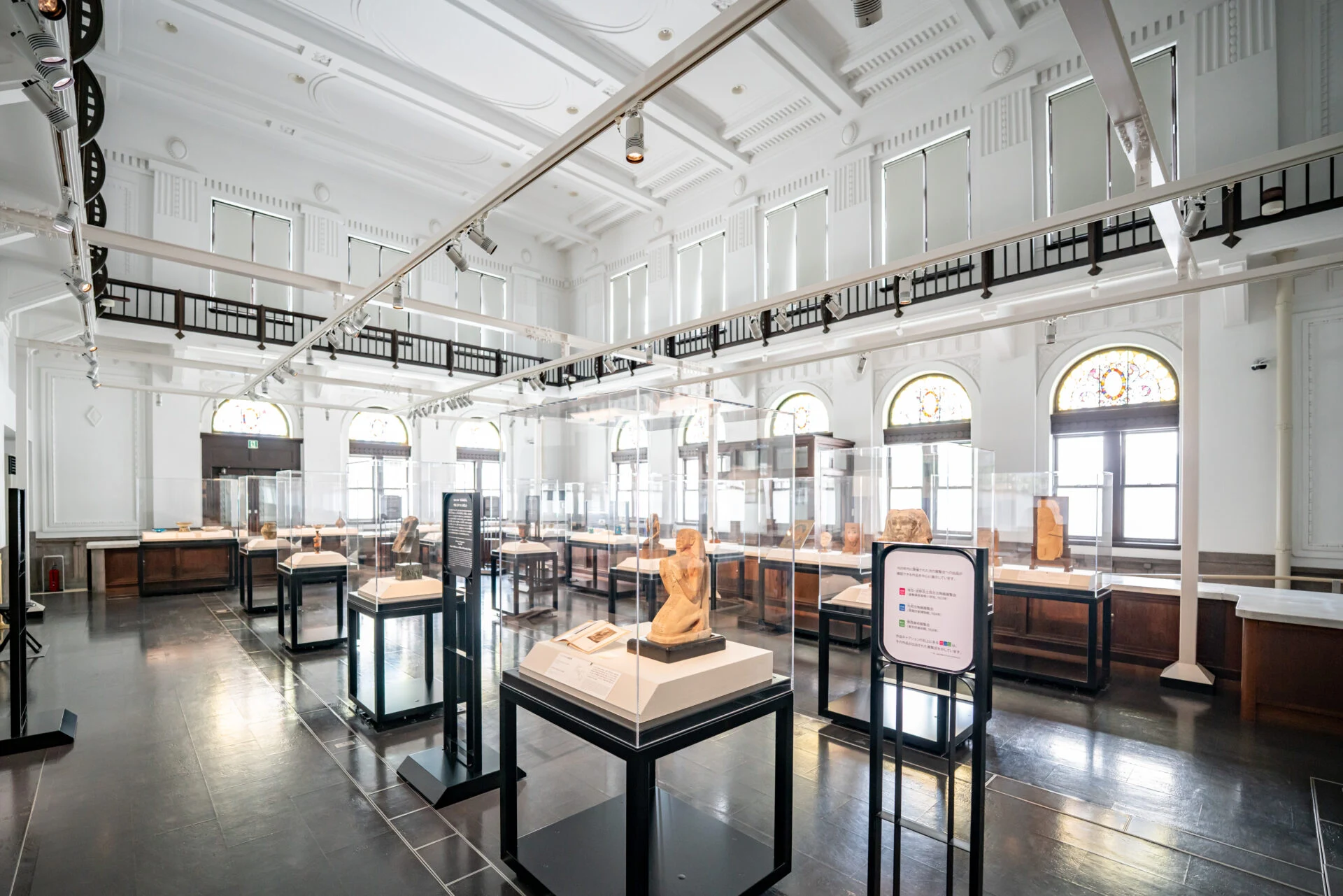
Kojima Torajiro, who laid the foundation of the Ohara Museum of Art collection located in the Bikan Historical Area, was a prominent Western-style painter and collector in modern Japan.
On April 3, 2025, a museum honoring Torajiro's achievements opened in the heart of the Bikan Historical Area.
The building, long cherished by the citizens as a bank, will display valuable collections from ancient Egypt and Western Asia, as well as Torajiro's Western paintings.
Let me introduce the Kojima Torajiro Memorial Gallery, which is a branch of the Ohara Museum of Art.
The photos used in this article include those taken with special permission.
Who is Kojima Torajiro
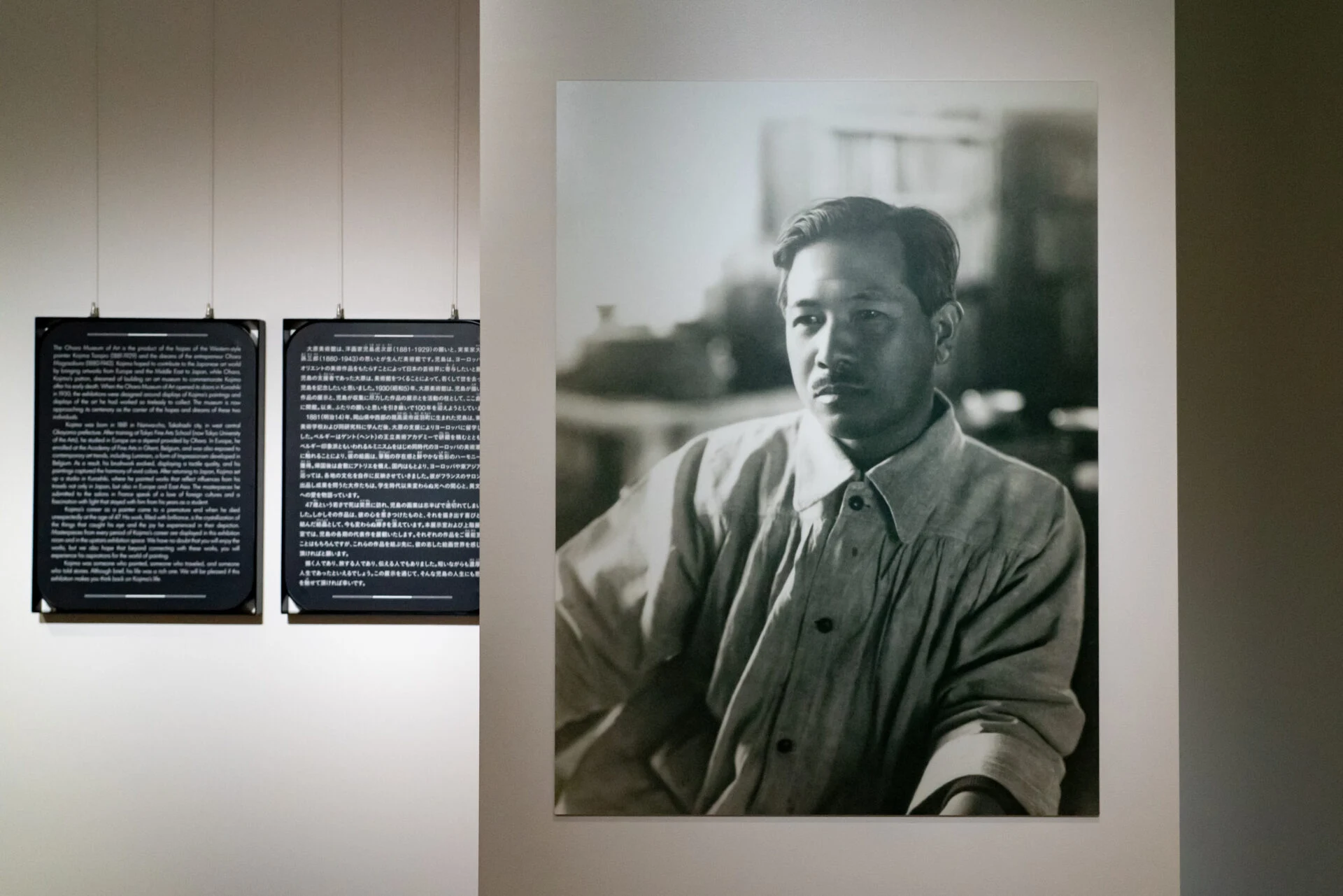
First, let’s introduce Kojima Torajiro.
Kojima Torajiro as a Western-style painter
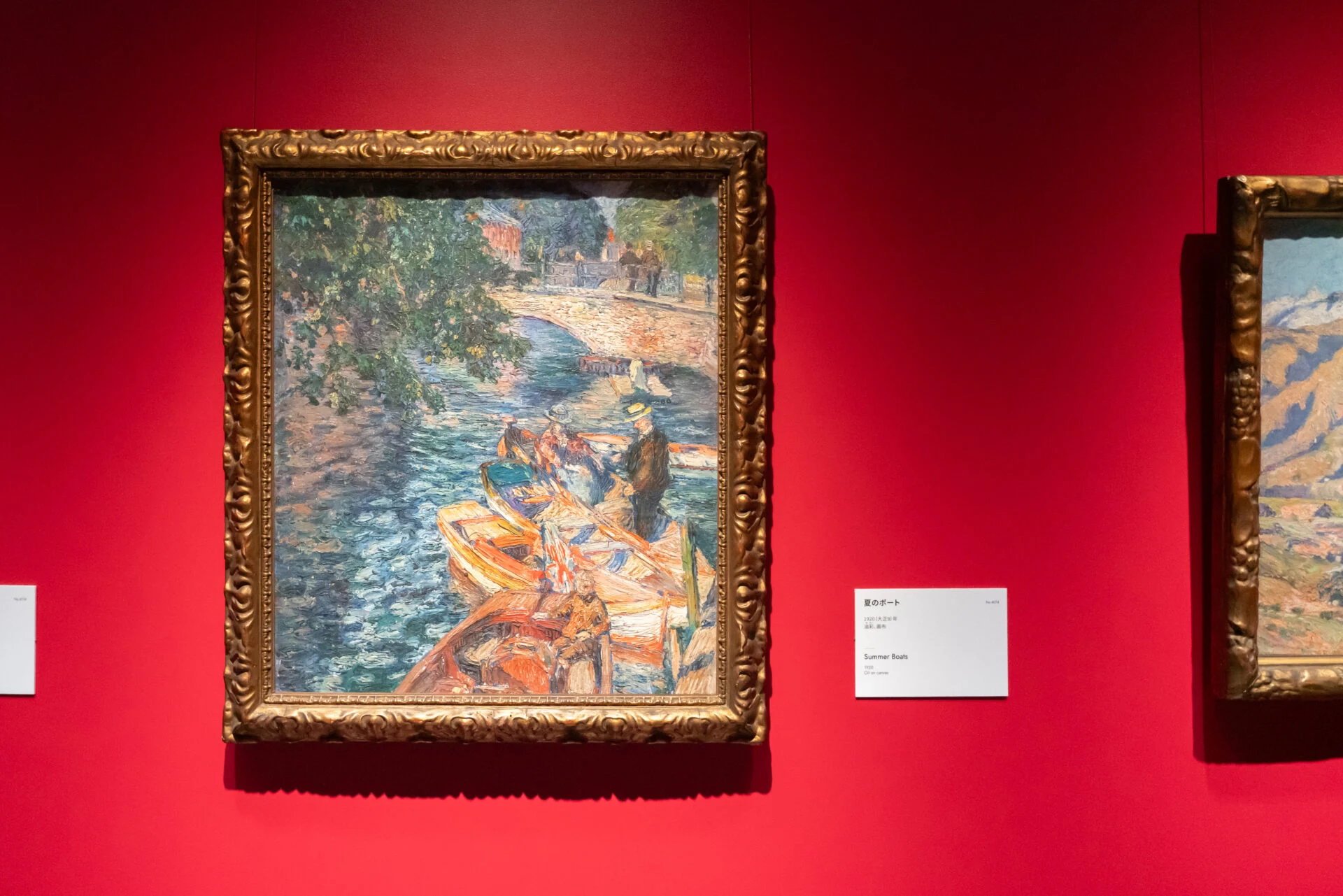
Kojima Torajiro is said to be one of the representative Impressionist painters in Japan. He was born in 1881 (Meiji 14) in what is now Takahashi City, Okayama Prefecture.
In 1902, he entered the Tokyo School of Fine Arts (now Tokyo University of the Arts). After skipping two grades, he graduated and continued his studies in the graduate school.
Afterward, his work 'Garden of Compassion' exhibited at the Industrial Exhibition Art Exhibition sponsored by the Tokyo Prefecture won first prize and was purchased by the Imperial Household Ministry (at that time). This indicates that he was a talented painter from a young age.
After the graduate school, he studied in Europe with the support of businessman Ohara Magosaburo, and in 1912 he graduated at the top of his class from the Royal Academy of Fine Arts in Ghent, Belgium.
Upon returning to Japan, he settled in Kurashiki City and energetically traveled abroad while pursuing his unique expression, leaving behind many works.
Kojima Torajiro as a collector
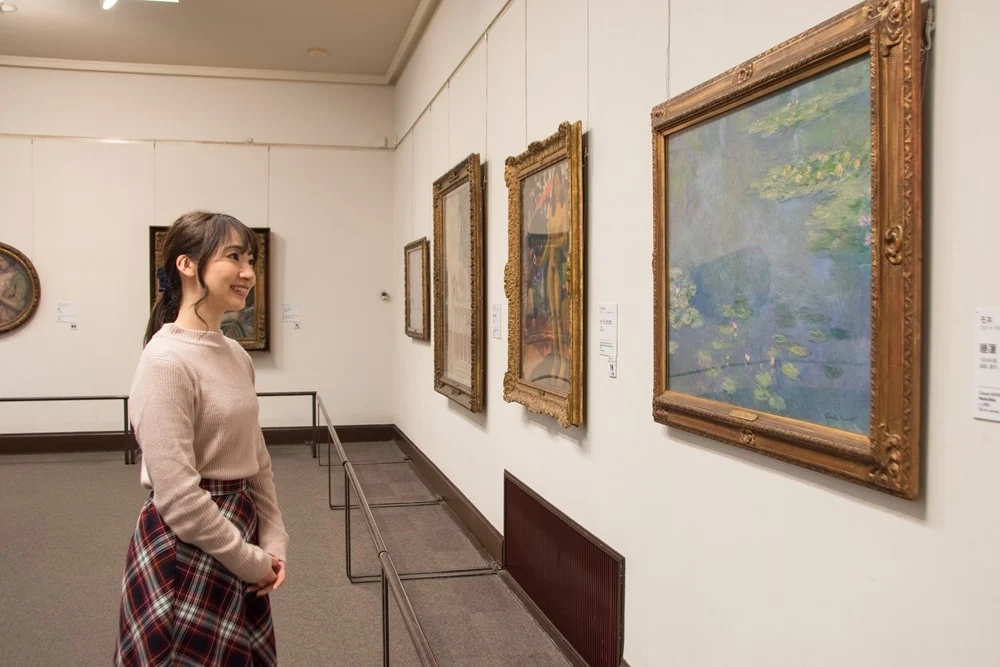
In the early 20th century, it was difficult to see actual Western paintings in Japan. Torajiro had a desire to show real Western paintings to art students and the general public living in Japan. Magosaburo shared this sentiment and supported him.
Torajiro purchased many works, focusing on contemporary artists of the time such as Monet, Matisse, and Gauguin.
For example, the Monet painting 'Water Lilies' in the collection of the Ohara Museum of Art was given to him by Monet himself, who was moved by Torajiro's enthusiasm and had kept the work carefully at his home.
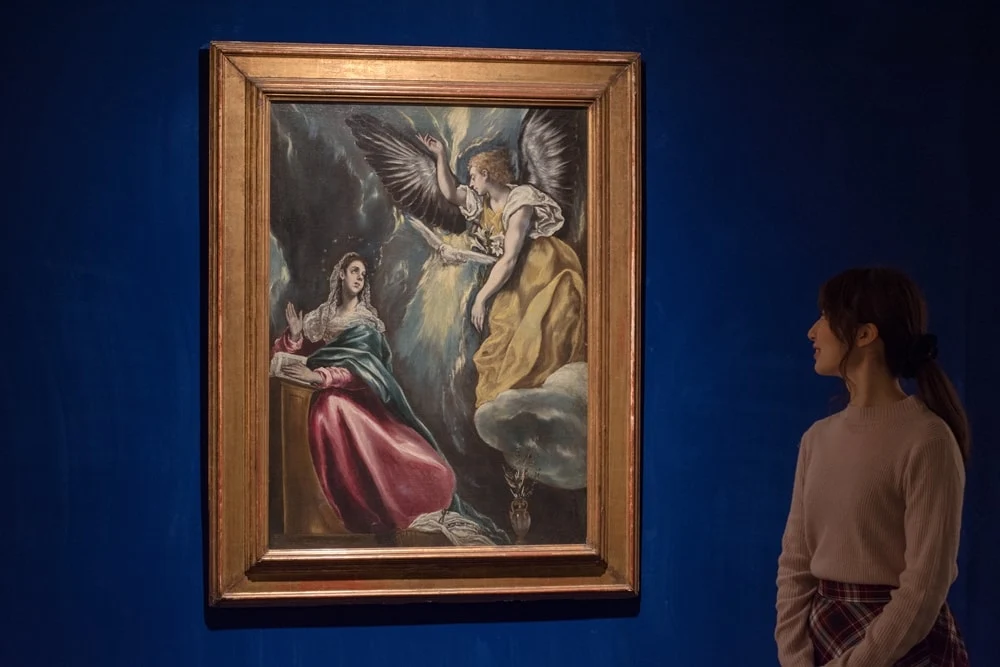
He also collected timeless masterpieces such as El Greco's 'Annunciation', which is referred to as a miracle to have in Japan.
Thus, the numerous works collected with aesthetic sense and passion became the foundation of the Ohara Museum of Art. He can be said to be a person who created the opportunity for people to gather in Kurashiki.
Furthermore, Torajiro collected not only European paintings but also ancient art from the Orient, including ancient Egypt.
The relationship between Kojima Torajiro, Ohara Magosaburo, and the Ohara Museum of Art
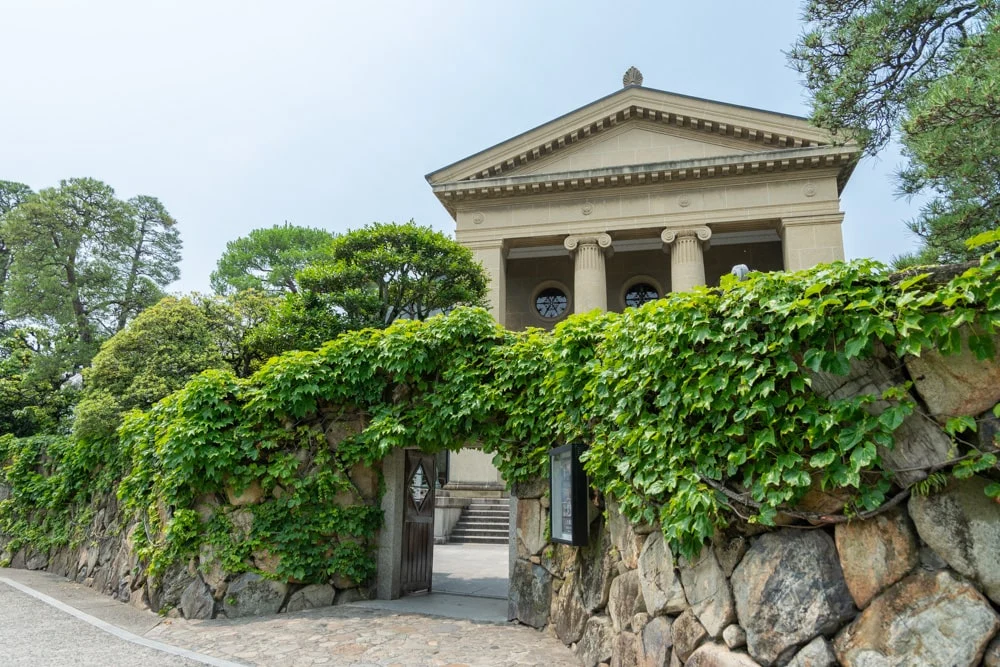
Kojima Torajiro and Ohara Magosaburo developed a friendship that transcended the relationship of painter and patron.
Magosaburo mourned Torajiro, who passed away at the young age of 47, and decided to build a museum to showcase Torajiro's collection and the works he painted.
In 1930, the Ohara Museum of Art was opened.
Magosaburo's eldest son, Ohara Soichiro, succeeded him and developed and expanded the Ohara Museum of Art.
Subsequently, from 1972, exhibition rooms for Kojima's collection and works were gradually established within Kurashiki Ivy Square, and in 1981 it was named the 'Ohara Museum of Art Kojima Torajiro Memorial Gallery', but it was withdrawn in 2017 as it no longer met the conditions required by modern museums.
Then, in 2025, it grandly opened in a location that harmonizes with the Ohara Museum of Art and buildings associated with the Ohara family.
As of 2025, the Ohara Museum of Art has the following facilities.
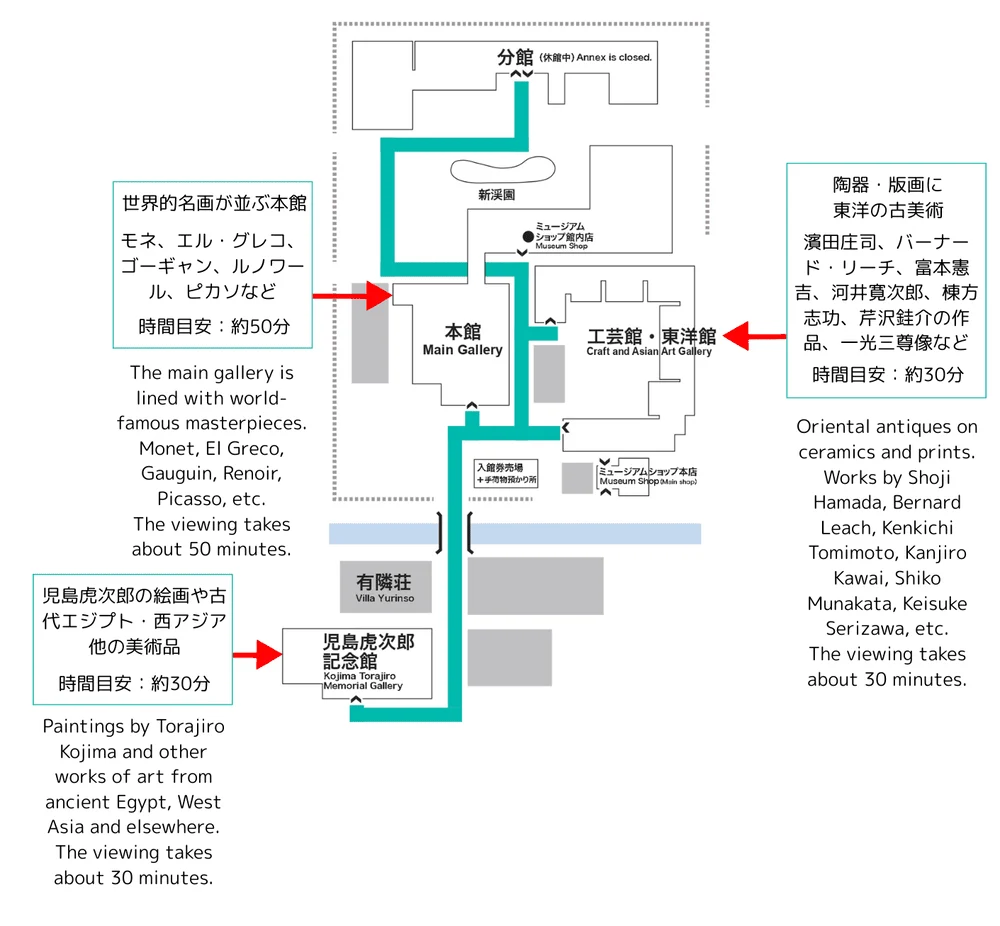
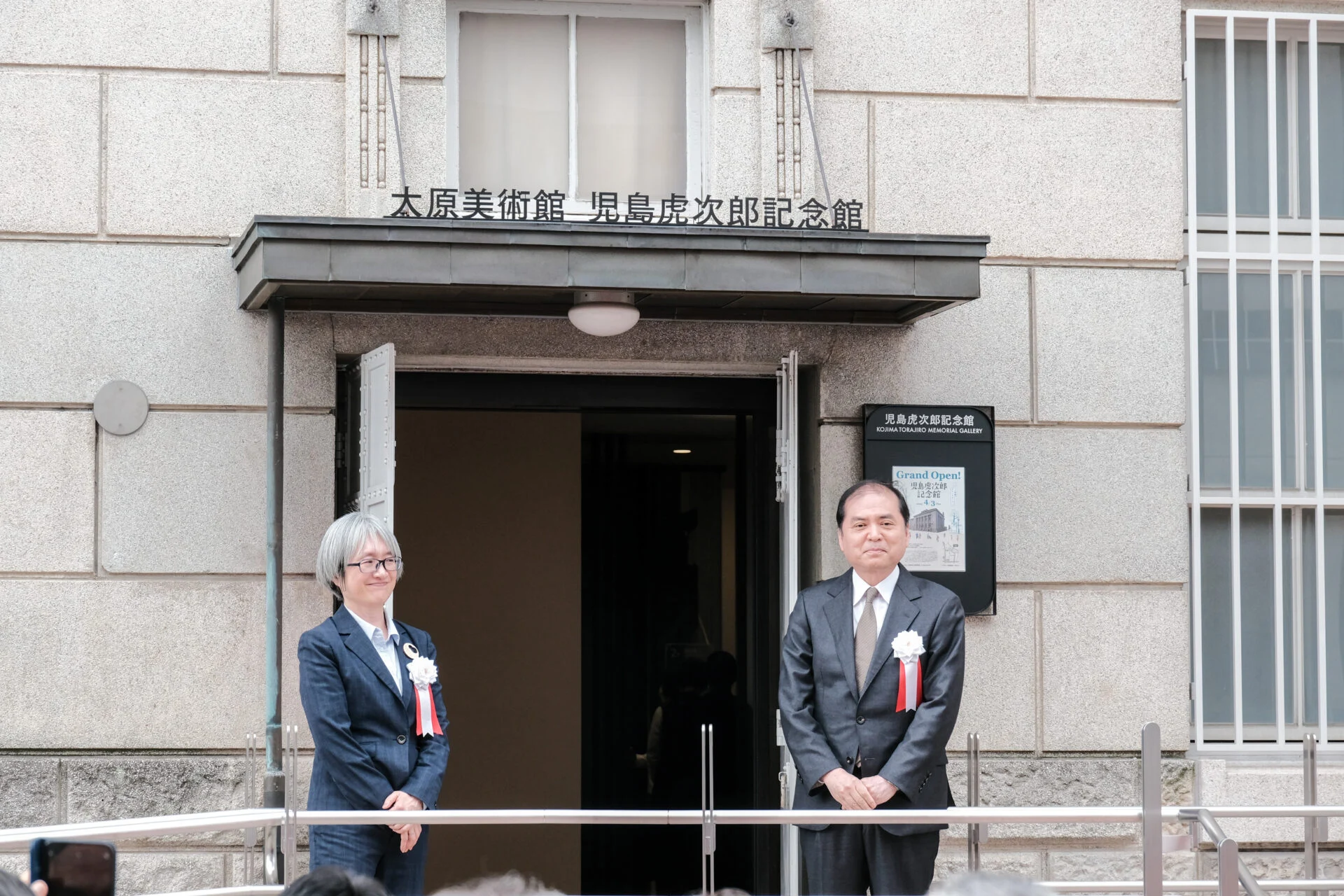
Exhibits at the Kojima Torajiro Memorial Gallery
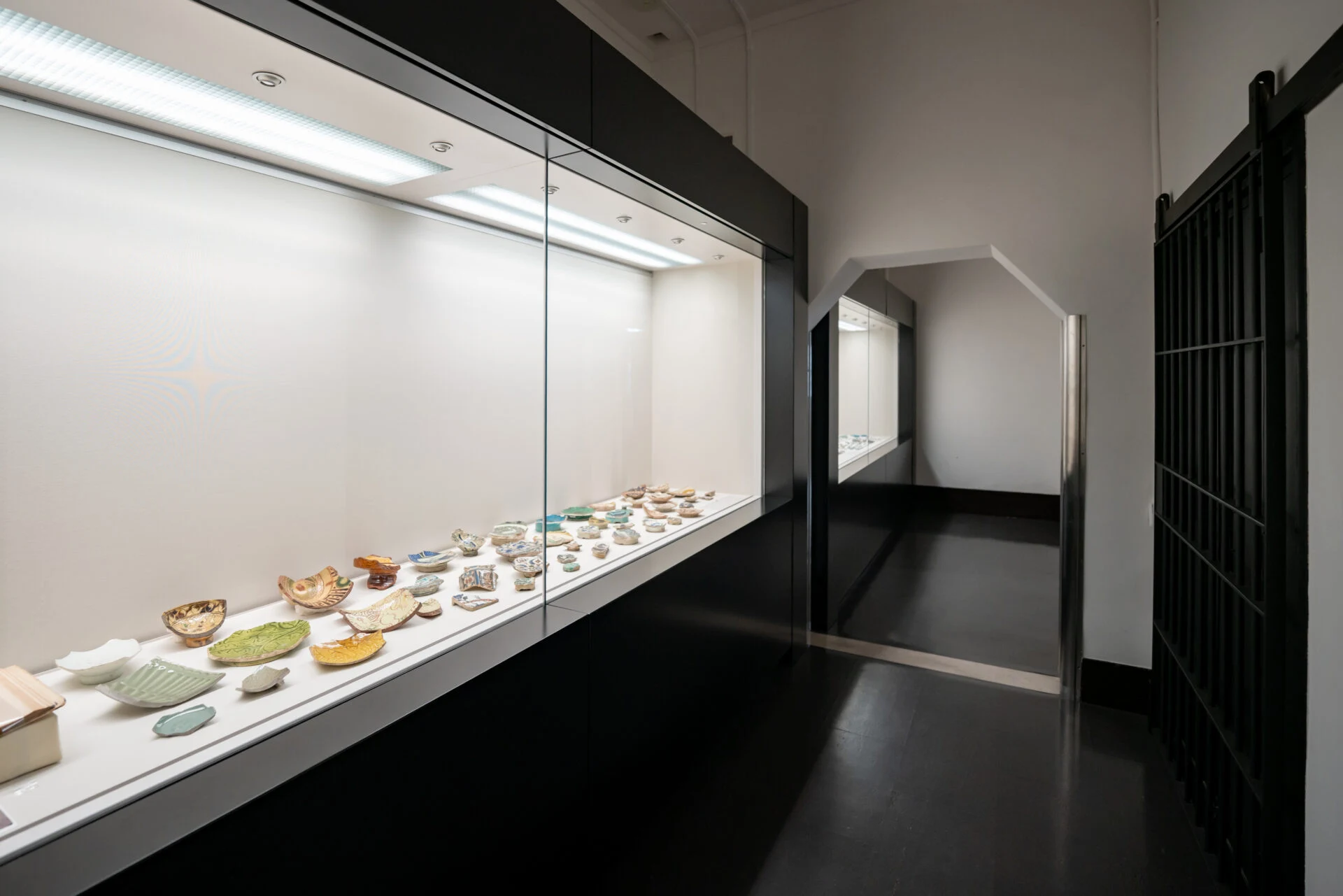
The Kojima Torajiro Memorial Gallery exhibits the following:
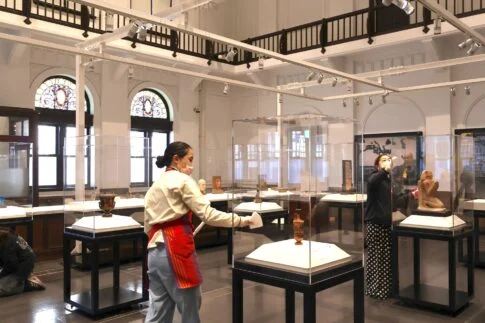
- Ancient art from Egypt, Western Asia, and others
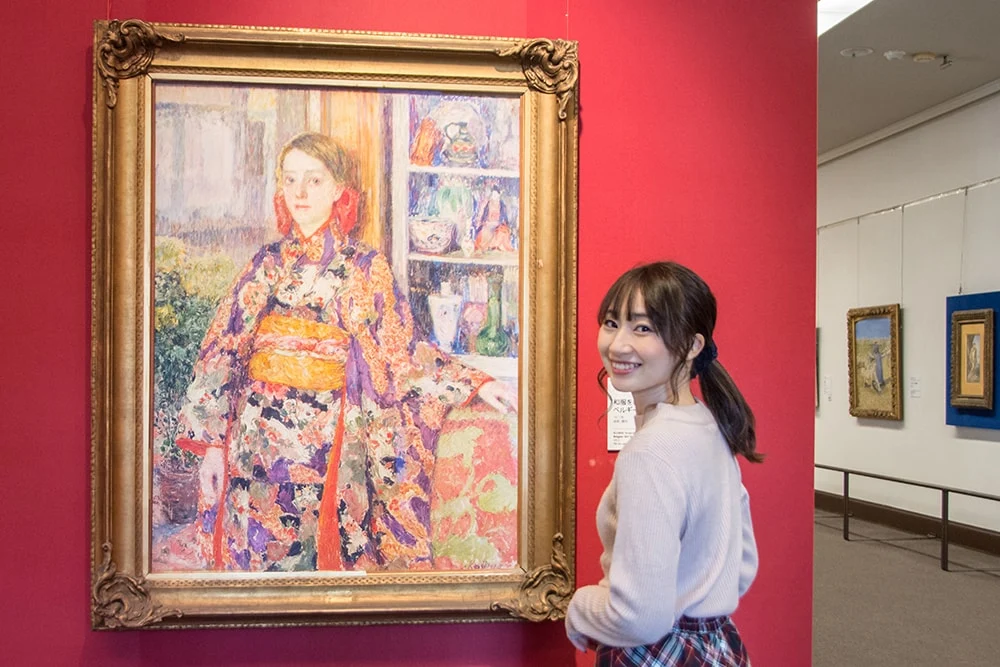
- Works by Kojima Torajiro
However, since the exhibits are changed periodically, the works on display will vary depending on the time.
You will likely have new encounters each time you visit.
Ancient art from Egypt, Western Asia, and others
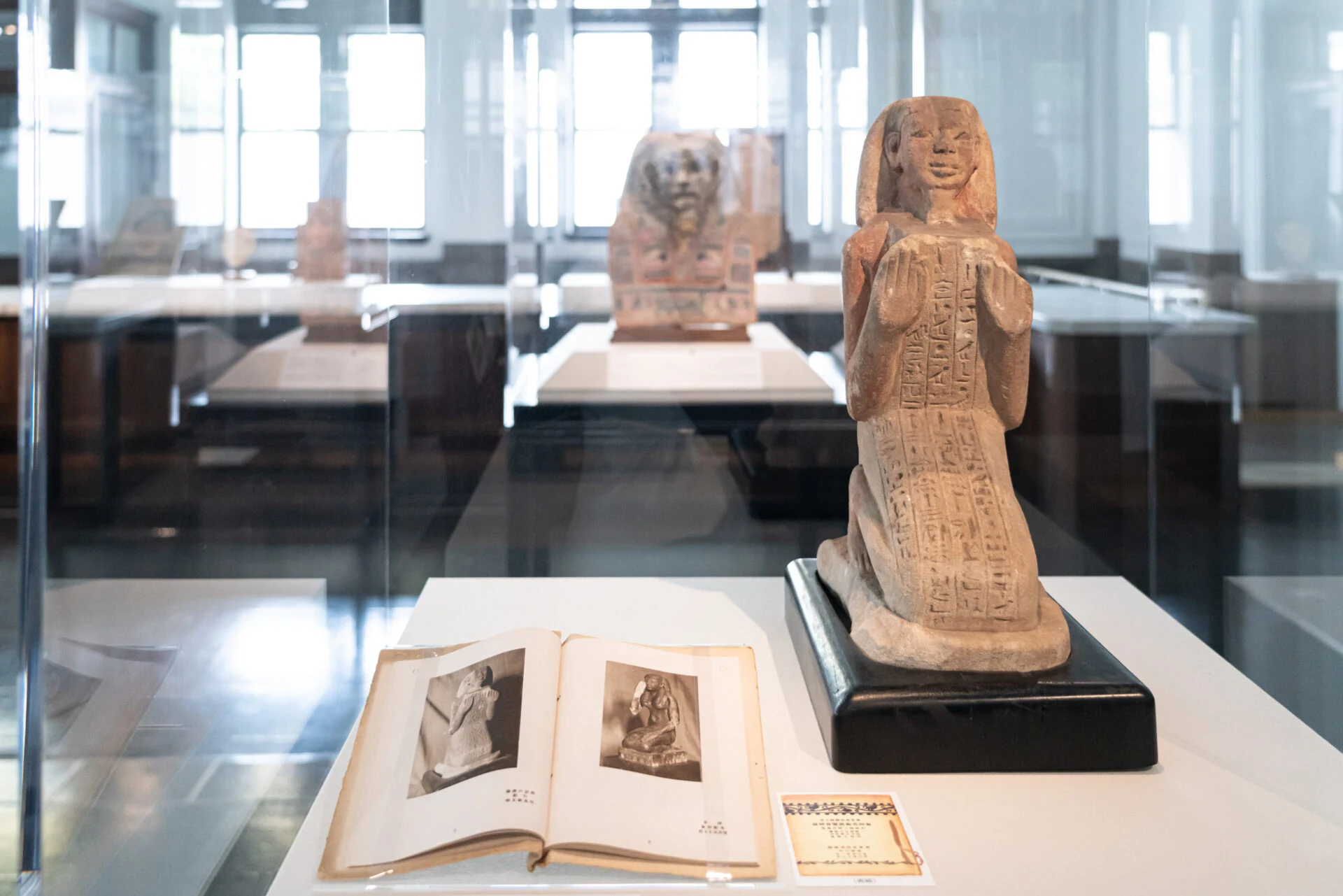
The ancient art from Egypt and Western Asia can be called the 'source of culture'.
The exhibition of the artworks that Torajiro brought back provided the Japanese people of that time with their first opportunity to encounter a cohesive collection of Oriental art.
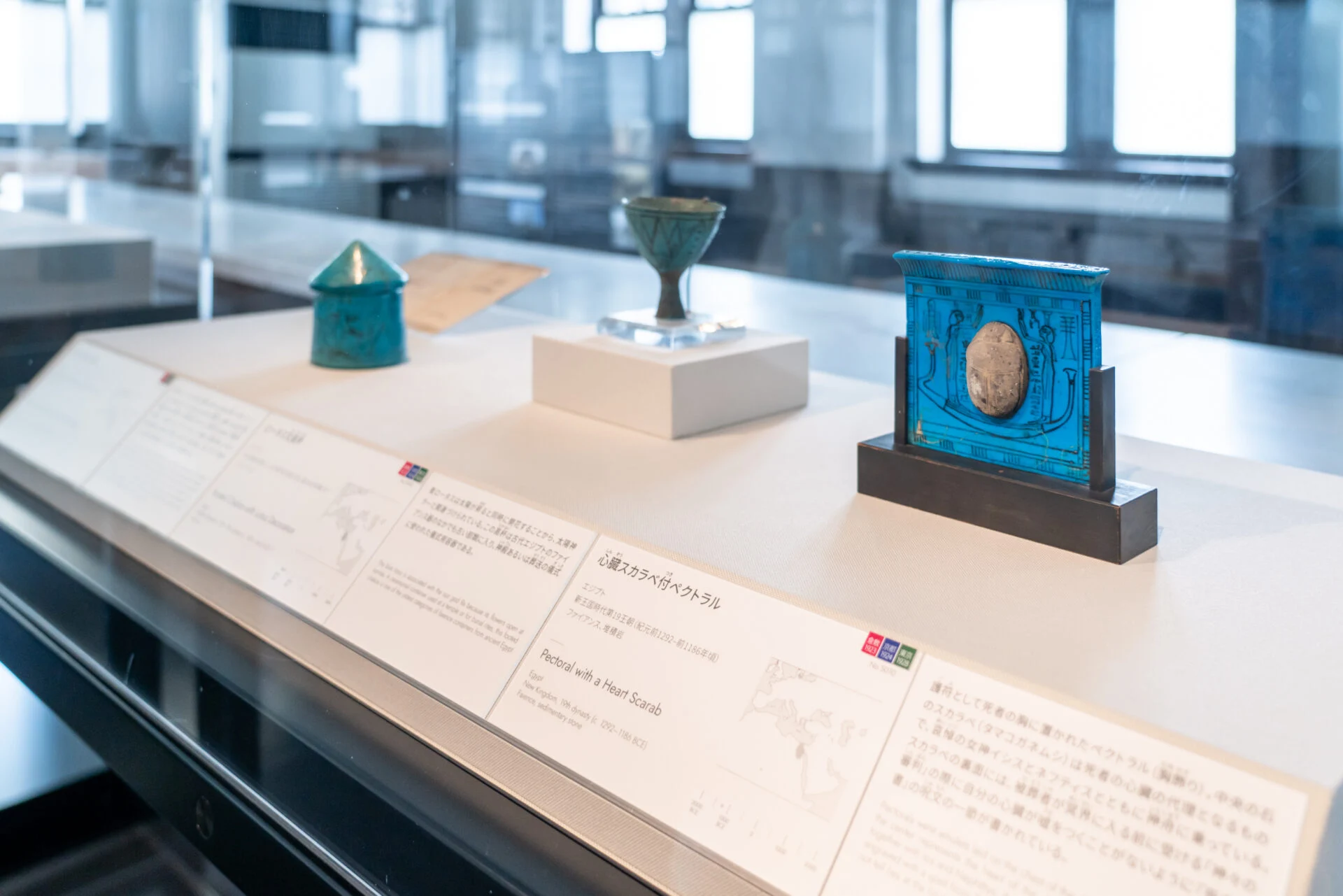
Please also pay attention to the 'collection value' of gathering such a large number of items from the Meiji to early Showa periods.
You can carefully appreciate artworks such as plates from Iran and statues from Egypt.
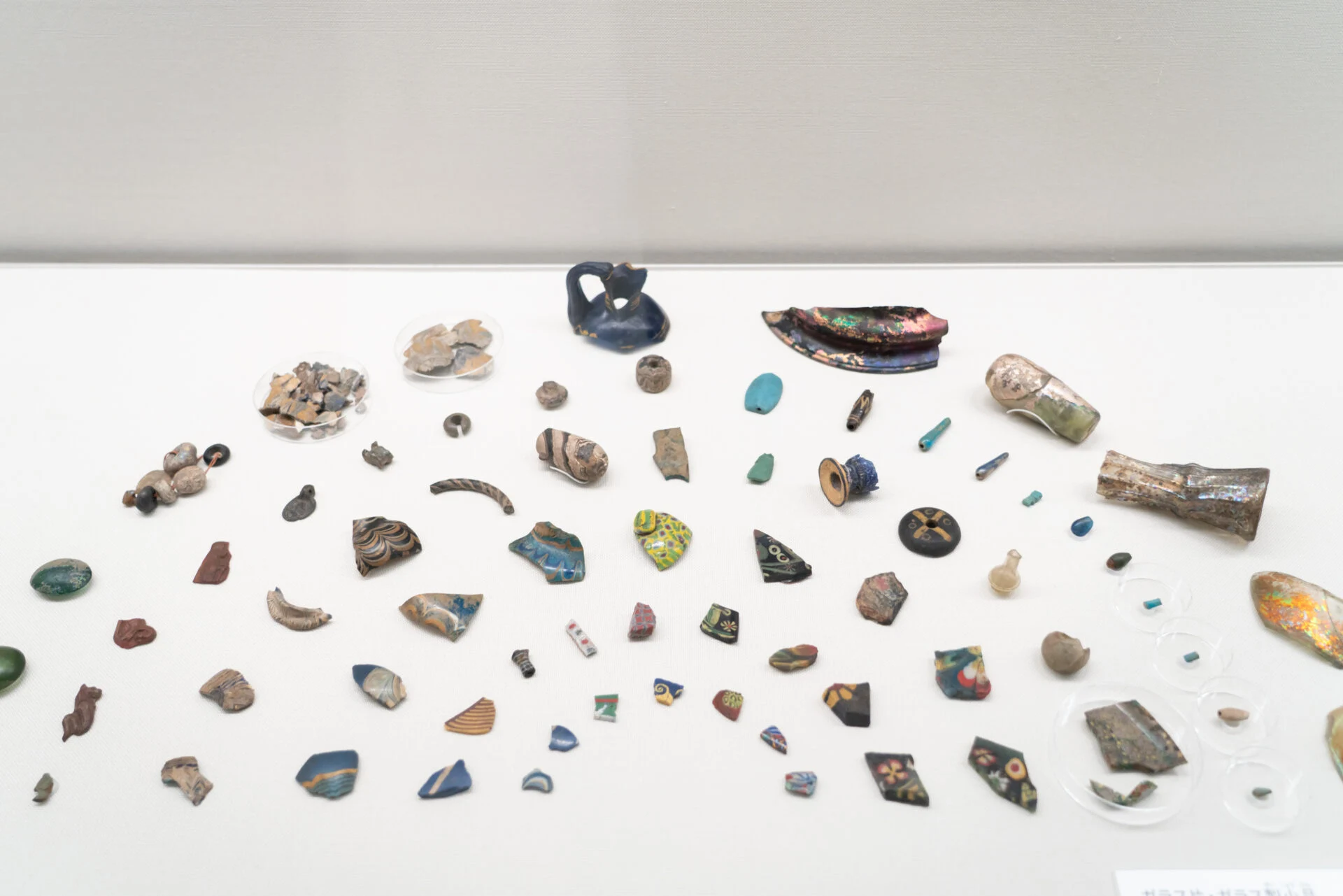
The collection includes items collected by others besides Torajiro, but the items Torajiro gathered had a significant impact on the formation of the Ohara Museum of Art's collection.
You can reflect on the people who created works from ancient times and imagine the feelings of the Japanese people in the Taisho era who encountered Oriental art for the first time.
Feel free to appreciate the works while referring to the explanations.
Works by Kojima Torajiro
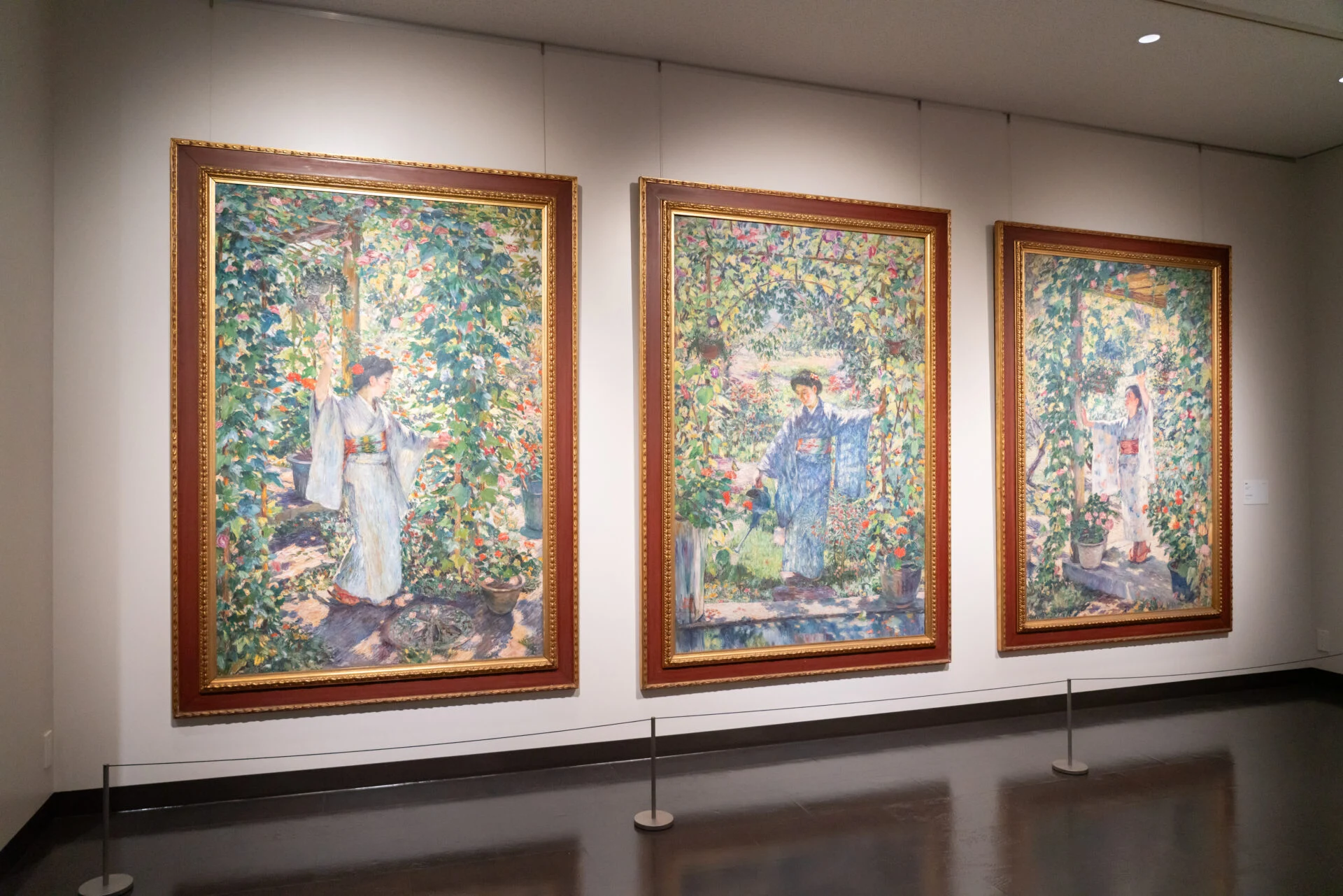
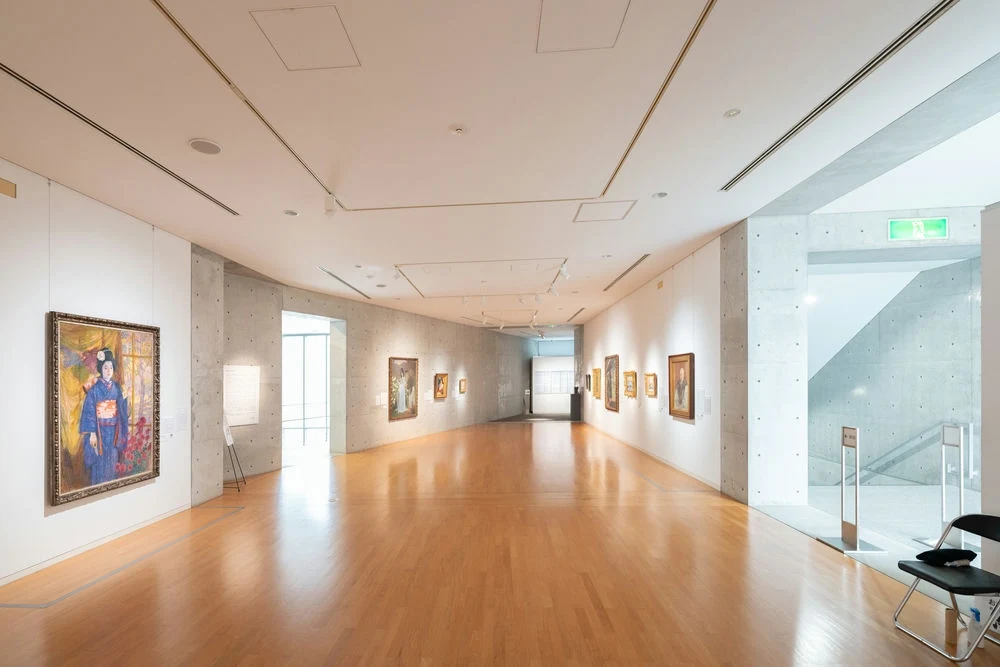
The works that were displayed at the main building of the Ohara Museum of Art have now moved to the Kojima Torajiro Memorial Gallery.
It has become a space where you can fully immerse yourself in Torajiro's world.
The colors, light, and shapes depicted in Torajiro's paintings are highly regarded not only in Japan but also in France.
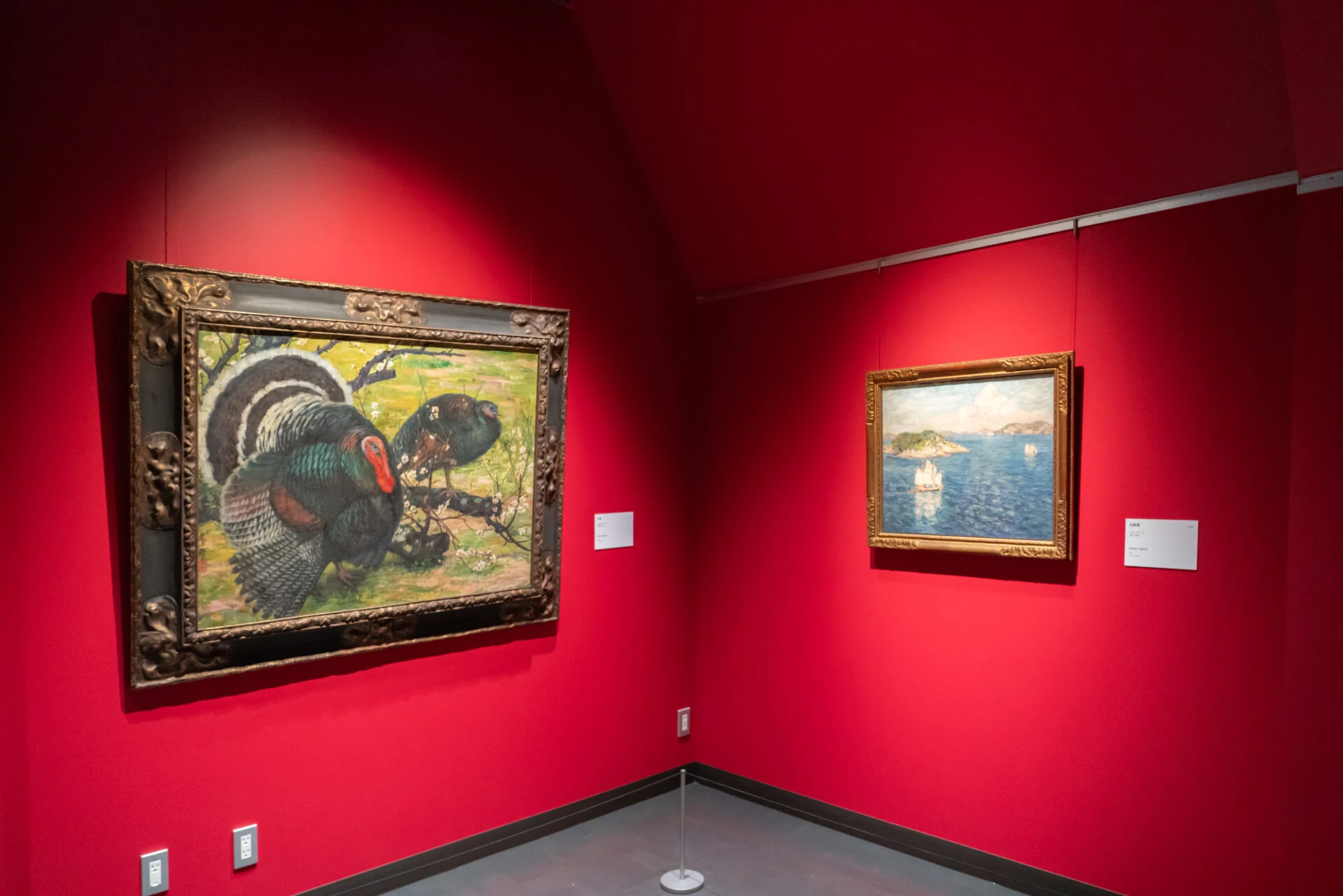
One of the characteristics of Kojima Torajiro's works is that they are woven with various cultures.
In the latter part of the article, we will delve deeper into the characteristics of Kojima Torajiro's works through an interview.
The Building of Kojima Torajiro Memorial Gallery
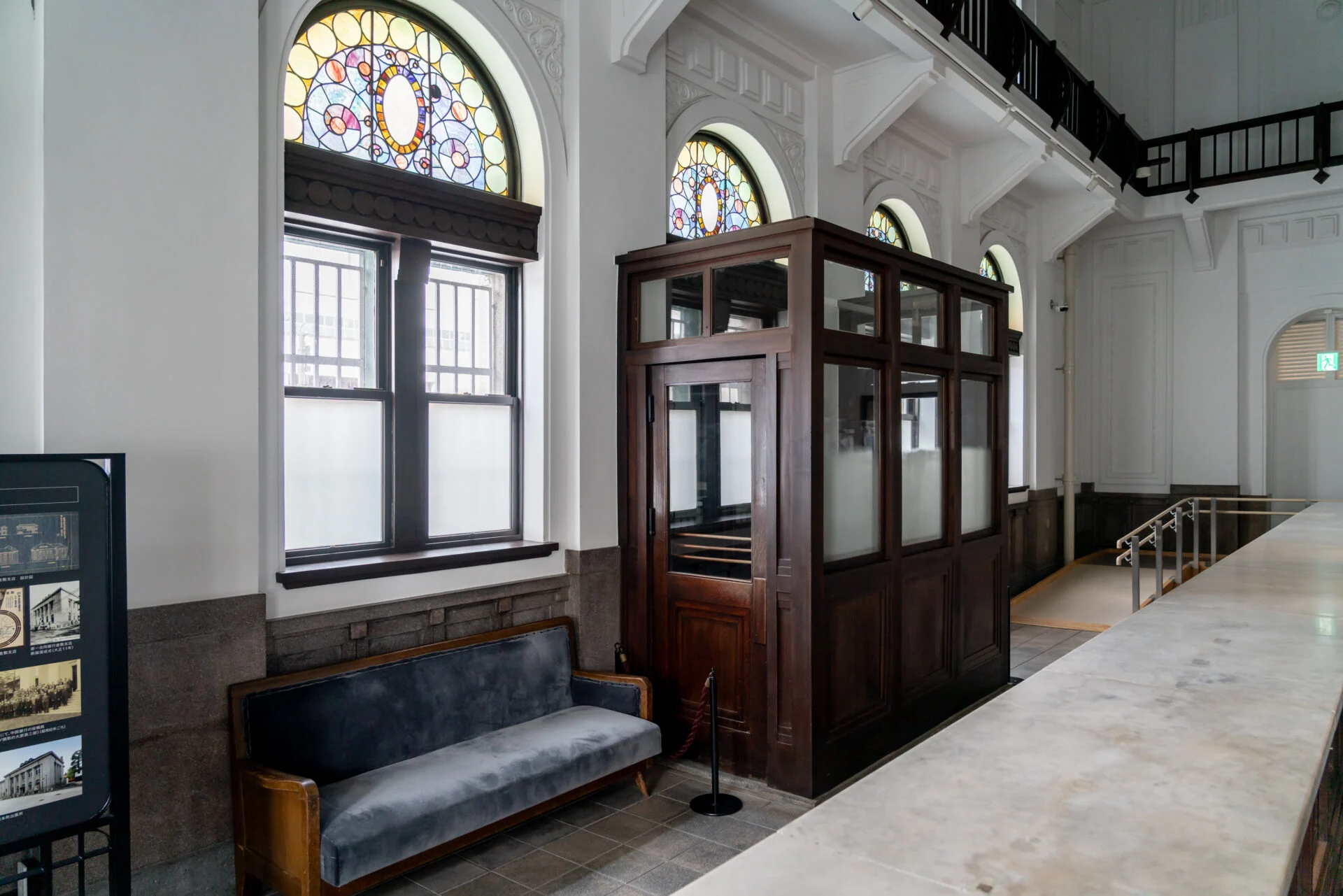
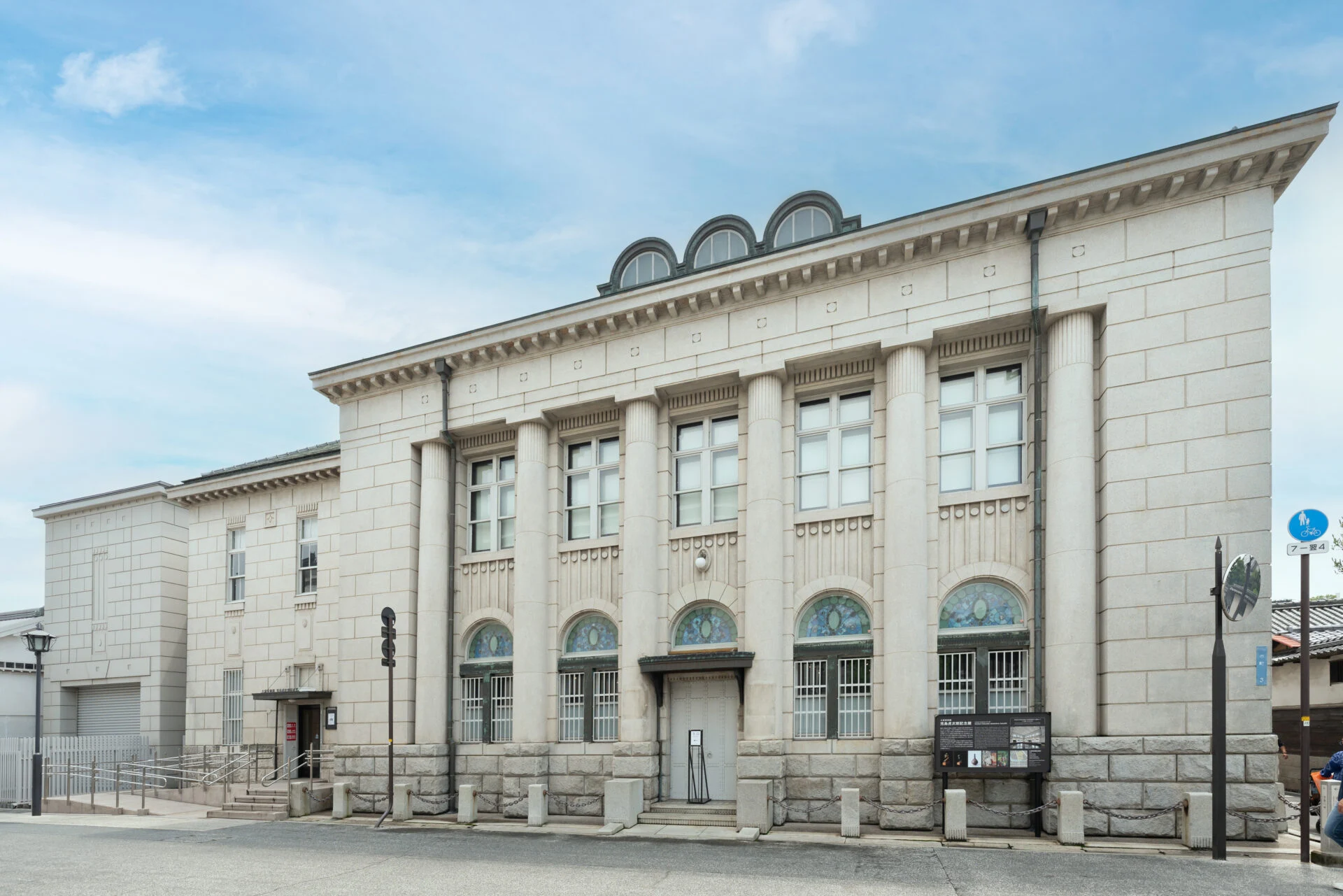
The Kojima Torajiro Memorial Gallery is also full of architectural charm.
Connection with Ohara Museum of Art

The building of the Kojima Torajiro Memorial Gallery was completed in 1922 as a branch of the First National Bank (now Chugoku Bank). The president of the First National Bank at that time was Ohara Magosaburo, the founder of the Ohara Museum of Art.
Additionally, the architect Yakushiji Kazue, who designed this building, also worked on the design of the main building of the Ohara Museum of Art and the former villa of the Ohara family, Yurin-so Villa.
The building of the Kojima Torajiro Memorial Gallery is deeply connected to the Ohara family and can be said to be a building that supported the development of modern Kurashiki.
Modern Architecture that Composes the Townscape of Kurashiki
One of the features of the townscape in the Bikan Historical Area is that it blends traditional townhouses and modern architecture. The main building of the Ohara Museum of Art and the Kojima Torajiro Memorial Gallery are important buildings that compose this townscape.
In 2017, it was recognized as a cultural property of the Japan Heritage "A Kurashiki story beginning with a single cotton flower - A town of textiles woven with harmony of Japanese and Western cultures".
This area has become a place where one can feel the story of modern Kurashiki.
Roles Beyond Exhibitions
The role of a museum is not only to collect, preserve, and exhibit works.
The Kojima Torajiro Memorial Gallery is also utilized for corporate training, lectures, workshops, and museum internships.
This building, which supported the development of modern Kurashiki, has transformed into a facility that not only conveys the achievements of Kojima Torajiro but also contributes to the community and culture.
I spoke with Ayumi Kawakawa, a special senior researcher at the Ohara Art Foundation, about the journey to opening the gallery, the thoughts behind it, and her perspective on Kojima Torajiro.
Data on Ohara Museum of Art Kojima Torajiro Memorial Gallery
| Name | Ohara Museum of Art Kojima Torajiro Memorial Gallery |
|---|---|
| Location | 3-1 Honmachi, Kurashiki City, Okayama Prefecture |
| Contact | 086-422-0005 |
| Parking | None |
| Opening Hours | 10:00 AM - 4:00 PM ※Last admission is at 3:30 PM; from December to February, it closes at 3:00 PM |
| Closed | Monday Temporary closures may occur If a holiday coincides with a closed day, it will be open Open without holidays from late July to August |
| Admission Fee (including tax) | Common ticket for Ohara Museum of Art main building / Crafts and Asian Art Museum / Kojima Torajiro Memorial Gallery General 2,000 yen High school, middle school, and elementary school students (under 18) 500 yen ※Admission tickets can be purchased at the ticket booth in front of the main building of the Ohara Museum of Art |
| Payment Methods |
|
| Reservations | Available No reservation needed for individuals |
| Smoking | Completely non-smoking |
| Restrooms | Barrier-free restrooms |
| Parenting | Diaper changing station |
| Barrier-free | Ramps, barrier-free restrooms, elevators |
| Website | Official Website of Ohara Museum of Art |