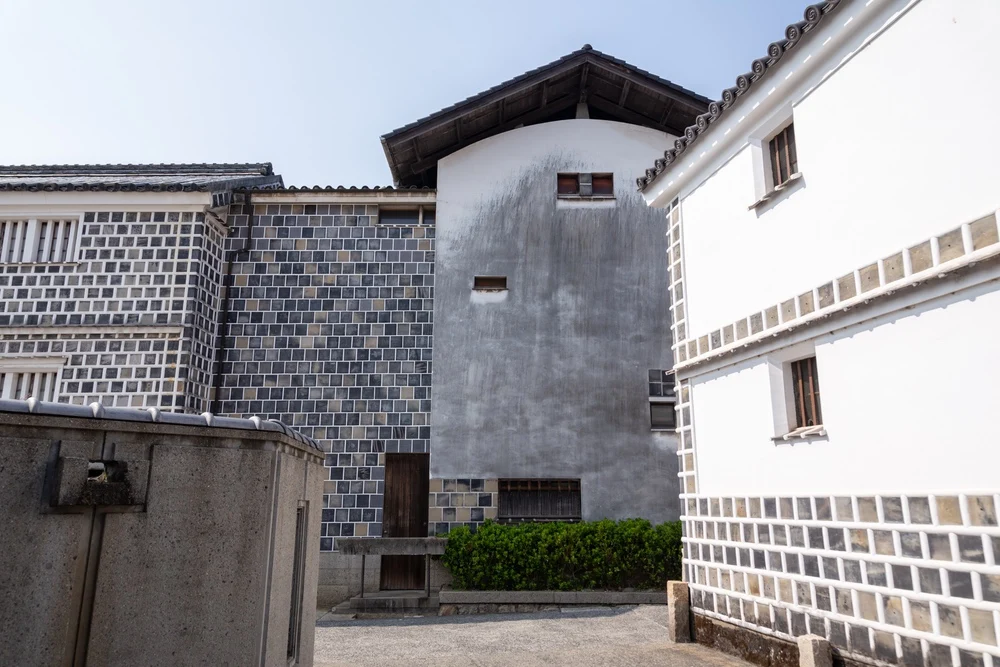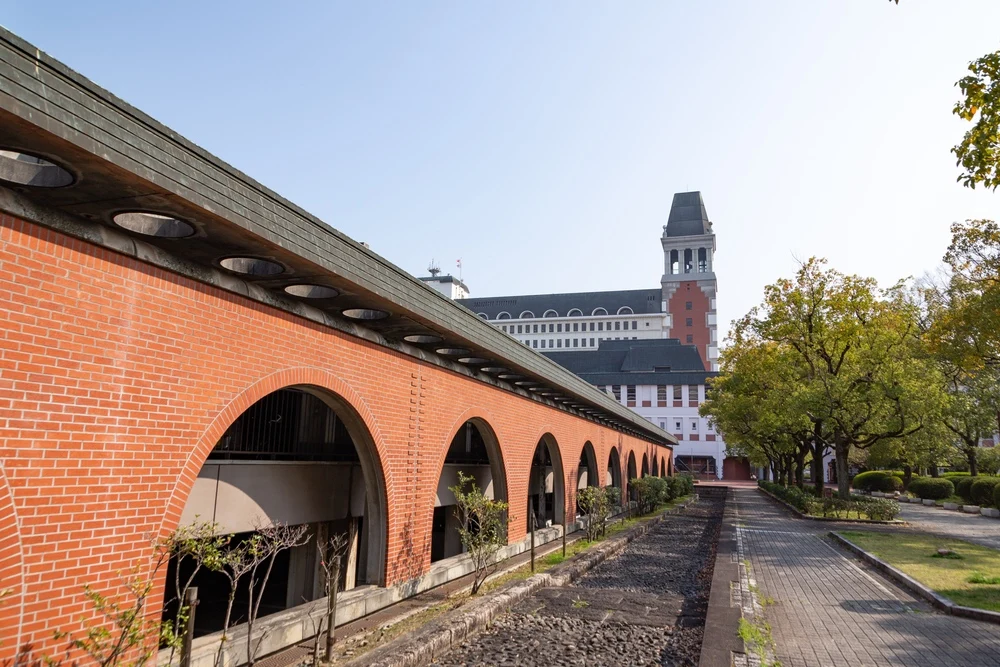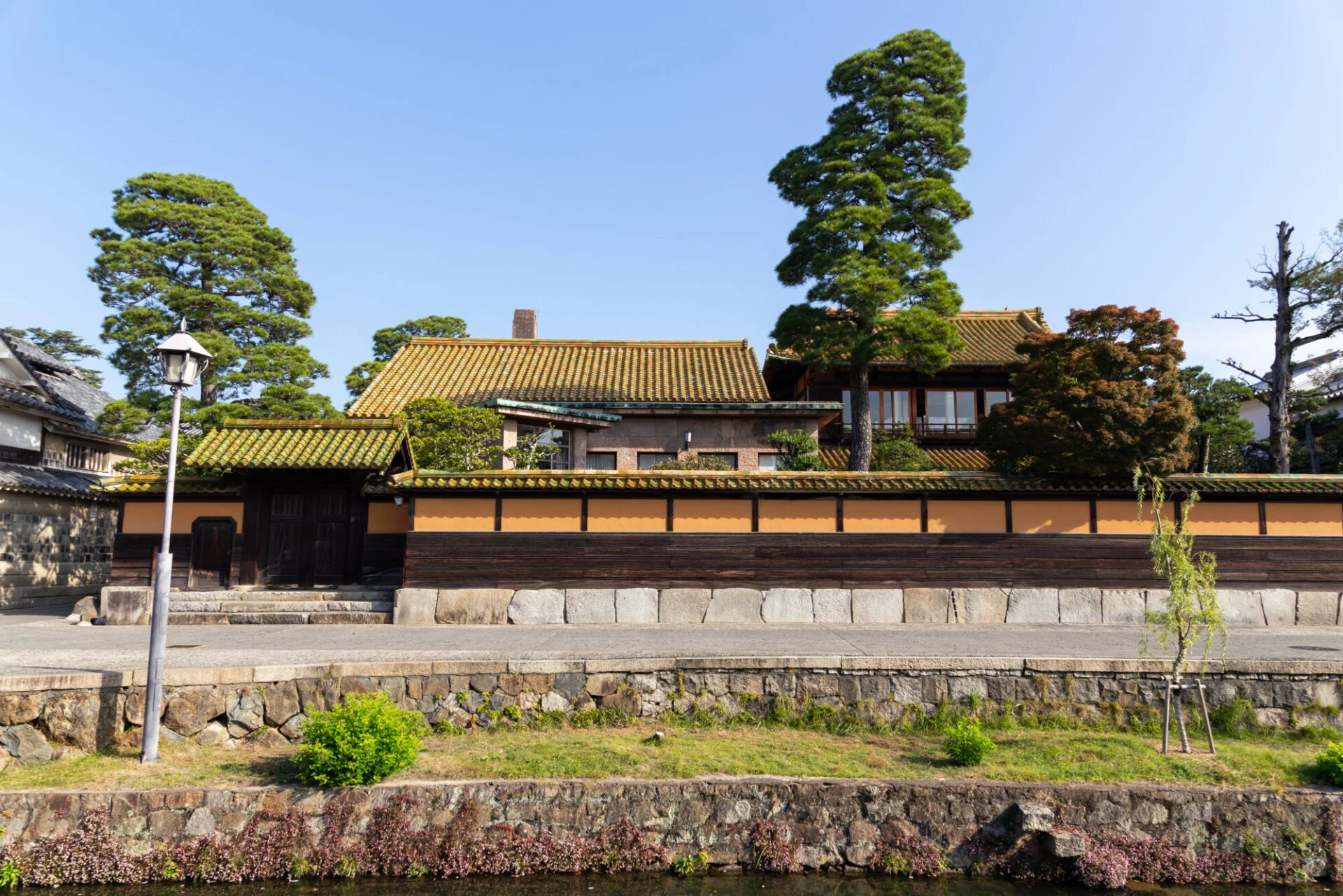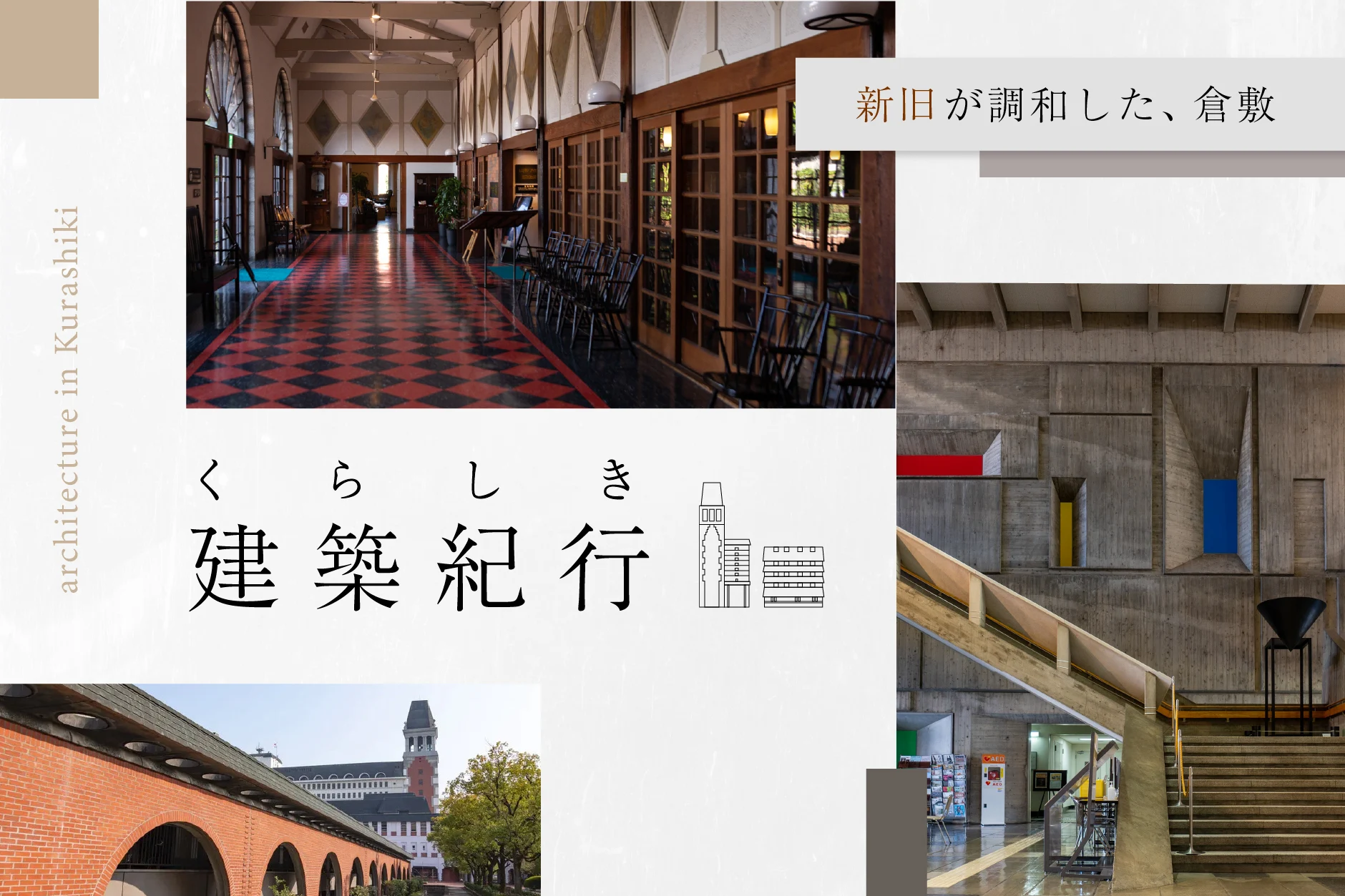
The Bikan Historical Area of Kurashiki features traditional wooden architecture from the Edo period.
This is often seen as an introduction to the Bikan Historical Area.
In 1979 (Showa 54), the Bikan Historical Area was designated as a Important Preservation District for Groups of Traditional Buildings. However, even before that, in 1968 (Showa 43), Kurashiki City established the Kurashiki Traditional Scenic Preservation Ordinance aimed at preserving the scenic area.
In other words, the local residents made the decision to "preserve the townscape" before it was recognized by the national government.
However, the Bikan Historical Area is home not only to buildings from the Edo period but also to structures from the Meiji, Taisho, and Showa periods, such as the relatively new Ohara Museum of Art (Main Building, 1930).
The Bikan Historical Area harmonizes the old and the new
While this can be said, for us living in the present, what feelings are embedded in the buildings constructed during the "Taisho and Showa periods," which seem close yet are somewhat distant?
The Kurashiki Architectural Journey will introduce the history and culture of the Bikan Historical Area with a focus on its "buildings."
Buildings Constructed During the Taisho and Showa Periods
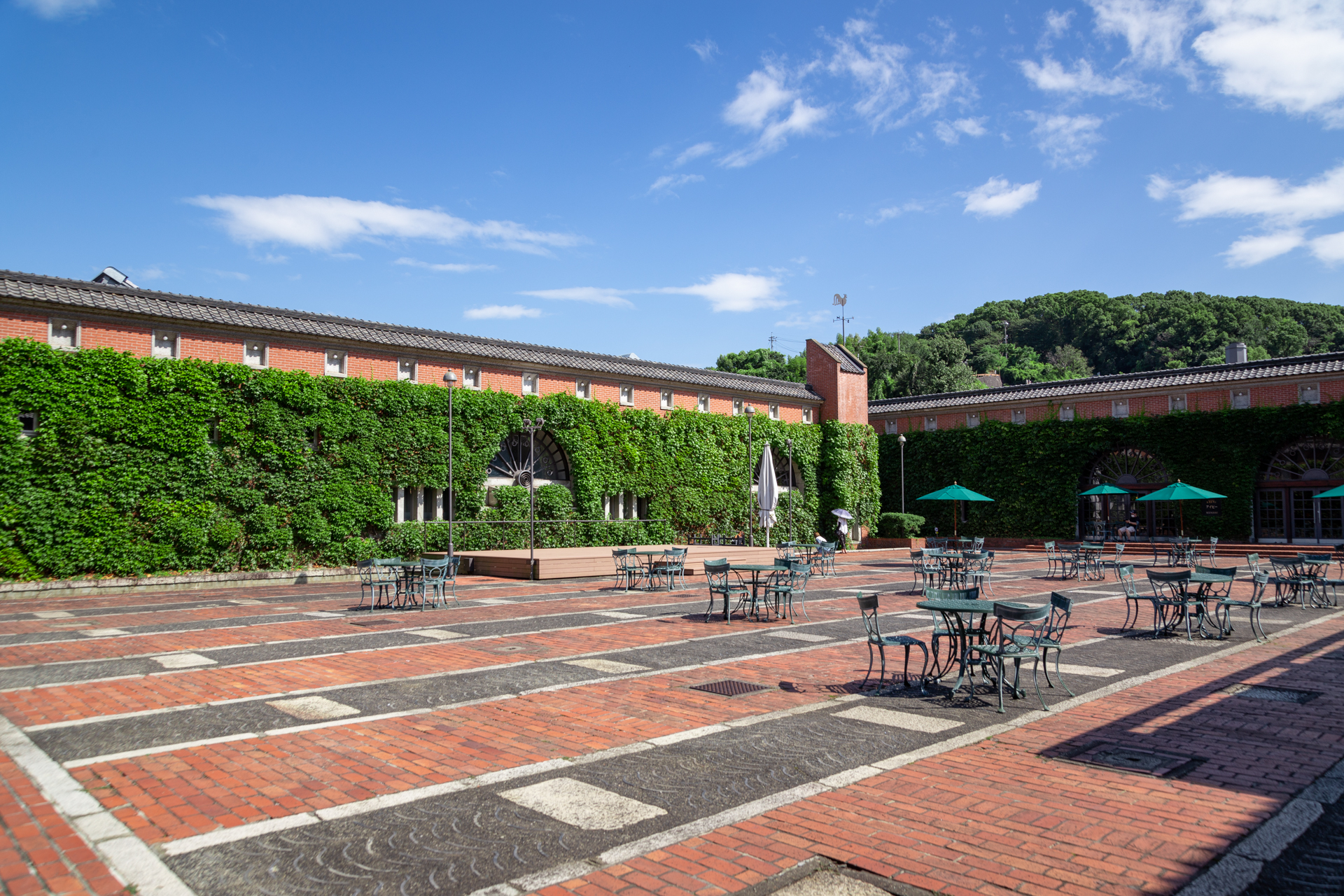
In the Bikan Historical Area and its surroundings, buildings designed by the following four architects remain.
- Nishimura Isaku (1884–1963)
- Yakushiji Kazue (1884–1965)
- Urabe Shintaro (1909–1991)
- Tange Kenzo (1913–2005)
Let us introduce each architect's buildings.
Nishimura Isaku
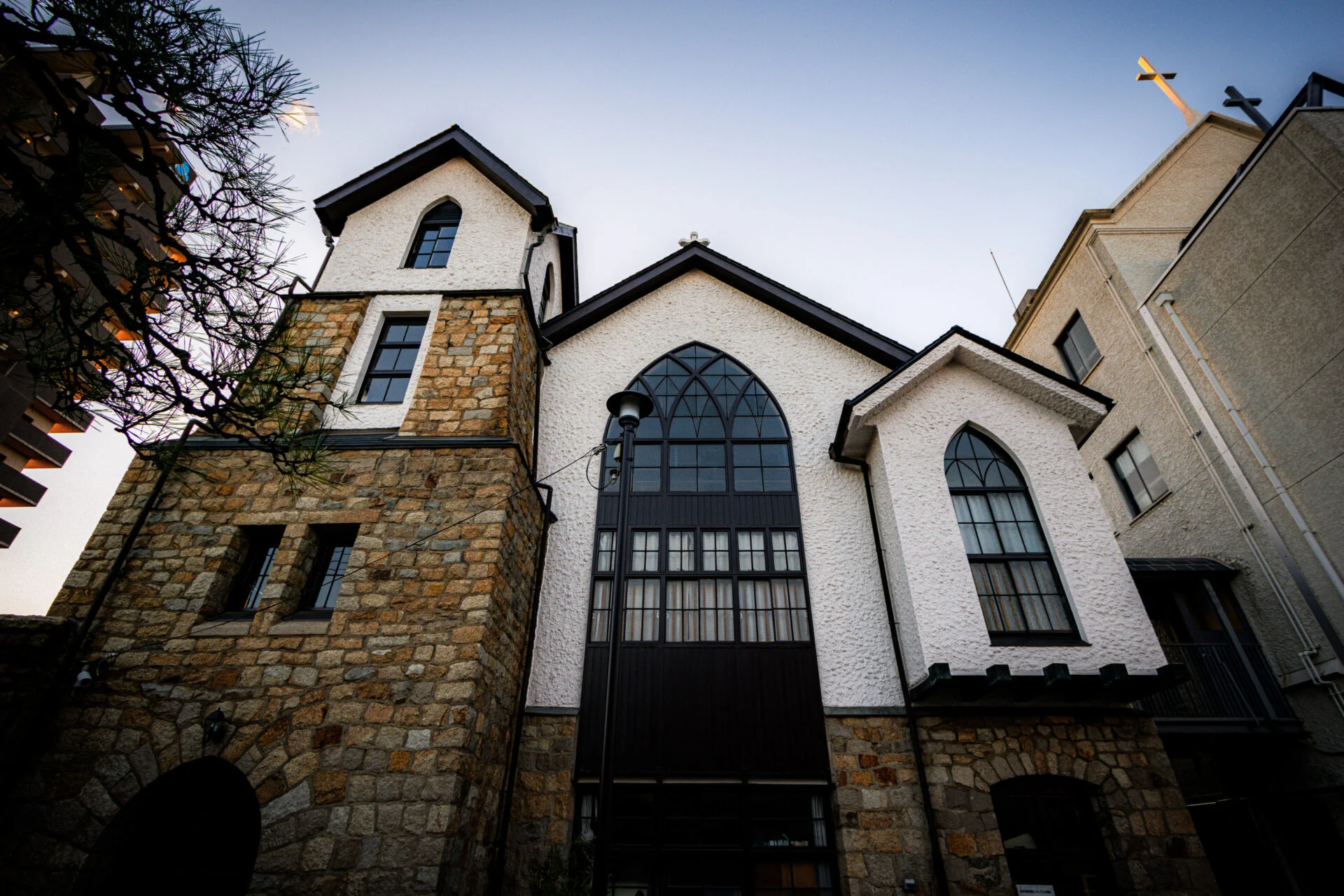
Nishimura Isaku founded the private school "Bunka Gakuin" in 1921 based on the ideals of freedom, respect for the arts, and gender equality. He was one of the prominent cultural figures of the Taisho Democracy period, and not only an architect but also a ceramic artist, painter, and educator.
- 1923 (Taisho 12): Kurashiki Church of the United Church of Christ in Japan
- 1925 (Taisho 14): Wakaba no Sono
Yakushiji Kazue

Yakushiji Kazue was an architect from Soja City, Okayama Prefecture.
After graduating from the architecture department of Tokyo Imperial University in 1909, he worked as an engineer for the Ministry of the Army, but at the request of Ohara Magosaburo, he voluntarily retired and became a director at Kurashiki Silk Textile Co. (now KURABO INDUSTRIES LTD.).
He later designed the Ohara Museum of Art (Main Building) and the Kurashiki branch of Daiichi Godo Bank (now the Kojima Torajiro Memorial Gallery).
- 1922 (Taisho 11): Kojima Torajiro Memorial Gallery (former Kurashiki branch of Chugoku Bank)
- 1928 (Showa 3): Yurin-so Villa
- 1930 (Showa 5): Ohara Museum of Art (Main Building)
Urabe Shintaro
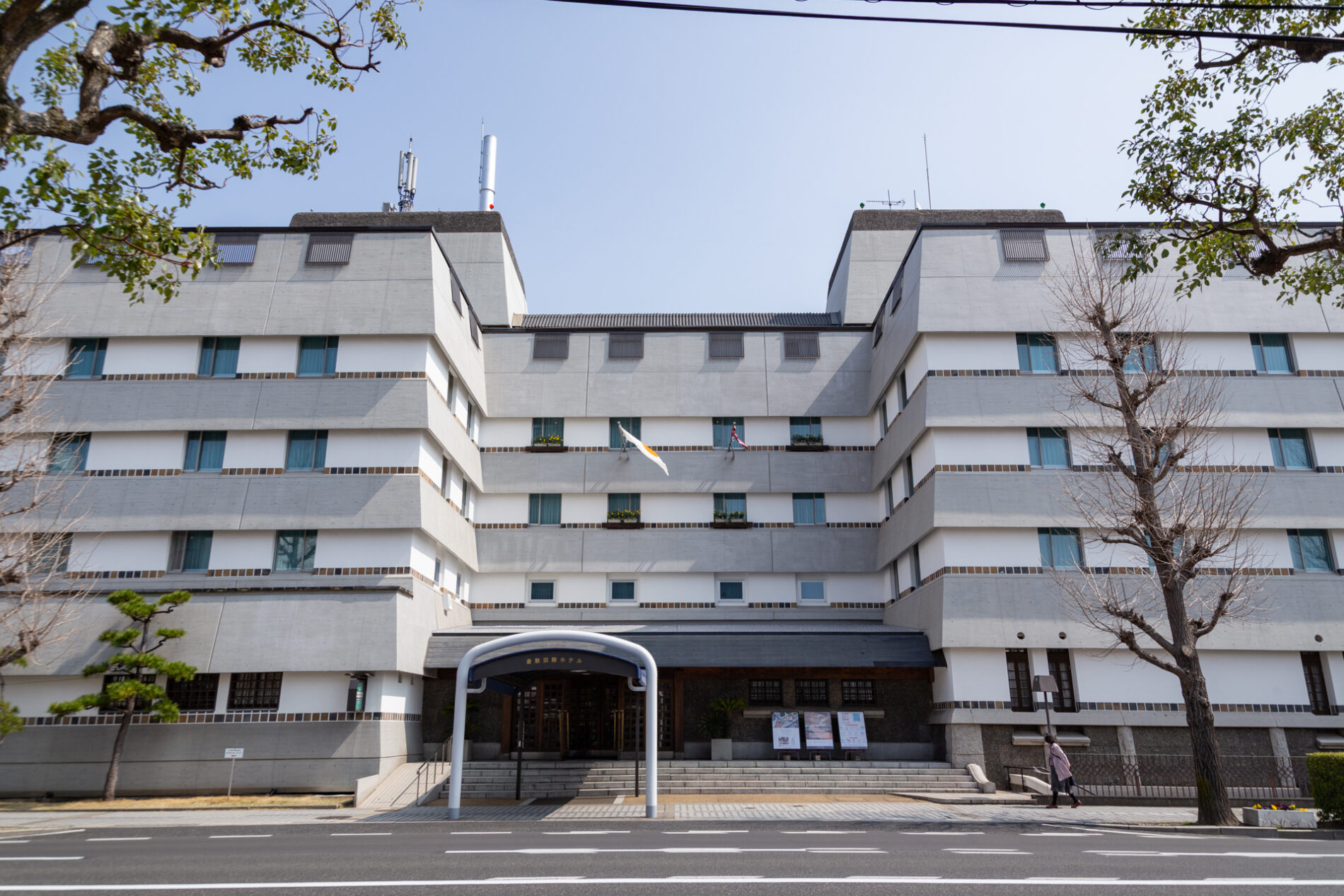
Urabe Shintaro was born in Kurashiki and, after graduating from university, joined Kurashiki Silk Textile Co. (now KURABO INDUSTRIES LTD.) in 1934 (Showa 9). He supported the urban development of Kurashiki alongside the company's president, Ohara Soichiro, and continued to leave many works even after Ohara Soichiro's death.
- 1957 (Showa 32): Kurashiki Archaeological Museum Extension
- 1957 (Showa 32): Renovation of Ryokan Kurashiki
- 1961 (Showa 36): Ohara Museum of Art (Annex)
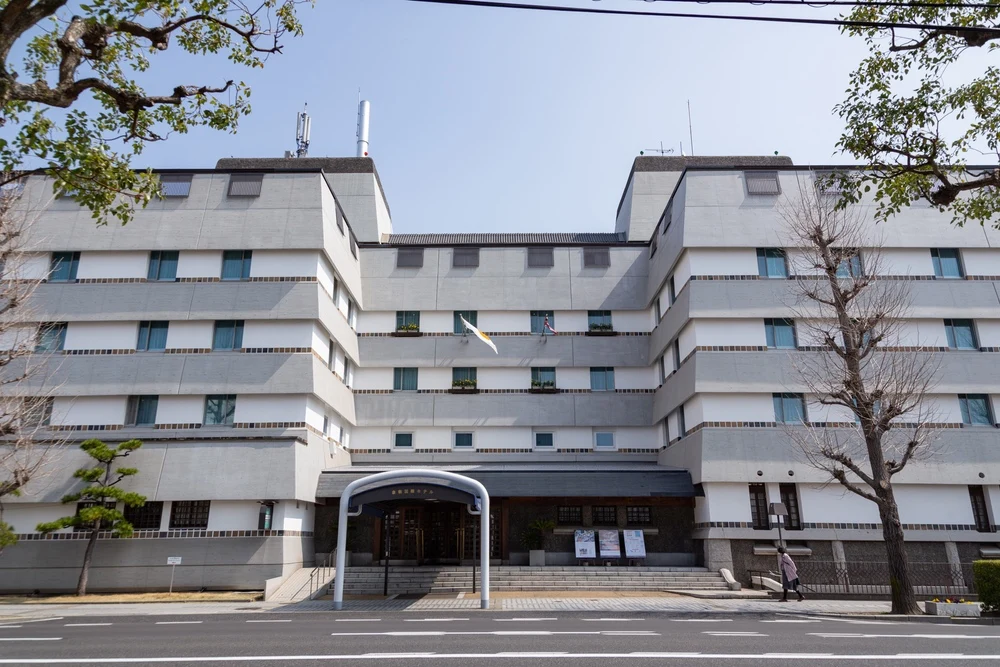
- 1963 (Showa 38): Kurashiki International Hotel
- 1965 (Showa 40): Kurashiki Youth Hostel
- 1969 (Showa 44): Kurashiki Community Center (formerly Kurashiki Cultural Center)
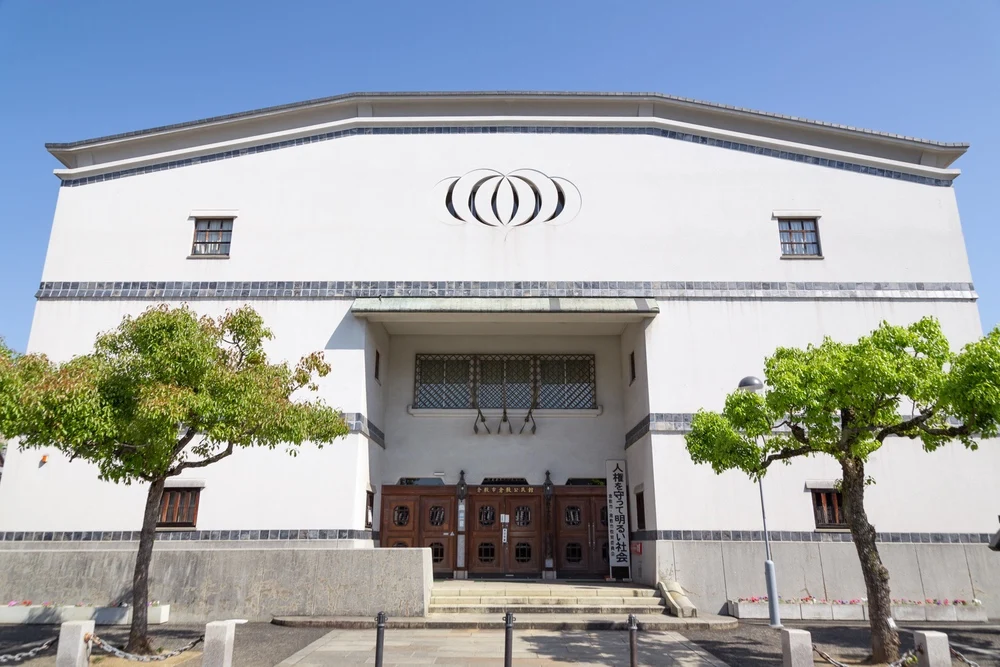
- 1972 (Showa 47): Kurashiki Civic Hall
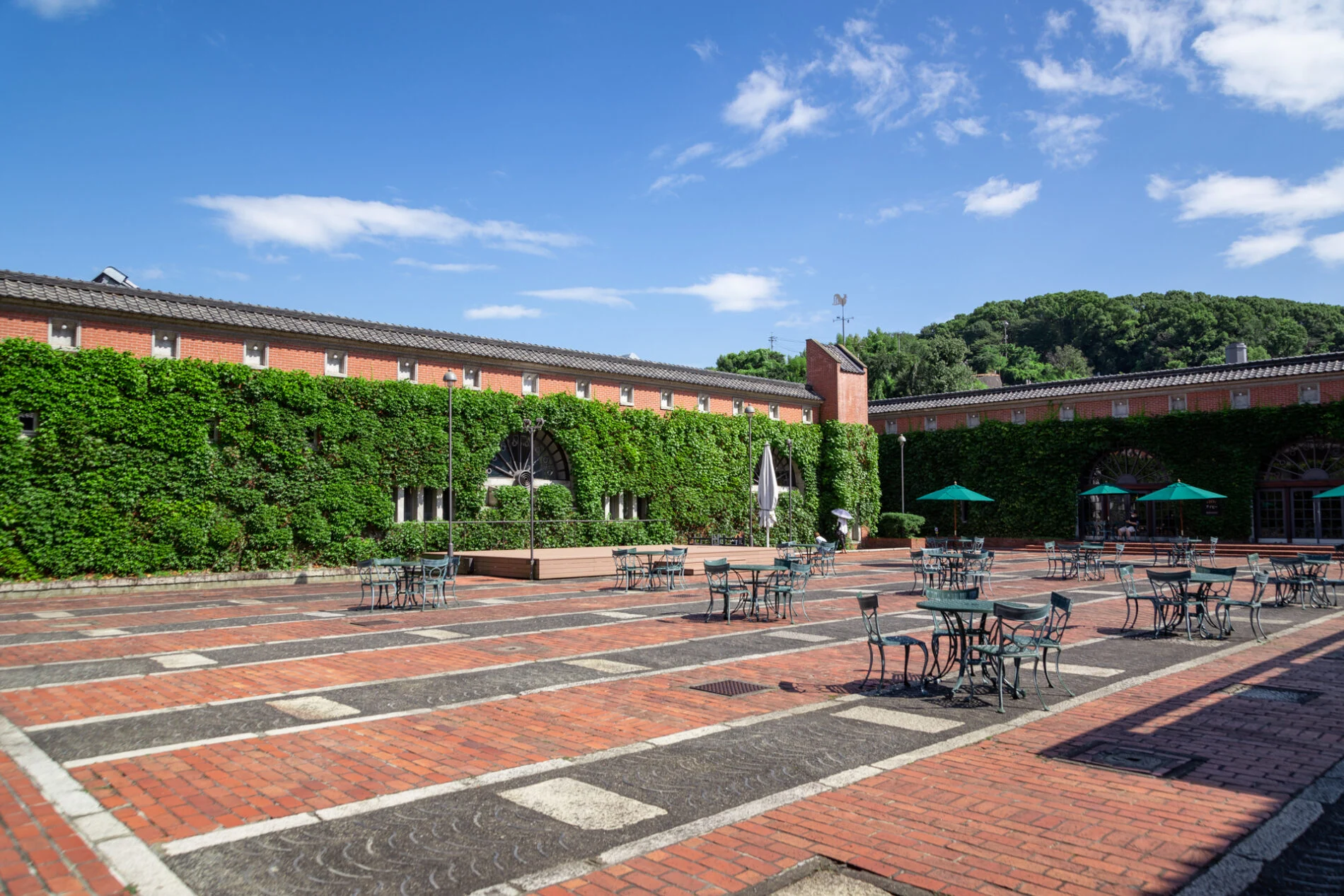
- 1974 (Showa 49): Kurashiki Ivy Square
- 1980 (Showa 55): Kurashiki Station East Building (now Tenmaya Kurashiki Store)
- 1980 (Showa 55): Kurashiki Station West Building
- 1980 (Showa 55): Kurashiki City Office Main Building
- 1983 (Showa 58): Kurashiki Central Library
Tange Kenzo
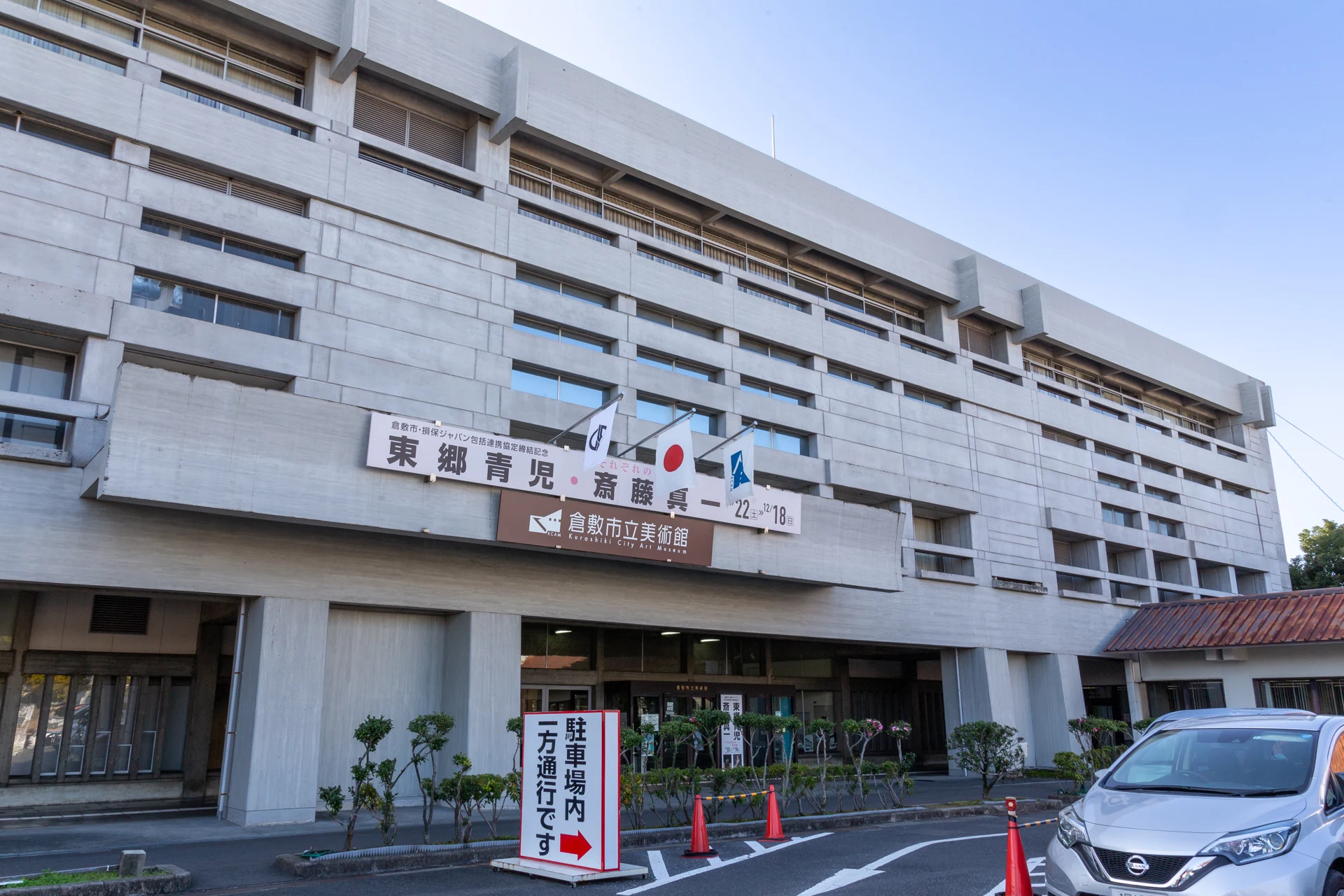
Tange Kenzo was a representative architect of Japan, known as "the world’s Tange," who designed buildings such as the Hiroshima Peace Memorial Museum, Hiroshima Peace Memorial Park, Yoyogi National Gymnasium, and Tokyo Metropolitan Government Building.
- 1960 (Showa 35): Kurashiki City Art Museum (formerly Kurashiki City Office)