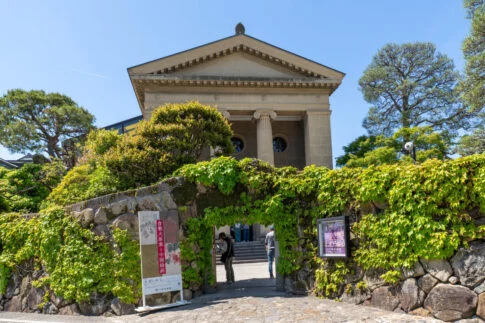
Ohara Museum of Art what kind of image do you have?
As it is Japan's first private museum focused on Western art, you may have a strong impression of Western paintings such as Monet, El Greco, Gauguin, and Picasso.
However, the charm of Ohara Museum of Art is not just that!
At the Ohara Museum of Art Annex, modern Japanese Western paintings and contemporary art are on display. The collection is diverse, reflecting the museum's commitment to art.
The Ohara Museum of Art Annex is currently closed due to measures against the spread of COVID-19, and it is also scheduled for a long-term closure for major renovations.
Some works can be viewed at the main building, but please feel the atmosphere of the opening and the charm of the annex in this article.
Photography is generally prohibited inside the Ohara Museum of Art. This time, we have received special permission for photography.
What is the Ohara Museum of Art Annex?
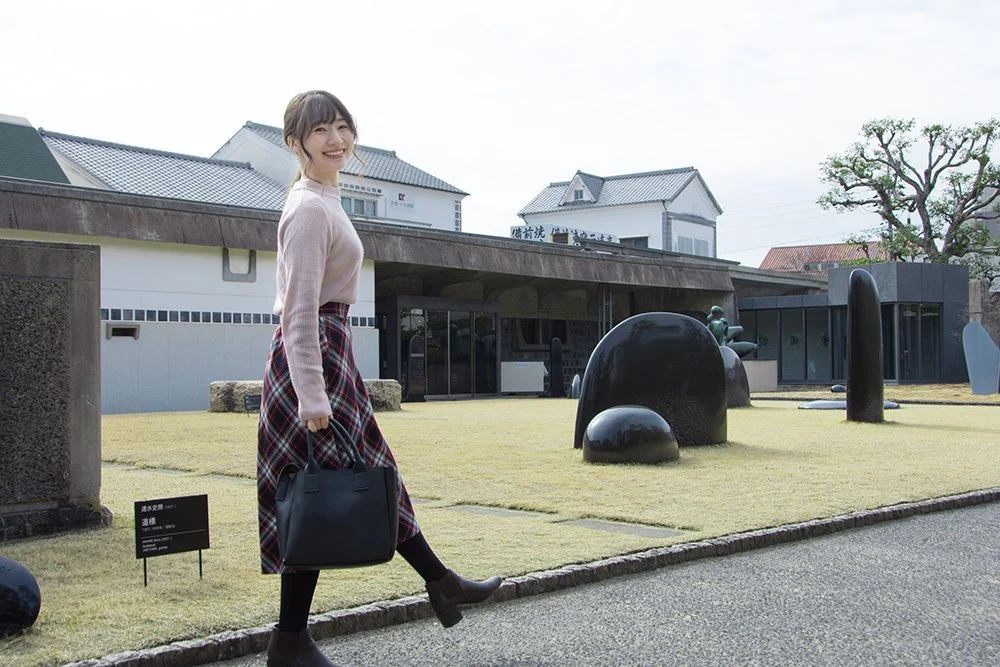
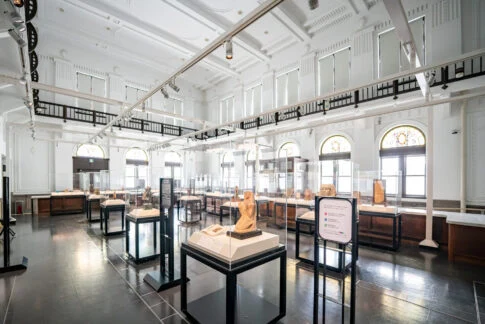
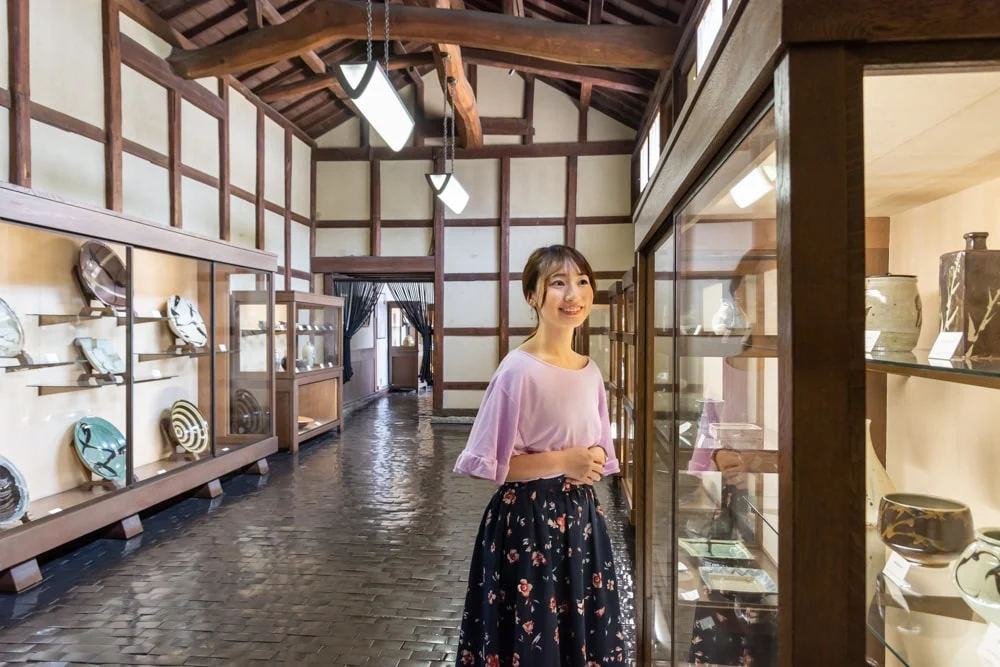
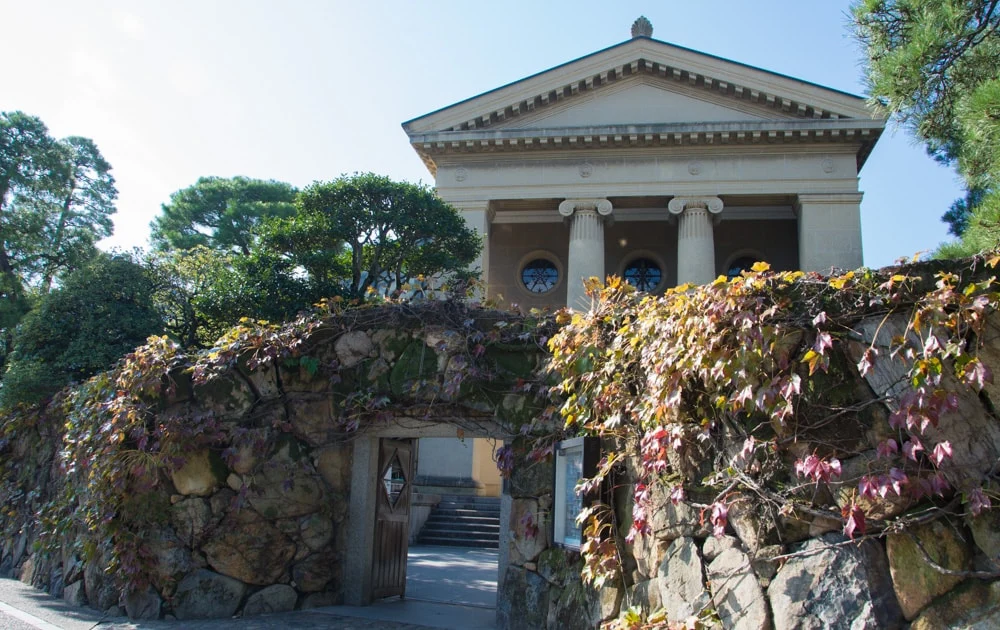
Established in 1930 (Showa 5), the Ohara Museum of Art expanded after the war and is now divided into the main building, annex, and Crafts and Oriental Gallery.
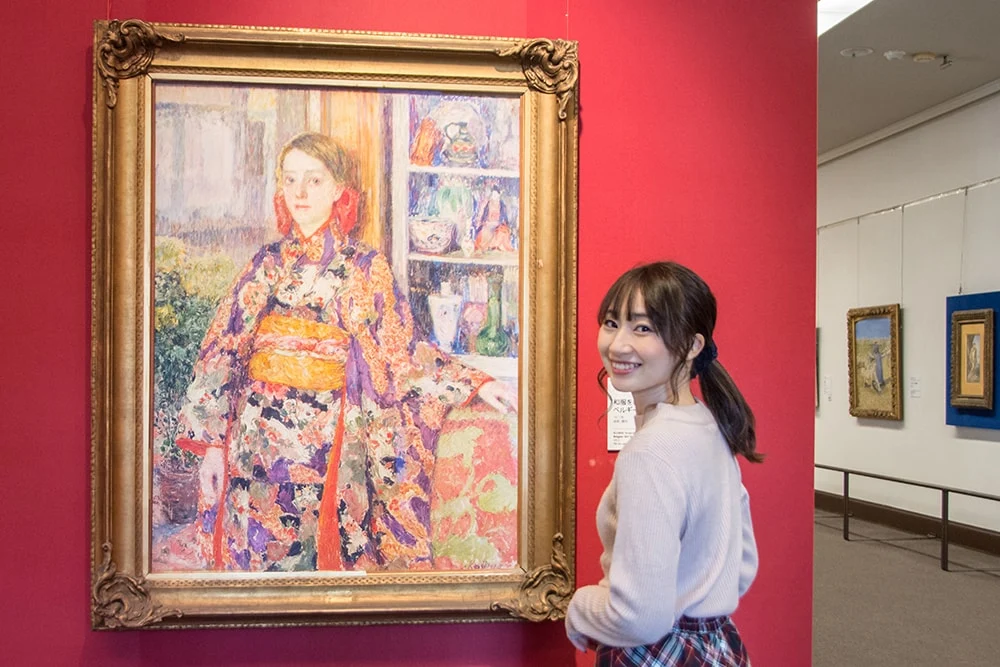
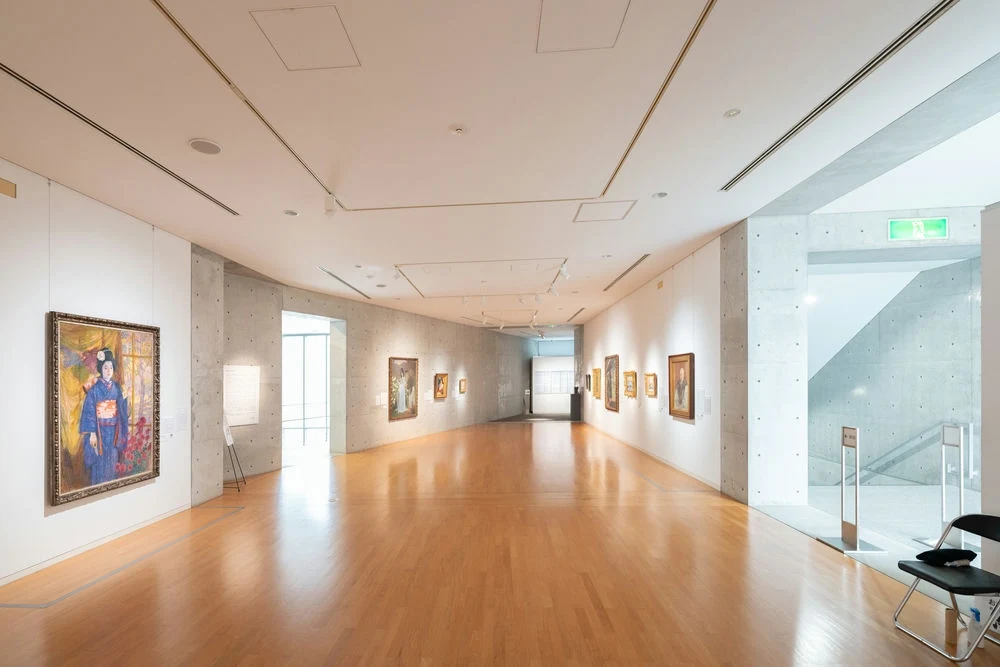
The annex was designed by architect Shintaro Urabe, who is from Kurashiki, and was added in 1961 (Showa 36). Currently, modern Japanese Western paintings and contemporary art are on display.
In 2003, it was selected as a building of the modern movement in Japan by DOCOMOMO JAPAN.
The establishment of the Ohara Museum of Art Annex
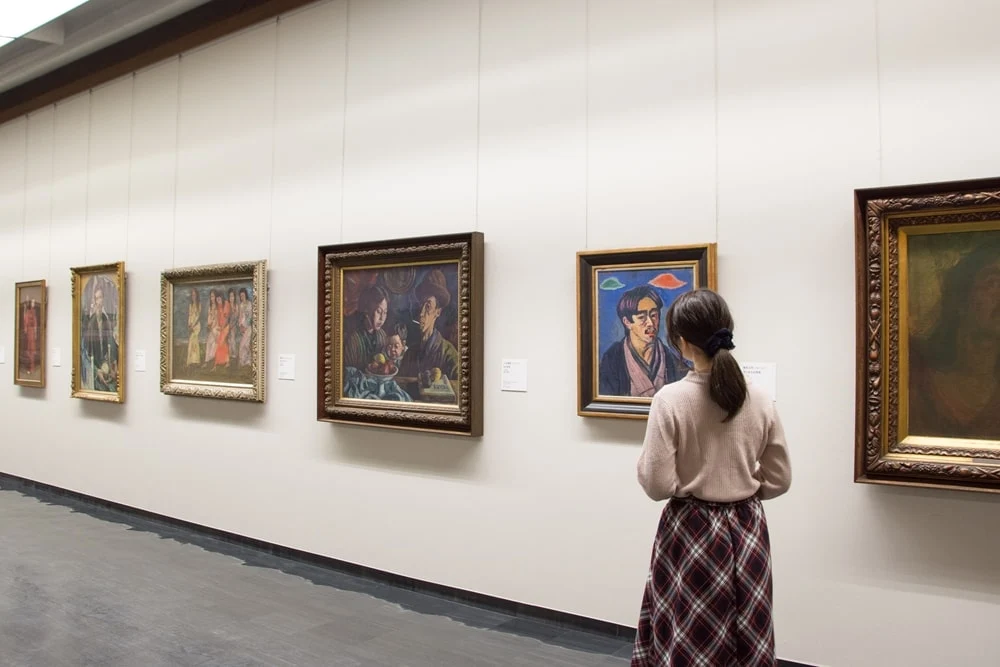
During the Meiji to Taisho periods, when it was difficult to see genuine Western paintings in Japan, businessman Ohara Magosaburo supported painter Kojima Torajiro in collecting paintings for the Japanese art world.
The Ohara Museum of Art was established to publicly display the works collected at that time.
The Ohara Museum of Art Annex was built during the time of Ohara Magosaburo's son, Ohara Soichiro.
At that time, the Ohara Museum of Art did not have many visitors. However, Soichiro believed that "A museum should not be a stagnant display space like a warehouse, but must always be alive and growing," and he diligently expanded the collection.
In addition to Western paintings, works by modern Japanese artists were also collected.
Many famous artists' works are housed, but they were not chosen simply because they were "famous." The works were collected based on the judgment of Soichiro and those he trusted, determining that they should be preserved as part of the Ohara Museum of Art.
The annex, which was added in 1961 (Showa 36) as a place to display modern Japanese paintings, is the current annex.
The underground exhibition room was added after Soichiro's death.
Currently, it mainly exhibits contemporary works.
The structure of the Ohara Museum of Art Annex
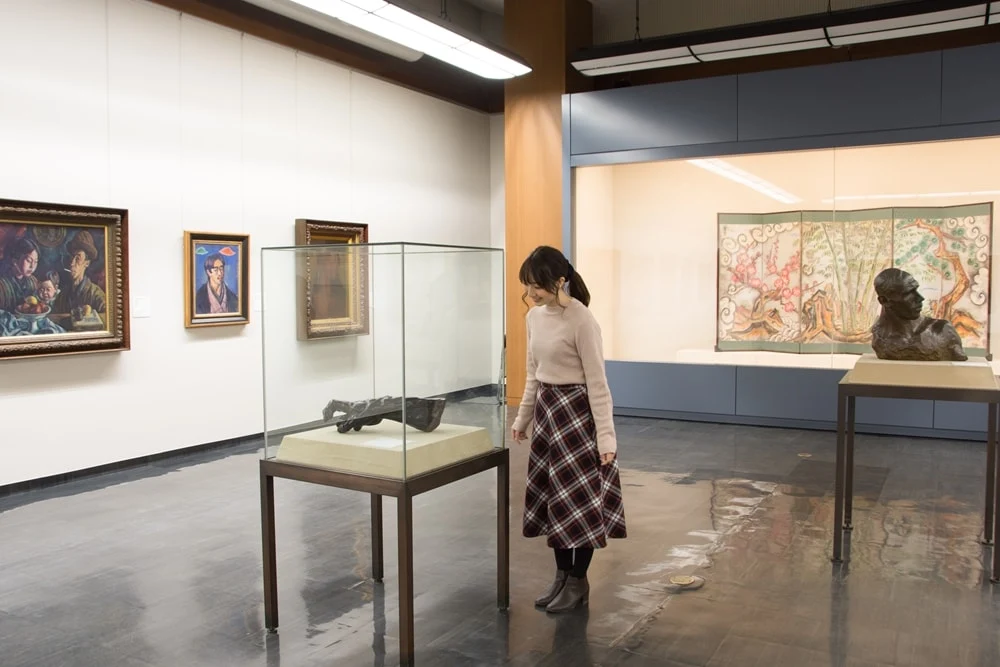
At the time of the interview in April 2019, the rooms were roughly divided by era.
- Garden: Sculptural works
- Exhibition room on the east side of the annex: Works by modern Japanese artists
- Exhibition room on the west side of the annex: Mainly works by post-war Japanese artists
- Exhibition room on the basement level 1 of the annex: More recent works
In the garden, sculptures by Rodin, Moore, and Isamu Noguchi greet you.
In the exhibition room on the east side of the annex, you can see paintings and sculptures by figures called "heavyweights of modern Japanese Western painting," such as Shoji Sekine, Sotaro Yasui, and Shigeru Aoki.
You can feel a common atmosphere, reflecting the characteristics of Japanese artists of this era. At the same time, the individuality of the artists is also expressed, as seen in the diverse ways of depicting facial contours.
Personally, I felt that "many works seem to have a high humidity."
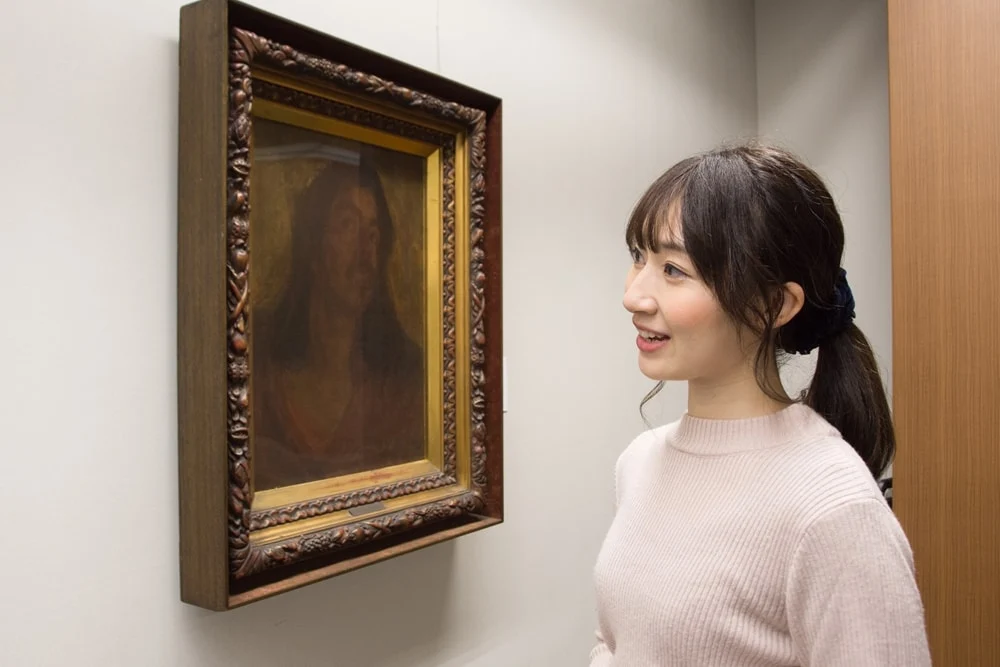
In the exhibition room on the west side of the annex, you can see works that represent post-war contemporary art.
The level of abstraction increases, and there are many mysterious pieces that make you think, "What is this?" which was exciting.
In the underground exhibition room, there are more contemporary works. Eye-catching three-dimensional works include a bike made from scrap materials and a large object made of wood and ash.
During the interview, it was on loan, but until recently, works by Mika Ninagawa were displayed there.
Features of the Ohara Museum of Art Annex: Artist Support
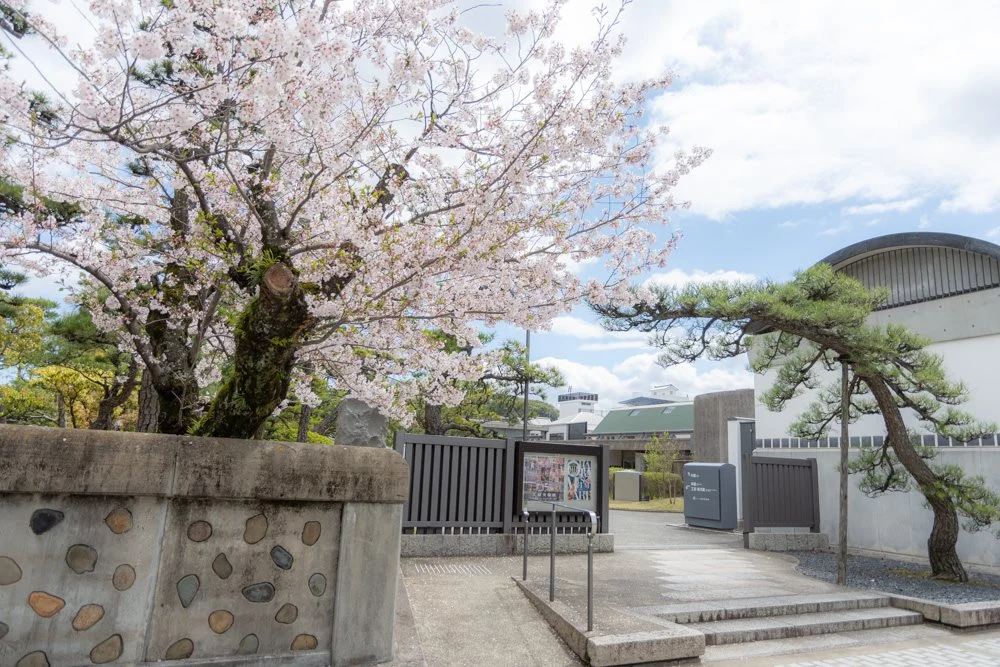
Ohara Museum of Art believes it has a mission to support and promote new creative activities, and it engages in various artist support activities.
A feature of the annex is that works closely related to support activities can be seen.
The founder, Magosaburo, supported talented artists and collected paintings for the development of the Japanese art world together with Torajiro, and Soichiro inherited that spirit and grew the museum.
And even now, you can feel the sense of mission as "a museum that walks with the present" and the aspiration to contribute to society, which is passed down through generations.
Let me briefly introduce the artist support activities conducted by Ohara Museum of Art.
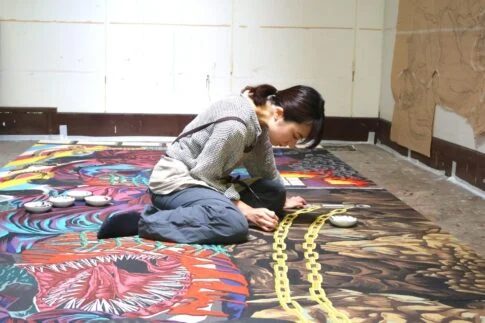
ARKO (Artist in Residence Kurashiki, Ohara)
"ARKO (Artist in Residence Kurashiki, Ohara)" is an artist-in-residence program implemented by Ohara Museum of Art since 2005.
An "artist-in-residence program" is a support activity where artists stay in a different cultural environment for a certain period and engage in creative activities.
In "ARKO," by guaranteeing production costs and housing and living expenses during the stay, an environment is created where young artists can concentrate on their work.
For three months, they use a spacious studio designed by Kojima Torajiro to create works, and after production, they exhibit at the Ohara Museum of Art.
AM Kurashiki (Artist Meets Kurashiki)
"AM Kurashiki (Artist Meets Kurashiki)" is a project where artists create works through encounters with Kurashiki and publicly display them. It has been implemented since 2007.
For example, in 2016, a video featuring the Ohara Museum of Art was released by Ryo Inoue, who single-handedly handled the lyrics, composition, singing, and animation for the NHK program "Bijuchun!"
It is a project that supports artists and contributes to the community.
VOCA (Vision of Contemporary Art) Exhibition: Ohara Museum Prize
The "VOCA Exhibition" is an exhibition targeting two-dimensional works that has been ongoing since 1994 and serves as a gateway for young artists.
Since 2005, the Ohara Museum Prize has been independently selected for one artist, and the winning work is purchased.
Highlights of the Ohara Museum of Art Annex: Works
I would like to introduce some works that particularly caught my attention.
Due to copyright reasons, some works cannot be photographed. Thank you for your understanding.
Ryusei Kishida: "Dancing Girl" (commonly known as: Reiko Portrait)
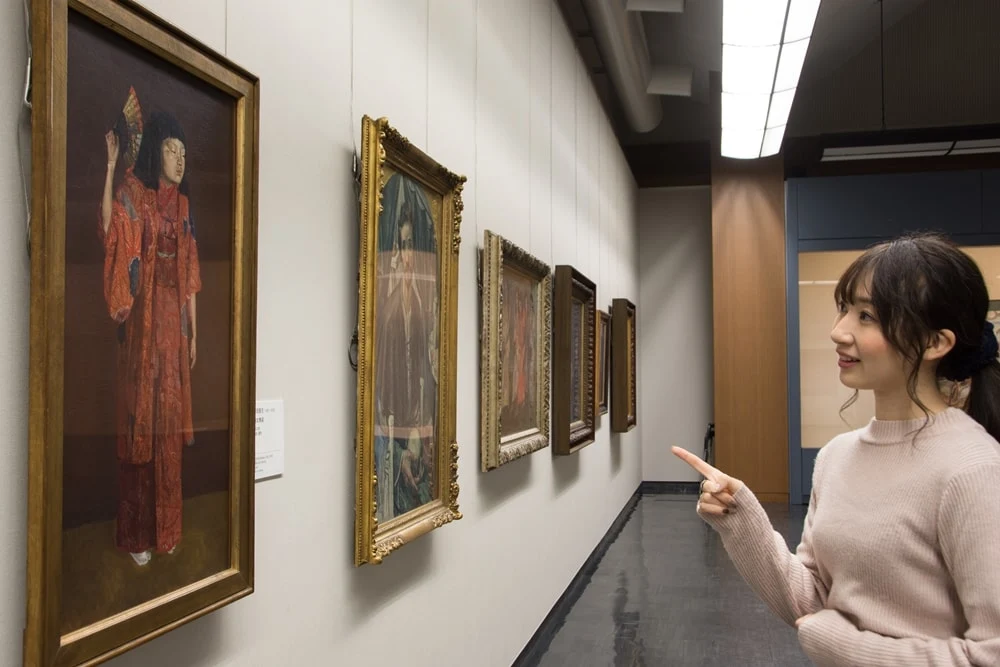
This may be the most famous painting in the annex. It is a work depicting his 10-year-old daughter, Reiko.
Ryusei Kishida left several works featuring Reiko as a motif, which are referred to as "Reiko Portraits."
The somewhat frightening face makes a strong impact!
It seems he sought a raw, persistent, and grotesque "delori" flavor.
By the way, when you see a photo of Reiko, she is a cute girl, and while she resembles the painting, it is not identical. It is an expression of the aesthetic consciousness he wanted to convey.
Morikazu Kumagai: "The Day the Sun Died"
This work was created when his son passed away.
The roughness of the brushwork seems to burst forth with pain, sadness, and affection, making my chest ache as I looked at it.
Yayoi Kusama: "Untitled (No.RED.Z.A.)"
This is an oil painting from Yayoi Kusama, famous for her polka dot "pumpkin."
It is densely painted with a bright red net pattern.
I felt a sense of "somehow scary yet intriguing, drawing me in."
Noe Aoki: "What Falls / Kurashiki"
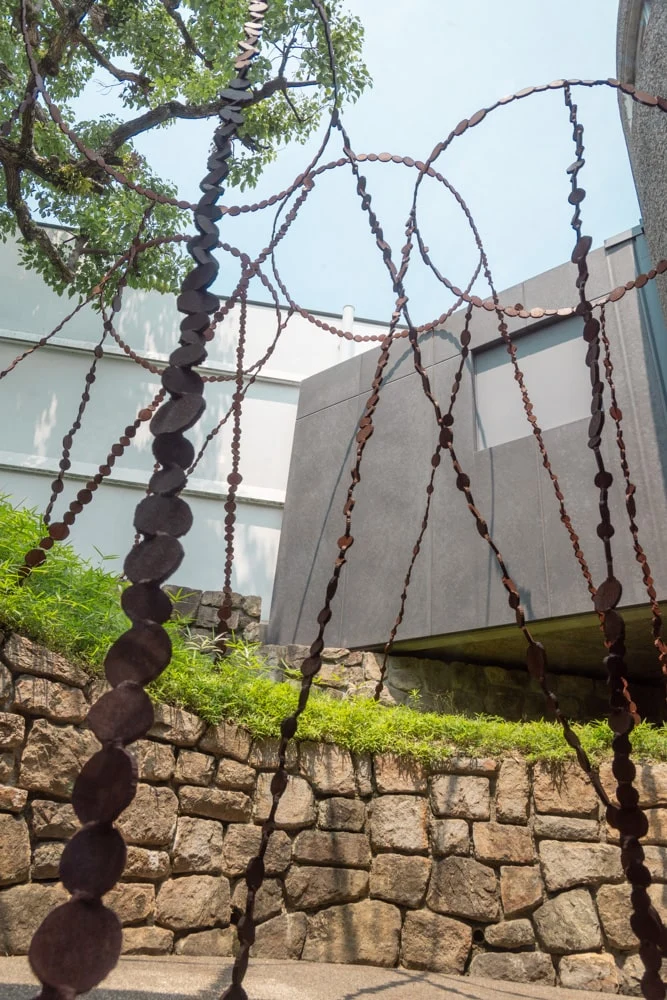
What you see from the window of the stairs leading down to the basement is a sculpture made of welded iron.
Contrary to the image of iron, the style gives a sense of lightness.
This work, which was exhibited indoors at Yurin-so Villa in 2013, was reworked to fit the exhibition space of the annex.
It blends so perfectly with the space that you might feel as if it has been there since the annex opened.
Joy Kawakubo: "If a Thousand Suns' Light Shone in the Sky at Once"
This is the winning work of the Ohara Museum Prize at the "VOCA Exhibition 2015."
It is a large piece measuring 3 meters tall by 2.4 meters wide, with a beautiful orange gradient.
In fact, it is a photographic work where silver halide film was buried underground in evacuation areas in Fukushima Prefecture and retrieved and developed months later.
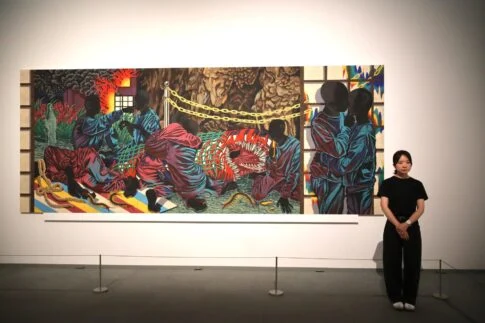
Erina Matsui: "The Salivation of the Axolotl"
This is a work exhibited in "AM Kurashiki (Artist Meets Kurashiki)."
Erina Matsui is an artist from Kurashiki City. In fact, she is a senior of mine from high school, one year above me.
Motivated by Monet's "Water Lilies," an axolotl that frequently appears in her works is peeking out from the pond of water lilies.
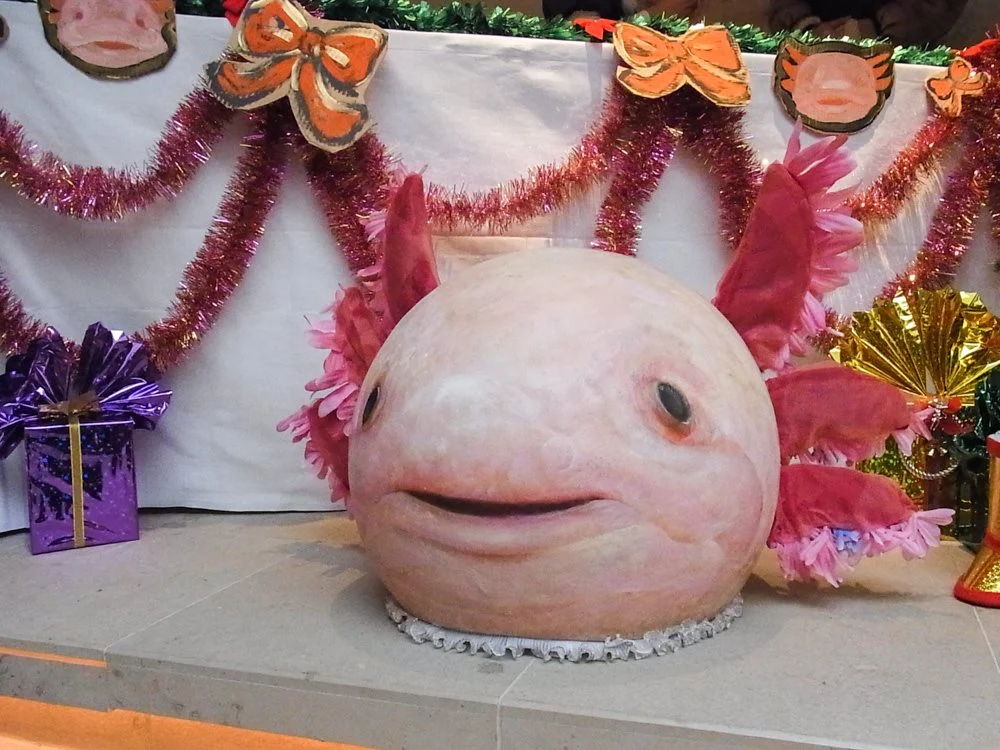
"What if the pond of water lilies was the saliva of the axolotl!?" It’s an interesting thought!
I was impressed by Matsui's free imagination and the depth of Ohara Museum of Art's acceptance of it.
Conclusion

The Ohara Museum of Art Annex, where you can see a variety of works from modern to contemporary.
At its core is the desire to create a space where people and art can meet, and to support those who create art, a sentiment passed down since the time of the founder, Magosaburo.
Interesting things, sad things, mysterious things. What did the artists see, what did they feel, and what thoughts did they have while creating their works――.
A variety of works are on display, allowing you to experience the joy of encountering art.
The first time I visited the annex was during my third visit to the Ohara Museum of Art. Until then, I had only seen the main building.
And I clearly remember thinking, "The annex is amazing! How could I have wasted time not visiting it before!"
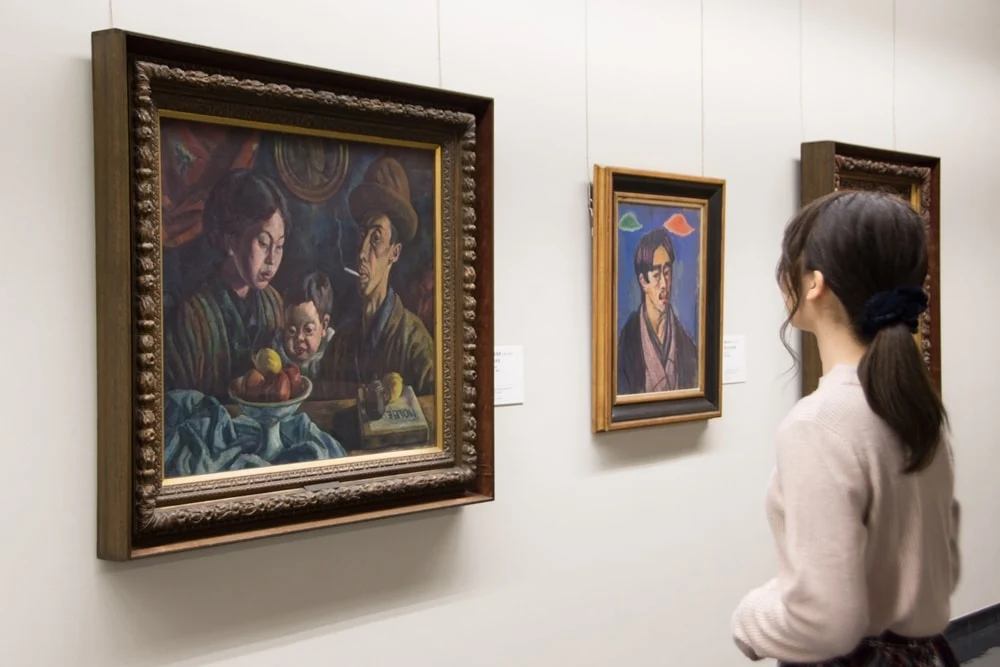
Be sure to visit the main building, the Craft and Oriental Hall, and the museum shop as well.
You will surely feel the thoughts of the Ohara Museum of Art, which has always been close to both artists and viewers since its founding.
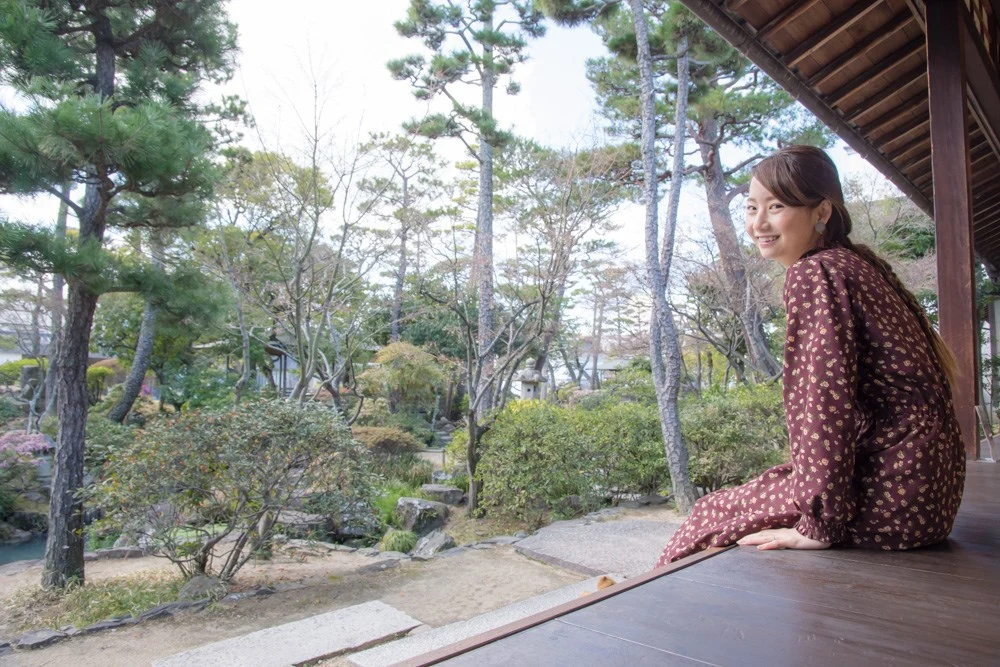
- Model: Isako
Articles about the Ohara Museum of Art
Data on the Ohara Museum of Art
| Name | Ohara Museum of Art |
|---|---|
| Location | 1-1-15 Chuo, Kurashiki City, Okayama Prefecture |
| Contact | 086-422-0005 |
| Parking | None |
| Opening Hours | 【December to February】 9:00 AM - 3:00 PM (Last admission: 2:30 PM) 【March to November】 9:00 AM - 5:00 PM (Last admission: 4:30 PM) |
| Closed Days | Monday Open if it coincides with a public holiday or substitute holiday Winter closure and temporary closures may occur |
| Admission Fee (including tax) | 【General】 Adults: 2,000 yen High school, middle school, and elementary school students (under 18): 500 yen |
| Payment Methods |
|
| Reservations | Available No reservation required for individuals |
| Smoking | Completely non-smoking |
| Restrooms | Western-style toilets, barrier-free toilets |
| Childcare | Nursing room, diaper changing table, stroller rental The nursing room is located in the Craft Hall Diaper changing tables are available on the 2nd floor of the main building and in the Craft Hall |
| Barrier-Free | Wheelchair rental, ramps, barrier-free toilets, elevators |
| Website | Official Ohara Museum of Art Website |