
From April 25, 2026 (Saturday) to June 7, 2026 (Sunday), a special exhibition "Kurashiki Ohara Family and Chinese Painting" will be held at the main building of the Ohara Museum of Art.
This exhibition focuses on Chinese paintings collected by the 6th generation Koshirō, the 7th generation Magosaburo, and the 8th generation Soichiro of the Ohara family, and explores the interactions between Japan and China and how Chinese paintings have been received in Japan.
Throughout the exhibition, 29 works will be displayed, including pieces designated as national treasures and important cultural properties.
Here is an introduction to the contents of the special exhibition "Kurashiki Ohara Family and Chinese Painting".
About the special exhibition "Kurashiki Ohara Family and Chinese Painting"
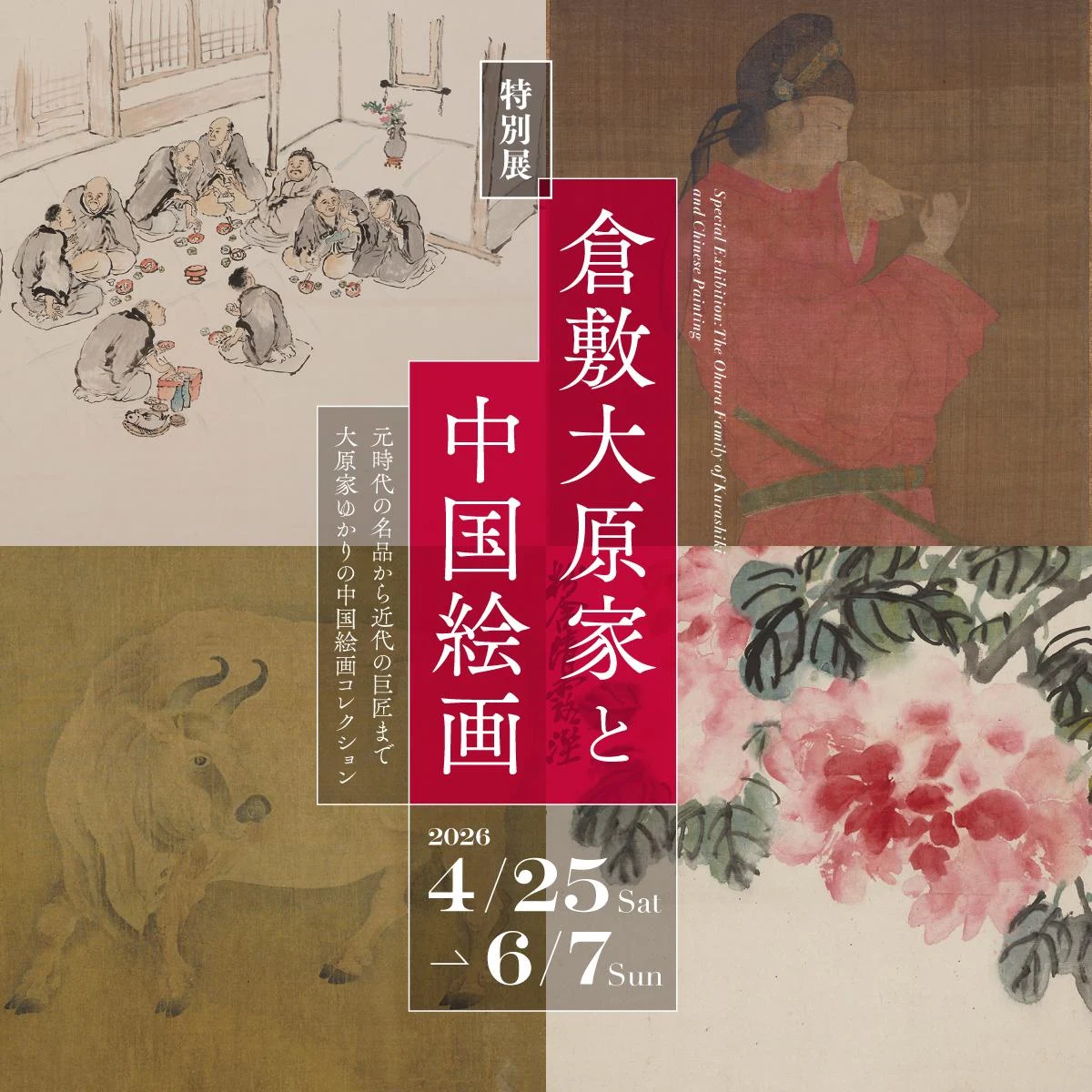
The special exhibition "Kurashiki Ohara Family and Chinese Painting" is composed of a prologue and three chapters.
- Prologue
The Ohara Family's Collection of Ancient Paintings - Chapter 1
The Ohara Family's Chinese Paintings - Old Trade, Middle Trade, New Trade, and Visiting Painters - Chapter 2
Magosaburo Ohara and the Collection of Wu Changshuo - Chapter 3
Soichiro Ohara and the Chinese Paintings of the Ohara Museum of Art
Let me introduce each chapter.
Prologue: The Ohara Family's Collection of Ancient Paintings
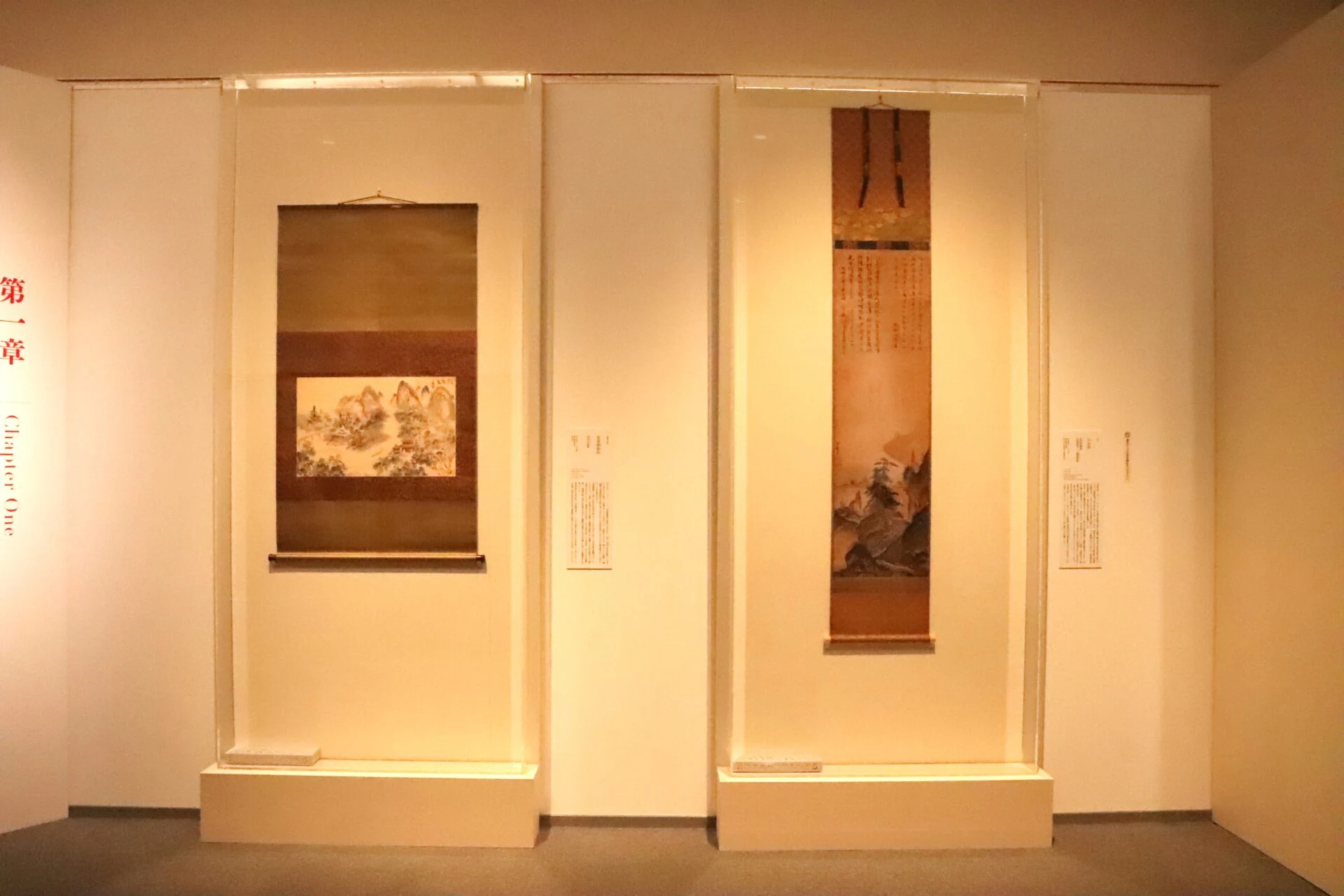
The Ohara Museum of Art opened in 1930 during the era of the 7th generation Magosaburo as Japan's first private museum focused on Western art. At the same time, Magosaburo himself was known to appreciate not only Western art but also Eastern art.
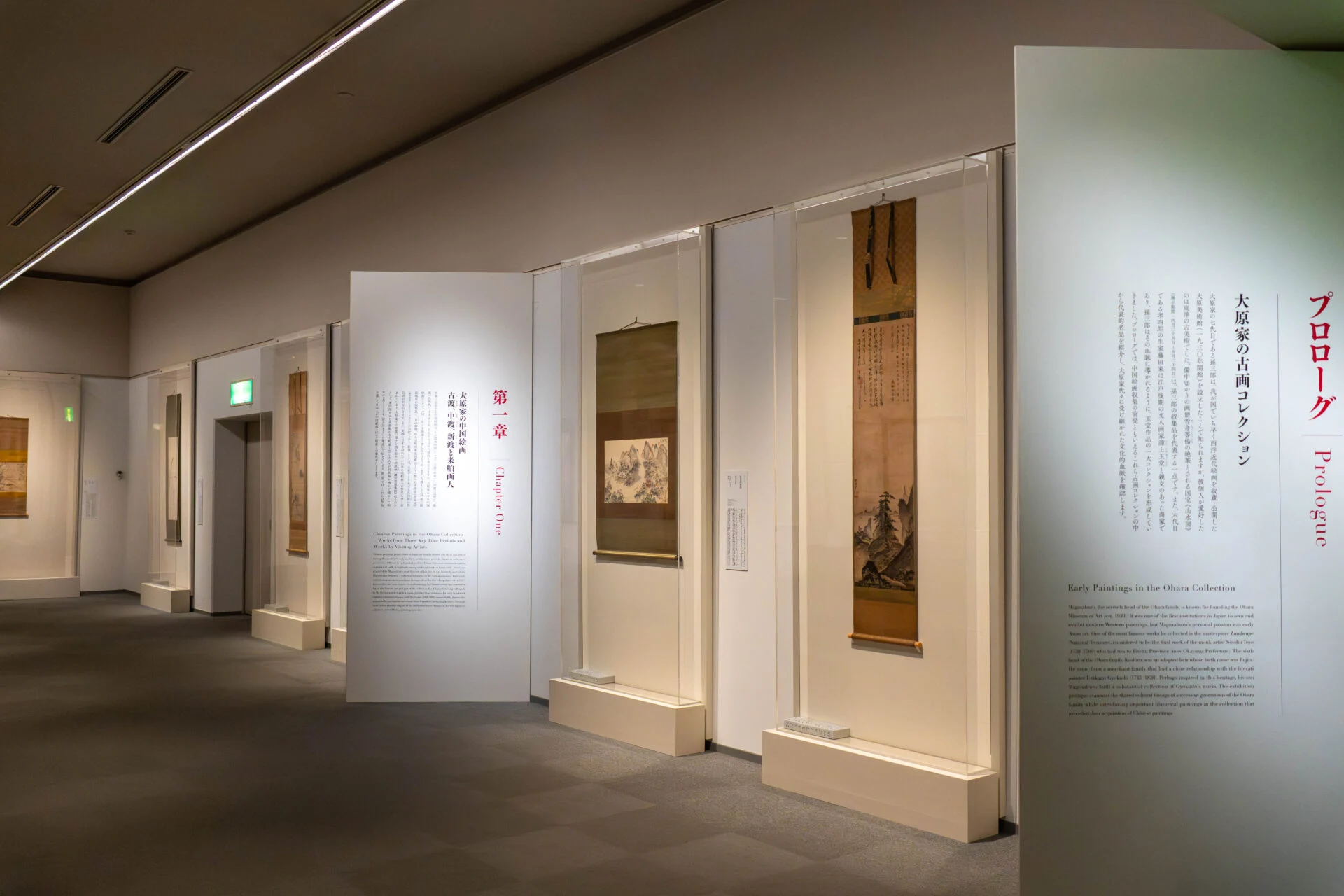
In the prologue, representative pieces from the Ohara family's collection of ancient paintings are displayed.
The 'Landscape' (National Treasure) by Sesshu Toyo, a painter associated with Soja City, was on display until May 24. Additionally, from May 19, the 'Mountain Rain Dyeing Clothes' (Important Cultural Property) by Urakami Gyokudo, a painter from the Bichu Kamogata Domain (a branch of the Okayama Domain), which Magosaburo eagerly collected, is being exhibited.
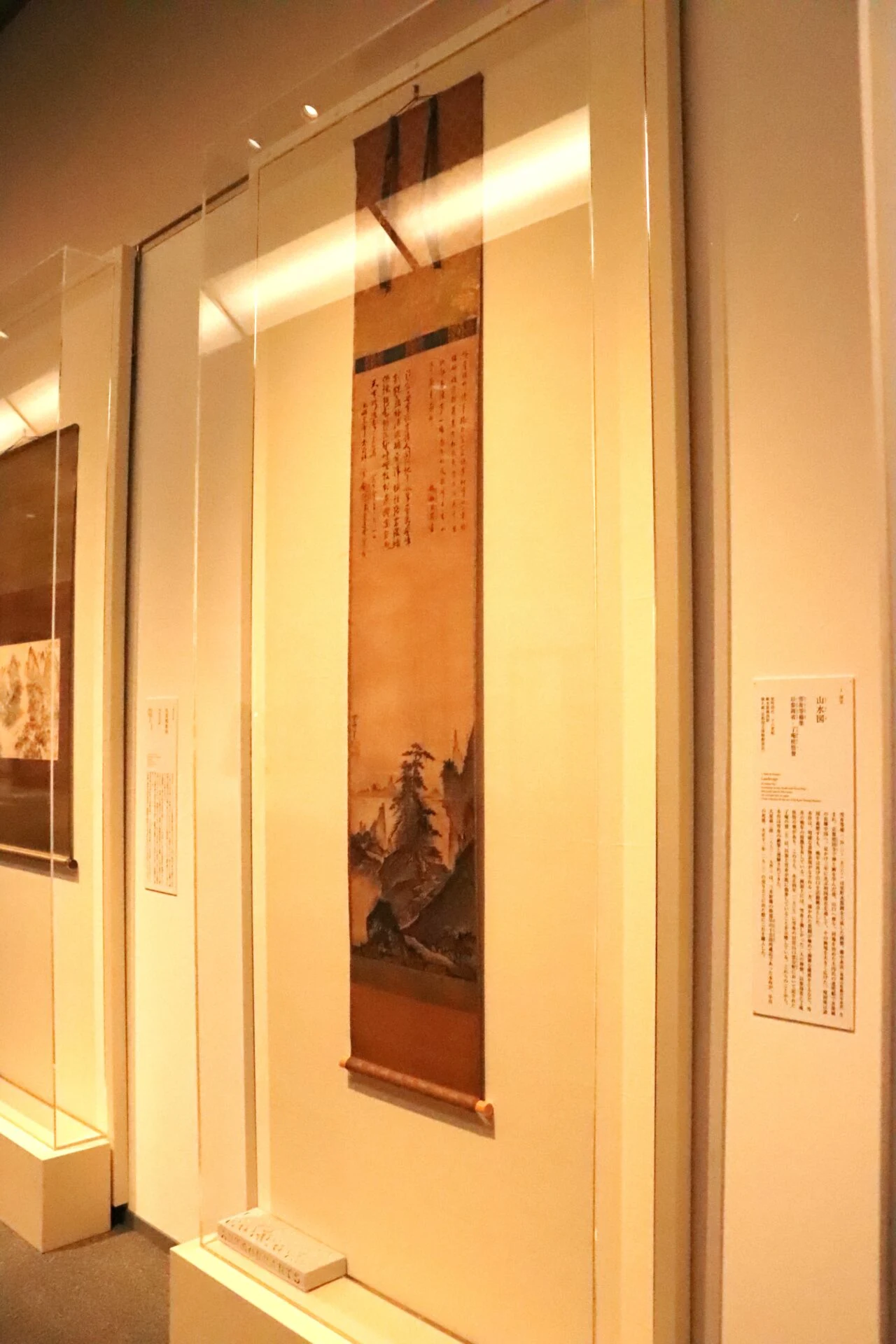
The display case is about 20 cm thick, and while it cannot be touched, it can be viewed from a close distance. Being able to appreciate works designated as national treasures and important cultural properties up close is one of the attractions of this exhibition.
Chapter 1: The Ohara Family's Chinese Paintings - Old Trade, Middle Trade, New Trade, and Visiting Painters
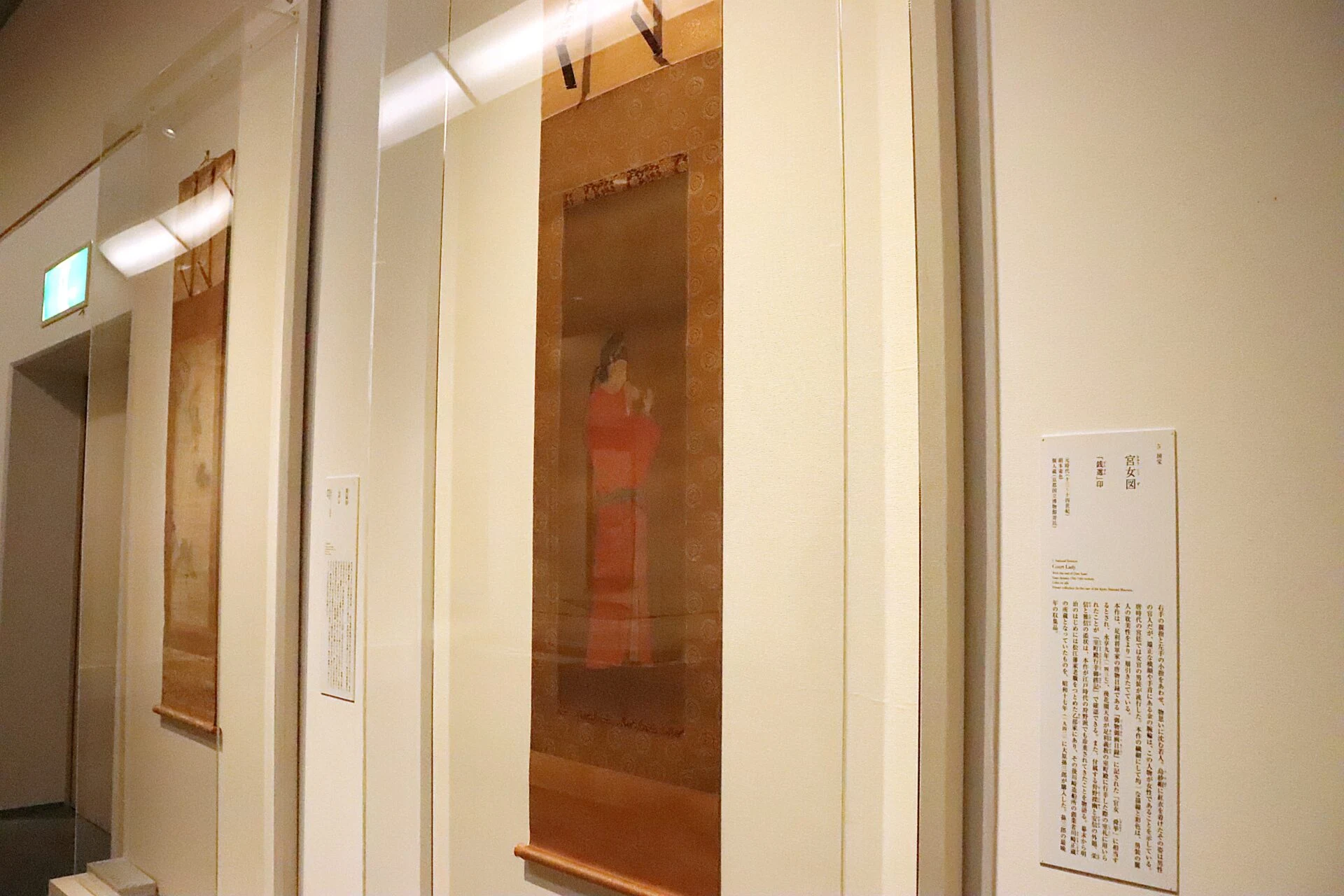
Front: 'Senzen' Seal 'Court Lady' National Treasure, Private Collection (on loan from Kyoto National Museum)
In Chapter 1, the Chinese paintings collected by the Ohara family are introduced in three categories based on the period they were brought to Japan: Old Trade, Middle Trade, and New Trade.
Old Trade refers to the older period, Middle Trade to the early modern period, and New Trade to the modern period, with the Ohara family collecting works evenly across each period.
Additionally, the exhibition introduces not only the paintings that came from China to Japan but also the interactions with visiting painters from China, referred to as "kaibaku gajin".
Through the changes in time, Chapter 1 provides insights into how the Japanese have appreciated Chinese paintings and how new works have been created and preserved in Japan.
Chapter 2: Magosaburo Ohara and the Collection of Wu Changshuo
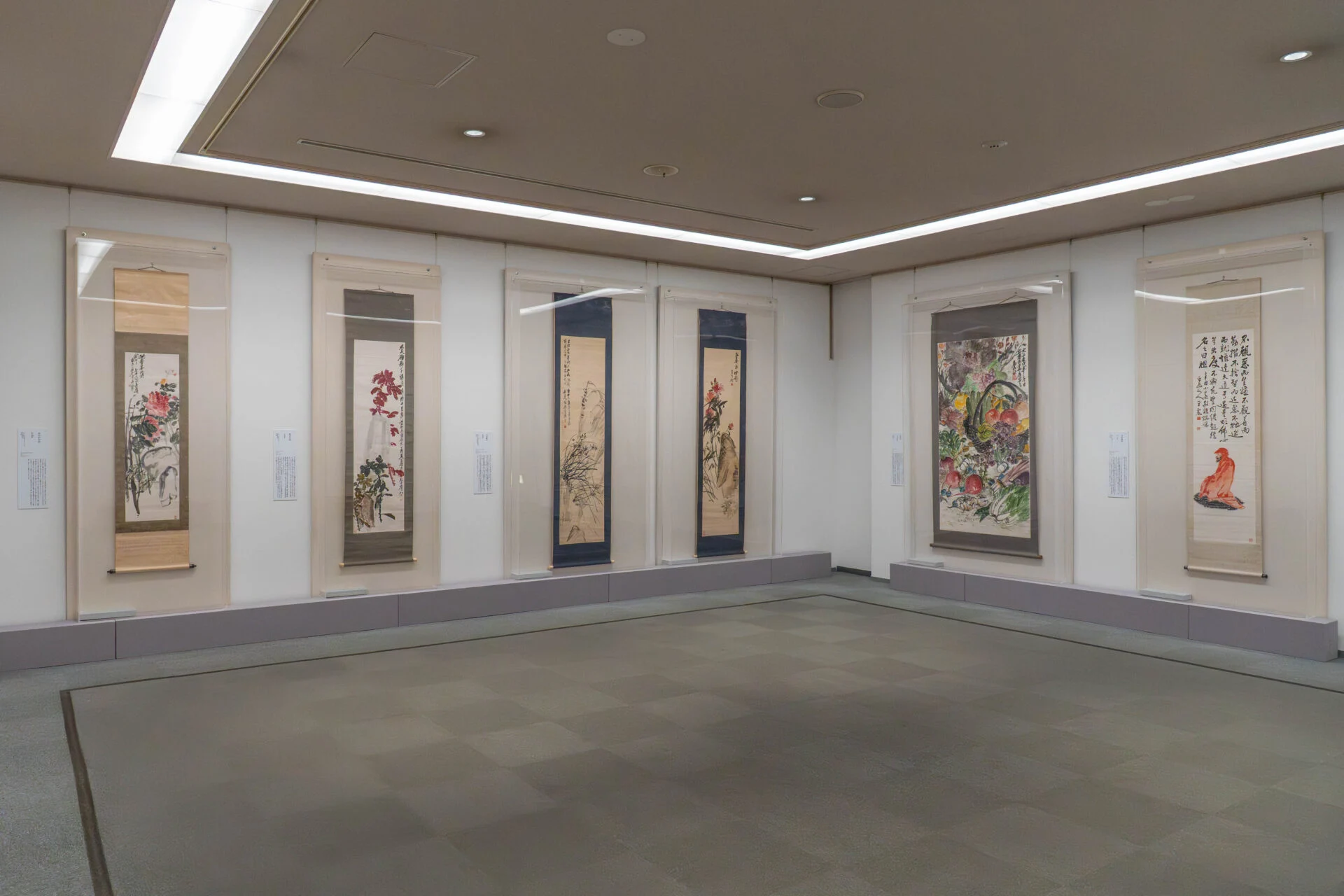
Alongside Magosaburo, a key figure in the history of the Ohara Museum of Art, is Kojima Torajiro, a Western-style painter.
Kojima Torajiro is known for his long stay in Europe, but he also visited China four times.
During his time in China, he interacted with Wu Changshuo, who is referred to as "the last literati of China," and collected his works.
A literati is a person who possesses humanistic education and is well-versed in studies such as Chinese classics.
Chapter 2 is centered around the works of Wu Changshuo.
Additionally, 'Vegetables and Fruits' painted by Kojima Torajiro in 1922 is also on display, allowing visitors to compare the paintings of Chinese artists with those of Torajiro.
Chapter 3: Soichiro Ohara and the Chinese Paintings of the Ohara Museum of Art
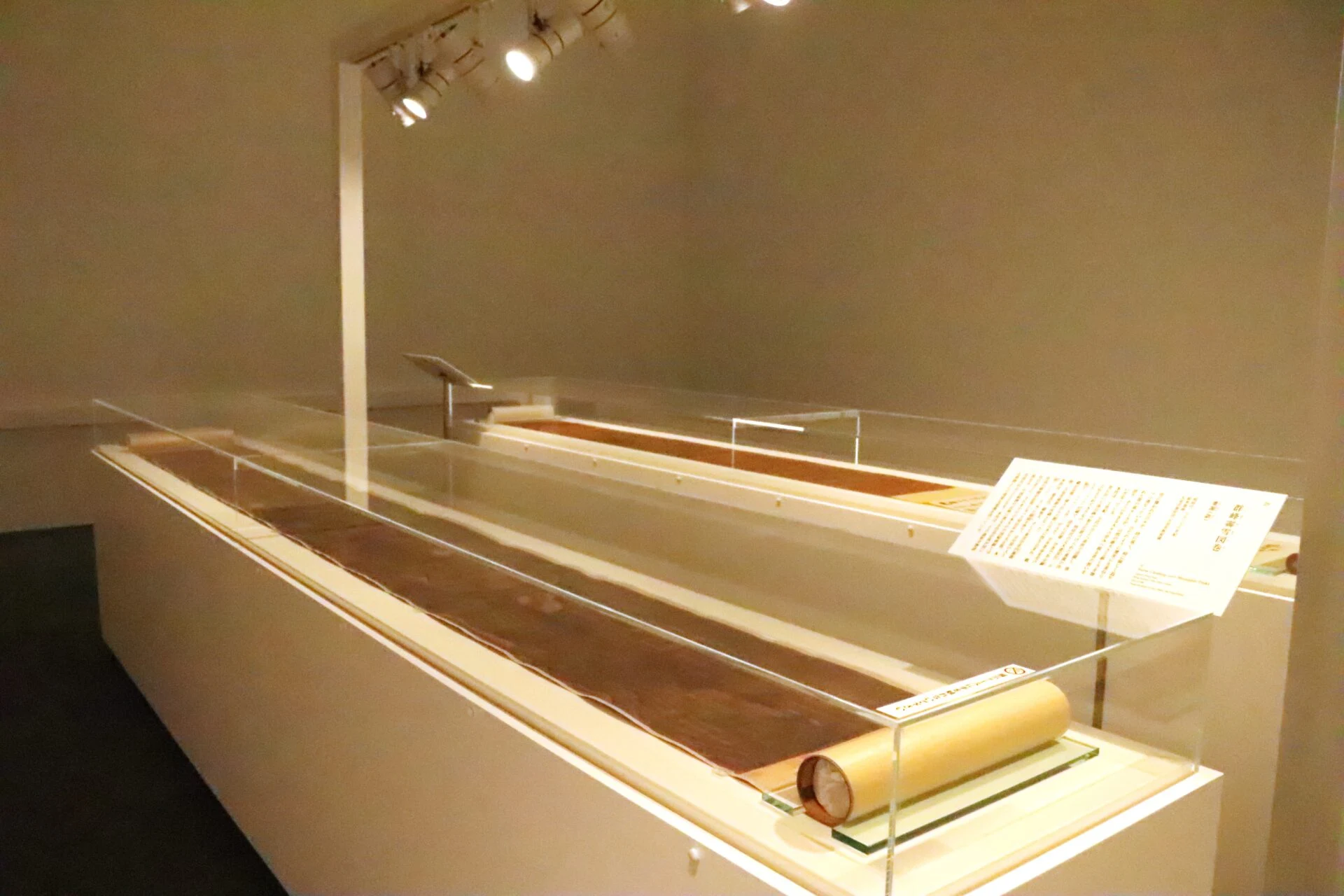
During the era of the 8th generation Soichiro Ohara, the concept for the Oriental Hall of the Ohara Museum of Art began. Soichiro was also a person with deep knowledge of Eastern art and culture, including Chinese paintings.
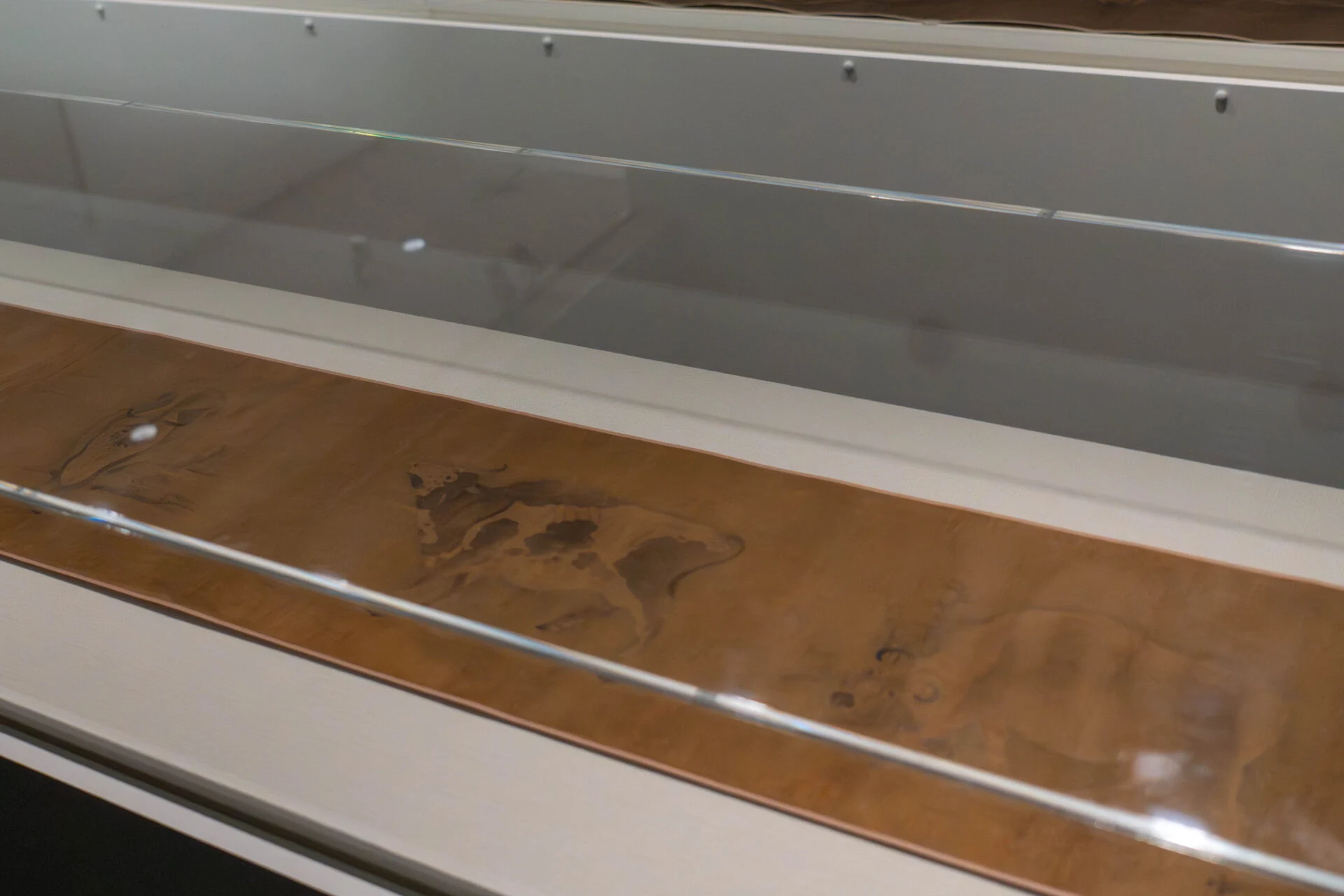
In Chapter 3, the 'Five Cattle Scroll', which is being exhibited for the first time after restoration, is displayed.
Before restoration, only the shades of ink were visible in the 'Five Cattle Scroll', but through restoration, delicate color expressions have become apparent.
Additionally, scientific investigations related to the restoration have revealed that what was thought to be a work from the Song and Yuan dynasties is actually a modern work.
When the era changes, questions arise about whether it was a forgery, but it is not easy to create a painting that can be mistaken for a work from the past by learning from old works.
The exhibition of the 'Five Cattle Scroll' provides a valuable opportunity for many people to see not only the authenticity of the work but also the achievements of how Chinese painting has developed through imitation.
Highlights of the special exhibition "Kurashiki Ohara Family and Chinese Painting"
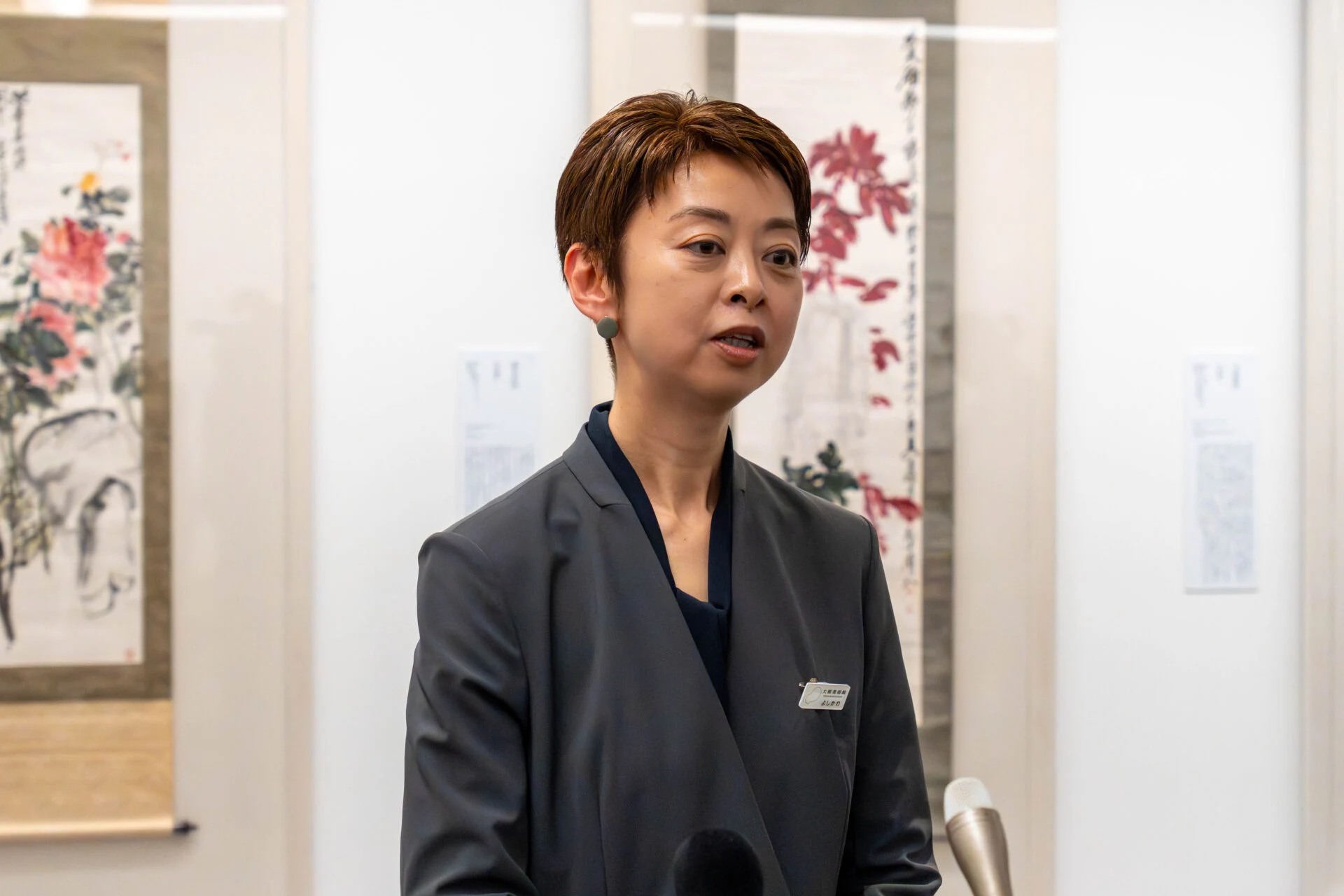
Ayumi Yoshikawa, Special Researcher of the Ohara Art Foundation, spoke about the special exhibition as follows.
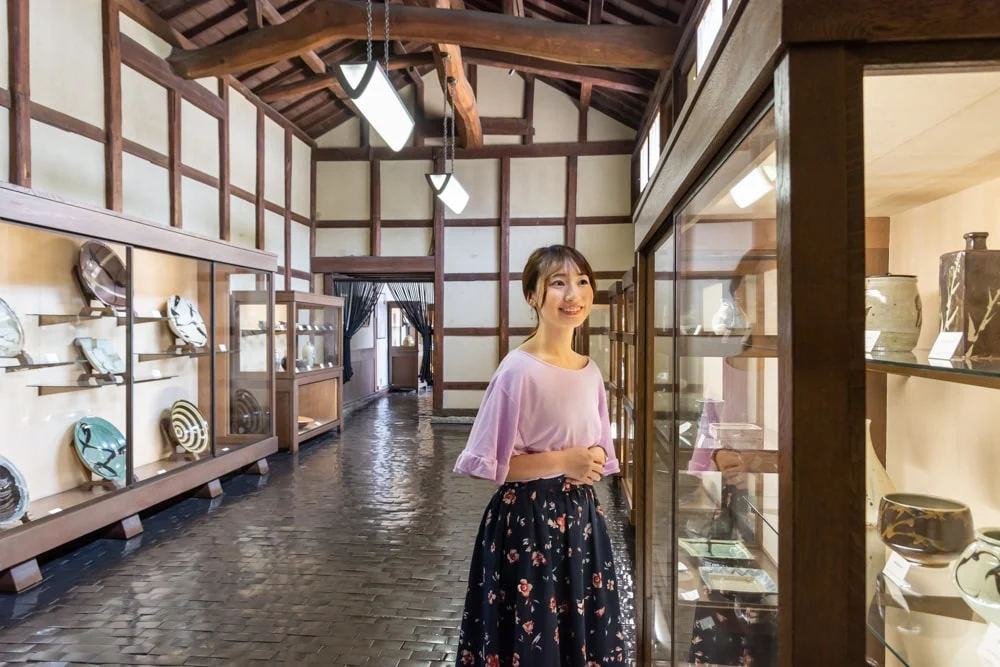
Among the exhibited works, there are also pieces created by Chinese literati and calligraphers who actually visited Kurashiki. While the Ohara Museum of Art is often associated with Western paintings, it also has facilities such as the Craft and Oriental Hall.
As part of the museum's activities to broadly introduce various cultures, viewing the exhibition "Kurashiki Ohara Family and Chinese Painting," which is deeply connected to the history of the Ohara Museum of Art, may change your perception of the museum.
Conclusion
The museum is not just a facility for collecting and displaying works; it also plays a role in researching the works and widely disseminating the results.
The special exhibition "Kurashiki Ohara Family and Chinese Painting" is an opportunity to learn about the connection between the Ohara family and Chinese paintings, as well as how Chinese paintings have been received in Kurashiki.
I felt that this exhibition allows visitors to enjoy the Ohara family's collection of Chinese paintings while reflecting on the history of the Ohara family, the Ohara Museum of Art, and Kurashiki.
The special exhibition "Kurashiki Ohara Family and Chinese Painting" will be held until June 7, 2026 (Sunday). Please make sure to visit.
Data for the Special Exhibition "Kurashiki Ohara Family and Chinese Painting"
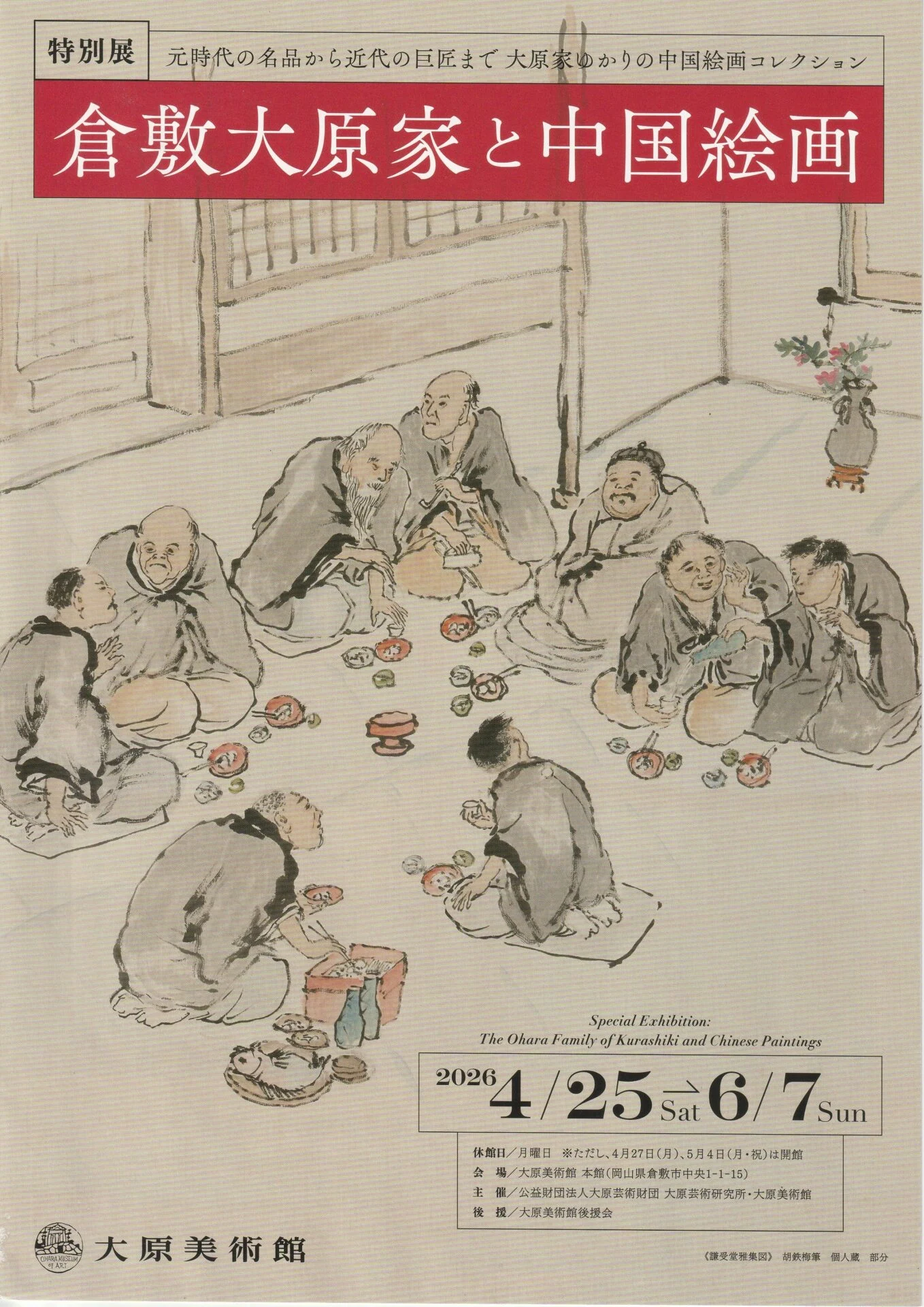
| Name | Special Exhibition "Kurashiki Ohara Family and Chinese Painting" |
|---|---|
| Dates | April 25, 2026 (Saturday) – June 7, 2026 (Sunday) |
| Location | 1-1-15 Chuo, Kurashiki City, Okayama Prefecture |
| Participation Fee (including tax) | General: 2,000 yen Elementary, Junior High, High School Students or those under 18: 500 yen Free for children under elementary school age *Various discount systems available |
| Homepage | Special Exhibition "Kurashiki Ohara Family and Chinese Painting" |





In "Kurashiki Ohara Family and Chinese Painting," you can appreciate the representative masterpieces of the Ohara family's collection all in one place, experiencing how Chinese paintings have been cherished in the local city of Kurashiki throughout the changes of the times.