
When viewing works at the museum, have you ever thought, "Where did this painting come from?"
Behind a single painting lies a background of eras, human emotions, and connections that transcend countries. The footprints of Chinese paintings collected by the Ohara family reveal the history of cultural exchange between Japan and China.
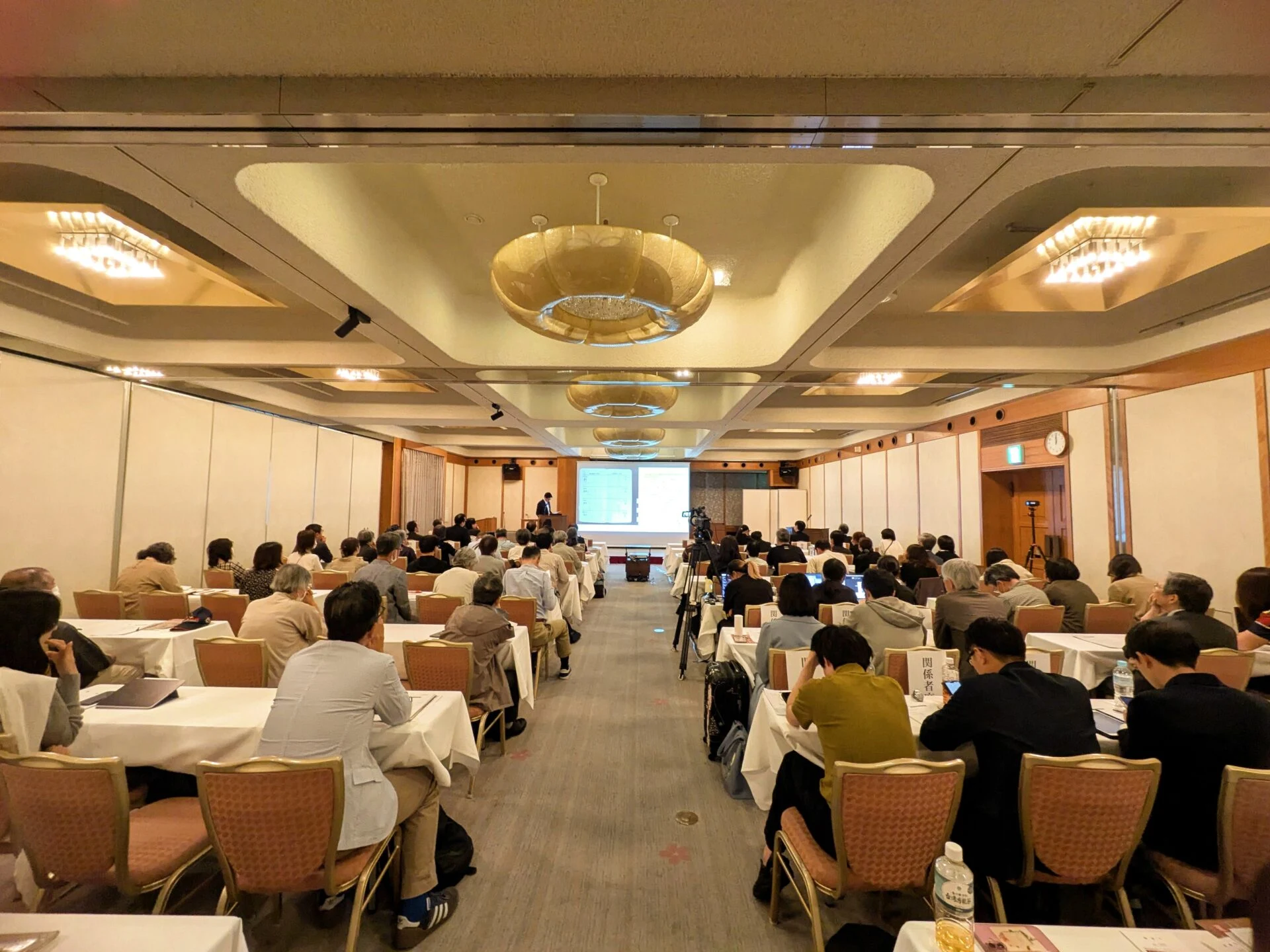
On May 9, 2026, a special exhibition commemorative symposium titled "The Ohara Family of Kurashiki and Chinese Painting" was held at the Kurashiki International Hotel, where researchers from both Japan and abroad gave presentations from their respective perspectives.
Chinese painting has long been loved and studied not only in China but also in Japan. However, the ways in which it has been inherited and evaluated differ slightly from country to country.
This symposium was conducted in two parts, and this article will focus on Part 1, "The Ohara Family's Collection of Chinese Paintings," introducing its content and highlights while considering the interests of the author, who is from China.
About the Symposium "The Ohara Family of Kurashiki and Chinese Painting"
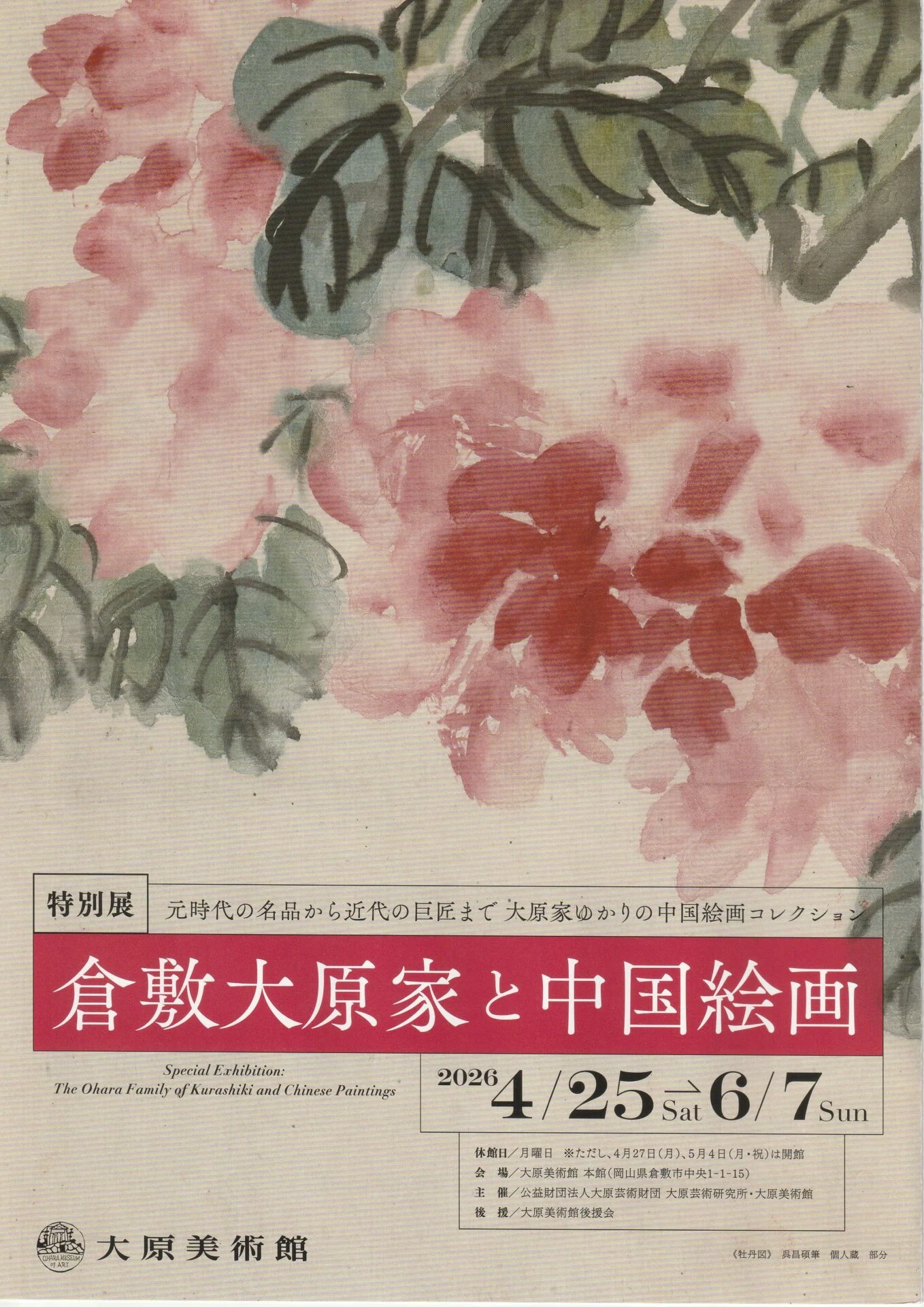
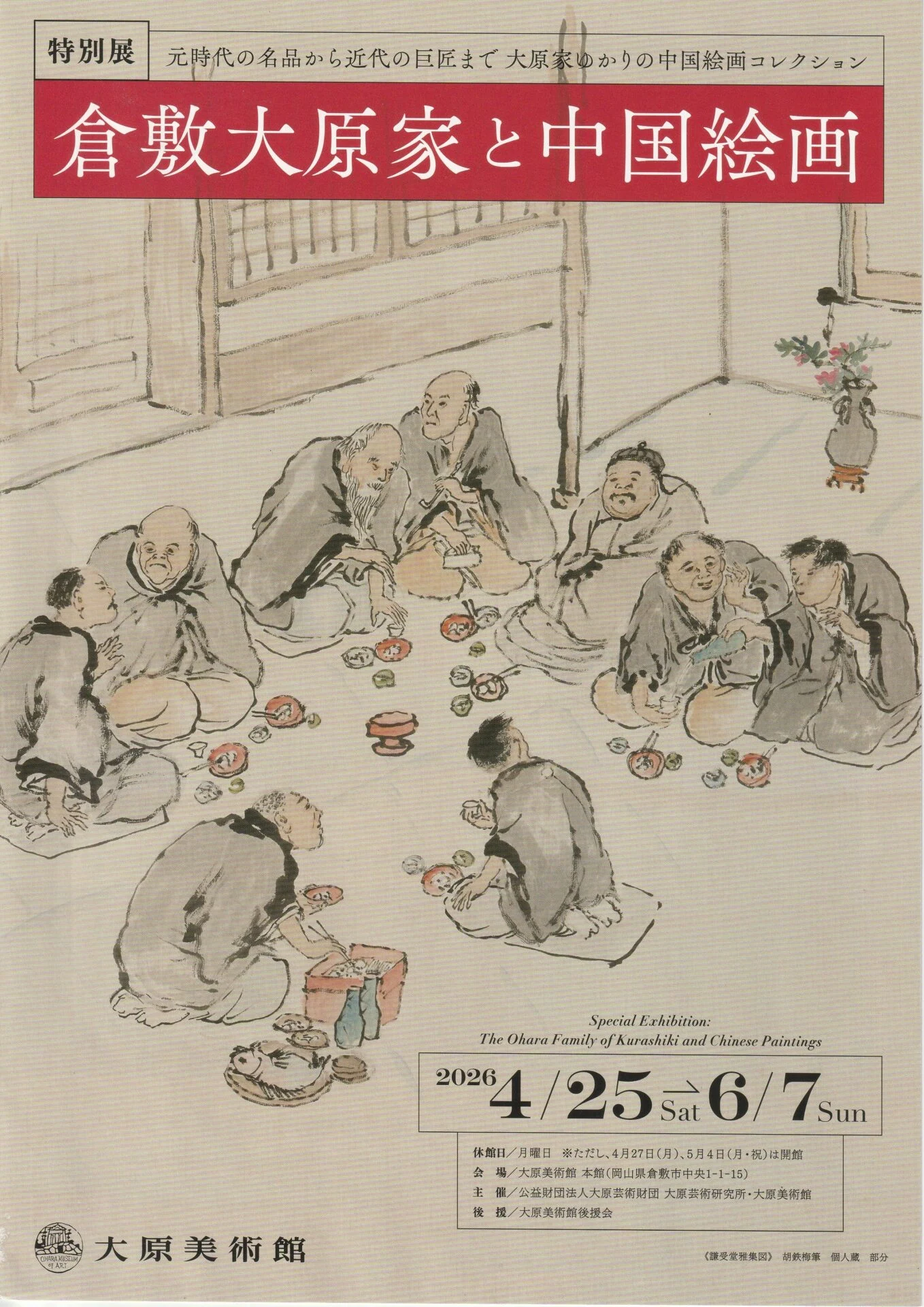
The symposium "The Ohara Family of Kurashiki and Chinese Painting" was planned as a commemorative event in conjunction with the special exhibition being held at the Ohara Museum of Art.
This symposium focused on the Chinese paintings collected by the Ohara family, examining their origins, the historical background of the Ohara family, and their significance in art history from multiple perspectives.
On the day of the event, researchers who have been involved with the collection at the museum, as well as university researchers specializing in Chinese art history, participated as experts from both Japan and abroad, presenting on how Chinese paintings have been collected and how they have been received in Japan from their respective positions.
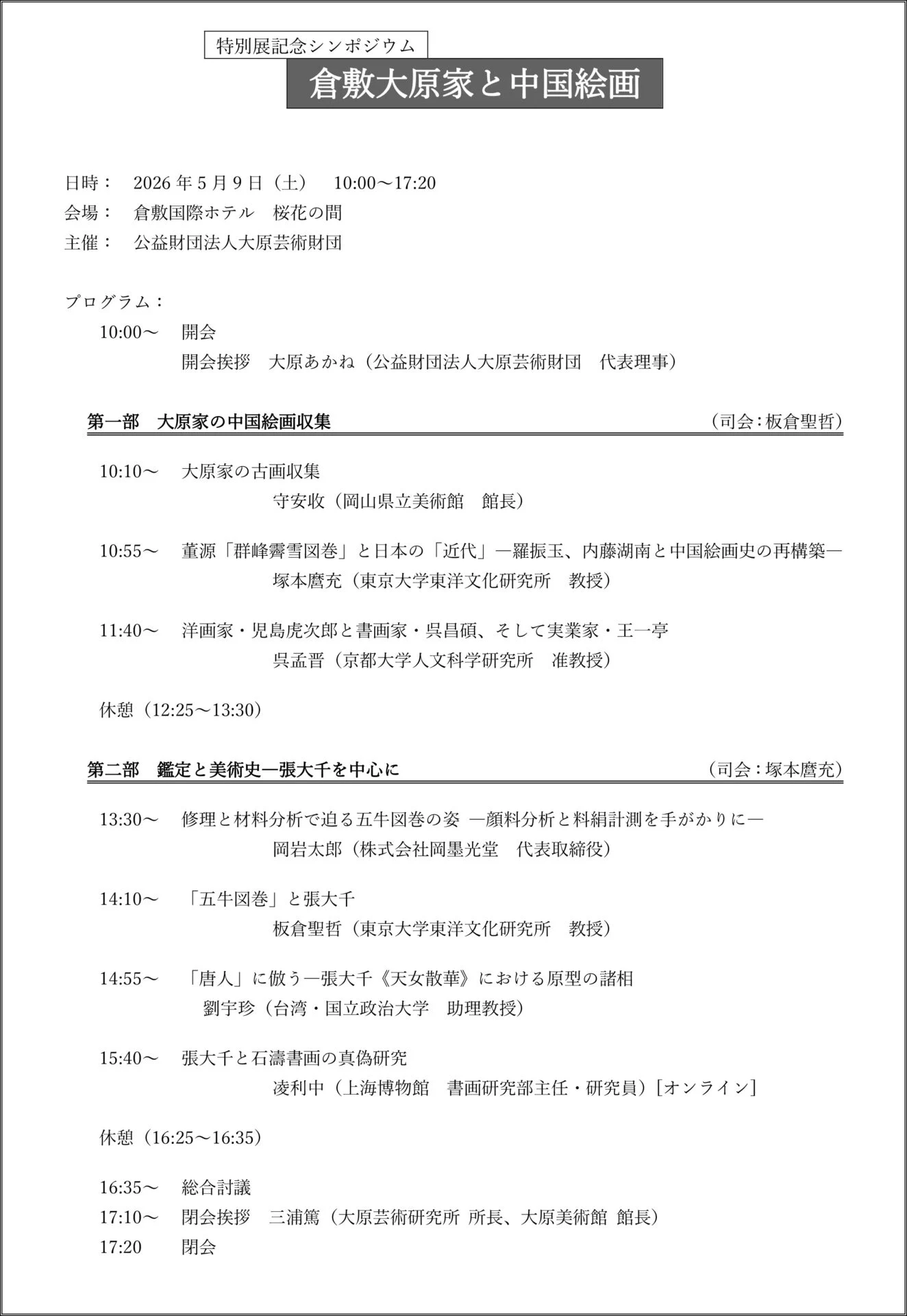
The program for the day was as follows.
Attending Part 1 of the Symposium
The author attended Part 1 of the symposium. Here is an overview of the day's events.
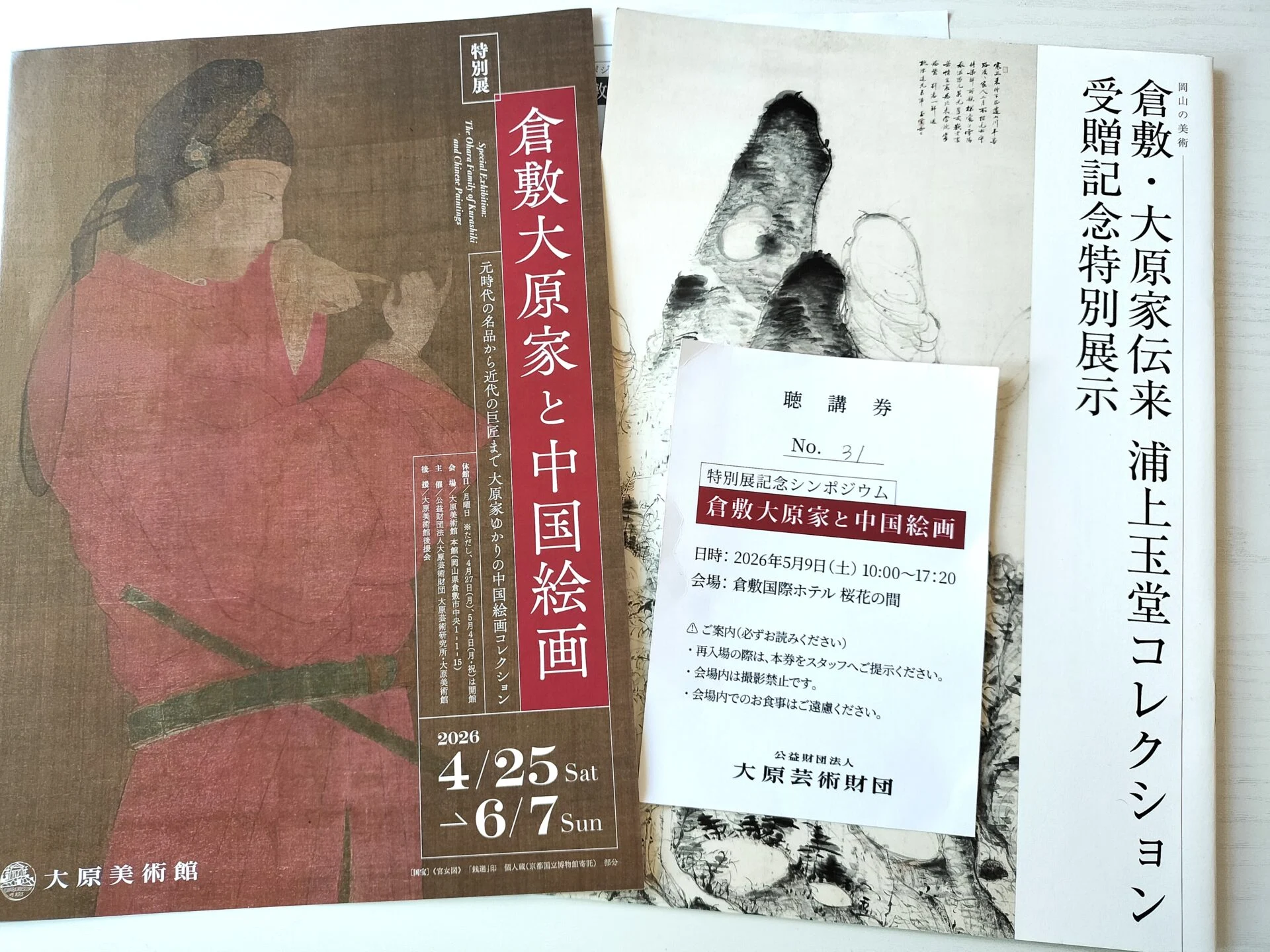
In Part 1, "The Ohara Family's Collection of Chinese Paintings," three speakers presented their perspectives on the relationship between the Ohara family and Chinese paintings.
- Mr. Moriya Osa
- Mr. Tsukamoto Maromitsu
- Mr. Wu Mengjin
Mr. Moriya Osa: The Ohara Family's Collection of Ancient Paintings
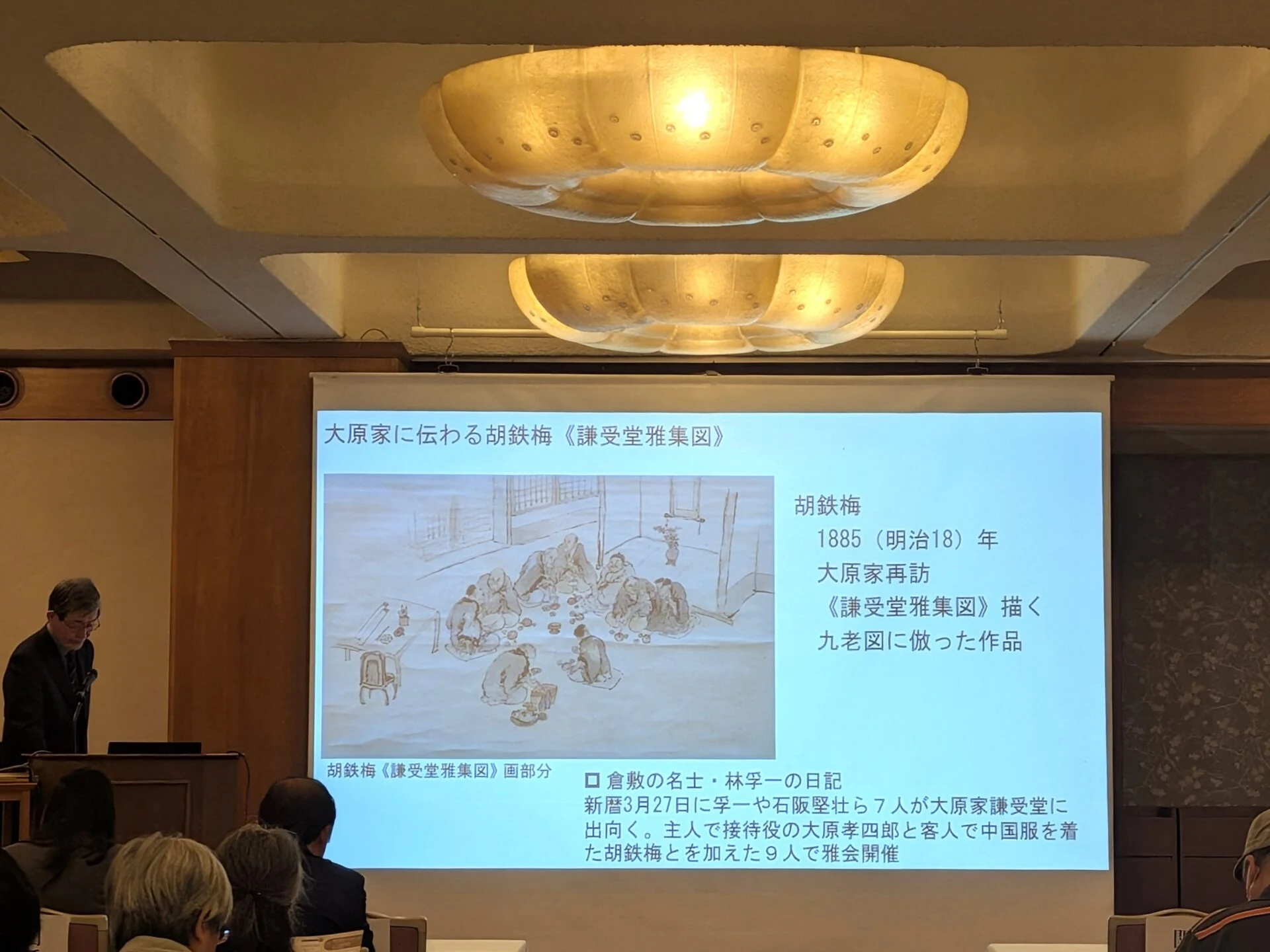
The symposium began with a presentation by Mr. Moriya Osa, the director of the Okayama Prefectural Museum of Art.
The theme was "The Ohara Family's Collection of Ancient Paintings."
Behind this theme lies a focus on the exchanges between people and the cultural heritage that has been passed down through the ages, which cannot be fully explained by mere "art collection."
Director Moriya first reflected on the history of the Ohara family, which has developed in Kurashiki.
Having supported the local economy since the Edo period, the Ohara family greatly expanded during the Meiji period through the textile industry. Subsequently, they also focused on education, healthcare, and cultural projects, leading to the establishment of the Ohara Museum of Art.
What was particularly impressive was the point that the collection of Chinese paintings expanded through exchanges with Chinese literati and painters. Director Moriya introduced the seventh generation, Ohara Magosaburo, who built one of Japan's leading collections of ancient paintings, and spoke about the aesthetic consciousness and cultural interests that underpinned this.
In the presentation, representative works collected by Ohara Magosaburo, such as the traditional work "Court Ladies" and Maruyama Okyo's "Fierce Tiger," were highlighted.
The episode surrounding "Court Ladies" was particularly striking.
![[National Treasure] 'Court Ladies'](https://media.kuratoco.com/wp-content/uploads/2026/05/14123915/bc1f380a798f35fc1a3ce98f0819e1e8.jpg)
This work was once owned by the Kawasaki Baron family (Choshunkaku) and was highly regarded among Chinese paintings. In 1942, when discussions about selling the work arose, the art dealer Yamanaka Shokai contacted Ohara Magosaburo, who immediately decided to purchase it.
What is even more interesting is that Magosaburo passed away the year after he purchased this work. His passion for art collection, which did not wane until his later years, conveyed a strong attachment to the piece.
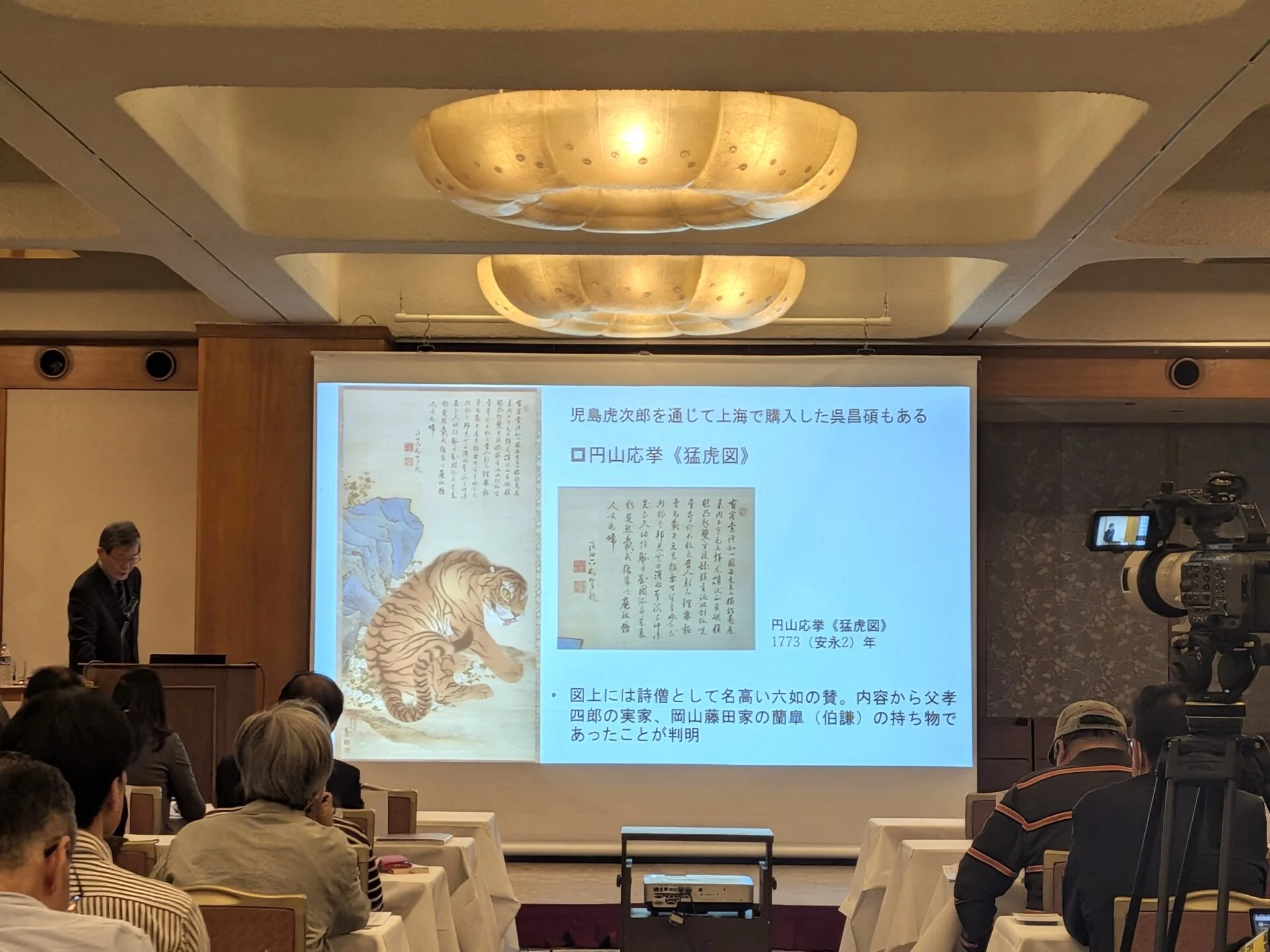
Director Moriya explained that the Ohara family's collection activities are "not merely the collection of art, but also a record of the culture that has been passed down, including people, regions, and historical backgrounds."
Collection
Means "to gather various things," and while it is almost the same as the commonly used term "collection," it carries a nuance of being systematically collected as a hobby or for research.
By touching not only the works themselves but also the exchanges and history that expand beyond them, new charms of the collection become visible. From this presentation, I was able to once again feel the depth of the Chinese painting collection built by the Ohara family and its cultural significance.
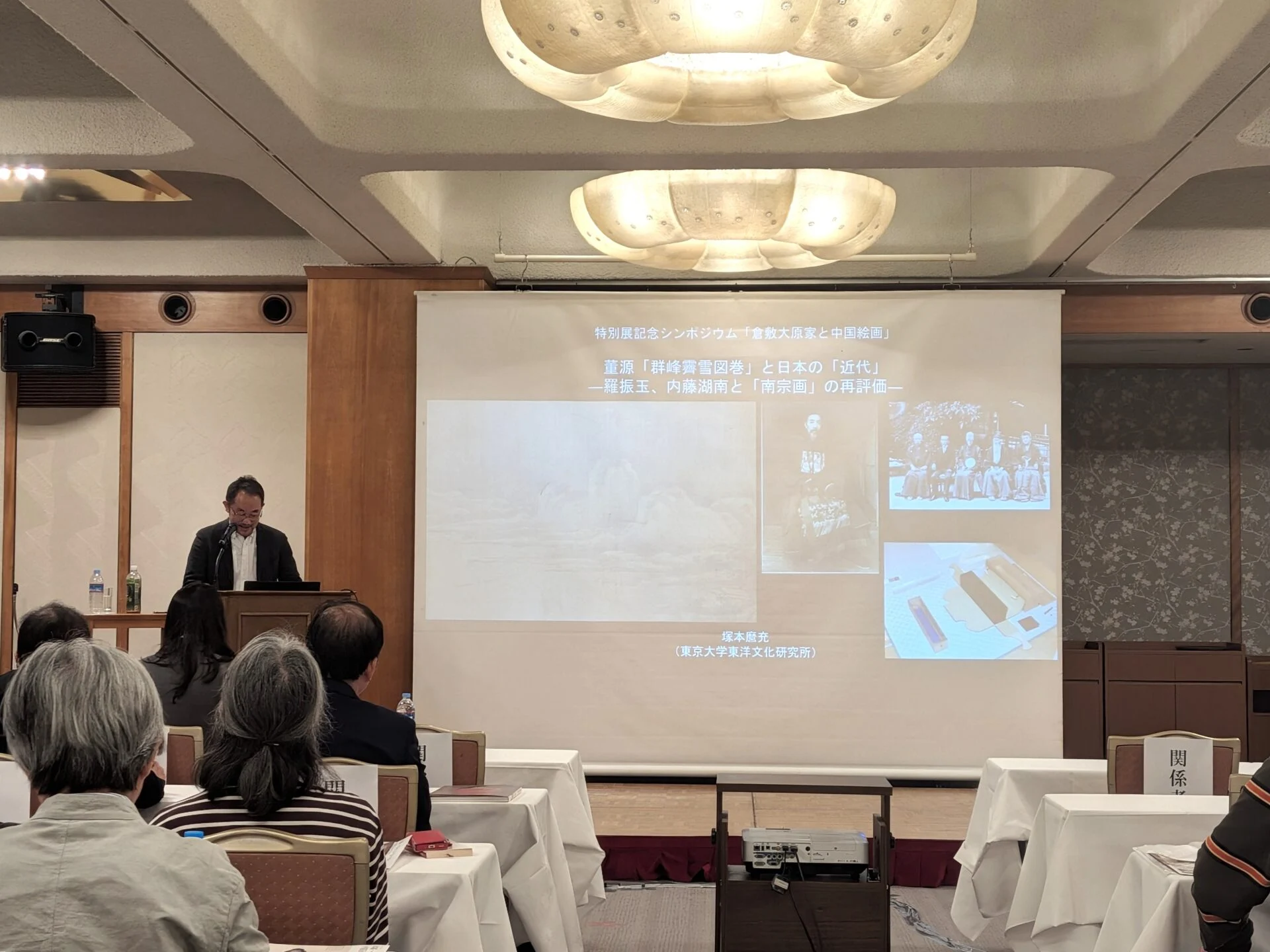
Mr. Tsukamoto Maromitsu: Dong Yuan's "Scroll of Snow on the Peaks" and Japan's "Modernity"
Next to speak was Mr. Tsukamoto Maromitsu, a professor at the University of Tokyo's Institute of Oriental Culture.
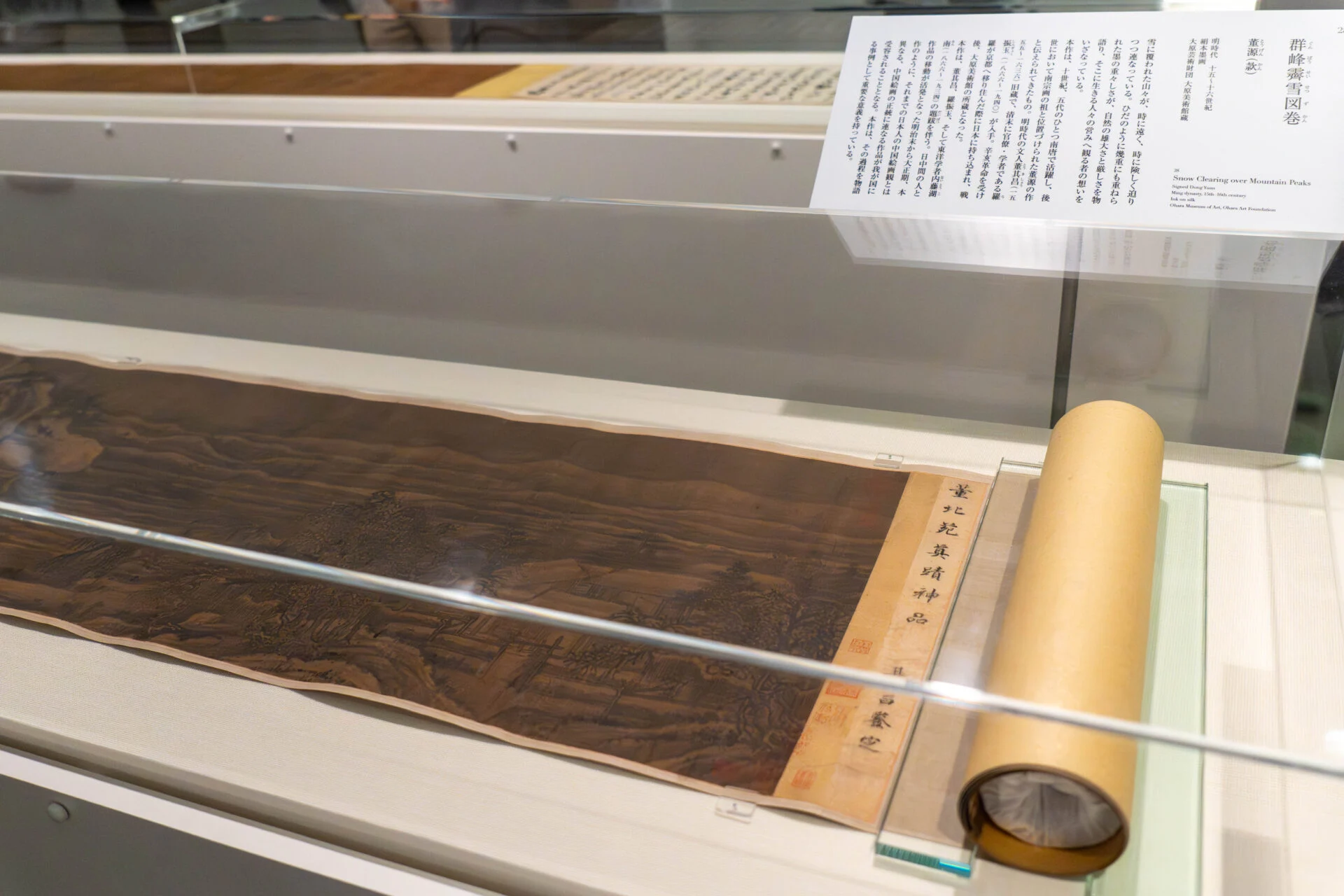
The theme of his presentation was "Dong Yuan's 'Scroll of Snow on the Peaks' and Japan's 'Modernity'—Reevaluation of Luo Zhenyu, Naito Konan, and 'Southern School Painting'."
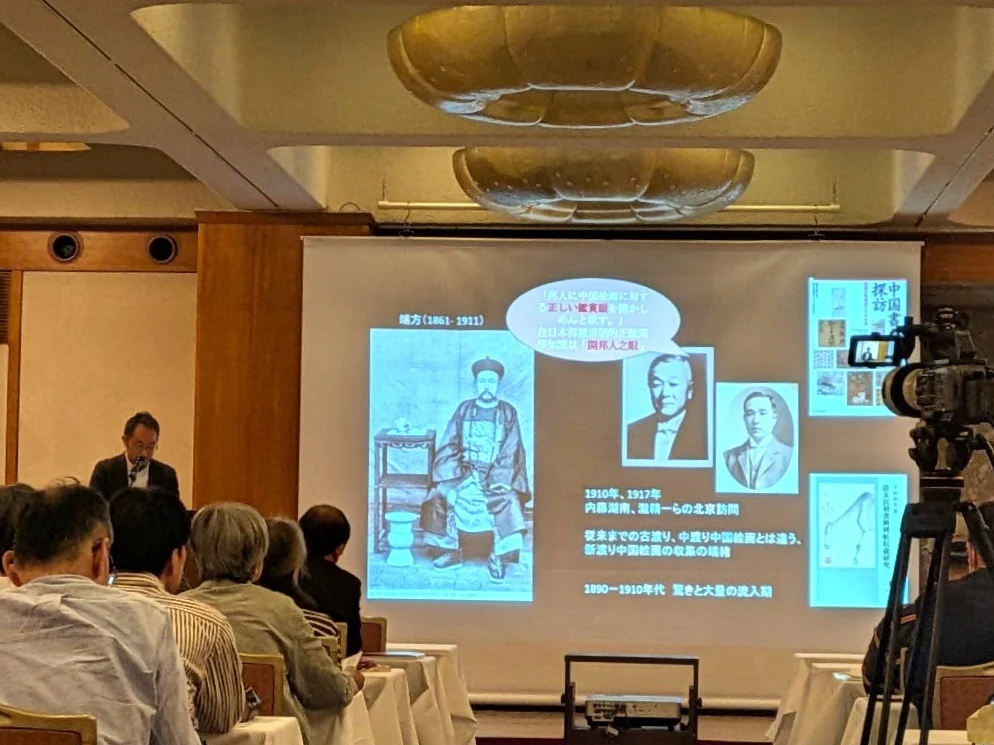
Mr. Tsukamoto stated that Japan's modernization should not be viewed solely from the perspective of "acceptance of Western culture." He explained that during modern Japan, there was also a simultaneous movement to reevaluate Eastern cultures, including China, and to discover new values.
In his presentation, he introduced the process by which Chinese classical paintings regained attention in modern Japan.
Through the activities of Chinese historian Luo Zhenyu and Japanese Oriental scholar Naito Konan, a new aesthetic perspective on Chinese paintings was formed.
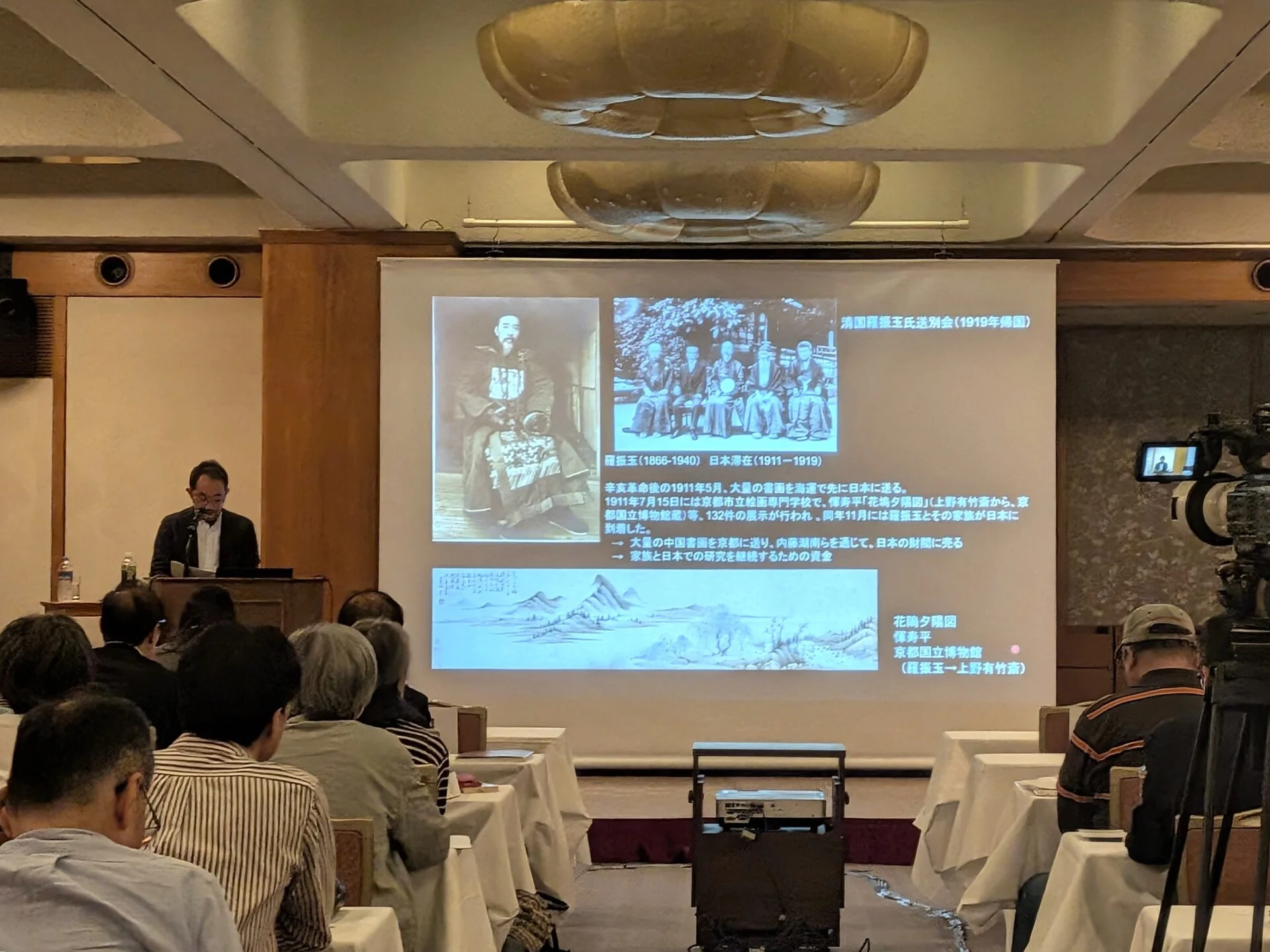
The discussion then shifted to the Ohara family's collection of Chinese paintings.
As businessmen, researchers, and art professionals exchanged ideas across borders, understanding of Chinese art deepened, and a unique Japanese aesthetic was established.
What was impressive was that the discussion even extended to the concept of "the East" itself.
Mr. Tsukamoto noted that not only Chinese art but also interest in art from Egypt and other regions was present at the time, indicating that a significant cultural reorganization regarding "how to perceive the East" was underway in modern Japan.
What emerged throughout the presentation was that the Ohara collection is not merely a collection of artworks. It embodies the history of cultural exchange between Japan and China and the accumulation of intellectual exchanges in modern East Asia.
Kure Motoyuki: Western Painter Kojima Torajiro, Calligrapher Wu Changshuo, and Businessman Wang Yiting
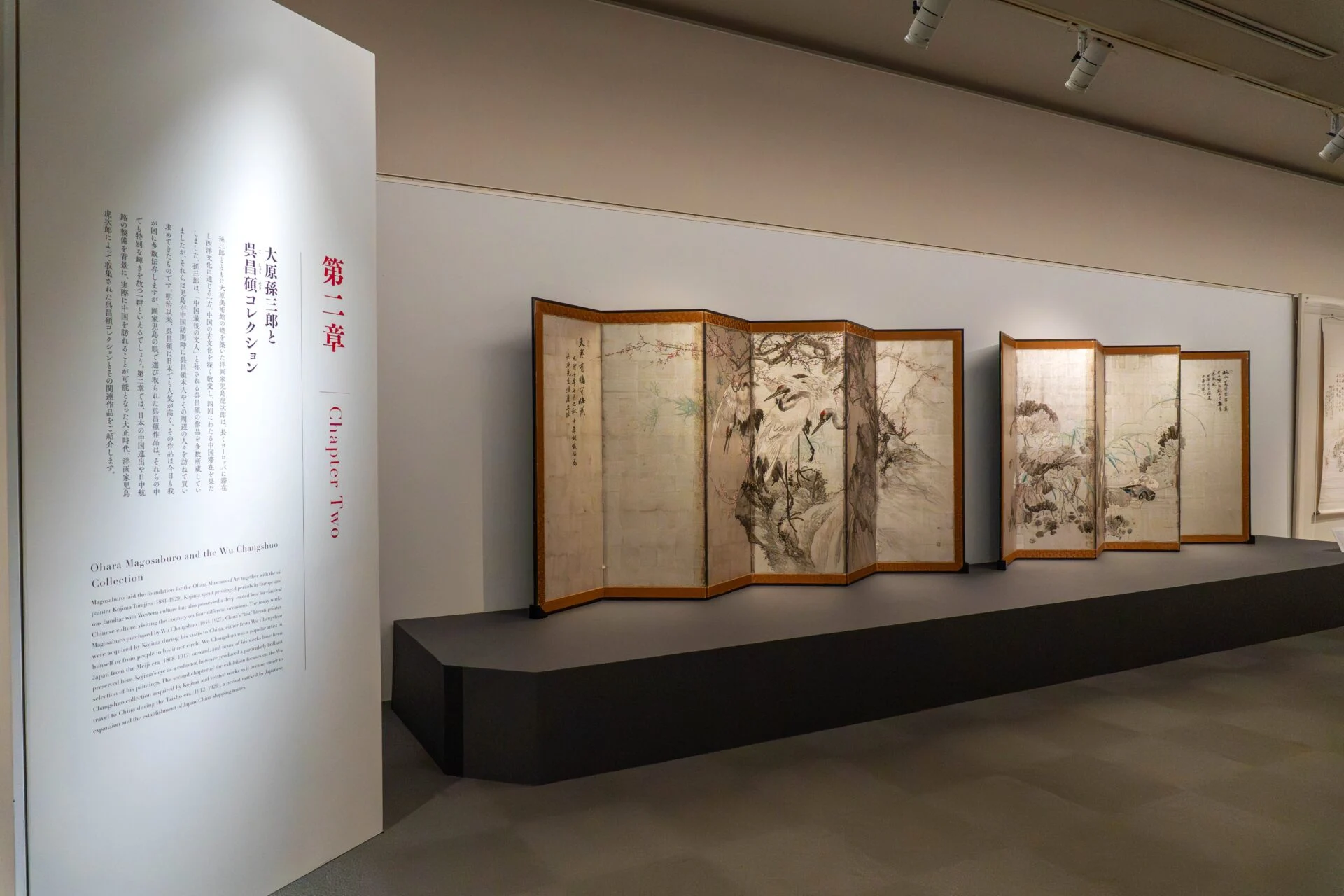
The final speaker was Kure Motoyuki, an associate professor at the Kyoto University Institute for Research in Humanities. The lecture theme was "Western Painter Kojima Torajiro, Calligrapher Wu Changshuo, and Businessman Wang Yiting."
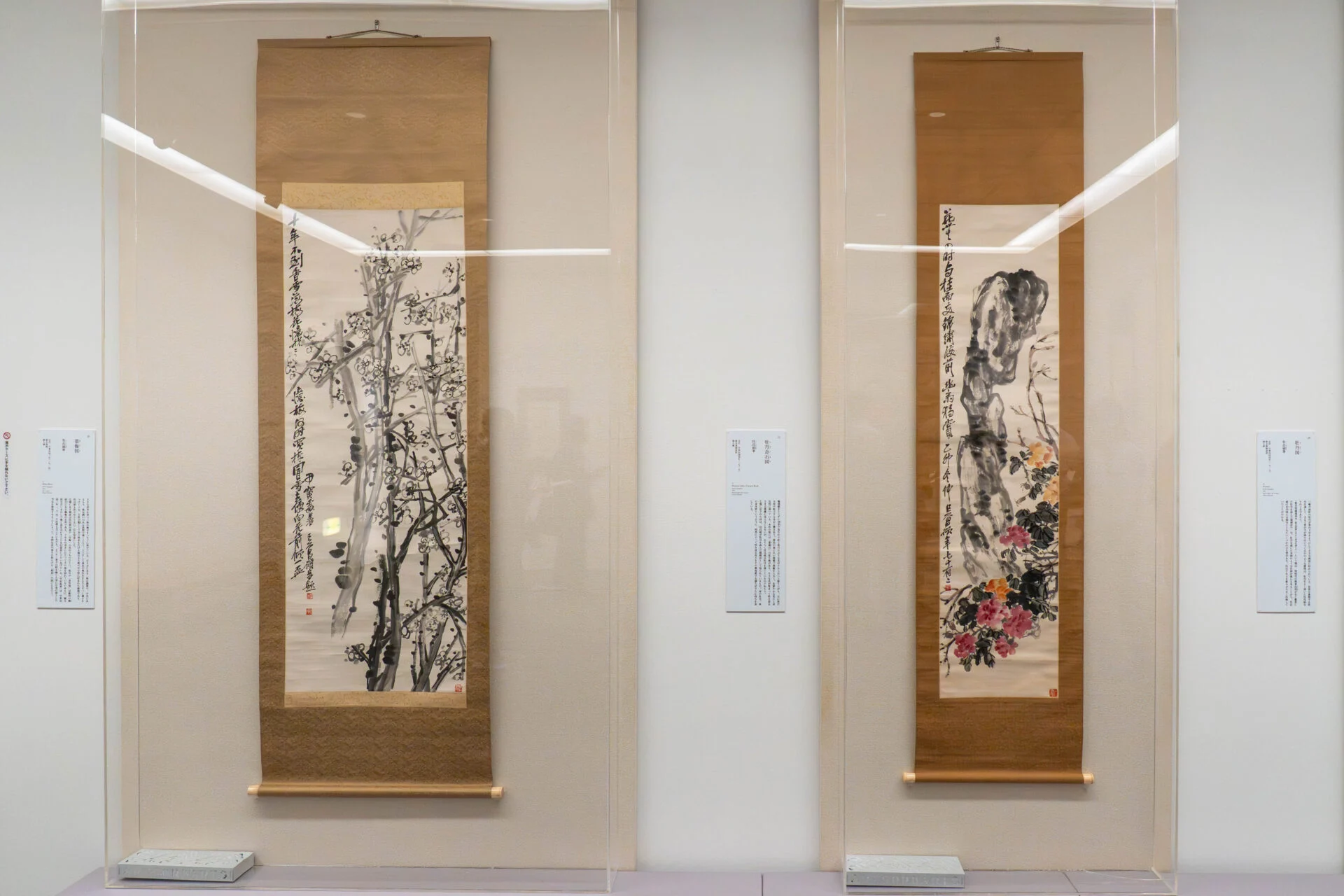
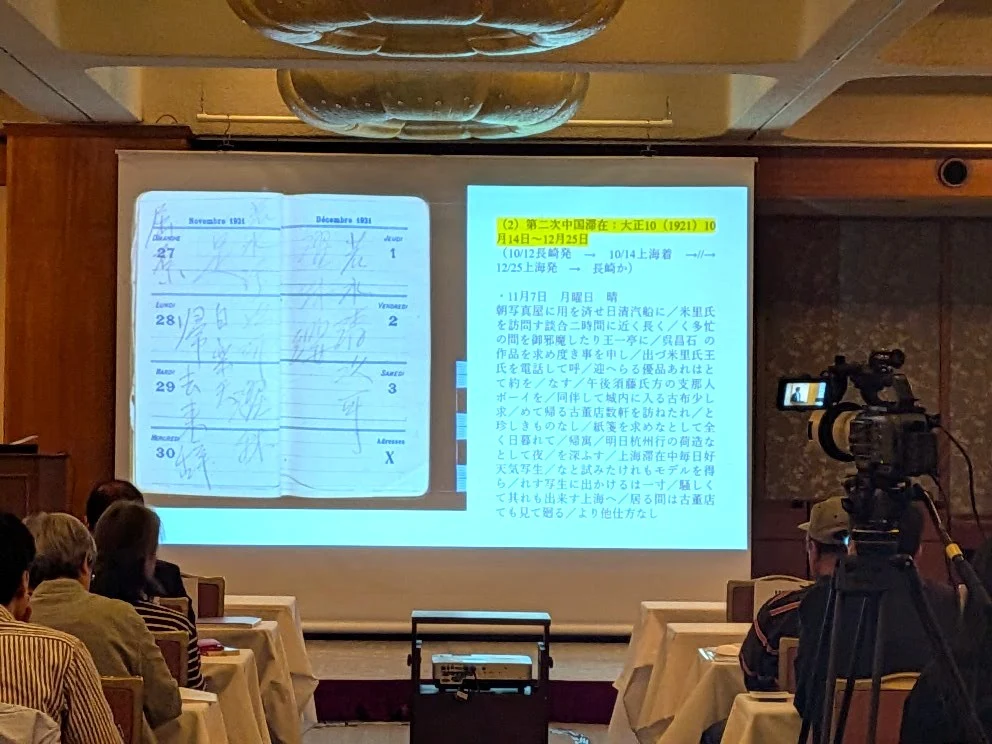
Kure noted that Kojima Torajiro visited China multiple times after 1918. While based in Shanghai, Kojima deepened his connections with Chinese businessman Wang Yiting and calligrapher Wu Changshuo, purchasing works within that network.
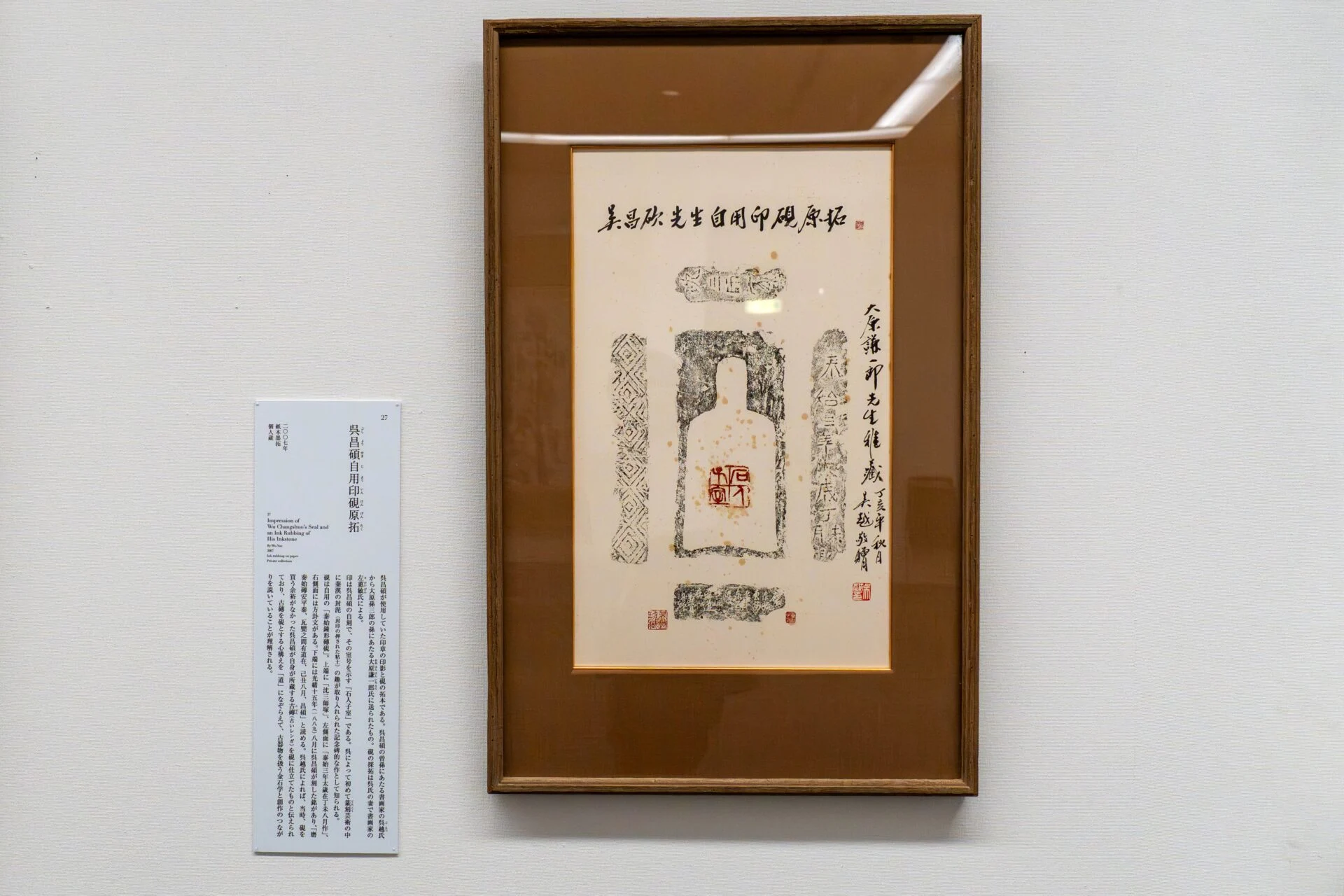
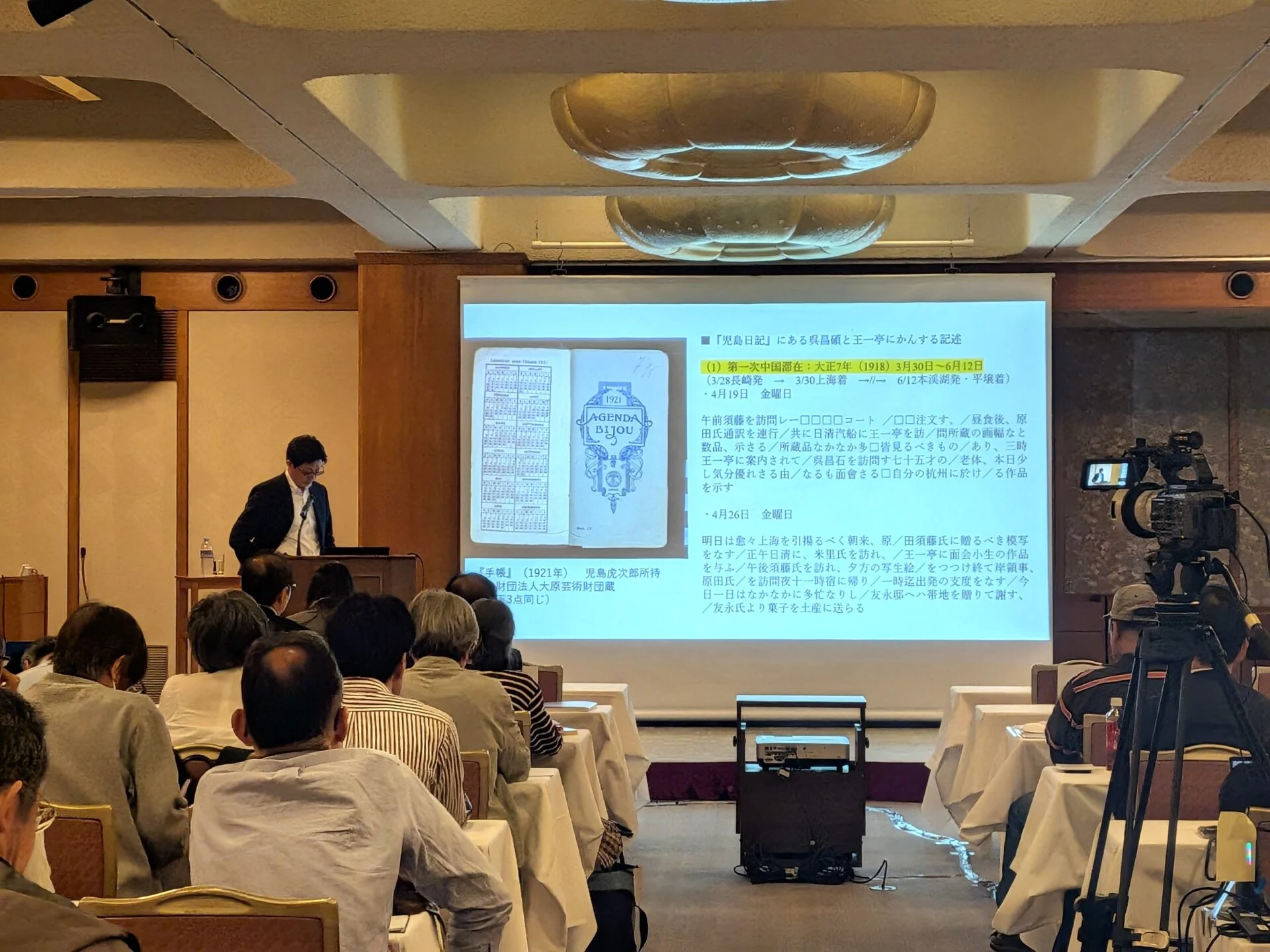
Additionally, based on the records of the diary and notebooks Kojima kept during his stay in China, an analysis was conducted regarding the actual purchasing situation, revealing that he likely selected works from those circulating in Shanghai at the time.
Kure concluded the lecture by stating, "Kojima Torajiro was a Western painter who demonstrated a deep understanding of Chinese art and viewed Eastern and Western art with a broad perspective."
At the end of the symposium, Ohara Kenichiro, honorary director of the Ohara Museum of Art, took the stage to give a greeting, stating the following.

Conclusion
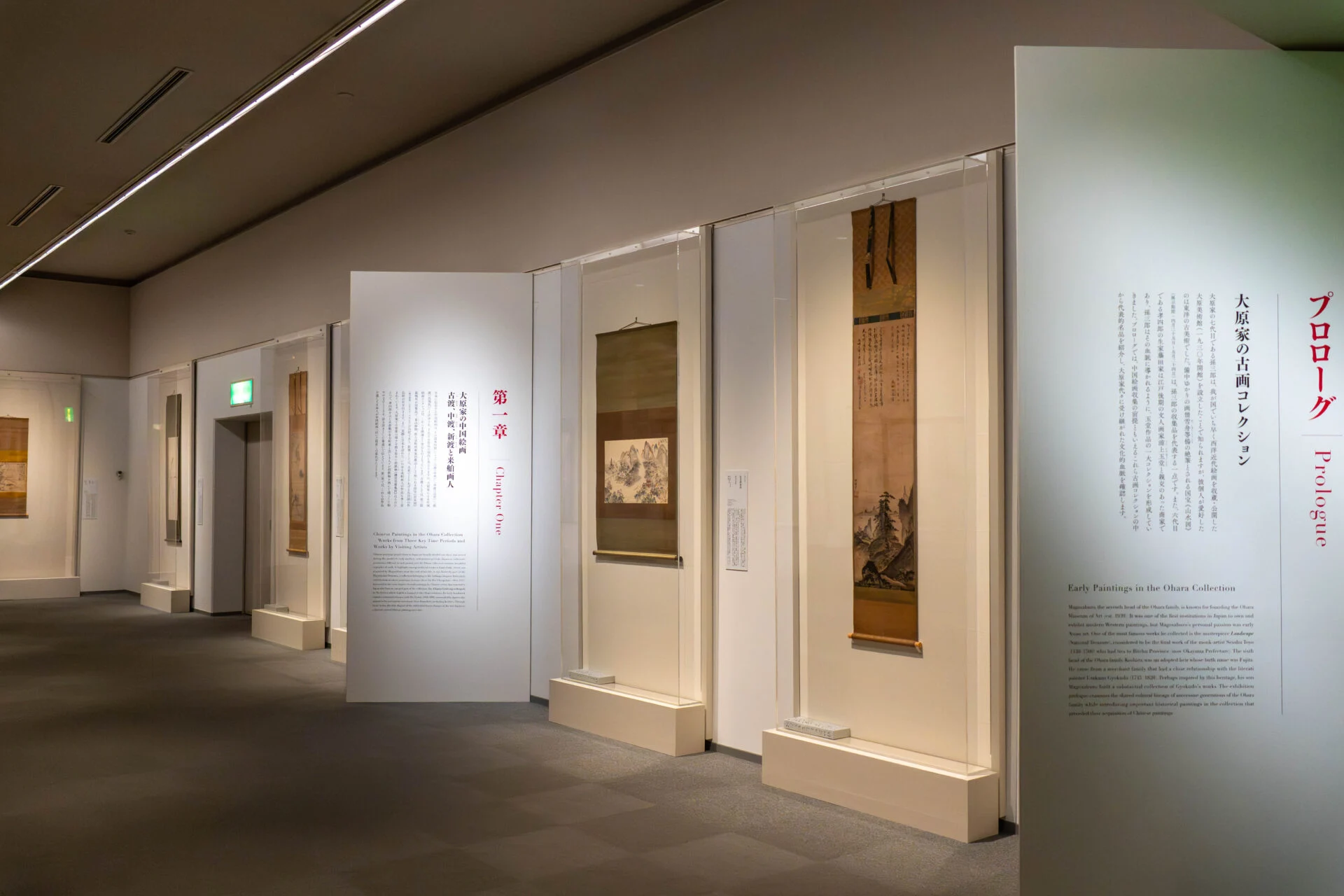
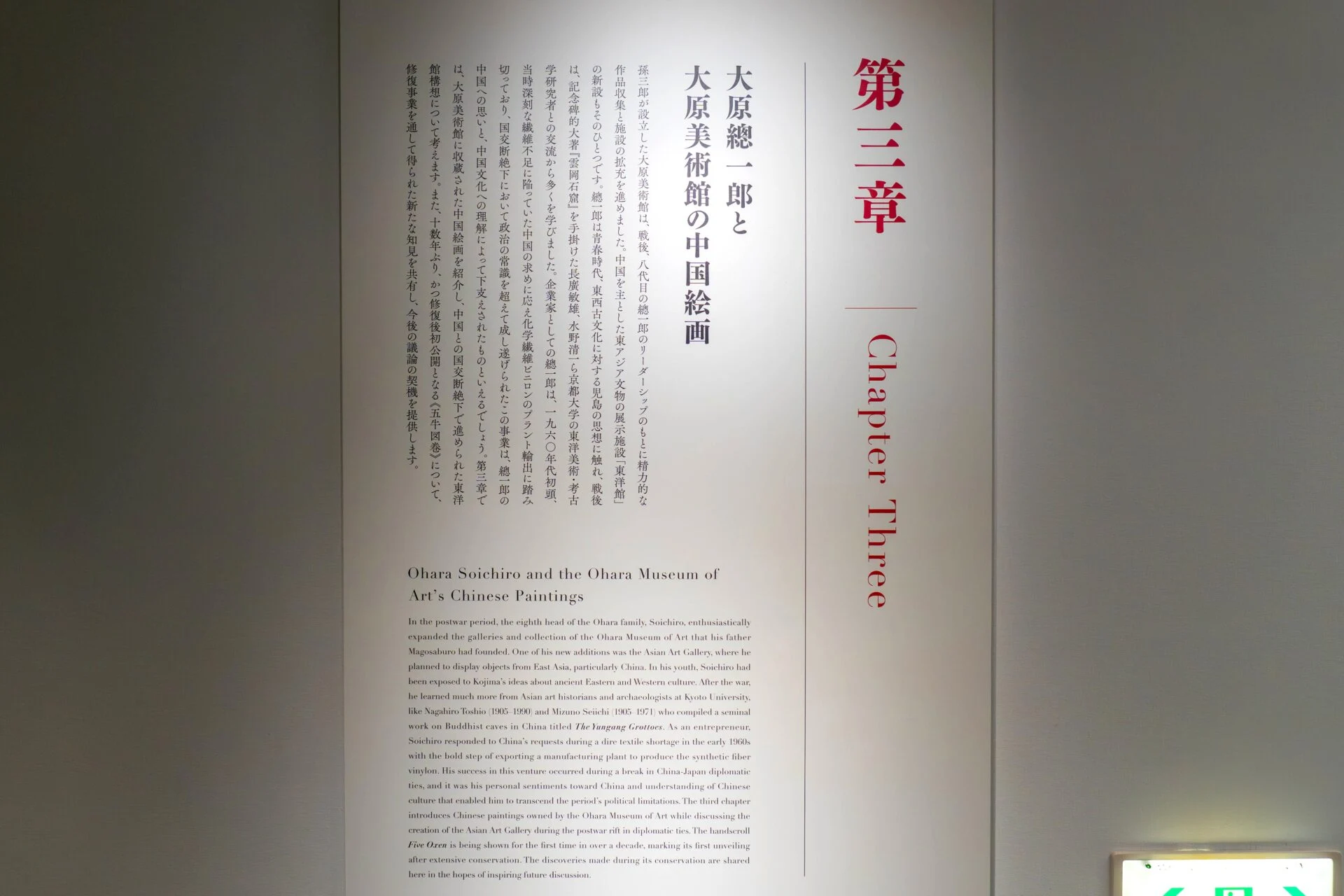
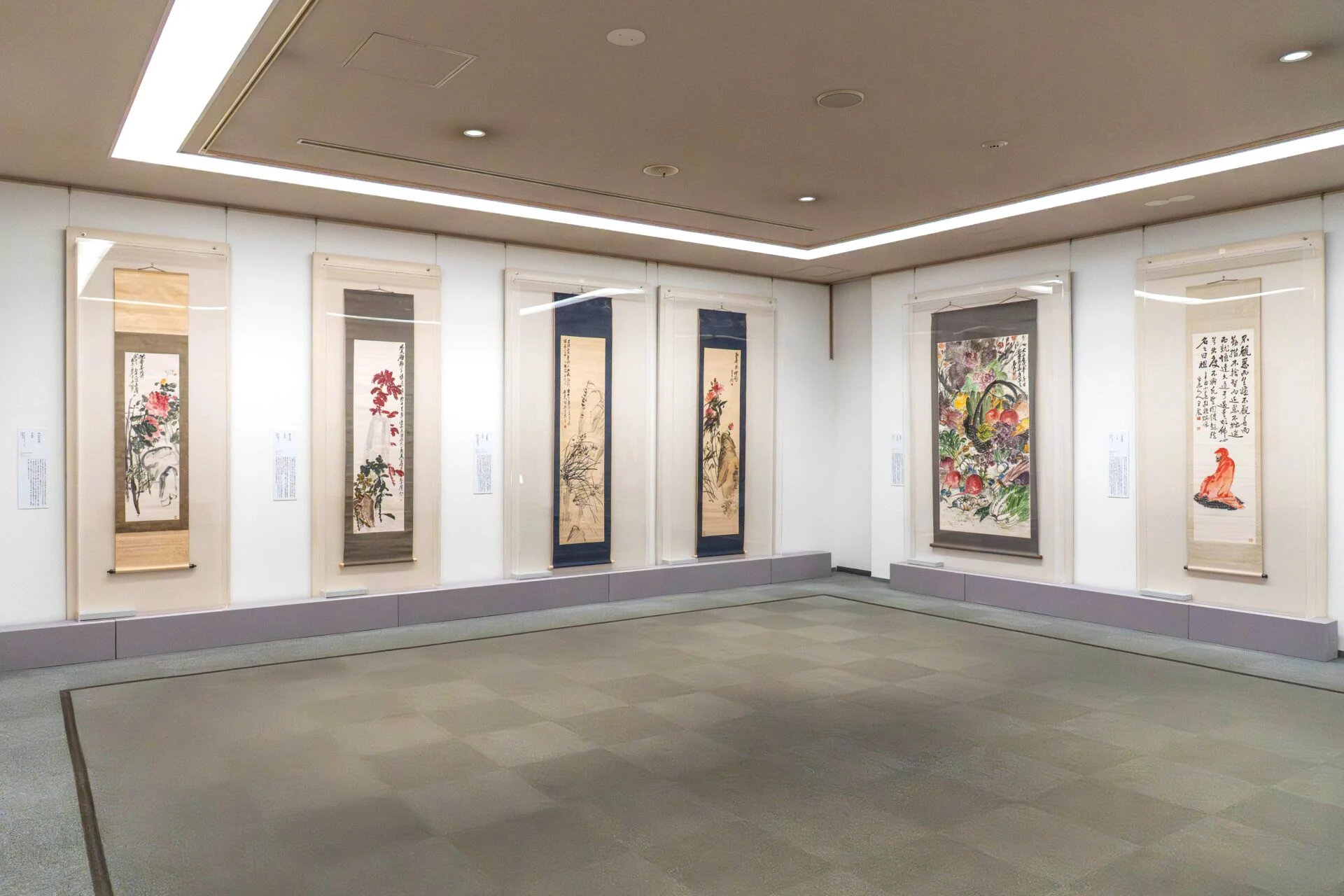
After the symposium, I revisited the special exhibition "Kurashiki Ohara Family and Chinese Painting" currently being held at the Ohara Museum of Art.
As I gazed at the works in the venue, I felt that behind each painting, the exchanges of people nurtured across borders and the emotions embedded in the art were quietly alive.
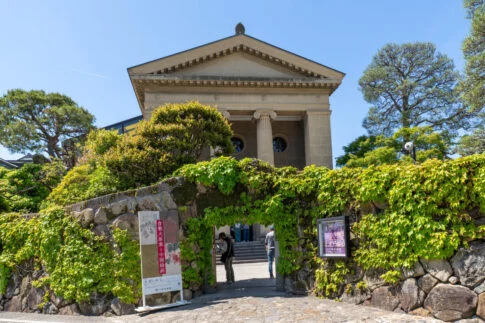
The Ohara Museum of Art is not just a display space.
It carries the history of cultural exchange between Japan and China that has been built through art, which is still cherished today.
This symposium was a time to once again feel the depth of art and the significance of cultural exchange that has been passed down across borders.
Data for the Special Exhibition Commemorative Symposium "Kurashiki Ohara Family and Chinese Painting"
| Name | Special Exhibition Commemorative Symposium "Kurashiki Ohara Family and Chinese Painting" |
|---|---|
| Date | May 9, 2026 (Saturday) 10:00 AM - 5:30 PM |
| Location | Kurashiki International Hotel |
| Participation Fee (including tax) | Free *Capacity: First 100 applicants |
| Homepage | Special Exhibition: Kurashiki Ohara Family and Chinese Painting |
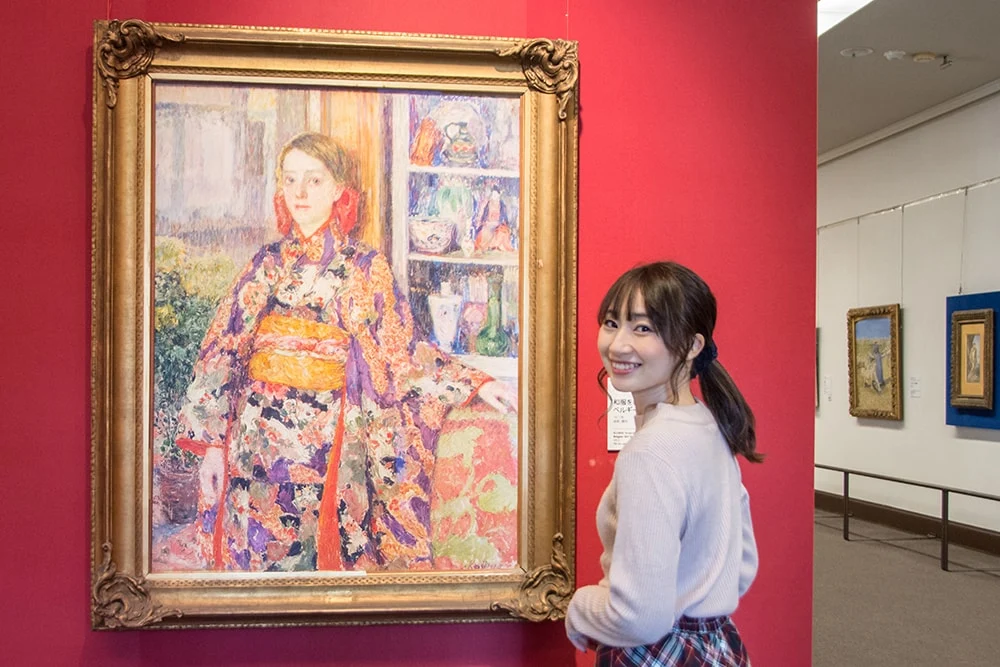
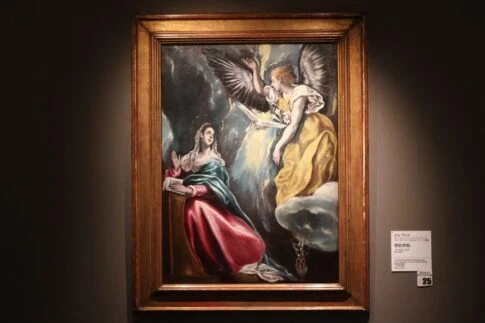
































By not only appreciating the works but also focusing on the thoughts, eras, and the activities of the people behind them, art reveals a deeper charm. Furthermore, I hope that through the discussions of the day, you will reconsider your relationship with the works while touching on the questions of "What is authenticity?" and "What is the essence of art?"