Even when foreign residents live in your neighborhood, it can be hard to find a chance to talk to them. You may want to say hello but not know what to talk about. Have you ever had that experience?
Life in Japan can also be confusing for foreign residents.
They may struggle to communicate or be surprised by cultural differences. At times like these, it can be heartening when someone in the neighborhood casually strikes up a conversation.
I, too, am a foreign resident who has lived in Kurashiki for more than 20 years.
When I first came to Japan, I sometimes struggled because I couldn't express what I wanted to say. Even so, as I talked with people, we gradually came to understand one another.
With these experiences in mind, I attended the “Japanese Speech Presentation by Foreign Residents” held on October 18. What thoughts inspire foreign residents of Okayama and Kurashiki to study Japanese, and what do they want to share? As a fellow foreign resident, I wanted to hear for myself.
At the venue, people with roots in various countries spoke in Japanese about their experiences and feelings. Stories about work, life in Japan, and gratitude toward family. Listening to each person, you could gradually glimpse the background that everyday greetings and casual conversations alone would not reveal.
This article introduces speeches that left a strong impression at the event.
The information presented is as of the article’s publication in November 2026. Please note that it may differ from current information.
What is the Japanese Speech Presentation by Foreign Residents?
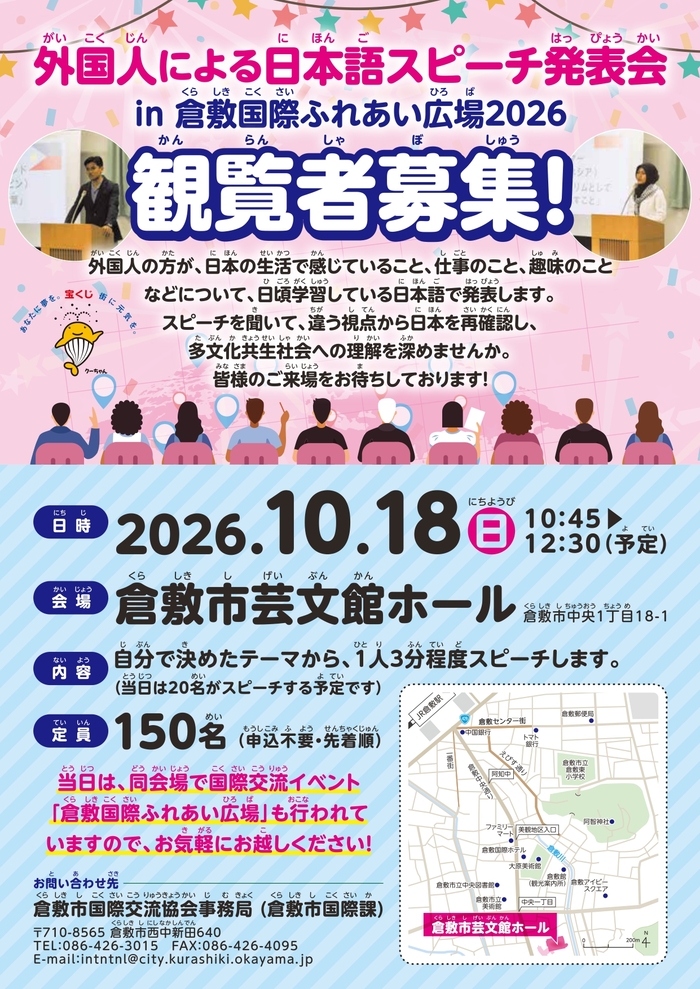
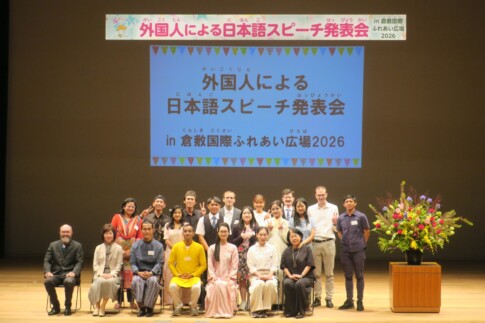
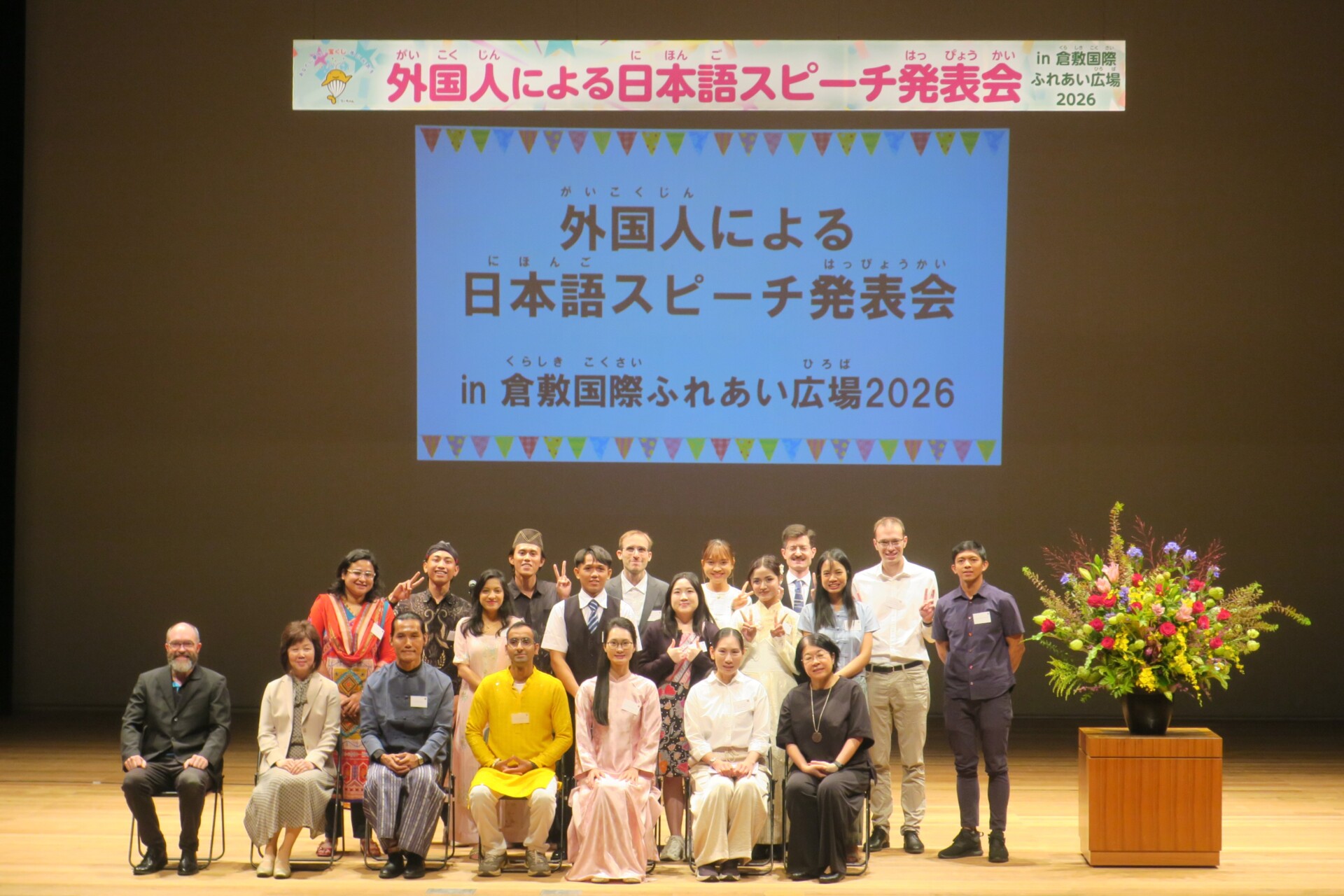
The “Japanese Speech Presentation by Foreign Residents” is one of the programs at “Kurashiki International Friendship Plaza 2026,” organized by the Kurashiki International Friendship Plaza Executive Committee.
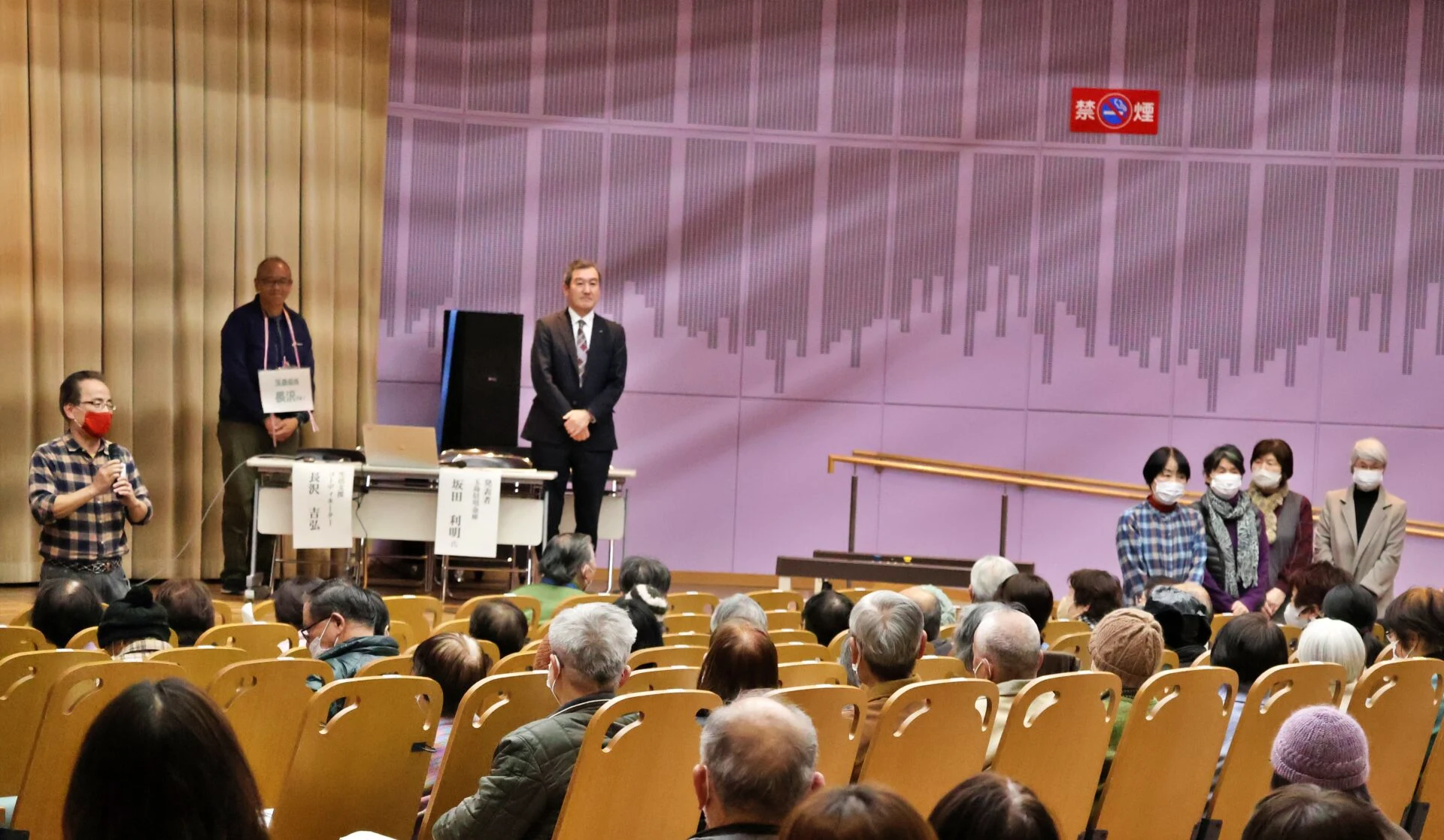
Seventeen people with roots in various countries, including the United States, Indonesia, and Myanmar, took part in the presentation held at Geibunkan Hall on Sunday, October 18, 2026.
Now in its second year, this presentation is not a contest where participants compete for rankings.
It is a place where each person shares in Japanese their experiences and feelings from living in Japan.
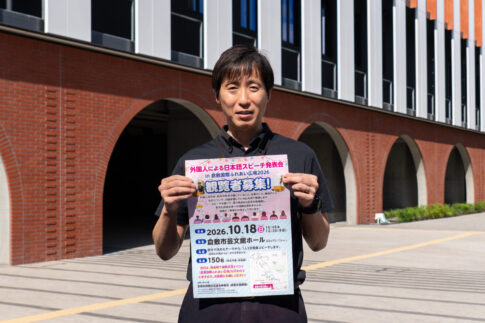
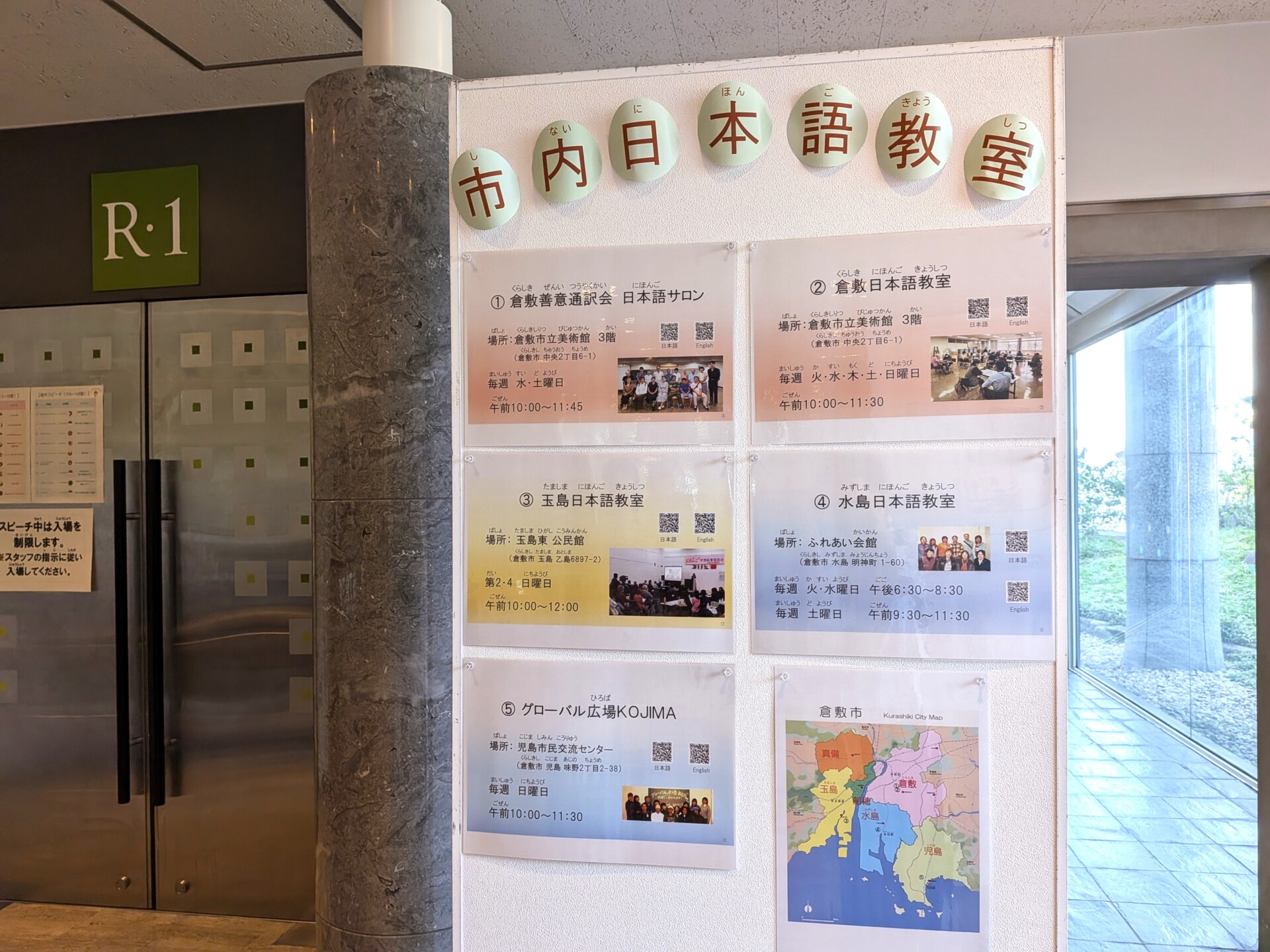
Before the presentations, the emcee offered some warm words: “It’s fine to read from your script. Relax and enjoy speaking.”
Each speaker had three minutes.
They were also told not to rush if they went a little over time, and to speak slowly until the end. After each presentation, guests offered comments to the speaker.
- Masue Nakajima, Okayama Foreign Language Academy
- Sachiko Oyama, Kurashiki Foreign Language Academy
- James Benson, Kurashiki International Association
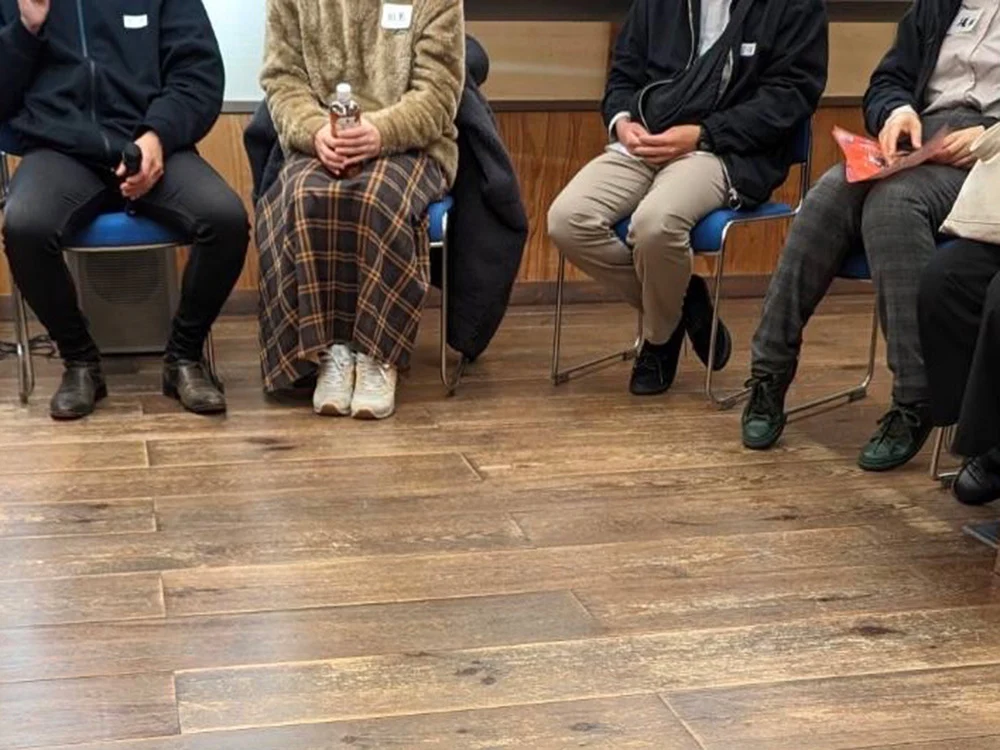
It must have been a nerve-racking time for the speakers. Even so, words of encouragement like these can help put you at ease. The atmosphere in the venue also felt warm and welcoming.
A look at the event
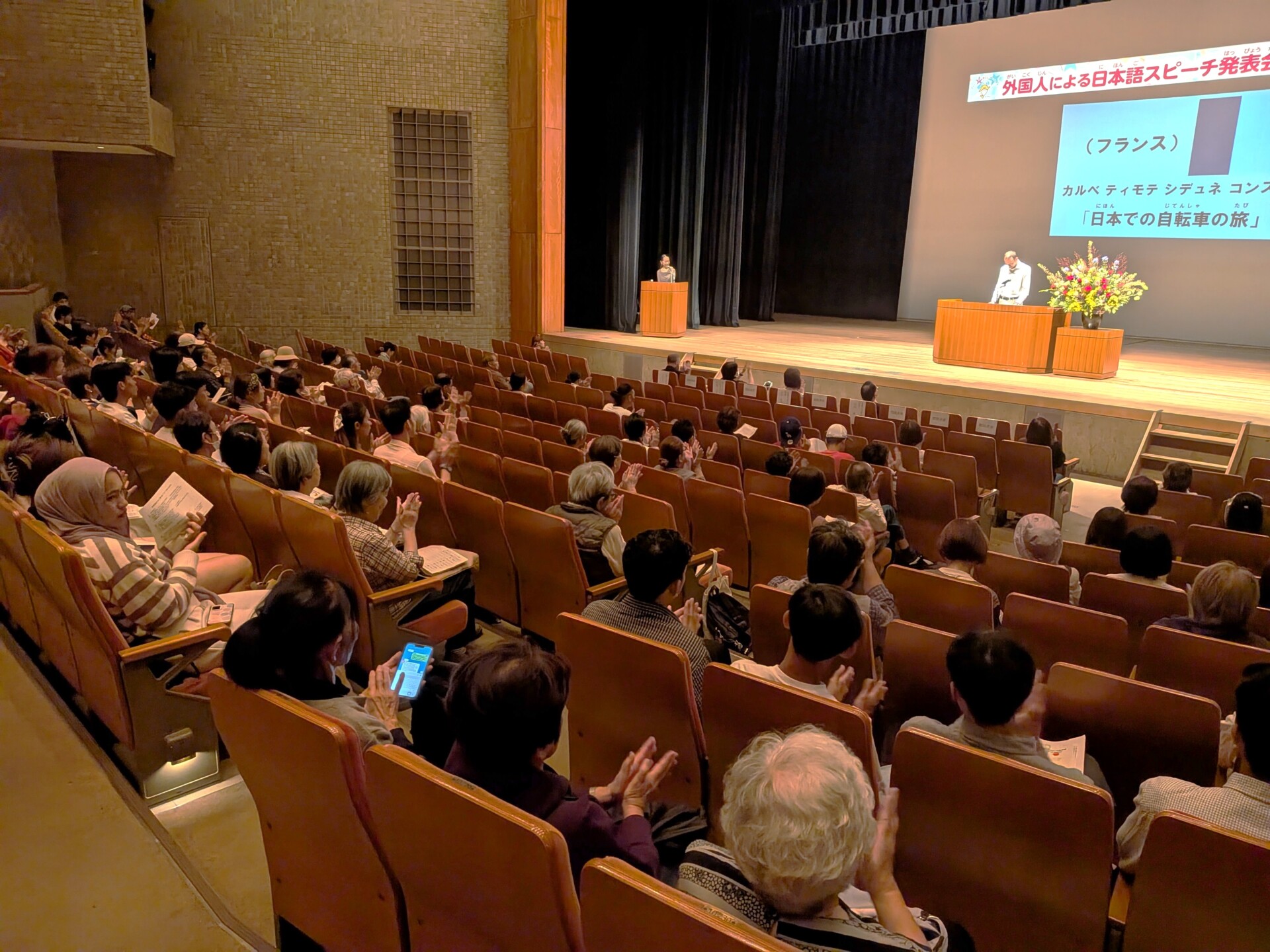
The 17 presentations covered different topics, but each conveyed the speaker’s own experiences and feelings.
Here are three speeches that particularly stood out.
Caregiving work that helped me grow
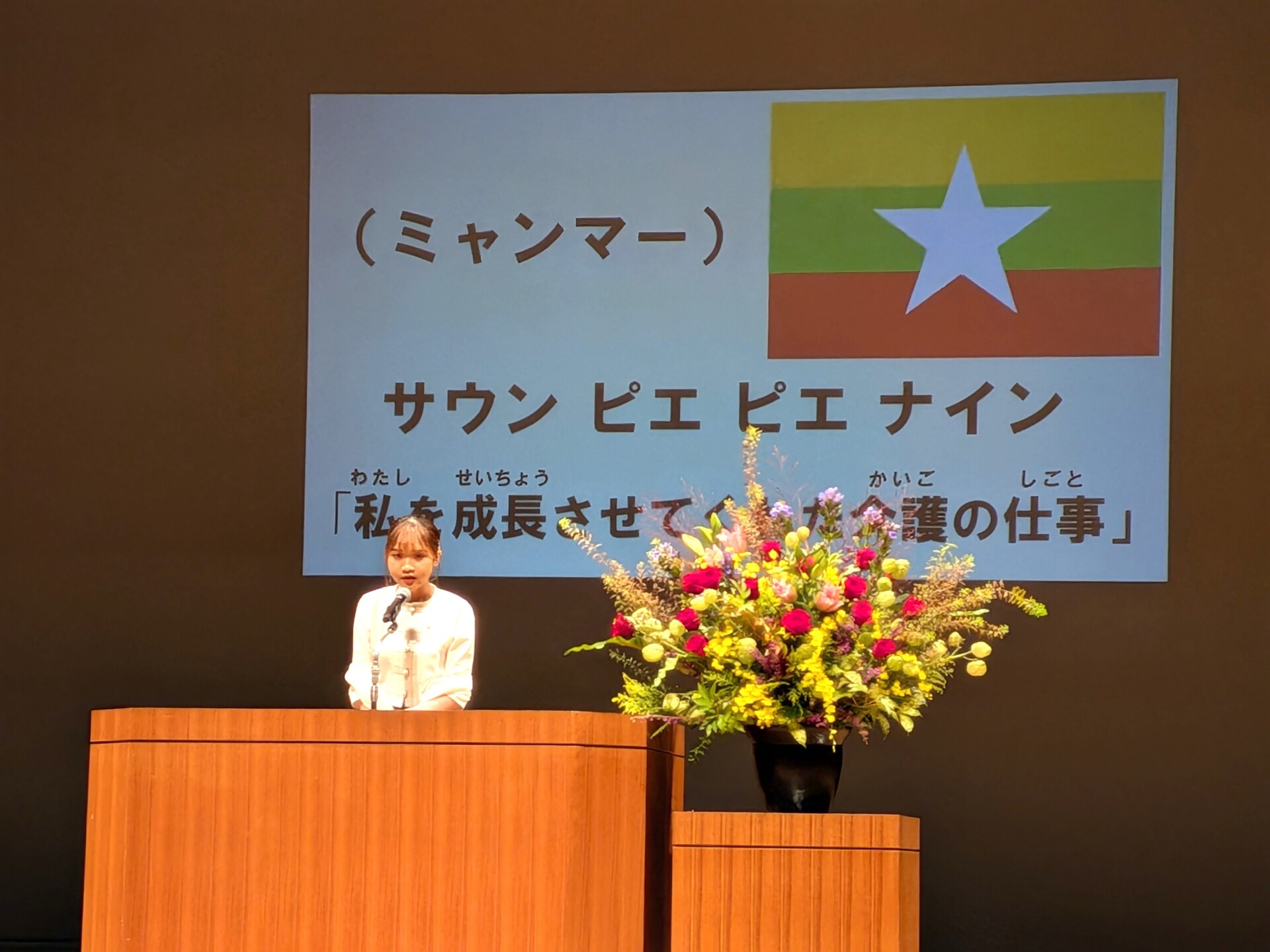
Saung Pye Pye Naing, who came to Japan from Myanmar in June 2023, spoke on the theme “Caregiving work that helped me grow.”
When she first started working in caregiving, she lacked confidence in her Japanese and was afraid of making mistakes, so she couldn’t bring herself to ask questions even when she didn’t understand something.
What prompted Ms. Saung to change was her daily interactions with care recipients.
She learned to pay close attention to their expressions and behavior and notice things like, “That’s not like them” or “I wonder if something is troubling them.” She also learned to interact with them while considering their feelings. She says that through these experiences, she realized caregiving is not just about supporting the body, but also about being there for people emotionally.
She continued studying Japanese while working and passed a certification exam. Ms. Saung used to be afraid of making mistakes, but now she asks questions when she doesn’t understand something and can think and act on her own.
As I listened, I could sense how she had steadily built up experience, one step at a time, while facing challenges at work. She said that the care recipients’ “thank you” and smiles are also a great encouragement to keep going each day.
Through her caregiving work, Ms. Saung has developed not only her Japanese, but also compassion for others and the ability to take the first step herself. Her journey of gradually gaining confidence through her work left a strong impression on me.
What surprised me after coming to Japan: Japan’s everyday norms through a foreign resident’s eyes
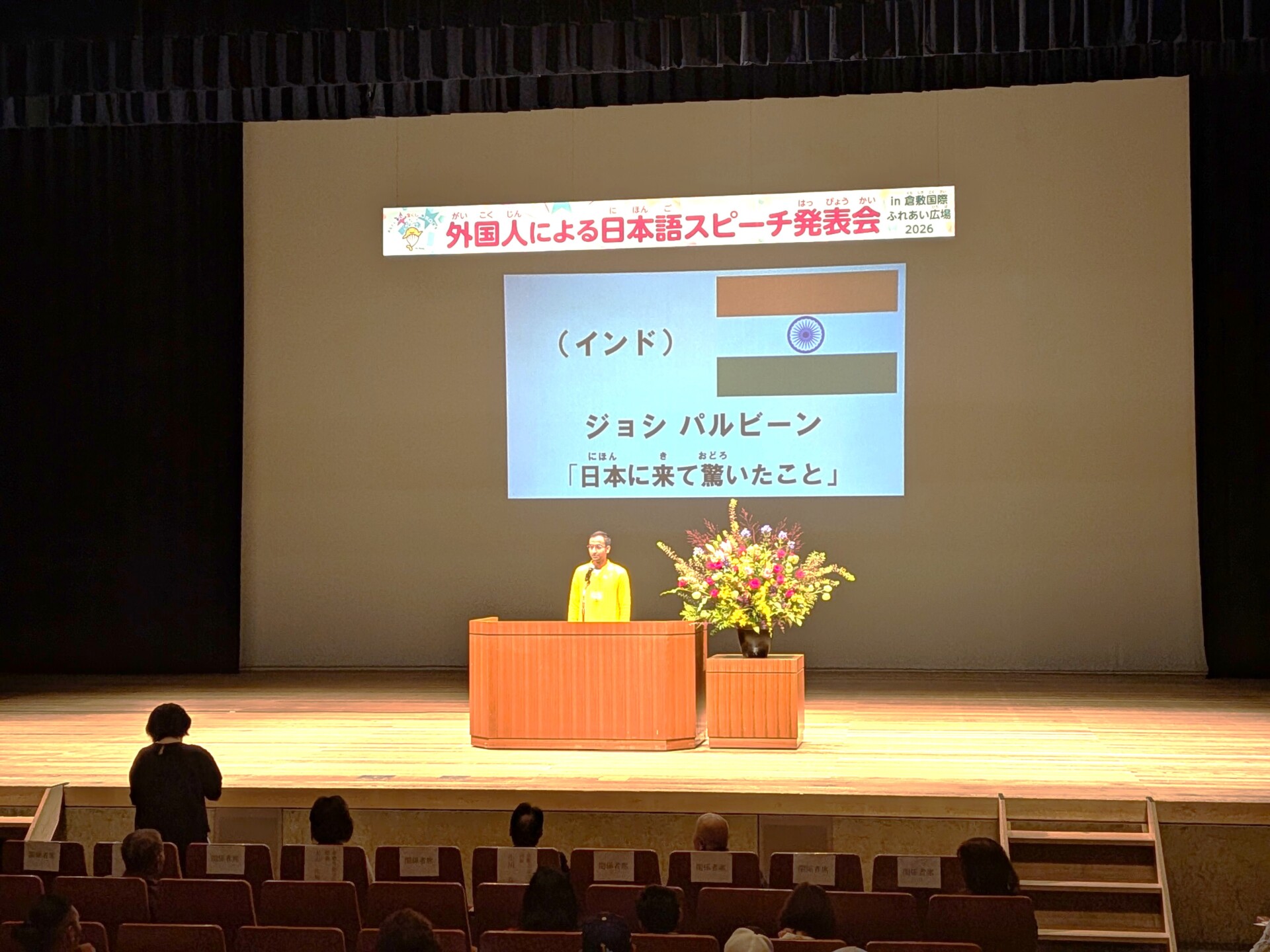
Joshi Parveen, who came to Japan as an international student in 2021 and now works for a company in Mizushima, is from India. She spoke about things that surprised her after coming to Japan, including the number of vending machines, school cleaning, and differences in attitudes toward time.
What I found particularly interesting was the difference in how people view time.
In Japan, some people are concerned even about a slight delay, while in India, being about 30 minutes late may not be considered such a big problem.
In fact, when I first came to Japan, I was also taken aback by how strict Japanese people are about punctuality. I used to think, “We’re only human; it’s natural to be a little late,” so the difference in attitudes came as a fresh surprise.
That’s why, as I listened to Ms. Joshi, I couldn’t help thinking, “Exactly! I’ve felt that way too!”
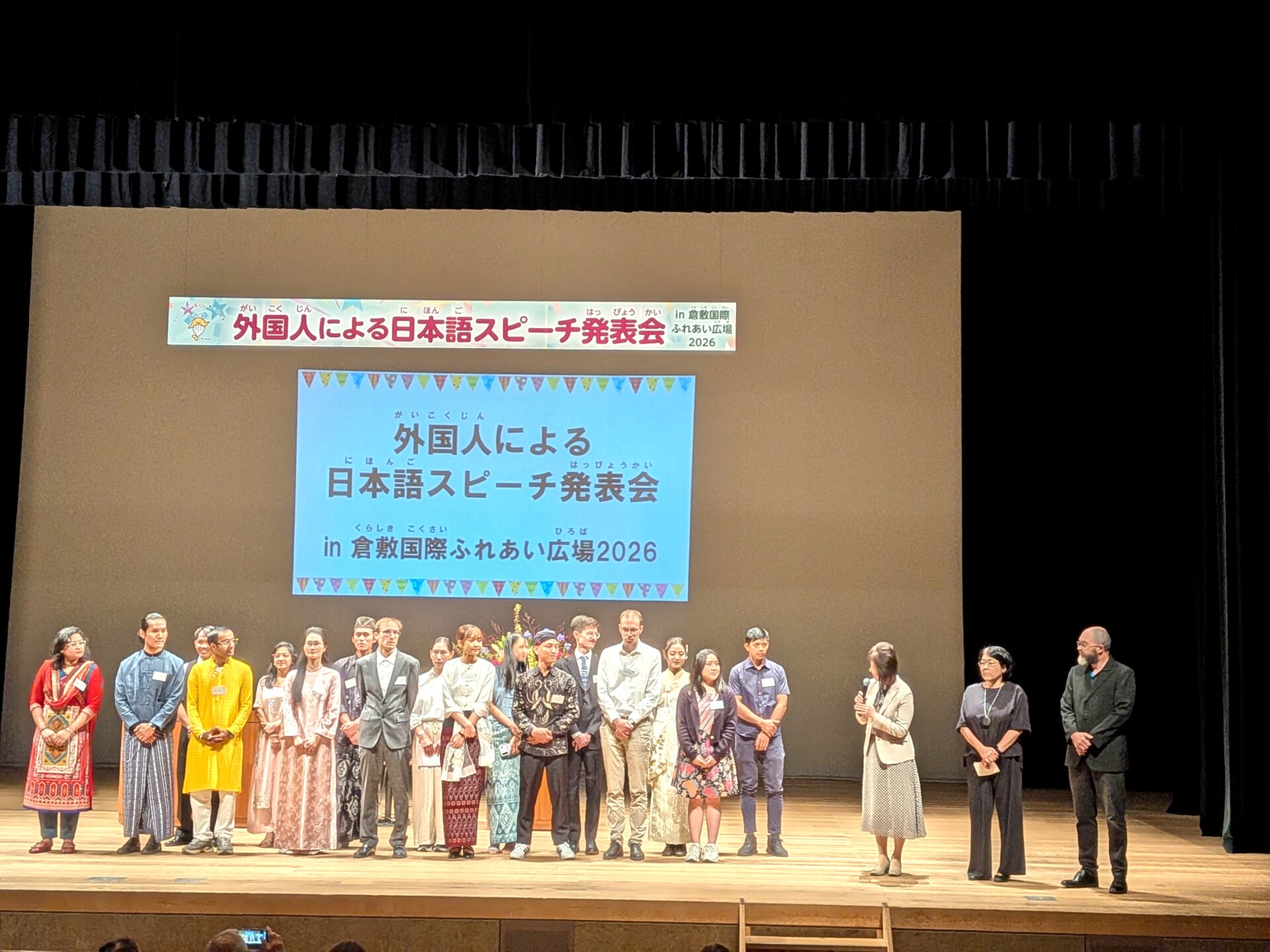
One comment from a guest particularly stood out: hearing a foreign resident’s perspective can help Japanese people reconsider customs they take for granted. I was also struck by the request to speak frankly not only about what is good about Japan, but also about things that could be improved.
What seems normal to us can seem strange from another cultural perspective. Ms. Joshi’s presentation made me realize that learning about these differences is the first step toward understanding one another.
The importance of family, learned through my experiences in Japan
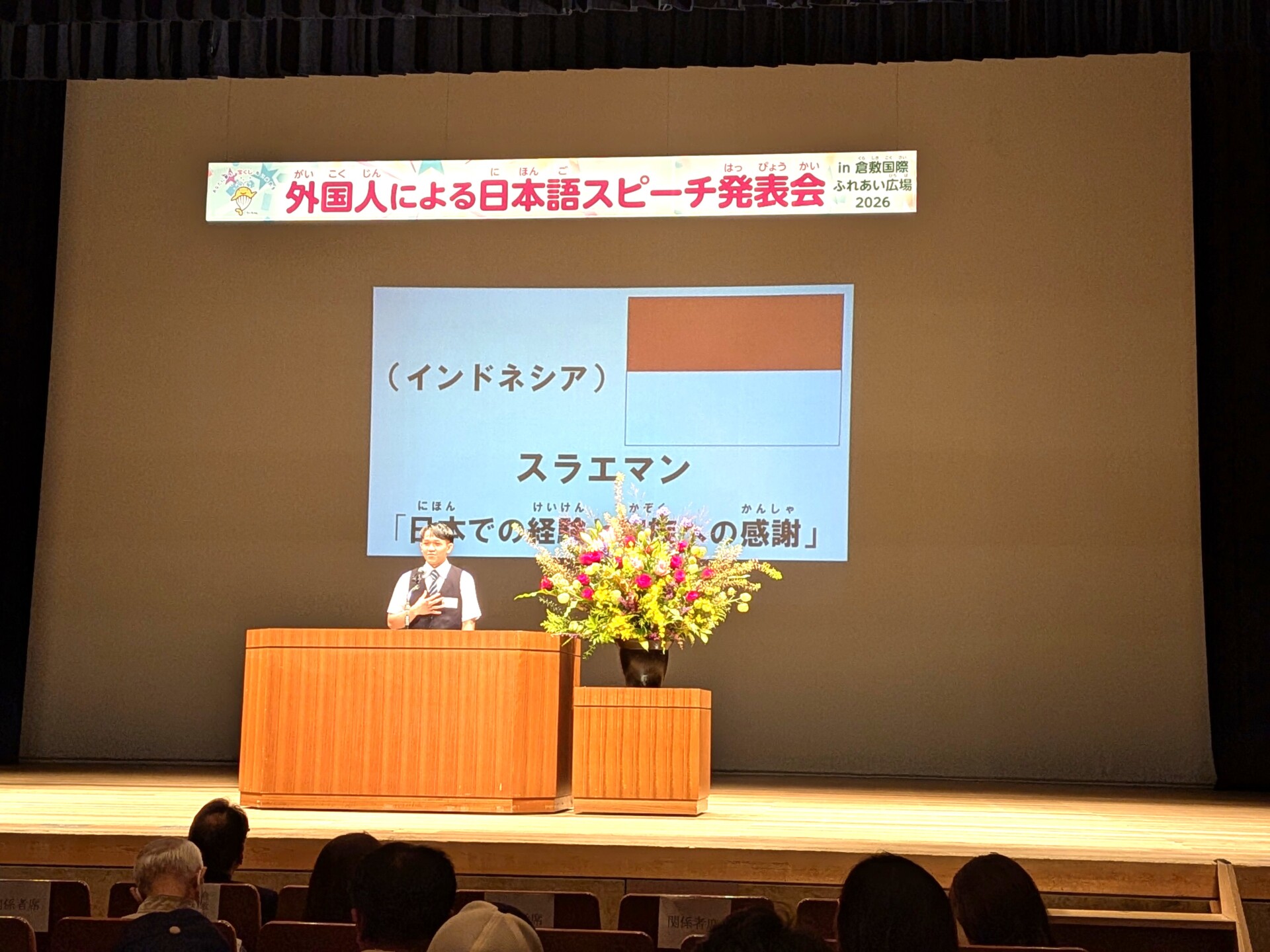
Sulaeman, who came to Japan from Indonesia in 2023, spoke on the theme “My experiences in Japan and gratitude to my family.”
When he first arrived, he barely understood Japanese and couldn’t express himself well at work, which left him frustrated. Even so, he continued studying Japanese and gradually became more positive about life in Japan.
However, about five months after arriving in Japan, he experienced the heartbreaking loss of a beloved family member. Though he was burdened by the pain of not being able to be with his family, he says he gradually came to terms with his feelings and resolved to support his family.
Through this experience, he came to appreciate anew that everyday life should never be taken for granted and how important family is. At the end of his presentation, he said he would continue doing his best, learning from each experience so that one day he can say, “I’m glad I came to Japan.”
After the presentation, I was struck by the guests’ words of gratitude for his coming to Japan. They also spoke about the importance of building a society together, across national and cultural differences, while respecting and appreciating one another.
Living in an unfamiliar country can mean facing language barriers or experiencing unexpected grief. What I realized from listening to Mr. Sulaeman’s presentation is that while family is certainly important, connections with those around us are also vital in helping people living abroad move forward.
A message from the Kurashiki City mayor
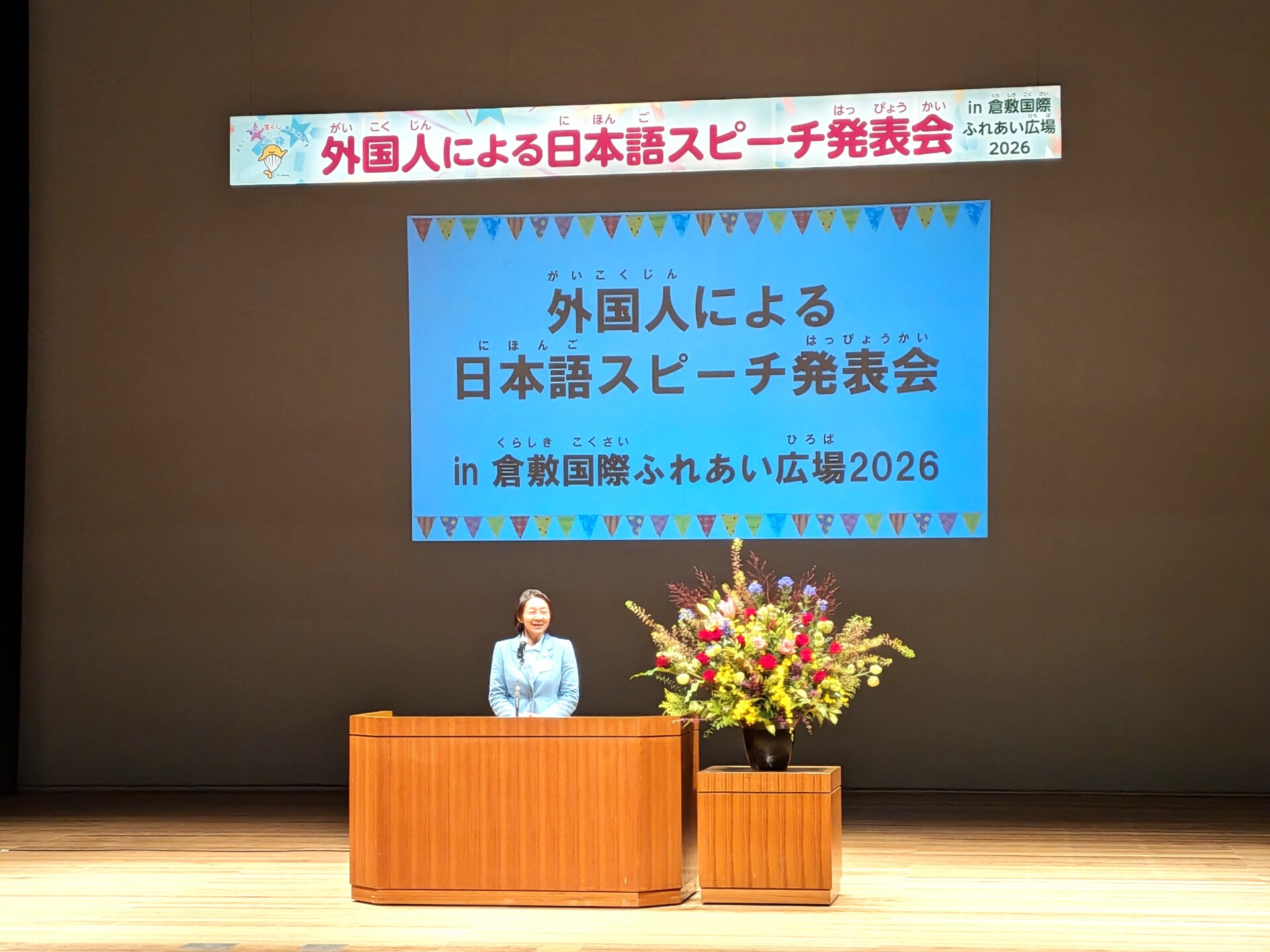
Finally, Kurashiki City Mayor Ito Kaori also shared a warm message.
“The people of Kurashiki and Japan are partners who will work together with those who have come from overseas to build a better society.”
Mayor Ito said that they would continue working together toward a “town that is easy for everyone” to “live in” and a “town that is enjoyable to visit.”
From the Writer
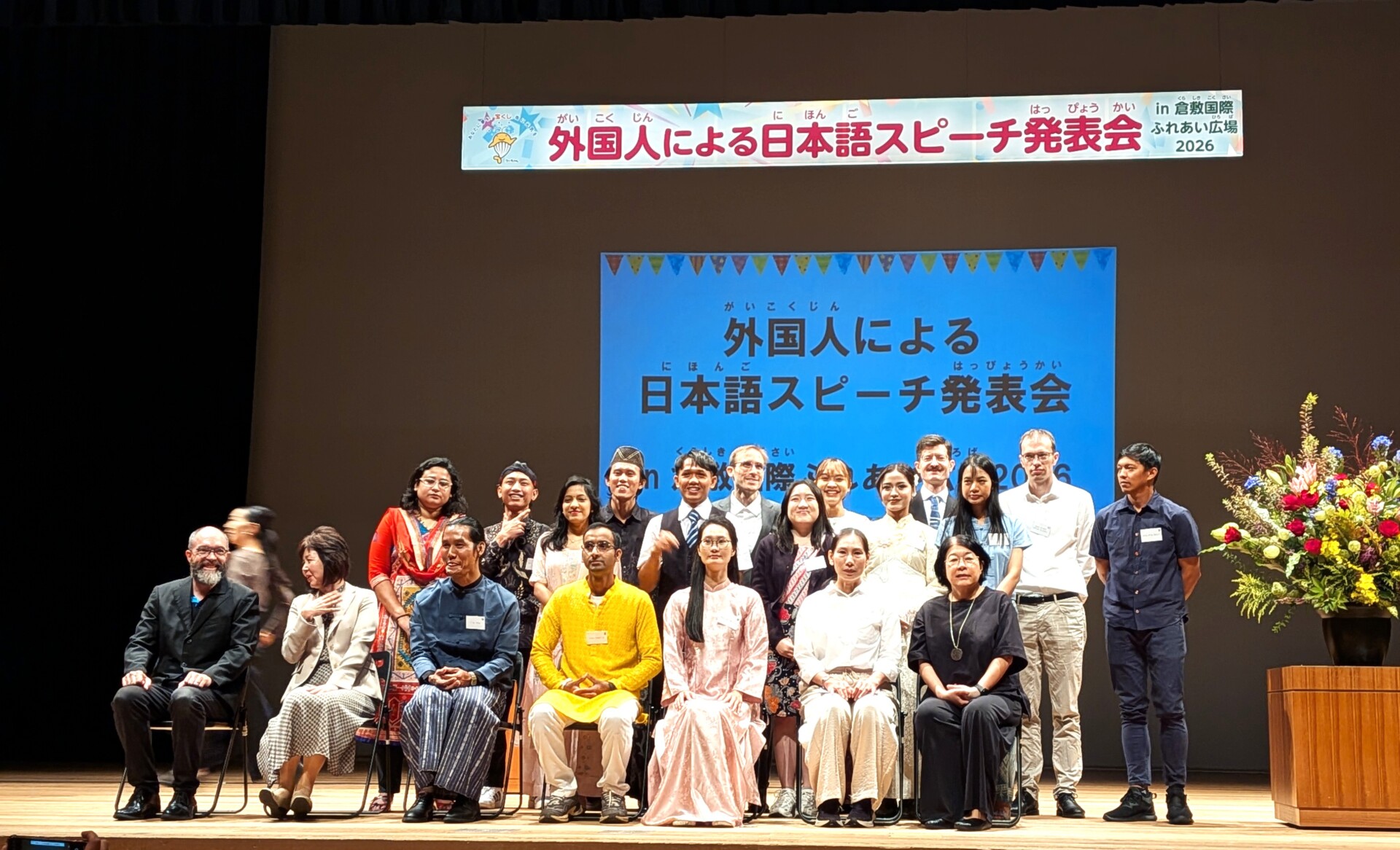
Even though our nationalities and cultures differ, we are all members of the same community.
Opportunities to get to know one another can be found not only at special events, but also in everyday greetings and casual conversations.
Through this presentation event, I heard the thoughts of each foreign resident living in Kurashiki, and was reminded once again of the importance of connecting with others. Start by saying a few words to someone nearby. Small steps like this may help build a community where everyone can live with peace of mind.
Japanese Speech Presentations by Foreign Residents at Kurashiki International Friendship Square 2026: Information
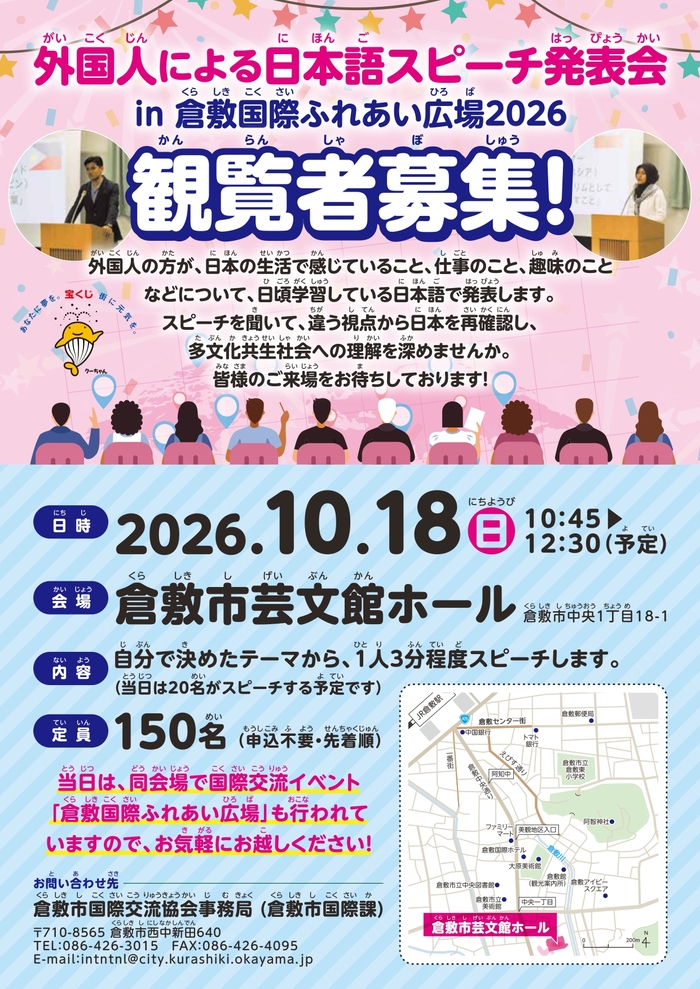
| Name | Japanese Speech Presentations by Foreign Residents at Kurashiki International Friendship Square 2026 |
|---|---|
| Date | October 18, 2026 (Sunday) 10:45 a.m.–12:30 p.m. |
| Location | 1-18-1 Chuo, Kurashiki City (Geibunkan Hall) |
| Admission (tax included) | Free |
| Website | Kurashiki City Official Website |

What would you like to know about Kurashiki?
Enter a search term to find articles on this site