Is there something I can do to help my community?
What kinds of volunteer opportunities are there?
Have you ever thought about that?
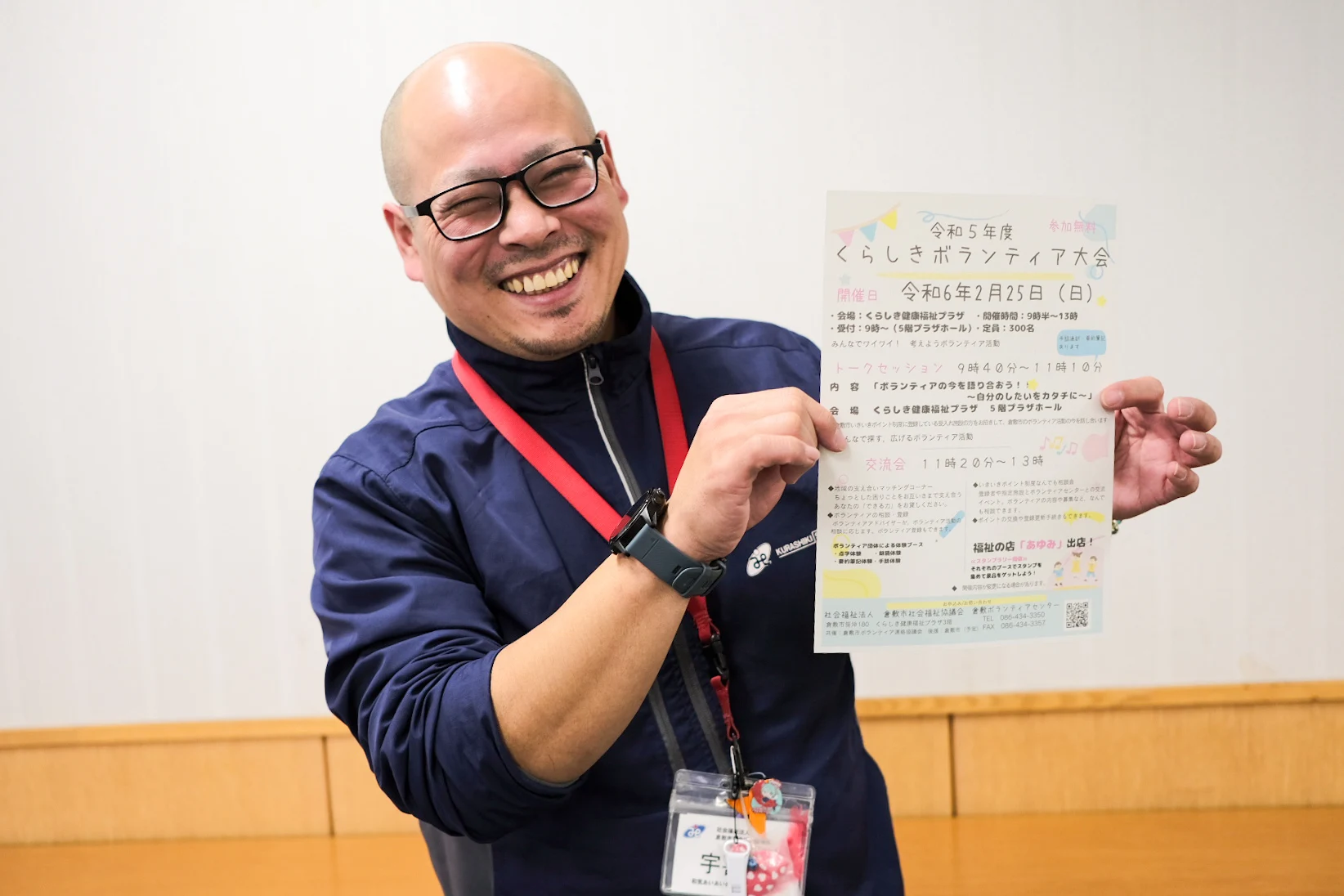
When I visited the Kurashiki City Council of Social Welfare for advice, they gave me a flyer, saying, “There’s a forum full of ideas for volunteering and community activities, so you should definitely go!” I attended on the day.
The information shown was current when this article was published in March 2025. Please note that it may differ from current information.
What is the “Community-Building Through Mutual Support Forum”?
Kurashiki City is working to create communities where everyone can live vibrantly in a place they know and call home, and play an active role in their own way.
The key is “building a community through mutual support.”
- People and people
- People and opportunities to contribute
- People and support
- People and places to belong
- People and information
- Individuals and professionals
- Individuals and businesses
A community where all these are “fully connected” and “support one another” has a strong foundation of community resilience and should also be better prepared for disasters.
The Community-Building Through Mutual Support Forum is a gathering where people consider together the appeal and impact of mutual-support activities through talks and presentations on practical initiatives.
It has been held almost once a year since 2016, hosted by Kurashiki City and the Kurashiki City Council of Social Welfare.
For fiscal year 2024, it was held on Saturday, February 22, 2025, at Kurashiki Health and Welfare Plaza (Sasaoki, Kurashiki City).
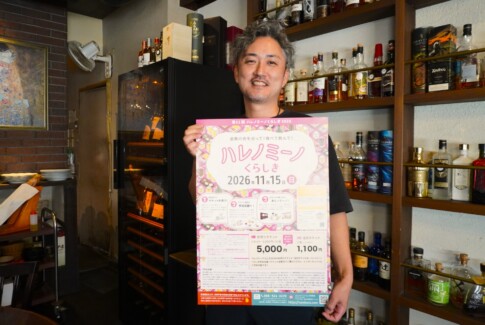
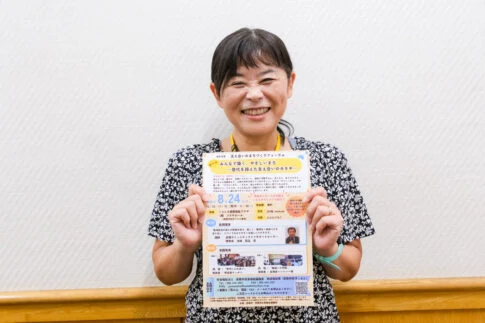
Below is the flyer announcing the event.

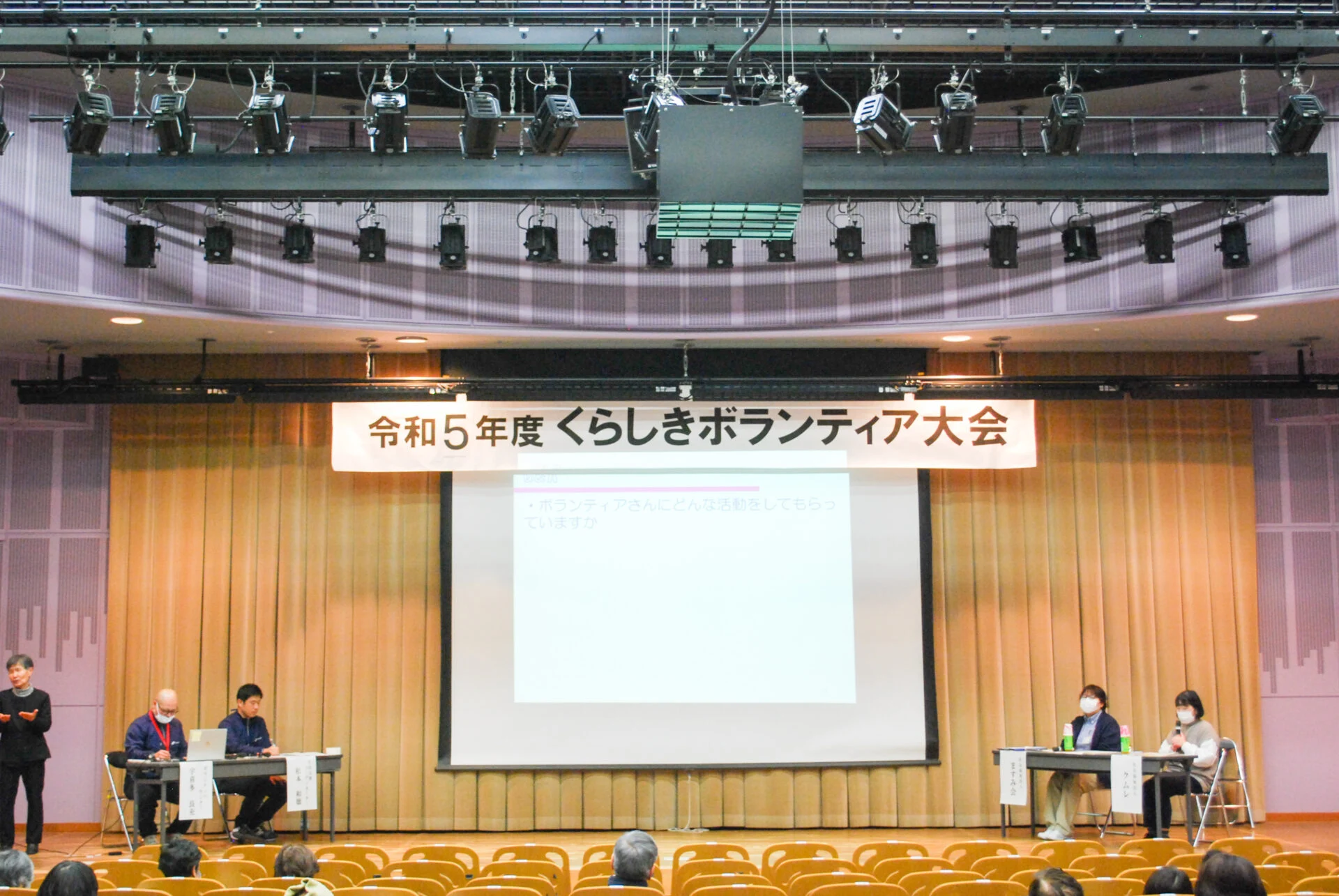
What happened on the day

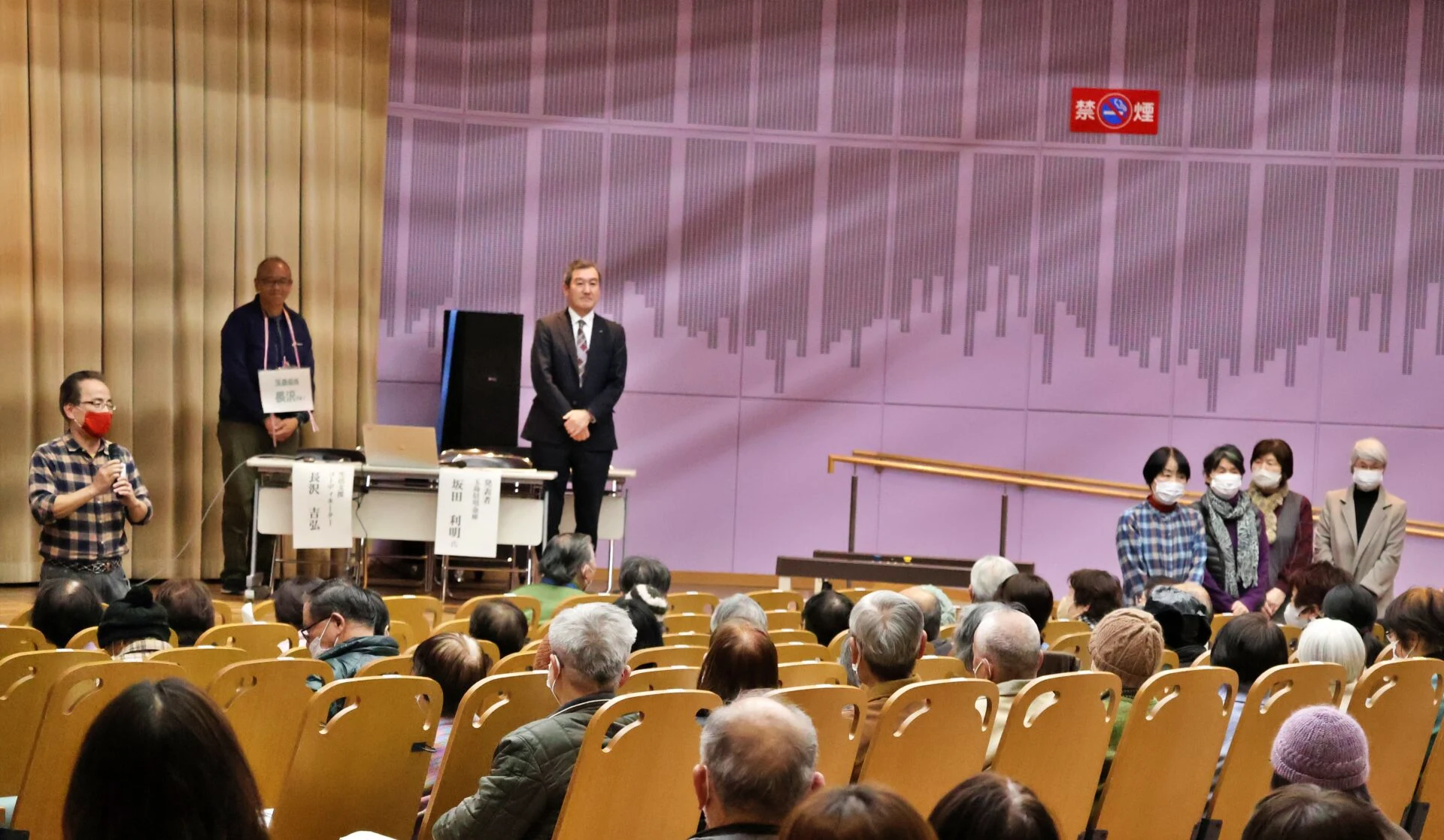
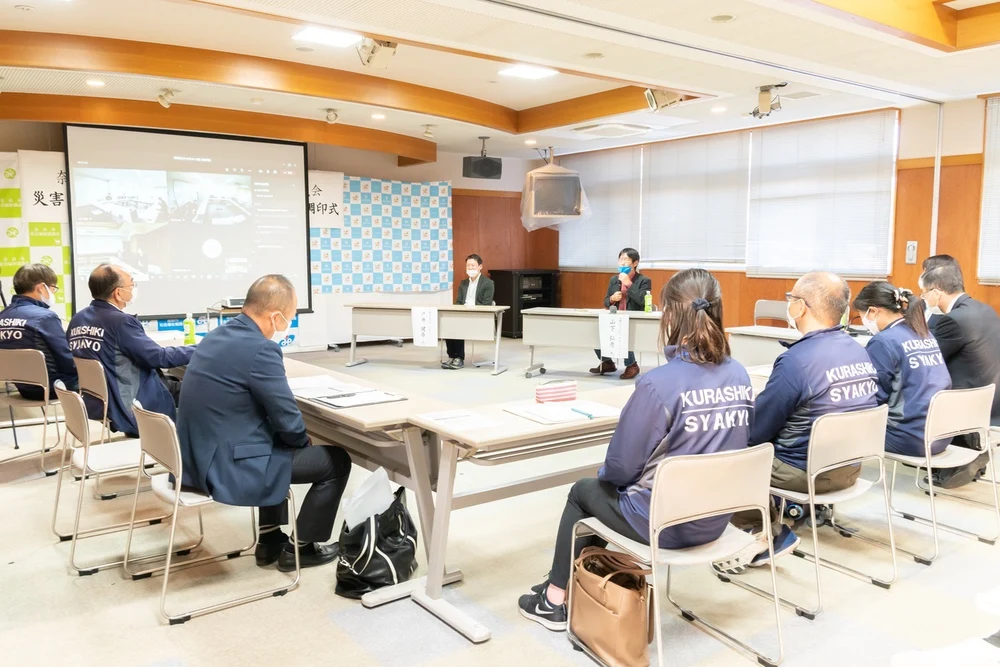
In the lobby outside the Plaza Hall on the venue’s fifth floor, there were display panels reporting on various activities, flyers inviting people to participate, and more.
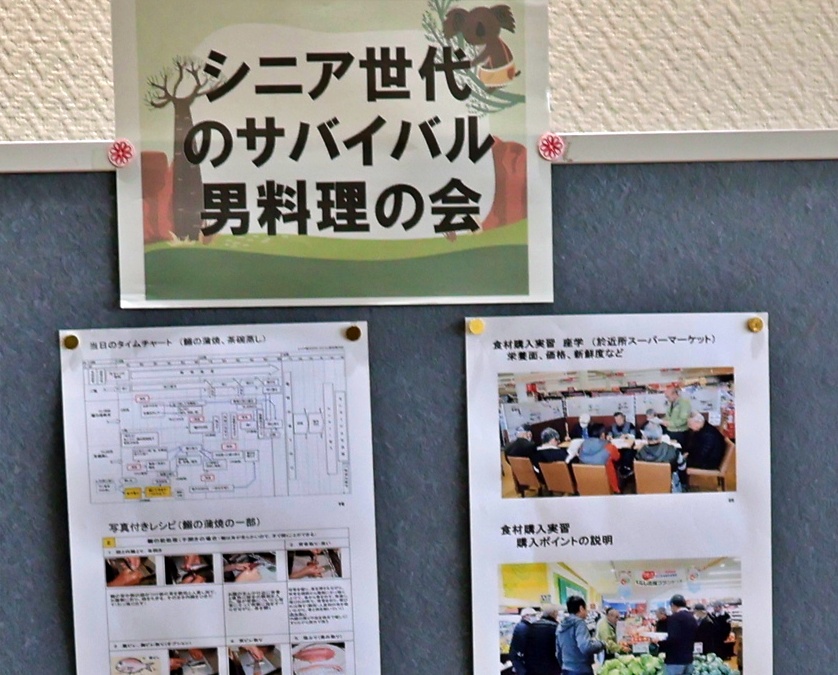
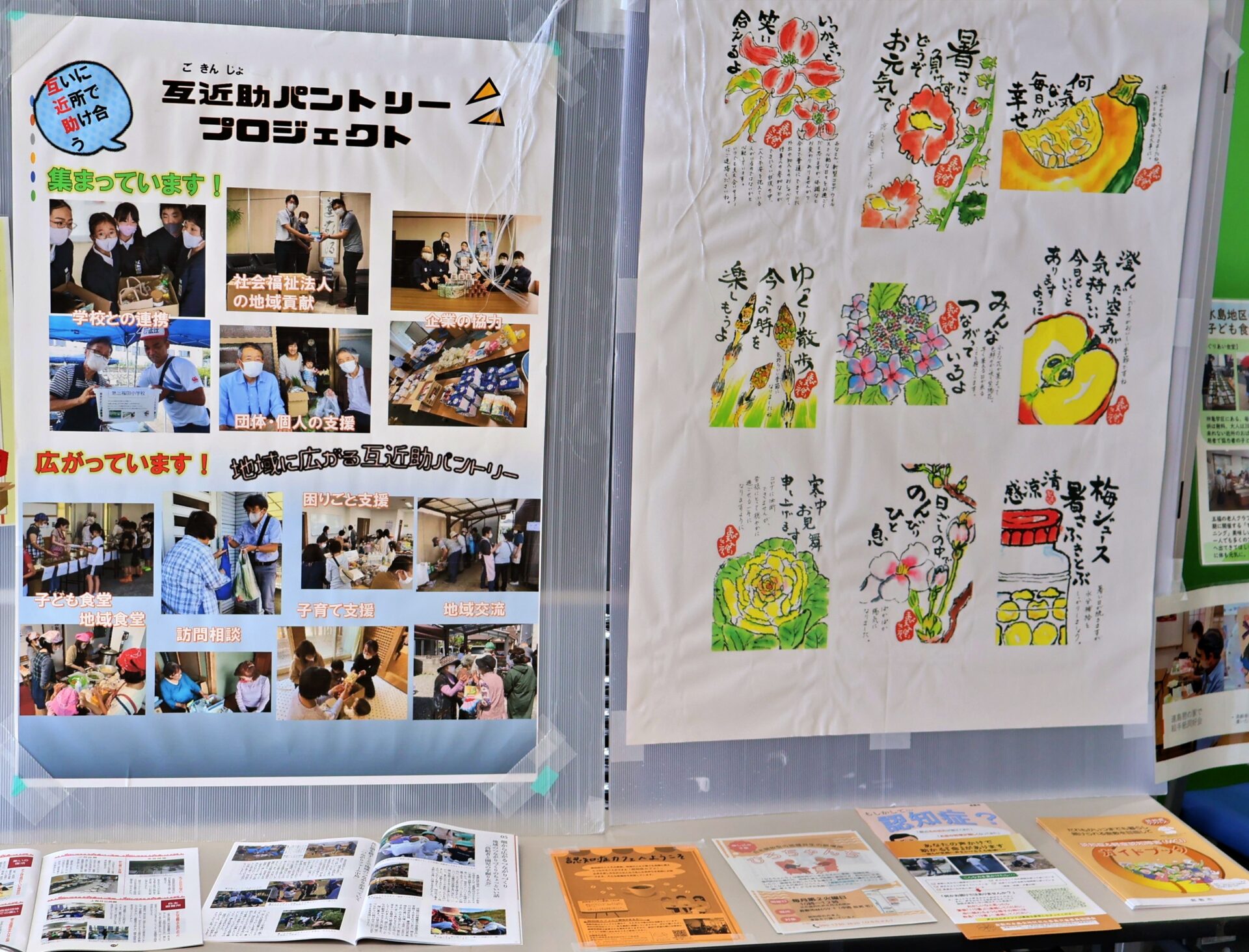
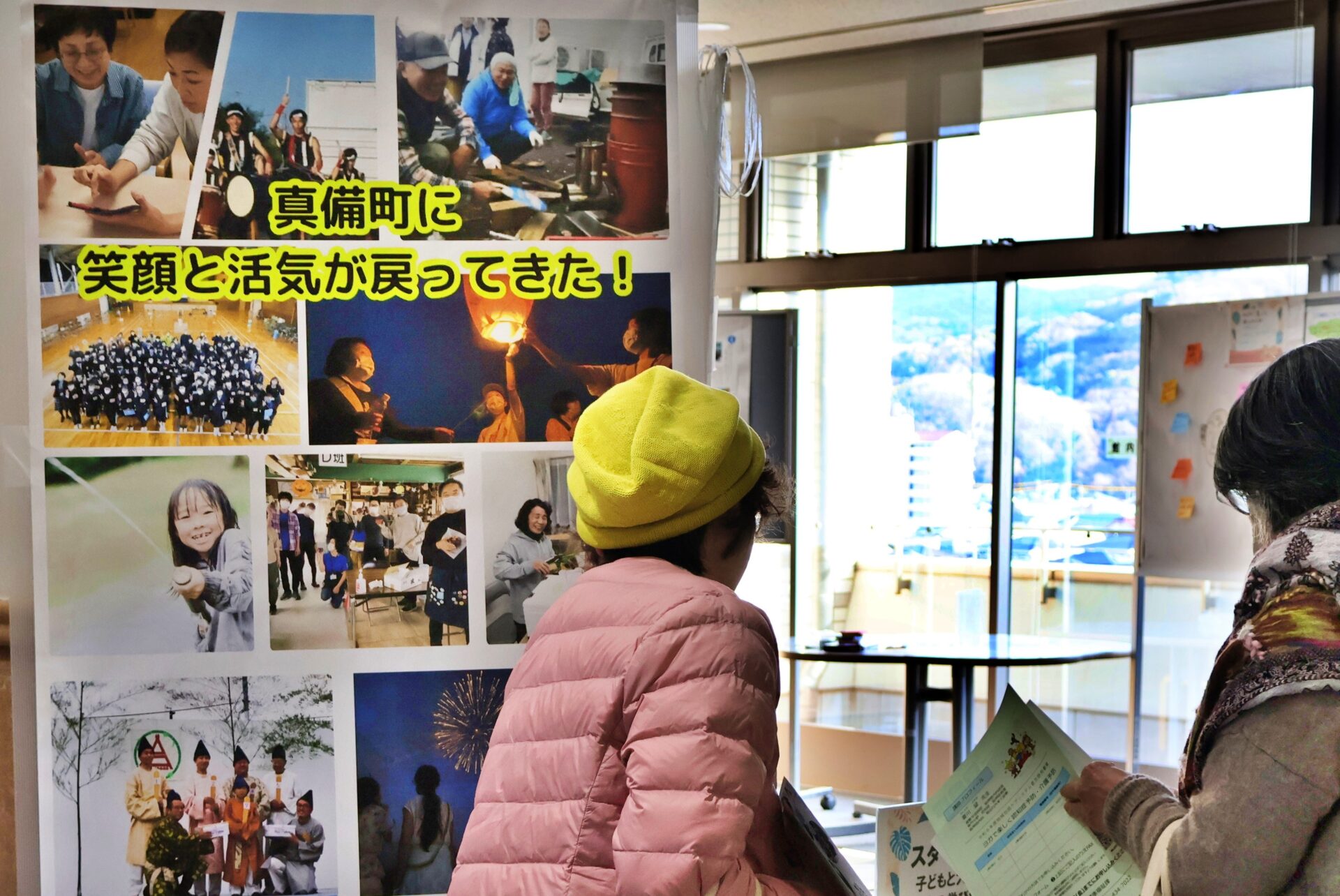
What stood out was the very warm and relaxed atmosphere throughout the venue.
Many of the attendees seemed to already be involved in activities, and people were chatting with the Social Welfare Council’s Community Support Coordinators throughout the venue.
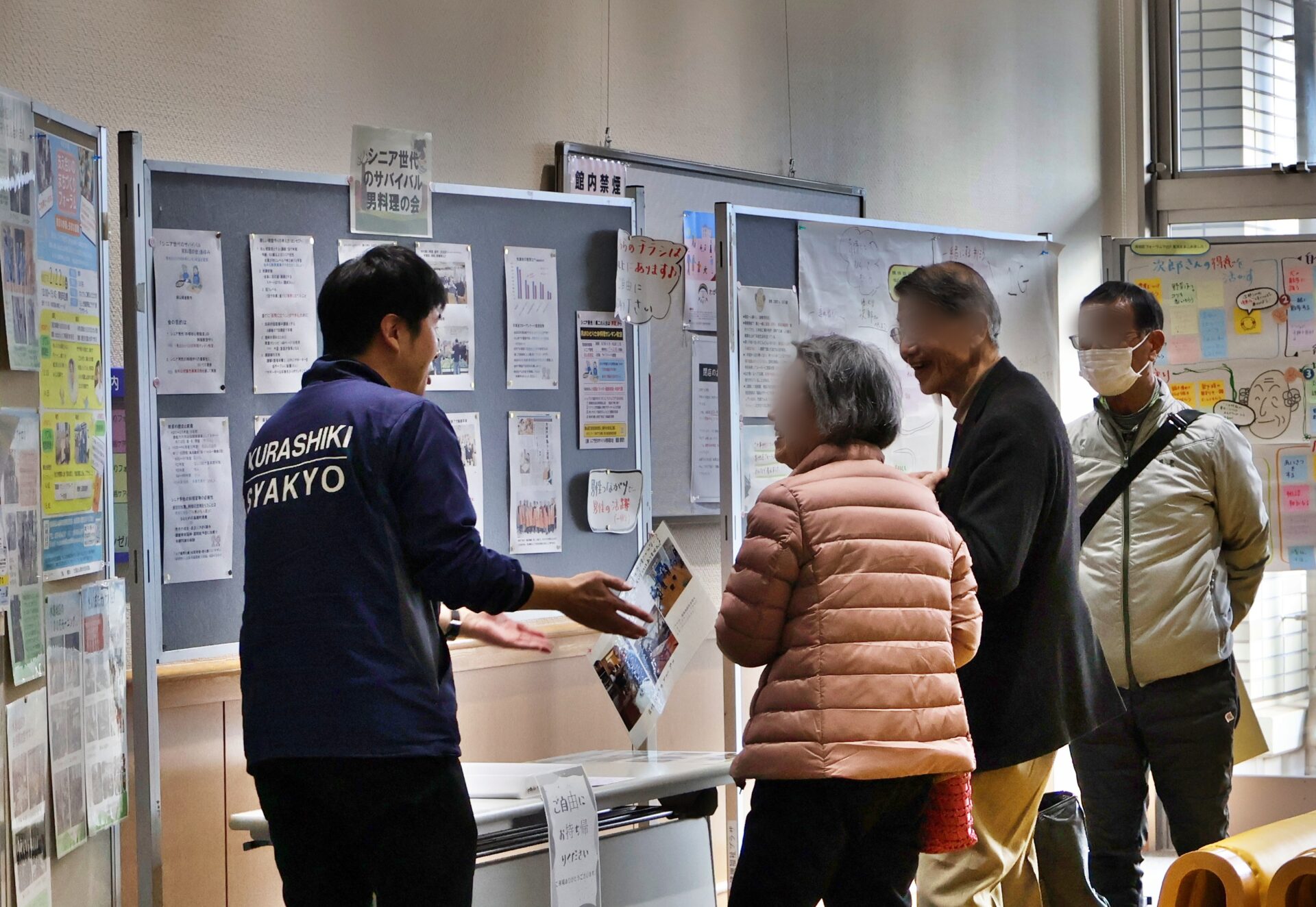
Smiles spread nourishment throughout the community
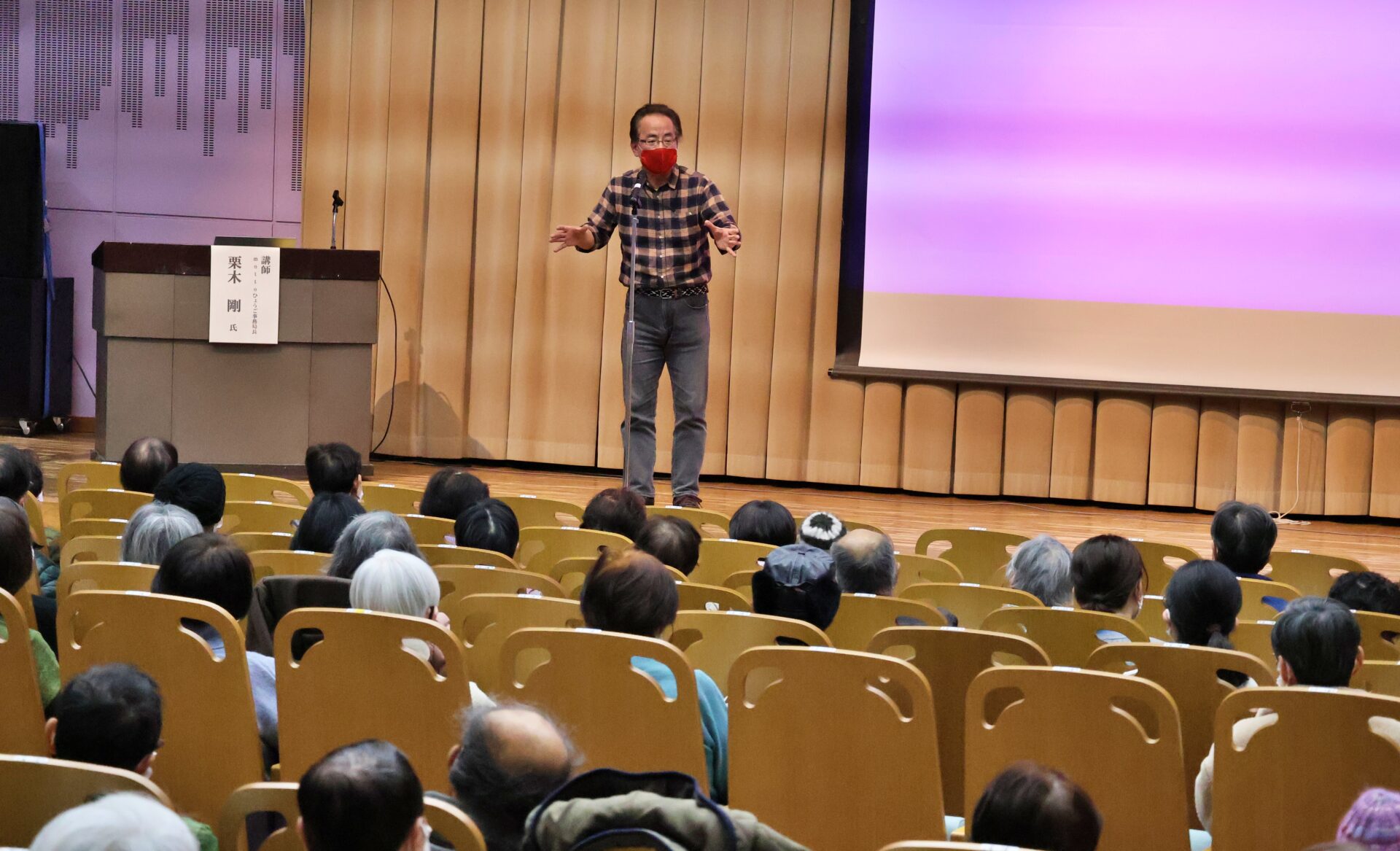
There were two talks.
The first, “Mutual-support activities that start with the things around us,” was given by Tsuyoshi Kuriki, director of the motto Hyogo Secretariat.
His motto is “A talk isn’t a talk unless it’s fun!” His Kansai dialect added to the humor, and his entertaining talk kept the audience laughing.
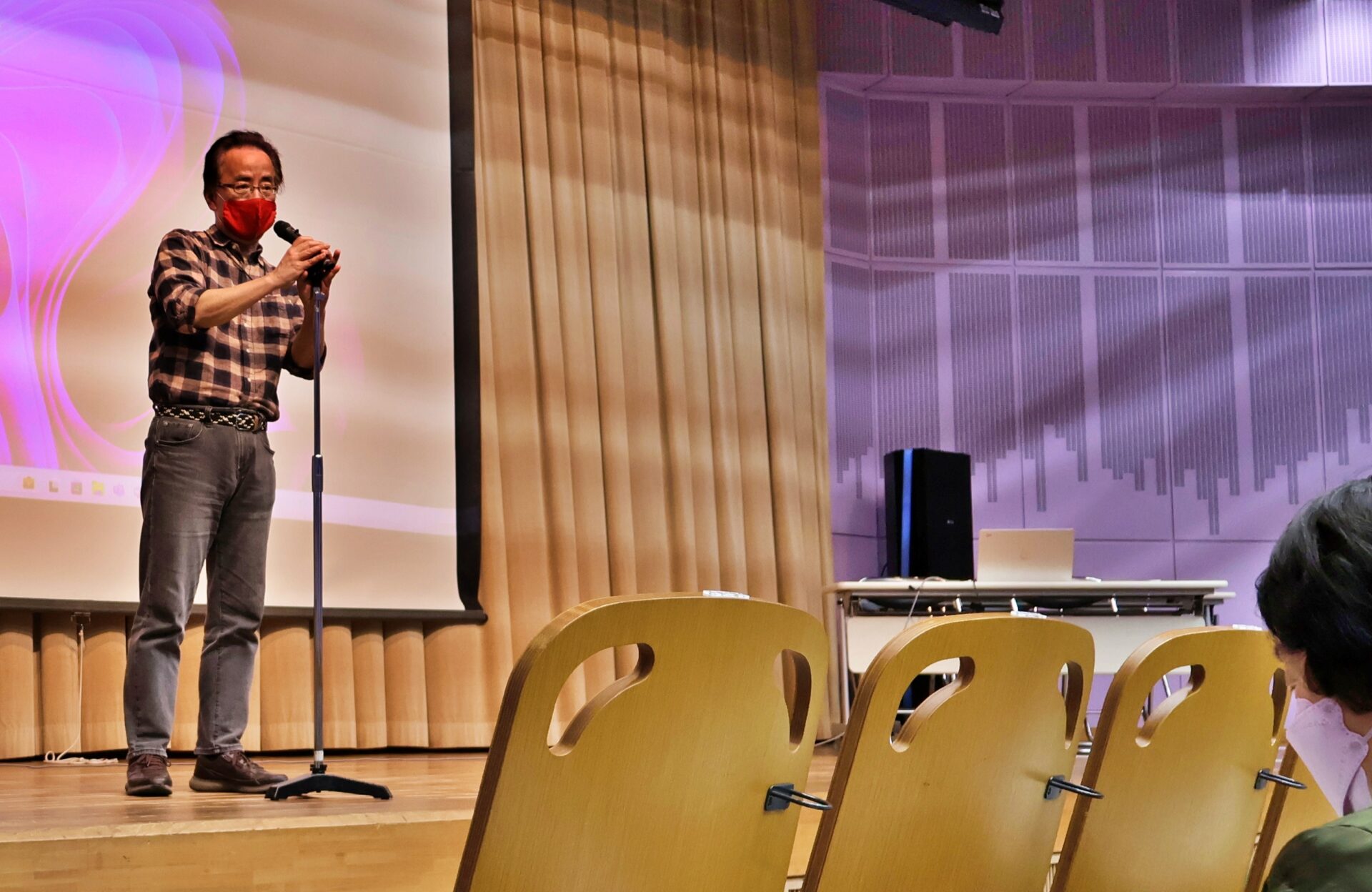
Here are some memorable things he said.
- In the past, we focused on training specialists. But disasters taught us that, rather than having a few specialists, it’s more helpful in a disaster to have lots of people who know a little.
- “I did a little good today” or “That person thanked me”—being cheerful is also volunteer work.
- People involved in community activities tend to downplay their efforts, saying, “It’s hard, but it can’t be helped.” Instead, let your enthusiasm show!
If people around you think, “That person looks like they’re having fun”, you’ll gain more successors and fellow volunteers. - Smiles spread nourishment throughout the community.
Aiming for a community where everyone can live together
The next talk, “Mutual-support activities that grow through diverse collaboration,” was given by Daihaku Okochi, head priest of Ganshoji Temple in Sumiyoshi Ward, Osaka City.

He opens the temple to the community and works toward a community where everyone can live together, with the slogan “Bring ‘another’ community-based integrated care system to the temple!”
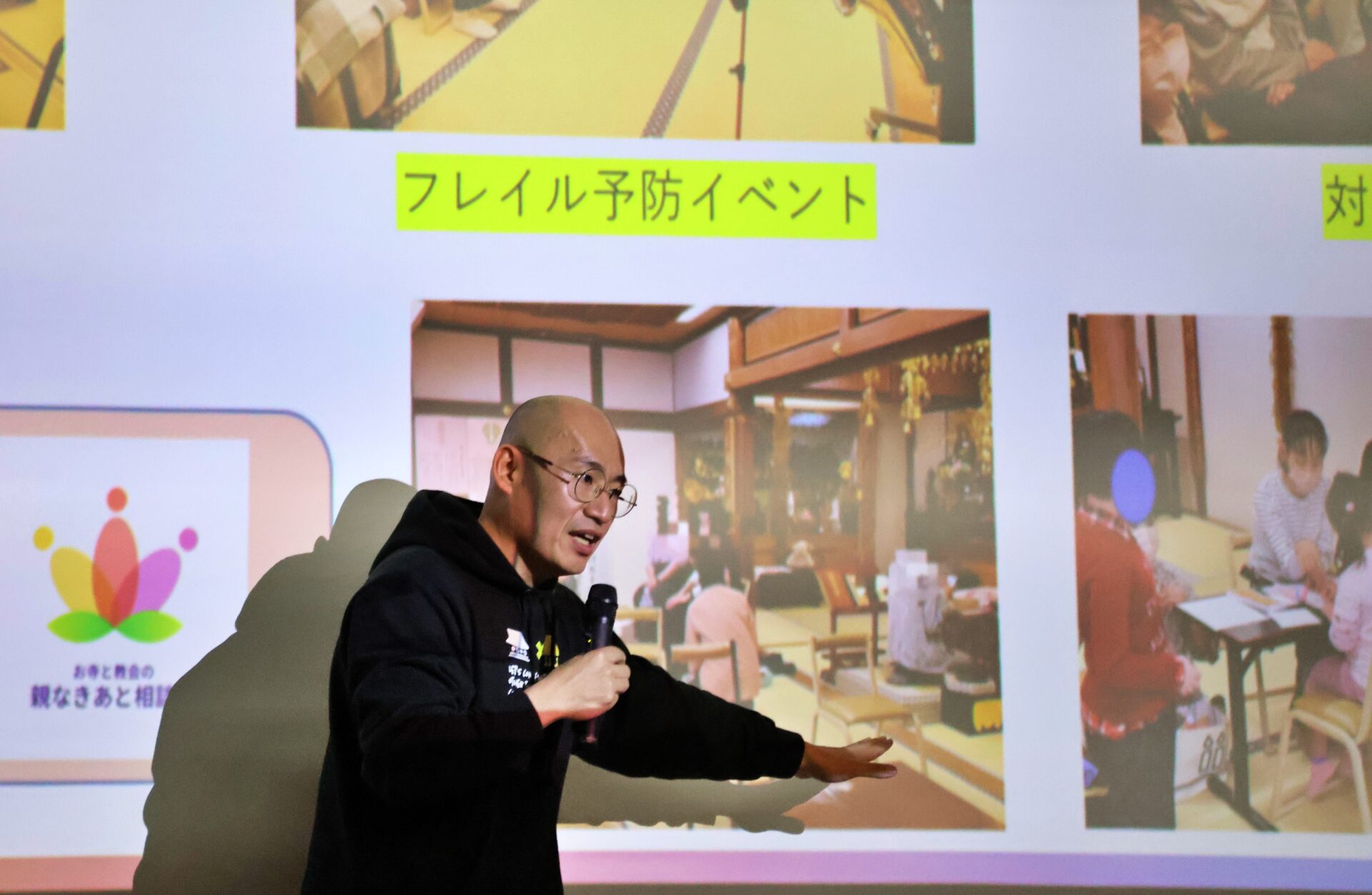
He said the idea behind starting these activities was that “a temple that benefits the community, rather than simply being part of the scenery, might also become more vibrant.”
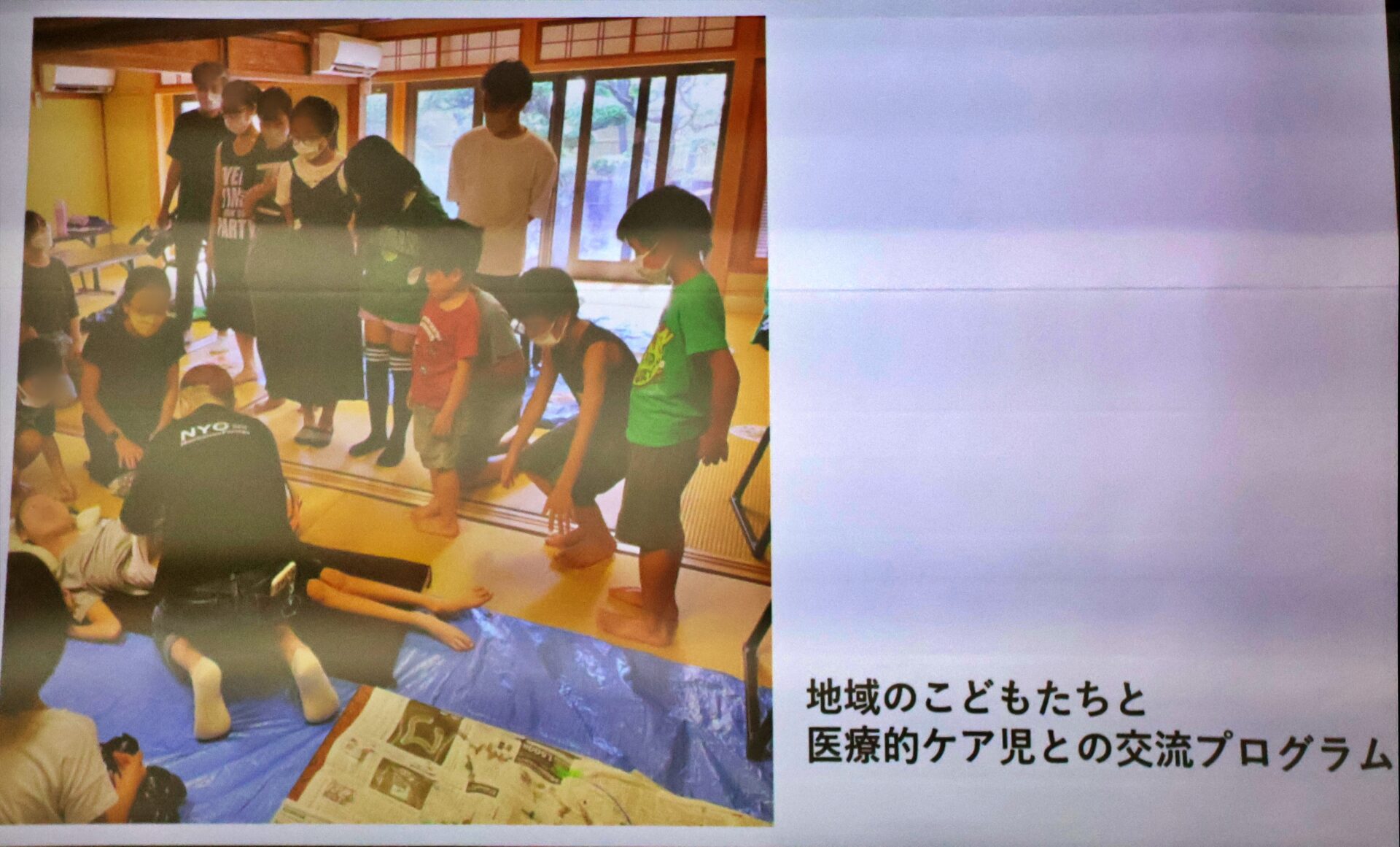
What particularly left a deep impression on me was the “exchange program between local children and children requiring medical care.”
This initiative was part of a disaster-prevention project. The original idea was to “care for children who need medical care at a temple during a disaster.” However, after further consideration, they realized that caring for children who use ventilators or feeding tubes would be impossible without proper medical equipment.
But Okochi thought, “We don’t know what to do because we don’t know the other person. If we get to know each other in our everyday lives, we’ll understand what we can do and how we can help.”
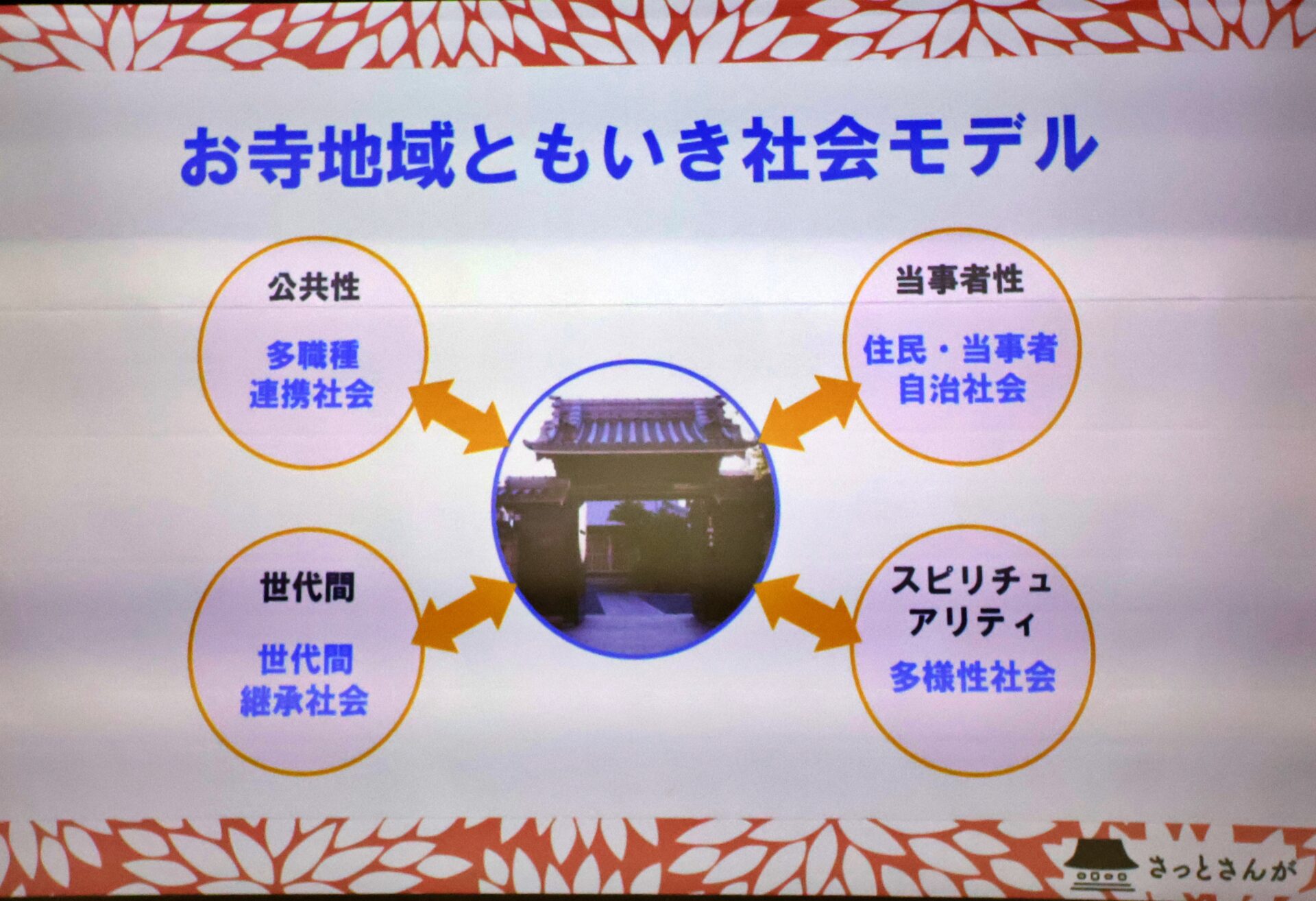
That idea led to an initiative creating opportunities for children who need medical care, children who do not, and local residents to spend time and meet together—a “mix-and-mingle” gathering.
A volunteer group going strong for 29 years
Next, there were two presentations on practical initiatives.
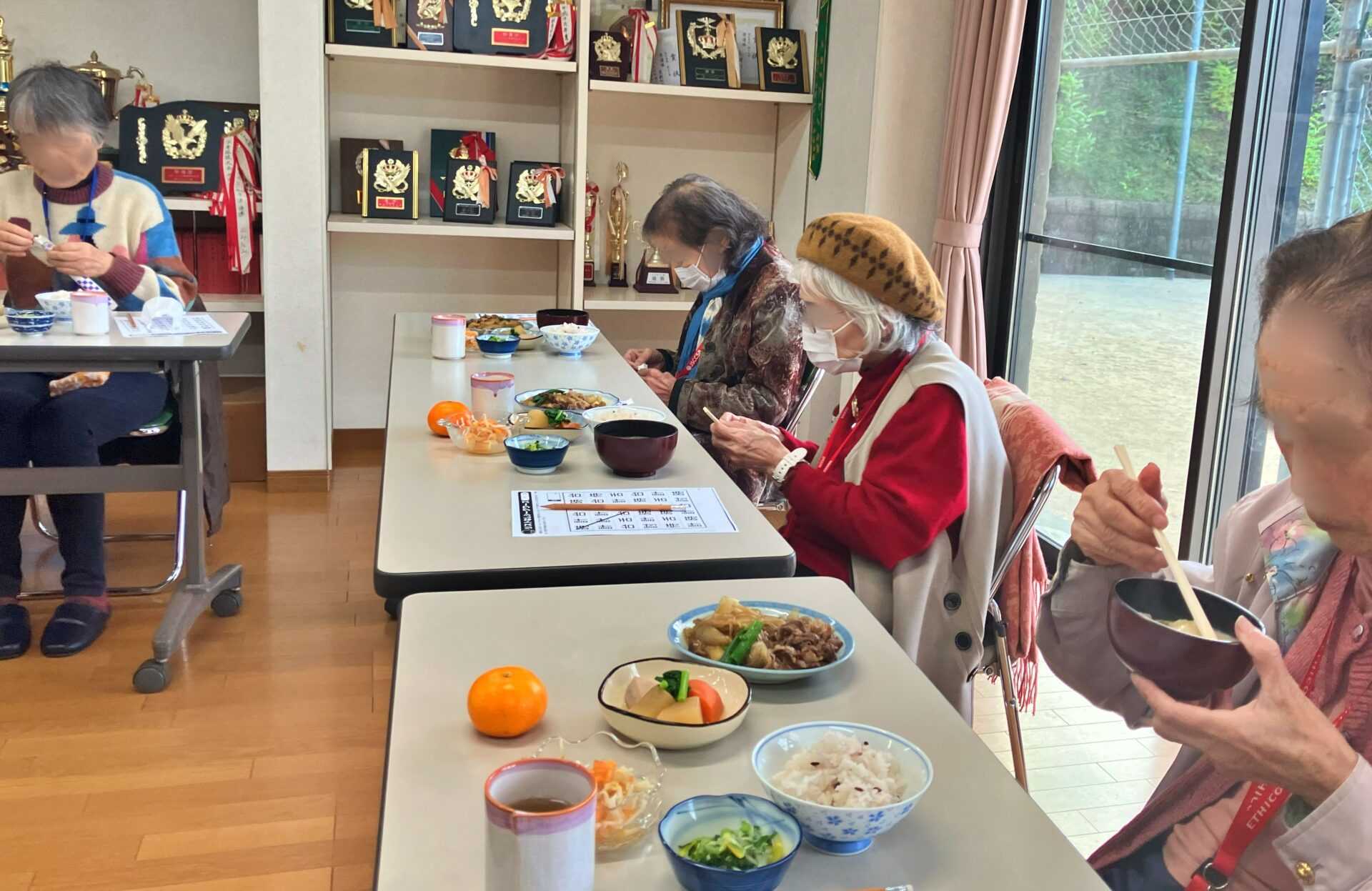
The first was the volunteer group “Bouquet Association,” whose members took a manageable first step with friends they knew well.
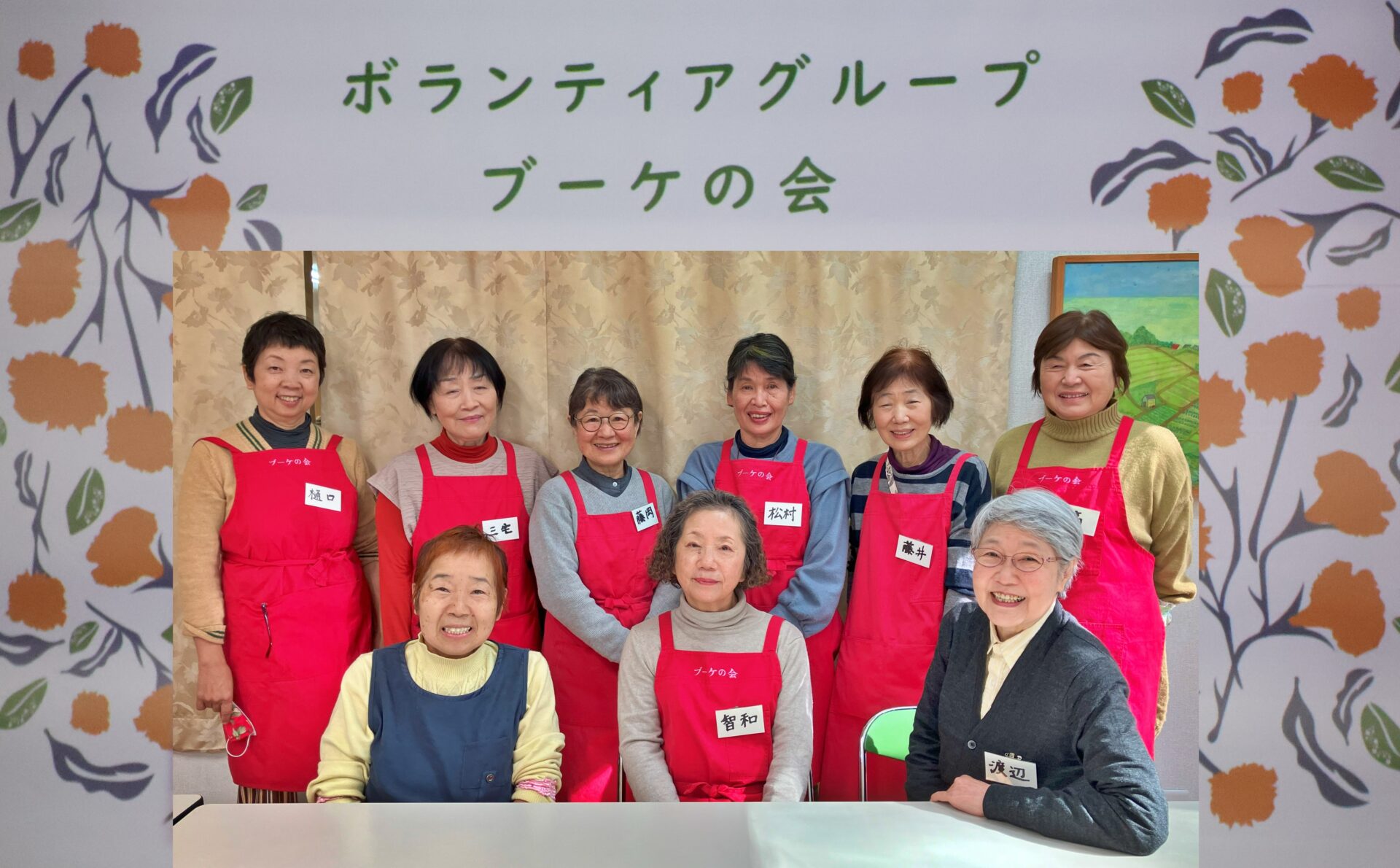
The group began 29 years ago when friends who had served together as Aiiku Committee members wondered if there was something they could do for their community.
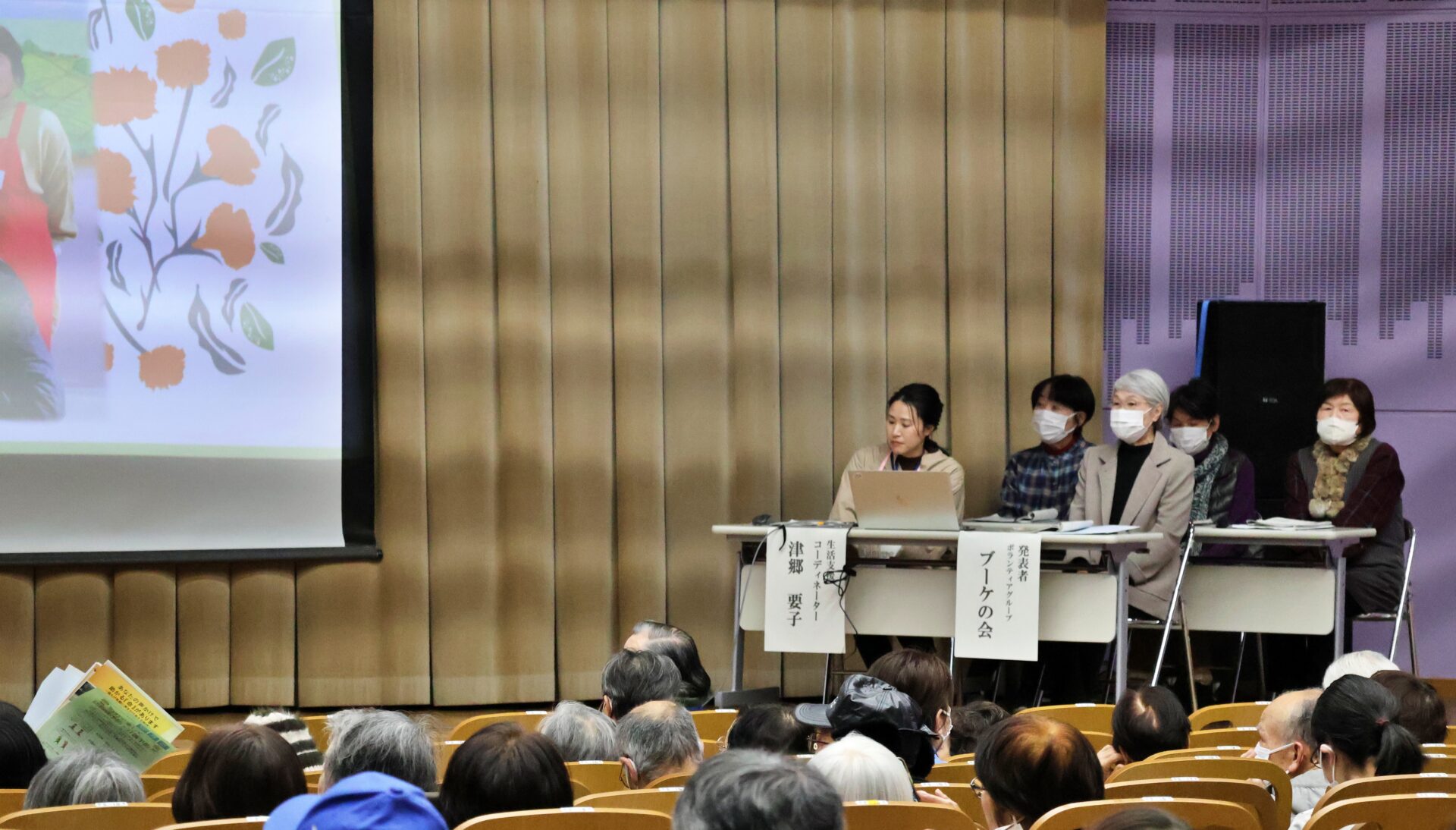
Its main activity is a monthly “meal and social gathering.”
The idea came up naturally in a discussion among members: “Let’s offer people the happiness of eating something warm with someone, rather than eating alone.”
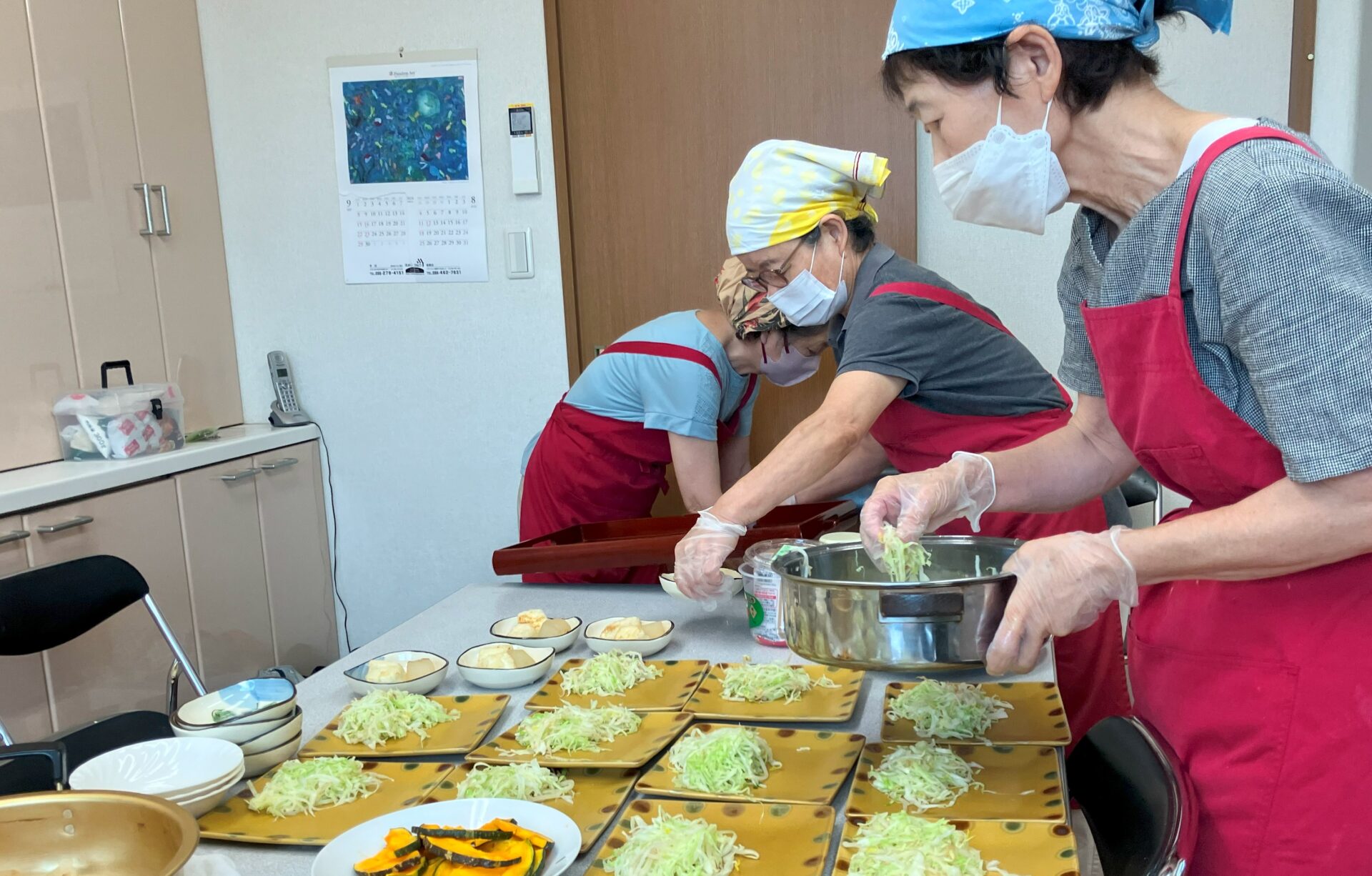
They cheerfully shared the following tips for keeping the group going for 29 years.
- Set a standard of not doing things you can’t or don’t want to do, and don’t give up
- Respect one another and make use of each person’s strengths
Some members are good at planning menus, some at plating, and some at livening up the gathering
A credit union running an after-school program?
The second presentation on practical initiatives featured an example of corporate community engagement. Tamashima Shinkin Bank was introduced for addressing local challenges and meeting community needs by making use of the areas of expertise and resources it has as a company.
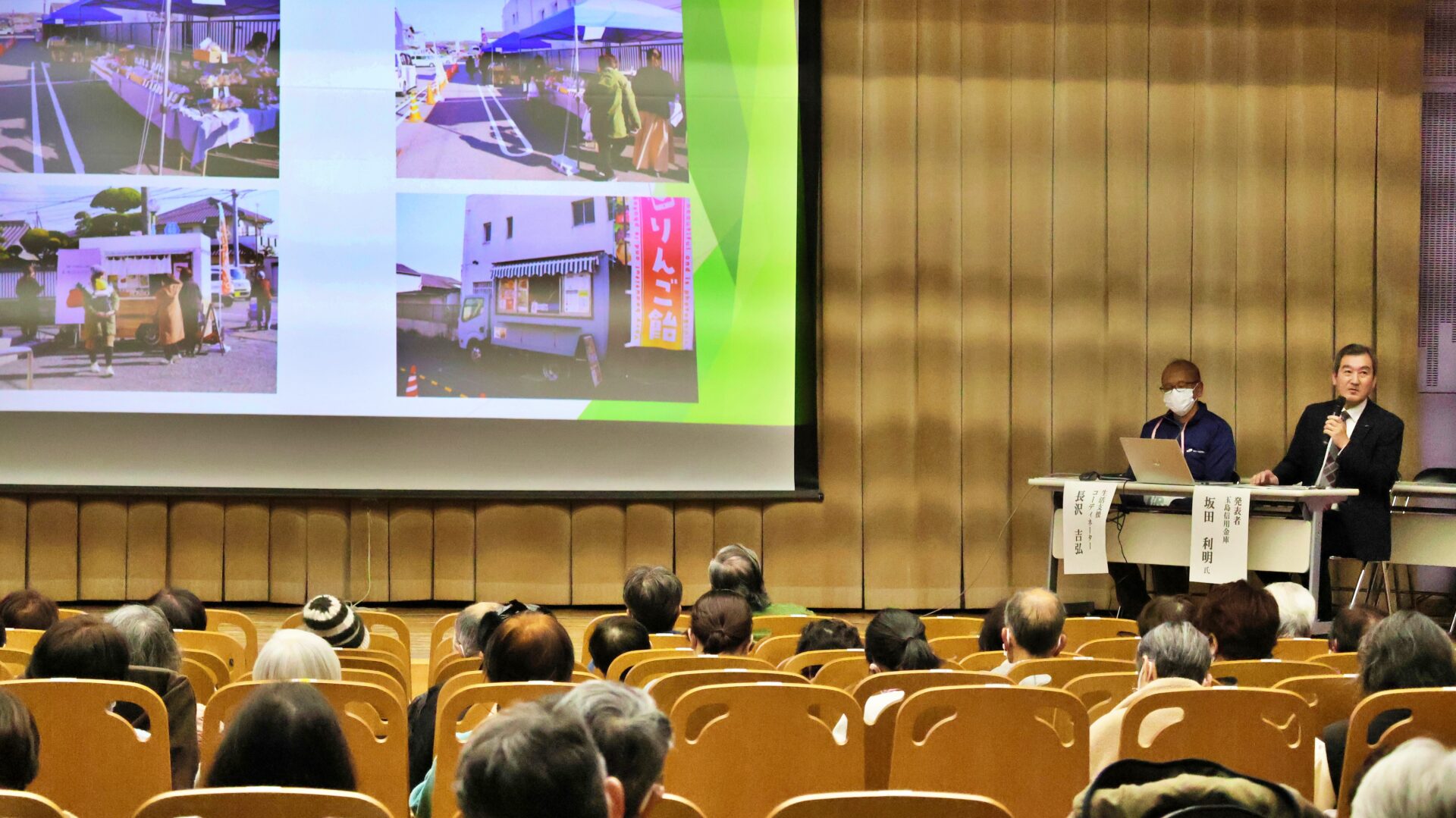
The age groups of residents and the challenges they face vary from one community to another.
Each of the bank’s 20 branches plans and carries out its own initiatives. By the end of September in fiscal 2024, 41 projects had been carried out.
Two examples were introduced.
A market at the Funao Branch
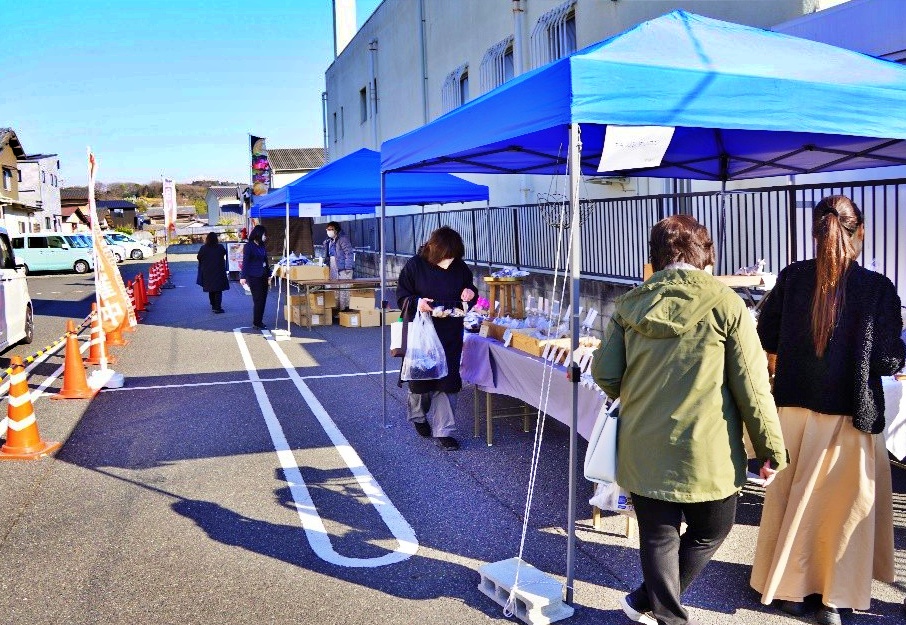
The Funao area has no supermarkets or similar stores, making it inconvenient for older residents to shop.
So the branch planned a market in its spacious parking lot, inviting food vendors to set up stalls.
Thanks to its regular monthly schedule, it has now become a community gathering place, with more young people joining in.
“Tamashin Summer School” at the Hachioji Branch
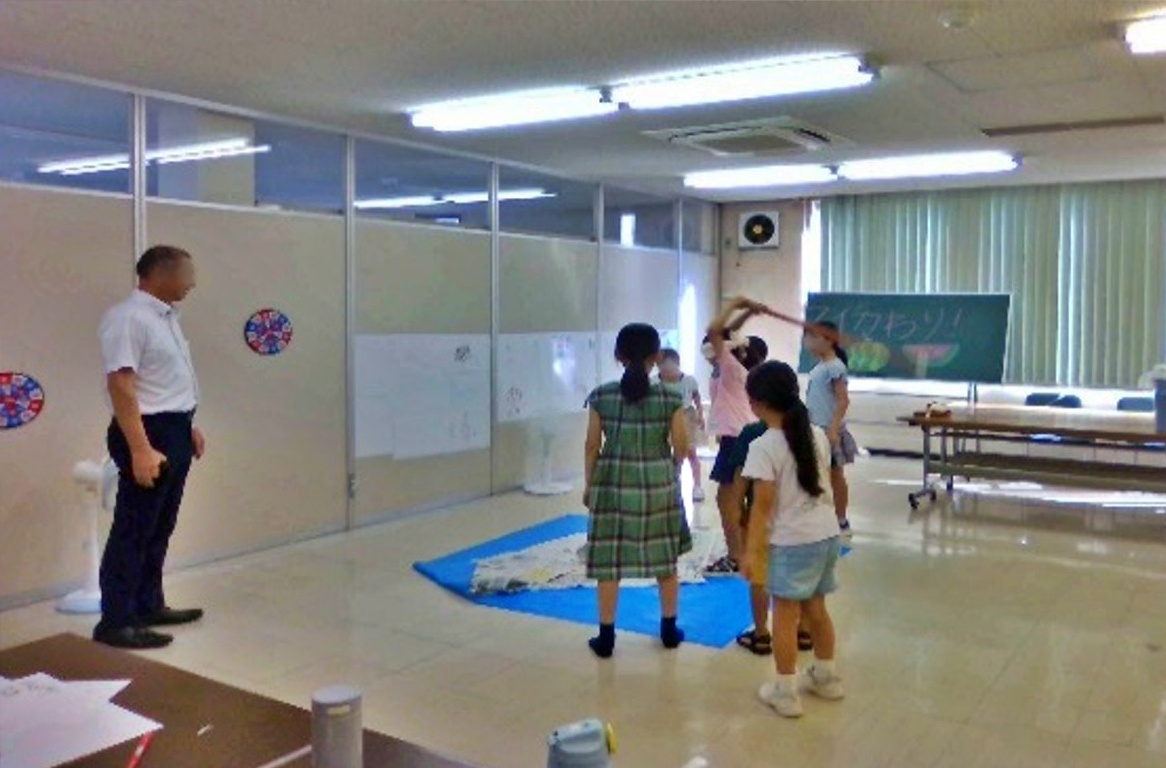
Hachioji in Kurashiki City is an area with many families raising children, but after-school care is closed during Obon. Parents said, “I’m worried about leaving my child home alone because I have to work.”
So they came up with the idea: “The credit union doesn’t close for Obon, and there’s a spacious area on the second floor. If Tamashin looks after the children, their parents can go to work without worrying.”
The children who took part reportedly enjoyed it, saying, “It’s fun because the atmosphere is different from usual,” and “It was fun having people from the credit union play with us.”
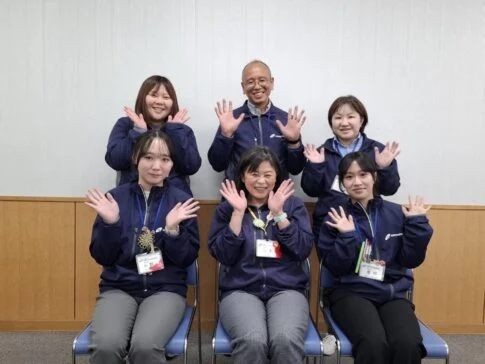
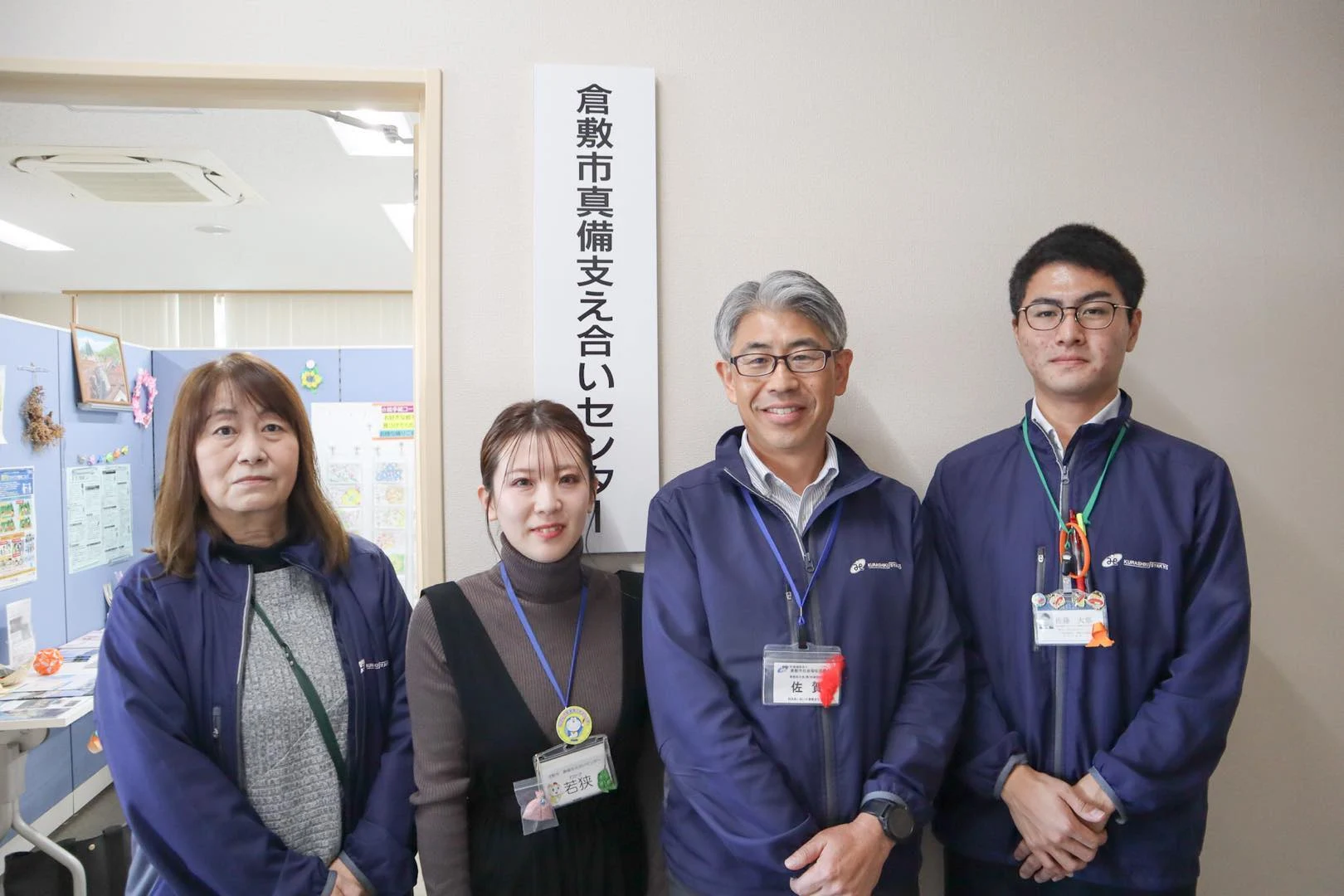
Community Support Coordinators
Community Support Coordinators were introduced as professionals who “connect” people with one another, as well as with places and information.
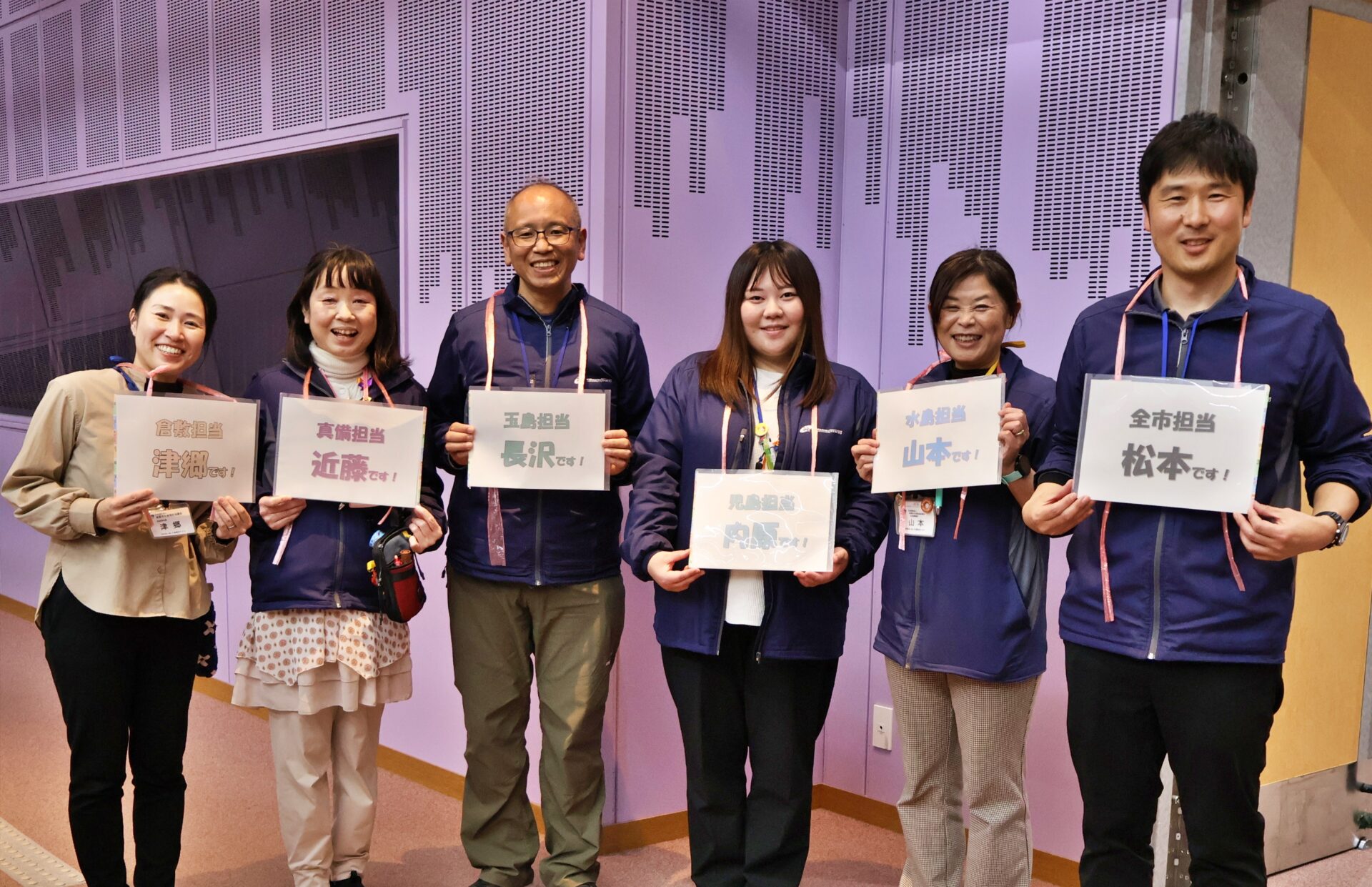
Kurashiki City is divided into five districts, with one coordinator assigned to each district and one in charge of the entire city.
At the venue, they wore cards around their necks with their district names and names written in large letters, helping them connect with participants.
They are dependable people who will listen to you even if you’re just starting to think about learning more about activities in your area, are interested in volunteering, or want to do something about a neighbor who is having a hard time.
From the Writer
The forum offered all kinds of ideas and left me feeling inspired and energized.
You don’t have to worry alone, work hard alone, or start something on your own right away.
I also learned that if you’re wondering, “What should I do?” you can talk to a Community Support Coordinator at the Kurashiki City Council of Social Welfare.
Lately, I’ve started thinking, “I’ll probably live in this town for a long time.” I’d like to keep paying attention to community activities and community development.
Articles about the Kurashiki City Council of Social Welfare
Community-Building Forum for Mutual Support Information
| Name | Community-Building Forum for Mutual Support |
|---|---|
| Date and time | Saturday, February 22, 2025, 1:00–3:45 p.m. |
| Location | 180 Sasaoki, Kurashiki City, Okayama Prefecture, inside Kurashiki Health and Welfare Plaza |
| Admission (tax included) | Free |
| Website | Kurashiki City Council of Social Welfare |




What would you like to know about Kurashiki?
Enter a search term to find articles on this site