In July 2023, five years have passed since the July 2018 Heavy Rain Disaster.
In these five years, some people have decided to continue living in Mabi, while others have started new lives in different places.
After the disaster, considering what to do in the midst of uncertainty about the future must have been a significant burden for the victims.
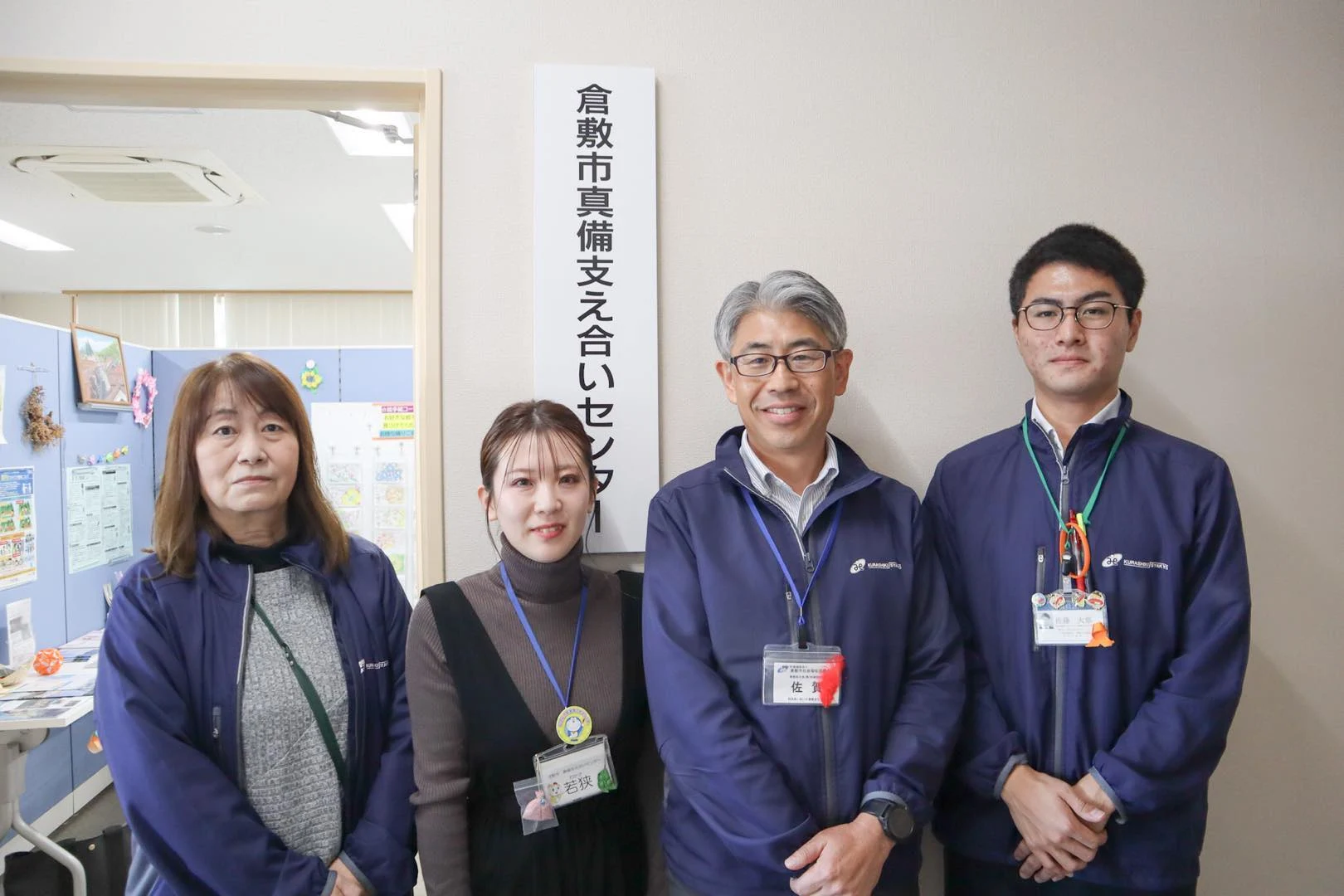
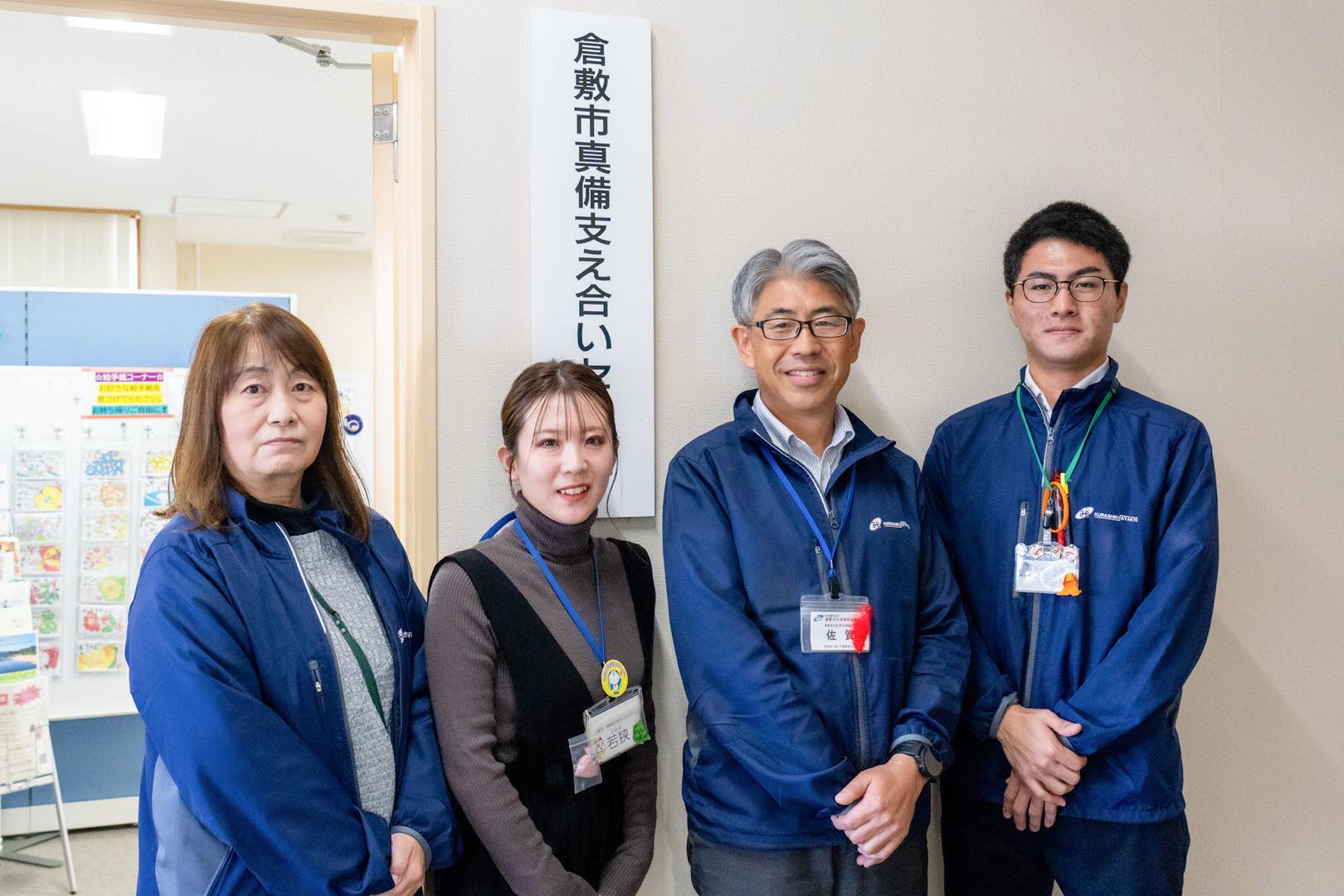
Kurashiki City Mabi Support Center (hereafter: Support Center) has been providing support so that disaster victims can live safely again after the disaster.
We will introduce the activities so far, along with an interview with the center director, Suga Masahiro.
Support Center Providing Detailed Assistance to Disaster Victims
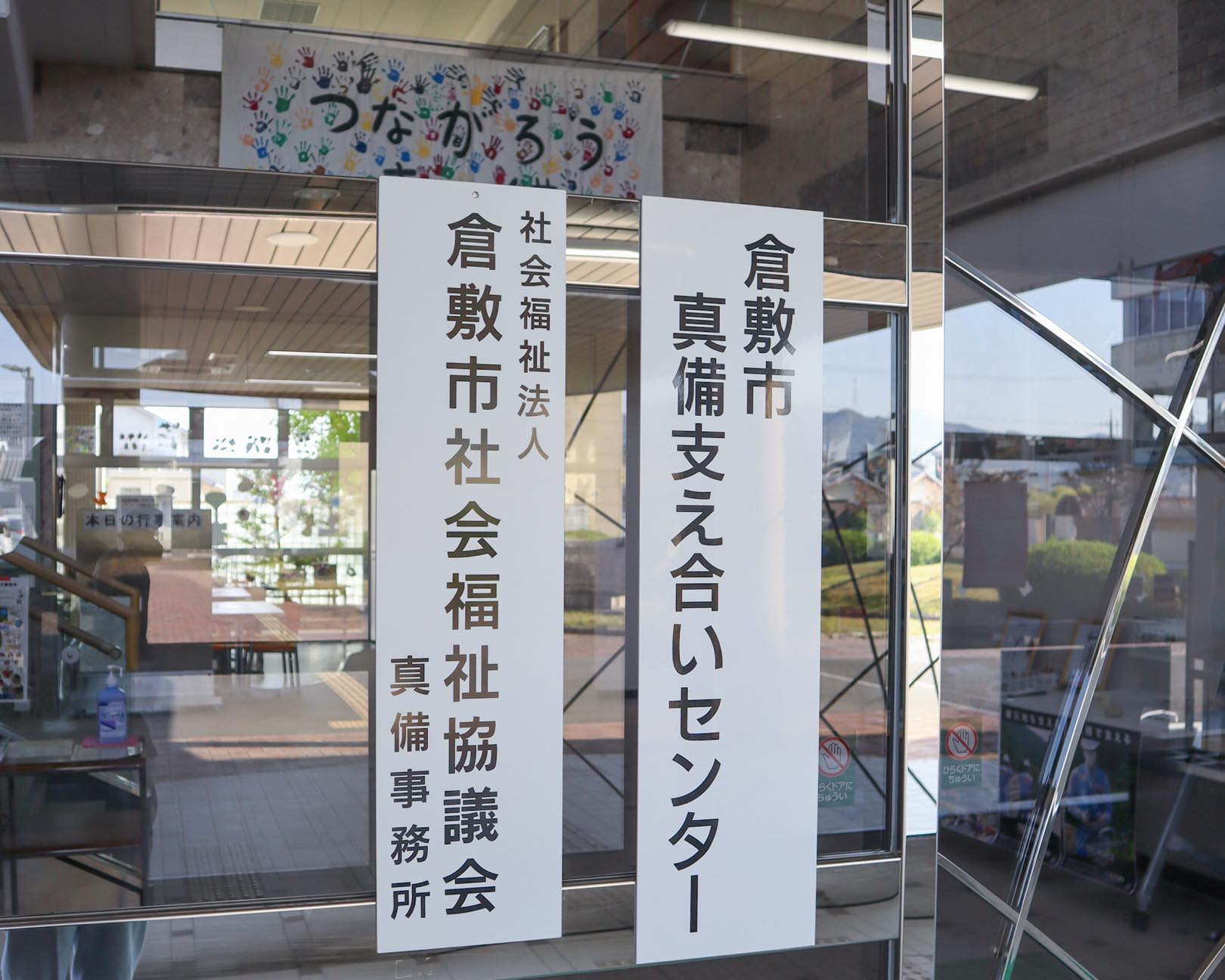
The Support Center was established in October 2018, three months after the July 2018 Heavy Rain Disaster.
The Kurashiki City Social Welfare Council, which has connections with the community, operates it under a commission from Kurashiki City.
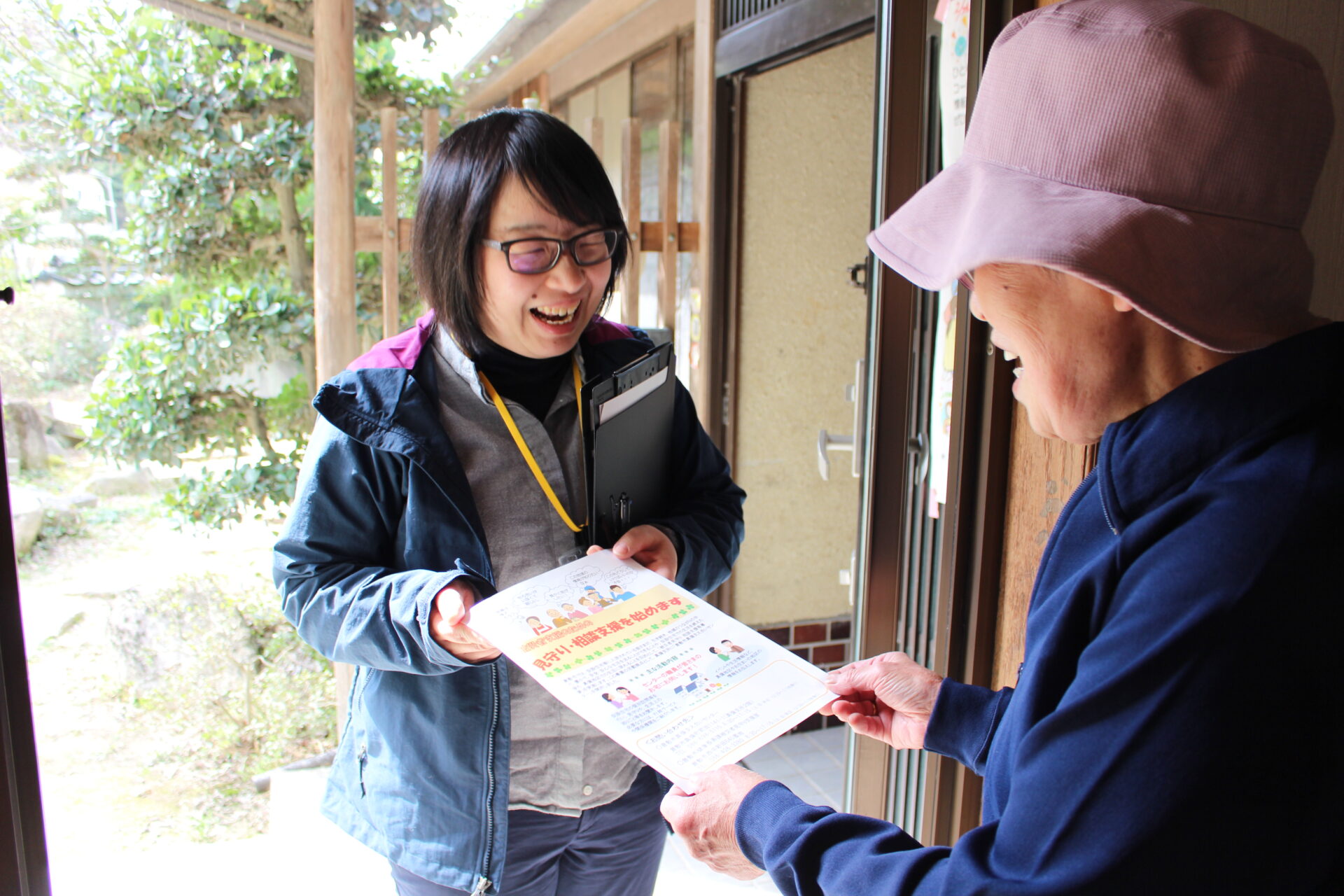
The main activity is visiting disaster victims to listen to their health status, living conditions, prospects for rebuilding their lives, and any difficulties they may have, and connecting them to necessary support.
By October 2023, we have visited about 5,800 households of disaster victims, and what is notable is that support is provided by visiting the victims.
Even though the term "disaster" is used, the situations of the victims and the challenges they face in rebuilding their lives are different for each individual.
Moreover, gathering information among various types of support and understanding the procedures can be very challenging.
Therefore, the Support Center provides detailed support to understand the individual situations of the victims so that they can receive the necessary assistance.
Preventing Isolation of Victims Due to the Disaster
Another important role of the Support Center is to monitor so that victims do not become isolated.
When housing is damaged due to the disaster, some people may leave their familiar areas to move into temporary housing.
For example, if someone moves into a designated temporary housing (which refers to temporary housing using privately rented homes), they may end up living in an unfamiliar apartment away from Mabi, and without acquaintances nearby, victims may feel isolated or struggle with their problems.
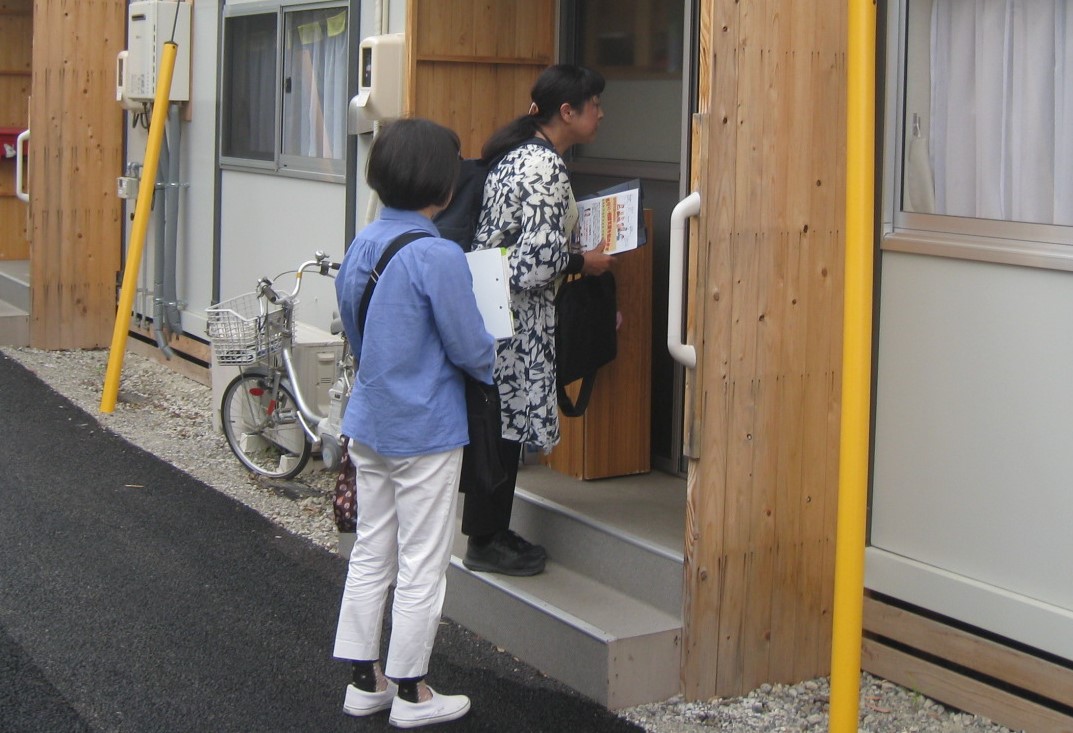
To prevent such isolation, the Support Center began prioritizing visits to households living alone and elderly-only households after its establishment.
The Desire to Help Victims and Mabi
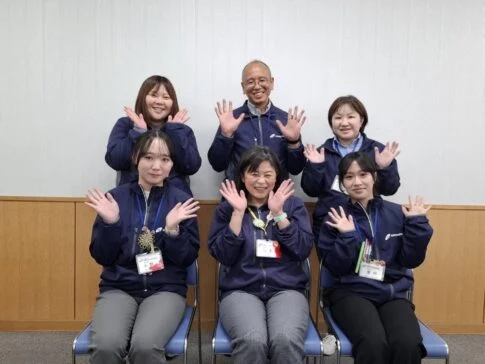
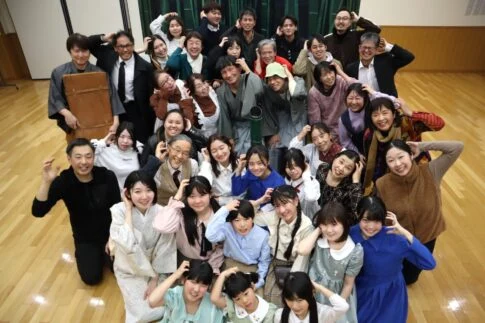
When the Support Center was first established, there were five staff members, but the number has since increased, and at times, about 50 people have been involved in operations.
The monitoring liaisons, who are central to the activities of home visits, are hired regardless of qualifications, as long as they have the desire to help victims and Mabi.
Many of those who have experience in disaster volunteer centers and community activities have been active as monitoring liaisons.
The thought was that "disaster victims probably do not want to just be visited or surveyed. How can we provide support that resonates with their hearts?"
In the early days of visits, there were many instances of hearing complaints about the administration and feelings of frustration regarding the disaster, but by listening sincerely to the victims who wanted someone to hear the feelings they had kept bottled up since the disaster, the emotional distance between the victims and the staff was sometimes shortened.
Rather than just conducting surveys and leaving, they sometimes engaged in casual conversation, taking the time to build trust.
It is because of the desire of the monitoring liaisons to help victims and Mabi that they can provide support that alleviates the victims' anxieties and resonates with their hearts.
The Support Center, which values being close to the hearts of the victims,.
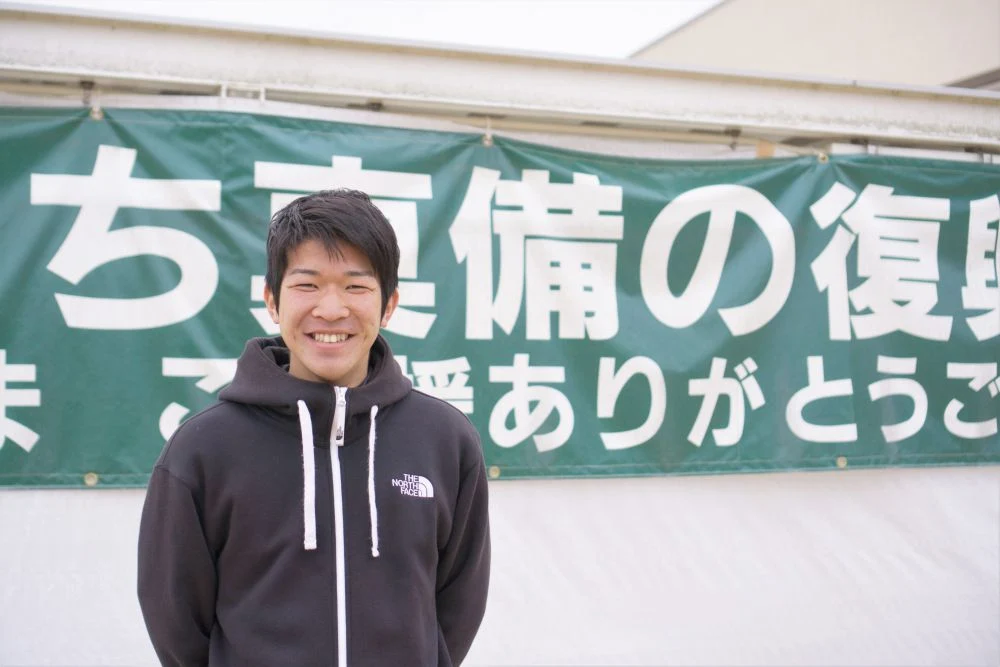
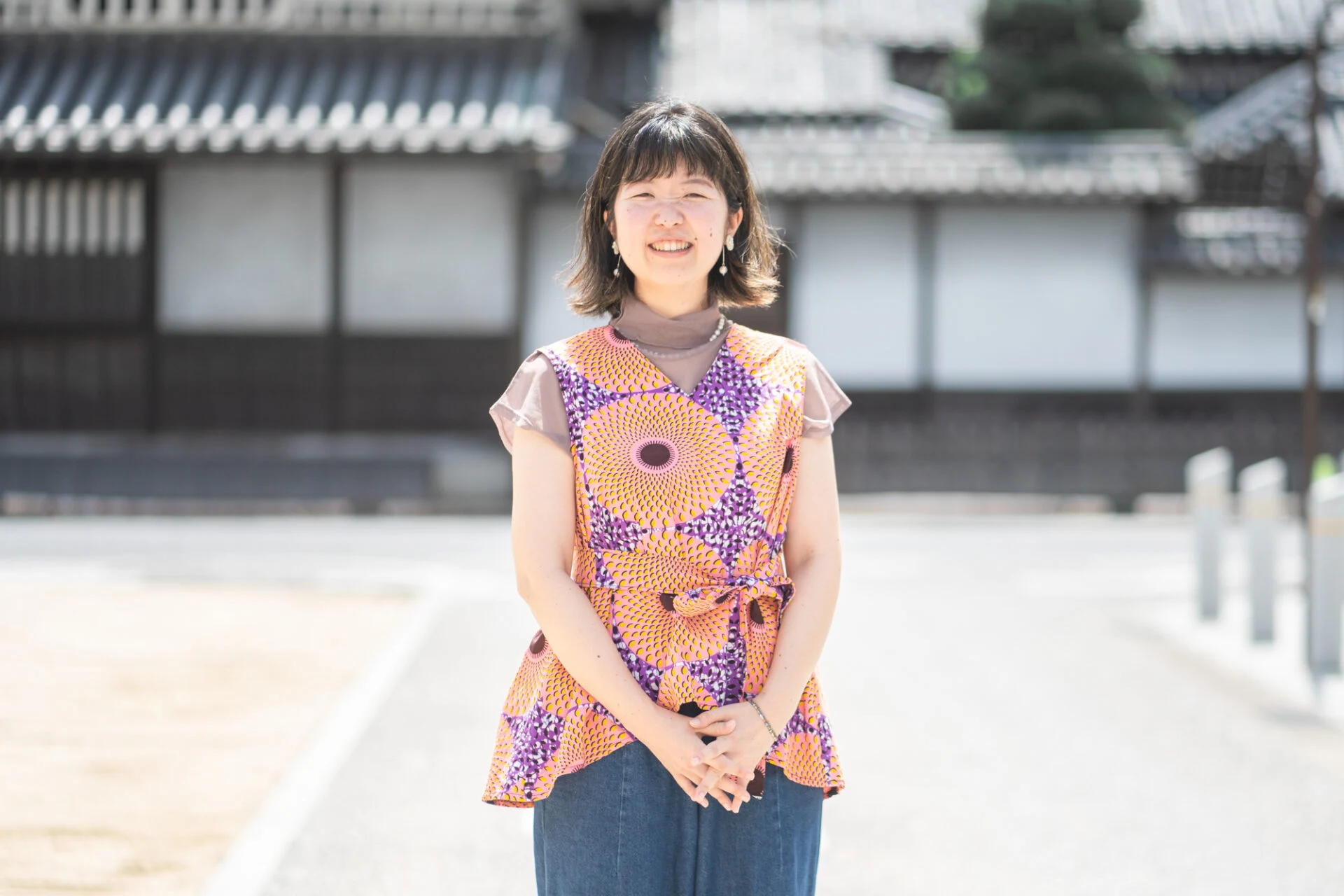
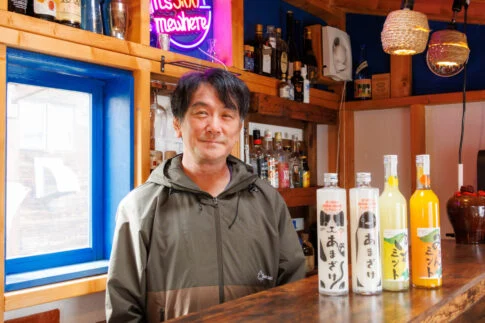
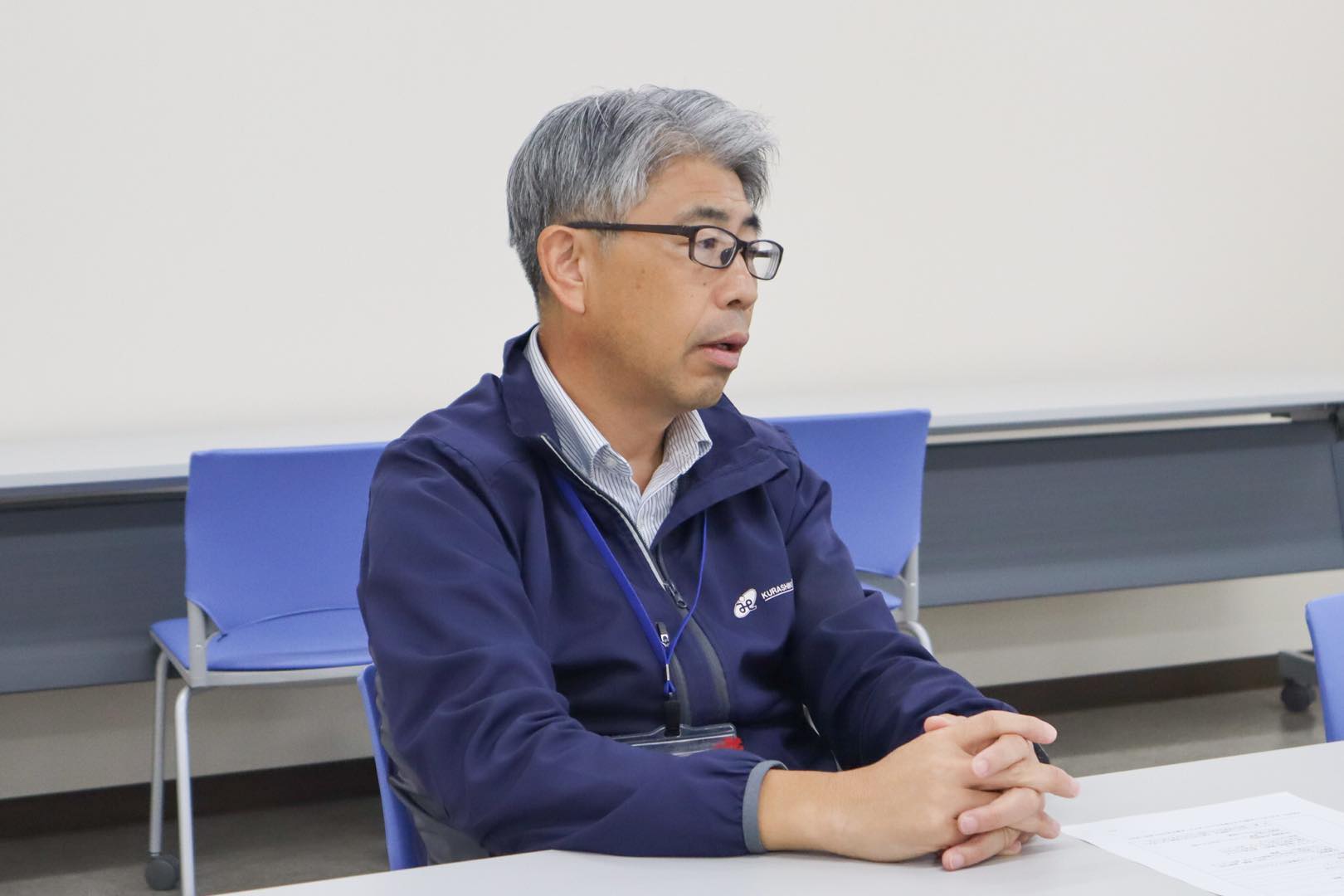
We spoke with Center Director Suga Masahiro about the activities and feelings over the past five years.
Interview with Center Director Suga Masahiro
Changes in Activities Over Five Years and Unchanging Feelings
What was it like when the Support Center was first established?
Suga (no honorifics)
At that time, we had not yet decided how often to visit whom, and we had no experience in the operations of the Support Center, but I was worried that the victims were feeling anxiety and loneliness about the uncertain future, and I wanted to start visiting them as soon as possible.
Initially, we prioritized visiting households living alone and elderly-only households that were at risk of isolation.
Young households living alone were mostly absent due to work, but I felt relieved when I couldn't meet them, thinking "they are not isolated."
After five years, what changes have occurred in the activities?
Suga
As time has passed, the number of households that have stabilized their living conditions has increased, and the number of households we visit regularly has decreased.
As of October 2023, we are still visiting about 10 households.
However, just because we are not visiting regularly does not mean that the support itself has ended.
While life settles down over time, the issues of the heart can arise at any time, so I hope they will contact us whenever they need to.
You mentioned that the number of households you visit has decreased, but how do you maintain connections with the victims now?
Suga
Since July 2019, we have been sending seasonal postcards with seasonal illustrations and messages, such as fans, flowers, and fruits.
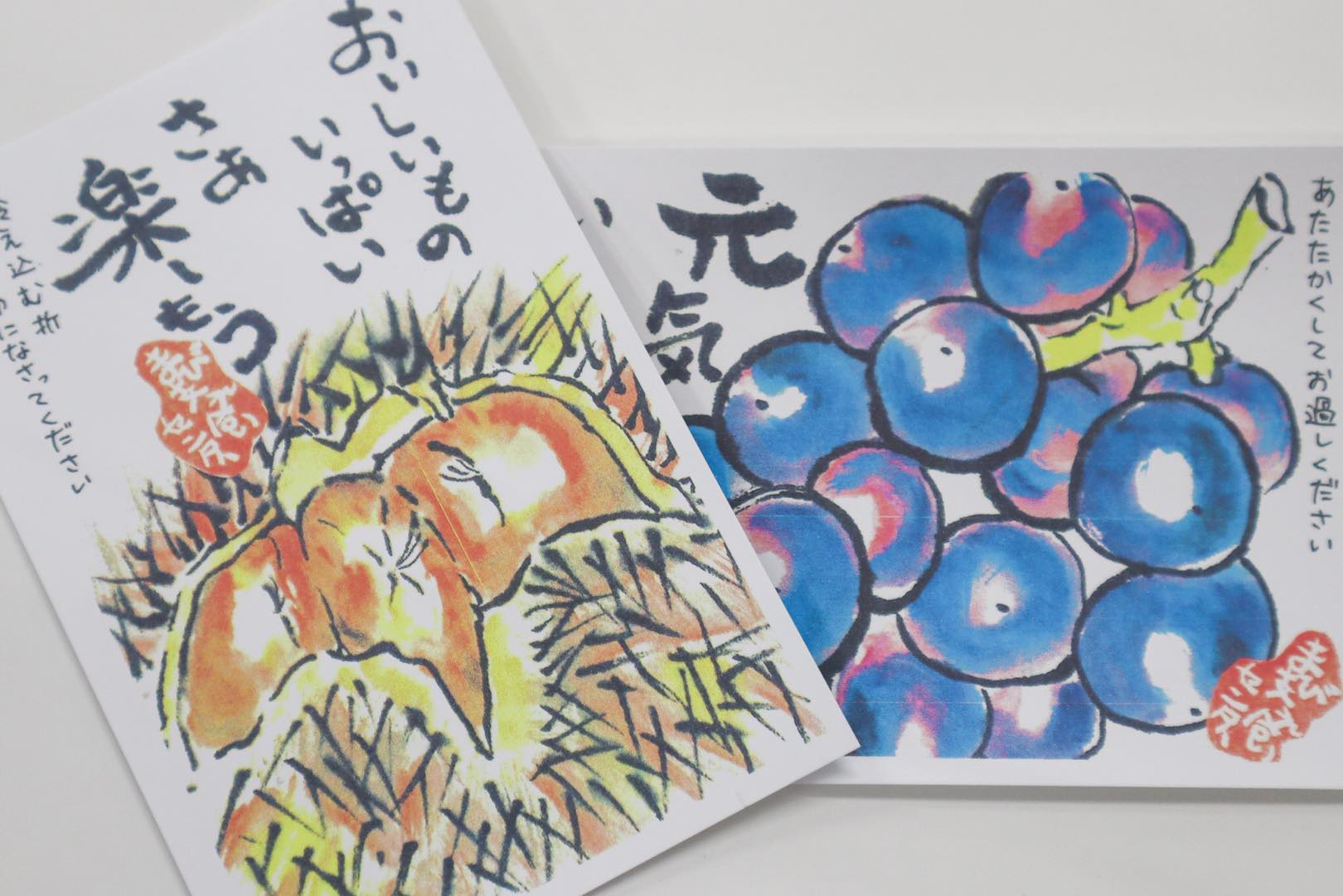
I heard that during the one-year anniversary of the disaster, more people tend to remember the disaster and feel down, so I wanted to convey the message "we are thinking of you" and "please feel free to contact us" to households we do not visit regularly or to those who have left Mabi.
Some people have contacted us saying "I received it," and some have displayed it at their entrance, so I feel they are happy with it.
The Importance of Connections with People Around
Have you ever felt that something was difficult in the operations of the Support Center?
Suga
I don't really remember feeling that I was having a hard time (laughs).
I think it was tough for the monitoring liaisons in the early days to hear complaints about the administration and feelings of frustration regarding the disaster.
But when I explained that "it's not just about conducting surveys; it's also an important role to let victims express the feelings they couldn't voice," the monitoring liaisons understood.
It was good to be able to work with people who had the desire to help victims and Mabi.
Please tell us something that has left an impression on you during the five years of activities.
Suga
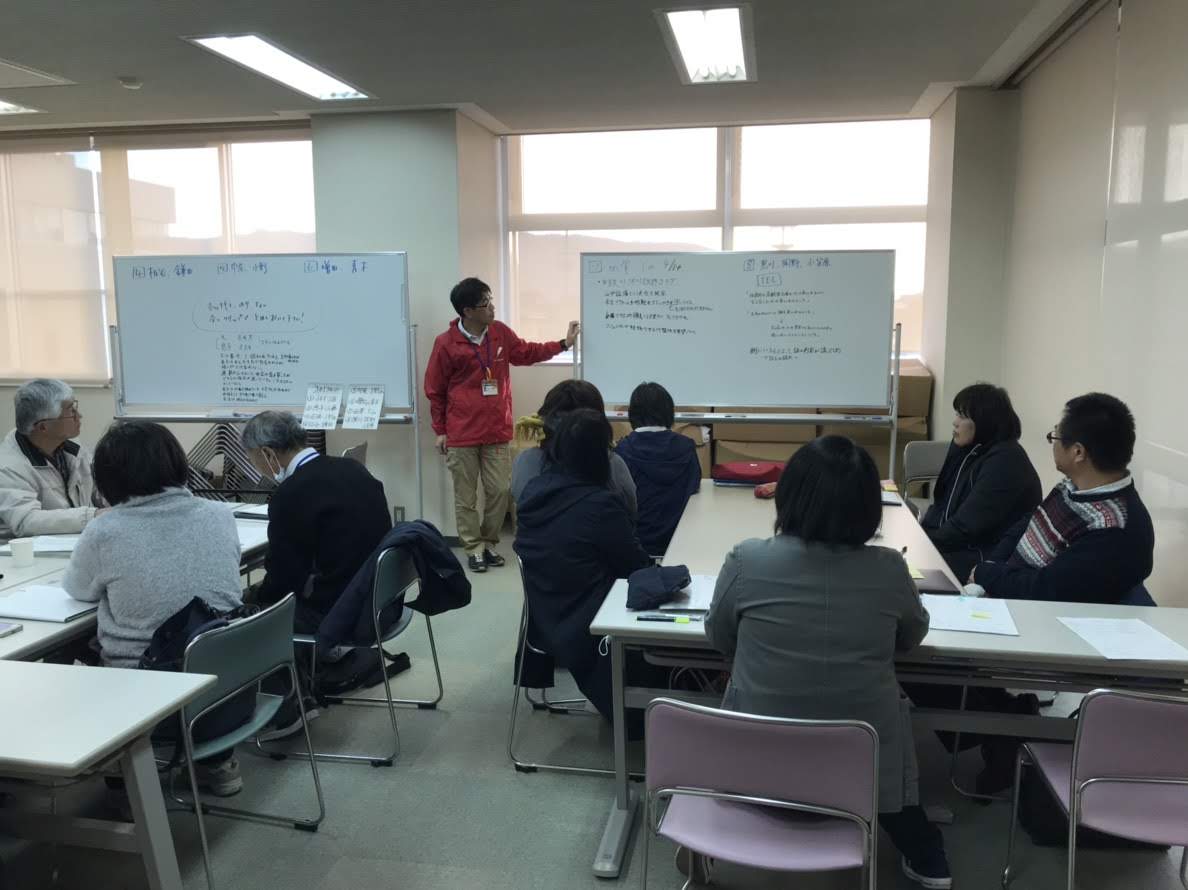
While receiving consultations, there were times when existing systems could not accommodate certain needs.
In such cases, when we have connections with various people, such as NPOs and volunteer organizations, there are people around who are willing to work together.
It’s okay not to solve everything ourselves, which I might not have thought if there hadn’t been a disaster.
If you have any expectations for Mabi Town in the future, please share them with us.
Suga
I think it is a strength of Mabi that many people have affection for it and are motivated to do something in a positive way because of this disaster.
However, pushing for new initiatives can also be a significant burden.
First of all, I hope people will value ordinary things, like greeting neighbors when they meet on the street or having a little chat.
I believe that such actions will deepen community connections and lead to calls for help during disasters or emergencies.
Conclusion
In the interview, Suga mentioned that "while it is easy to group all victims together, not everyone faces the same issues at the same time," which was very impressive.
In the chaos after the disaster, both victims and supporters become focused on addressing the immediate challenges.
In such emergencies, the visits of monitoring liaisons, who do not simply categorize people as "victims" but instead listen to each individual with empathy, likely helped to ease the tense feelings of the victims.
I hope that support like that of the Support Center will receive increasing attention and that a system will expand to allow for safe rebuilding of lives.
Article on Kurashiki City Social Welfare Council