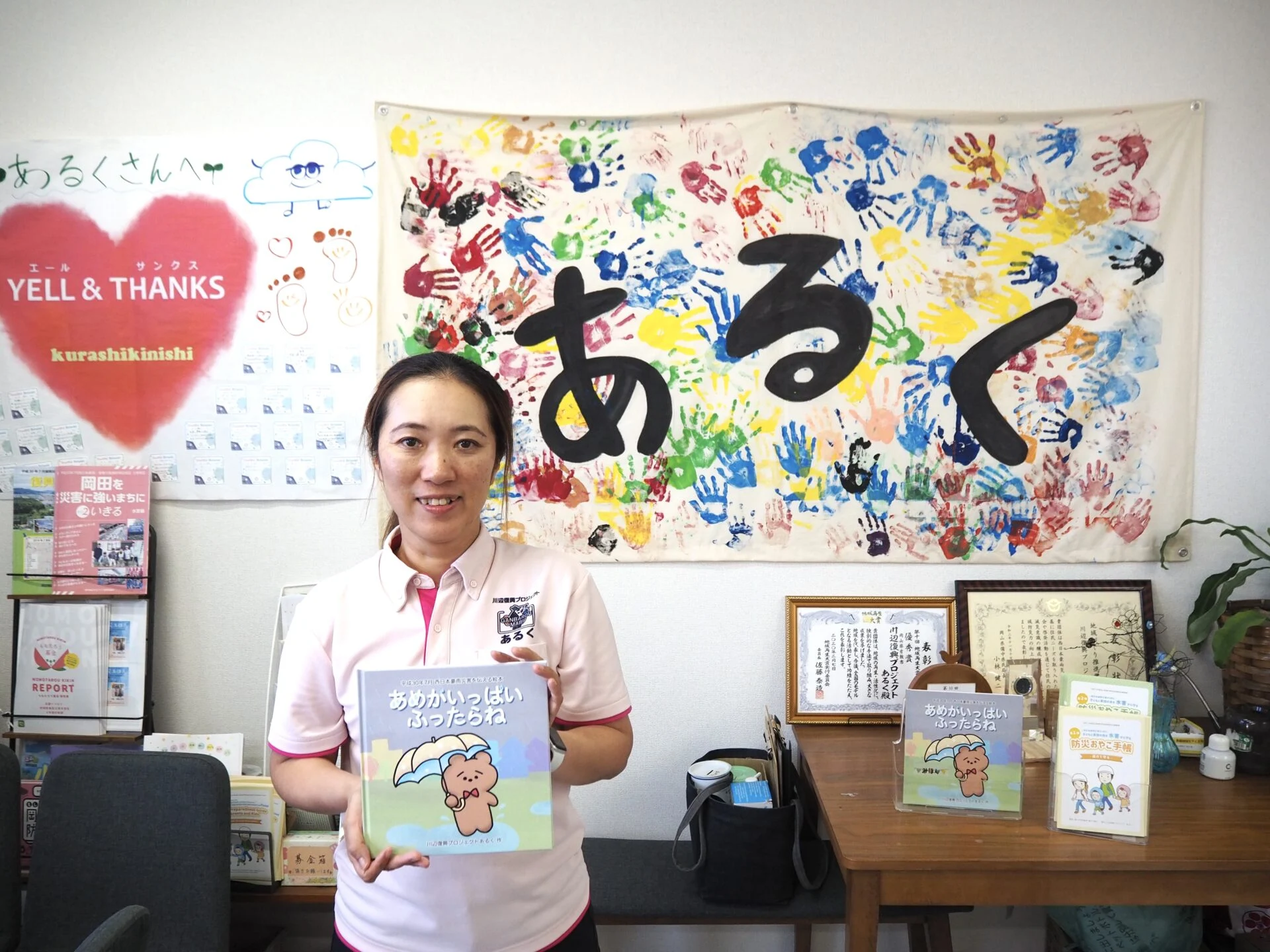
Seven years have passed since the July 2018 heavy rain disaster, and in Mabi, Kurashiki City, residents have returned, and new shops are increasing.
Since the beginning of the disaster, the "Kawabe Reconstruction Project Aruku" has been contributing to the recovery of Mabi.
We interviewed the "Kawabe Reconstruction Project Aruku," which started working early on creating a place for local residents and continues its activities to ensure a safe living environment.
About the "Kawabe Reconstruction Project Aruku"

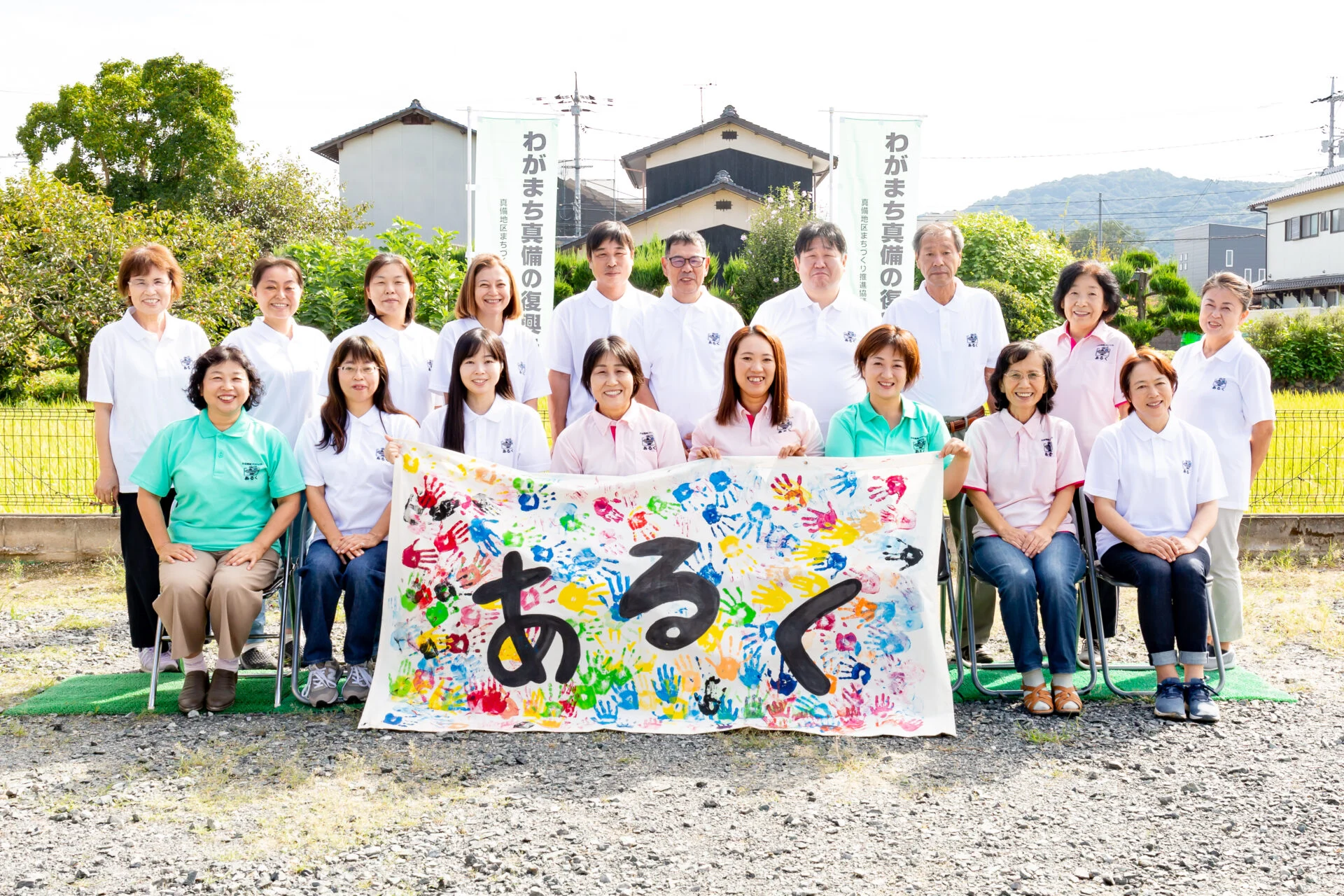
The Kawabe Reconstruction Project Aruku (hereinafter referred to as "Aruku") was established in October 2018.
The project is led by Makiwara Satomi, and as of July 2025, there are 23 members.
They hold salons for community interaction and disaster prevention lectures at schools, with a total of 1,380 participants in salons and events in the 2024 fiscal year.
Activities of Aruku
Aruku operates mainly on three pillars.
- Projects related to community interaction, connection, and creating a sense of purpose
- Projects related to creating a safe town (community disaster prevention)
- Projects related to preventing the fading memory of the Western Japan Heavy Rain Disaster
Projects related to community interaction, connection, and creating a sense of purpose
To create a space for local residents to connect, they hold salon activities about 7 to 10 times a month. They inform local residents and supporters through the monthly "Aruku Newsletter."
They host small item-making sessions and aroma experiences, and the "Relax Yoga Group" has been a long-standing popular salon.
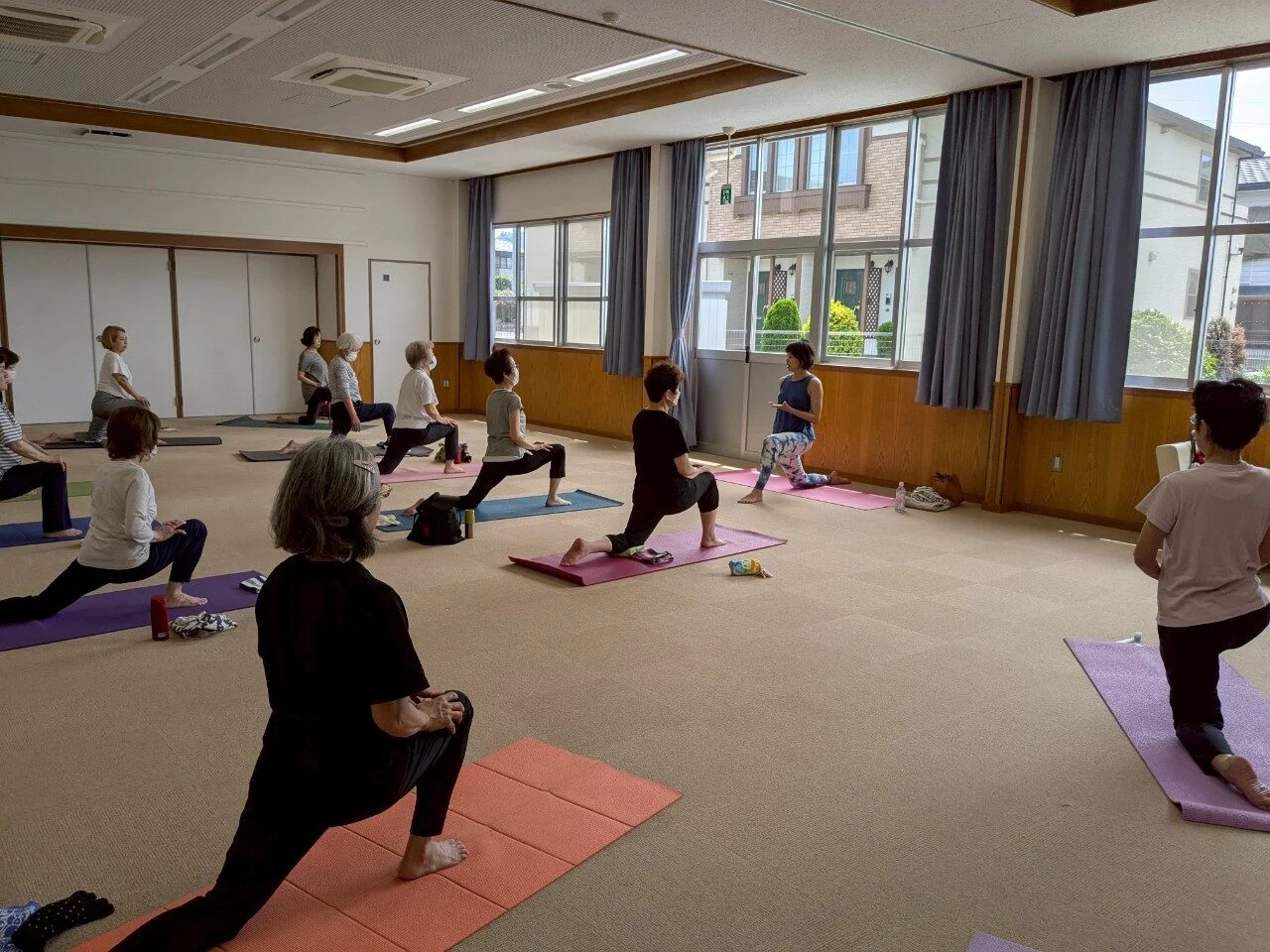
Each event has a clear purpose, and the Relax Yoga Group started with the desire to provide a space for those who had been taking lessons before the disaster and those who were struggling with insomnia after the disaster.
The salon activities are designed to be easy to participate in, generally requiring a participation fee to be paid on the day of the event. This makes it easy to take breaks when feeling unwell, creating a system that allows for continuity without strain.
The activities are supported by volunteers, and the flexible structure that does not fix roles is one reason why the activities have continued for a long time.
Projects related to creating a safe town (community disaster prevention)
In the July 2018 heavy rain disaster, almost all houses in the Kawabe area of Mabi, Kurashiki City, were completely or partially destroyed.
Since the Kawabe area has no elevated land, there were no evacuation shelters during floods, and support and information were insufficient. Therefore, they are also focusing on community disaster prevention activities in cooperation with the town development promotion council.
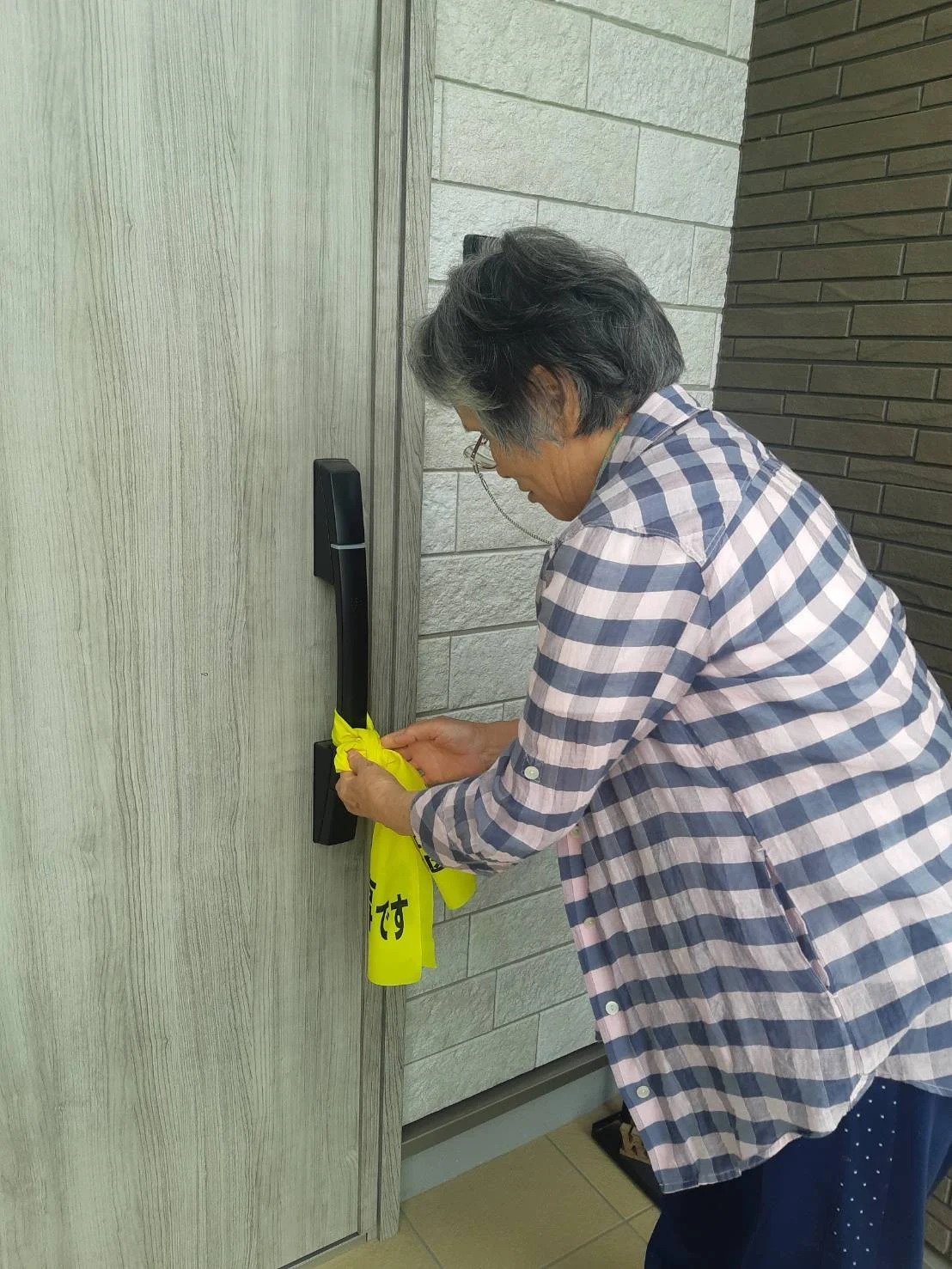
"Yellow Scarves of Happiness" to Inform Neighbors
During the heavy rain disaster, there were opinions that neighbors did not know whether others had evacuated or could not reach out.
From the idea that tying a yellow scarf at the entrance would allow neighbors to inform each other of their evacuation, the "Yellow Scarf Operation" began as a collaborative project with the Bichu Prefectural Bureau.
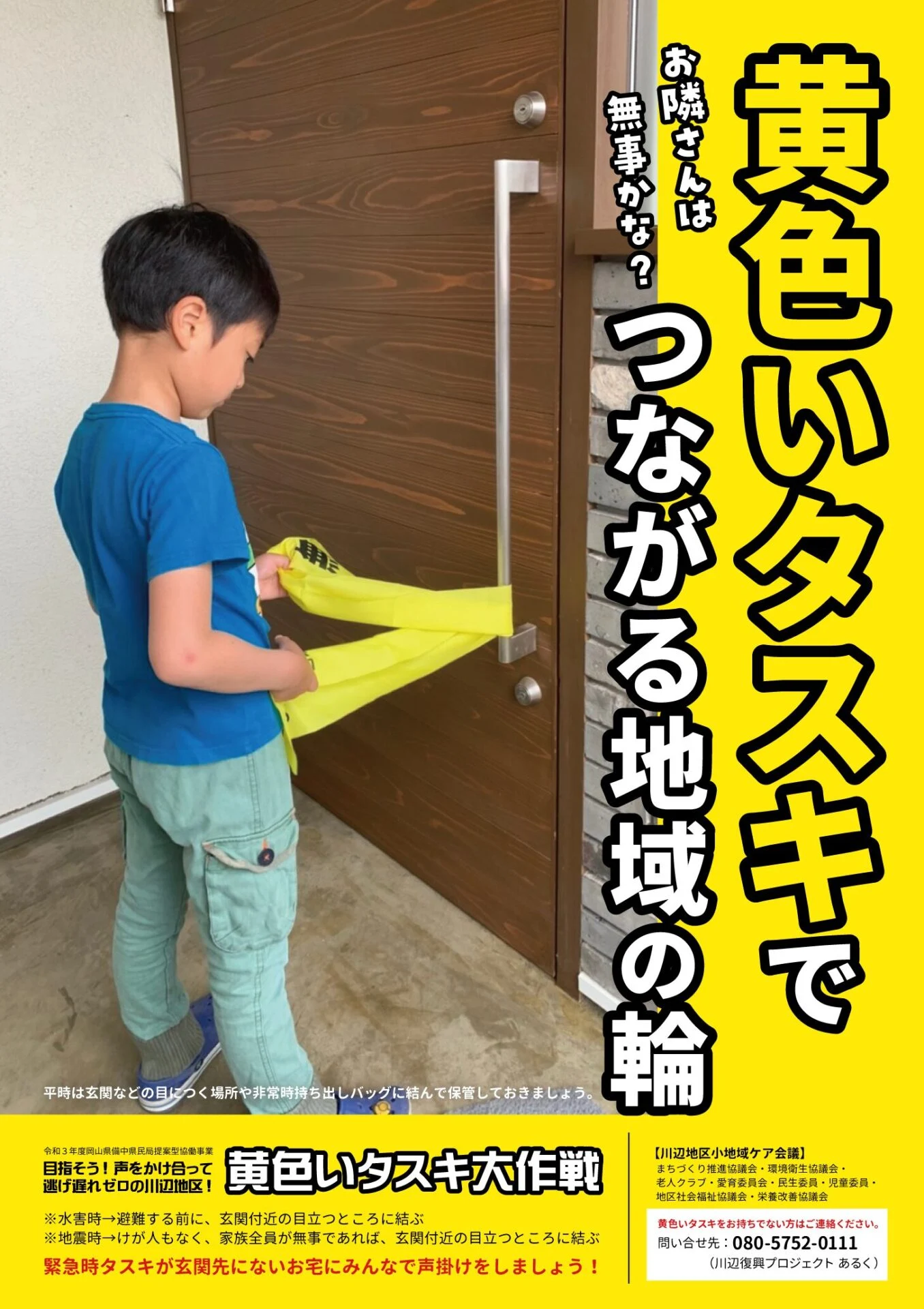
With the cooperation of neighborhood associations and local organizations, they distribute these scarves to all households living in the Kawabe area, and they sometimes receive requests from newcomers to the Kawabe area asking for "yellow scarves."
Since 2021, they have conducted safety drills every year, and this year marks the fifth drill. As a result, over 60% of households have participated in this drill.
Projects related to preventing the fading memory of the Western Japan Heavy Rain Disaster
The activities aim to prevent the fading memory of the July 2018 heavy rain (Western Japan Heavy Rain) by widely conveying the experiences of the flood and aiming to enhance disaster prevention capabilities throughout Japan.
Conveying the Importance of Disaster Prevention for the Future
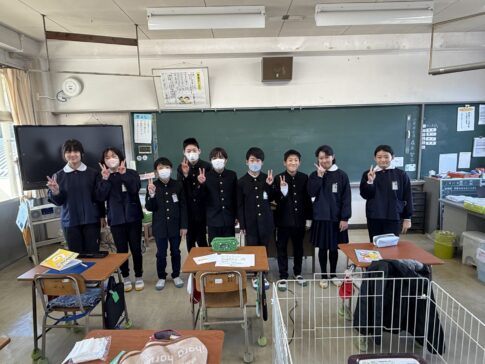
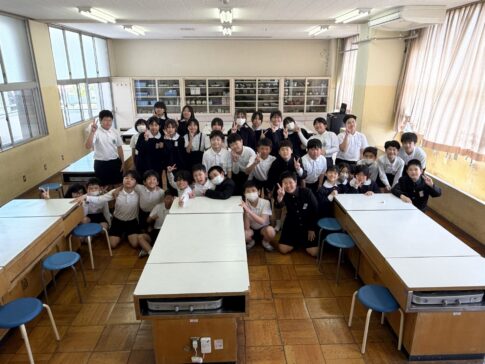
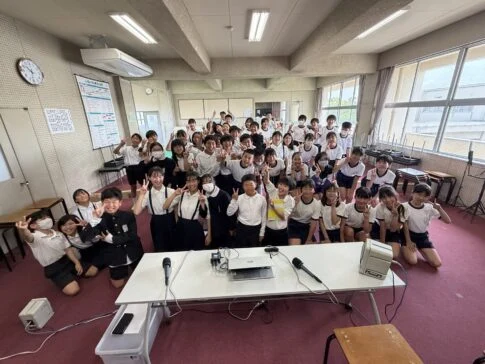
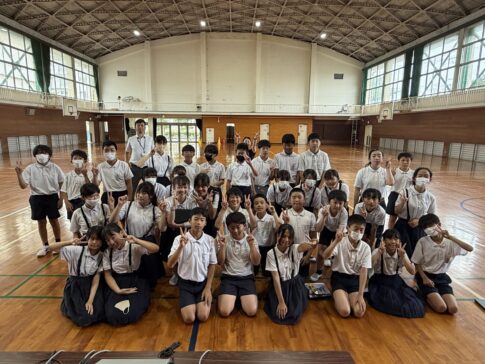
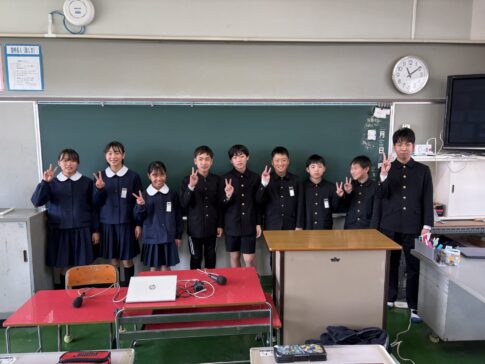
As part of disaster preparedness, they conduct disaster prevention lectures at local elementary, middle, and high schools upon request.
Furthermore, they also engage in lecture activities outside of schools, conducting 45 lectures in the 2024 fiscal year.

There has been an increase in requests for disaster prevention learning at middle schools and community tours, and they have hosted tours for groups of up to 130 people. During the tours, members ride on the bus to provide guidance.
Additionally, they are implementing the "Junior Disaster Prevention Leader Training Course", which will enter its fourth phase in 2025.
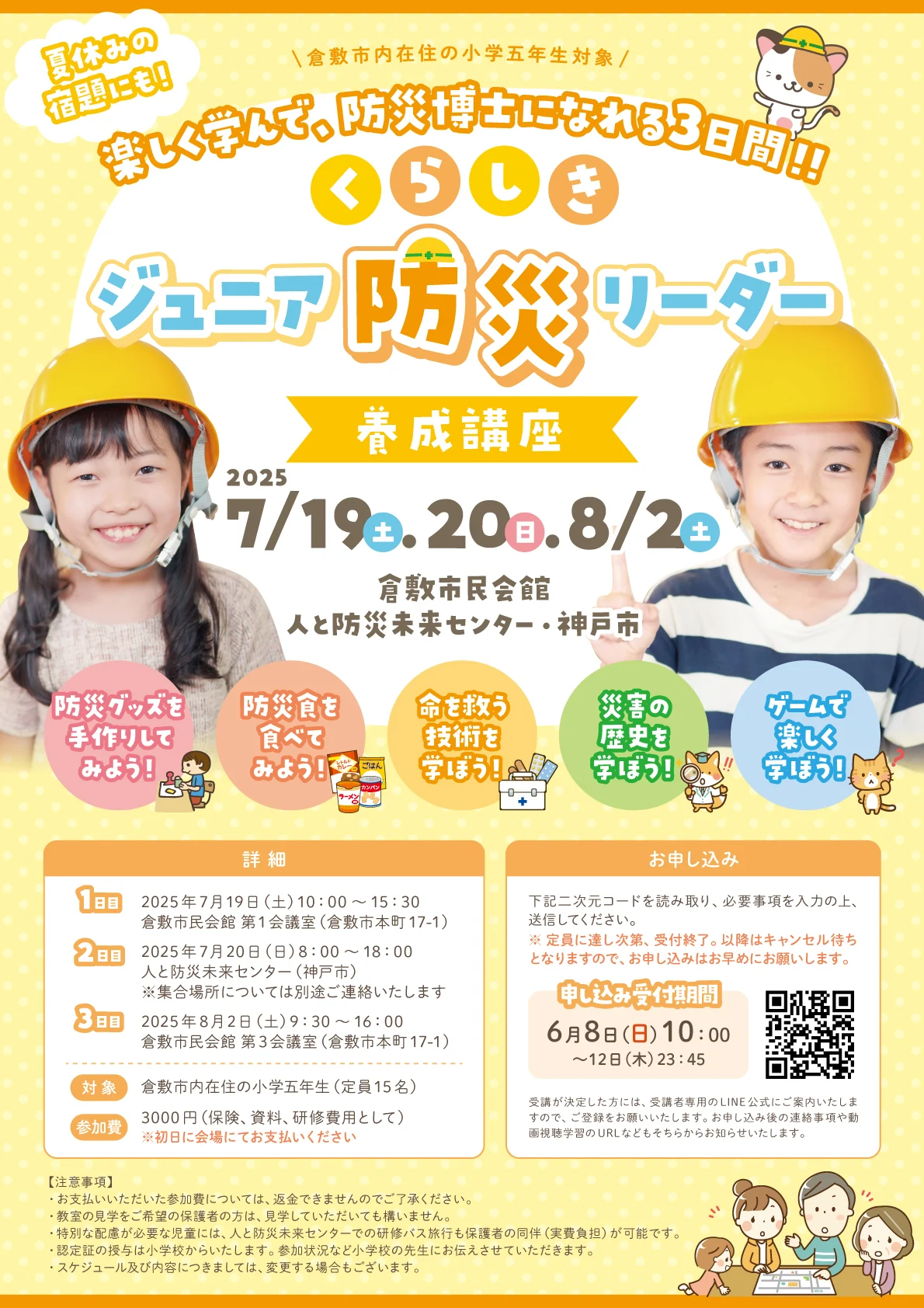
This course targets fifth-grade elementary school students living in Kurashiki City and consists of three days of lectures and games to learn about disaster prevention.
As soon as recruitment is announced, it quickly reaches capacity, indicating a high level of interest.

Production and Utilization of Disaster Prevention Parent-Child Notebooks
Disaster Prevention Parent-Child Notebooks were created to widely convey the lessons learned from disasters.
Considering the current situation where it is difficult to spend time and money on disaster prevention in daily life, they are compiled into practical content that serves as a "disaster prevention switch."
The Disaster Prevention Parent-Child Notebooks are sent to those who request them with only the shipping cost, and approximately 45,000 copies have been distributed not only in Okayama but nationwide.
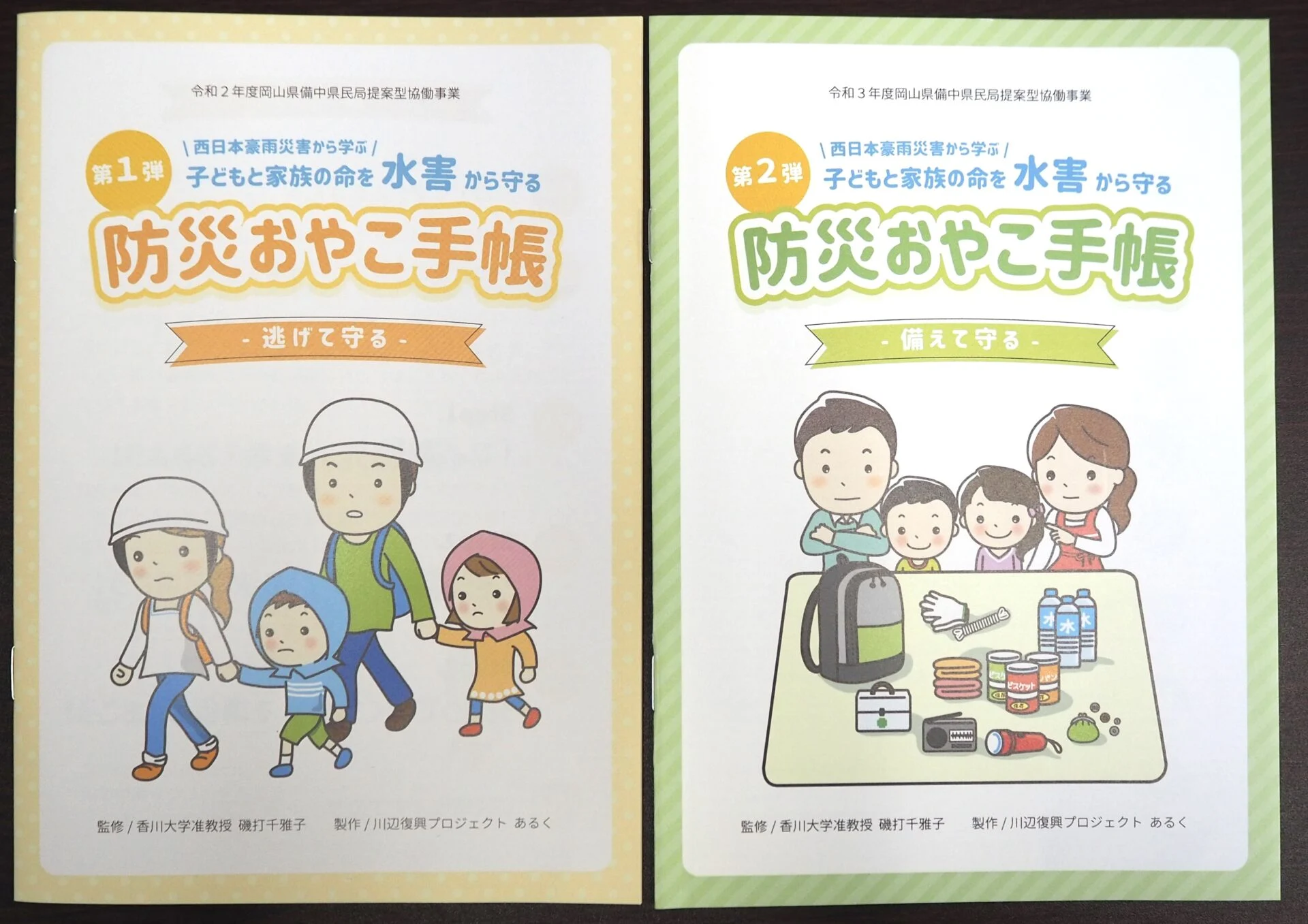
In the first edition, the theme was "escaping," conveying the importance of evacuation, while the second edition focused on "preparing," touching on life after a disaster. The size is similar to that of a mother and child health handbook, making it easy to use for families with small children.
Composed of simple words and a small number of characters, it is easy to read for the elderly and those with disabilities, and it has received positive feedback in corporate training for being "easy to understand even for those not interested in disaster prevention."
It also includes advice based on real experiences, such as "using earphones in evacuation shelters helps you feel calm." Such real voices are the strength of the Disaster Prevention Parent-Child Notebook.
Production and Expansion of Picture Books
The picture book "When It Rains a Lot" was created by mothers who were raising children at the time in 2018, sharing their opinions.
The illustrations were done by a sixth-grade child who experienced the heavy rain disaster, and the perspectives of both mothers and children were reflected, making it a work that can reach a wider audience.

Initially, it was intended to be a manual on disaster prevention know-how.
However, through discussions, it evolved into a picture book that asks readers what they want to convey to children and what they want to think about together through actual events.
"I hope this picture book will serve as a trigger for families to discuss where to evacuate and what to prepare," says Makiwara, the representative of Aruku.
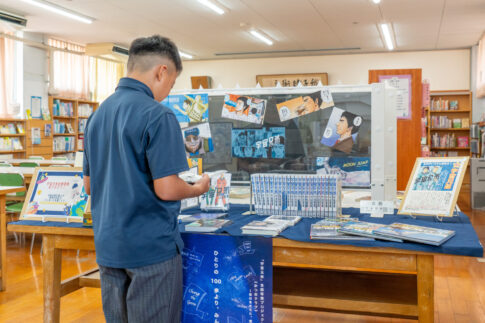
The picture book "When It Rains a Lot" is donated to educational institutions and child-rearing facilities in Okayama Prefecture and disaster prevention organizations that request it. It is also used as a reward for a crowdfunding campaign running until July 13, 2025.
We interviewed Makiwara Satomi, the representative who started activities immediately after the disaster and continues to be active today.
Kawabe Reconstruction Project Aruku Data
| Organization Name | Kawabe Reconstruction Project Aruku |
|---|---|
| Representative Name | Makiwara Satomi |
| Year Established | October 2018 |
| Address | 123-1 Kawabe, Mabi-cho, Kurashiki City, Okayama Prefecture, Room 103 Melveille |
| Contact | 080-5752-0111 |
| Homepage | Kawabe Reconstruction Project Aruku |