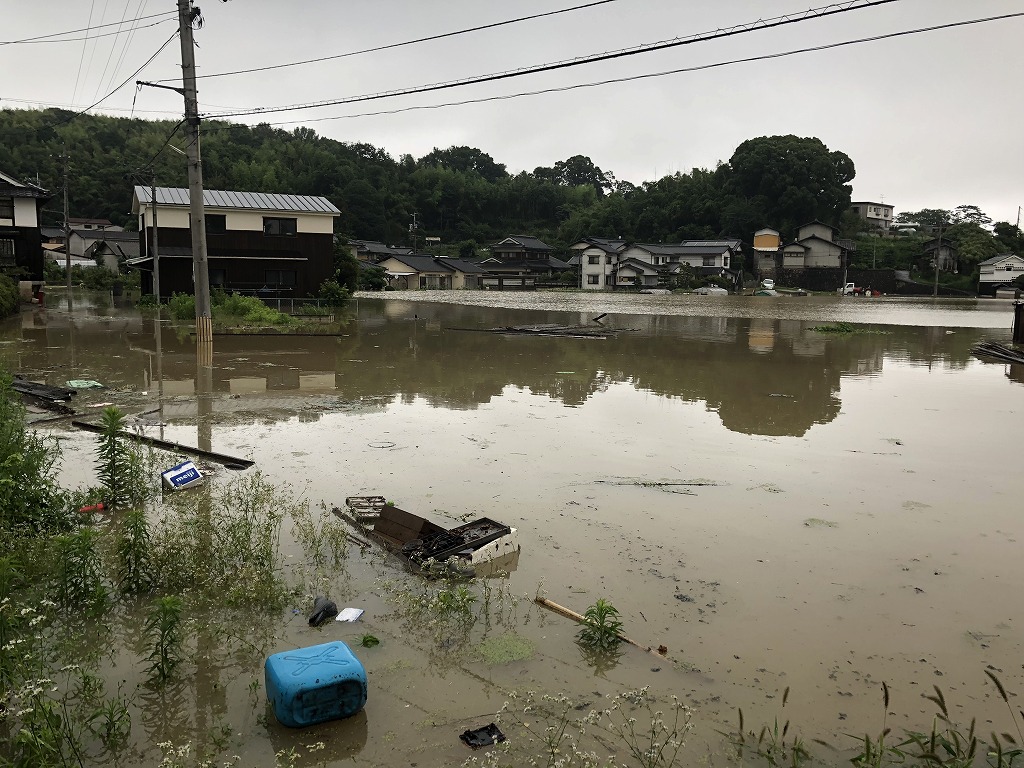
In July 2018, Mabi was engulfed by muddy waters due to the flooding caused by continuous heavy rain.
Although the disaster debris piled up throughout the town has disappeared, it is said that even now, about five years after the flood, Mabi has experienced a population decrease of about 10% compared to before the disaster.
While recovery from physical damage is important, it may be necessary for the residents to create a town where they can live securely and happily for mental recovery.
There are people who are striving for the true recovery of Mabi, focusing on long-term town development.
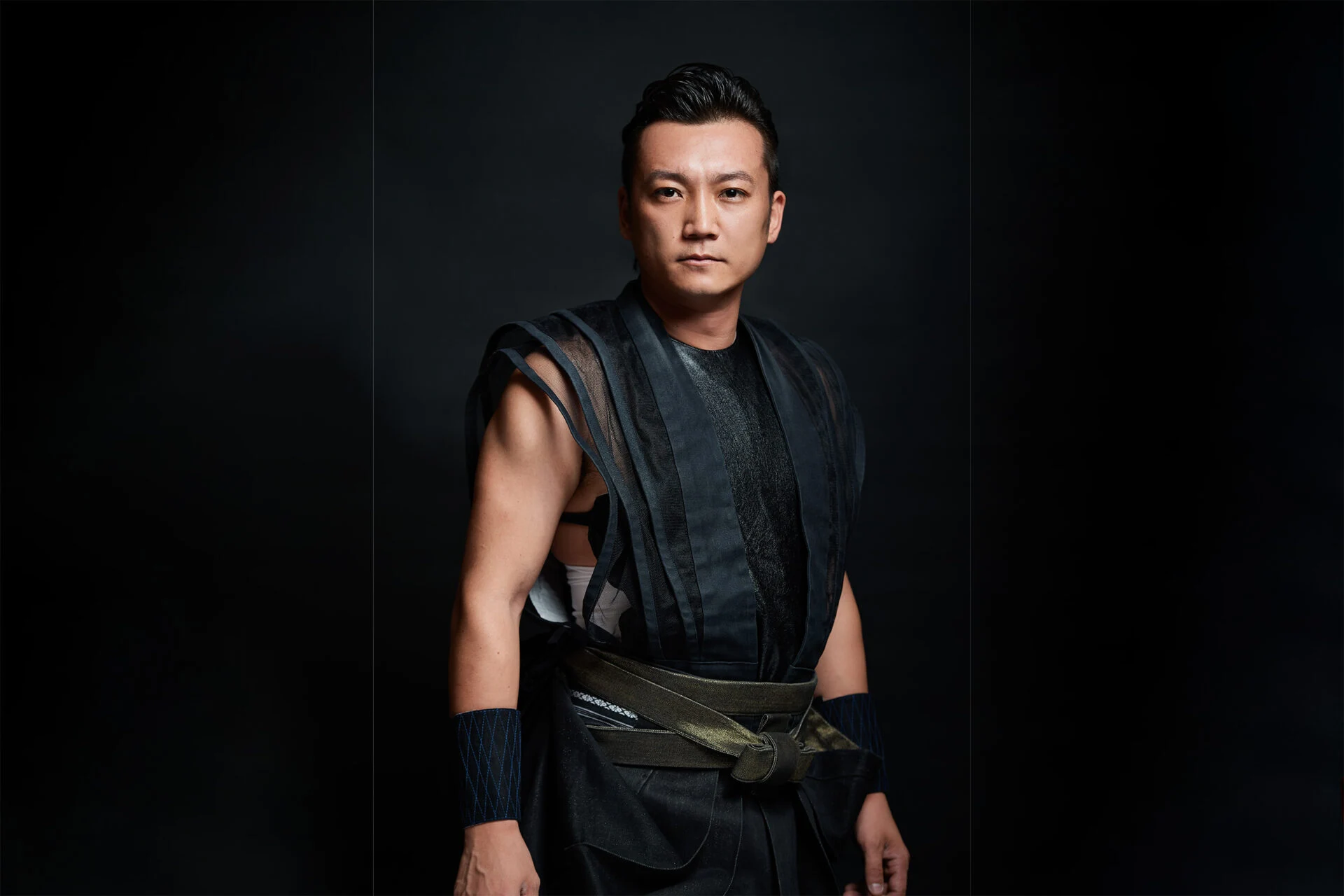
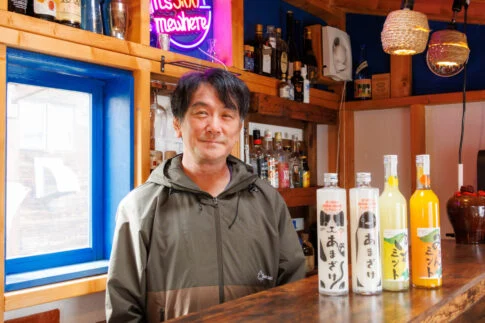
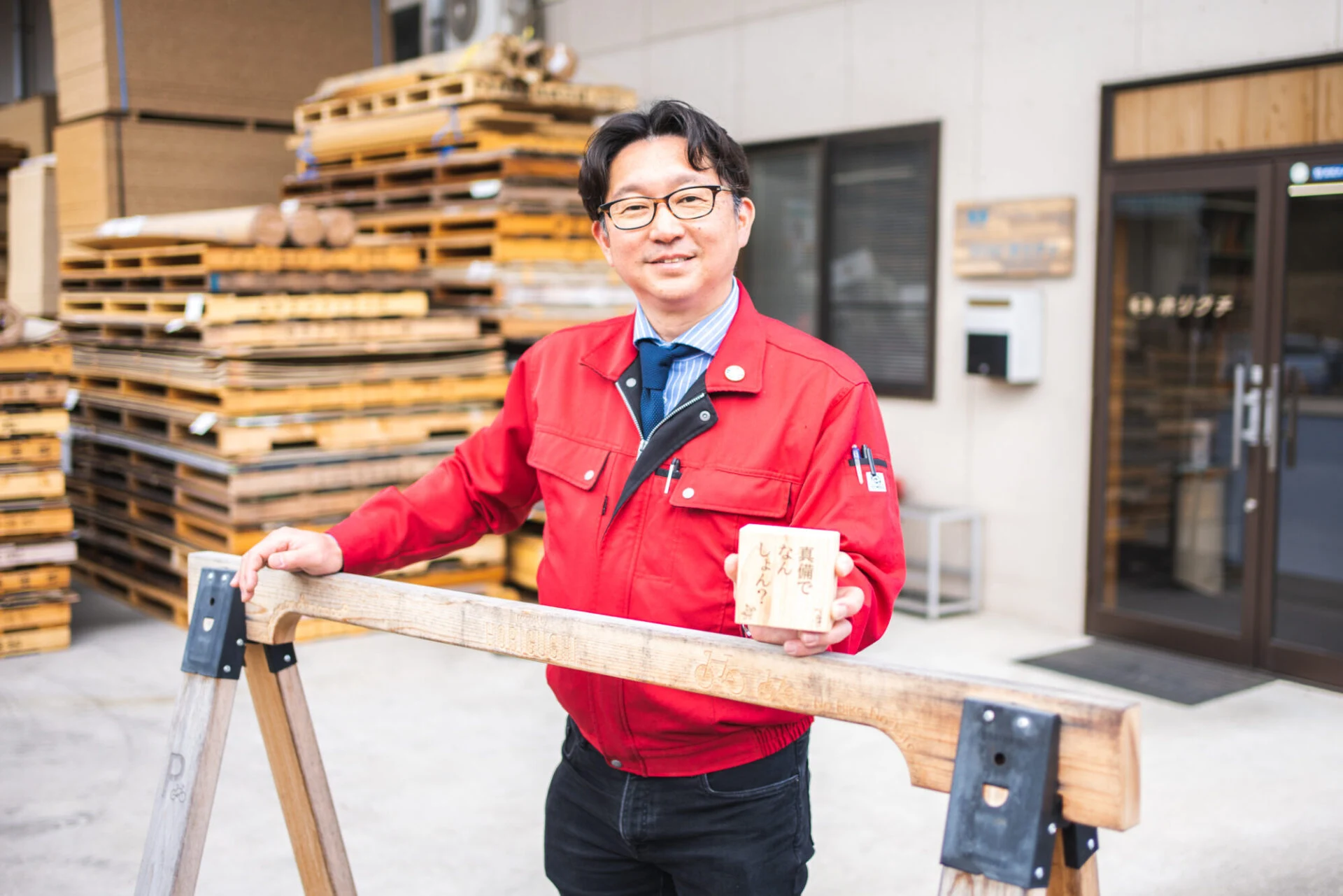
One of them is Shingo Horiguchi, the representative director of Horiguchi Co., Ltd., which manufactures and sells wooden furniture.
To increase the population related to Mabi, Horiguchi has been working on projects such as developing cycling courses that tour tourist spots, historical sites, and affected shops and promoting the current situation of Mabi through social media with the initiative "What’s happening in Mabi".
We will introduce how Horiguchi came up with these projects and what thoughts he has regarding the town development of Mabi.
Disaster-stricken Mabi and Town Development
Even now, about five years after the flood, Mabi's population has decreased by about 10%, and there are still people who cannot return to their previous lives.
We will introduce Horiguchi, who is working on town development from a long-term perspective to increase the population related to Mabi.
Mabi and the July 2018 Heavy Rain
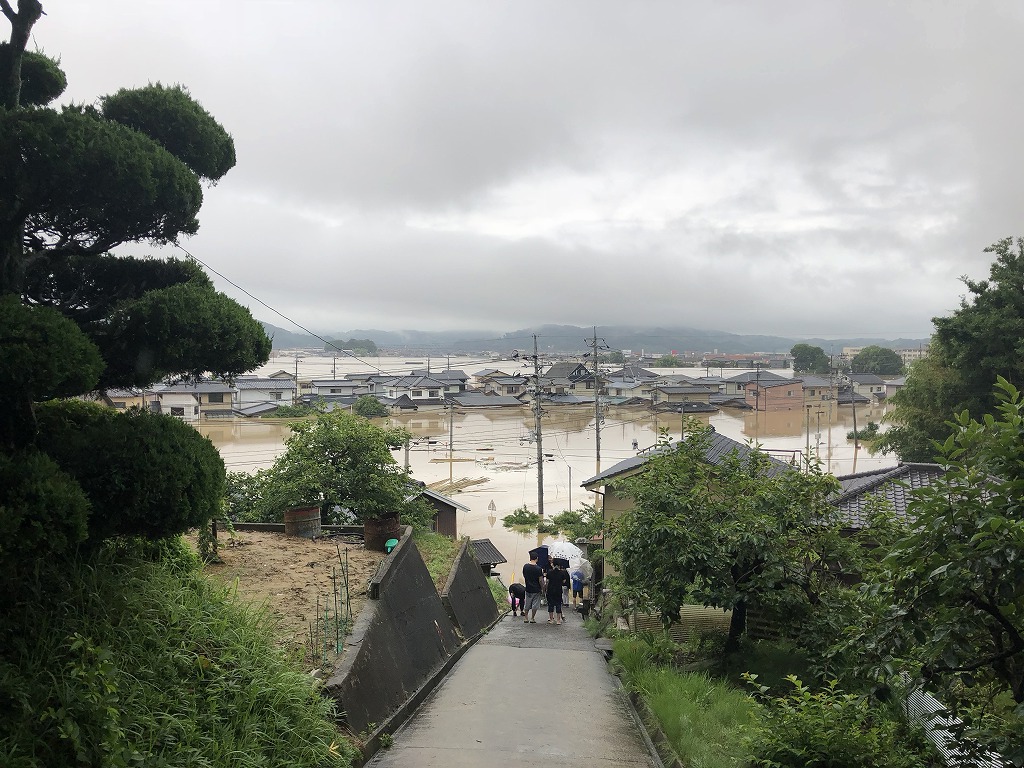
The July 2018 Heavy Rain became an unforgettable disaster for the people living in Okayama Prefecture.
In early July 2018, Mabi-cho in Kurashiki City suffered extensive damage due to flooding caused by heavy rain that continued across western Japan.
Mabi-cho was the most severely affected area during the July 2018 Heavy Rain.
The levees of the Oda River and its tributary Takama River simultaneously collapsed, engulfing a wide area of Mabi-cho in muddy waters.
The depth of flooding exceeded 5 meters, with approximately 8,300 houses completely or partially destroyed, around 7,000 houses flooded above or below the floor, and about 50 fatalities, marking it as the worst flood of the Heisei era.
As of 2023, about five years after the disaster, the disaster debris piled at the edges of the roads has disappeared, and public facilities and restaurants have reopened.
From the state of the town, it can be felt that it is gradually returning to its pre-flood appearance.
Town Development in Mabi and Shingo Horiguchi
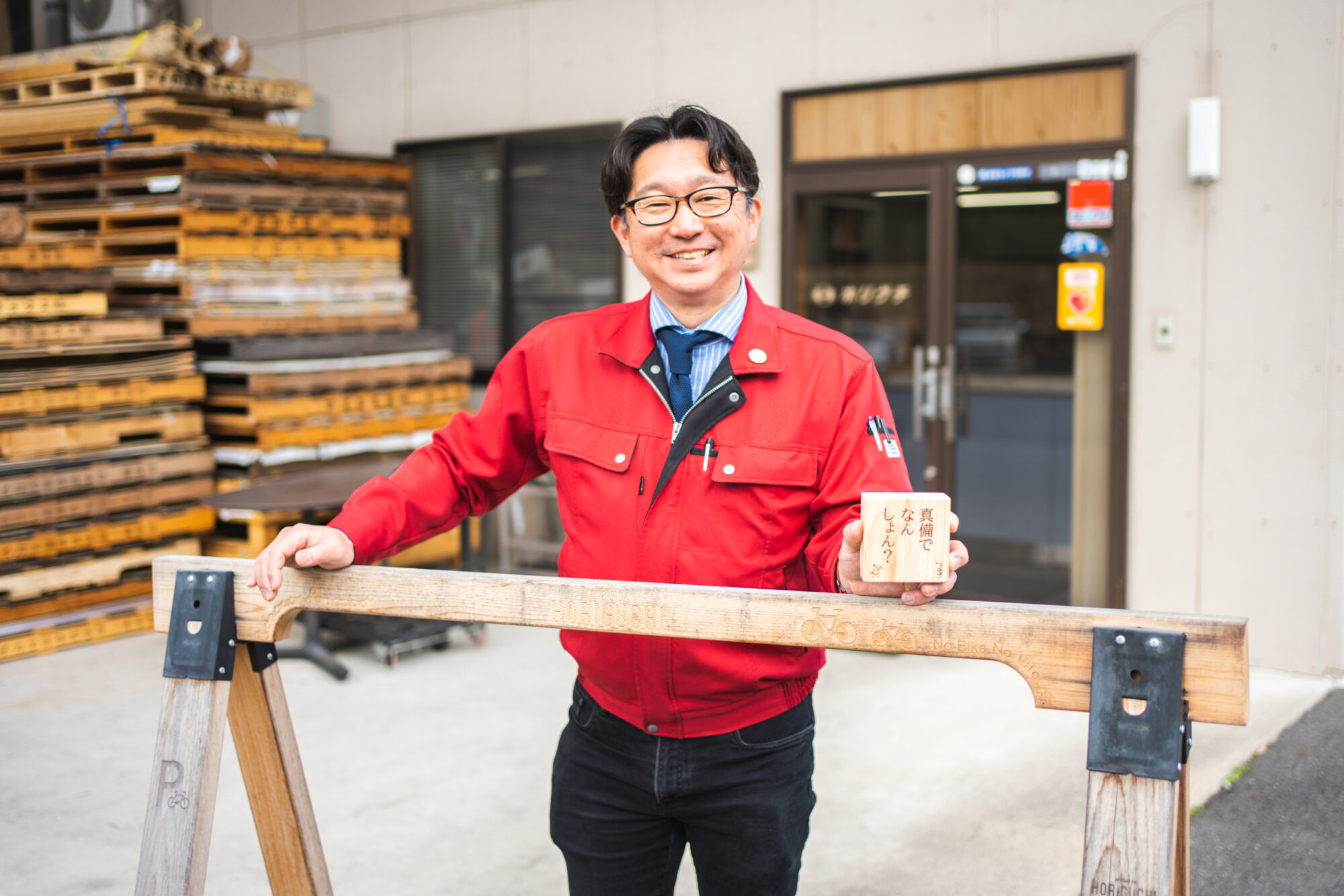
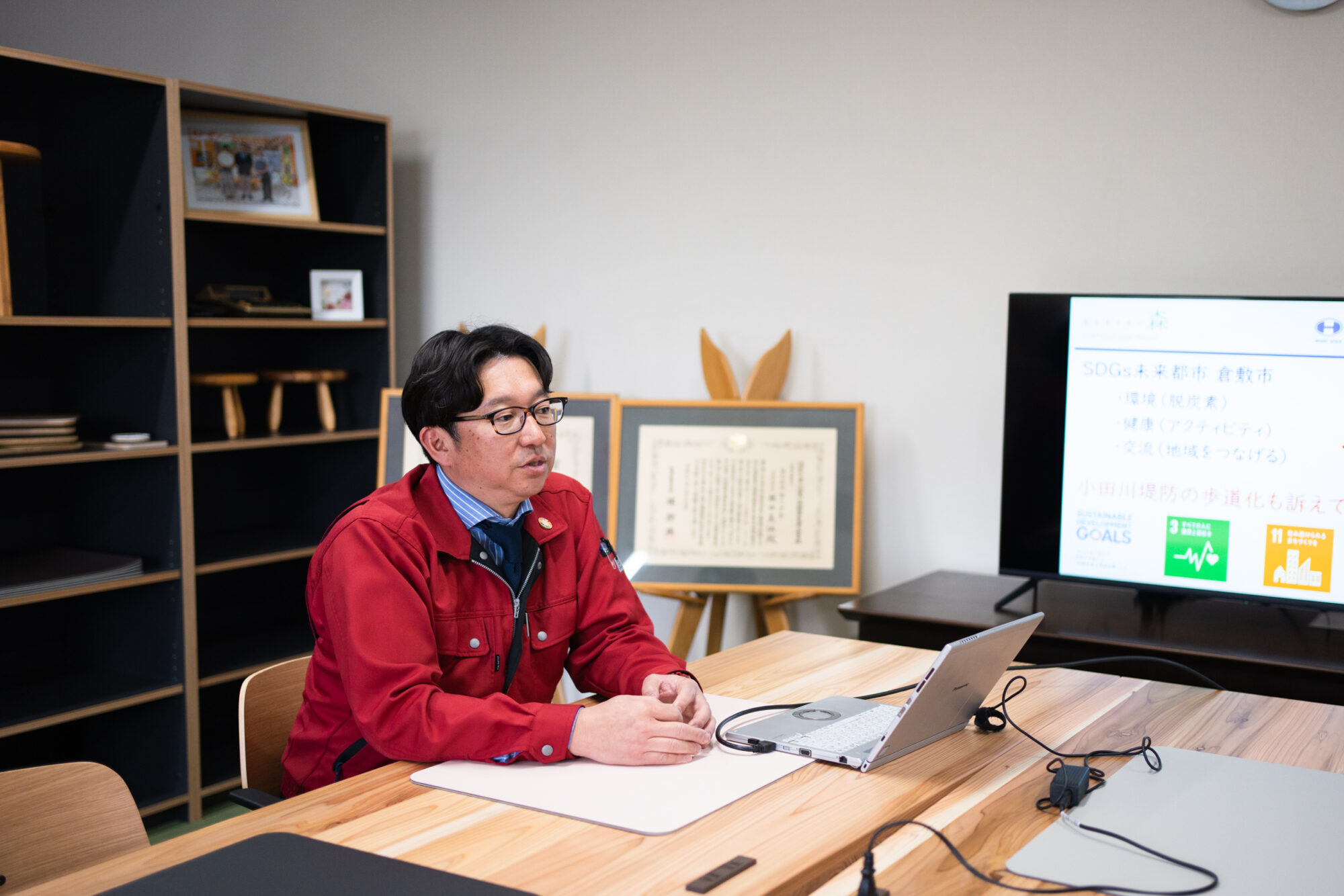
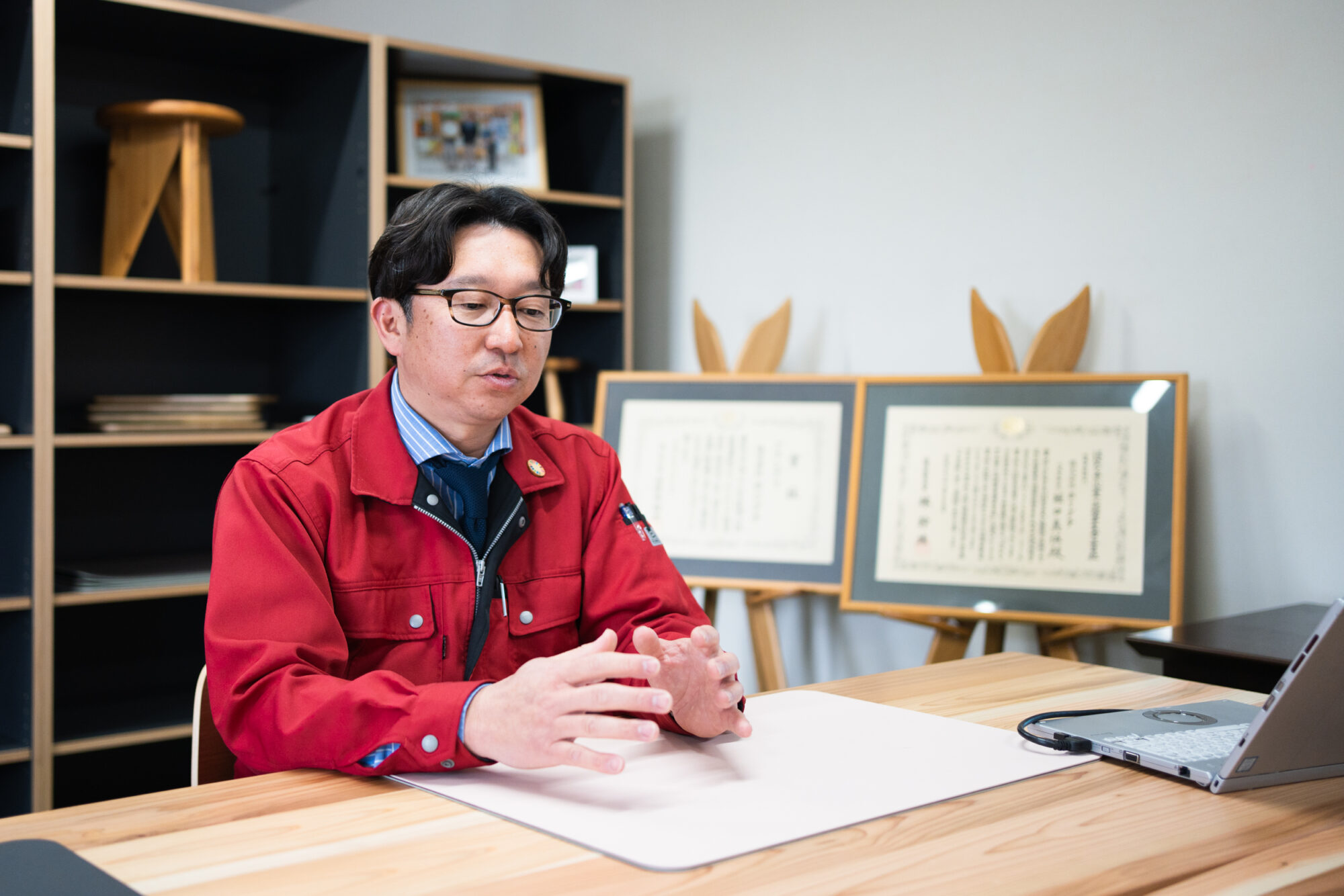
Shingo Horiguchi is the representative director of Horiguchi Co., Ltd., which manufactures and sells wooden furniture.
Born and raised in Mabi, Horiguchi inherited the company founded by his grandfather and has been running the business in Mabi.
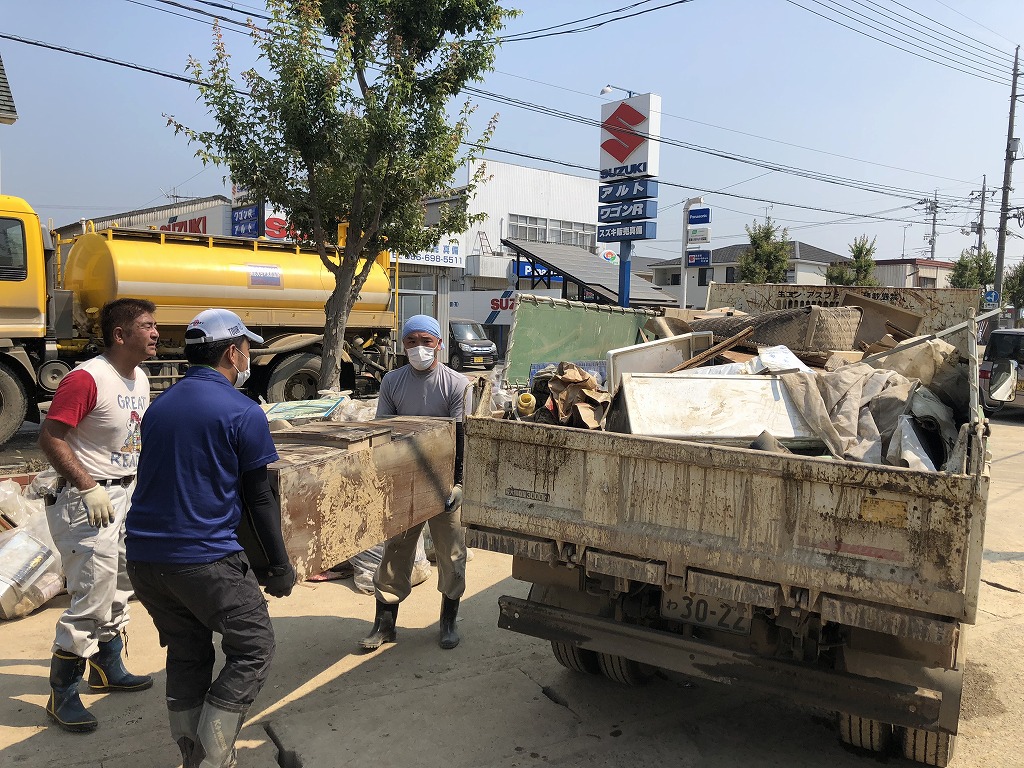
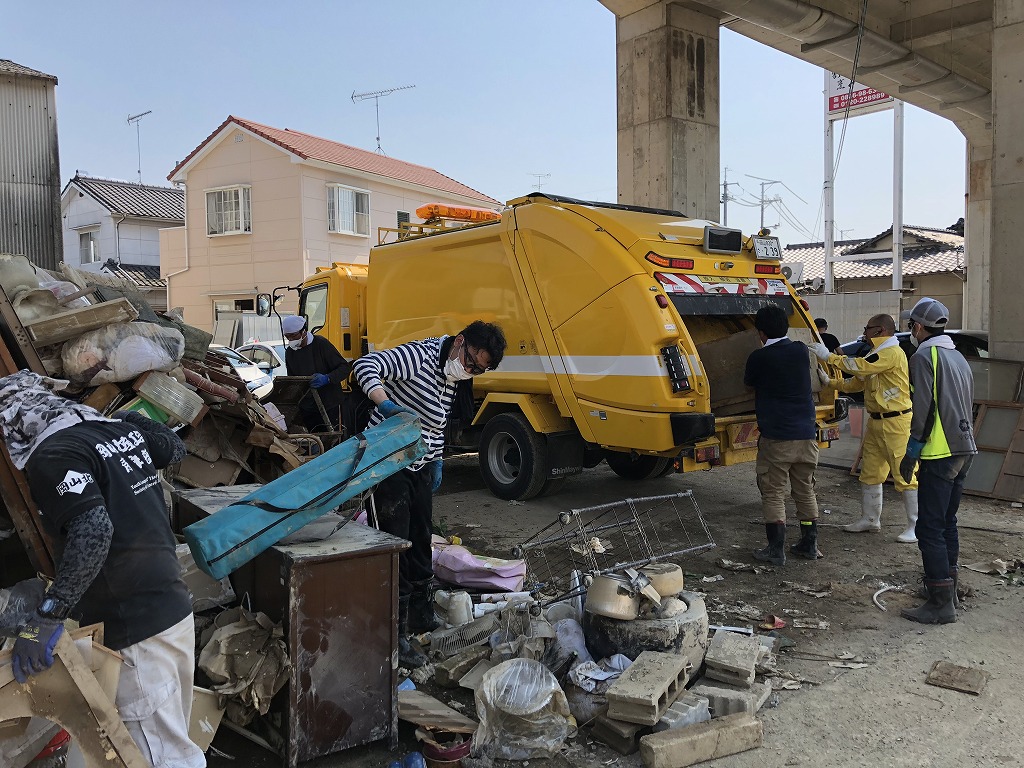
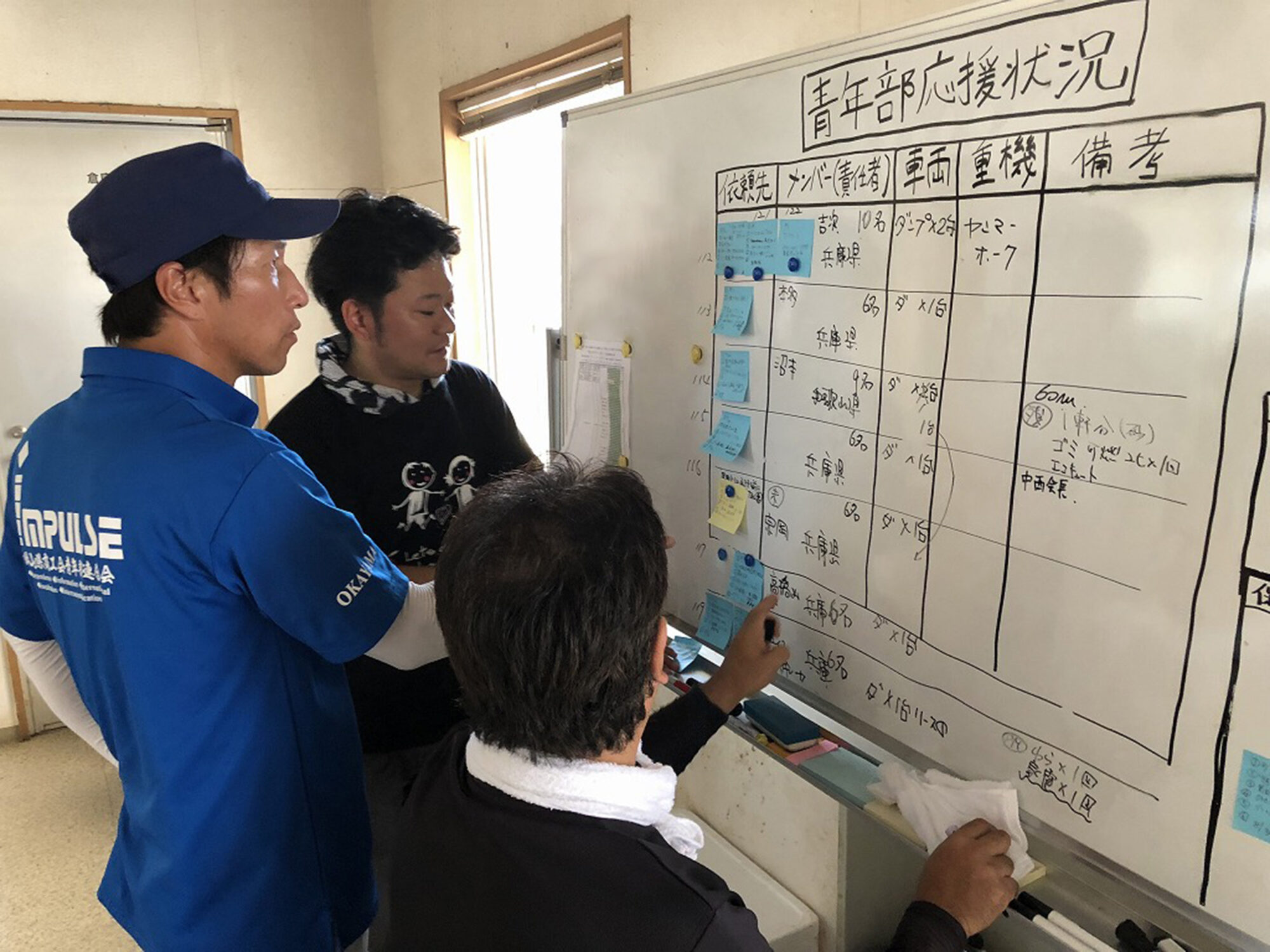
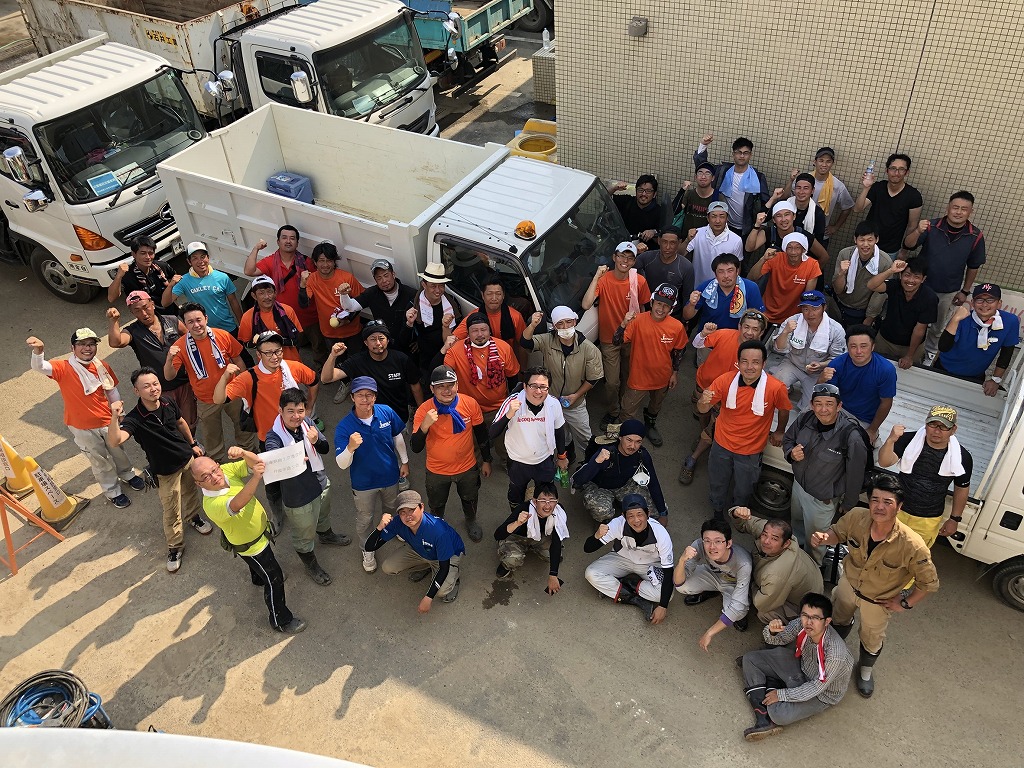
Immediately after the flooding from the July 2018 Heavy Rain, he established a disaster response headquarters with business partners from within Okayama Prefecture and friends who rushed in from outside the prefecture, conducting debris removal operations at affected businesses.
In about a month, a total of 680 people participated, utilizing heavy machinery and trucks owned by his friends, and provided support to 131 businesses.
As the disaster debris that overflowed throughout the town disappeared and businesses began to reopen, he started to think about town development in Mabi with his friends.
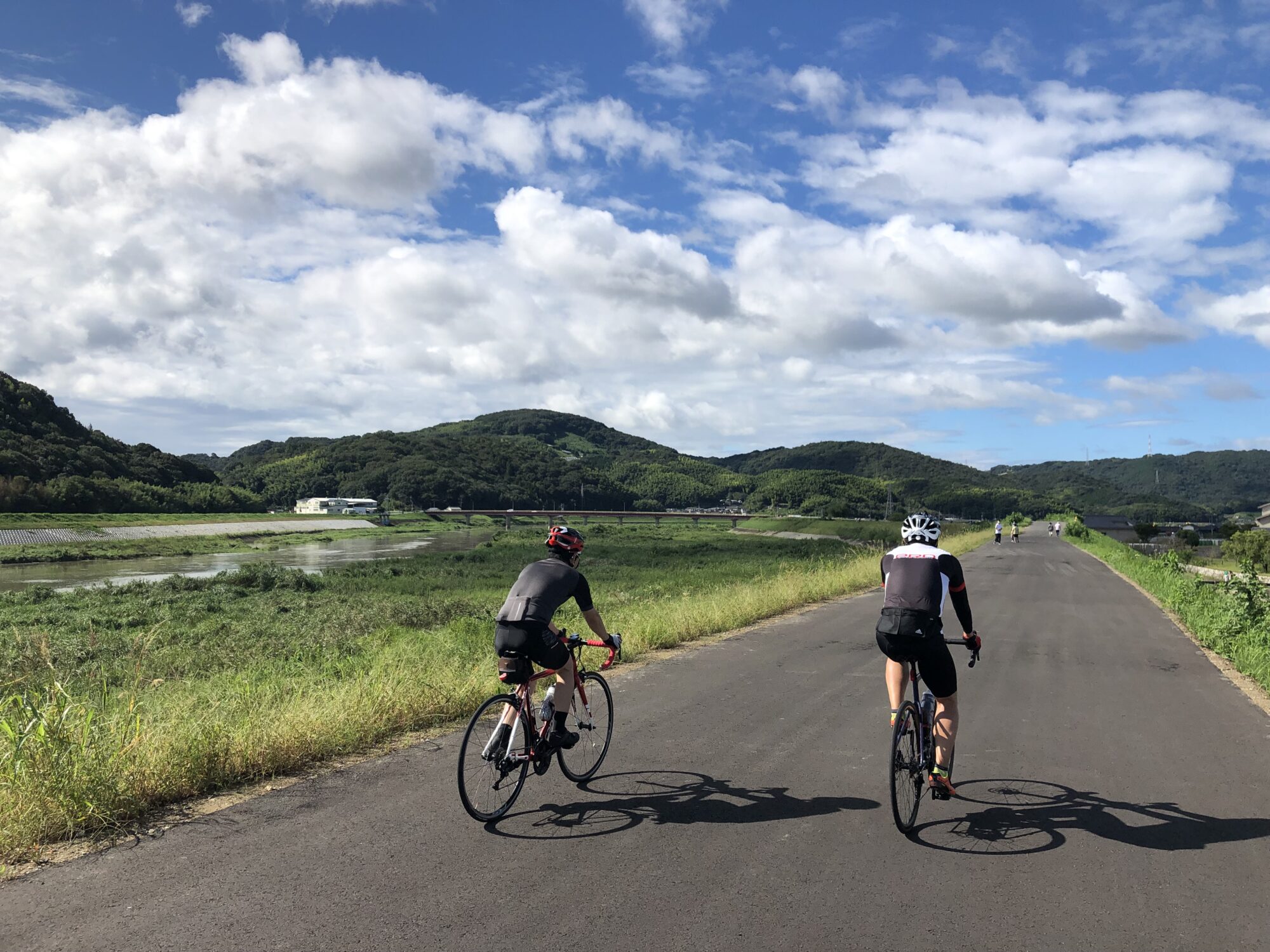
One of the initiatives aimed at increasing the population related to Mabi was the development of cycling courses.
He set up a course that tours tourist spots, cultural heritage, and shops run by affected businesses, and began producing wooden cycle stands utilizing the wooden furniture manufacturing of his company.
Additionally, he is also working on a project called "What’s happening in Mabi", which promotes the current situation of Mabi through social media.
Horiguchi is like a leader who is promoting town development in Mabi.
Cycling Courses and Cycle Stands in Mabi
In Mabi, where the population decrease due to the flood is significant, Horiguchi is advancing the development of cycling courses as an initiative to increase the related population.
This initiative was proposed with the hope that visitors would come to Mabi on road bikes and not only visit tourist spots but also stop by shops run by affected businesses.
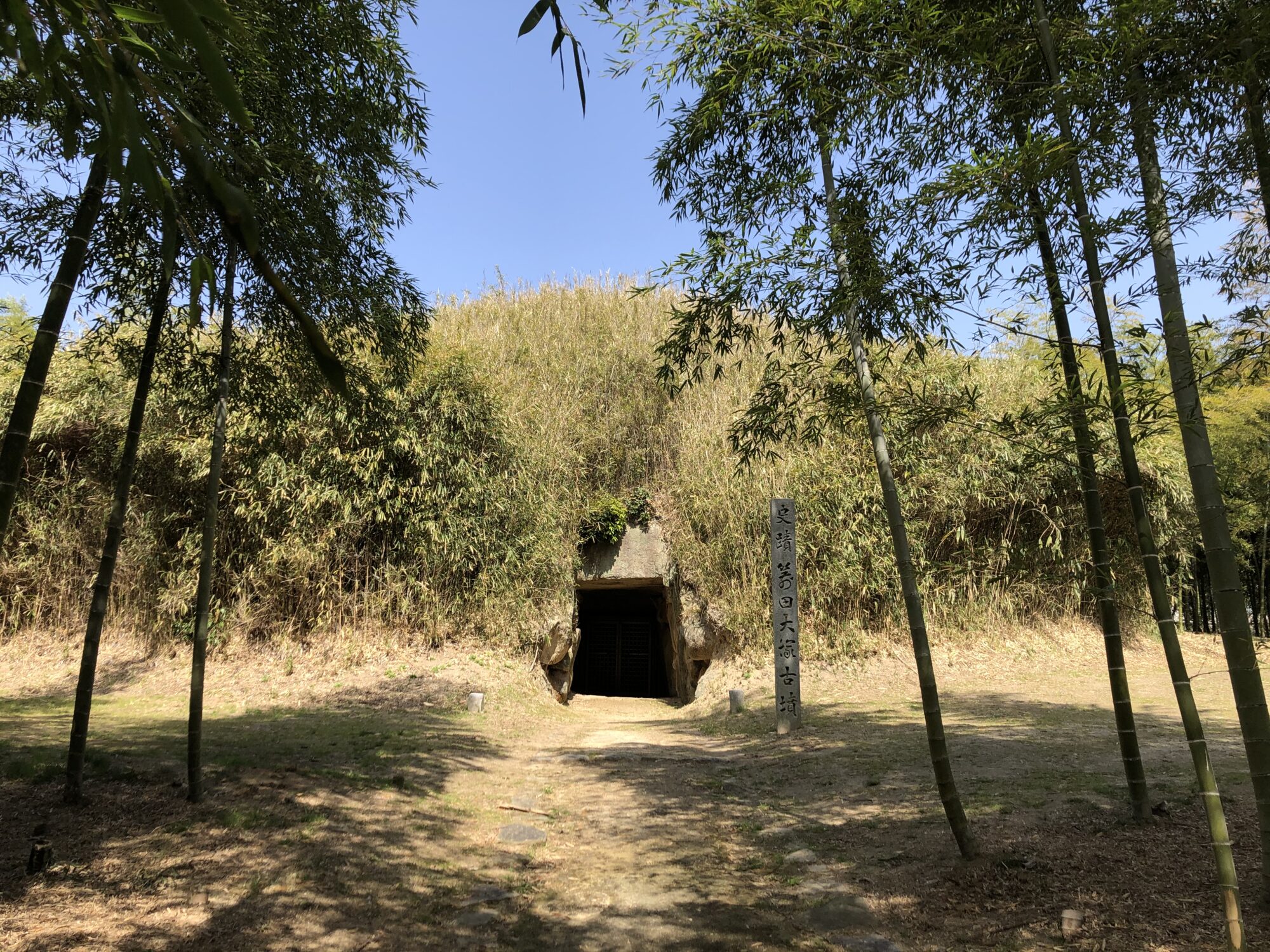
The cycling course includes the Reconstruction Disaster Prevention Park (tentative name) designed by architect Kengo Kuma, which is under construction in the Yata area of Mabi, and historical sites such as the Yata Otsuka Burial Mound.
The cycling course in Mabi can be viewed on the Kurashiki City website, so let's check it out.
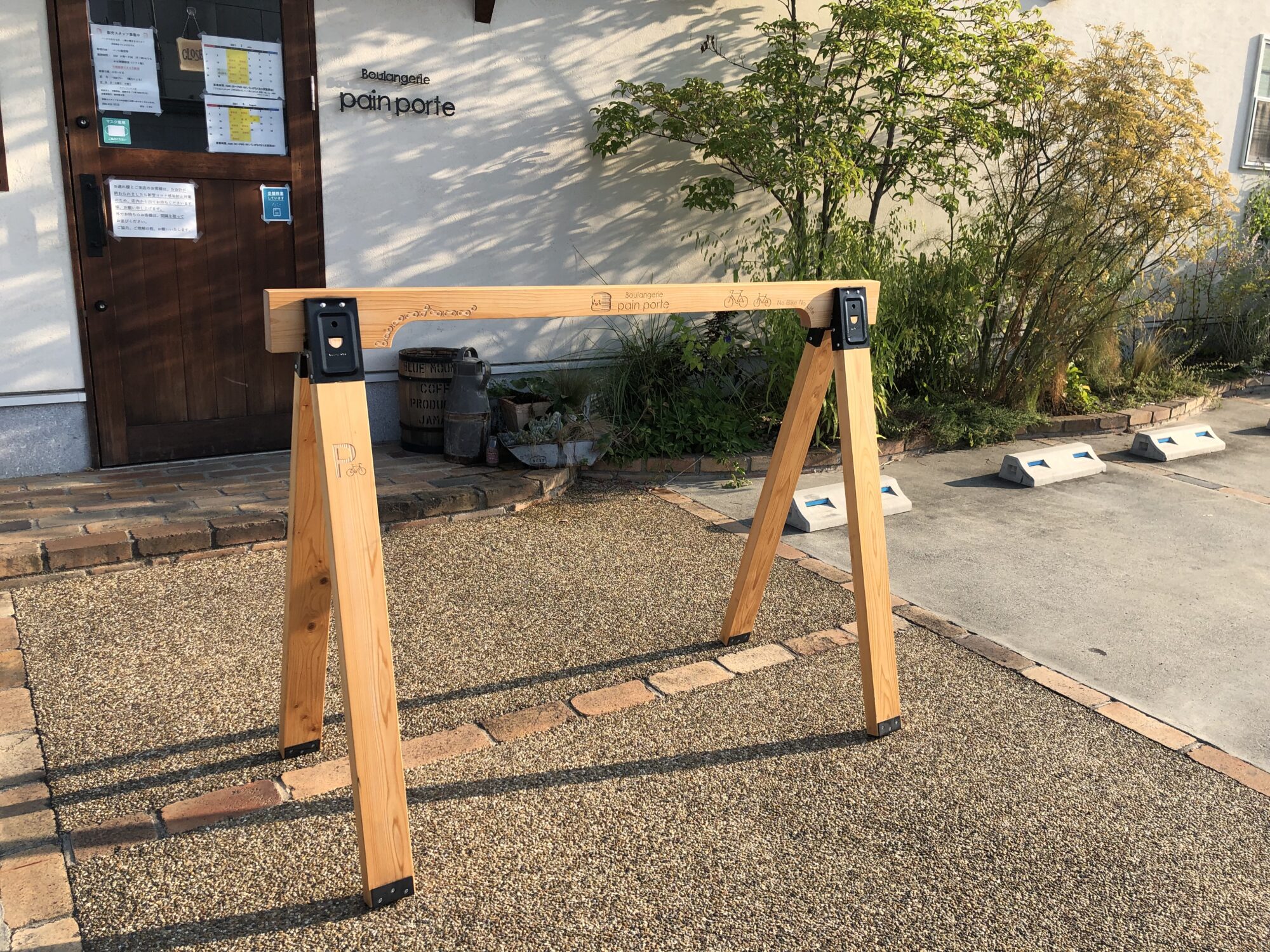
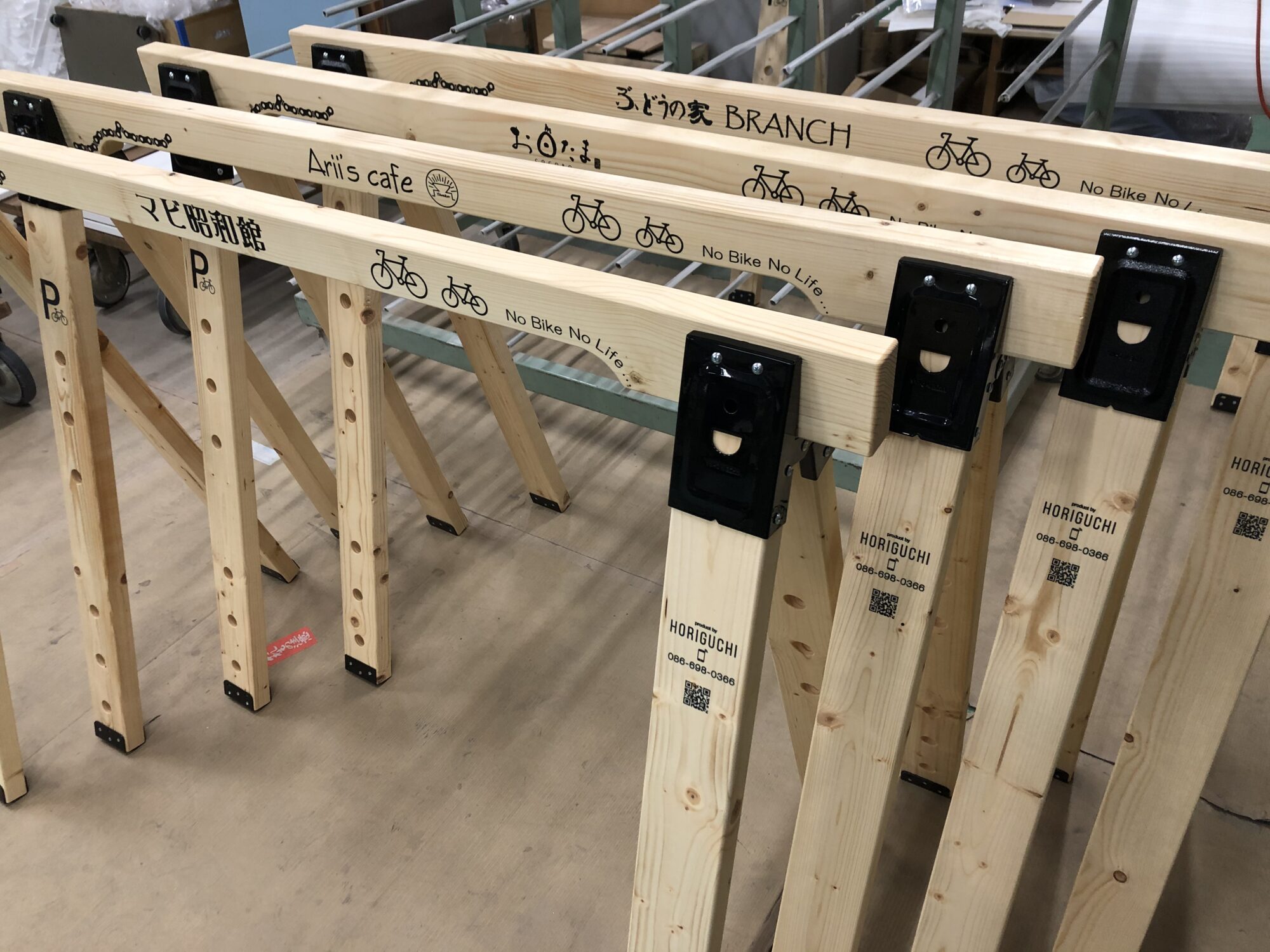
Additionally, Horiguchi has been producing cycle stands for affected businesses in Mabi, utilizing the characteristics of his wooden furniture manufacturing company.
Materials such as hinoki (Japanese cypress) are used, and the frame part is engraved with the logo of the recipient using a laser.
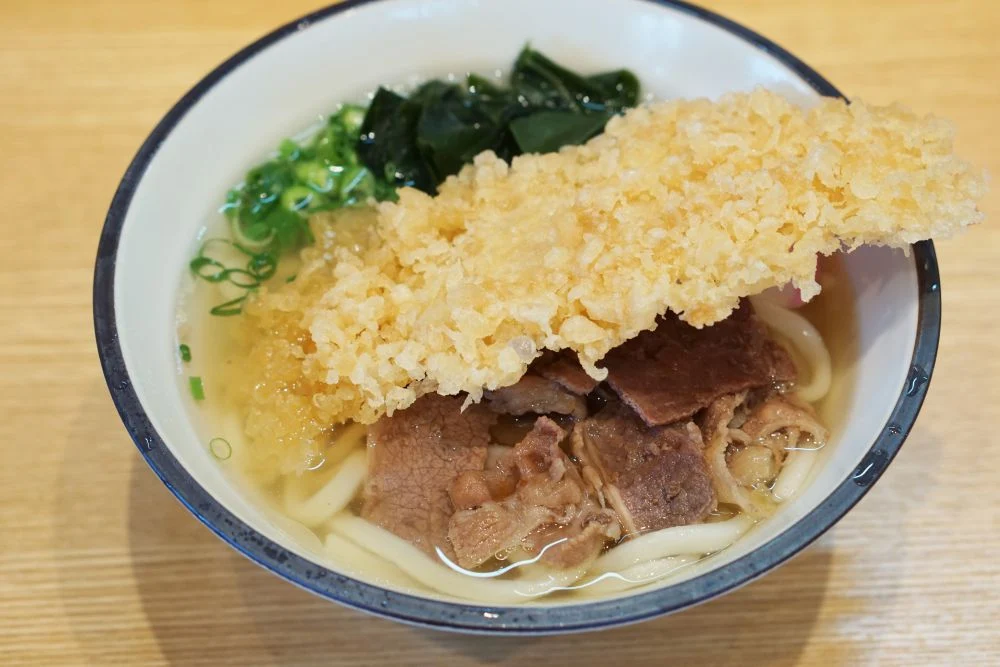
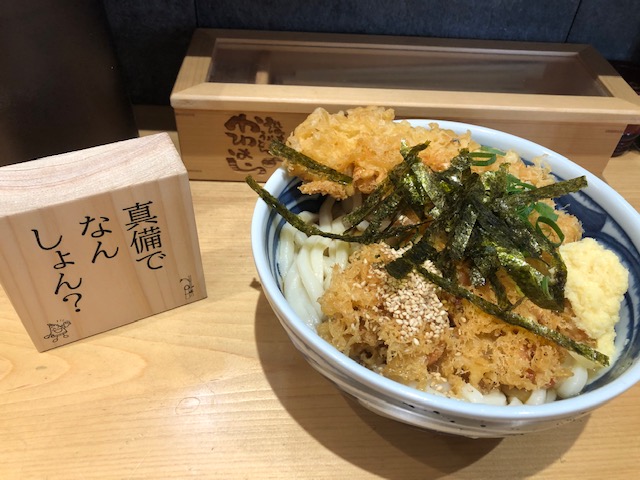
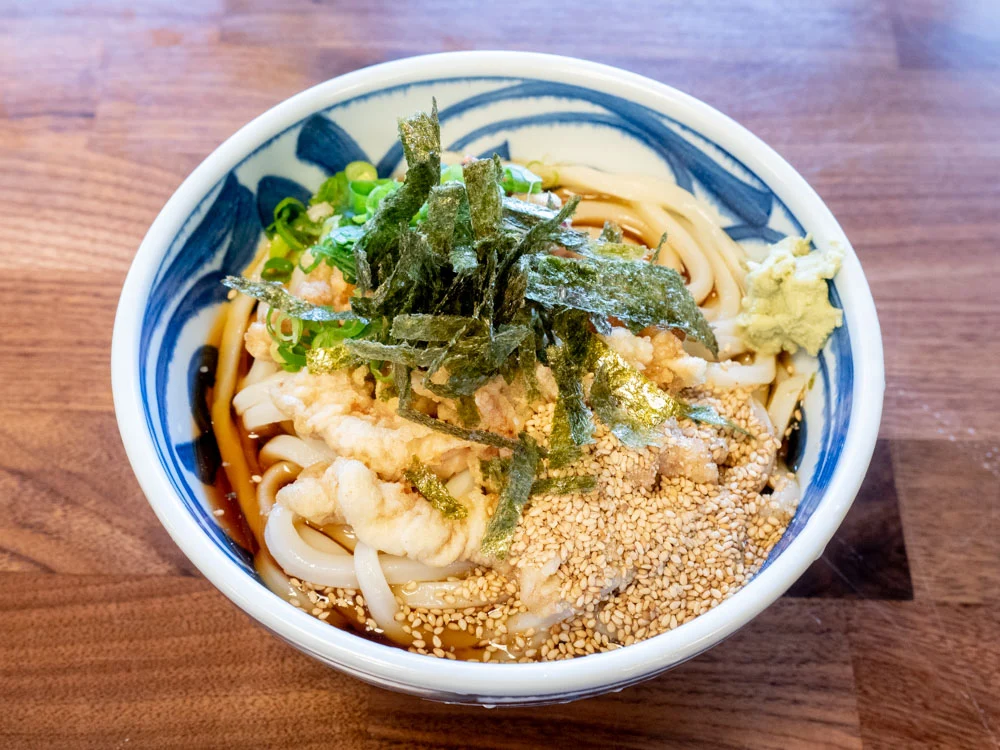
So far, he has donated cycle stands to 17 businesses centered around Mabi, including the beauty salon accogliente, the bakery pain porte, and the udon shop saruya.

What is "What’s happening in Mabi"?
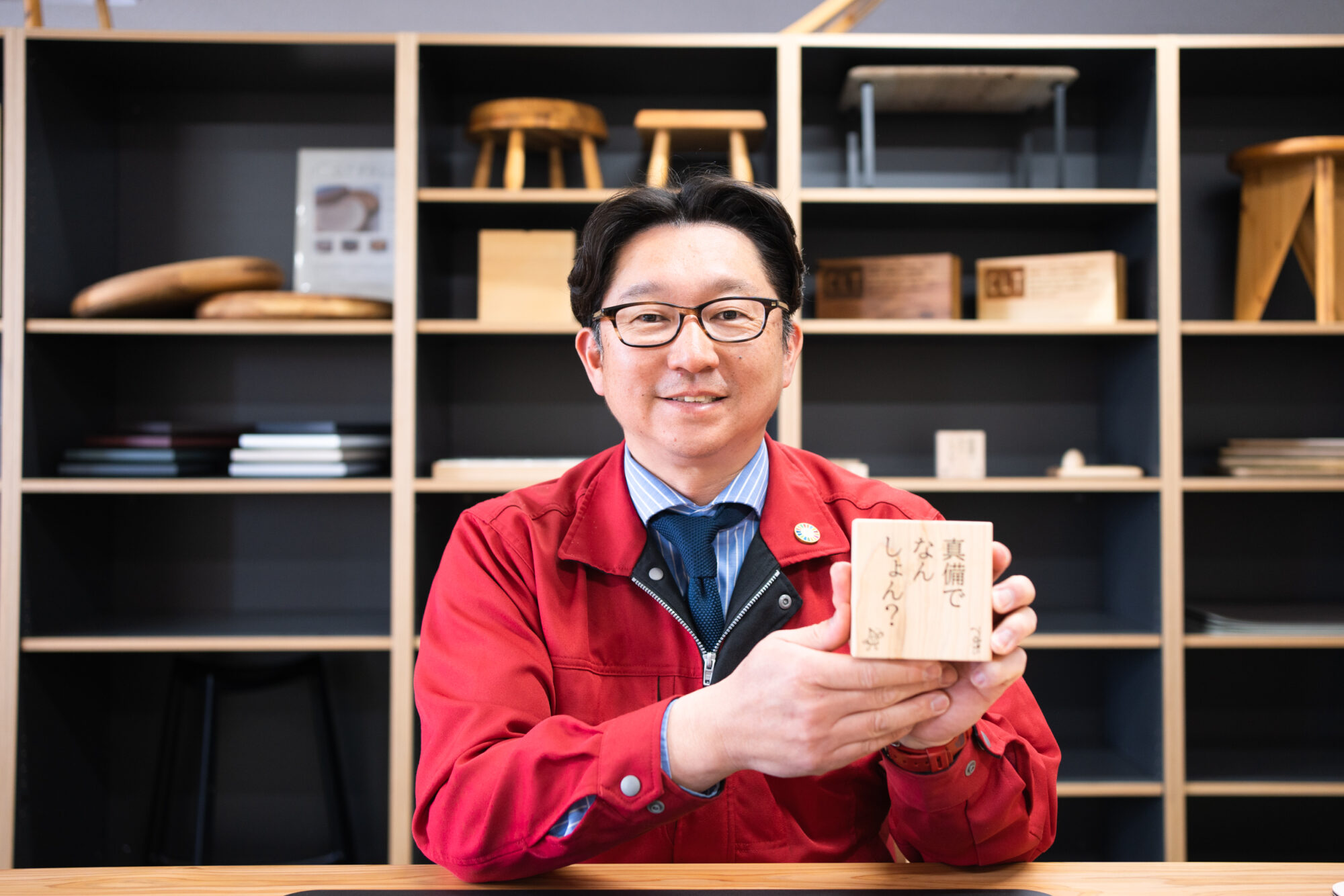
"What’s happening in Mabi" is an initiative to promote the current situation of Mabi by posting photos taken with wooden plates that say "What’s happening in Mabi" on social media such as Facebook and Instagram.
The initiative conveys the gradual recovery of Mabi from the horrific situation after the disaster to the volunteers who rushed in from all over the country to support recovery.
Immediately after the flood, Mabi was piled with disaster debris carried by the muddy waters along the roads, and the insides of houses and shops were filled with rubble.
To remove the enormous amount of disaster debris, many volunteers worked tirelessly, covered in sweat and mud, during the hottest season.
Seeing the horrific scenes caused by the flood, many people may be concerned about the current state of Mabi.
The project "What’s happening in Mabi" aims to convey the revitalized Mabi to many people.
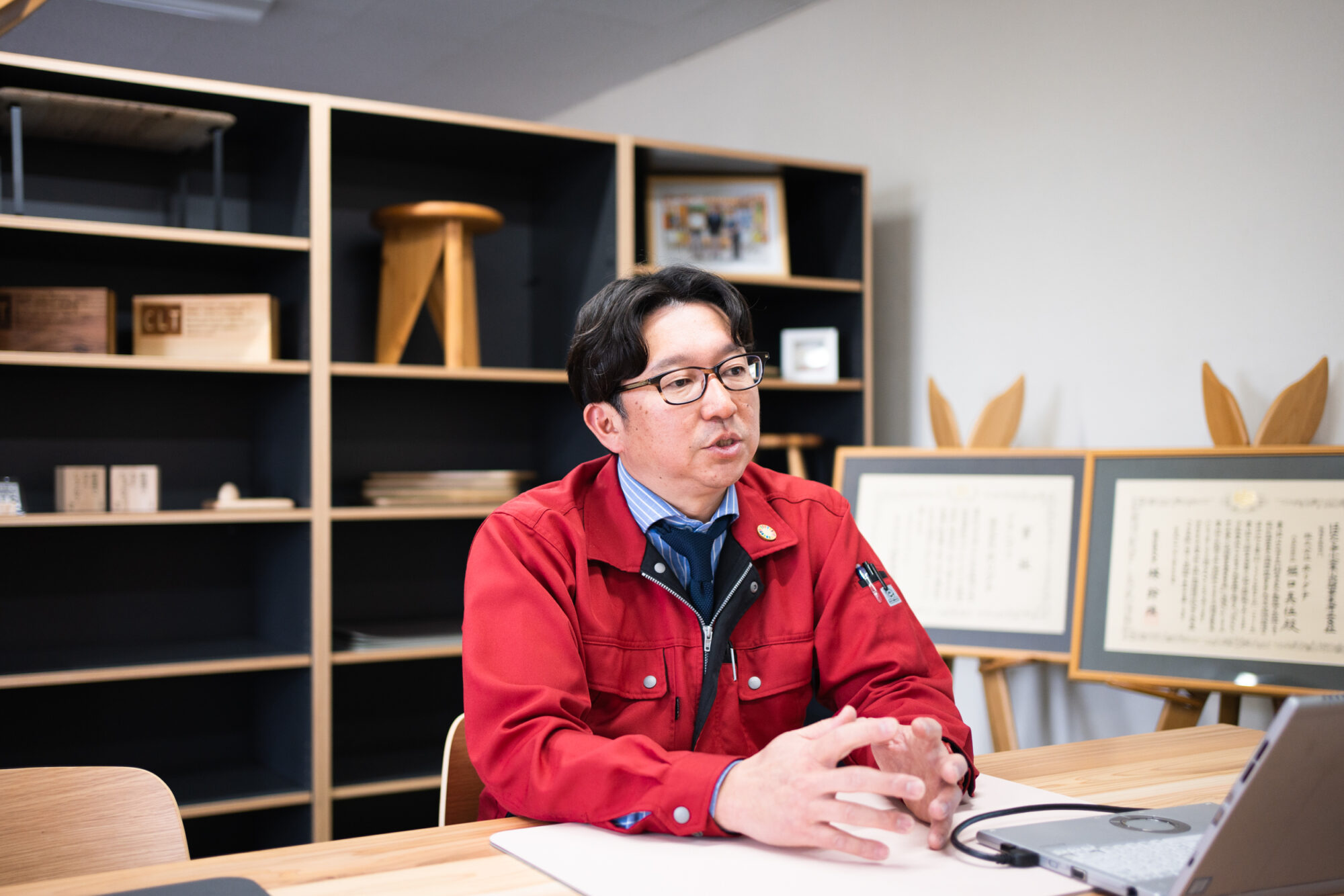
We spoke with Horiguchi, who has been considering the long-term recovery of Mabi, about the situation during the disaster and town development.
Through the interview, we will convey Horiguchi's thoughts on his involvement in the recovery of Mabi.
Interview with Shingo Horiguchi
Born and raised in Mabi, and running a business in Mabi, how does Horiguchi perceive the July 2018 Heavy Rain?
We will introduce how Horiguchi has faced the recovery of Mabi.
Situation During the Disaster
How did Horiguchi spend his time during the disaster?
Horiguchi (no honorifics)
On July 6, 2018, the day before Mabi was flooded, I was active as a member of the fire brigade due to the continuous heavy rain.
By the morning of July 7, it became clear that the levees had collapsed, and I decided to evacuate as I realized that muddy waters were approaching the entire town of Mabi.
What was the situation like after the evacuation?
Horiguchi
The place I evacuated to was a temple called Shinsen-ji, located on a small hill.
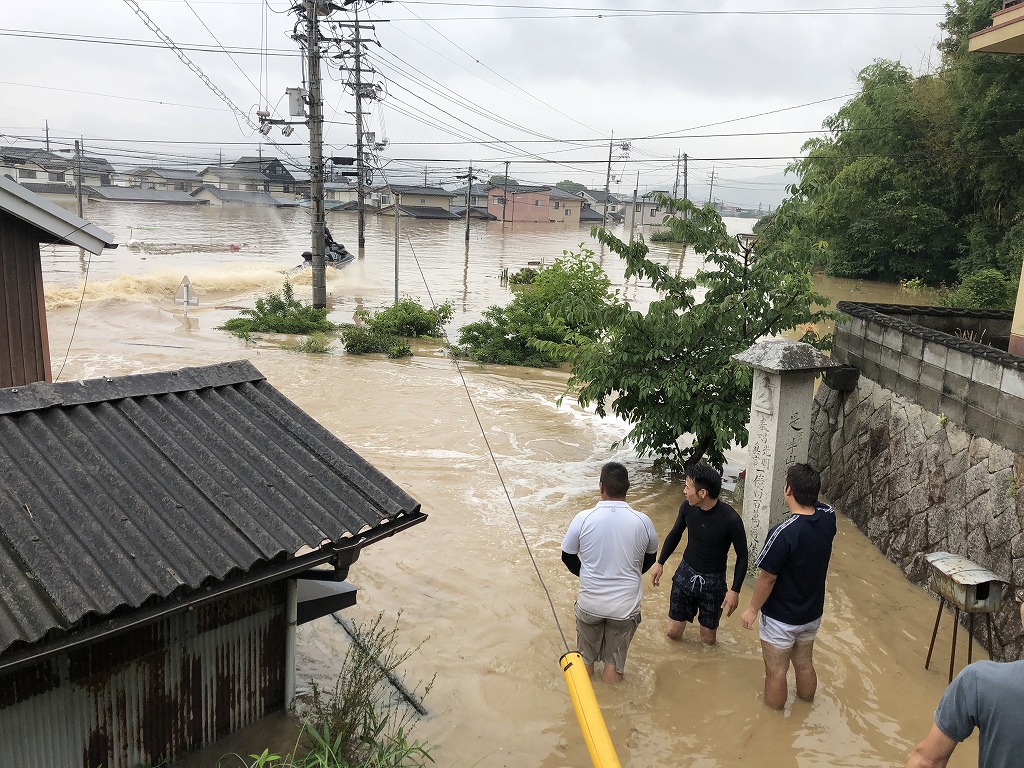
Mabi was flooded due to the muddy waters overflowing from the rivers, and there were people left behind in their homes, but people appeared to rescue them using jet skis.
Therefore, while assisting children and the elderly being rescued by jet skis, I continued rescue operations all day.
In the end, I was able to evacuate about 200 people to Shinsen-ji.
How did you get involved in disaster support afterward?
Horiguchi
Fortunately, the factory of Horiguchi Co., Ltd. was spared from flooding.
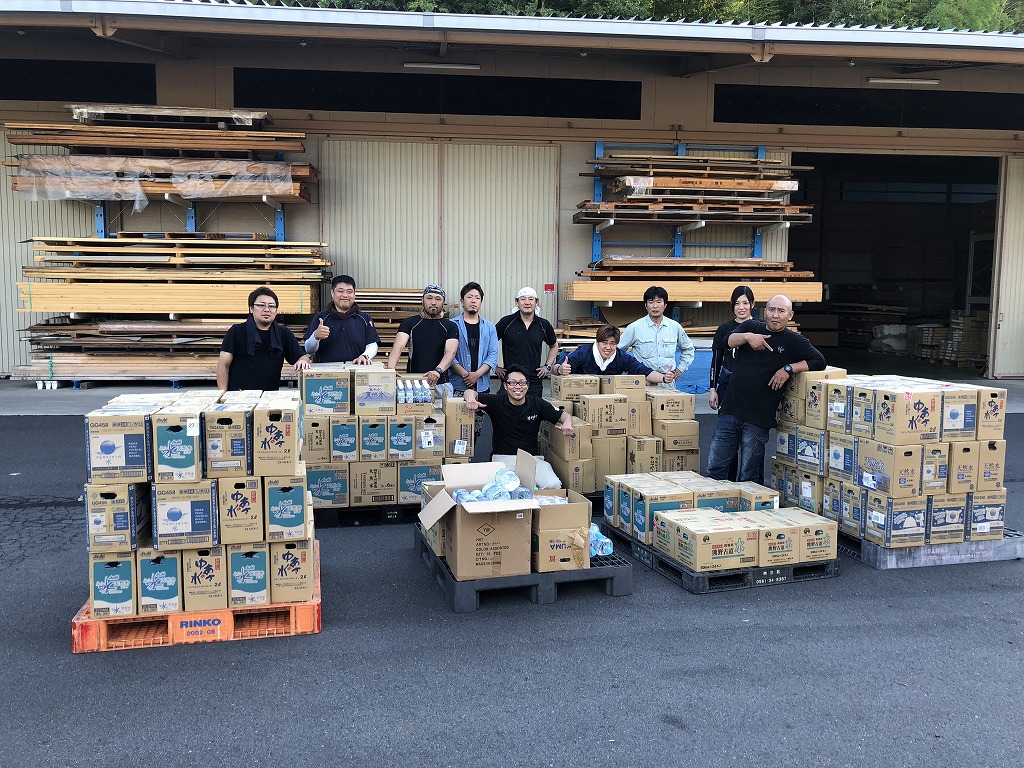
The day after spending the night at Shinsen-ji, on July 8, friends from businesses within Okayama Prefecture brought support supplies such as water and food to the factory.
Thinking that these support supplies should not go to waste, I loaded them onto a truck and delivered them to Shinsen-ji, other evacuation centers, and friends running businesses in Mabi.
Among the business owners I visited, many were feeling discouraged about continuing their business due to the extent of the damage.
However, even in such a dire situation, friends centered around the Okayama Prefectural Chamber of Commerce and Industry's Youth Division began discussing the idea of creating a base to support those affected.
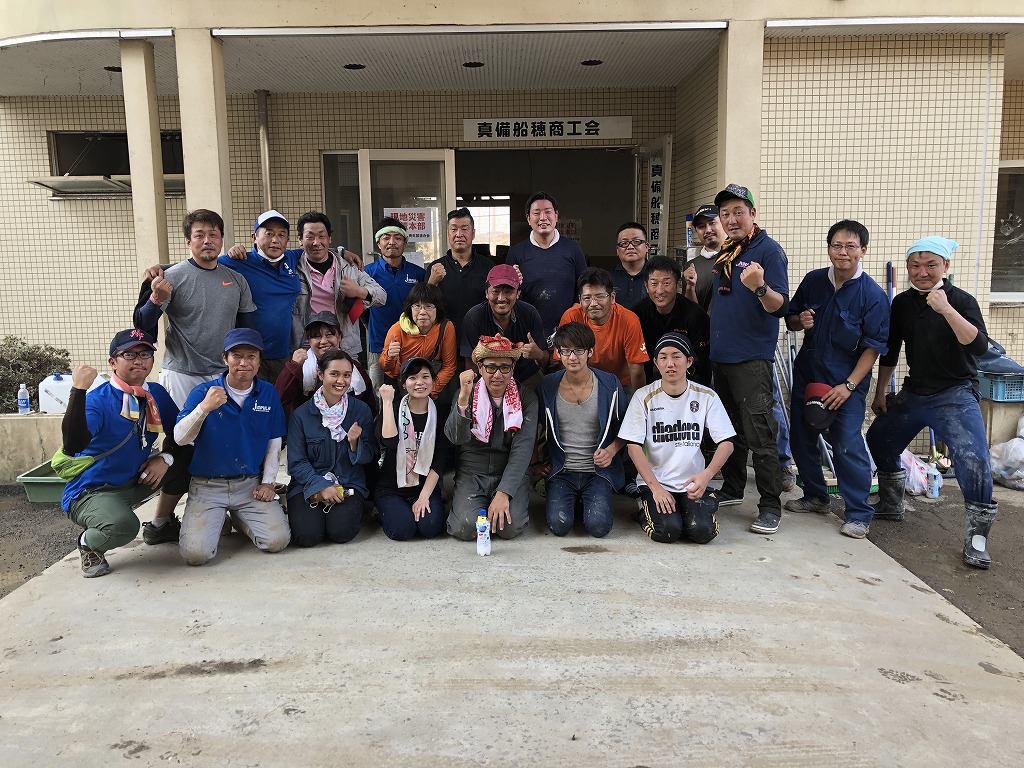
As a result, on July 12, five days after the flood, my colleagues and I established a Disaster Response Headquarters to clean up the Mabi Funao Chamber of Commerce headquarters, which was covered in mud due to the flooding.
Establishment of the Disaster Response Headquarters and Removal of Disaster Debris
What kind of support activities were implemented through the Disaster Response Headquarters?
Horiguchi
As the Disaster Response Headquarters, primarily composed of business operators in the prefecture, was established, the Mabi Volunteer Center also began operations, and a support system for general households was in place.
Therefore, what we focused on was support directed towards business operators in Mabi.
By utilizing our network of colleagues to gather information, we found that many were struggling with the disposal of disaster debris piled up in front of shops and factories.
To address this, we borrowed heavy machinery such as trucks from our business colleagues and thoroughly cleaned up the disaster debris that had accumulated in front of the affected businesses.
For about a month after the disaster, we spent every day working on disaster debris removal with around 50 people, responding to 131 support requests from affected businesses.
Seeing people who had given up on continuing their business regain hope to restart their operations made me feel that we were able to provide the necessary support.
Was there a trigger for focusing on community development?
Horiguchi
A few months after the disaster, thanks to the Self-Defense Forces and the volunteers who gathered at the Volunteer Center from all over the country, the disaster debris piled up throughout the town became less noticeable.
While I was happy to see the town getting cleaner, I was also anxious about whether many people who had to relocate from Mabi due to the disaster would return.
Once the short-term support like disaster debris removal had settled down, I began to think with my colleagues about long-term recovery efforts to bring people back to Mabi.
After that, we not only discussed community development with my colleagues but also conducted visits to Onagawa Town and Minamisanriku Town, which were affected by the Great East Japan Earthquake.
Revitalizing Mabi Town through Cycling
Why did you decide to develop cycling courses?
Horiguchi
While thinking about the recovery of Mabi Town, I came across information that Kurashiki City was planning to develop a disaster prevention park (tentative name).
The architect Kengo Kuma is designing it, aiming to create a park that serves as a place for relaxation and disaster prevention in Mabi Town.
Although the park is expected to be completed in a few years, I began to think that we could increase the number of people connected to Mabi Town by using this disaster prevention park (tentative name) as a core.
The idea that emerged was the development of cycling courses.
By establishing a cycling course that allows people to leisurely explore Mabi Town starting from a park where people gather, I thought it could serve as an opportunity for visitors to come to Mabi Town.
Until then, I had never ridden a proper road bike, but to deepen my understanding of cycling, I rode a mama-chari (a type of bicycle) along National Route 180 from Mabi Town to the Bikan Historical Area.
Riding a bicycle along the national highway, where cars were passing right next to me, was very dangerous, and I felt scared.
This made me realize the importance of developing a safe cycling course.
How was the cycling course set up?
Horiguchi
Since I had no knowledge about it, I first researched cycling courses in other regions.
For example, there are cycling courses in nearby prefectures, such as the Shimanami Kaido, which connects the islands of the Seto Inland Sea starting from Onomichi City, and the Yamanami Highway, which goes north from Onomichi City over the Chugoku Mountains to Matsue City in Tottori Prefecture.
An important point that became clear through the research was the setting of courses that connect cultural facilities and scenic spots.
So, I thought about the tourist resources in Mabi Town.
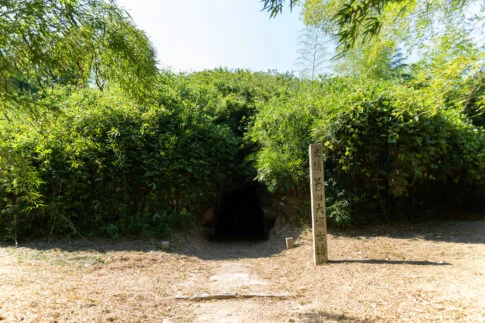
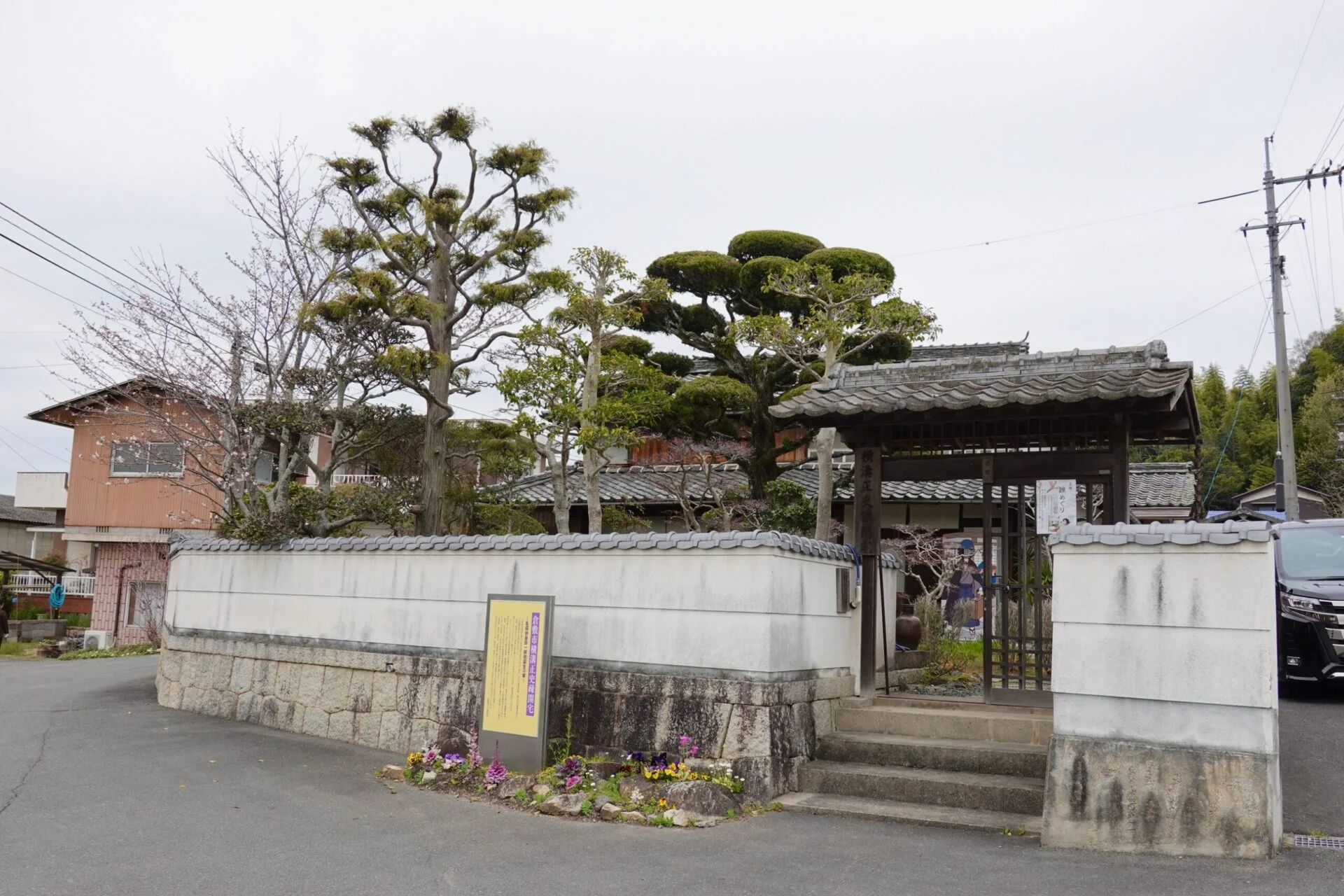
The Yata Otsuka Burial Mound, a cultural property of Japan Heritage, is historically significant as it features one of the largest stone chambers in western Japan.
There is also a place associated with Seishi Yokomizo, who wrote detective novels featuring the private detective Kindaichi Kosuke.
Additionally, the disaster prevention park (tentative name) designed by Kengo Kuma will likely become an attractive location.
The cycling course in Mabi Town was set up while consulting with Kurashiki City about what kind of places to connect.
What was the reason for creating the cycle stands?
Horiguchi
Cycle stands for parking road bikes are also important for the development of cycling courses.
While I was contemplating cycling in Mabi Town, Masumi Kidani, who would later collaborate with me on the cycle stand project, happened to visit Horiguchi Corporation.
Kidani noticed that Horiguchi was manufacturing wooden products and proposed the creation of wooden cycle stands.
The cycle stands were decided to be installed not only at the stops set up as part of the cycling course but also at the shops of affected business operators.
I wanted to create a mechanism that would allow tourists visiting Mabi Town on road bikes to leisurely explore the town and visit the shops of affected business operators.
Therefore, I engraved the logos of the shops receiving the donations onto the frames of the cycle stands using a laser.
Conveying the Current State of Mabi: "What’s Happening in Mabi"
What feelings are embedded in "What’s Happening in Mabi"?
Horiguchi
After the heavy rain disaster in July 2018, many people came from all over the country to volunteer to help clean up the disaster debris that had surged onto the roads and buildings in Mabi Town.
I am truly grateful to the volunteers who helped with the debris removal work while getting muddy during the hottest season of the year, from July to September.
Among those who participated as volunteers at that time, there may be people who are concerned about the current situation in Mabi Town.
About five years after the disaster, I wanted to convey the cleaned-up Mabi Town, which has received support from many people, to those who helped us.
What was the trigger for starting this?
The initiator of "What’s Happening in Mabi" is also Kidani, who proposed the cycle stands.
The idea was to have people post photos taken with the "What’s Happening in Mabi" plate at various locations in Mabi Town on social media to convey the current situation in Mabi Town.
Among the volunteers, there are those who were involved in the debris removal work at affected restaurants.
If they learn that the restaurants they were involved with during the harsh volunteer activities are now thriving, it will surely reassure those who saw the scene at that time.
By conveying the current life and scenery in Mabi Town, I aimed to share the revitalized Mabi Town.
Horiguchi's Vision for Community Development in Mabi Town
How do you want to convey Mabi Town in the future?
Horiguchi
Having experienced the hardships of the flood, I have gone through the recovery process, and the fact that Mabi Town has become a disaster-conscious town is one of its strengths.
Japan is known as a country prone to flooding due to geographical and climatic factors, and given the recent impacts of climate change, it is not surprising that we live in a place where floods can occur at any time and anywhere.
It is also well known that Japan experiences many earthquakes, and in a situation where the Nankai Trough earthquake is anticipated, it is not an exaggeration to say that there is no safe place in Japan.
By sharing the experiences we have gained through our recovery efforts, I believe we can contribute to other regions in Japan.
Additionally, Mabi experienced a population decrease of about 10% before and after the heavy rain disaster in July 2018, which can also be interpreted as a sign of advancing depopulation.
Considering the figure of a 10% decrease in light of Japan's ongoing population decline, it can be said that the population scale has reached approximately 20 years ahead.
In other words, the situation of depopulation, which was thought to be a distant future issue, has arrived about 20 years earlier than expected, revealing a significant challenge.
As the population decreases, tax revenue will also decline, and based on the concept of a smart city, it may become necessary to consolidate public facilities and commercial establishments in the city center.
In that case, I believe it is important to highlight the characteristics of Mabi.
How we perceive our experiences and current situation, and by communicating our efforts to address these challenges, I hope Mabi will gain attention and increase its population of engaged individuals.
Is there anything you value in promoting community activities?
Horiguchi
Engaging in activities while having fun is essential.
If it's not enjoyable, it won't last long, and sometimes discussing ideas with a bit of humor can lead to new ideas.
To create a place where people gather, the feeling of enjoyment is an important element.
A common saying regarding community development is that outsiders, young people, and fools are necessary.
In Mabi, there are already fools like me who try their hand at everything, but unfortunately, there seems to be a lack of young people and outsiders.
To make it a place where young people and outsiders gather, it would be great to build a gathering place while valuing enjoyment.
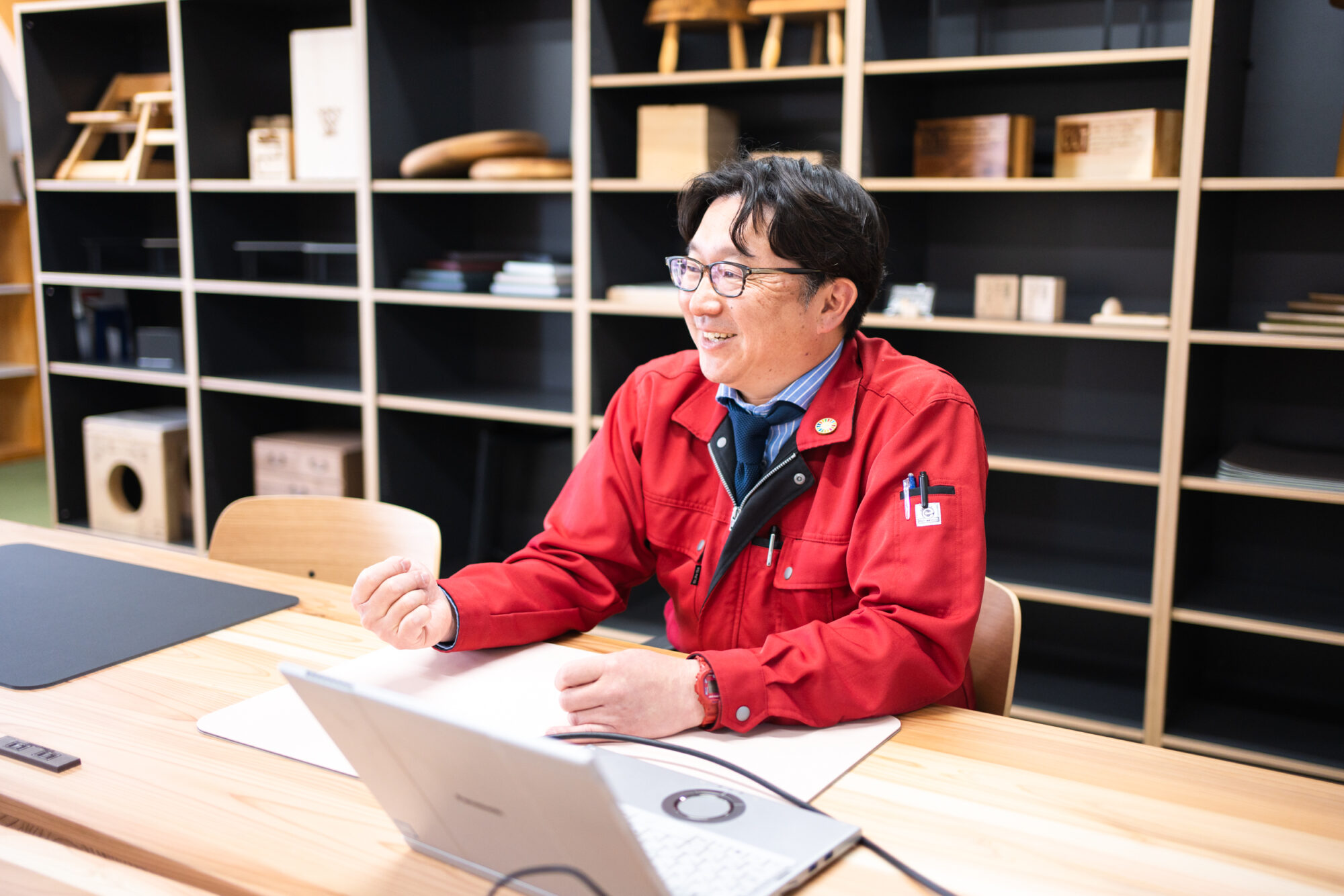
Hearing about the Reconstruction and Town Development of Mabi
What should be the goal of reconstruction for a town affected by natural disasters?
Is it to restore buildings and roads, to reopen shops, or to return to a lifestyle unchanged from before the disaster? It is difficult to grasp where the goal lies.
Nevertheless, we must continue to live aiming for a goal that has no clear answer.
Even immediately after the flood, and even after the disaster debris had disappeared, many people must have felt anxious, not knowing what the future held.
However, even in a situation where the goal of reconstruction is not visible, Horiguchi continued to take action to be of help to the local people.
Surely, that presence gave hope to many people.
From Horiguchi's way of life, I learned that a leader is someone who presents goals to many people and guides them in the direction they should go.