Jikatabi are being adapted to modern lifestyles by a company in Kurashiki.
Marugo Co., Ltd. was founded in 1919 as a manufacturer of jikatabi for outdoor work.
More than 100 years later, the company is drawing on its expertise in making jikatabi to offer stylish jikatabi that can be worn every day.
MARUGO KURASHKI is Marugo’s third directly operated store, opened in the Bikan Historical Area.
We visited the store, where colorful jikatabi line the shelves, and spoke with store manager Yuri Kobayashi about the store’s concept and the care put into its products.
Introducing the highlights of MARUGO KURASHIKI
The information presented here is current as of the article’s publication in March 2026. Please note that it may differ from current information.
About MARUGO KURASHIKI
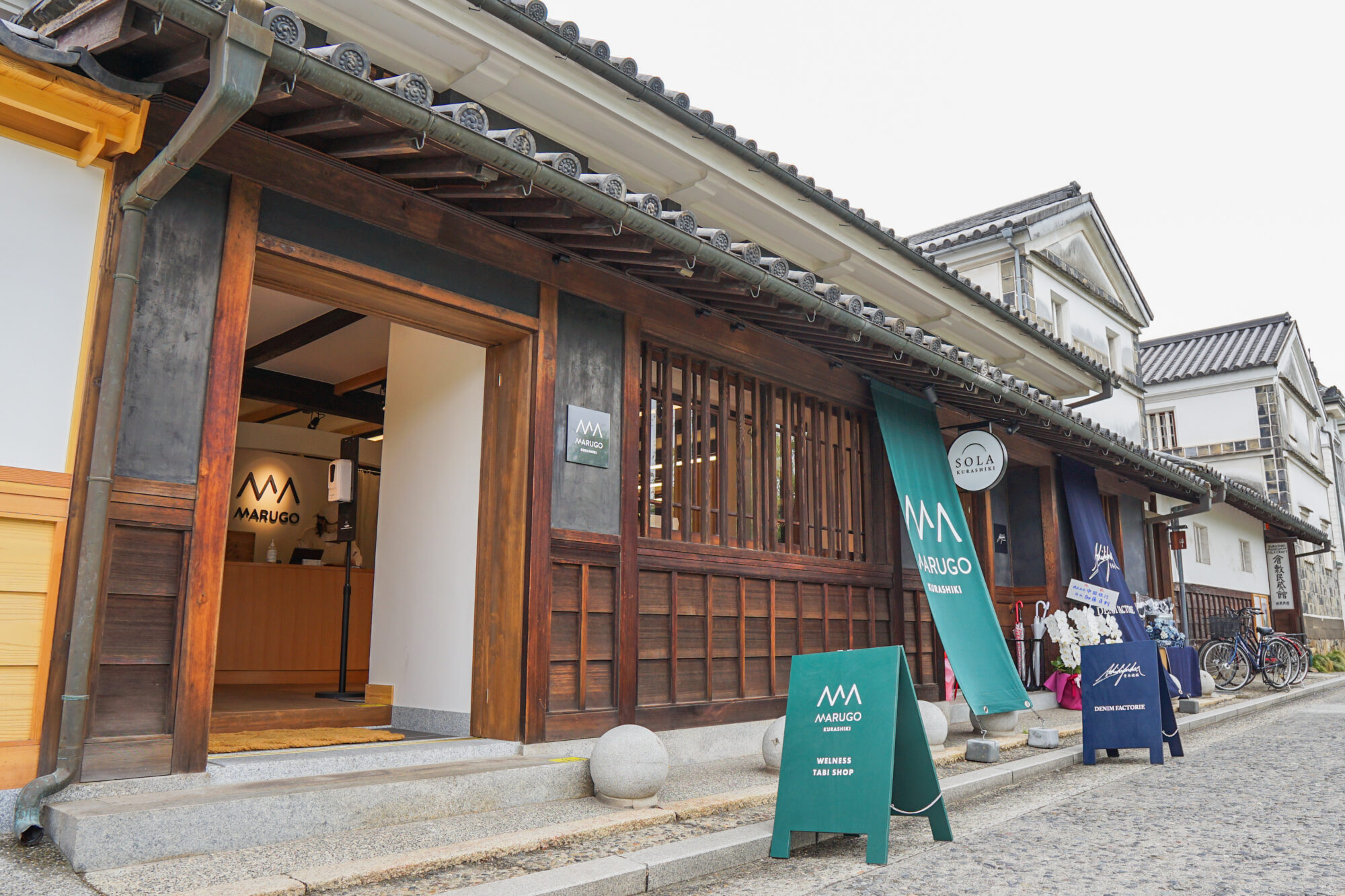
MARUGO KURASHIKI is a specialty jikatabi store that opened on April 28, 2022, inside Kurashiki SOLA, a commercial area in the Bikan Historical Area.
What is MARUGO KURASHIKI?
MARUGO KURASHIKI is the third directly operated store of Marugo Co., Ltd., a jikatabi manufacturer.
The store is located along the Kurashiki River, which could be called the main street of the Bikan Historical Area, where Edo-period streetscapes remain. It carries around 80 varieties of jikatabi, the largest selection of any of the company’s directly operated stores.
Marugo’s jikatabi are also available at select shops and on its website, but at MARUGO KURASHIKI you can pick up and see jikatabi in a wide range of designs.
Marugo Co., Ltd.
Marugo Co., Ltd. is a jikatabi manufacturer headquartered in Chayamachi, Kurashiki City. It is a long-established Kurashiki company that has continued making jikatabi since its founding in 1919.
Drawing on Kurashiki’s textile industry, the company combined tabi with rubber to create jikatabi as footwear for outdoor work.
Even today, more than 100 years later, the company continues to make and offer not only work jikatabi but also designs that can be worn every day.
What are jikatabi?
First of all, what exactly are jikatabi?
Tabi are footwear worn on the feet with traditional Japanese clothing.
Here is a brief introduction to jikatabi.
Jikatabi: an old yet new type of footwear
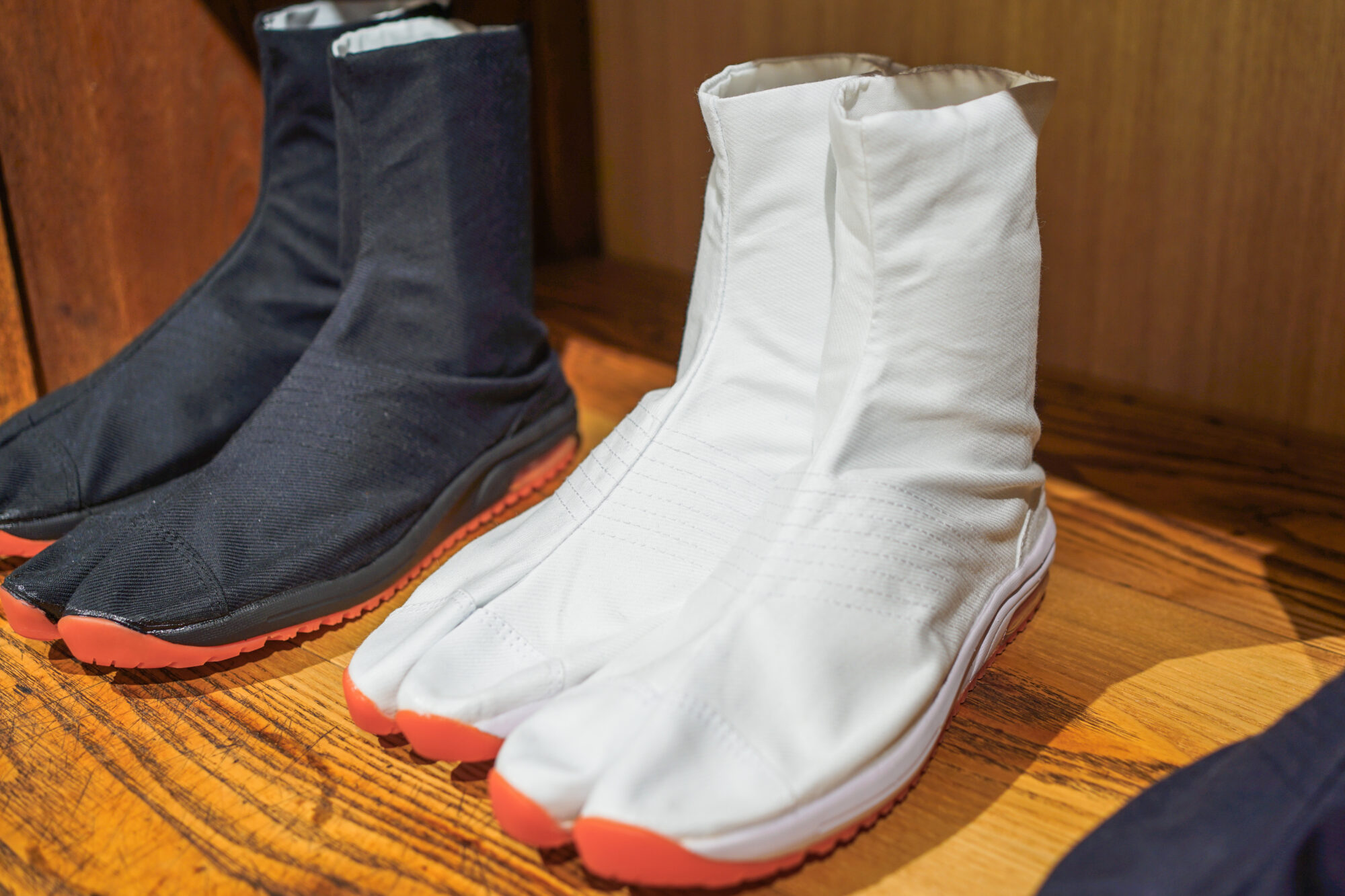
Jikatabi are traditional Japanese footwear made by attaching rubber soles to tabi.
In fact, jikatabi are not ancient.
Rubber became widely available in Japan during the Meiji period, when Western technology spread throughout the country.
Jikatabi were created by combining tabi with rubber to make footwear for outdoor work, such as festival events, farming, and construction.
While Japanese culture dates back thousands of years, jikatabi were invented only about 100 years ago. A century may seem like a long time, but in the context of Japanese history, jikatabi are a recent invention.
Marugo’s jikatabi
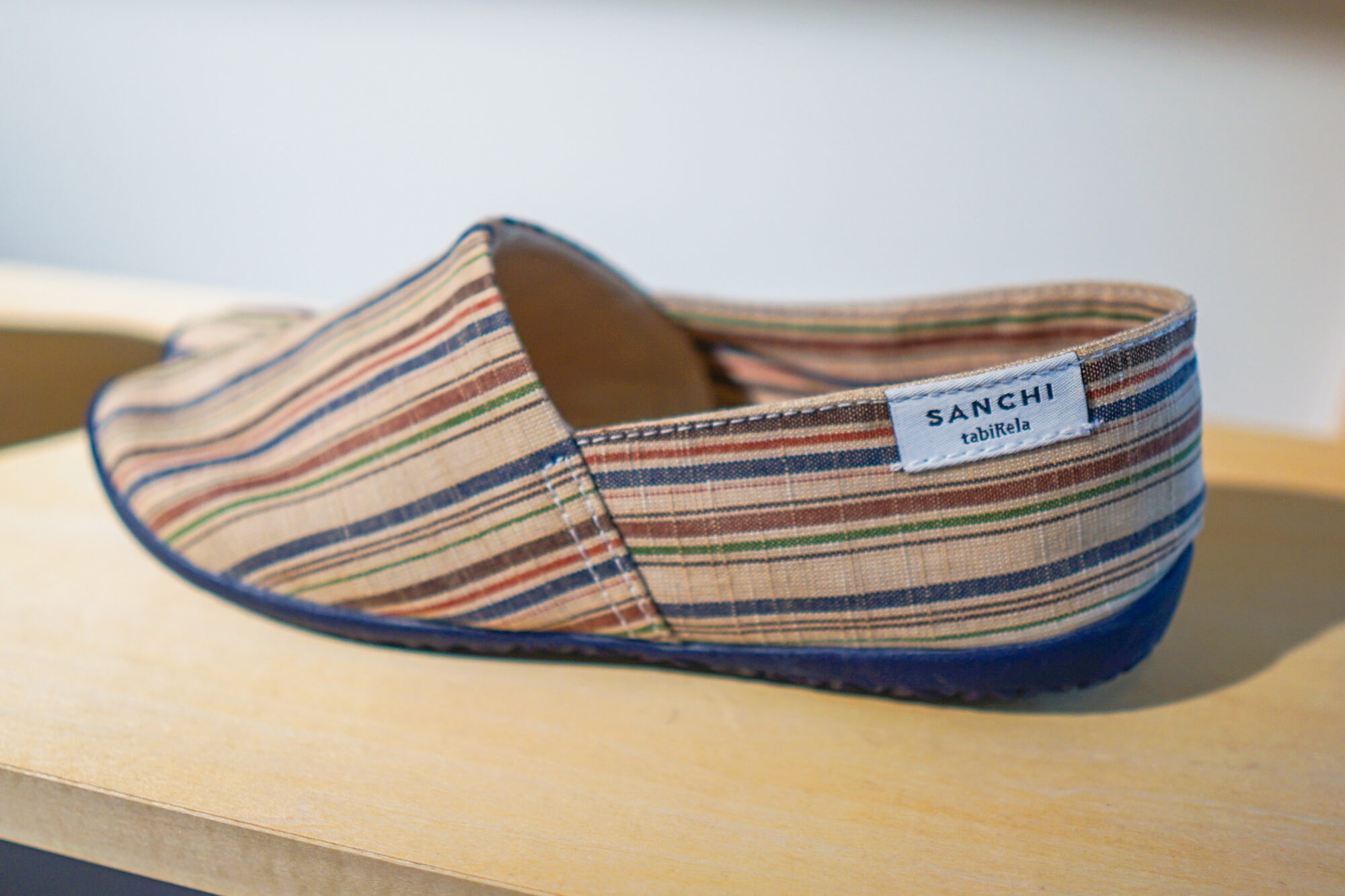
The jikatabi sold at MARUGO KURASHIKI are not work footwear. They are new jikatabi with fashion-forward designs.
With the idea of applying more than 100 years of jikatabi-making expertise to everyday life, the company began offering jikatabi to wear as fashion.
For example, it offers cute jikatabi made with Kurashiki canvas, as well as jikatabi made with leather.
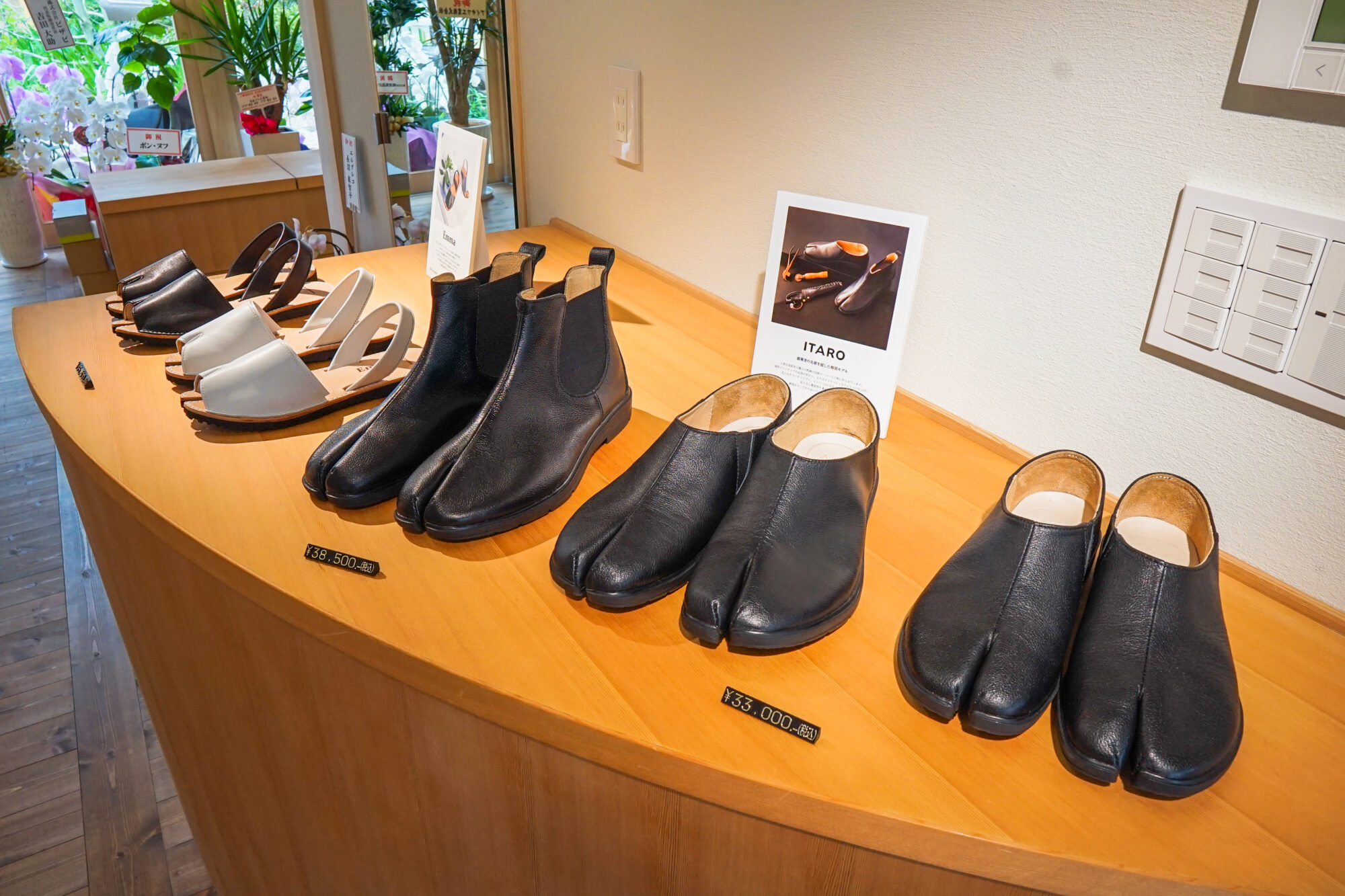
Because jikatabi allow the big toe to move freely, they can bring out the foot’s natural abilities and are considered good for your health.
Jikatabi that can be worn every day were developed to pass their benefits on to future generations.
The MARUGO KURASHIKI building
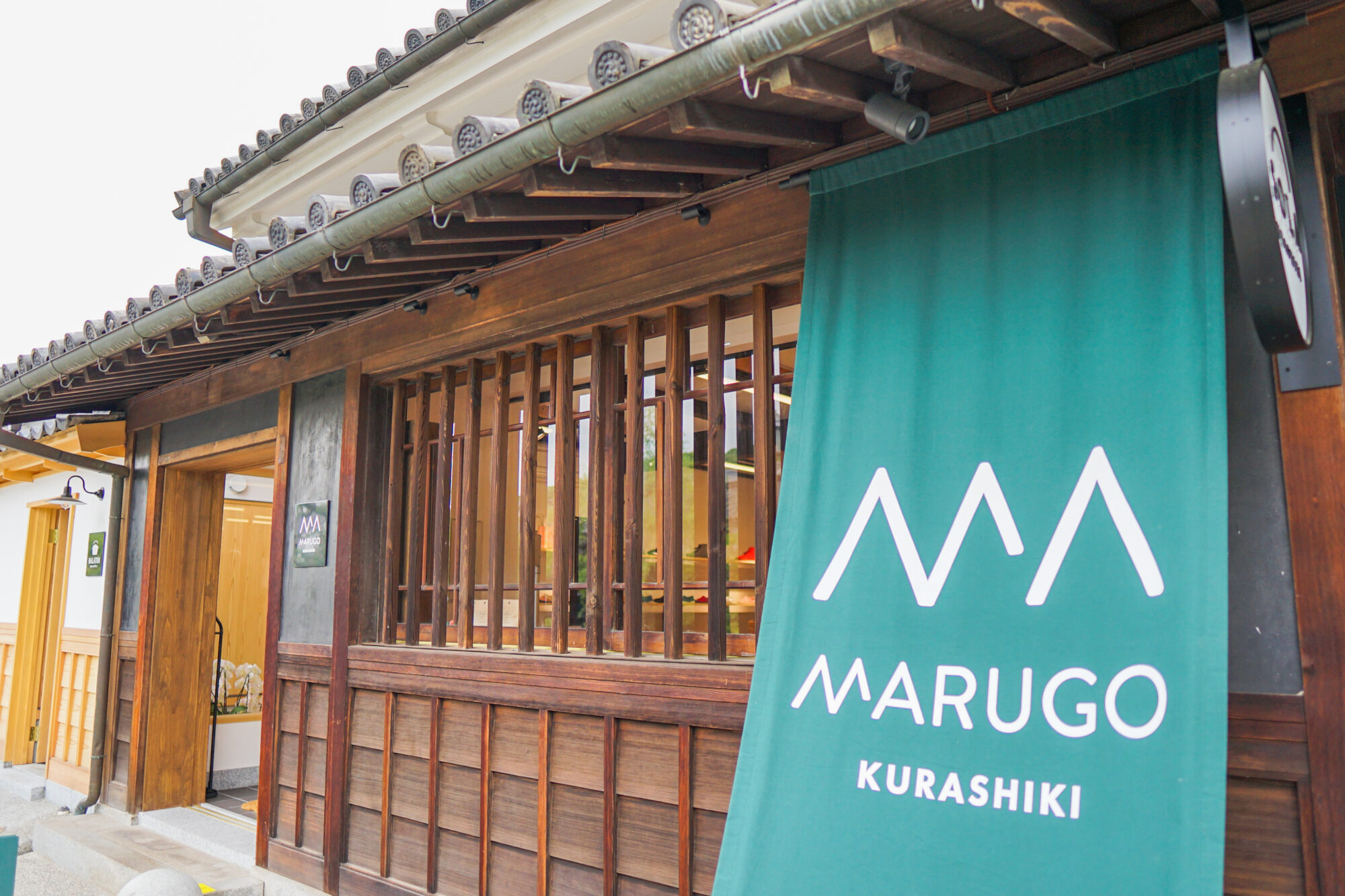
We visited MARUGO KURASHIKI to see what the store is like.
Exterior
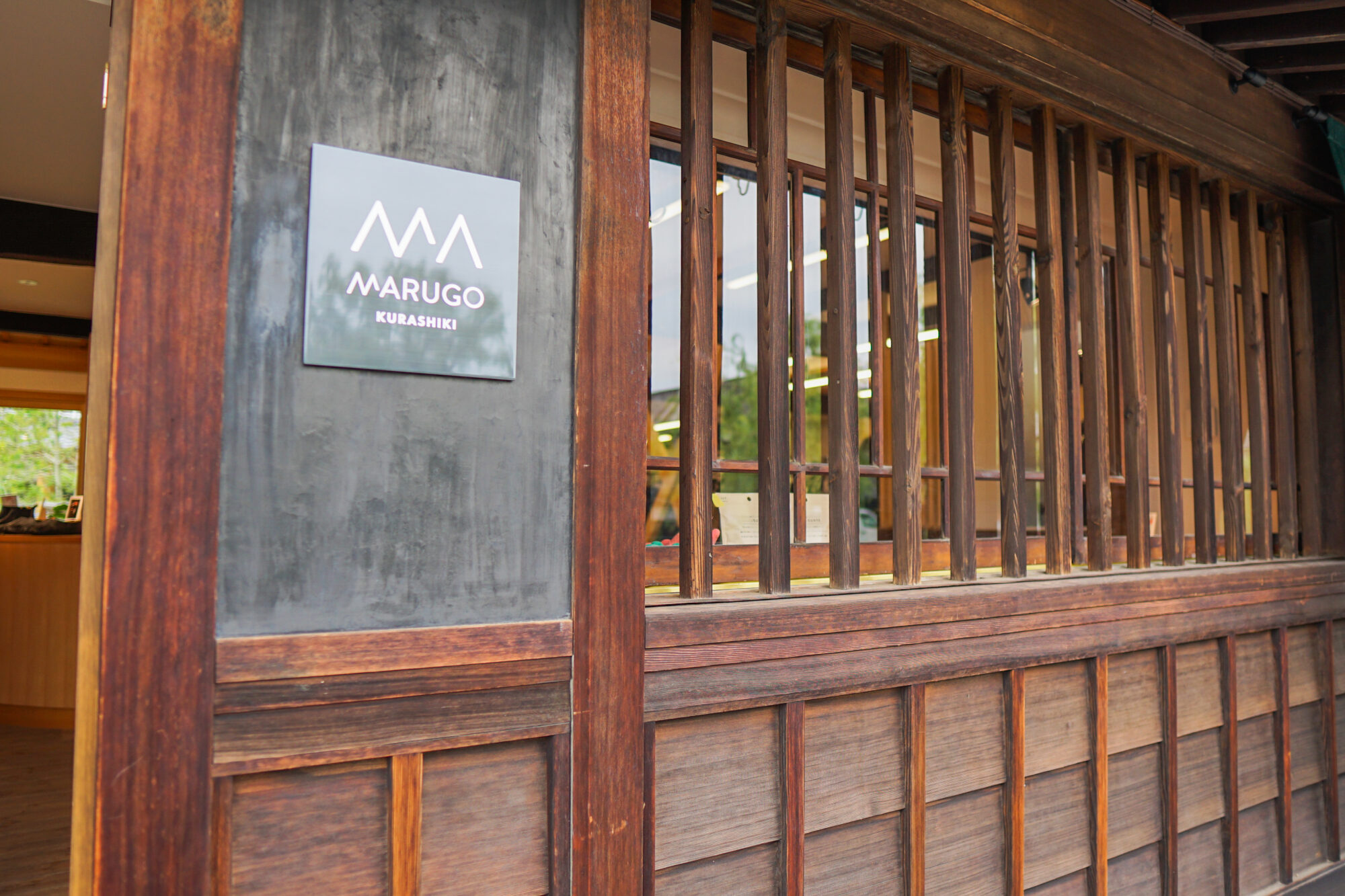
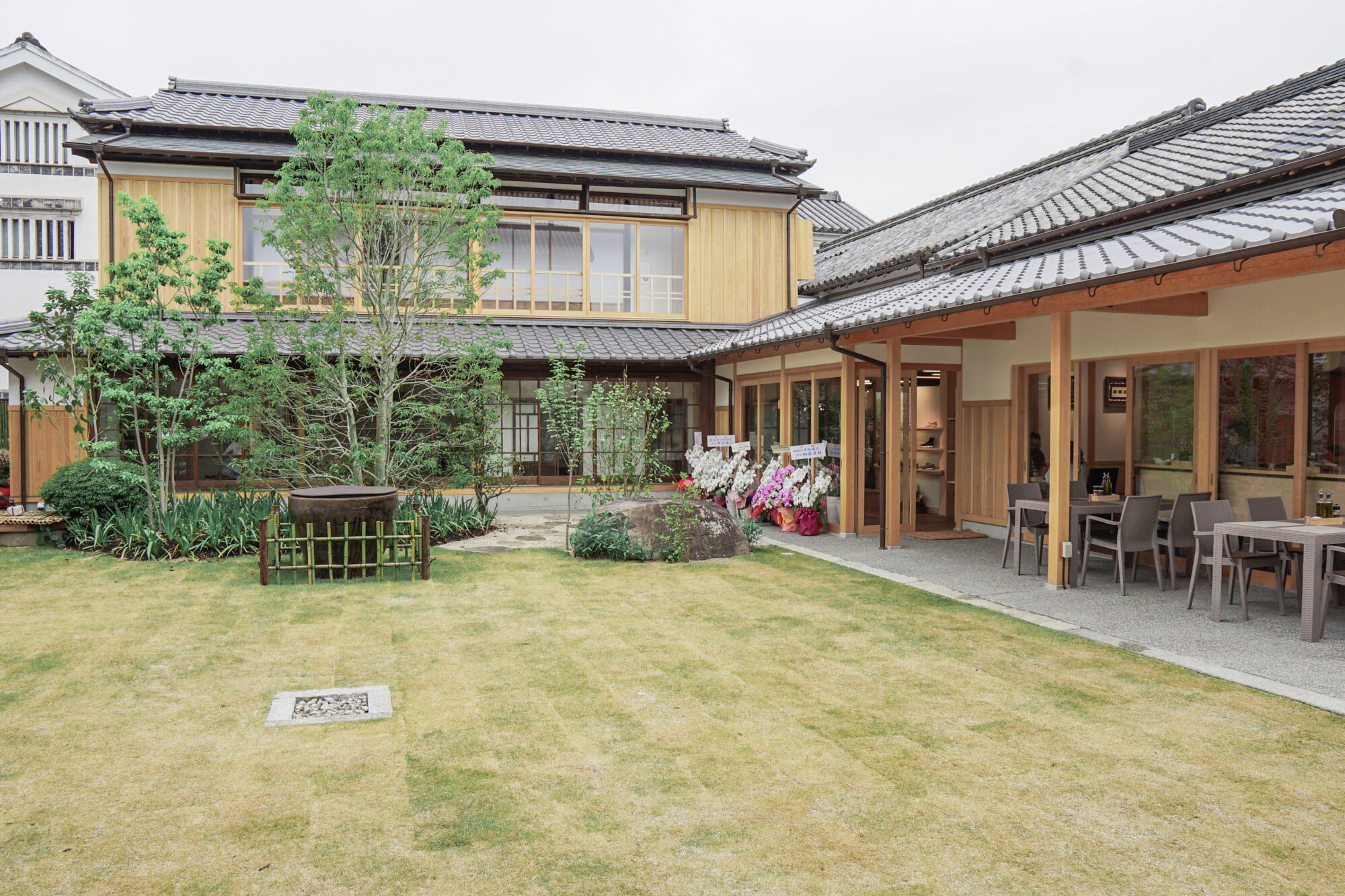
MARUGO KURASHIKI, located in the Bikan Historical Area, has plenty to admire about its building as well.
The store occupies a building constructed during the Meiji period, which was originally used as a private clinic. The black-painted walls are a remnant of the wartime practice of covering the white walls with ink to make them less conspicuous and protect them from air raids.
It is also worth noting that the store is housed in a building that suits Marugo, a company with more than 100 years of history.
Interior
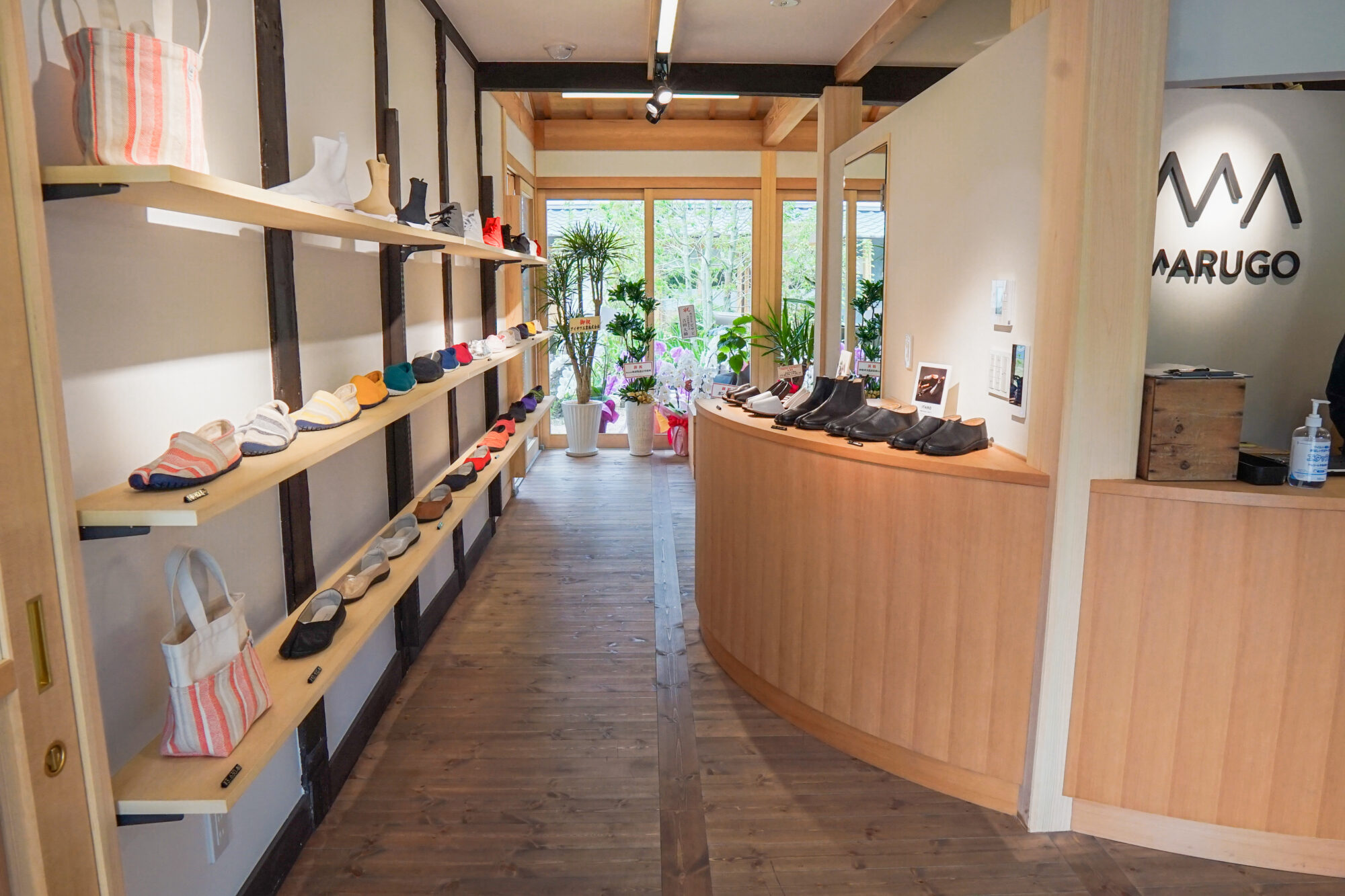
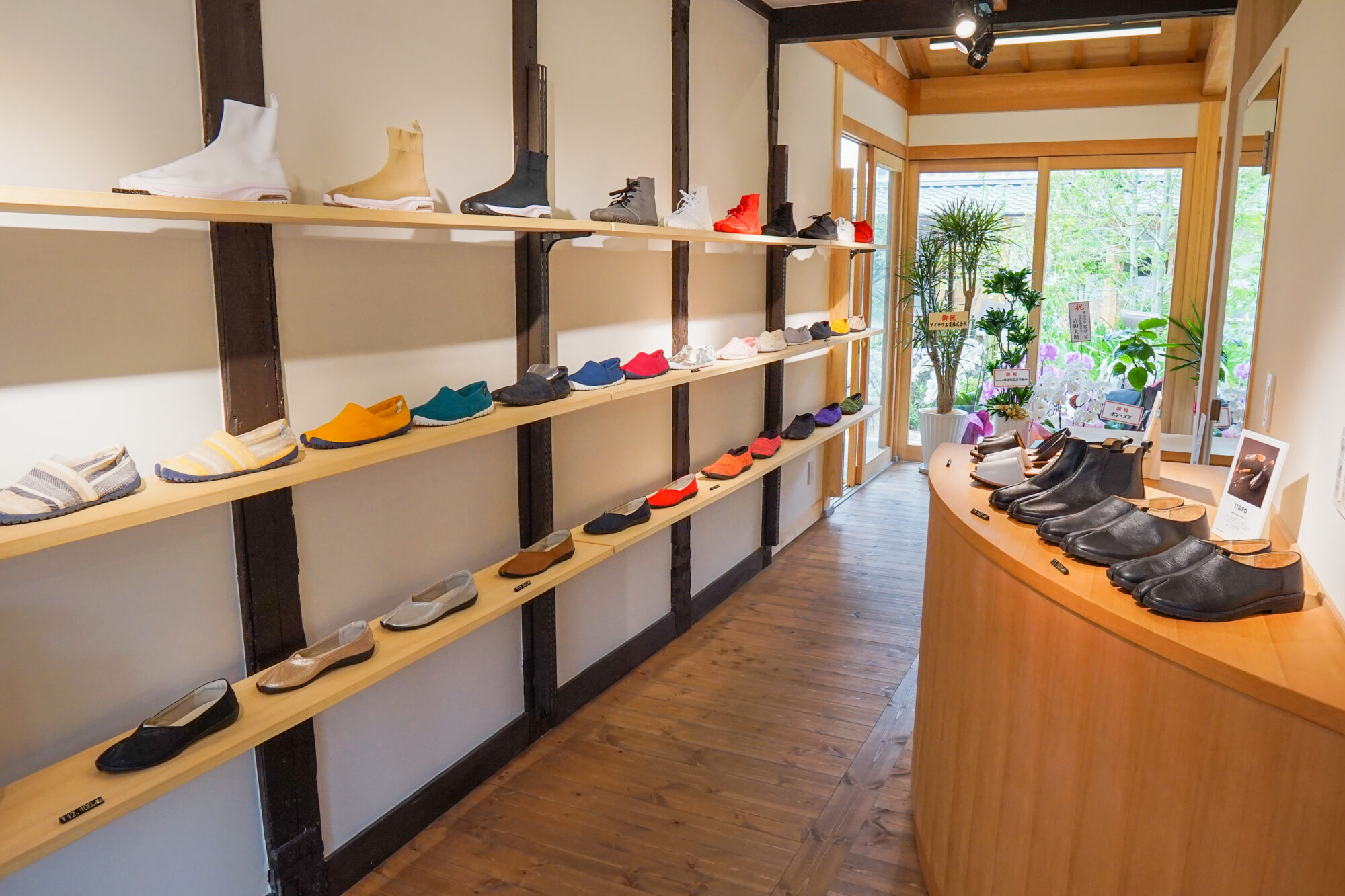
The straight lines dividing the space, formed by the pillars and beams, make a striking contrast with the curves of the product displays.
The atmospheric wooden pillars and beams blend well with the modern display shelves. The black pillars and beams date from the building’s original construction, while the orange sections were added during renovations.
I felt that the store’s design reflects the distinctive character of jikatabi, which are both old and new.
Products at MARUGO KURASHIKI
When you visit MARUGO KURASHIKI, where around 80 varieties of jikatabi are displayed, you’ll be struck by the diversity of their designs.
Here are just a few of the jikatabi that caught my eye. There are many more, so be sure to visit MARUGO KURASHIKI and enjoy seeing them for yourself.
tabiRela
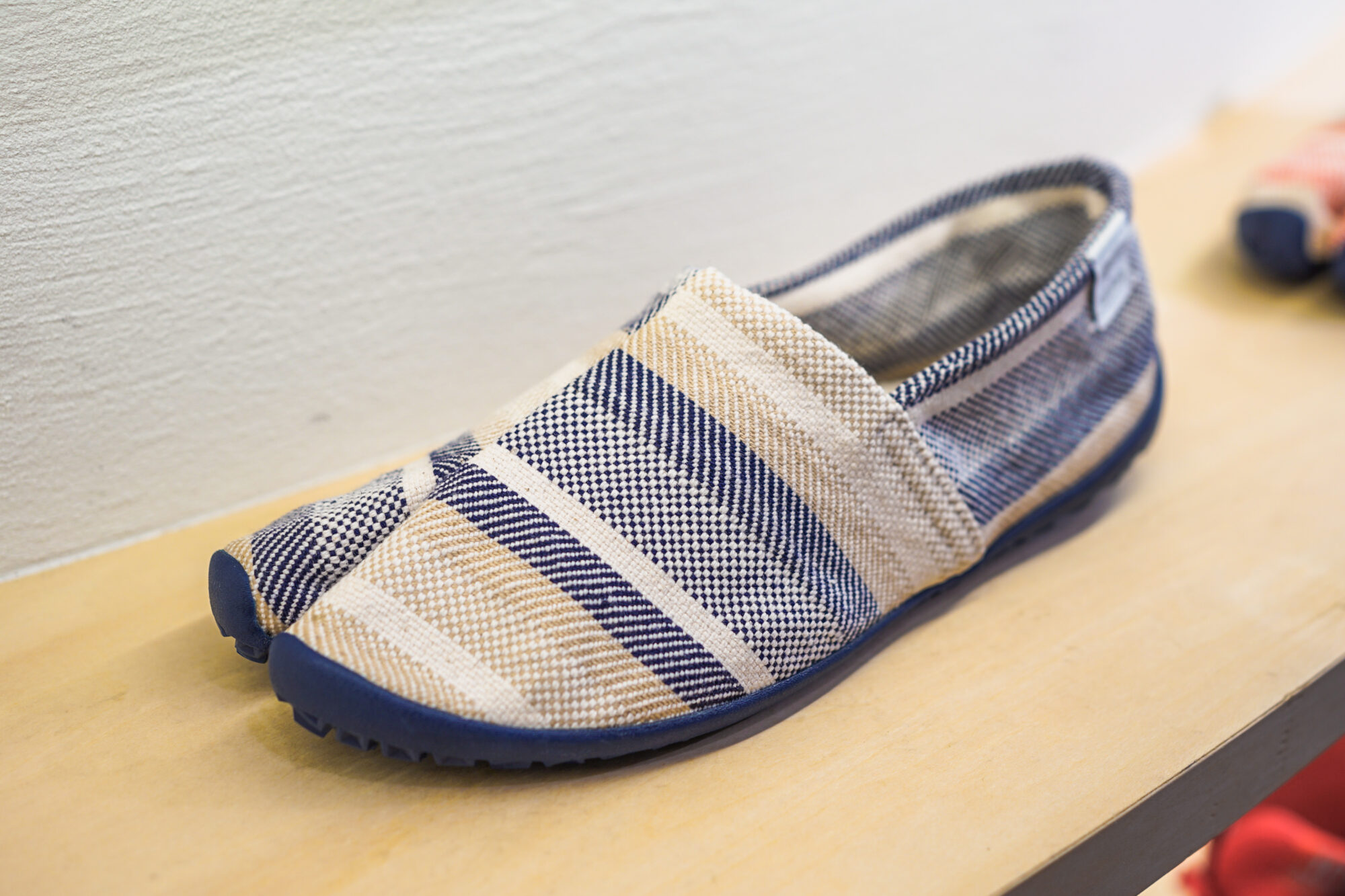
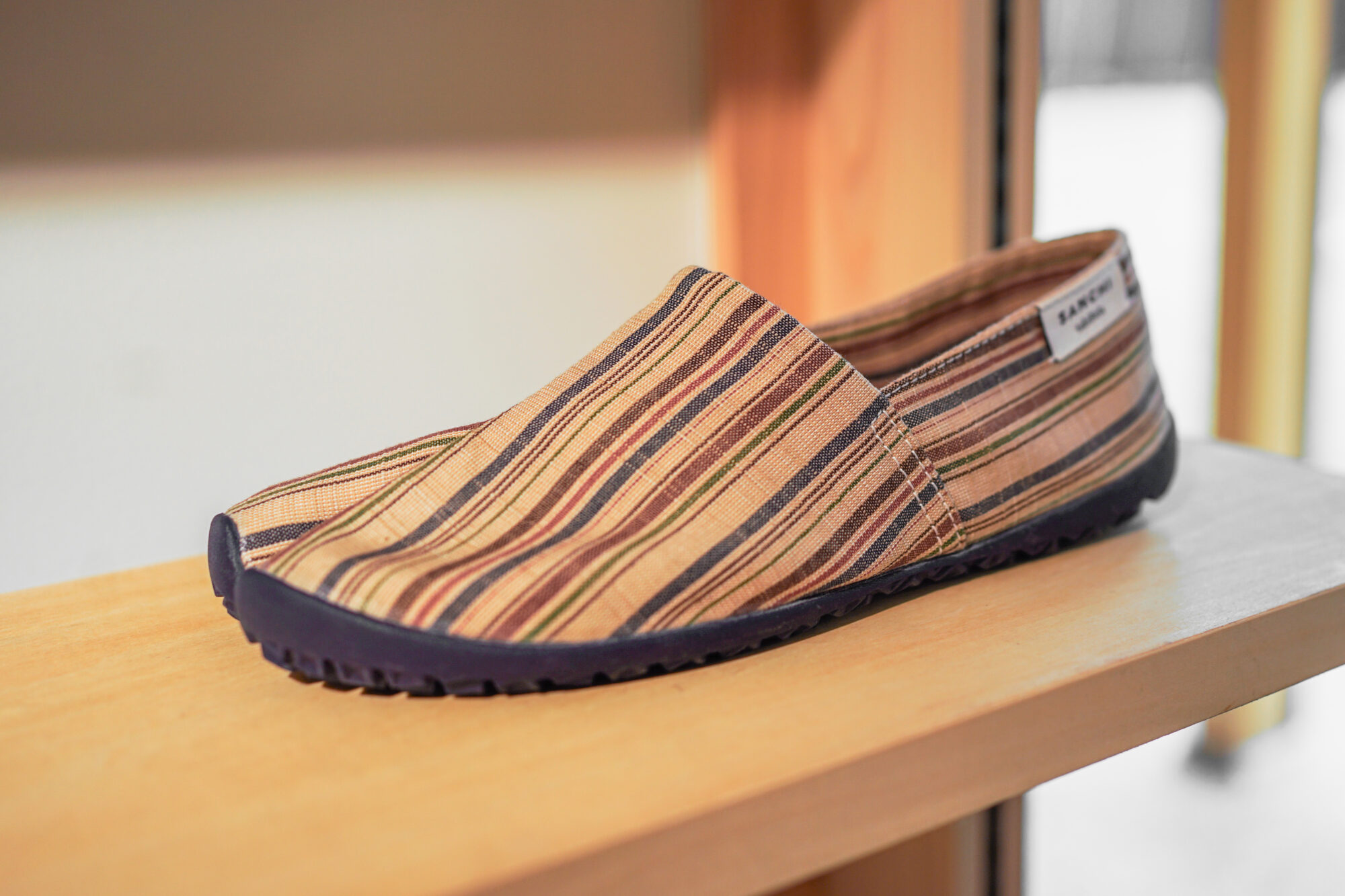
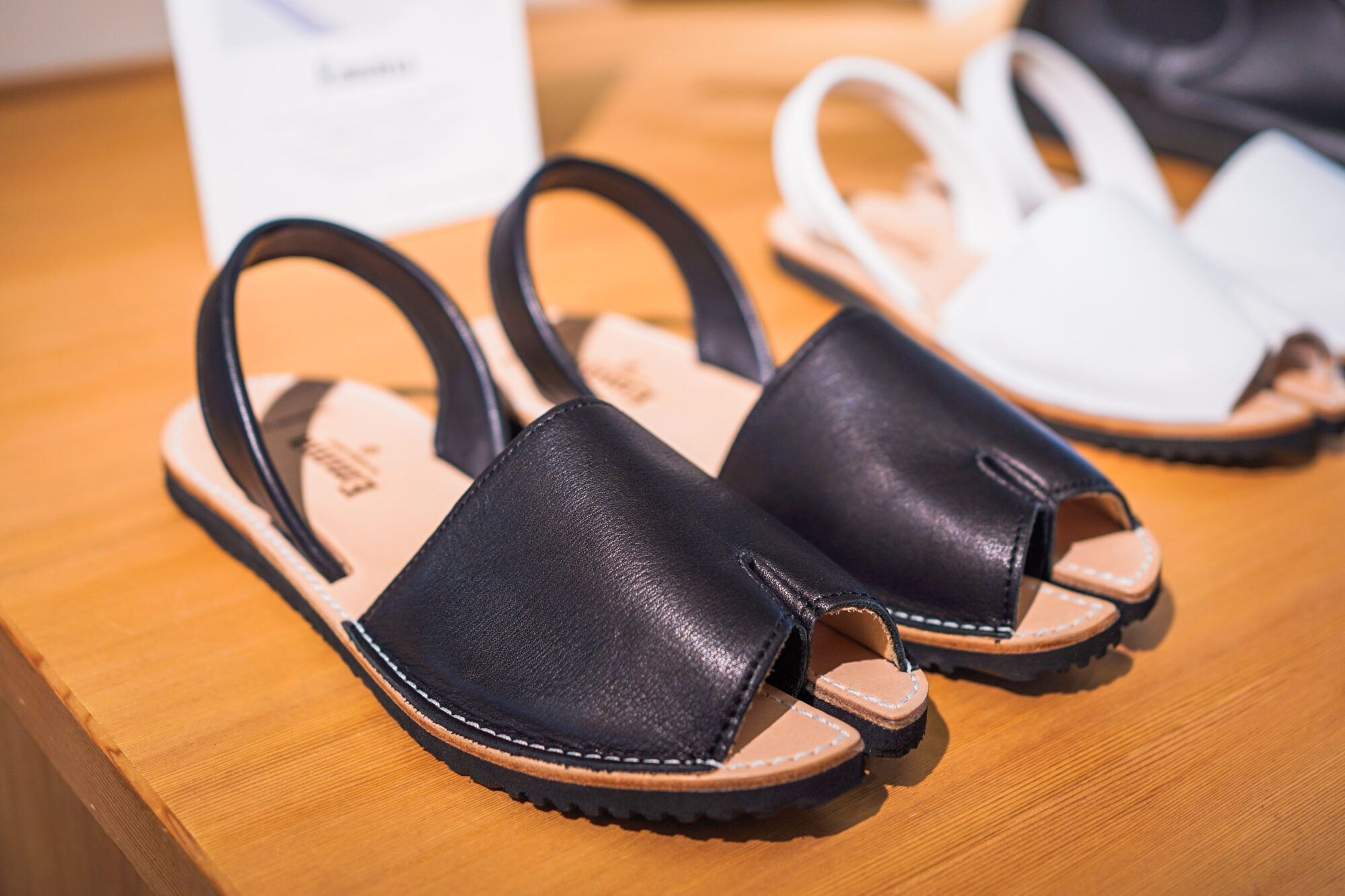
tabiRela is a pair of jika-tabi designed for everyday use. They are said to fit comfortably to the feet and give you the feeling of walking barefoot.
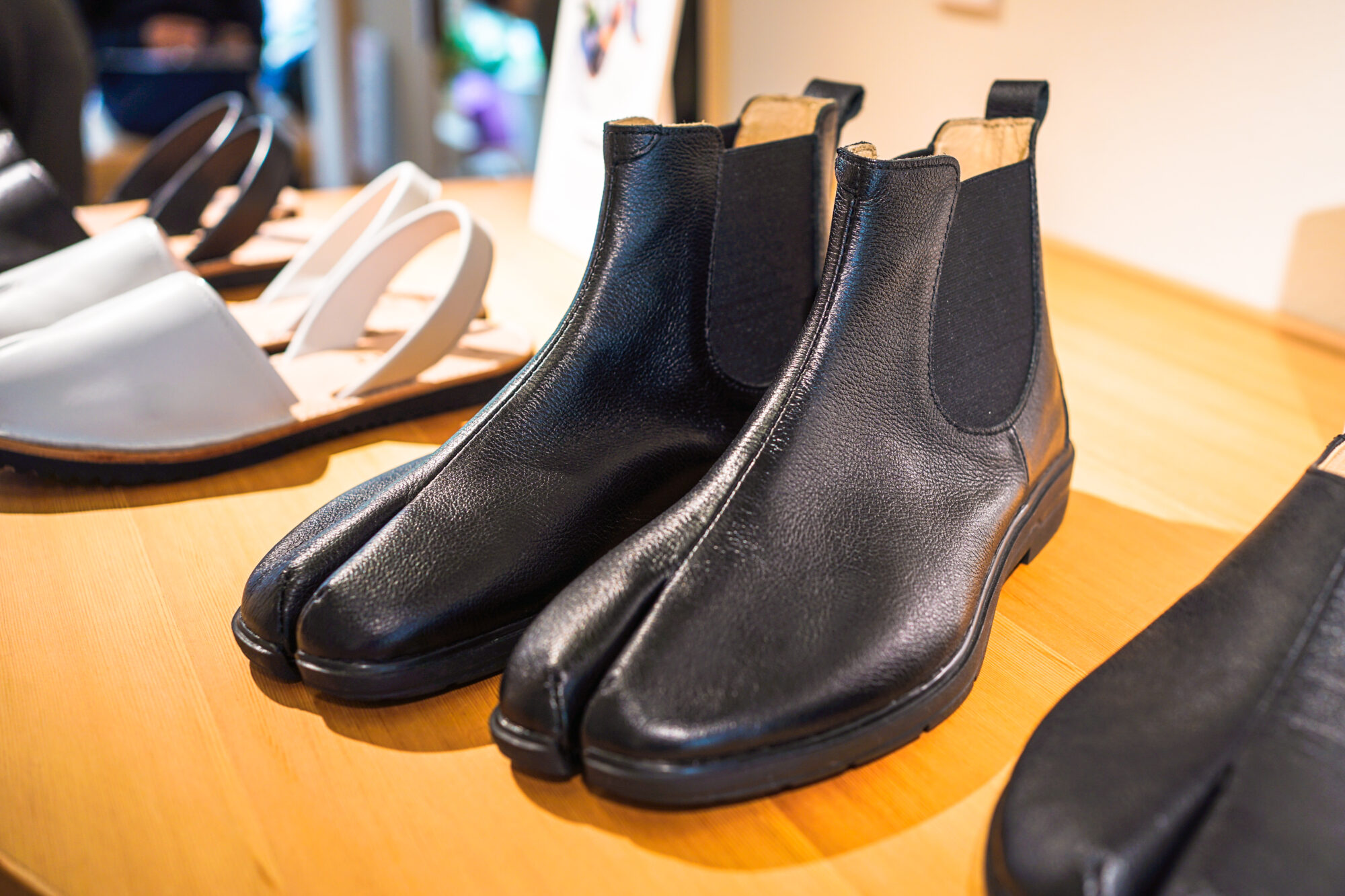
Some products make use of locally sourced materials, including fabrics made by Kurashiki Canvas and KUROKI. The leather products gave me a refined impression that overturns the image of jika-tabi.
hitoe
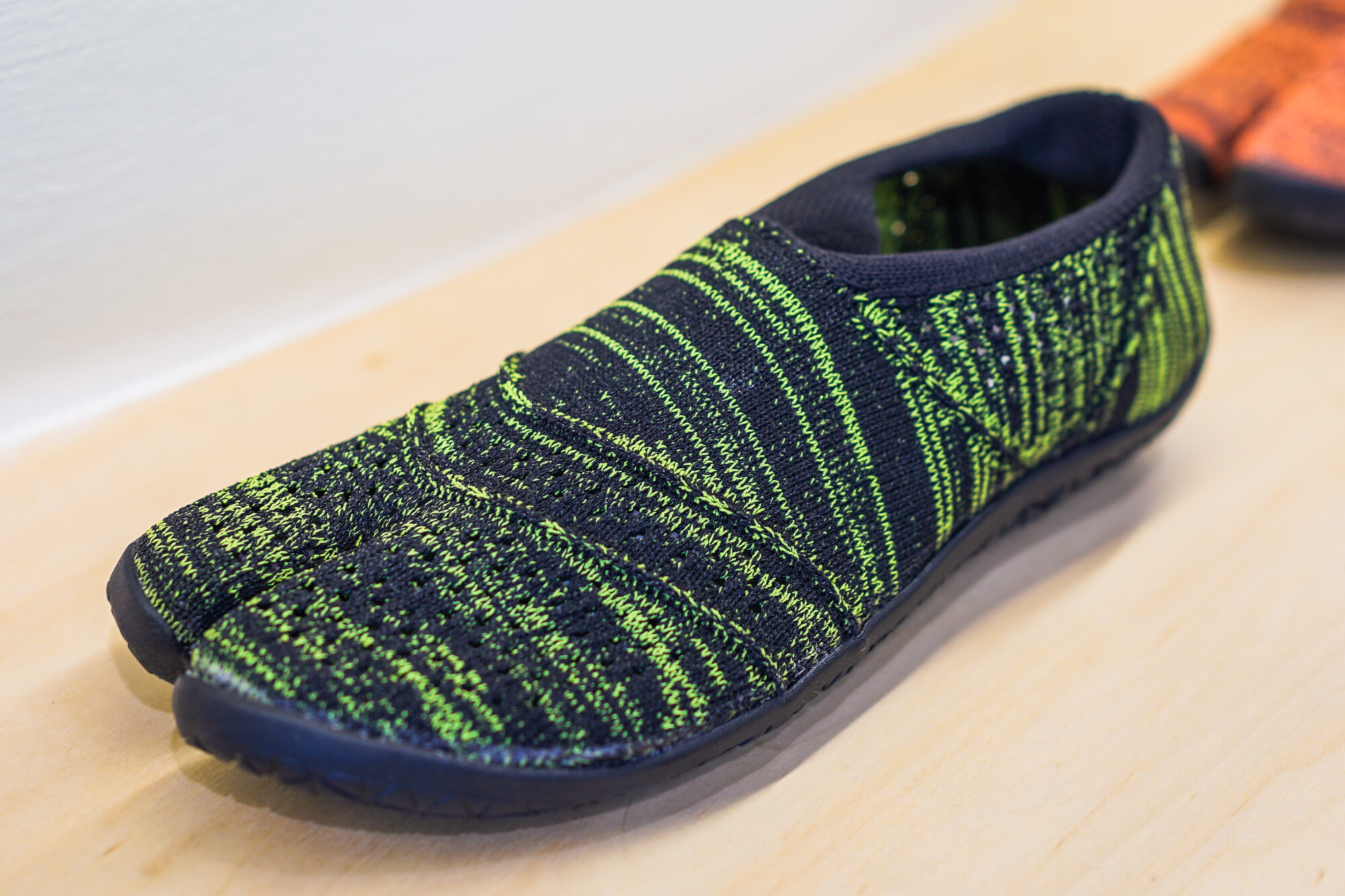
hitoe is a pair of barefoot running shoes that runners can wear. They are thin, and you can tell how light they are when you pick them up.
Their seamless, three-dimensional construction is made using a special technique called WholeGarment manufacturing. The distinctive design of jika-tabi, which does not restrict the toes, is said to bring out the feet’s natural strength.
Visiting MARUGO KURASHIKI
Visiting MARUGO KURASHIKI helped me understand that jika-tabi are “both old and new.”
Jika-tabi were created by combining traditional Japanese tabi with rubber during the Meiji period, when Western technology became widespread. From the perspective of Japanese history, this was a relatively recent development, showing that jika-tabi are a new invention.
And even after 100 years, I felt that the ability of jika-tabi to adapt to modern life comes from their excellent functionality.
The MARUGO KURASHIKI store is also housed in a charming building with modern design elements, creating a space where the “old” and the “new” coexist.
Visit MARUGO KURASHIKI, where modern versions of jika-tabi carrying on a 100-year history are on display, and experience for yourself how they are “both old and new.”
MARUGO KURASHIKI Information

| Name | MARUGO KURASHIKI |
|---|---|
| Address | 1-4-13 Chuo, Kurashiki City, Okayama Prefecture, inside Kurashiki SOLA |
| Contact | 086-489-6948 |
| Parking | None |
| Hours | 10:00 a.m.–6:00 p.m. |
| Closed | None |
| Payment methods |
|
| Website | Official Marugo Online Shop |

What would you like to know about Kurashiki?
Enter a word to search articles on this site