The fabric attached to the edges of tatami mats is called tatami-bari.
Tatami-bari, which can also be used as handmade materials.
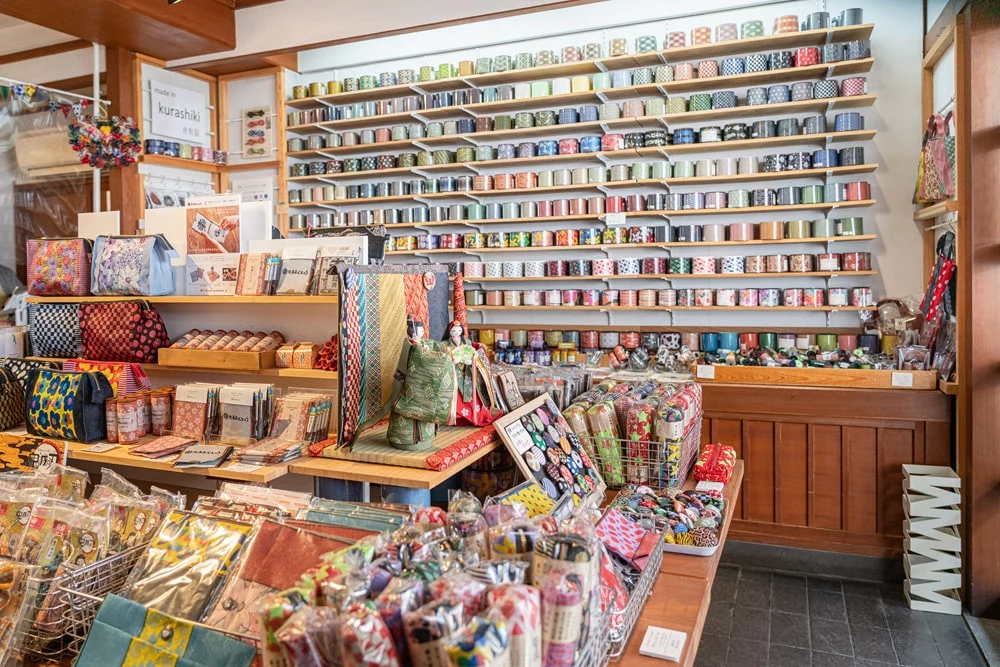
There are shops in the Bikan Historical Area where you can purchase tatami-bari and stylish goods made from tatami-bari.
Lightweight, durable, and perfect as a special souvenir.
We interviewed the tatami-bari & tatami-bari goods store "FLAT," which is popular as a souvenir and loved by locals.
FLAT has two stores: the Kojima main store and the Bikan Historical Area store, and this article will mainly introduce the Bikan Historical Area store.
What is tatami-bari?
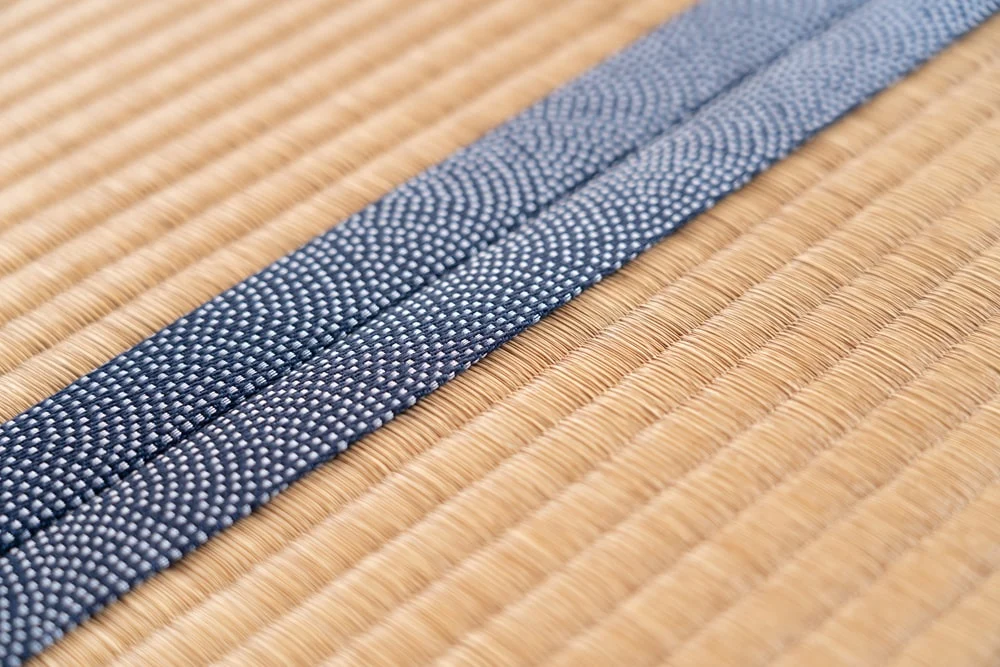
Tatami-bari is the woven fabric attached to the edges of tatami mats.
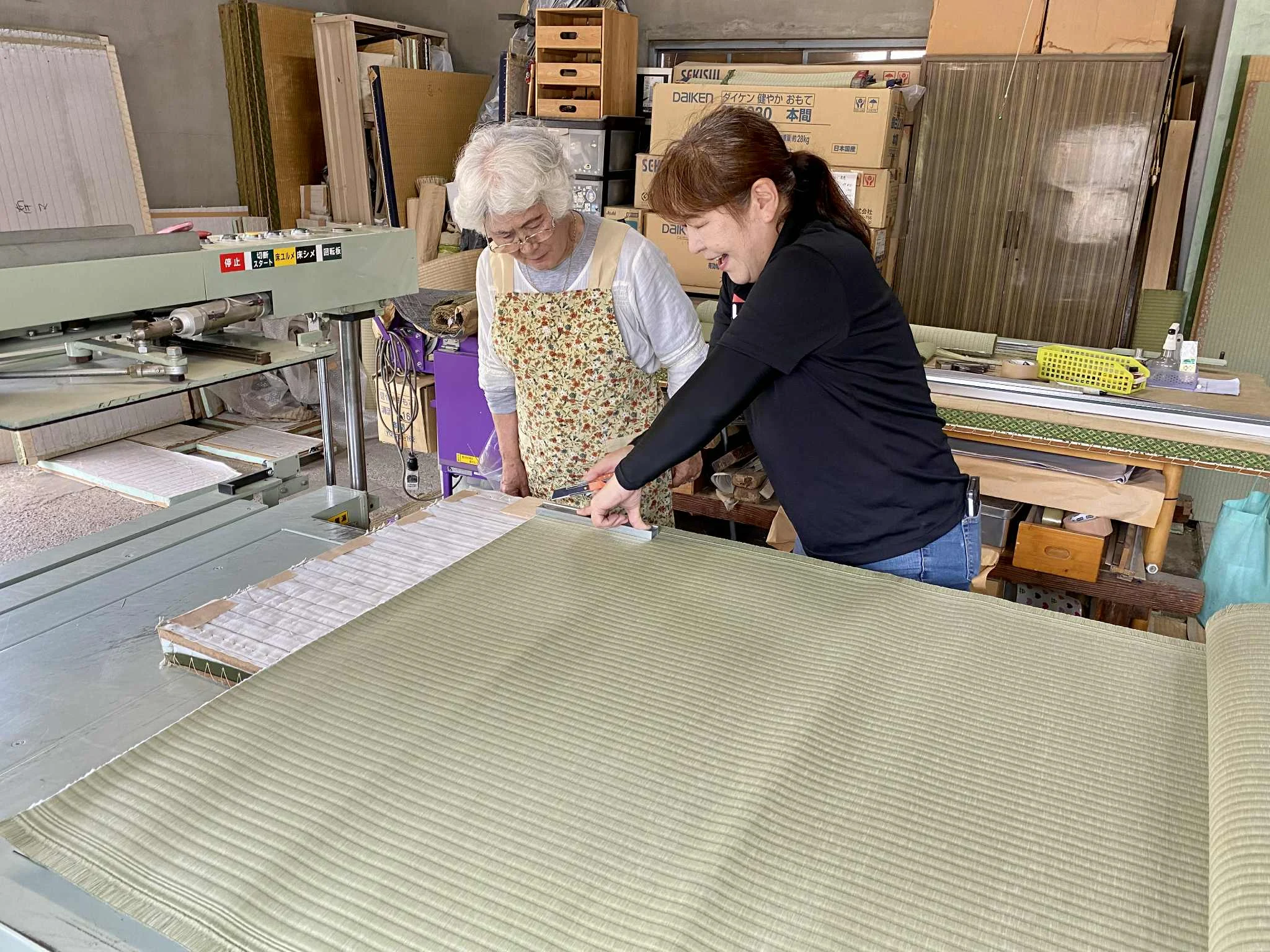
Tatami mats are made by covering a core made of rice straw called "tatami-doko" with "tatami-omote" woven from rush grass, and sewing "tatami-bari" onto the long sides.
Tatami-bari serves the following functions:
- To hold the components of the tatami together
- To prevent damage and fraying of the tatami-omote
- To close the gaps in the tatami and reduce dust accumulation
- To decorate the room
The oldest existing tatami dates back to the Nara period, and it is said that fabric was also used on the edges of this tatami.
By the end of the Meiji period, tatami became common, and narrow tatami-bari was produced specifically for tatami.
In the past, cotton and linen threads were used as materials, but now synthetic fibers have become mainstream.
Tatami with tatami-bari can use materials for a longer time compared to those without, making it an environmentally friendly option.
Okayama, tatami-bari, and Takata Orimono
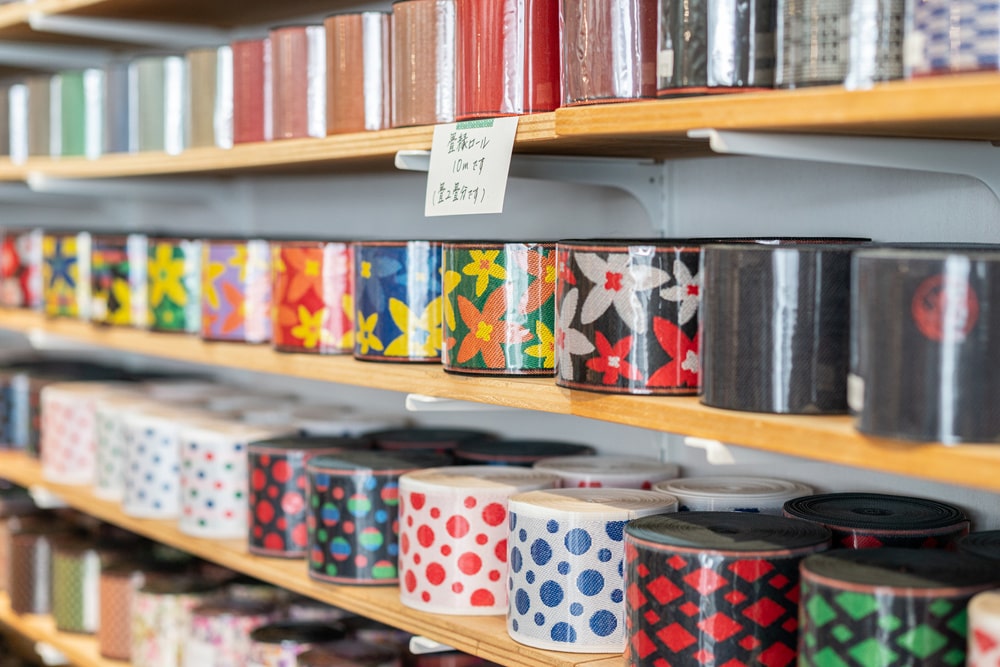
Tatami-bari production in Okayama began around 1921.
The reputation that "Okayama's tatami-bari is of high quality" spread, leading to increased demand nationwide.
As of 2022, 80% of tatami-bari is produced in Okayama Prefecture.
Of this, about half, Takata Orimono accounts for 40% of the national share of tatami-bari production (Takata Orimono).
Founded as a textile company in 1892, it began producing tatami-bari in the early Showa period.
In the late 1950s, it developed the first patterned tatami-bari in the industry.
Since then, it has continued to develop new tatami-bari and expand recognition, and currently produces and sells about 1,000 types of tatami-bari.
Tatami-bari may be thought of as a modest presence.
However, Takata Orimono offers a surprisingly diverse range of tatami-bari, including plain, traditional Japanese patterns, colorful designs, cute styles, and Western-style options.
The possibilities for room coordination greatly expand.
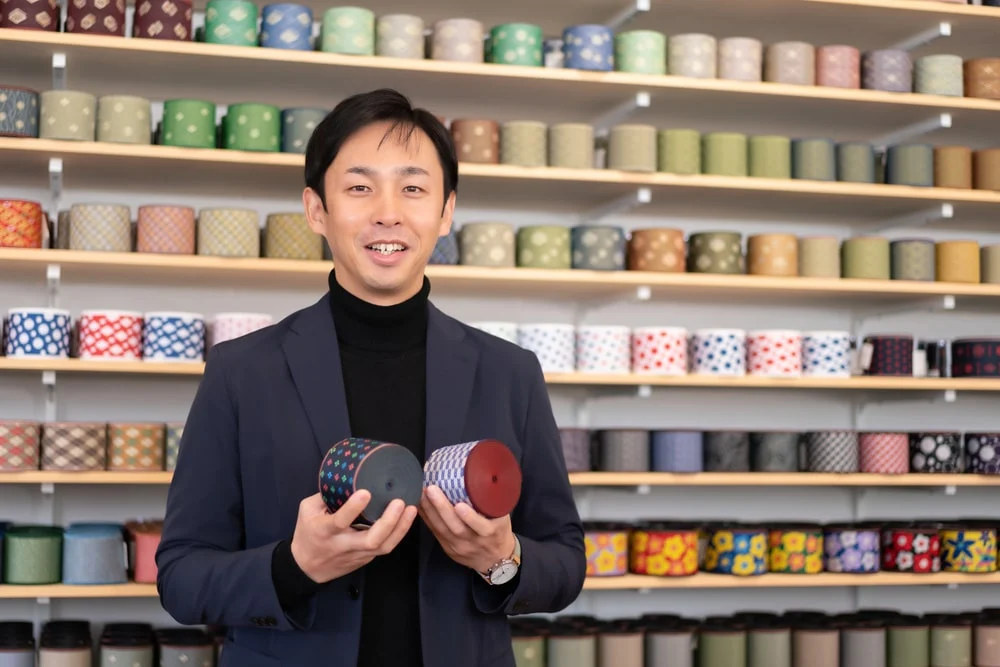
Tatami-bari as a material
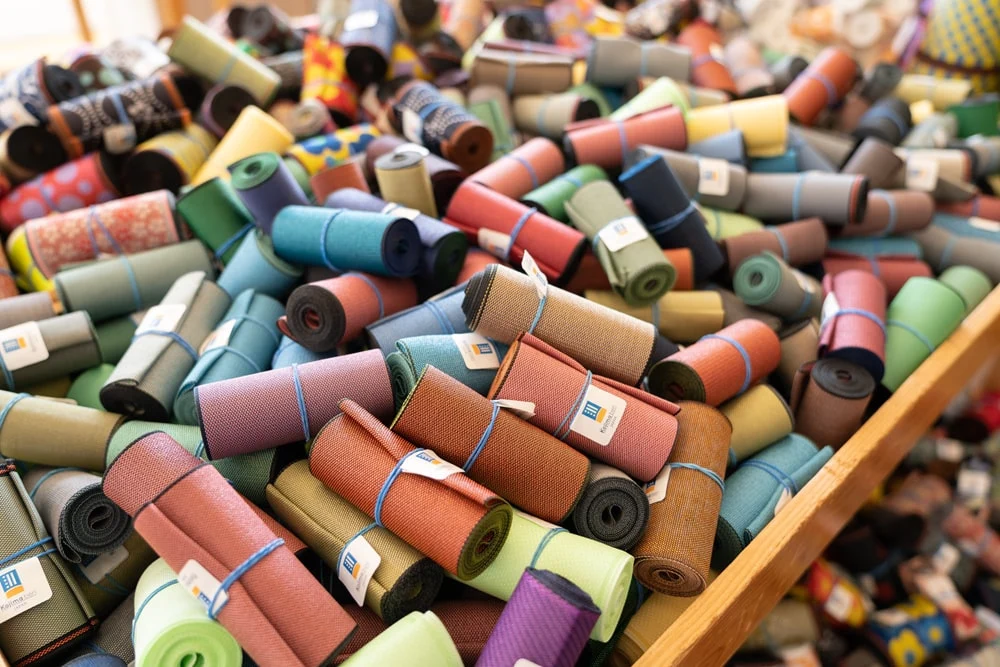
Takata Orimono has been working on developing uses for tatami-bari for some time.
As a result, tatami-bari, which was once considered "part of the tatami," has recently gained attention as "tatami-bari itself" as a material!
Tatami-bari is flexible, lightweight, and highly durable against friction.
While it cannot be ironed or washed, it has thickness, is easy to crease, and features a unique luster and firmness.
They have published several volumes of handmade books using tatami-bari in collaboration with craft publishers, capturing the hearts of handmade enthusiasts.
It can be sewn by machine or by hand.
This unique 80-millimeter wide woven fabric, which has developed as a fabric for the edges of tatami, is gaining recognition as an interesting and attractive material for other uses as well.
What is FLAT?
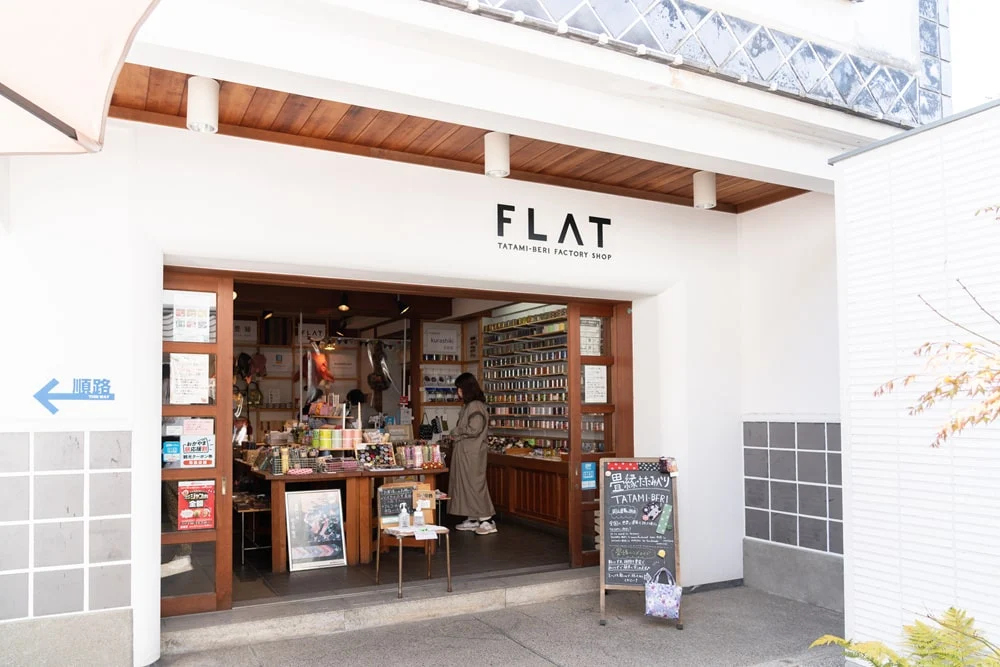
FLAT is a directly managed store opened by Takata Orimono in 2014, aiming to expand the recognition and value of tatami-bari.
As of 2022, there are the following two stores.
| Store Name | Address |
|---|---|
| FLAT Kojima Main Store | 2-2-53 Takakoto, Kojima, Kurashiki City, Okayama Prefecture |
| FLAT Bikan Historical Area Store | 1-4-16 Chuo, Kurashiki City, Okayama Prefecture (inside Japanese Folk Toy Museum) |
“FLAT Kojima Main Store” is a factory shop located on the same premises as the factory.
Visitors to the factory tour can immediately see the products.
Even those who do not take the factory tour can shop.
It is said that customers come from outside Okayama Prefecture to choose tatami-bari for use in Japanese-style rooms.
The Kojima Main Store's business days are the same as the factory, so it is mainly open on weekdays. For details, please check the business calendar.
“FLAT Bikan Historical Area Store” is, as the name suggests, located in the Bikan Historical Area.
It serves as an antenna shop, making it easy to stop by while sightseeing.
It has miscellaneous goods and original items, making it perfect for souvenirs.
While the Kojima Main Store is larger, the Bikan Historical Area Store has more miscellaneous items, and there are products that can only be found at the Bikan Historical Area Store.
FLAT's products
What kind of products does FLAT have?
Let's introduce some of the products available at the “FLAT Bikan Historical Area Store.”
The prices listed are tax-included prices as of April 2022.
Tatami-bari
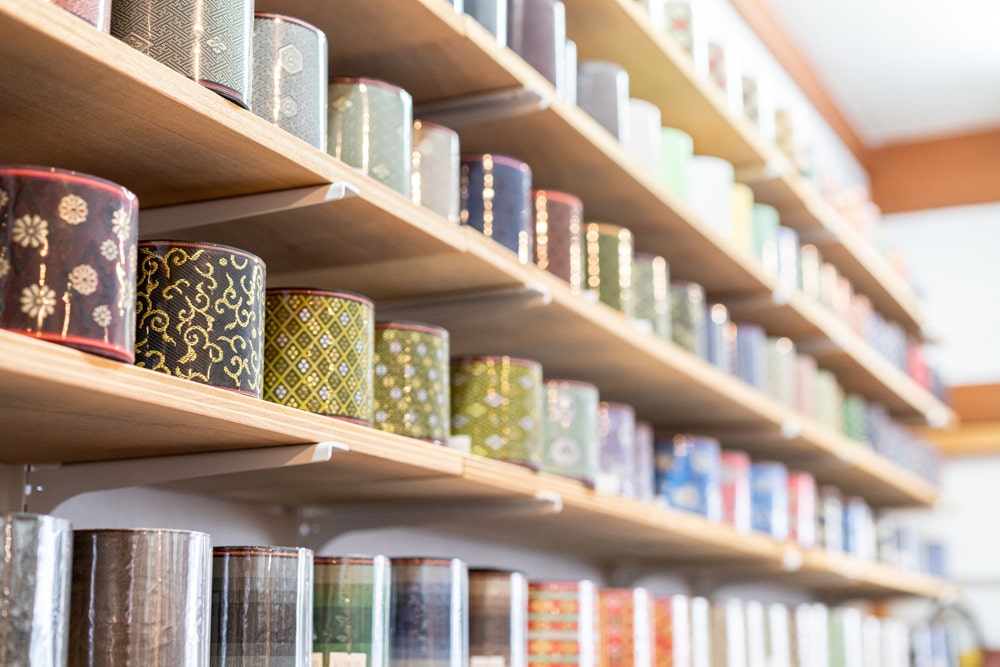
You can purchase a 10-meter roll for two tatami mats (990 yen~) and approximately 1.5 meters (330 yen) of scrap fabric.
There are various patterns, so it can be hard to choose!
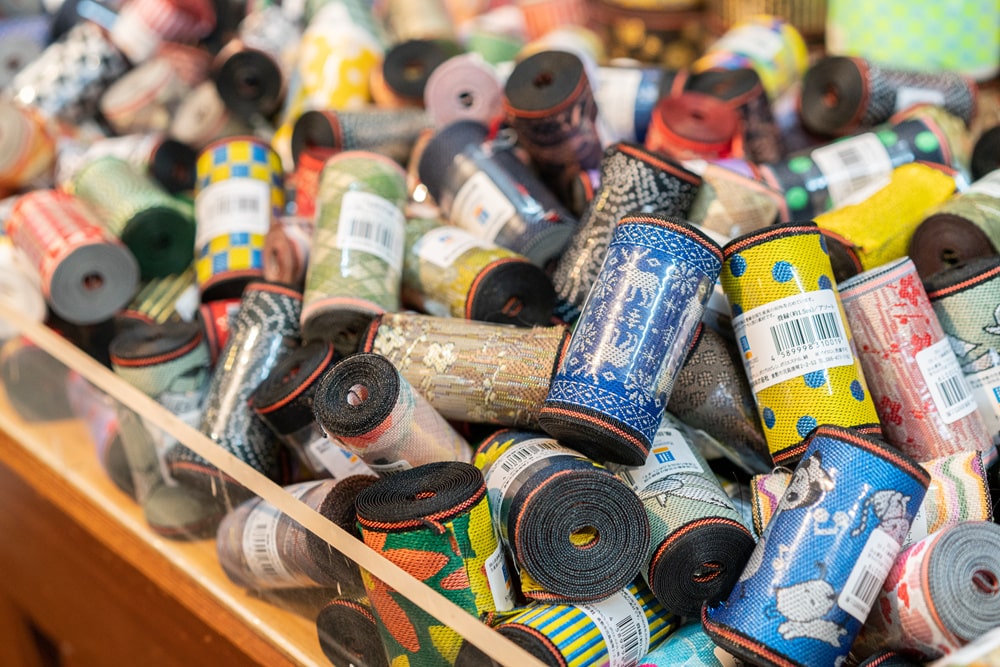
Examples of materials and production time needed for handmade items are as follows:
| Items you can make | Materials | Production time |
|---|---|---|
| Ribbon for tying | Tatami-bari 25 centimeters + hair tie, etc. | About 5 minutes |
| Flat pen case | Tatami-bari about 70 centimeters (length can be adjusted as desired) | About 10 minutes |
| Pocket tissue case | Tatami-bari 75 centimeters | About 20 minutes |
The 1.5 meters of scrap fabric is enough to make small items like pouches or card cases.
There are also free take-home handmade recipes available, so you can easily try your hand at handmade projects using tatami-bari.
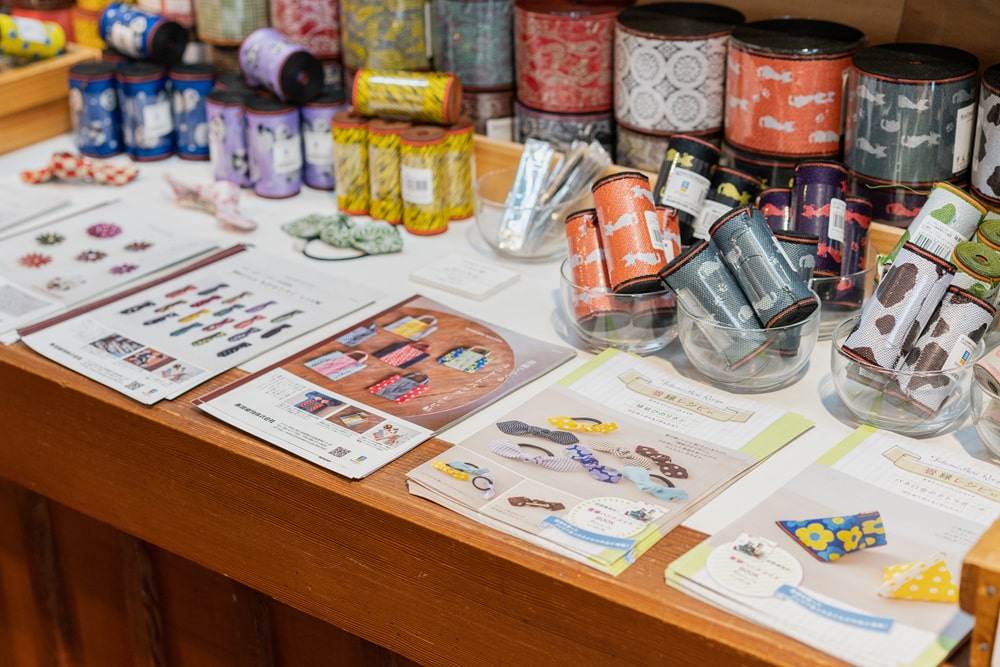
Some recipes are also introduced in videos.
Tatami-bari Shark (Small) (5,500 yen)
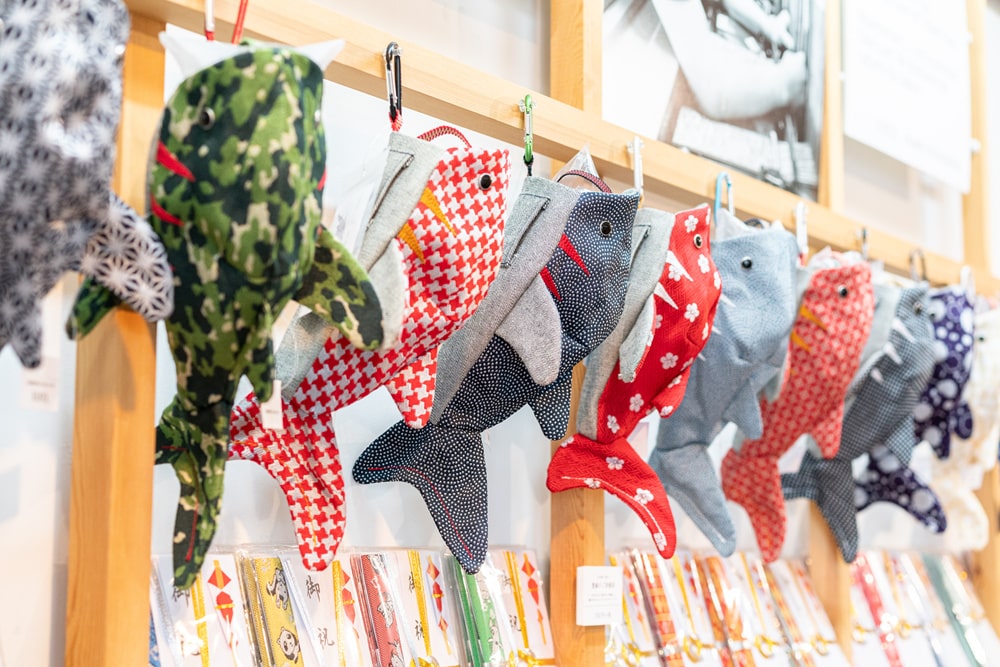
The back is made of tatami-bari, the belly is made of denim, and the cord connecting the carabiner (metal ring) is made of Sanada cord, with a name tag also made in Kojima.
This is a lightweight and durable pouch made using local products from Kojima, Kurashiki City.
It can hold items like a 5.5-inch smartphone inside.
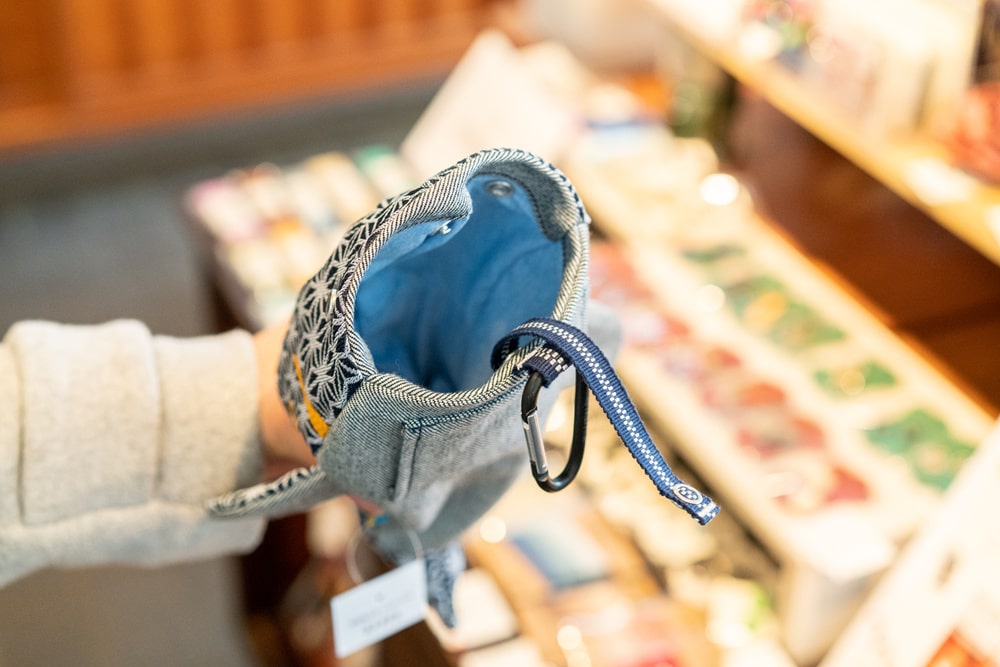
This cute and unique shark pouch is easy for both men and women to use, and it is said to be popular with children as well.
You can attach it to your belt with a carabiner or to your bag.
There are various colors and patterns, so find your favorite!
Mini Tatami Making Kit (2,640 yen)
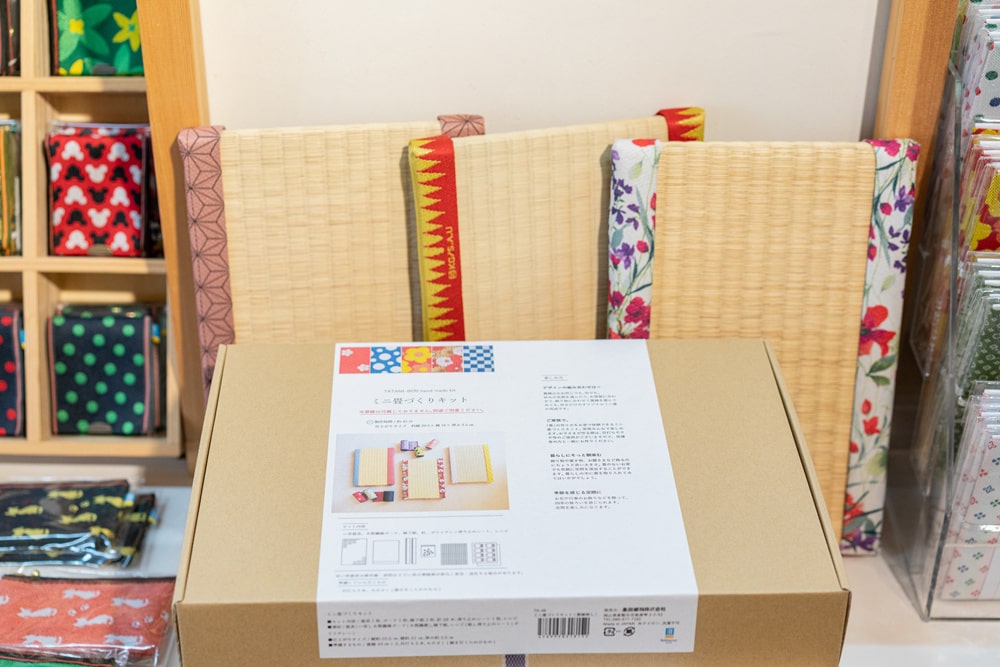
This is a kit that allows you to make your own mini tatami.
Since tatami-bari is not included, you can choose your favorite color and pattern from the store.
The "Mini Tatami Making Experience," an optional menu for factory tours at Takata Orimono, has been very popular, and there have been requests to do it at home.
In response to that request, the employees developed the mini tatami making kit.
You can watch a how-to video on YouTube.
It seems fun to place Japanese small items or figures on it as well.
Coin Purse (550 yen)
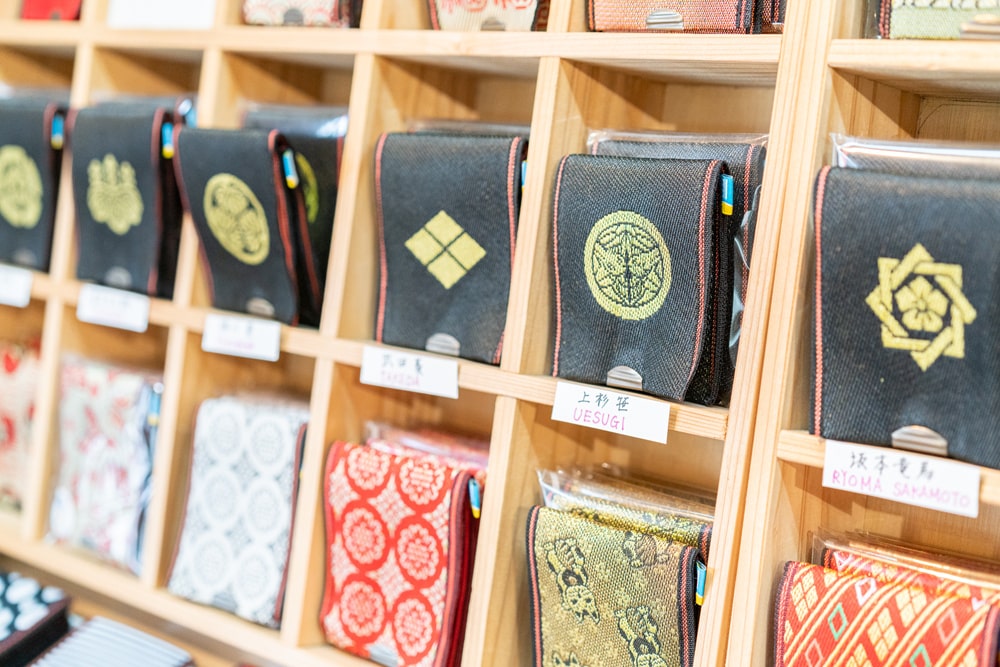
A variety of coin purses featuring family crests, Japanese patterns, cat designs, and floral patterns.
There are also patterns related to Okayama, such as the design of the package for "Dai-te Manju" and the character "G-Pan Da" from Kojima.
Original items by artists
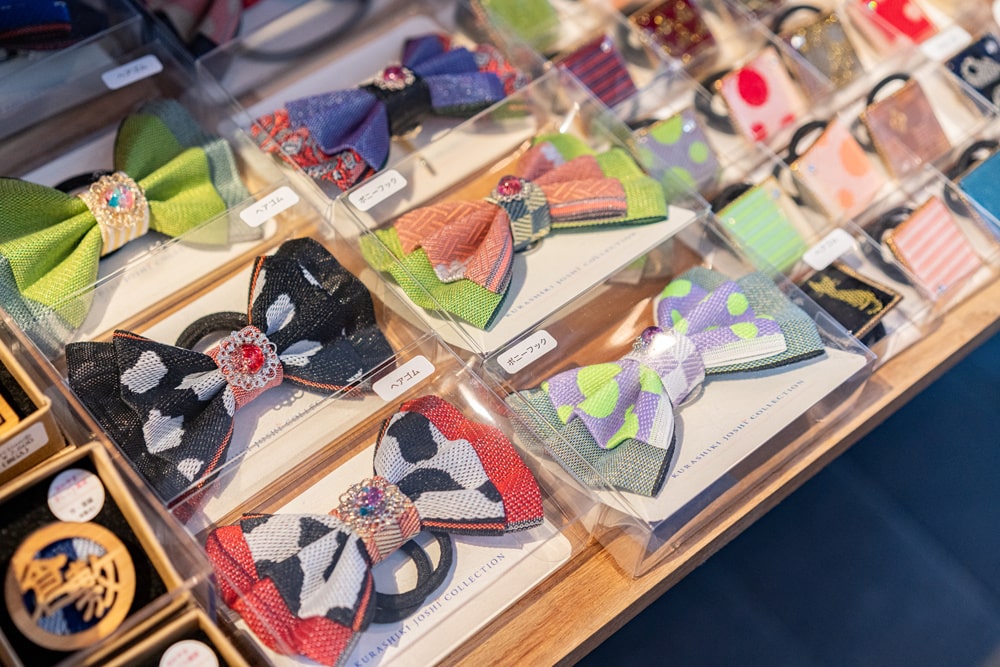
FLAT Kurashiki Bikan Historical Area store offers a variety of items made by local artisans.
On Saturdays and Sundays, artisans may be present at the store.
You might be able to hear directly about their points of passion.
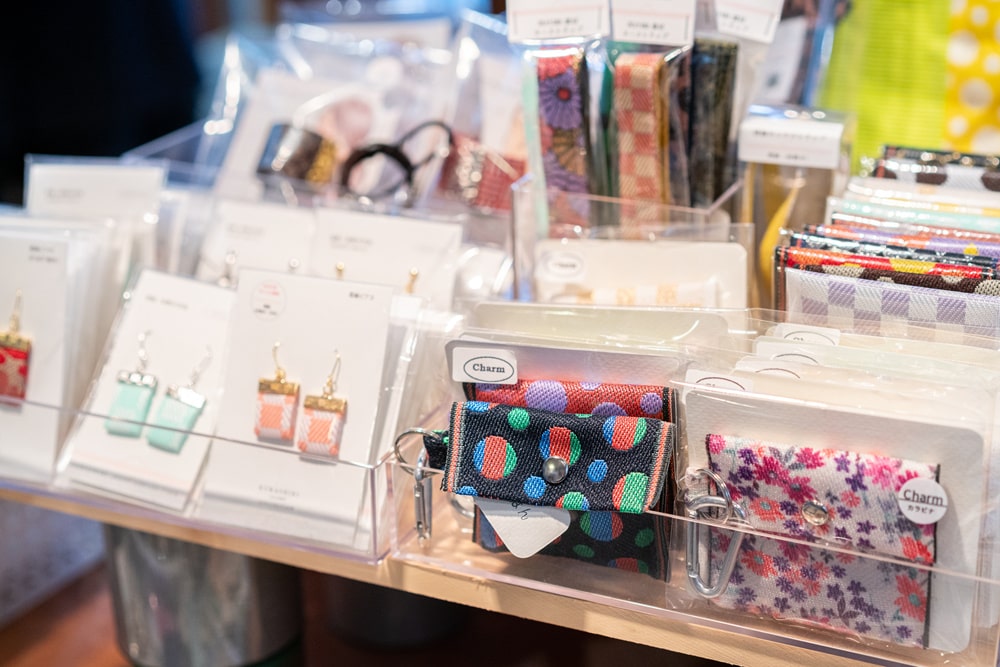
There are also products from the project "Kurashiki Women Collection," which aims to turn traditional materials passed down in the region into items for daily use.
A variety of items such as charms, earrings, key straps, corsages, and hair accessories made from tatami edging are available for sale.
Handmade Recipe Book
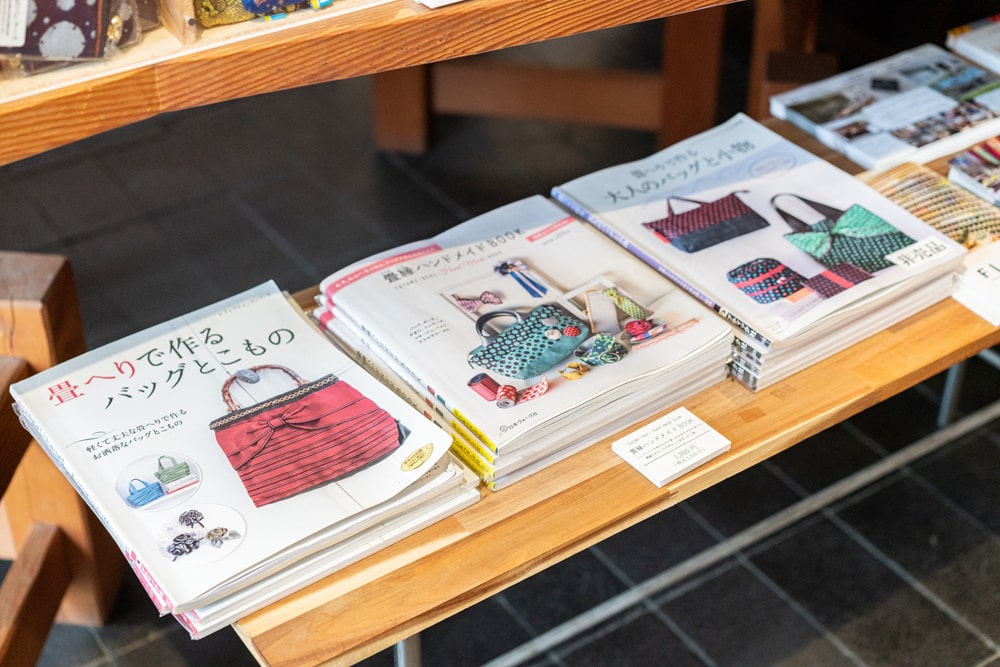
There are several recipes that you can take home for free, but for those who want to enjoy it more deeply, the book is recommended.
Let's Make Covered Buttons in a Workshop
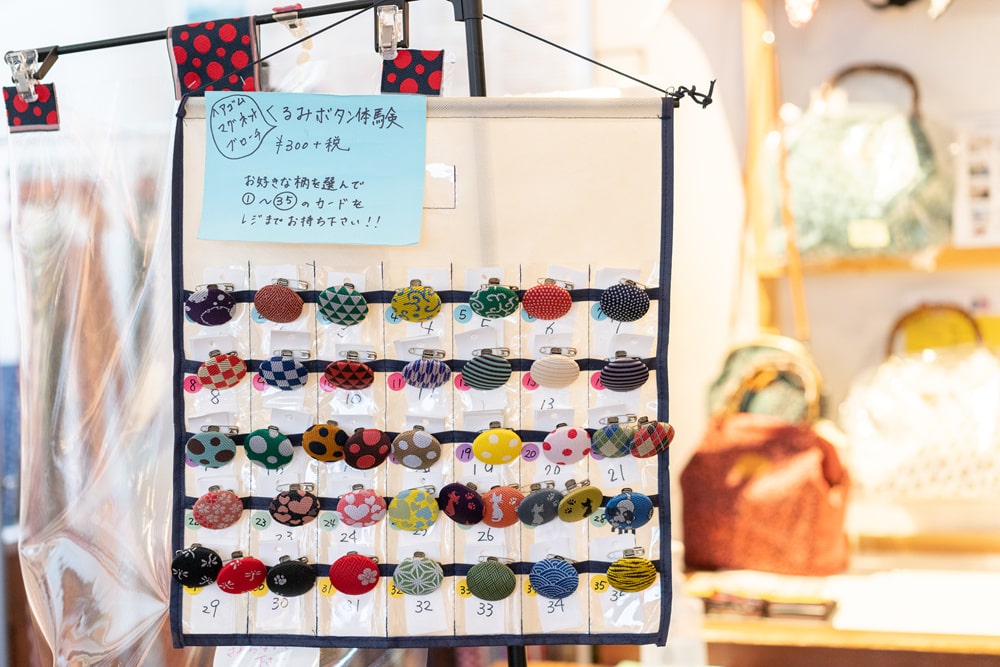
You can also enjoy a workshop for making covered buttons using tatami edging.
To prevent the spread of the novel coronavirus, as of April 2022, workshops are only held on weekends and holidays. The content of the experience has also been shortened.
Choose your favorite pattern from about 35 types of tatami edging to make hair ties, magnets, or brooches.
The available tatami edging may vary depending on the season.
Each item costs 300 yen and can be made in about 5 minutes.
It is recommended for both adults and children.
Next, we interviewed Takada Naoshi, the president of Takada Orimono Co., Ltd.
FLAT Data
| Name | FLAT |
|---|---|
| Address | 1-4-16 Chuo, Kurashiki City, Okayama Prefecture (inside the Japanese Folk Toy Museum) |
| Contact | 086-435-0014 |
| Parking | None |
| Business Hours | 10:00 AM to 5:00 PM *Business hours are currently shortened due to measures against the spread of the novel coronavirus. |
| Regular Holidays | None Year-end and New Year |
| Payment Methods |
|
| Website | FLAT Online Shop (Takada Orimono) |