In recent homes, flooring has become mainstream, and some may feel that opportunities to see tatami (straw mats) in daily life have decreased.
Even as the use of tatami declines, I want you to feel the comfort and charm of tatami in your life.
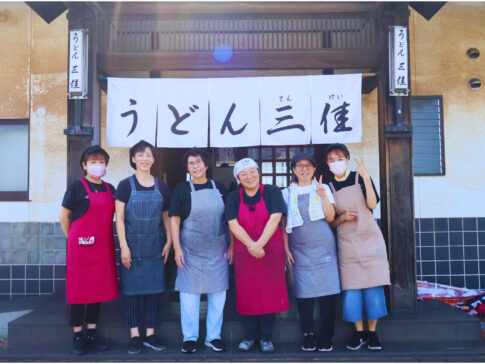
With that thought in mind, the female artisans running “Miyoshi Tatami Store” in Mizushima, Kurashiki, are responding to modern needs while preserving traditional techniques, offering edge-less tatami, washi (Japanese paper) tatami, and a variety of colors.
I will introduce the story of the first generation who founded “Miyoshi Tatami Store” in 1970 (Showa 45) and the feelings of the third-generation owner regarding tatami making.
About Miyoshi Tatami Store
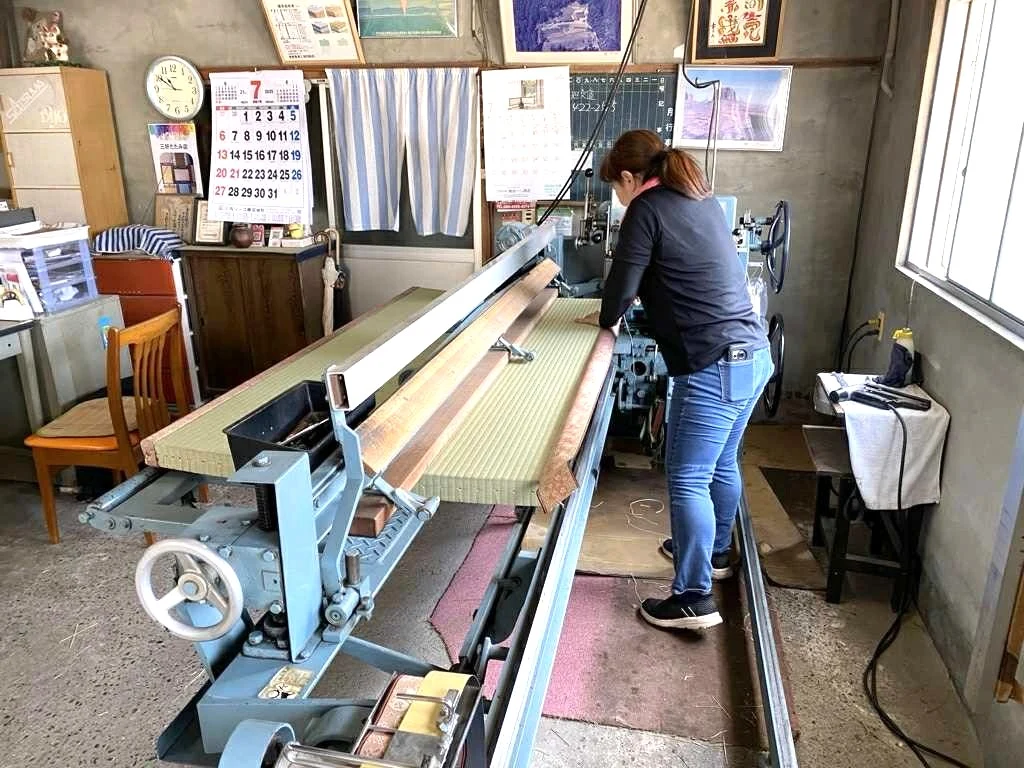
The store and workshop of Miyoshi Tatami Store are located near the industrial area of Mizushima.
When receiving consultations for the manufacturing or repair of tatami, they first visit your home to measure the size and hear your preferences. Based on that information, they create an estimate and proceed with the work after explaining it.
Currently, the services and products offered by Miyoshi Tatami Store are as follows.
- Manufacturing and Repair of Tatami
- Manufacturing of Edge-less Tatami
- Manufacturing of Washi Tatami
- Replacing Fusuma, Shoji, and Screens
- Production of Tatami Edge Products
Manufacturing and Repair of Tatami
They perform not only the manufacturing of new tatami but also maintenance.
New Tatami Manufacturing
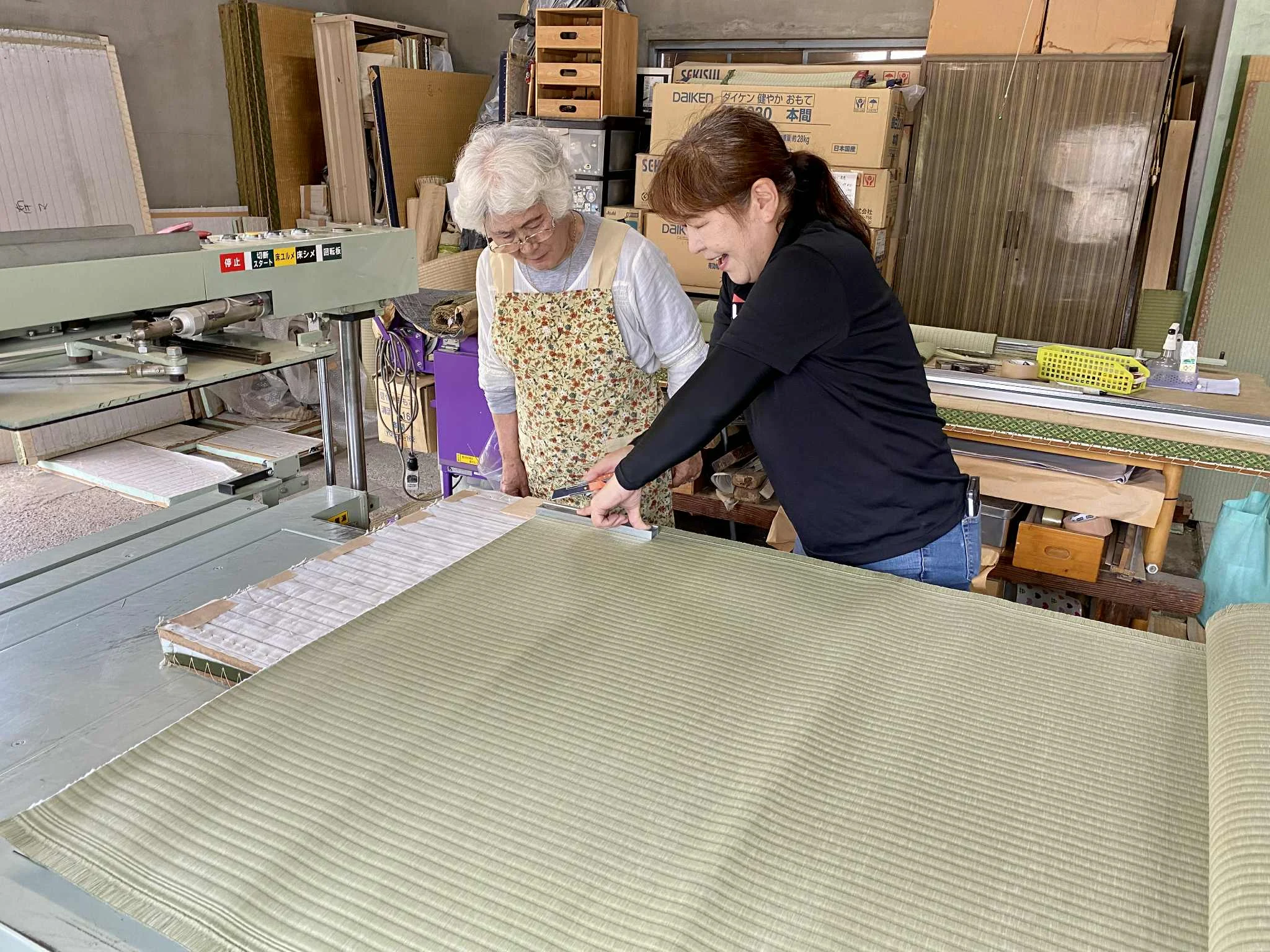
New tatami refers to replacing the core material called “tatamidoko” in the center.
Tatami for new constructions or tatami that have become old and damaged down to the floor are replaced.
Tatamidoko
The inner board part that forms the core of the tatami.
There are traditional rice straw and, more recently, lightweight building material boards (combinations of compressed wood chips and expanded polystyrene, etc.).
Turning Over and Replacing the Surface
As tatami is used, the surface, which is the woven rush part, inevitably fades and gets damaged.
Tatamiomote
The part made of woven rush that we directly touch.
Recently, there are also materials made of washi.
Continuing to use tatami in poor condition not only makes it look bad but also allows dirt and dust to accumulate, making it easier for mold and pests to develop.
When a request for turning over or replacing the surface is received, they first take the tatami back to the store, remove the tatami edge, and peel off the old rush.
Turning Over means using the tatamidoko as is and replacing it with the clean side of the old rush. Since rush can be used on both sides, it can be turned over if it has been used for less than 10 years.
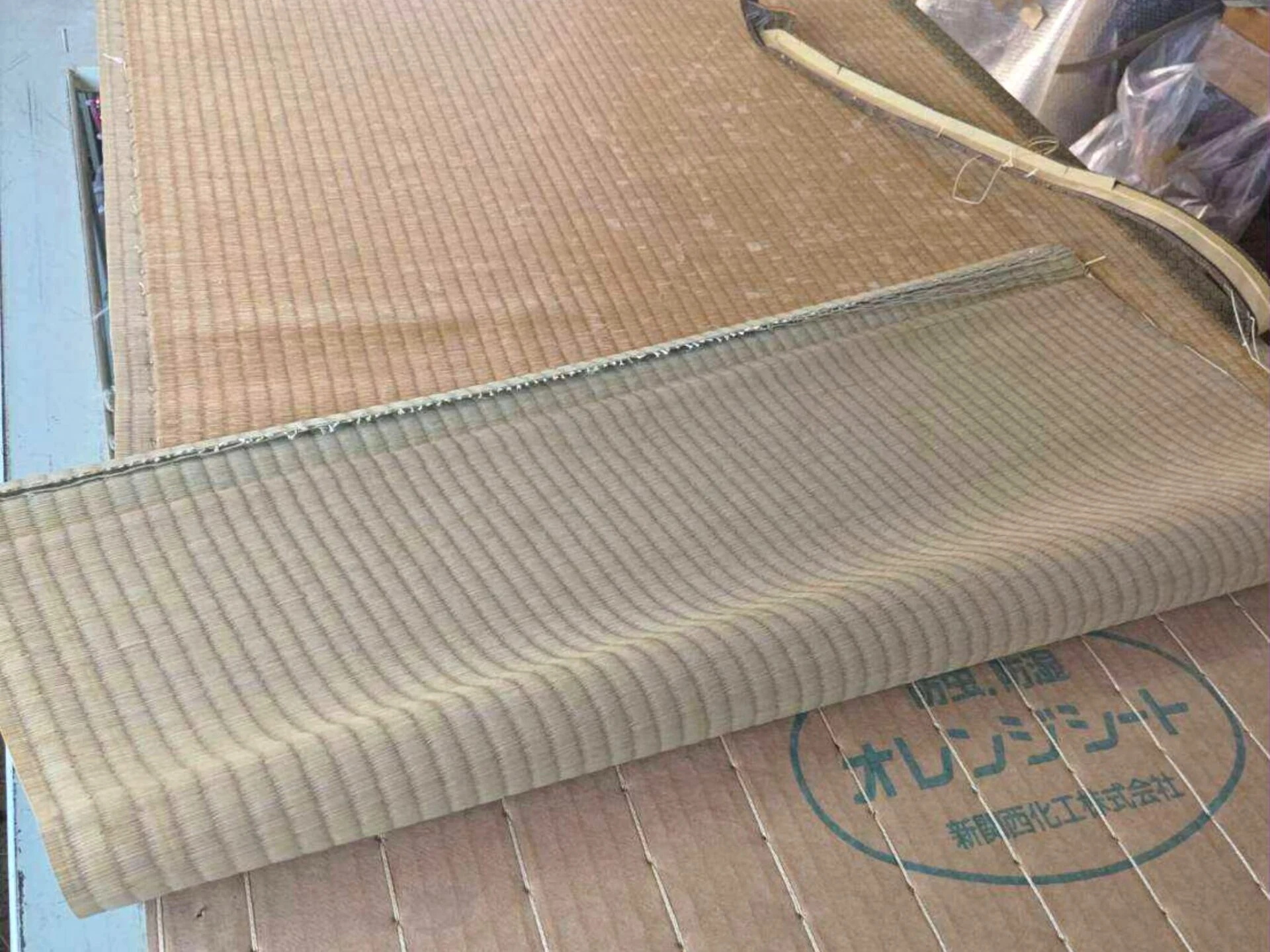
Replacing the Surface means using the existing tatamidoko and replacing only the tatamiomote with a new one. It is recommended to replace the surface for tatami that has been turned over for more than 5 years.
Manufacturing of Edge-less Tatami
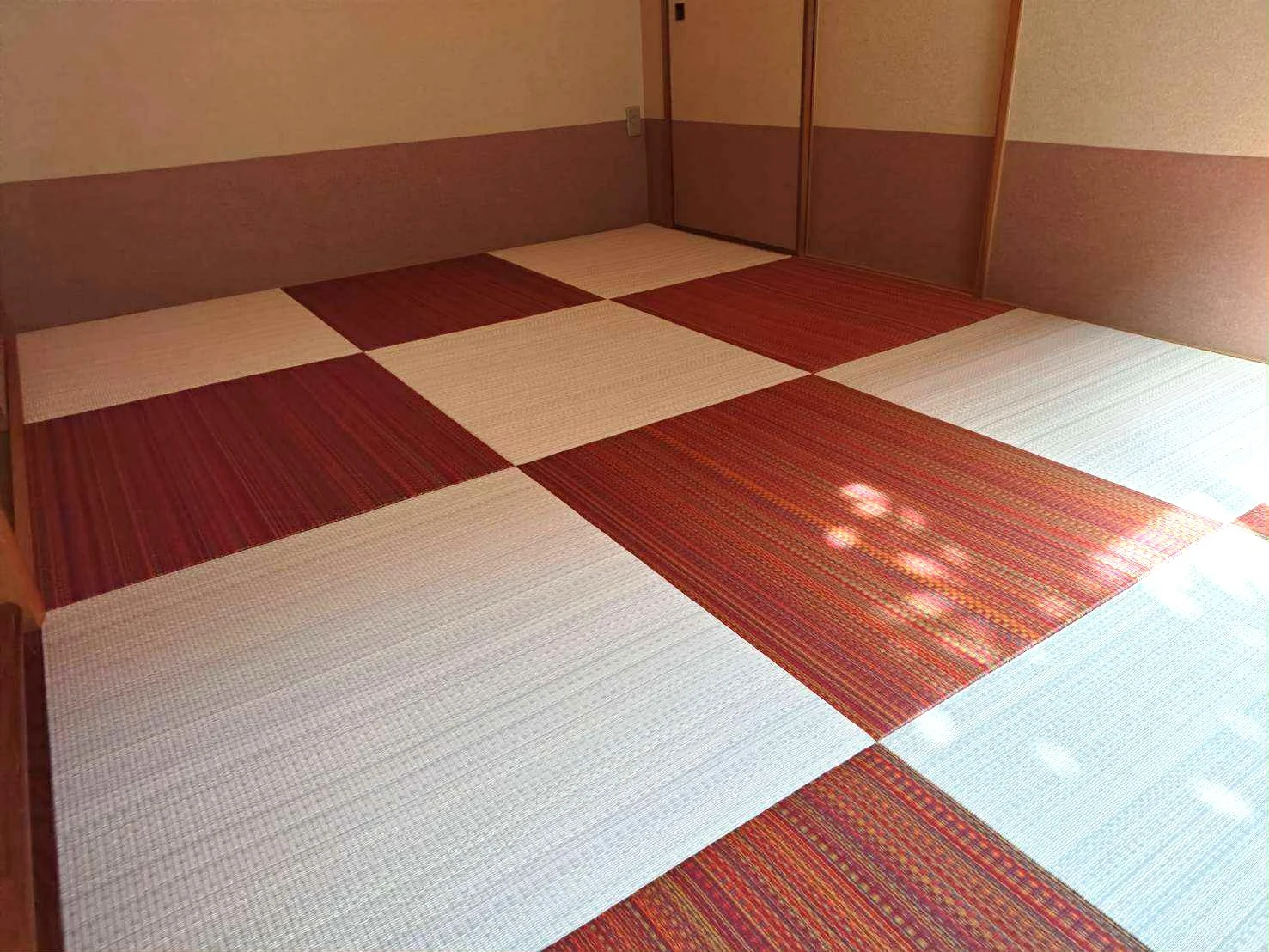
This tatami is finished by folding the rush without using fabric tatami edges attached to the long and short sides.
Currently, there is a rich variety of colors, and it is very popular as it fits well in rooms with a Western-style atmosphere.
Manufacturing of Washi Tatami
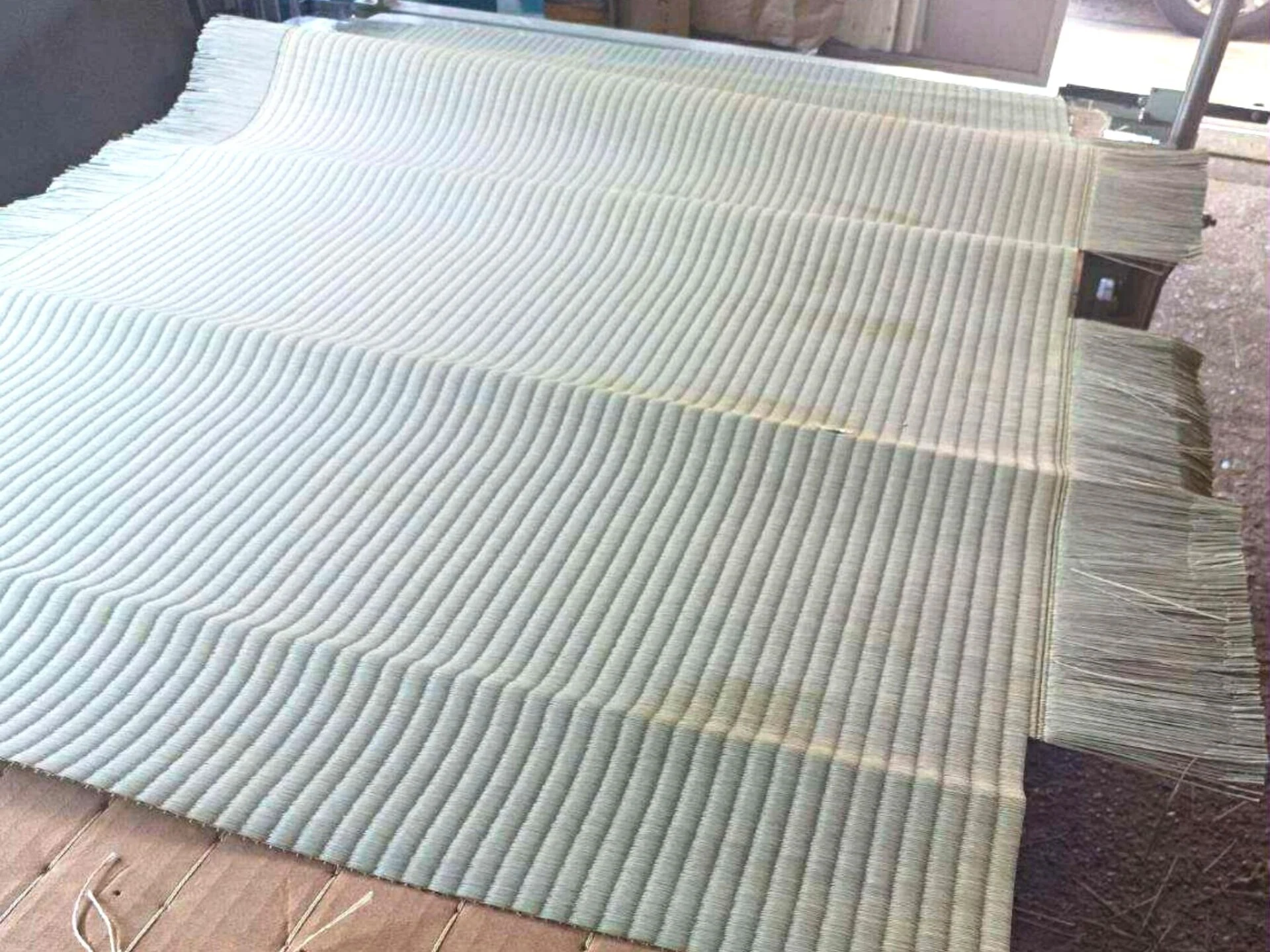
This tatami is made from washi that has been twisted into a cord shape instead of rush.
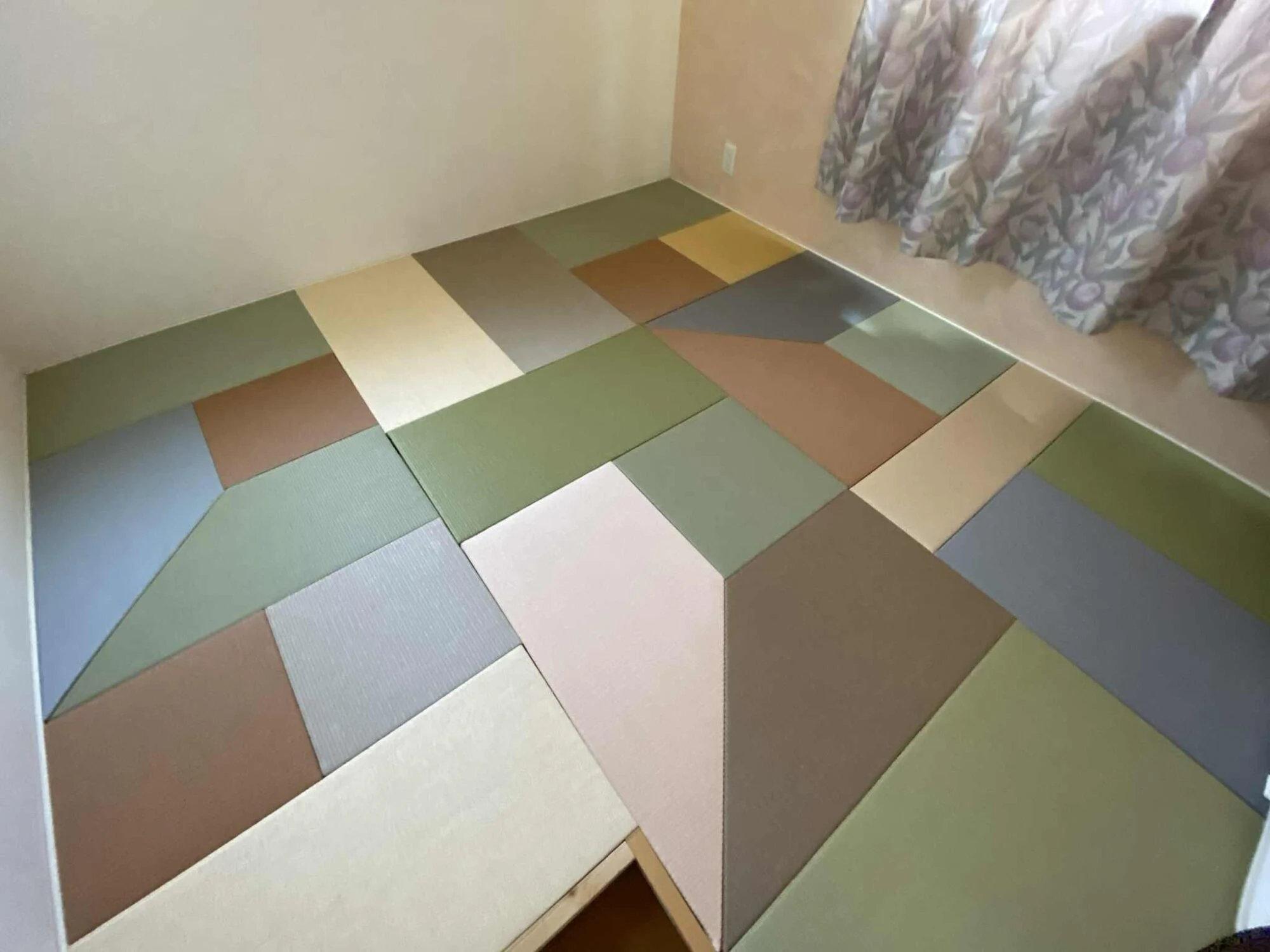
Since it is processed to look almost identical to real rush, it hardly differs in appearance from regular tatami.
Although it does not have the scent of rush, it is currently a popular material due to its resistance to discoloration and damage.
Tatami may all look the same at first glance, but they are actually made to fit the size of the room, so their sizes vary slightly.
The size also differs depending on the placement of tatami in the room, so they cannot be interchanged arbitrarily.
Replacing Fusuma, Shoji, and Screens
They also respond to requests for replacing “fusuma,” “shoji,” and “screens,” which require regular maintenance.
Replacements are performed when they are torn or have become old and discolored.
Production of Tatami Edge Products
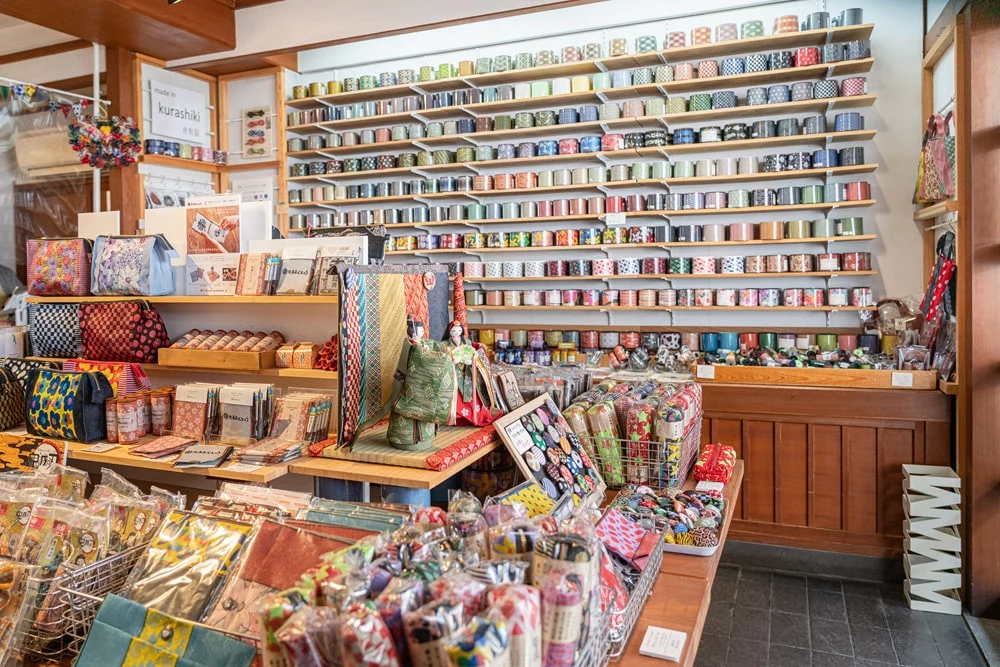
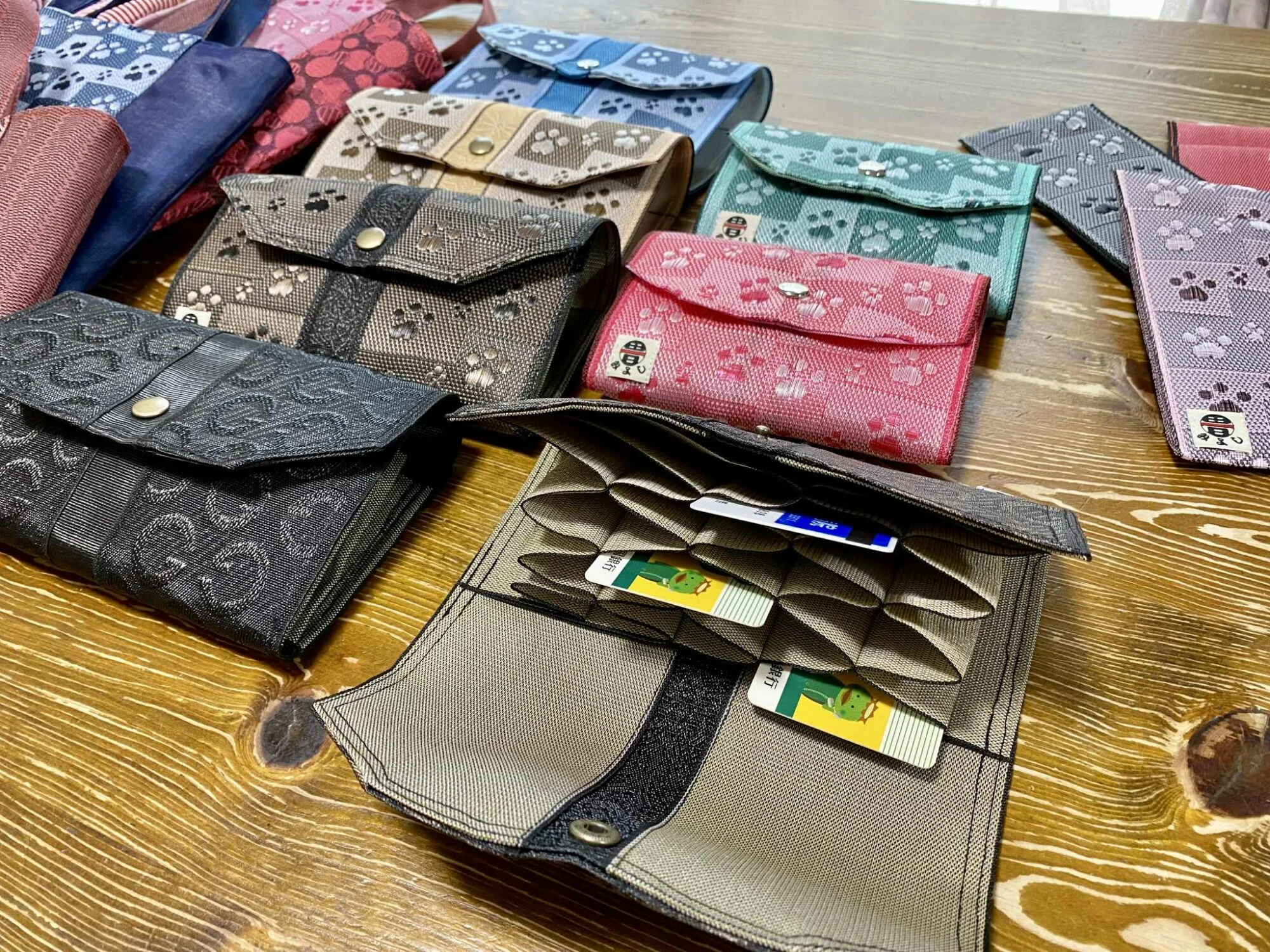
They produce bags, pencil cases, and card cases using tatami edges. Each item is handmade and makes a great gift.
Tatami-beri
The fabric part attached to the long side of the tatami.
There are many designs and colors, which can change the impression of the room.
Changing tatami, which influences the impression of the room, is done only every few years. Therefore, it is important to choose a store that you can trust.
Miyoshi Tatami Store is a small shop, but due to their sincere and careful service, they have many repeat customers.
I spoke with the owner of Miyoshi Tatami Store, who provides various services and products in line with the needs of the times.
Data of Miyoshi Tatami Store
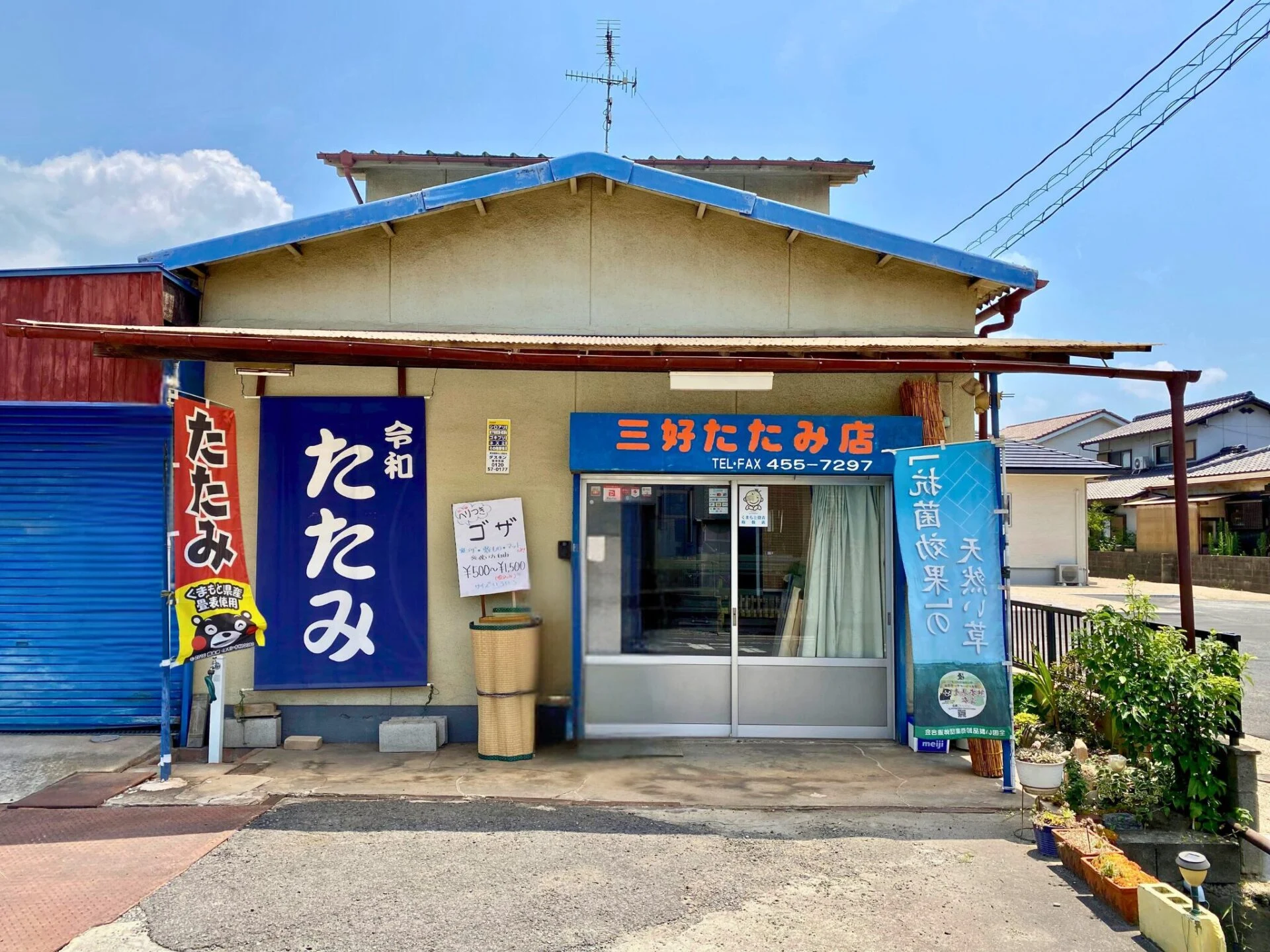
| Name | Miyoshi Tatami Store |
|---|---|
| Address | 4-8-9 Nakauchi, Kurashiki City, Okayama Prefecture |
| Contact | 086-455-7297 |
| Website | Miyoshi Tatami Store |