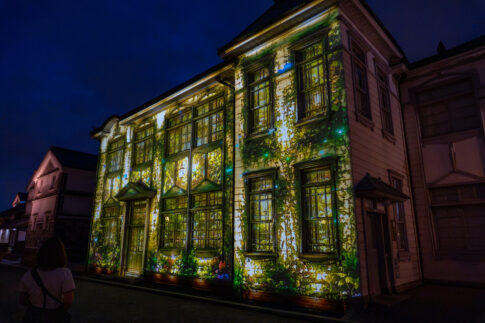
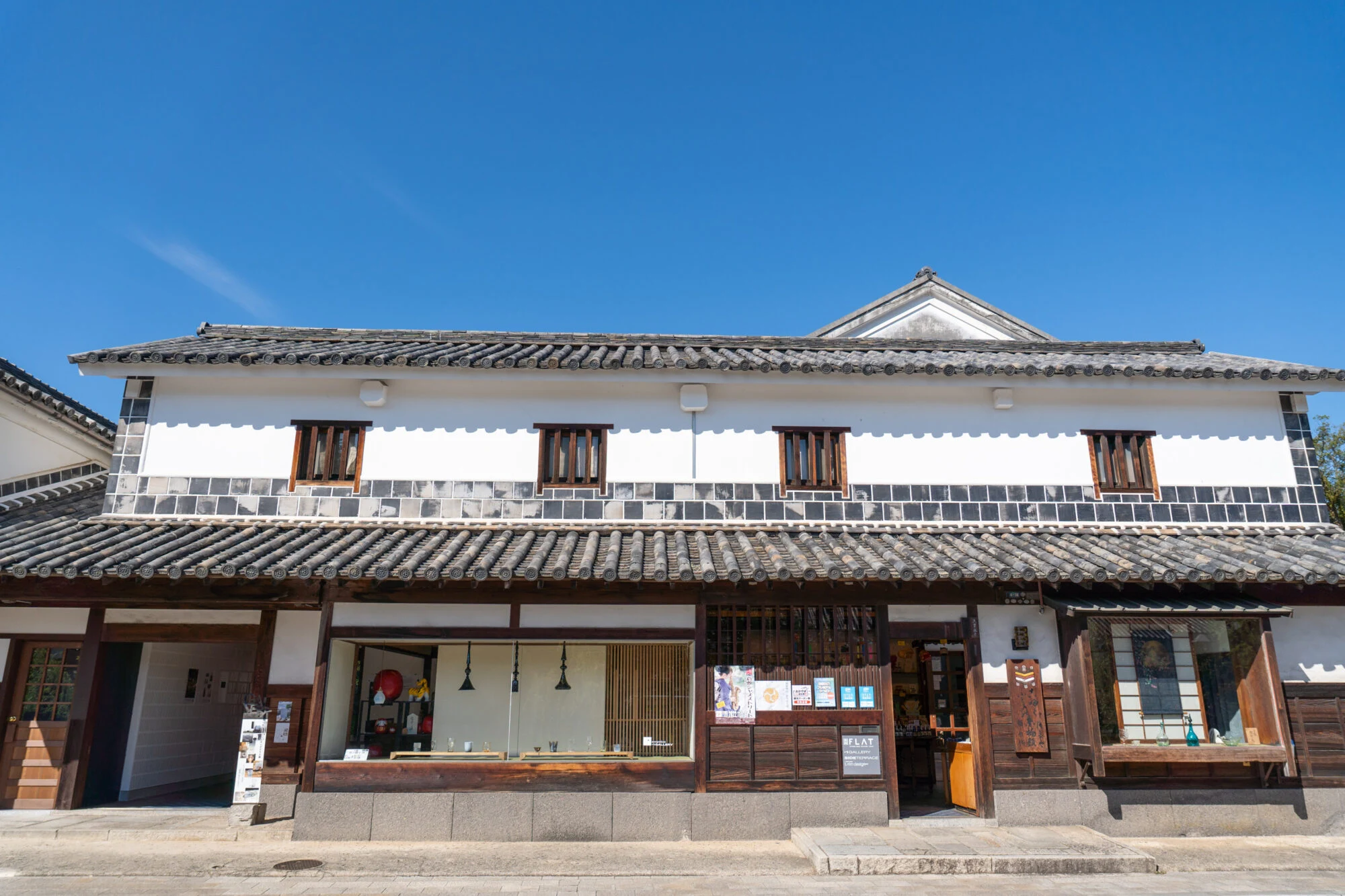
There are townhouses with impressive eaves that continue along the Kurashiki River.
This is the Japanese Folk Toy Museum. It is a place where approximately 10,000 toys from all over the country are collected and displayed.
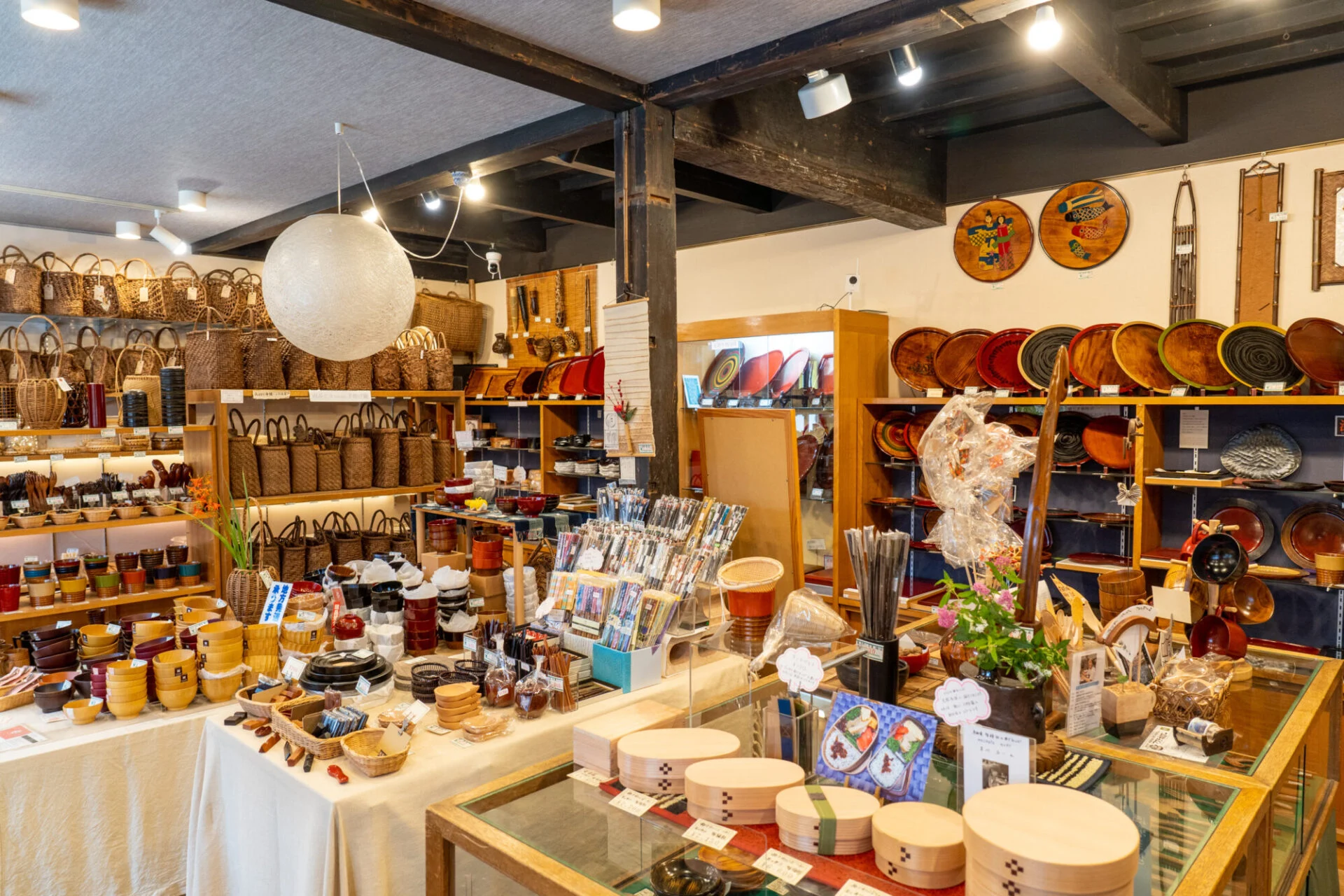
As soon as you step into the building, which has been renovated from a rice storehouse, you are warmly welcomed by an abundance of locally colored toys.
In the side terrace, the +1GALLERY showcases contemporary crafts.
Despite the different eras, I visited the Japanese Folk Toy Museum, a space where locally made toys and crafts coexist.
Local Toys Collected from Across Japan
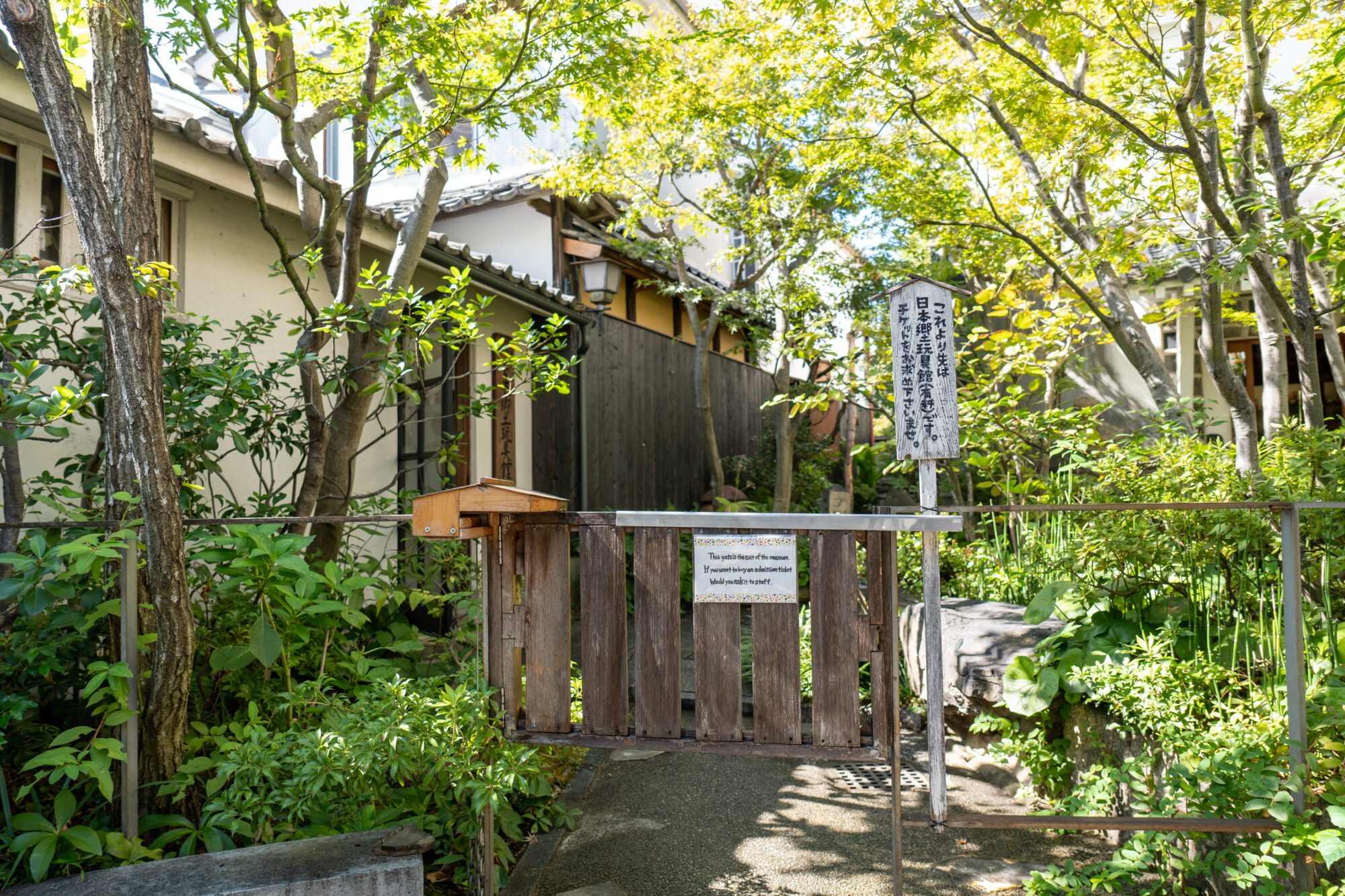
The Japanese Folk Toy Museum opened in 1967.
The folk toys on display were collected from various collectors and toy makers across the country by the current director, Ohga Kimiko, and her father-in-law, the first director, Ohga Masanori.
The folk toys are displayed across two buildings.
Each toy is completely different, yet they all exude a gentle atmosphere filled with nostalgia.
Additionally, starting in April 2024, the entire museum will be renovated to include LED lighting, a re-layout of the exhibits, and captions (also in English), allowing for a more thematic experience.
gallery1: A Hall of Colorful Paper Mache and Dolls
Folk toys refer to toys that have been made in various regions of Japan for a long time, using local materials and natural resources.
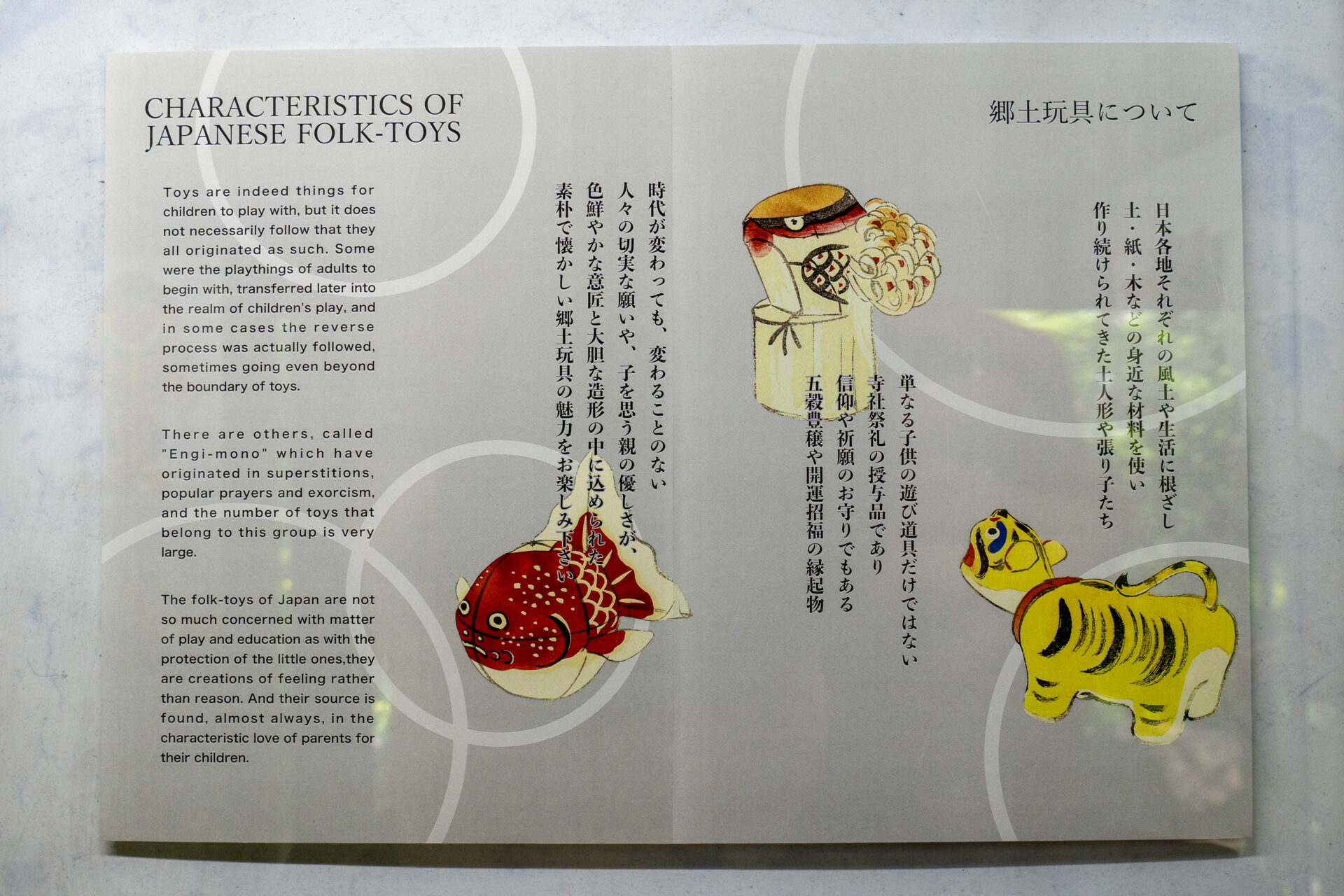
Legends passed down through generations have transformed into folk toys that serve as good luck charms or talismans, while some are modeled after familiar animals or are connected to beliefs, all of which are deeply intertwined with people's lives.
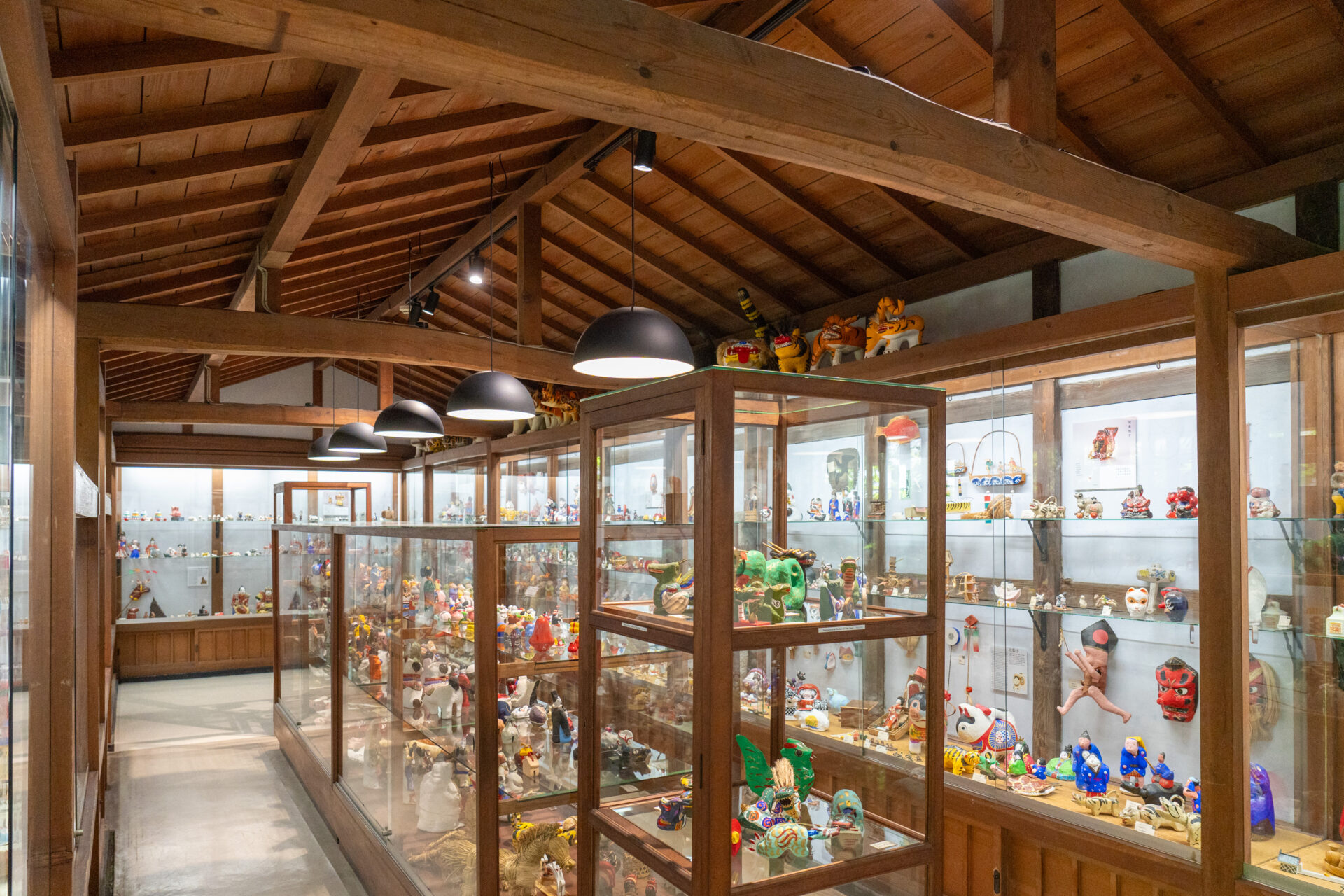
In the front building of the Japanese Folk Toy Museum, the gallery1 features masks and dolls made of paper mache collected from various regions of the country, displayed by region.
Despite the differences in their origins, there is a certain commonality in the colors and expressions used.
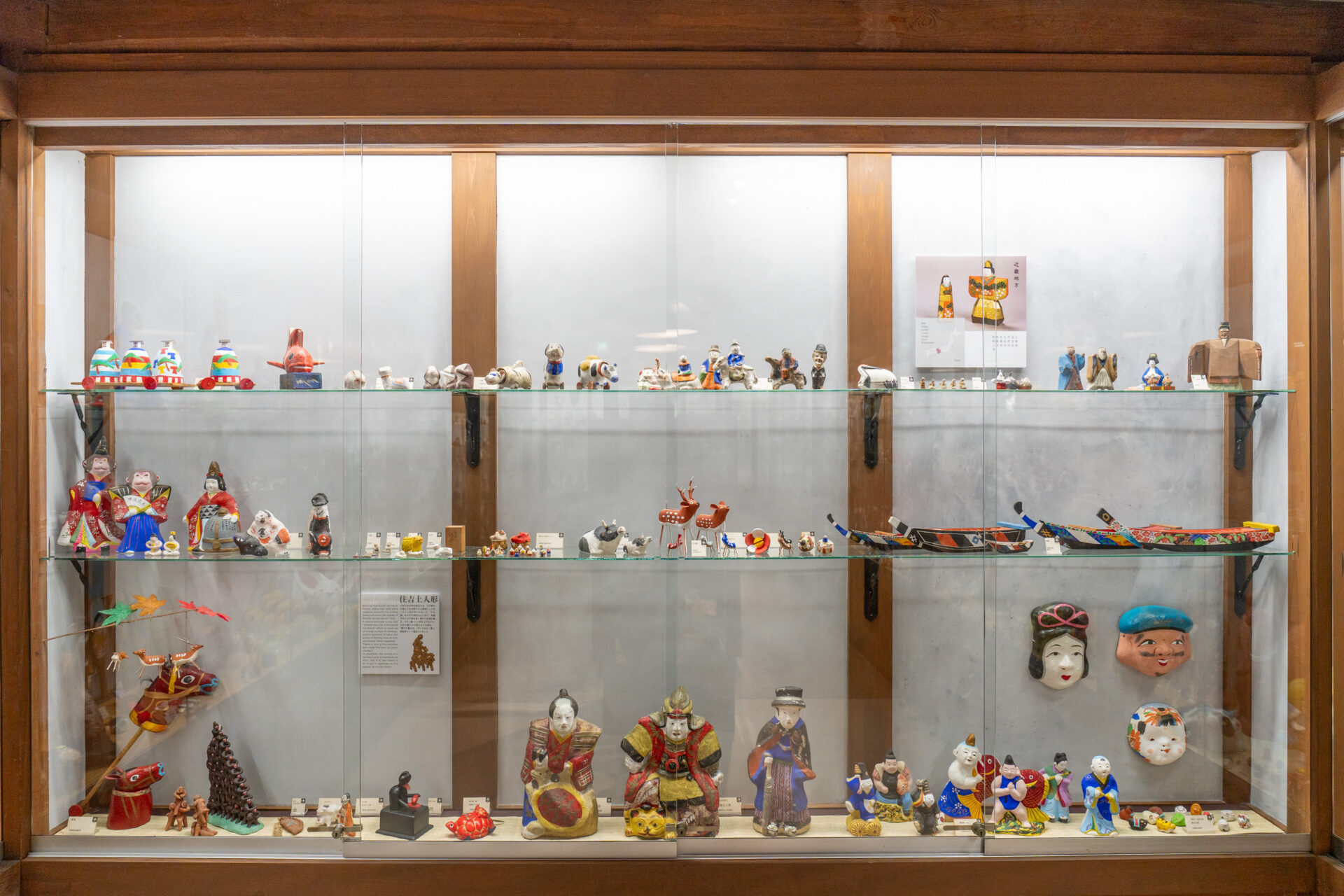
I was born and raised in the Chugoku region.
Standing in front of the exhibits from the Chugoku and Shikoku regions, my eyes were drawn to a mask reminiscent of Kibitsuhiko-no-Mikoto and the monkey known for accompanying the Momotaro legend.
Things I grew up hearing about naturally evoke memories and stories.
While I felt a commonality overall, recalling the origins may be evidence of how deeply rooted folk toys are in people's lives.
gallery2-4: Daruma, Hina Dolls, Wooden Toys, and More
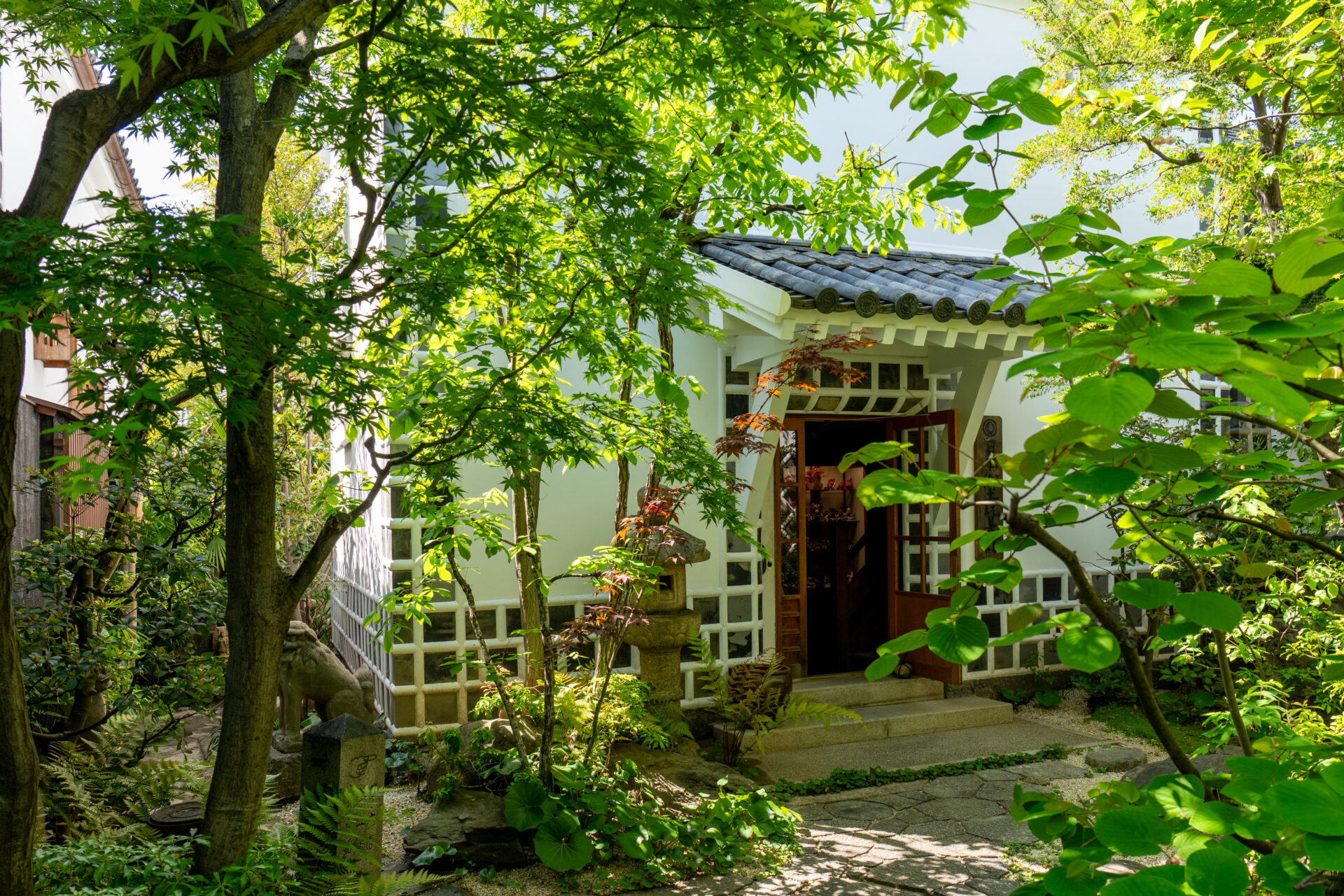
The back storehouse (rice storehouse) that you pass through the courtyard is gallery2-4.
As soon as you step inside, you are welcomed by even more folk toys than in gallery1.
On the left side of the first space (gallery2) is a space displaying folk toys donated by collector Yoshinaga Yoshimitsu.
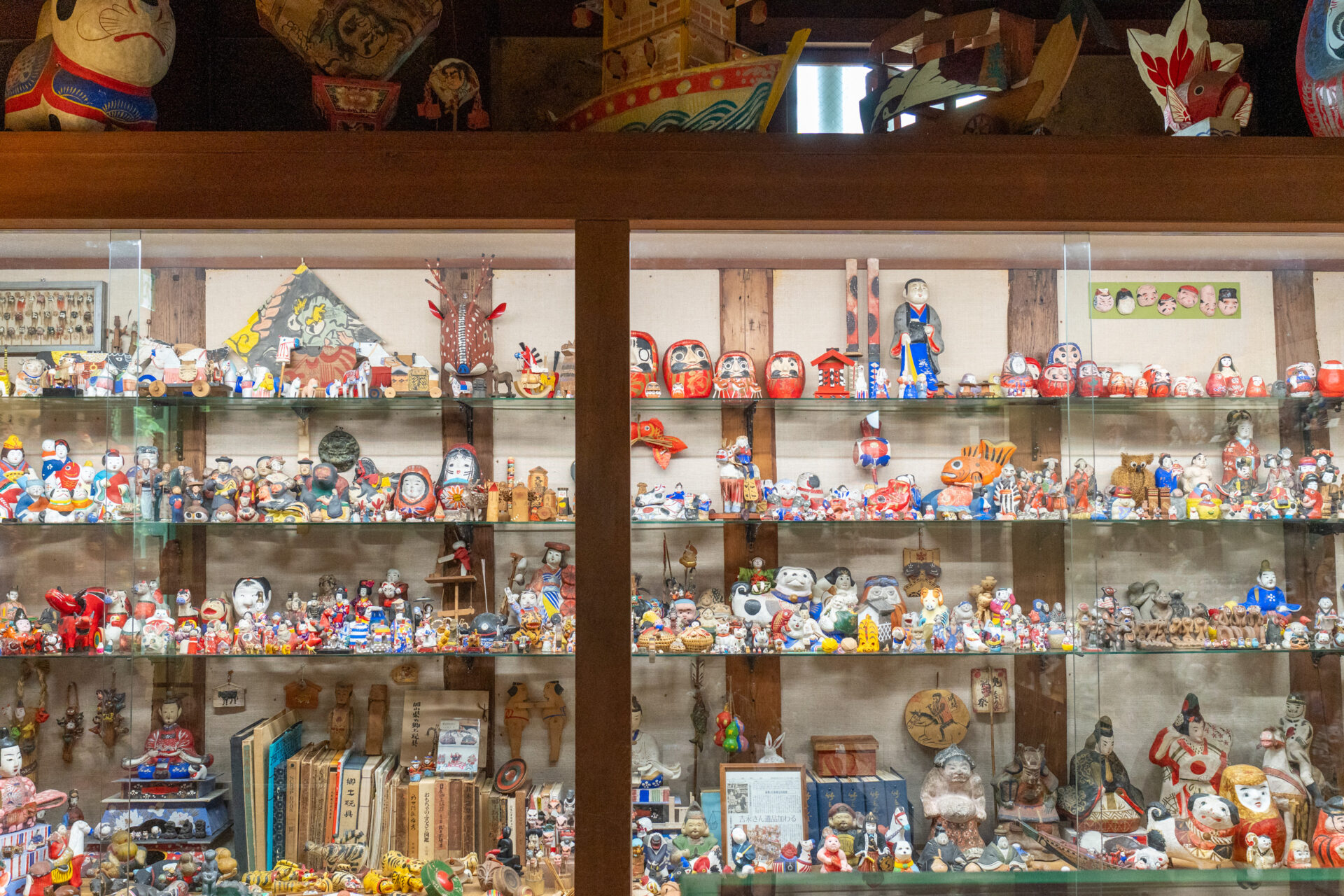
The overwhelming number of items is astonishing. While I felt the origins and stories of the folk toys displayed by region, what struck me here was the rich variety of folk toys.
Some are as small as the tip of a finger, while others are large enough to be handled with both hands.
Some are meant to be displayed and enjoyed on special occasions, while others may have been toys to be picked up, enjoyed for their texture, and smiled at.
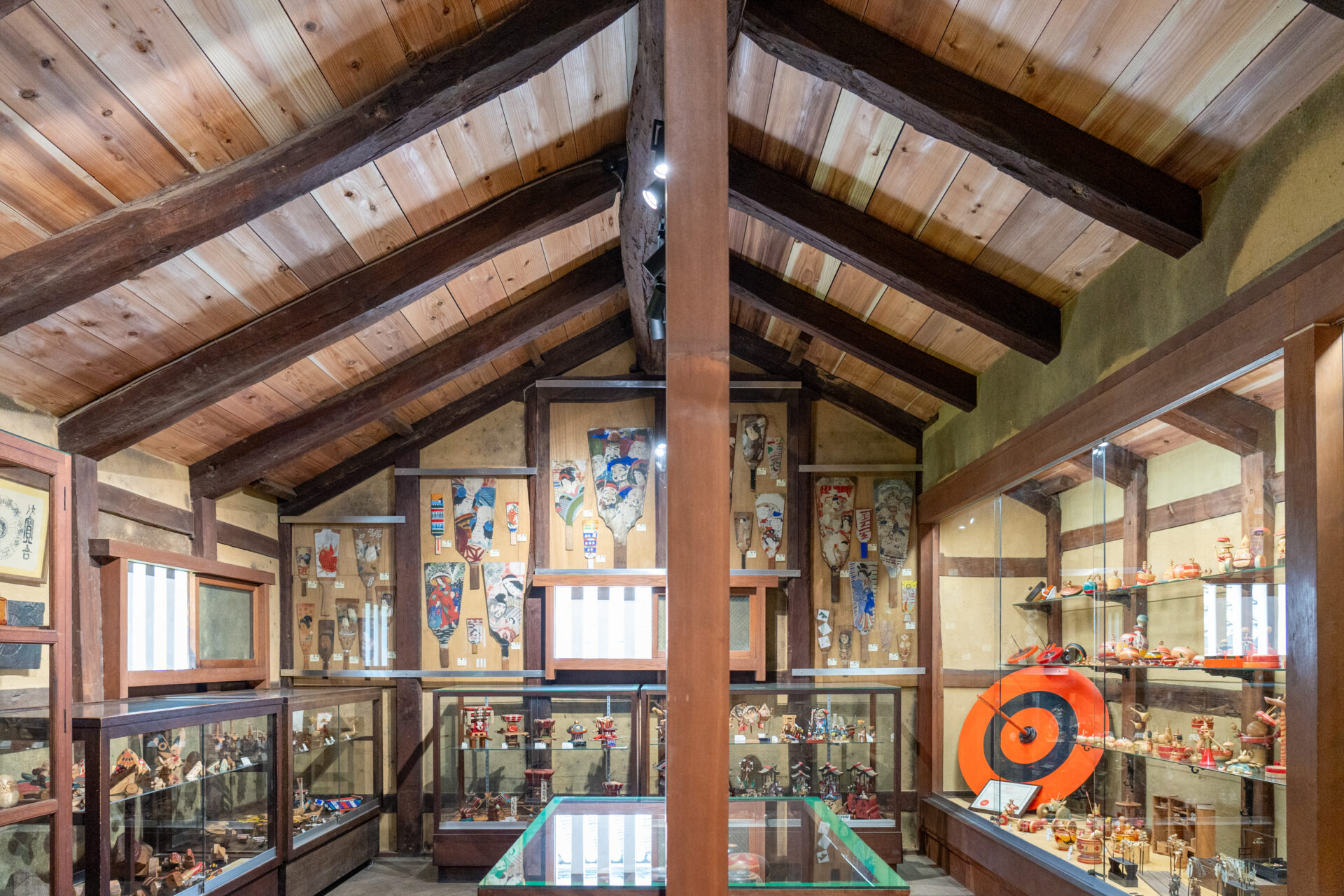
The second floor is gallery3.
Here, various toys made from wood, such as battledores, spinning tops, and Kokeshi dolls, are displayed.
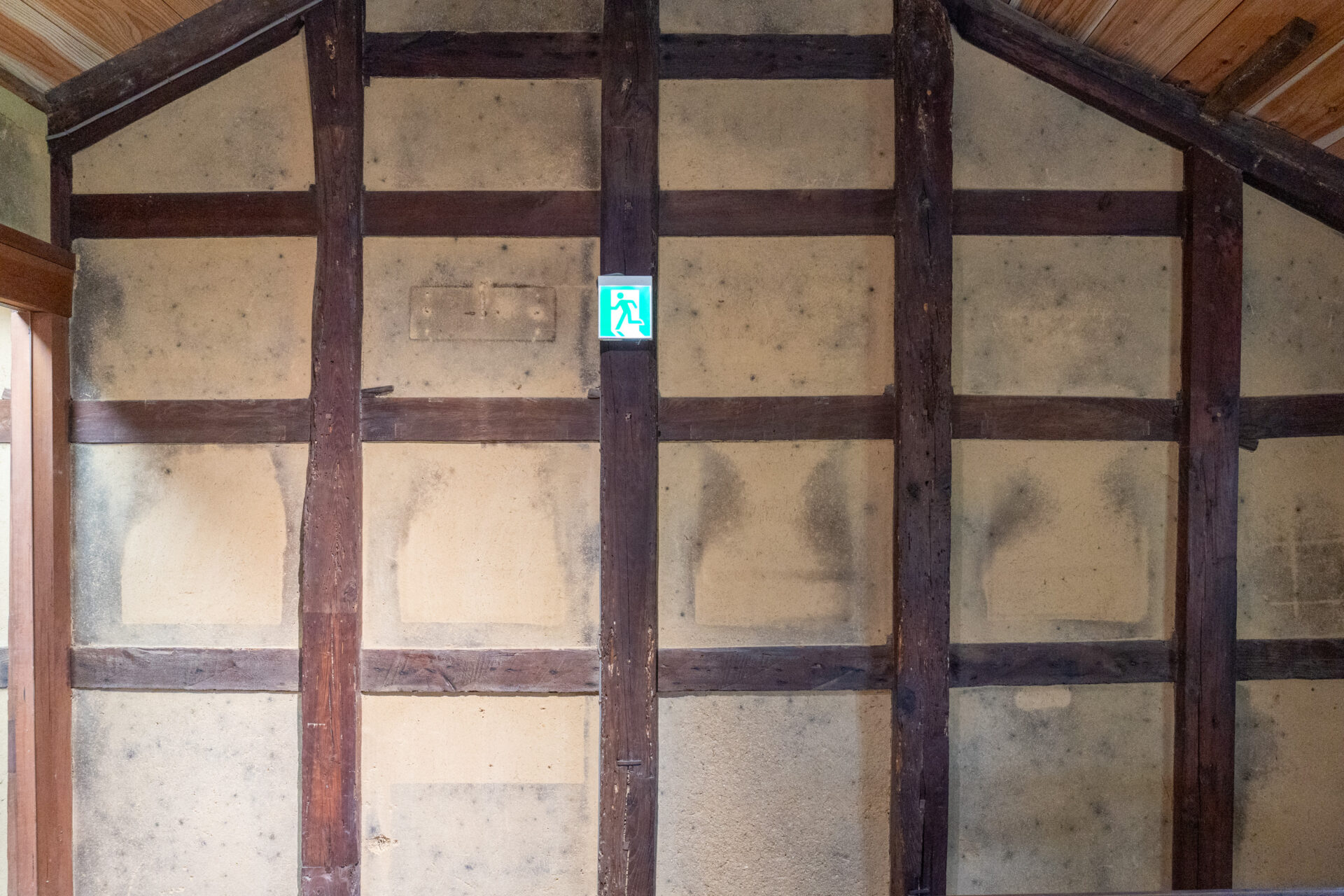
The exterior walls of the building have been repainted with plaster, and the roof has been replaced, making the ceiling boards new and bright.
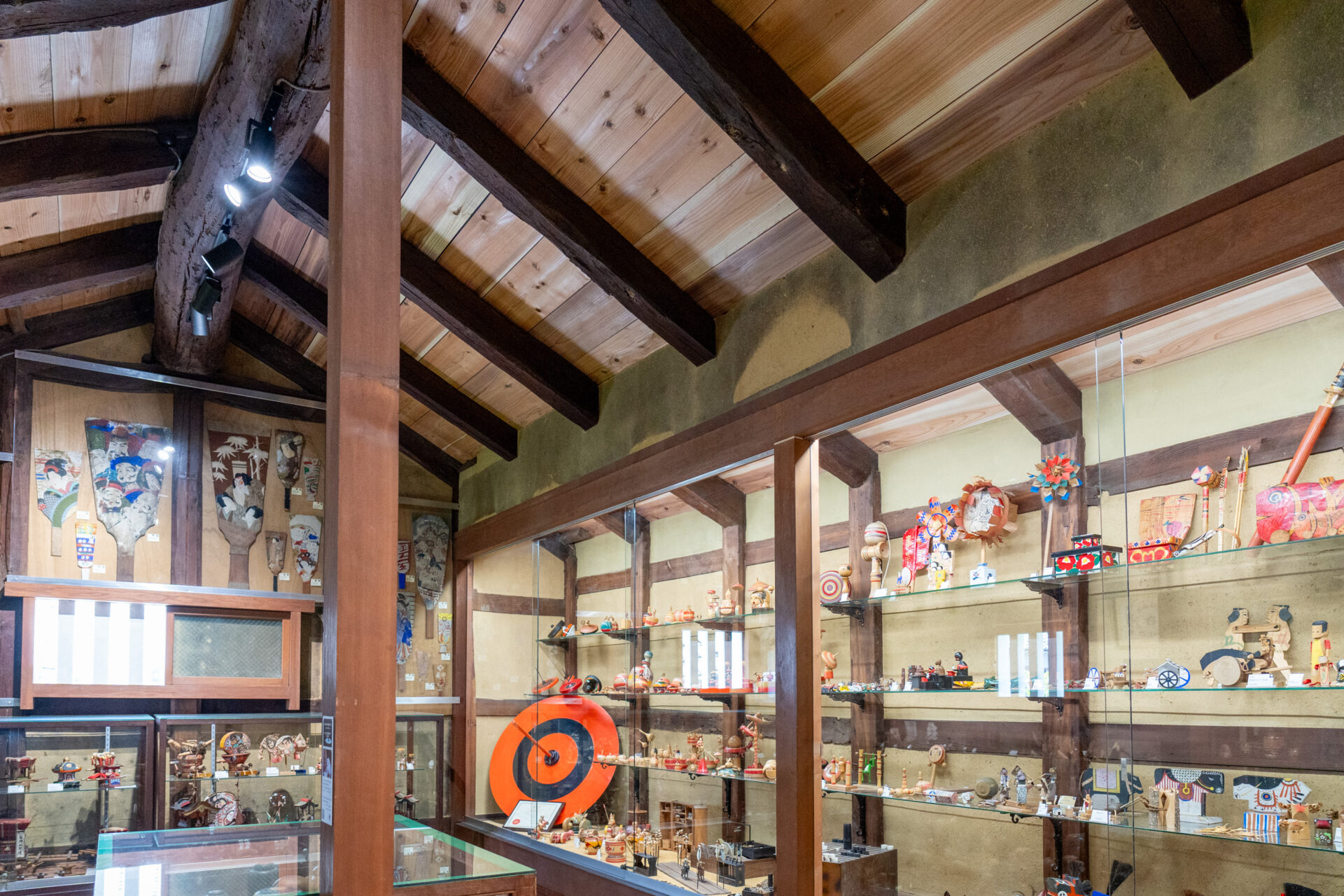
Additionally, with the renovation in April 2024, the layout has been changed to evoke the atmosphere of earthen walls.
I found the large spinning top made by the former director that I wanted to see displayed in this location.
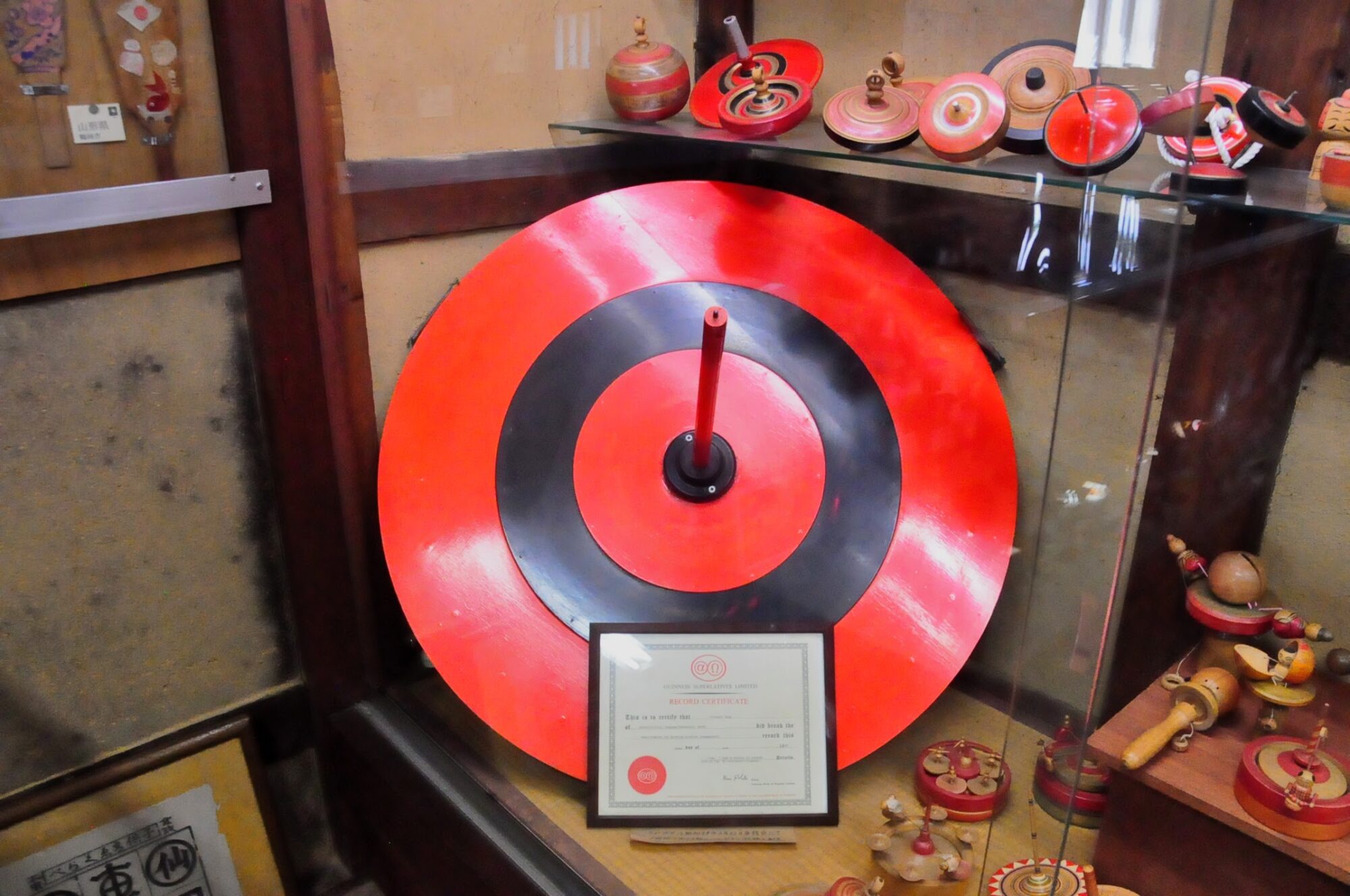
I am not well-versed in spinning tops, but I can't help but wonder what the process was like to create a spinning top of 90 centimeters in diameter out of wood, which requires balance.
gallery4 is Full of Instagrammable Spots
Finally, I entered gallery4.
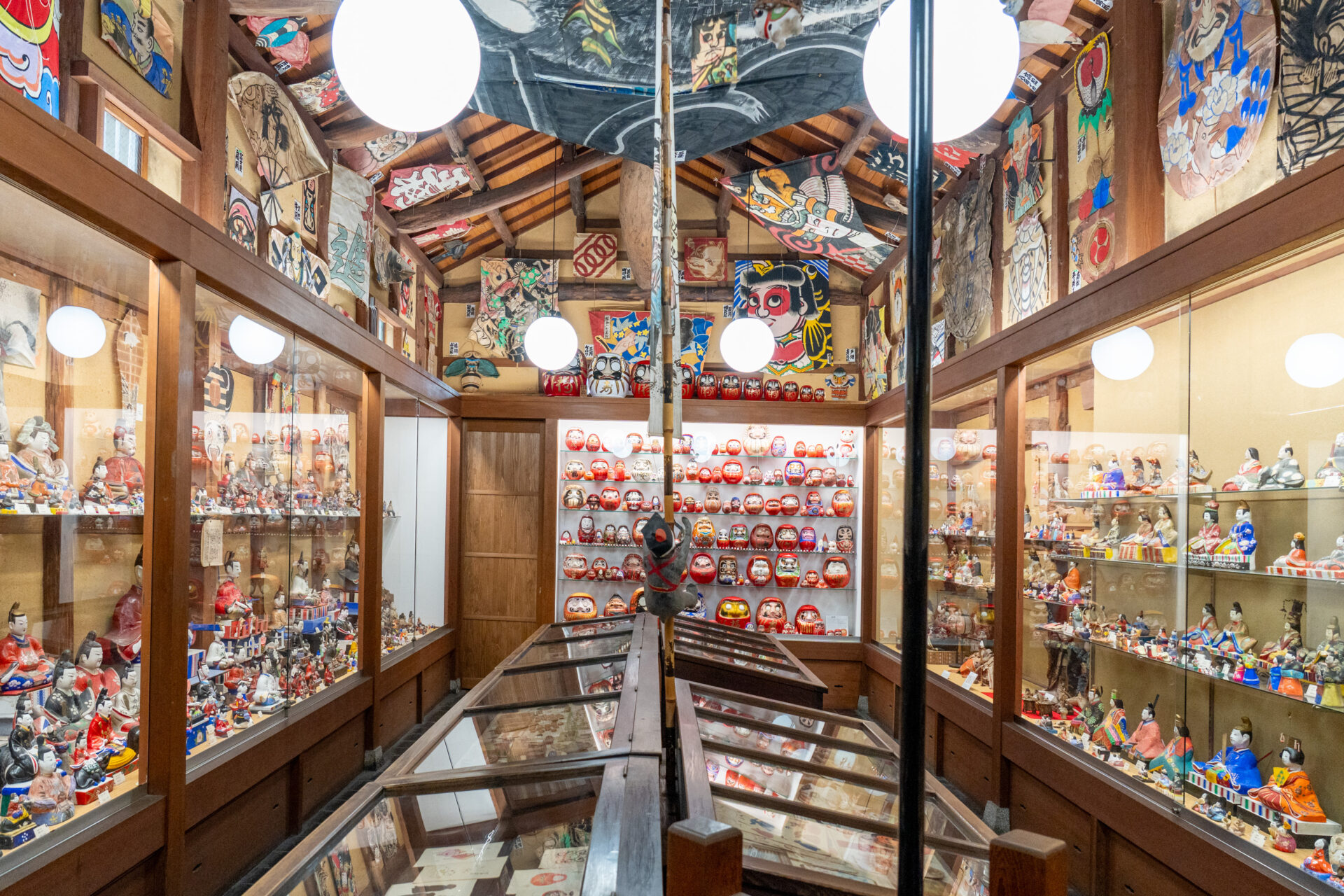
On the right side of the entrance, Hina dolls are displayed, while on the left side, dolls of Tenjin are showcased.
The exhibits are not limited to the walls.
The highlight of this space is that you can enjoy the exhibits by looking up at the ceiling.
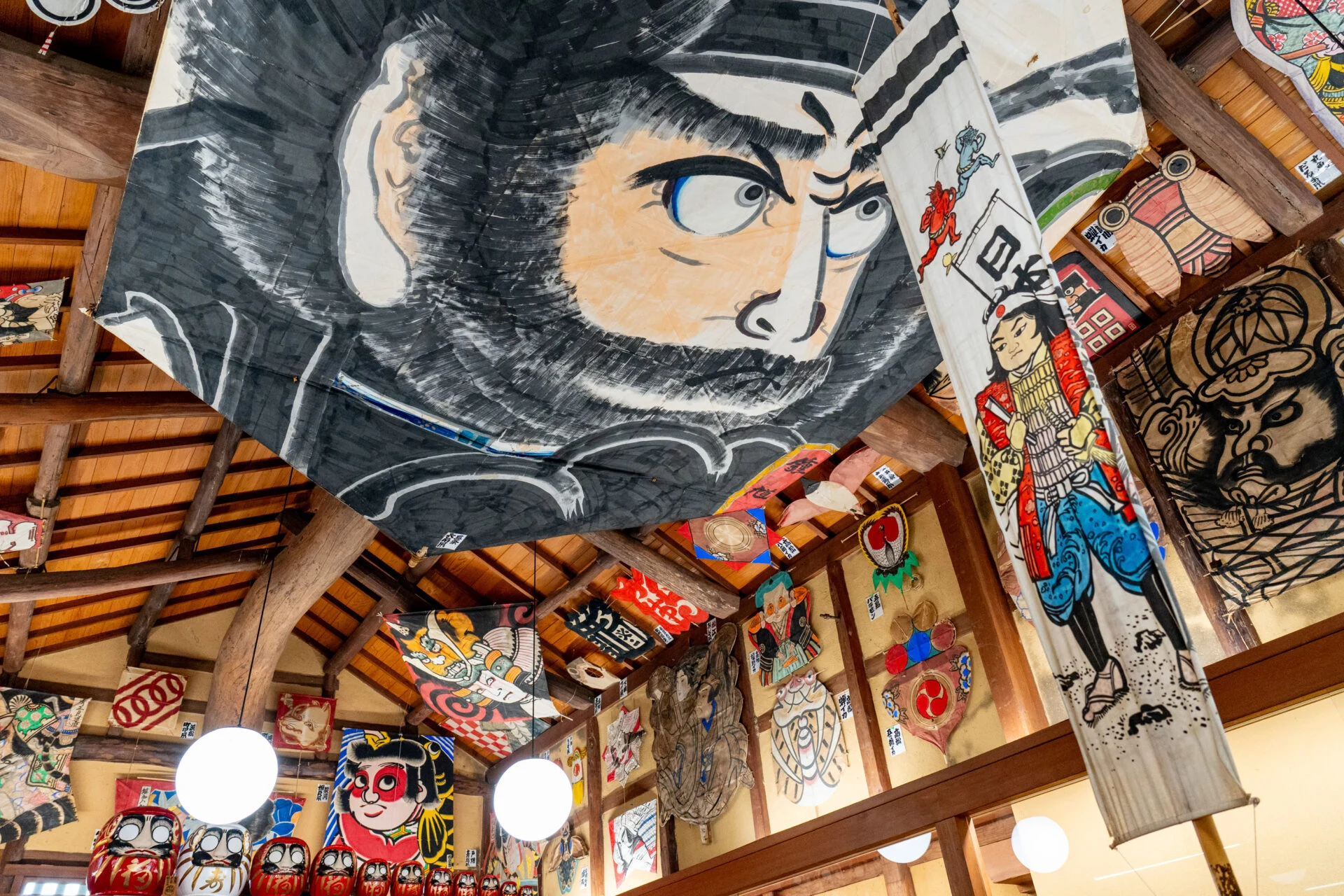
The large kite displayed high on the ceiling of the rice storehouse seems to be soaring in the sky right now.
It reminded me of my childhood, when I used to fly kites, making them smaller and sending them higher and farther. Looking up at the kite brought back nostalgic experiences.
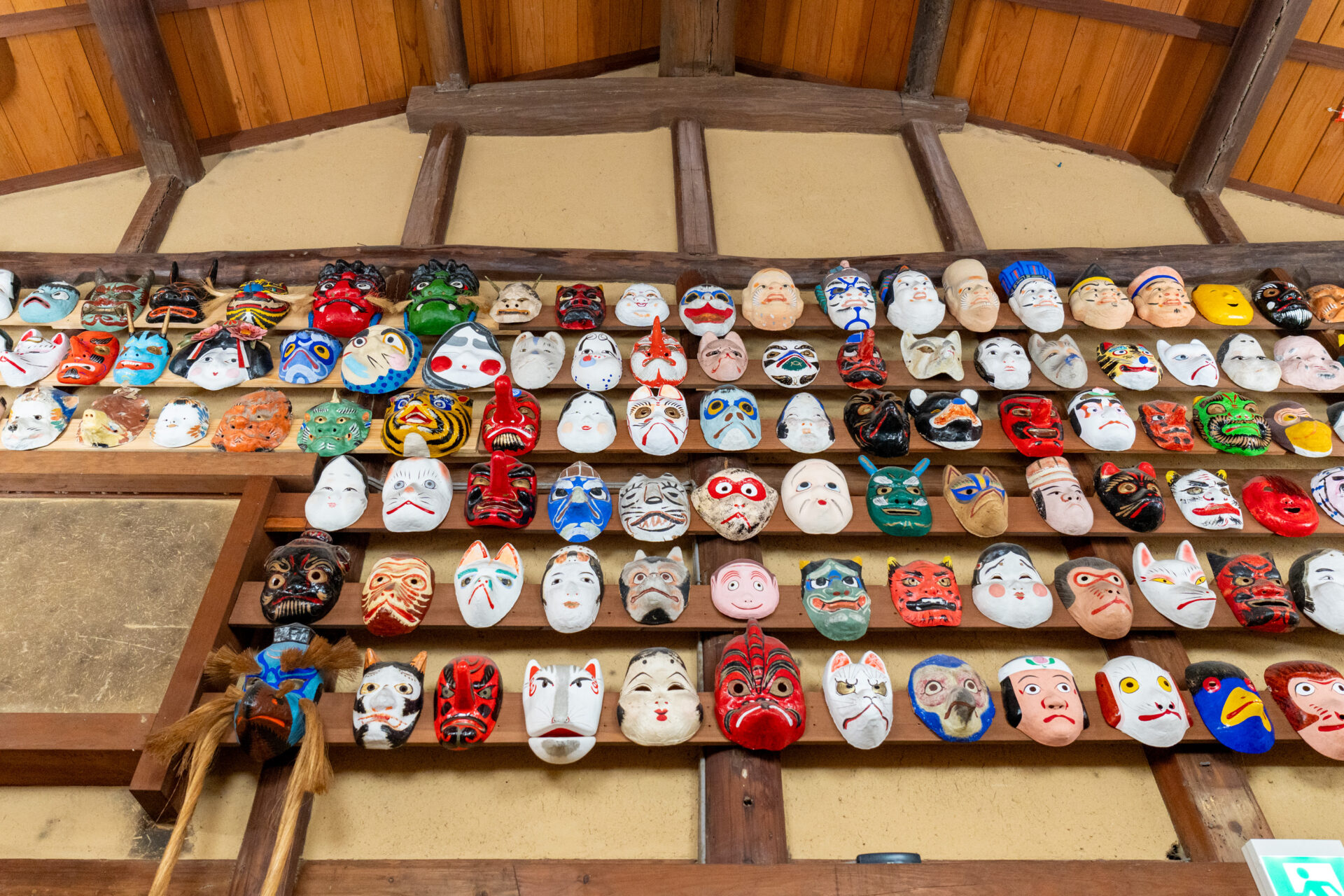
Looking up at the large kite and turning around, a row of masks is lined up.
There were masks of Tengu and Oni, but strangely, they are not scary. From the masks seen at the Japanese Folk Toy Museum, I even felt a sense of security as if I were being watched over.
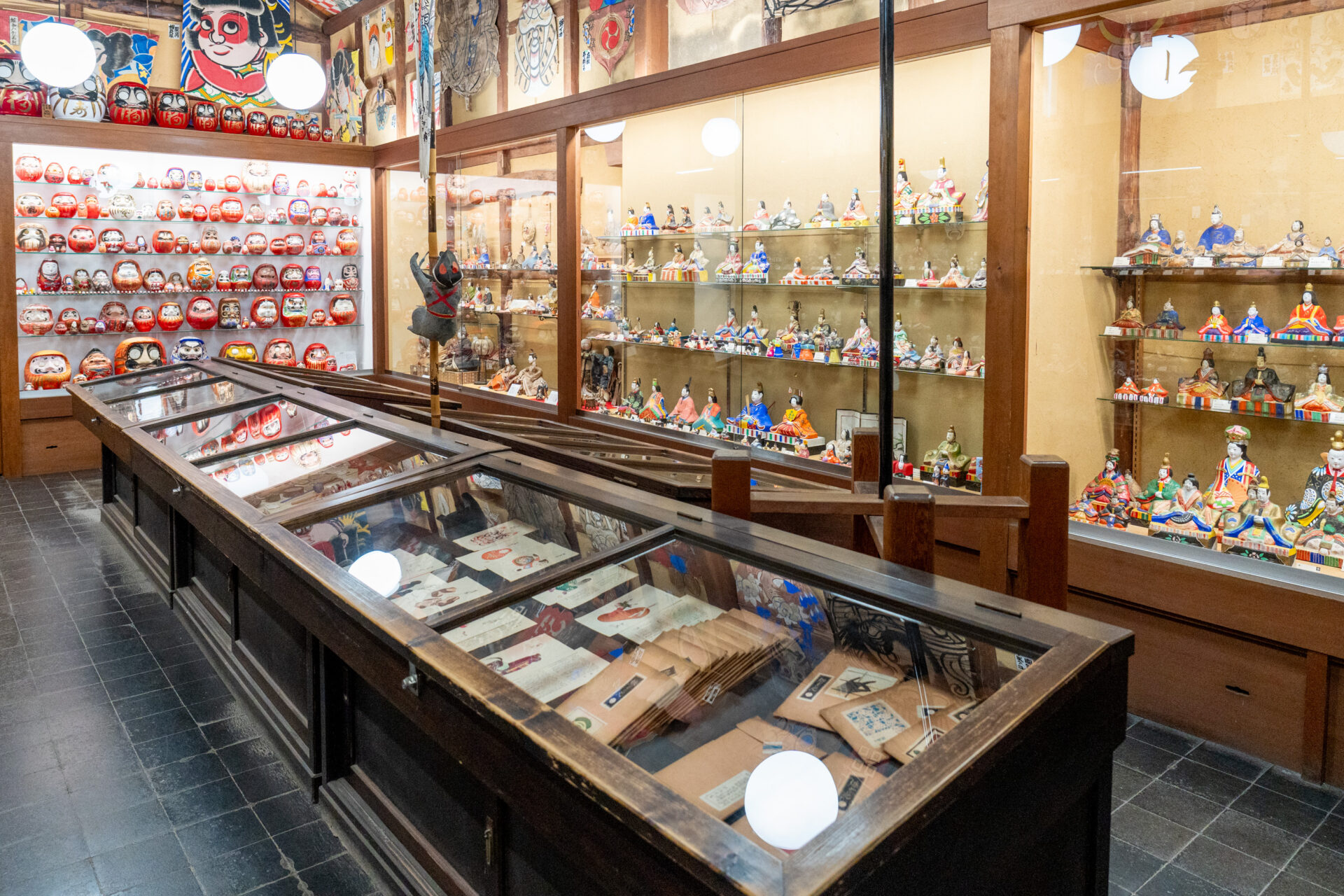
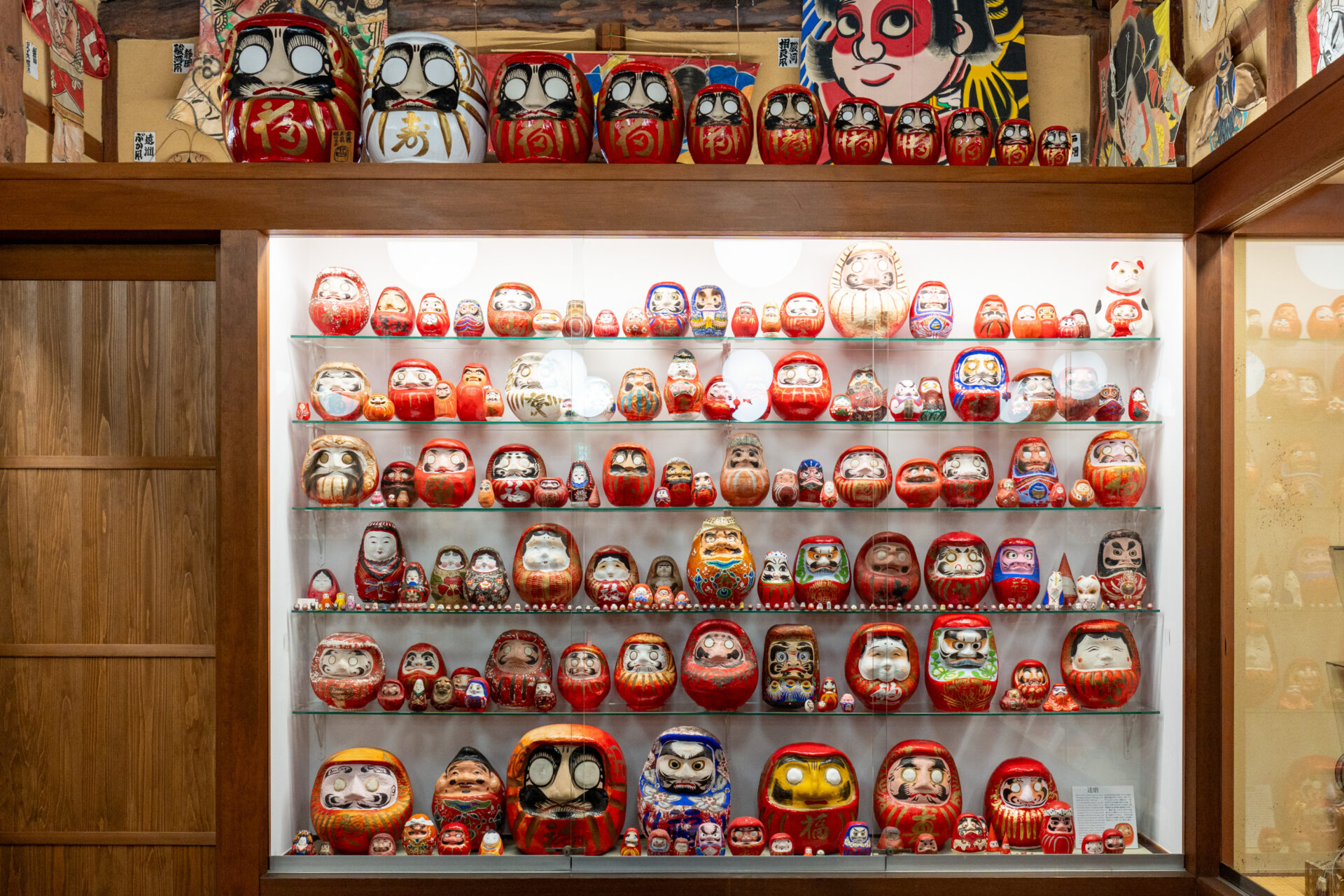
At the back of the exhibition room, there is a Daruma corner.
Among the wooden toys, some are designed for movement like spinning tops, while others are for enjoying sound.
When I think about the process of making and the makers, I felt a refined design in all the toys, ensuring that children do not get hurt and can enjoy them without getting bored.
A Space to Feel Close to Contemporary Crafts
Right at the entrance of the Japanese Folk Toy Museum, there is a side terrace and +1GALLERY.
Side Terrace and +1GALLERY
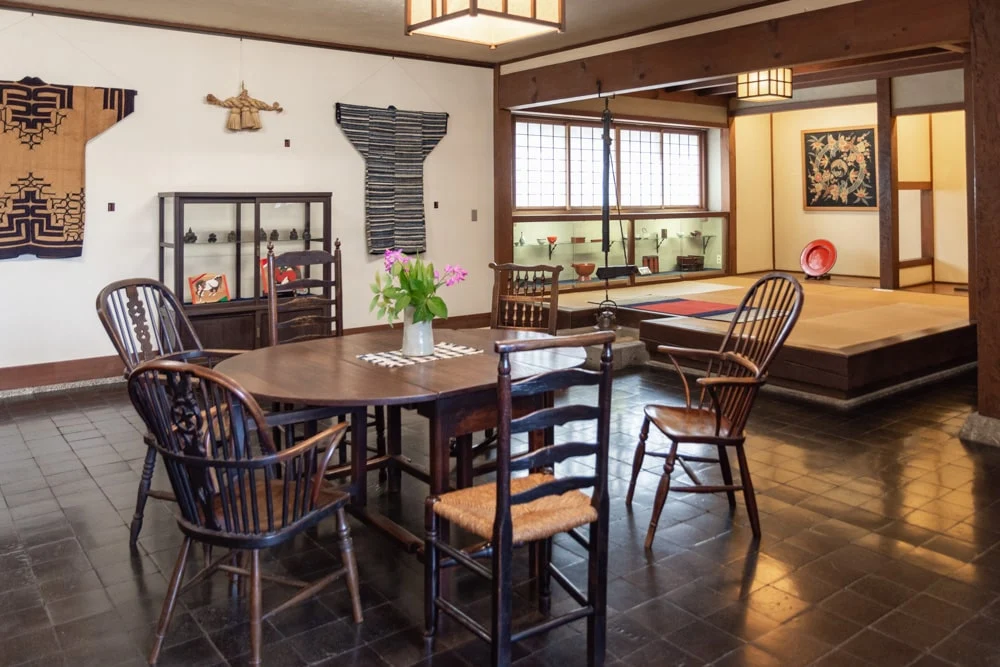
The side terrace was originally a tea room.
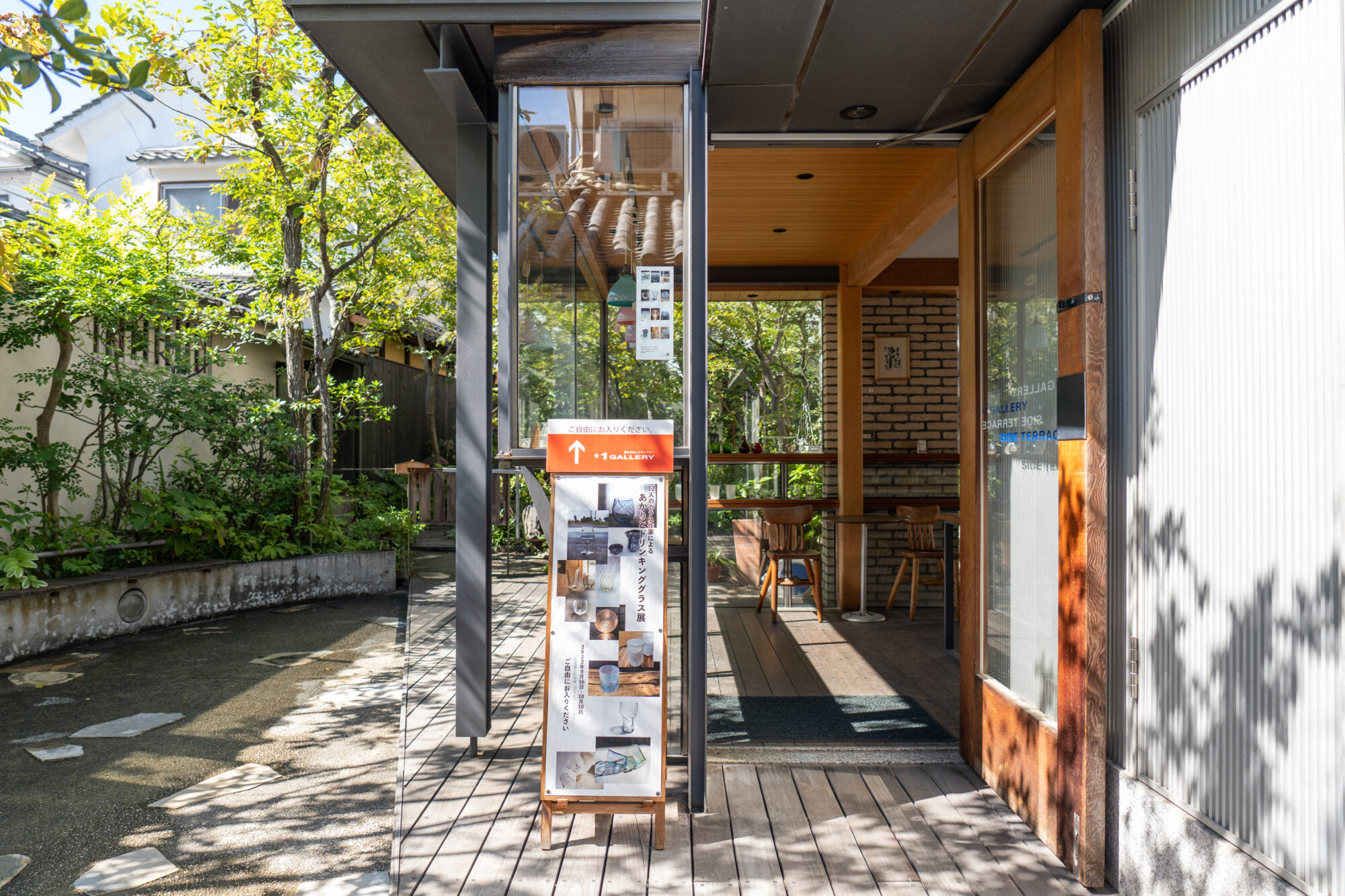
In 1999, architect Mariko Oga supervised the design, transforming it into its current form.
In a bright, open glass space, Kurashiki Glass and other items are displayed.
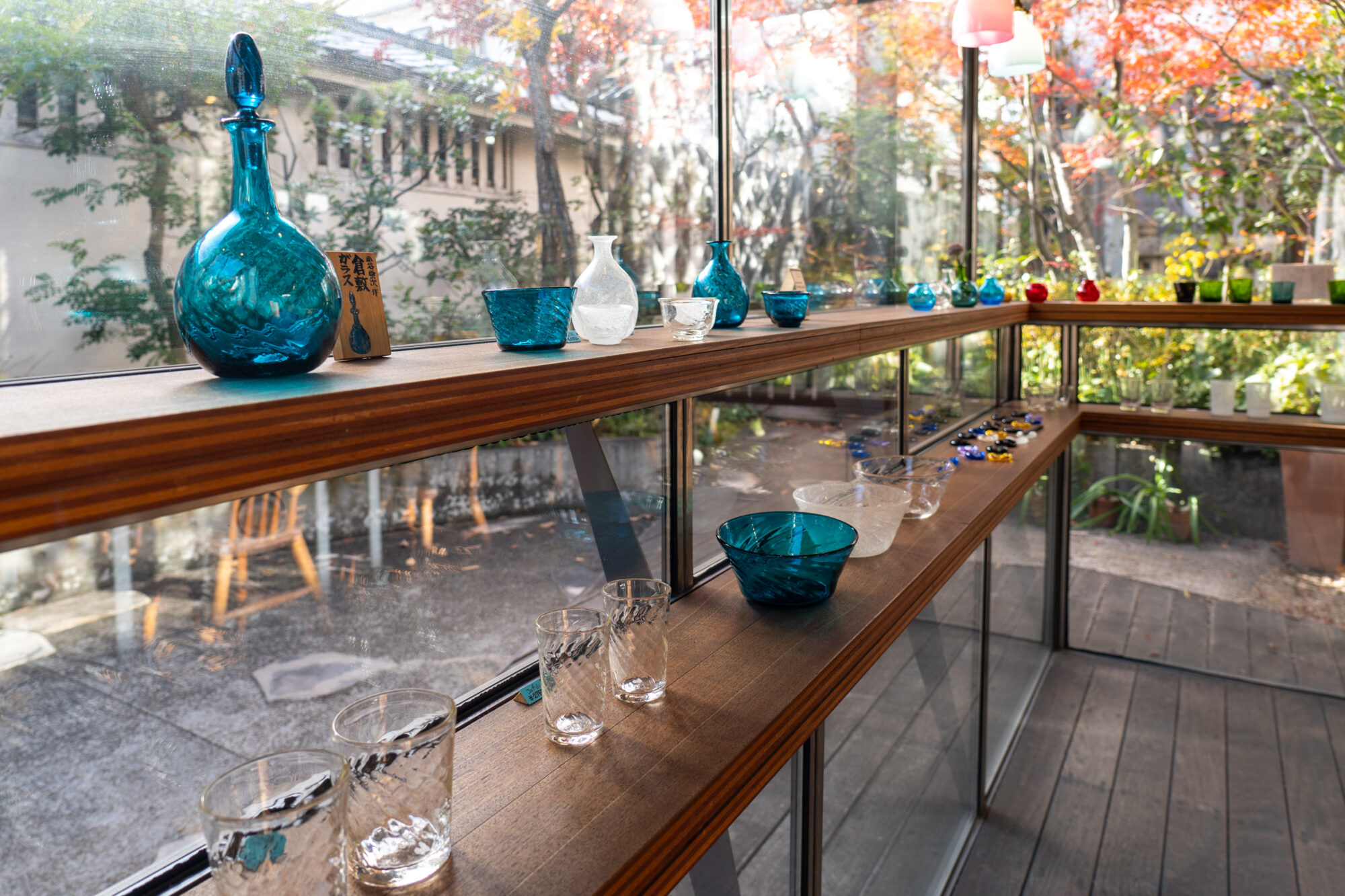
While being a refined space, the wooden floors and the richly colored pillars and beams naturally guide visitors inside.
Inside the side terrace, there is a museum café called "Yanagi to Hariko," which uses glasses from Kurashiki Glass and those made by Masahiro Ishikawa. Although it operates irregularly, the set of daily Western and Japanese sweets is popular.
For the operating information of the museum café "Yanagi to Hariko," please check Instagram (@gangukan_cafe).
Since everyday tableware can also be seen, it would be wonderful to take a moment to imagine table settings while relaxing.
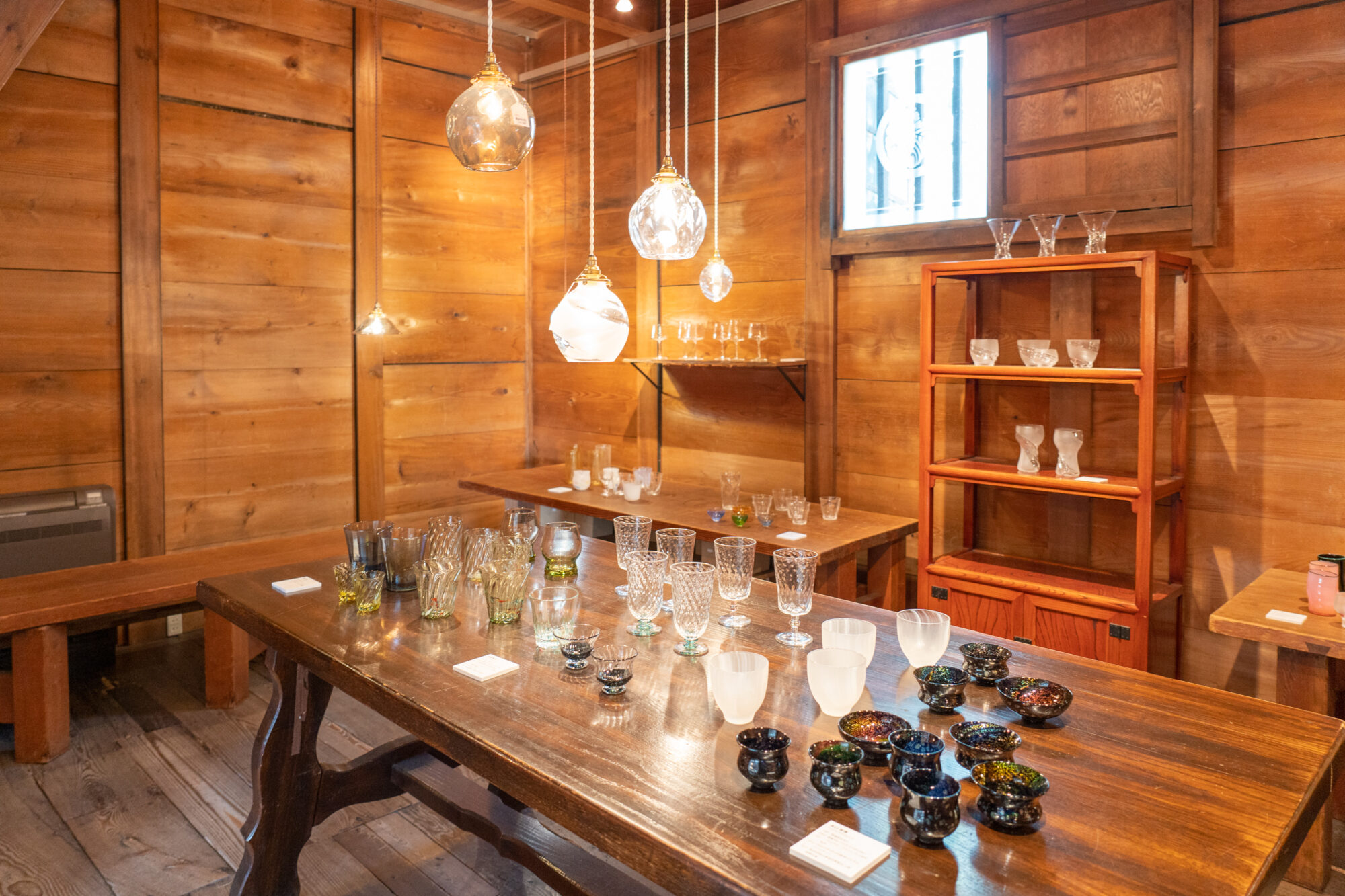
At the back of the side terrace is the +1GALLERY. This place, which was once a storage area, retains its original appearance.
With contemporary crafts on display, it feels like a place where the old and new intersect. The dimly lit gallery is illuminated by soft light, and the glasses reflecting the light create a fantastical space.
In +1GALLERY, various exhibitions by diverse artists are held, with both regular and newly planned events.
Current exhibitions and future schedules can be checked on the official website, making me want to visit for each exhibition to enjoy both the artworks and the gallery.
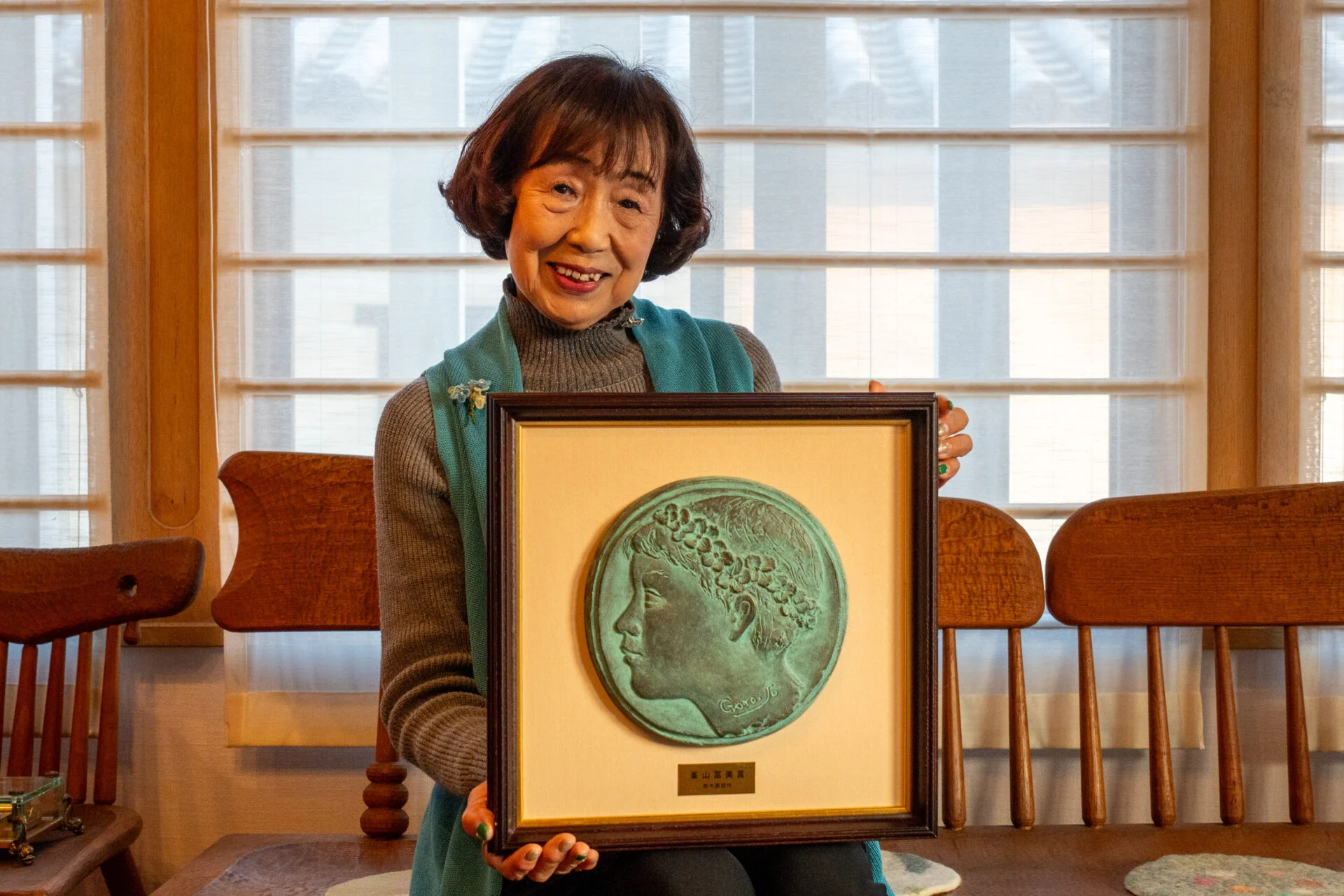
I spoke with the director, Kimiko Oga, and the assistant director, Nobuhisa Ono, about the Japanese Folk Toy Museum, which combines traditional folk toys and a modern gallery.
Data on the Japanese Folk Toy Museum
| Name | Japanese Folk Toy Museum |
|---|---|
| Location | 1-4-16 Chuo, Kurashiki City, Okayama Prefecture |
| Contact | 086-422-8058 |
| Parking | None Use the nearest parking lot. * The parking lots at Geibunkan or Kurashiki Central Library are convenient. |
| Opening Hours | 10:00 AM - 5:00 PM * The last admission to the museum is at 4:40 PM |
| Closed | Irregular holidays December 30 - January 1 Please check the official site for other irregular holidays. |
| Admission Fee (tax included) | Only the museum is paid. Payment is made at the shop register. Adults: 600 yen (500 yen) Middle and university students: 300 yen (200 yen) Elementary school students: 100 yen (50 yen) Children under elementary school age: Free * The prices in parentheses are for groups of 10 or more and for those with a disability certificate. |
| Payment Methods |
|
| Reservations | Available |
| Smoking | Completely non-smoking |
| Restrooms | No restrooms |
| Childcare | Participating store in Momokko Card Can enter at group rates. |
| Website | Japanese Folk Toy Museum |