When you hear the term folk crafts, what comes to mind?
Folk crafts are items created for daily life, designed to be easy to use and to last a long time.
Because they are used every day, ease of use is pursued, giving rise to the term "the beauty of utility."
Even a seemingly ordinary tool has a reason for its current form.
I visited the folk craft shop that connects Japanese culture and life, Handmade Shop Kurashiki Folk Crafts.
What is Handmade Shop Kurashiki Folk Crafts
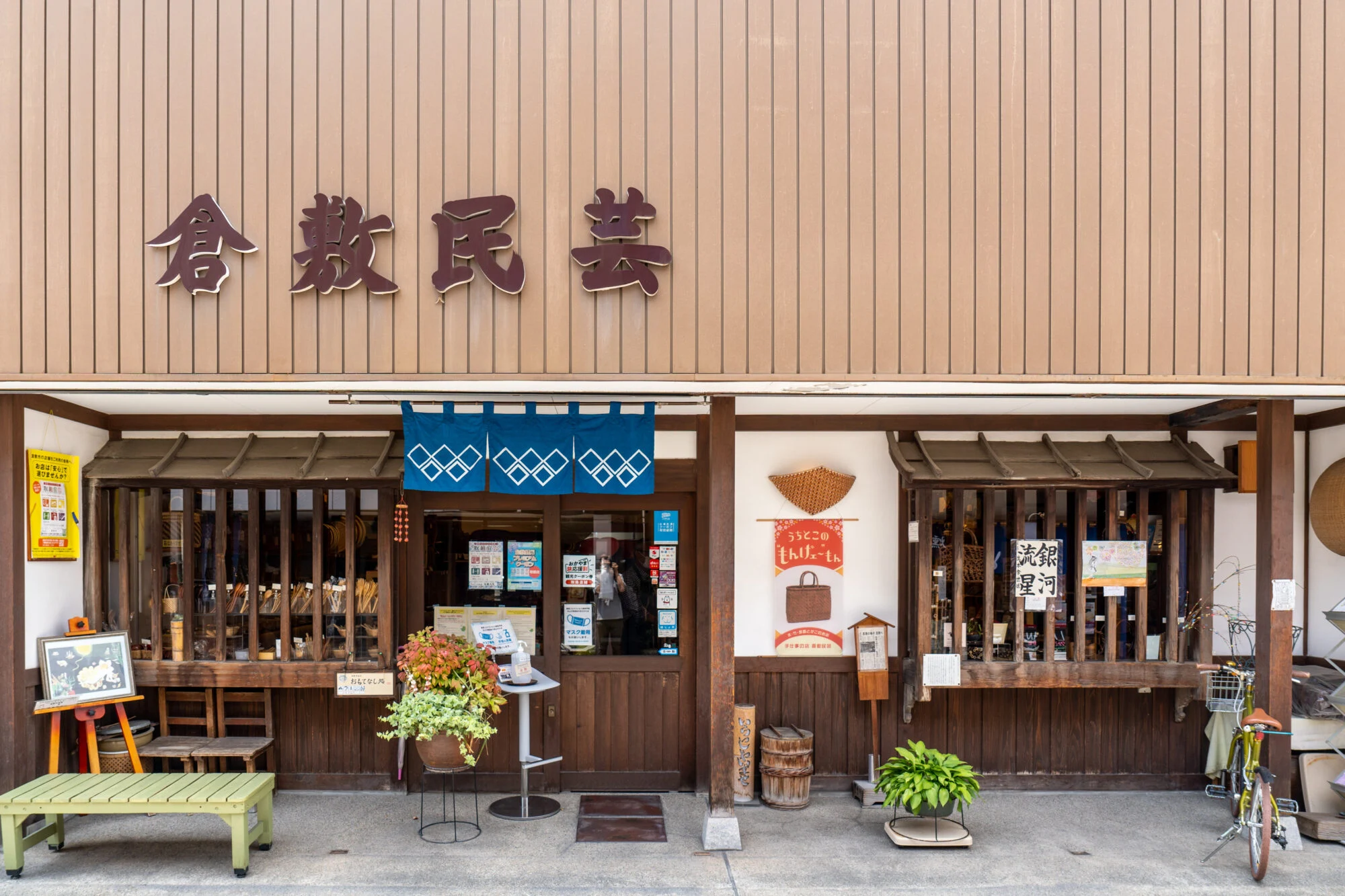
Walking a little from the west approach entrance of Achi Shrine towards the Bikan Historical Area, you will see a shop with a charming appearance on your right.
The shop's name is Handmade Shop Kurashiki Folk Crafts (hereafter: Kurashiki Folk Crafts). It is a shop that mainly deals with wooden and bamboo folk crafts.
It opened on January 1, 1980. This year (2022) marks the 43rd year since its opening, and the shop is filled with items collected by the owner from artisans.
Originally, Kurashiki Folk Crafts started in a different location in the Hondori shopping district.
About ten years after its opening, it moved to its current location, which was passed down from an acquaintance.
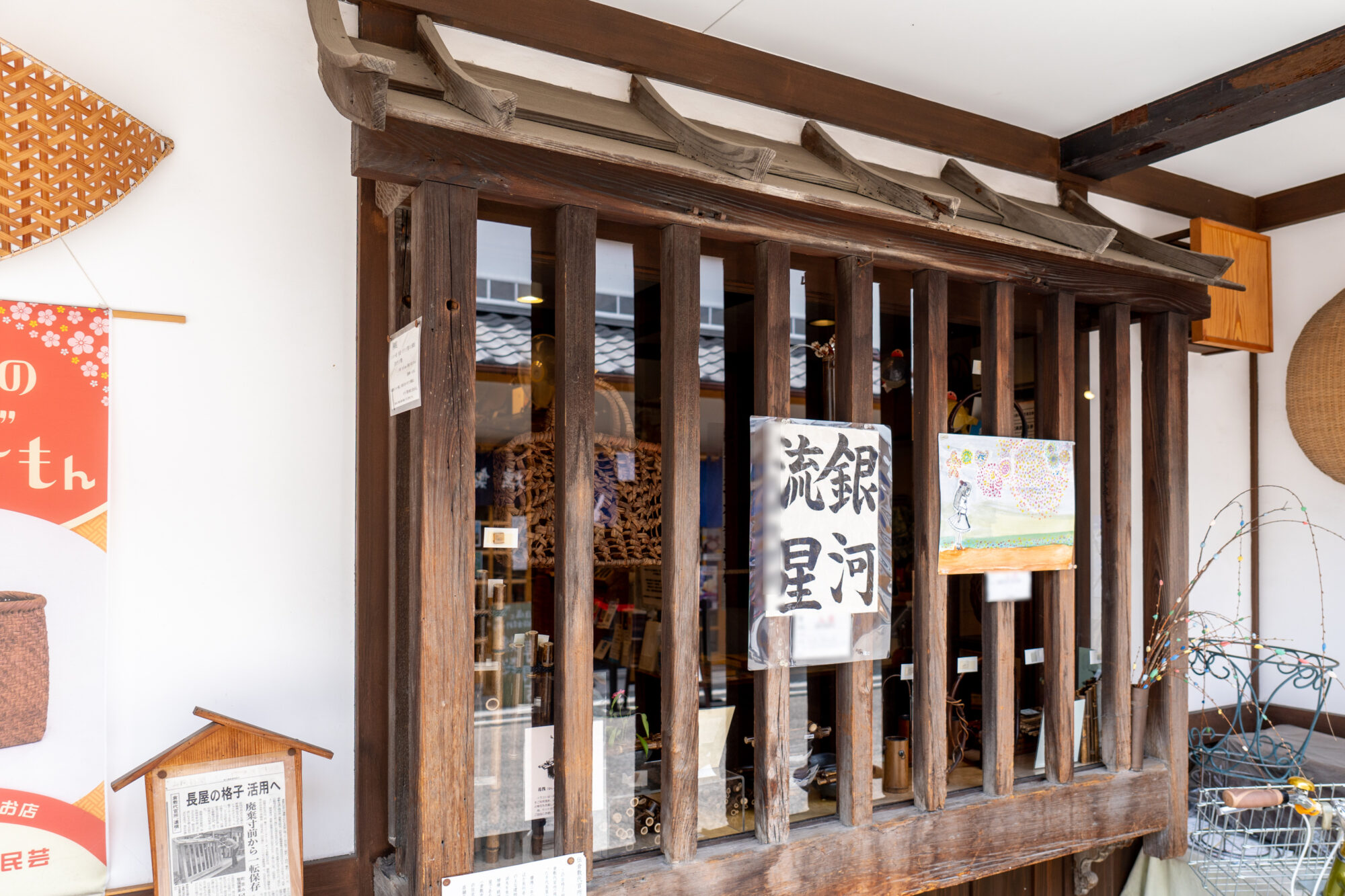
In the shopping district where buildings with brown waist walls and white walls continue, the shop stands out with its impressive sign and exterior, welcoming visitors.
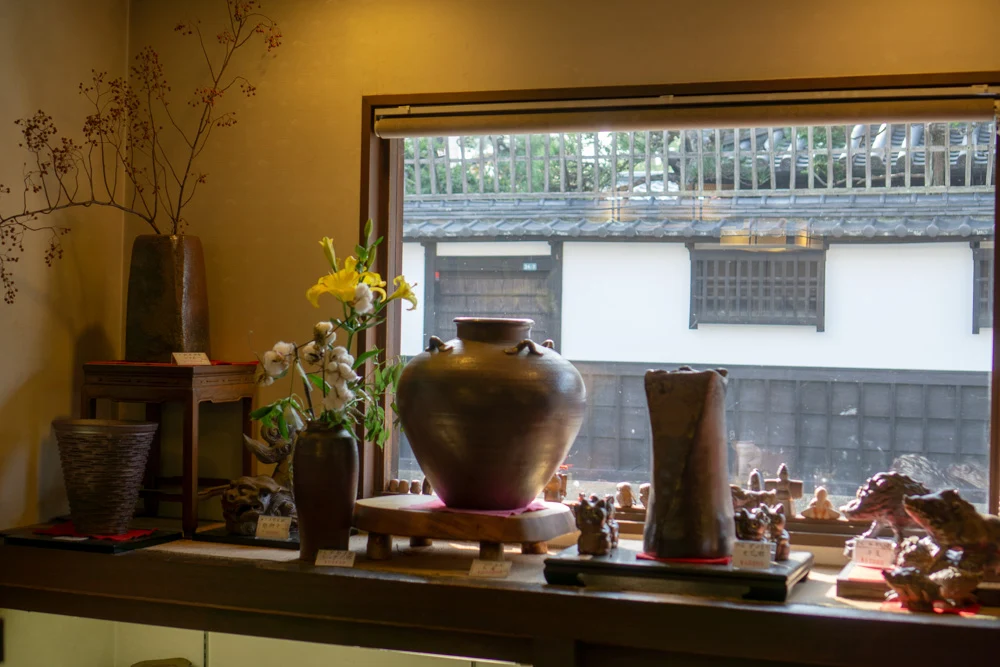
On either side of the shop entrance, the windows feature samurai lattice reused from the Kurashiki magistrate's office.
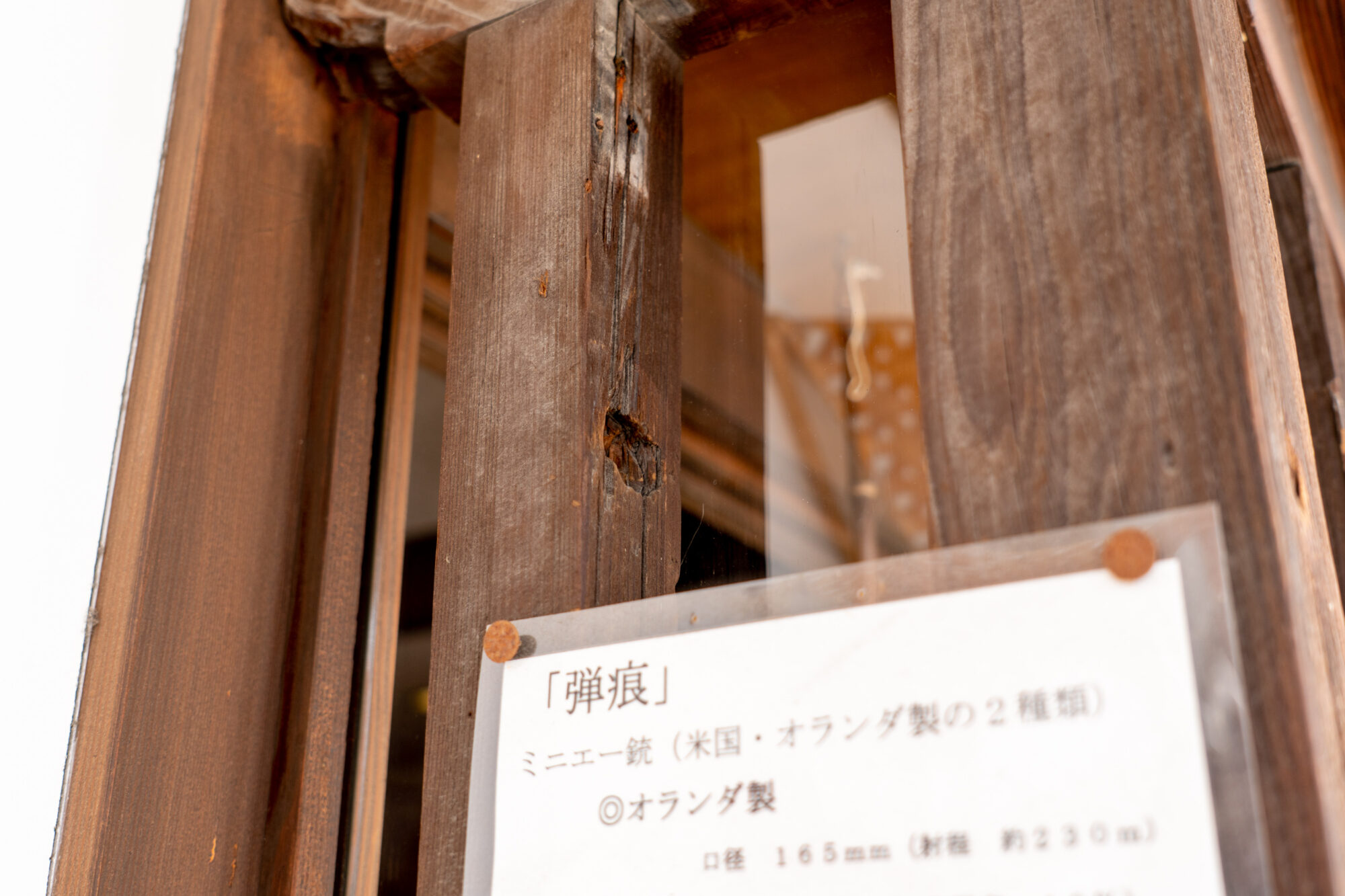
When renewing the shop's exterior, there was a request to use the samurai lattice that was scheduled for disposal, resulting in its current appearance.
The story of the samurai lattice, which has woven history, adds depth to the folk craft shop that is waiting for items to be used for a long time.
Folk crafts collected through the owner's discerning eye and knowledge
Inside the shop - Folk crafts waiting to be discovered
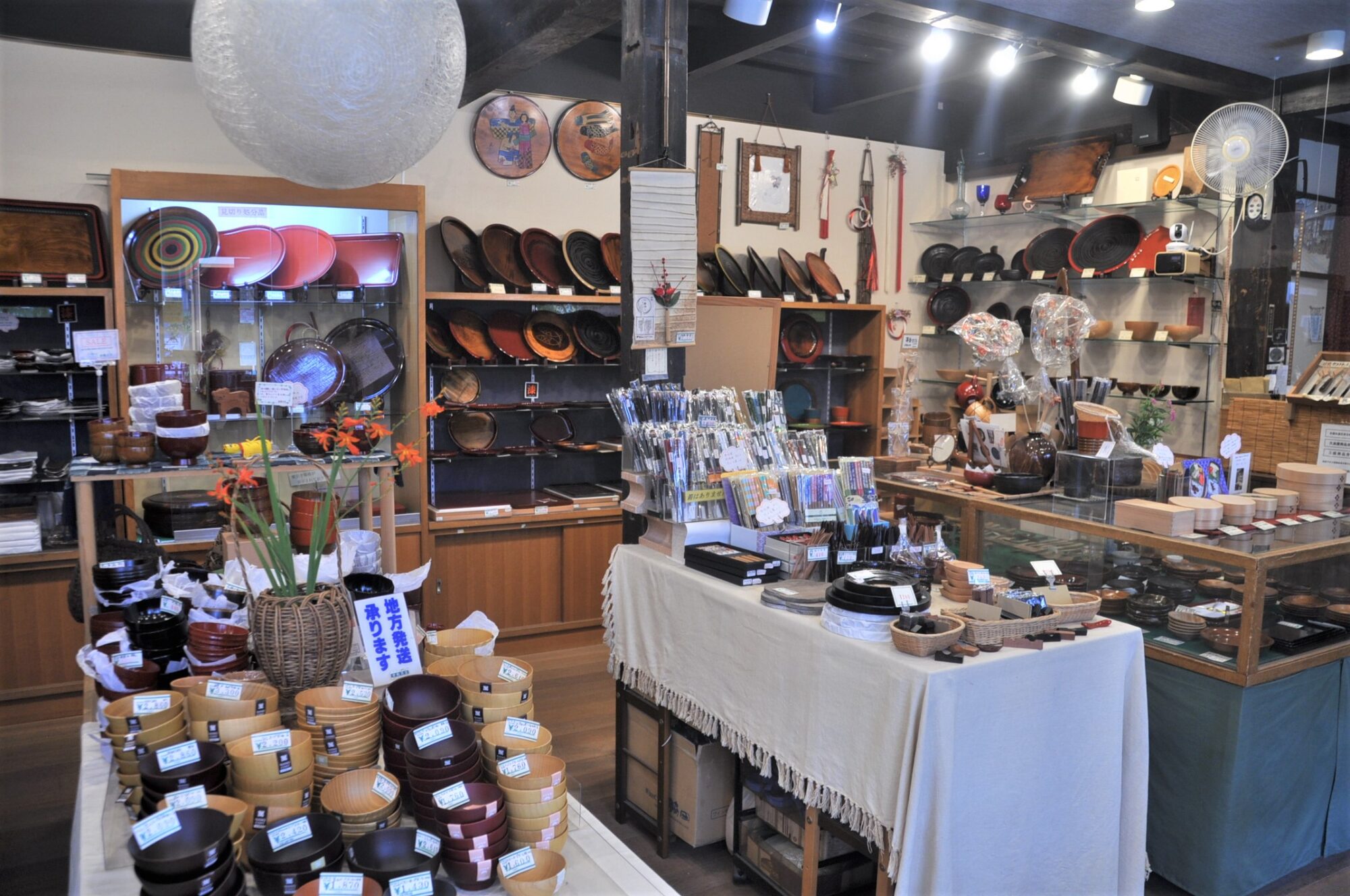
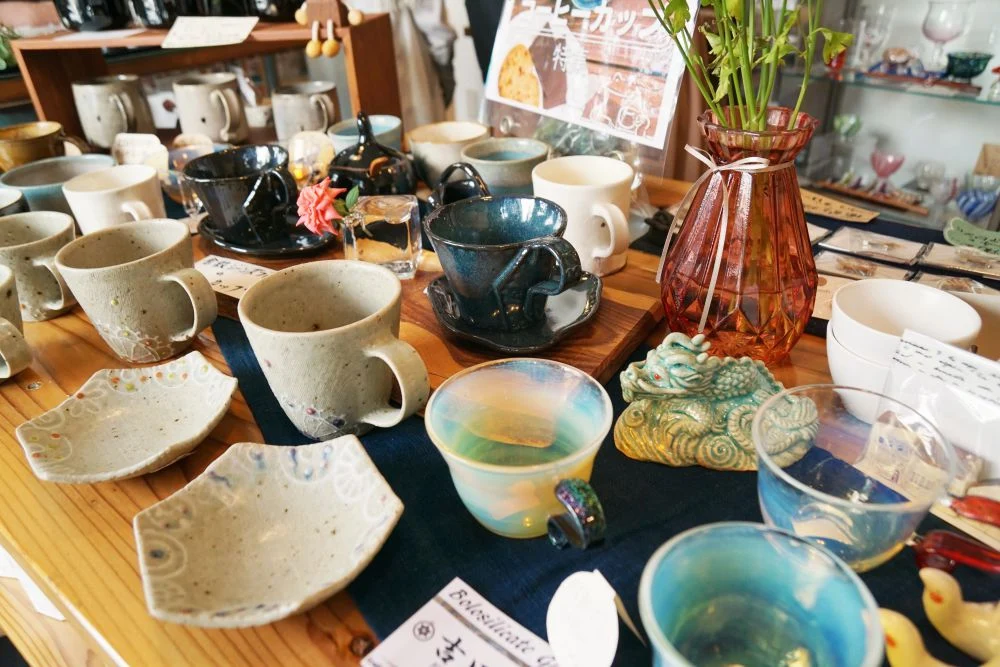
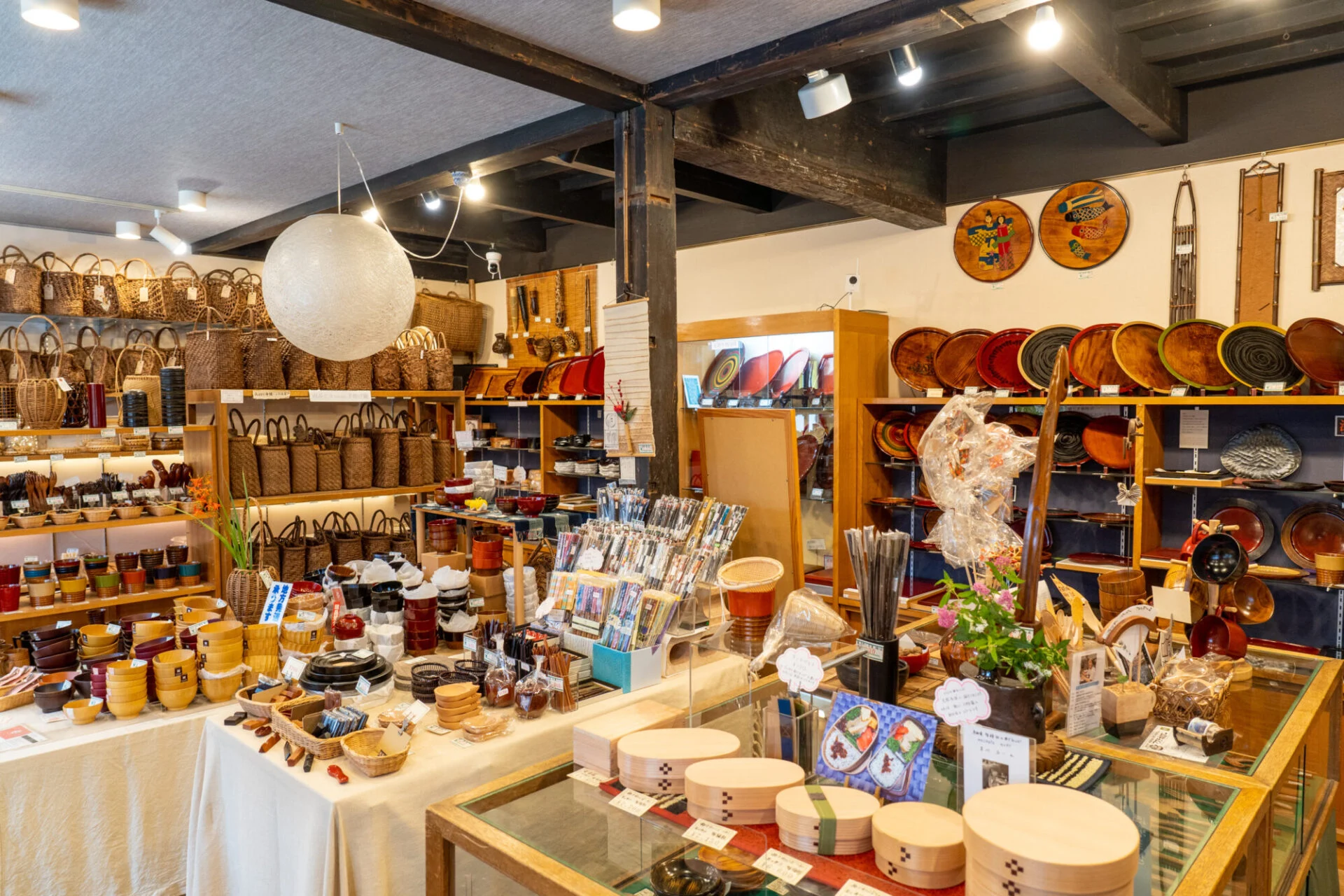
Upon entering the shop, familiar daily items such as soup bowls and chopsticks greet you.
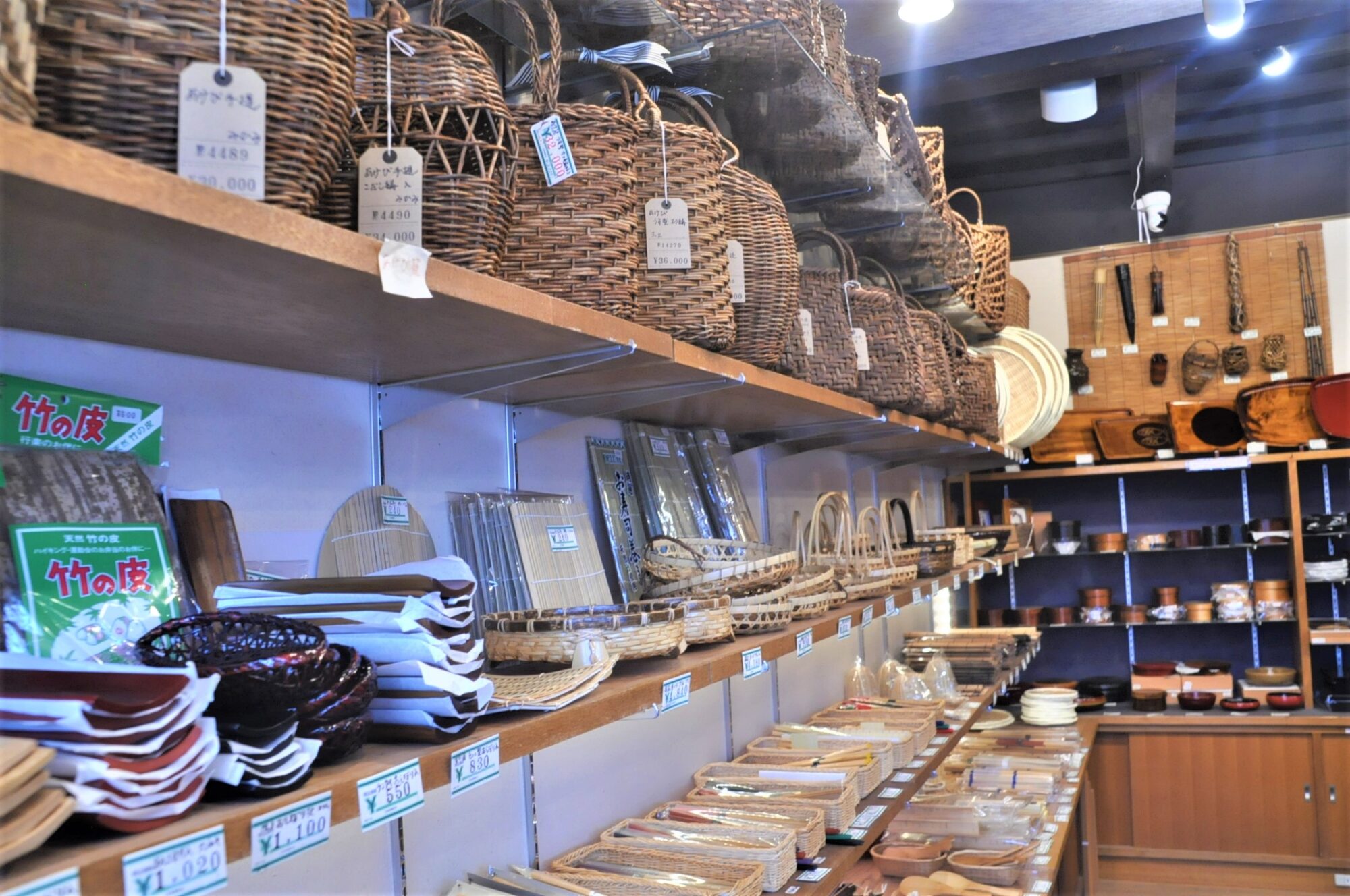
After gazing at the friendly expressions of the utensils, I looked around the shop and saw kitchen tools on the left that are useful in the kitchen.
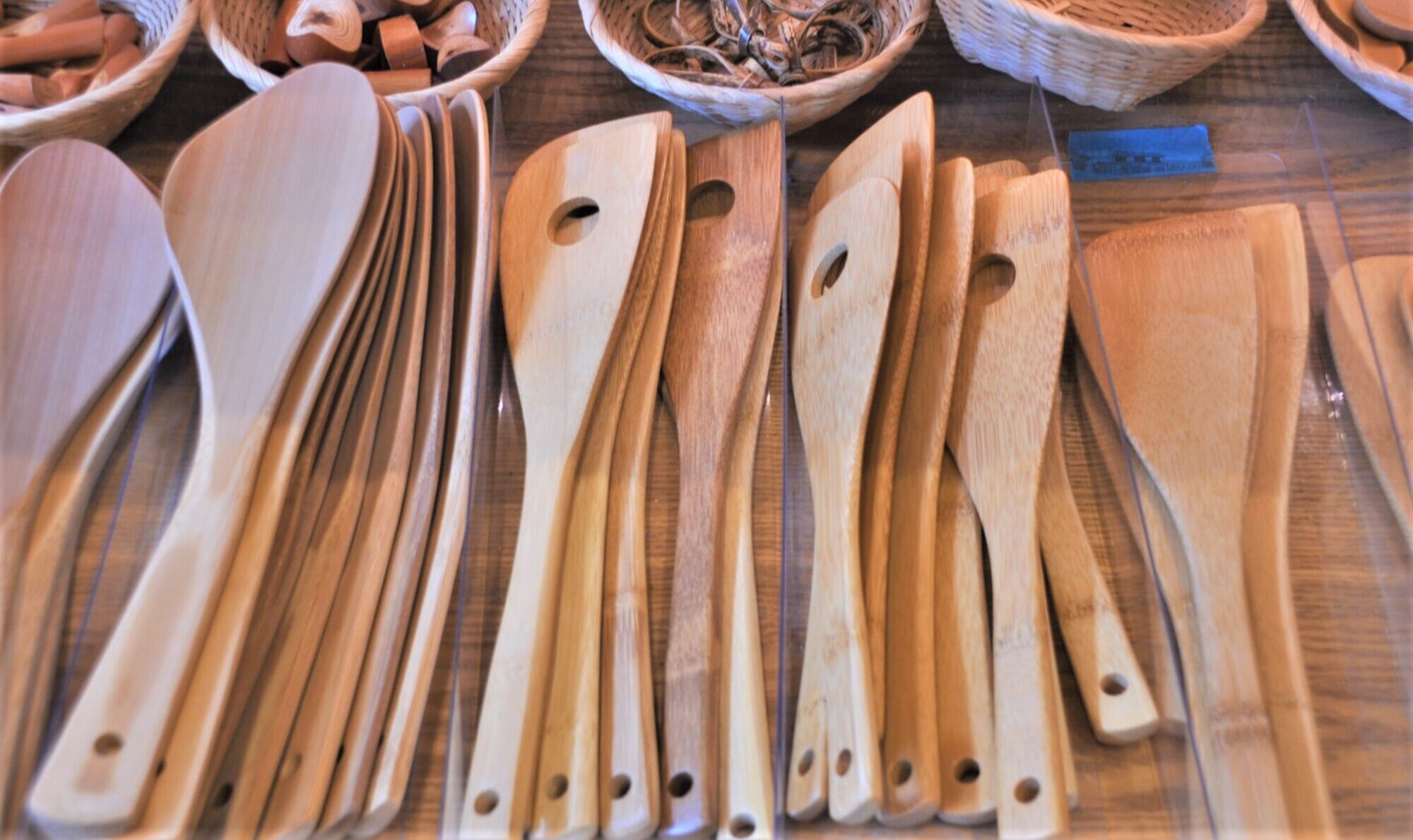
While they seem to be neatly arranged, each one shows a completely different expression, making me want to gaze at the products here as well.
With the position of the nodes and the colors, I feel that if I pick one up, I will surely find something that is uniquely mine.
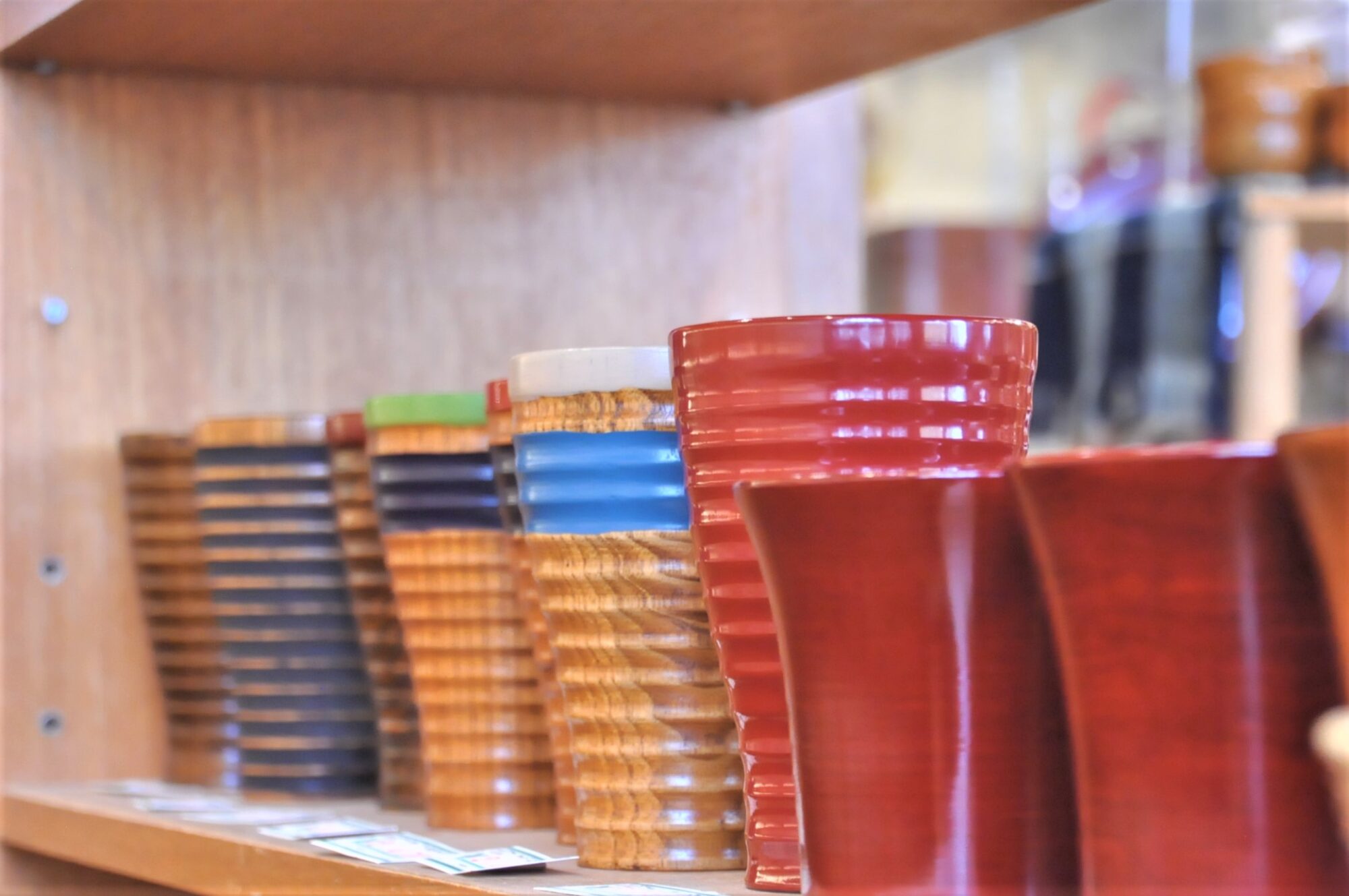
Opposite the kitchen tools, there were wooden cups.
Some allow you to enjoy the colors of lacquerware, while others have interesting wood grain.
The gentle ridges and finely wavy lines make you feel that they would be easy to hold.
At the same time, the delicacy of the craftsman's handiwork comes to mind, and I couldn't help but exclaim.
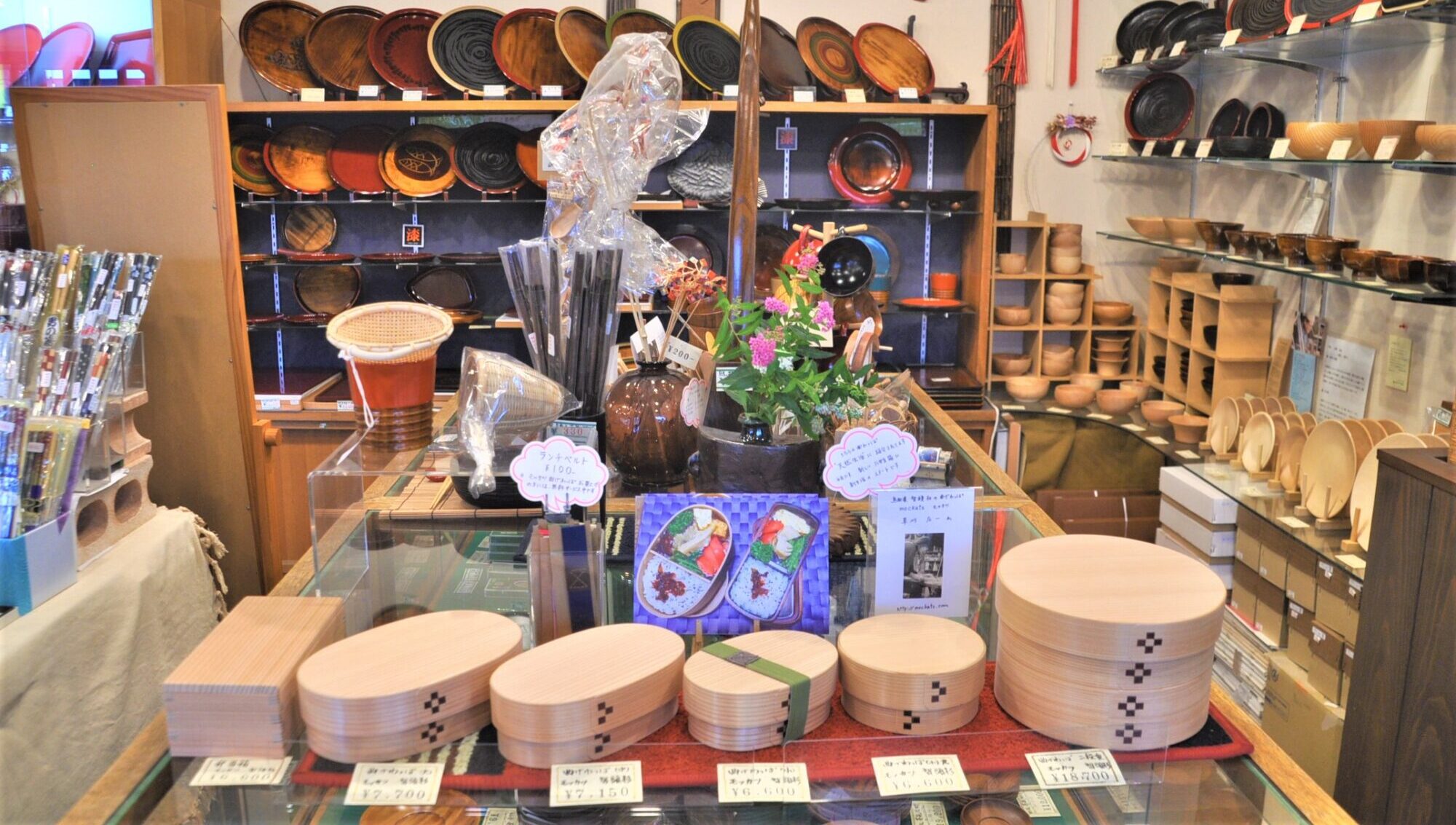
As I looked around the store, my eyes were drawn to the bent wappa displayed in front of the register.
It was my first time seeing a two-tiered bent wappa, and I was taken aback.
The fact that such beautiful curves can be created with wood is truly a craftsman's skill! I was in awe.
There are other items that make you want to exclaim, "What craftsmanship!"
Wild Grape Basket Bag
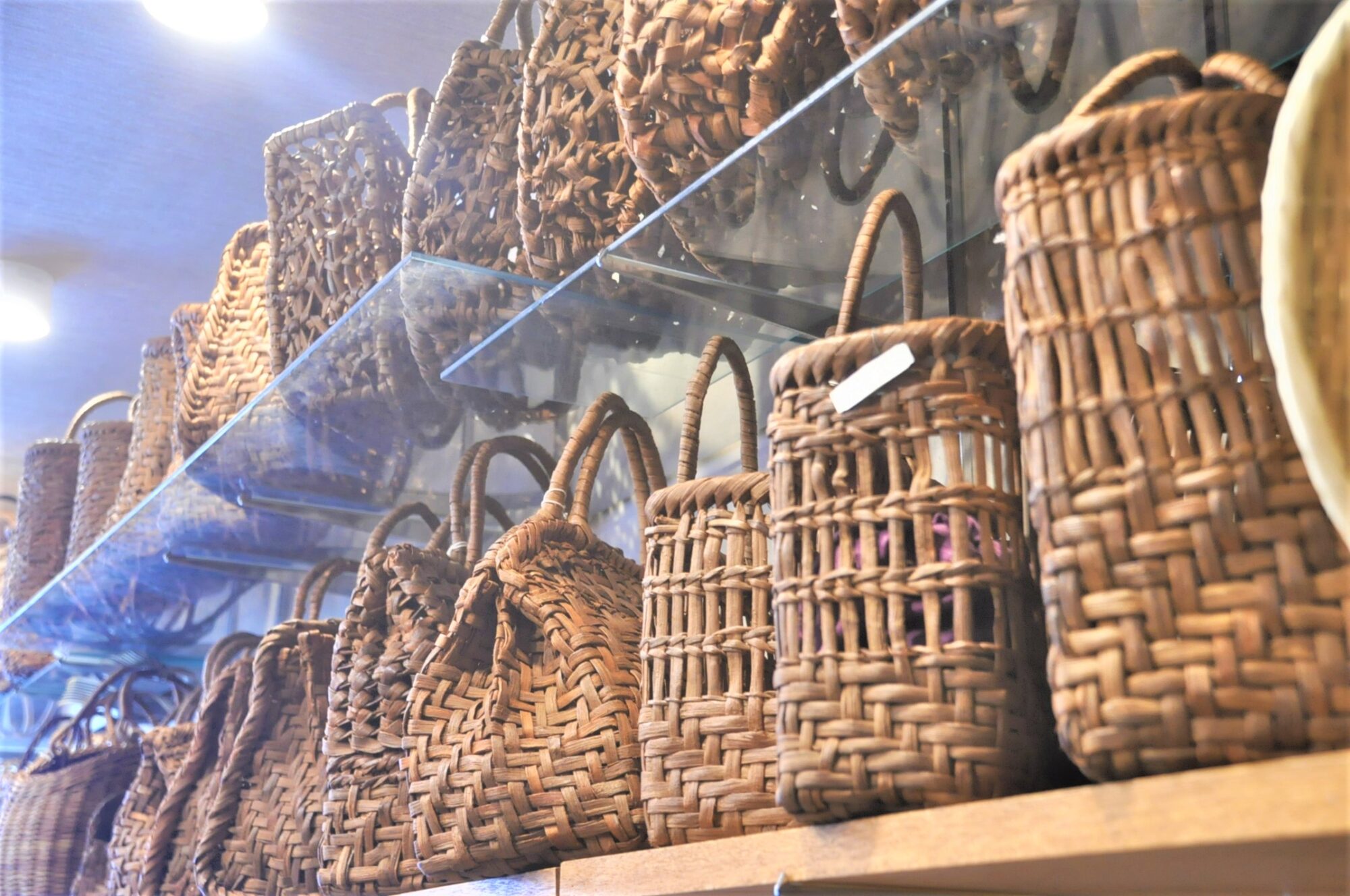
When it comes to popular products in Kurashiki folk crafts, the wild grape basket bag is a standout.
Each item is carefully handmade and is said to last for 100 years.
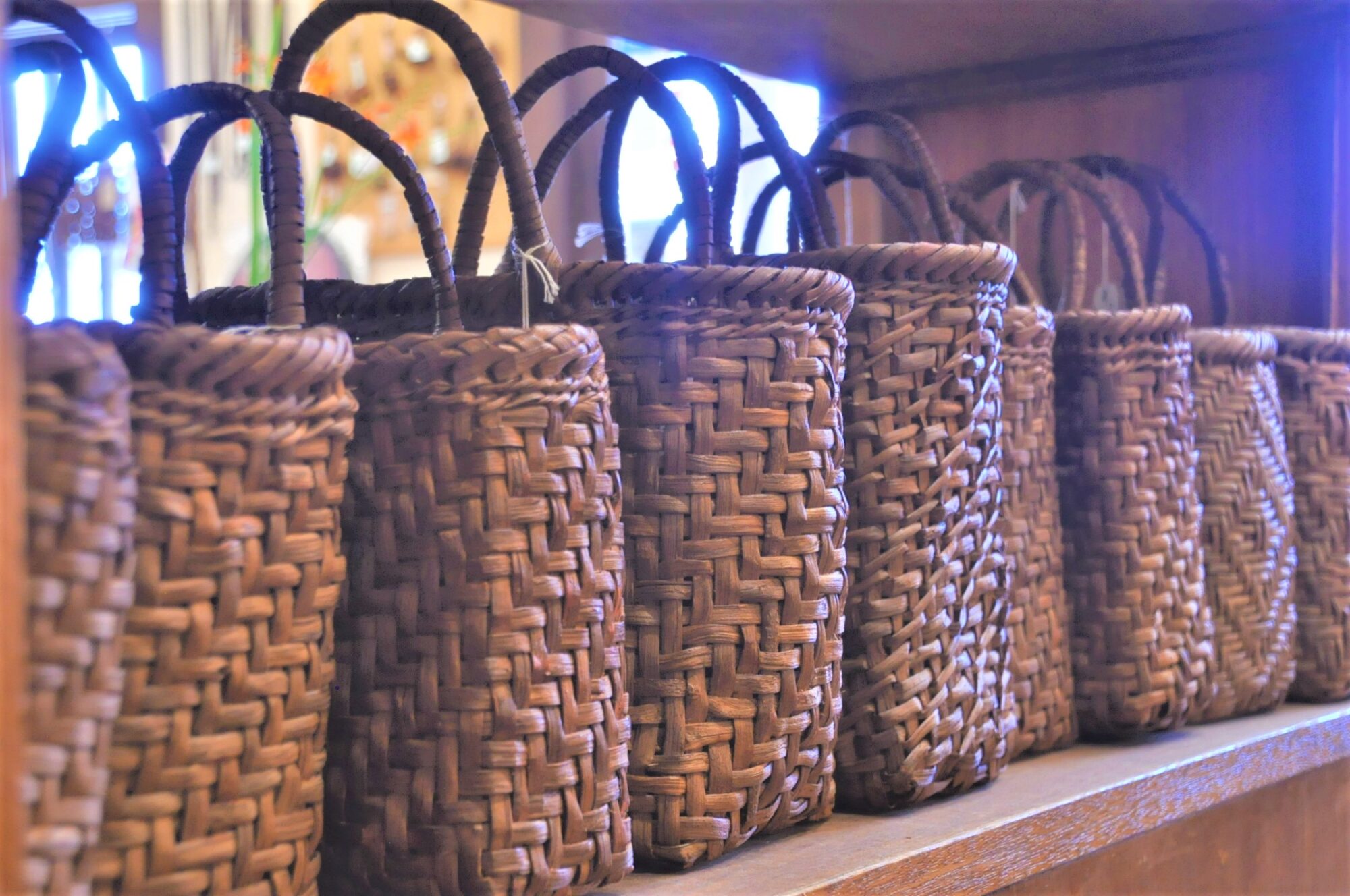
The wild grape basket bag was originally a winter craft from the cold northern regions.
The vines of wild grapes used must be from cold regions to be woven well.
There were various weaving styles on display.
I remembered that previously, the teachers at my child's kindergarten had made a Christmas wreath base using wisteria vines.
They reused the wisteria trellis that blooms in the garden every year.
I recalled the kindergarten teacher mentioning that if it dries out too much, it becomes hard and difficult to handle.
Once again, I am captivated by the orderly weaving pattern in front of me.
If there are people who create items that last for 100 years, I felt that we should use them for generations and pass them down to future generations.
Wooden Vessels
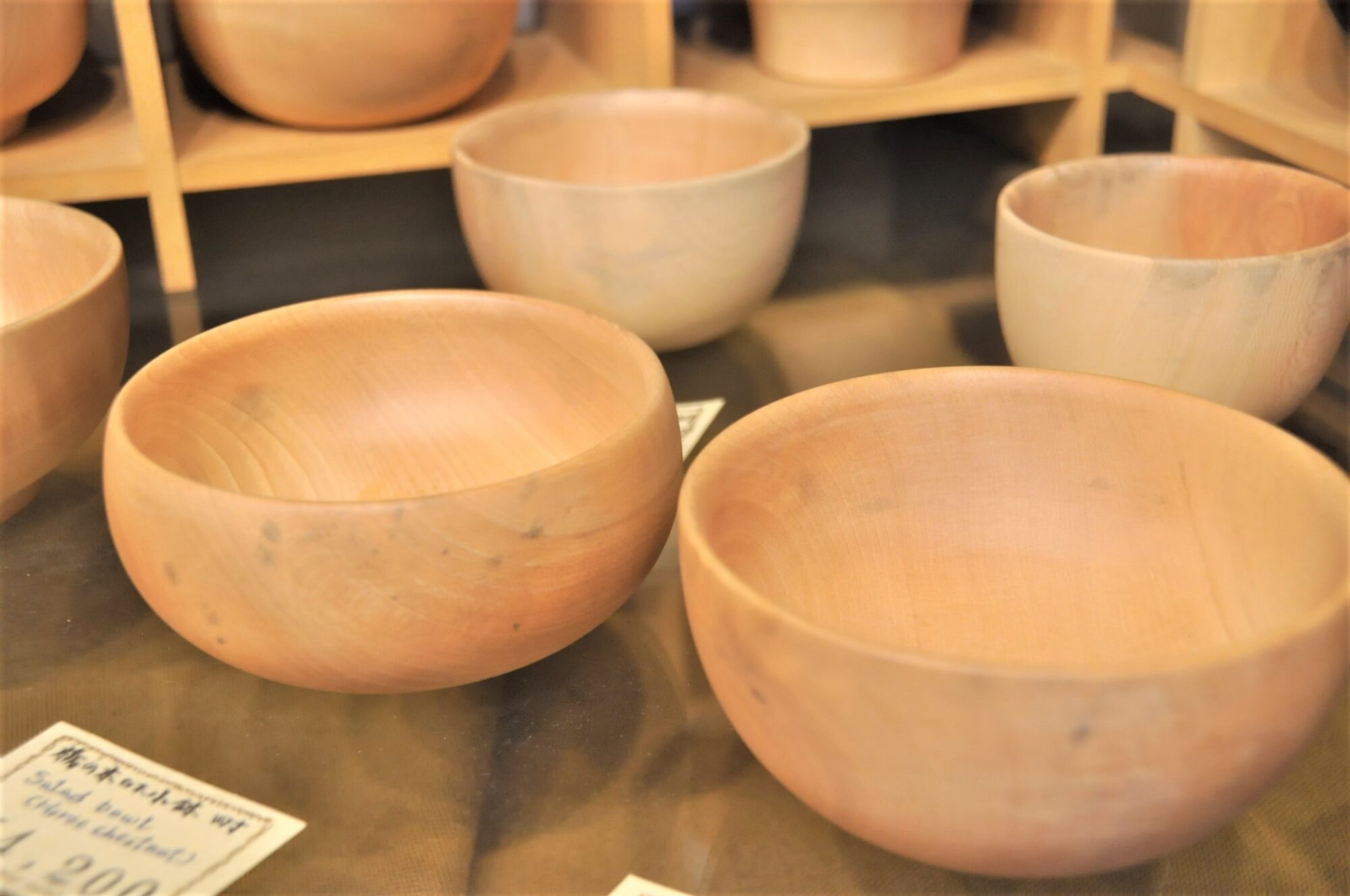
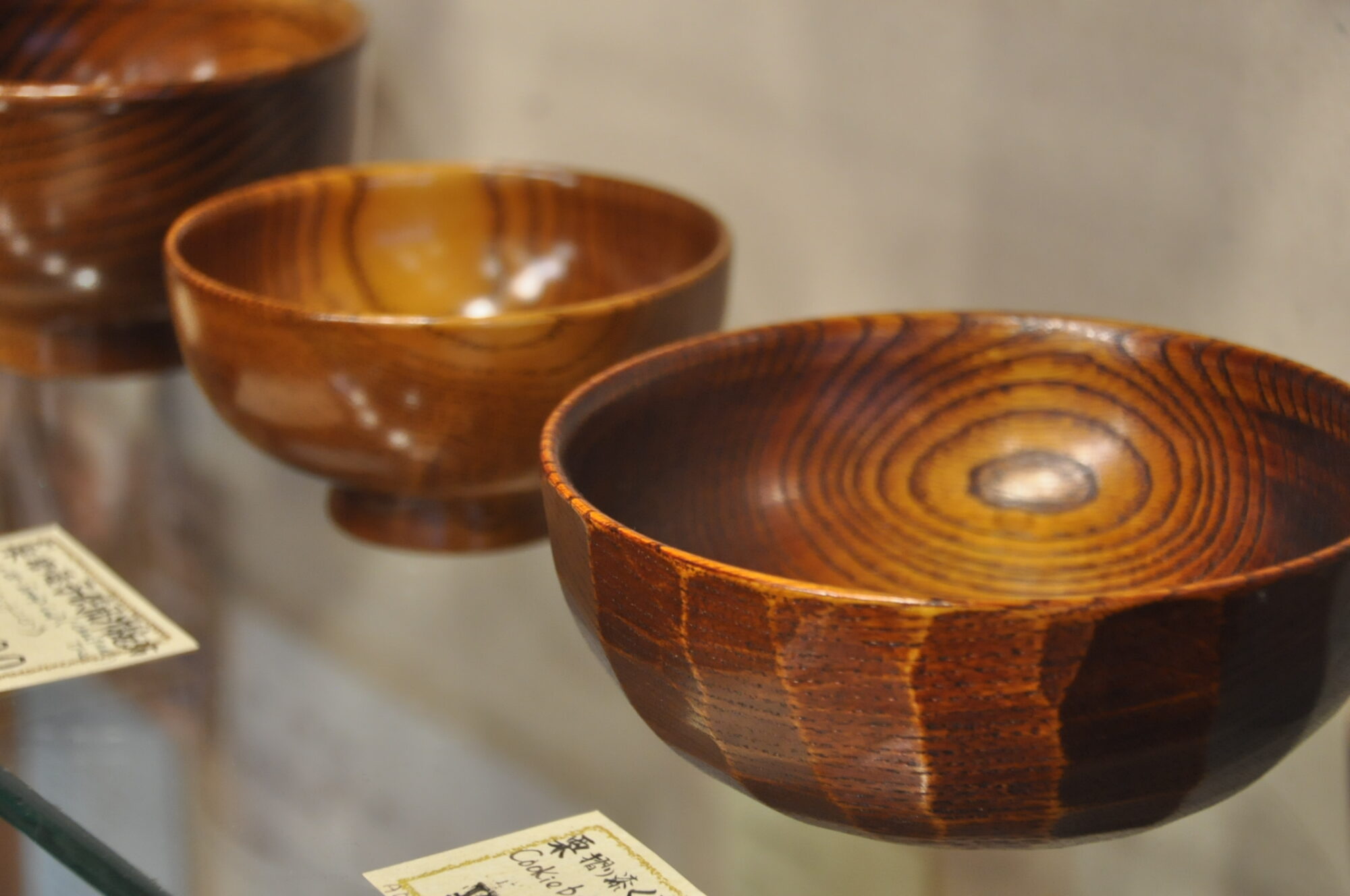
At the back of the store, there is a space lined with wooden vessels.
There are plain wooden vessels that showcase the texture of the wood and vessels that have been finished with lacquer.
Both are wooden vessels, but I was surprised at how different their expressions can be depending on the finishing method.
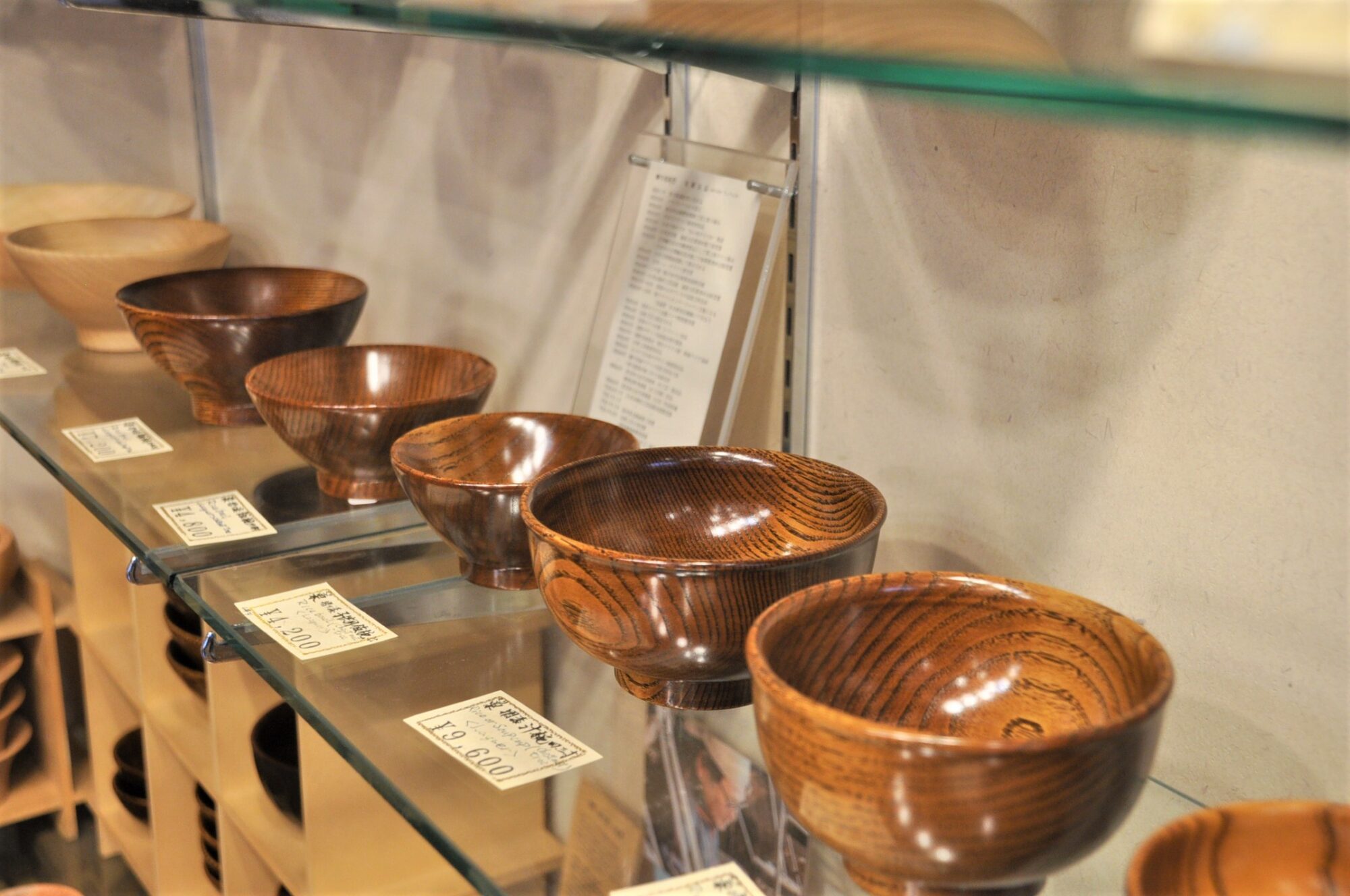
Even with the same soup bowl, the part of the wood used is different, so the grain is completely different as can be seen.
In fact, I once tried to make plates out of wood as a hobby, but they did not turn out to be something suitable for everyday use.
Wood often has knots and varying grain directions, making it difficult to carve in the same way.
To polish the rough wood surface to the point where it doesn't feel bothersome to the touch, even with machines, it requires strength and time.
The edges of the displayed soup bowls were gently rounded, perhaps to match the mouth.
It feels like I caught a glimpse of the craftsmen's dedication, which has been passed down through the generations, putting in time and effort to make them easy to use.
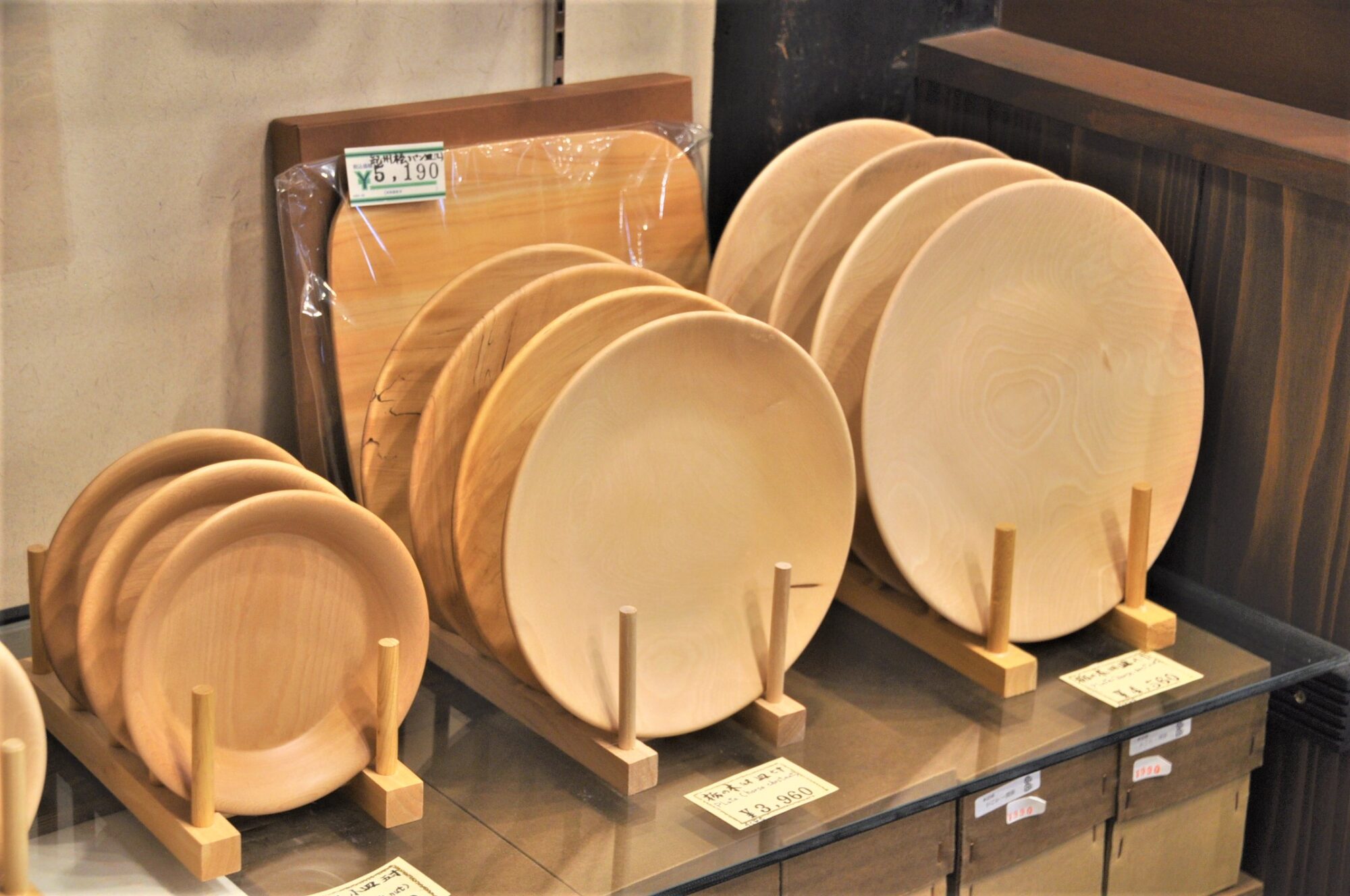
It is said that wooden utensils have been used in Japan since ancient times.
If it weren't for wooden utensils, the unique Japanese dining etiquette of lifting a container with freshly made food and bringing it directly to the mouth might not have existed.
The lightweight, easy-to-hold, and heat-retaining properties are the charm of wooden utensils, and by extension, folk crafts.
Once again, I asked the shop owner, Nojima Masahiro, about the charm of folk crafts and the anecdotes related to each item.
Data on the Handicraft Store Kurashiki Mingei
| Name | Handicraft Store Kurashiki Mingei |
|---|---|
| Address | 2-17-25 Achi, Kurashiki City, Okayama Prefecture |
| Contact | 086-425-3184 |
| Parking | Available 1-2 hours free regardless of usage fee (affiliated shopping district parking) |
| Business Hours | From 10 AM to 7 PM Shortened hours until 6 PM during the COVID-19 pandemic (temporary measure) |
| Regular Holidays | Monday Open on public holidays (if a substitute holiday, then Wednesday) |
| Payment Methods |
|