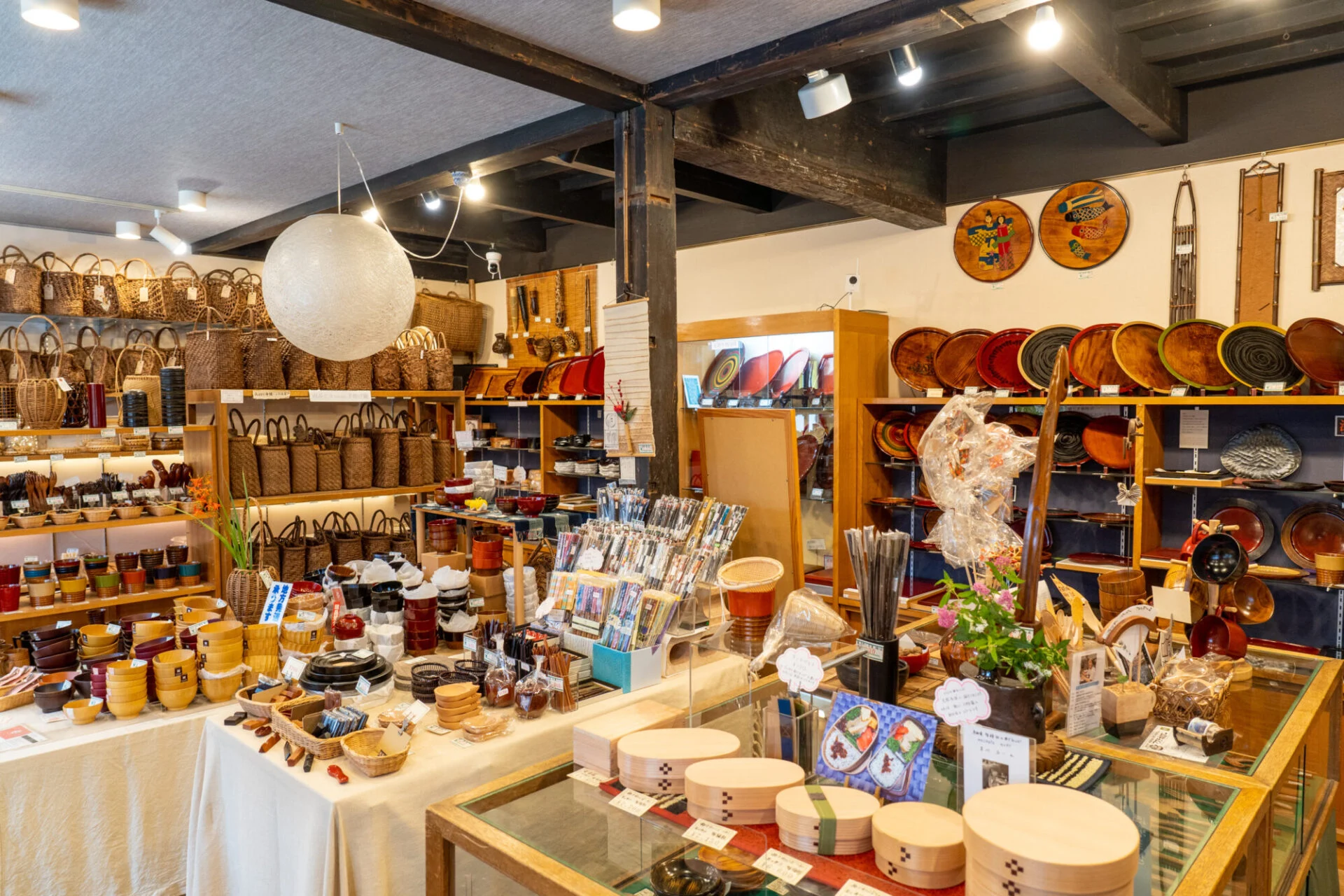
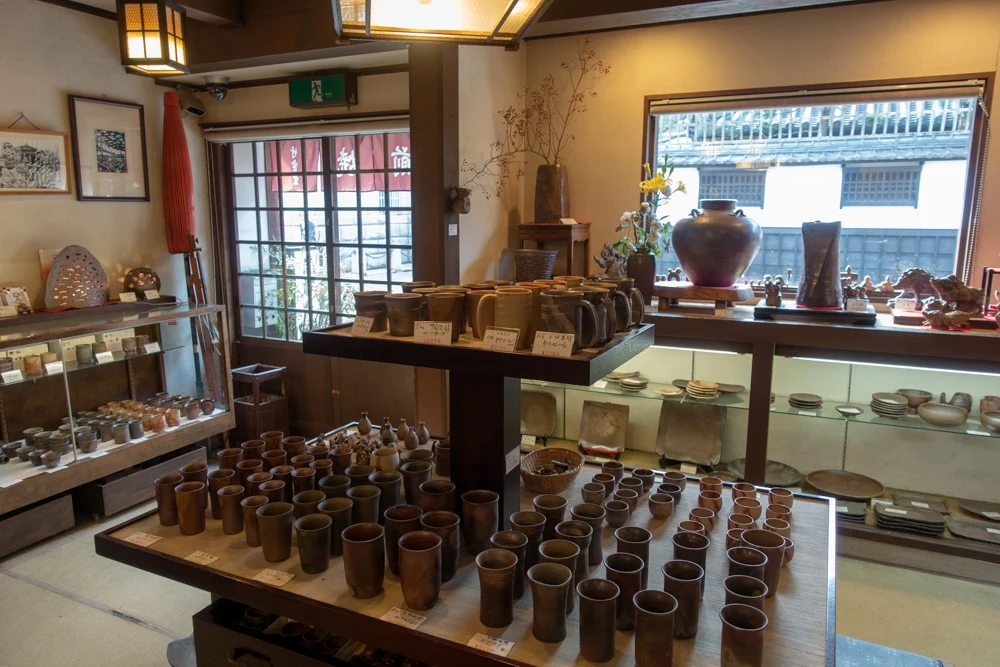
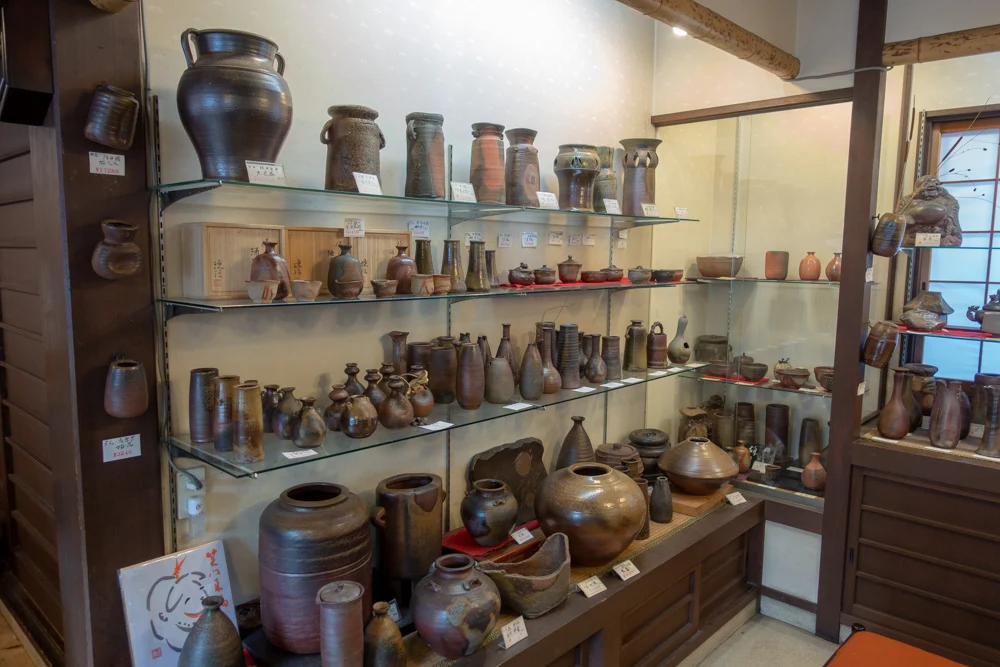
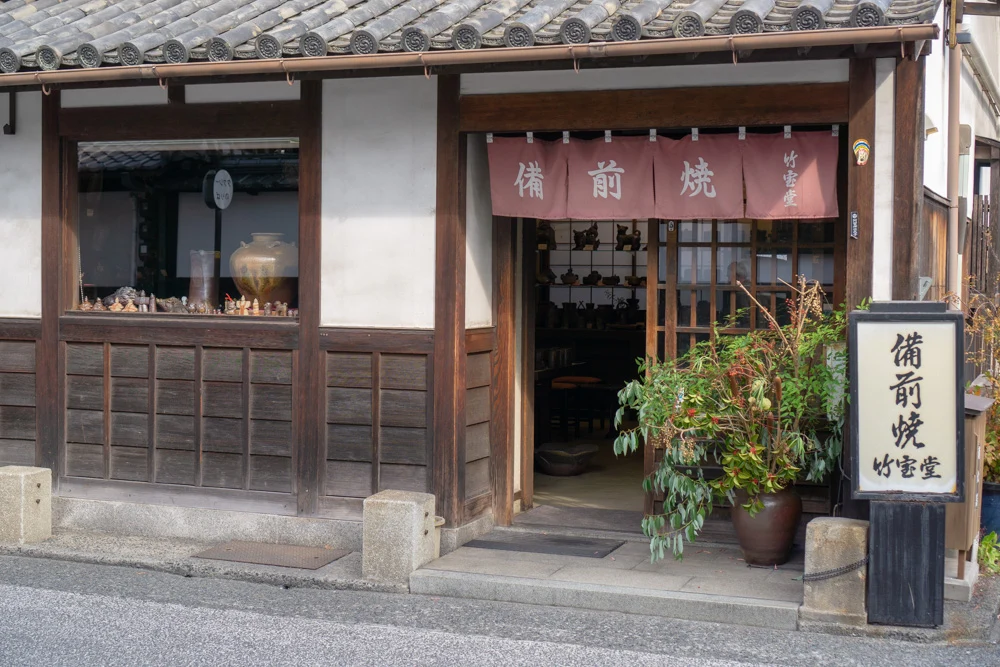
Located on the main street of the Bikan Historical Area, Takehodou is a shop that deals in Bizen ware tools.
Bizen ware, a traditional craft of Okayama, is characterized by its calm reddish-brown color and simple, rustic beauty.
For people outside Okayama Prefecture, it may not be very familiar.
They are called tools, not "ceramics" or "utensils." There is a reason for this.
- What is the charm of Bizen ware?
- What is the significance of incorporating Bizen ware into daily life?
I had an interesting conversation with the shop owner of Takehodou. How about trying Bizen ware as a souvenir or gift?
Patterns of Bizen ware created by nature
First, I think it would be helpful to know a little about Bizen ware to better understand the content of the upcoming interview.
Bizen ware is one of Japan's Six Ancient Kilns
Six Ancient Kilns: Refers to representative pottery production areas that have continued since the Middle Ages. In addition to Bizen, they include Seto, Tokoname, Echizen, Shigaraki, and Tanba.
Does not use glaze
Glaze: Also called "surface coating," it is used to add gloss or color.
Bizen ware, which does not use glaze, changes the color of the clay itself depending on the firing conditions and the metallic components contained in the soil.
It utilizes the natural power of fire's strength and direction to create patterns.
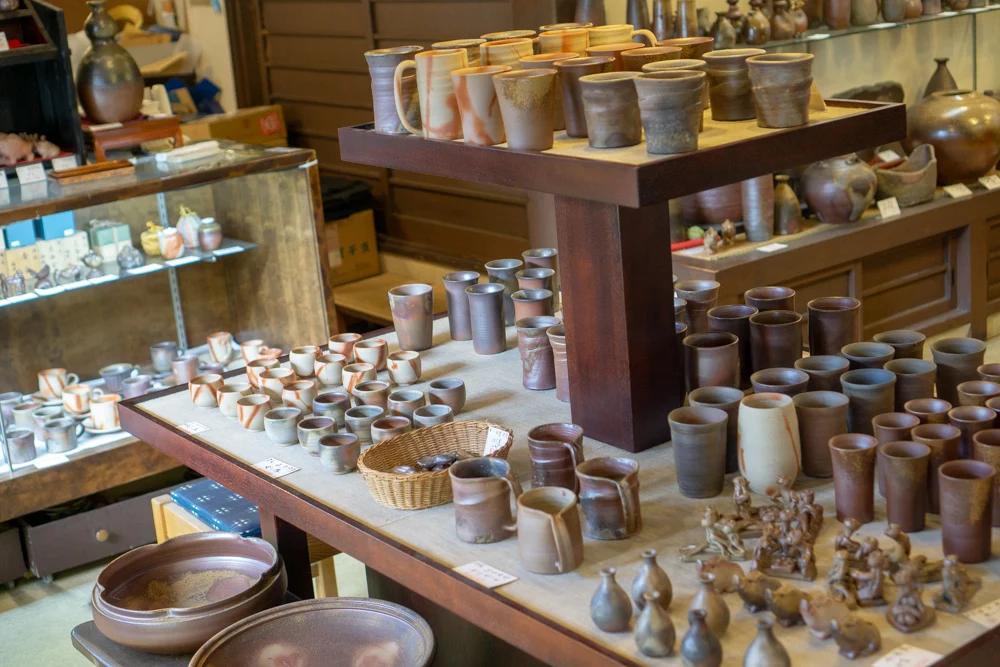
Sometimes, patterns are intentionally created by wrapping the works in straw or placing cushioning materials.
Interview with the owner of Bizen ware Takehodou
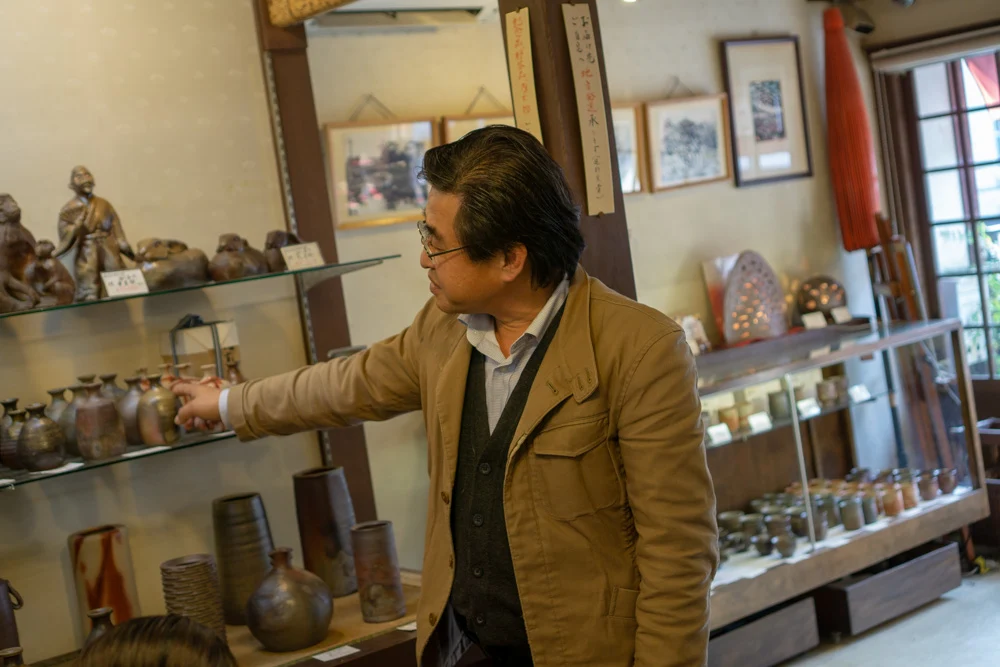
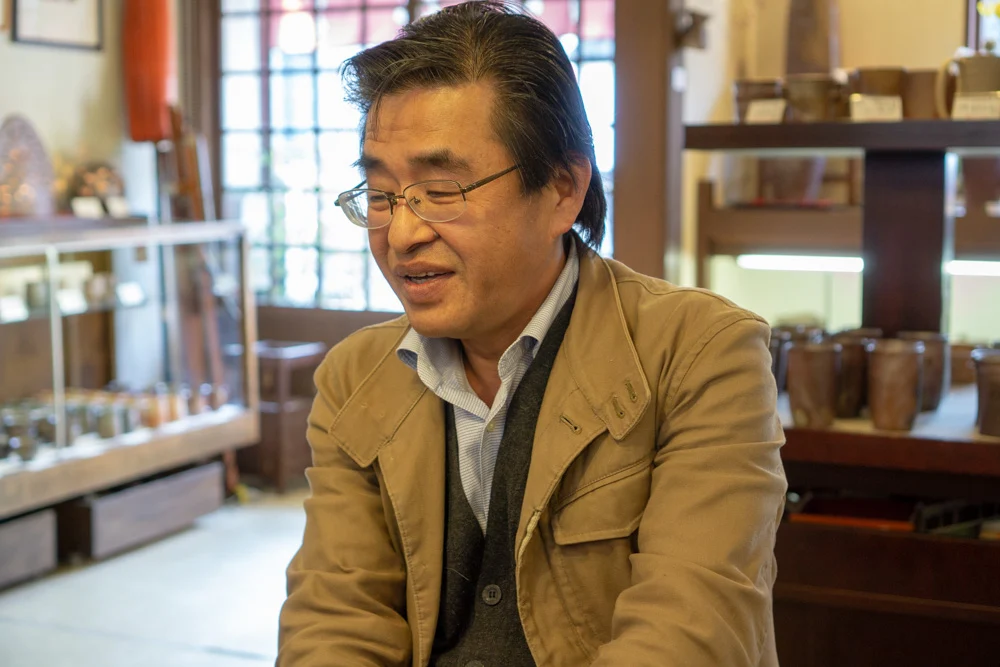
I spoke with the owner, Uno Takashige.
The interview is based on the content from the initial interview conducted in January 2019.
Bamboo, a specialty of Kurashiki, is an important item
Since when have you been running the shop?
Uno
Since 1987, just before the opening of the Seto-Ohashi Bridge.
Can you tell me the origin of the shop's name?
Uno
Takehodou means the hall of bamboo treasures.
For us, bamboo is an important item. It is a specialty of Kurashiki and serves as a representation of our tools.
What do you mean by representation?
Uno
For example, it means that there is bamboo there.
Hmm, that's difficult...! Does it mean to represent bamboo? The tools you are referring to are those used in flower arrangement and tea ceremony, right?
Uno
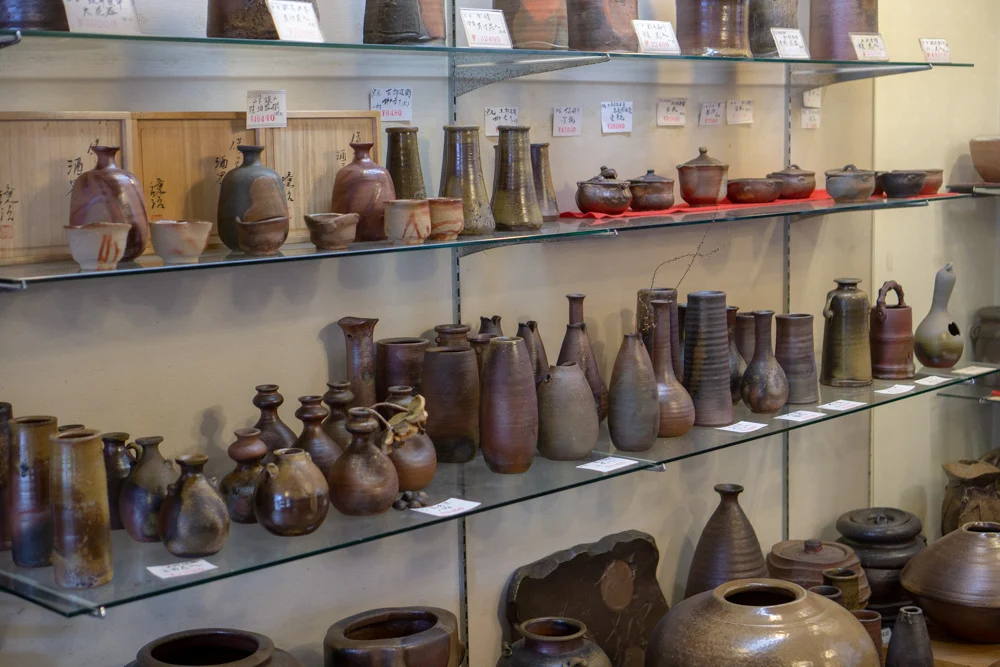
That's right. Look at the flower vase (flower container) over there. The shape of the bottom is like bamboo.
There are also items that represent water bottles, bags, daikon radishes, and even human shapes.
Uno
In flower arrangement and tea ceremony, these become items and elements.
It represents the presence of bamboo groves, Mt. Fuji, and nature.
I see.
Uno
Representation has a broader significance beyond the phenomenon. For example, the Hojo found in temples in Kyoto.
It creates autumn and spring scenery within a small space. And even if it is not actually there, it evokes memories in the viewer.
The charm of Bizen ware lies in its different appearances to different people
What is the good point of Bizen ware?
Uno
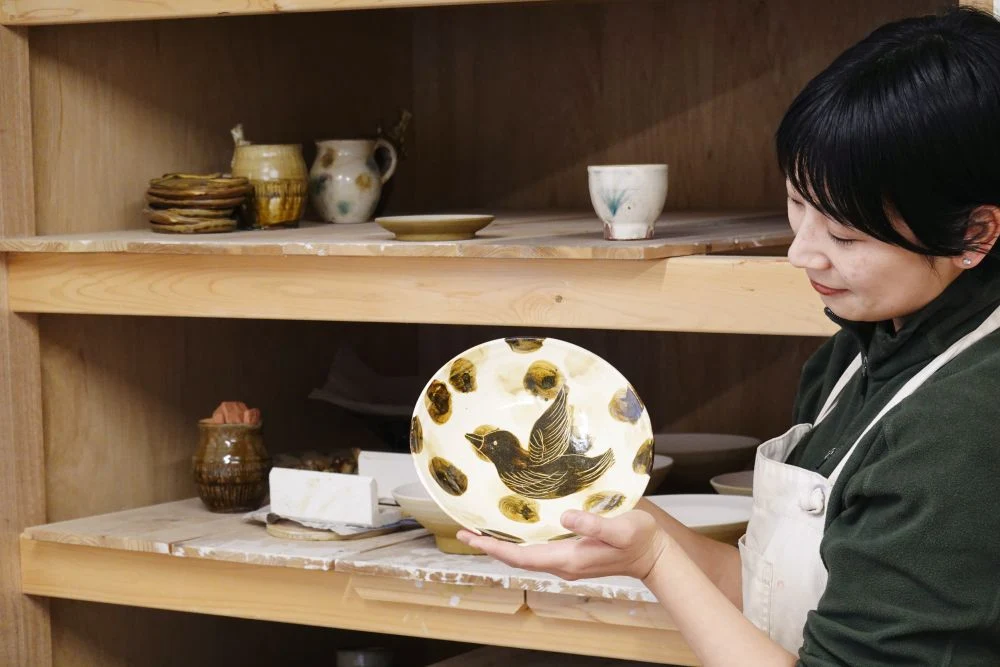
There are various patterns, and it is playful. It can also represent the morning or evening sun.
Think of a sunflower painting. In the painting, a sunflower is just a sunflower. It cannot be anything else.
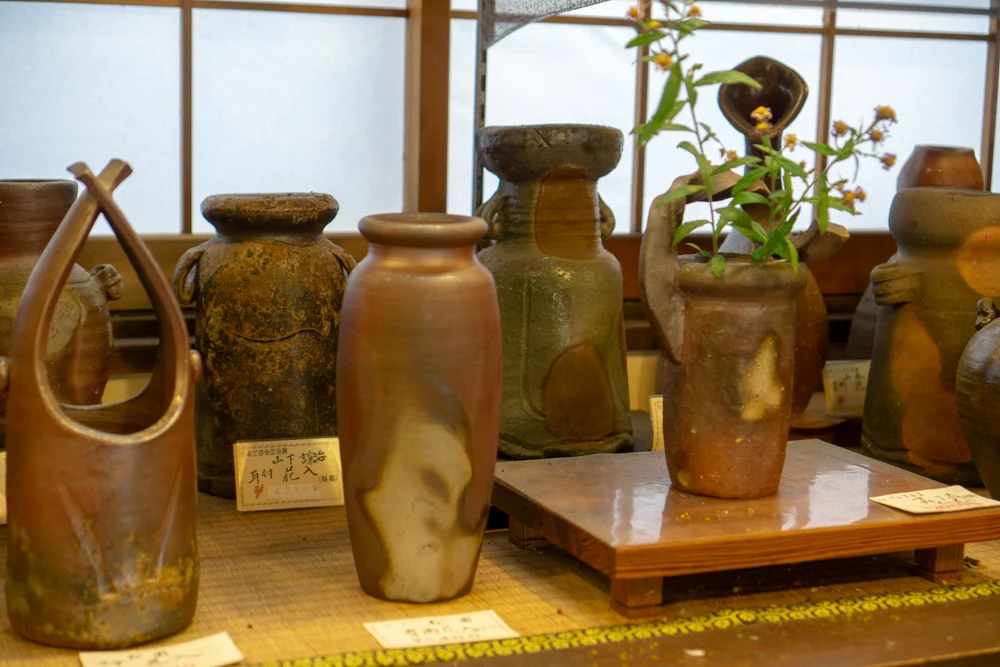
The patterns of Bizen ware can be seen in various ways by different people.
Uno
It is not about good or bad. Everyone is free to think what they want. The value lies in the contemplation.
What to choose if giving Bizen ware as a gift? Tips from the owner
If giving Bizen ware as a gift, what would be good?
Uno
It depends on the relationship with the recipient, whether they are a relative or a friend.
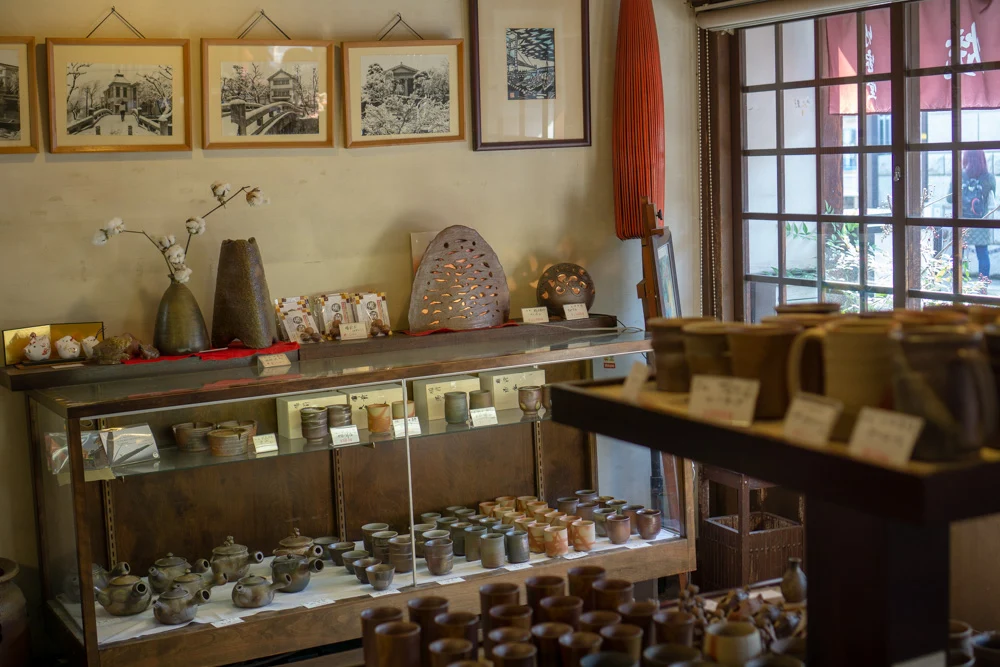
If you want something broadly acceptable, a flower vase would be good.
So, a flower container like a vase? It seems a bit difficult to choose.
Uno
By giving a flower vase, you can elevate both the recipient and yourself.
You give it thinking that the recipient will use it for flowers (to decorate or arrange).
Indeed, it doesn't feel bad to be thought of that way.
Uno
The recipient will surely think of you as someone who enjoys flowers. Therefore, it also elevates yourself.
It is one way of stretching yourself.
It makes both parties feel that they have the leisure and elegance to appreciate flowers. It's like an adult's subtlety. I had never thought of it that way.
Do you have any advice for beginners buying Bizen ware for the first time?
Uno
Well, I think incorporating flower vases, jars, or ornaments into your life would be good.
I hope you can create time to touch these tools, regardless of gender.
Uno
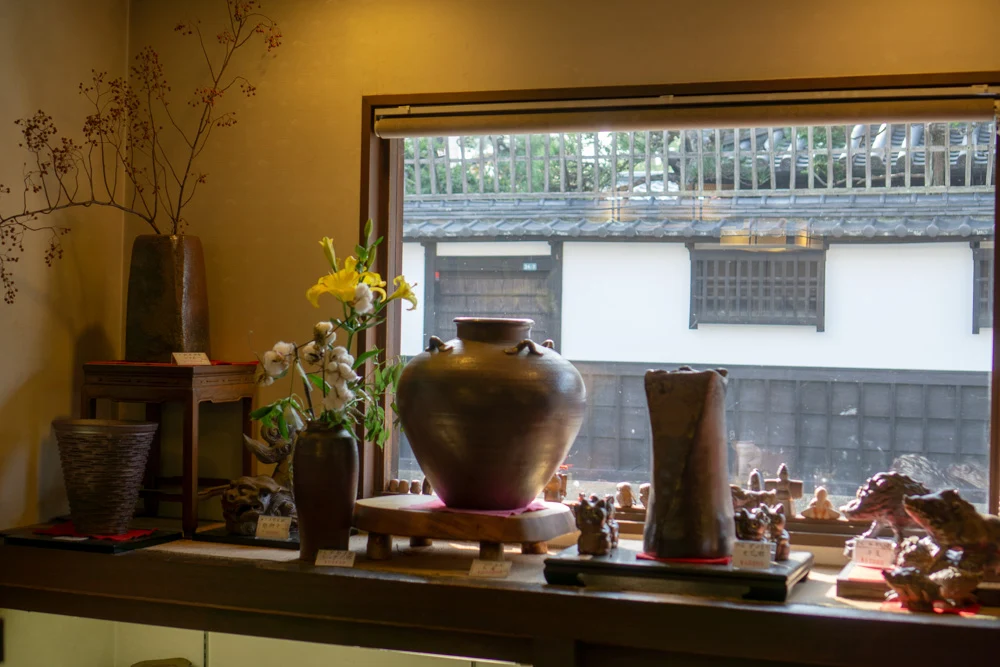
If you decorate seasonal flowers or ornaments in the tokonoma (alcove) or tatami room, it conveys to the family nearby that you are someone who values that kind of lifestyle.
Without saying it out loud, people around you can naturally learn about aesthetic consciousness.
The connection between the Mingei movement and the Ohara family. What we want to convey in the Bikan Historical Area
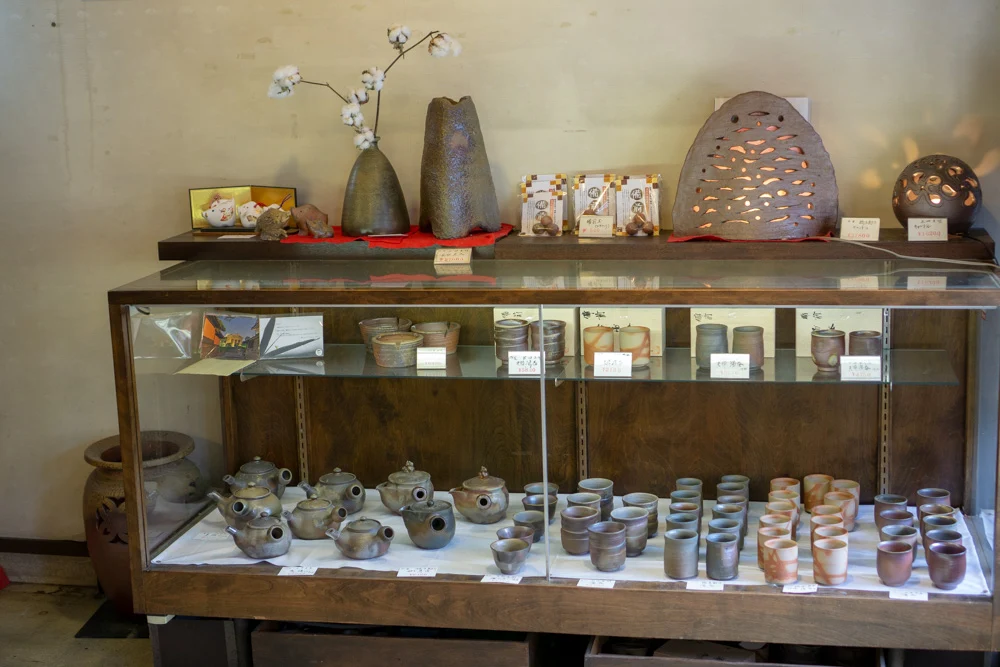
When thinking of pottery, the image is often of items used on daily dining tables, like plates and teacups, but originally they were made as tools.
Uno
Before the war, there were no Bizen ware cups.
Uno
The popularization of (craft) items that were once objects of appreciation began around the time of the Mingei movement. It is also referred to as "the beauty of utility."
Mingei movement: Proposed by Yanagi Muneyoshi and others. It aims to protect and spread folk crafts. "Mingei" is a term coined by Yanagi, referring to folk crafts made by artisans.
Beauty of utility: The idea that beauty resides in everyday items used by the public.
The history and charm of Mingei are explained in the article on the Kurashiki Museum of Folkcraft.
The Ohara family of Kurashiki was also involved in the Mingei movement at that time. Mr. Ohara provided financial support to preserve traditional crafts.
Continuing business in the Bikan Historical Area reflects our desire to honor the Ohara family and communicate their achievements.
Conclusion
The conversation with the owner, Uno, was very refreshing for me, who is deeply immersed in the conveniences of modern life.
However, he did not say anything like, "Young people today don't know this."
What impressed me was that he did not impose anything but rather offered suggestions like, "How about trying this?"
Valuing tradition does not mean clinging to it to protect it, but rather not forgetting it. Keeping it in mind and incorporating it when you suddenly remember something you think is good.
Perhaps it is enough to preserve it with that kind of lightness and flexibility.
There is no need for complicated knowledge or etiquette about the tools. Please take a look at the Bizen ware displayed in the store at least once.
I would be happy if that experience becomes one of the opportunities to learn about Bizen ware.
Data on Bizen ware Takehodou
| Name | Bizen ware Takehodou |
|---|---|
| Address | 2-25-31 Achi, Kurashiki City, Okayama Prefecture |
| Contact | 086-422-6270 |
| Parking | None |
| Business Hours | 9:00 AM - 7:00 PM |
| Regular Holidays | None |
| Payment Methods |
|