Bizen ware is a traditional craft representing Okayama Prefecture.
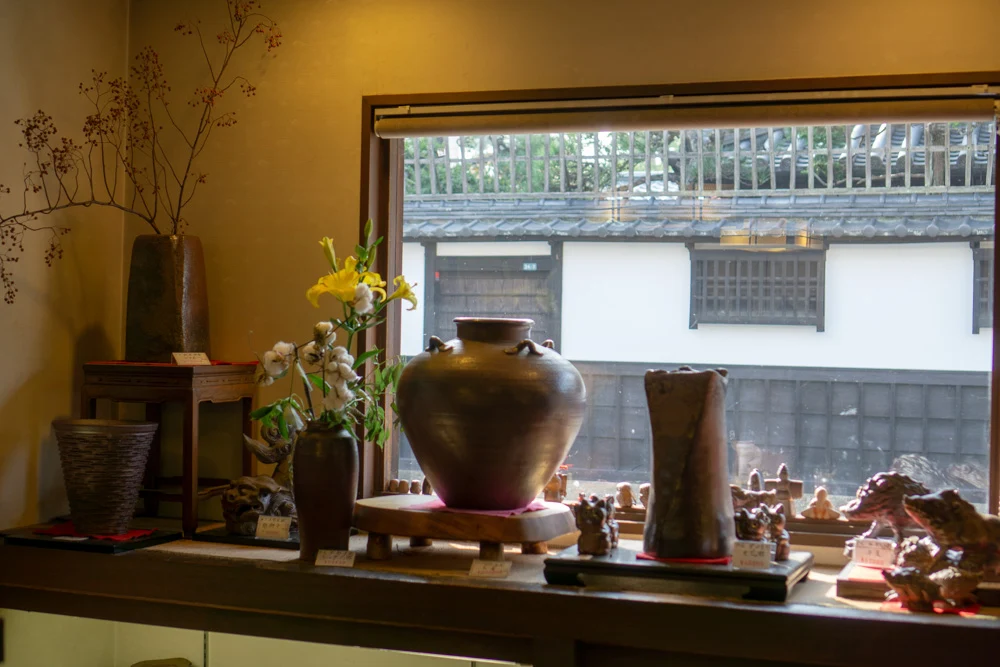
In addition to Bizen City, where many kilns are based, there are also many specialty shops around the Bikan Historical Area in Kurashiki, selling a wide range of products, including tableware and flower vases.
Tsuneki Naoto, a ceramic artist based in Asakuchi City, is one of the makers of Bizen ware. After 14 years of working as a ceramic artist in Furano City, Hokkaido, from 2001 to 2015, Tsuneki moved to Asakuchi City in 2016.
We spoke with him about his unusual career—moving from Furano City to Asakuchi City and building an anagama kiln—and his commitment to making Bizen ware in his own distinctive style, free from the constraints of tradition.
The information presented here is current as of the article’s publication in June 2026. Please note that it may differ from current information.
About ceramic artist Tsuneki Naoto
Tsuneki Naoto is from Kurashiki City and is currently a ceramic artist based in Asakuchi City.
His family home is Tsuneki Pottery Shop in the Bikan Historical Area, where he grew up close to pottery, including Bizen ware, and ceramic artists from childhood.

After graduating from university and working as a company employee, he entered the world of Bizen ware.
After completing his apprenticeship, an opportunity arose for him to establish himself as a ceramic artist in 2001 in Furano City, Hokkaido, where he had spent an extended period as a student. He worked as a ceramic artist based in Furano City for 14 years, through 2015.

In 2016, he returned to his hometown of Okayama Prefecture.
Finding a property suited to pottery-making was the deciding factor in his move to Asakuchi City.
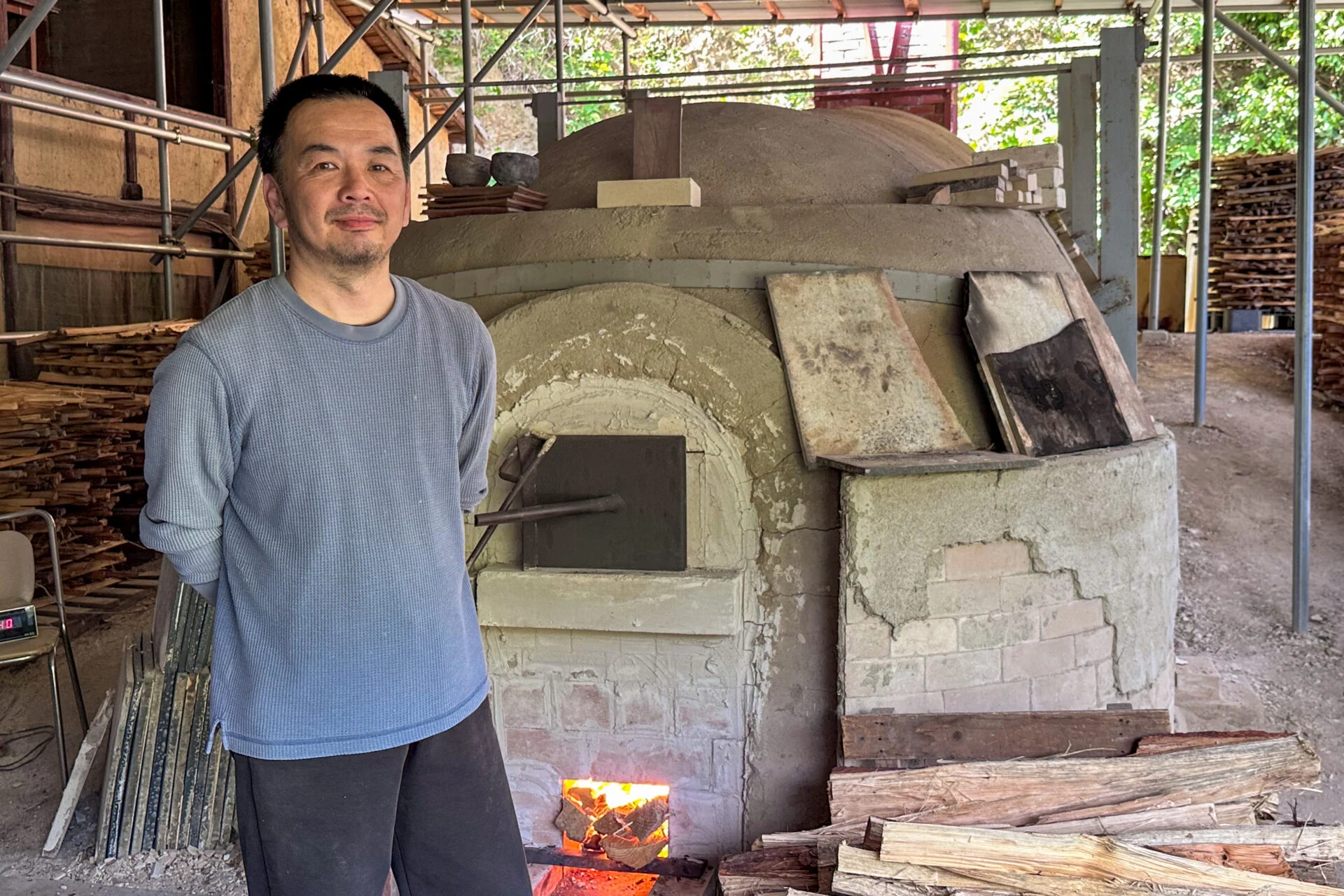
Since then, he has built an anagama kiln beside an 11-bedroom, 1-living-room, 1-dining-room, 1-kitchen traditional house that serves as both his home and studio, and fires his works once or twice a year.

He also continues activities that bring makers and buyers together, such as holding solo exhibitions in Tokyo, Sapporo, and elsewhere, and setting up a stall at Umi no Ichi, a market event held at Share Atelier Umi no Kosha, a shared atelier in Kasaoka City.

Connections forged in the northern land and a distinctive pottery-making style
Tsuneki's pottery-making style respects the traditional techniques of Bizen ware while incorporating new values without being bound by them.
This style reflects his many experiences in Furano.
The famous curry restaurant that inspired his move to Furano
Before becoming a ceramic artist, Tsuneki worked part-time as a kitchen assistant at Yui Ga Dokuson, a famous curry restaurant in Furano. His experience there influenced his pottery-making and other activities, leading him to create tableware that makes food look appealing in bright colors.

The owner of Yui Ga Dokuson at the time later inspired Tsuneki to move to Furano and establish himself as a ceramic artist. He was exceptionally good at entertaining people.
Tsuneki told us that this mindset also led him to serve for many years as the chair of the organizing committee for the Furano Creators Market, a craft event he was involved with during his time in Furano.
He says that his continued participation in events around the country is influenced by what he learned in Furano about the perspective and enjoyment of being on the organizing side.
Preparing for firing, starting with making firewood
The anagama kiln Tsuneki uses is a traditional pottery kiln fueled by firewood. While many ceramic artists buy firewood from suppliers, Tsuneki makes his own firewood from logs, drawing on his experience in Furano.

There were no firewood suppliers in Furano, so he had to source the wood himself. In addition, Hokkaido has no akamatsu (Japanese red pine), which is used for Bizen ware, so he made firewood from karamatsu (Japanese larch) instead. Learning to use a chainsaw and log splitter at that time led to his current firewood-making practice.
After moving to Asakuchi City, he sourced akamatsu logs from Hiroshima Prefecture and continued making firewood, just as he had in Furano. Since each firing uses about five tons of firewood, preparing the wood takes about a month.
Creating works through repeated “hypotheses and verification”
The world of pottery is often associated with the importance of “years of intuition,” but Tsuneki's approach is highly scientific. His experience studying chemistry in the Faculty of Engineering at Ehime University informs the scientific mindset grounded in experimentation.
One of the clearest examples is kiln firing. Even in the challenging environment of an anagama kiln, where temperature control is difficult, he manages the temperature as logically as possible.

Normally, he uses a digital thermometer installed beside the kiln to track a steady rise in temperature. During the final stage, when raising the temperature inside the kiln, he uses disposable temperature indicators (Seger cones) and homemade color samples (test pieces) to pinpoint the target temperature range.


He then assesses the degree to which the ash has melted and the firing of the cross-sections, among other factors, before stopping the fire.
This approach also informs how he shares his work after it is completed.
He treats the events he regularly attends around the country as “fixed-point observation sites”, collecting data on what kinds of tableware visitors are looking for and using it as feedback for his next works.
This way of creating works directly applies the experimental process of “hypothesis, execution, results, and consideration”, and is one of the major characteristics of Tsuneki's pottery-making.

Making tableware that “makes everyday life a little more enjoyable”
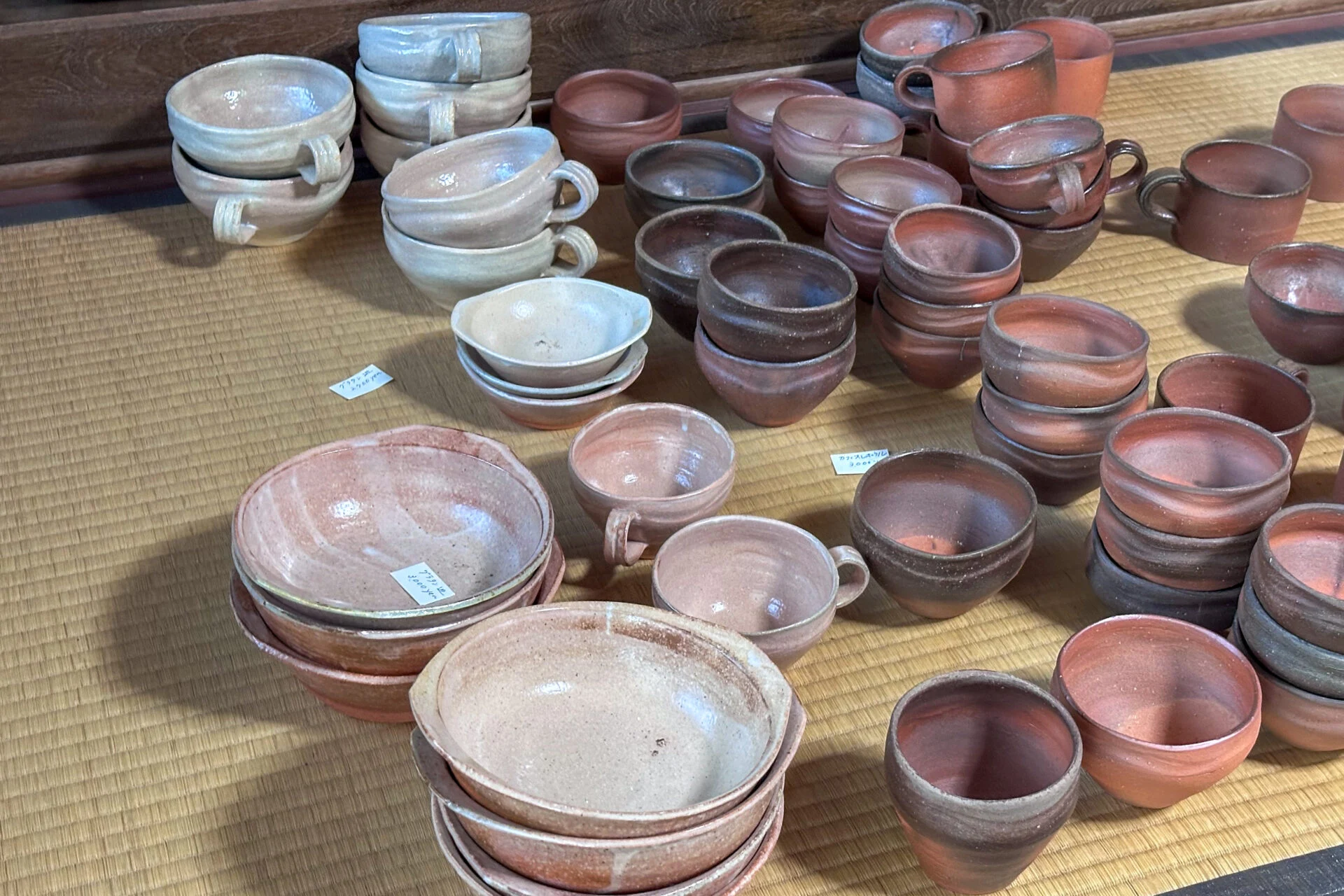
Tsuneki's Bizen ware is made not as an ornament to be admired, but with the intention that it be used as an everyday tool.
For example, tableware is a tool for making food look delicious, and the distinctive bright orange hues and variations in firing color are the result of his aim to make food look appealing.

He also considers ease of use in everyday life, and told us that he always strives to make his tableware thin.
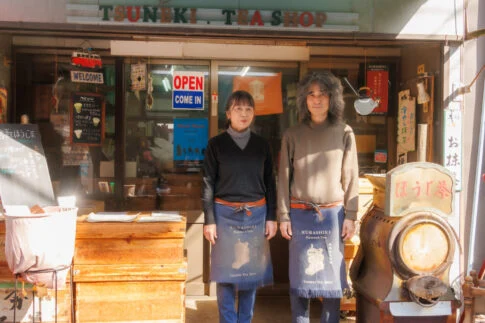
Tsuneki's works can be purchased and handled in person at his studio in Asakuchi City and at Tsuneki Pottery Shop, his family home in the Bikan Historical Area in Kurashiki.
We spoke with Tsuneki Naoto about why he moved to Asakuchi City and his commitment to making Bizen ware.
Ceramic Artist Tsuneki Naoto: Information
| Name | Ceramic Artist Tsuneki Naoto |
|---|---|
| Address | 849-2 Jitojo, Kamogata, Asakuchi City |
| Contact | TEL/Fax: 0865-44-3309 Mobile: 090-9758-6162 |
| Parking | Available |
| Business hours | The artist may be away, so please contact them in advance before visiting. |
| Regular closing days | Irregular |
| Payment methods |
|
| Website | Ceramic Artist Tsuneki Naoto |


What would you like to know about Kurashiki?
Enter a search term to find articles on this site