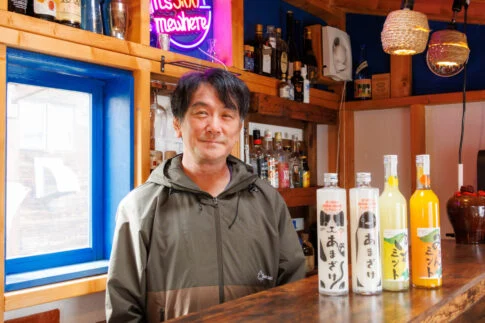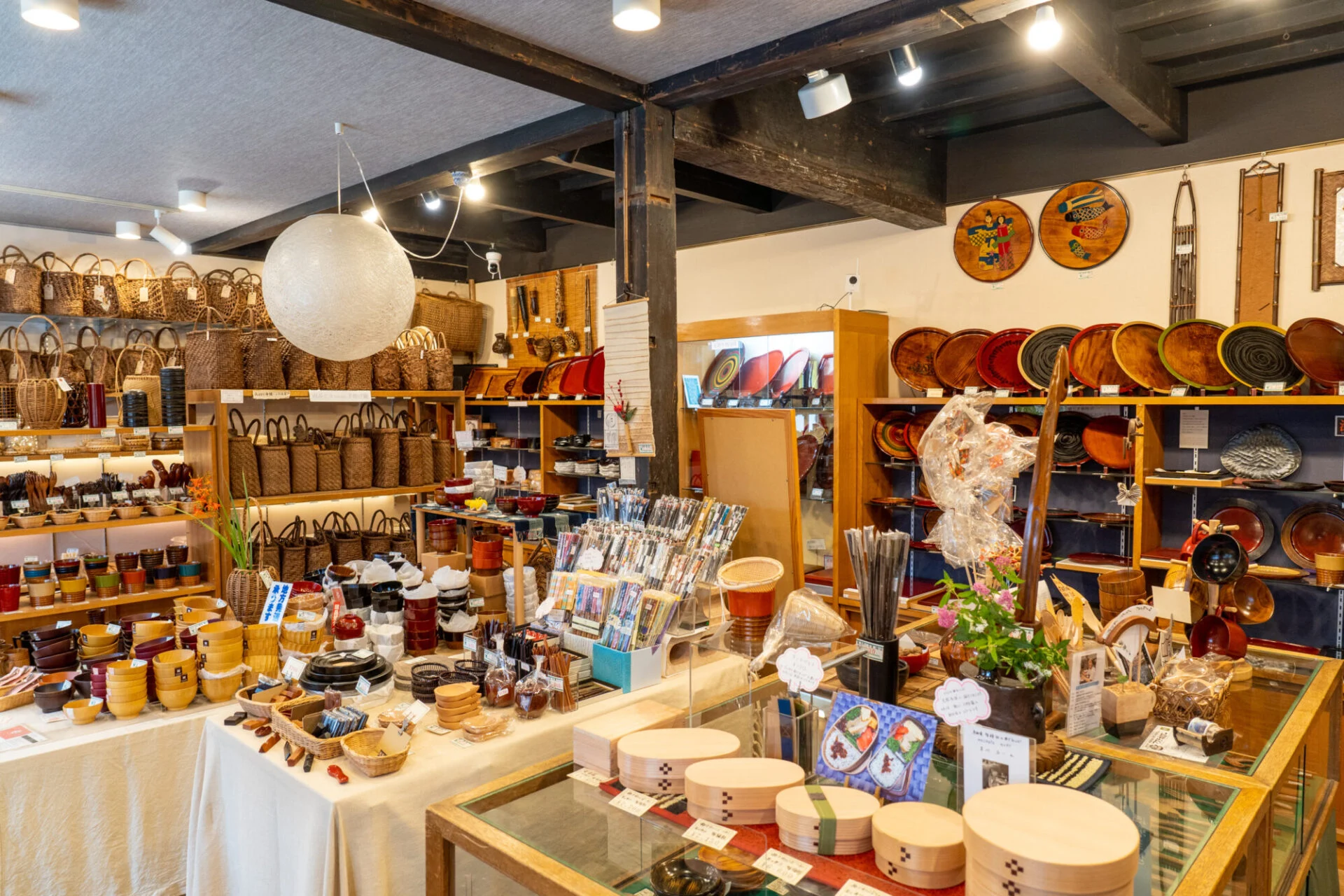
Understanding the Craftsman's Commitment: An Interview with Masahiro Nojima, Owner of Kurashiki Folk Crafts
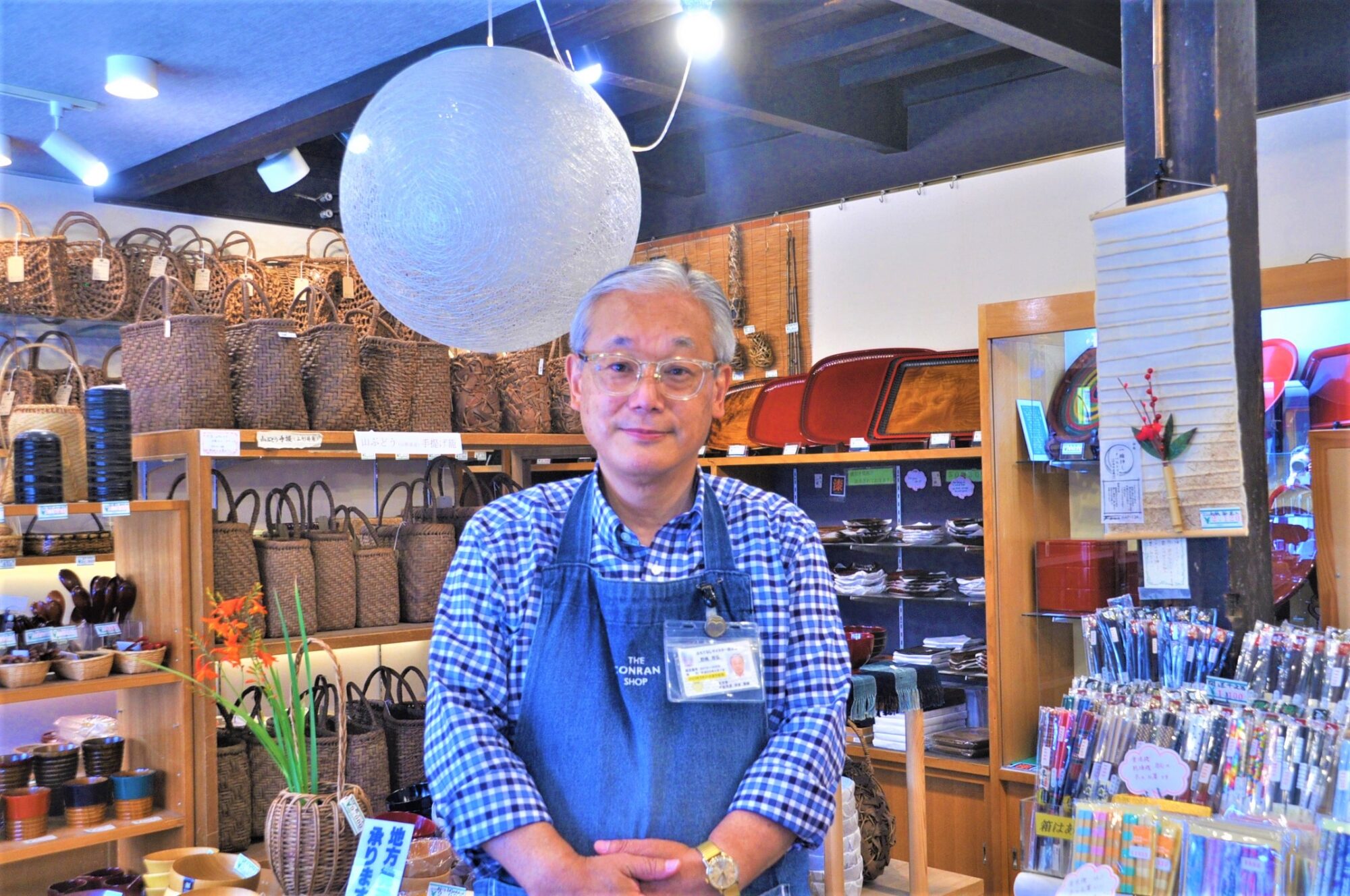
From Wooden Utensils to Folk Crafts
Could you tell us about the background of your business?
Nojima (honorifics omitted)
Perhaps influenced by my grandfather, who ran his own business, I wanted to be in commerce from the start.
After studying business administration at university, I worked at an advertising agency for about two and a half years for job research, and then I continued my studies while working part-time in a job related to wood.
I originally wanted to handle wooden items.
With the desire to handle items used in daily life, I started dealing with trays and wooden utensils, and I remember realizing that the wooden utensils used in Japan for a long time were part of my genetic makeup as a Japanese person.
After that, during the summer, while handling bamboo products, I felt like I arrived at folk crafts.
How do you select the items in your store?
Nojima
I choose items based on the fact that they are daily necessities and can be used.
Someone once told me that it's better to see many good things, so I first followed that advice and looked at a lot of good items.
Among those, if I thought someone was good, I would visit the craftsman directly.
While listening to their stories, I consciously choose items that align with the craftsman's commitment and my own sensibility.
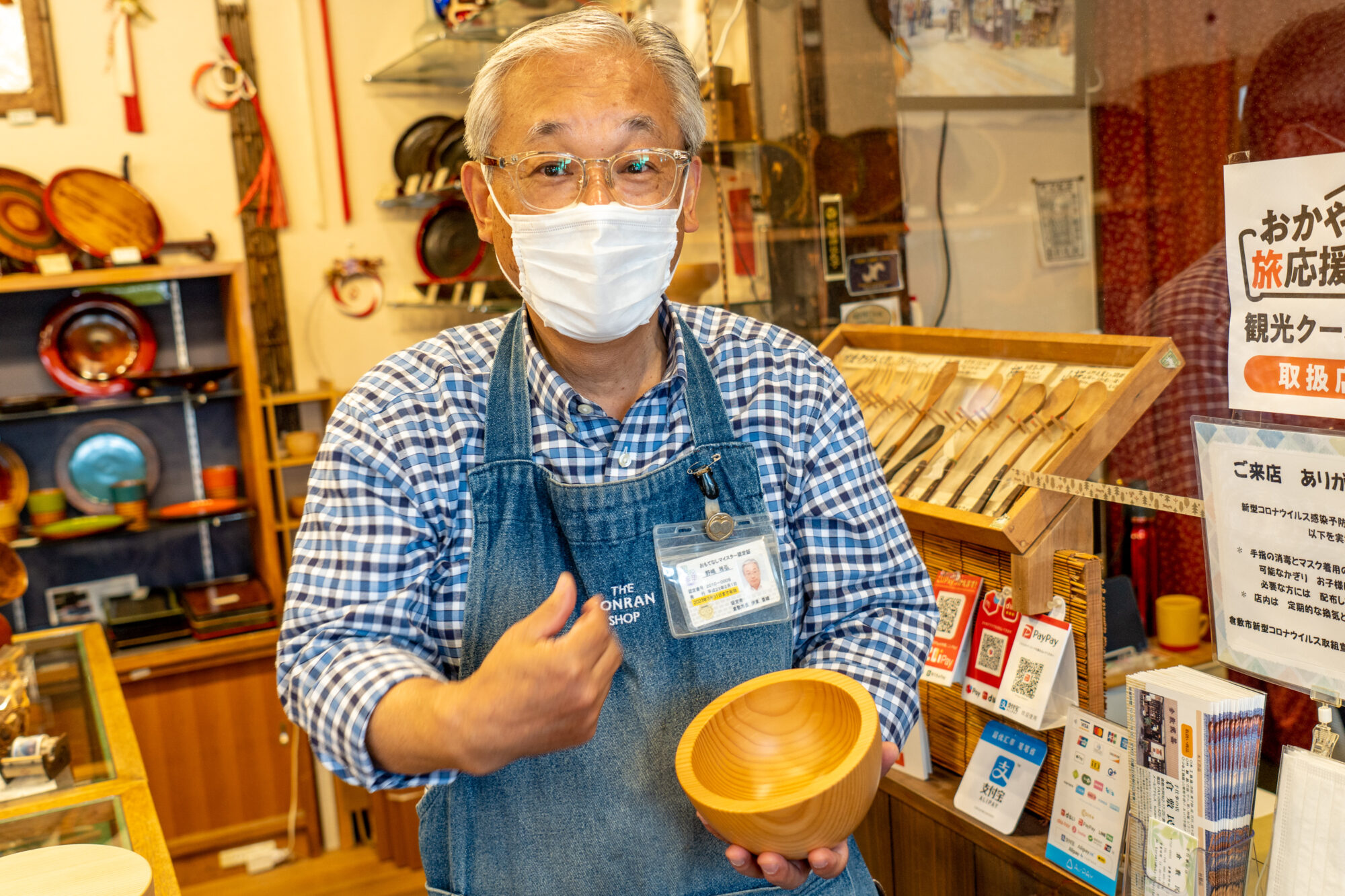
There Are As Many Uses As There Are Interpretations
Could you share your thoughts on the store and the products?
Nojima
Folk crafts are made from natural materials, so you can enjoy the changes over time.
For any product, I hope that people will use it in various ways for a long time and nurture it as their own.
There is a concept in folk crafts called "mitate," which refers to interpretation.
For example, if you interpret something as something else and use it differently, you might be complimented for your good interpretation.
Interestingly, while the folk crafts on display have the author's name written, the intended use is intentionally not specified.
Of course, folk crafts have their original uses, but I hope people will enjoy various interpretations and different uses in their daily lives.
Do you have any episodes with customers regarding the products?
Nojima
I try to convey the background of the products and the craftsman's ingenuity to customers as much as possible.
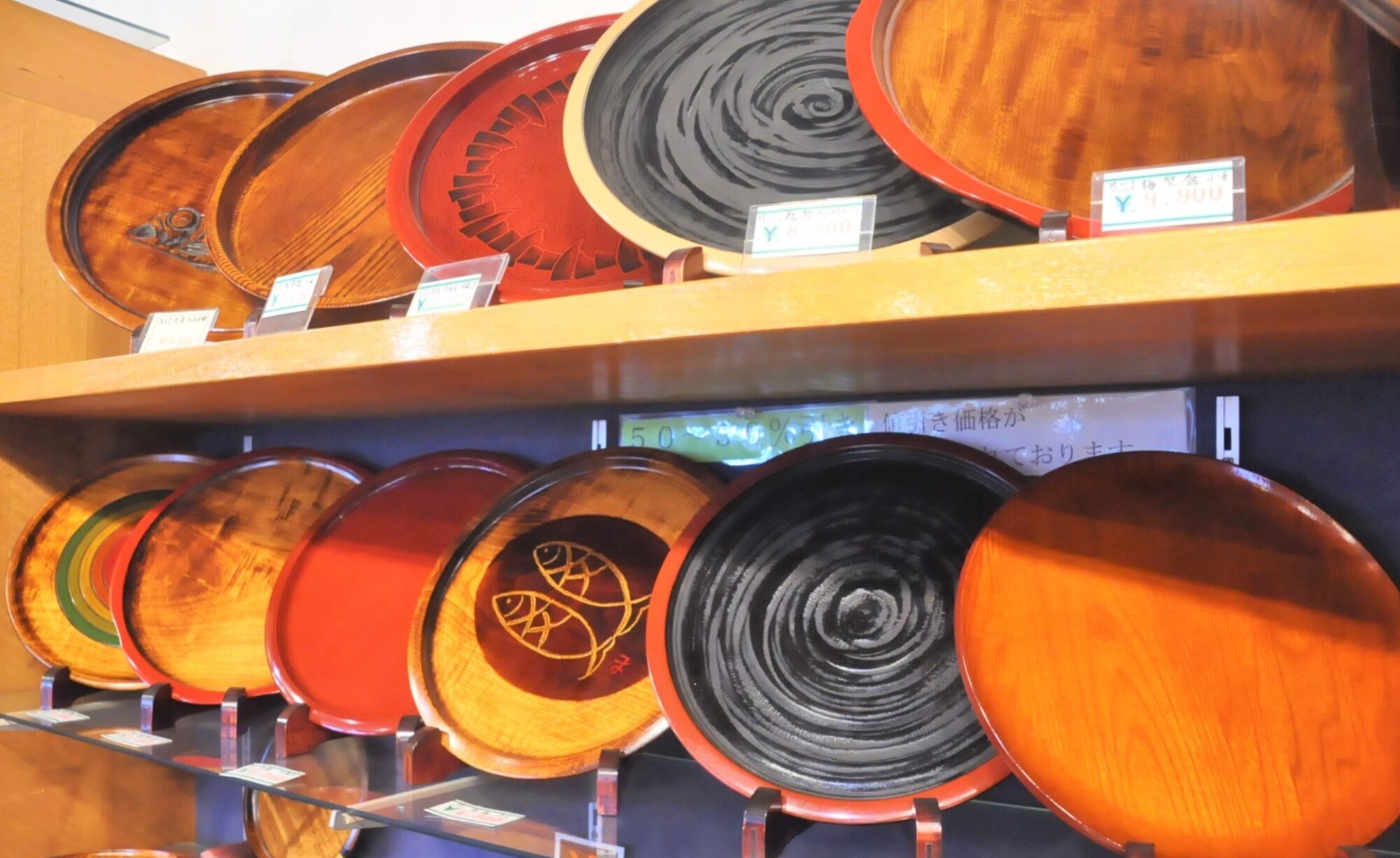
For example, the craftsman who makes trays thinks of the tray as a plate when creating it.
Therefore, the tray is always slightly concave towards the center to prevent liquids from spilling.
When I hear such stories from craftsmen that people might not know, I feel compelled to share them.
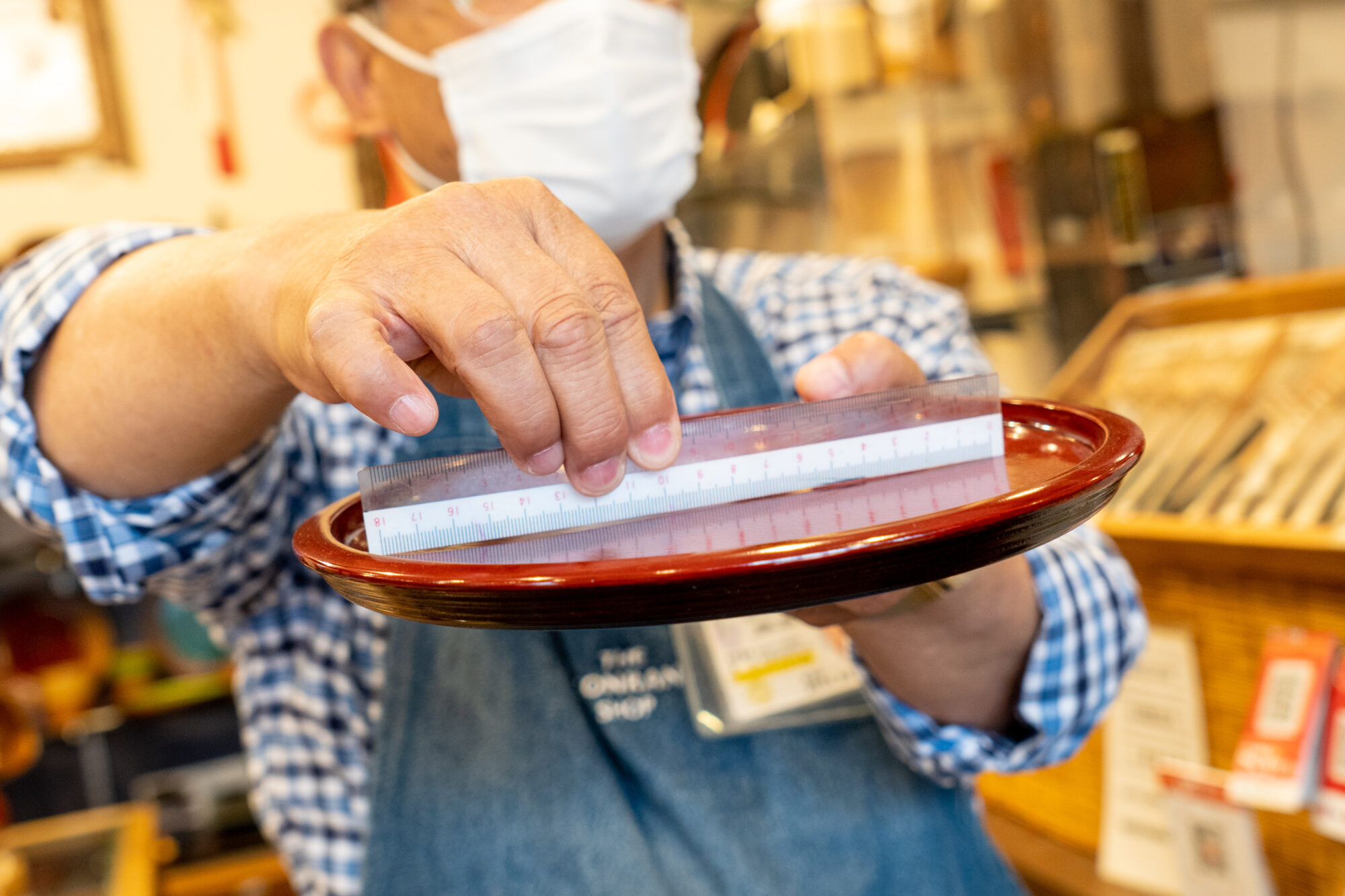
If it is too concave, it will not function as a tray, so professionals make it slightly concave.
It seems that the practice of making trays with a concave center has been around for a long time, but even the craftsmen sometimes do not know why it is so.
It is just how trays are made, but when I convey this fading knowledge, the listeners are often moved.
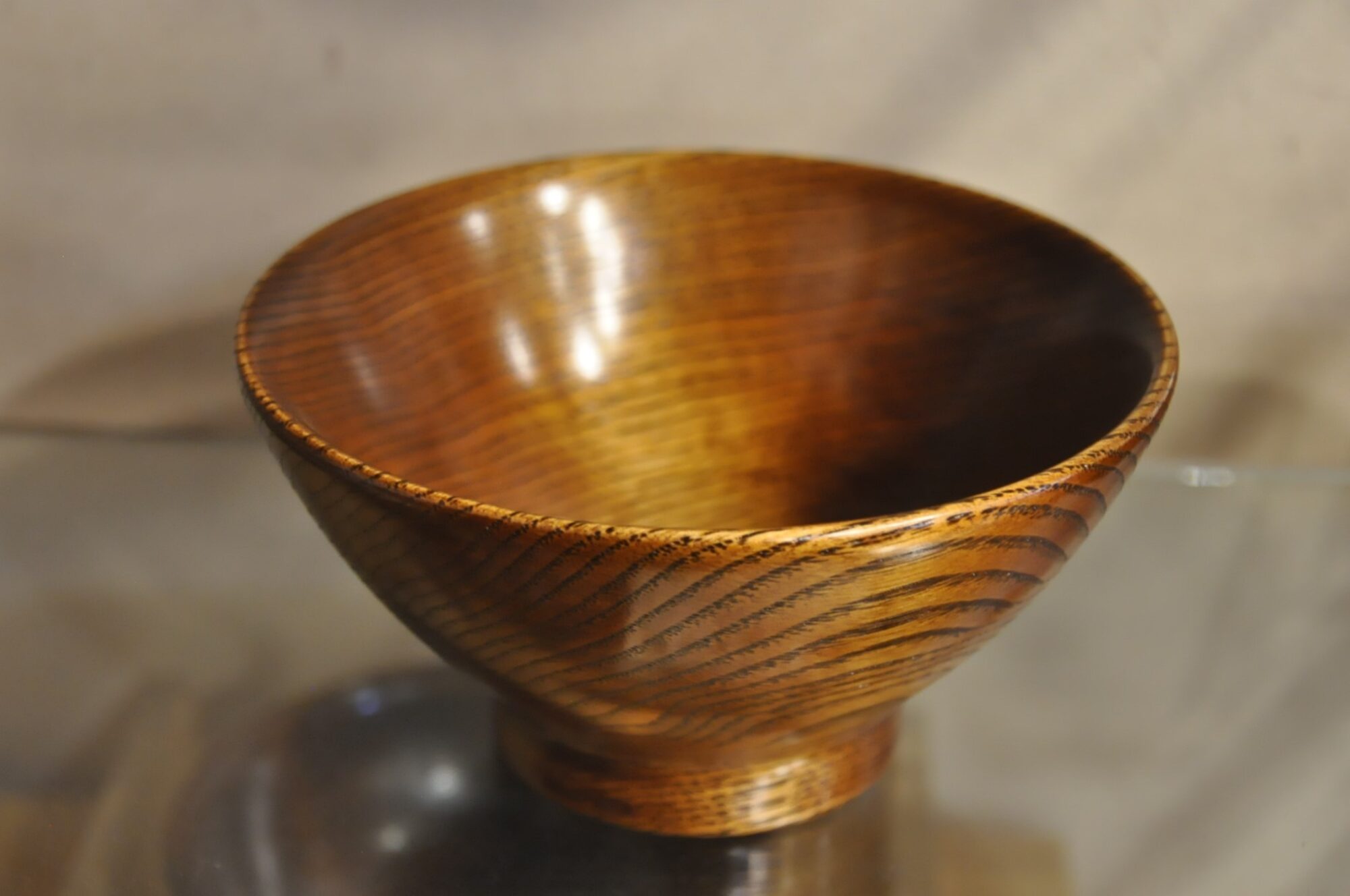
Speaking of the origins of products, I often talk about the container for serving white rice.
What do you call the container for serving rice? A rice bowl?
Actually, it is called a meshiwan (飯椀).
Once, when I visited a craftsman and referred to it as a rice bowl, the craftsman told me, "I have never made a rice bowl."
I learned for the first time that a rice bowl is specifically for drinking tea, while the container for serving rice is a meshiwan.
Since then, I have started to look at things I took for granted from various angles.
When I look at the names of items, I ask myself whether this name is correct or whether this method is appropriate.
In Japan, there is a culture of interpretation, and we are good at enjoying uses that differ from the original purpose, but it is also important for customers to understand the original origins and the ingenuity of the craftsmen that have been passed down for a long time.
What are your aspirations for the future?
Nojima
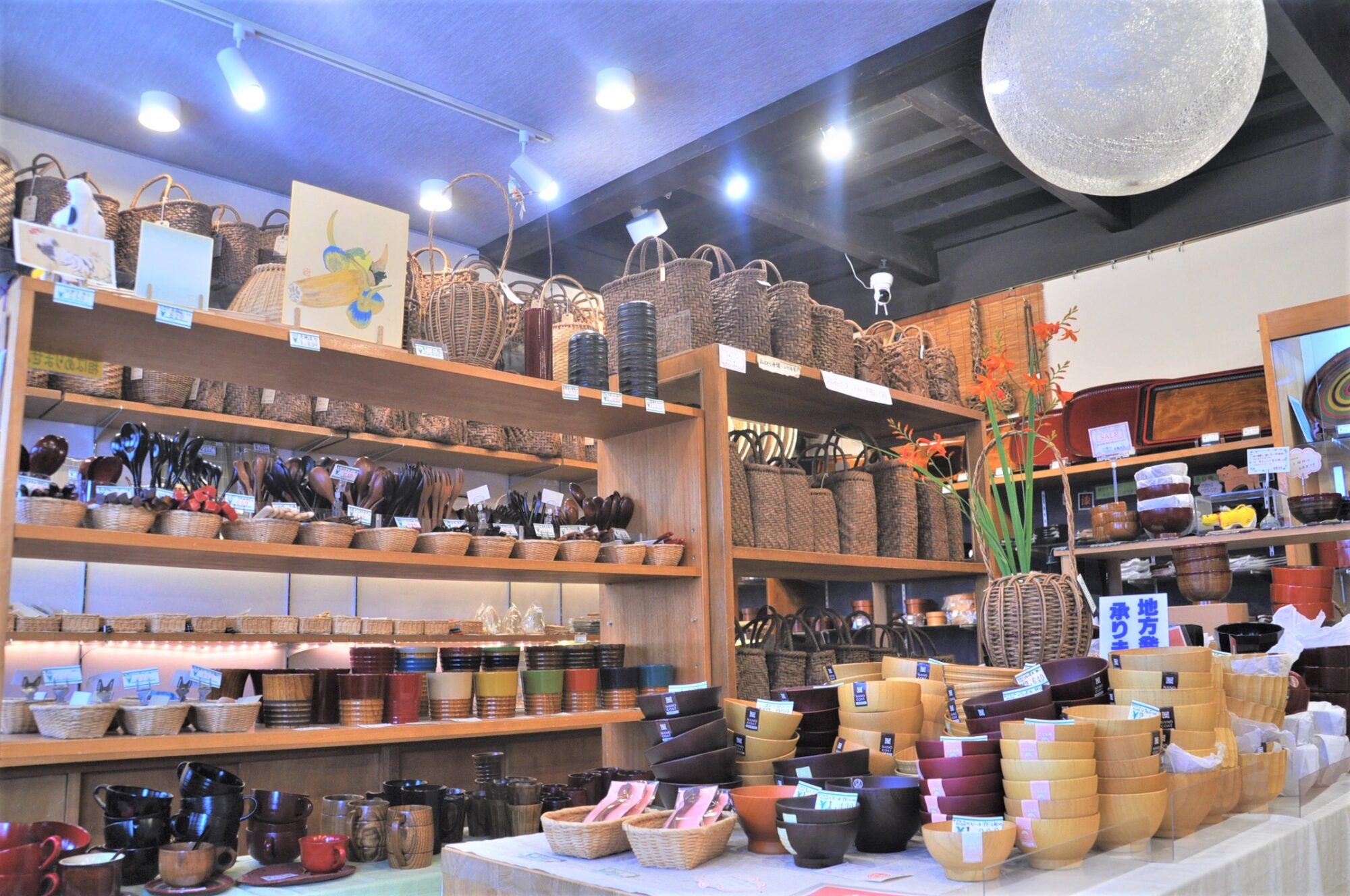
Above all, I want people to use the items. Buy them and use them.
If not, the craftsmen will not thrive.
To preserve traditional items, I believe they need to be bought and used.
That is my main goal.
Connecting Makers and Users
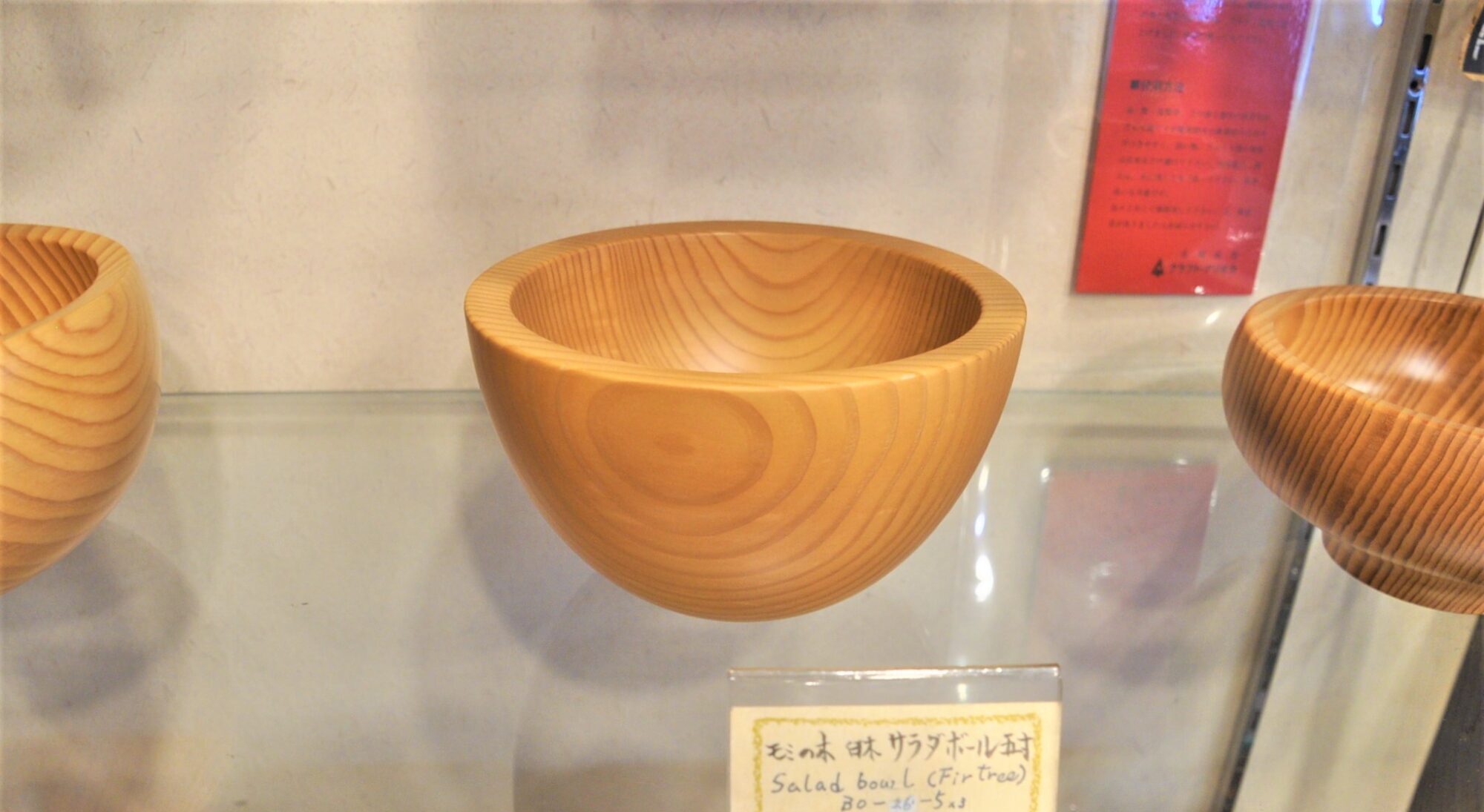
Nojima's stories are endless.
“When craftsmen make wooden frames, they intentionally leave gaps to account for the expansion and contraction of the wood,” he explains while tapping on the wooden frame of the store's showcase.
As he lifts a displayed utensil, he shares that this shape was created because the artist wanted to make a vessel just right for eating bean snacks.
The overflowing knowledge comes from Nojima's direct visits to craftsmen and his understanding of their commitment and the origins of the utensils.
With his knowledge of wood, the conversation expands to cover all of Japan.
Each of these insights seems to resolve small questions that one might overlook in daily life while also guiding us to the depths of Japanese culture.
I want people to know that there are reasons and meanings behind the items that have been completed as folk crafts.
I hope they will enjoy various uses that align with their lives while nurturing these tools over a long time.
Throughout all the stories, I felt that this sentiment was consistently conveyed.
Having visited the store, I now have a strong desire to incorporate folk crafts into my life, but just buying them would be a waste!
When visiting Kurashiki Folk Crafts, please be sure to ask Nojima about the origins of the tools and the craftsman's commitment.
It may add a flavor of the history of Japanese culture to the everyday things you take for granted.
Data on the Handicraft Store Kurashiki Folk Crafts
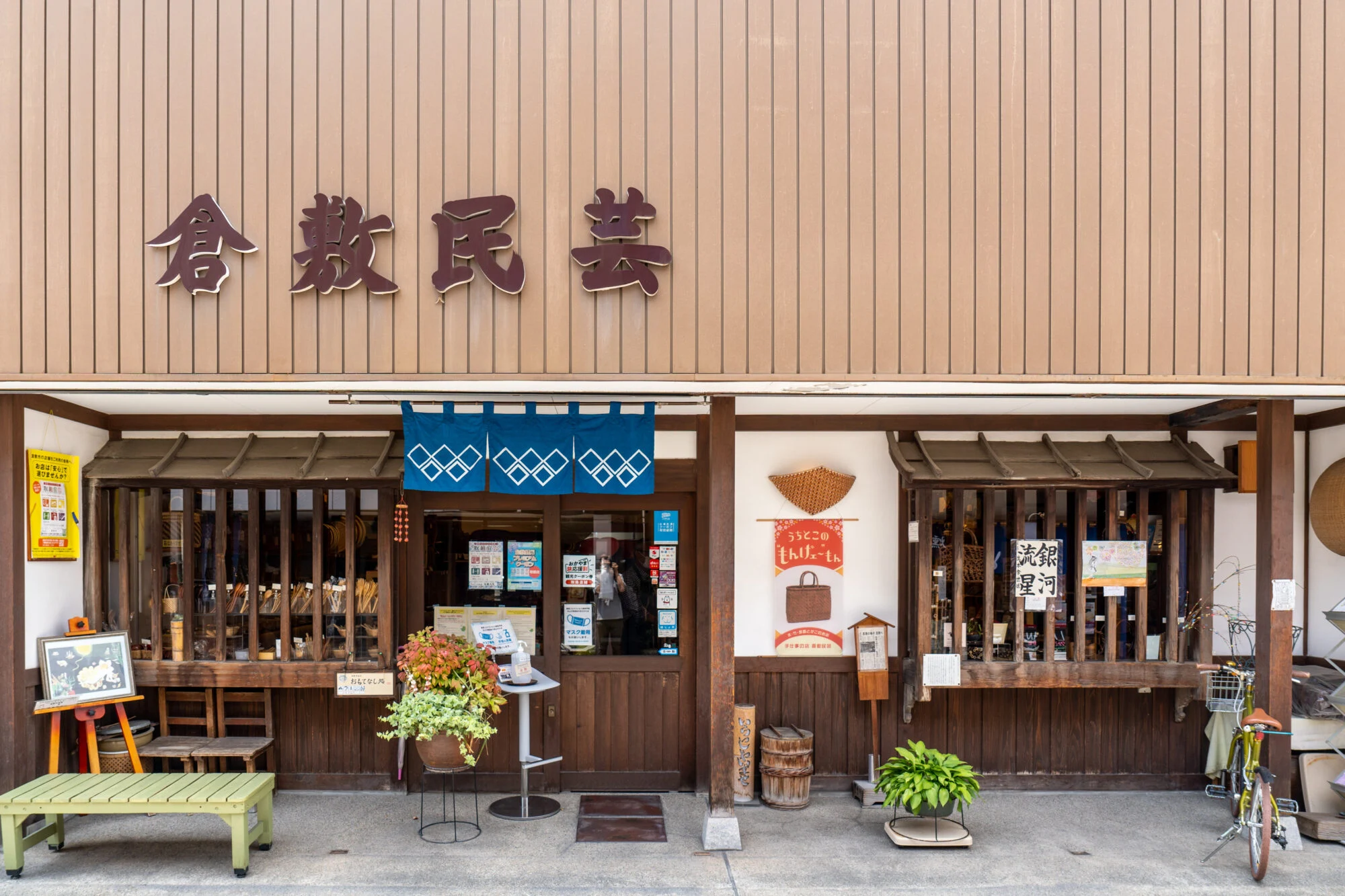
| Name | Handicraft Store Kurashiki Folk Crafts |
|---|---|
| Address | 2-17-25 Achi, Kurashiki City, Okayama Prefecture |
| Contact | 086-425-3184 |
| Parking | Available 1-2 hours free regardless of usage fee (affiliated parking lot with shopping street) |
| Business Hours | From 10:00 AM to 7:00 PM Shortened hours until 6:00 PM during the COVID-19 pandemic (temporary measure) |
| Regular Holidays | Monday Open on public holidays (if a substitute holiday, then Wednesday) |
| Payment Methods |
|