Traditional Folk Toys and Weaving a New Era
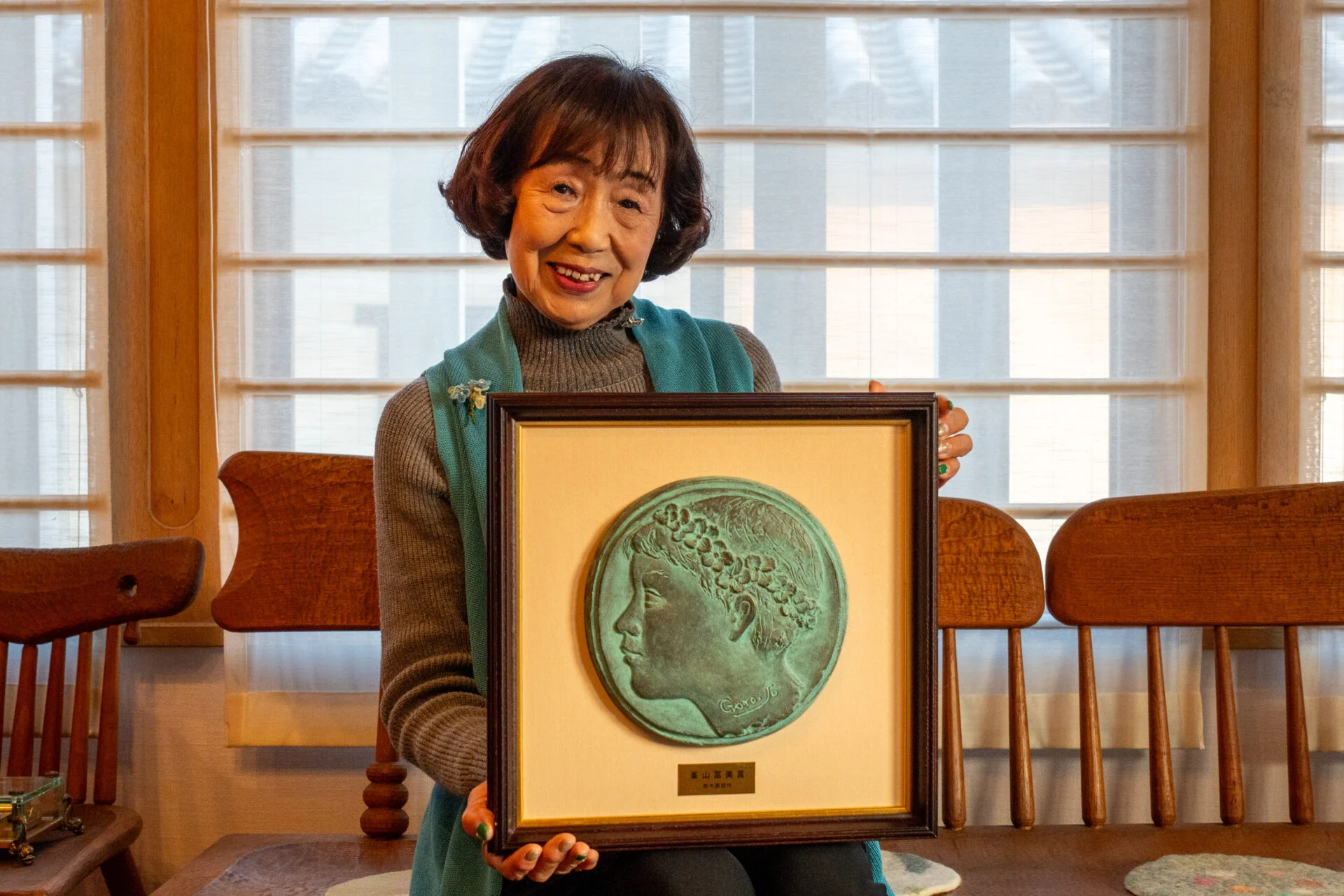
We interviewed the director, Oga Kimiko, and the assistant director, Ono Nobuhisa, about the history and charm of the Japanese Folk Toy Museum, as well as their thoughts for the future.
The interview is based on the content from the initial coverage conducted in November 2022.
The Background to the Opening ~ Urban Development in Kurashiki
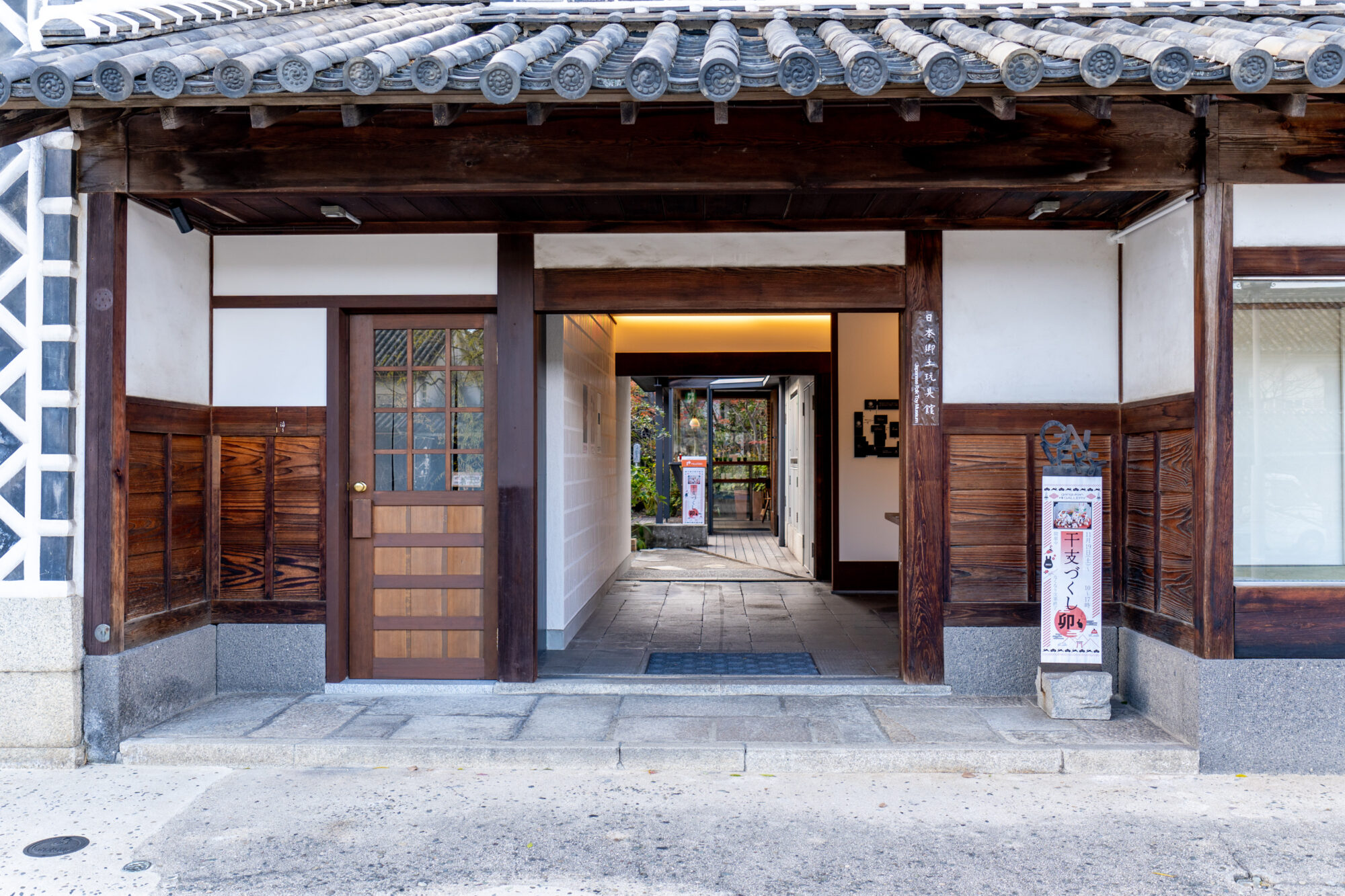
Can you tell us about the background to the opening of the Japanese Folk Toy Museum?
Oga
I moved to Kurashiki City in 1961, but it was Professor Tonomura Kichinosuke who created the opportunity for me to immerse myself in the world of folk toys.
Tonomura Kichinosuke
The first director of Kurashiki Museum of Folkcraft. He not only worked hard to promote folk crafts but also, at a time when the awareness of "preserving the townscape" was not common, found beauty in the landscape of white walls and tiled roofs, contributing to the landscape protection of the current Bikan Historical Area.
Ohara Soichiro, who had a great interest in the townscape of Kurashiki, invited Professor Tonomura, who later became the director of the Kurashiki Museum of Folkcraft, to Kurashiki right after the war.
My father-in-law, Oga Masakatsu, was also one of the resonators of Professor Tonomura's philosophy, and we consulted about how we could utilize the rice granary passed down from our ancestors.
Then, Professor Tonomura suggested, "How about making it a museum for folk toys?"
Professor Tonomura spoke vividly about the wonderful folk toys passed down throughout the country while showing his own collection.
It was in the spring of 1966.
Did you have any knowledge of folk toys at that time?
Oga
At that time, neither my father-in-law nor I had any knowledge of folk toys. My father-in-law's hobbies were Noh, singing, and tea.
I had a connection with Yoshimitsu Yoshinaga, a collector of folk toys, as I was a classmate of his daughter, and I had seen his collection when I visited their home.
For the year leading up to the opening, I visited collectors across the country with my father-in-law, and afterwards, I continued to collect by visiting the toy makers introduced by Professor Tonomura.
For the opening in 1967, we received folk toys collected through Professor Tonomura's eyes, resulting in a high-quality exhibition.
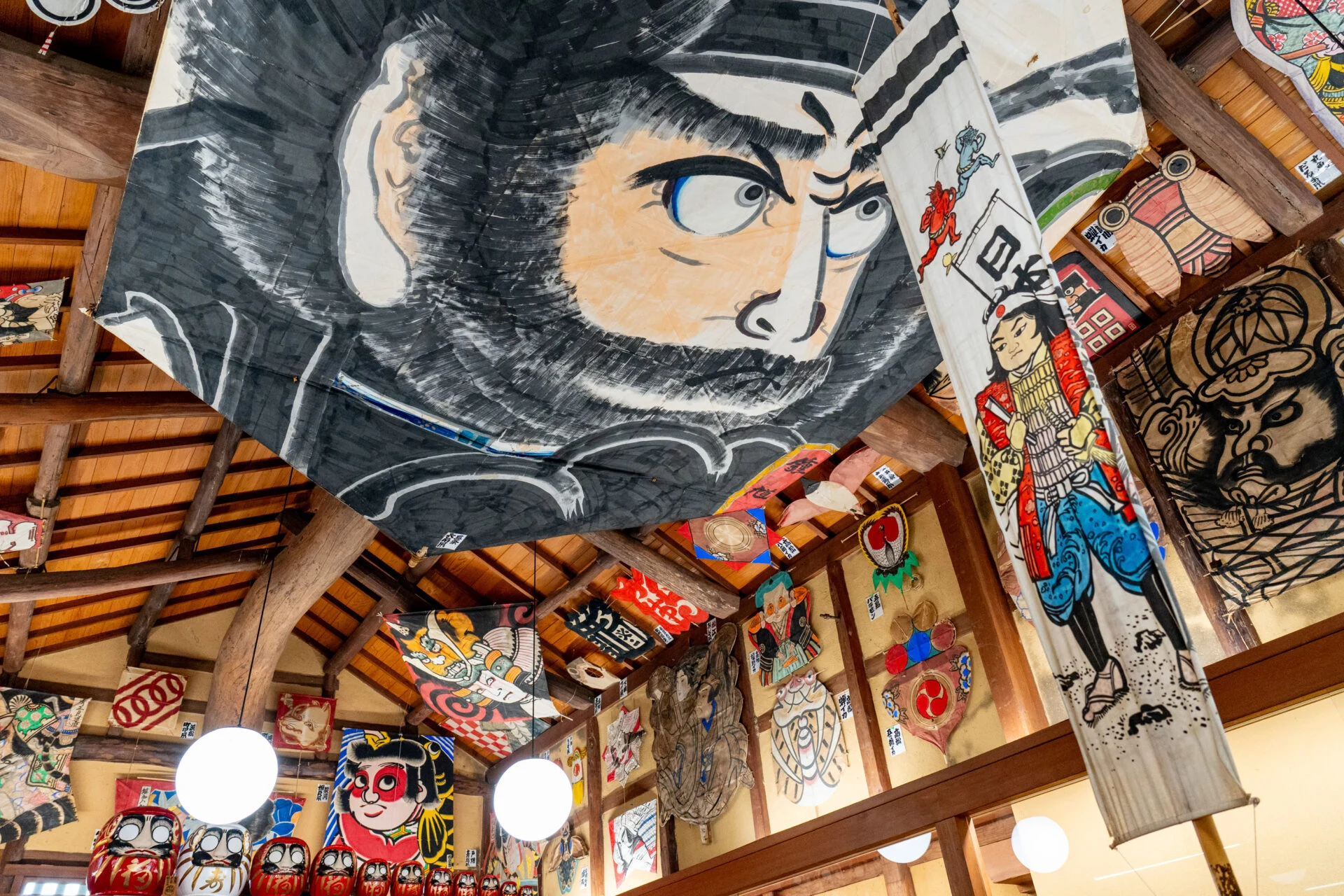
At the time of the opening, the exhibition space was just one storehouse in the front, but it was very well received, and many people came from all over the country.
Perhaps because folk toys were usually enjoyed by collectors at home, it was also nice that they could be enjoyed as an exhibition in the toy museum.
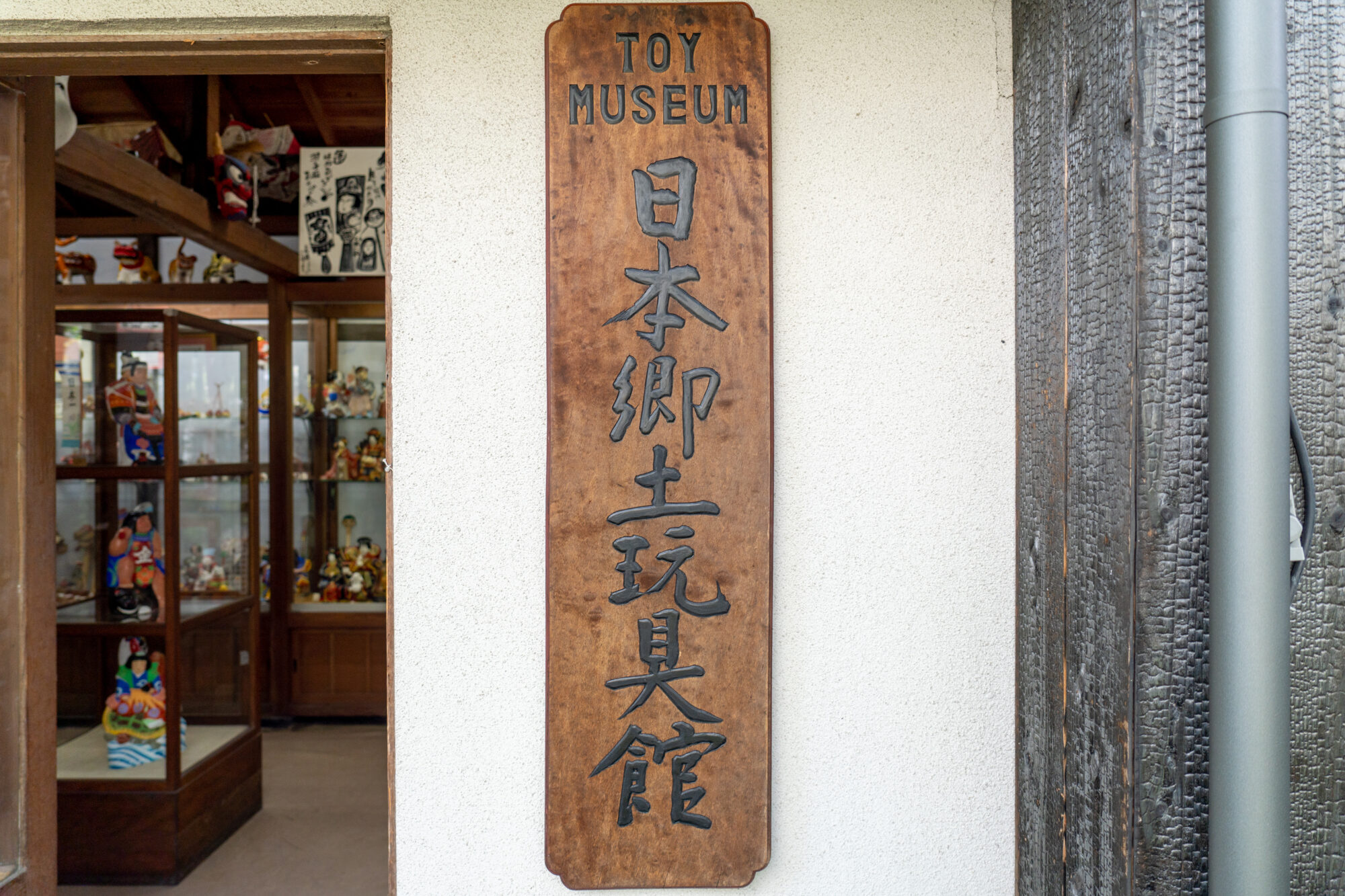
Can you tell us about the +1 GALLERY and the side terrace?
Oga
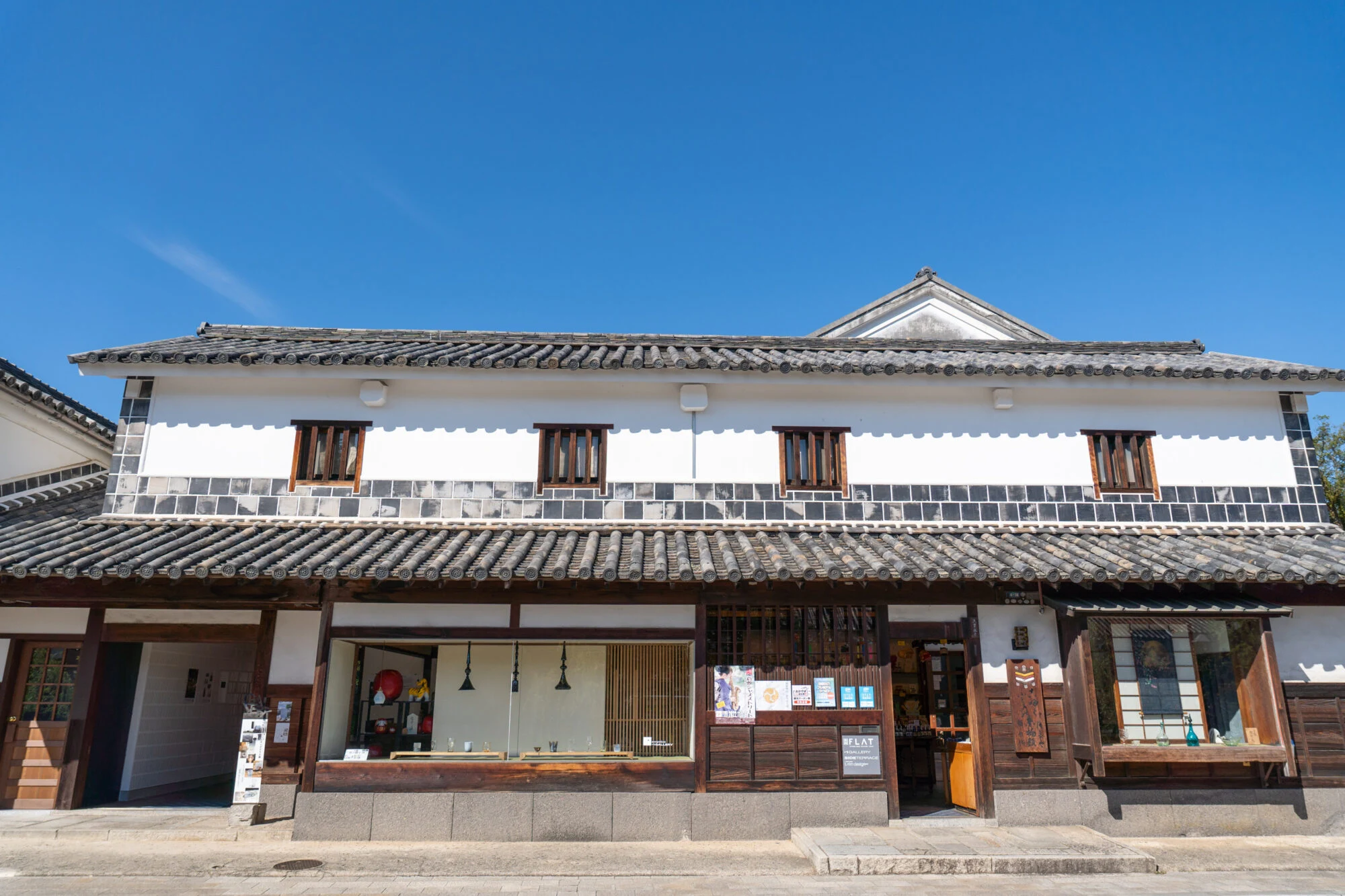
The first gallery was created by utilizing a building designated as a traditional building preservation district.
Since I am also involved in crafts, I have connections with Kodani Shinzo of Kurashiki Glass and Yunoki Samiro of dyeing.
We have continued to hold exhibitions featuring Kurashiki Glass, dyeing, and also Sakatsu ware, up to the present.
Currently, we are exhibiting works by Kodani Eiji and Professor Isogai Akihiro of Kurashiki University of Science and the Arts.
Furthermore, through my connection with Professor Isogai, we were able to hold an exhibition of works by artists who graduated from Kurashiki University of Science and the Arts, featuring lighting and drinking glasses.
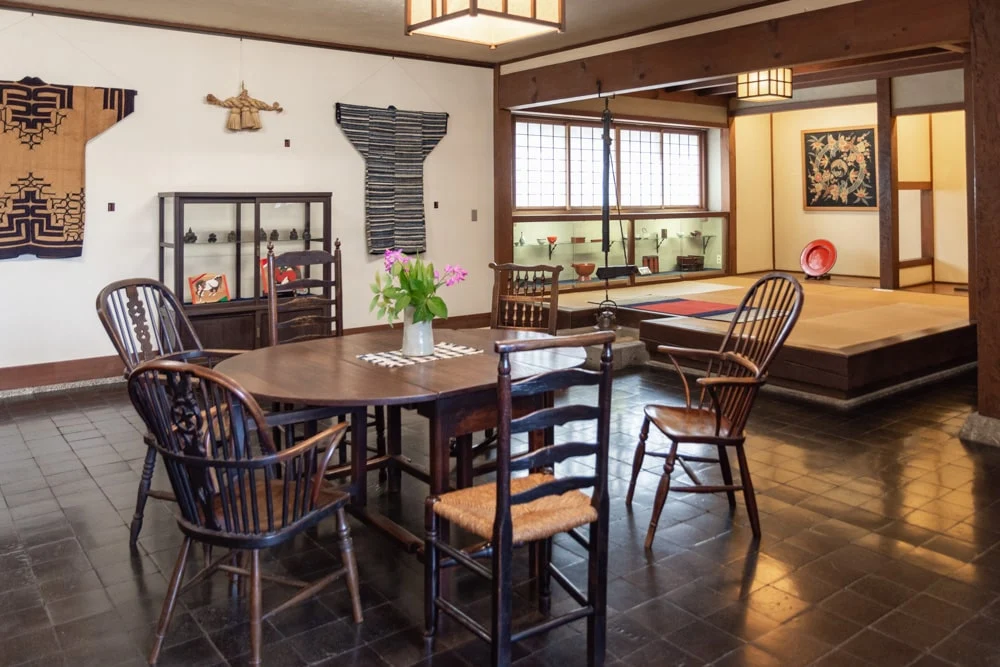
The side terrace and +1 GALLERY were remodeled in 1999. It was originally a tea room that was transformed into its current form.
Many people appreciate the bright design facing the garden.
I hope people can come in freely and enjoy themselves.
Can you tell us about the logo of the Japanese Folk Toy Museum? Did you choose the peach design with Momotaro in mind?
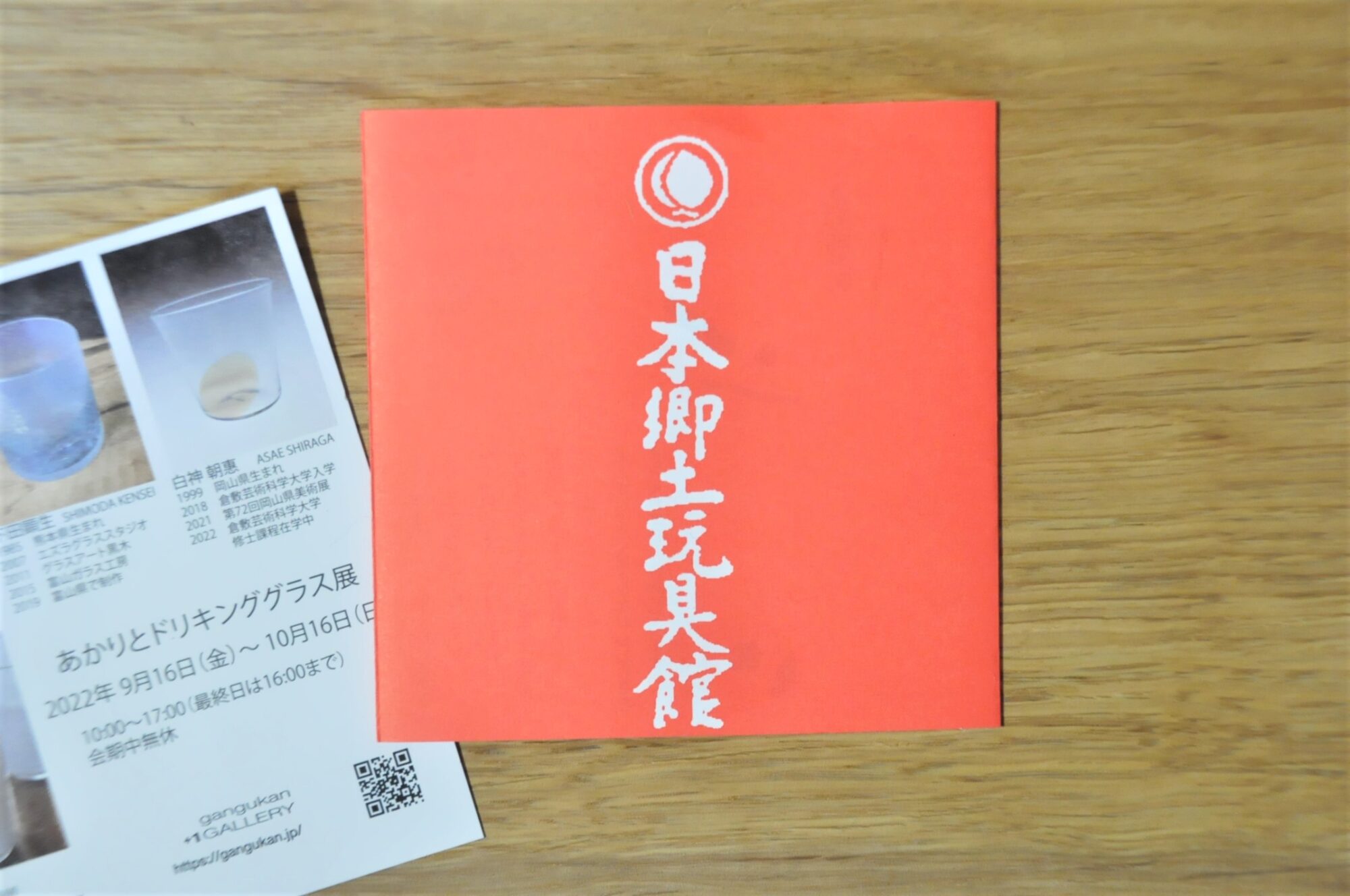
Oga
The origin of the logo of the Japanese Folk Toy Museum is the family crest. My father-in-law and I chose it, and we decided on the peach family crest.
In fact, the reason for choosing the peach family crest was not consciously related to the Momotaro legend. Although Okayama Prefecture is now associated with Momotaro, it wasn't as prominent at the time of the opening.
Rather, since it was a children's toy and doll, Kintaro was more common.
Since Okayama was represented by white peaches, it might have been that the connection between Okayama and peaches remained.
The important wrapping paper, including the logo, was designed by Yunoki Samiro. We have been using it unchanged for 50 years since the opening.
Supporting the Townscape of Kurashiki
Finally, can you tell us about your aspirations for the future?
Oga
More than 50 years have passed since the opening, and many folk toys have gathered, including those in storage.
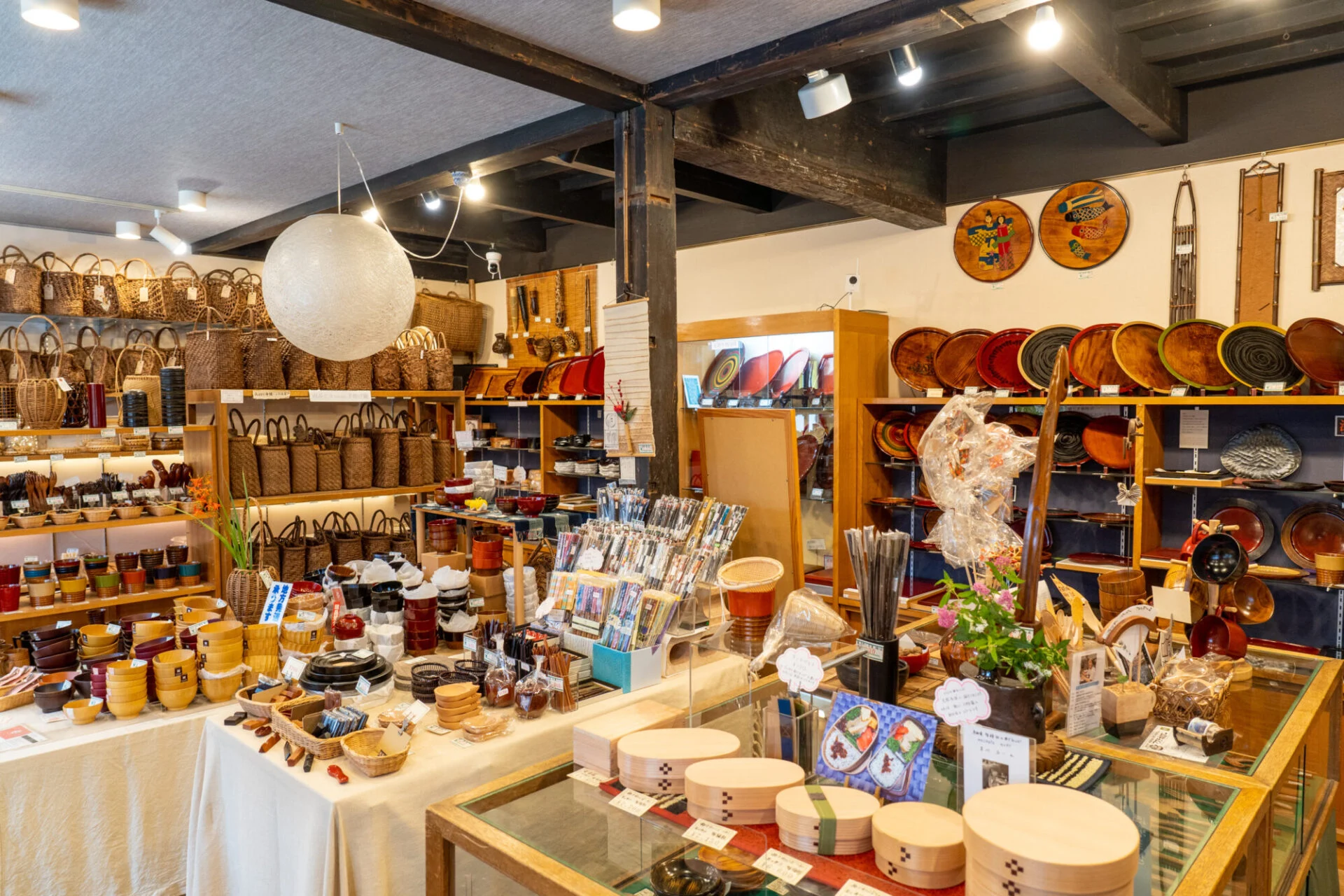
One reason is that the shop has become cramped, but I also feel there are challenges in how to present them. I wonder if just lining them up is enough.
I think the same challenge exists in art exhibitions.
Moreover, until now, folk toys have been traditionally made in a way that has been passed down through generations, but I have heard that recently successors have been incorporating new methods.
Until now, I felt that this might be a bit different from folk toys and rejected it, but I realize that this is not the right approach.
I think this when I listen to the younger people, including the assistant director.
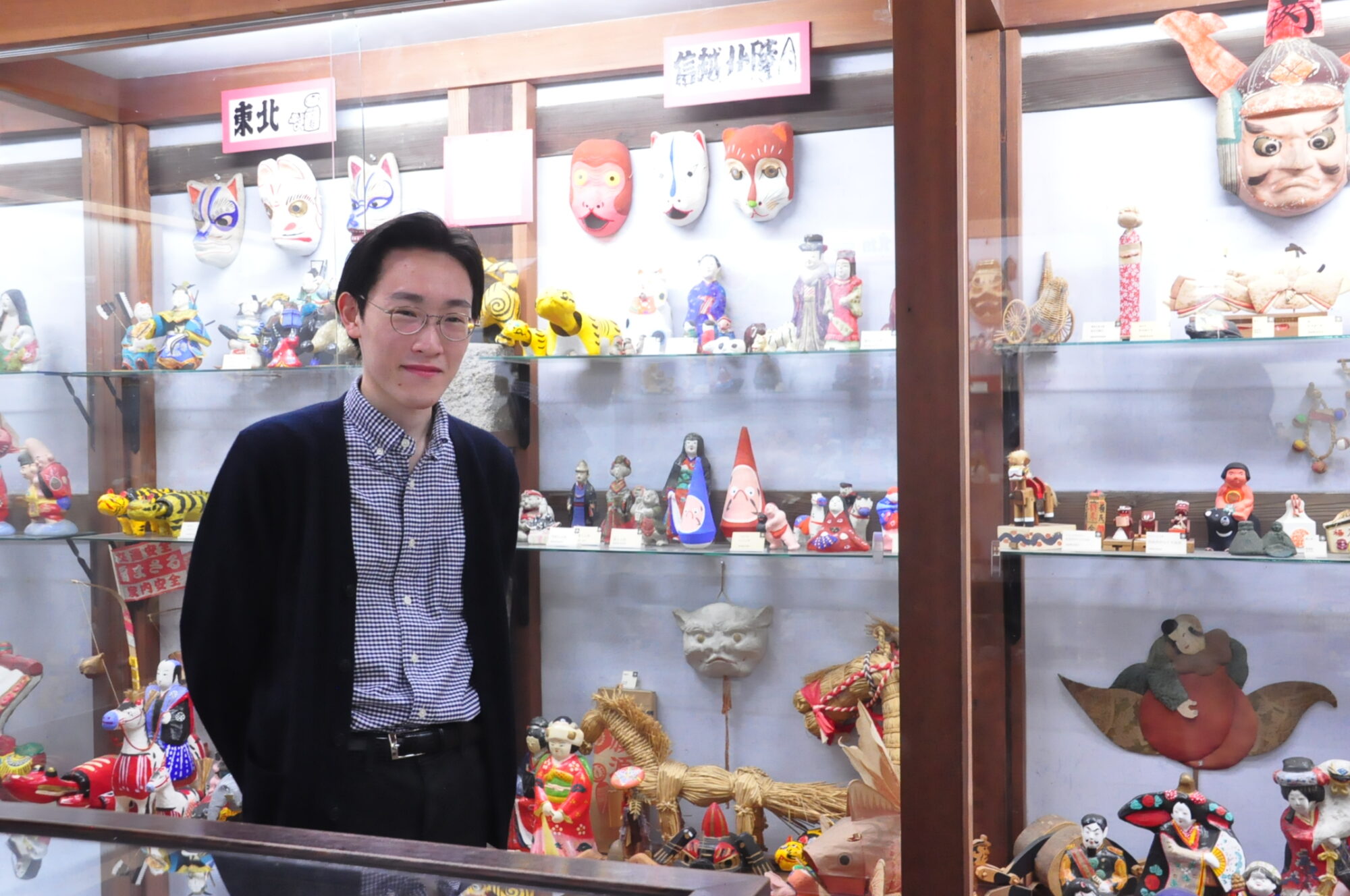
Ono
I was born and raised in Tokyo, but I have always felt a charm for Kurashiki, which is my mother's hometown.
When I graduated from an art university and obtained my curator qualification, I was helped by Ohara Museum of Art. Including the Japanese Folk Toy Museum, there are many people who are challenging to create new things in the field of art.
If possible, I think it would be great if those who hold old things could support such people. This is also related to the efforts to preserve the old townscape, but even if only the outside is preserved, I believe that the Kurashiki mindset will not remain.
I think the most important thing to preserve is that spiritual aspect.
Oga
You are absolutely right about preserving the spiritual aspect.
Regarding the townscape, it is not just us; those involved in architecture must also have the mindset to preserve the Kurashiki spirit; otherwise, even if the outside remains, it could become something entirely different.
Ono
In that sense, I feel there are challenges in preserving the townscape. Due to my connections from the university, I have some connections with artists, so I hope to be able to do various things while I can.
However, when it comes to specifically how to embody the Kurashiki mindset, it is a very difficult matter.
When considering incorporating new things, I also feel that the legacy of our predecessors is strong.
The Japanese Folk Toy Museum is a place where new things are incorporated while old things are also present, and I think that is really wonderful.
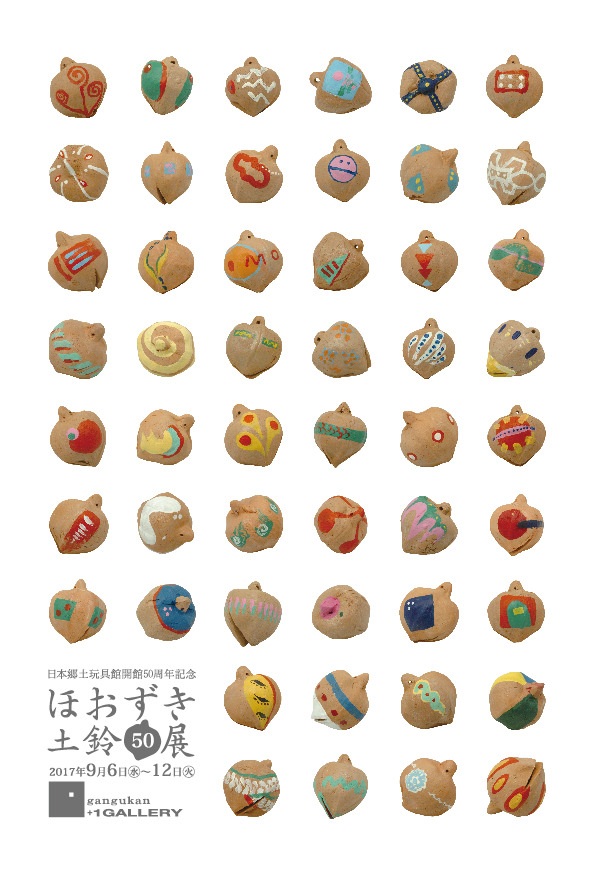
Conclusion
The Japanese Folk Toy Museum has been walking for over 50 years since its opening.
What was once a new initiative has gradually become a rich history over time. From the conversations of the director and assistant director, I felt that a harmony between folk toys and new art and values is being sought.
From their discussions, I sensed that it is not an easy path, but I also hope to see how they harmonize over the flow of time.
Although I am not directly involved in making things, I felt that I wanted to receive the thoughts of the creators from the toys and works and convey them to important people, at the Japanese Folk Toy Museum.
The Japanese Folk Toy Museum regularly changes its folk toy exhibitions.
I would like to visit and experience the charm that cannot be fully appreciated in just one visit, through the changes in exhibitions and special exhibitions.
Data on the Japanese Folk Toy Museum
| Name | Japanese Folk Toy Museum |
|---|---|
| Location | 1-4-16 Chuo, Kurashiki City, Okayama Prefecture |
| Contact | 086-422-8058 |
| Parking | None Use the nearest parking lot. * The parking lots at the Geibunkan or Kurashiki Central Library are convenient. |
| Opening Hours | 10:00 AM to 5:00 PM * The last admission to the museum is at 4:40 PM |
| Closed | Irregular holidays December 30 to January 1 Please check the official website for other irregular holidays. |
| Admission Fee (including tax) | Only the museum is paid. Please pay at the shop register. Adults: 600 yen (500 yen) Junior high to university students: 300 yen (200 yen) Elementary school students: 100 yen (50 yen) Children under elementary school age: Free * The prices in parentheses are for groups of 10 or more and for those holding a disability certificate. |
| Payment Methods |
|
| Reservations | Available |
| Smoking | Completely non-smoking |
| Restrooms | No restrooms |
| Childcare | Participating store in Momokko Card Can enter at group rates |
| Website | Japanese Folk Toy Museum |