Interview
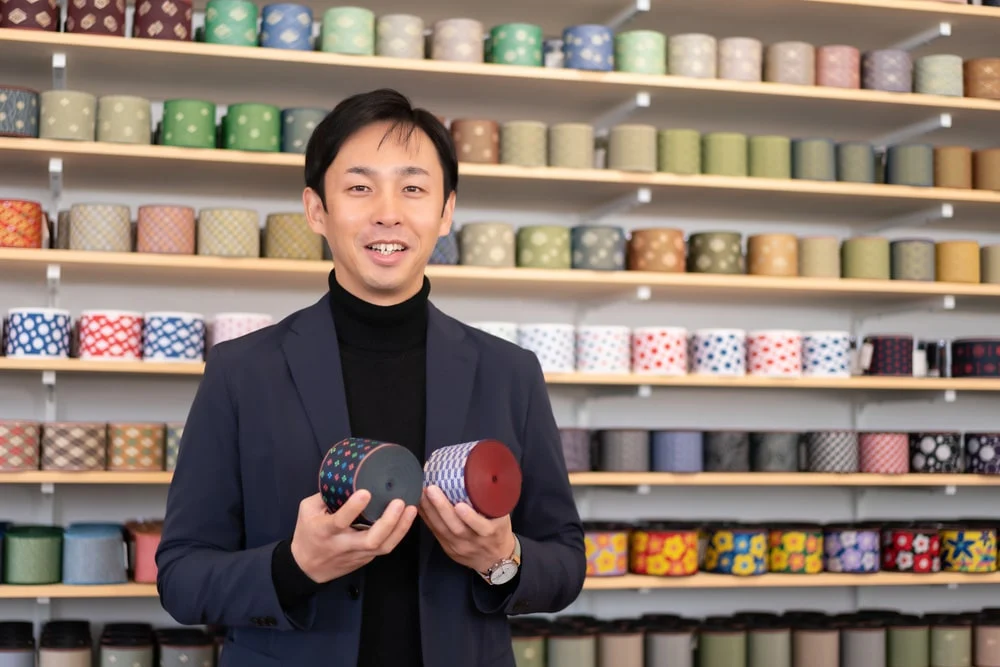
We spoke with Takata Naoshi, president of Takata Orimono Co., Ltd.
The interview with Takata Orimono Co., Ltd. also covers why they opened their directly operated store, FLAT.
▼For more details, see the article below.
About FLAT
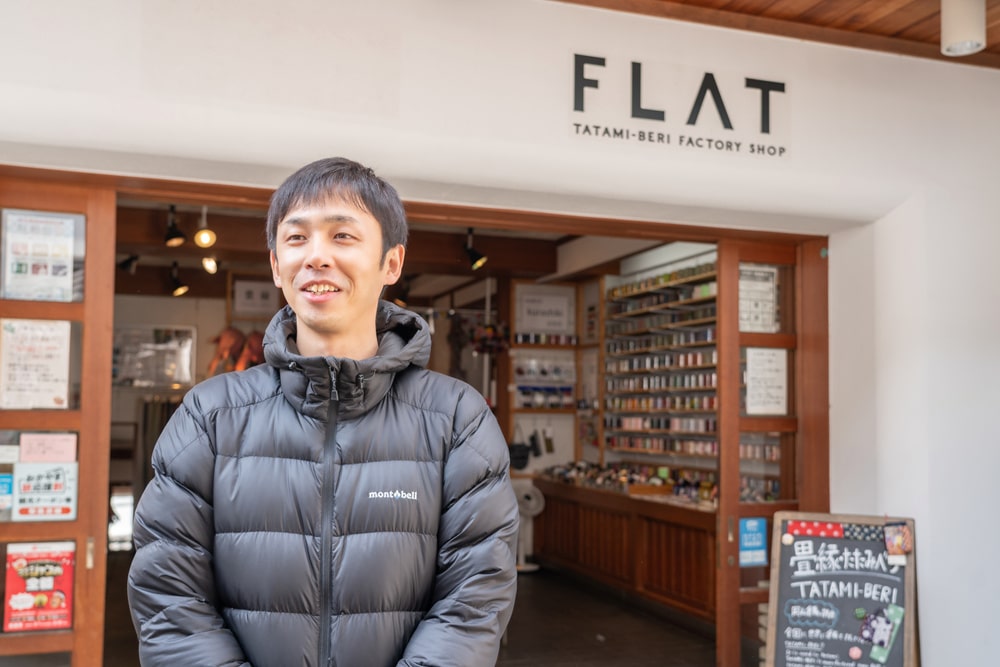
What is the origin of the store name FLAT?
Takata (surname only)
There are three reasons.
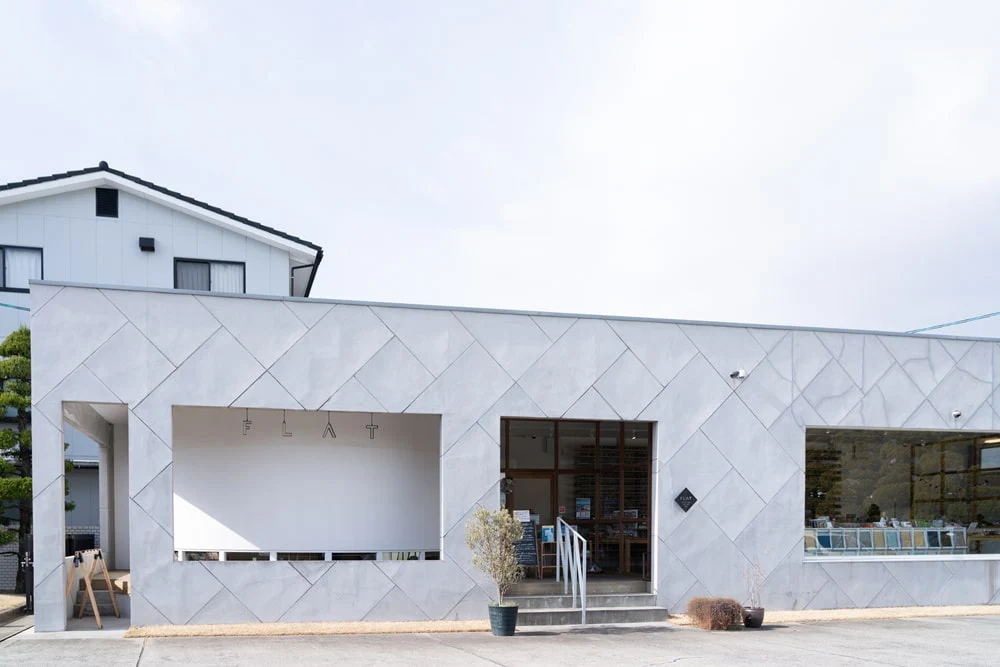
First, the first store, the Kojima Main Store, is a single-story building, and in English, a single-story home is called a “flat.”
Second, it’s a play on words, expressing the hope that people will “drop in” casually.
Third, it relates to the quality of tatami edges. Narrow woven fabrics tend to have a bumpy surface, and high-quality fabric is called “flat.”
Taking all of these into account, we chose the name “FLAT.”
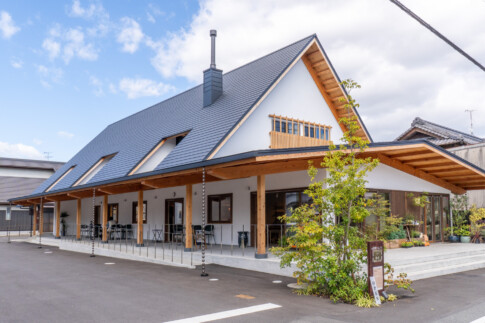
We also hope people will “drop in” at our Bikan Historical Area store.
Why was the Bikan Historical Area store opened in this location?
Takata
Originally, this building housed a specialty shop selling imported French goods.
In French, a person who lives a Japanese-style life in France is called a “tatamiser.”
Even today, if you search for “tatami” on Instagram, you’ll find lots of photos of people practicing judo in France, showing how closely the word “tatami” is associated with France.
Takata Orimono had also been allowed to display some of its products at that French import shop.
Later, we were invited to open a shop here, so we opened FLAT.
About the products
Next, could you tell us about the products? What is the palm-sized pouch like?
Takata
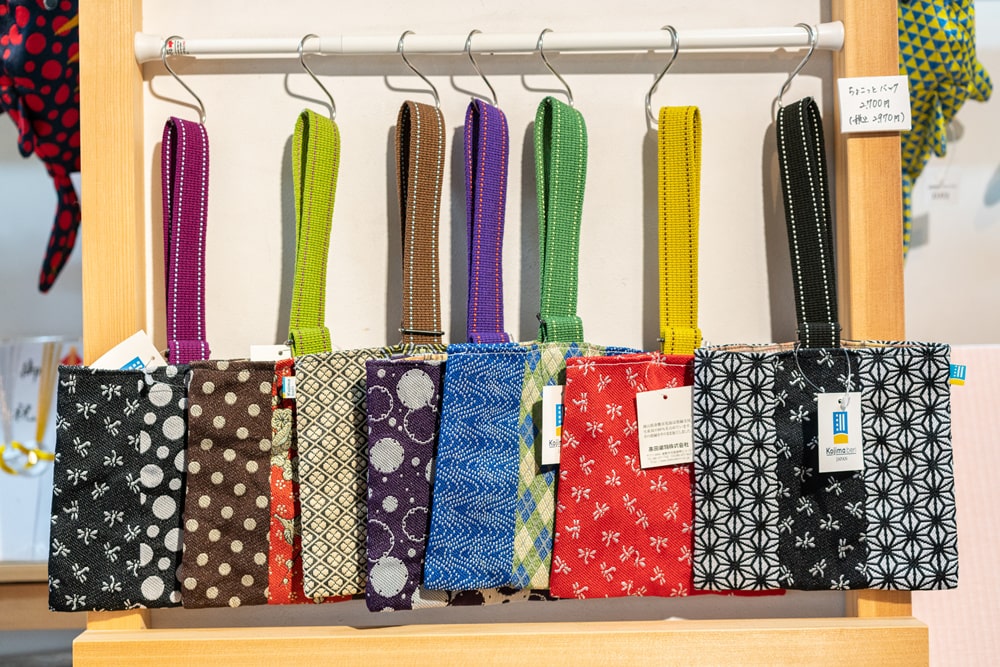
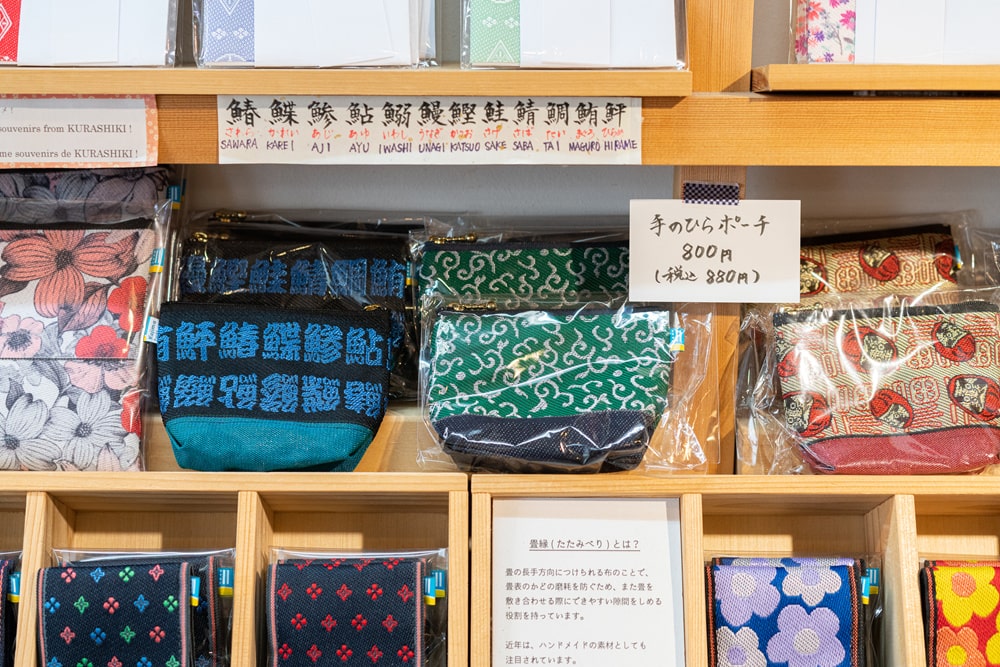
It’s a pouch with a gusset, small enough to fit in the palm of your hand.
It’s made by sewing together two types of tatami edge, and comes with or without a lining.
You’ll see when you hold one: it’s lightweight and durable.
It’s easy to carry around every day, with no specific use in mind.
How did the tatami-edge shark come about?
Takata
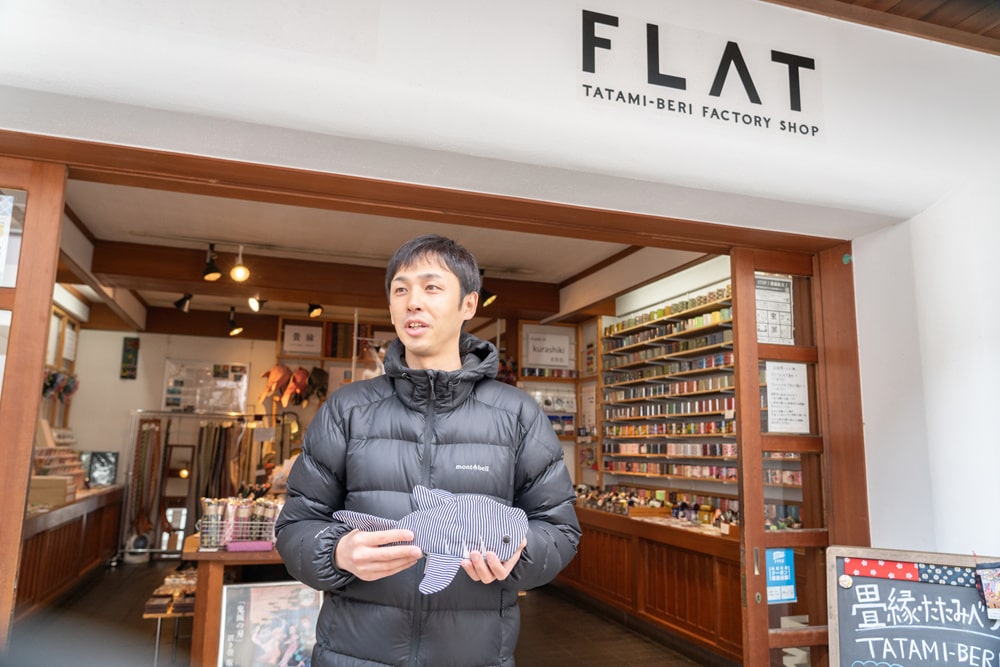
The tatami-edge shark is a product conceived and made by a local artist.
Originally, the entire back of this shark was made of denim.
There are many jeans manufacturers along the coast in Kojima.
They call the area “Jeans Bay,” and the idea began as a pun: a shark made from things found in Jeans Bay becomes a “Jeans Bay shark” → a whale shark.
Later, the idea became to “pack in lots of Kojima textile products,” and the tatami-edge shark was born.
Kojima is a town known for producing school uniforms. The artist also makes a “School Whale” from school-uniform fabric.
Could you tell us how the celebratory gift envelope was developed?
Takata
It wasn’t originally Takata Orimono’s idea.
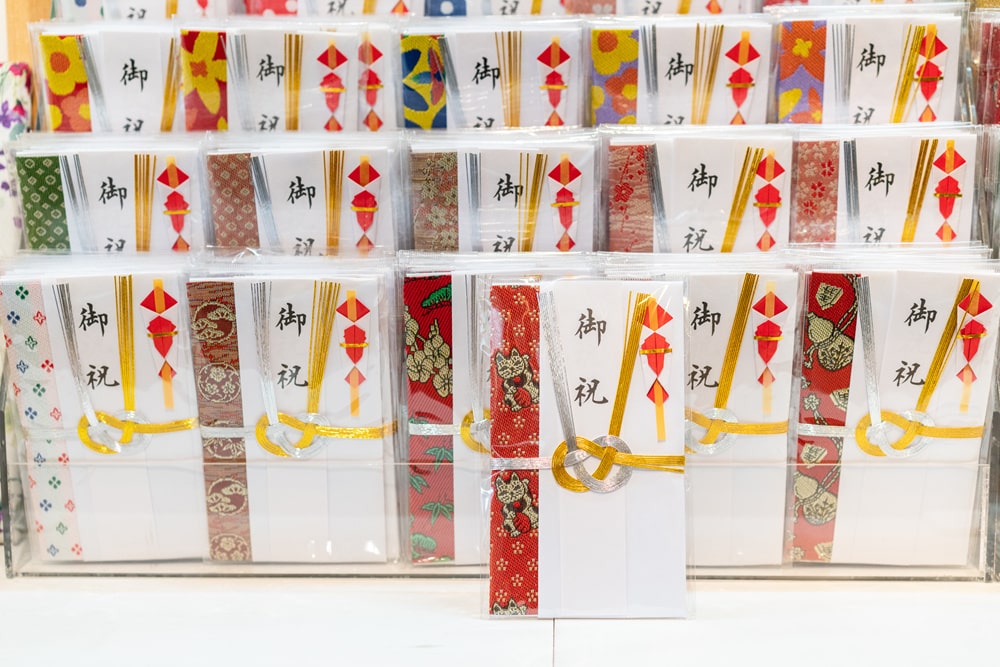
We saw a tatami shop making a small number of them and thought, “That’s a great idea,” so we discussed it with them and turned it into a product.
Tatami-edge patterns have various meanings, so you can choose one while thinking about the person you’re giving it to.
For example, a daruma pattern might be appreciated for a graduation or exam success gift, while a maneki-neko might be suitable for someone opening a shop.
We find it interesting that, like tatami edges, the patterns on celebratory gift envelopes can convey different meanings.
The “en” in tatami edge (heri) is the same “en” as in “go-en,” meaning a connection or bond. The width is just right, and the tatami-edge part can be used by the recipient as a bookmark.
FLAT’s philosophy
What does FLAT value?
Takata
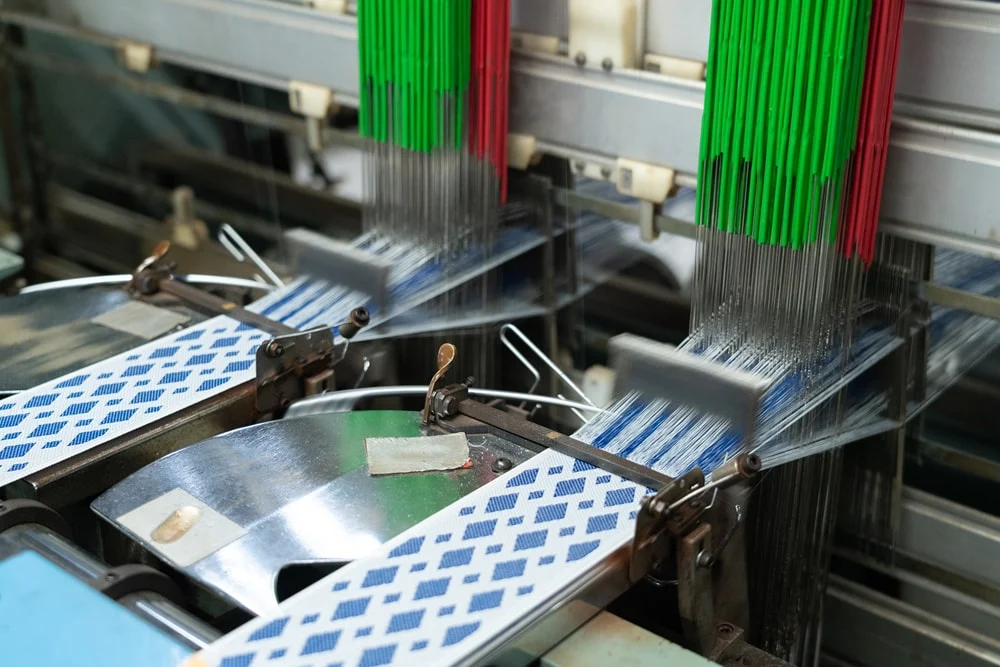
We value properly conveying the thoughts and intentions of the people who make our products.
Because our store is run directly by the manufacturer, the materials don’t have to speak for themselves; people who know them well can explain them.
What does FLAT aspire to achieve?
Takata
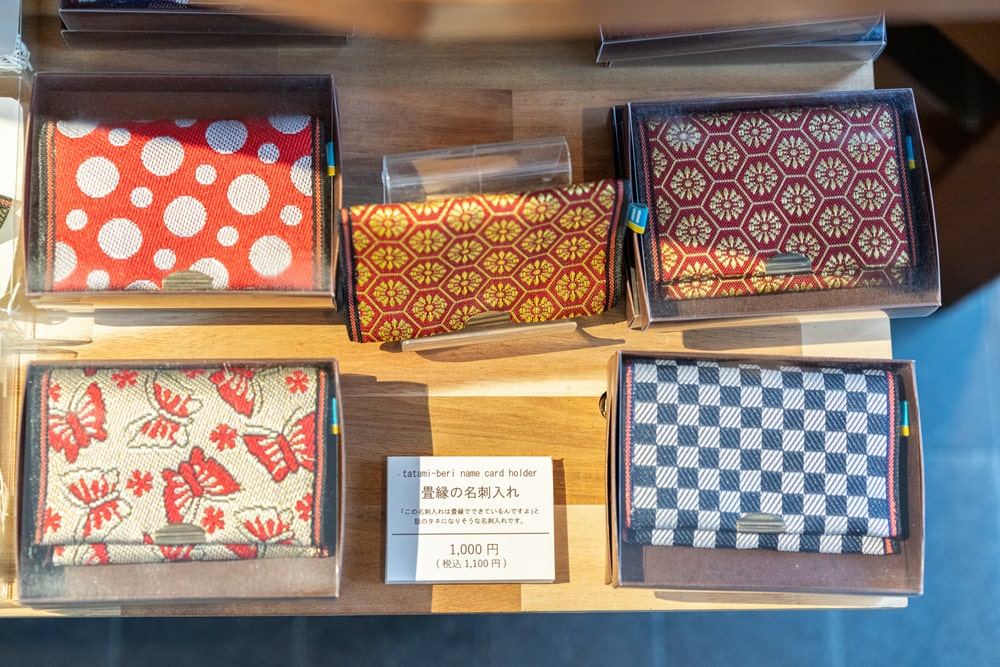
We hope tatami edges will continue to be a natural part of people’s lives.
To that end, we want to tell people about the many kinds of tatami edges, and hope they can be of use to everyone.
We aim to raise awareness of and appreciation for tatami edges.
We’d be even happier if that also benefits tatami mats.
Try your hand at tatami-edge crafts
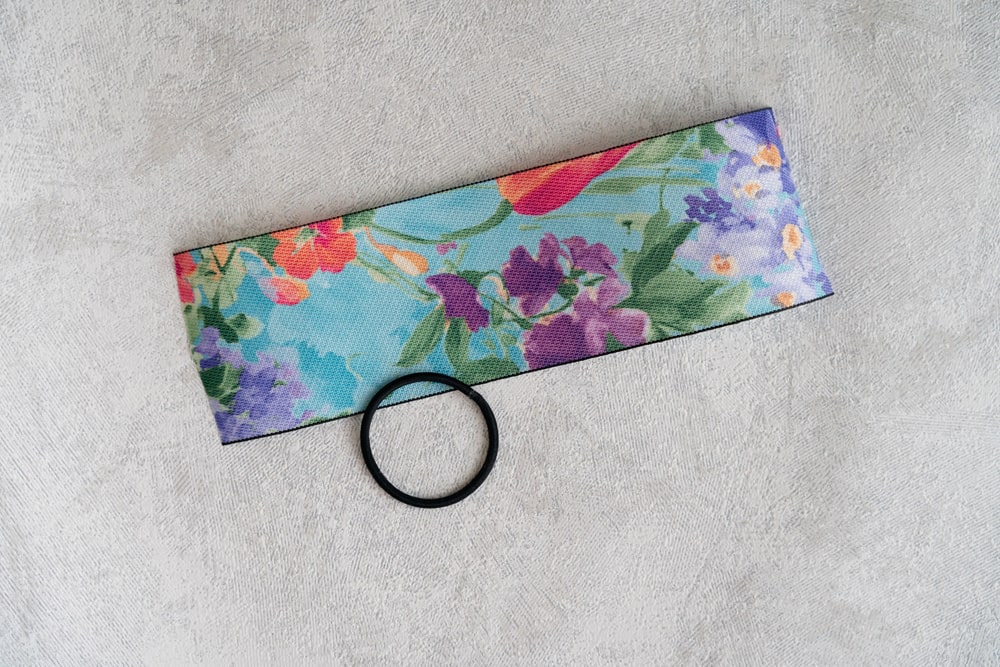
As someone who doesn’t usually do crafts, the writer tried making a ribbon with tatami edges.
The project was a “Tied-with-a-Knot Ribbon,” described in the instructions as “Easy, even for beginners!”
Following the instructions, I cut a 25-centimeter length of tatami edge and prepared a hair tie and double-sided tape.
The “Tied-with-a-Knot Ribbon” requires only a little sewing.
In broad terms, fold it, sew a little at both ends, and cut; then turn it inside out and tie it to finish.
The instructions also include the recommended sewing-machine thread and needle size for machine sewing, as well as recommended stitches and illustrated instructions for hand sewing.
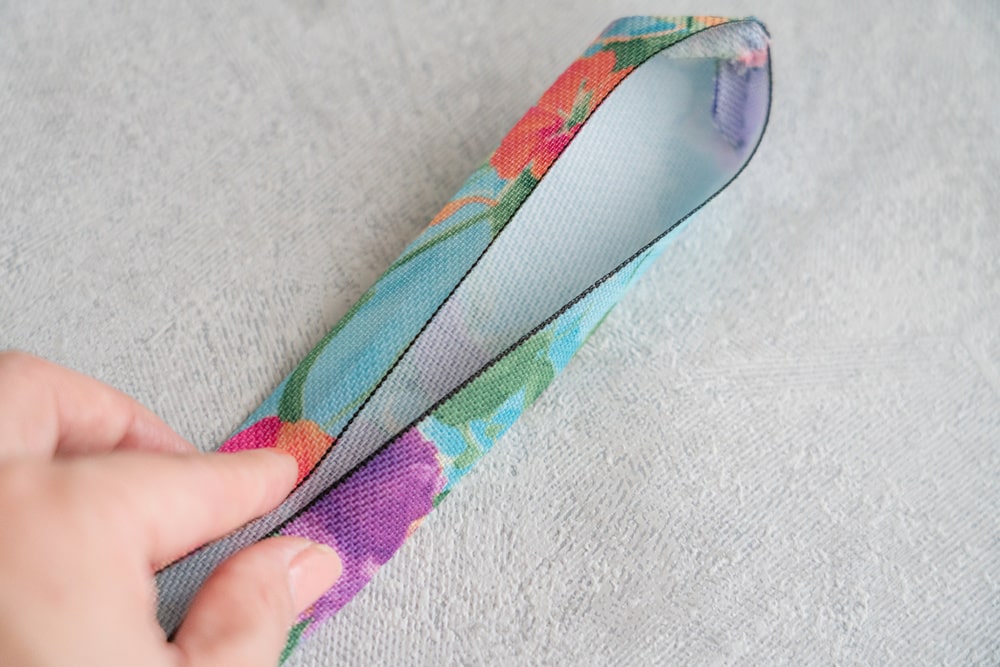
The writer tried hand sewing.
I imagined it would take some force to push the needle through, but it sewed smoothly.
Pressing it firmly with your hand leaves a crease, which makes folding easier—a welcome bonus.
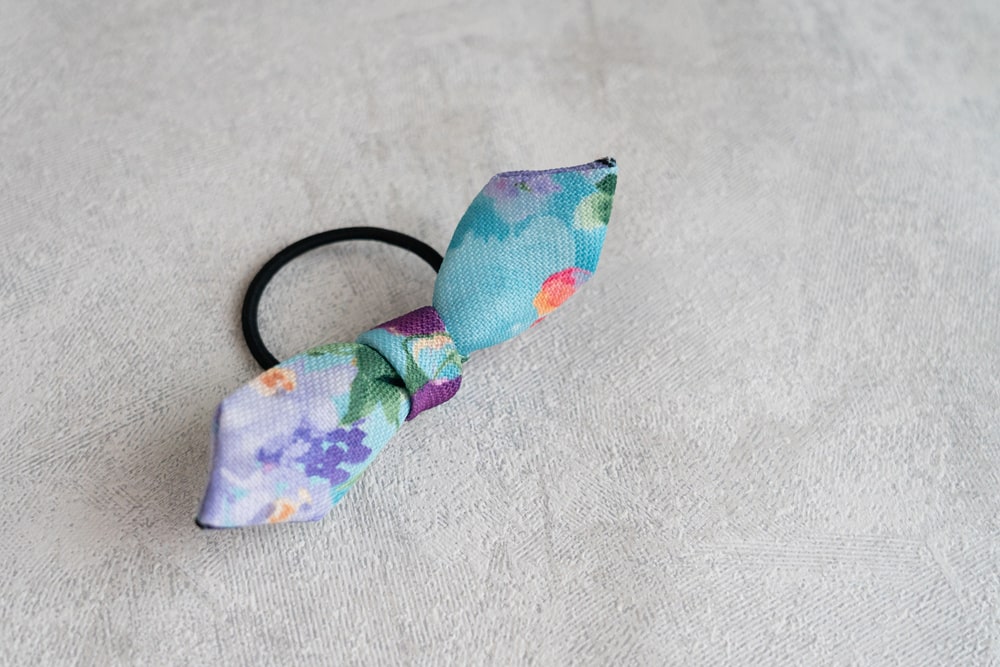
Even after a long break from sewing, I easily finished the ribbon!
It was fun, so I’d like to try making something from another set of instructions next time.
Discover colorful, fun tatami edges
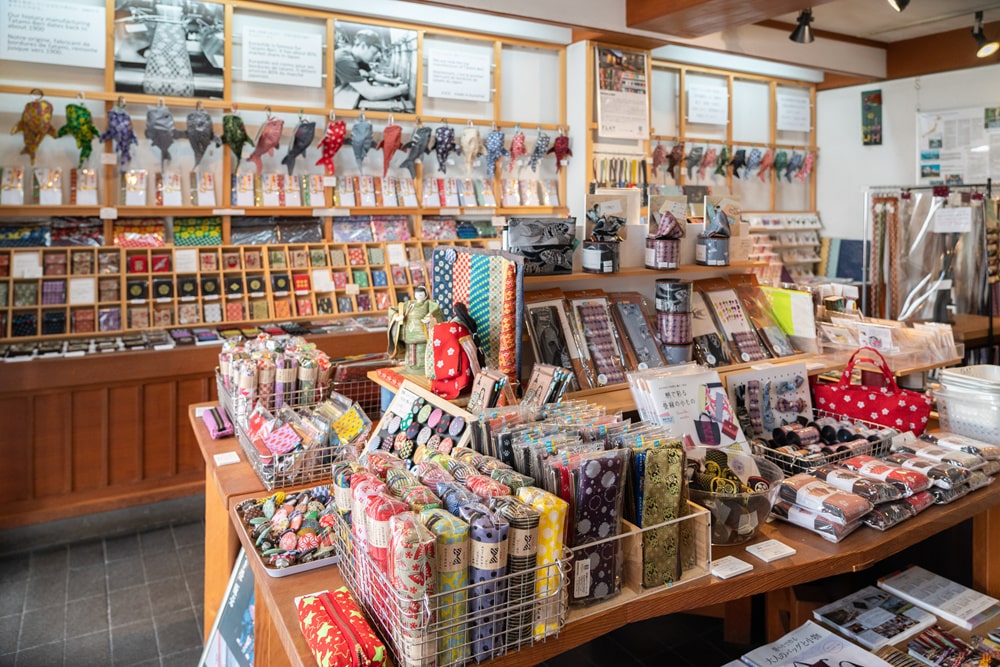
Tatami edges may be something you rarely notice, even though they’re all around you.
In fact, many are made in Kurashiki, and the world of tatami edges is expanding rapidly!
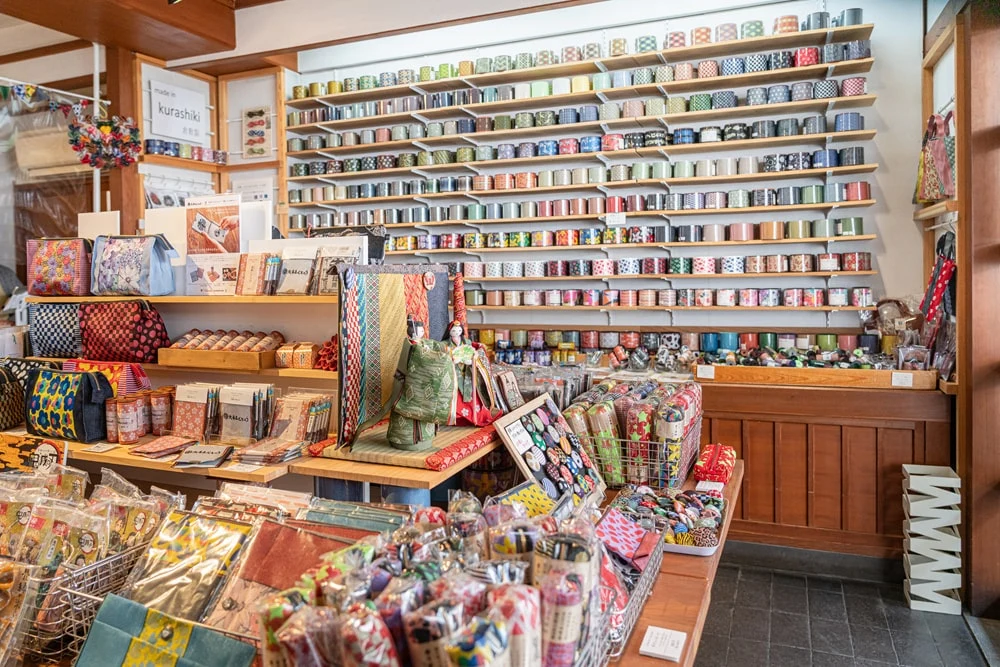
Their distinctive sheen and texture feel pleasant, and they’re lightweight, durable, and available in lots of beautiful, cute colors and patterns.
For everyday use or as souvenirs, you’re sure to find something that catches your eye.
Their light weight and durability make them great souvenirs.
There’s a wide selection, from affordable items costing around 130 yen that are easy to give as gifts, to presents for someone special.
If you’re looking for a souvenir that isn’t food, be sure to stop by.
Why not discover colorful, fun tatami edges?
FLAT Information
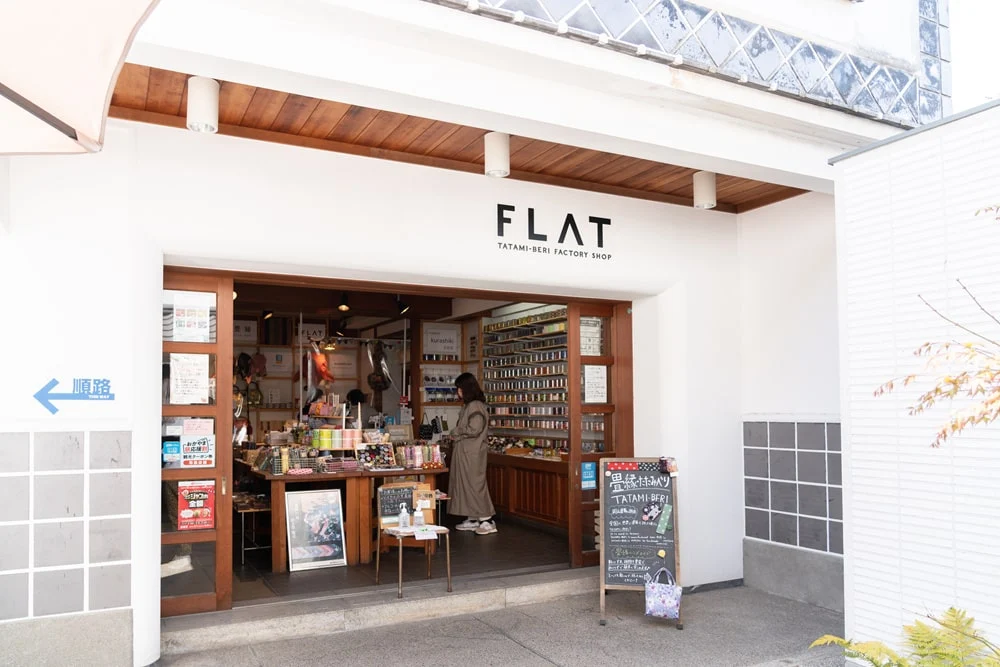
| Name | FLAT |
|---|---|
| Address | 1-4-16 Chuo, Kurashiki City, Okayama Prefecture (inside the Japanese Folk Toy Museum) |
| Contact | 086-435-0014 |
| Parking | None |
| Hours | 10:00 a.m.–5:00 p.m. *Hours are currently shortened to help prevent the spread of COVID-19 |
| Closed | None Year-end and New Year holidays |
| Payment methods |
|
| Website | FLAT Online Shop (Takata Orimono) |


What would you like to know about Kurashiki?
Enter a word to search articles on this site