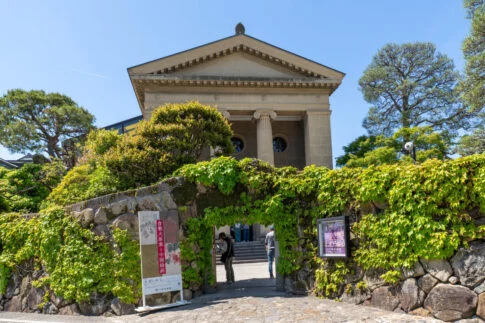
About a 50-minute drive from JR Kurashiki Station, there is a striking modern concrete museum in Nariwa-cho, Takahashi City, Okayama Prefecture.
Takahashi City Nariwa Museum is a museum that conveys the achievements of the Western-style painter, Kojima Torajiro. However, the works on display are not limited to Kojima Torajiro. Through diverse exhibitions, it captivates the hearts of people.
We conducted an interview to explore the features and thoughts behind Takahashi City Nariwa Museum.
What is Takahashi City Nariwa Museum?
Let me introduce Takahashi City Nariwa Museum.
The Establishment of Takahashi City Nariwa Museum
Takahashi City Nariwa Museum opened its first museum in August 1953 (Showa 28) to honor the Western-style painter, Kojima Torajiro, who was born in Nariwa-cho.
Honor
Refers to the act of publicly recognizing and awarding achievements.
In 1967, the second museum was built, and in 1994, it was relocated to its current site, newly constructed under the design of Tadao Ando. The current third museum celebrated its 30th anniversary in 2024.
The Collection of Takahashi City Nariwa Museum
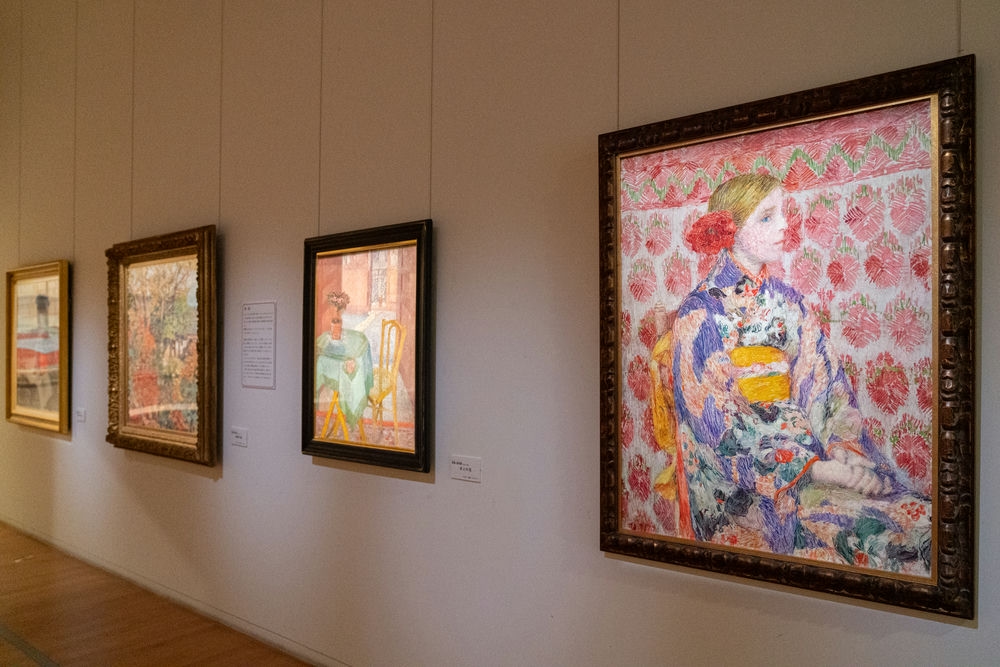
Takahashi City Nariwa Museum houses works and collections of Kojima Torajiro, as well as fossils collected in Nariwa.
This information is as of February 2025.
| Collection | Number of Items |
|---|---|
| Works by Kojima Torajiro | About 130 items |
| Paintings and sculptures by artists other than Kojima Torajiro | About 70 items |
| Collection of archaeological and art items from the Orient and Asia collected by Kojima Torajiro | About 500 items |
| Fossils from Nariwa and the Watanabe Kenzo Collection | About 550 items |
In addition to displaying the collection, the museum also focuses on special exhibitions.
The Beautiful Building by Tadao Ando
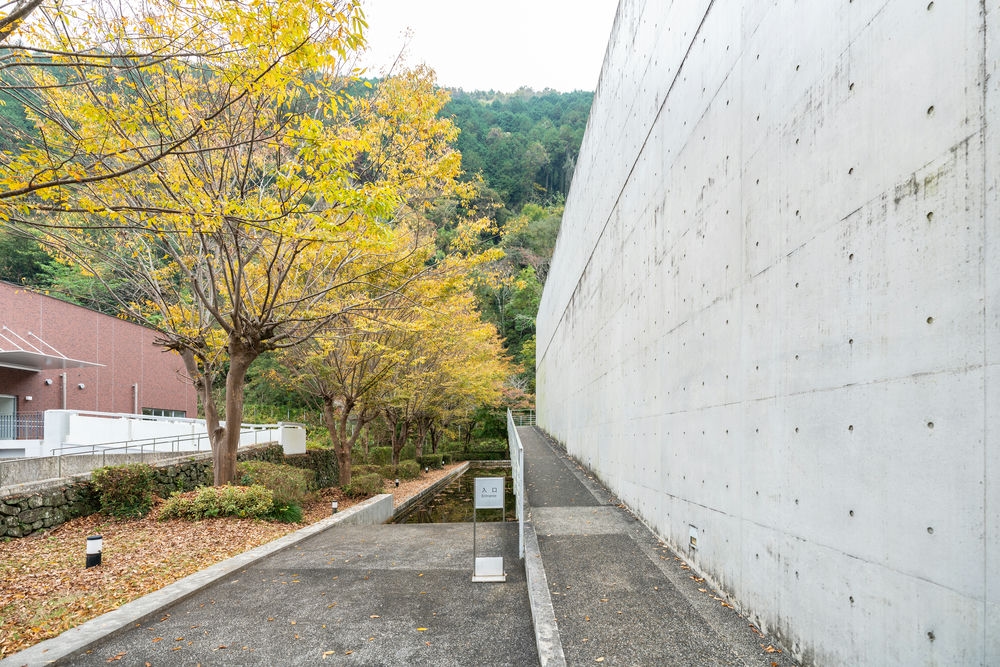
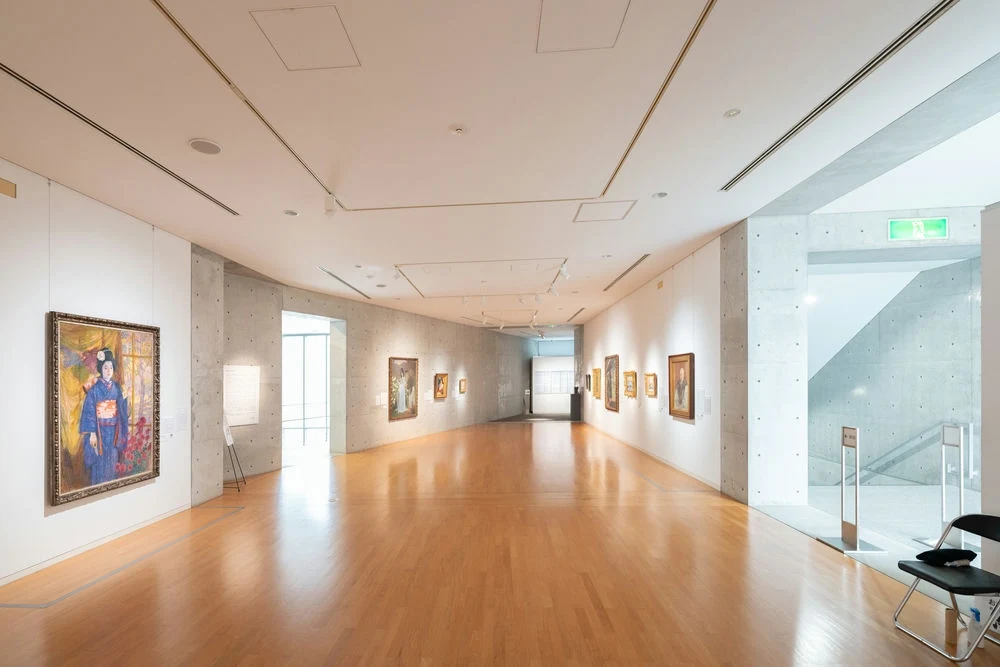
One of the highlights of Takahashi City Nariwa Museum is its architecture characterized by concrete walls.
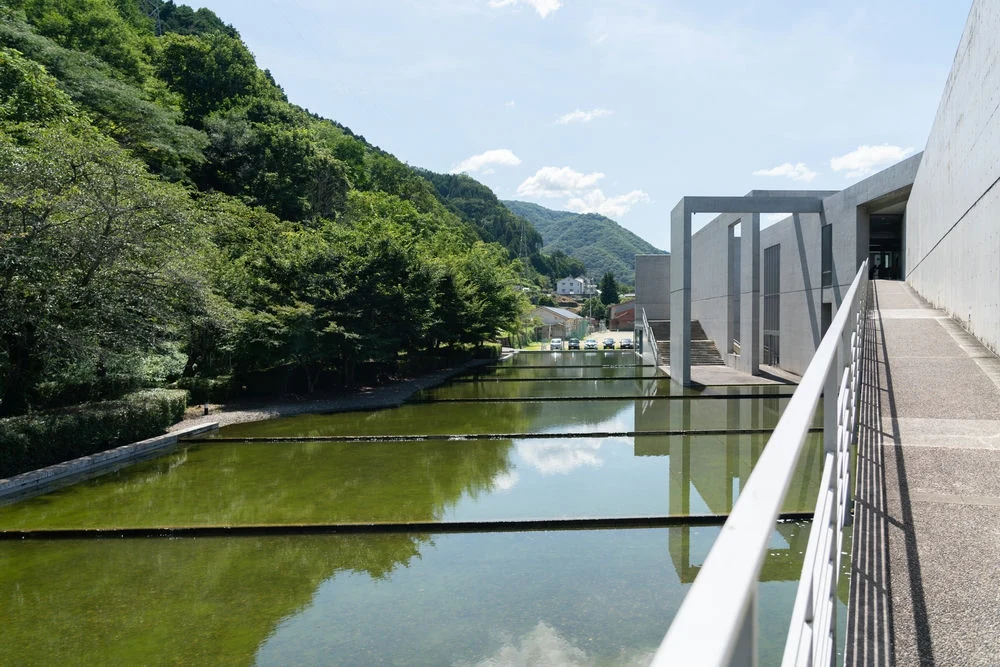
A Modern Museum Built on Stone Walls with a Natural Landscape as a Backdrop
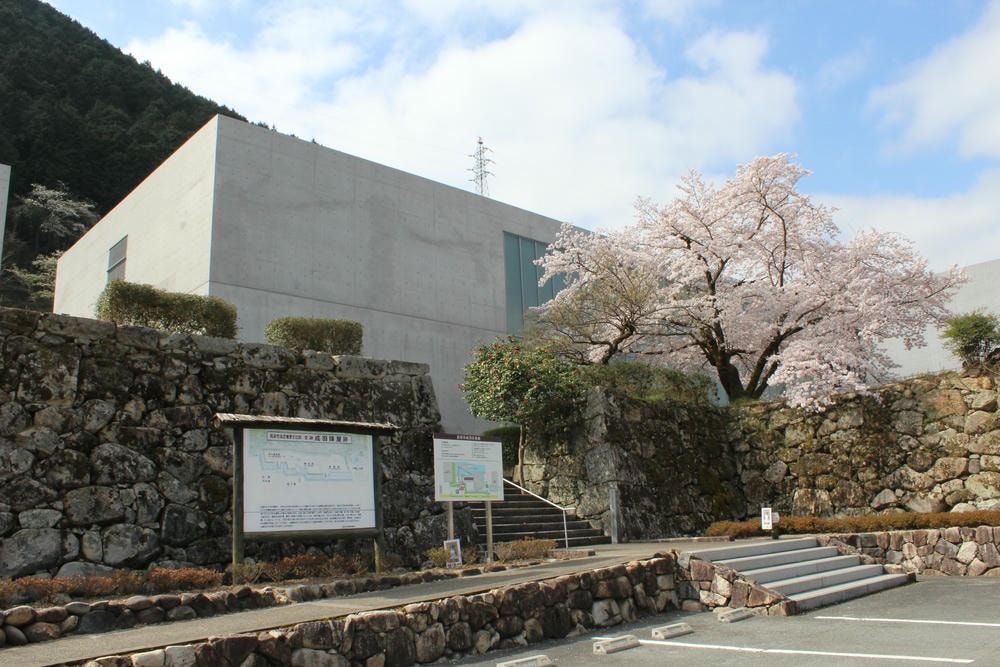
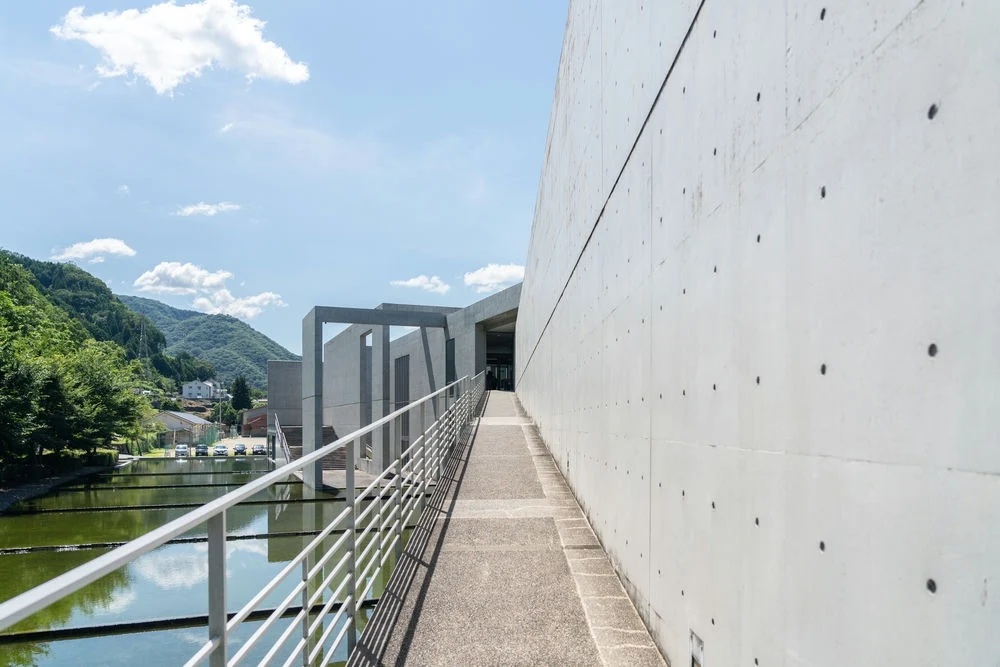
Takahashi City Nariwa Museum is built on the stone walls of the about 350-year-old Nariwa Jin'ya ruins (the site of the Yamazaki clan's palace), which is designated as a historic site by Takahashi City.
In spring, cherry blossoms can be seen, and in autumn, the surrounding mountains provide a backdrop of colorful foliage.
Backdrop
A technique that incorporates external mountains and trees as a background, creating a landscape that merges gardens or buildings with nature.
It is a place where one can feel the culture and history of Nariwa-cho, as well as the richness of nature, harmonizing the landscape with the modern and sharp impression of the concrete building.
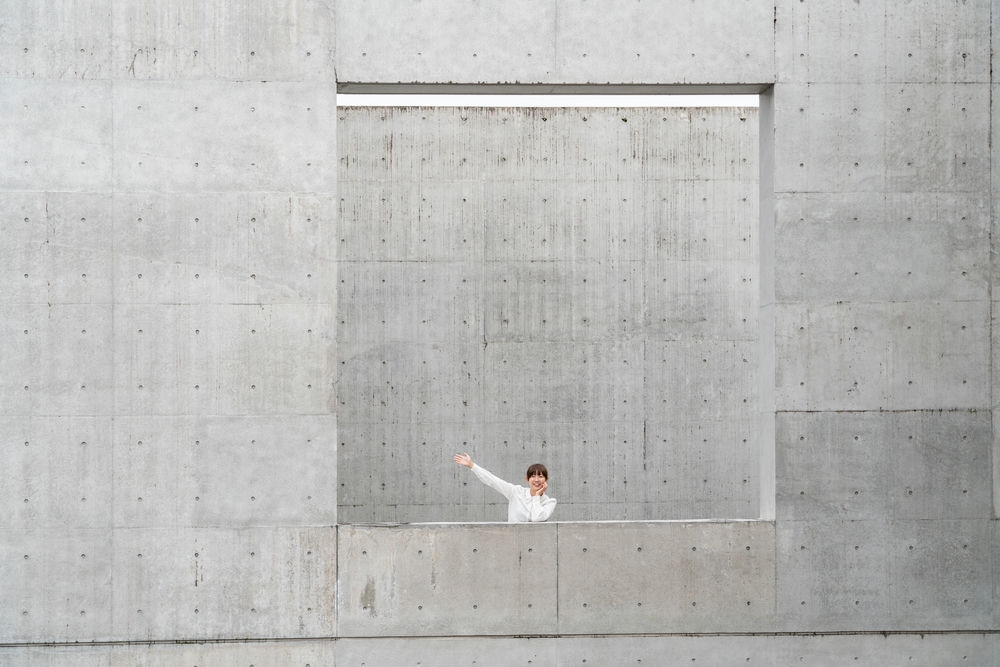
On the day I visited, a large heron was gracefully resting its wings by the water's edge of the museum. The concrete walls also seem to be popular as a photo spot.
The Long Approach
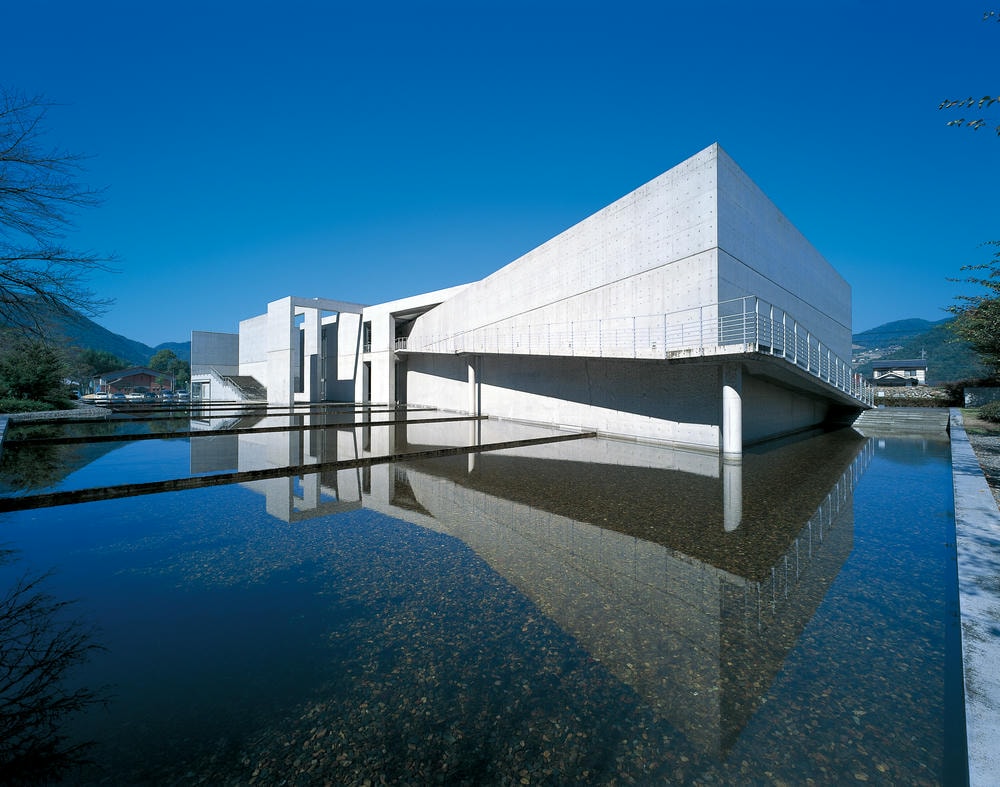
After arriving at Takahashi City Nariwa Museum, visitors need to walk a somewhat long about 50-meter approach (the path leading to the building) before entering.
The structure requires visitors to walk around to the back and up to the second floor entrance.
At first glance, this might seem like a "wasted pathway."
However, the time spent walking this approach is an important point that transports you from the everyday to the extraordinary, helping to organize your feelings and heighten your excitement for appreciation.
In the art world, the approach is considered one of the symbols of a museum. It is a place where the thoughts of the museum and the architect are likely to be reflected.
As you walk the approach to Takahashi City Nariwa Museum, take in the mountains and the water's surface, feeling the changing seasons. You may find your mood refreshed and your anticipation for appreciation heightened.
Harmony of Concrete and Nature
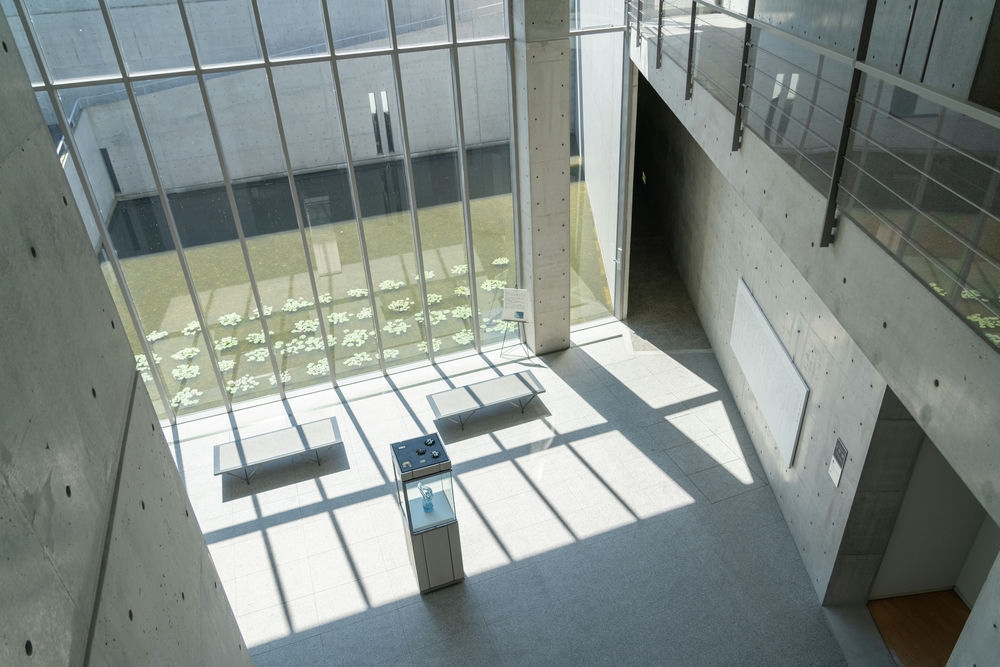
Tadao Ando is one of Japan's leading architects.
His numerous buildings have been highly regarded, and in 1995, he received the "Pritzker Prize," the highest honor in architecture.
One of the hallmarks of Ando's architecture is the exposed concrete walls.
At Takahashi City Nariwa Museum, the inorganic beauty of concrete stands out. The combination of simple surfaces creates a presence in the town and enhances the exhibited works.
Upon entering the building, the first thing that catches your eye is the spacious atrium overlooking the courtyard "Shizusui no Niwa." Natural light pours into the interior through large windows.
One of the characteristics of Ando's architecture is harmony with nature.
He skillfully incorporates natural light into many of his buildings.
For example, at the "Chichu Art Museum" in Kagawa Prefecture, most of the building is underground, yet works can be appreciated in natural light.
At the "Church of Light" in Osaka Prefecture, a space was created where natural light is the main feature.
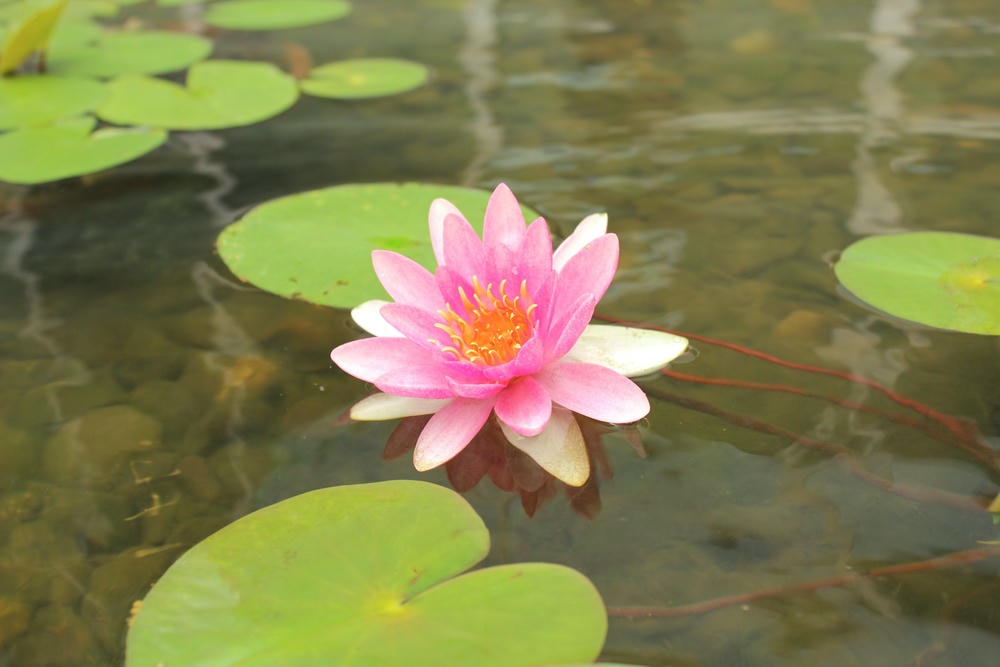
In the Shizusui no Niwa, water lilies, which have roots in Monet's house, bloom beautifully every year from May to July.
Kojima Torajiro also visited Monet's house in Giverny, France.
It might be nice to reflect on the famous Monet's water lily garden.
Kojima Torajiro Honored by Takahashi City Nariwa Museum
Who is Kojima Torajiro, honored by Takahashi City Nariwa Museum?
Kojima Torajiro as a Western-style Painter
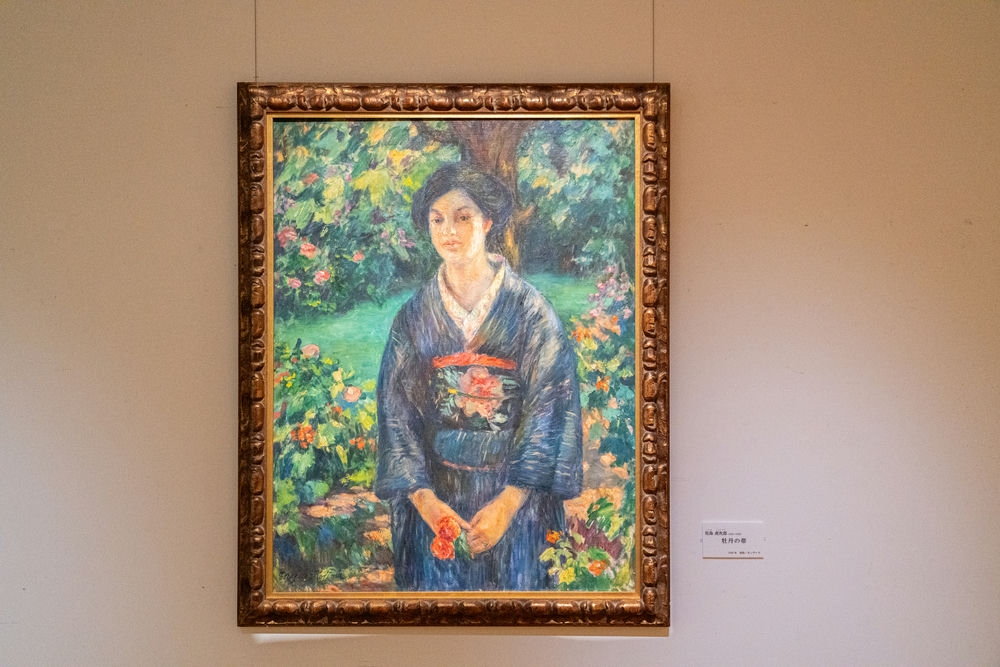
Kojima Torajiro is a representative painter of Impressionism in Japan.
He was born in 1881 (Meiji 14) in what is now Nariwa-cho, Takahashi City. At the age of four, he was recognized for his artistic talent by the Western-style painter Matsubara Sangoro.
In 1901, Torajiro moved to Tokyo to study painting, and the following year, he entered the Tokyo School of Fine Arts, now known as Tokyo University of the Arts.
He completed the originally four-year program in two years through two promotions and further studied in the graduate school.
The work he created while in school, "Nasake no Niwa," was honored by being purchased by the Imperial Household Ministry (now held at the Shinjuku National Museum).
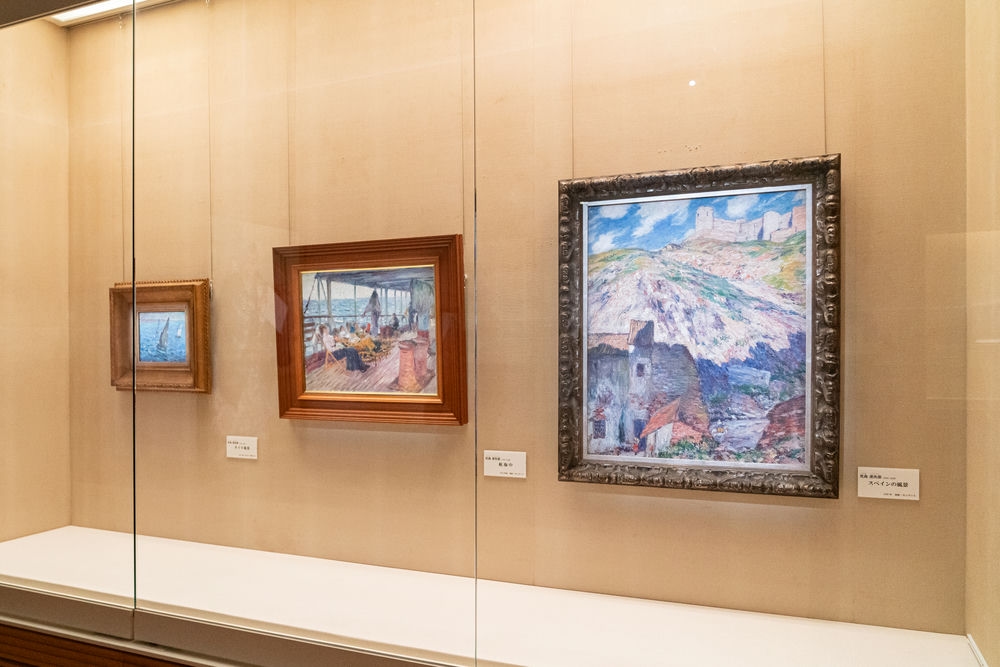
After graduating from the graduate school with excellent results, Kojima Torajiro studied abroad in Europe, where he encountered the Belgian Impressionism. His painting style underwent a significant transformation, filled with vibrant colors and light.
In 1912, he graduated at the top of his class from the Royal Academy of Fine Arts in Ghent, Belgium.
After returning to Japan, he settled in Sakatsu, Kurashiki City, and began painting familiar landscapes and people based on the techniques he learned in Europe, but he struggled due to the differences in climate between Japan and Europe.
Amidst this, he gradually began to pursue a unique expression as an Oriental person and as Kojima Torajiro himself.
In his later years, he worked on mural paintings for the Meiji Jingu Seiryu Memorial Painting Hall, but he passed away at the age of 47 without seeing the completion of the mural he devoted all his energy to.
His uniquely soft paintings, created with rich colors and free techniques, continue to attract viewers today.
Kojima Torajiro as a Collector
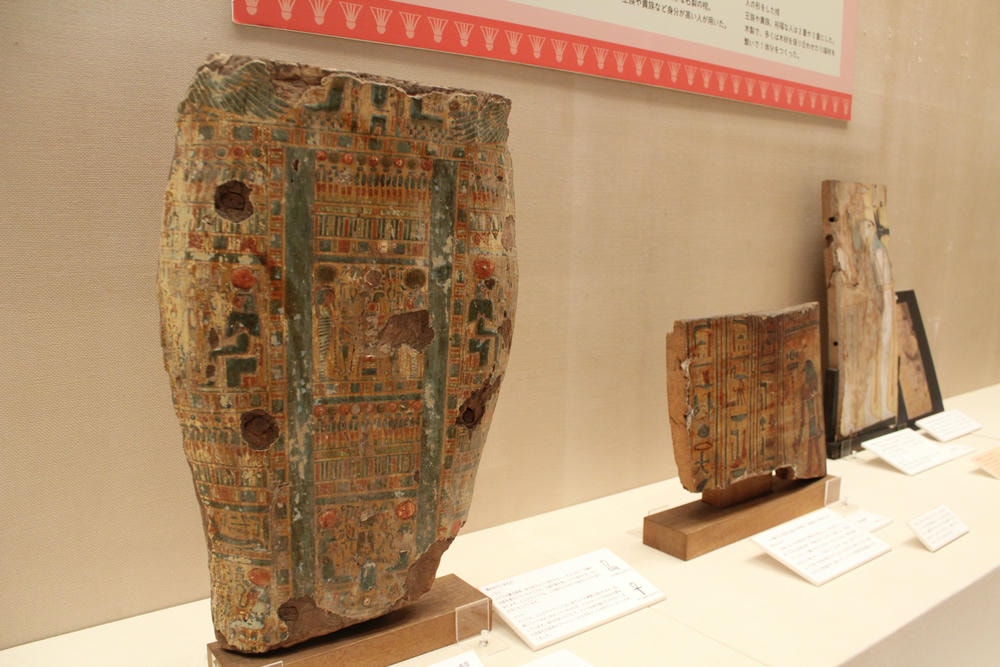
Kojima Torajiro had the philosophy of wanting to show real Western paintings to art students and the general public living in Japan.
His friend, Ohara Magosaburo, who later became the founder of Ohara Museum of Art, supported him.
Torajiro traveled to Europe three times and to China and Korea four times to pursue his painting studies and collect art.
Traveling to Europe at that time was a harsh sea journey that took about a month and a half one way.
Nevertheless, Torajiro energetically traveled abroad to collect works and laid the foundation for Ohara Museum of Art.
The remarkable ability of Kojima Torajiro as a collector is evident in the collection of Ohara Museum of Art.
He purchased works from many contemporary artists of the time, such as Monet, Modigliani, and Matisse, as well as the miraculous El Greco's "Annunciation." He fully demonstrated his excellent aesthetic sense.
His collection was not limited to paintings.
Fascinated by the diverse cultures of the world, Kojima Torajiro also collected art from various countries. He had a particular fondness for ancient Egypt, collecting numerous artifacts and artworks, and even visited Egypt.
Many of the collected items are now valuable archaeological materials.
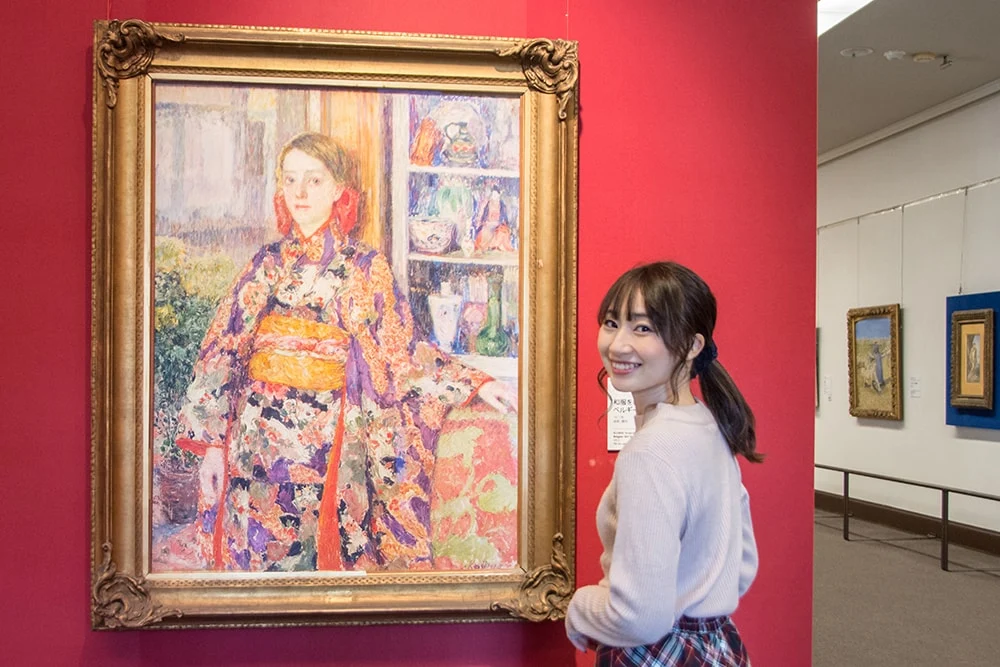
Examples of Torajiro's Works in the Collection of Takahashi City Nariwa Museum
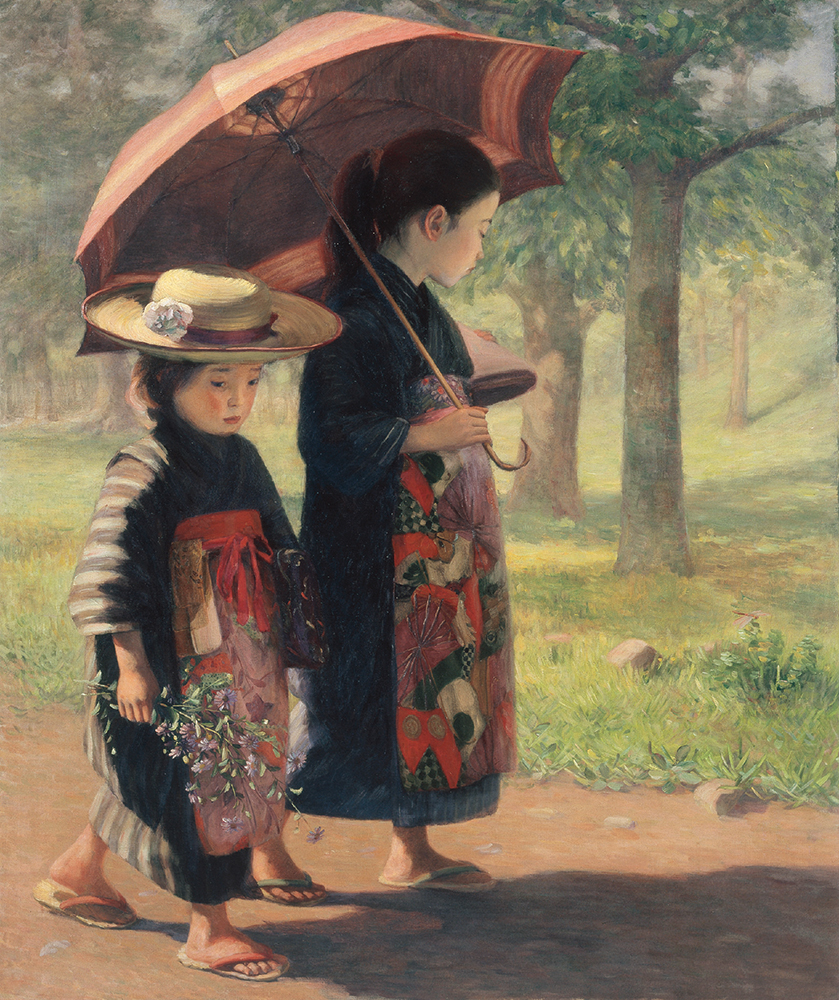
Takahashi City Nariwa Museum houses approximately 130 works by Kojima Torajiro, including the following:
- Going to School (1906)
- Belgian Girl in Kimono (1910)
- Kanjincho (1922)
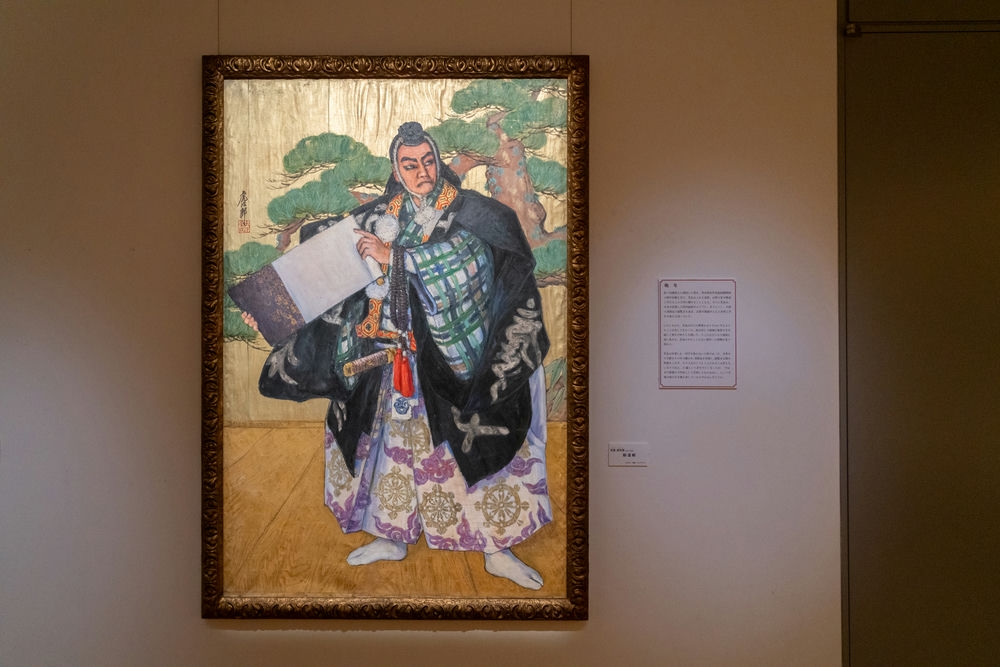
In 'Kanji Cho', the use of contour lines reminiscent of ukiyo-e and the texture and three-dimensionality typical of Western painting coexist.
While the spotlight is often on his prowess as a collector of artworks that became the foundation of Ohara Museum of Art, he also left behind many wonderful works as a painter.
Exhibitions at Takahashi City Nariwa Museum
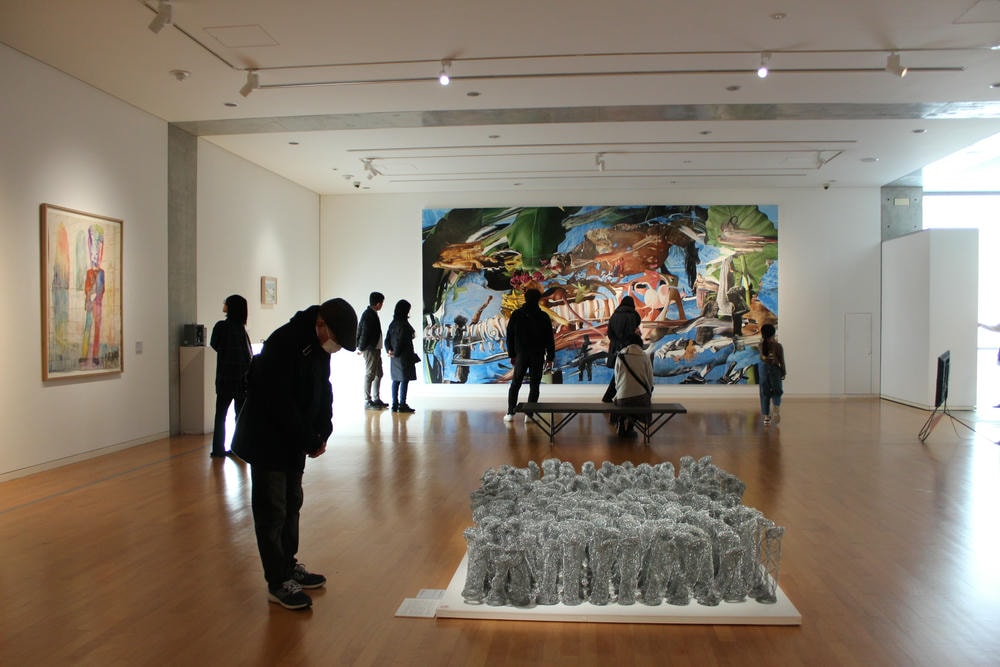
The museum's exhibitions are composed of collections borrowed from other facilities. This allows for a variety of perspectives that cannot be achieved with just the permanent collection, providing enjoyment for many visitors.
Takahashi City Nariwa Museum holds various exhibitions every year, and despite being a small town with a population of just under 4,000, it attracts over 10,000 visitors during exhibition periods.
So far, there have been exhibitions such as the following:
- World of Takashi Yanase Exhibition (2007)
- Infinite Net - World of Yayoi Kusama (2016)
- Humanity - Mitsuo Aida Exhibition (2017)
- World's Guidepost - Yabai Contemporary Art Taguchi Art Collection Exhibition (2023-2024)
- Photo Exhibition - Mitsuaki Iwago's Japanese Cat Walk (2024)
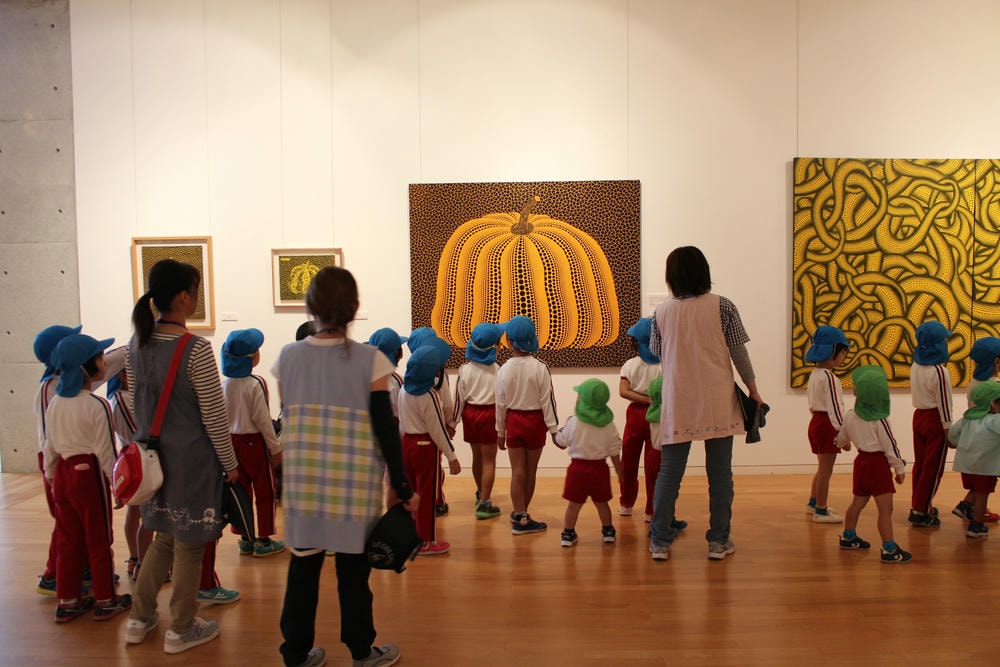
Yayoi Kusama is a world-renowned artist. During the exhibition, a project was conducted where visitors created her signature polka dots.
The Taguchi Art Collection Exhibition, commonly known as 'TaguKore', featured works by renowned artists such as Andy Warhol, Keith Haring, and Yoshitomo Nara, attracting over 10,000 visitors.
Mitsuaki Iwago's animal photography skills are world-class. Without needing to contemplate how wonderful they are, you can simply enjoy them with the thought, 'Cats are cute!'
The author has viewed the following exhibitions at Takahashi City Nariwa Museum:
- Kishin Shinoyama Exhibition - The People by KISHIN (2013)
- Atsuhiko Misawa - ANIMALS 2015 in Nariwa (2015)
- Opening the World of Beauty - Hiroshi Senju (2021)
The Kishin Shinoyama Exhibition dramatically captured moments of famous personalities like John Lennon, Momoe Yamaguchi, and AKB48 during their prime. It was not only a wonderful advertising photography exhibition but also enjoyable for those with a casual interest.
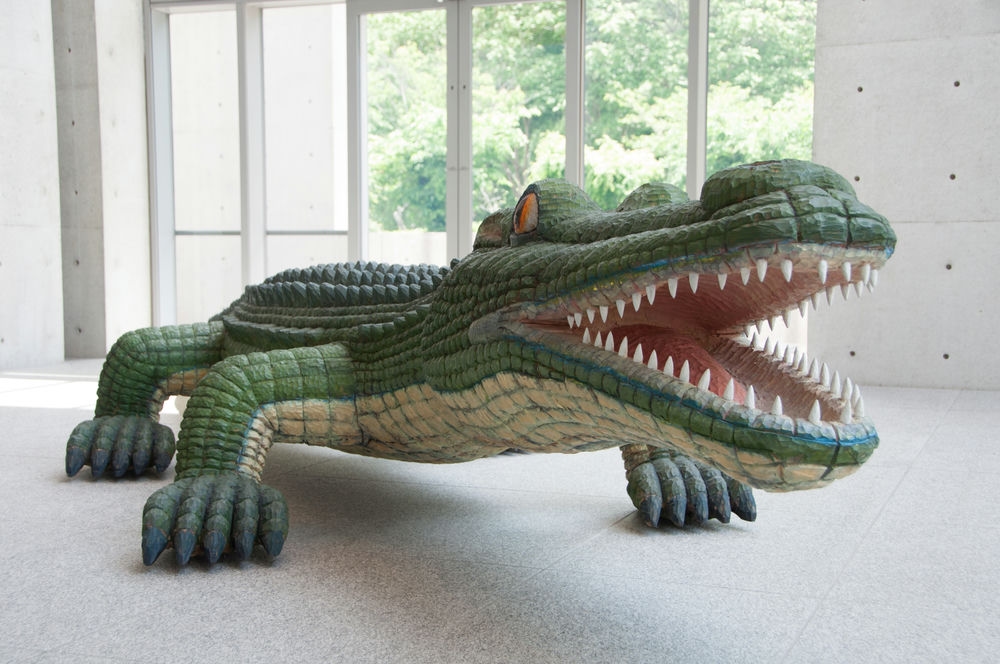
The Atsuhiko Misawa Exhibition featured cute sculptures of animals that were lively and large, which delighted the heart. Even small children would likely enjoy it.
The Hiroshi Senju Exhibition, known for its waterfall paintings, offered a world of serene works that felt meditative. The luxury of 'having a leisurely encounter with the works' is something that cannot be experienced in crowded urban exhibitions.
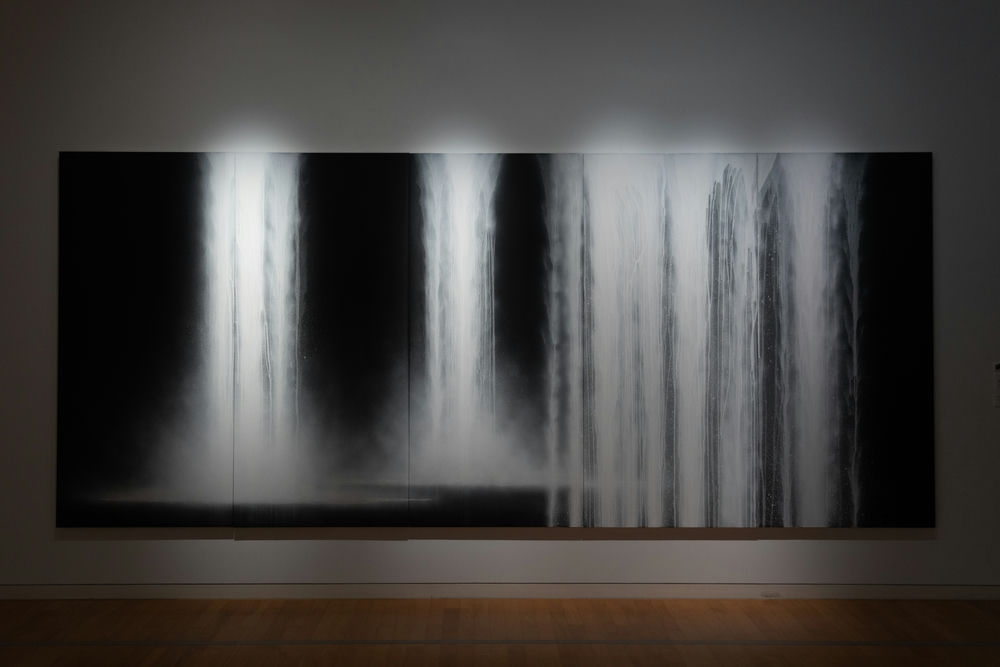
Additionally, various exhibitions related to Kojima Torajiro are held from different perspectives.
Plant Fossils at Takahashi City Nariwa Museum
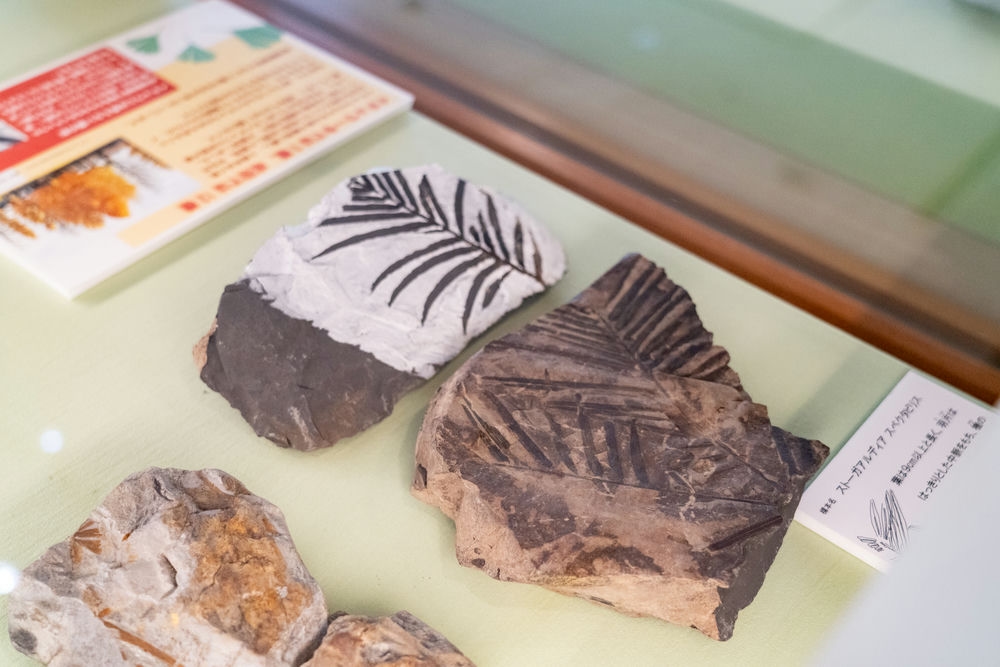
Plant fossils are the remains of plants that were buried in sediment for some reason and became fossilized. It seems that fossils of plants are less likely to be preserved compared to those of animals.
In the Nariwa region, plant fossils from 230 million to 200 million years ago are abundantly found, which is quite rare globally.
230 million years ago, there was a coastal area at the eastern edge of the Eurasian continent that later became part of Japan, including Nariwa-cho.
At that time, a vast forest spread along the coast. This has become the plant fossils of Nariwa and is said to be the earliest forest fossils in Japan.
More than 110 species of plant fossils have been collected from the Nariwa area, of which 40 species are considered new species.
It is quite rare for many types of plant fossils to be found in one region, and it has attracted attention from the academic community as a Mecca of Mesozoic Plant Fossils.
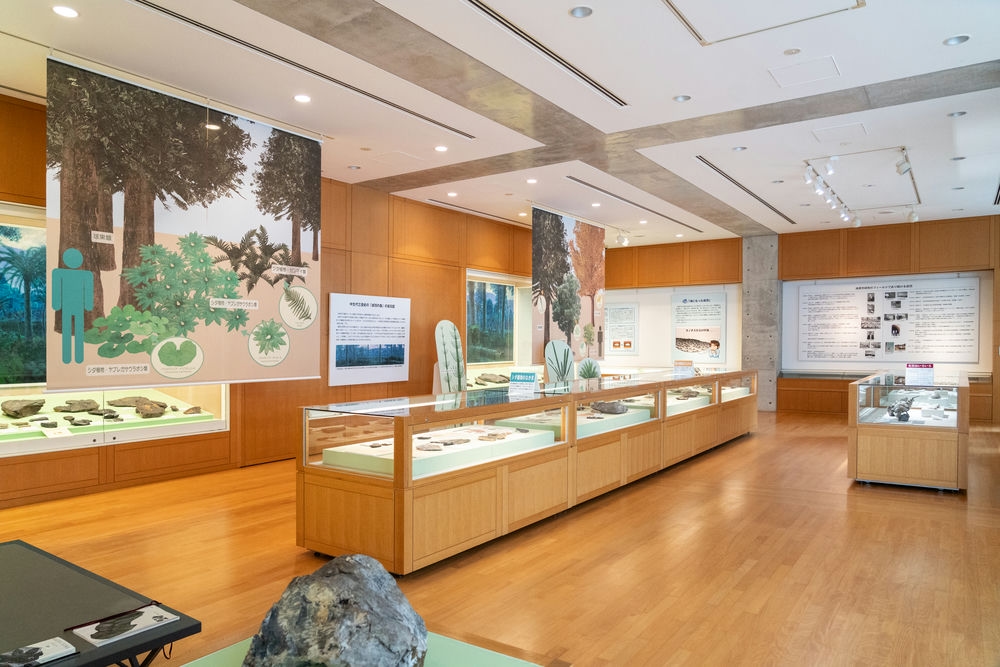
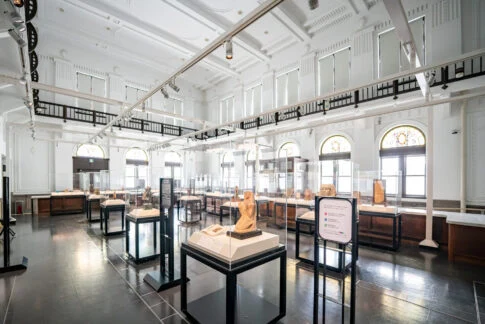
Currently, Takahashi City Nariwa Museum has a permanent exhibition of Nariwa's plant fossils.
Please take your time to appreciate the appearance of plants from over 200 million years ago.
Museum Shop at Takahashi City Nariwa Museum
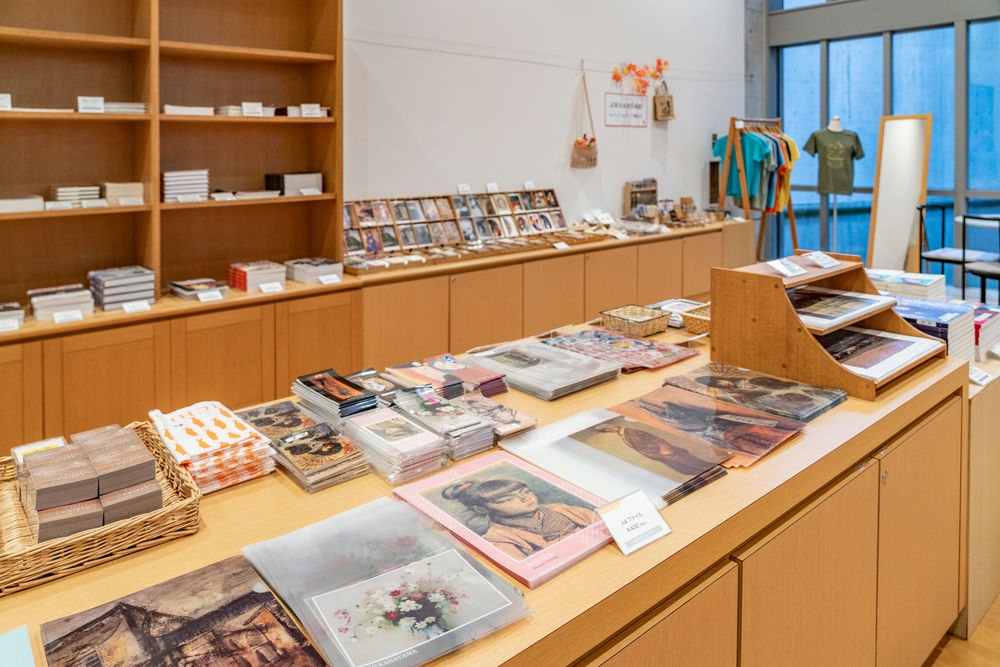
On the first floor, there is a museum shop with a café.
It can be used without paying the admission fee.
The products available are as of February 2025.
Products for Sale
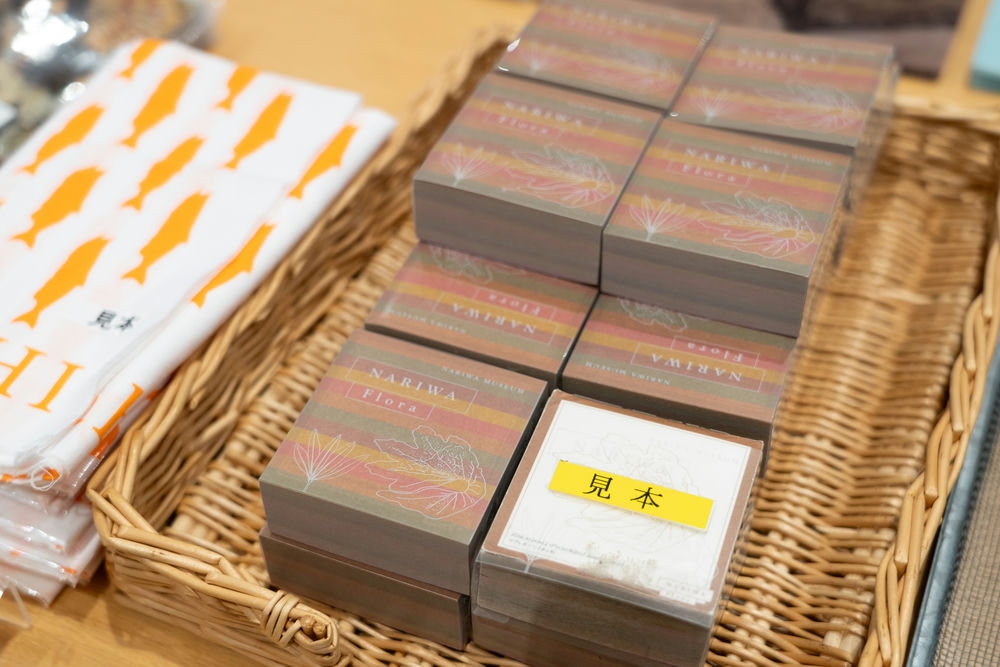
The original products of Takahashi City Nariwa Museum, such as miscellaneous goods inspired by the building and memo pads designed to resemble the Nariwa strata, shine with creativity.

A popular limited-time item is the collaboration products with students from the Okayama Prefectural University Faculty of Design.
They are sold in limited quantities starting around July to August each year.
For students learning design, it is a practical opportunity to learn product development that incorporates the characteristics of the museum and receive real feedback.
For consumers, it is an opportunity to encounter items that shine with young talent.

There are also products that are perfect as souvenirs from Takahashi City.
Takahashi Black Tea, an organic product that has become established as a specialty of Okayama, is a slightly sweet Japanese black tea suitable for straight tea.
The land's characteristics, with significant temperature differences between day and night and frequent fog from spring to early summer, nurture high-quality tea leaves.
'Omoi no Take Chocolate' is a new sensation chocolate containing Takahashi bamboo powder and Takahashi black tea leaves.
Postcards and books related to the ongoing exhibitions are also available for sale.
Café
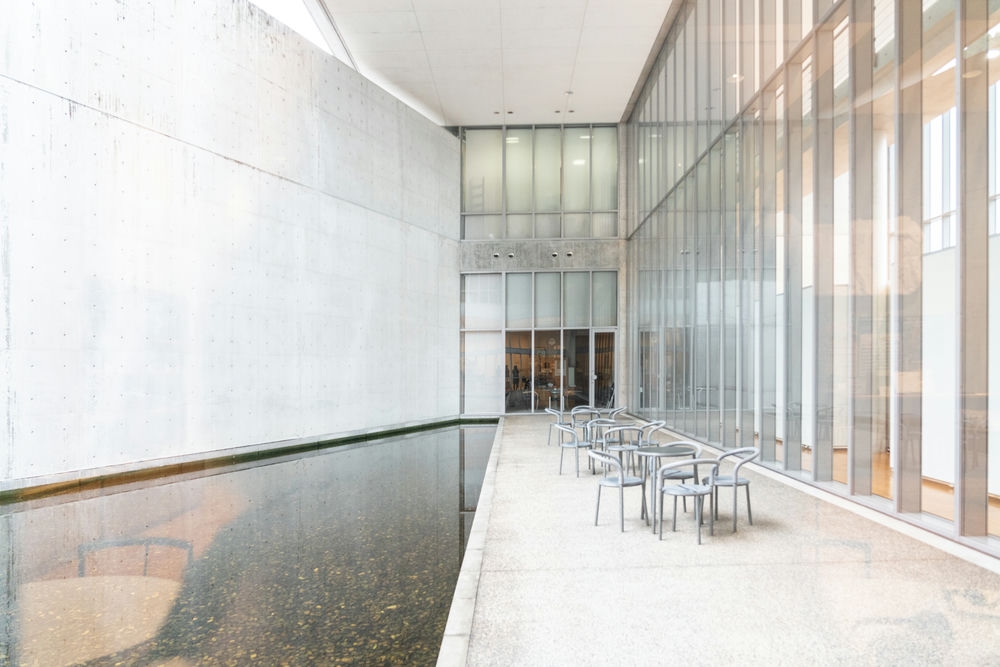
If you want to take a break, how about relaxing at the café?
They offer not only drinks but also cake sets, with Belgian chocolate cake and Setouchi lemon cake being popular.
Depending on the season, the terrace seats are also recommended.
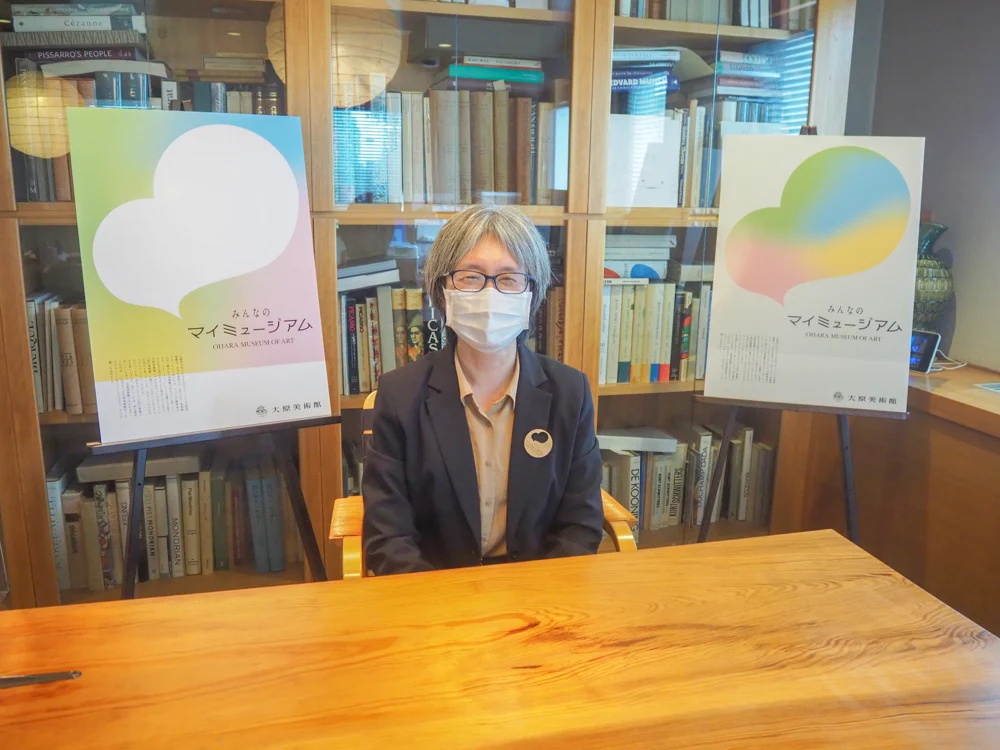
I interviewed the director, Kazushi Sawahara, about the establishment and thoughts behind Takahashi City Nariwa Museum.
Data of Takahashi City Nariwa Museum
| Name | Takahashi City Nariwa Museum |
|---|---|
| Location | 1068-3 Shimohara, Nariwa-cho, Takahashi City, Okayama Prefecture |
| Contact | 0866-42-4455 |
| Parking | Available Approximately 90 cars (shared with the adjacent Taikomaru Plaza) |
| Opening Hours | 9:30 AM to 5:00 PM (last admission until 4:30 PM) |
| Closed | Monday If Monday is a public holiday, open, closed the following Tuesday |
| Admission Fee (including tax) | Admission fees vary depending on the exhibition. |
| Payment Methods |
|
| Smoking | Completely non-smoking |
| Restrooms | Western-style toilets, barrier-free toilets |
| Childcare | Diaper changing table, stroller rental |
| Barrier-Free | Wheelchair rental, ramps, barrier-free toilets, elevators |
| Website | Takahashi City Nariwa Museum |