Interview with the Director
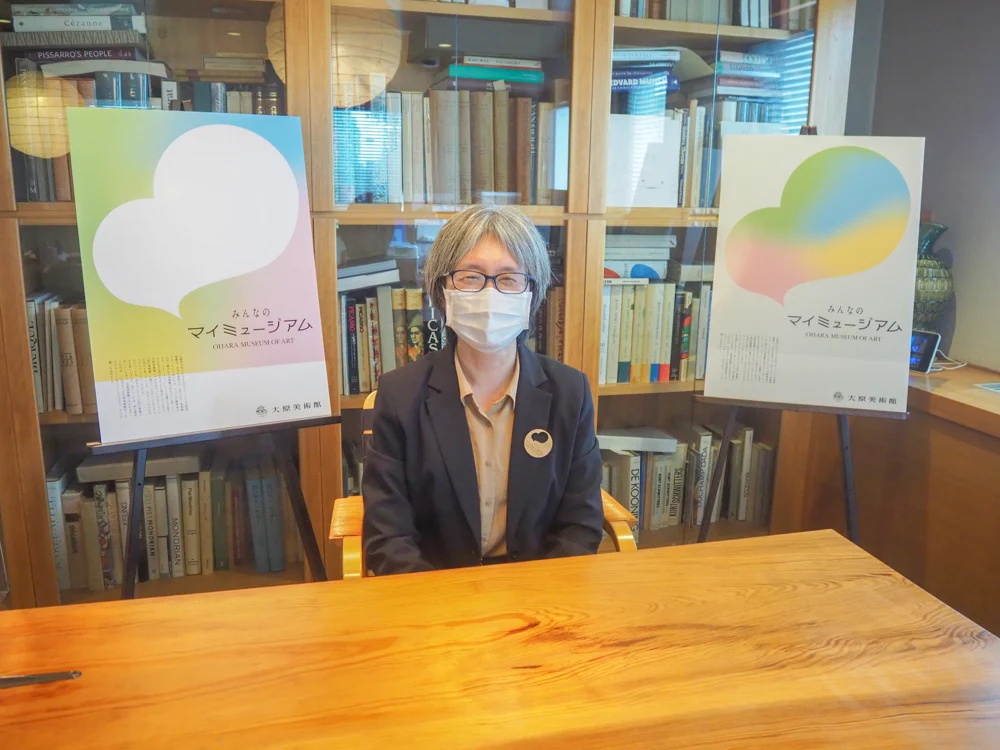
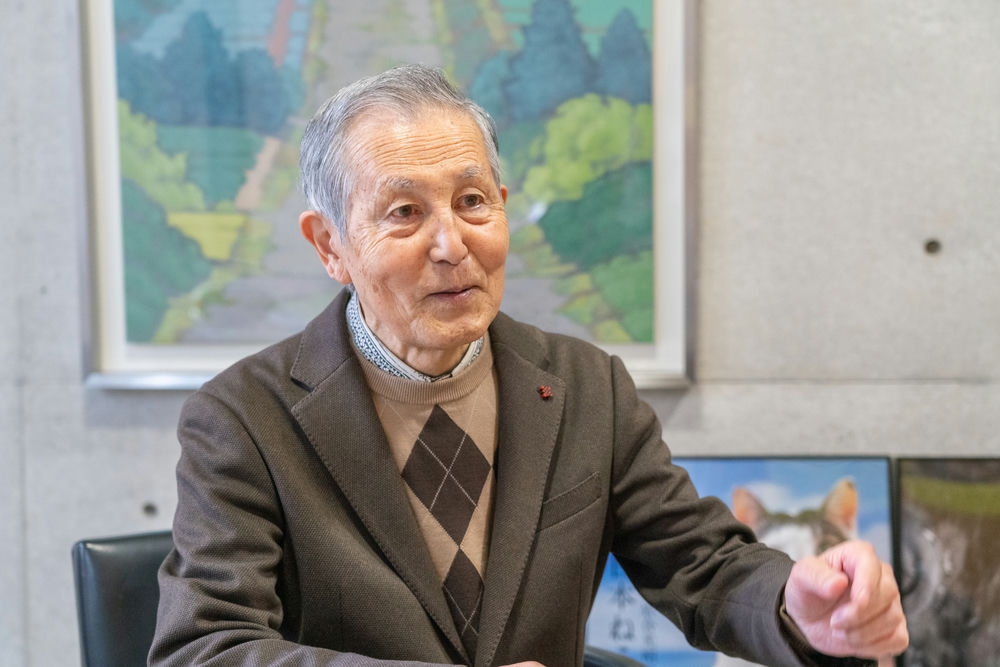
I interviewed the director, Sawahara Kazushi.
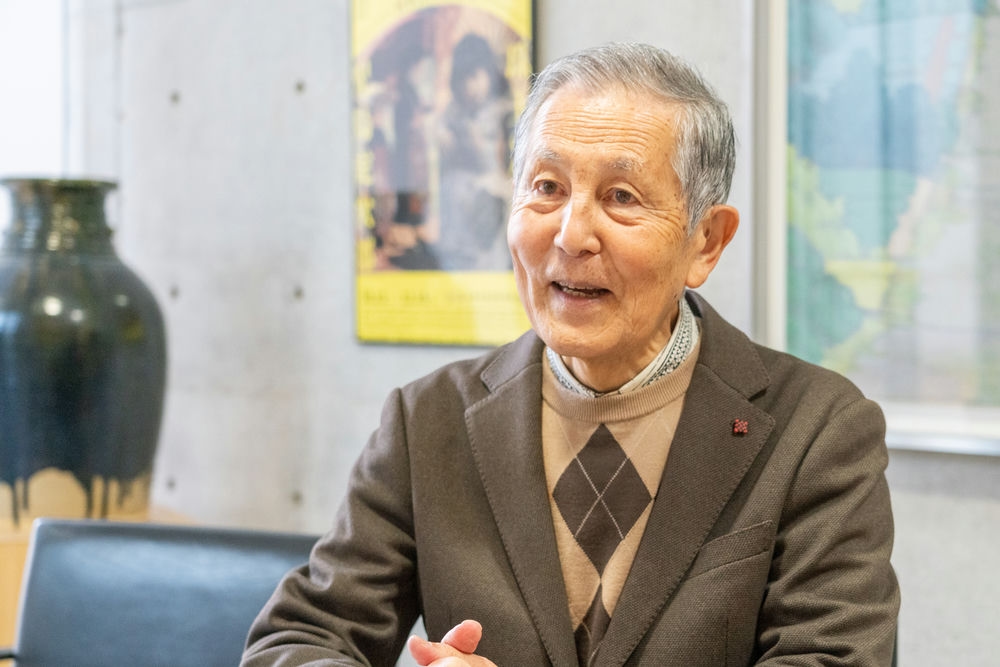
Please tell us about the circumstances surrounding the opening of the museum in 1953.
Sawahara
1953 was the year that Nariwa Town celebrated its 50th anniversary. It seems that the mayor solicited opinions from the townspeople on what would be a good commemorative project.
One of the most common suggestions was to honor Kojima Torajiro, a local hero. Everyone in the town respected Kojima Torajiro.
At that time, it was the post-war period, and it was still difficult to have enough to eat.
In such a poor time, the townspeople pooled their money to create this museum.
That's impressive. Why did you move to the current location 30 years ago?
Sawahara
The increase in the collection due to donations from the Kojima family was the trigger. Initially, we planned to rebuild the building without relocating.
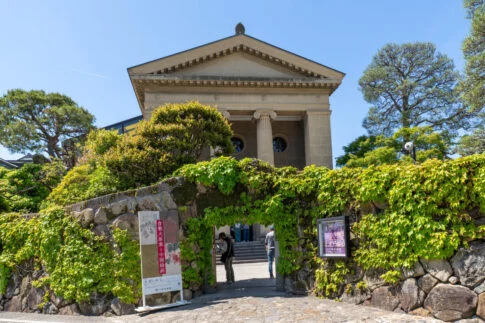
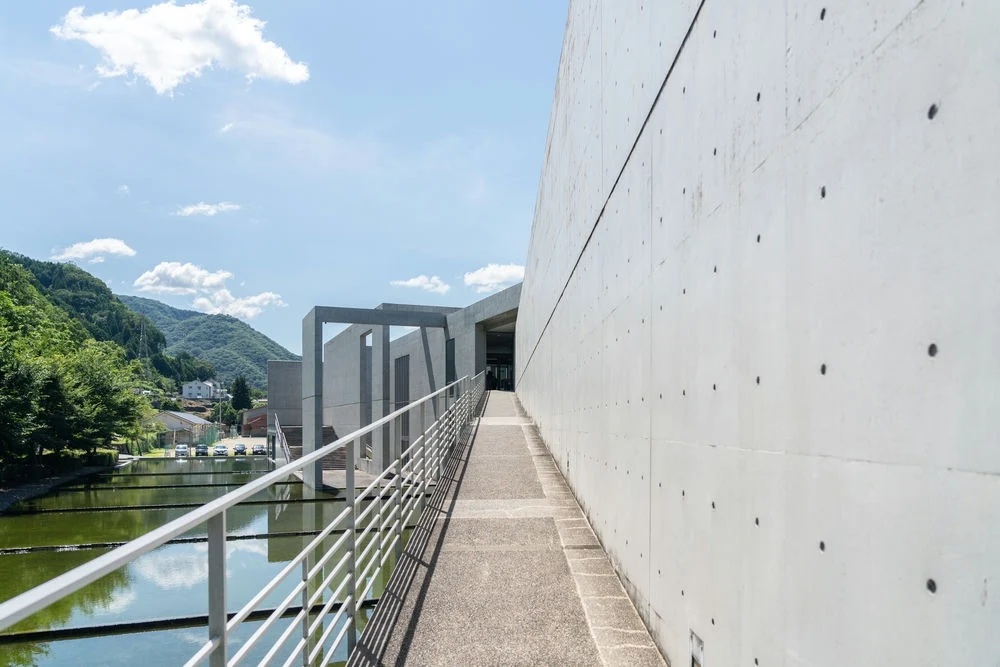
However, Tadao Ando was very fond of this location and had a strong desire to create a museum here, which led to the decision to construct a new building at the current site.
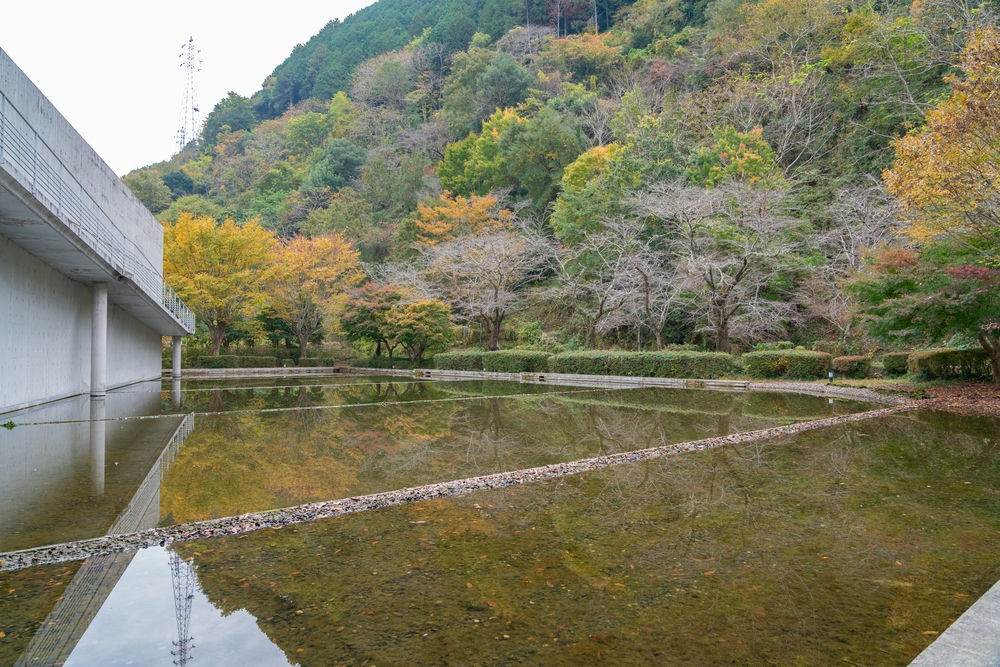
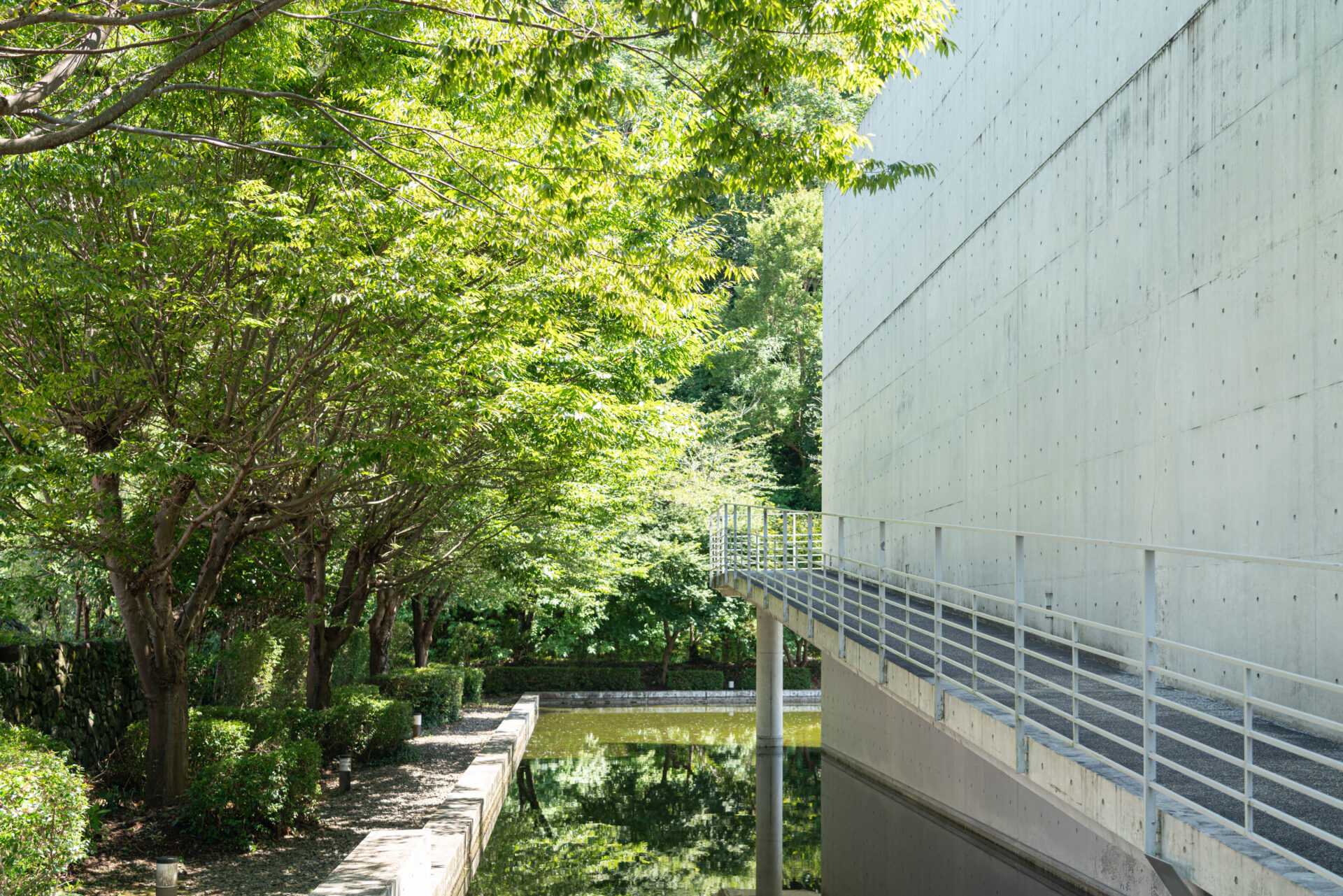
Ando's architecture often incorporates water.
When he encountered this location, I believe a water garden borrowing the view of the mountains came to his mind.
Ando spent a poor childhood and became a boxer after graduating from high school.
After giving up boxing, he studied architecture tirelessly and obtained his first-class architect license through self-study, and in recent years he has also become a professor at the University of Tokyo.
He is a person with a strong hunger spirit who does not succumb to harsh environments. I believe his hunger spirit influences the architecture of the museum.
The long approach was the part that Ando was most particular about. I think that approach embodies a philosophy of overcoming difficulties in life.
I love walking along this approach, feeling the breath of nature with the sounds of birds and the flight of dragonflies.
What criteria have you used to plan the various special exhibitions?
Sawahara
It is important for as many people as possible to visit and learn about us.
When I talk to people from far away, they often struggle to read the name "Takahashi City Nariwa Museum" correctly.
First of all, I valued having various people come to visit.
Can you tell us about any special exhibitions that had particularly high visitor numbers?
Sawahara
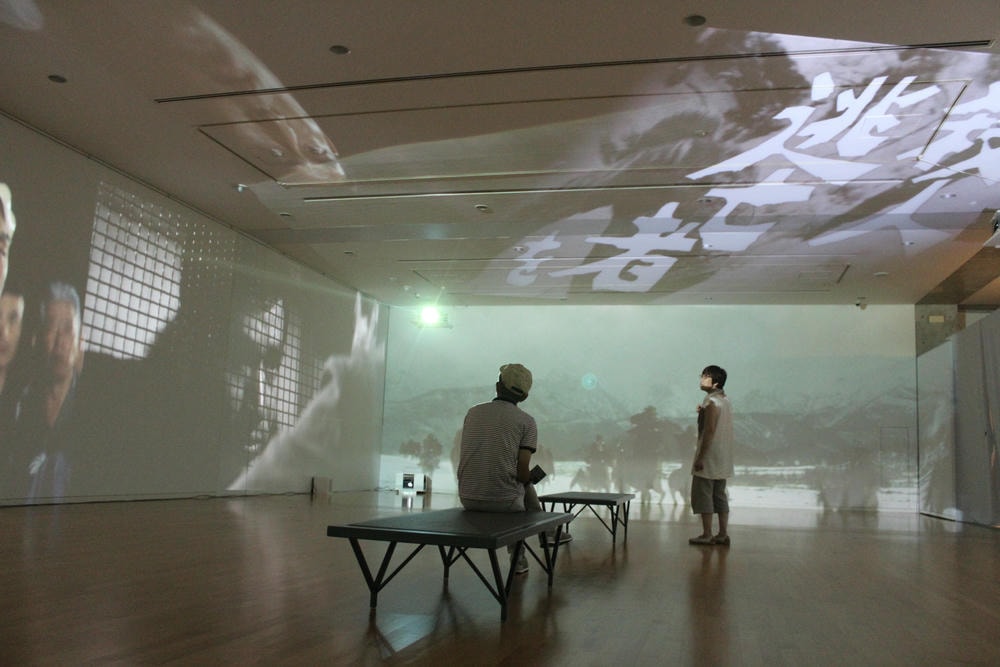
The most popular was the memorial special exhibition for Takakura Ken.
We screened all 205 films he appeared in within the museum.
Typically, the demographic that visits museums the least is middle-aged and older men. This was a project designed to attract them to the museum, and we had about 12,000 visitors.
We also plan exhibitions for all ages, such as Georges Rouault for oil painting enthusiasts and Miffy for children.
However, starting in 2025, I would like to cherish the original focus on "honoring Kojima Torajiro" more than ever.
What kind of person was Kojima Torajiro?
Sawahara
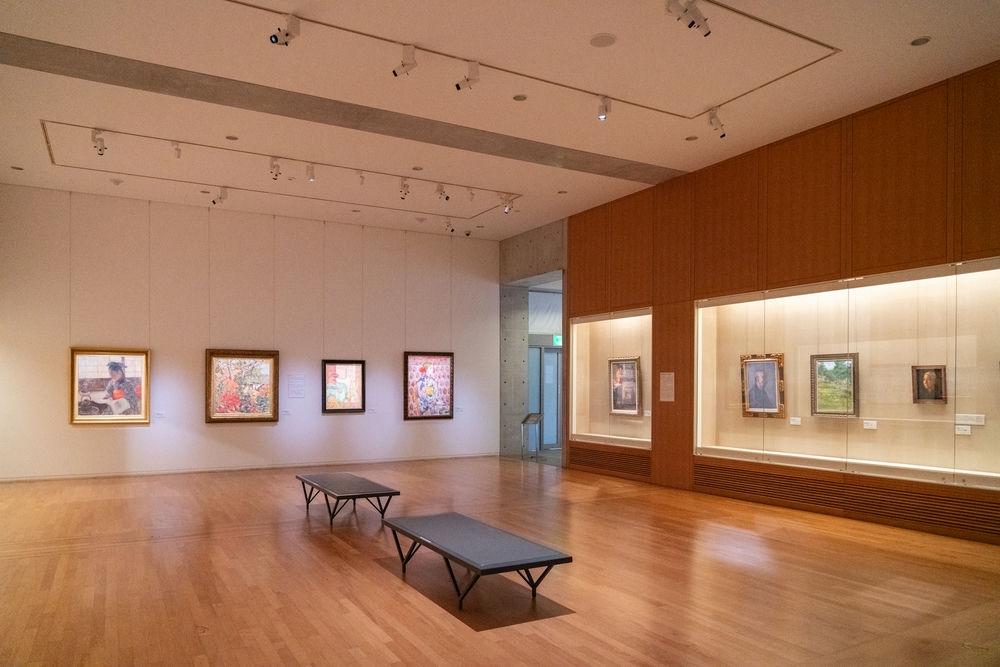
He was a painter who sought "oil painting as a Japanese."
Born in Nariwa Town, he went to Europe in 1908.
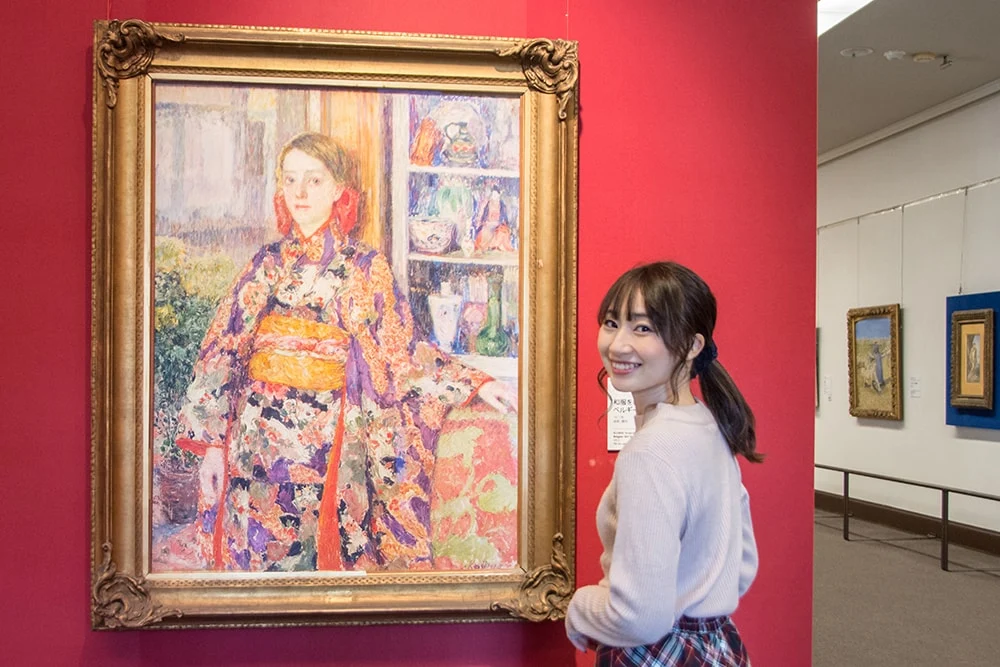
Not fitting well in Paris, he studied the Belgian Impressionist paintings that skillfully incorporated light.
He was also a remarkable art collector.
He collected excellent works by El Greco, Monet, Cézanne, Van Gogh, and others.
When I visited the Ohara Museum of Art as a middle school student, I was impressed by the works of Hodler and El Greco.
Many people may have aspired to pursue art because of the works he collected, and I believe Kojima Torajiro had a significant impact on Western art in Japan.
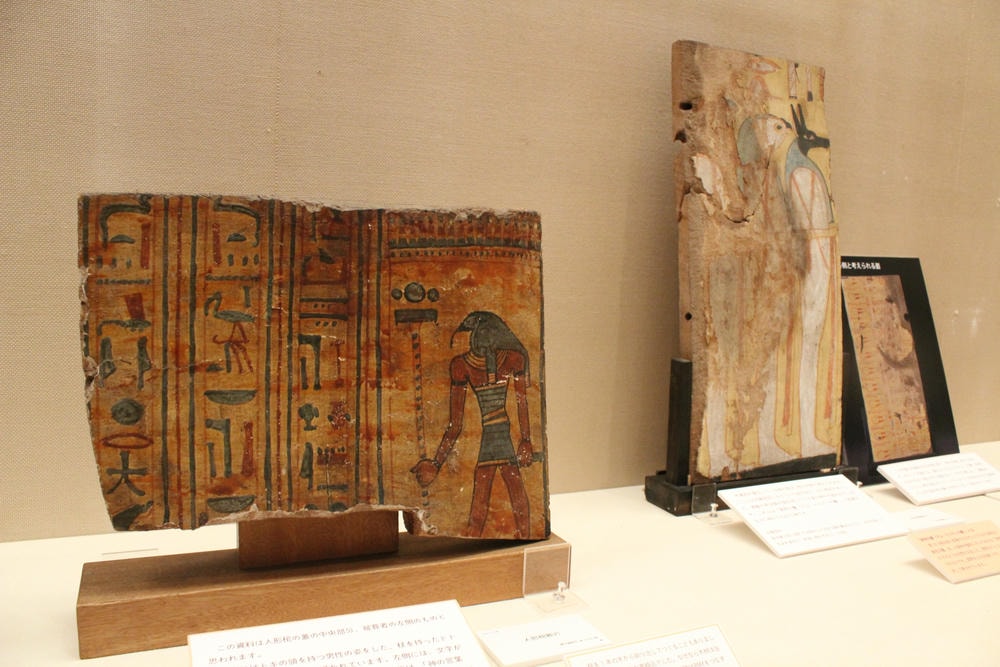
Torajiro traveled to Egypt and the Korean Peninsula.
Egypt is the origin of human civilization and a treasure of humanity, while the Korean Peninsula is the root of Japanese culture.
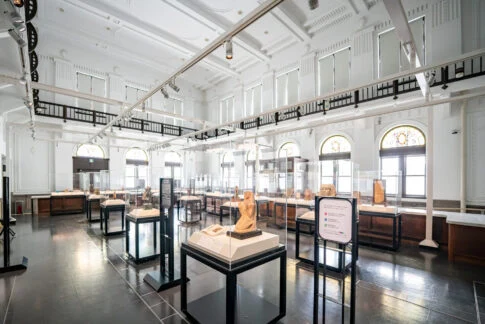
Our museum houses many ancient artifacts from Egypt and the Orient that Kojima Torajiro collected, including European ceramics and Chinese burial items.
The collection gathered in Egypt during the 1920s is extremely valuable.
Even during his travels focused on collecting, he painted many works, leaving about 700 pieces in his studio when he passed away at the age of 47.
He was a serious, stoic person with a passionate energy.
What is the significance of honoring Kojima Torajiro?
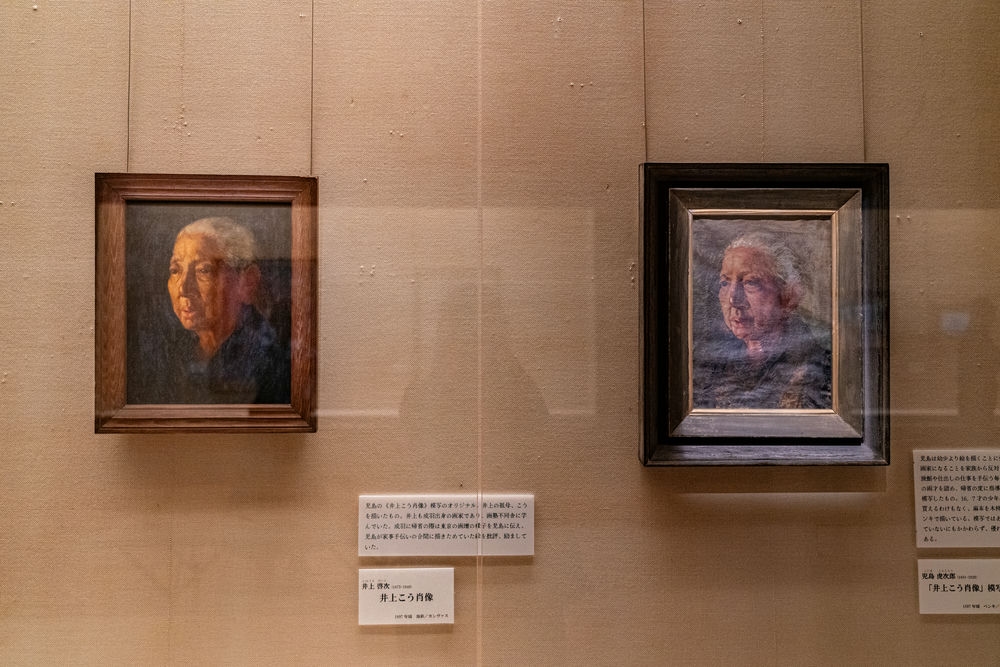
Sawahara
The most important thing is to make many people aware of Kojima Torajiro.
After seeing the displayed copy of Torajiro's work, some visitors have brought in paintings they were about to throw away, thinking, "Could this be the original?"
We have received several donated works from local people who said, "We also have a painting by Torajiro at our home."
Exhibiting in his birthplace and informing people of Kojima Torajiro's achievements deepens the understanding of the local community and leads to the preservation of cultural properties.
Is there anything you are particularly mindful of as a museum in a rural area, rather than an urban one?
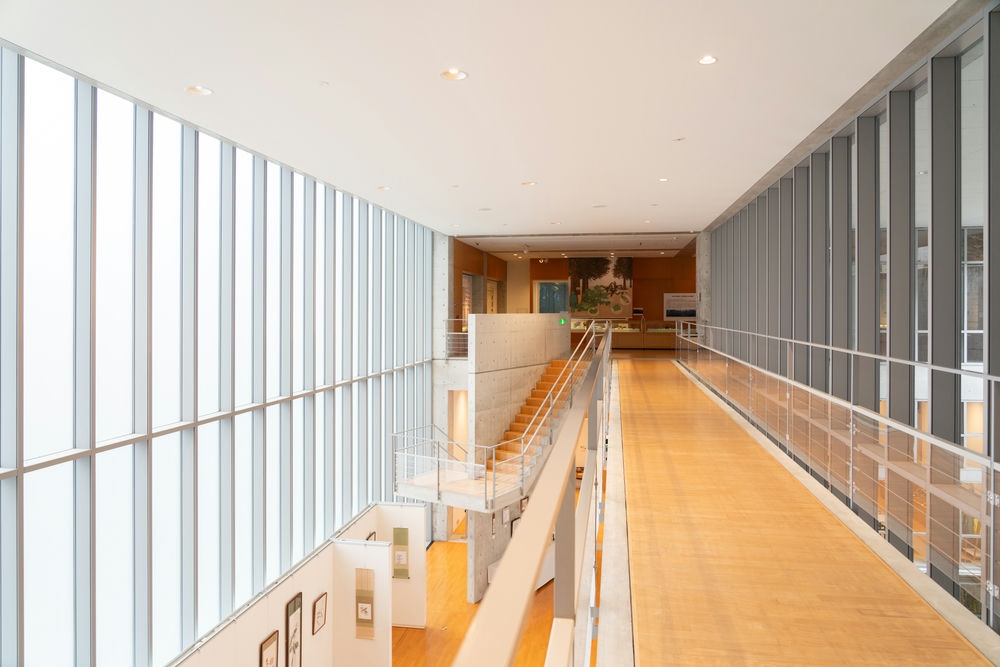
Sawahara
I want the museum to be a place where visitors feel, "I'm glad I came."
Access can be challenging, so I try not to forget the gratitude for those who make the effort to visit.
Not only do we provide kind exhibitions, but all staff members strive to ensure a comfortable viewing experience. I am endlessly grateful to the staff who work hard every day.
Please give a message to those considering visiting Takahashi City Nariwa Museum.
Sawahara
The beauty of the mountains and the murmuring of the river. Gaining courage and healing from the works.
Even if there are various things in daily life, I hope that something will touch your heart in this place.
Even without a clear purpose, please enjoy Ando's building, the exhibitions, and the surrounding nature. It is a short journey of about two hours by train from Okayama City. You might see the autumn leaves of the mountains or birds and turtles by the river from the train window.
I hope you can refresh yourself by valuing the visit process and enjoy a small journey.
Conclusion
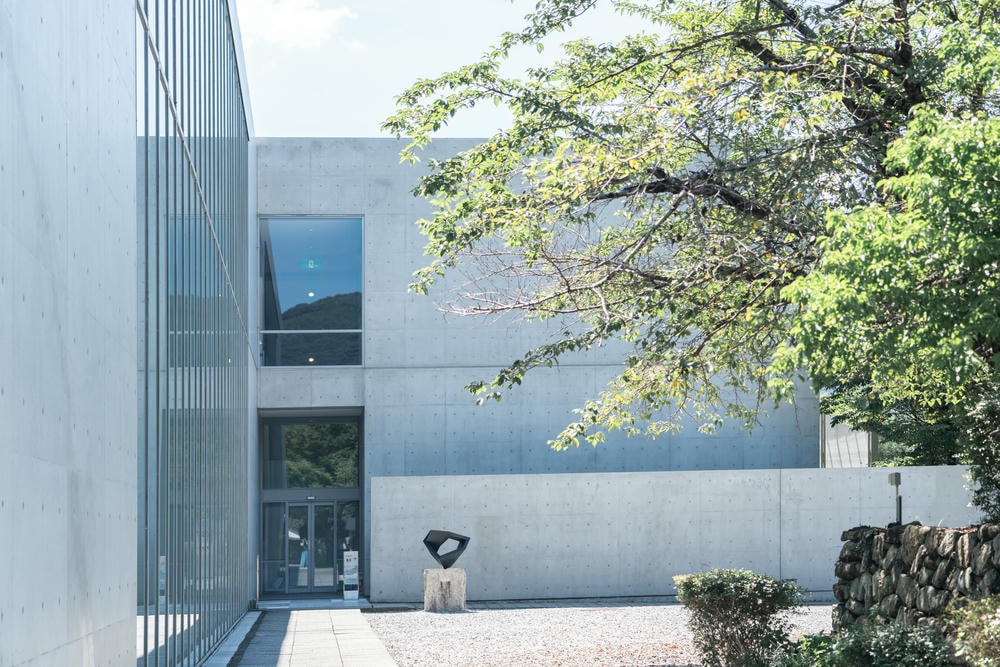
A museum where you can feel harmony with nature, enjoyable both before and after your visit.
Kojima Torajiro's paintings have a bright, soft, and moist Japanese quality, and I feel many of his works evoke a sense of happiness, which I love.
By learning more about Kojima Torajiro, who had a significant impact on Japanese Western painting as both a painter and a collector, you will gain deeper insights at Takahashi City Nariwa Museum.
I look forward to future exhibitions.
Data on Takahashi City Nariwa Museum
| Name | Takahashi City Nariwa Museum |
|---|---|
| Location | 1068-3 Shimohara, Nariwa-cho, Takahashi City, Okayama Prefecture |
| Contact | 0866-42-4455 |
| Parking | Available Approximately 90 cars (shared with the adjacent Taikomaru Plaza) |
| Opening Hours | 9:30 AM to 5:00 PM (last admission at 4:30 PM) |
| Closed | Monday If Monday is a holiday, the museum will be open, and closed the following Tuesday |
| Admission Fee (including tax) | Admission fees vary by exhibition. |
| Payment Methods |
|
| Smoking | Completely non-smoking |
| Restrooms | Western-style toilets, barrier-free toilets |
| Childcare | Diaper changing station, stroller rental |
| Barrier-Free | Wheelchair rental, ramps, barrier-free toilets, elevators |
| Website | Takahashi City Nariwa Museum |