Kurashiki Tenryo Taiko is a taiko performance group that was established in 1972. For about 50 years since its founding, it has resonated the sound of taiko in Kurashiki.
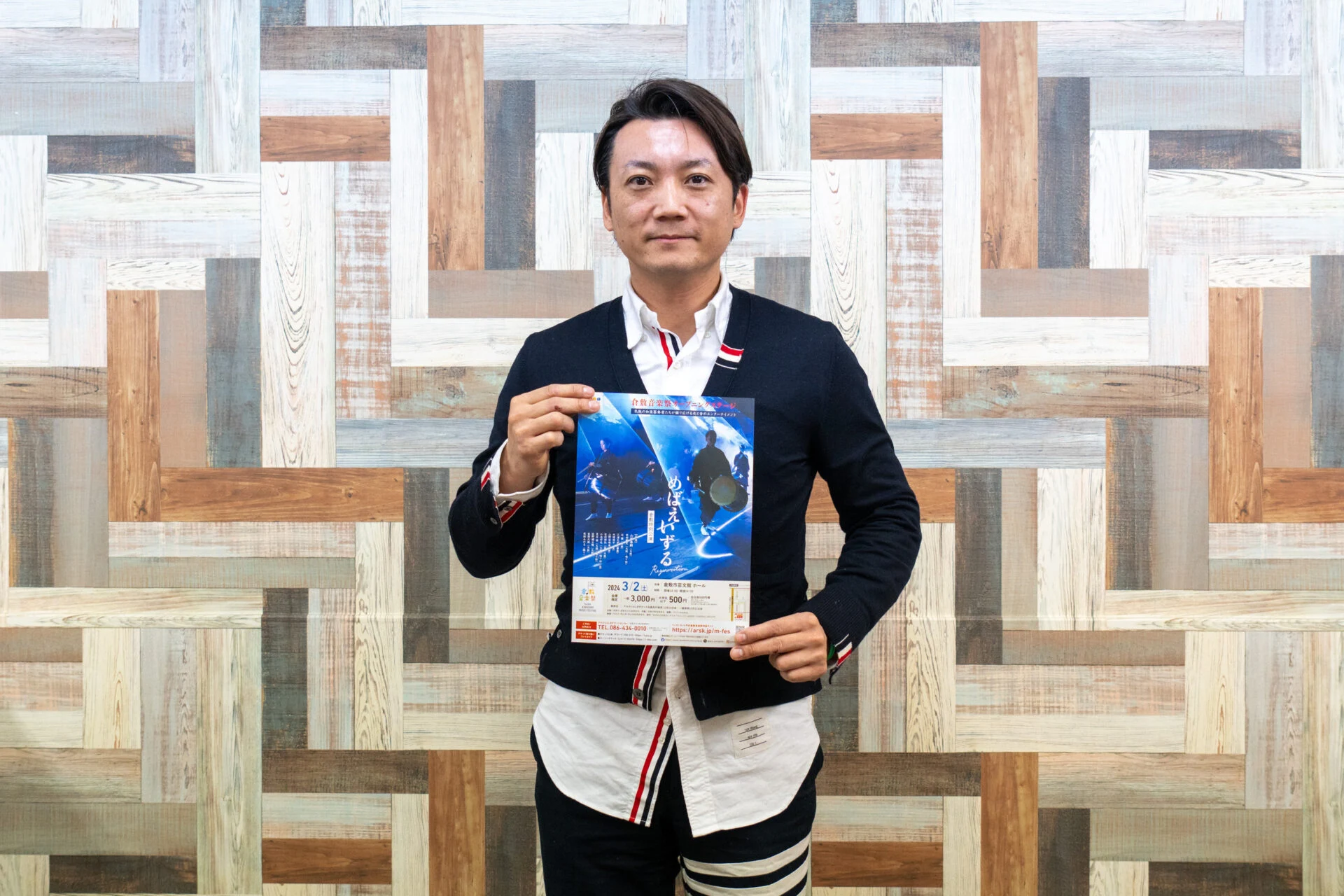
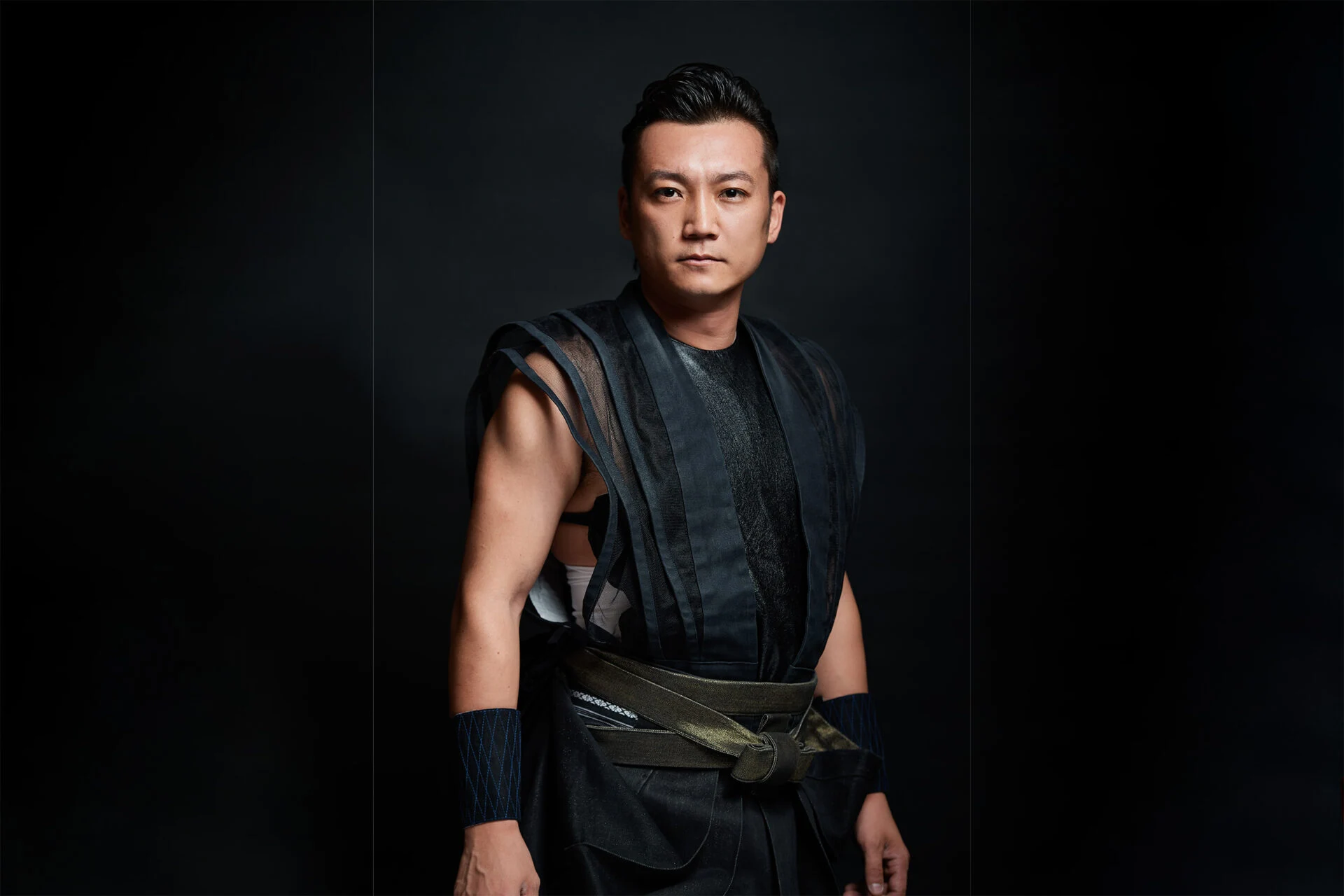
Yamabe Taishi has been holding drumsticks since he was a child and has been active as a member of Kurashiki Tenryo Taiko. Currently, he not only captivates people with the sound of taiko but also works as a director pursuing new possibilities for taiko.
On March 2, 2024, a performance titled "Mebaeizuru" that fuses sound and light by traditional instrument players is scheduled to be held at the 38th Kurashiki Music Festival.
On March 10, 2024, a performance titled "Japanese Taiko Concert" featuring members of Kurashiki Tenryo Taiko is also planned.
Let's unravel the thoughts of taiko player Yamabe regarding music.
Yamabe Taishi and Kurashiki Tenryo Taiko
What kind of person is Yamabe Taishi, a taiko player raised in Kurashiki? And how was Kurashiki Tenryo Taiko born?
Let’s introduce Yamabe and Kurashiki Tenryo Taiko.
Taiko Player Yamabe Taishi
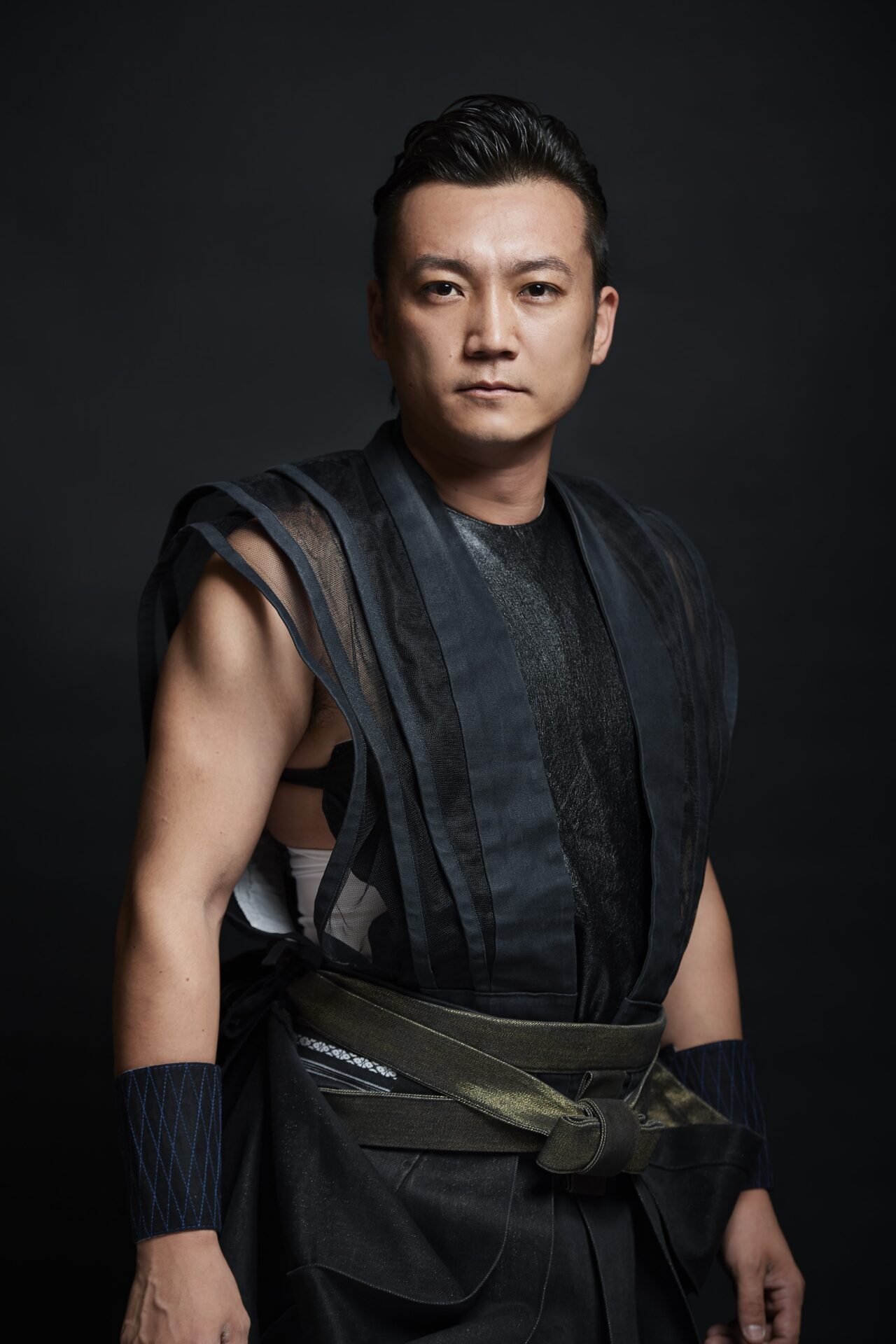
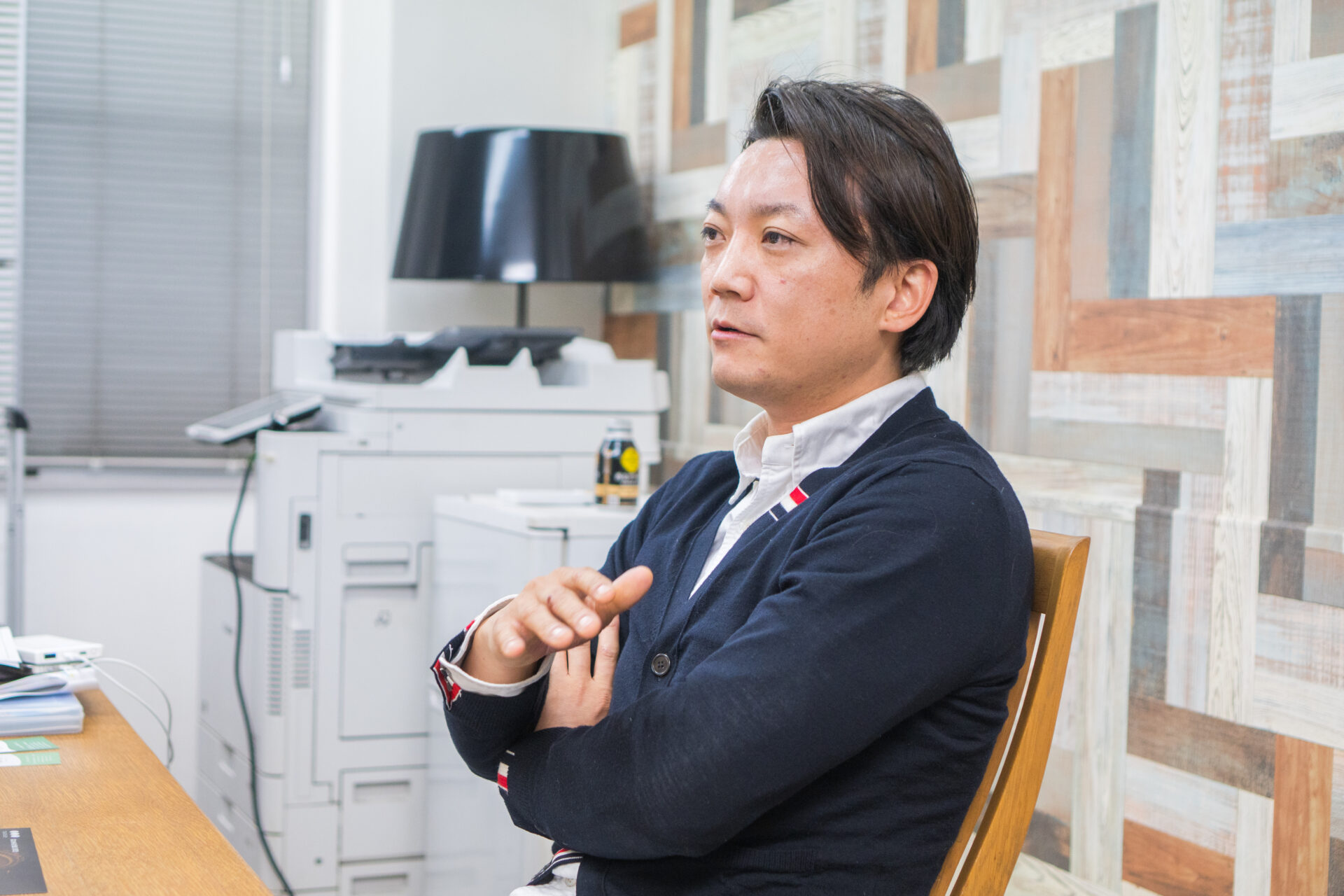
Yamabe Taishi is a taiko player from Kurashiki City. He has been familiar with taiko performance since childhood and has been active as a member of Kurashiki Tenryo Taiko.
After graduating from high school, he began his career as a professional taiko player. Now, he is expanding his activities overseas while also working on stage direction and composition.
He has collaborated not only with traditional Japanese instruments but also with music from other fields, conveying the depth of taiko.
Moreover, not only as a performer but also as a director, he incorporates expressions that bring out the charm of taiko while pursuing new possibilities for it.
Yamabe is a representative taiko player of Japan nurtured by Kurashiki Tenryo Taiko.
What is Kurashiki Tenryo Taiko?
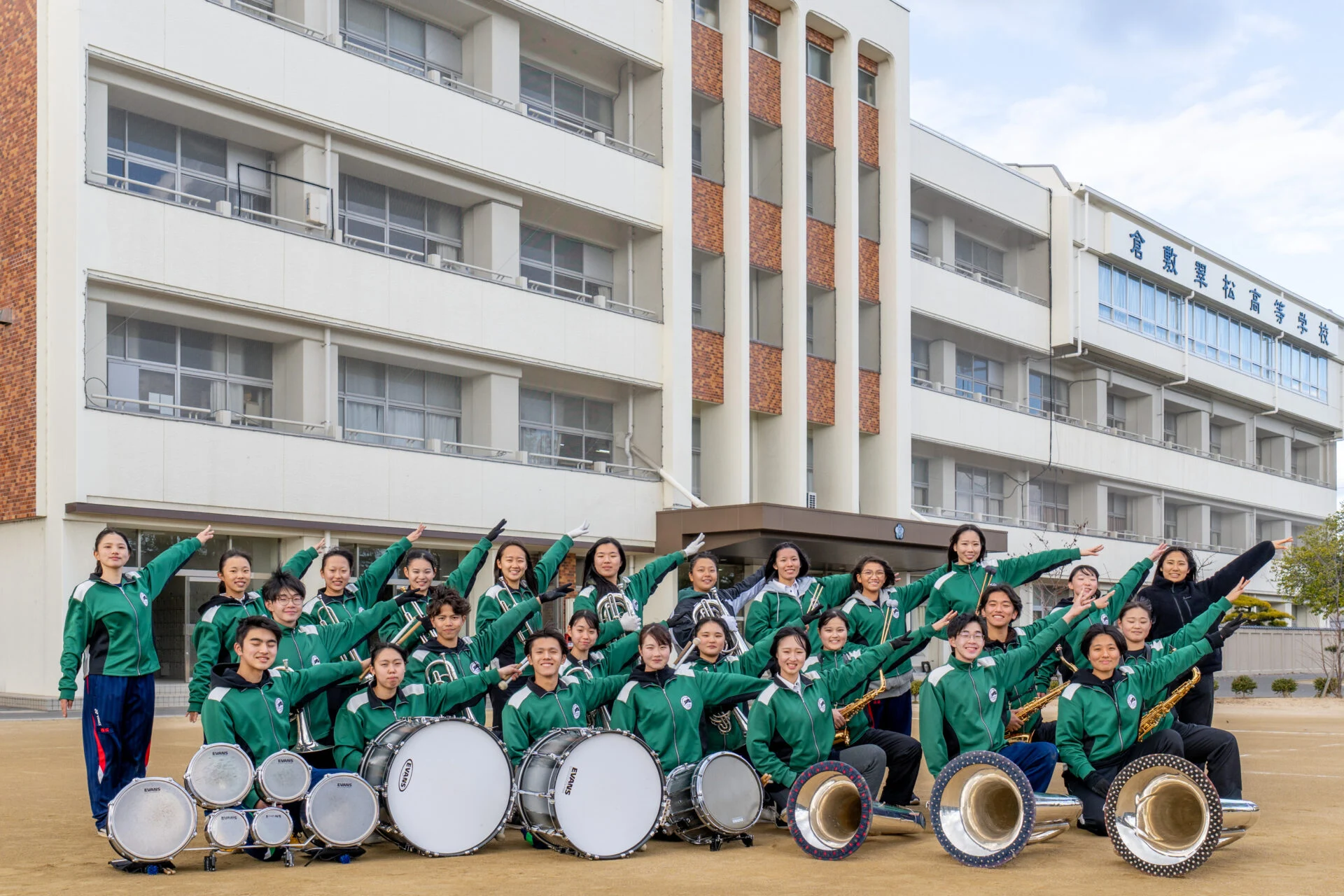
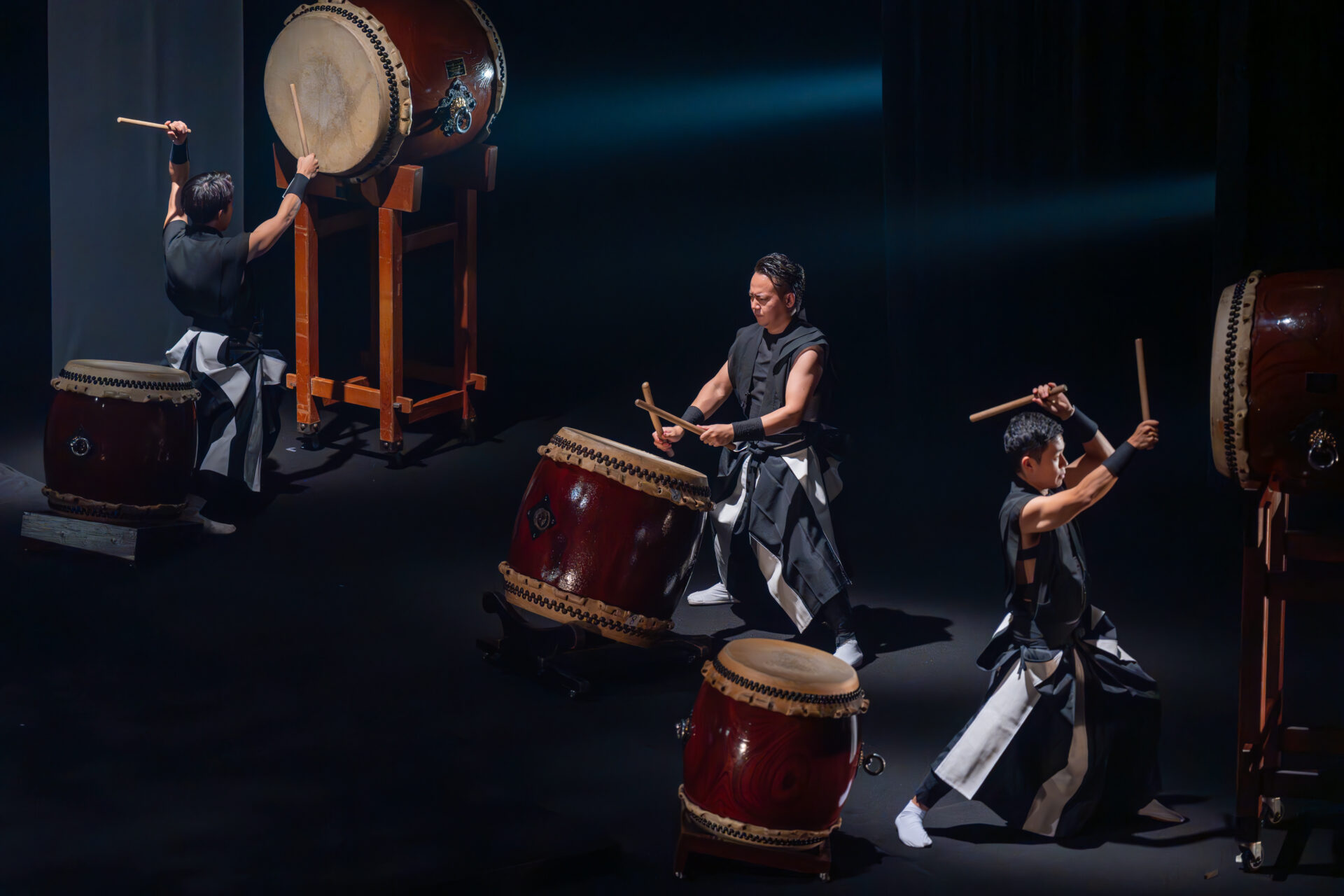
Kurashiki Tenryo Taiko is a taiko performance group that was established in 1972 in Kurashiki City.
The founder, Koyama Hiroshi, spent his student days in Tokyo and established Kurashiki Tenryo Taiko when he returned to his hometown of Kurashiki.
While many lively festivals were held in various regions in Tokyo, Koyama felt that there were no vibrant festivals like those in Tokyo in Kurashiki, and he thought of taiko performance as a way to energize the town.
Later, he borrowed taiko from a storehouse of the Ohara family and began performing at Achi Shrine, which marked the beginning of Kurashiki Tenryo Taiko.
Even now, in 2024, after about 50 years, they continue their activities centered in Kurashiki.
Yamabe's Encounter with Taiko
Having taiko in his daily life since childhood, how has Yamabe interacted with taiko?
Let’s trace back to Yamabe's encounter with taiko.
The Ubiquitous Presence of Taiko
Yamabe answers, "I was playing taiko when I became aware of my surroundings," indicating that taiko was a part of his daily life.
Influenced by his father, who was active as a member of Kurashiki Tenryo Taiko, Yamabe spent his childhood with taiko and does not remember when he started playing. He expresses it as if he was "born holding drumsticks."
He first stood on stage around the age of three. After that, he was active as a member of Kurashiki Tenryo Taiko, gathering every day at 7 PM for practice until 11 PM.
Because taiko was so commonplace, Yamabe misunderstood that everyone thought of taiko as a familiar presence.
When visiting friends' homes, he could see that other families did not have taiko, so he understood that taiko was not physically close to them. However, he did not realize that their recognition of the concept of taiko was also thin.
This experience has been beneficial even after he became a professional. Yamabe mentions that he considers how to make taiko accepted by those who are experiencing it for the first time while thinking about direction and planning.
Becoming a Taiko Player is a Natural Course
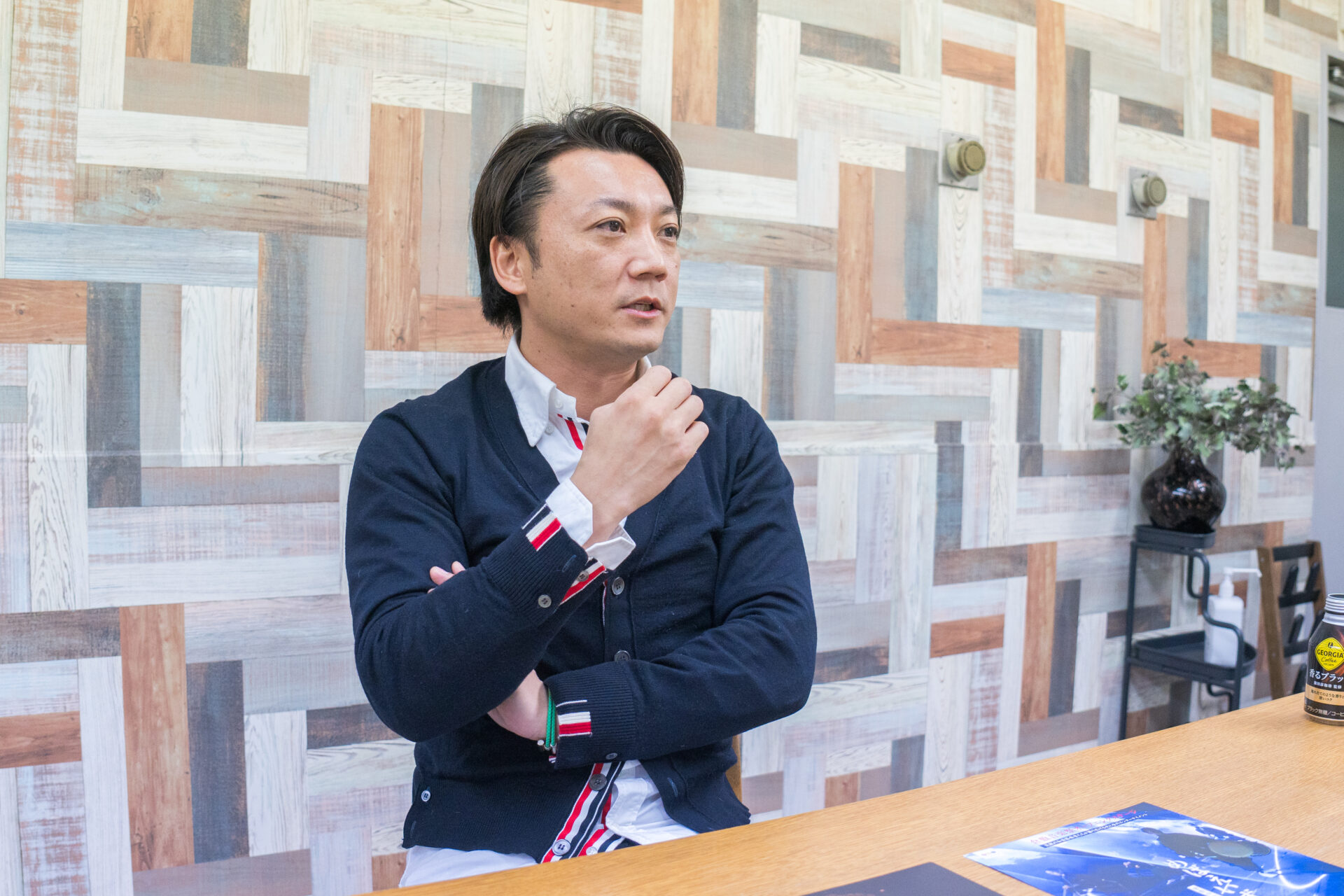
When faced with career choices as a high school student, Yamabe did not think deeply about his future.
He vaguely thought, "I will probably live while playing taiko," and those around him also thought it was a natural course for him to pursue taiko.
Generally, when pursuing a career in music, there are two choices: to work as a solo artist or to join a professional group.
Yamabe chose the path of working alone, but it was not a firm decision; it was a subconscious choice. The familiar presence of taiko likely guided him to the path of taiko.
After that, he became active as a taiko player nationwide based in Kurashiki. He moved to Tokyo at the age of 26, when work in Tokyo began to increase, spending half of the month in Kurashiki and the rest in Tokyo.
In addition to performing, he also began working on stage direction with his peers.
However, he felt discomfort in not having a home in the city where he based his creative activities. Carrying large luggage back and forth between Kurashiki and Tokyo made him feel like an outsider and not part of the group.
To resolve the discomfort of commuting between Tokyo and Kurashiki, Yamabe moved to Tokyo and began to focus on his creative activities.
Expanding the World of Music
Yamabe, who conveys the charm of taiko through innovative direction, has had his values change through exposure to music beyond taiko.
Let’s follow the journey of how he became active as a director from being a taiko player.
Music of Kurashiki and Music of Tokyo
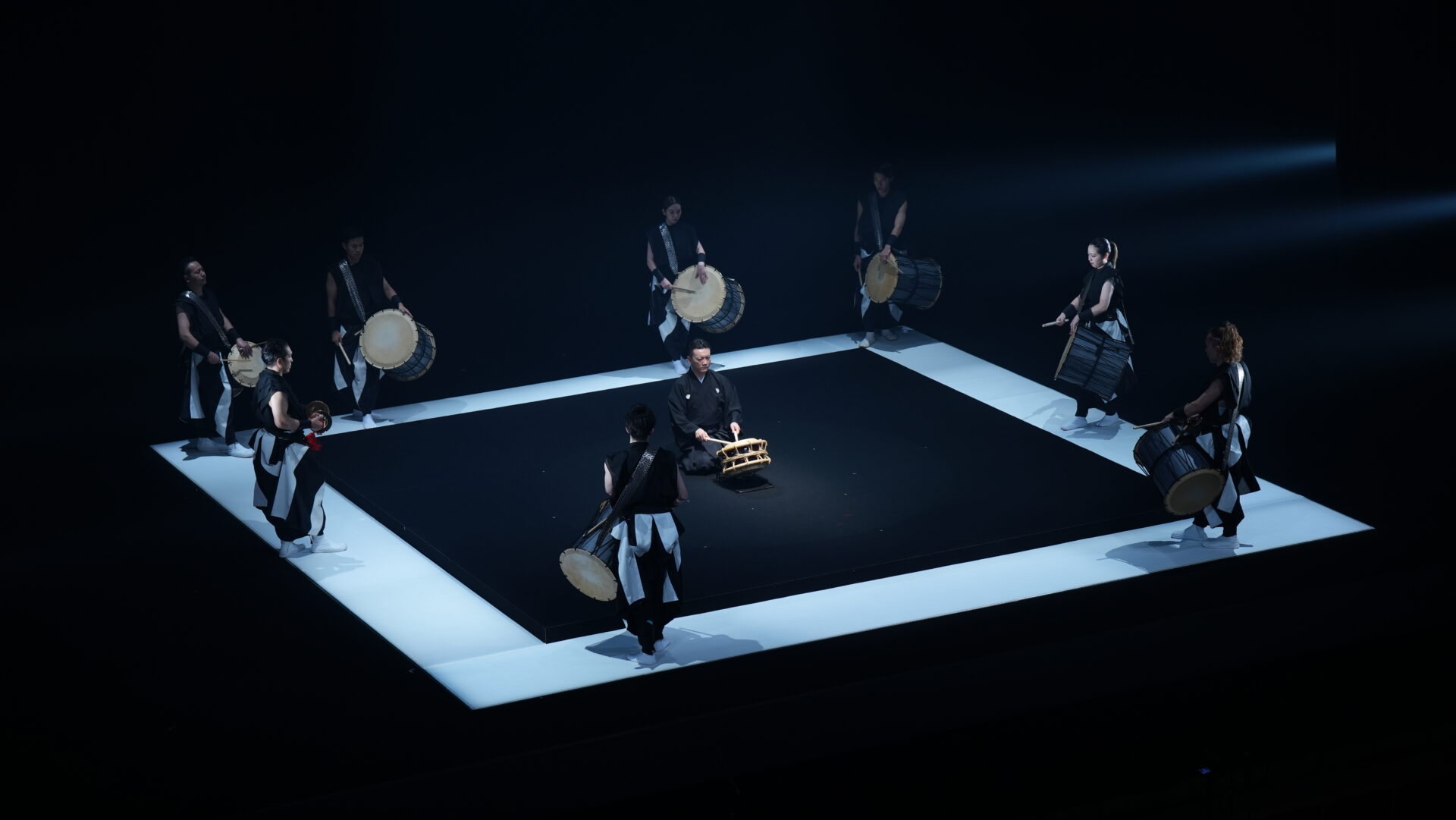
Through his production activities in Tokyo, Yamabe learned about the vastness of the world of music.
When he was active in Kurashiki, he only saw the music associated with taiko. He naturally connected with traditional Japanese instrument players such as shamisen and shakuhachi, centered around taiko.
If he conveyed the charm of taiko solely within the world of traditional Japanese instruments, he could sustain his work.
On the other hand, what was required in Tokyo was a broader range of music. He had to convey the charm of taiko in different genres such as classical and jazz.
Even if he only played taiko, people would not notice its charm. He began performances that conveyed the charm of taiko by integrating it with other musical worlds.
Yamabe states, "Being skilled at playing only in the world of taiko and being skilled at playing in the world of music are different."
By moving his base of activities to Tokyo, he encountered a broader world of music that he had not noticed when he was only playing taiko.
Involvement in Art and Creation of Works
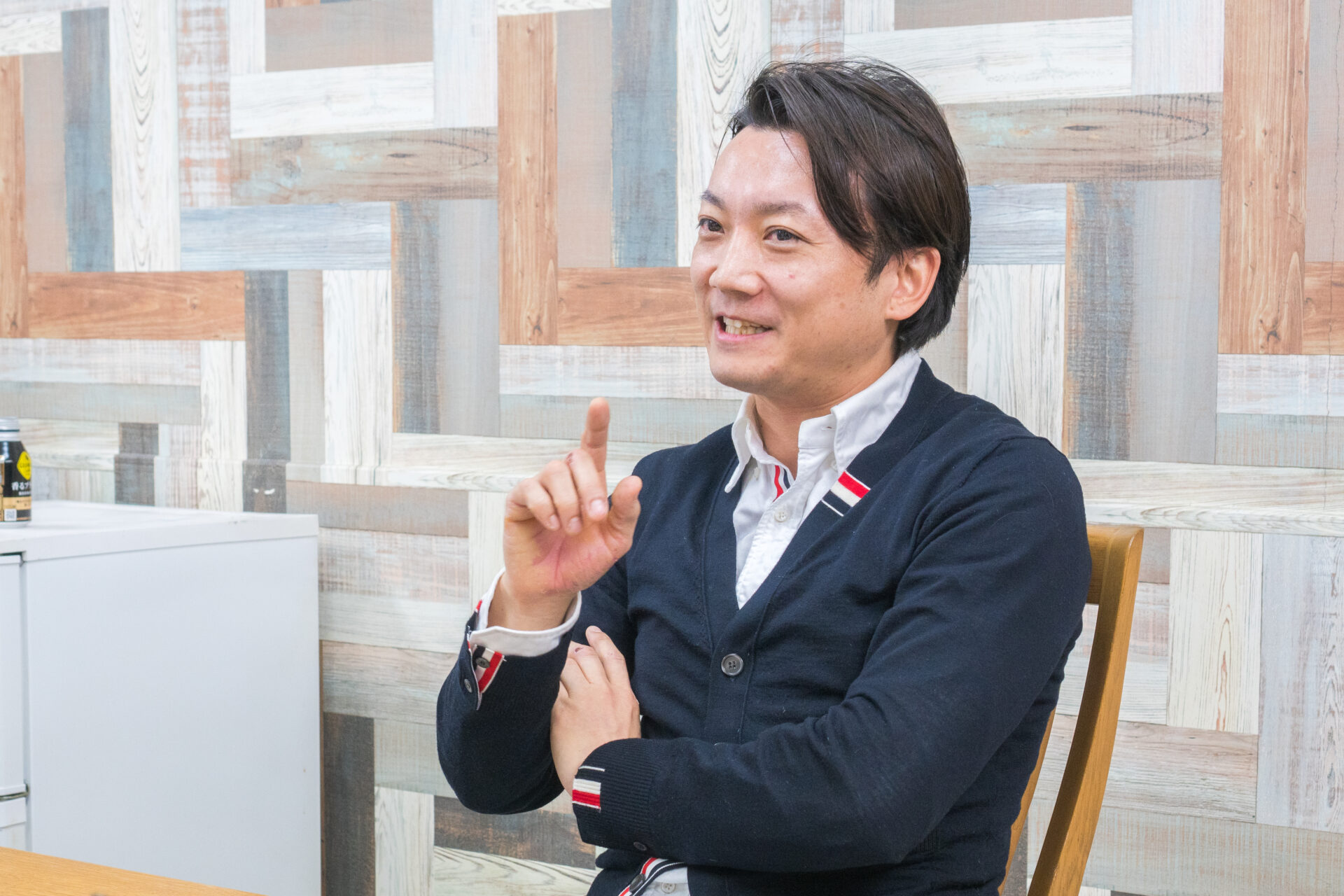
The catalyst for Yamabe to broaden his perspective beyond taiko was an encounter with someone from a famous talent agency. He was advised to experience top-tier art.
While living in Kurashiki, he had no interest in anything other than taiko, but he began to watch performances of dance and musicals and visit museums exhibiting paintings and sculptures.
Among the various arts he encountered, what particularly resonated with Yamabe was contemporary dance. He was captivated by the free bodily expression that does not adhere to predetermined forms.
After a while, he became able to sense what kind of styles he liked, regardless of the form of art, such as paintings or sculptures.
During this process, the artist he clearly felt drawn to was Lee Ufan. As he began to understand what attracted his heart, Yamabe's self-awareness deepened, and the habit of engaging with art naturally developed.
The heightened sensitivity that Yamabe gained from encountering various arts gradually began to be expressed in his taiko performances.
Taiko Player and Director
Yamabe began to express the fusion of what he encountered and taiko performance when he turned 30.
Until then, he had been responsible for direction, but it was limited to deciding the order of songs and lighting arrangements, focusing solely on taiko.
The things he loved in the world of art began to naturally align with taiko performance, and he expresses that ideas he wanted to convey through direction started to emerge.
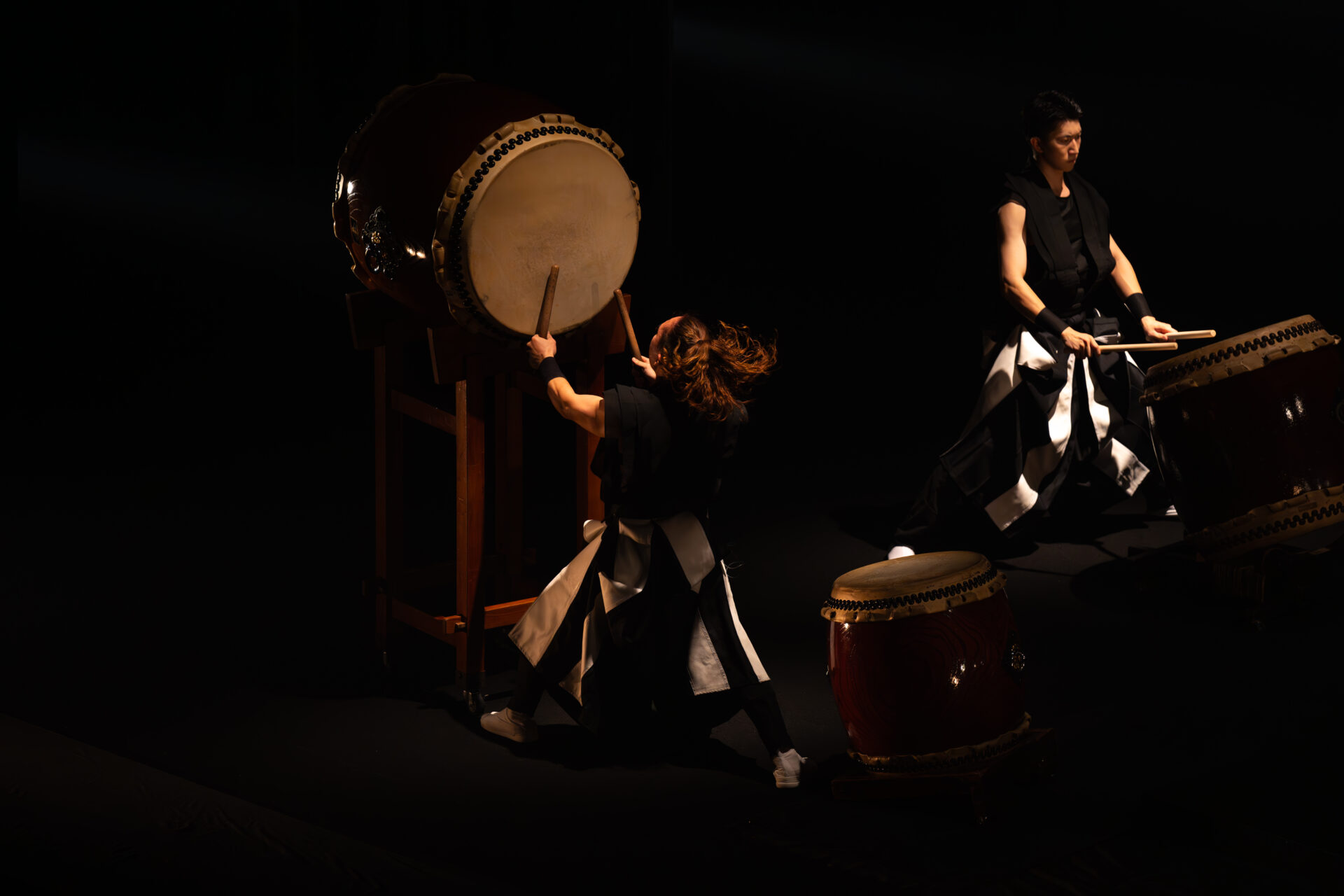
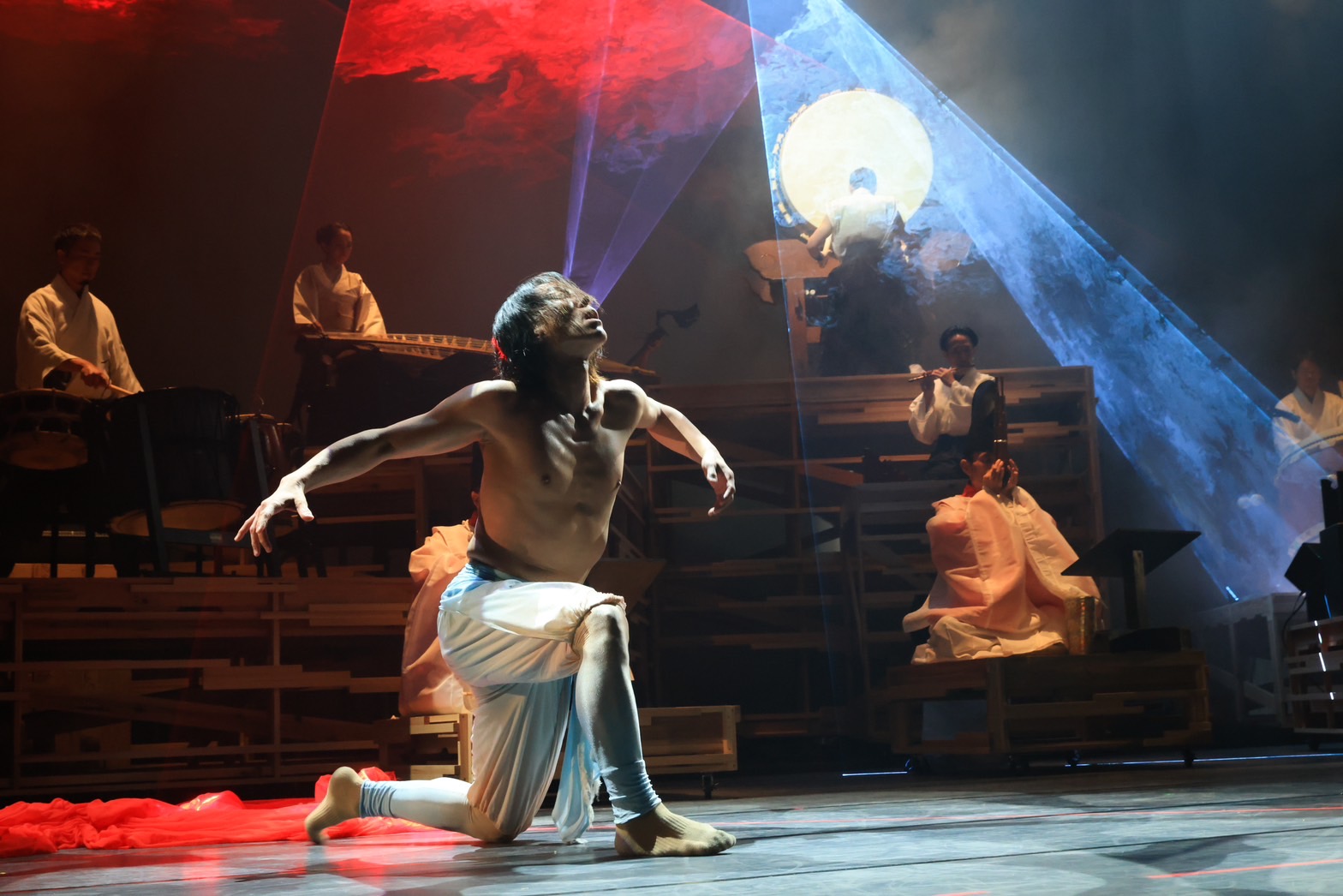
One of the taiko performances that expresses the heightened sensitivity gained from art is "Mebaeizuru", scheduled for March 2, 2024. It brings out new charms of taiko through light effects using lasers.
He proposed to incorporate light effects into taiko performance, inspired by a work he saw at a projection mapping world competition held in Tokyo.
The Future of Local Kurashiki and Taiko
Yamabe has changed both as a taiko player and as a director. How have his feelings towards his hometown of Kurashiki changed?
Let’s delve into Yamabe's thoughts on Kurashiki Tenryo Taiko and Kurashiki.
The Role of Kurashiki Tenryo Taiko
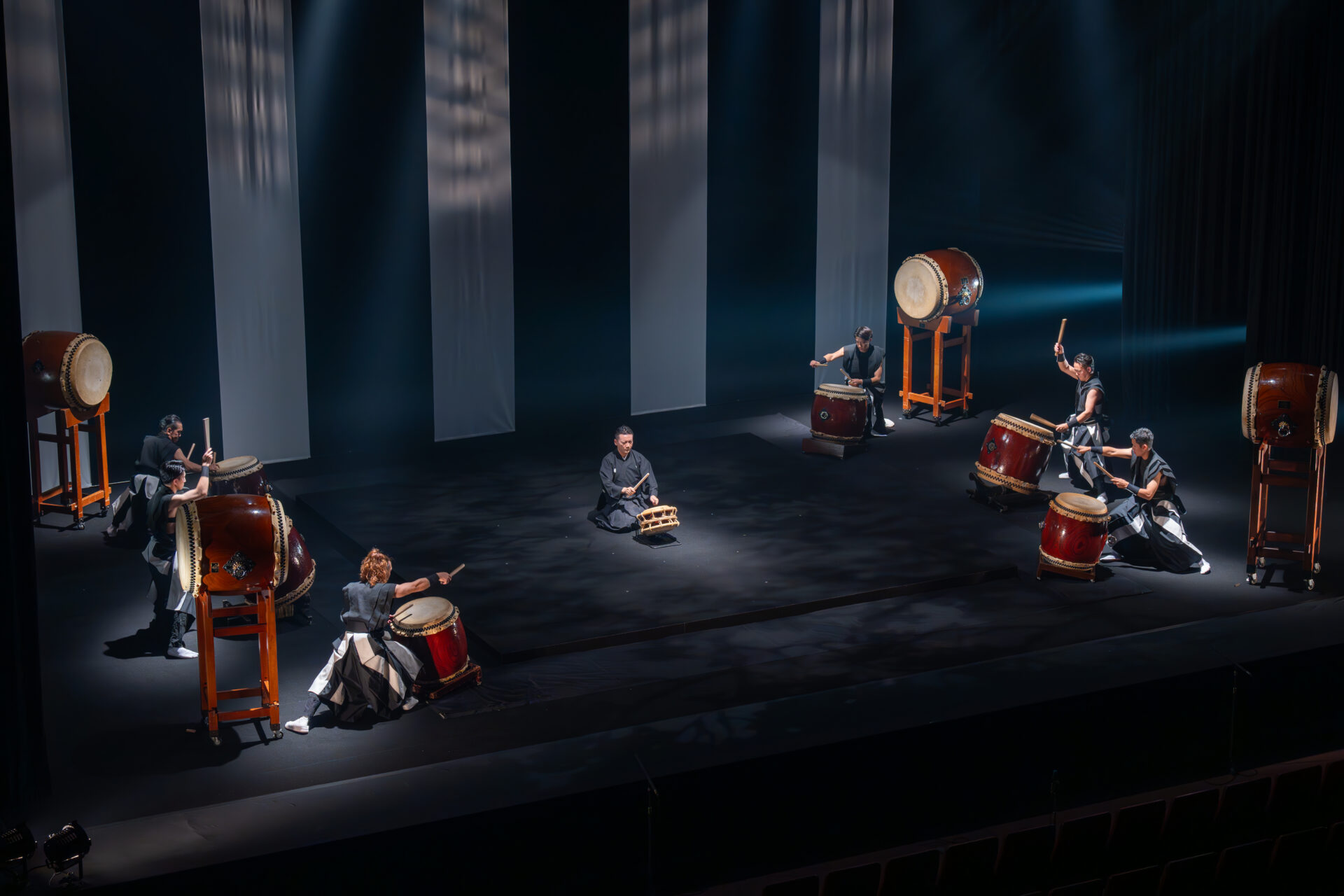
Yamabe has created unprecedented stage directions as a taiko player influenced by art.
He also shows a willingness to bring change to Kurashiki Tenryo Taiko, which has a history of about 50 years.
Yamabe states, "It is not about inheriting the way of Kurashiki Tenryo Taiko without change, but about creating an environment where taiko continues to resonate in Kurashiki, which is what will protect Kurashiki Tenryo Taiko."
Having seen the world outside of Kurashiki, Yamabe's taiko performance has changed. Next, he aims to transform Kurashiki Tenryo Taiko into a form that can be accepted in Kurashiki.
Yamabe's Changes and Unchanging Kurashiki
Since moving his base of activities to Tokyo, Yamabe's sensation towards Kurashiki has changed.
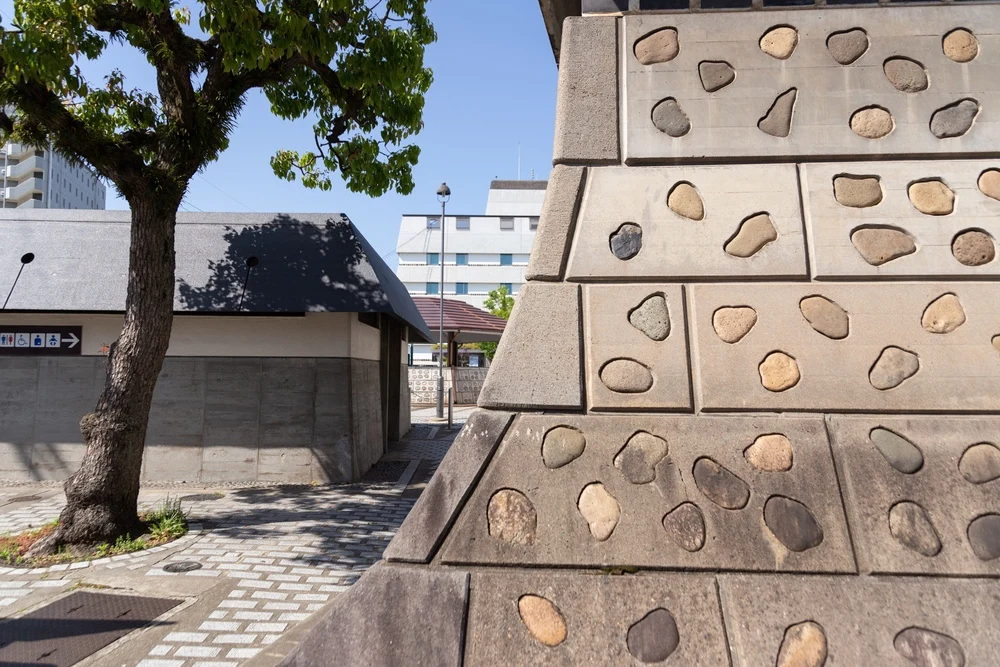
He had never felt that the Bikan Historical Area and the scenery of the Seto Inland Sea, which had been commonplace since his birth, were beautiful.
However, after spending time in an environment filled with urban buildings, he began to perceive the beauty in the historic townscape and the gentle waves of the Seto Inland Sea.
Additionally, although he had been told since childhood that Kurashiki is a cultural town, he could not truly feel it until he left Kurashiki.
However, as he became active in creating art, Yamabe began to feel that Kurashiki is a special place. He realized that within the townscape that has remained since the Edo period, there are art museums and concert halls, making it a precious place where culture and art are closely intertwined with daily life.
The concerts "Meba Eizuru" and "Japanese Taiko Concert," scheduled for March 2024, are positioned as triumphant performances. They express what Yamabe has seen since leaving Kurashiki.
“Because I grew up in Kurashiki, there are things I can express,” Yamabe said.
Conclusion
As the author listened to Yamabe's story, a passage came to mind.
“The flow of the river never ceases, yet the water is not the same as before,” the opening line of the essay "Hojoki," which appears in classical literature textbooks. It means, “The water of the river continues to flow, but the original water has flowed away and is no longer there.”
For the river to remain beautiful, fresh water must continuously circulate. Although the existence of the river does not change, the water that makes up the river is always in a state of change, and this mysterious situation is the secret to its beauty.
Yamabe has incorporated new expressions into the world of taiko to convey its charm.
Perhaps for Yamabe, the taiko is the river and expression is the water.
Listening to the stories of top-tier taiko performers, I deeply felt a beauty akin to the flow of a river.