Kurashiki is strongly associated with culture.
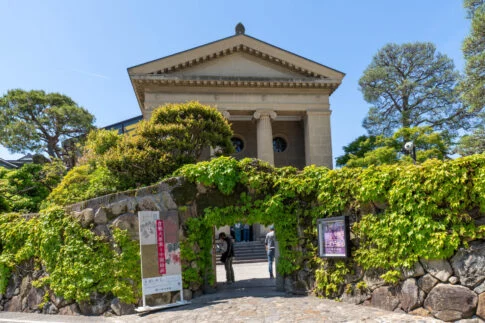
One of Kurashiki’s charms is that museums, art museums, and music halls where you can experience art and culture are found throughout the city, including the Ohara Museum of Art.
When it comes to music, Kurashiki is home to a locally rooted taiko group called Kurashiki Tenryo Taiko.
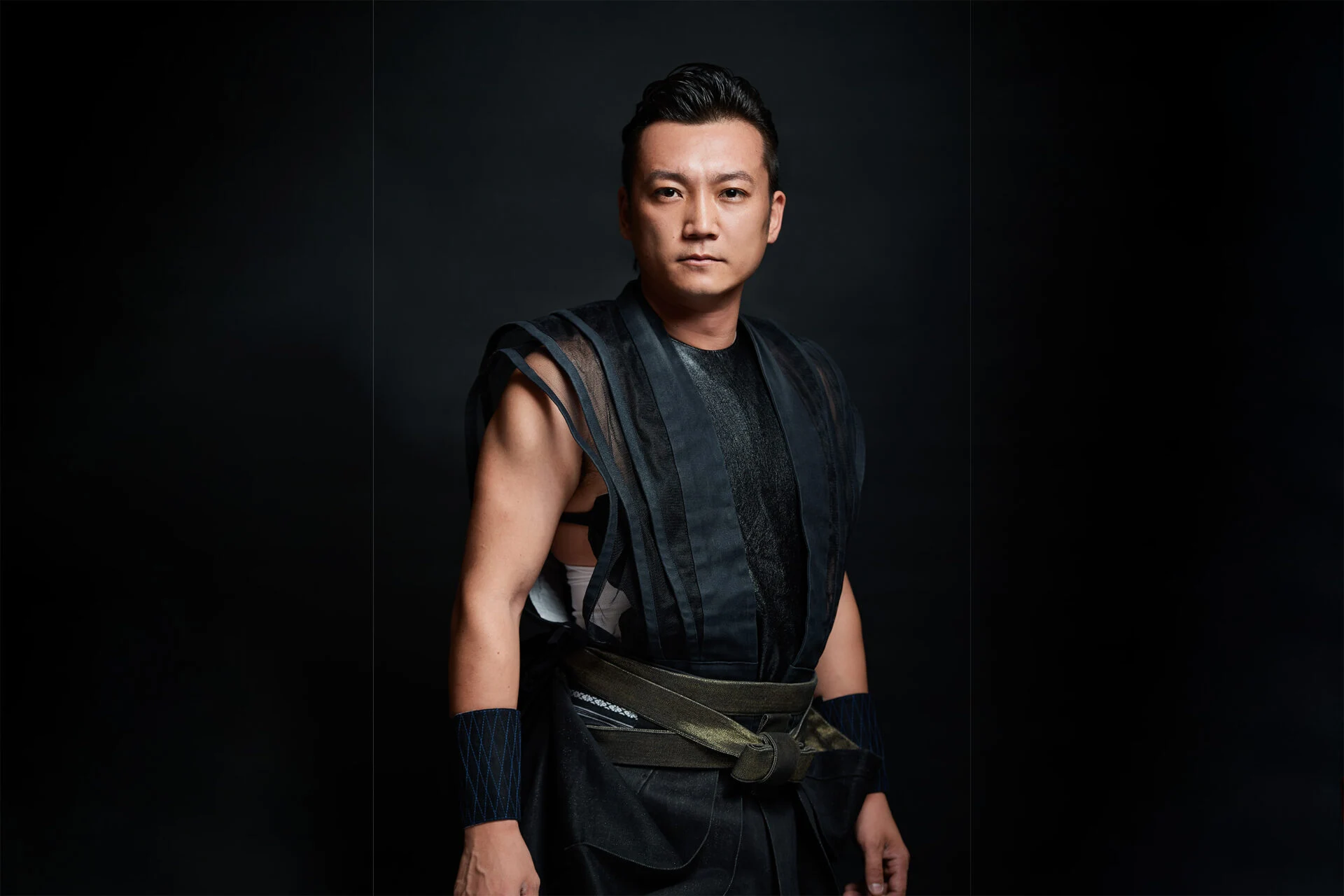
Yamabe Taishi, the representative of Kurashiki Tenryo Taiko, is a taiko drummer praised in the taiko world as a “once-in-50-years talent.”
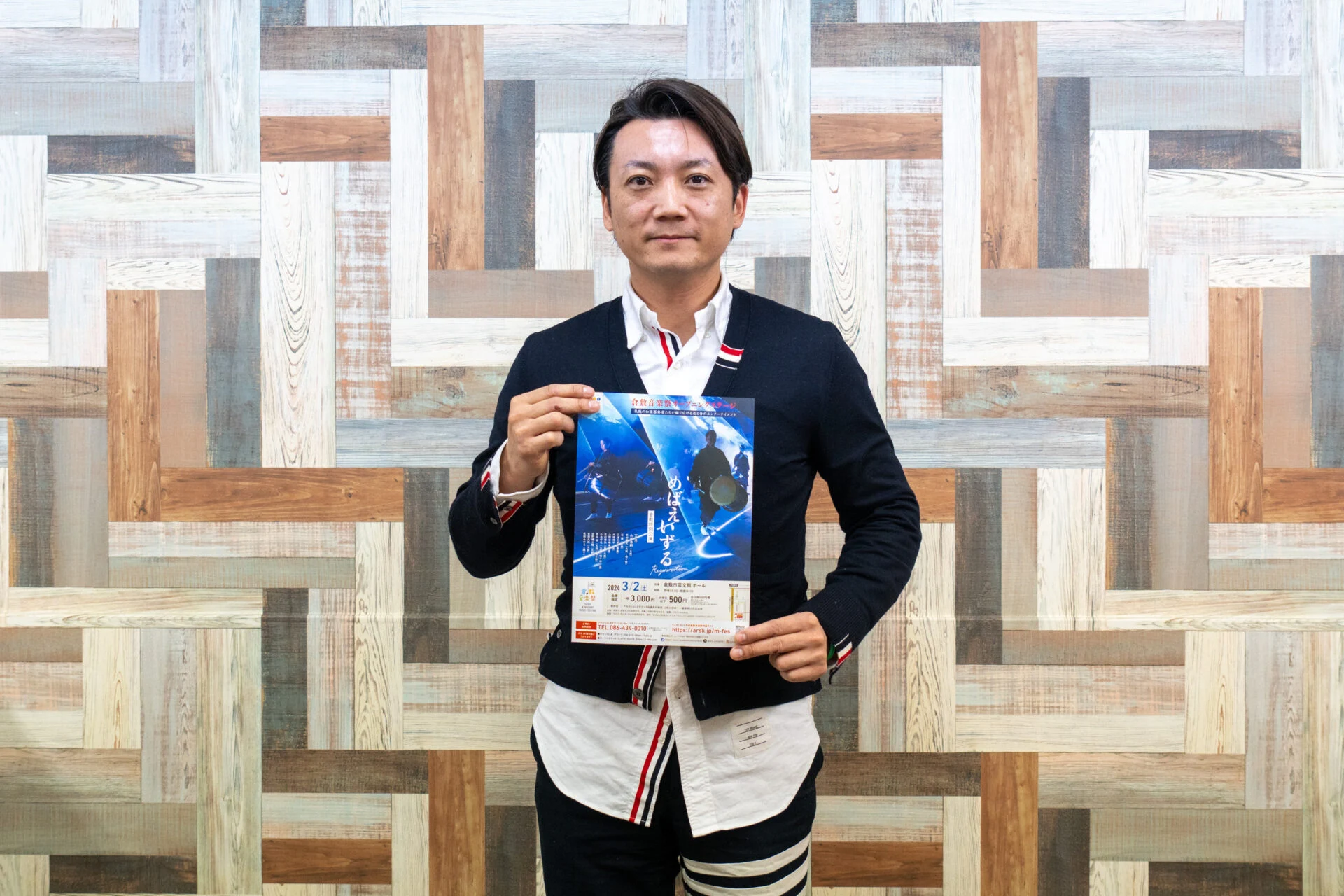
Yamabe Taishi is active across Japan and around the world from Kurashiki. We heard that he would be performing twice in his hometown of Kurashiki in March 2024, and asked him to tell us about the shows.
The information presented here was accurate when this article was published in February 2024. Please note that it may differ from current information.
About Yamabe Taishi
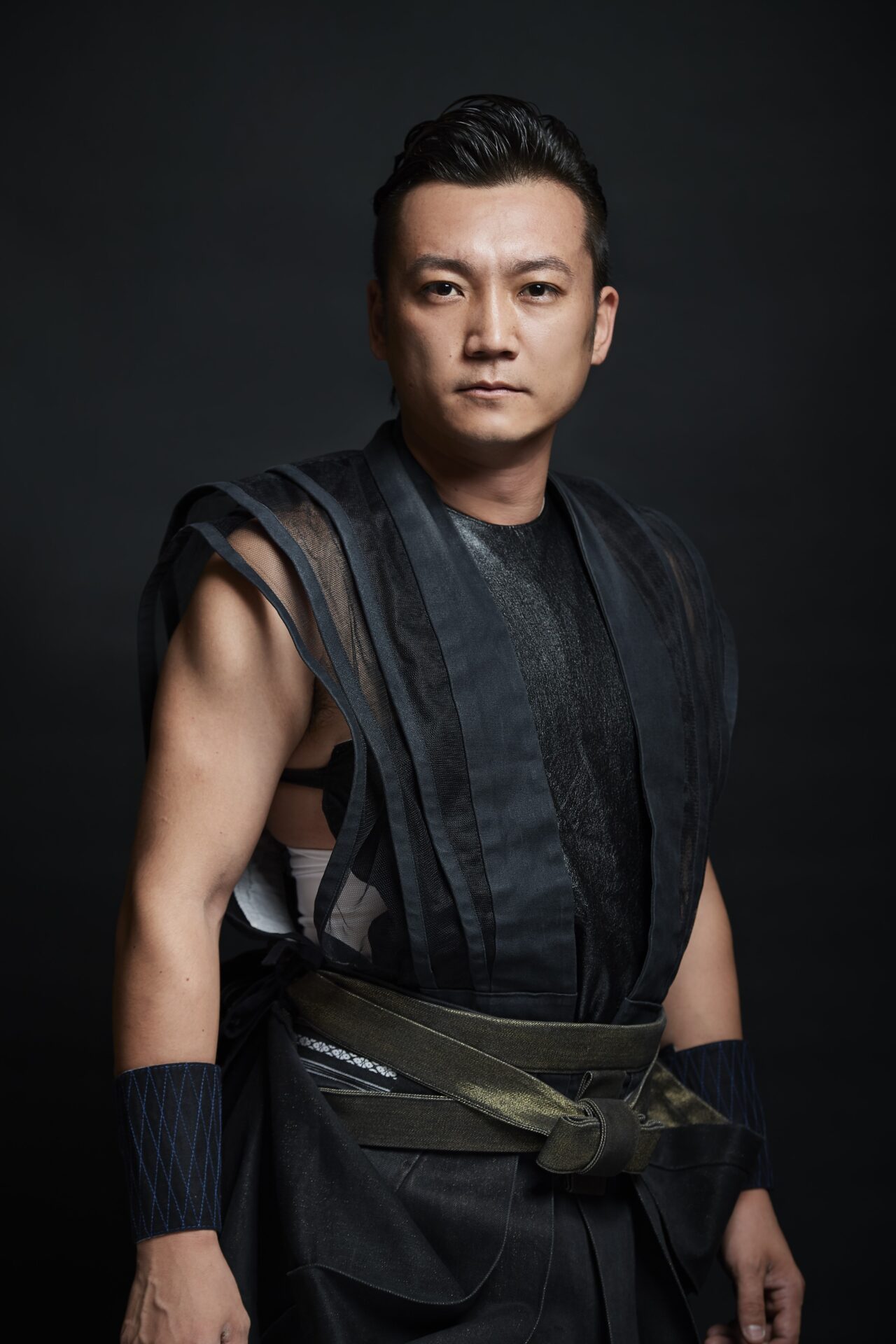
Yamabe Taishi is a taiko drummer from Kurashiki City.
He captivates audiences with his precise rhythm, known as “absolute rhythm,” and his fast-paced stick work. His expressive range is so broad that he has performed with renowned singers across musical genres, including Sakamoto Fuyumi, Itsuki Hiroshi, Kyary Pamyu Pamyu, and SPYAIR.
In fact, he is not only a performer but also a stage director and a specialist in the music world.
Yamabe says he “had a taiko stick in his hands before he could even understand the world.” He gained performance experience from childhood with the local group Kurashiki Tenryo Taiko, and after graduating from high school, expanded his activities to Tokyo and overseas.
He currently leads the group as the representative of Kurashiki Tenryo Taiko. Yamabe was also involved in the production of the NHK historical dramas “Kirin ga Kuru” and “Seiten wo Tsuke” as a performer and taiko instructor.
In addition to his first-rate skills as a taiko drummer, Yamabe directs and produces his own performances and is active as an instructor. His presence is such that he is regarded as one of the leading figures in the taiko world.
Yamabe is currently based in Tokyo, but will hold two performances in his hometown of Kurashiki in March 2024.
It looks set to be a triumphant homecoming.
About “Mebae Izuru: Kurashiki Special Performance” and “Japanese Taiko Concert”
Here’s an introduction to “Mebae Izuru: Kurashiki Special Performance” and the “Japanese Taiko Concert,” both held in March 2024.
[Held Saturday, March 2] Mebae Izuru: Kurashiki Special Performance
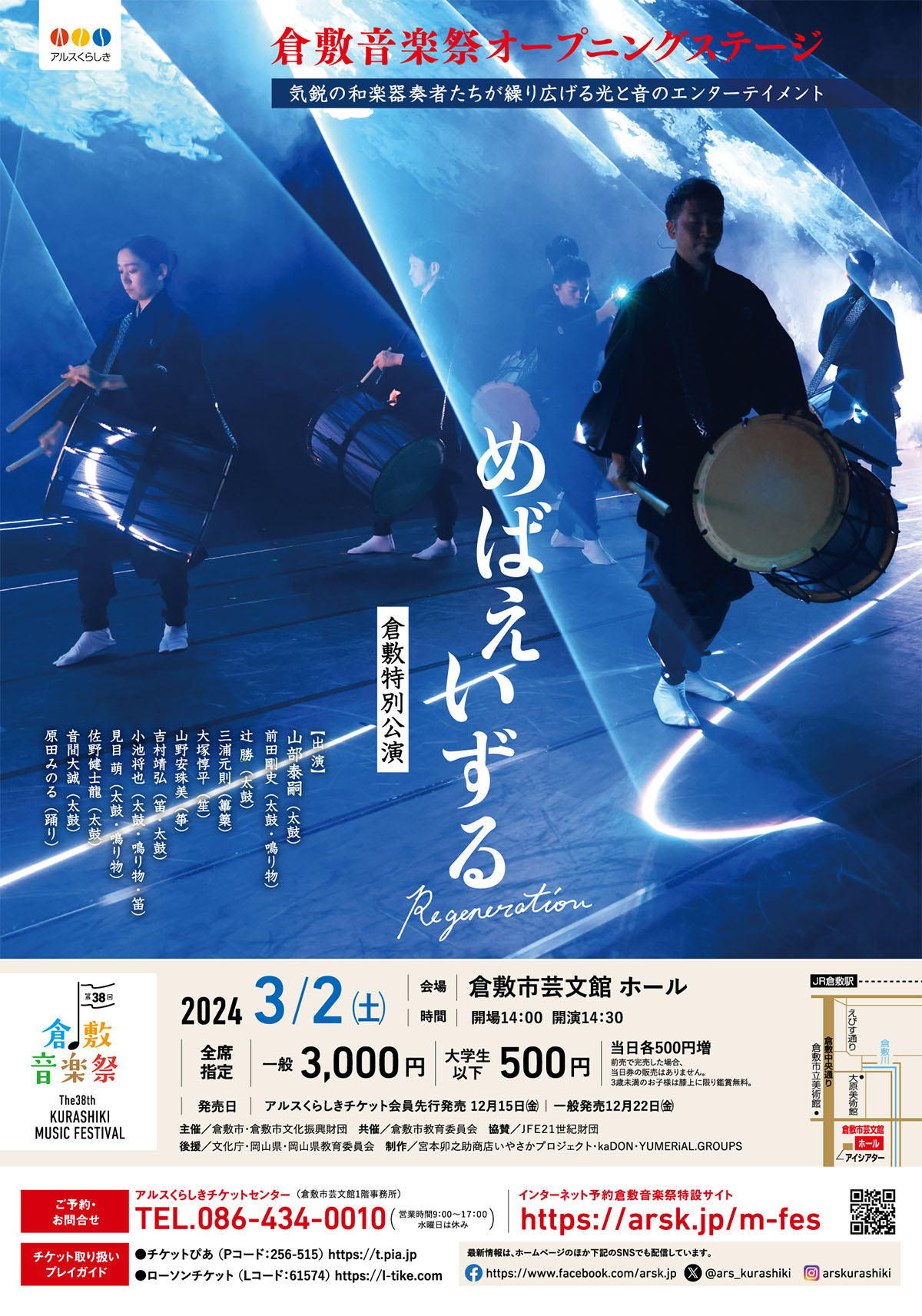
“Mebae Izuru,” held on Saturday, March 2, 2024, is a stage production that was performed in Asakusa, Tokyo, in autumn 2023 and became popular.
As the opening event of the 38th Kurashiki Music Festival, it will be presented as a Kurashiki special performance with an even more enhanced program.
As the promotional image says, “entertainment of light and sound,” special lights will illuminate the stage, where you can experience a powerful performance accompanied by the playing of talented Japanese instrumentalists led by Yamabe.
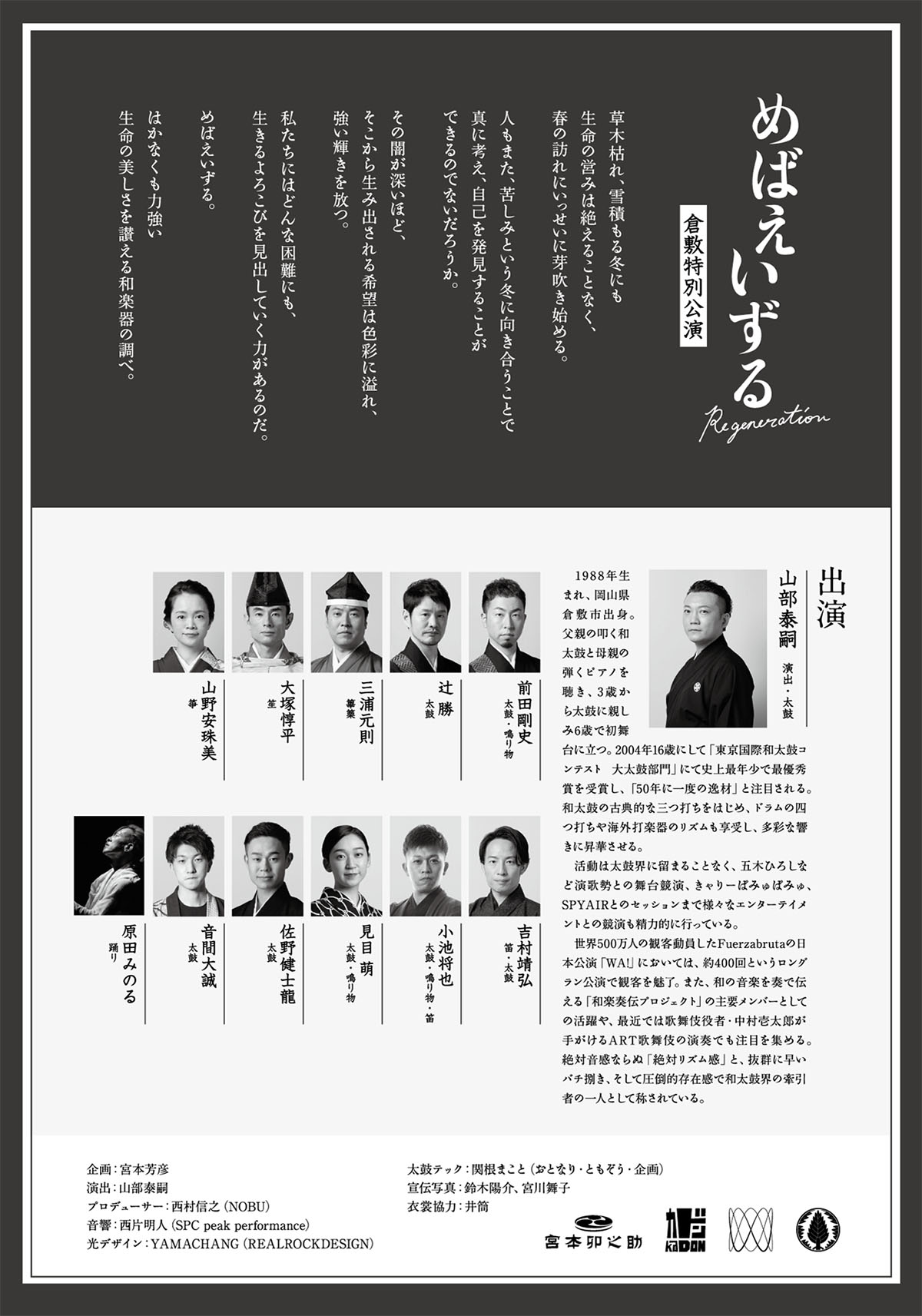
The title “Mebae Izuru” comes from “Somoku Mebae Izuru,” one of the seasonal terms in the 72 microseasons.
The 72 microseasons divide spring, summer, autumn, and winter into 72 smaller seasonal periods.
“Somoku Mebae Izuru” refers to the season when plants and trees that spent the long winter beneath the soil all sprout at once with the arrival of spring.
It’s exciting to imagine how the world of “Mebae Izuru” will be expressed through staging that combines light and sound.
The performance will be held at the hall of Geibunkan Hall.
The doors open at 2:00 p.m., and the performance begins at 2:30 p.m. It will consist of two parts, with approximately 120 minutes of music, including an intermission.
Advance tickets are currently on sale: 3,000 yen for general admission and, remarkably, just 500 yen for university students and younger.
Tickets purchased on the day cost an additional 500 yen, but no tickets will be sold at the door if advance tickets sell out, so we recommend buying in advance if you’d like to attend.
[Held Sunday, March 10] Japanese Taiko Concert
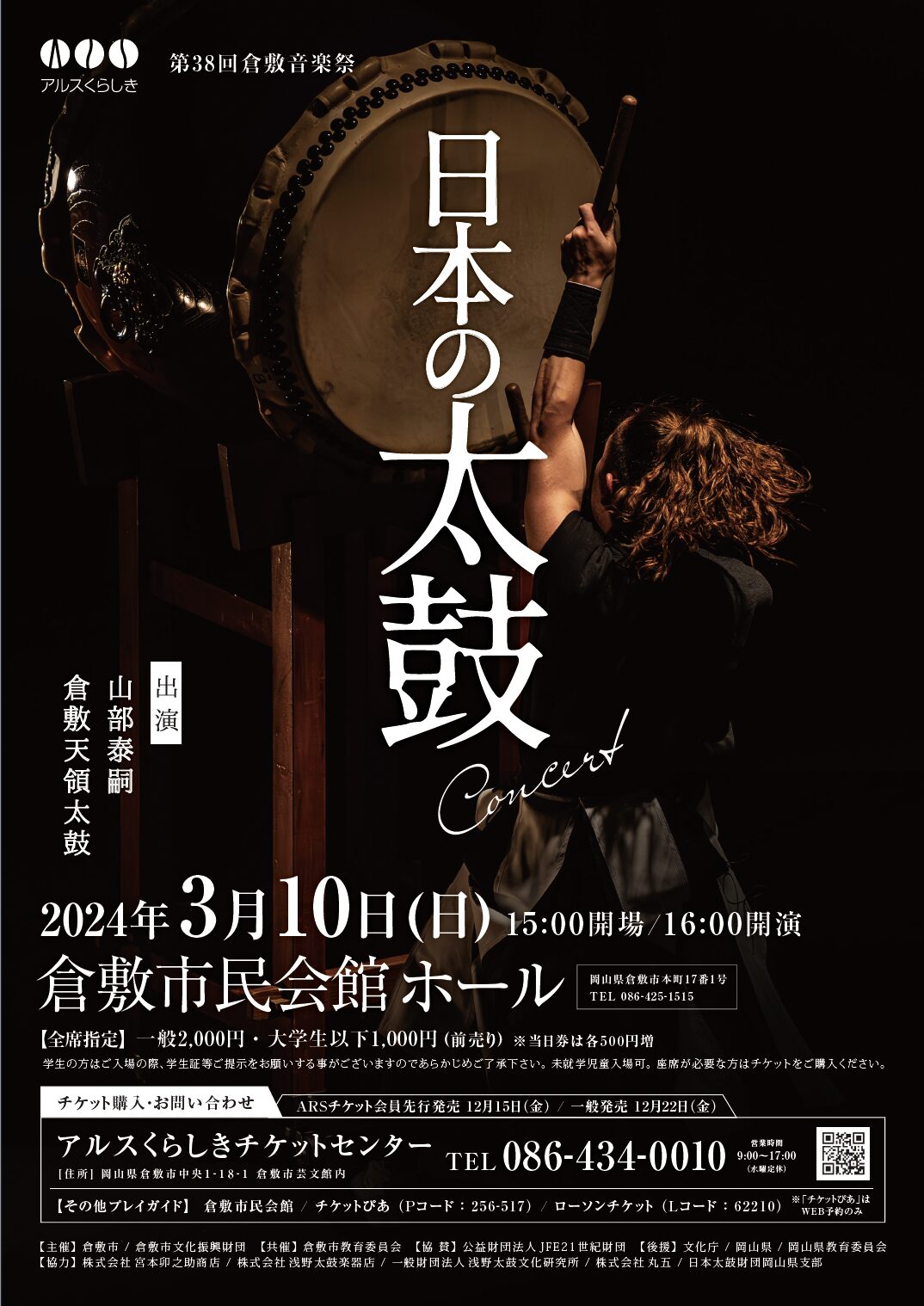
The “Japanese Taiko Concert,” held on Sunday, March 10, 2024, is a concert by Kurashiki Tenryo Taiko, whose representative is Yamabe.
Kurashiki Tenryo Taiko is a taiko group formed in Kurashiki, and this year (2024) marks its 52nd year. It includes members ranging from children to adults and continues to preserve Kurashiki’s taiko culture as a part of the local community.
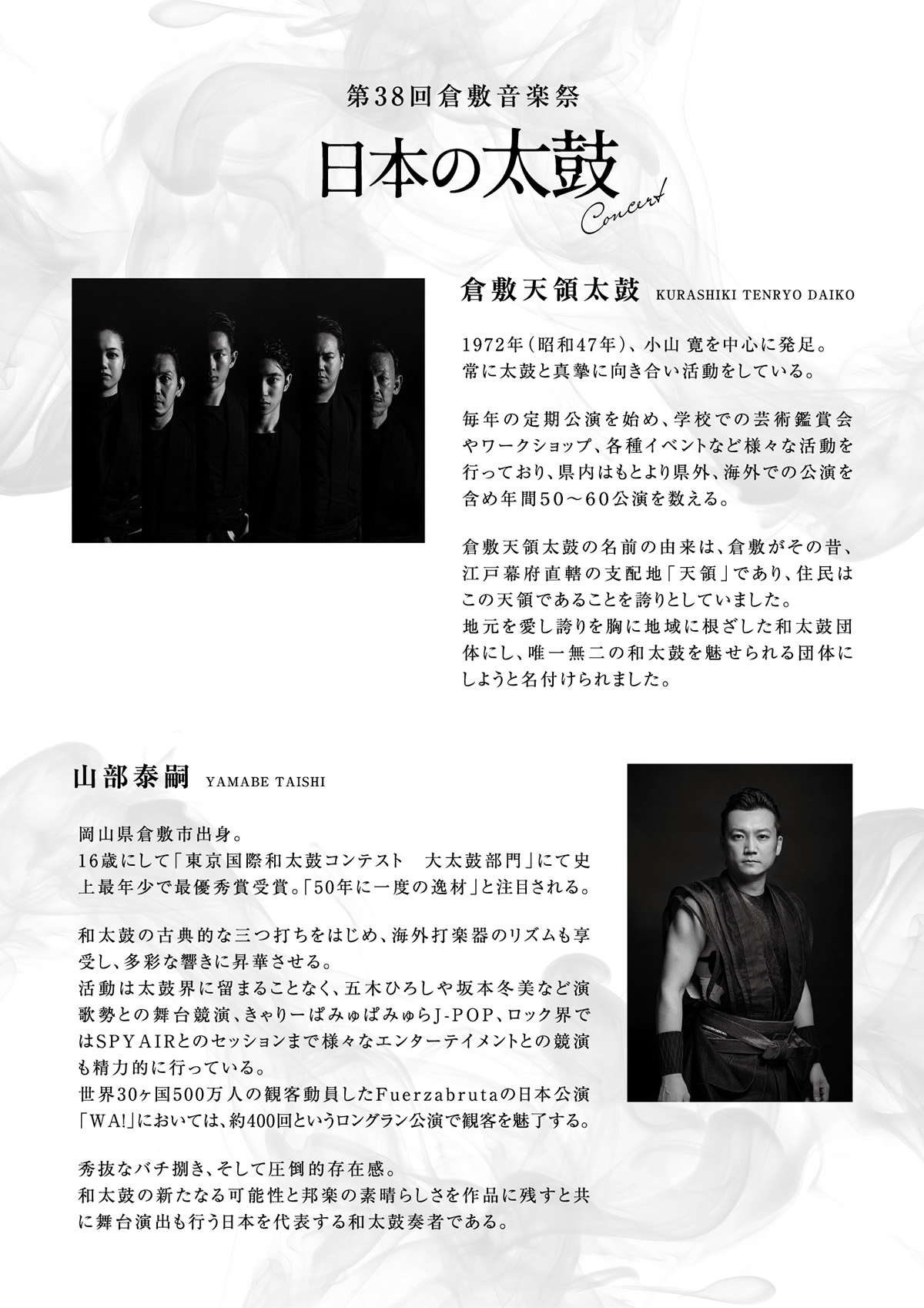
For Kurashiki Tenryo Taiko, the “Japanese Taiko Concert” is a special annual performance where they can showcase their growth to the people of Kurashiki.
It would be no exaggeration to say that this performance is truly for the people of Kurashiki.
This concert is also part of the 38th Kurashiki Music Festival.
It will be held in the hall of Kurashiki Civic Hall. The doors open at 3:00 p.m., and the performance begins at 4:00 p.m.
Advance tickets are also on sale for this performance: 2,000 yen for general admission and 1,000 yen for university students and younger. Tickets purchased on the day cost an additional 500 yen.
Interview with Yamabe Taishi
We spoke with Yamabe Taishi about the two performances.
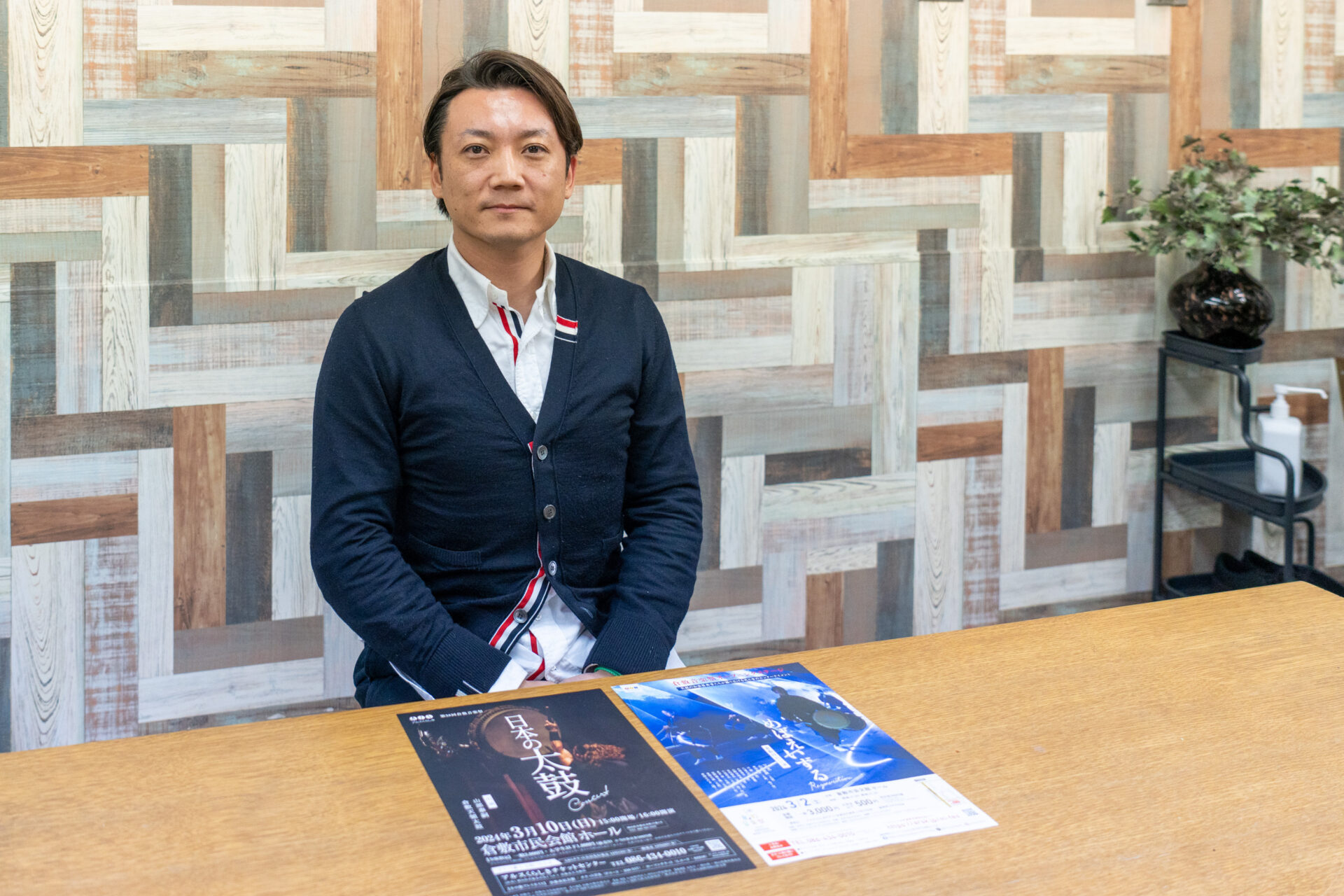
About “Mebae Izuru”
How did you interpret the theme “Mebae Izuru”?
Yamabe (surname only)
I was told that the season called “Somoku Mebae Izuru,” from which “Mebae Izuru” takes its name, is “a time when a powerful force, such as thunder, falls to the ground, its energy reaches the life beneath the soil, and each living thing bursts out from underground into a different world.”
But honestly, I couldn’t really relate to that.
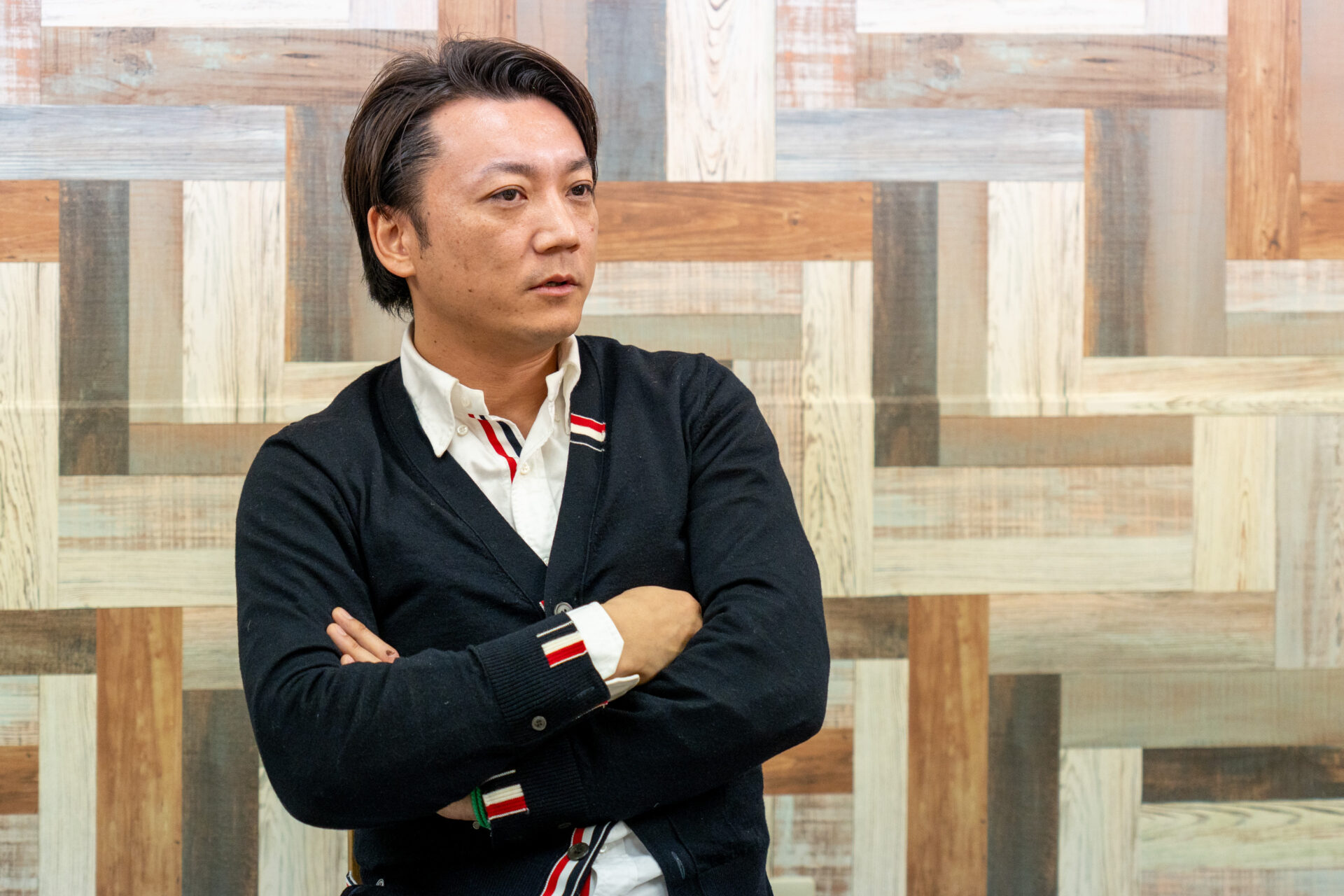
I struggled to figure out how to connect it to the stage, but then I thought of the COVID-19 pandemic.
The pandemic was a time when everyone kept taking on things they’d never even considered before, wasn’t it?
For example, someone who couldn’t use a computer might start a job that required one.
I think many people discovered a new side of themselves and decided, “I’m going to keep being this person from now on!”—but then, once the pandemic was over, they went back to who they were before.
There are all kinds of things that leave us feeling unsettled, but in the end, I want the audience to leave looking up.
To express that feeling, I decided to use lasers effectively.
How did you come up with the idea of combining light and sound?
Yamabe
It started when I went to see a world projection-mapping competition held in Tokyo. The event was outdoors, and they shone lasers at the entrance to the venue to create something like a runway.
When I saw that, I thought, “I wonder if I could use this on stage someday,” and kept the idea in reserve.
I think I’d been interested in lighting effects since high school. At the time, I didn’t think I was all that interested, but looking back, I guess I liked it. Creating the visual image is also really important in a stage production.
Actually, the first thing that came to mind this time was how I wanted to use the lasers. I built the production around the lasers, then fitted the music to them—that’s how I put it together.
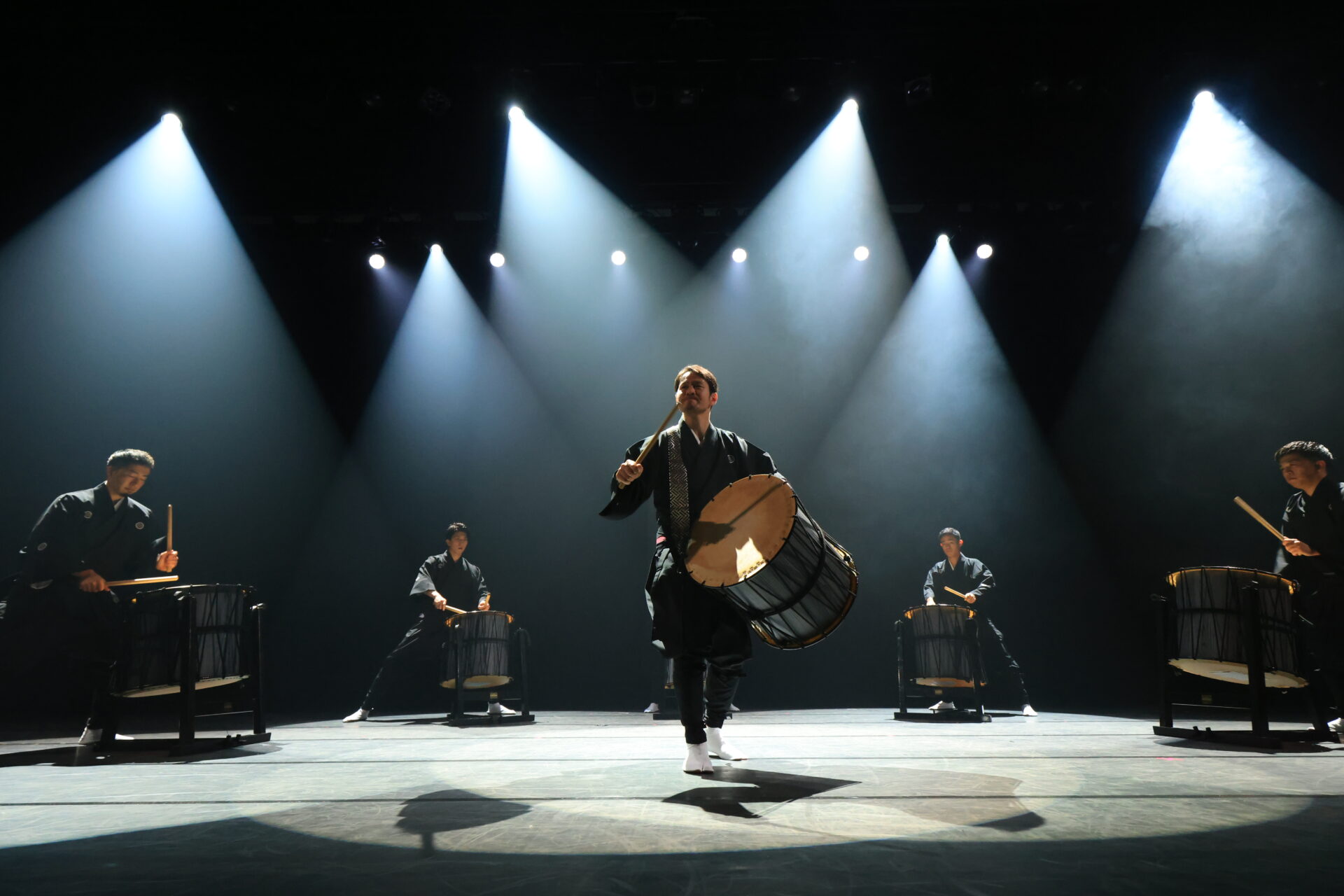
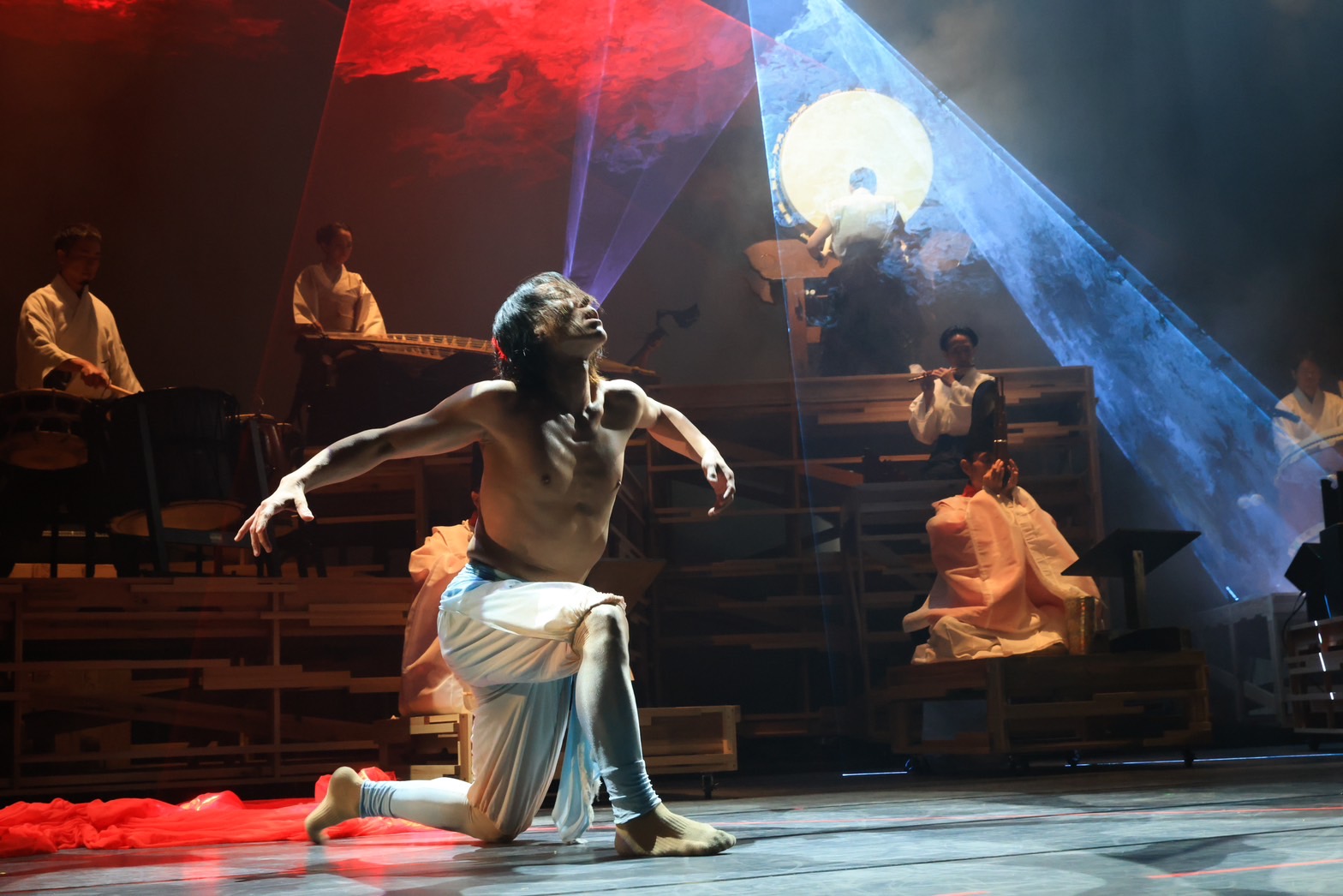
The person who designed the lasers for “Mebae Izuru” is YAMACHANG, one of Japan’s leading laser artists. As it happens, he was originally a friend of mine.
We’d been saying, “We should work together someday,” long before “Mebae Izuru” began. YAMACHANG was a perfect fit for this production, so I reached out to him. We finally made it happen.
Could you tell us how the Kurashiki special performance differs from the previous Asakusa performance?
Yamabe
We’ve adapted the Asakusa performance, which was very well received last time, specifically for Kurashiki.
This arrangement is intended to make “Mebae Izuru” even better, so we expect to bring you a stage that is even more polished than last time.
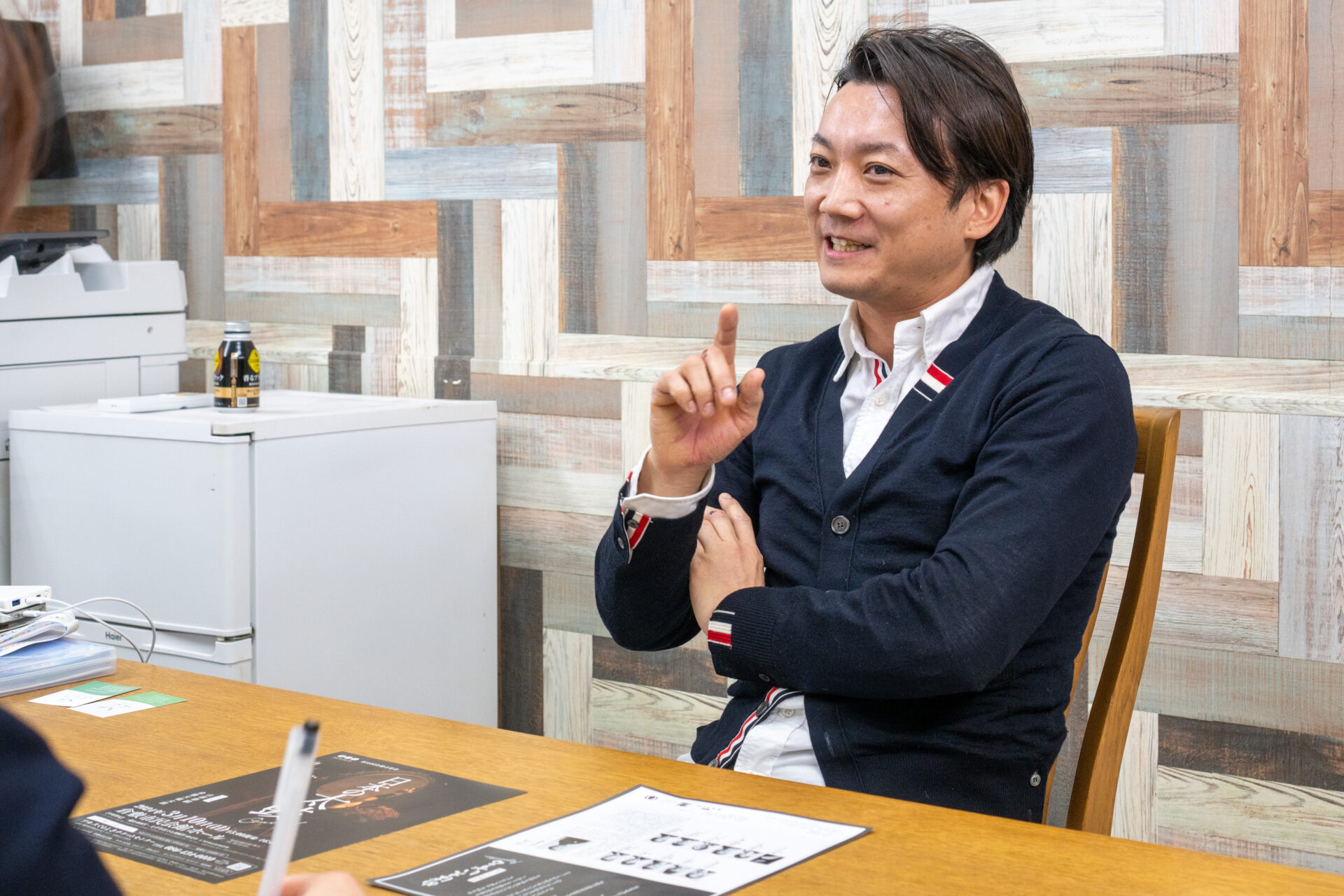
“Mebae Izuru” brings together some of the most exciting Japanese traditional instrument players. What kind of team are they?
Yamabe
It’s a team of friends who have spent many years creating performances together, along with outstanding musicians with whom I’ve performed time and again.
For every performance, we arrange the music to suit the musicians who will be playing. This time, though, the members themselves suggest how a piece should be expressed or arranged, saying, “Wouldn’t this be better?”
That’s actually pretty unusual for a specially assembled team.
Also, some musicians suddenly play an arrangement during the performance that’s different from what we practiced. When that happens, I improvise to keep up.
The musicians pick up on the atmosphere among the audience and between the performers, as well as the sound of the instruments, how the hall is working, and all sorts of other things, and adjust the arrangements accordingly.
I think that kind of teamwork and improvisation is only possible because we’re playing with friends who trust one another.
Especially this time, since we’re performing in my hometown of Kurashiki, everyone will give it their all.
About “Japanese Taiko Concert”
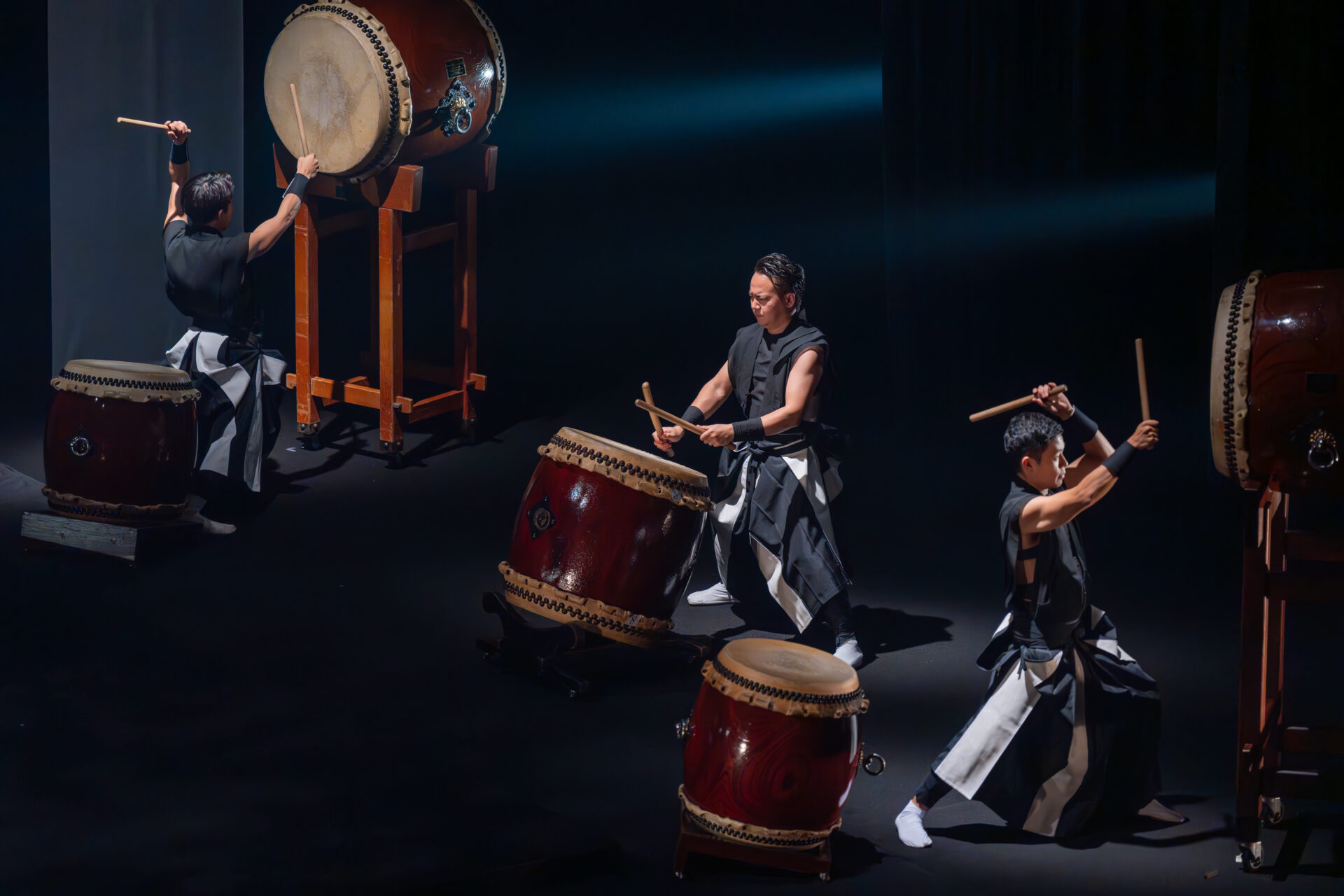
Could you tell us about “Japanese Taiko Concert”?
Yamabe
“Japanese Taiko Concert” is, you could say, a music concert where you can simply enjoy taiko performances.
It’s quite different from “Mebae Izuru,” which has lots of theatrical elements.
The performers are members of Kurashiki Tenryo Taiko, an amateur group that I represent.
They all have jobs and continue to play taiko as a hobby.
“Japanese Taiko Concert” is an annual opportunity for us to show everyone how Kurashiki Tenryo Taiko has grown.
It’s been 52 years since we formed, and we’ve always felt that “Kurashiki helped us grow,” so we want to share this performance with the people of Kurashiki.
How did Kurashiki Tenryo Taiko come to be formed?
Yamabe
Kurashiki Tenryo Taiko was founded by a man named Koyama Hiroshi.
Before Kurashiki Tenryo Taiko was formed, Koyama Hiroshi went to Tokyo and apparently thought, “There aren’t many festivals in Kurashiki, and there’s not much music at the festivals.”
This is just my personal theory, but Kurashiki has long been a merchant town, so perhaps it had fewer festivals praying to the gods for good weather than rural areas did.
With the desire to “create a thriving culture in Kurashiki, too,” Mr. Koyama founded Kurashiki Tenryo Taiko. He borrowed drums from the Ohara family’s storehouse at the Ohara Museum of Art and began playing them at Achi Shrine.
It started with just Koyama Hiroshi, but the group steadily gained members and is now in its 52nd year.
Kurashiki didn’t originally have a taiko culture, and I think Kurashiki Tenryo Taiko is still relatively young in terms of its history.
But 50 years is both just 50 years and a whole 50 years.
Kurashiki Tenryo Taiko continues to grow, preserving its culture while never being afraid to change.
We’ve been active in this area for more than 50 years, so even though we do this as a hobby, we want to keep making an effort to ensure the people of Kurashiki continue to come and see us.
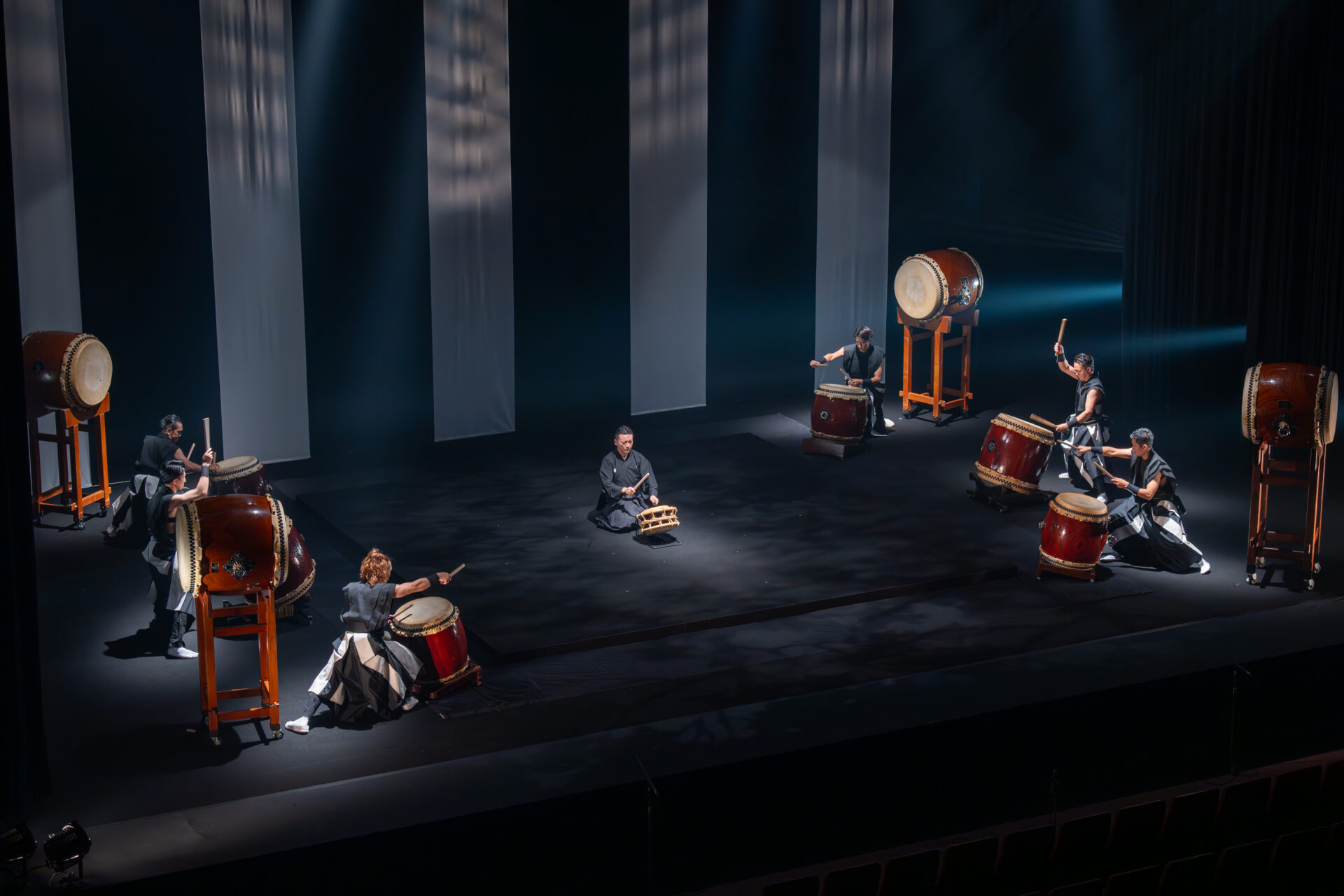
What would you like to share with people who come to see “Japanese Taiko Concert”?
Yamabe
We feel that this community helped Kurashiki Tenryo Taiko grow, so we want to show people, “This is what Kurashiki Tenryo Taiko is like today!”
I’d also like people to see how the members have grown.
For example, there’s someone who used to stick close to the adults and play with Tenryo Taiko as a child, and they’re still playing now that they’re an adult.
What kind of sound does that person’s taiko make after more than 10 years of playing? What does their taiko carry with it?
You can sense all kinds of resolve in it—they’re carrying the team, or Kurashiki, on their shoulders…
I’d be happy if people could see that growth, too.
I hope Kurashiki Tenryo Taiko will continue to be a group that people who have seen us will want to keep following.
We’ll make it a performance that leaves you thinking, “I want to come again next year!”
Do you have a message for our readers?
Yamabe
People around me have always said, “Kurashiki is a city of culture,” but honestly, growing up here, I didn’t really feel that way.
But when I left Kurashiki and then came back, I realized what a wonderful place it is, with so many halls and museums right in the heart of the city, and opportunities to experience music and theater.
I moved my base to Tokyo when I was 26 or 27, and that gave me a fresh appreciation for what’s special about my hometown.
I think there are things I can express precisely because I grew up in Kurashiki, where art and culture have taken root.
With “Mebae Izuru,” we plan to bring you the very best performance I can create at this point in my life. We’ve put a lot of thought into the staging so that audiences will leave feeling uplifted.
I’d also be happy if “Japanese Taiko Concert” gives people a reason to take notice of the name Kurashiki Tenryo Taiko. The best thing would be if they come away thinking, “Oh, they’re working hard.”
From the Writer
When I spoke with Yamabe during the interview, I could really feel how much he loves Kurashiki.
The performance created for his hometown of Kurashiki is filled with passion and attention to detail.
I’m an immigrant and don’t feel much love or attachment to the place where I used to live. But hearing about Yamabe’s background and the story behind Kurashiki Tenryo Taiko made me think that if someone from my hometown were active in the same way, I’d want to support them.
Yamabe told me a little about how lasers would be used in “Mebae Izuru,” and I was amazed by the way they would be incorporated.
How did they use lasers to express the desire to “make the audience look up”?
Be sure to attend the performance and experience it for yourself.
38th Kurashiki Music Festival: “Mebae Izuru: Special Performance in Kurashiki” and “Japanese Taiko” Information

| Name | 38th Kurashiki Music Festival: “Mebae Izuru: Special Performance in Kurashiki” and “Japanese Taiko” |
|---|---|
| Date | ■Mebae Izuru: Special Performance in Kurashiki Saturday, March 2, 2024 Doors open at 2:00 p.m.; performance begins at 2:30 p.m. ■Japanese Taiko Sunday, March 10, 2024 Doors open at 3:00 p.m.; performance begins at 4:00 p.m. |
| Venue | Kurashiki Geibunkan Hall / Kurashiki Civic Hall |
| Admission (tax included) | ■Mebae Izuru: Special Performance in Kurashiki General admission: ¥3,000; university students and younger: ¥500 ■Japanese Taiko General admission: ¥2,000; university students and younger: ¥1,000 ※Add ¥500 for tickets purchased on the day for either performance |
| Website | Yamabe Taishi Official Website |


What would you like to know about Kurashiki?
Enter a search term to find articles on this site