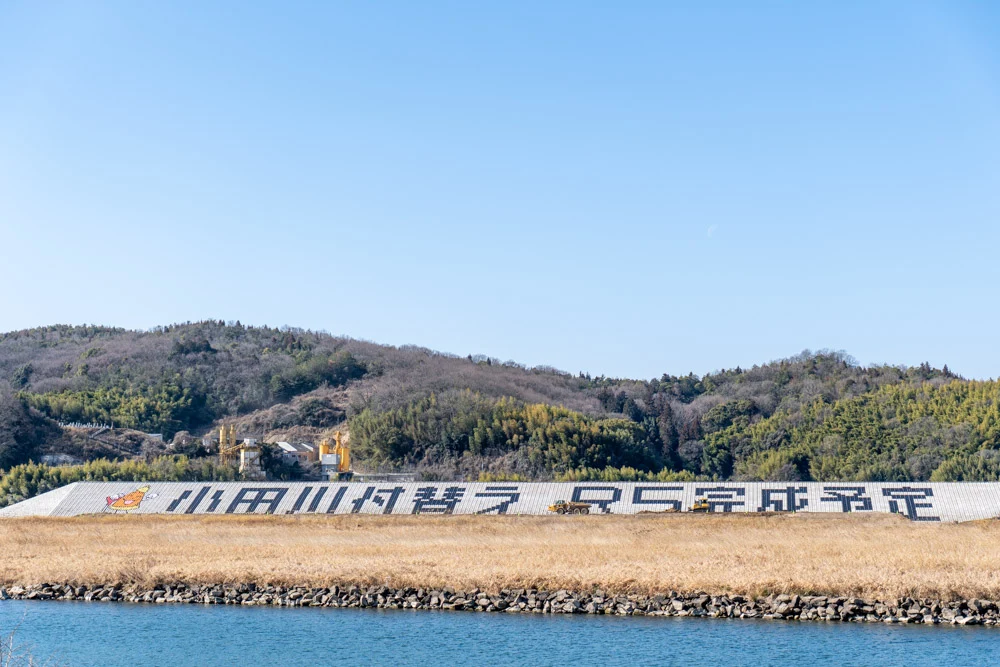
In the heavy rain disaster of July 2018, the levees of the Oda River and its tributary, the Takama River, collapsed, causing widespread flooding and significant damage in Kurashiki City, Mabi.
About three and a half years after the disaster, in February 2022, lights and liveliness are returning to the town.
However, on weekdays, large dump trucks still frequently run through Mabi, and construction aimed at "disaster prevention" is ongoing.
Named the "Mabi Emergency Flood Control Project," the large-scale construction undertaken by the national government, Okayama Prefecture, and Kurashiki City aims for completion by March 2024 (the end of fiscal year 2024).
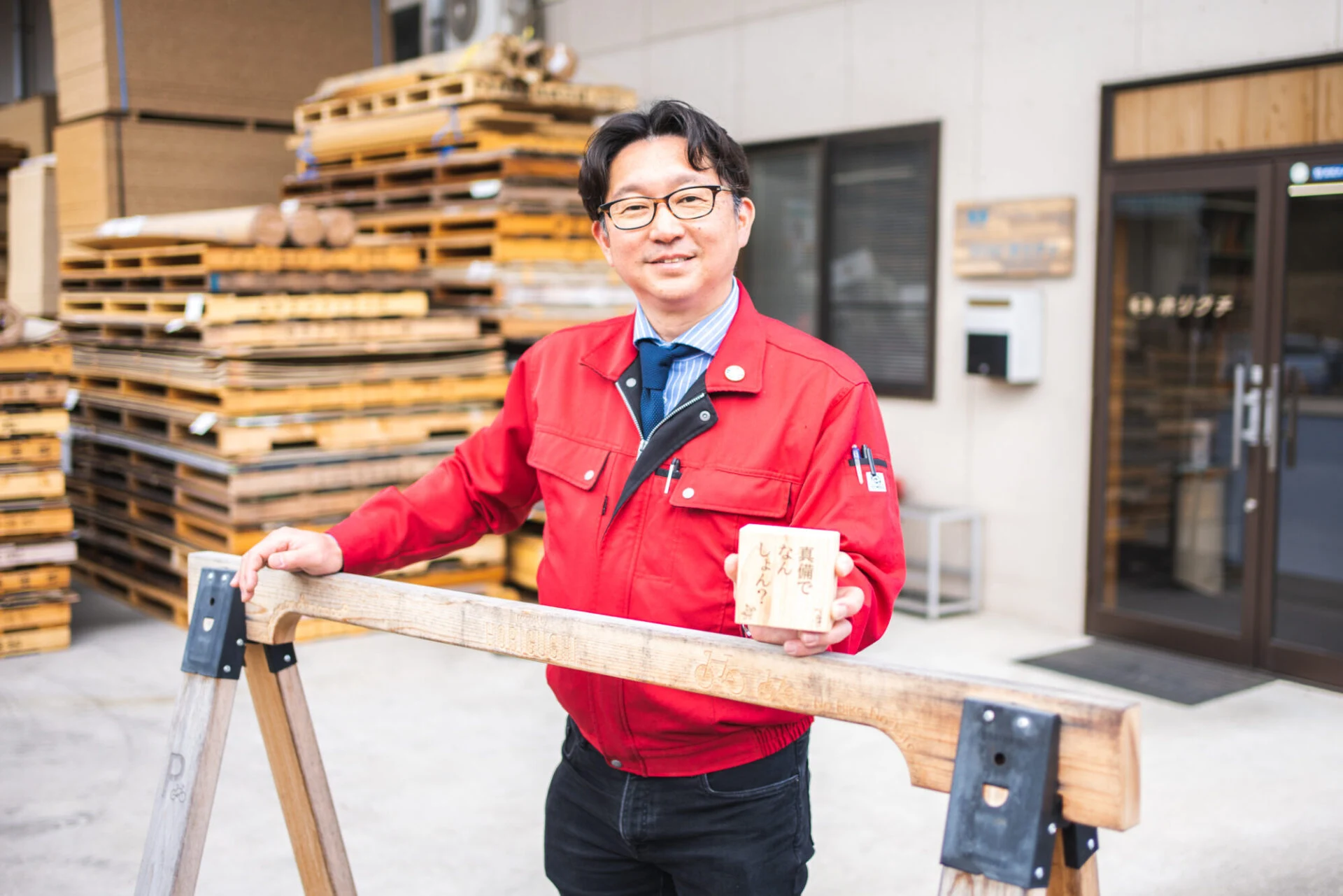
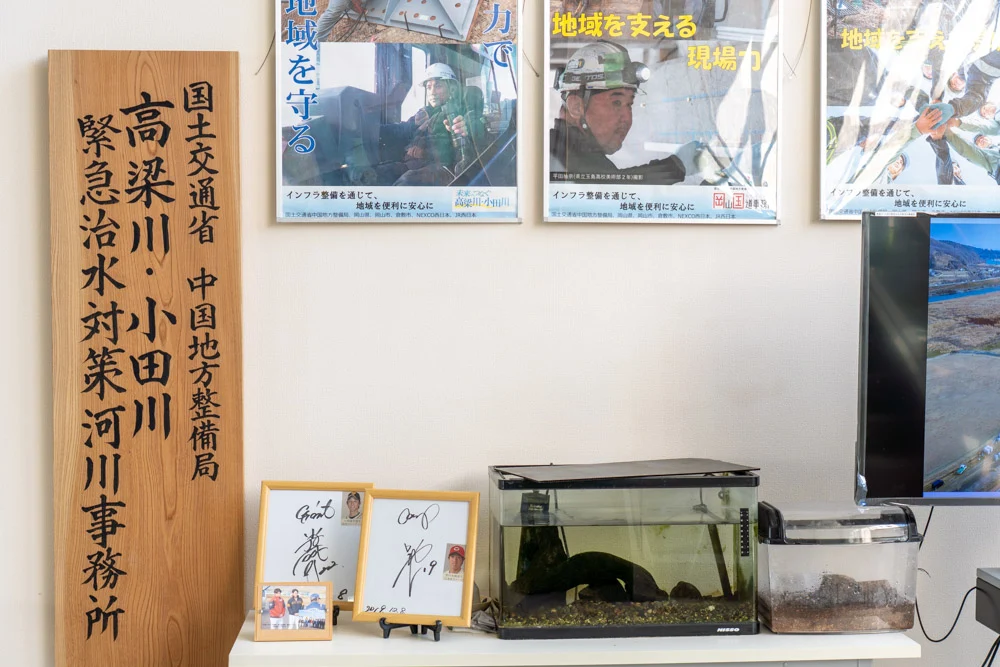
This article introduces the outline of the "Mabi Emergency Flood Control Project" and the progress of construction as of February 2022, through interviews with Yasuhiko Hamada, the head of the Takahashi River and Oda River Emergency Flood Control Office.
What is the "Mabi Emergency Flood Control Project"?
The "Mabi Emergency Flood Control Project" is a collective term for hard and soft measures being implemented in response to the heavy rain disaster of July 2018.
The main projects being carried out are as follows:
- Oda River Levee Restoration Work (Completed on June 14, 2019)
- River Channel Dredging Work (Completed on June 10, 2021)
- Levee Reinforcement Work
- Oda River Confluence Point Relocation Work
The national government, Okayama Prefecture, and Kurashiki City are working together to advance the construction intensively, particularly the Oda River Confluence Point Relocation Work is being implemented as a "Special Emergency Project for Severe River Disasters," shortening the original construction period from 2028 to 2023.
While the river construction is primarily focused on "hard measures," it is also characterized by the implementation of soft measures aimed at achieving zero delays in evacuation.
Oda River Levee Restoration Work (Completed on June 14, 2019)
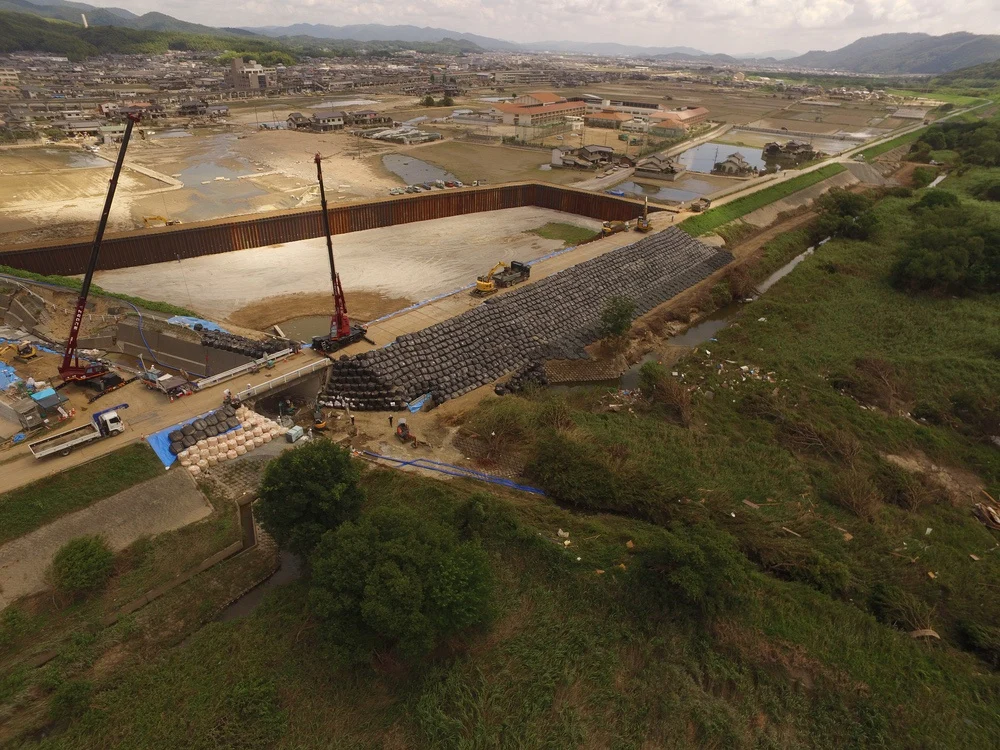
Photo provided by: Takahashi River and Oda River Emergency Flood Control Office
The levee that collapsed during the heavy rain disaster of July 2018 had a temporary levee made by stacking sandbags.
This work involves removing the temporary levee, re-raising the earth, and restoring the levee.
This work was completed on June 14, 2019.
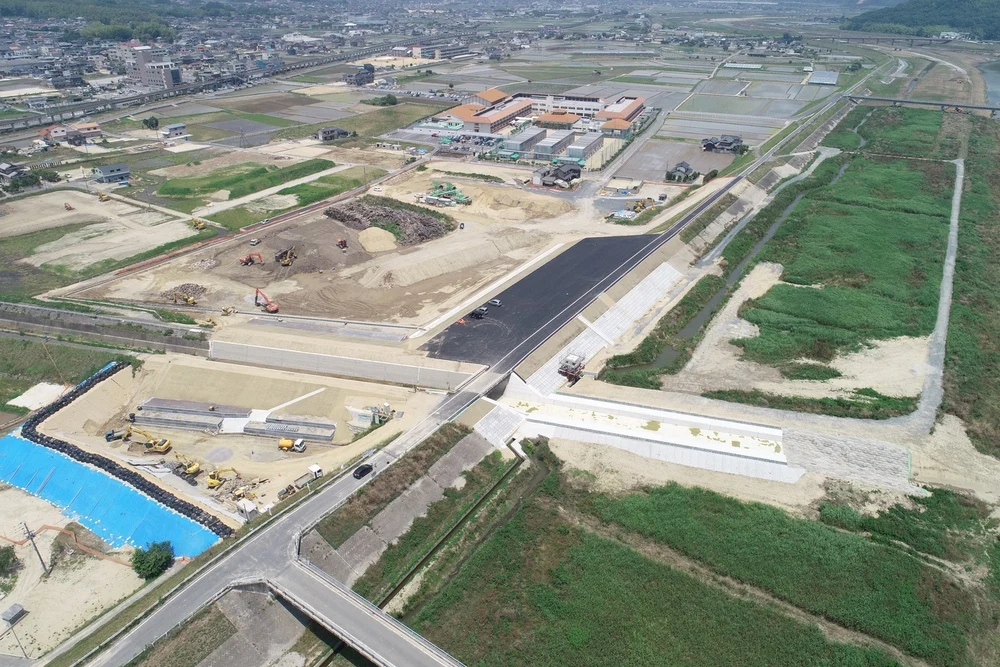
Photo provided by: Takahashi River and Oda River Emergency Flood Control Office
River Channel Dredging Work (Completed on June 10, 2021)
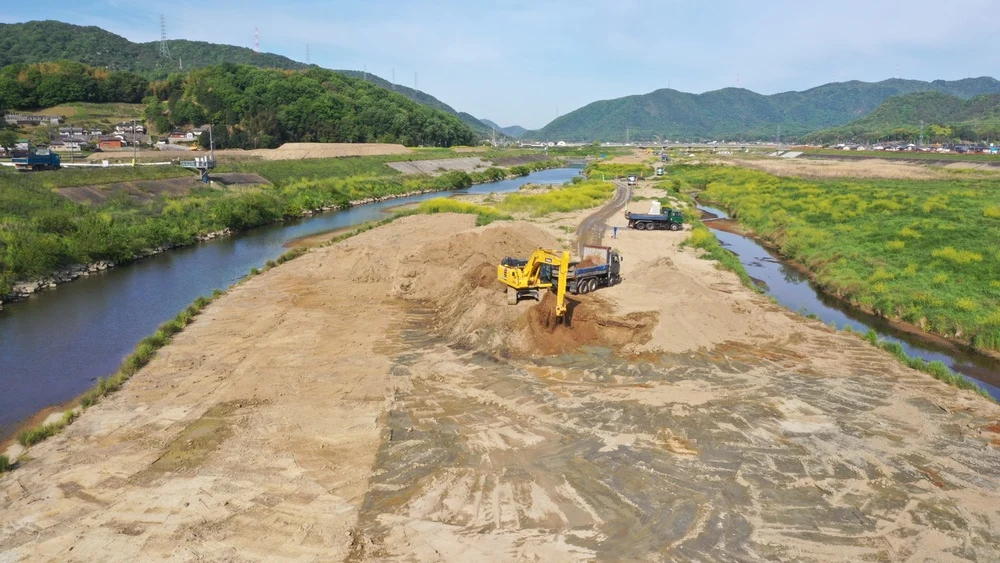
This work involves dredging the river channel to increase the area of water flow in the Oda River.
This work was completed on June 10, 2021.
Levee Reinforcement Work
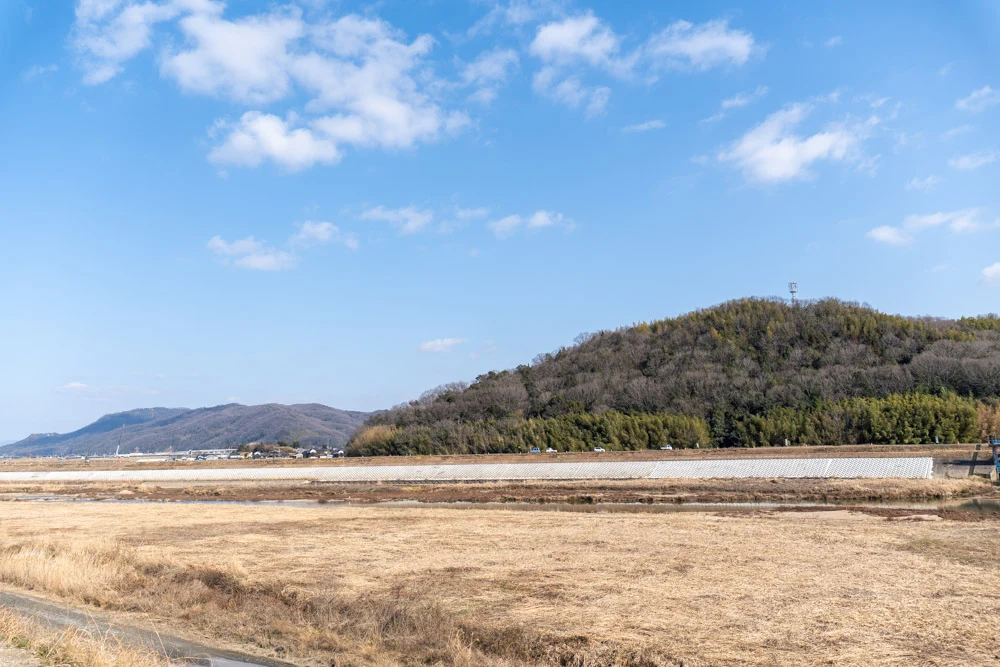
This work involves reinforcing and widening the levee of the Oda River that crosses Mabi.
- Widening the top width (the width at the highest point of the levee, which is often a road) from about 5 meters to 7 meters
- Changing the slope of the levee to a gentler incline (about 30% slope)
- Installing drains as needed to quickly drain infiltrated water
The most noticeable change is likely the widening of the levee.
The Oda River levee originally had a road, but before widening, vehicles could barely pass each other. After widening, the levee has become thick enough to allow for easy passing.
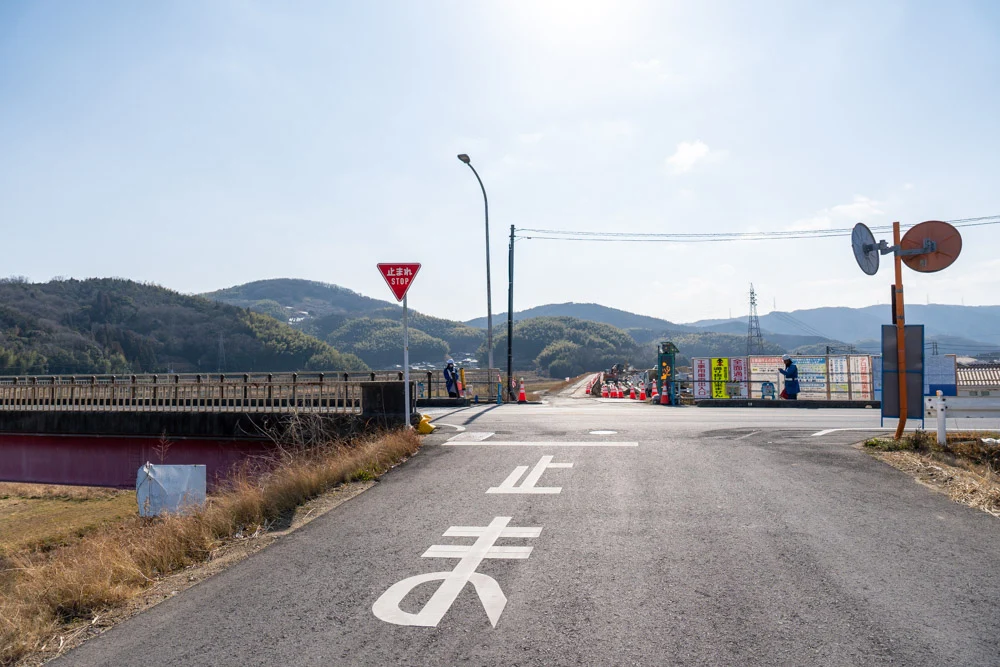
Incidentally, the large amount of earth and sand (308,000 cubic meters) generated from the river channel dredging work is being mixed with soil from the Takahashi River and used for levee reinforcement.
In a sense, it could be called "local production for local consumption."
Oda River Confluence Point Relocation
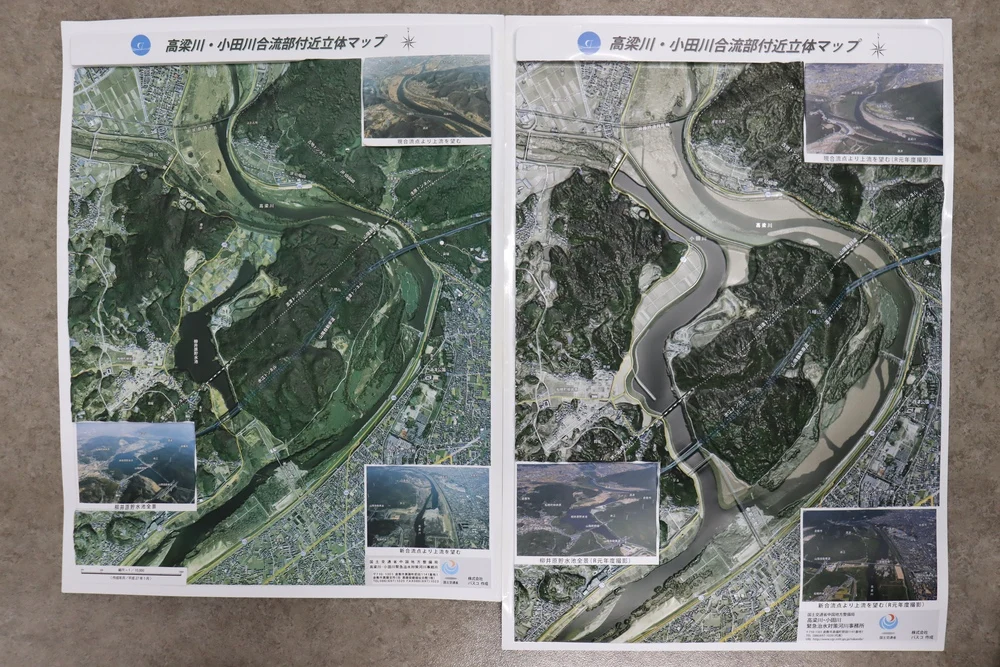
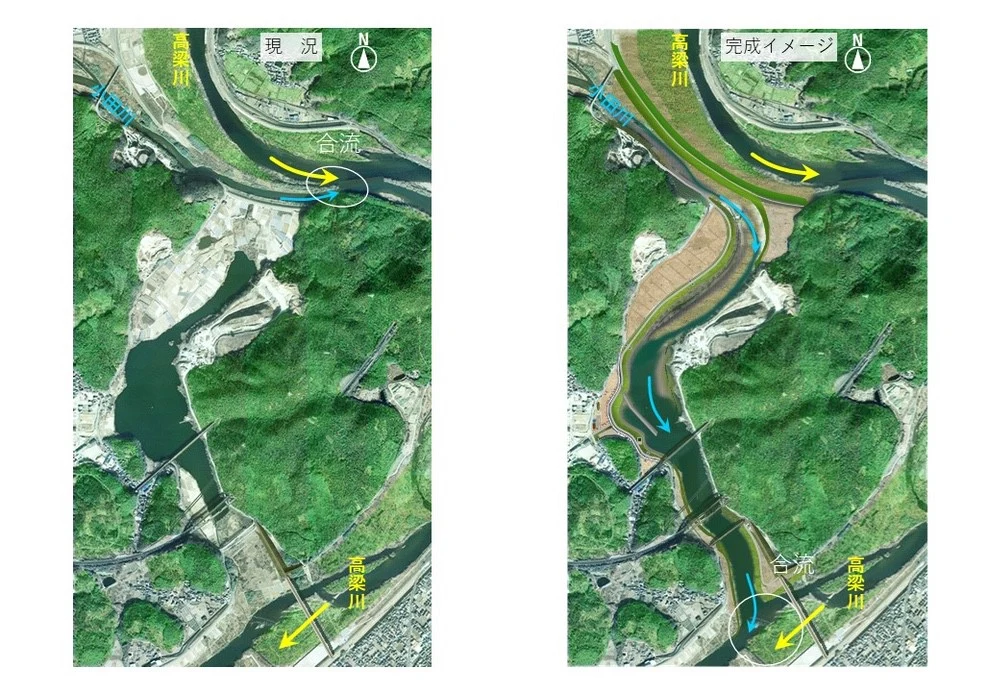
The highlight of the "Mabi Emergency Flood Control Project" is the Oda River Confluence Point Relocation.
The flooding of the Oda River during the heavy rain disaster of July 2018 is believed to be partly due to the "backwater phenomenon," where the Takahashi River blocks the flow of the Oda River.
The purpose of this grand project is to change the confluence point to downstream and create a slope to improve the flow of water.
As of the interview in February 2022, construction is progressing with the aim of completion by March 2024 (the end of fiscal year 2024), and the image of the completed project is gradually becoming clearer.
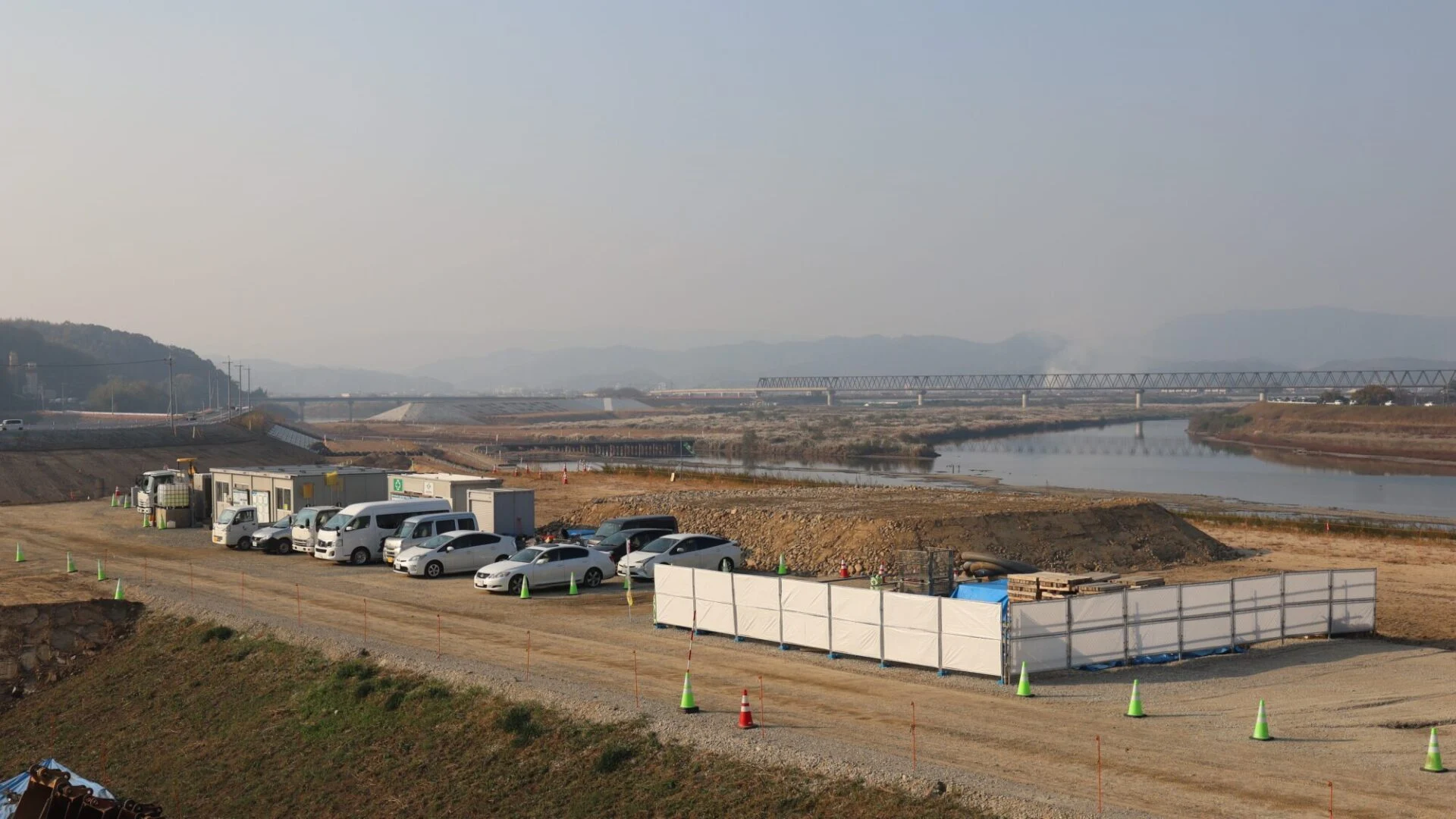
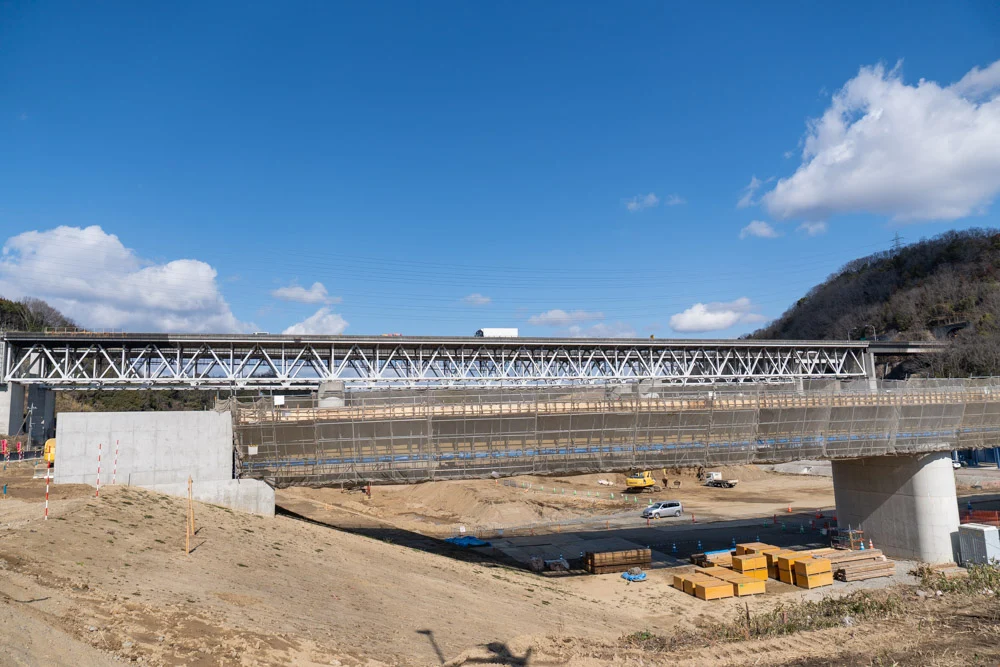
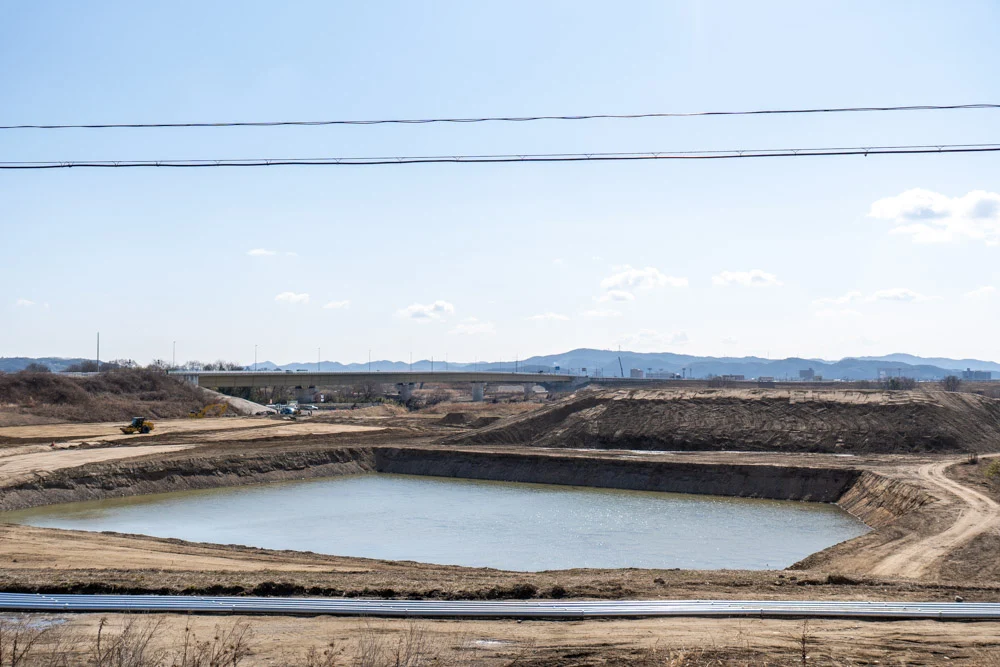
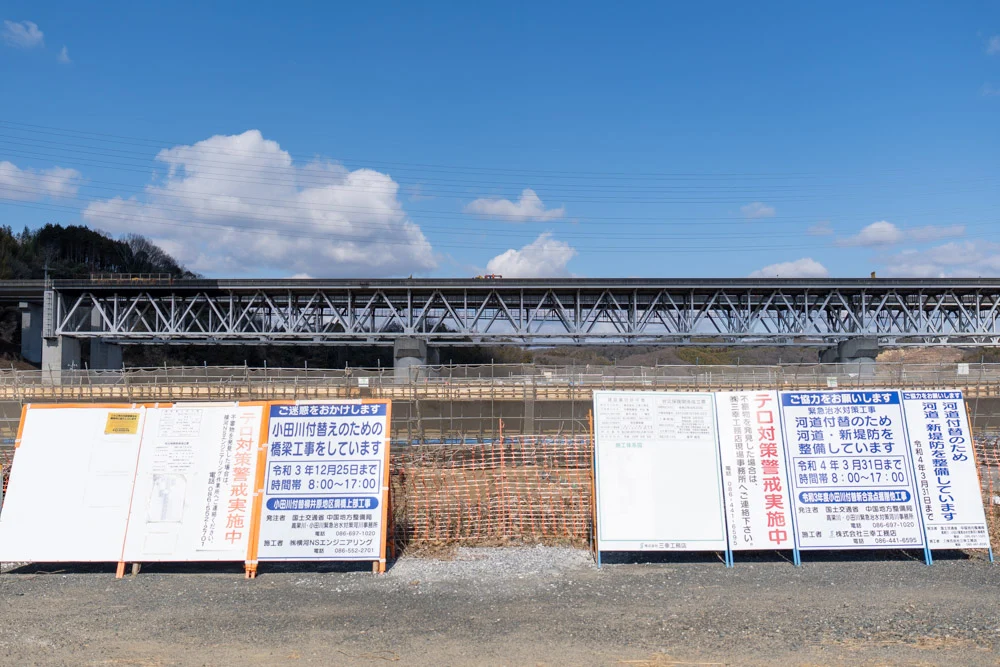
We will introduce the state of the area from "Minamiyama Bridge in Mabi" to the vicinity of "Kurashiki Ohashi in Funao" which can be considered the starting point of the relocation work, through photographs.
These were taken in late February 2022.
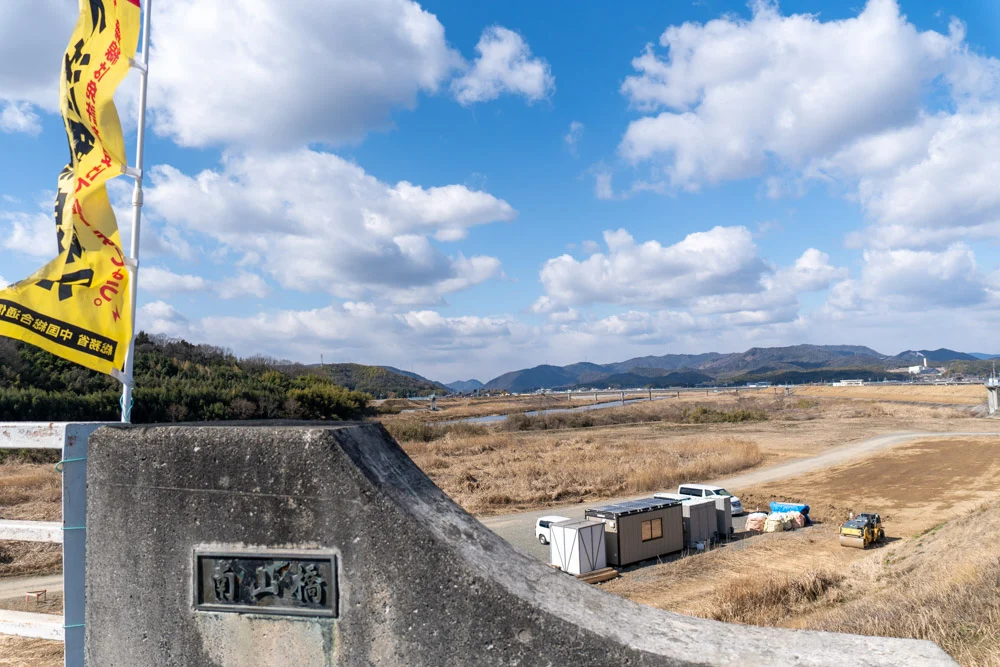
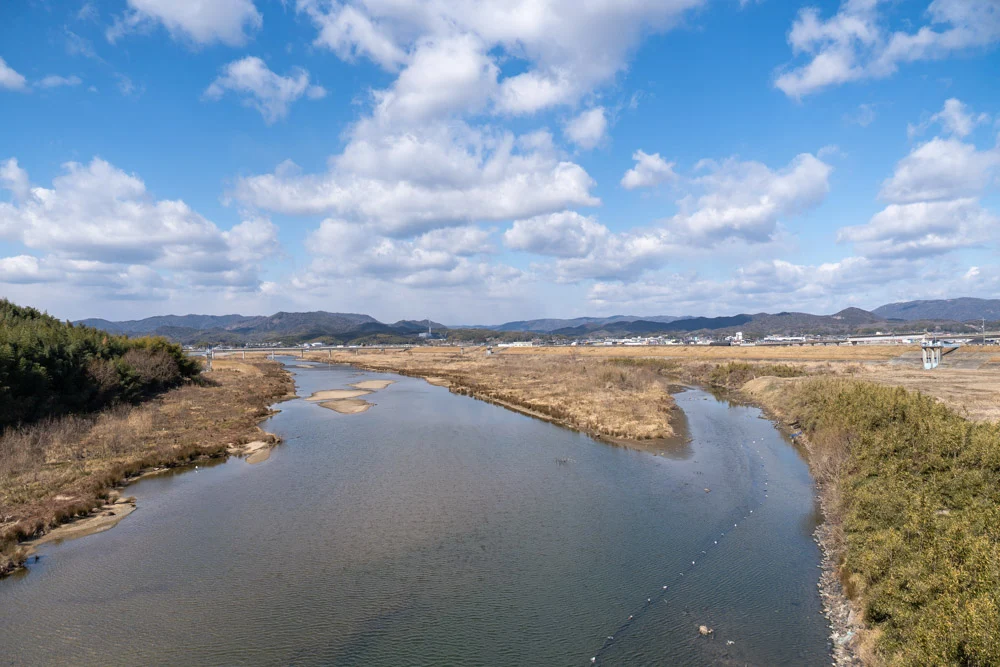
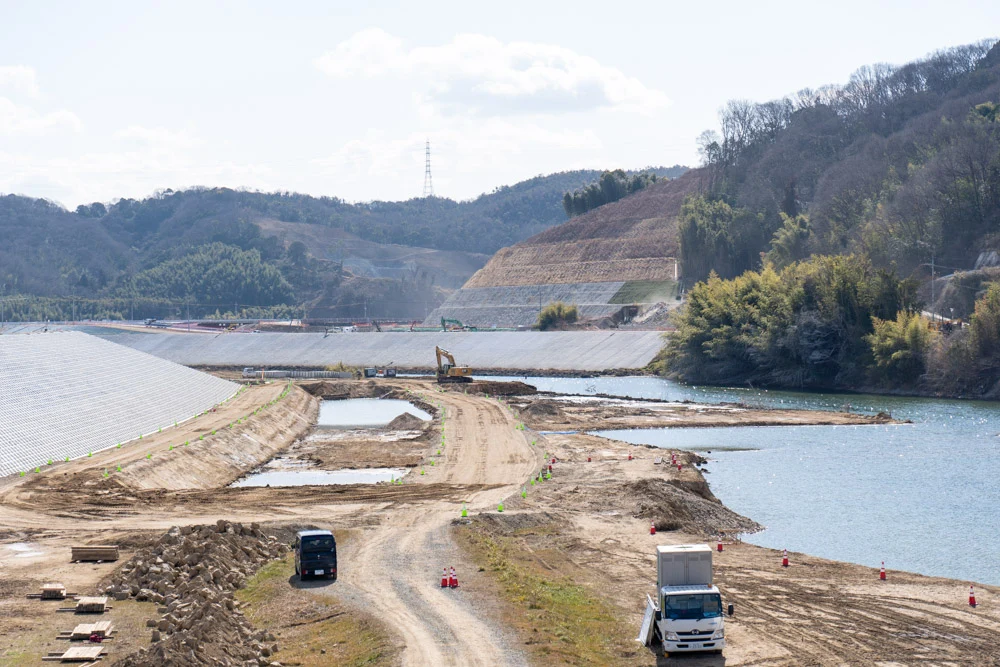
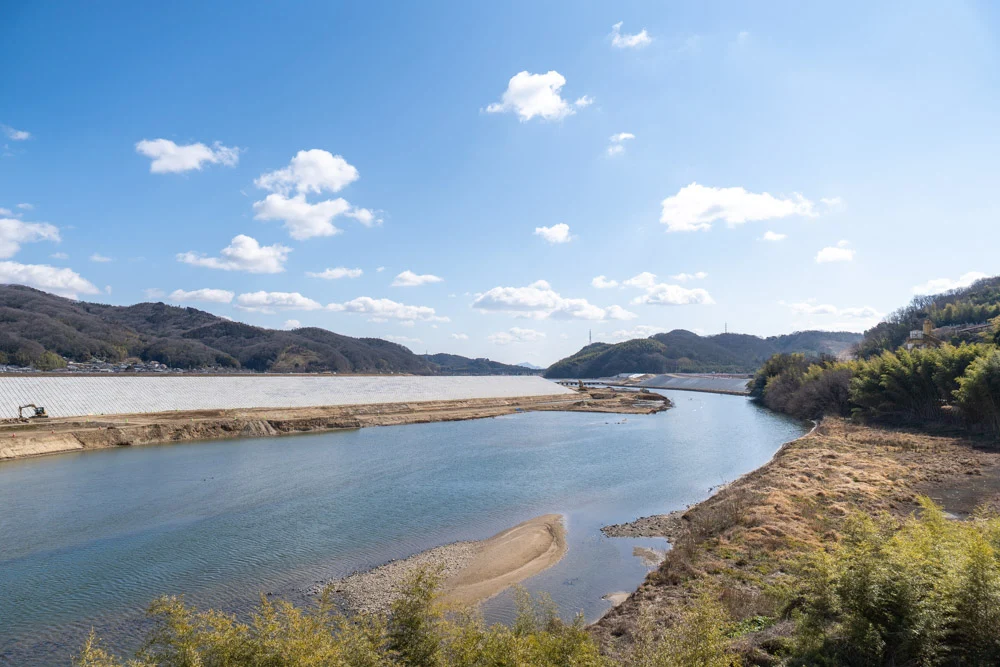
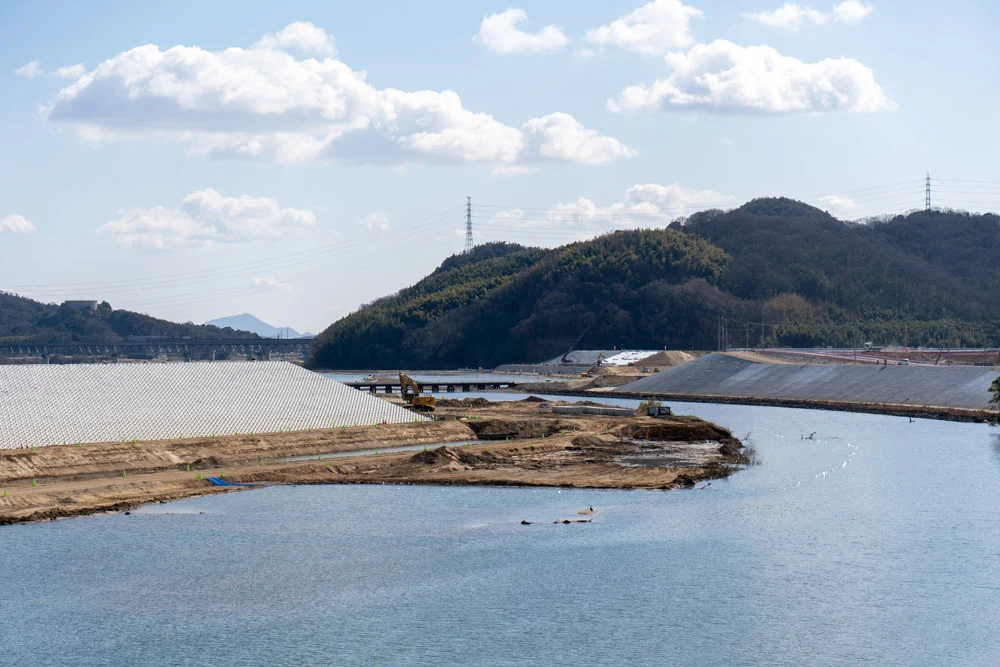
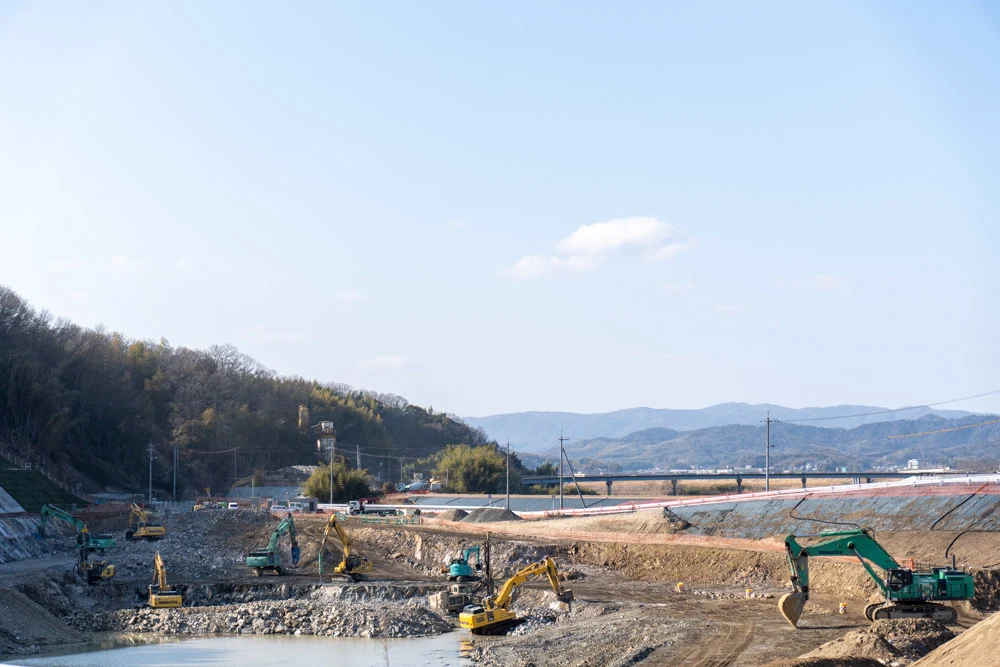
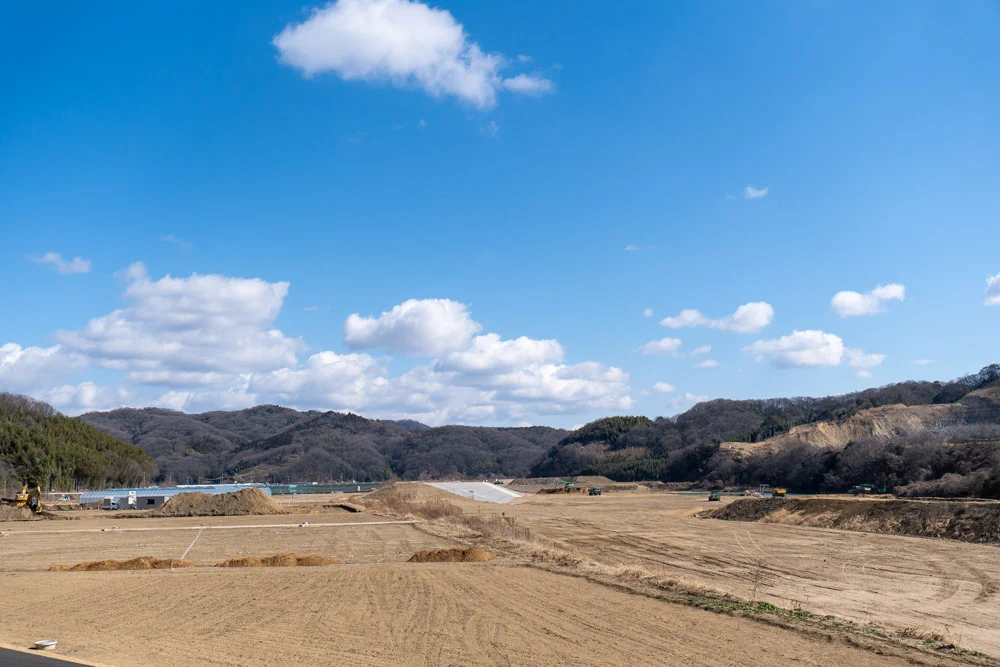
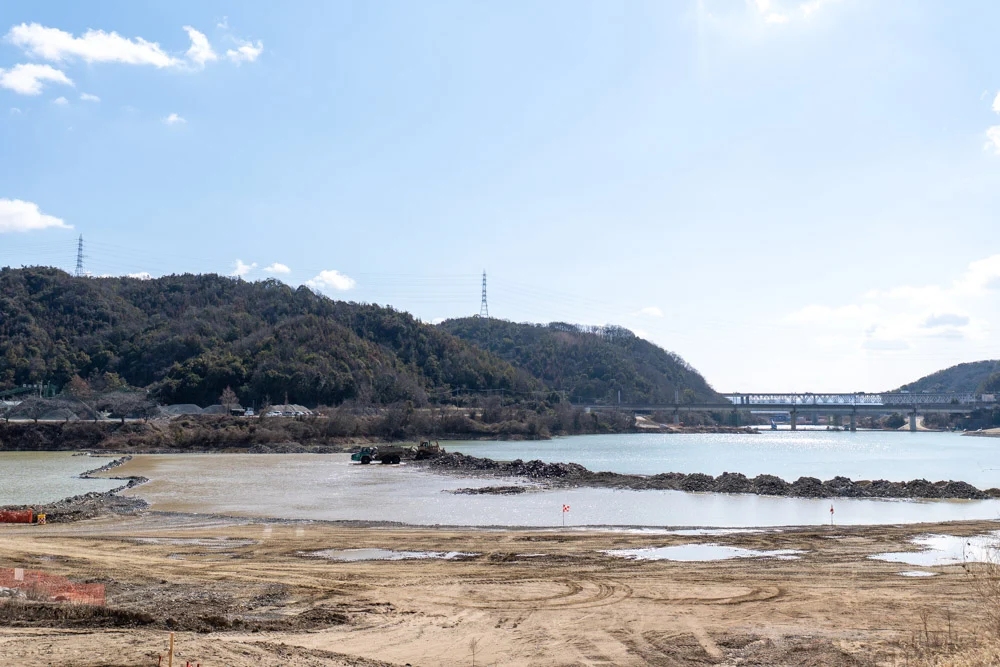
Originally a river, it became a reservoir due to the Takahashi River construction carried out about 100 years ago, but after the replacement work is completed, it will become a river again
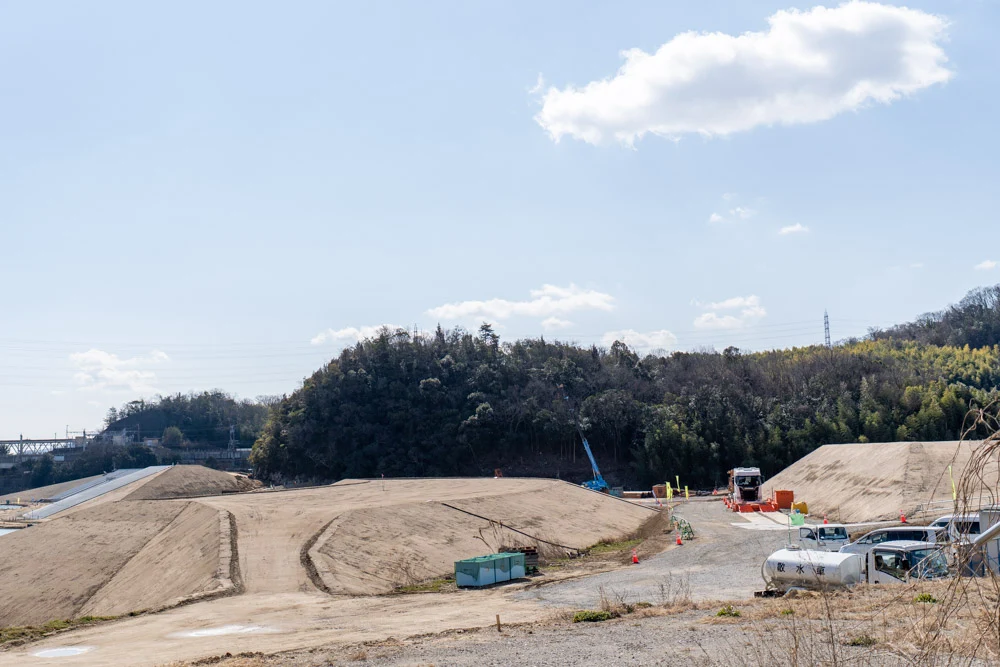
It will serve as a park during normal times, but will function as a water disaster center during emergencies, storing supplies and allowing for command operations
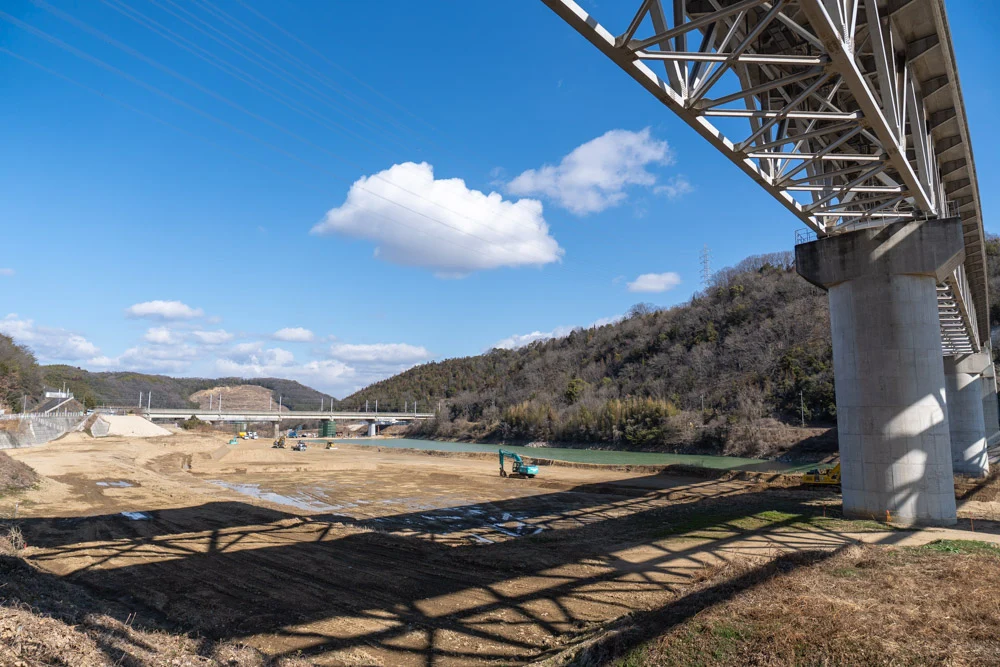
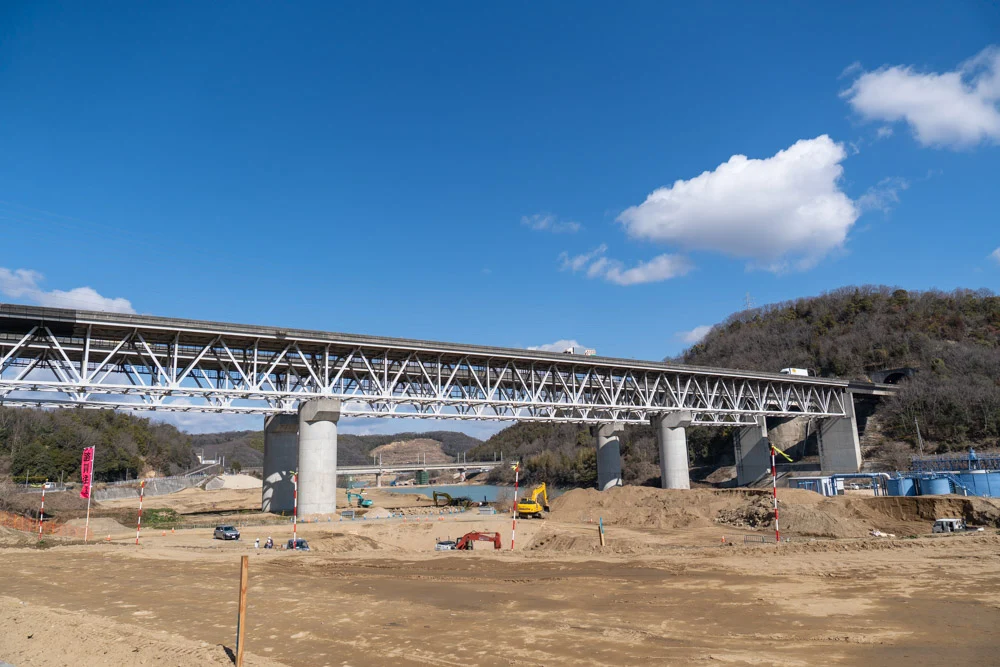
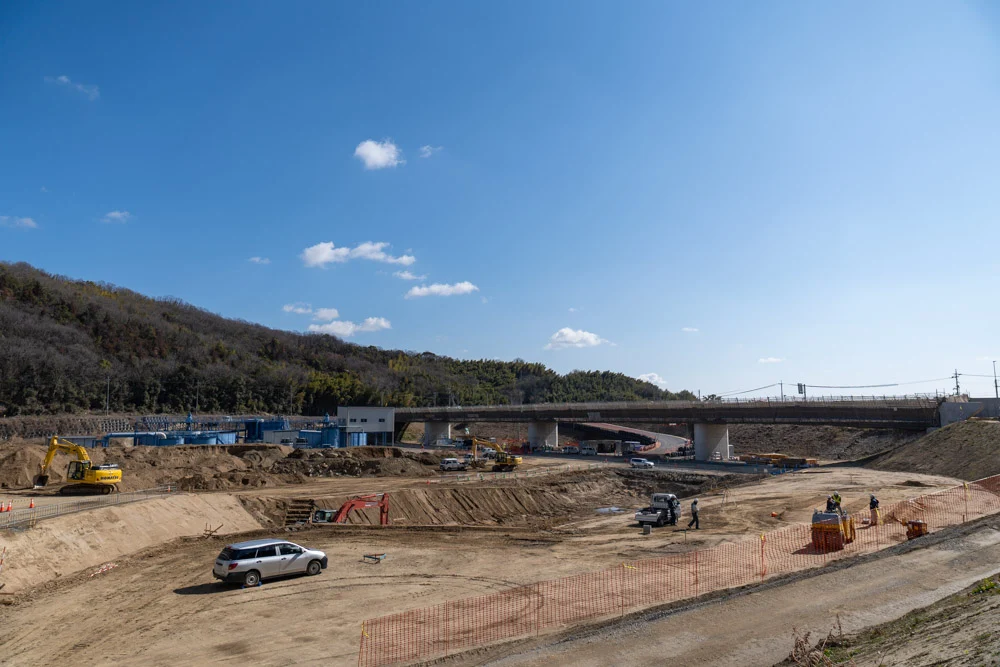
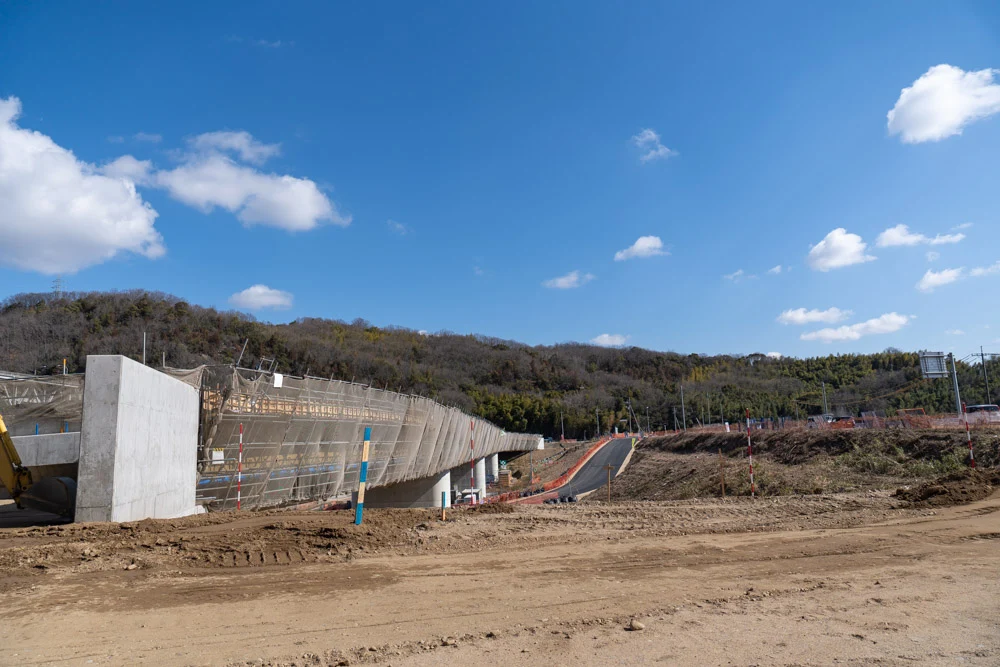
Since water from the Oda River flows in, the road will eventually be removed and replaced with a bridge.
Soft Projects
Large-scale river construction, which is rare even nationwide, is being carried out, such as the Oda River confluence point replacement.
"If such measures are taken, it should be safe now."
Some may think that way.
In fact, the design philosophy aims for a state where it can be said, "It will be fine even with rainfall equivalent to the July 2018 heavy rain".
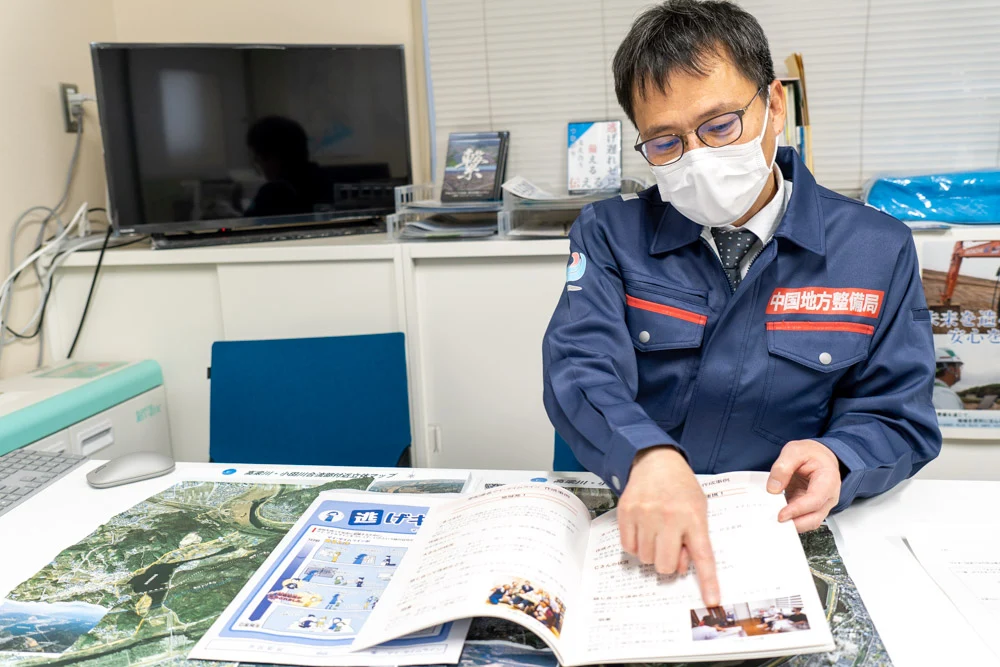
"We are required to ensure 'absolute safety,' and while I want to say that it is safe now, many recent disasters have occurred as a result of exceeding facility capabilities, so I cannot say it is absolutely safe."
Yasuhiko Hamada, Director of the Takahashi River and Oda River Emergency Flood Control Office, states.
It will be safer than in 2018, but "first, evacuate."
He clearly communicates this message and holds explanatory meetings for residents, while the Takahashi River and Oda River Emergency Flood Control Office provides thorough explanations.
The most understandable initiative is the support and promotion of creating "My Hazard Map" and "My Timeline" by the residents themselves, and these activities are named "soft projects," which are implemented alongside "hard projects" such as embankment construction.
However, completing a project that was originally scheduled to take 10 years in just 5 years is not an easy task.
In the latter part of the article, we spoke with Yasuhiko Hamada, Director of the Takahashi River and Oda River Emergency Flood Control Office, about the status of the construction and other matters.