
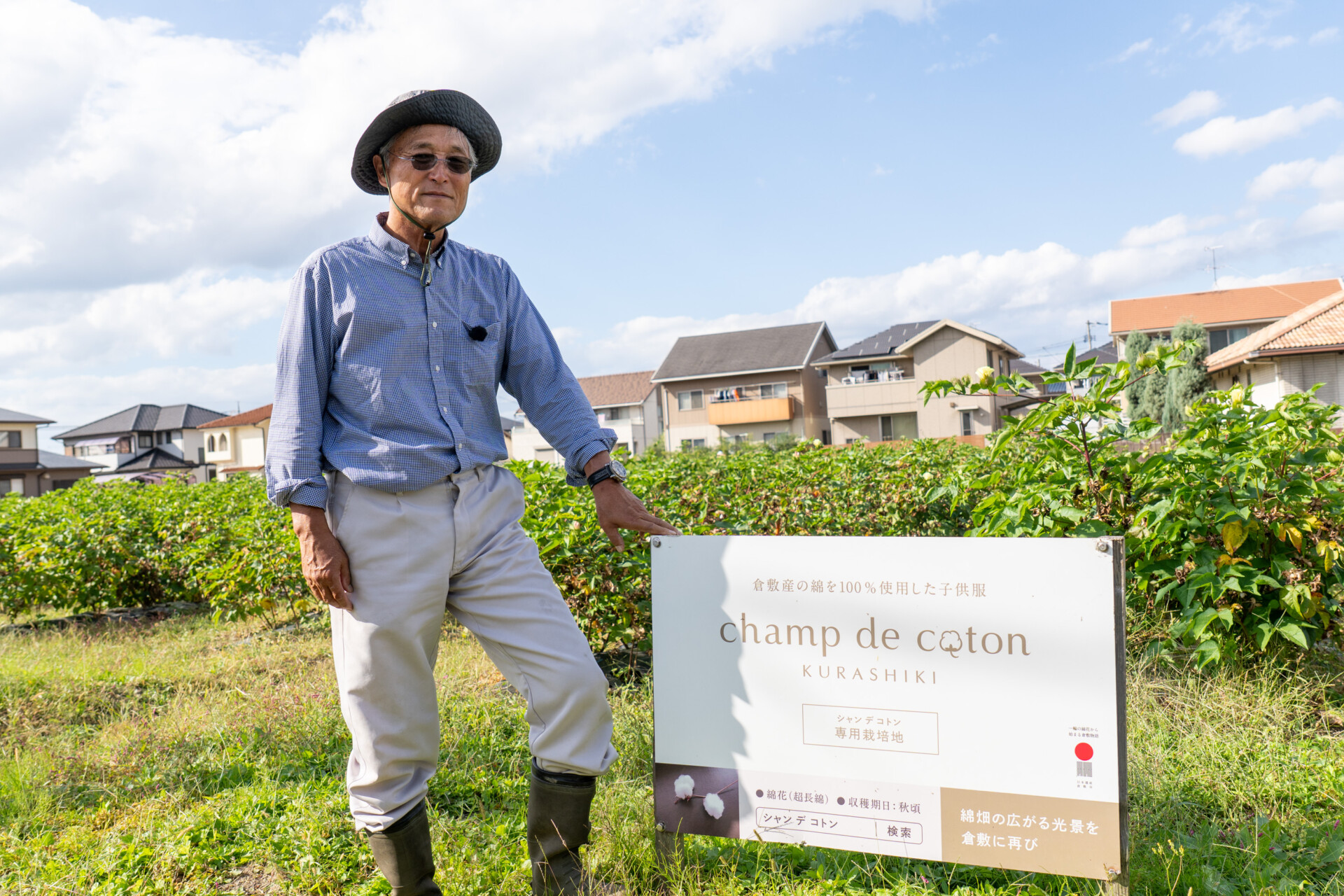
Did you know that cotton is grown in Kurashiki?
The first Japan Heritage site certified in Kurashiki City, “A Kurashiki story beginning with a single cotton flower: A textile town woven from Japanese and Western traditions,” is a story that begins with the cultivation of salt-tolerant cotton and rushes on land created through reclamation during the Edo period.
However, surprisingly few people may have seen a real cotton flower. Cotton cultivation in Kurashiki came to an end as overseas production became the norm.
“champ de coton KURASHIKI” has revived cotton cultivation in Kurashiki after it once died out, and is working on everything from growing cotton to making clothes.
A talk session, “Cotton Makes Kurashiki.,” exploring the value and potential of Kurashiki cotton will be held at the auditorium of Kurashiki City Art Museum on Friday, November 6, 2026.
This article introduces how the talk session came about and what to look forward to.
The information presented is current as of the article’s publication in October 2026. Please note that it may differ from current information.
What is “Cotton Makes Kurashiki.”?
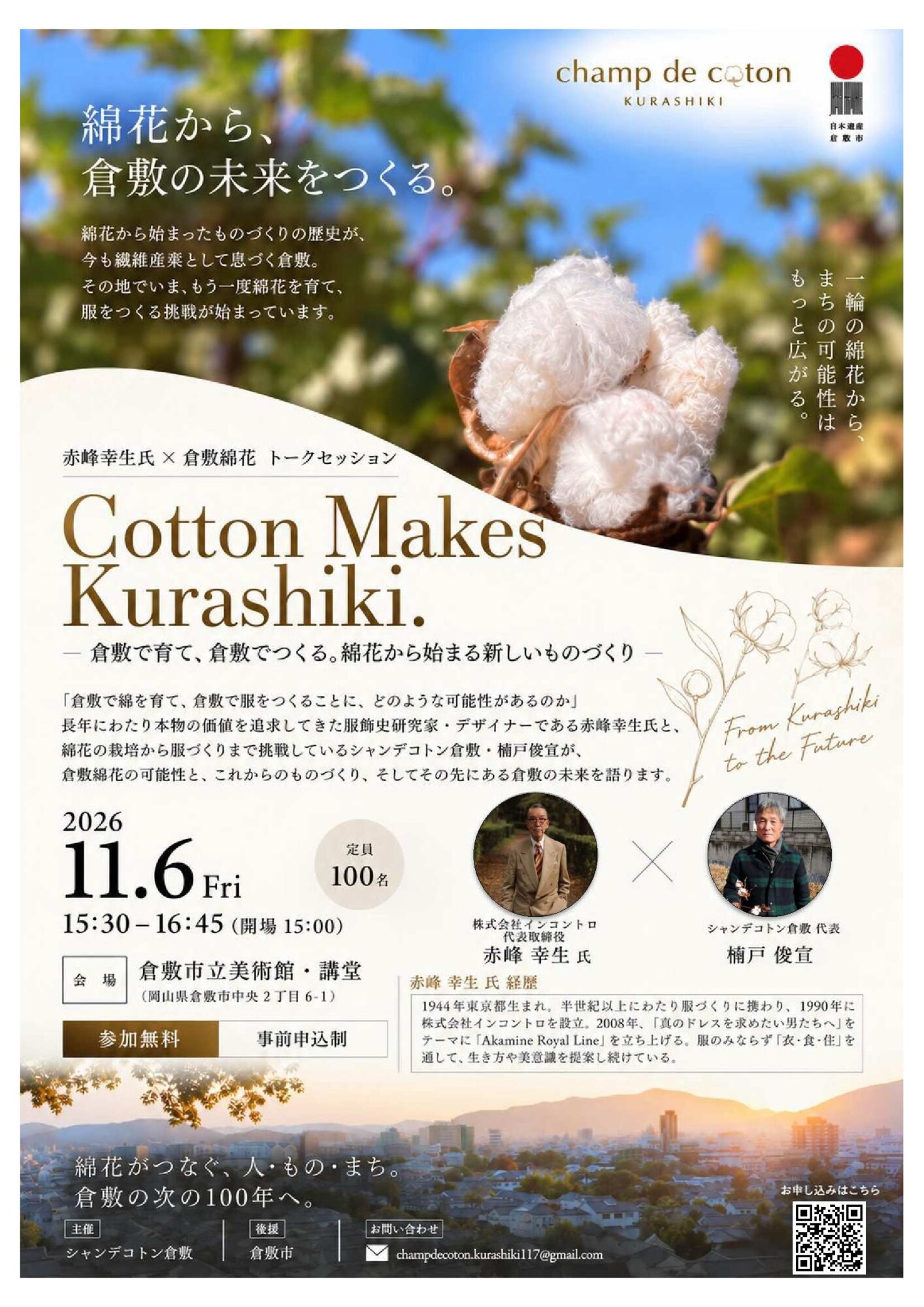
“Cotton Makes Kurashiki.” is a talk session featuring fashion historian and designer Akamine Yukio and Kusudo Toshinori of champ de coton Kurashiki.
It is scheduled to be held at the auditorium of Kurashiki City Art Museum from 3:30 to 4:45 p.m. on Friday, November 6, 2026.
The theme is “Grown in Kurashiki, made in Kurashiki: New manufacturing that begins with cotton.”
Through a conversation between Akamine and Kusudo, the session will explore the potential of growing cotton and making clothes in Kurashiki.
Cotton is a local resource closely connected to Kurashiki’s history and the development of its textile industry. The talk session aims to achieve the following three goals.
- Raise awareness: Learn about Kurashiki’s cotton-growing initiative
- Share possibilities: Recognize the value and potential of Kurashiki cotton
- Inspire involvement: Create opportunities for new ways to get involved
Schedule for the day
The schedule for the day is as follows.
- Opening remarks
- Introduction to the initiative by Kusudo Toshinori
- Conversation (the potential and future of Kurashiki cotton)
- Questions and answers from the audience
What is “champ de coton Kurashiki”?
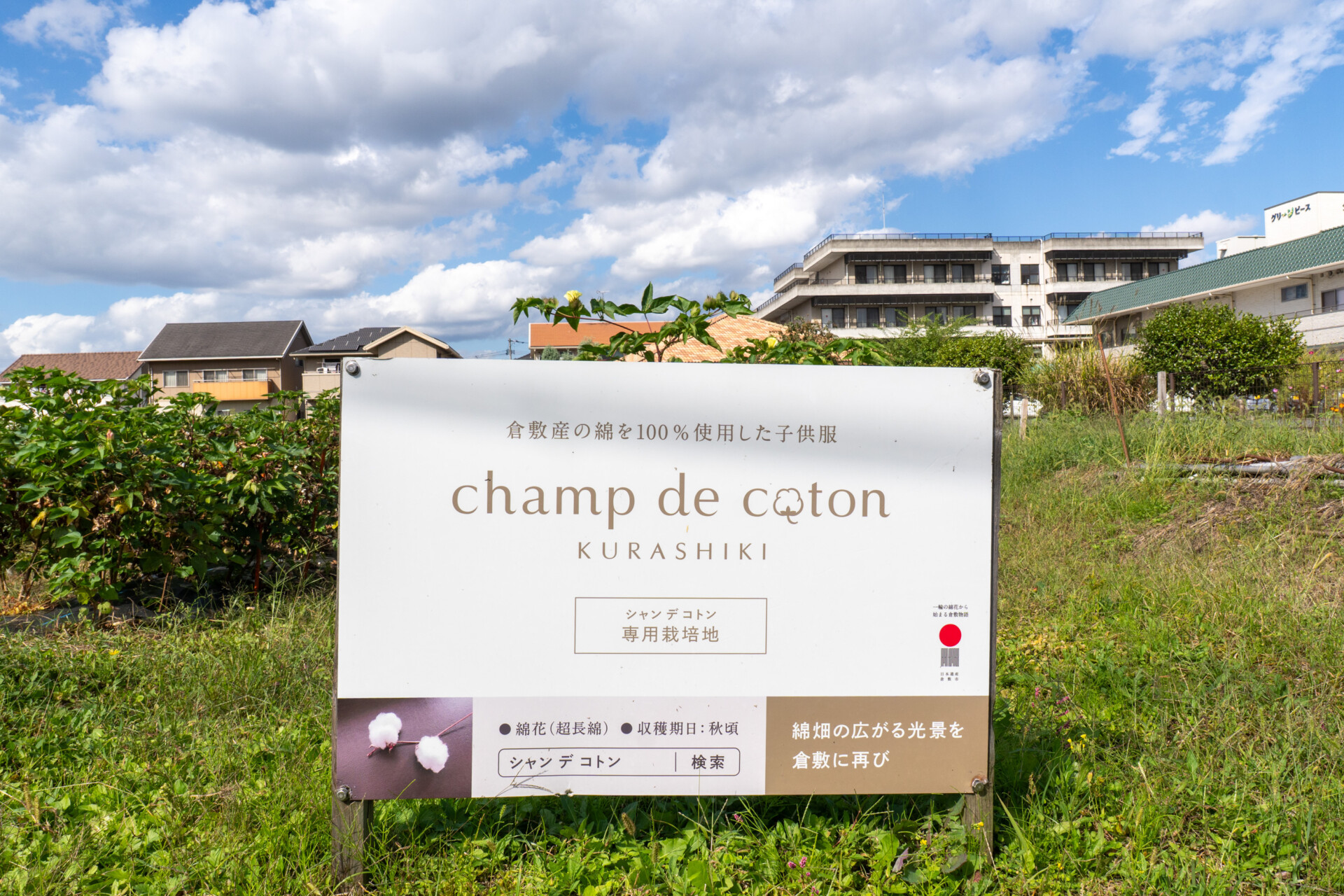
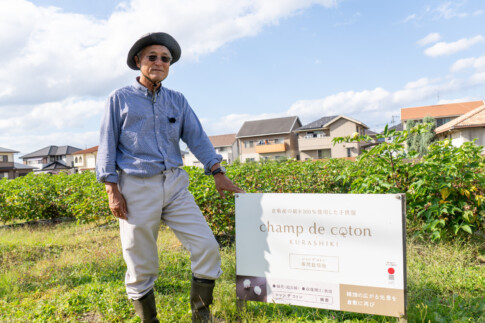
champ de coton Kurashiki has revived cotton cultivation in Kurashiki after it once died out, and is working on everything from growing cotton to making clothes.
Its representative, Kusudo, began planting cotton in 2018.
It seems the idea came to him when he saw a notice in the Bikan Historical Area announcing the registration of the Japan Heritage site “A Kurashiki story beginning with a single cotton flower.”
Today, cotton is grown in four fields in Kurashiki City, and the harvested cotton is used to make clothes.
Interview with Kusudo Toshinori of champ de coton Kurashiki
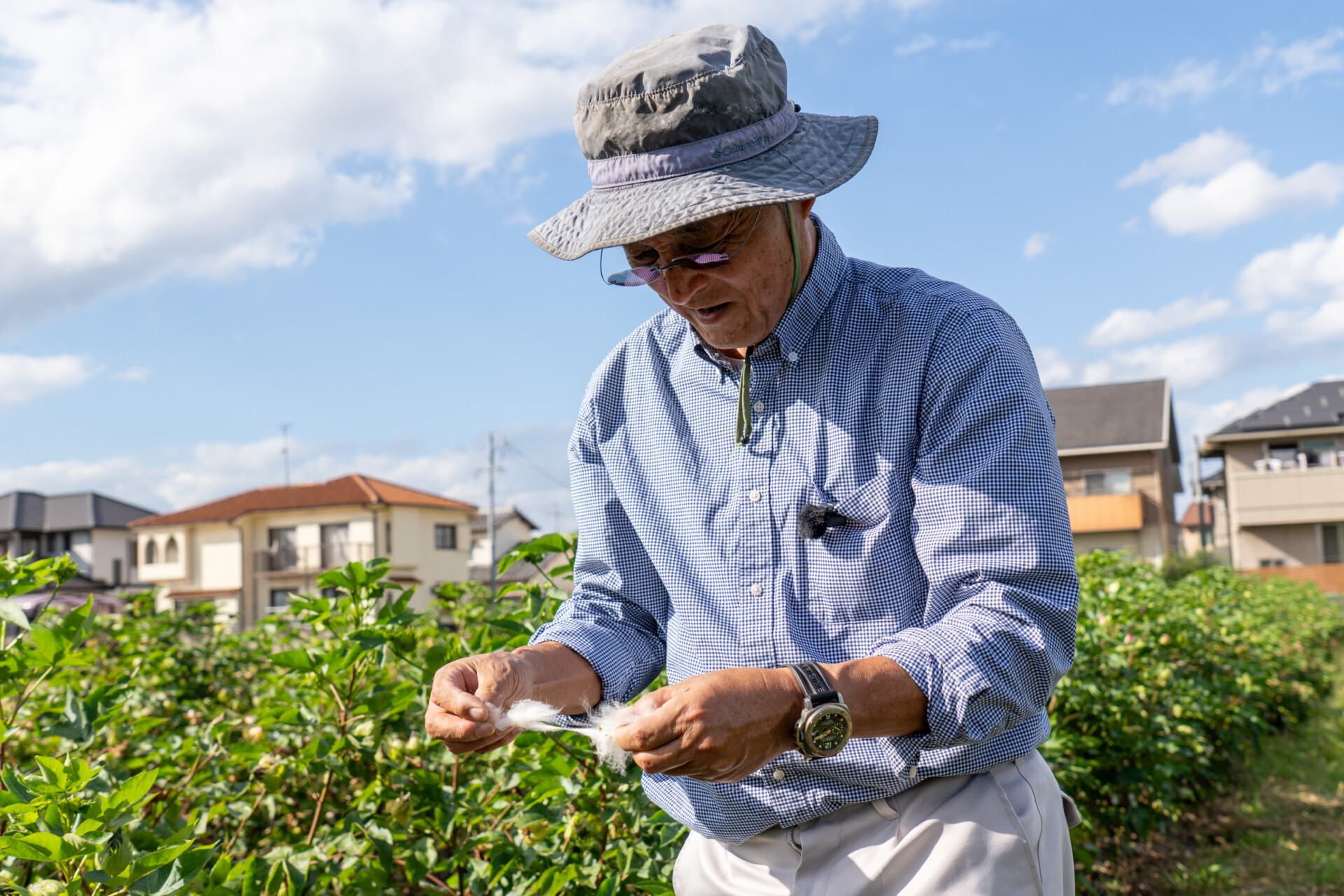
We spoke with Kusudo Toshinori, representative of champ de coton Kurashiki, about the talk session.
Could you tell us how the talk session came about?
Kusudo (honorific omitted)
I met Akamine around 2023.
He often visits Kurashiki in his personal time, and he loves the Kurashiki Museum of Folkcraft.
He was coming to Kurashiki again this year, so our staff suggested, “Since you’re here, why not hold a talk session?” and it came together.
What would you like to convey at the talk session?
Kusudo
Akamine is very well known in the textile industry, so I hope many people from Kurashiki’s textile businesses will come.
It’s difficult to make cotton viable as a business on its own.
That said, we’re trying various things, such as making bread, craft beer, and sparkling wine with yeast collected from the cotton fields, and making ballpoint pens from discarded wood. I believe there is potential.
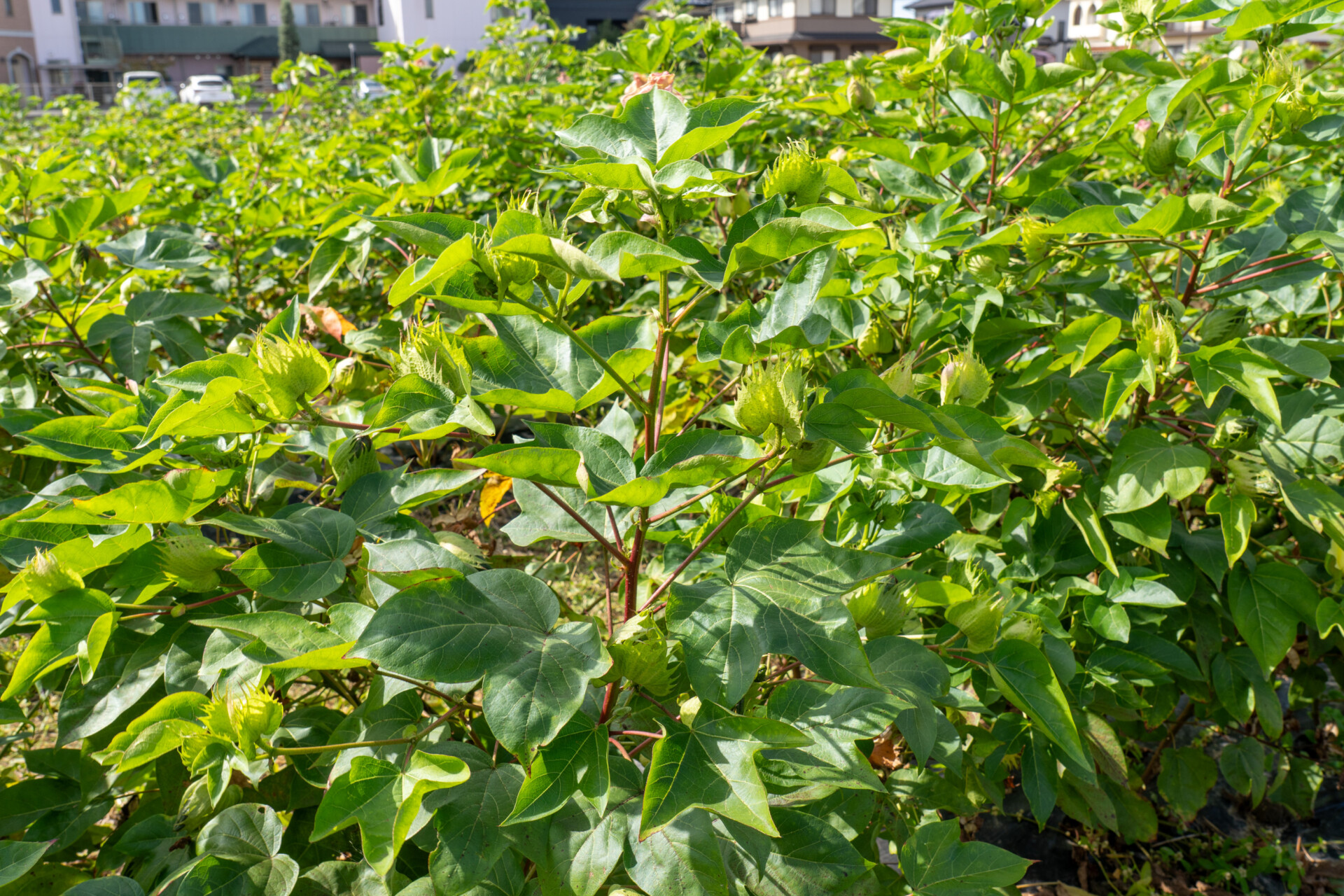
People generally know that cotton is at the heart of Kurashiki’s history, but most have never seen or grown cotton.
People also rarely think about cotton when making clothes. I’d like businesses like these to learn about cotton, become fans, and, if they’re interested, find ways to get involved.
We might make products together, or we might grow cotton together.
If Kurashiki cotton partners with companies rooted in the local community, the possibilities will expand even further. I hope this can be a place to think about that—and perhaps a place to get involved.
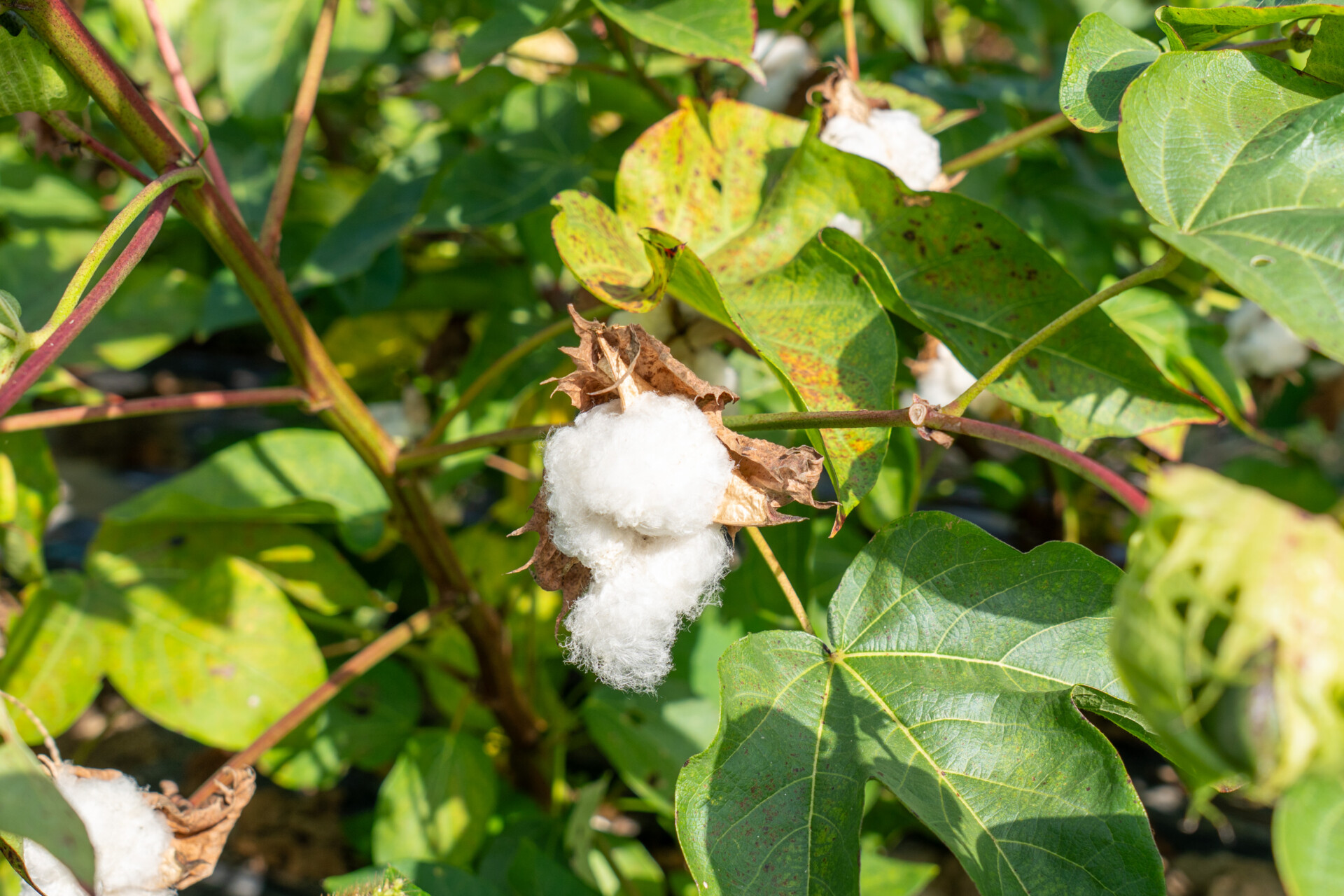
Finally, do you have a message for our readers?
Kusudo
There’s no need to overthink it.
Even just wondering how cotton is planted is perfectly fine. What matters is taking an interest.
When land was reclaimed in Kurashiki, cotton was the only crop that could be grown there. I hope people will learn how Kurashiki came into being through cotton.
From the Writer
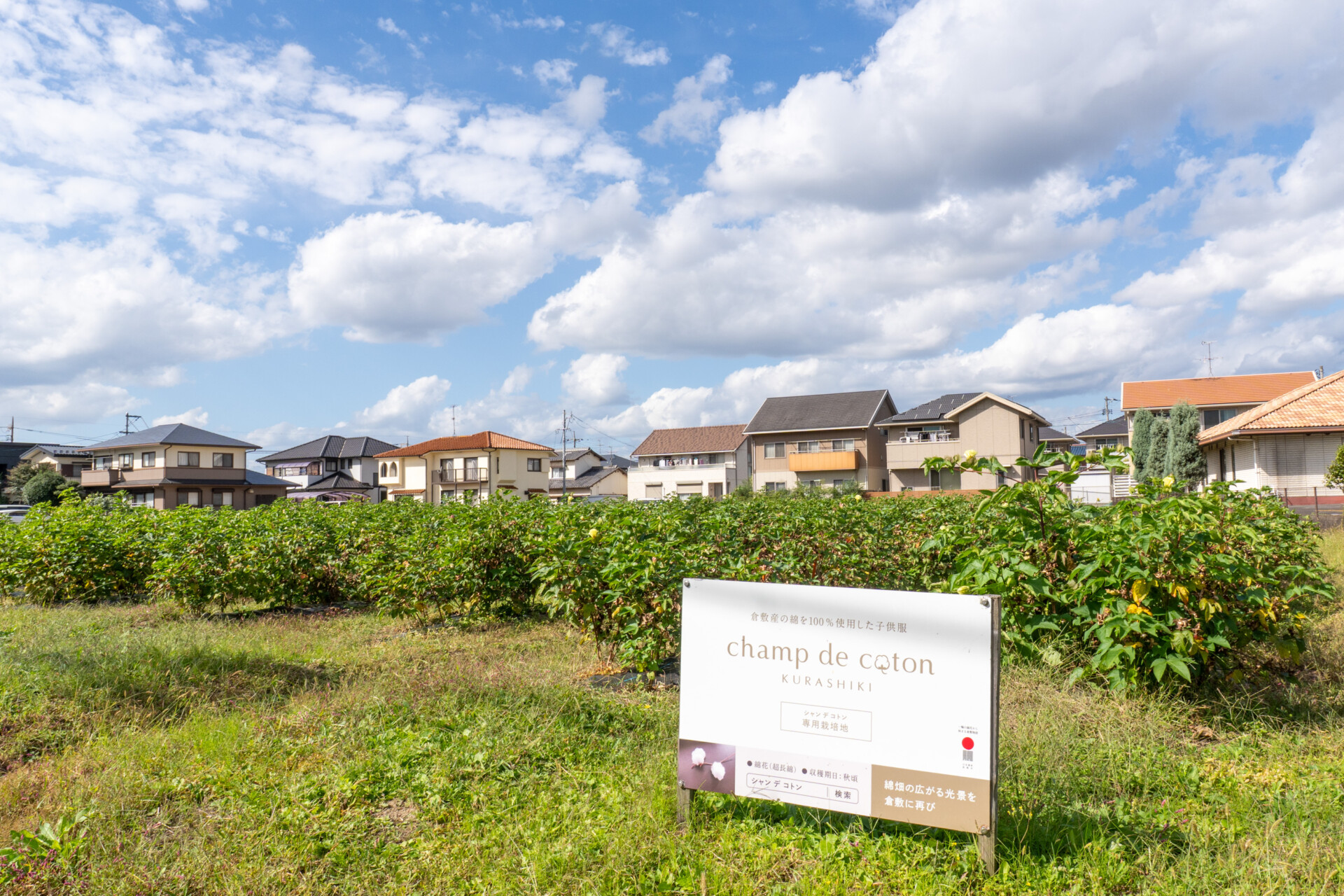
In 2025, the Japan Heritage Festival in Kurashiki was held, and in connection with it, I visited nearly all of Kurashiki City’s Japan Heritage component cultural properties.
I thought I had learned a fair amount about the history of the textile industry, but it was the first time I learned that cotton is grown in Kurashiki City and that products are made from it. It was also my first time visiting a cotton field.
After hearing about it, I understood that making it work as a business is challenging.
Still, it’s an inspiring idea, and even just thinking about whether there’s something I could do is exciting.
Why not visit and learn about cotton, the starting point of Kurashiki’s manufacturing?

What would you like to know about Kurashiki?
Enter a search term to find articles on this site































Cotton Makes Kurashiki.
Address:
2-6-1 Chuo, Kurashiki City, Okayama Prefecture
Auditorium, Kurashiki City Art Museum
Date and time:
Friday, November 6, 2026
3:30–4:45 p.m.
Admission:
Free
Capacity:
100 people
*Advance registration required
【Registration form】
https://docs.google.com/forms/d/e/1FAIpQLSfC0W7FW3NKf_FmYMmDdSVtniriAvmeGYLGdWe5lgwkFZvHUg/viewform
Web page:
champ de coton Kurashiki Instagram
https://www.instagram.com/kurashikiwata/