
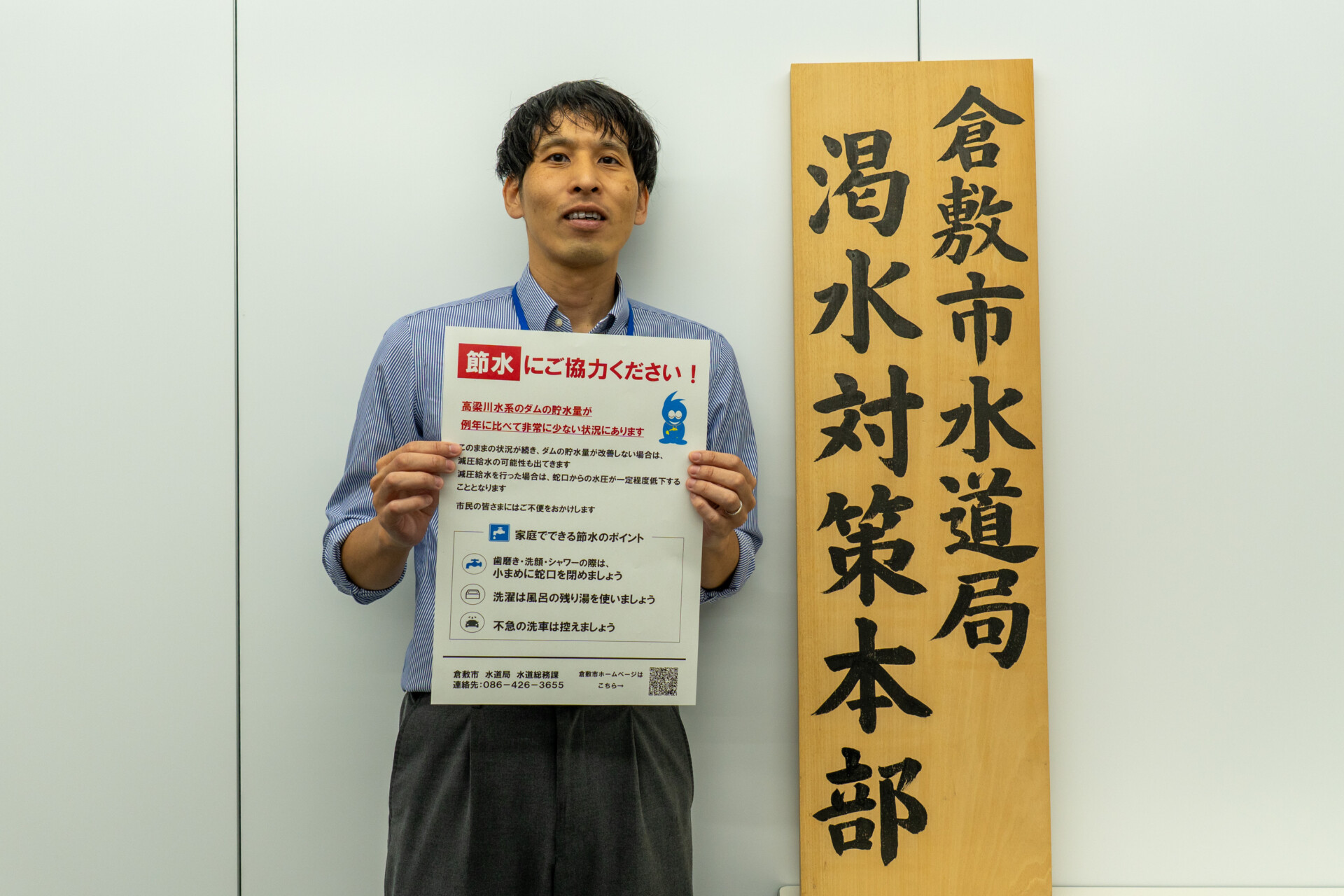
When you turn on the tap, water flows endlessly.
Many people may feel that this is "normal."
In fact, currently, the reservoir levels of the dams in the Takahashi River system, which is the water source for Kurashiki City's water supply, are significantly lower than usual. Water intake restrictions began on September 2026 and are being gradually strengthened.
This article introduces the current situation of water shortages as heard from the staff of the Kurashiki City Waterworks Bureau, future prospects, and points for water conservation that can be done at home.
The information provided is based on data from the article published in October 2026. Please note that it may differ from current information.
Water Shortage Situation in the Takahashi River System
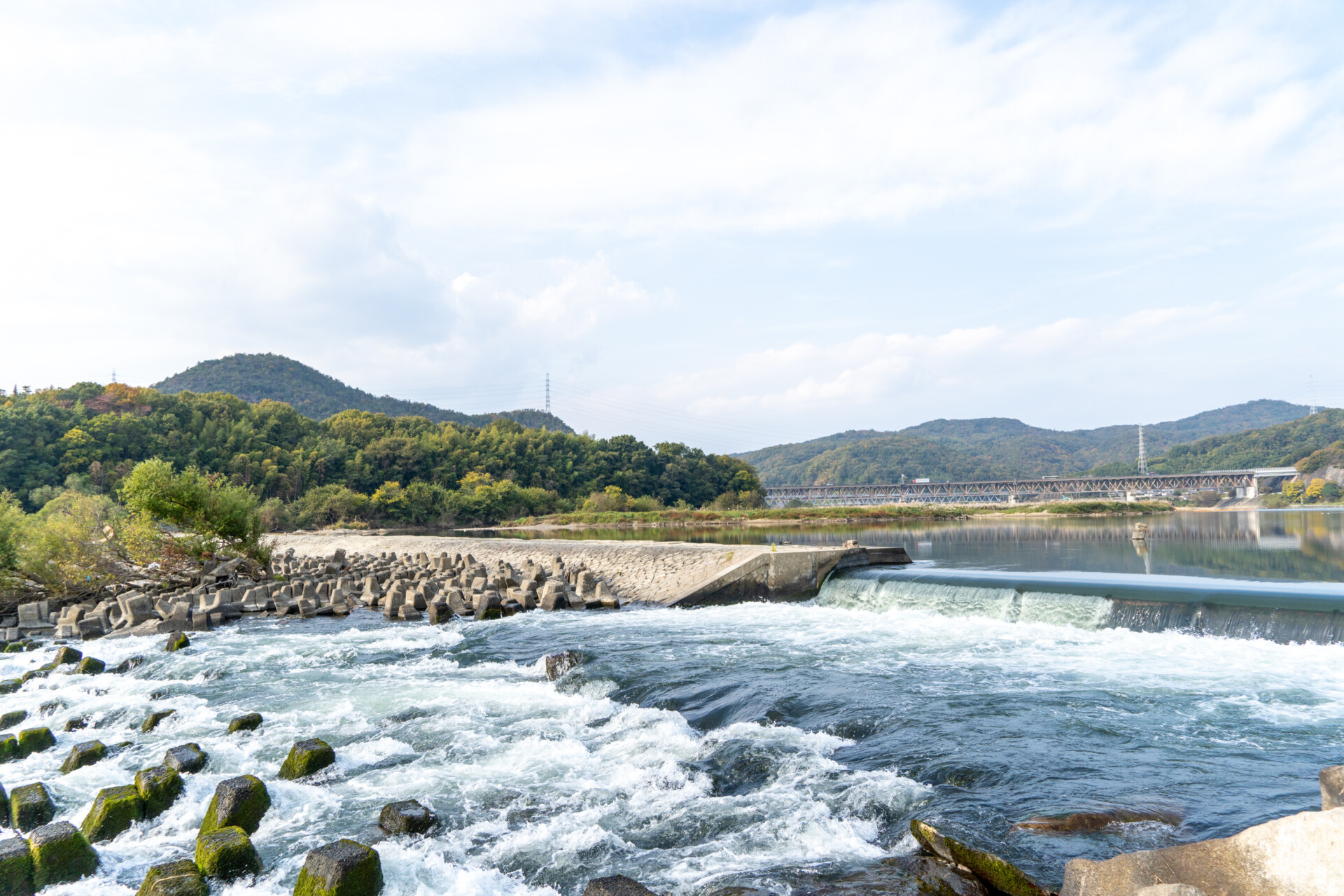
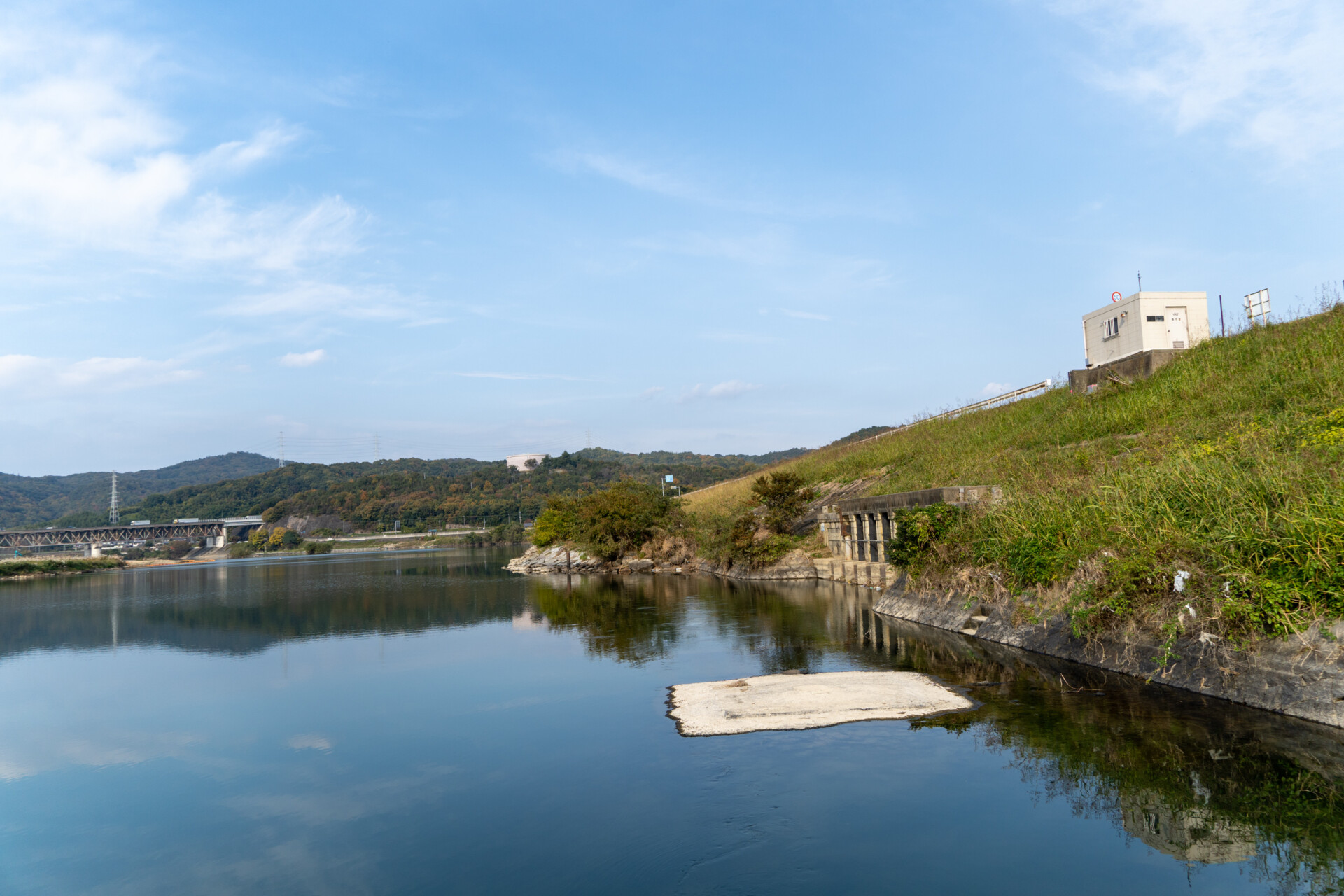
According to the Kurashiki City Waterworks Bureau, while there was significant rainfall during the rainy season in 2026, there has been a lack of substantial rainfall in the upstream areas of the dams since the end of the rainy season. As a result, the reservoir levels of the six major dams in the Takahashi River system dropped sharply, reaching as low as 22% by late September.
After some rain, the levels have slightly recovered, and as of October 22, 2026, the reservoir level is at 35.3%, but the average reservoir level is in the 70% range, so the situation remains quite low.
The latest information can be checked on the website of the Okayama River Office of the Ministry of Land, Infrastructure, Transport and Tourism.
Background of Water Intake Restrictions
Water intake restrictions are determined by the Takahashi River System Water Utilization Council.
The restrictions have been gradually increased, and currently, we are under the third phase of water intake restrictions.
| Start Date | Water Supply | Industrial Water | Agricultural Water | |
|---|---|---|---|---|
| First Phase | September 7, 2026 (Monday) 10:00 AM | 5% | 10% | 20% |
| Second Phase | September 18, 2026 (Friday) 12:00 PM | 10% | 10% | 20% |
| Third Phase | October 2, 2026 (Friday) 12:00 PM | 10% | 15% | 50% |
"Water intake restrictions" mean that for the water supply, the amount of water taken from the Takahashi River to produce tap water at the purification plant is reduced. The Kurashiki City water supply is currently compensating for the reduced intake by drawing water from wells (groundwater), so there has not been a noticeable impact on citizens' lives.
Future Prospects
The amount of rain that falls depends on the weather, making it difficult to predict the future. According to the Kurashiki City Waterworks Bureau, it is not very likely to have significant rainfall during this season (autumn to winter), so they are concerned about the future.
If the reservoir levels continue to drop, the next step will be to consider reduced pressure water supply (lowering the water pressure from the tap to reduce the flow).
Points for Water Conservation at Home
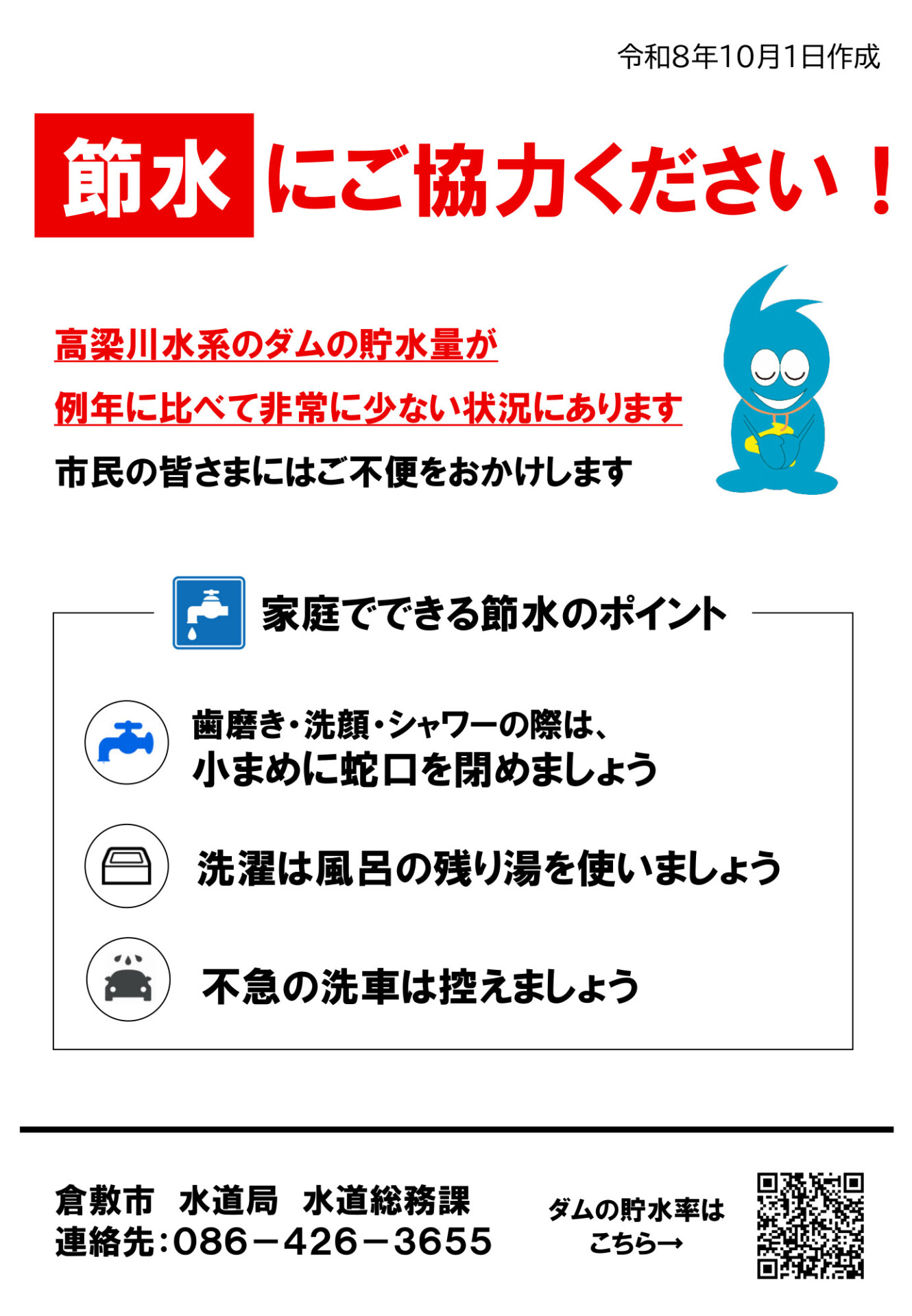
The Kurashiki City Waterworks Bureau is calling for the following water conservation measures through flyers distributed in the city. They encourage residents to adopt what they can based on their living situations.
- Turn off the tap frequently while brushing teeth, washing face, or showering
- Use leftover bathwater for laundry. Wash in bulk
- Avoid unnecessary car washing. Use a bucket when washing
- Wipe off dirt from dishes before washing
- Wash dishes and ingredients with collected water
- Use the appropriate lever for large and small flushes in toilets
- Water plants with a bucket or watering can
Interview with the Kurashiki City Waterworks Bureau
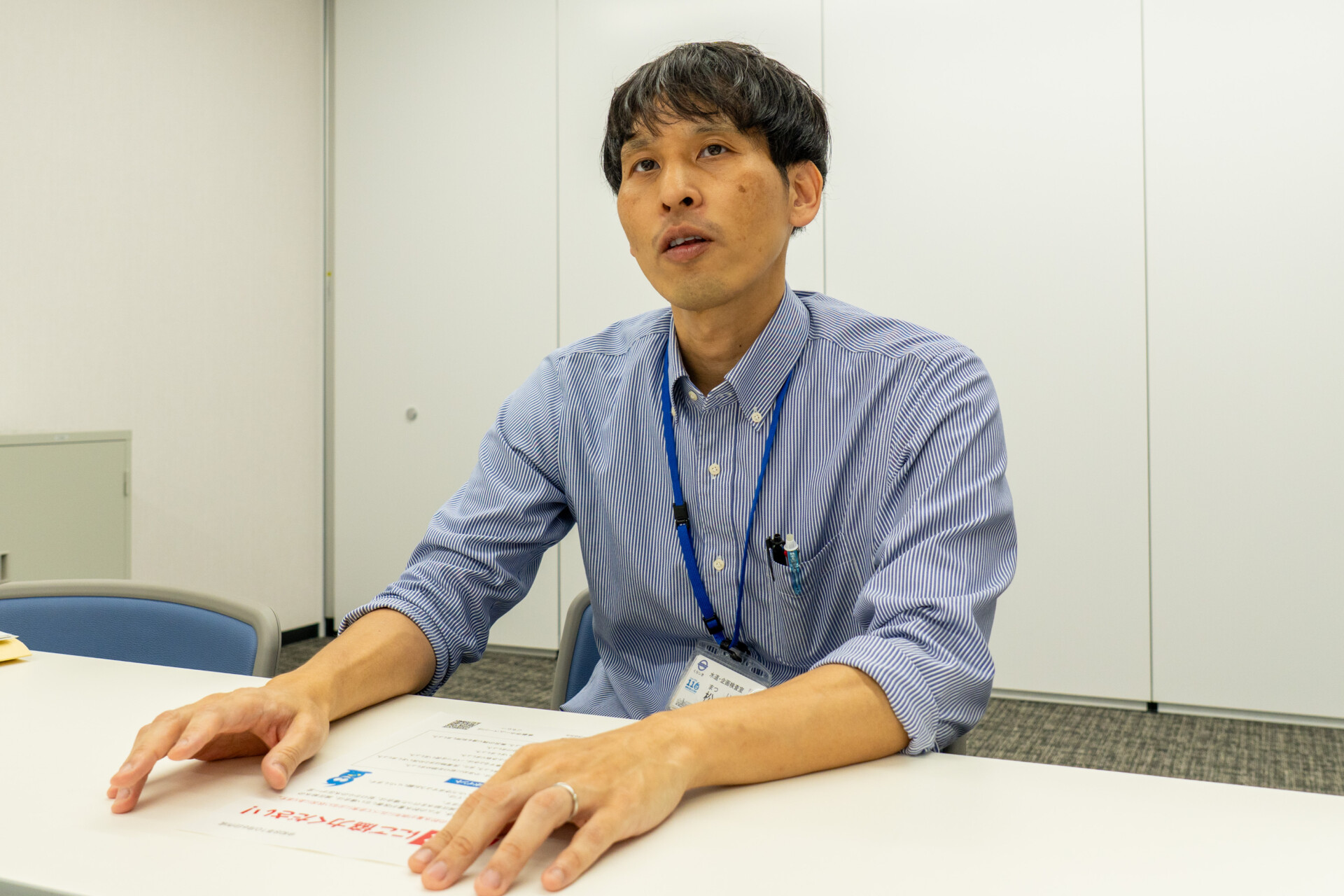
I spoke with Matsui Koji from the Water Supply Division of the Kurashiki City Waterworks Bureau about the current situation of water shortages and requests to citizens.
Can you tell us about the water shortage situation in the Takahashi River system?
Matsui (no honorifics)
In 2026, there was a lot of rain during the rainy season, but after the rainy season ended, there has been a lack of substantial rainfall in the upstream areas of the dams.
As a result, the reservoir levels of the dams dropped sharply, reaching about 22% by late September. They have slightly recovered due to subsequent rainfall. However, this is a time when the average level should be around 70%, so the situation is quite low.
The first phase of water intake restrictions began on September 7, 2026, and we are currently under the third phase of restrictions. If the reservoir levels continue to drop, further restrictions will be enforced.
If the reservoir levels do not recover, what kind of impact do you expect on citizens' lives?
Matsui
If this situation continues, the next step will be to consider reduced pressure water supply.
By lowering the water pressure from the tap, the amount of water dispensed will be reduced. If the situation worsens, we will consider scheduled water outages.
What has happened during past water shortages?
Matsui
The most significant water shortage in recent years was in 1994.
In 1994, we implemented reduced pressure water supply. When it reached 40%, we had scheduled water outages during late-night hours when water usage was low. The duration of the outages gradually increased, and at the most severe point, when it was at 50%, water was available only for 8 hours from 2 PM to 10 PM, and could not be used for the remaining 16 hours.
The period of scheduled water outages lasted for 52 days.
Since then, there have been occurrences in 2002, 2005, 2007, and 2008, and in recent years, there was a winter water shortage in 2023. In all those years, we only implemented water intake restrictions and did not resort to reduced pressure water supply.
Is there anything else the city is calling for?
Matsui
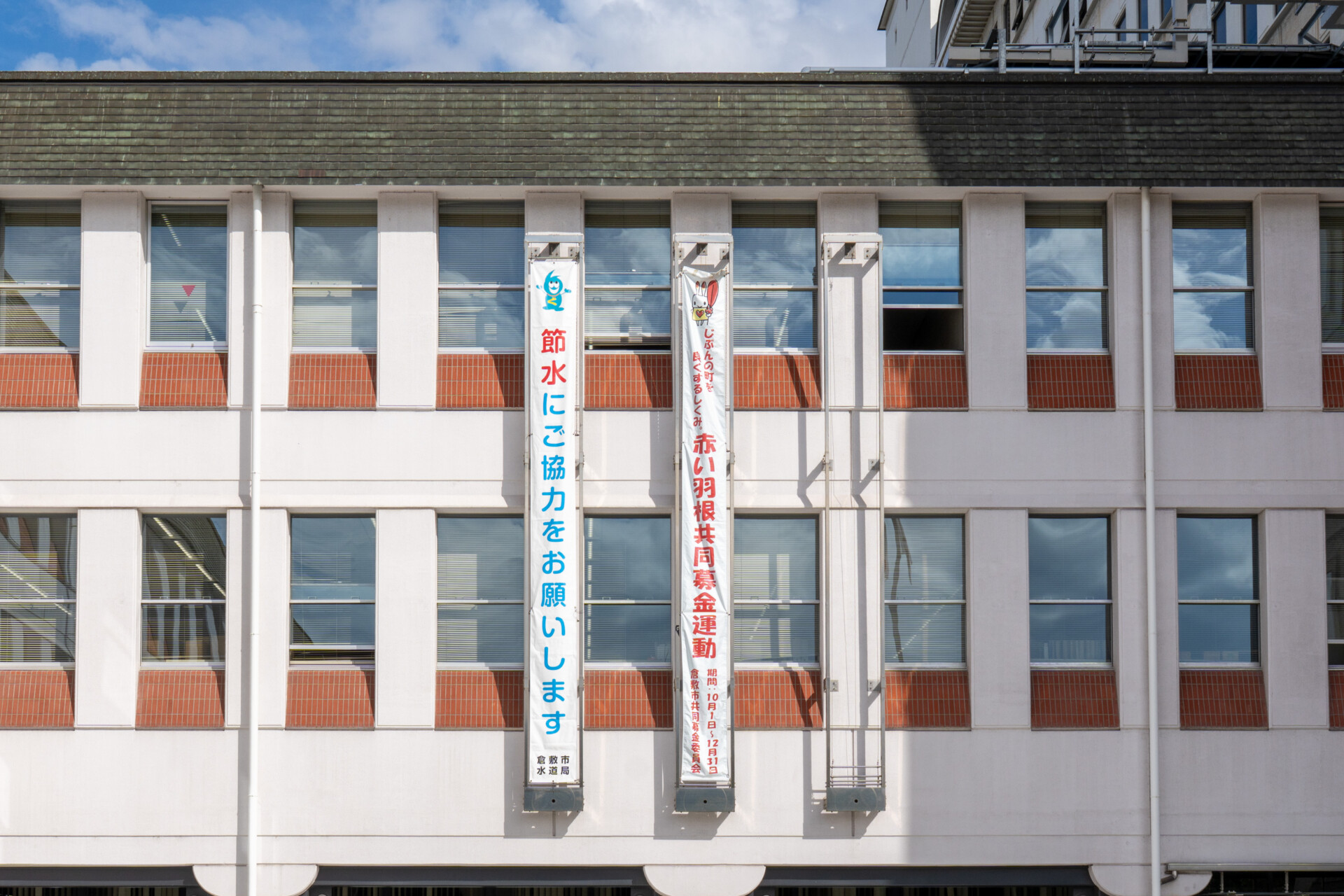
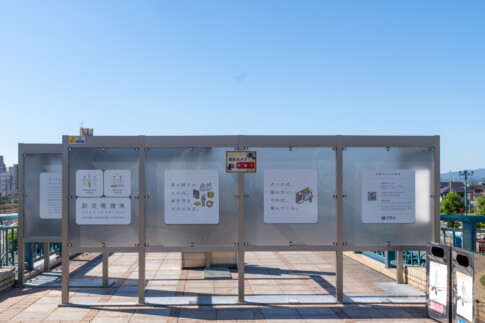
We are sending individual letters to factories, businesses, and shopping malls that use a lot of water, asking for their cooperation. We are also requesting schools and public facilities in the city to put up notices.
In addition to our website and social media, we have banners displayed at the main office and each branch. We also have a public relations vehicle that travels around, with staff on duty visiting various districts to broadcast recorded messages through speakers. This is to deliver the message directly.
We are implementing various measures in the hope that our message will reach everyone.
Finally, please share a message with the citizens.
Matsui
I understand it may be difficult to feel the urgency, but if the situation continues, there is a possibility that we will reach a point where water cannot be used. I hope everyone can gradually develop a consciousness for water conservation.
While the amount of water that can be conserved at each household may be small, if everyone does their part, it will add up to a significant amount overall. I encourage everyone to actively cooperate starting from what they can do.
From the Writer
During the 1994 water shortage, water could only be used for limited hours during the day, and since it was summer, there were people watering their gardens, which created a tense atmosphere of "when we are struggling for drinking water." I remember this well (I was a junior high school student at the time).
However, it is natural that many people do not know about an event that happened 30 years ago. The reason I conducted this interview is that the memory of the water shortage from 30 years ago resurfaced, and I felt that "a water shortage in autumn could be quite serious...".
The low reservoir levels of the dams in the Takahashi River system continue as of October 2026.
The water intake restrictions for the water supply are at 10%, and for now, there has been no change in the water coming from the taps, but if the rain continues to be scarce, we may move towards reduced pressure water supply or scheduled water outages.
It would be best if it rains and the reservoir levels recover. For now, I believe it is important for citizens to raise their awareness of water conservation and help mitigate the decline in reservoir levels.
Let’s start with what we can do, such as turning off the tap frequently and using leftover bathwater for laundry.



What do you want to know about Kurashiki?
Enter words to search articles from this site






























Water Shortage in the Takahashi River System
Web Page:
Kurashiki City Official Website
https://www.city.kurashiki.okayama.jp/kurashi/suidou/1007019/1027434.html
Reservoir Status of Major Dams in the Takahashi River System (Okayama River Office)
https://www.cgr.mlit.go.jp/okakawa/kouhou/kassui/kassui-top-new.html