
In modern times, it has become more common to "input" text using keyboards rather than "writing" it.
Therefore, in a sense, characters are like "symbols," but one can even feel "flavor" in slightly distorted handwritten characters.
The author thought that when it comes to the characters of folk crafts, the handwritten characters that express individuality are the best. However, it seems that Tonomura Kichinosuke, who led the folk craft movement, believed that characters that have lost the individuality of the writer and have become patterns are beautiful.
What kind of "beautiful characters" does folk craft consider?
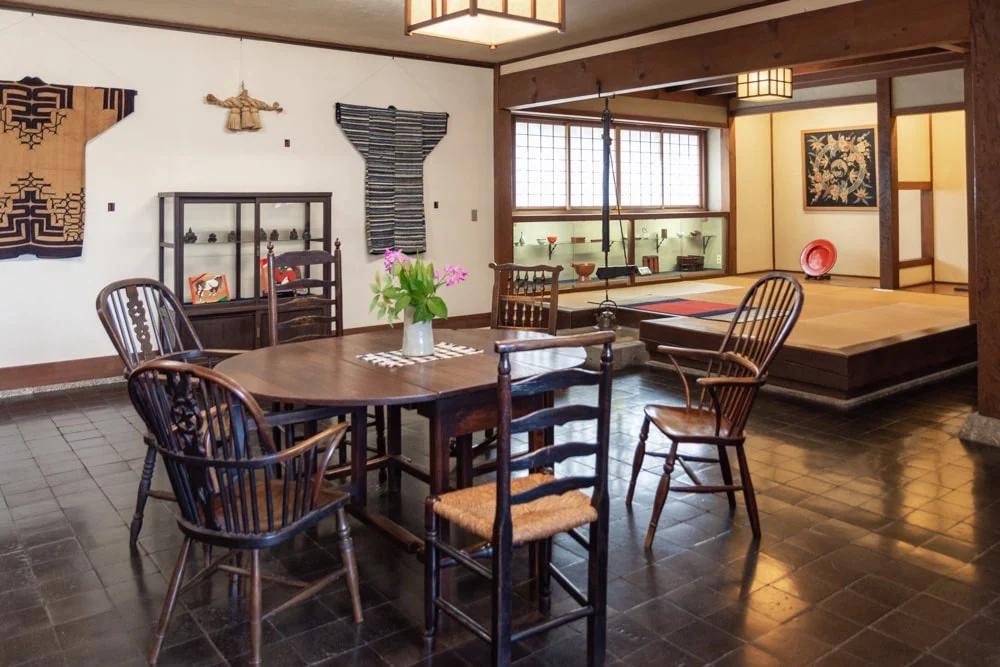
We will introduce the special exhibition "The Pattern of Characters" currently being held at Kurashiki Museum of Folkcraft.
The information provided is based on the article published in October 2026. Please note that it may differ from current information.
What is the special exhibition "The Pattern of Characters"?
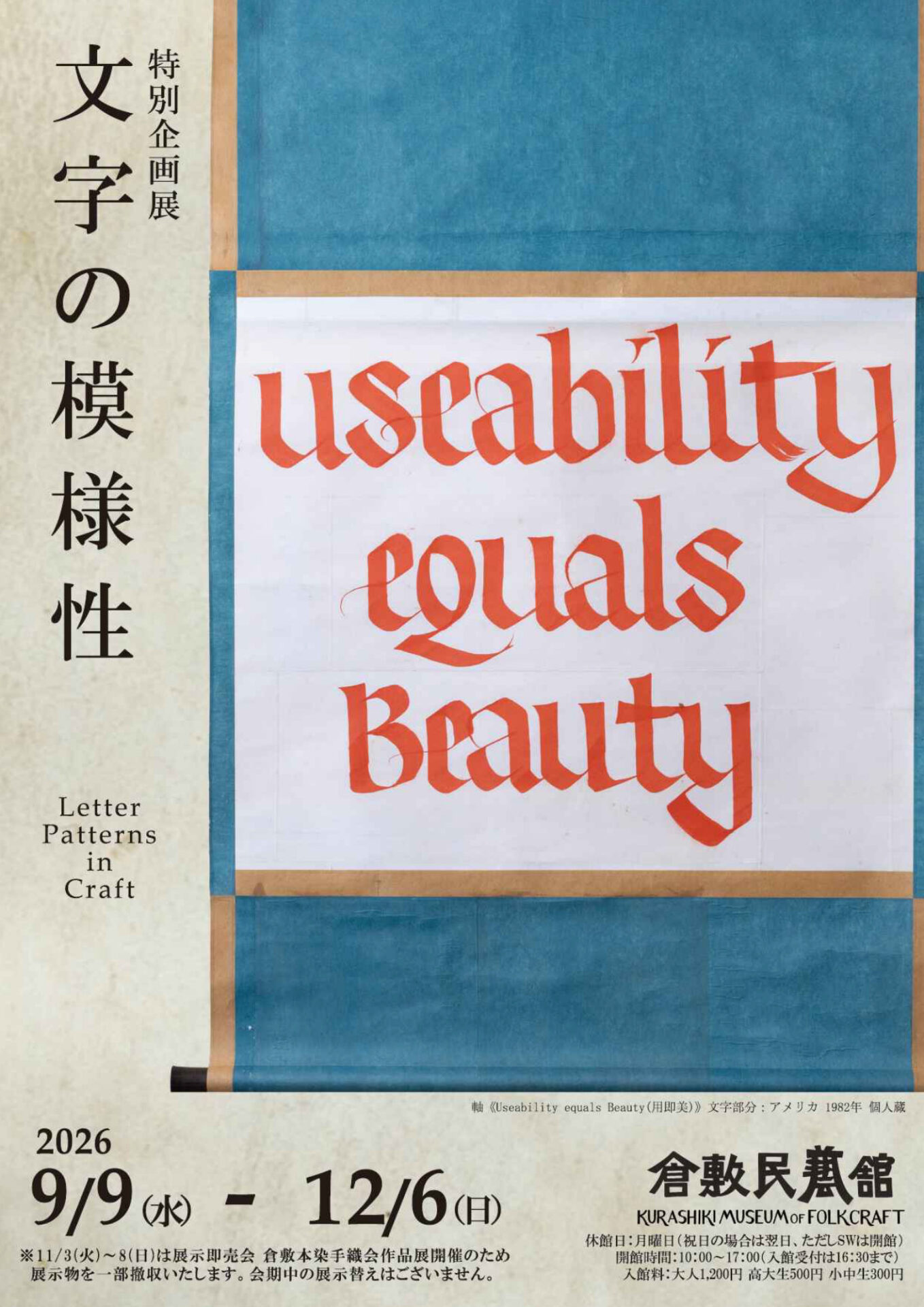
The special exhibition "The Pattern of Characters" is an exhibition that collects items where characters are expressed as patterns, mainly from the collection of Kurashiki Museum of Folkcraft.
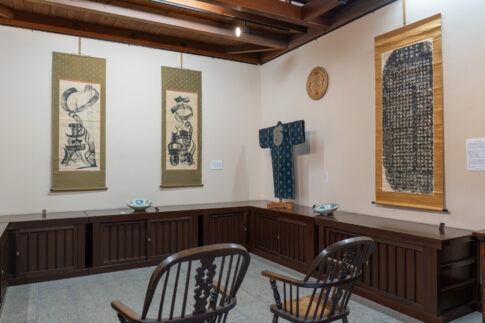
The exhibition period is from September 9, 2026 (Wednesday) to December 6, 2026 (Sunday), showcasing about 70 items including hanging scrolls with characters written with brushes, ceramics, and textiles.
While characters are used as a means of recording and communication, in the East, they have also become objects of appreciation and collection as calligraphy.
In contrast, the folk craft movement has focused on the beauty of characters as patterns, rather than on technique or individuality.
Tonomura Kichinosuke, the first director of Kurashiki Museum of Folkcraft, also cited "patternedness" as one of the characteristics of popular crafts.
What are the "conditions for characters to become beautiful" from the perspective of folk crafts?
According to Iwamura Nanako, the curator of Kurashiki Museum of Folkcraft who planned the special exhibition, the main theme is the "conditions for characters to become beautiful" proposed by Yanagi Muneyoshi.
Yanagi Muneyoshi stated that due to factors such as tradition, repetition (writing many times), and technique, characters themselves become simplified or lose individual quirks, resulting in beautiful characters that enter a patterned effect.
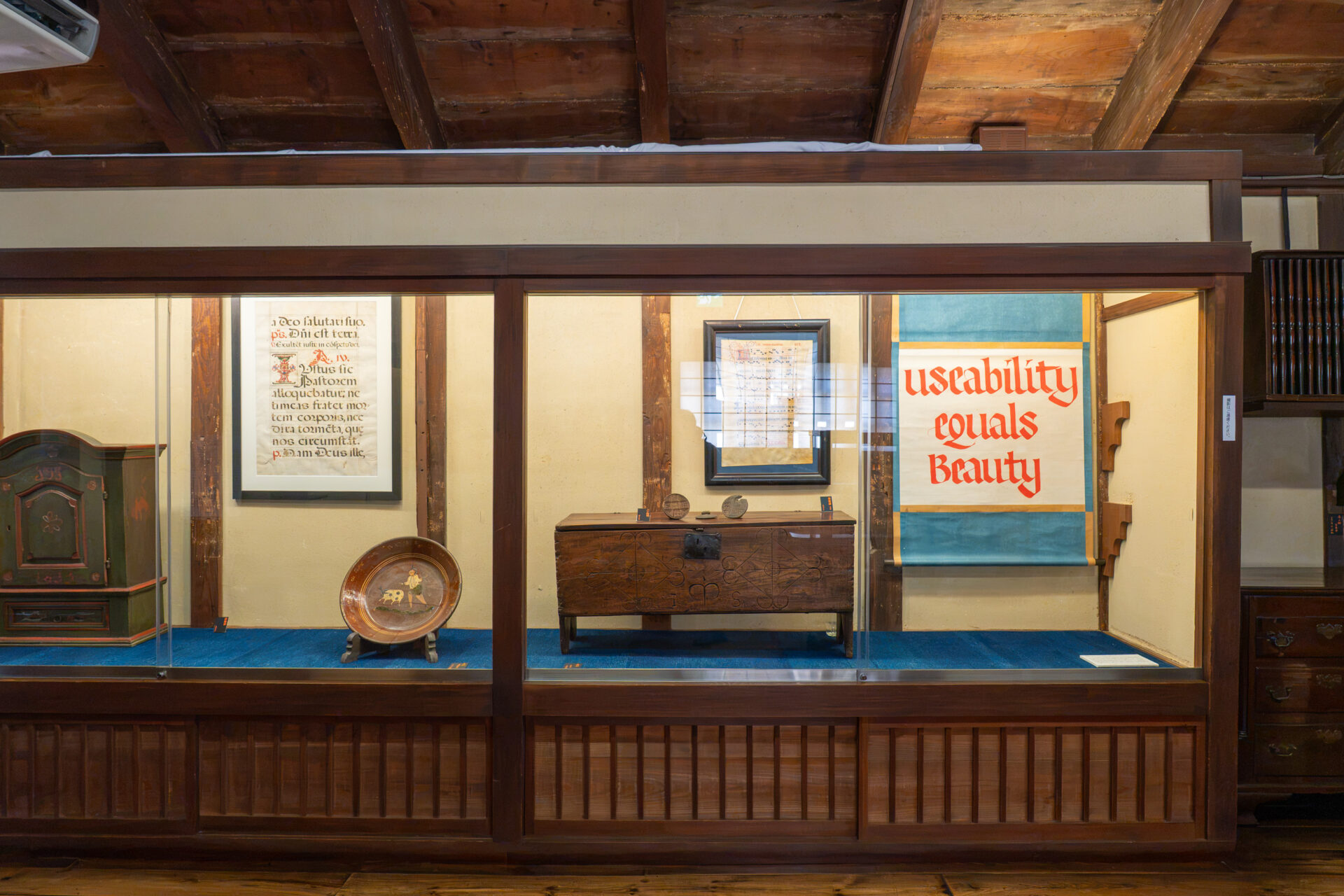
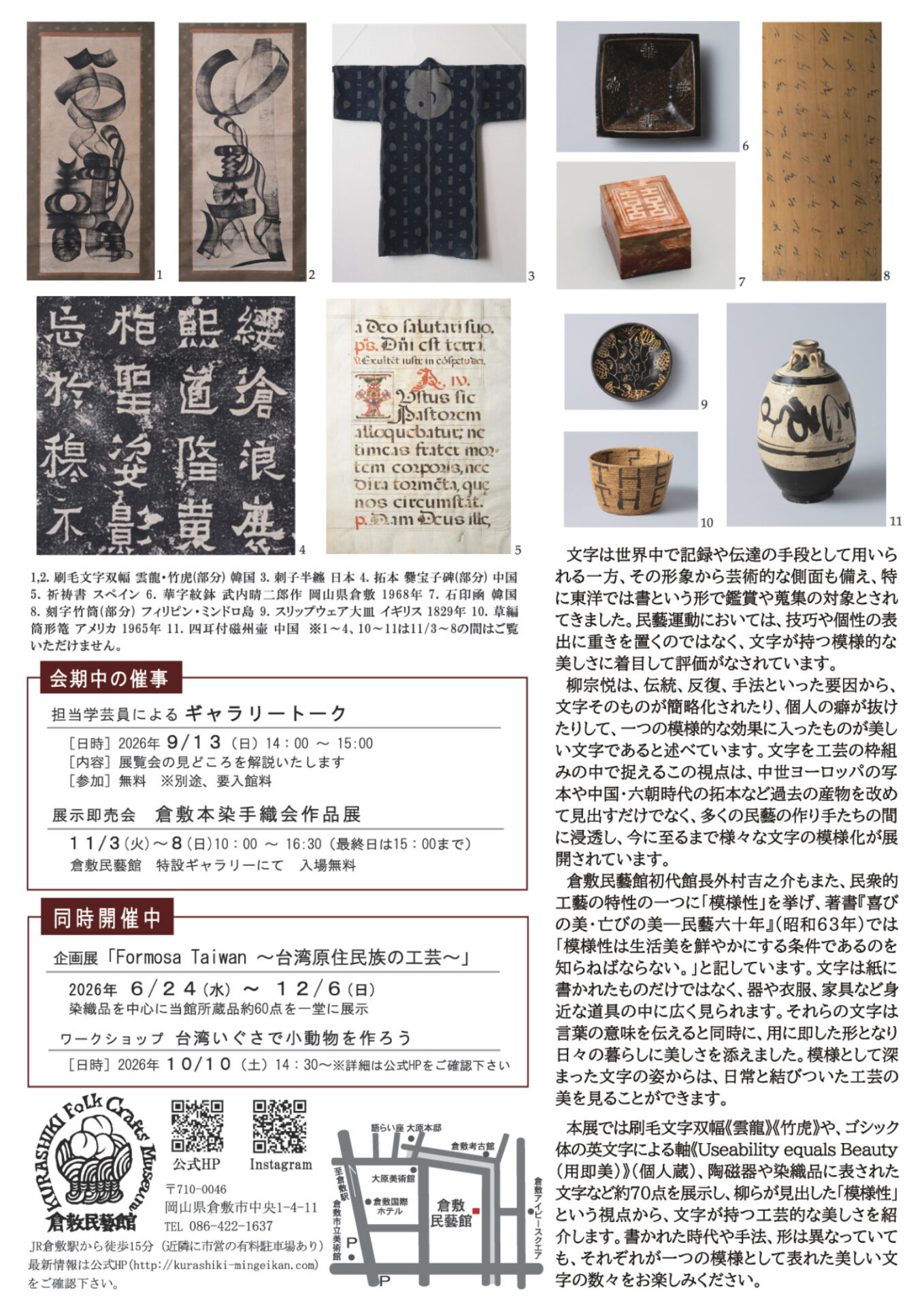
An example of "tradition" is the Spanish prayer book and hymn book.
It is said that the writers, known as copyists, wrote the words of prayer in a predetermined style, and the characters do not express the individuality of the writer at all.
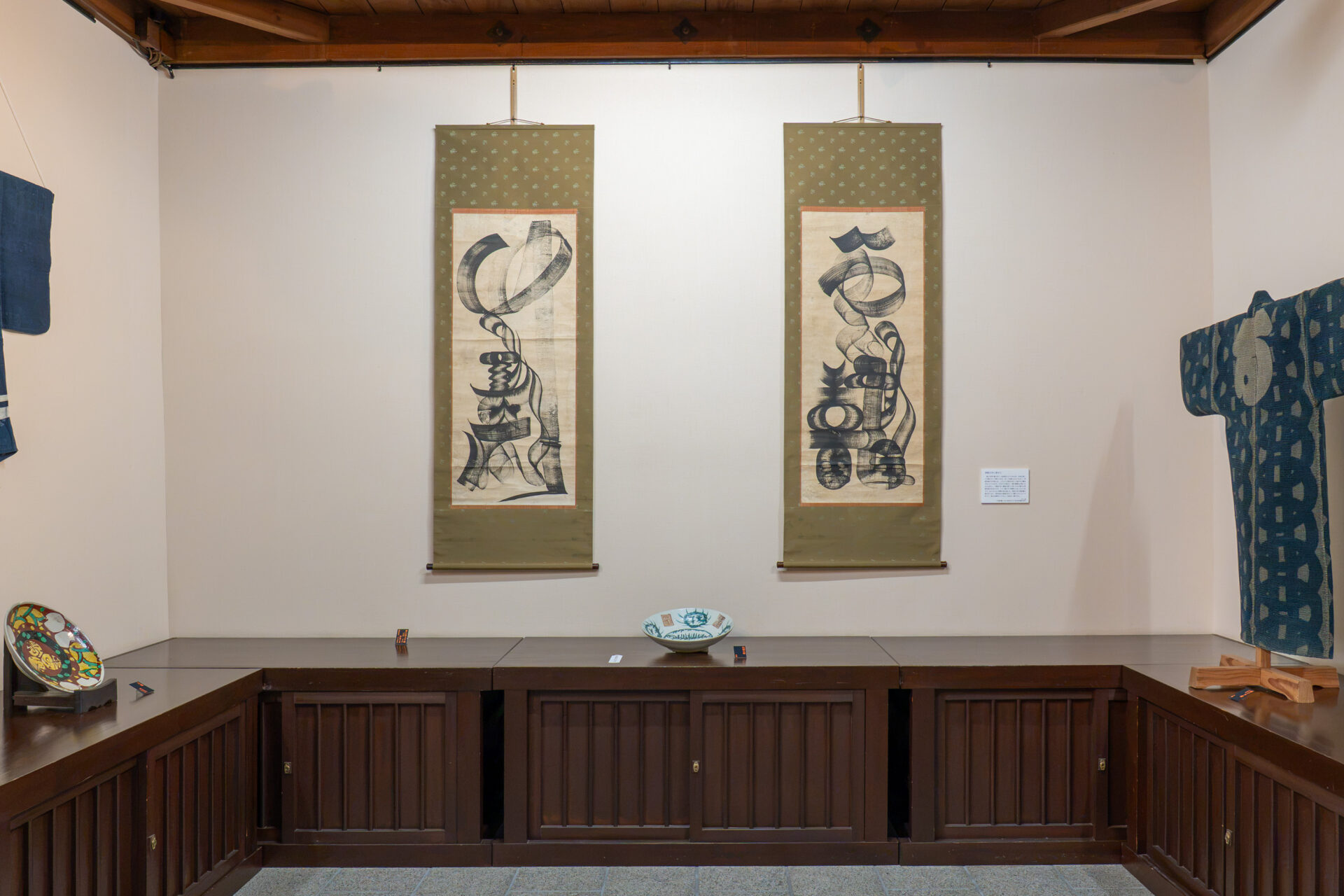
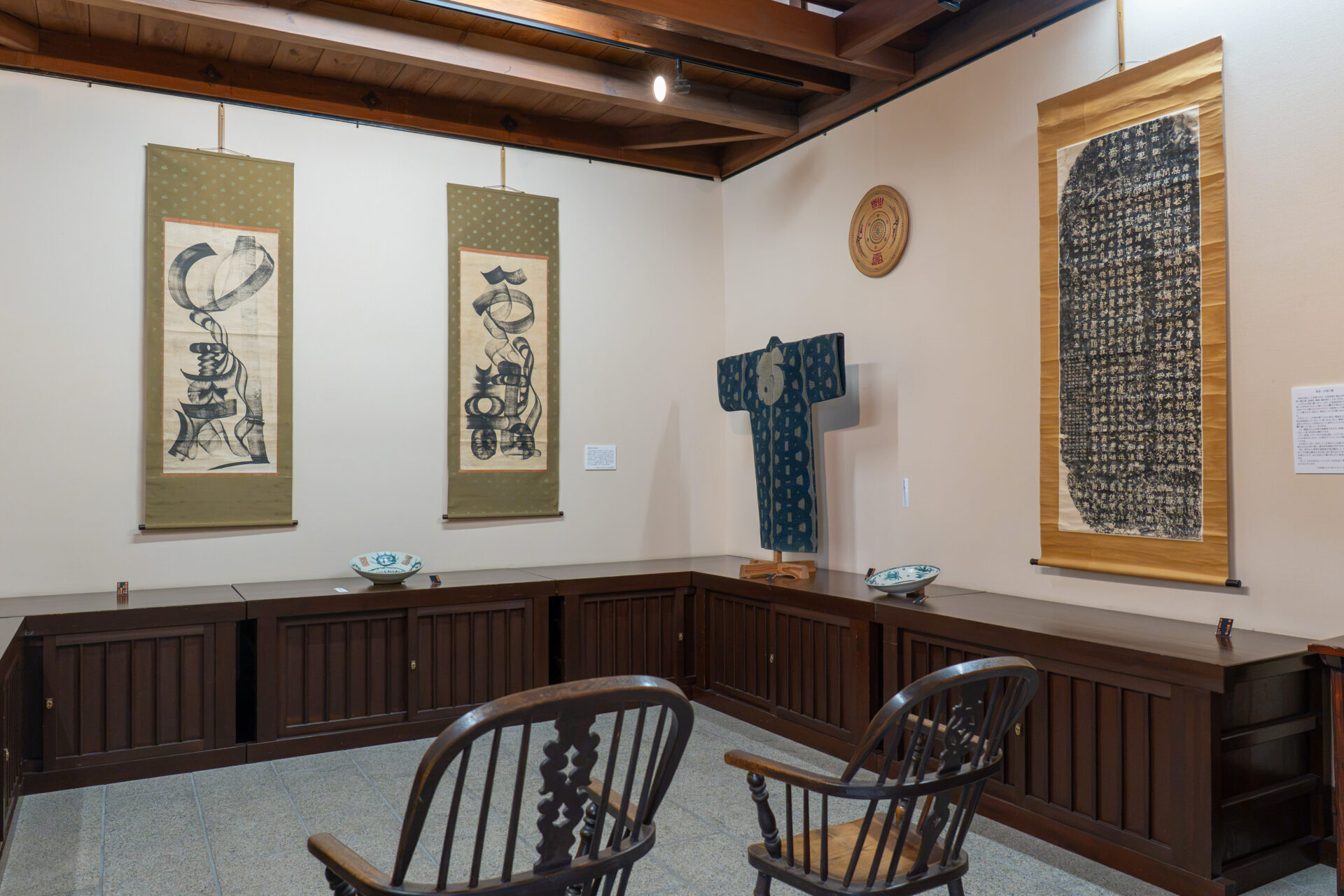
The second example of "repetition (writing many times)" is the brush characters "Cloud Dragon" and "Bamboo Tiger" from the Korean Peninsula.
It is said that an anonymous painter traveled around villages, painting Confucian virtues and auspicious words for a fee, and the villagers displayed them in their rooms. "Because they have drawn the same words many times, they can draw them confidently and without hesitation," Iwamura says.
Visitors are said to be captivated by the powerful presence, whether viewed up close or from a distance, examining the brush strokes.
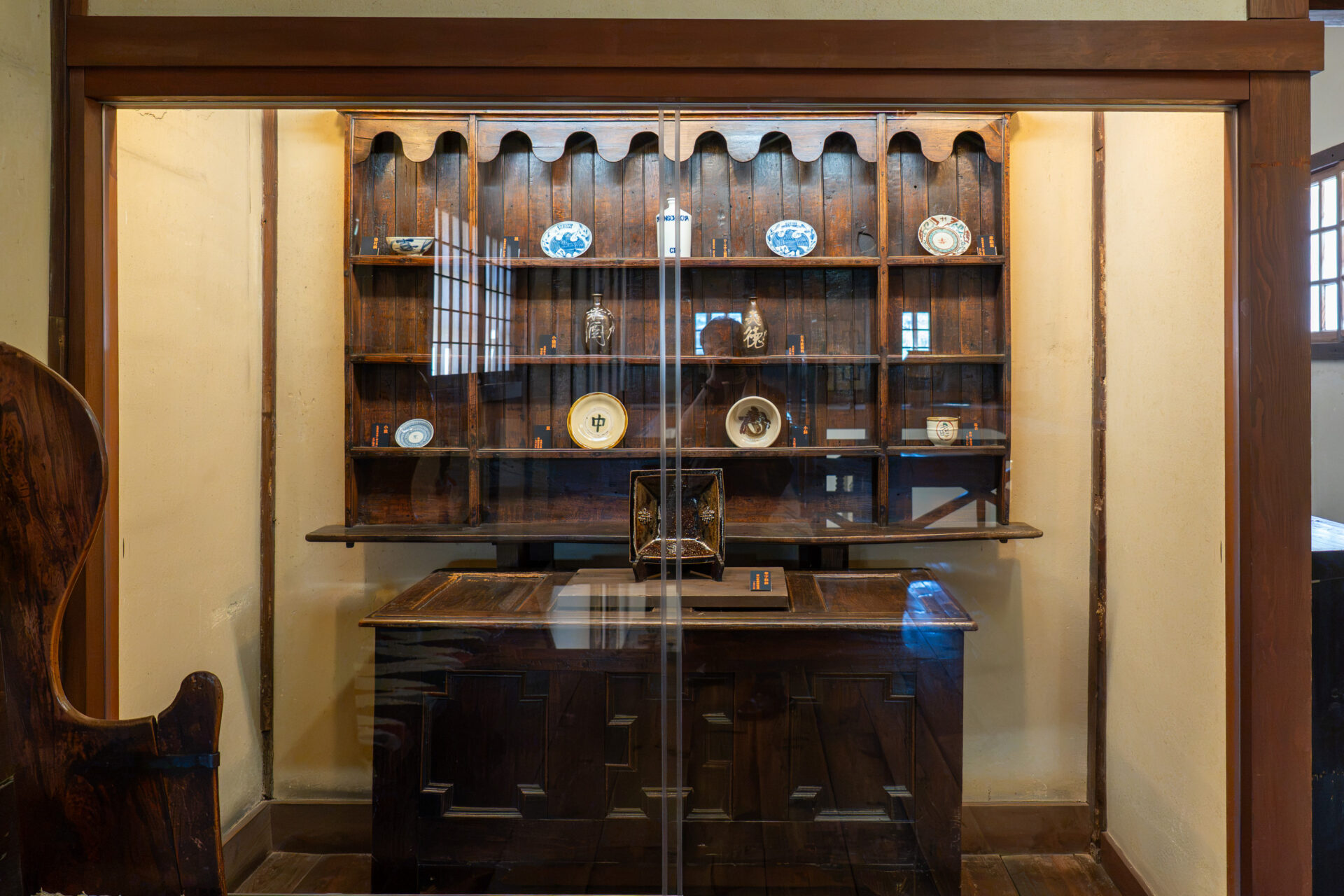
The third example of "technique" is the tokkuri (sake vessel) used in sake shops.
It is said that sake shops lent tokkuri to customers, filled with sake, and reused them when returned by the next customer. The characters were written in a flowing manner, and because they could not be written exactly as intended, the intention to "write well" is less likely to be expressed. This is considered good writing in folk crafts.
Interview with Iwamura from Kurashiki Museum of Folkcraft
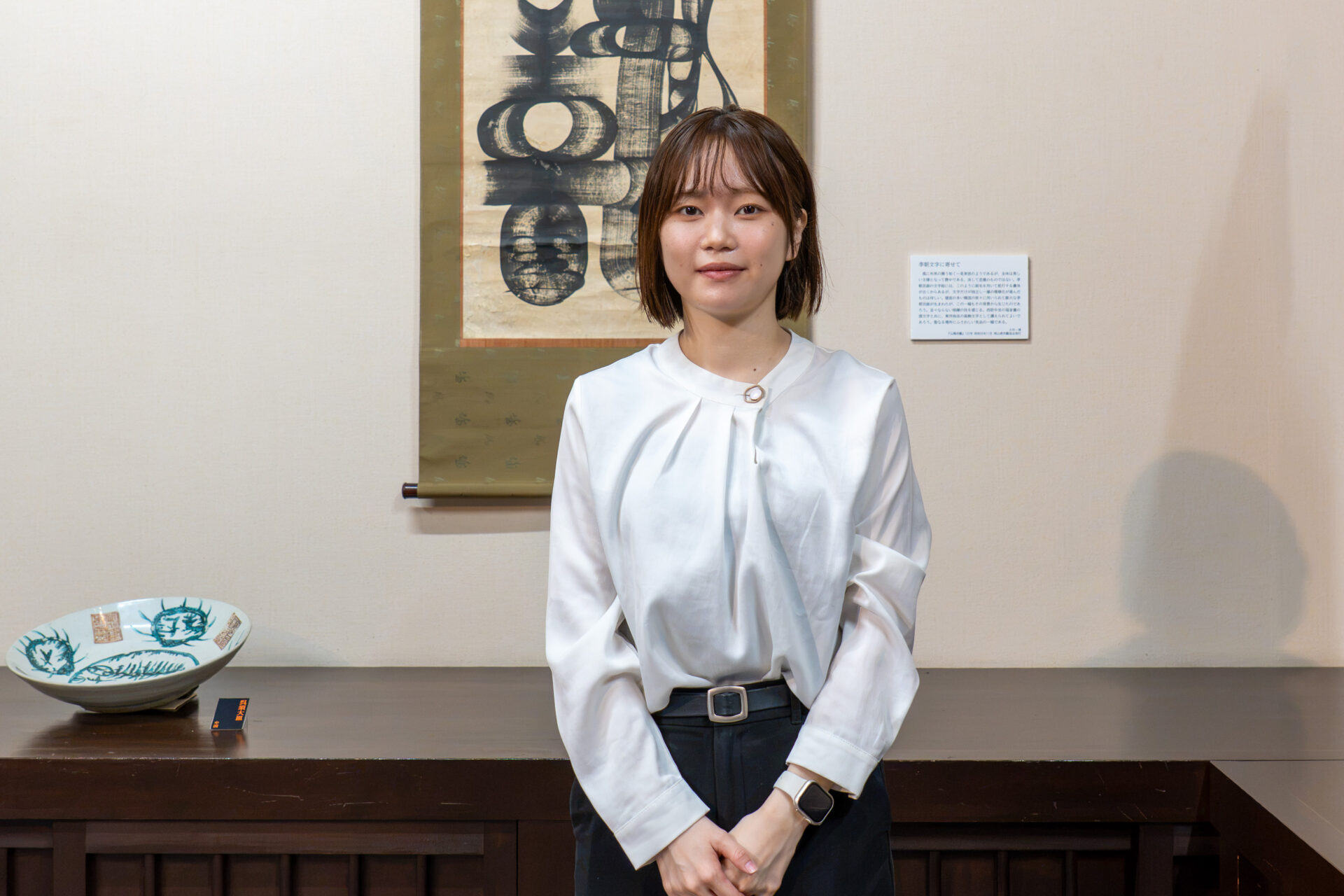
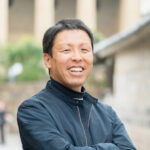
I spoke with Iwamura Nanako, the curator responsible for the special exhibition "The Pattern of Characters" at Kurashiki Museum of Folkcraft, about the planning of the exhibition.
Could you tell us about the background of planning the special exhibition "The Pattern of Characters"?
Iwamura (no honorifics)
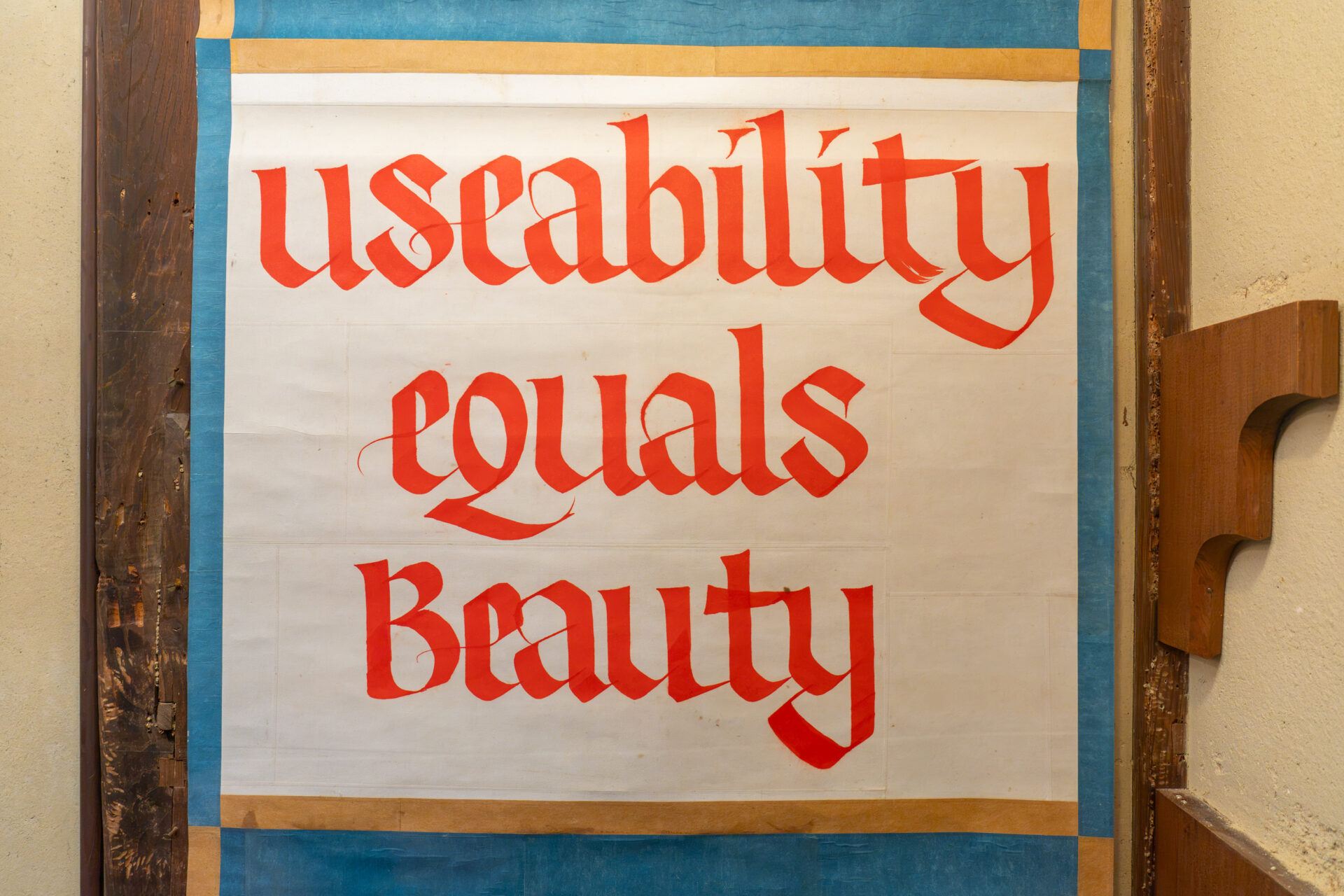
In the journal published by the Okayama Prefectural Folk Craft Association, titled Sanyo Mingei, there is an article written by member Otsuki Kazukiyo about the axis "Useability equals Beauty" (private collection). Although it is an article from 1983, I happened to read it, and what was written about the "solemn beauty of the font that leaves no room for personal quirks, like the brush style" left a strong impression on me.
Upon researching, I found that Yanagi Muneyoshi had been discussing the beauty of characters since the early stages of the folk craft movement. He repeatedly wrote that characters with patternedness are beautiful, which I found interesting, and I planned an exhibition that collected characters that have become patterns.
What kind of characters are considered beautiful in folk crafts?
Iwamura
I think of characters as an art form, like calligraphy, in a slightly different way.
The beauty of characters in folk crafts lies in characters that are in predetermined styles, carved characters, or flowing characters, rather than directly written characters. By doing so, individuality is diminished, and that becomes an element of beauty, as Yanagi stated. This time, I collected characters that are patterns and decorate other items, rather than directly written characters.
In calligraphy, there is inevitably a desire to write well and express individuality. Characters that have completely lost such elements are considered beautiful in folk crafts. Yanagi also said that Mincho typeface is beautiful, and he believed that predetermined characters and styles are beautiful.
However, characters like "寿" (longevity) and "花" (flower), which have various restrictions due to technique, are also beautiful when they are distorted. In the end, both exist. When lined up like this, there are truly various characters.
Finally, please give a message to the readers.
Iwamura
This time, we are exhibiting about 70 pieces, but I was initially worried that having so many characters displayed would look noisy and overwhelming. However, once exhibited, since each one has become a pattern, I think it has turned into an easy-to-view exhibition.
The shapes of the characters are all different, and there are many interesting designs to see. People of various age groups have already come, and designers and those interested in design have also shown interest. I think it is interesting to view it from that perspective as well.
Also, for those who love folk crafts, I would definitely like you to see "Cloud Dragon" and "Bamboo Tiger."
Exhibitions like this one, themed around characters, have not been very common in the past, so I would be happy if you could come and see it.
From the Writer
I understood that the beautiful characters considered in folk crafts are close to the "fonts" often used in computers.
I had thought that characters with some individuality expressed through handwork would be evaluated as beautiful, so I was a bit surprised and, after hearing the explanation, I was convinced.
Instead of reading the characters expressed on living tools, why not visit Kurashiki Museum of Folkcraft to view them as patterns?

What do you want to know about Kurashiki?
Enter a word, and we will search articles from this site
























Special Exhibition "The Pattern of Characters"
Address:
1-4-11 Chuo, Kurashiki City, Okayama Prefecture
Kurashiki Museum of Folkcraft
Exhibition Dates:
September 9, 2026 (Wednesday) to December 6, 2026 (Sunday)
※From November 3 (Tuesday, holiday) to November 8 (Sunday), some exhibition items will be removed for the Kurashiki Honzome Teori Association Exhibition.
Opening Hours:
10:00 AM to 5:00 PM
※Reception until 4:30 PM
Closed:
Monday
Web Page:
Official website of Kurashiki Museum of Folkcraft
https://kurashiki-mingeikan.com/gallery20260909.html