
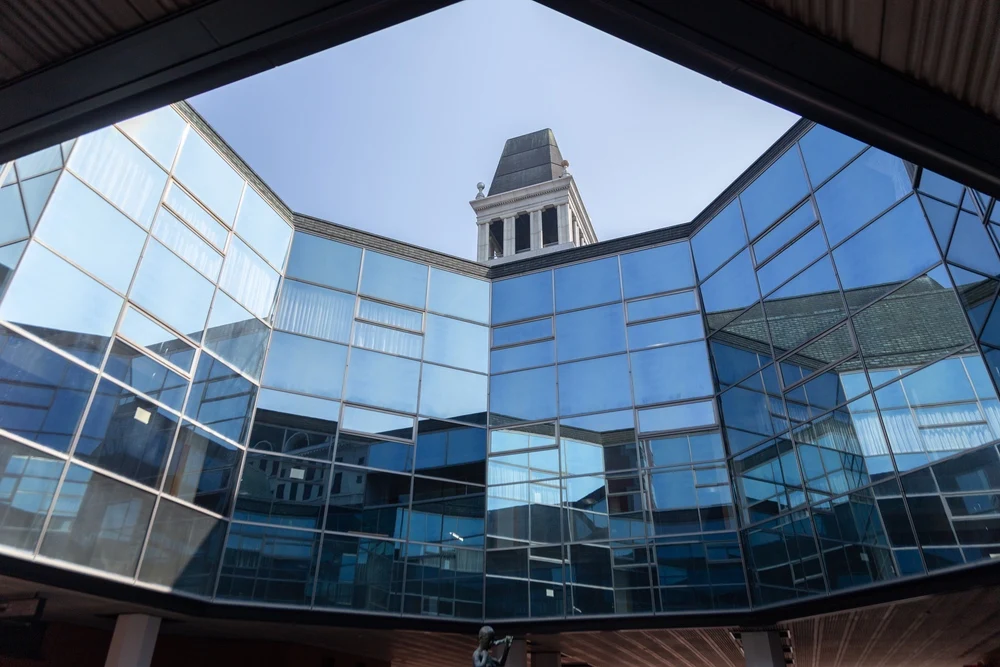
Have you ever taken a good look up at the main building of Kurashiki City Office?
Urabe Shizutaro, an architect from Kurashiki who designed Kurashiki City Hall and Kurashiki Kokusai Hotel.
The architect Urabe admired as a student was Willem Marinus Dudok, who designed the city hall in Hilversum, the Netherlands.
An exhibition introducing the architecture and urban development realized by these two architects, “The Untold Story of Dudok and Urabe Shizutaro,” is being held at Aibi Red Brick Hall inside Kurashiki Ivy Square through Saturday, November 28.
This article introduces both the background to the exhibition and its highlights, based on an interview with a member of Urabe Design, which organized it.
The information presented is current as of the article’s publication in November 2026. Please note that it may differ from current information.
What Is “The Untold Story of Dudok and Urabe Shizutaro”?
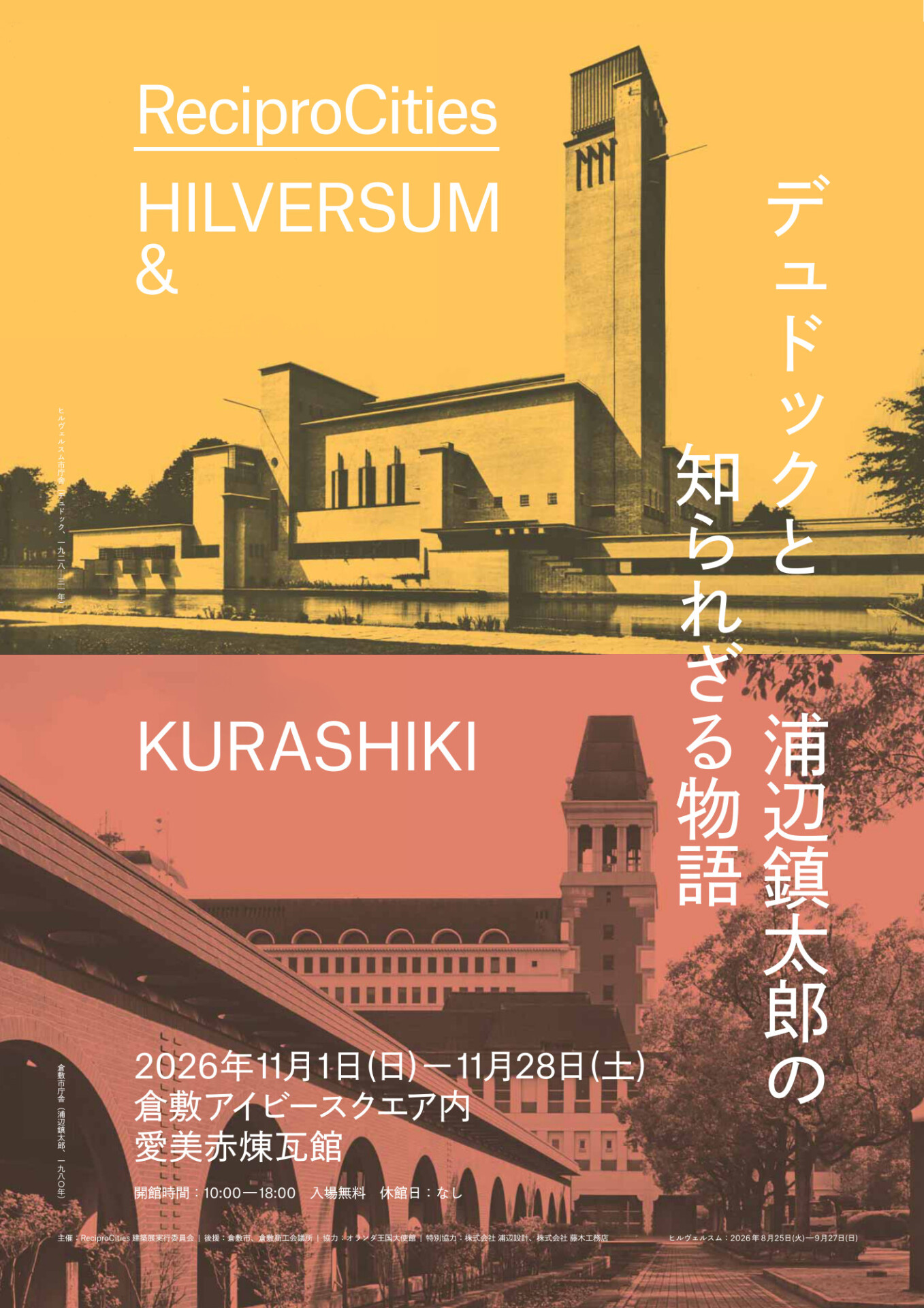
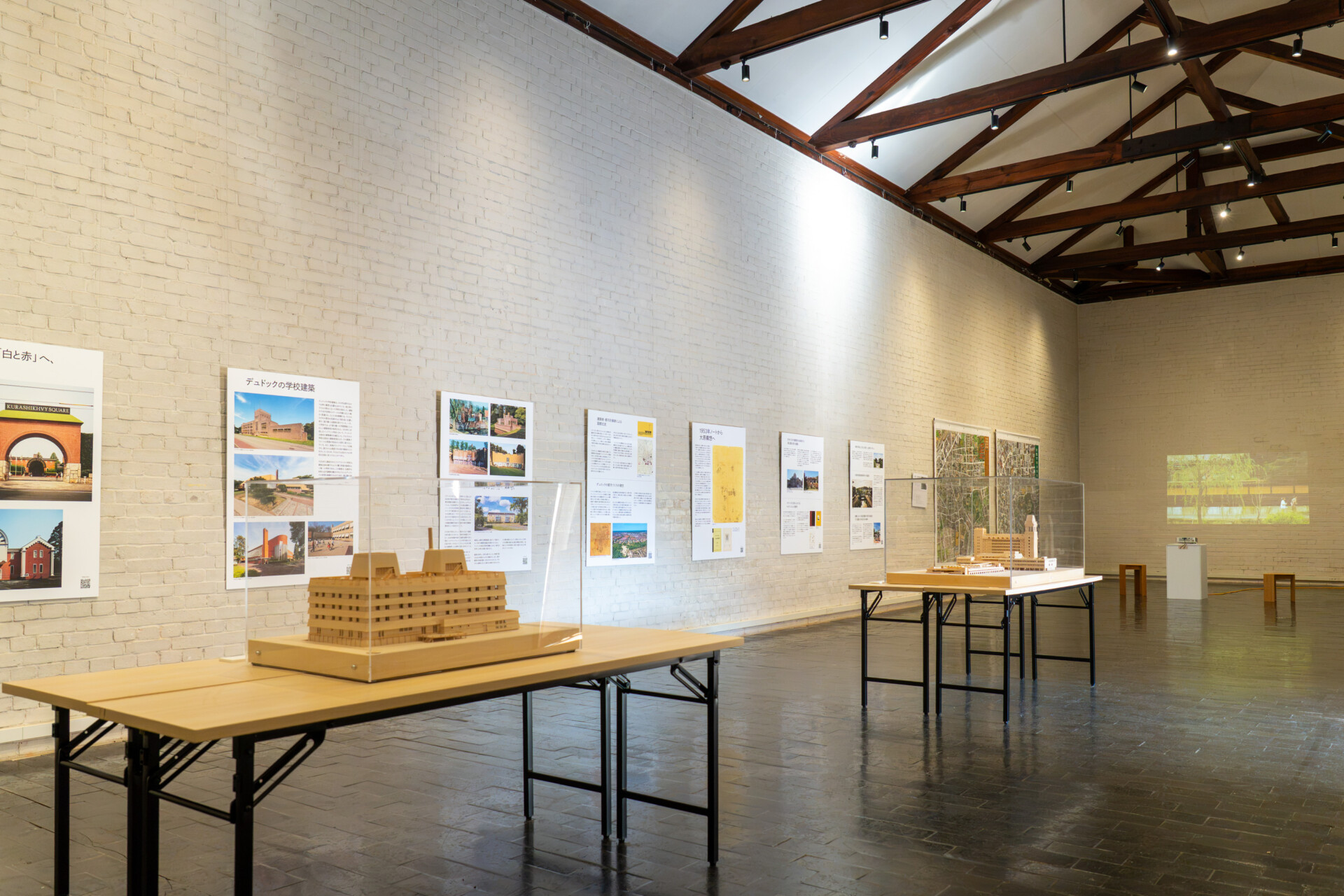
The Untold Story of Dudok and Urabe Shizutaro is an exhibition introducing the architecture and urban development realized by Urabe Shizutaro, who was involved in shaping Kurashiki, and Dudok, who had a major influence on Urabe.
Urabe Shizutaro was an architect who created distinctive modern architecture while drawing on the local climate and culture. By incorporating traditional craftsmanship into his buildings and weaving in historical elements, he developed new forms of architectural expression.
Dudok was initially influenced by the Amsterdam School, but went on to become a leading Expressionist architect in 20th-century modern architecture.
The two did not know each other, and belonged to different generations and cultures.
Even so, each served as an urban architect for one of two cities—the Dutch city of Hilversum and Kurashiki City—seeking harmony between the existing urban environment and new architecture, and leaving a significant mark on the cityscape.
The exhibition runs from Sunday, November 1, to Saturday, November 28, 2026, and is open from 10 a.m. to 6 p.m. It is open every day during the exhibition period, and admission is free.
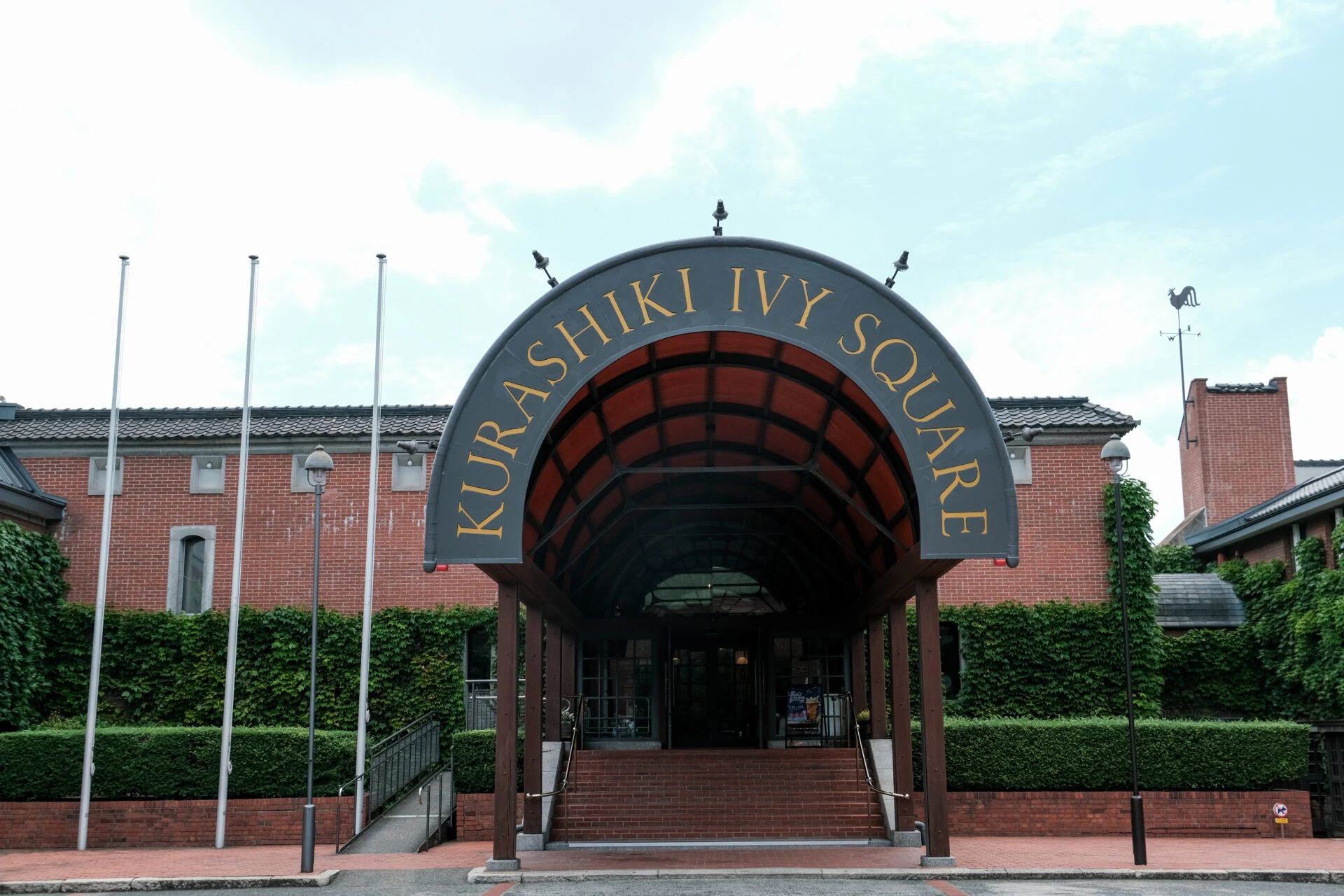
The venue is Aibi Red Brick Hall inside Kurashiki Ivy Square.
An exhibition was also held in Hilversum ahead of this one, from Tuesday, August 25, to Sunday, September 27, 2026.
Comparing the Two City Halls
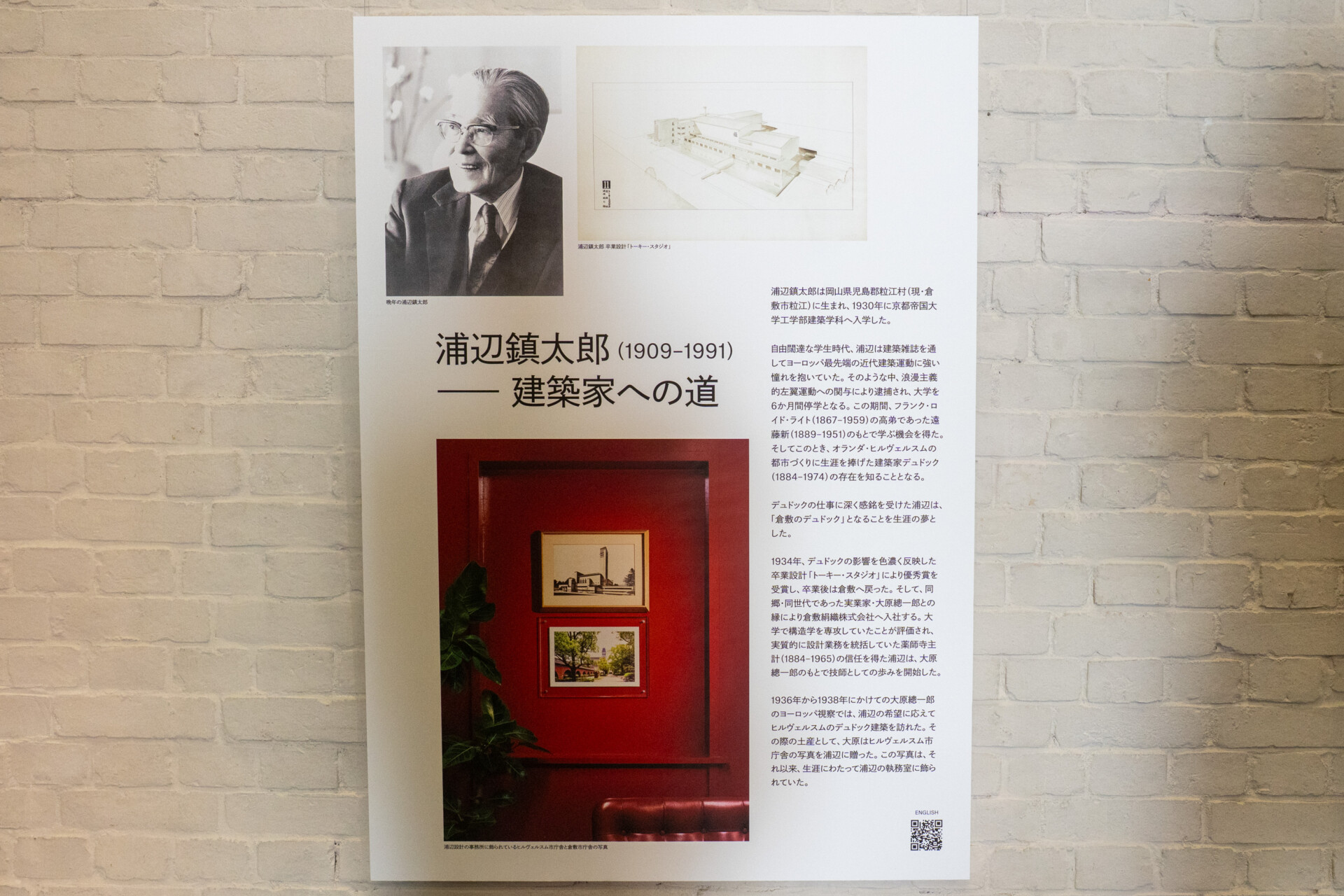
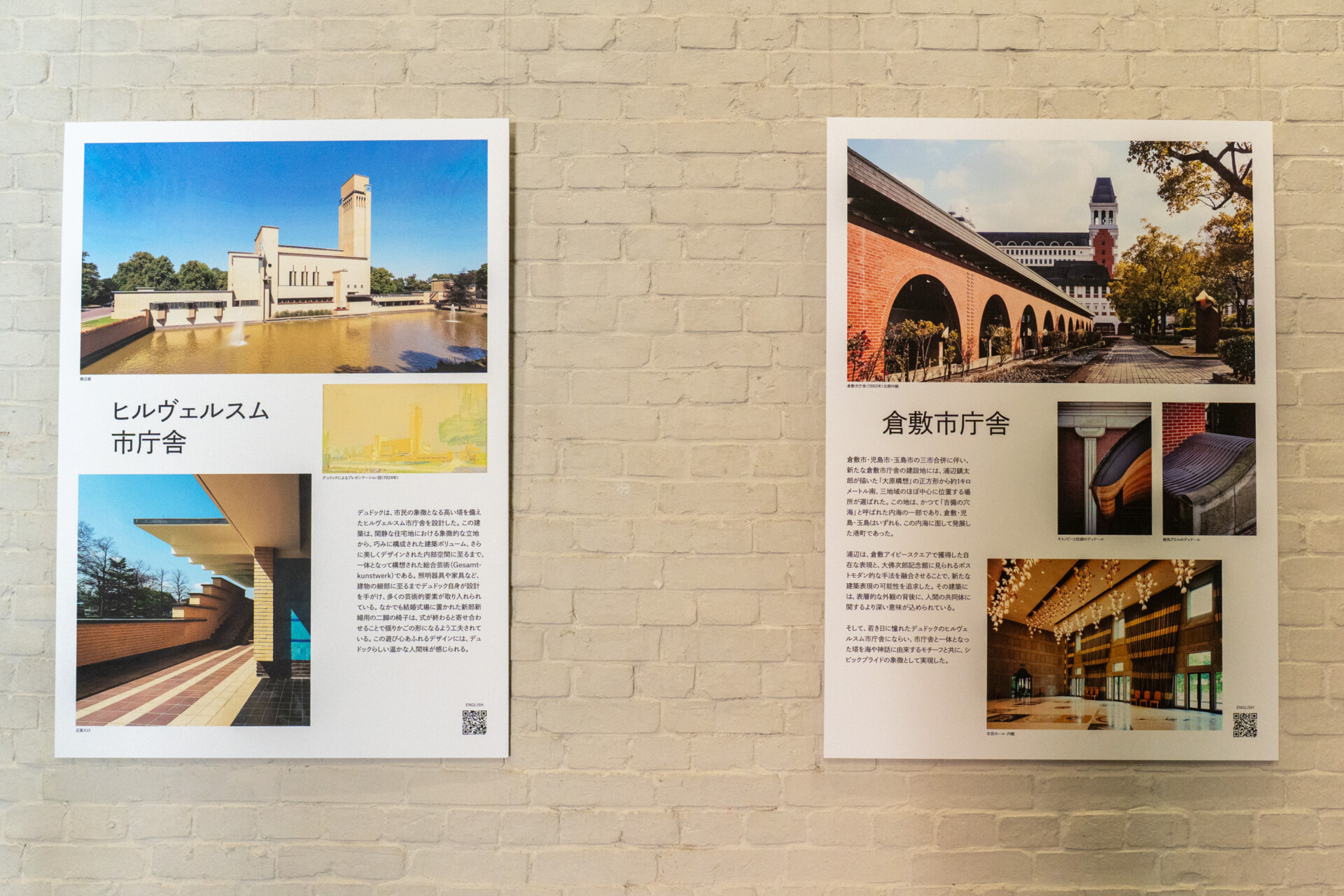
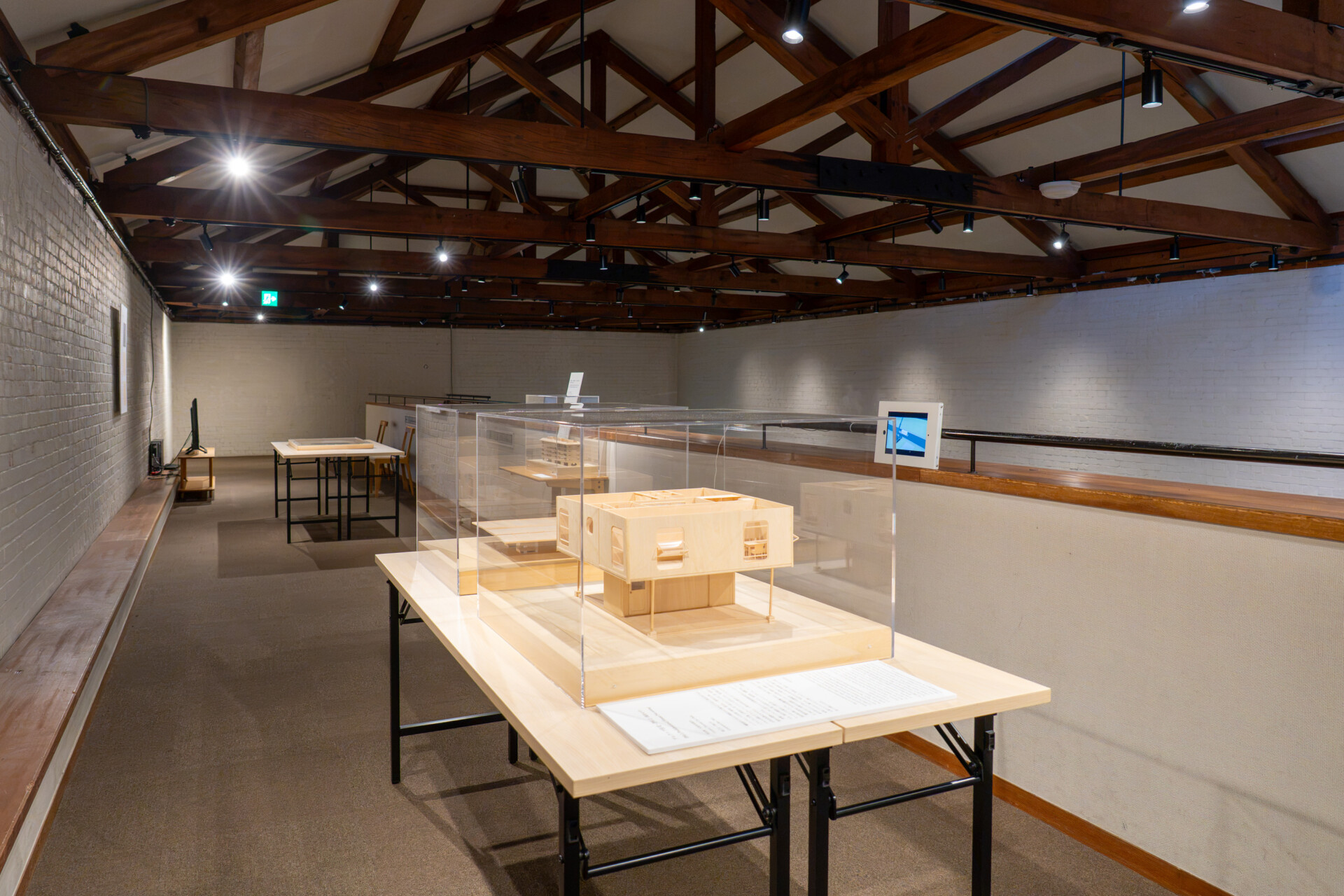
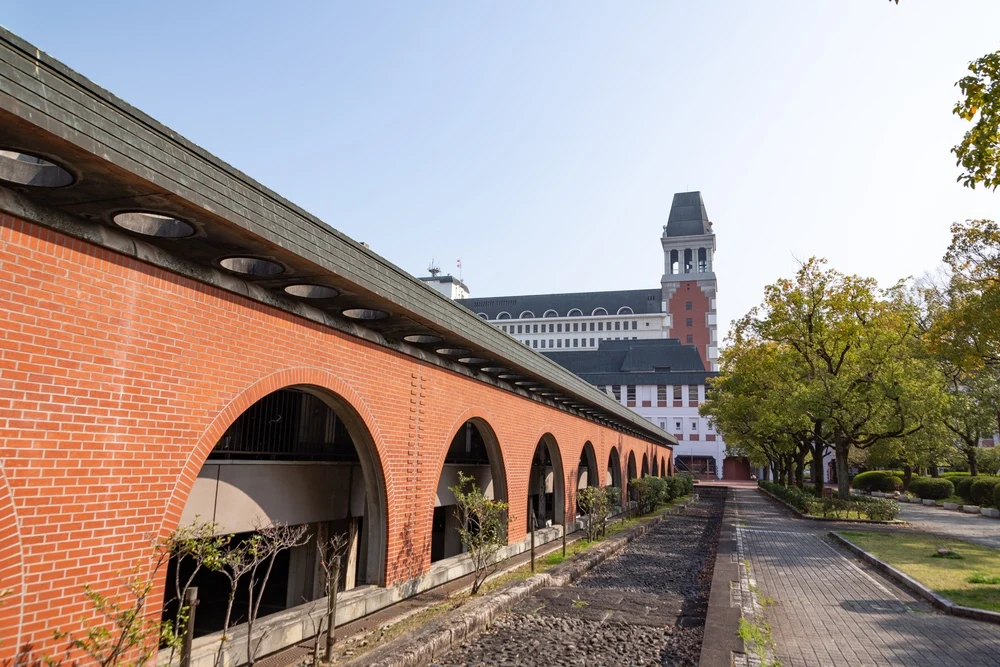
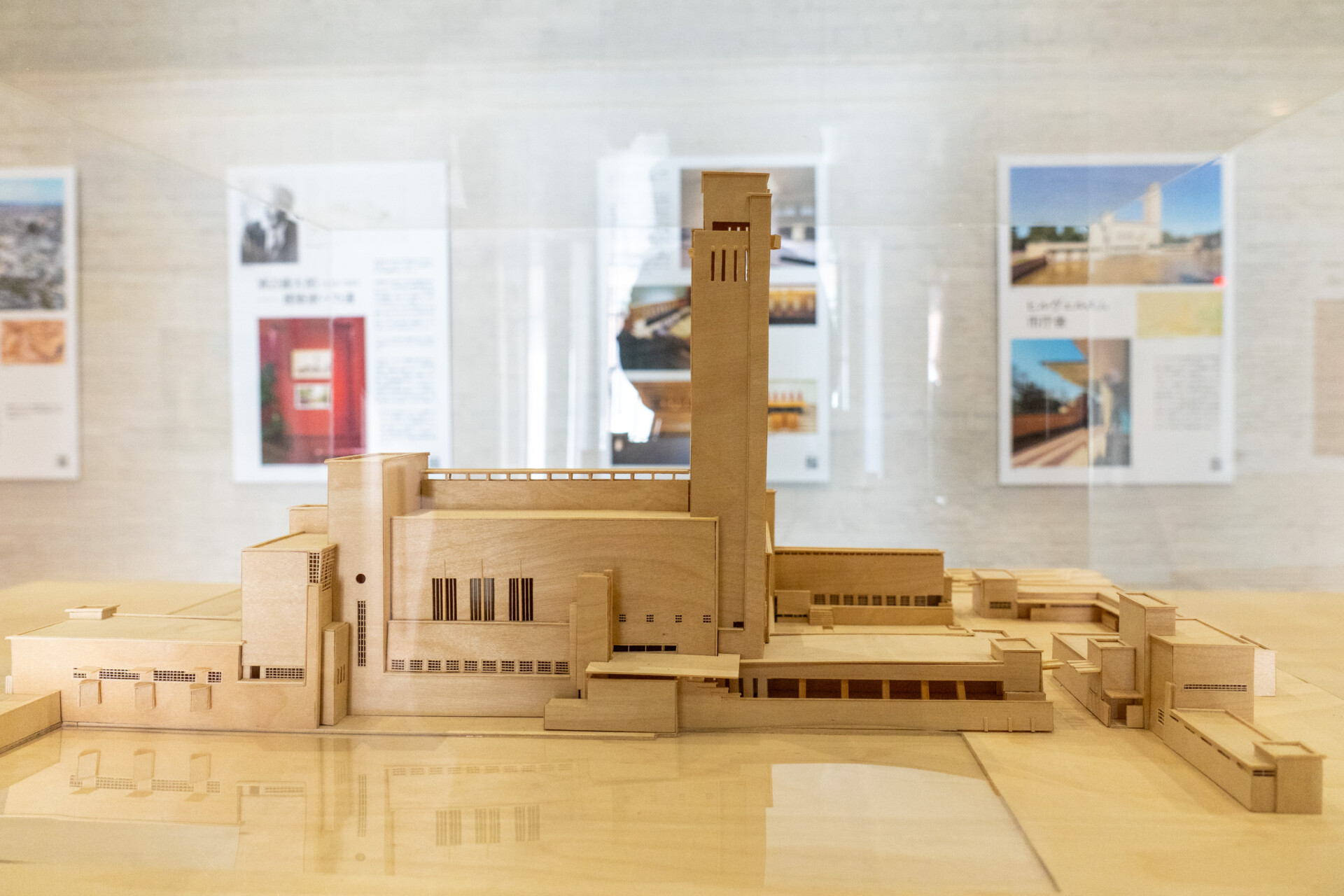
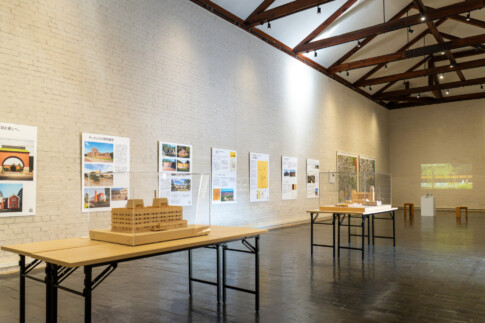
The venue features panels and models of the two architects’ works, including Hilversum City Hall (1928–1931), designed by Dudok, and Kurashiki City Hall (1980), designed by Urabe Shizutaro.
According to a member of Urabe Design, Hilversum was a newly created city, planned from the outset to be “an area full of greenery.” Dudok worked on buildings while also contributing to urban development, including city planning such as the layout of roads. They said that Urabe Shizutaro admired this and was thinking about what he could do himself.
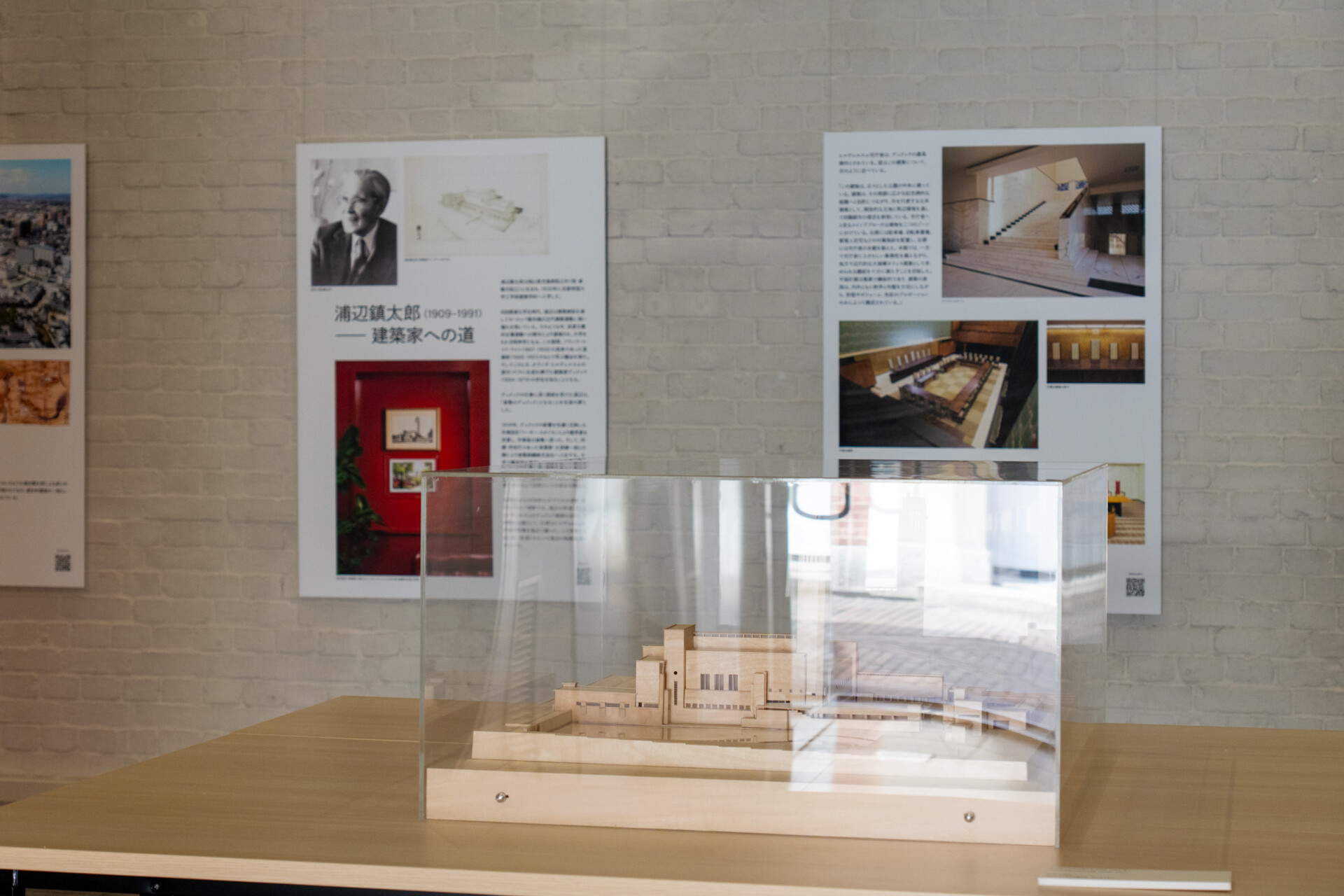
Hilversum City Hall was designed so that the building is reflected in the surface of a pond.
They said they only recently realized that the octagonal atrium at Kurashiki City Hall may also have been Urabe’s way of consciously incorporating reflections.
Dudok also designed decorative works, but the city hall has a simple composition with restrained ornamentation. This is the opposite of Urabe, who worked on decorative designs in his later years.
Both architects also designed housing. Dudok worked on “public housing,” built by the public sector to meet society’s needs, while Urabe was involved in housing projects such as employee dormitories for Kurashiki Rayon (now Kuraray). The houses in Hilversum are still in use around 100 years later and are said to be popular for their high value.
Interview with Komoto Jiro of Urabe Design
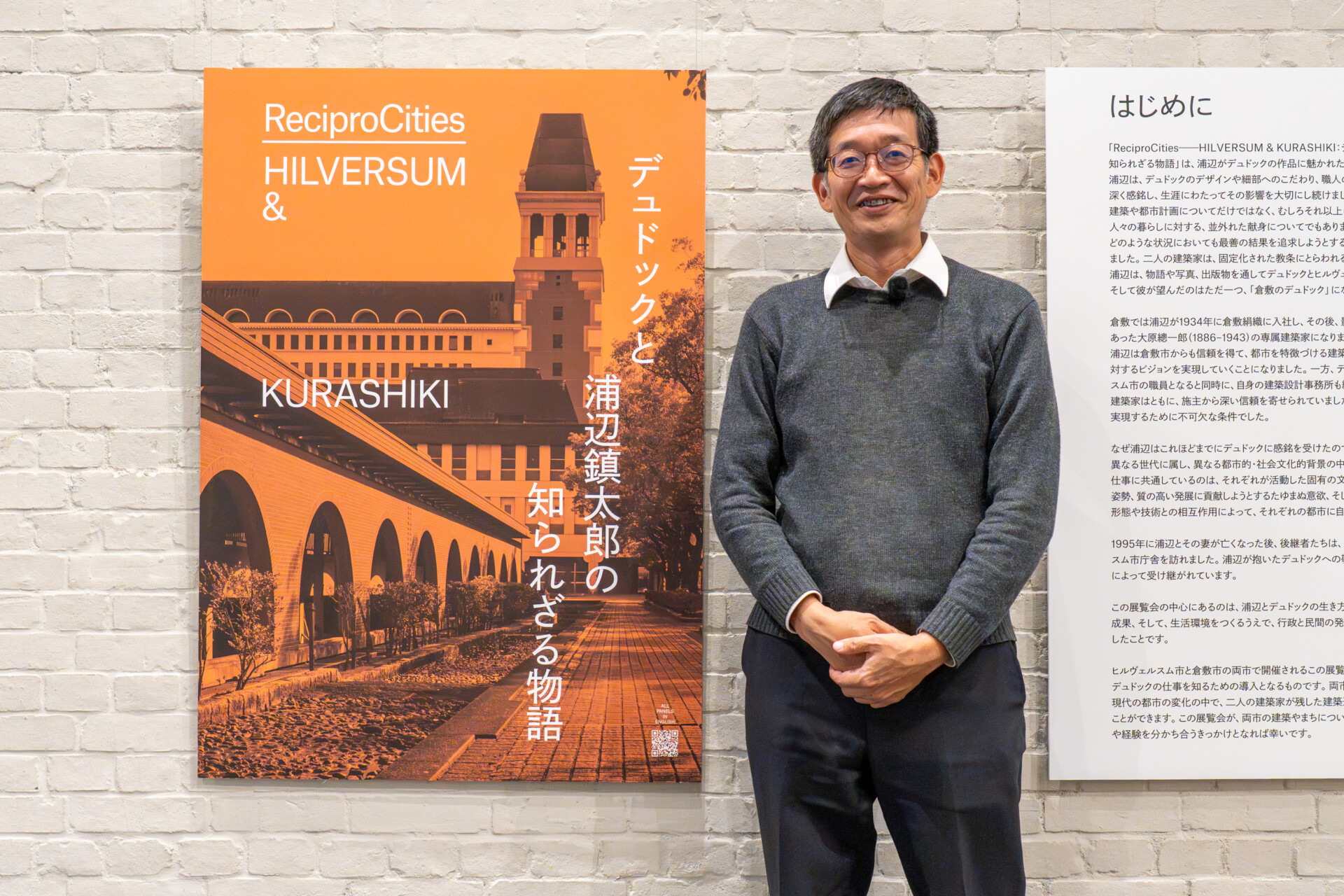
We spoke at the venue with Komoto Jiro of Urabe Design Co., Ltd., which is serving as the exhibition’s secretariat.
Could you tell us how this exhibition came to be planned?
Komoto (surname only)
It began when Alice Roefholt (founder and honorary director of Het Schip Museum) approached us and said, “Shall we hold an exchange exhibition?”
To explain the background in a little more detail, Professor Narikiyo Hitoshi of Notre Dame Seishin University has been involved in community development in the Bikan Historical Area and runs an initiative called “Kurashi-ki-ni-naru Area Platform.” To learn from the Netherlands how to run its workshops, events were held in 2024 and 2025 with Dr. Jean-Paul Corten as a guest.
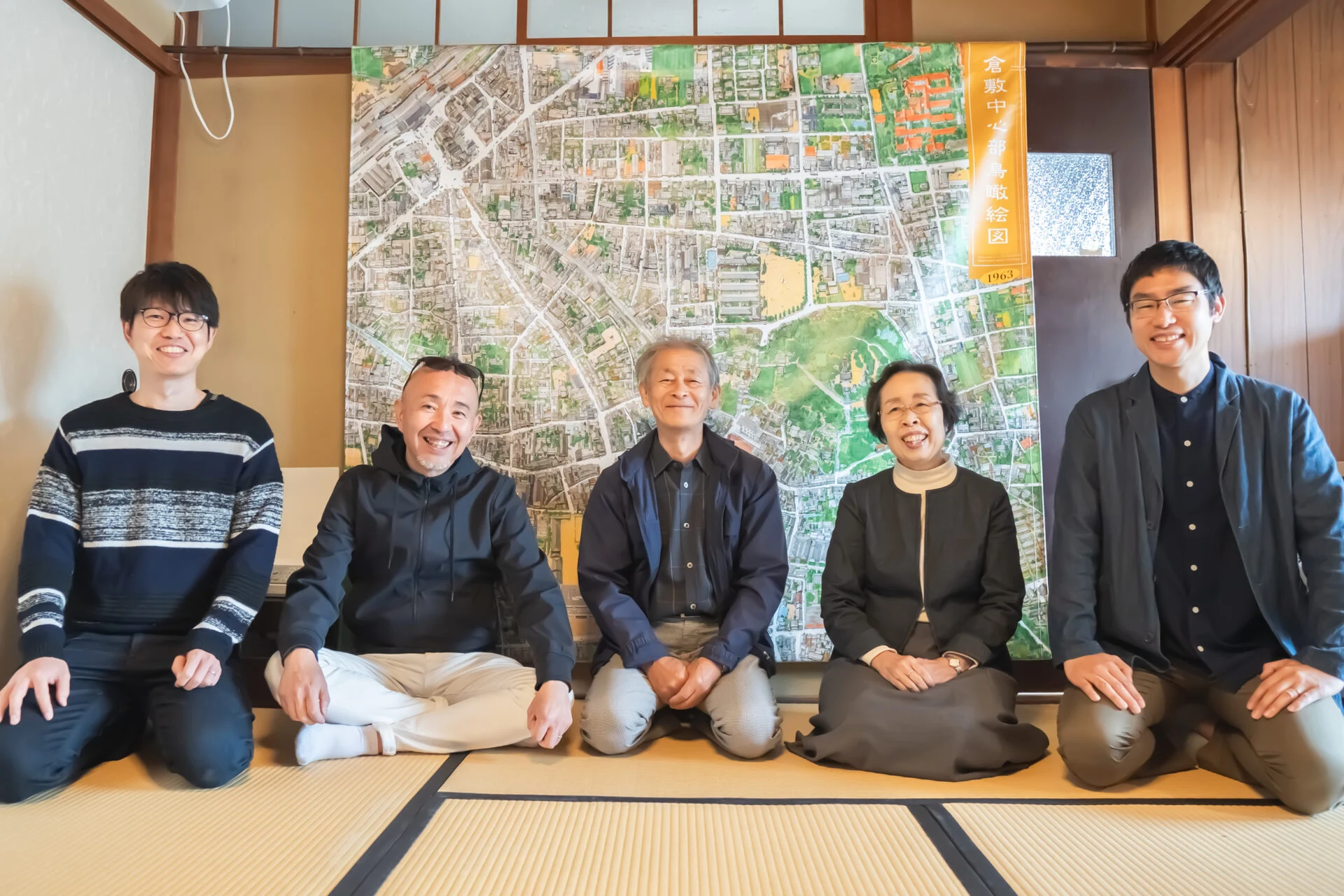
Around the time of that event, Alice Roefholt, the initiator of this exhibition, happened to be visiting Japan to give a lecture in Tokyo. She apparently found the Bikan Historical Area in Kurashiki to be a very beautiful town.
As one variation on modernist architecture, Urabe Shizutaro worked to make buildings harmonize with the surrounding streetscape.
In the Netherlands, too, people were wondering whether modernism alone was enough, or whether more ideas should be incorporated. They realized they shared the same concerns. They said Urabe’s architecture was very interesting as one answer developed in Japan while grappling with the same concerns.
When they looked into it, they found that as a student at Kyoto University, Urabe Shizutaro had admired the work of Dutch architect Dudok after seeing it in magazines.
He wanted to be like Dudok, who was deeply involved in the city as Hilversum’s urban architect. And he wanted to do that work in his hometown of Kurashiki.
That, it seems, was what Urabe had in mind. Alice was also very surprised by this story.
With that background, Alice approached us about holding an exchange exhibition.
Could you tell us what the highlights of this exhibition are?
Komoto
It has become clear what it was that Urabe Shizutaro admired.
We learned about Dudok from people in the Netherlands, and while introducing them to Urabe in Japan, we worked on the text through frequent exchanges on the web.
We compiled it into a catalog and made panels from it. I think that process itself was a new discovery this time. I hope people will take a look at the panels and the catalog. I think that is the greatest achievement.
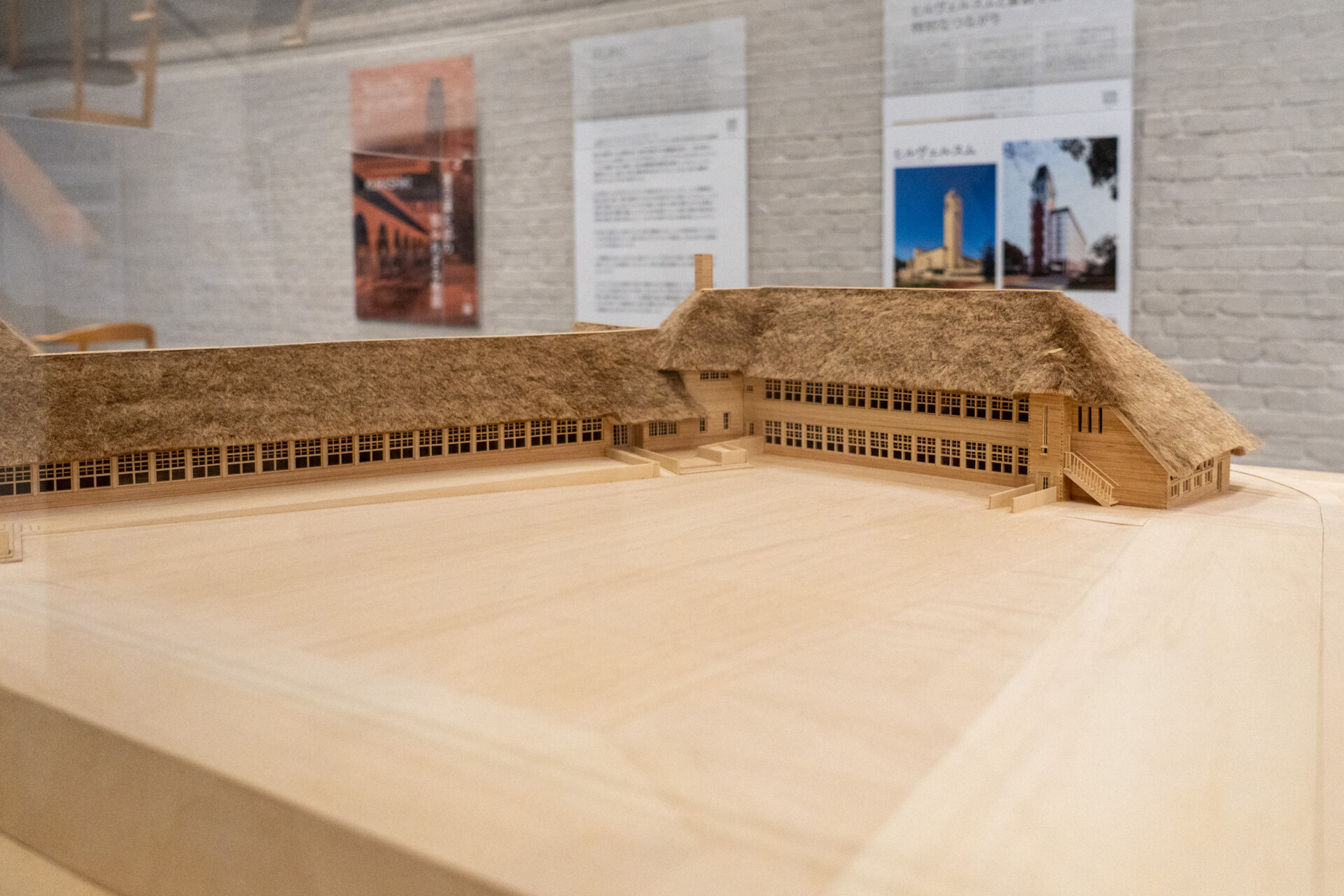
Another highlight is that students took an active part. Students from Okayama Prefectural University and Wakayama University made models.
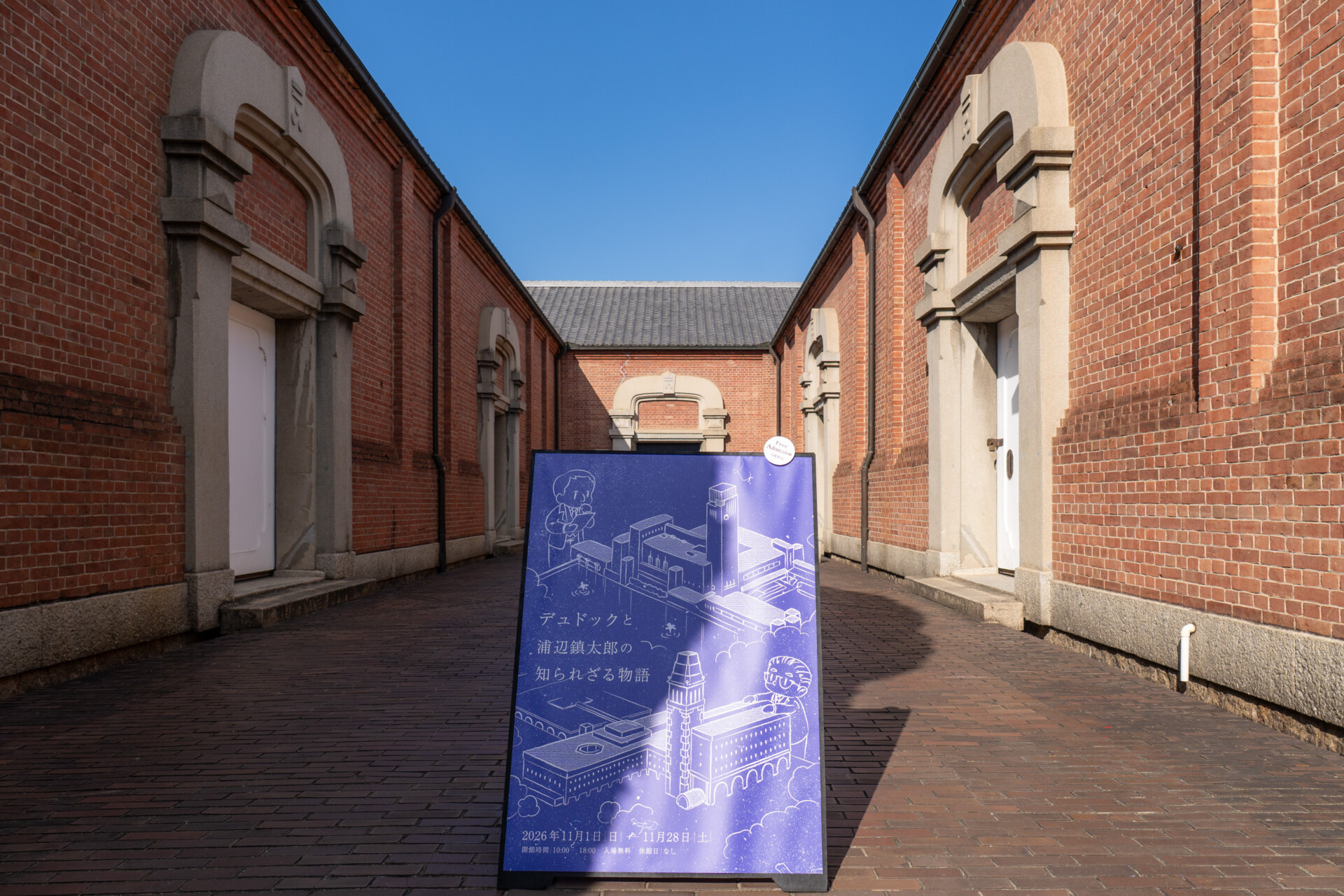
The blue sign at the entrance was also made by hand. A student studying product design at Okayama Prefectural University proactively said, “I’d like to get involved” and “Would it be okay if I made the sign, too?”
I hope you’ll come and see it.
Finally, do you have a message for our readers?
Komoto
Admission is free, so I hope you’ll come and see it. The panel exhibition is worth seeing, and the video playing at the venue is also very beautiful, so please watch it.
Learning about the architects and towns that Urabe Shizutaro, who helped shape Kurashiki, admired may give you a new insight or change your perspective when you visit the Bikan Historical Area.
From the Writer
When I previously reported on the main building of Kurashiki City Office, I knew that Urabe Shizutaro admired Hilversum City Hall, designed by Dudok, and that elements of it were scattered throughout the building.
However, I learned for the first time that Urabe Shizutaro admired Hilversum’s urban development itself and sought to realize his own vision in Kurashiki.
In my view, Kurashiki’s urban development is not just about preserving traditional buildings. Its distinctive feature is the way new elements are harmonized with them.
One of the people who carried this work forward was Urabe Shizutaro.
This exhibition offers a rare opportunity to trace the origins of his work through panels, models, and video, so if you’re interested, be sure to visit.


































The Untold Story of Dudok and Urabe Shizutaro
Venue:
7-2 Honmachi, Kurashiki City, Okayama Prefecture
Aibi Red Brick Hall, inside Kurashiki Ivy Square
Dates and times:
November 1 (Sunday)–November 28 (Saturday), 2026
10:00 a.m.–6:00 p.m. (open every day)
Admission:
Free
Web page:
Official Kurashiki City website
https://www.city.kurashiki.okayama.jp/cityinfo/city-plan/1006487/1006515/1027758.html