The streetscape in Kurashiki City’s central urban area, where buildings from the Edo, Meiji, Taisho, and Showa periods remain layered together, has been carefully passed down through generations by the many people who live in the area.
In a town where people from many different walks of life live, it is necessary to advance community development while welcoming diverse opinions.
The “Kurashi-Ki-Ni-Naru Area Platform” is an organization that brings together the government, educational institutions, businesses, various organizations, and local residents to promote community development while envisioning an ideal future for Kurashiki.
It was established so that people living in Kurashiki City’s central urban area could work together to promote community development.
To learn more about community development that will shape Kurashiki’s future, we spoke with people involved in “Kurashi-Ki-Ni-Naru” about what matters to them.
Let’s listen to the voices of people active in Kurashiki City’s central urban area and think together about Kurashiki’s future.
The information presented was current when this article was published in December 2023. Please note that it may differ from current information.
What is the “Kurashi-Ki-Ni-Naru Area Platform”?
What role does the “Kurashi-Ki-Ni-Naru Area Platform,” which is shaping Kurashiki’s future, play in community development?
Here we introduce an overview of the “Kurashi-Ki-Ni-Naru Area Platform” and the background to its establishment.
Overview of the “Kurashi-Ki-Ni-Naru Area Platform”
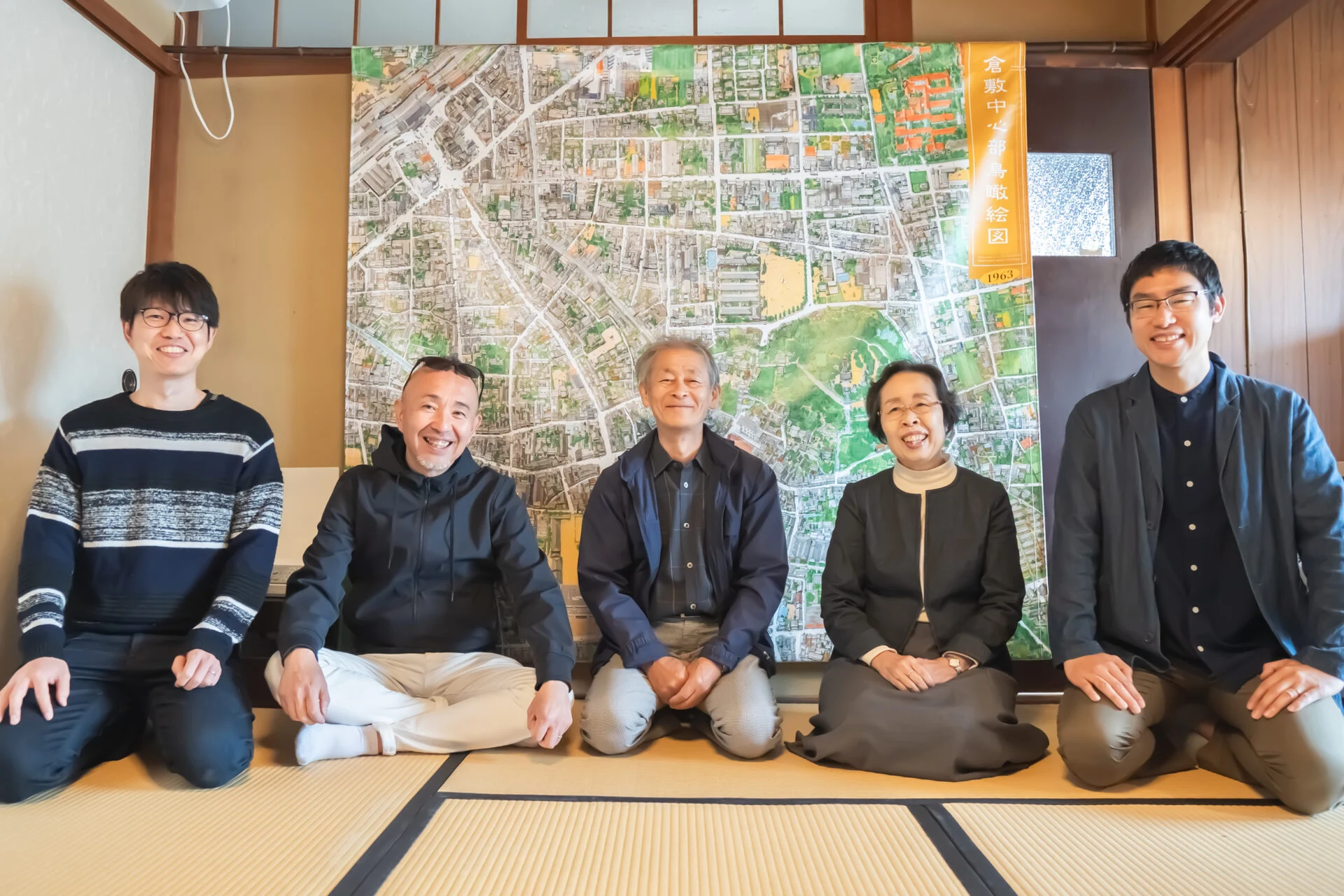
The “Kurashi-Ki-Ni-Naru Area Platform” was established to preserve the streetscape of Kurashiki City’s central urban area for future generations.
It was established so that people involved in life in Kurashiki City’s central urban area—including government, educational institutions, businesses, various organizations, and local residents—could promote community development while sharing their vision of an ideal Kurashiki.
To preserve the historic townscape for future generations, projects must be advanced through information sharing, without being constrained by the boundaries between the public and private sectors.
The aim is to involve everyone connected to the town and clarify the answer to the question, “What should we do with this historic townscape?”
What is Kurashiki City’s central urban area?
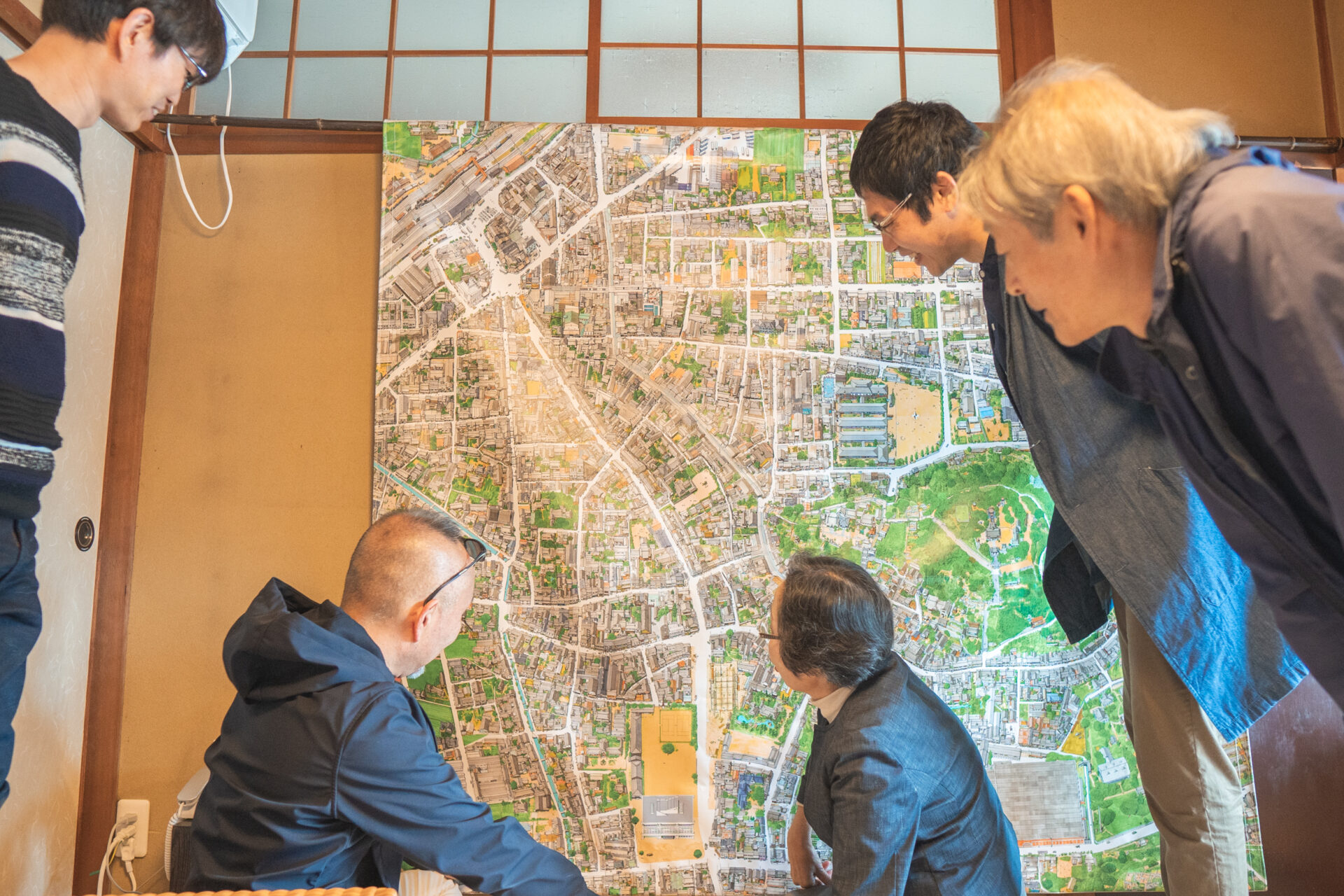
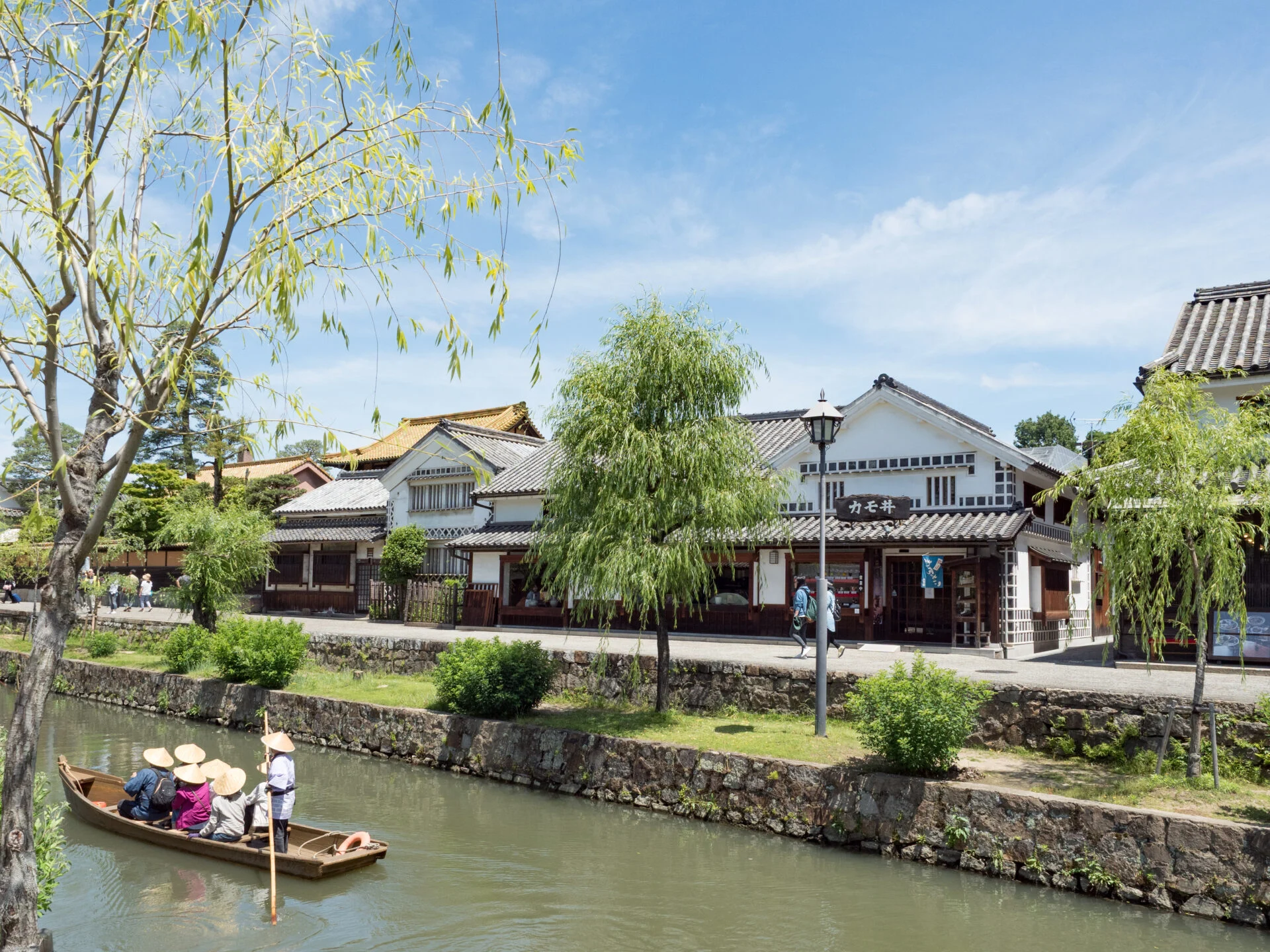
Kurashiki City’s central urban area, which flourished as a hub for the collection of goods during the Edo period, is lined with old buildings that have remained since that time.
Today, traditional buildings around the Kurashiki River are used as shops, and the area has welcomed many tourists as a commercial district.
The area around the Kurashiki River known as the Bikan Historical Area is home to a townscape that symbolizes Kurashiki.
In fact, old buildings such as storehouses and traditional townhouses remain not only in the Bikan Historical Area but also in the surrounding area, where people still live amid streets that retain traces of the Edo through Showa periods.
The area covered by the “Kurashi-Ki-Ni-Naru Area Platform” for community development is the central urban area, including the Bikan Historical Area, where streetscapes along old roads dating back to the Edo period remain.
Its goal is community development that focuses not only on tourism but also on people’s everyday lives.
Challenges facing Kurashiki City’s central urban area
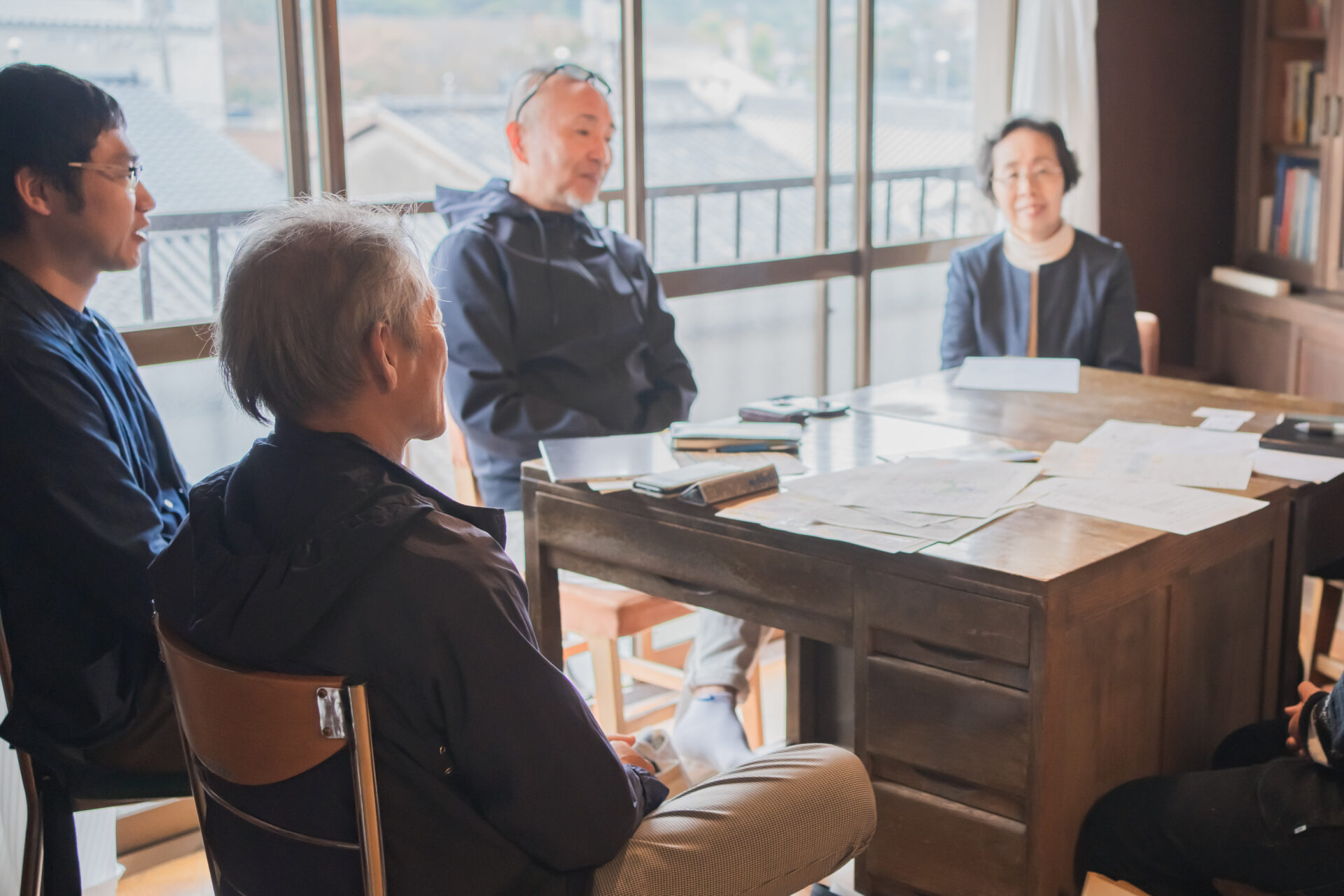
In the past, information was not always shared effectively among city hall, businesses, educational institutions, various organizations, and local residents in community development efforts.
For example, even when residents knew that a house was vacant, it was sometimes left unused and allowed to deteriorate.
In such cases, the building may have to be demolished, and charming buildings disappear from the townscape.
If information is shared, however, vacant houses can be introduced to people who want to start new businesses.
To preserve the townscape, information must not be kept only among residents; it needs to be shared with everyone connected to the town.
Initiatives of the “Kurashi-Ki-Ni-Naru Area Platform”
The “Kurashi-Ki-Ni-Naru Area Platform” holds repeated meetings to develop a future vision for the Bikan Historical Area and surrounding neighborhoods. It also seeks to link concrete activities, such as preserving the townscape and launching new businesses, to that vision.
The platform is used to gather the latest information on vacant houses and land in collaboration with real estate agencies operating mainly in the central urban area, and to solicit ideas for new activities.
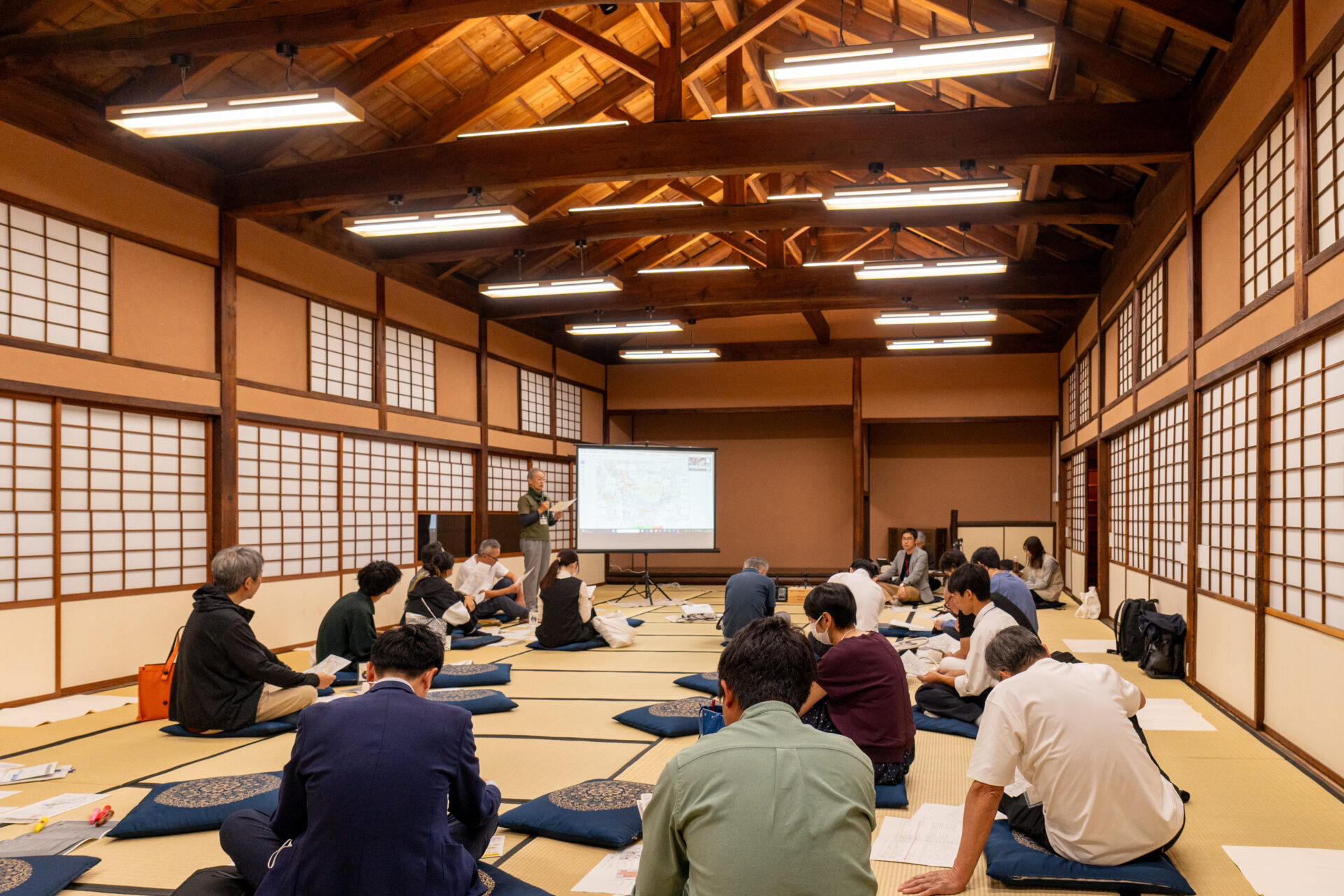
On October 6, 2023, a progress report meeting was held in a format open to anyone.
People of all ages interested in community development in Kurashiki City’s central urban area gathered at Keikendo Hall in Shinkei-en Garden.
The “Kurashi-Ki-Ni-Naru Area Platform” regularly holds report meetings on specific initiatives for people involved in life in the community.
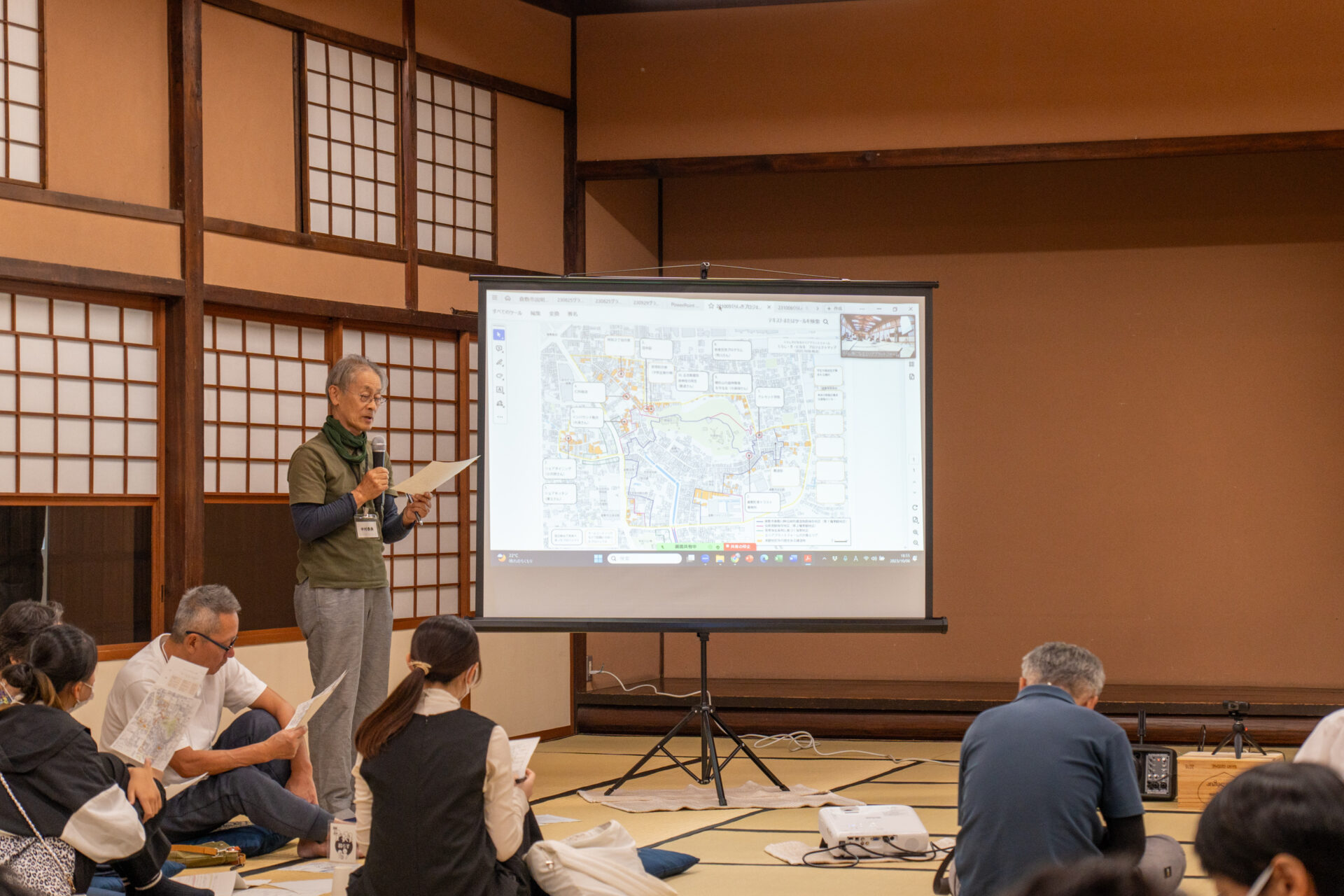
Let’s listen to the voices of people connected to Kurashiki City’s central urban area and think together about Kurashiki’s future.
Listening to the voices of people involved in community development
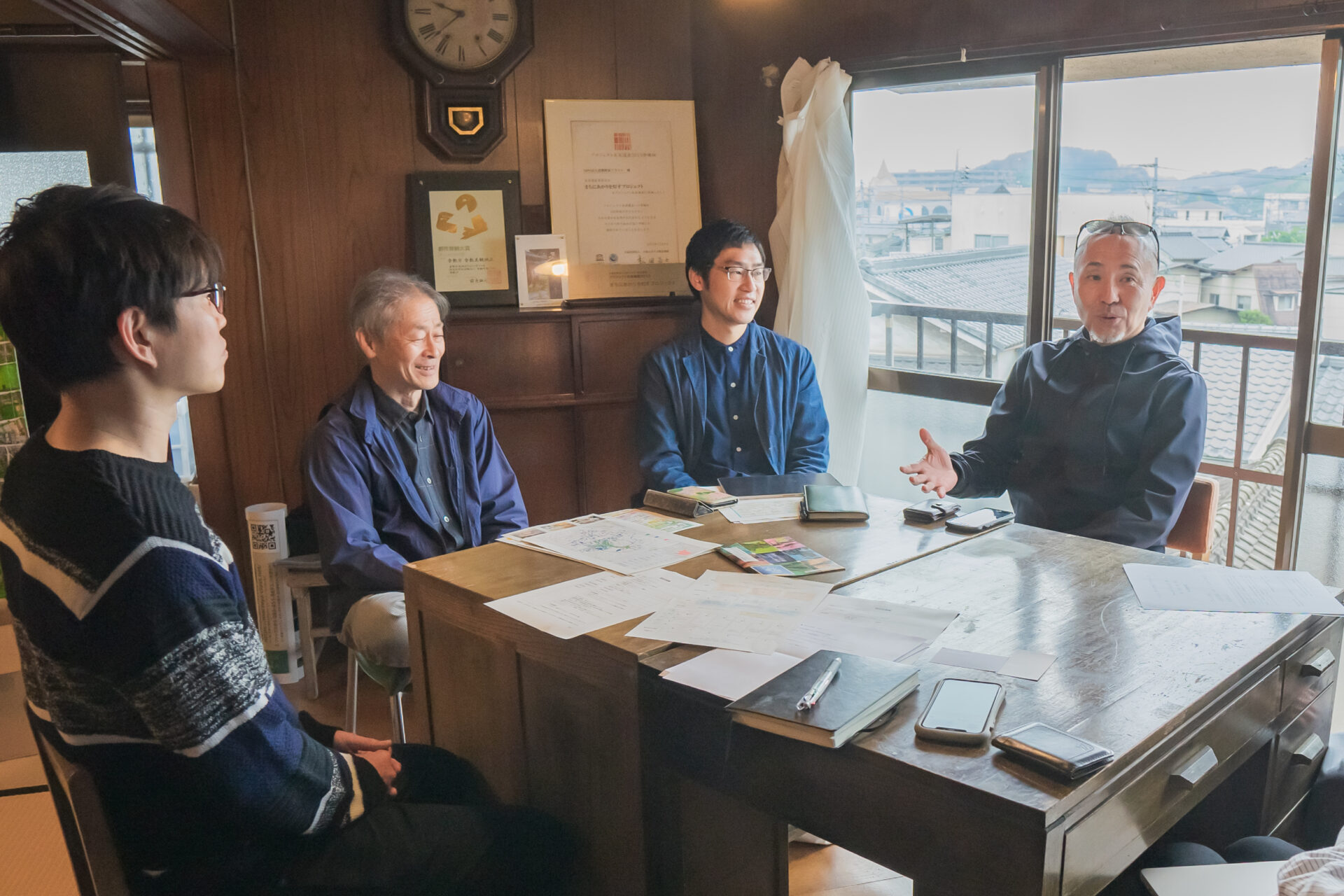
People from many different backgrounds are involved in the “Kurashi-Ki-Ni-Naru Area Platform,” including city hall staff, an NPO representative, a university professor, real estate agents, and residents of the central urban area.
On behalf of the “Kurashi-Ki-Ni-Naru Area Platform,” the following people spoke about how it was established and its recent initiatives.
| Position | Name | Affiliation |
|---|---|---|
| Representative | Nakamura Yasunori | NPO Kurashiki Machiya Trust Higashimachi Neighborhood Association |
| Deputy Representative | Hara Hiroyuki | Shono Tochi Co., Ltd. |
| Deputy Representative | Ogawara Yoko | Achi 3-chome West Neighborhood Association |
| Committee Member | Narikiyo Hitoshi | Associate Professor, Notre Dame Seishin University NPO Kurashiki Machiya Trust |
| Secretary-General | Kuwata Kyohei | Kurashiki City Community Development Promotion Division |
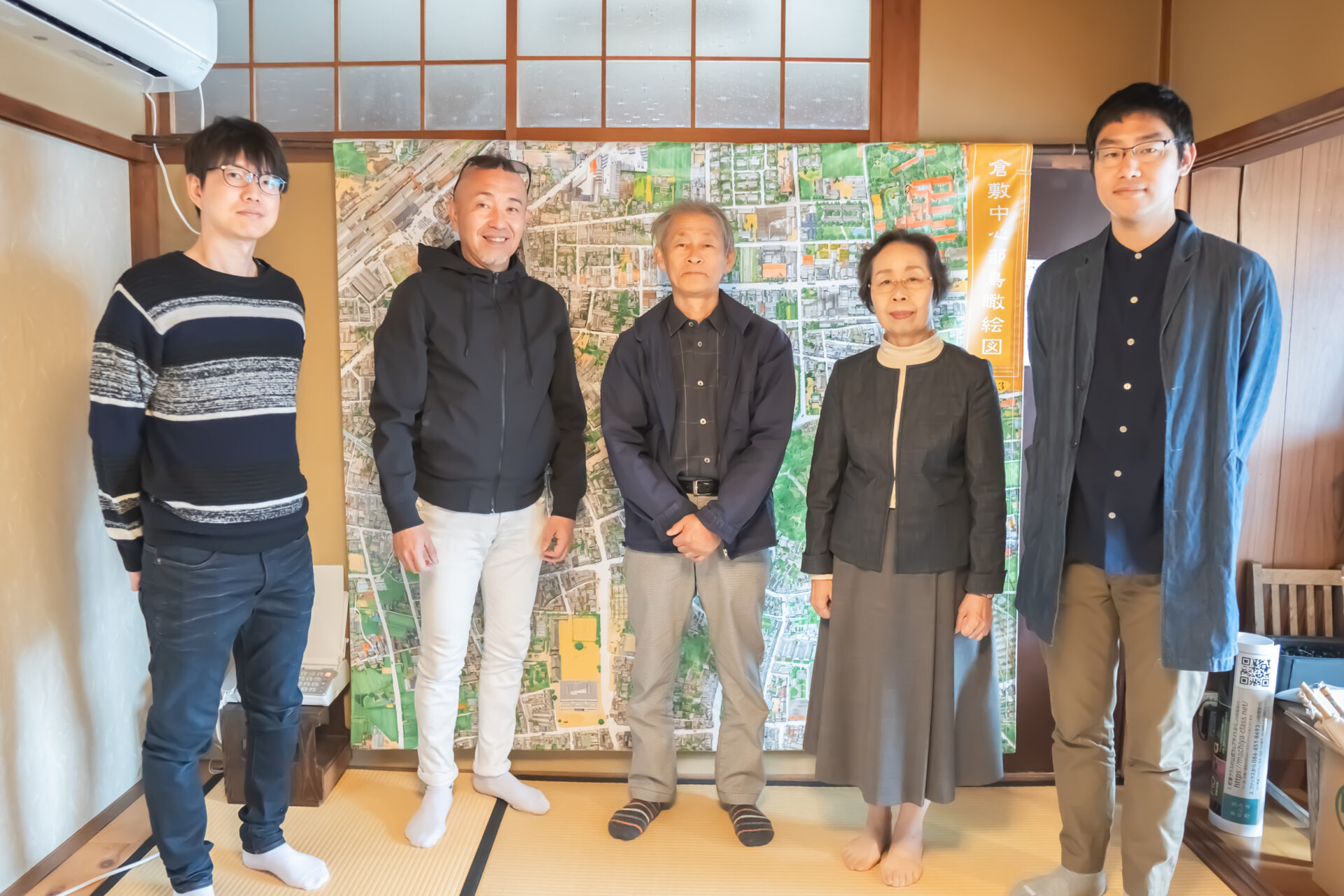
Why the “Kurashi-Ki-Ni-Naru Area Platform” was established
Could you tell us how and why the “Kurashi-Ki-Ni-Naru Area Platform” was established?
Narikiyo (surname only hereafter)
As we pursued community development activities led by university students in Kurashiki City’s central urban area, we felt the need for a platform where people from different backgrounds, including NPOs, government, and universities, could work together in the same organization.
Since 2021, as part of the Kurashiki City Campus Project, we have been working with Machiya Trust on activities in which students conduct fieldwork and address local issues.
As part of these activities, students from the research lab have opportunities to work on initiatives to make use of vacant houses and engage in dialogue with Mr. Nakamura, the head of Machiya Trust, and city hall staff.
Seeing students deepen their understanding of community development while being inspired by people from diverse backgrounds working in the community made us feel that a platform bringing together diverse people was needed.
Around that time, Mr. Kuwata, the city hall official in charge, approached us about a grant to encourage public-private collaboration, which led to the establishment of “Kurashi-Ki-Ni-Naru.”
Kuwata (surname only hereafter)
City hall knew that a national government grant was available, but it was unclear how it should be used.
The national government’s requirement for applying for the grant was to build a platform for people connected to the town.
Since Mr. Nakamura, Professor Narikiyo, and others were already taking steps toward public-private collaboration, I suggested using the grant to create a platform.
We also needed to present a long-term vision, and we wanted to move forward not with the government drawing up the plan alone, but by listening to the voices of businesses and local residents in Kurashiki City’s central urban area.
Nakamura (surname only hereafter)
Community development must be advanced not only by the government, but also by businesses and local residents working together.
However, our previous activities had not succeeded in involving the entire community, making some initiatives difficult to realize.
The grant guidelines included the term public-private collaboration, so it felt as though the national government had finally recognized the need for cooperation across the whole community.
I feel that the national government grant gave us the opportunity to lay the groundwork for advancing community development across the entire area.
What are the challenges facing Kurashiki City’s central urban area?
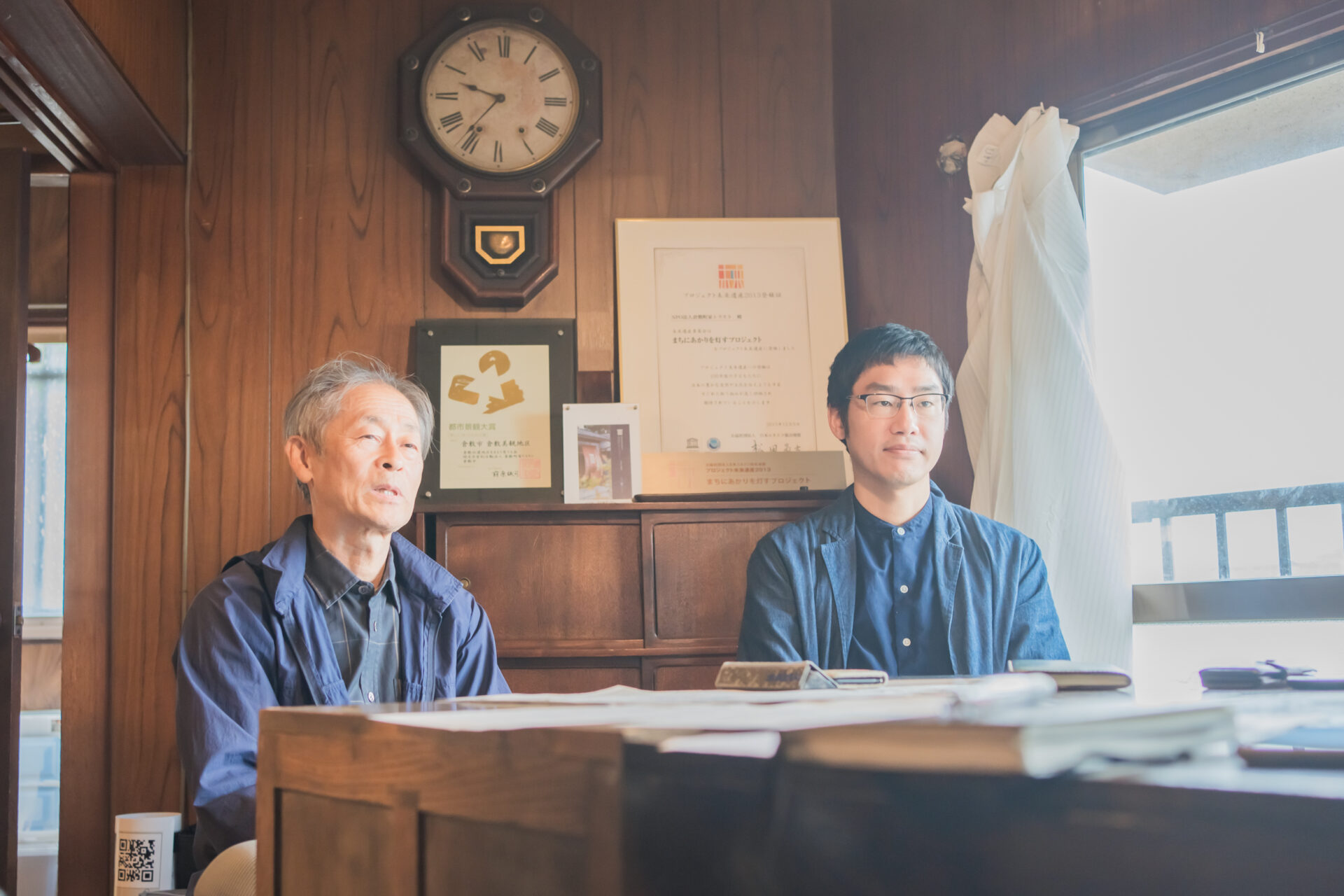
What challenges had become apparent in community development efforts up to that point?
Nakamura
The challenge was the lack of a vision for the central urban area.
Many people wanted to make it a historic city, but there was no concrete vision for the townscape as a whole.
Also, Machiya Trust’s activities had not involved all the stakeholders connected to the community.
With the “Kurashi-Ki-Ni-Naru Area Platform,” we can develop a vision while listening to opinions from across the town.
We understood that when carrying out projects using vacant houses or land, we needed to work with people in the real estate sector for things to go smoothly.
In other communities, there are examples of projects progressing successfully when people in the real estate sector take the lead in community development.
We were looking for real estate colleagues who also pay attention to residents’ lives and social issues.
Hara (surname only hereafter)
We real estate agents are the ones who have the best grasp of information about land and buildings in the town.
When someone wants to start a business, they need a base of operations.
Rather than having businesses search for land or properties themselves, real estate agents can work together to efficiently introduce suitable properties.
They can also make use of their connections with one another.
By drawing on our network of information as real estate agents to introduce properties suited to each business, we can contribute to community development.
Naruse
When a property becomes vacant, Hara first gets in touch with Machiya Trust.
Being able to keep track of the latest information on vacant houses is one of the strengths of having real estate agents as community development partners.
Real estate agents play an important role in bringing to life the future vision we are currently working to formulate.
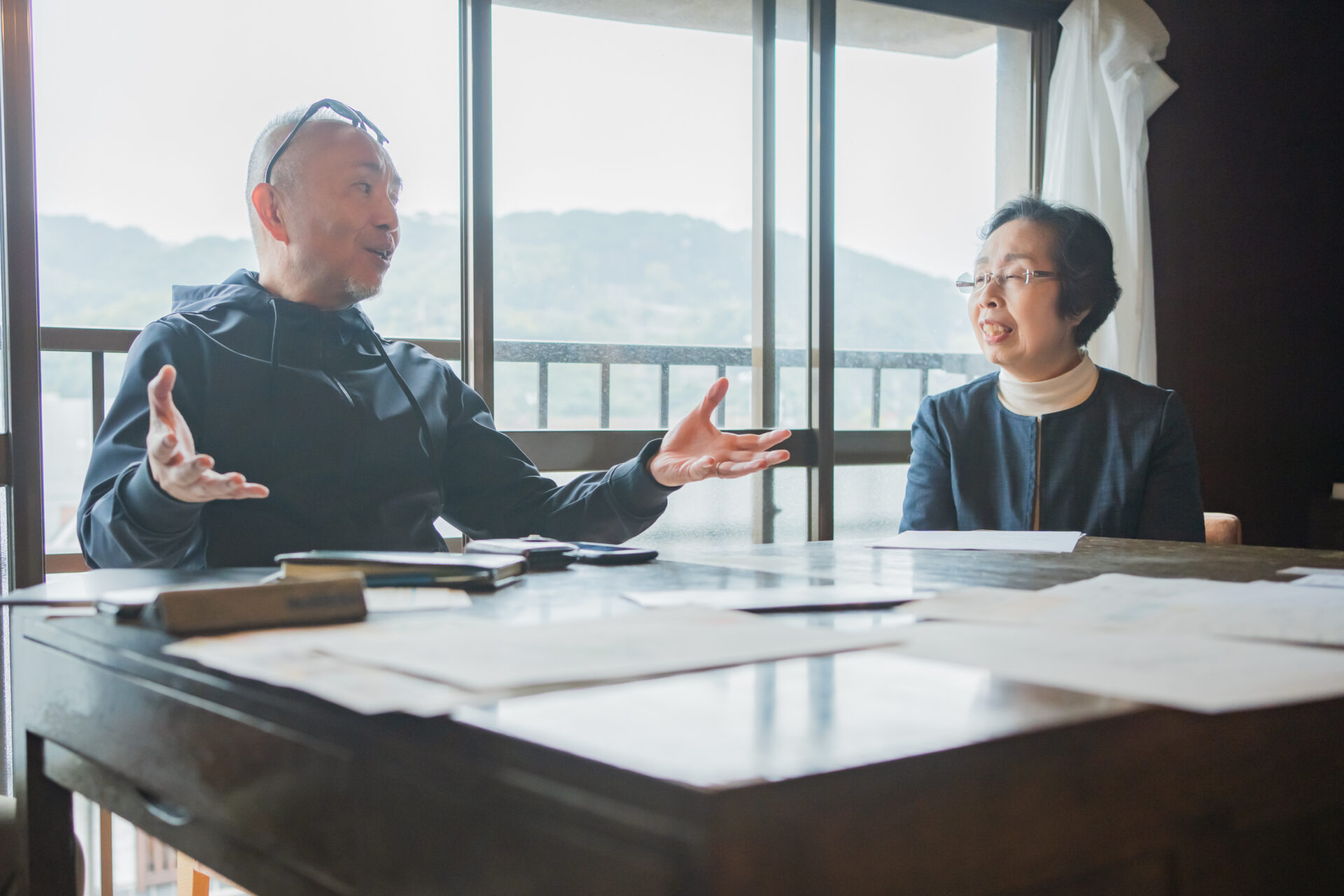
What challenges did the city office feel it was facing?
Kuwata
The city office had prepared the “Kurashiki City Central Urban Area Revitalization Basic Plan,” which set out a vision for the central urban area.
Of course, the city office did not develop it on its own; it was prepared with the cooperation of local residents.
However, it could not involve the many stakeholders connected to the community on the scale of the “Kurashi-Ki-Ni-Naru Area Platform,” so there were probably opinions that were not heard.
The plan also set out the goal of preserving the historic streetscape, but the area it covered was vague.
With the “Kurashi-Ki-Ni-Naru Area Platform,” plans can be developed while listening to the opinions of local residents.
We learned that historic buildings and landscapes worth preserving also exist outside the Preservation District for Groups of Traditional Buildings, making it possible to clearly define the areas where the streetscape should be preserved.
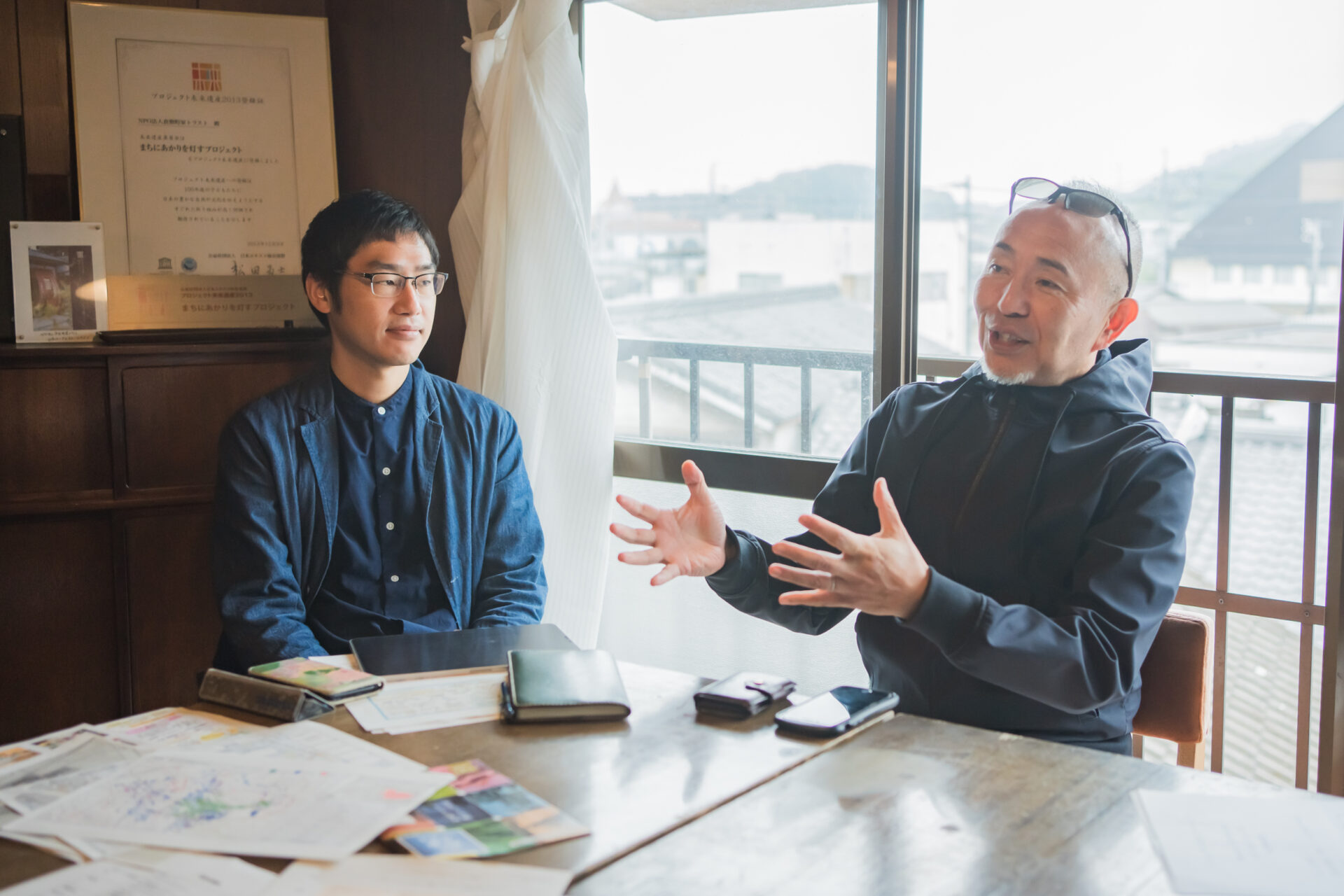
What challenges did people living in Kurashiki City's central urban area face?
Ogawara (honorific omitted)
The place where I live is outside the Bikan Historical Area, but it has a streetscape that dates back to the Edo period.
I run a kimono shop in a building from the Meiji period, but there is no one to take over the business, and I worry about whether the building can be preserved after I die.
For example, even if I passed the building on to a relative, it would be sad if they did not understand its value and sold it to someone or had it demolished.
I want to pass it on to someone who will make good use of the building in a way that fits into the community.
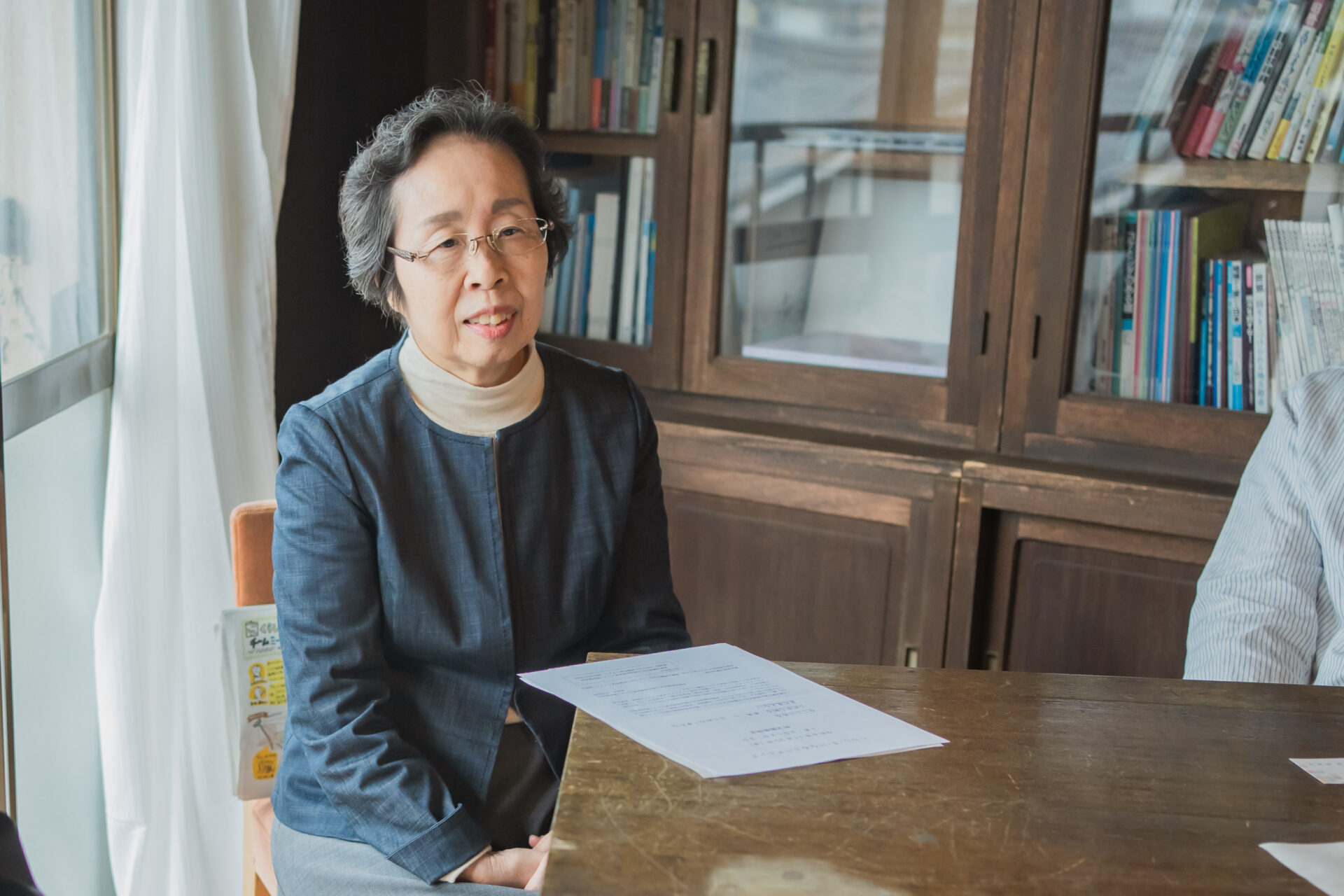
Why different organizations work together
When is cooperation within a community needed?
Nakamura
For example, in Kyoto, there is a system requiring people to notify the city office before demolishing a building.
When a notification is submitted, the city office takes the lead in asking people involved in community development how the building could be put to use.
Kurashiki currently has no system for identifying buildings that may be demolished and finding ways to use them.
Having a platform also makes it possible to gather information about buildings from residents.
Ogawara
Kurashiki has no system for managing buildings owned by residents, so historic buildings have sometimes been left neglected.
Some have deteriorated to the point where demolition was the only option, resulting in the loss of part of the streetscape.
Houses are privately owned, so their owners are free to do as they wish with them.
As generations change, people may feel less attached to the community and may no longer consider preserving the streetscape.
It is difficult to preserve buildings when there is no one to take them over, and this is a challenge for people who have lived for a long time in Kurashiki City's central urban area.
What kind of cooperation is expected from universities?
Naruse
Until now, I have continued my work in Kurashiki City's central urban area with the hope of passing history and culture down from one generation to the next.
High school and university students do not have many opportunities to interact with people in town, so I am grateful that the platform gives them a chance to hear firsthand from people involved in community development.
I have been involved in community development for more than 10 years as a board member of Machiya Trust.
At board meetings, people from different walks of life sometimes engage in heated debates, and I have learned a great deal while being inspired by them.
By hearing opinions infused with strong feelings about the town, people will develop not only their knowledge of community development but also a deeper attachment to the town.
I hope high school and university students will also be inspired, helping to pass community development on to the next generation.
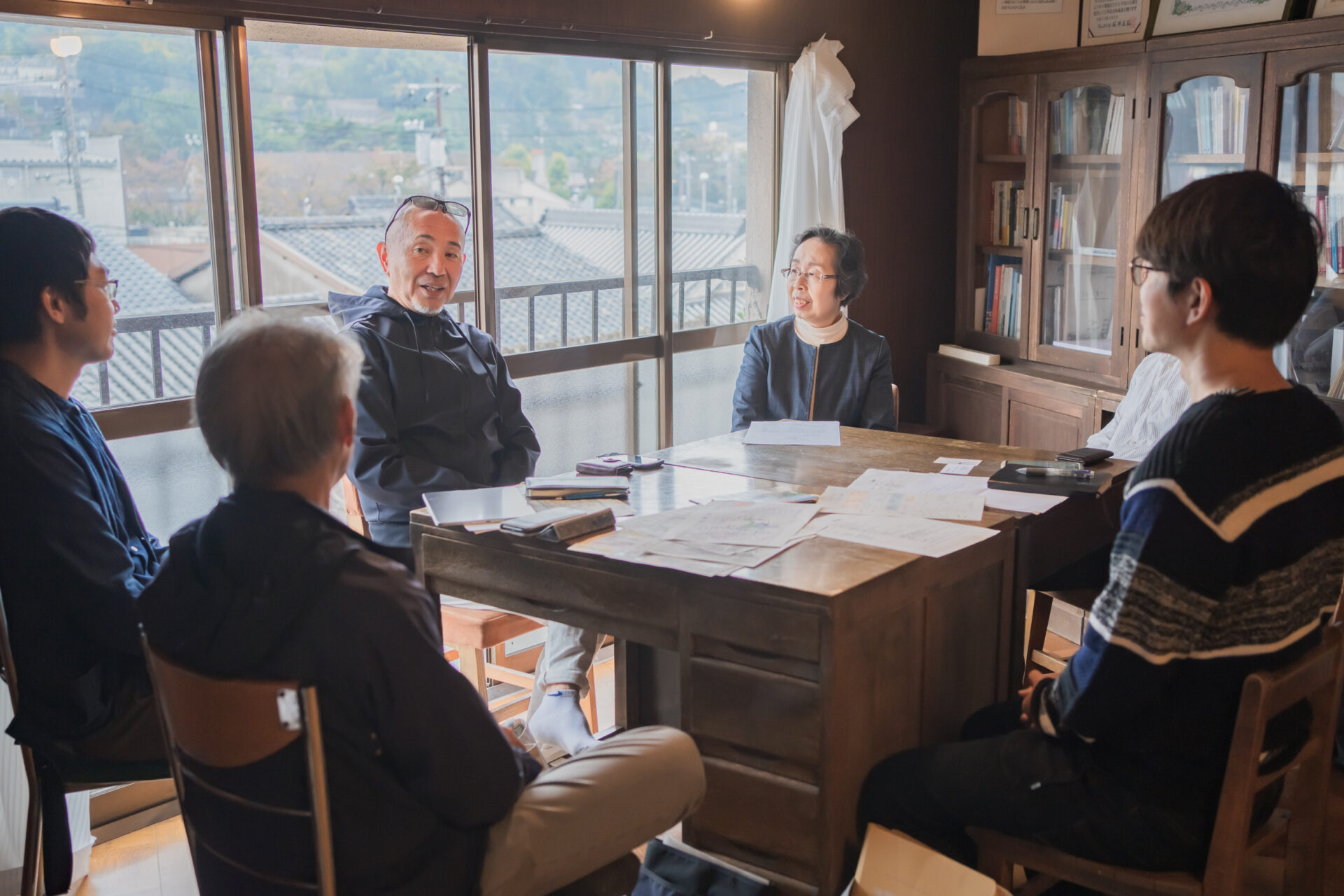
Turning the vision into concrete action
Could you tell us about some recent initiatives?
Nakamura
We are working on short-, medium-, and long-term visions for 2026, 2030, and 2067.
The short-term vision will set out specific initiatives.
The medium-term vision is a plan for 2030, the target year for the SDGs.
The year 2067, set as the target for the long-term vision, will mark exactly 100 years since Kurashiki City, Tamashima City, and Kojima City merged.
We want everyone involved in community development to share an ideal vision of what we want each of these periods to look like.
Naruse
Some short-term initiatives are already underway.
When we invited people to share ideas for new activities and businesses in Kurashiki City's central urban area, we received a number of suggestions and opinions.
We have introduced vacant houses and discussed ideas, and the platform has made it possible to have in-depth discussions.
Hara
For example, we are building “LOGIN KURASHIKI,” a tourist facility designed to attract international visitors.
We cleared the site where a greenhouse had stood and decided to establish a new facility there.
One of the platform's functions is to share information with residents before a new business gets underway.
This should also help reduce misunderstandings between local residents and businesses.
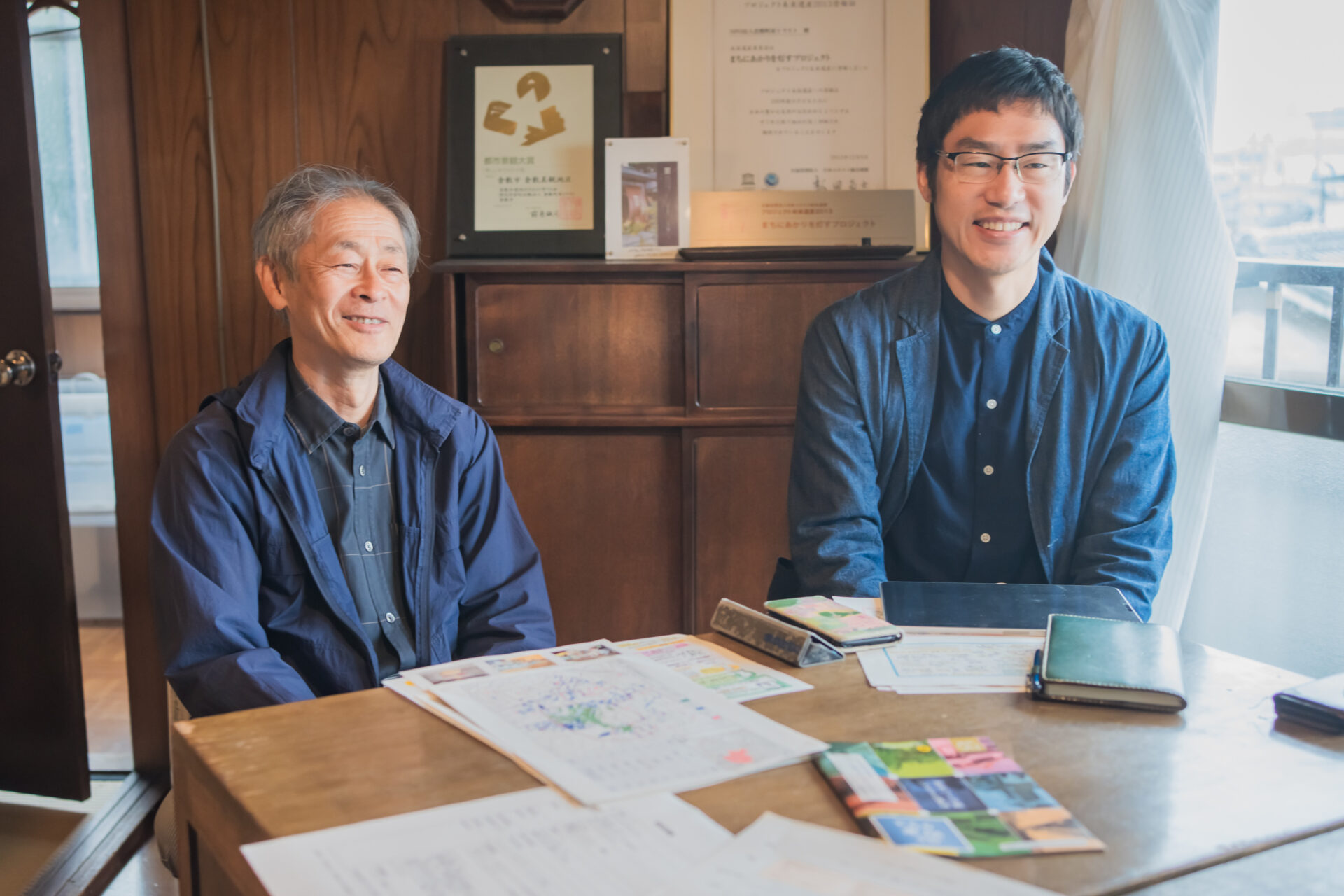
Are there activities involving residents or schools?
Ogawara
I live in an area with a historic streetscape, and there are people I have been close to since childhood.
People of my mother's generation also live alongside us in the same neighborhood.
So, what I am planning is a salon-like place that local people can drop by casually.
I want to create a place where people living in town can continue to build connections with one another.
I am renovating houses and storehouses with the help of subsidies from Kurashiki City.
Naruse
As part of a meeting of the “Kurashi-Ki-Ni-Naru Area Platform,” we held an initiative called the Youth Session in August 2023.
Today's younger generations will be at the heart of community development leading up to 2067.
So, we held a walking tour and discussion session for people under 30, including university and high school students.
High school students from Kurashiki City and university students from across the prefecture gathered to talk about Kurashiki's future.
The ideal Kurashiki
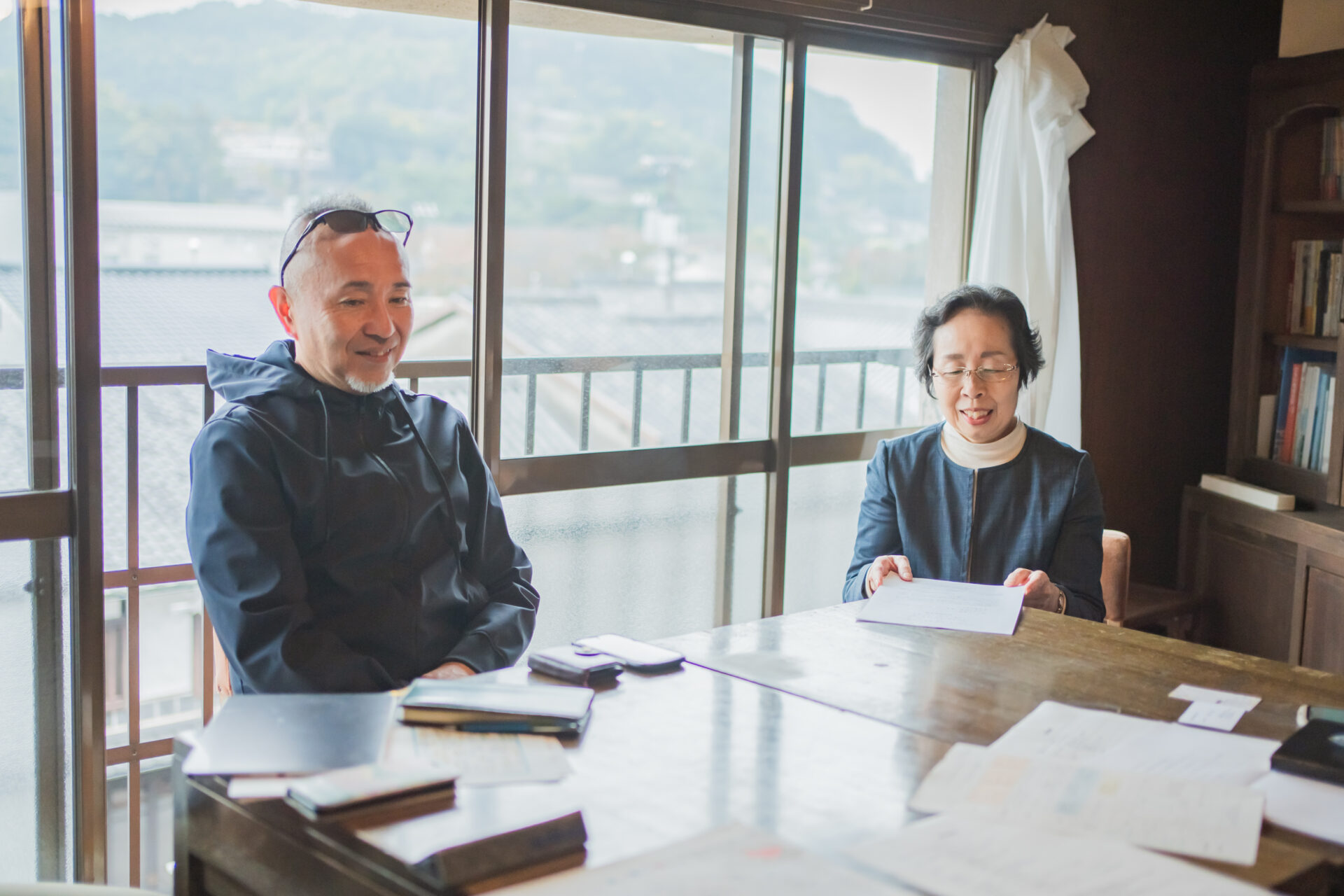
Could you tell us what your ideal vision of Kurashiki is?
Ogawara
I think a tourist destination where people buy local specialties to take home as souvenirs is nice, but I want Kurashiki to be a place where visitors feel their spirits have been enriched.
And for the people who live here, I want it to be a place where they value their connections with one another and no one becomes isolated.
I want it to be a town that cherishes the connections between visitors and residents.
Hara
Actually, I have a daydream about Kurashiki's future.
I want to turn the road from the station to the Bikan Historical Area into an underground shopping arcade.
Tall buildings line the area around the station, creating a scene far removed from the historic streetscape.
When tourists come to Kurashiki seeking its atmosphere, they may be disappointed by the view from the station building.
Ideally, I would remove all the buildings above ground and create an underground shopping arcade like the one in Osaka's Umeda district.
It would be interesting if Kurashiki's streetscape opened up at the far end of the underground arcade, and it would also help preserve the streetscape.
Naruse
I think it is important to refine the town's character by discussing what it should be like with everyone connected to the community.
Passing on our love for the town across generations is my ideal.
To do that, we need to provide places where people involved in the town can connect with younger generations.
And when someone wants to take on a challenge or start a business, I think it is our role to offer practical support, such as providing information or a place to work.
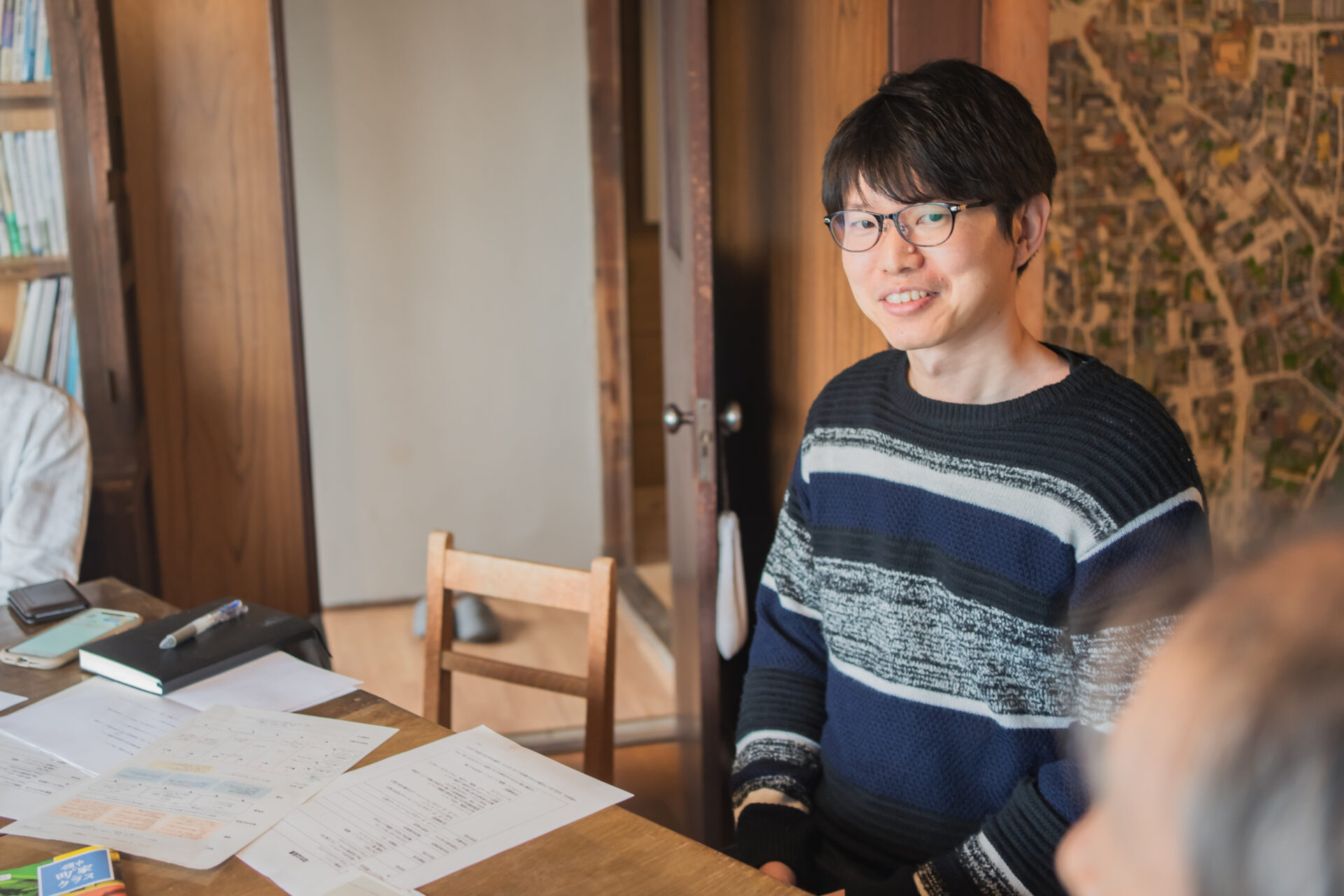
Kuwata
I love the sunsets seen from Kurashiki's streets.
There are streets where the sunset looks beautiful, and I have a few favorite spots.
Kurashiki's central urban area is bustling with tourists during the day, but in the evening the crowds thin out, and you can see the everyday lives of the people who live in town.
As you walk around, someone you know may stop to talk to you; it is a time of day when the community feels close.
The beauty of the sunset also puts me in a gentle mood.
I hope that by 2067 it will be a town where you can feel the warmth of its people.
Nakamura
Over the many years I have been involved in community development in Kurashiki, there is a phrase I hold dear.
It is “awakening the dreams of the land.”
Rather than pursuing my own dreams, I feel that listening to what the town of Kurashiki wants and bringing those hopes to life is what shapes the town.
It is important to discern whether the vision we have for the town is self-serving or whether we are listening to the dreams of the land, and then act accordingly.
In other words, we work on community development from the position of helping awaken the dreams of the land.
I was born in Kurashiki and have seen its unchanging scenery throughout my life.
By contrast, when I look at other towns, I see landscapes that change rapidly along with economic shifts.
That is when I realized the preciousness of what does not change.
I am sure that if I had not been born in Kurashiki, I would not have realized how precious an unchanging streetscape is.
I want to continue community development while cherishing the feelings nurtured by the land of Kurashiki.
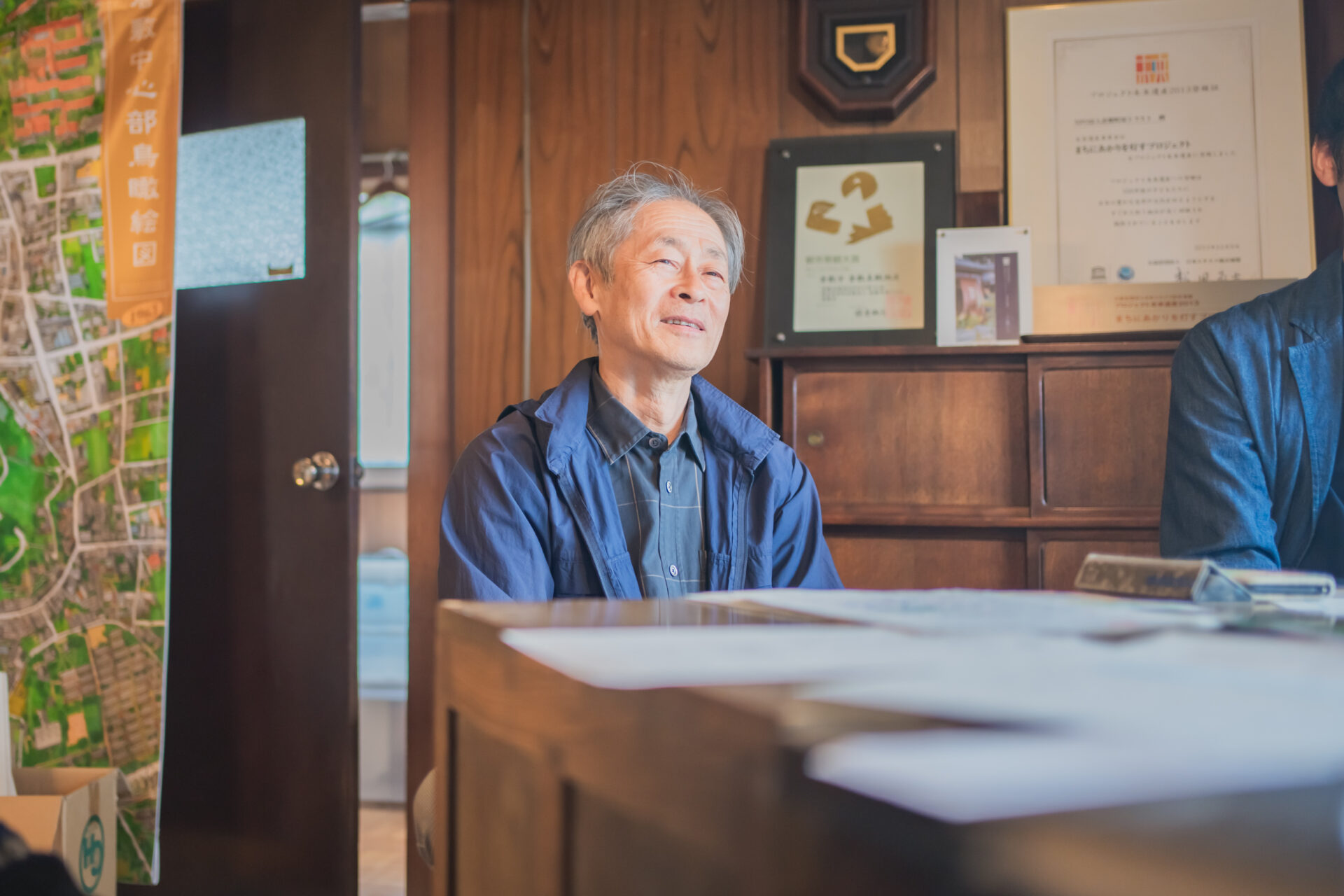
Listening to what Kurashiki's town has to say
“Community development” was a vague, Aimai Moko phrase to me.
At first glance, it is easy to understand that historic streetscapes remain in Kurashiki's central urban area.
I thought community development meant only preserving buildings, and I had not considered anything beyond building preservation.
After hearing more, I began to see specific challenges, such as passing things down between generations, vacant houses, launching new businesses, and sharing information to make these things happen.
I also began to understand why the term “community development” can seem vague.
As social conditions change, so do the responses required of community development.
I realized that the term “community development” remains vague because specific measures change depending on the circumstances.
In other words, community development means listening closely to what the town needs at any given time and taking action.
We live in an era of rapid and complex change, so the city office, businesses, educational institutions, organizations, and local residents must work together more closely to advance community development.
Listening to discussions among people who live in this historic town taught me that community development means listening to the town itself.

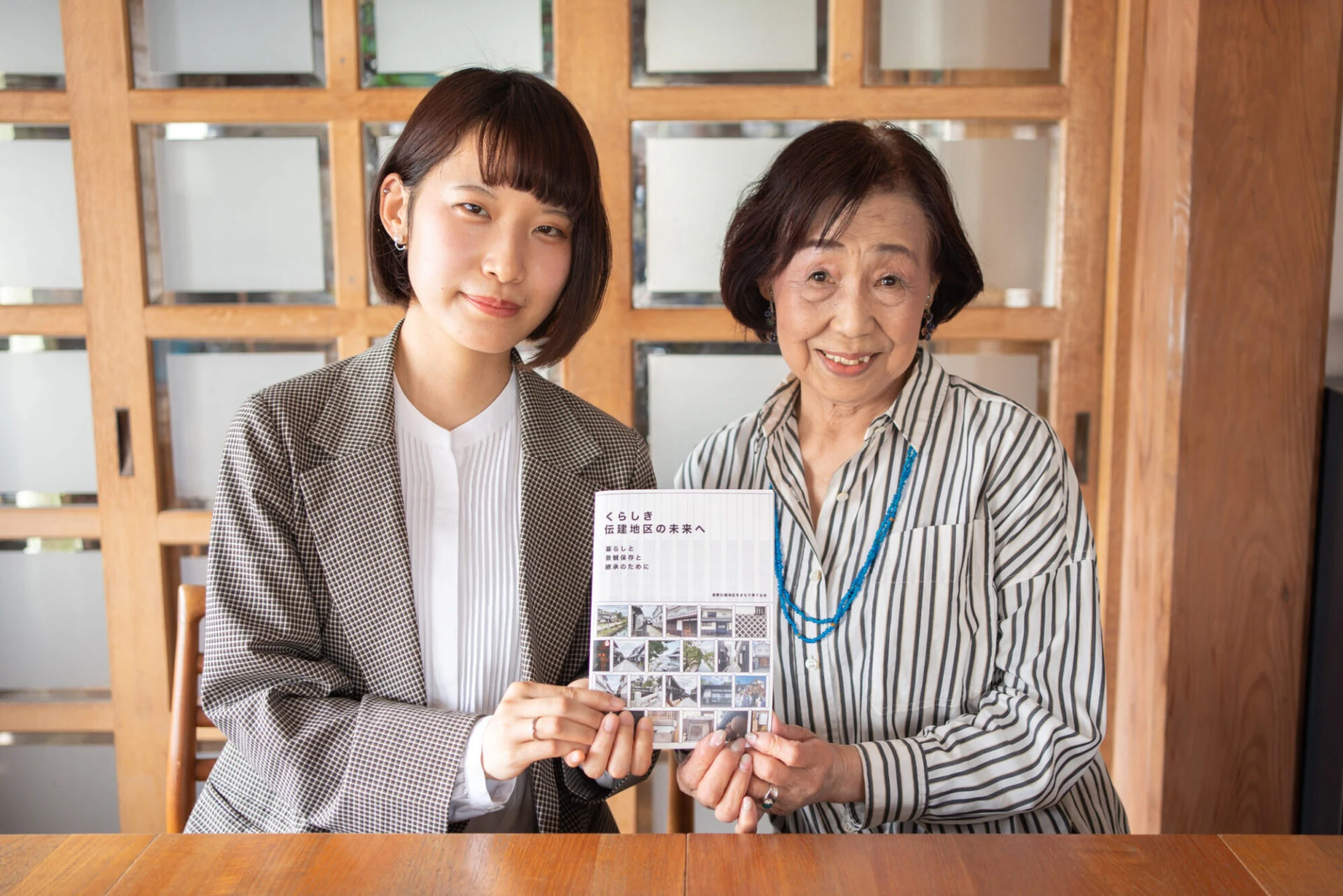
What would you like to know about Kurashiki?
Enter a word to search articles on this site