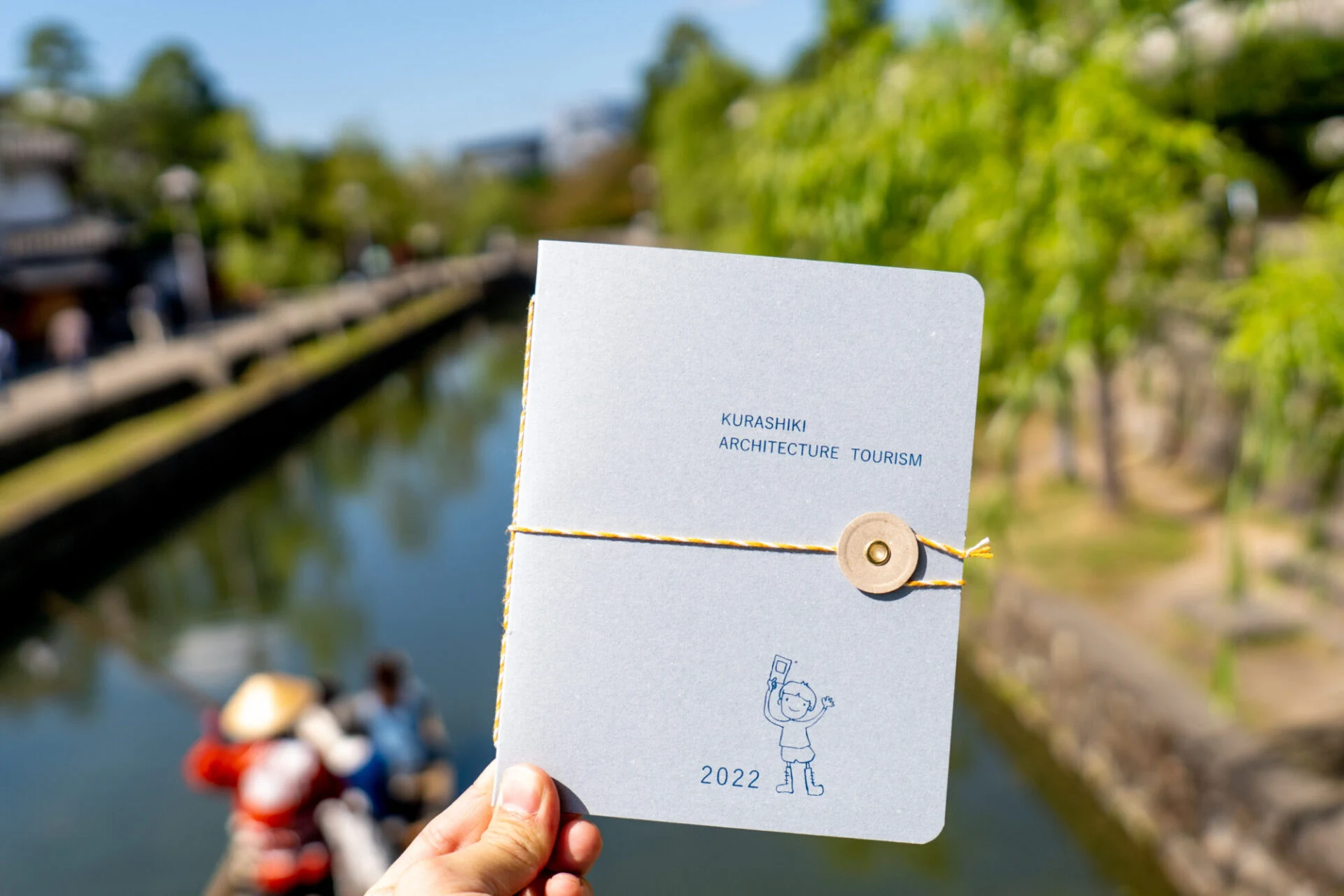
Architecture (buildings) and tourism (sightseeing) have given rise to the term architourism.
This term was created to encourage people to enjoy tourism by focusing not only on functionality but also on the charm of the buildings themselves that create the town's atmosphere and emotion.
Just as one enjoys the local specialties of a tourist destination, Kurashiki Architourism 2022 is being held in the Bikan Historical Area, allowing visitors to appreciate the characteristics, aesthetic beauty, and the thoughts of the architect behind the buildings.
What is Kurashiki Architourism 2022?
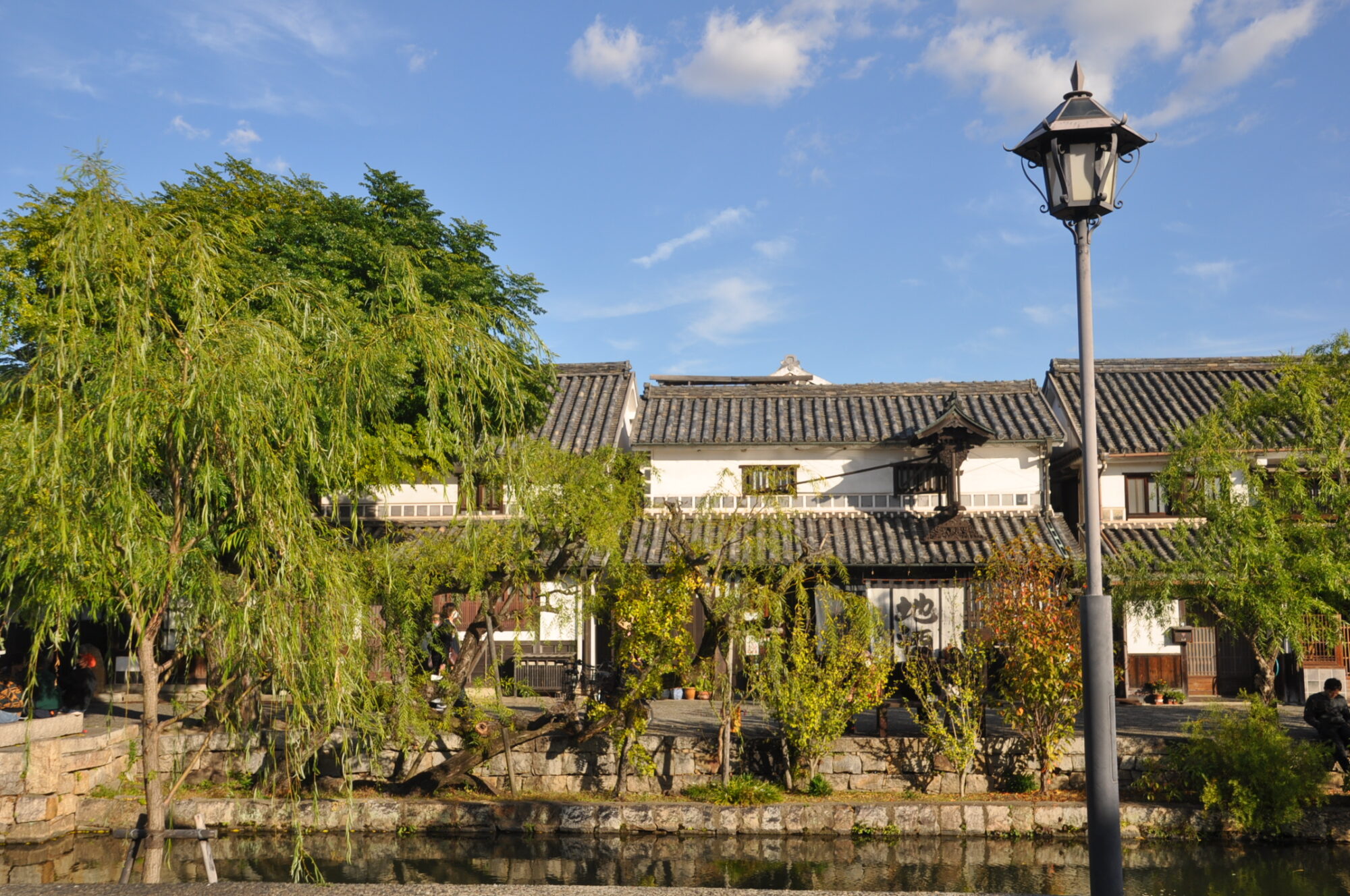
The Bikan Historical Area in Okayama Prefecture is a representative tourist destination.
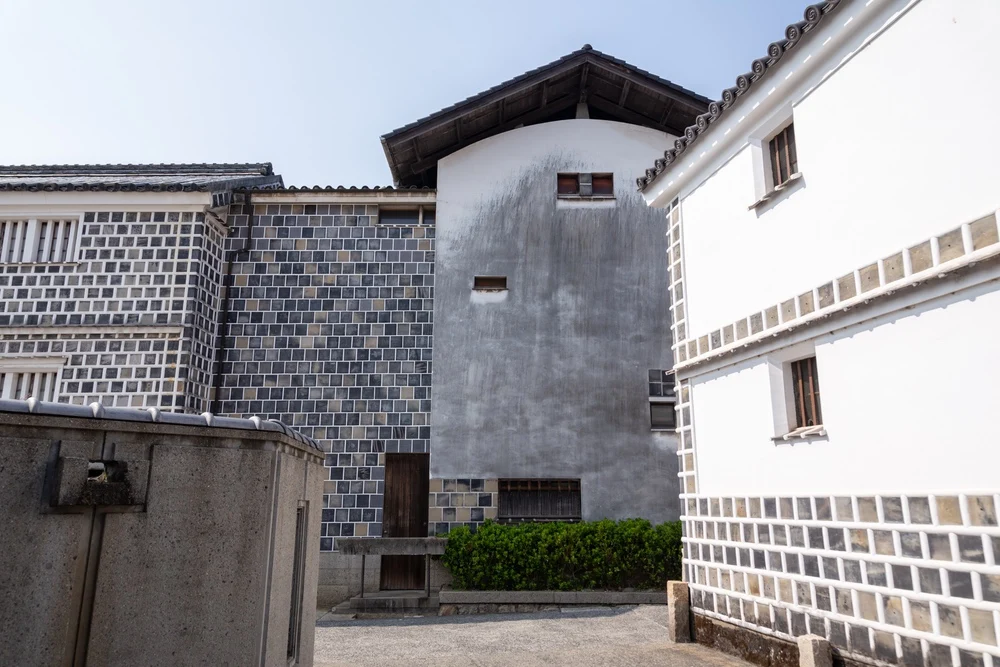
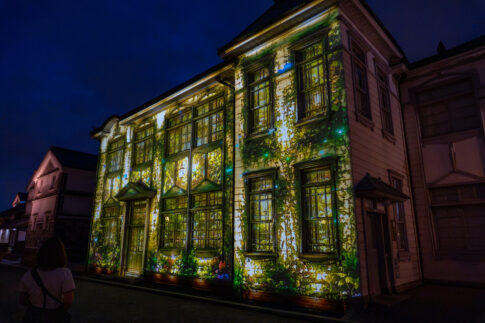
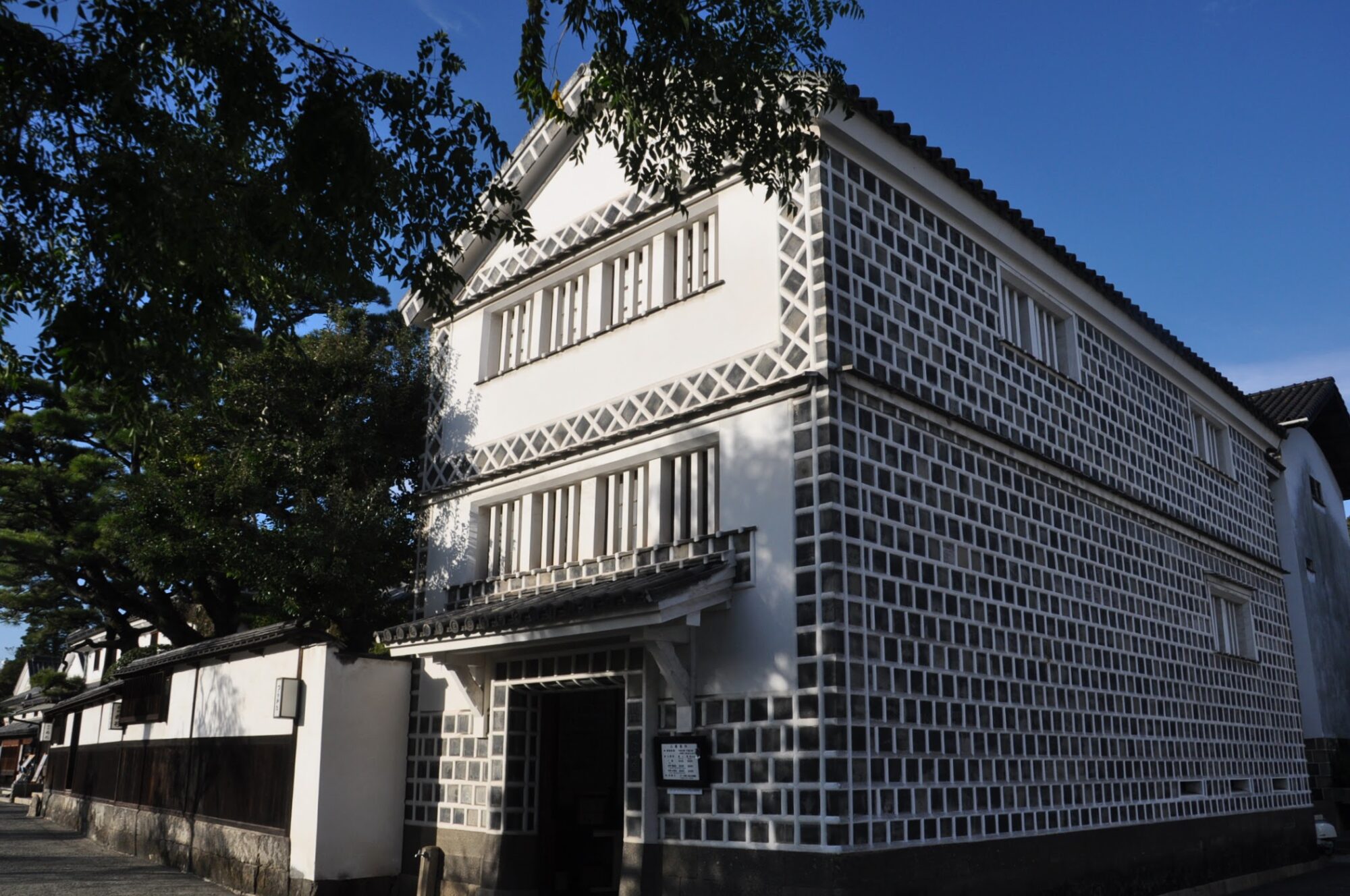
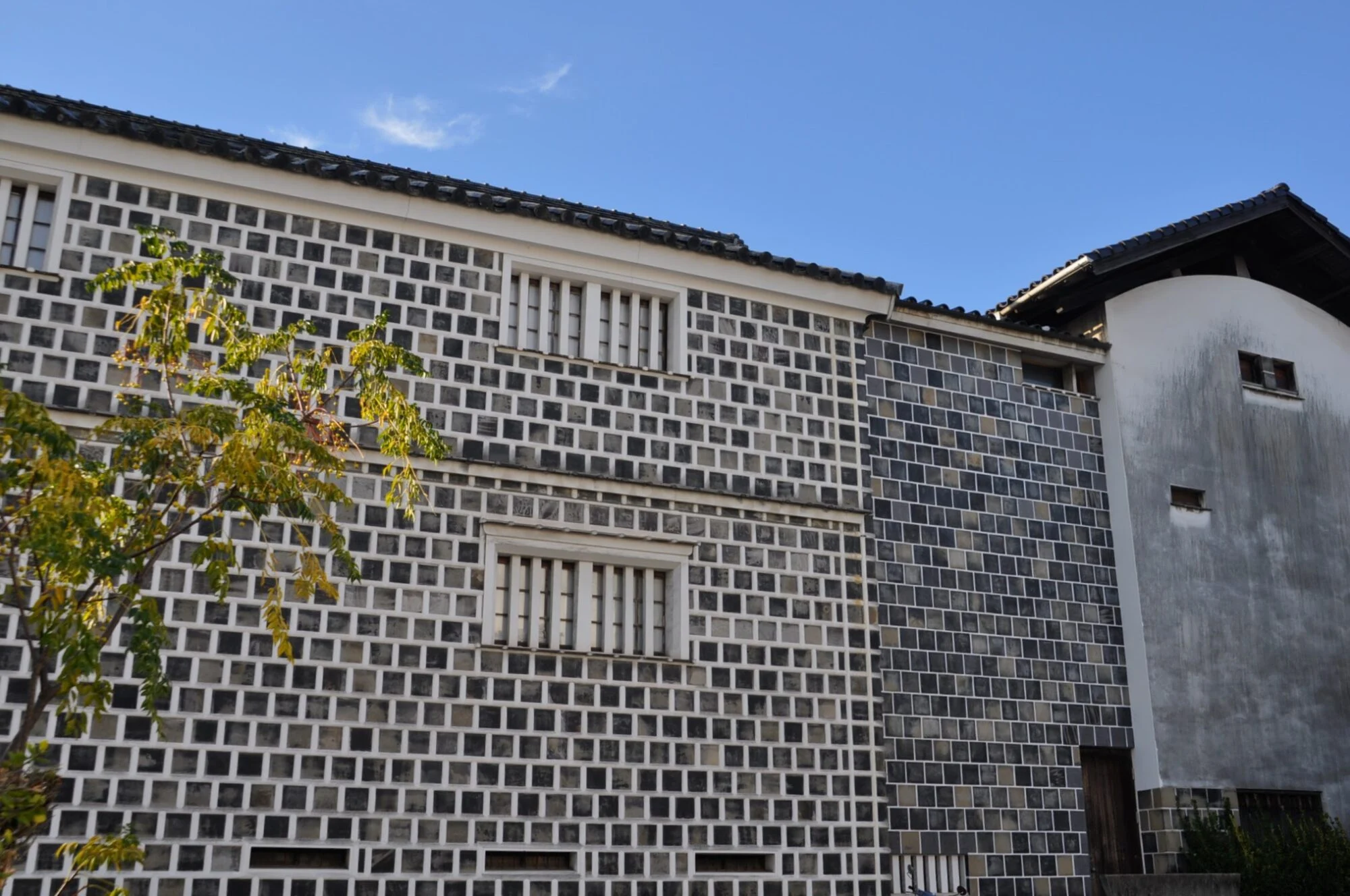
It features a townscape that harmoniously blends traditional wooden buildings from the Edo period with Western and modern architecture.
In Kurashiki Architourism 2022, five buildings designed by architect Urabe Shizutaro from Kurashiki City will be introduced.
No prior knowledge of architecture is necessary.
Efforts have been made to ensure that anyone visiting for tourism can enjoy it.
The first effort is the building cards installed at various locations.
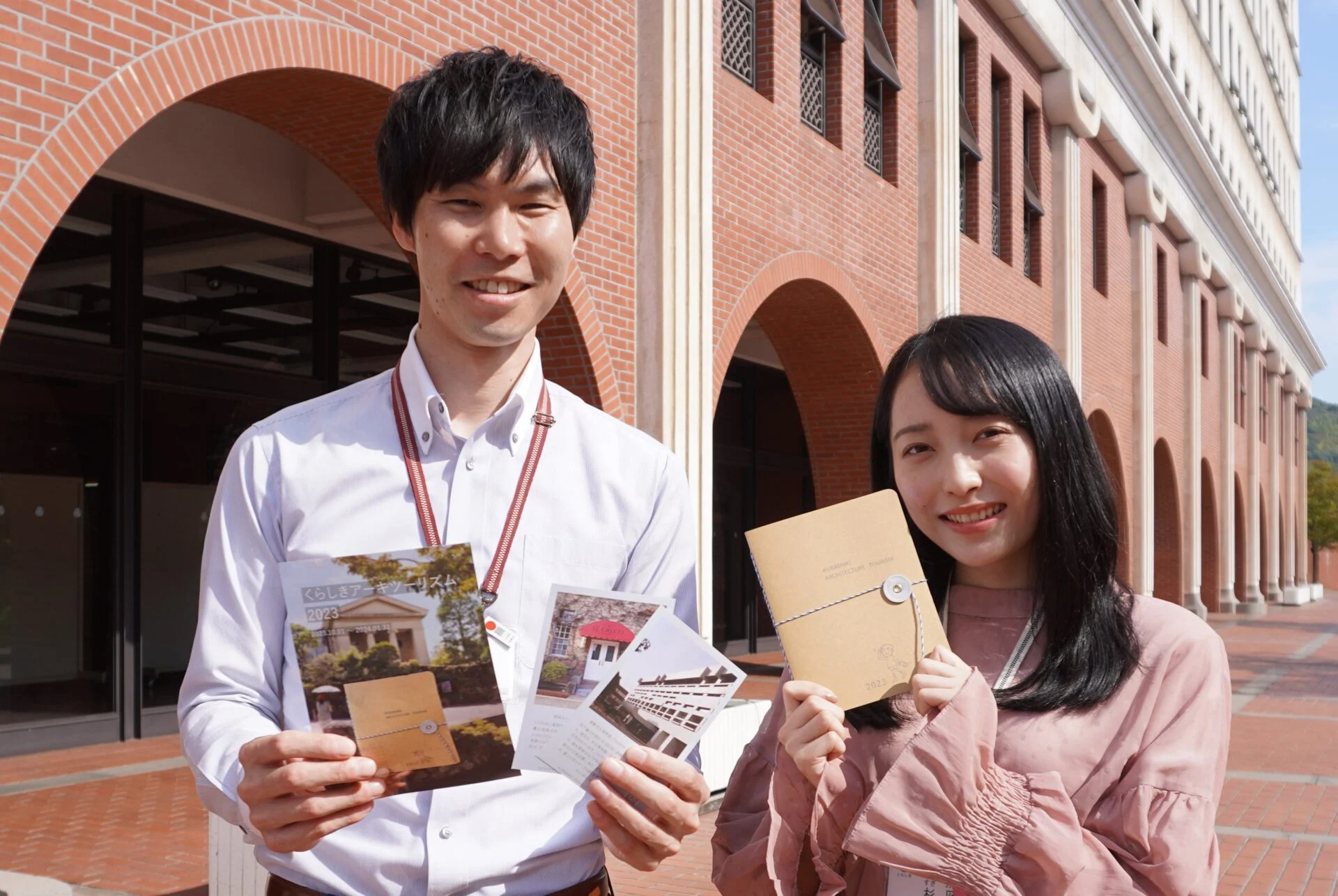
At Kurashiki Archaeological Museum, Ohara Museum of Art Branch, Kurashiki International Hotel, Kurashiki Community Center, and Kurashiki Ivy Square, two types of cards are provided, detailing the origins and characteristics of each facility.
The second effort is the memory file.
This file can store the building cards collected at various locations and contains information and insights about Urabe Shizutaro that are not included on the cards.
Kurashiki Architourism 2022 is scheduled to be held from October 1, 2022, to January 31, 2023.
The memory file is priced at 500 yen (tax included) and is limited to 300 copies.
Urban Development by Urabe Shizutaro and Ohara Soichiro
Urabe Shizutaro, who is highlighted in Kurashiki Architourism 2022, returned to his hometown of Kurashiki after graduating from university and got a job there.
At that time, he met Ohara Soichiro, who was the president of his company.
What Urabe and Ohara Sought in Buildings
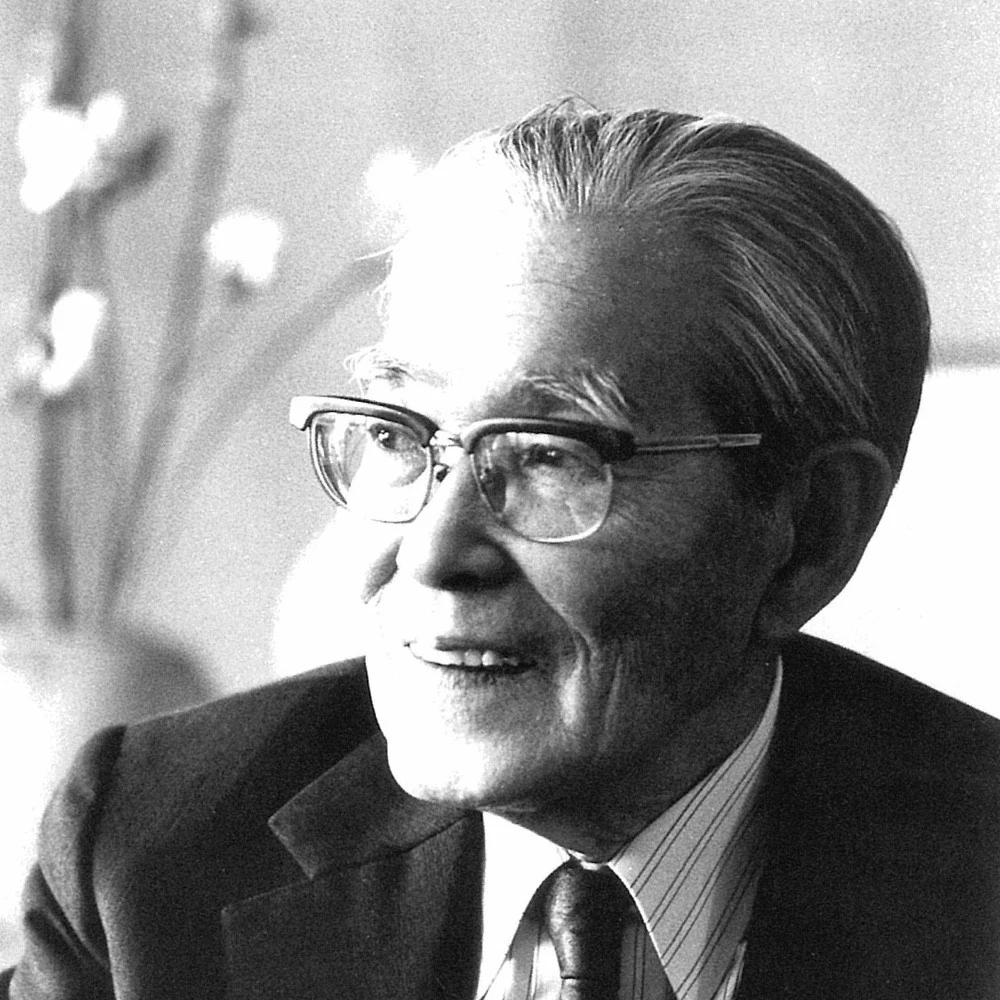
Urabe, who originally aimed to realize architecture as urban development, and Ohara, who envisioned transforming the land of Kurashiki into a European historic city that values and nurtures its history, met each other.
This encounter would lead to the advancement of urban development in Kurashiki.
Emphasis was placed on designing and constructing buildings not merely as containers but as entities that encompass Kurashiki's culture, climate, and community.
At the same time, by inheriting and harmonizing with history, a townscape that is both new and old, characteristic of Kurashiki, has been created.
The author felt a high barrier when hearing the term "building."
Perhaps it was because the word "building" conjured images of inorganic materials and large machinery, making it feel distant from their own life.
However, viewing architourism as sightseeing of buildings changed that image dramatically.
One reason is that I was able to recognize that buildings are part of urban development.
Another reason is that I became aware of the existence of architects and realized that the current townscape of Kurashiki is not something to be taken for granted.
If Urabe Shizutaro had not become an architect or if he had not met Ohara Soichiro, the townscape of Kurashiki might have been entirely different.
Enjoy Both the Buildings and the Townscape
I spoke with Nakagawa Nahoko from Urabe Design, who is in charge of Kurashiki Architourism 2022, about this new style of tourism that focuses on buildings.
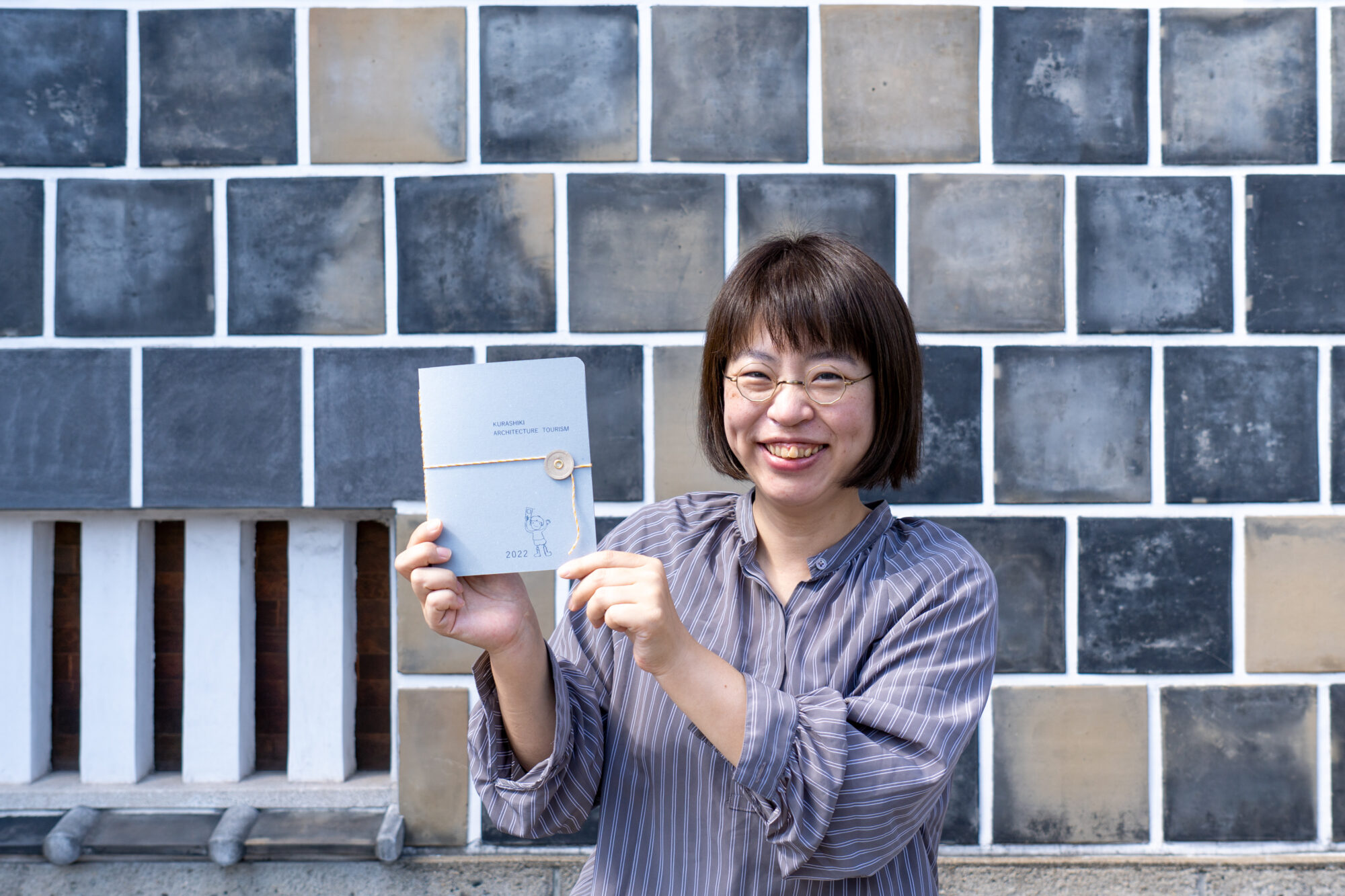
Can you tell us about the background of Kurashiki Architourism 2022?
Nakagawa (no honorifics)
It started when someone from the Kurashiki City Tourism Division approached us about wanting to focus on the buildings of Kurashiki through architourism.
To focus on the buildings, we decided not to hold the event in one location like a gallery, but to have people walk around the town while seeing the actual buildings.
Rather than just a stamp rally, we wanted to place more emphasis on tourism and create more memorable experiences, so we made it a tourism event with the building cards and memory files as tangible paper-based benefits.
Can you tell us about the building cards and memory files?
Nakagawa
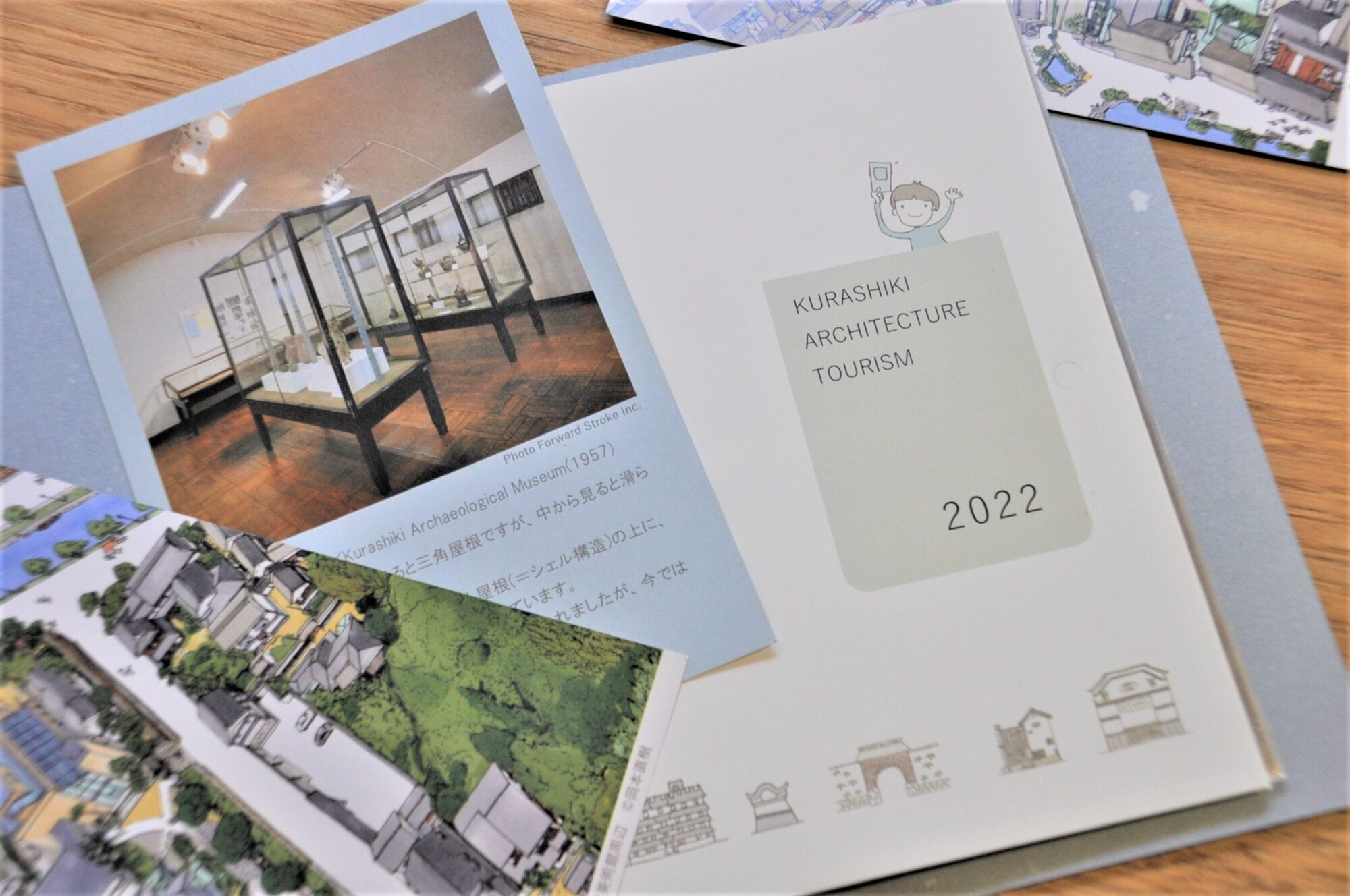
Nowadays, many people take photos with their smartphones and store them digitally, but we thought it would be nice to have something tangible to hold and look at as a travel memory, which led to the creation of the building cards.
The building cards feature photos and descriptions of each of the five buildings.
Two types of cards are prepared for each building.
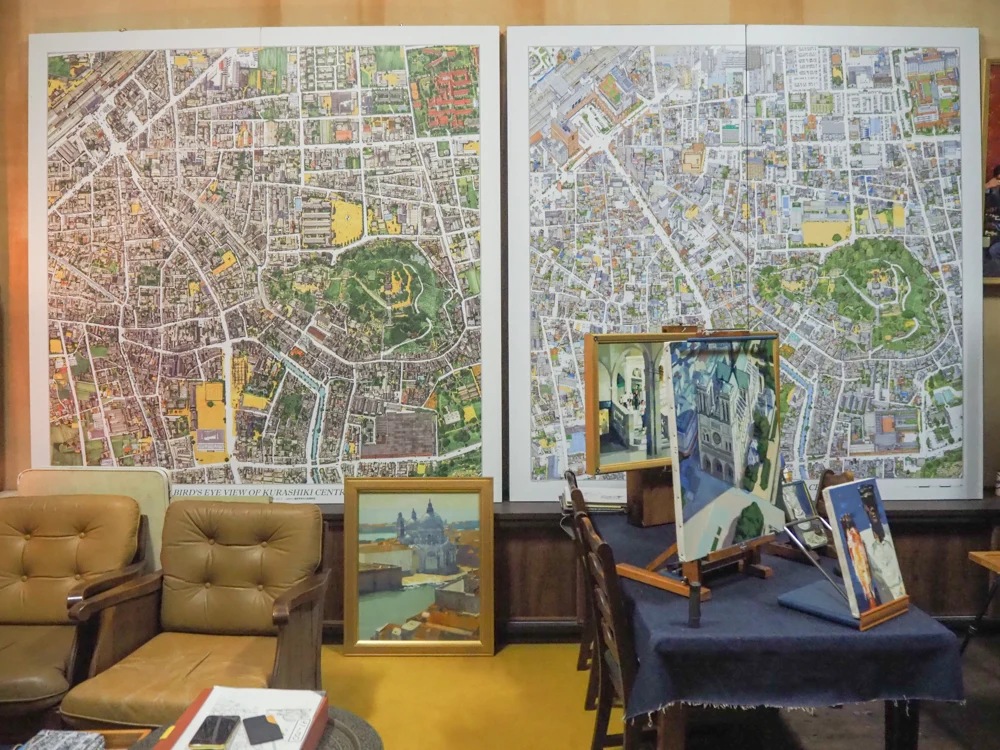
On the reverse side of the card, there is a bird's-eye view artist Naoki Okamoto's bird's-eye illustration, and when the two cards are placed side by side, the surrounding townscape of the building can be seen.
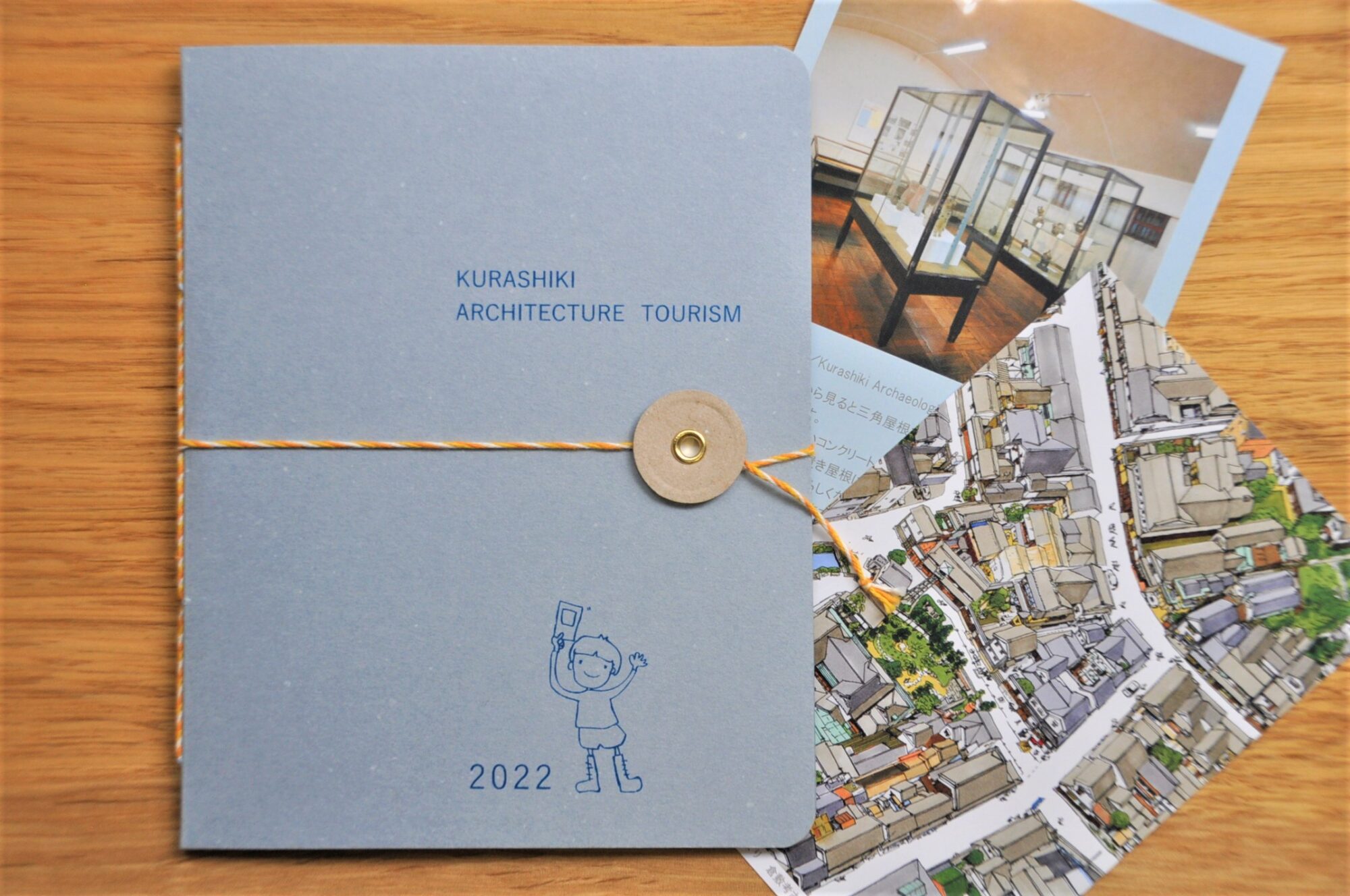
The memory file was created from the idea of including a file to store the collected building cards.
The file has extra pockets to hold flyers and admission ticket stubs that you might pick up during your travels, enhancing the memories of your trip, and it has more pockets than the building cards.
At the end of the trip, it can be easily placed on a bookshelf, and when taken out, it brings back memories. It would also be nice if it could be shown to someone while sharing memories, so we incorporated various thoughts into its creation.
I can feel a strong attachment to it. I heard that the memory files are handmade.
Nakagawa
That's right.
We wanted to make the size, appearance, and texture of the file itself attractive.
We couldn't find a vendor who could accommodate our requests for this paper quality and string, so we ended up making it ourselves.
From cutting the corners of the file to adjusting various small details, in the end, the printing on the file was also done by hand.
We borrowed a space, used equipment, and printed 300 copies.
Thanks to that, the people from the Kurashiki City Tourism Division were pleased, but if we do it again next time, I think we will make it a bit easier (laughs).
I had never looked at buildings from the perspective of the architect's thoughts, but just changing my viewpoint increased their appeal. If I want to know more about a building that interests me, do you have any recommendations?
Nakagawa
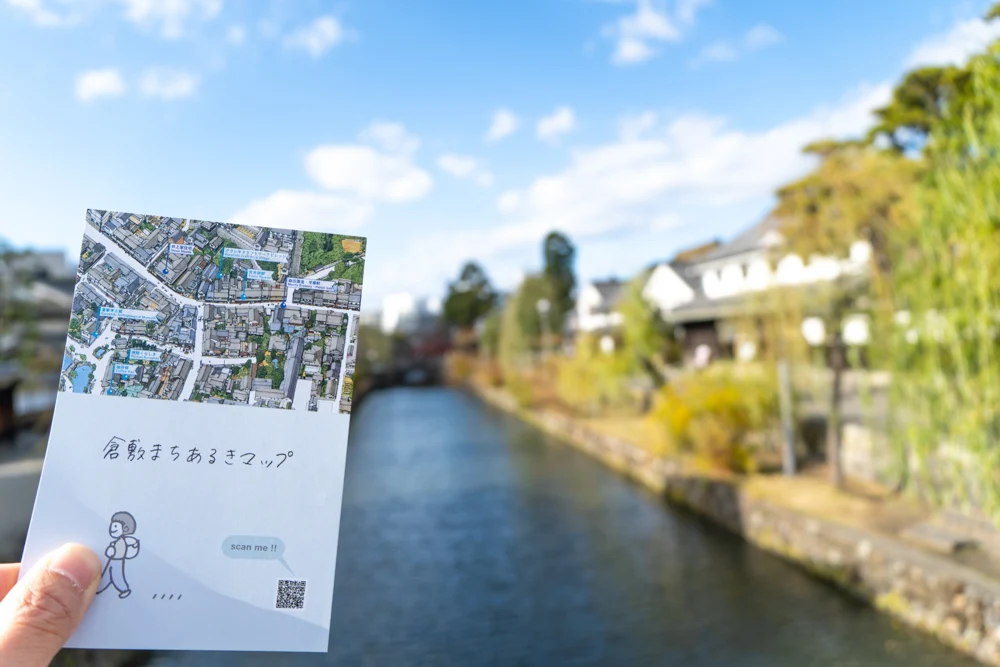
I would like you to try the website Kurashiki Walking Map introduced in the memory file.
While this event features five buildings, you can view architectural information for 54 locations around the Bikan Historical Area.
The map of the Kurashiki Walking Map is illustrated by Naoki Okamoto's bird's-eye view. By using location information, you can enjoy it while checking your current location on the bird's-eye illustration.
Finally, can you tell us the key points of architourism?
Nakagawa
You can enjoy just the building cards, and if you collect the memory files, you can see architectural information that is not available on the cards.
For example, the parts that express the principles that Urabe valued in keywords for each building.
By focusing on the keywords and looking at the buildings again, I believe visitors will enjoy it even more.
If they can appreciate the buildings, I hope they also enjoy the townscape and beautiful scenery of Kurashiki while moving between the five buildings.
Conclusion
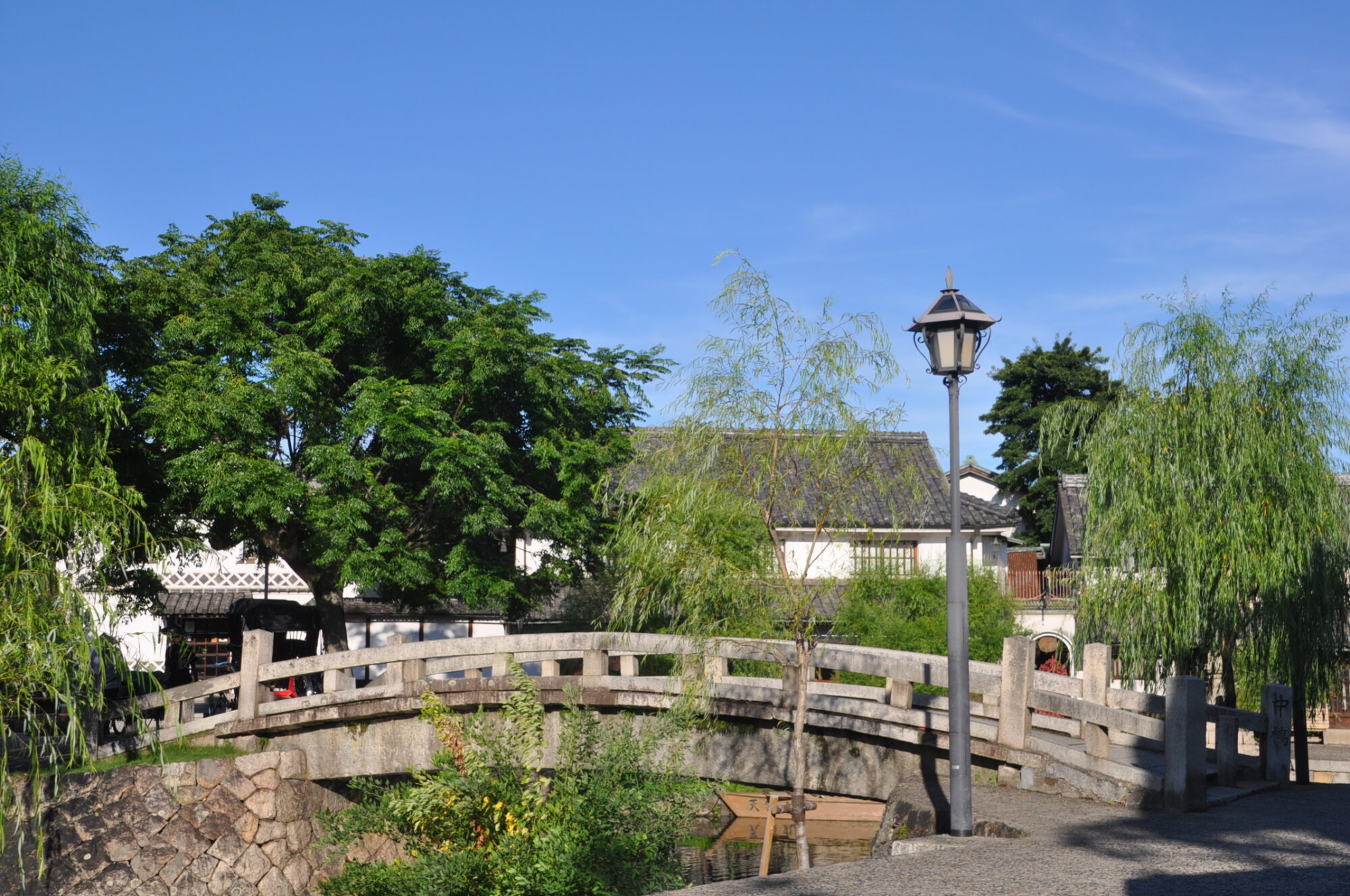
I remember thinking what a charming townscape it was when I first visited the Bikan Historical Area.
However, I never thought to delve deeper than that.
I felt no discomfort with the mixture of old Japanese wooden architecture and Western architecture.
On the contrary, it can be said that the Bikan Historical Area has a harmonious landscape.
Through Kurashiki Architourism 2022, I learned that this harmony was not created by chance.
I feel as though I have returned to the obvious perspective that buildings are created by people.
I have come to keenly feel how much thought and time went into creating the scenery before me.
At the same time, I am surprised that just knowing the highlights can make building tourism so interesting.
I hope that not only visitors but also local residents will appreciate the charm of buildings that they usually do not pay much attention to.
Data on Kurashiki Architourism 2022
| Name | Kurashiki Architourism 2022 |
|---|---|
| Dates | Event period: From October 1, 2022, to January 31, 2023 ■ Where to buy memory files (500 yen each, tax included, limited to 300 copies) ● Kurashikikan Tourist Information Office ● Kurashiki City Kurashiki Monogatari-kan ● Kurashiki Ivy Square ● Kurashiki International Hotel ● Ohara Museum of Art Museum Shop (from October 15) ■ Where to distribute building cards (free) ● Kurashiki Archaeological Museum ● Ohara Museum of Art Branch ● Kurashiki International Hotel ● Kurashiki Community Center ● Kurashiki Ivy Square |
| Location | Bikan Historical Area |
| Participation Fee (tax included) | ・Memory file: 500 yen each, limited to 300 copies ・Building cards are free |
| Website | Kurashiki Tourism WEB - Kurashiki Architourism 2022 |