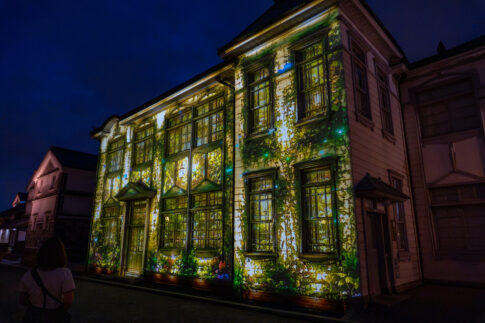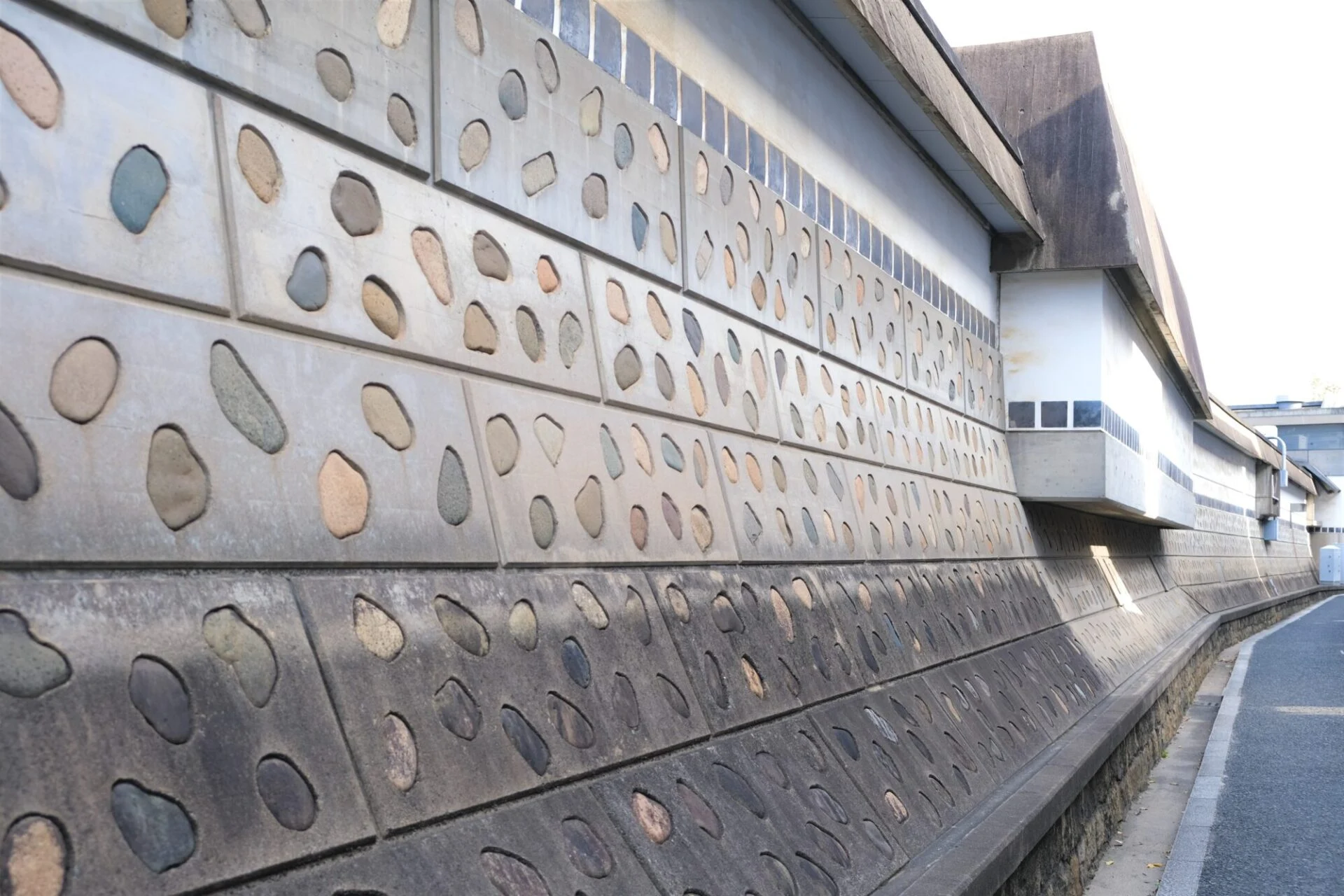
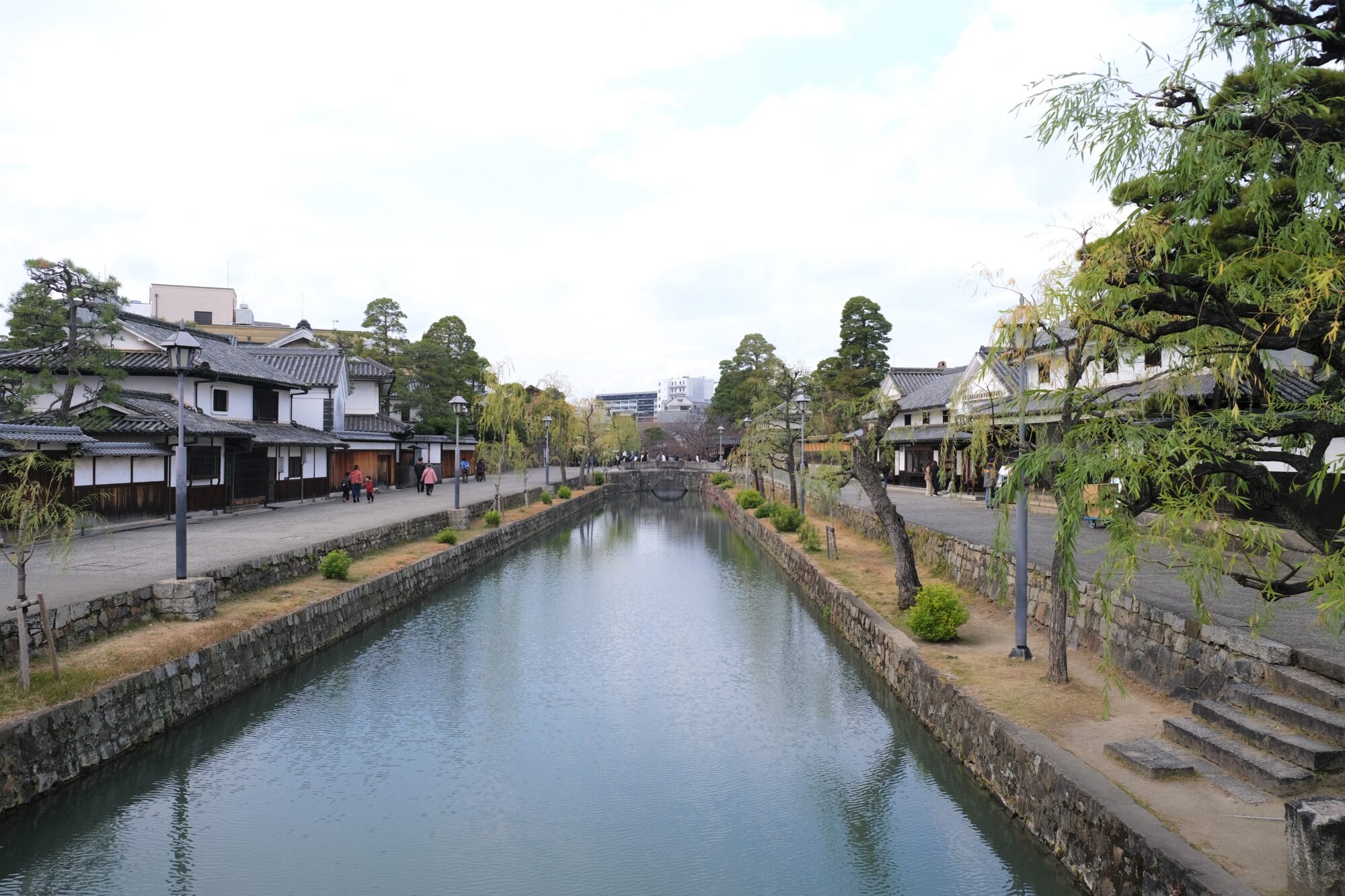
When it comes to the Bikan Historical Area in Kurashiki, the beautiful townscape with white-walled storehouses and willows planted along the river comes to mind.
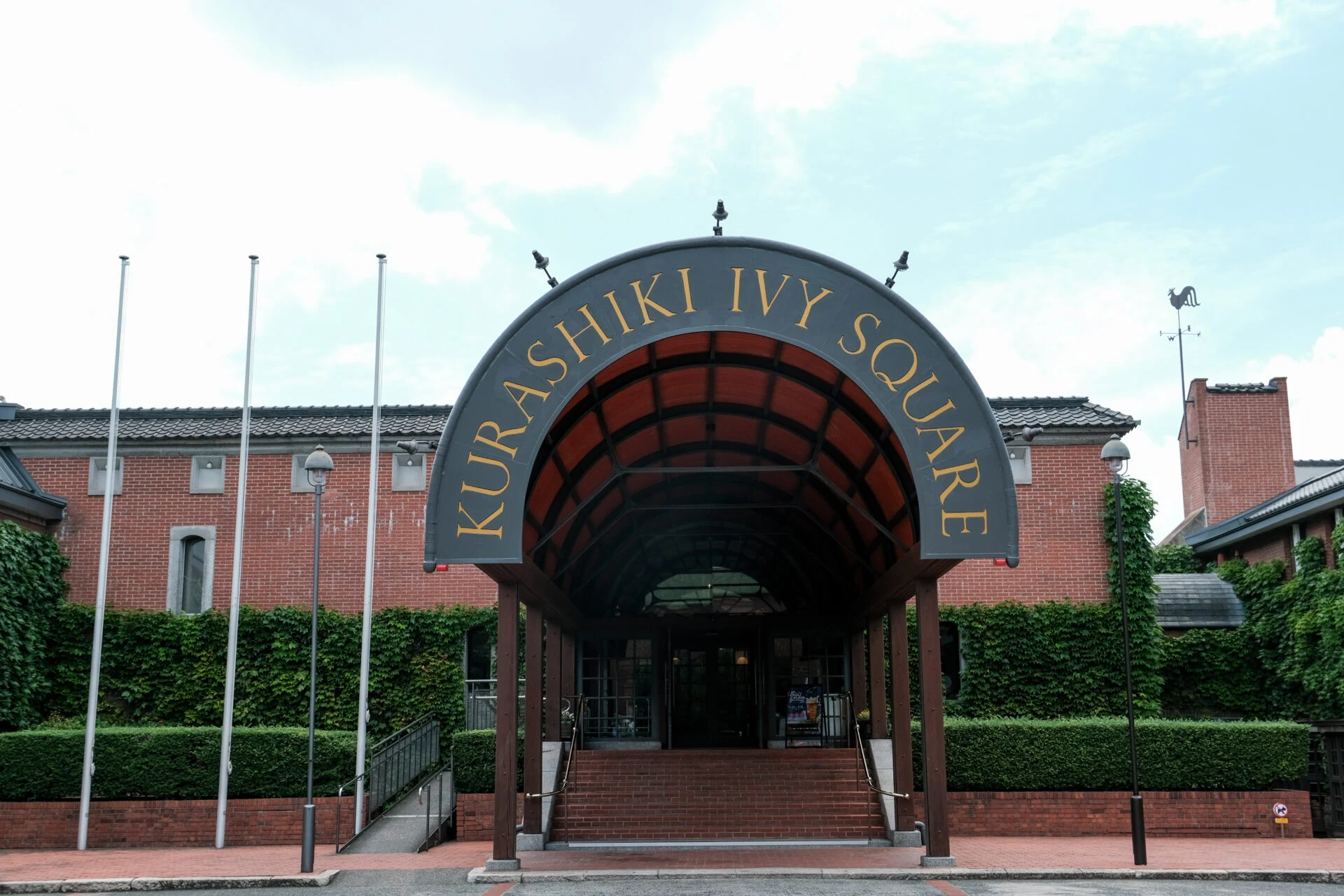
Famous places include the Ohara Museum of Art, which exhibits Monet's "Water Lilies," and the Kurashiki Ivy Square, a renovated Meiji-era spinning mill entwined with ivy, which is also popular for garden weddings.
Within the townscape of the Bikan Historical Area, there are several buildings designed by architect Urabe Shizutaro, who is from Kurashiki City.
I became curious about what kind of modernist architecture harmonizes with the townscape of Kurashiki.
I will participate in Kurashiki Architourism 2022 and embark on a journey to see the attractive buildings designed by Urabe Shizutaro in the Bikan Historical Area.
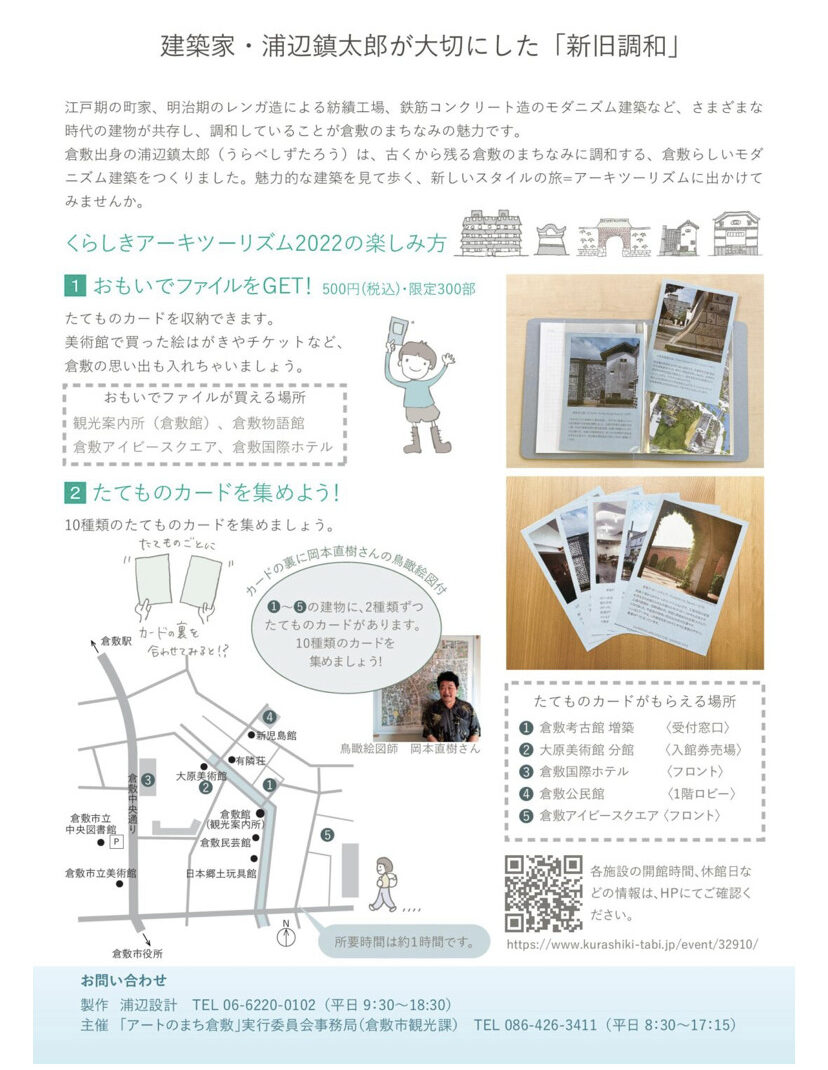
What is Kurashiki Architourism 2022
Kurashiki Architourism 2022 is an event organized by the "Art Town Kurashiki" executive committee (Kurashiki City Tourism Division).
Event Period: October 1, 2022 (Saturday) to January 31, 2023 (Tuesday)
The "Memory File" was sold for 500 yen (tax included) in a limited edition of 300 copies, but it has sold out due to popularity.
It is a card rally to collect a set of two "Building Cards (free)" while visiting five buildings designed by Urabe Shizutaro.
The five buildings are as follows.
- Kurashiki Archaeological Museum
- Ohara Museum of Art Branch
- Kurashiki International Hotel
- Kurashiki Community Center
- Kurashiki Ivy Square
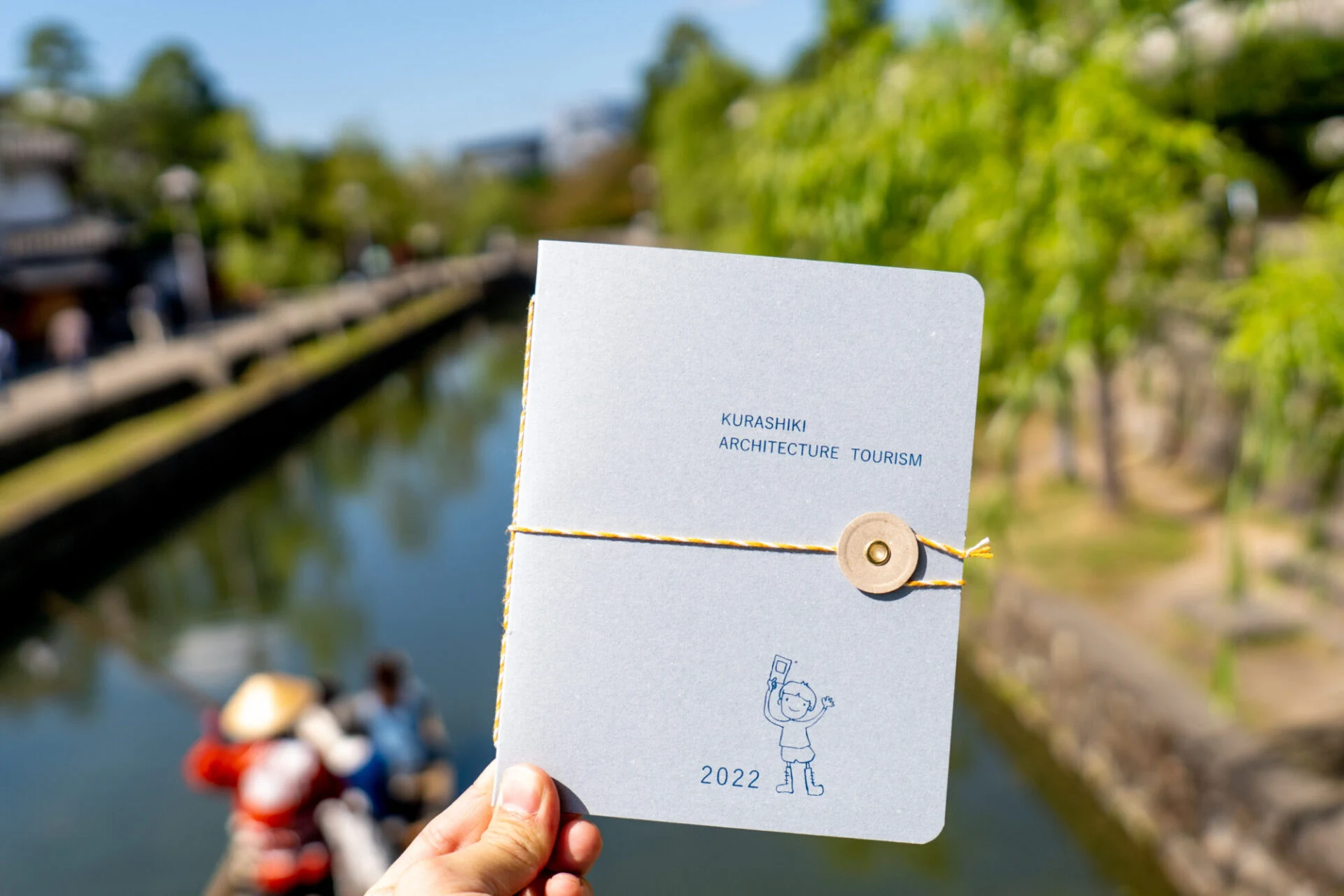
I participated in the event
The Kurashiki Architourism 2022 event was well received, and the sale of the "Memory File" at the Kurashikikan Tourist Information Office, Kurashiki City Kurashiki Monogatari-kan, and Kurashiki International Hotel has already ended. During the interview, the only place selling it was the front desk of Kurashiki Ivy Square.
I purchased the "Memory File" at the front desk of Kurashiki Ivy Square.
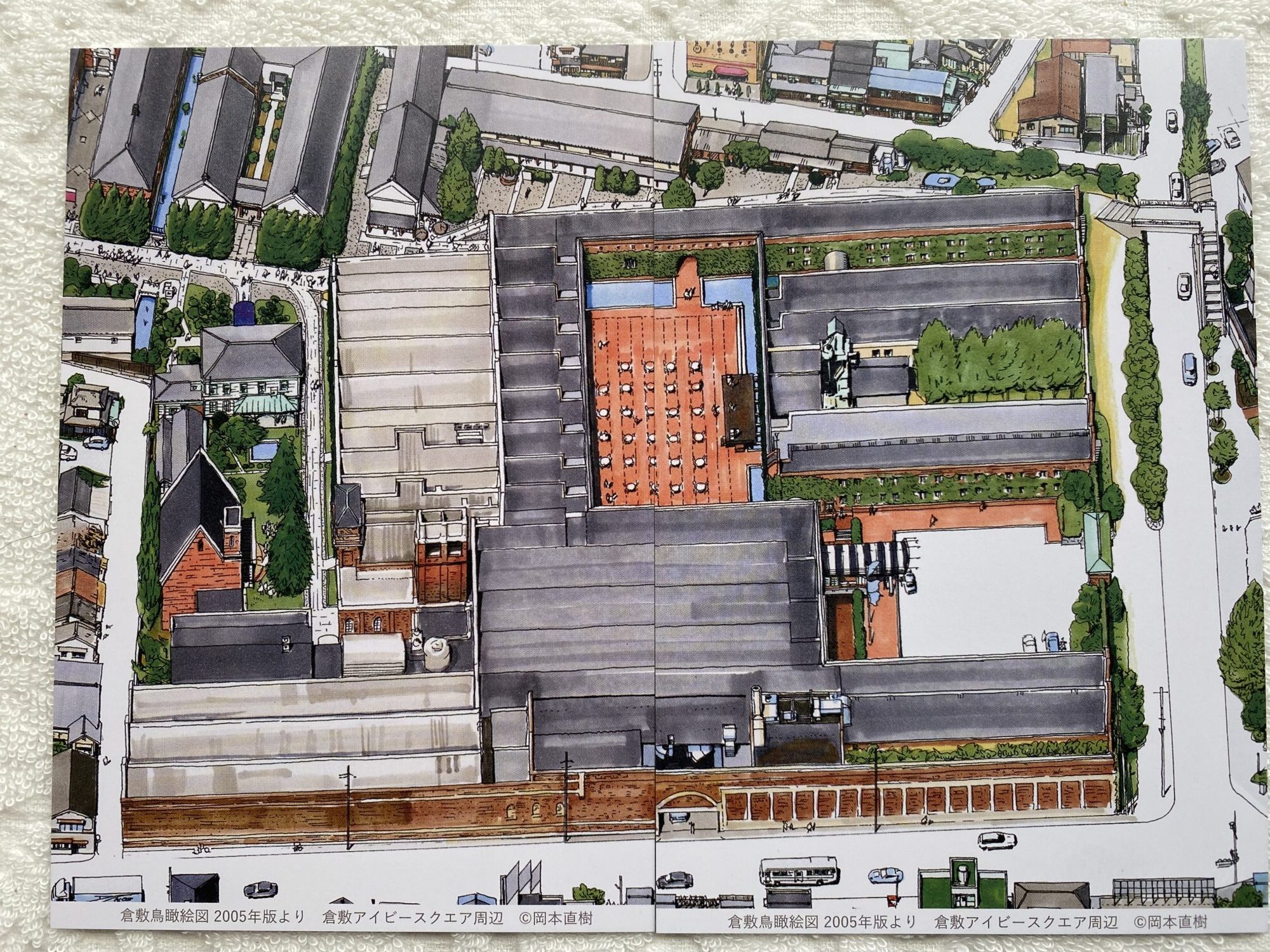
They also handed me the "Building Card."
When you flip the "Building Card" over and line them up, a cute illustration of the bird's-eye view map of the area around Kurashiki Ivy Square appears.
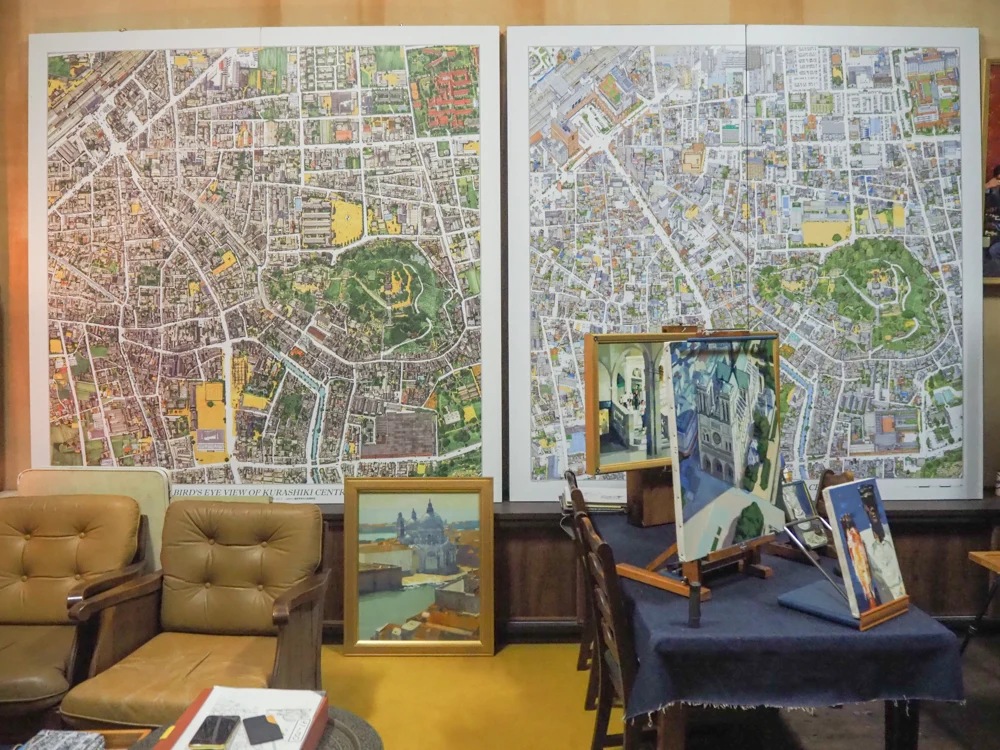
This is part of the "Kurashiki Bird's-eye View Map 2005 Edition" drawn by Okamoto Naoki.
It is also fun to check the actual buildings while looking at the bird's-eye view map.
Kurashiki Ivy Square
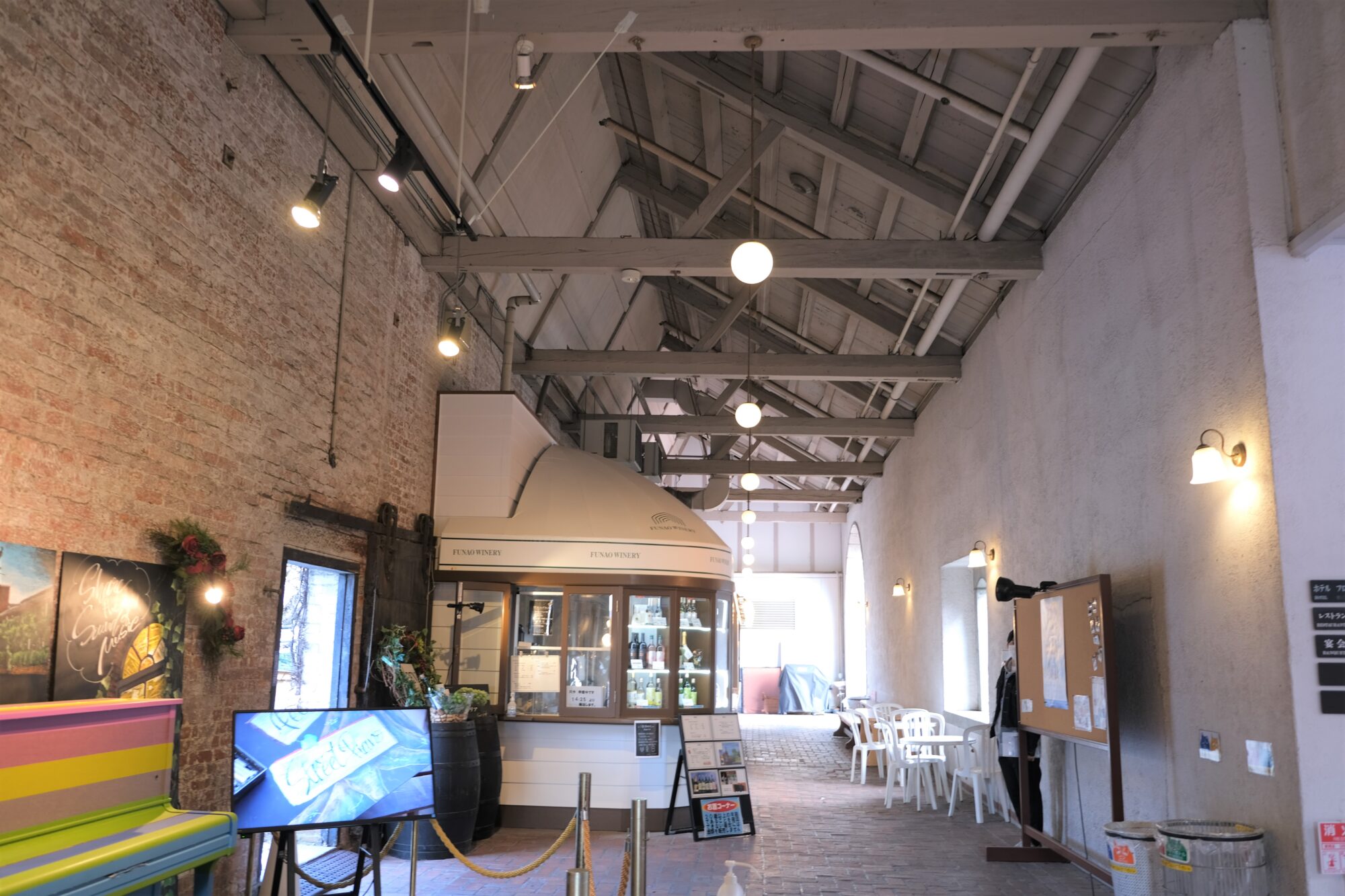
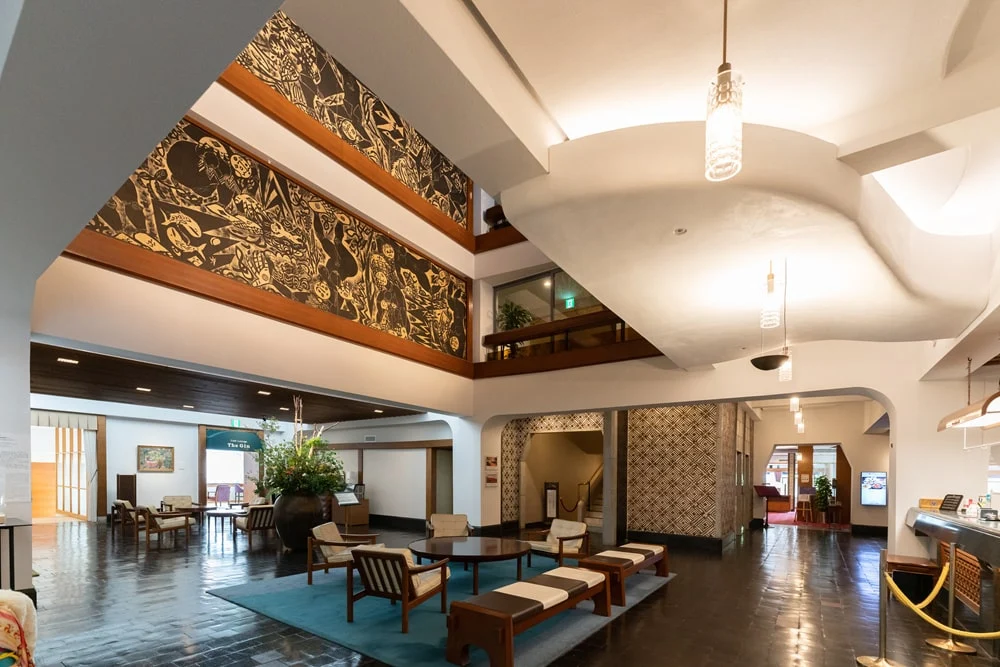
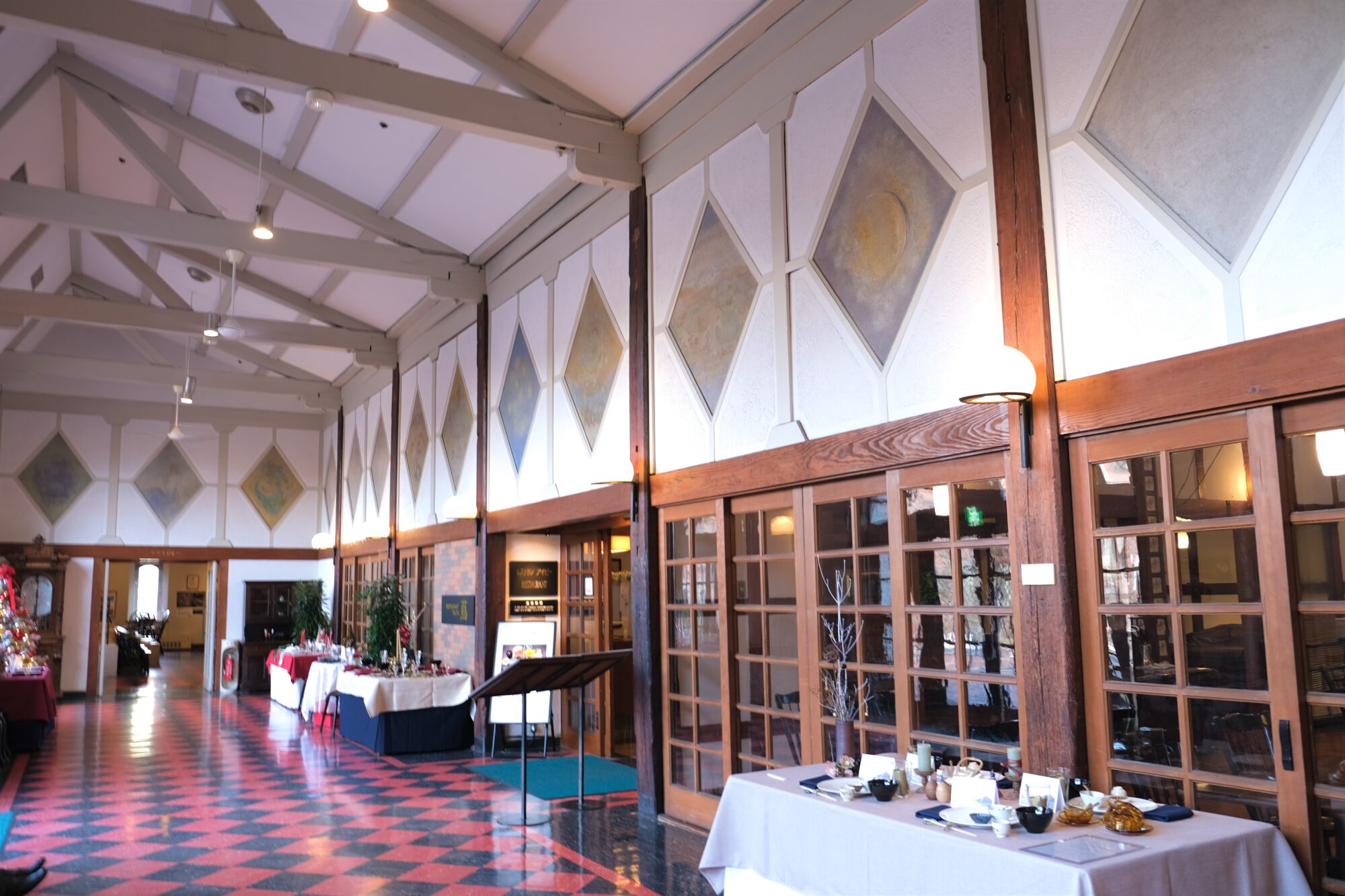
Looking up from the entrance of Kurashiki Ivy Square at the corridor in front of the restaurant, you can see that the sawtooth roof's teeth and the triangular structural frame from the spinning mill era are still being used as they are.
Kurashiki Ivy Square, which was converted from a spinning mill to a hotel, was designed with the idea of reusing roof tiles and wood as much as possible.
The door at the restaurant entrance also features reused blown glass, with warm, wavy glass installed.
It is said that the glass contains impurities, but conversely, such rare and unobtainable glass may be more valuable.
Kurashiki Community Center
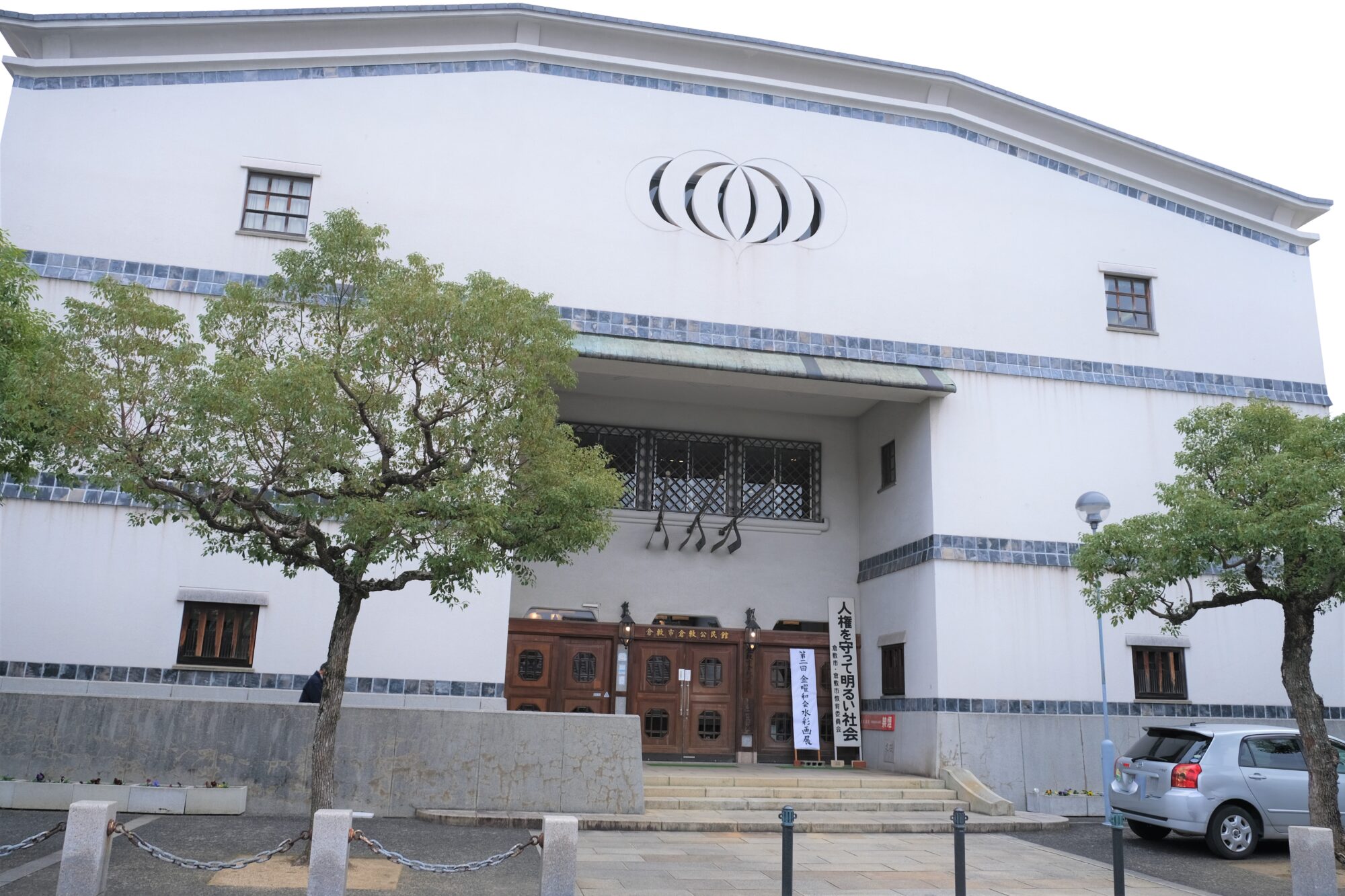
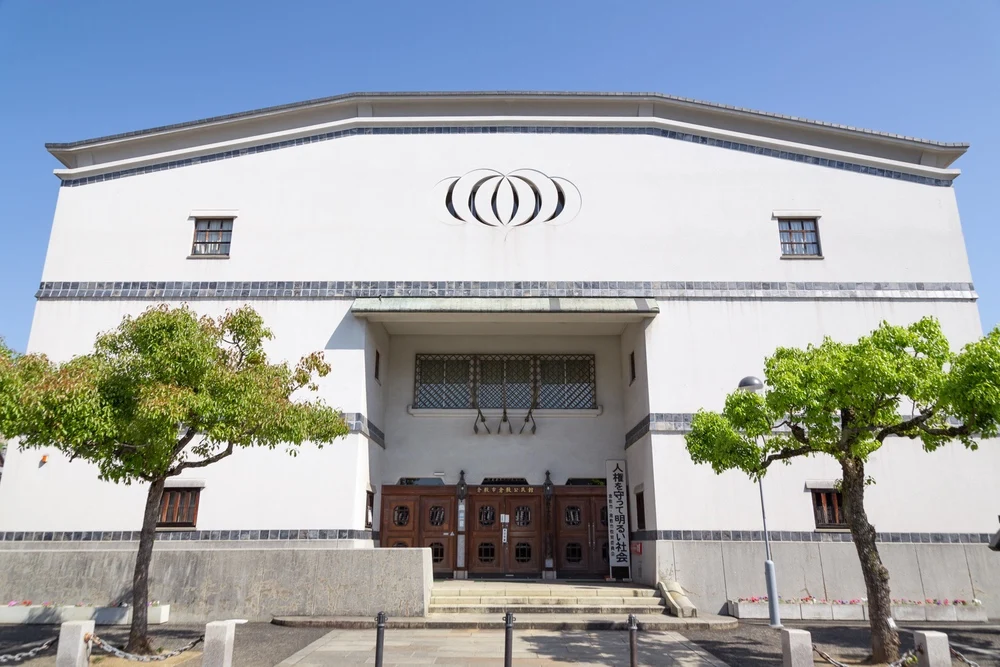
The exterior of the Kurashiki Community Center has a solid presence.
The white walls and tile colors blend beautifully with the Bikan Historical Area.
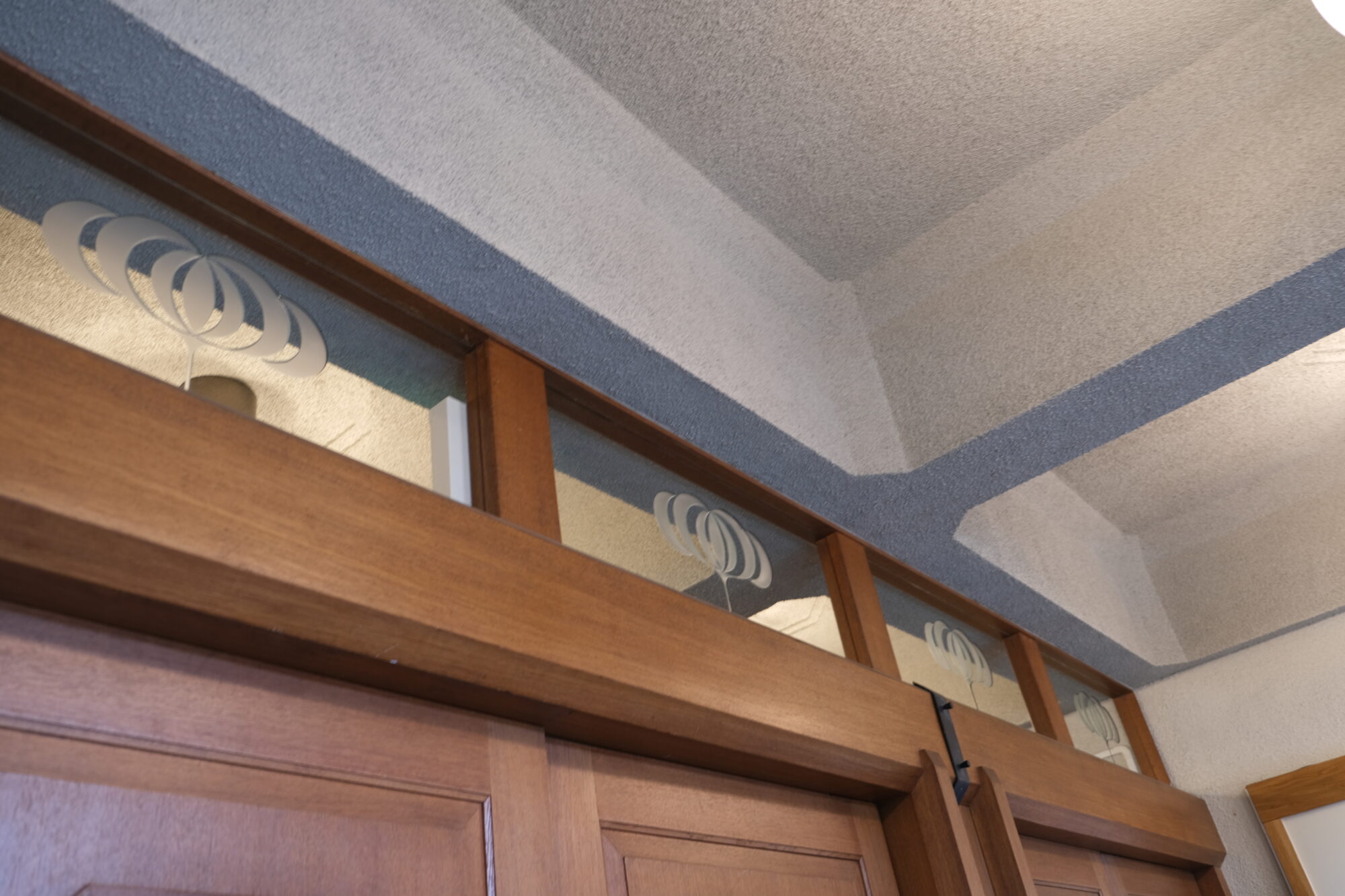
The Meiji Centennial Commemorative Symbol Mark carved into the glass is delicate, and you can feel the attention to detail in the building.
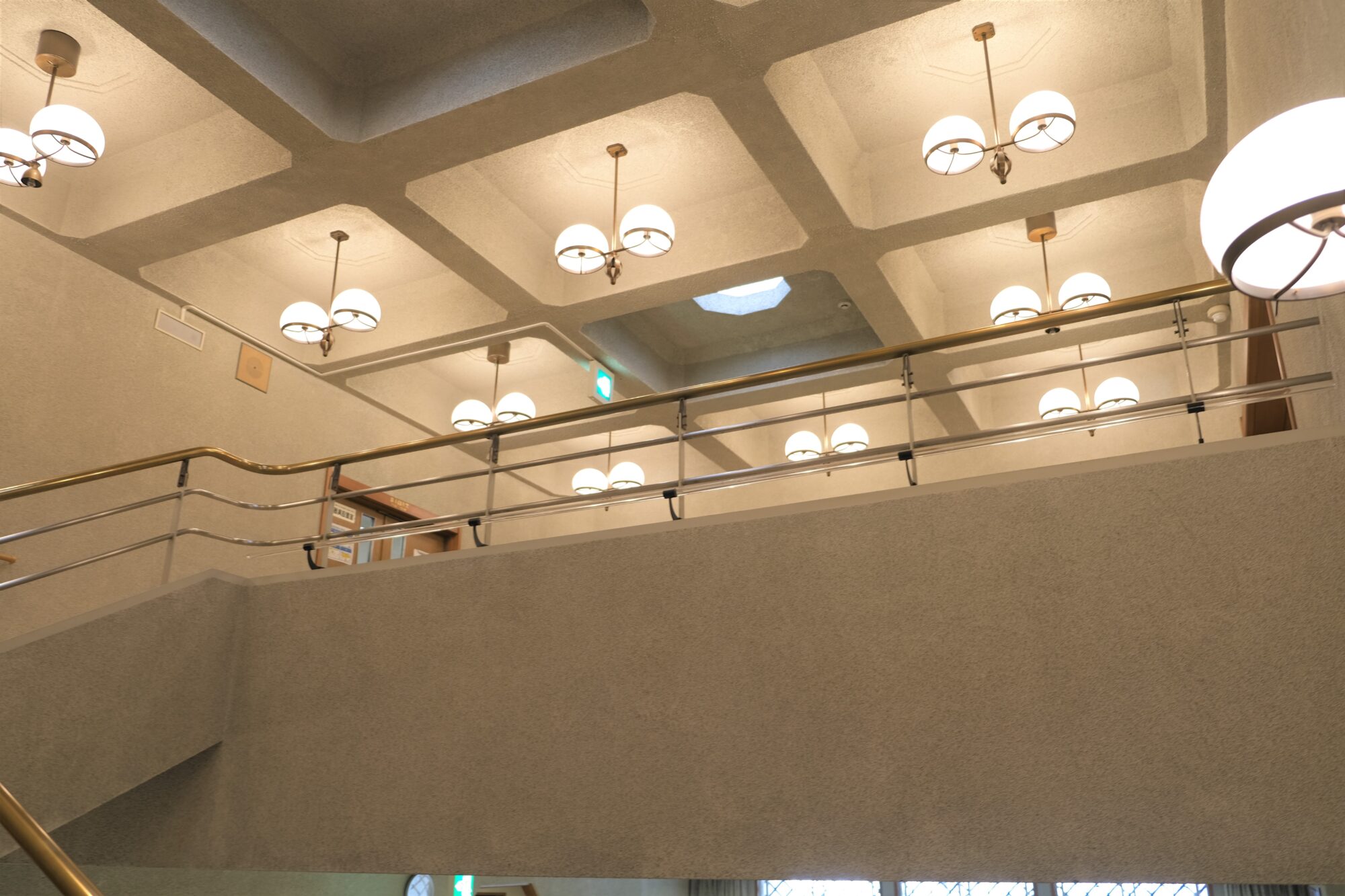
The elegant interior is very lovely.
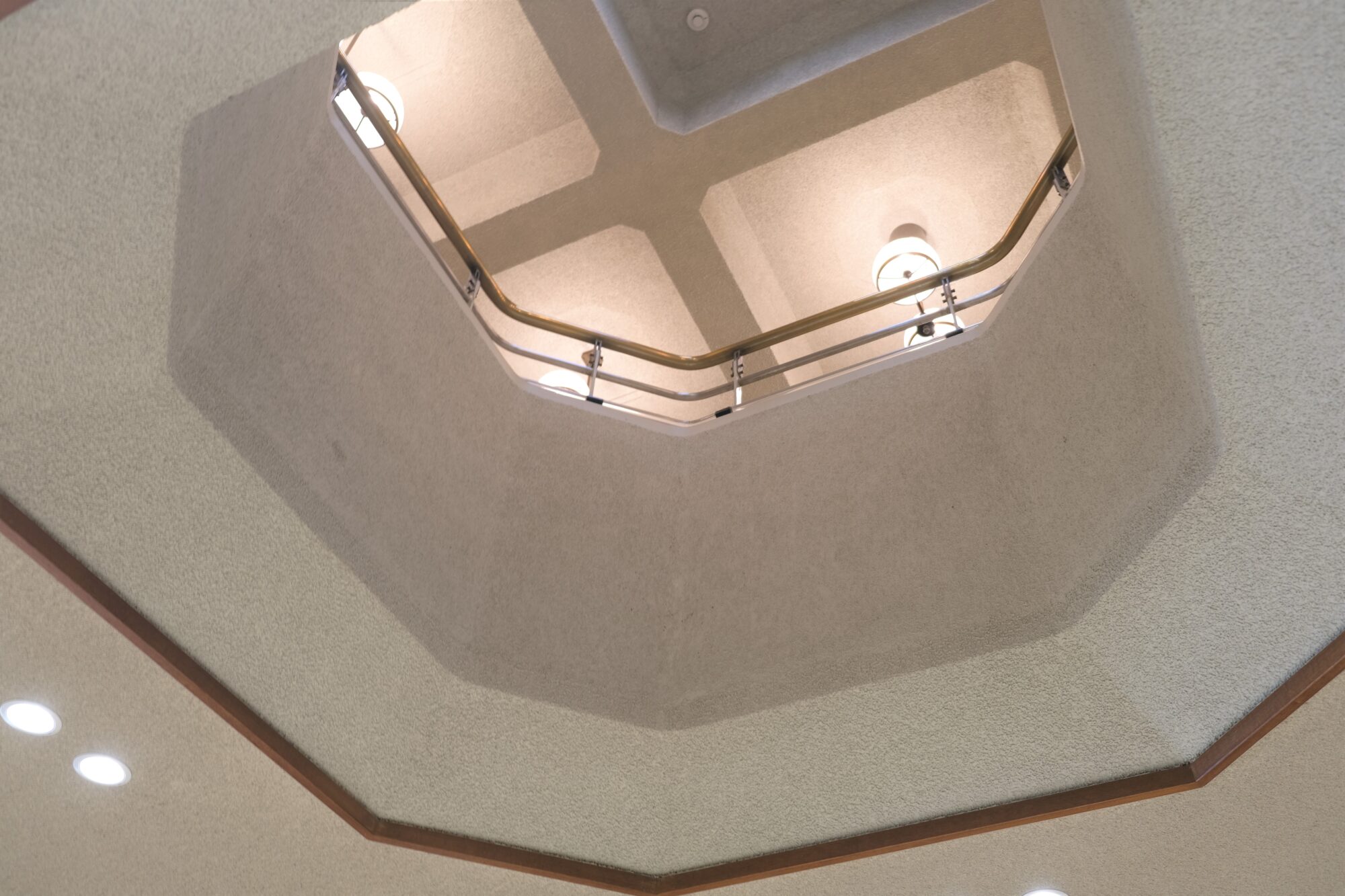
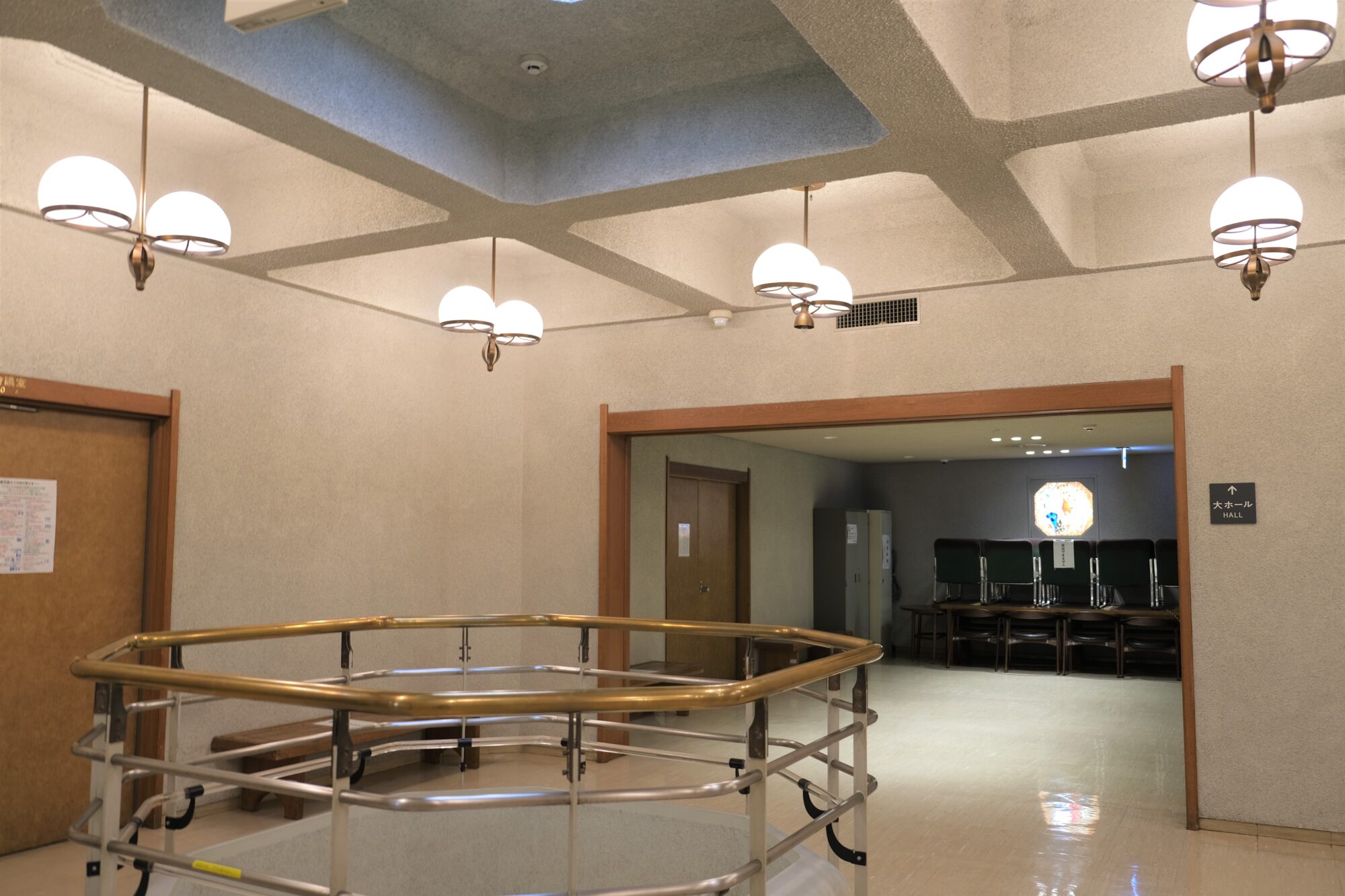
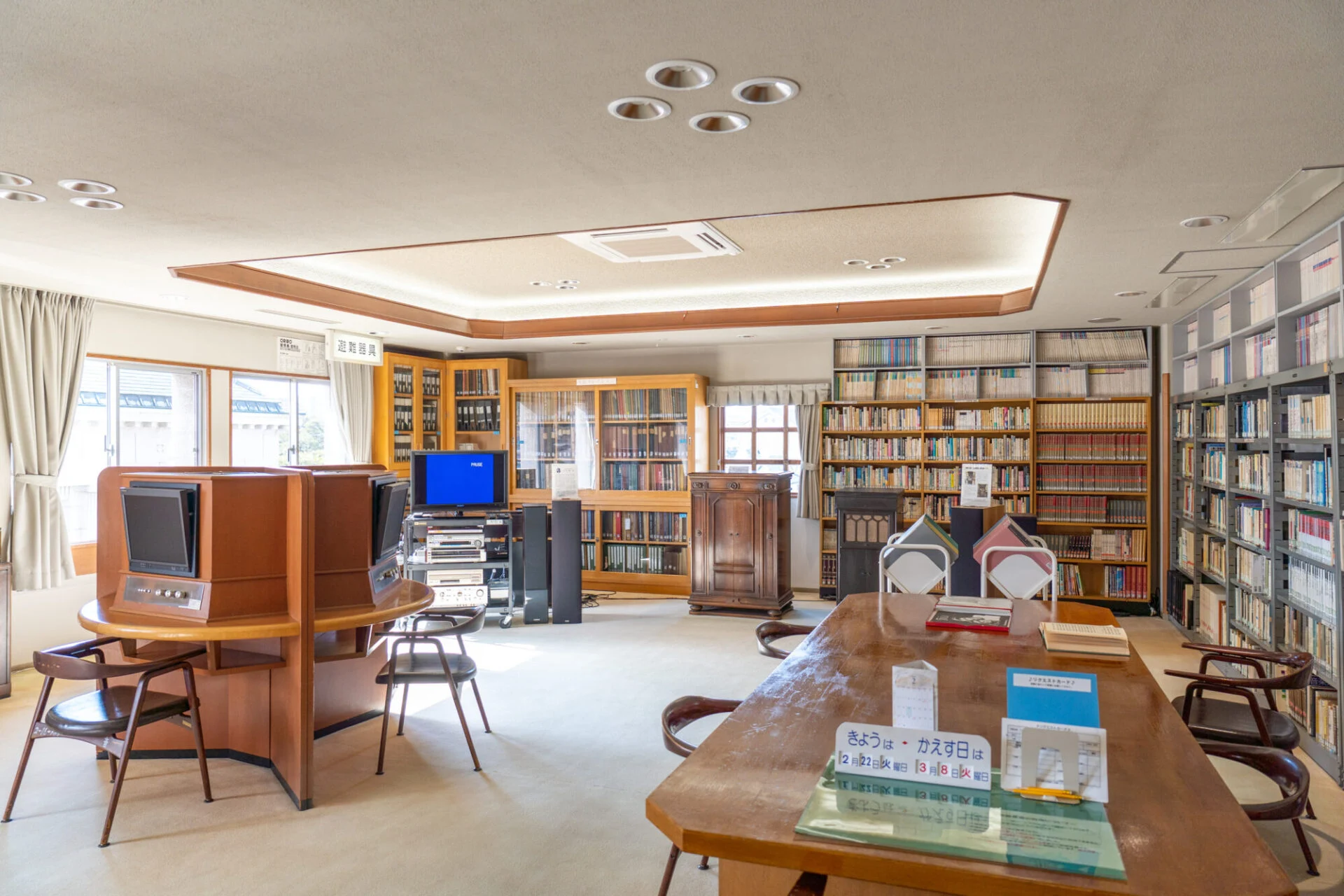
On the 3rd floor, there is a Music Library, which houses many records, CDs, laser discs, sheet music, and music books.
It seems that one can study specialized music, mainly classical.
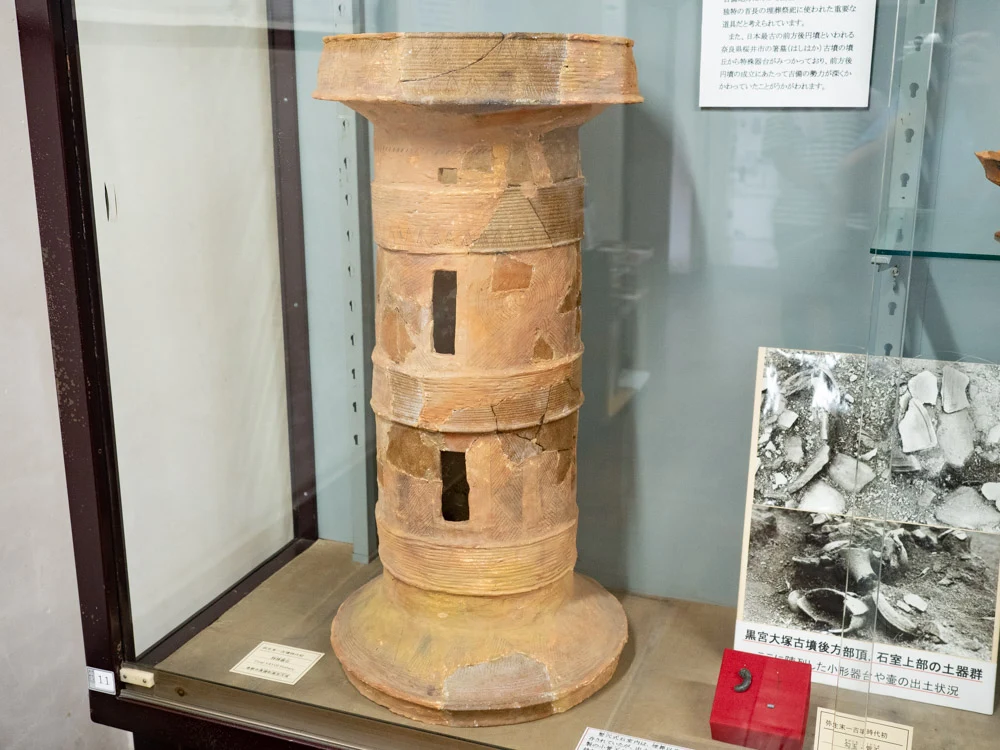
Kurashiki Archaeological Museum
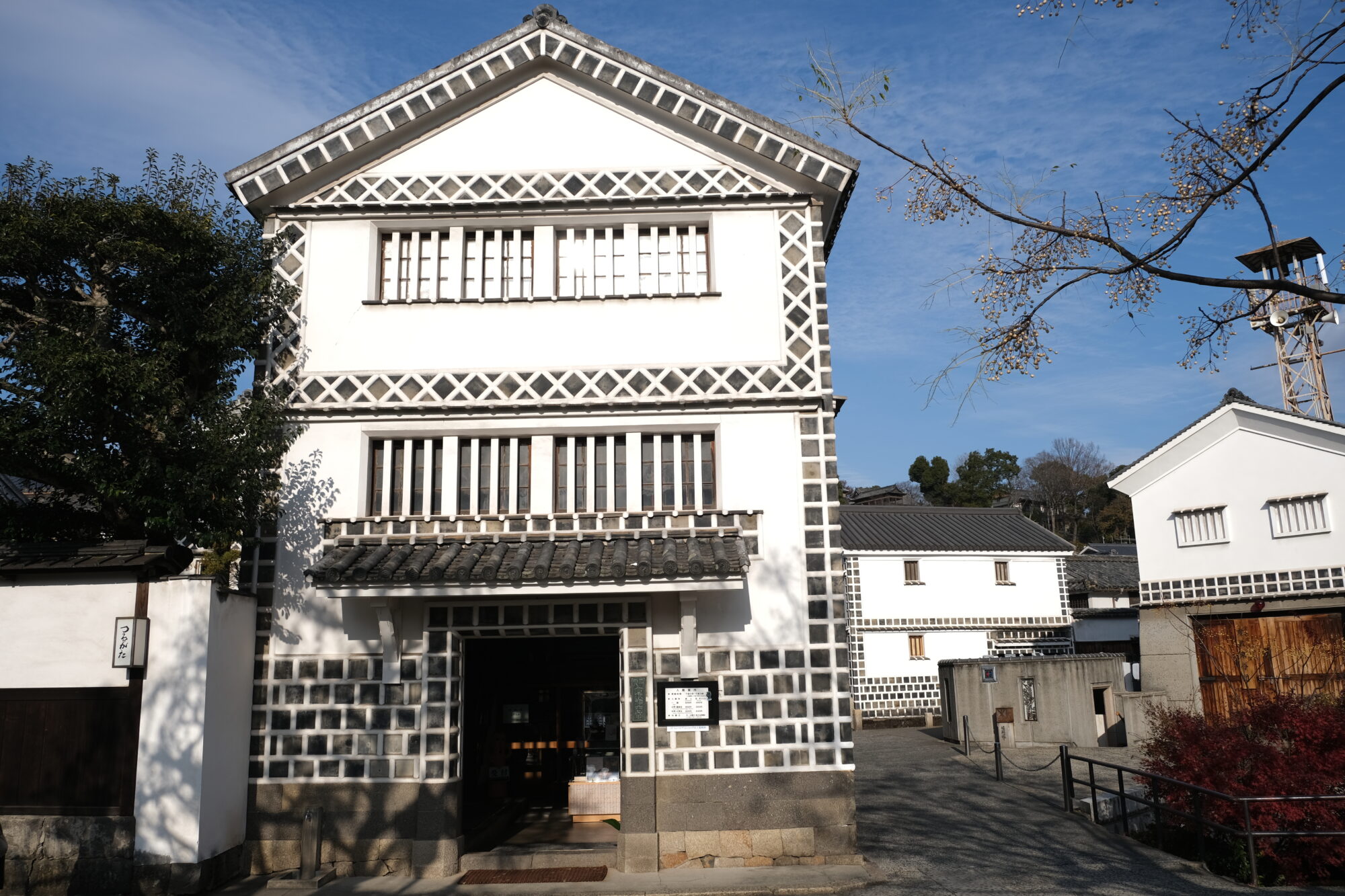
Across the Kurashiki River from the Kurashikikan Tourist Information Office in the Bikan Historical Area is the Kurashiki Archaeological Museum.
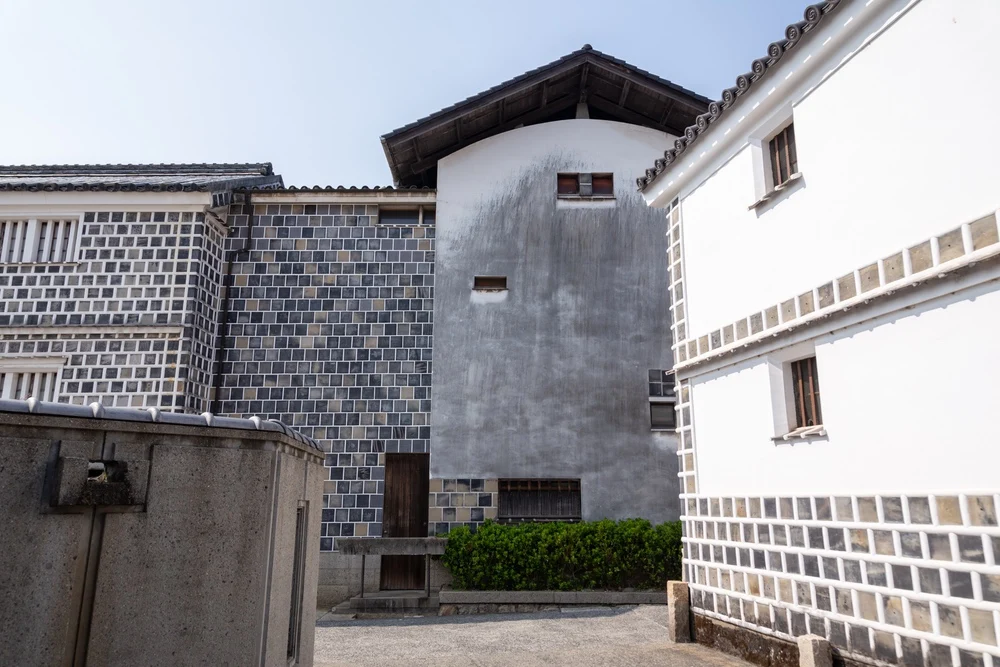
The facade of the "Kurashiki Archaeological Museum" exudes the elegance typical of the Bikan Historical Area with its storehouse-style architecture.
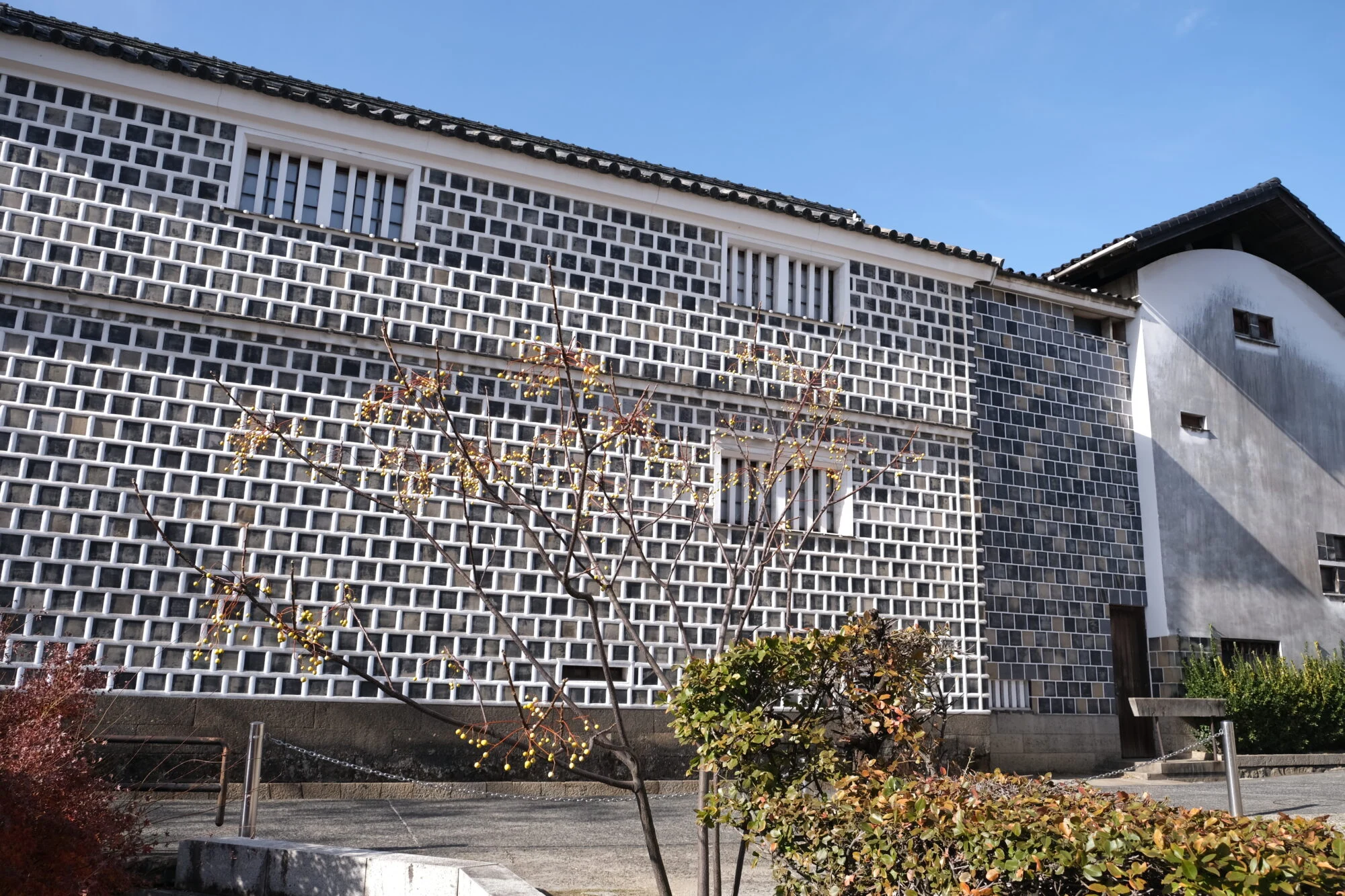
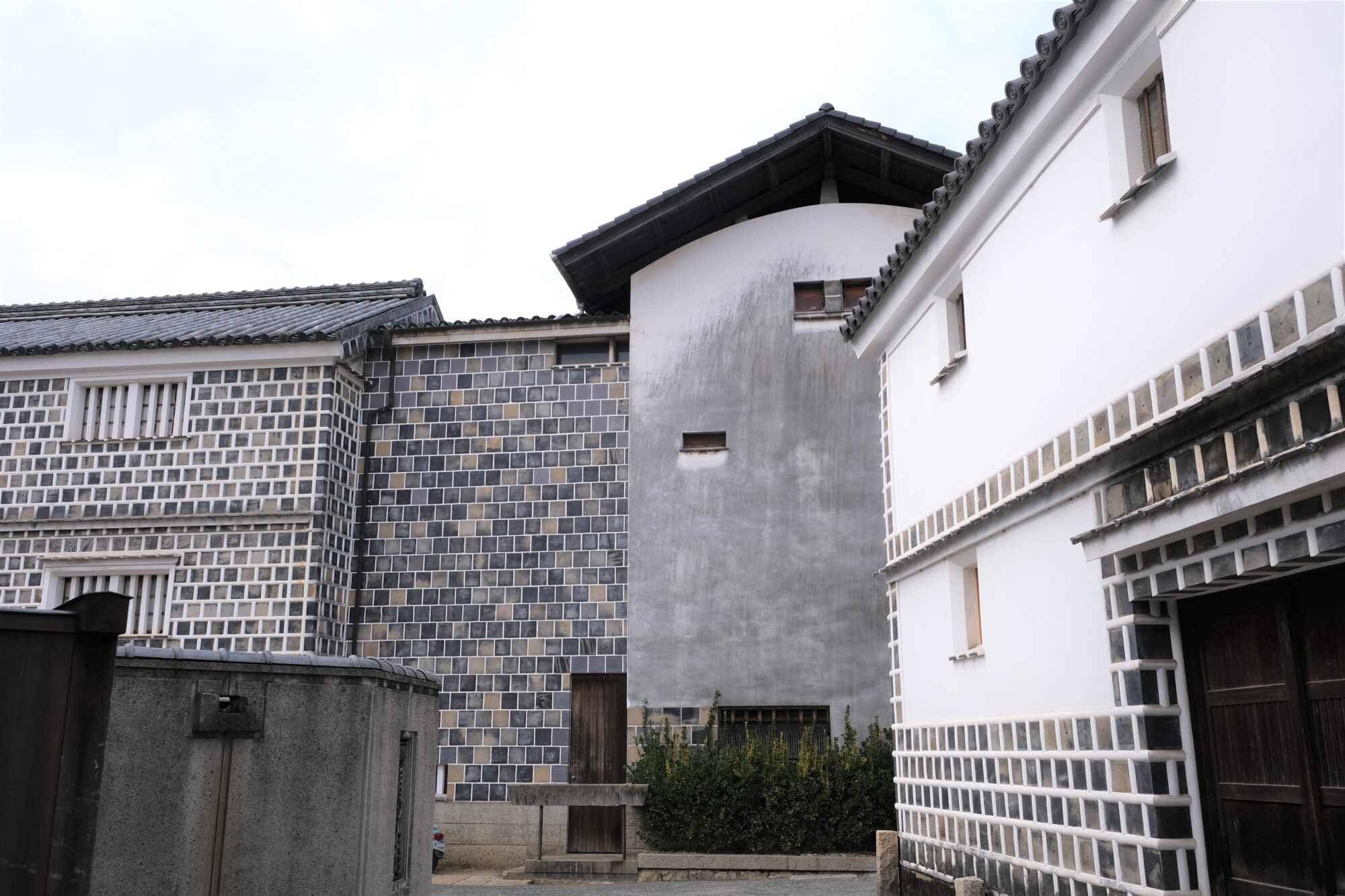
There is a sense of "new and old harmony" without any discomfort with the extension section.
The wall connecting the "Kurashiki Archaeological Museum" and the extension section is covered with tiles of similar tones.
The area where the white wall of the extension section meets the roof is stylishly arched.
Conclusion
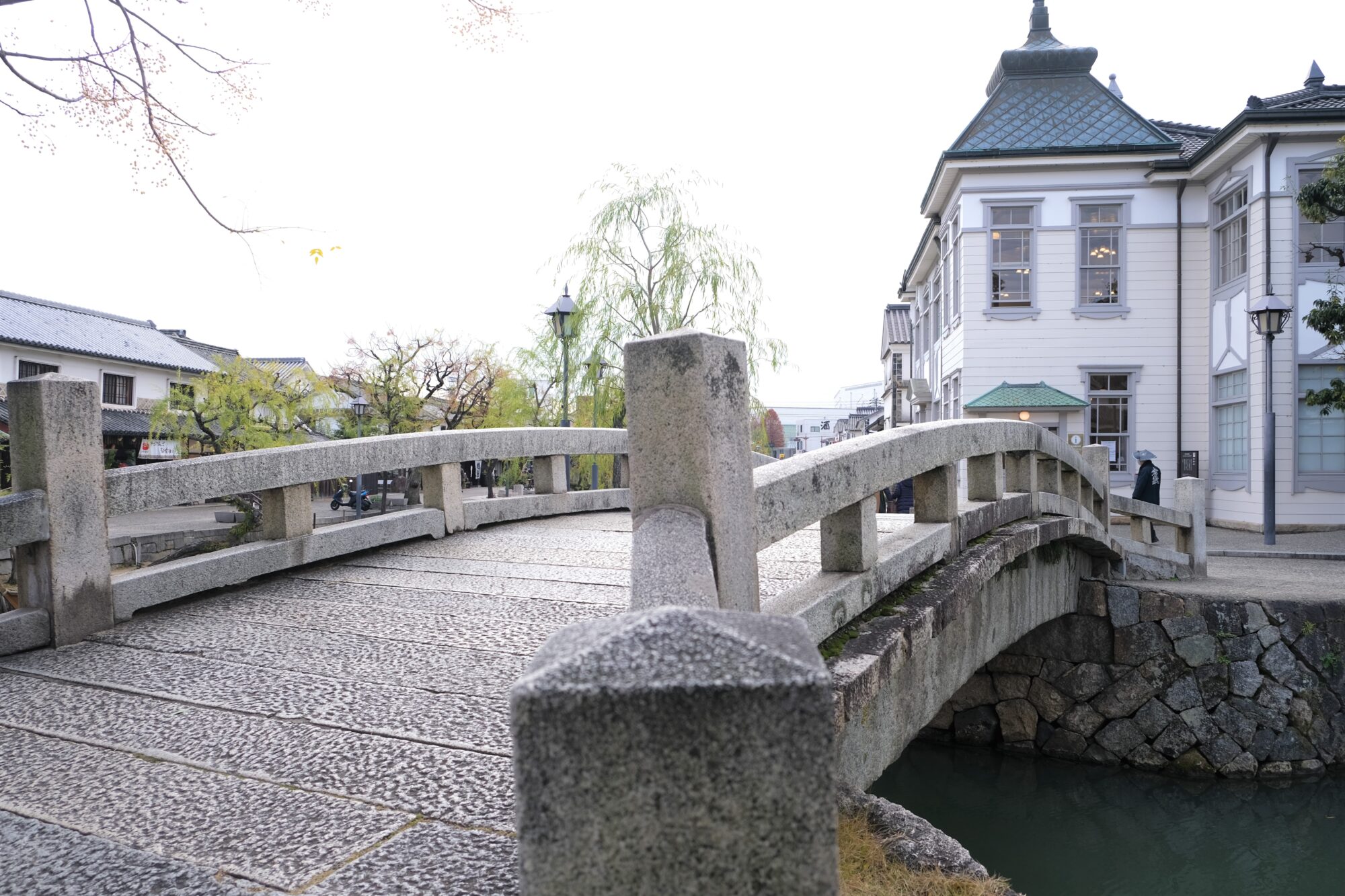
I enjoyed a pleasant stroll while gazing at the white-walled storehouses.
It felt like a game of collecting cards, making it an event enjoyable for both adults and children.
I had heard of names like "Ohara Museum of Art" and "Kurashiki Ivy Square," but I was not aware of Urabe Chintaro, the architect of each building.
Kurashiki Architourism 2022, A journey to see the charming buildings designed by architect Urabe Chintaro from Kurashiki City.
It became a journey to touch upon Urabe Chintaro's thoughts on the "new and old harmony" of the townscape in the Bikan Historical Area.
It seems there are buildings designed by Urabe Chintaro outside of the Bikan Historical Area as well.
It would be nice to embark on a journey to explore Urabe Chintaro's buildings.
I became more curious about Kurashiki.
Data for Kurashiki Architourism 2022
| Name | Kurashiki Architourism 2022 |
|---|---|
| Dates | October 1, 2022 (Saturday) - January 31, 2023 (Tuesday) |
| Location | Bikan Historical Area |
| Participation Fee (Tax Included) | Free (Some facilities require an entrance fee when touring the interior → Kurashiki Archaeological Museum, Ohara Museum of Art) |
| Website | "Art Town Kurashiki" Executive Committee Office (Kurashiki City Tourism Division) |