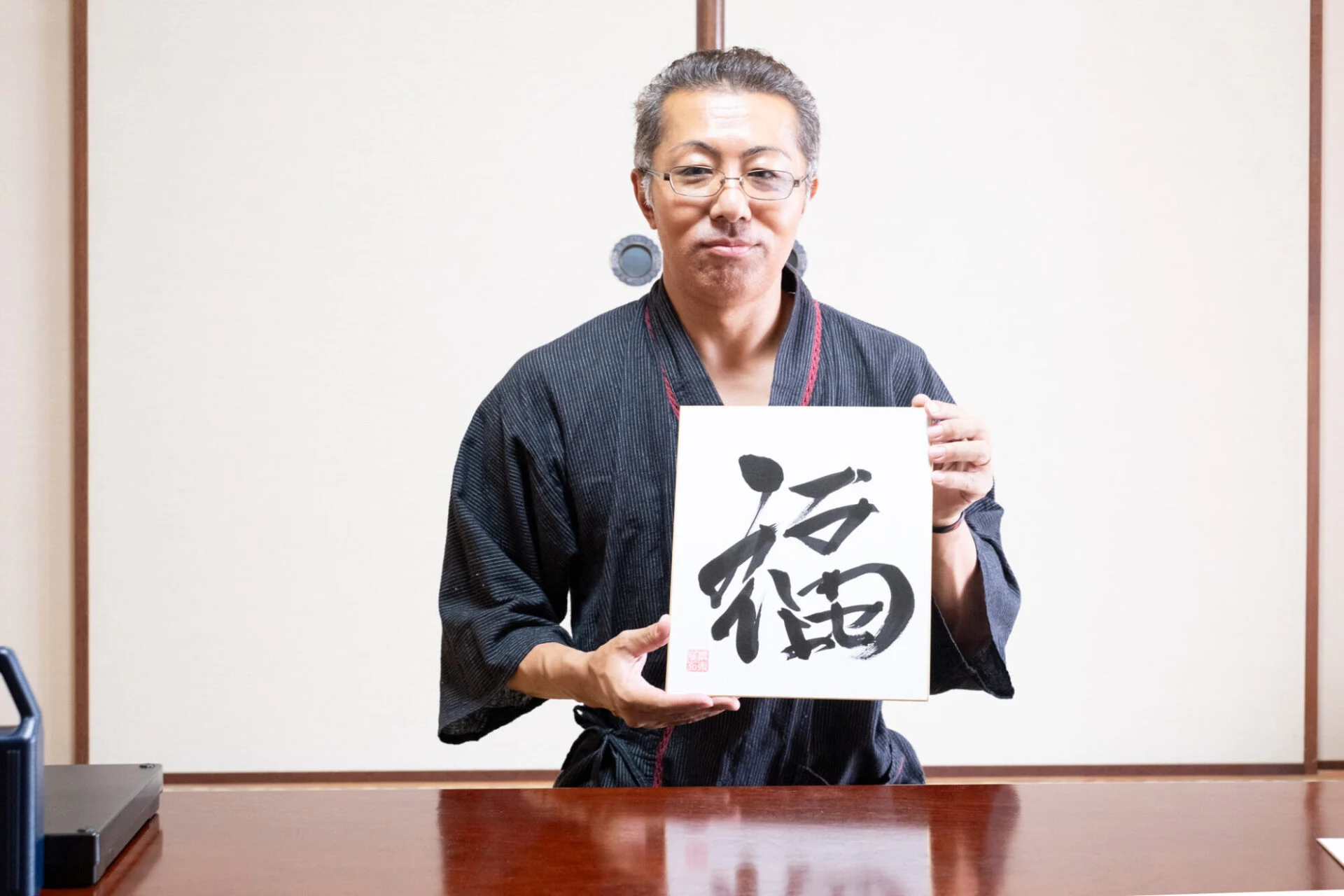
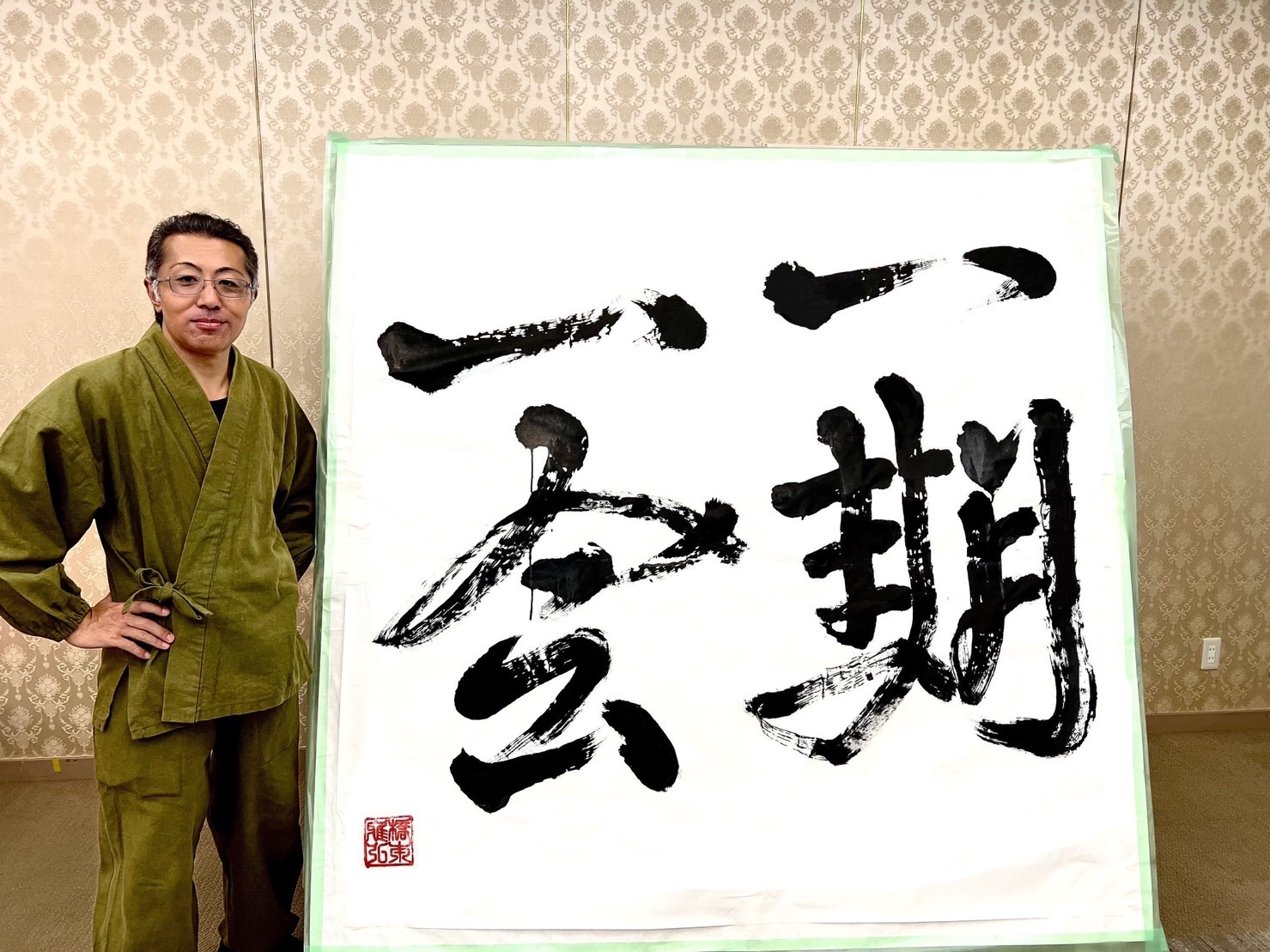
A calligrapher in a haori and hakama writes on a large sheet of paper using a large brush, employing their whole body.
There is a calligrapher who is engaged in unique Art calligraphy performances, aiming to overturn the image that everyone has when they think of calligraphy performances.
Living in Ibara City, Okayama Prefecture, Art calligrapher and firefighter Masahiro Hashimoto is that person.
Alongside being a firefighter, he is active as an Art calligrapher.
Mr. Hashimoto also started with a style of writing on large sheets of paper.
Now, he showcases Art calligraphy performances in various scenes.
At celebratory events, he writes with dignified characters in a solemn atmosphere, while at festival stages, he energizes the venue with lively talk and captivates the audience with powerful and beautiful characters.
We will introduce his thoughts on children and his activities as an Art calligrapher firefighter.
Art calligrapher firefighter Masahiro Hashimoto
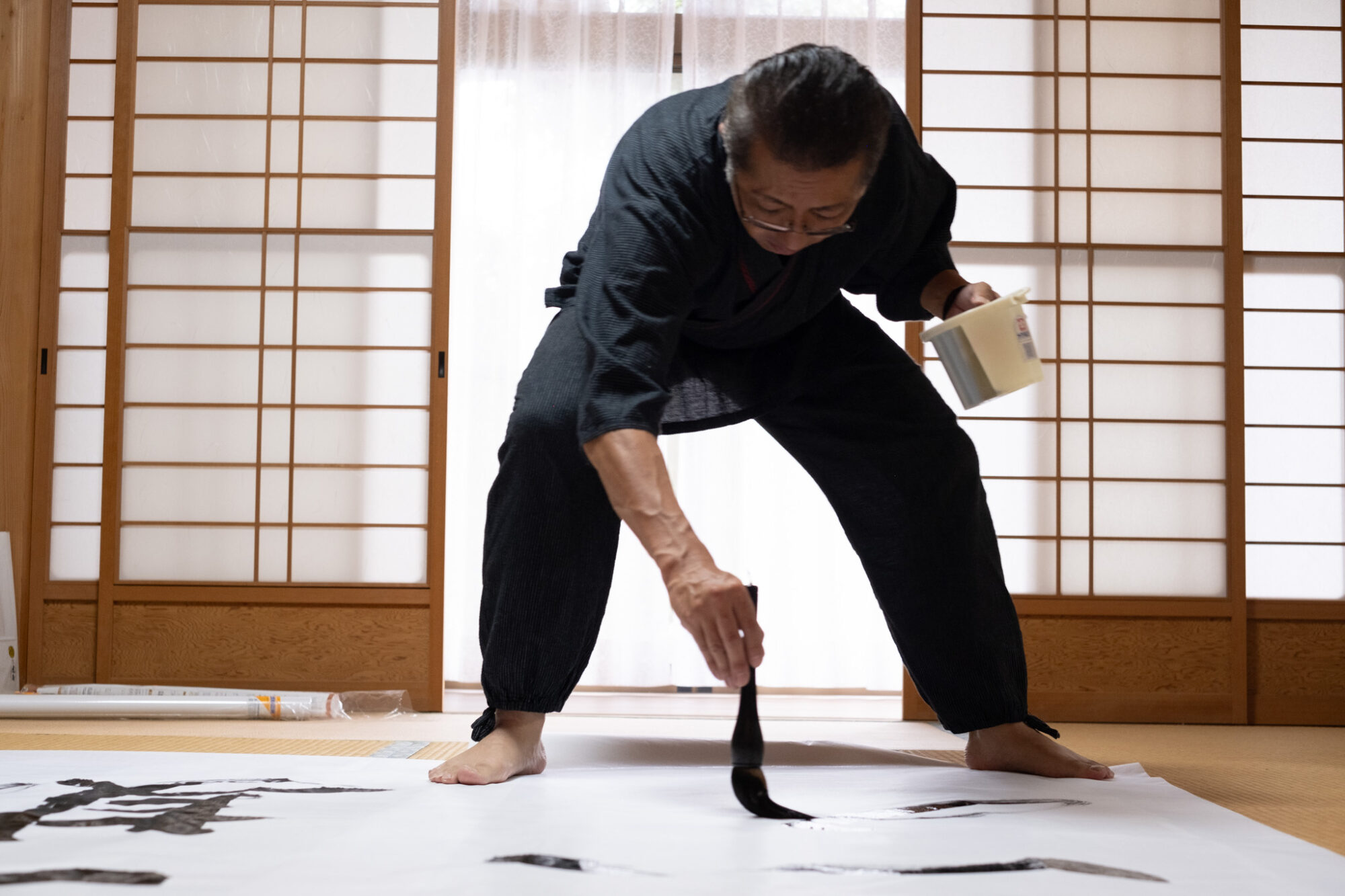
Mr. Masahiro Hashimoto holds two titles: firefighter and Art calligrapher.
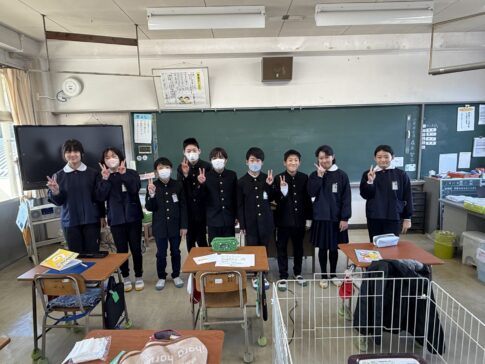
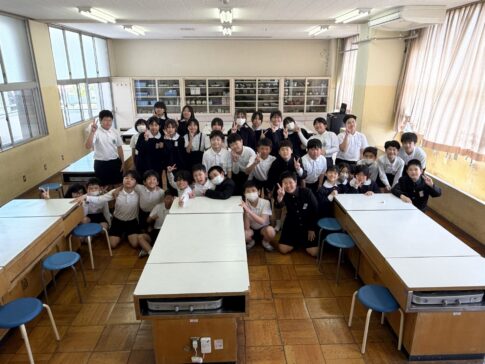
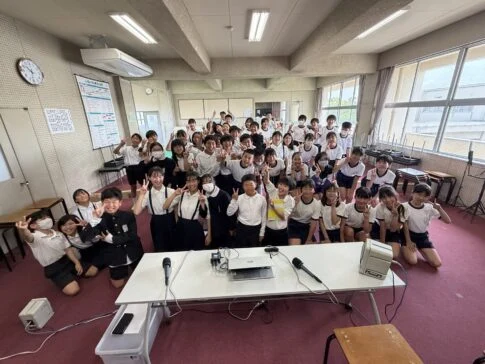
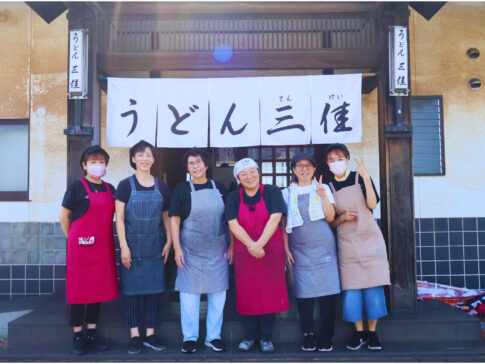
As a firefighter, he gives career talks to children in elementary and middle schools, and as a calligrapher, he performs at festivals, writes signs for local shops, and actively engages in activities to enliven the local community.
As a firefighter
He mainly works in the Communications Command Center and Prevention Division of the Ibara Fire Department.
The Communications Command Center is an important department that receives 119 emergency calls and issues accurate dispatch orders and on-site instructions.
The Prevention Division works to prevent disasters before they occur, conducting training sessions and inspections to ensure that fire safety equipment is properly installed in various fire risk facilities such as restaurants.
Mr. Hashimoto and calligraphy
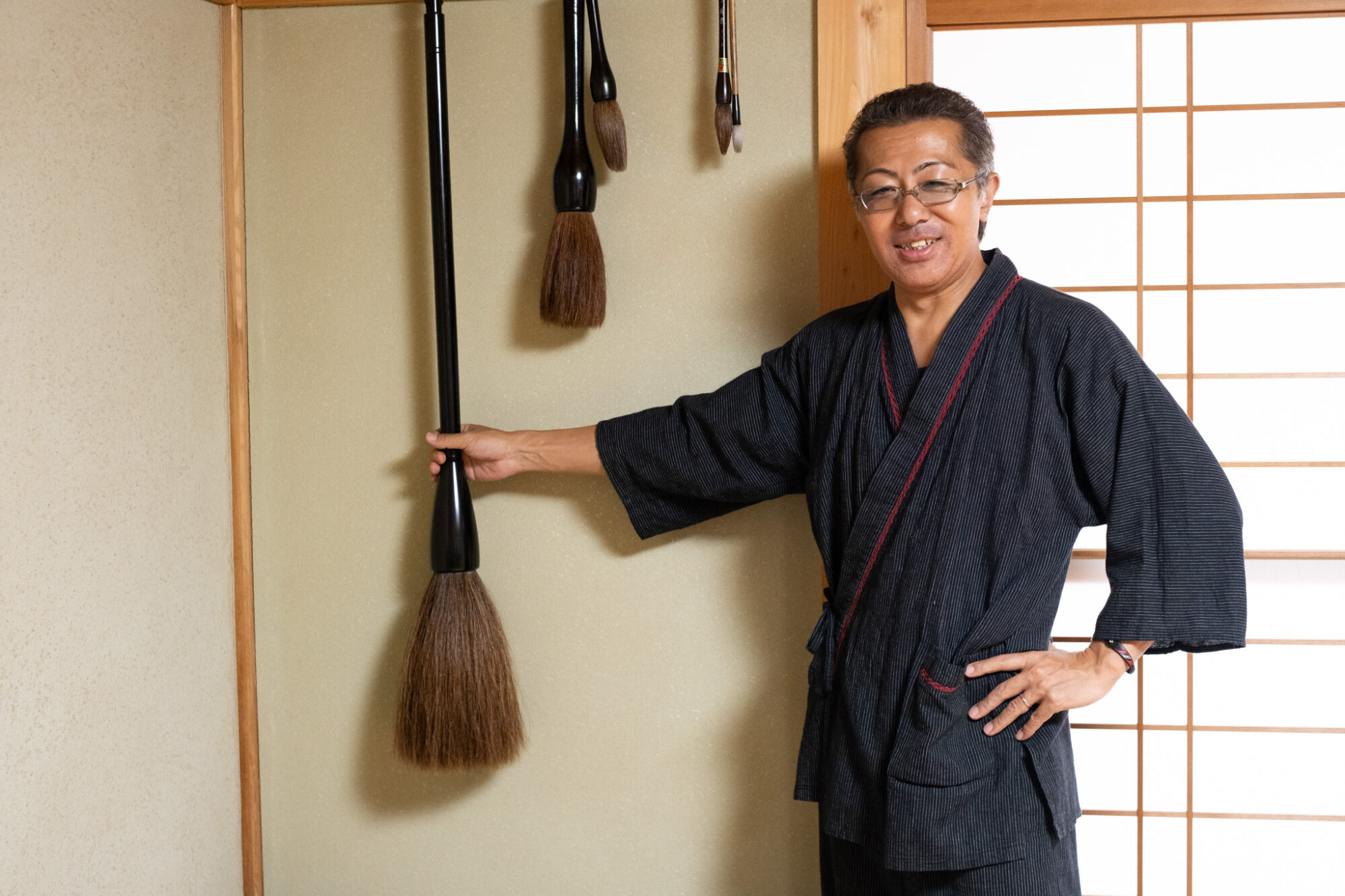
Mr. Hashimoto started calligraphy when he was five years old, as a kindergarten student.
He accompanied his mother to her calligraphy class, initially just as a companion, but then he said, "I want to do it too," and began with penmanship.
Mr. Hashimoto liked calligraphy.
He continued attending calligraphy classes in elementary and middle school, and even chose calligraphy as a subject when he advanced to Okayama Prefectural Okayama Castle East High School.
However, during the four years he spent at Ryukoku University in Kyoto after graduating high school, he did not hold a brush at all.
During university, what captivated Mr. Hashimoto instead of calligraphy was computers.
He spent four years immersed in computers.
When he returned to his hometown of Ibara City and sought employment as a system engineer, it was difficult to find a job in related companies with a degree in economics, so he applied to the Ibara Fire Department, which happened to be hiring, and was hired as a firefighter.
Once hired as a firefighter, it is mandatory to undergo basic training called 'initial education' to be able to engage in field activities, which requires living in a dormitory at the fire academy for six months.
At that time, unexpectedly, there was a calligraphy class at the fire academy.
Calligraphy unexpectedly returned to his life.
As an Art calligrapher
Art calligraphy is an artistic work in which a calligrapher freely expresses shapes, colors, and sizes of characters using various tools, based on the traditional Japanese culture of calligraphy.
Calligraphers create works of "calligraphy" as specialists in the field.
The "calligraphy" of a calligrapher is an artistic work, and only a few calligraphers are recognized and have opportunities to thrive in society.
Famous calligraphers in Japan include Mitsuo Aida, So-un Takeda, and Shishu.
Mitsuo Aida is known for his works that feature simple poems written in a unique calligraphic style.
So-un Takeda collaborates with musicians, artists, and various other artists, handling titles for numerous films and dramas.
Shishu is a representative artist of Japan who has elevated "calligraphy" to the realms of painting and sculpture.
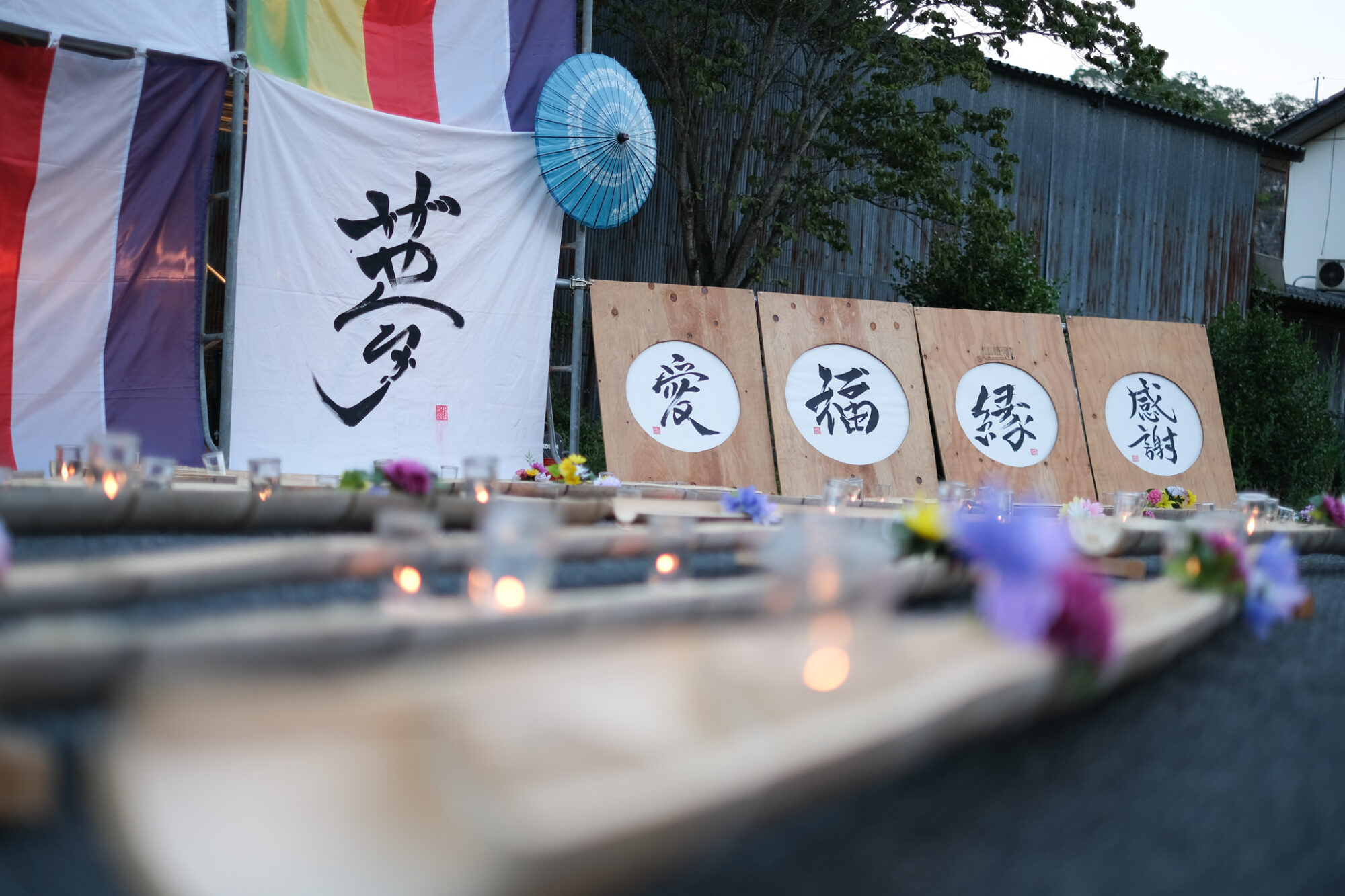
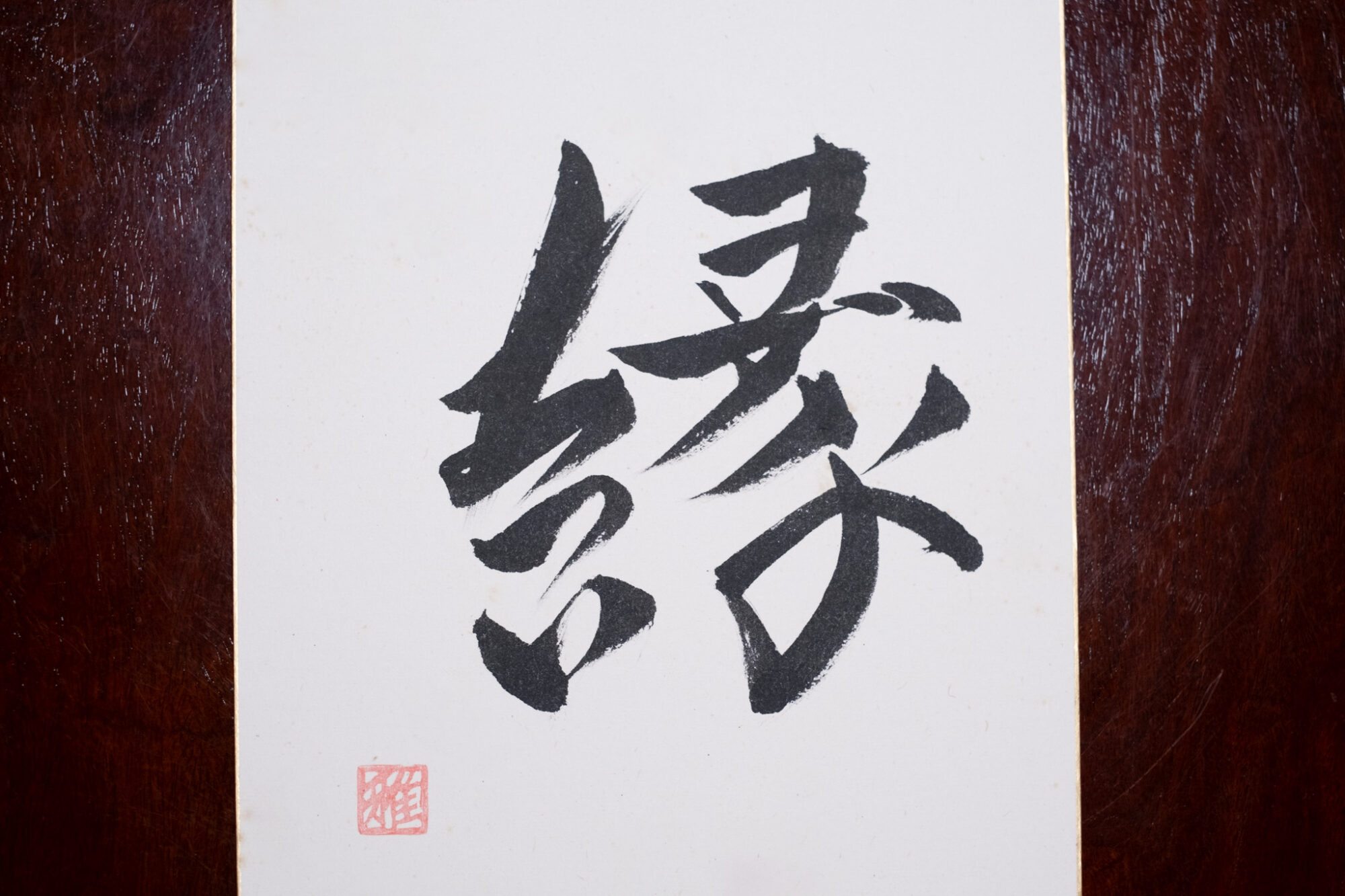
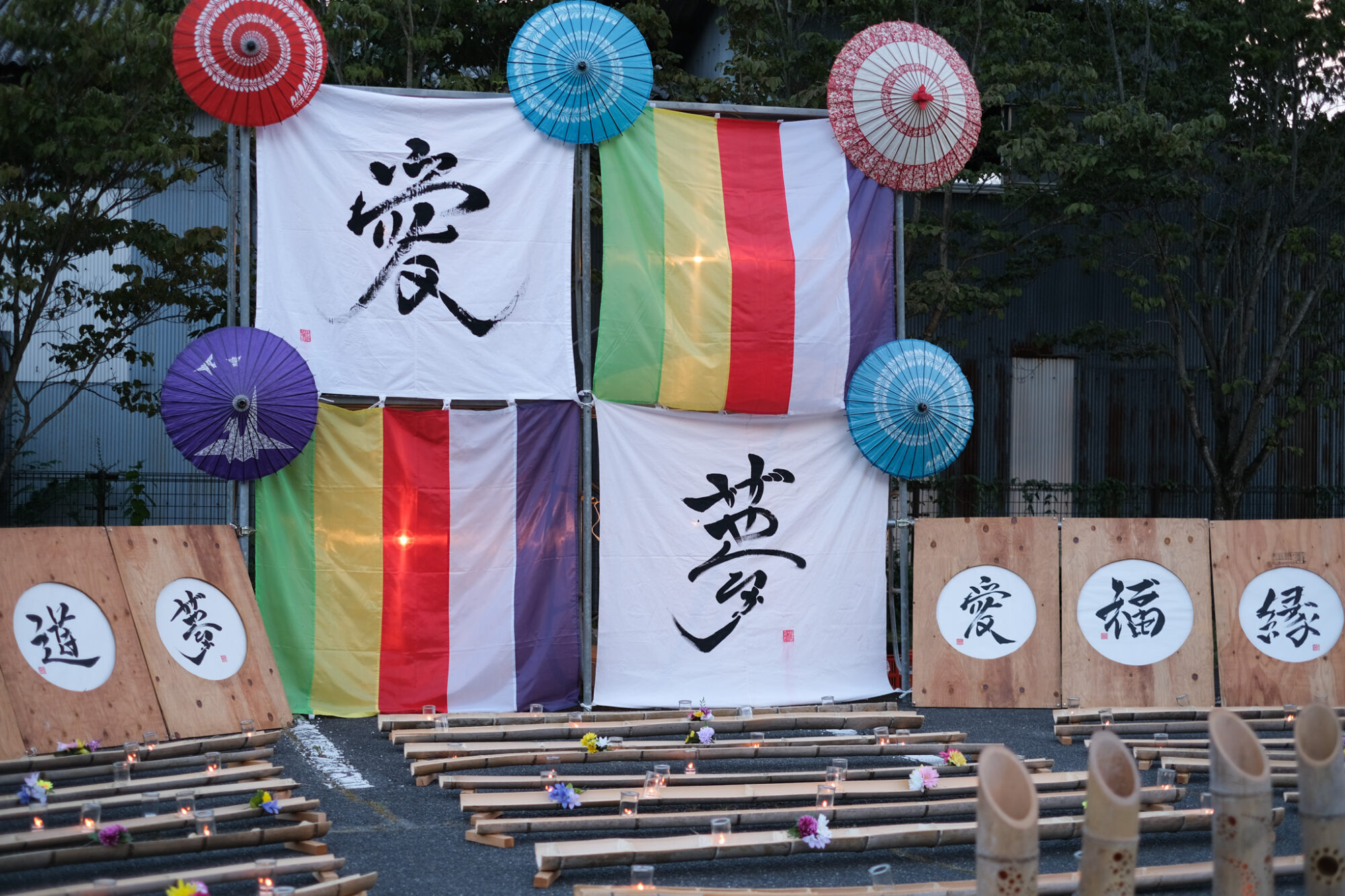
Many of Mr. Hashimoto's Art calligraphy works are composed of kanji that correspond in meaning to hiragana.
It all began ten years ago (2013) when he exhibited Art calligraphy works at a local summer festival.
Works of Art calligrapher Masahiro Hashimoto
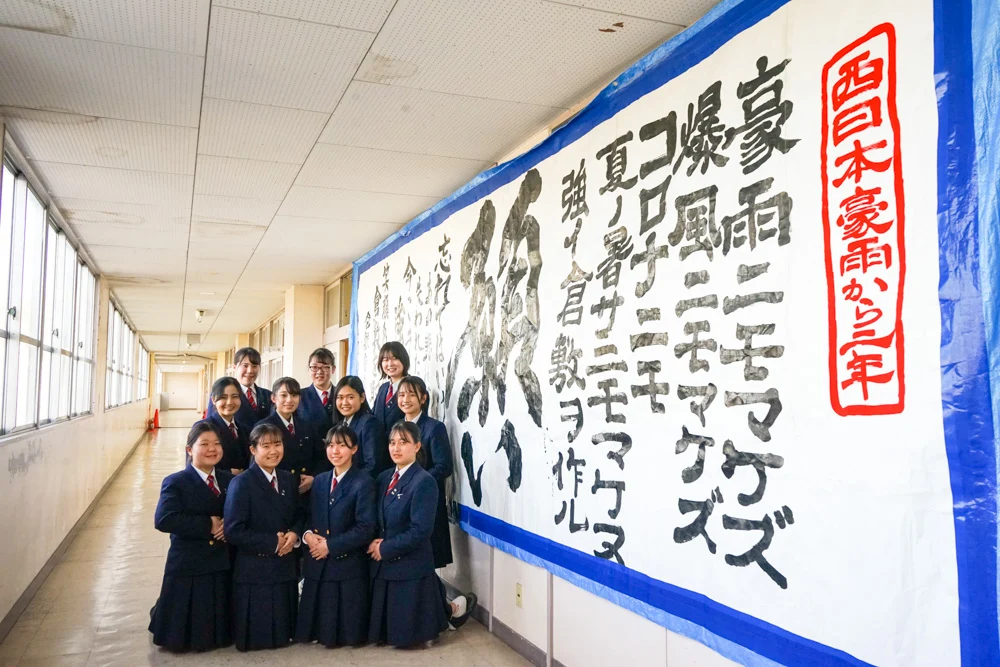
The main works of Art calligrapher Mr. Hashimoto are as follows.
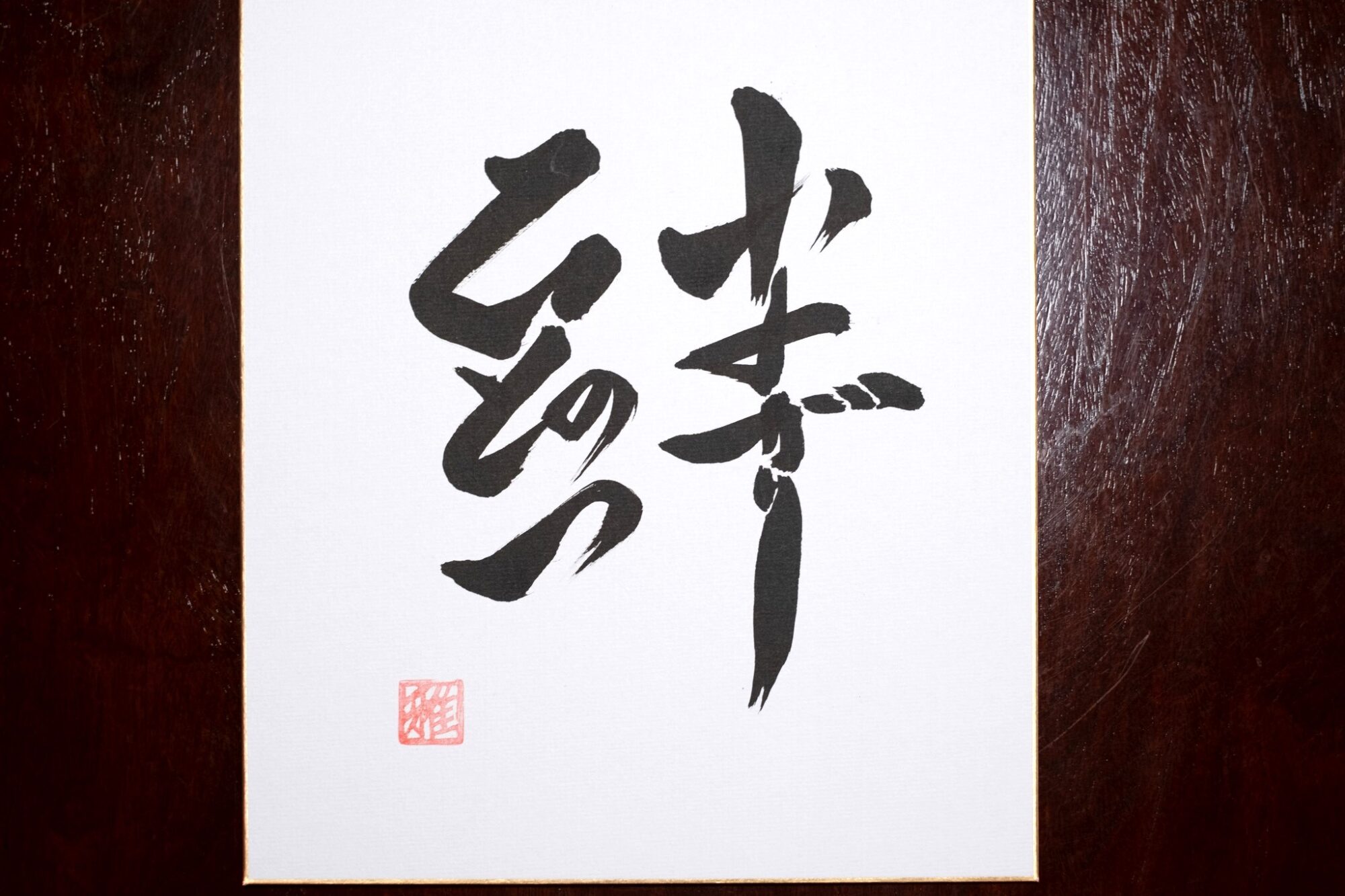
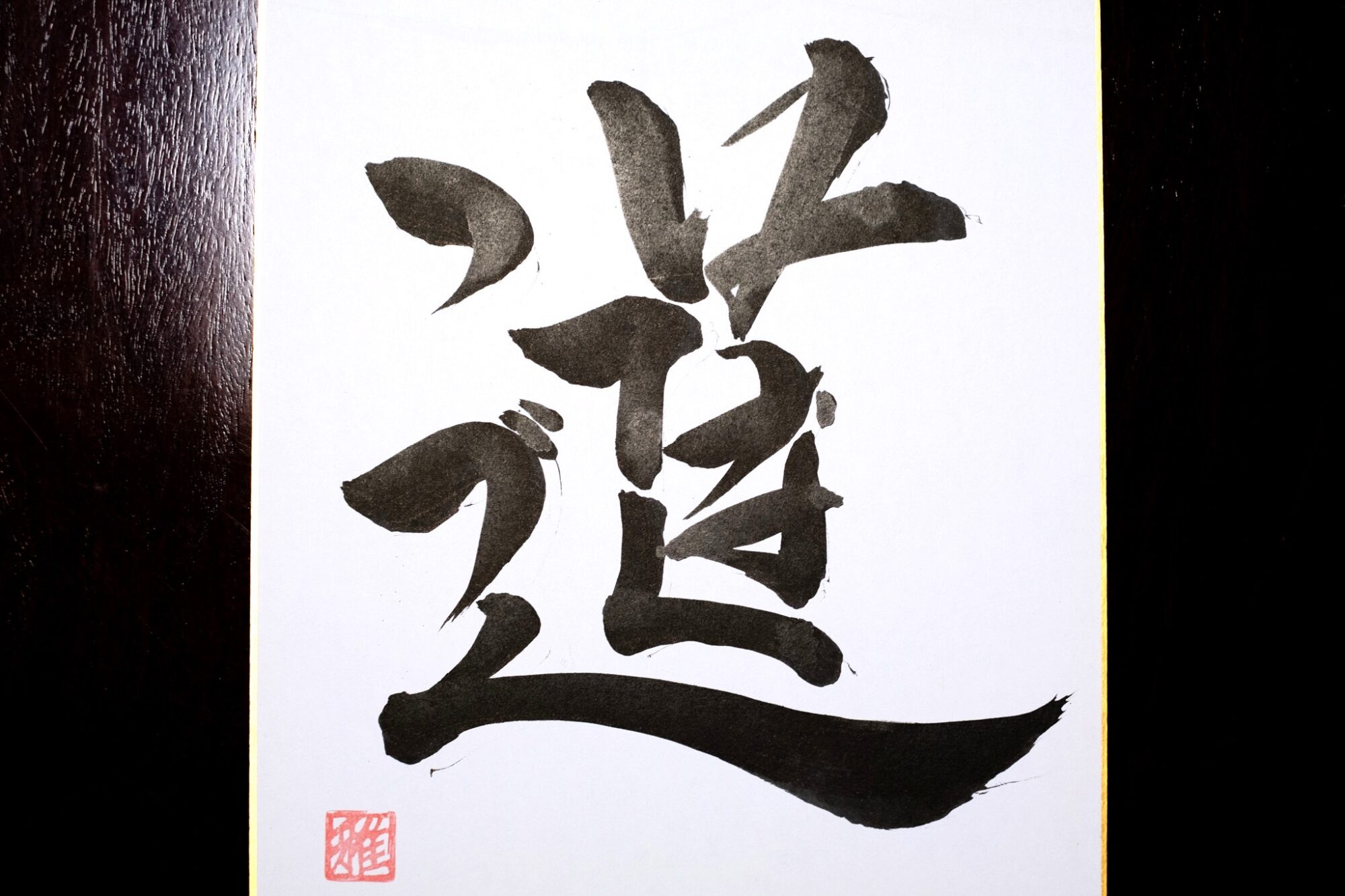
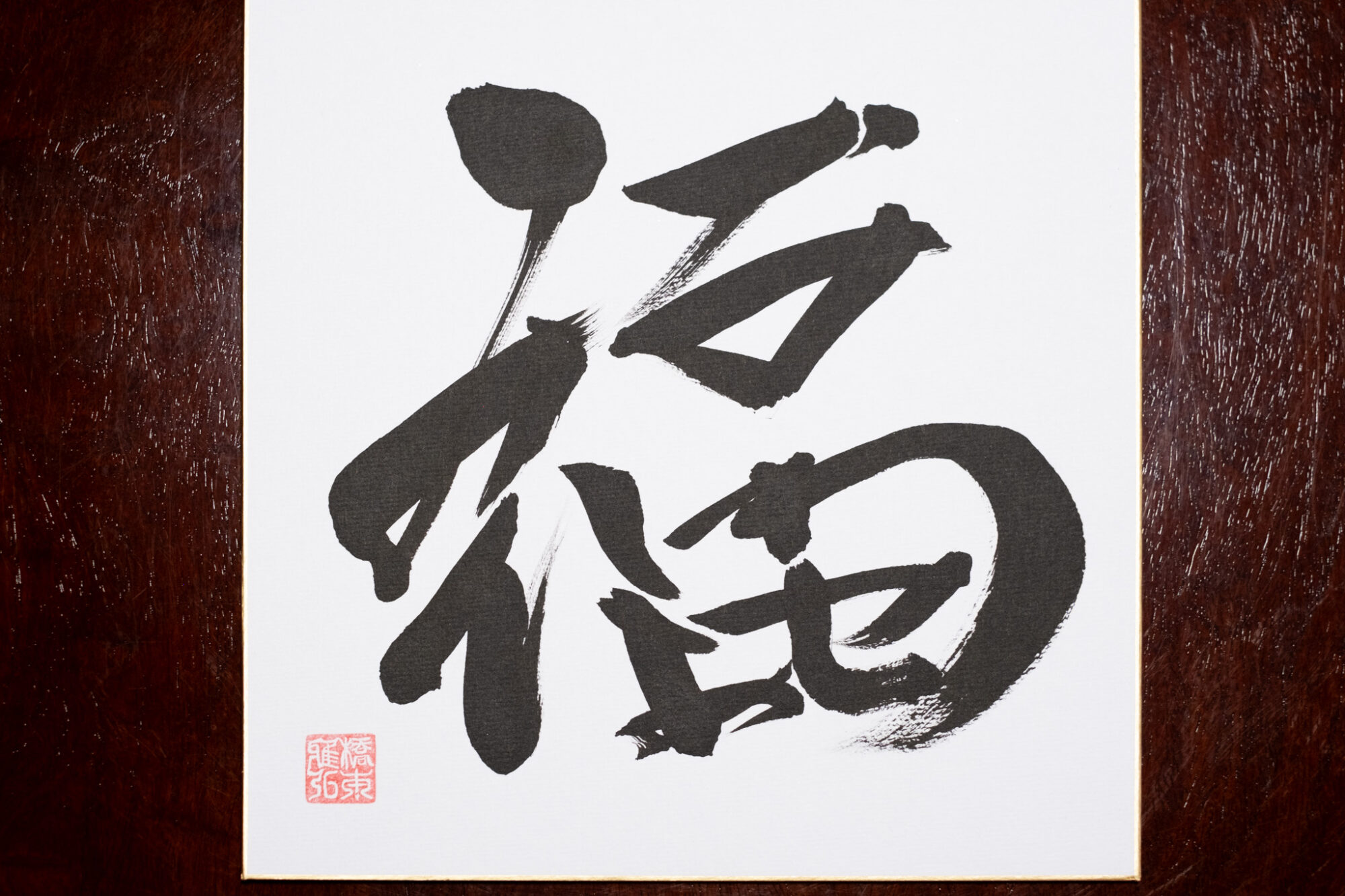
Interview
We spoke with Masahiro Hashimoto, an art calligrapher and firefighter, about art calligraphy and his work as a firefighter.
What inspired you to start art calligraphy?
Hashimoto (no honorifics)
I was influenced by the works of Tomomi Kunishige.
Tomomi Kunishige has been active in art calligraphy "Eekanji" since 2003.
Her work expressing the character "Hana" from the NHK historical drama "Hana Moyu," which aired in 2015, using the English word "f-l-o-w-e-r" is well-known.
Around 2010, I saw Tomomi Kunishige's art calligraphy "Eekanji" and thought, "This is amazing!"
I wondered if I could create something too, and what I made was
- "Ki" as (a-r-i-g-a-t-o-u)
- "Kotobuki" as (o-m-e-d-e-t-o-u)
I showed a few kanji I created in hiragana to my friends, and it spread by word of mouth, leading to people asking me, "Would you like to try this at an event?"
What was your first stage?
Hashimoto (no honorifics)
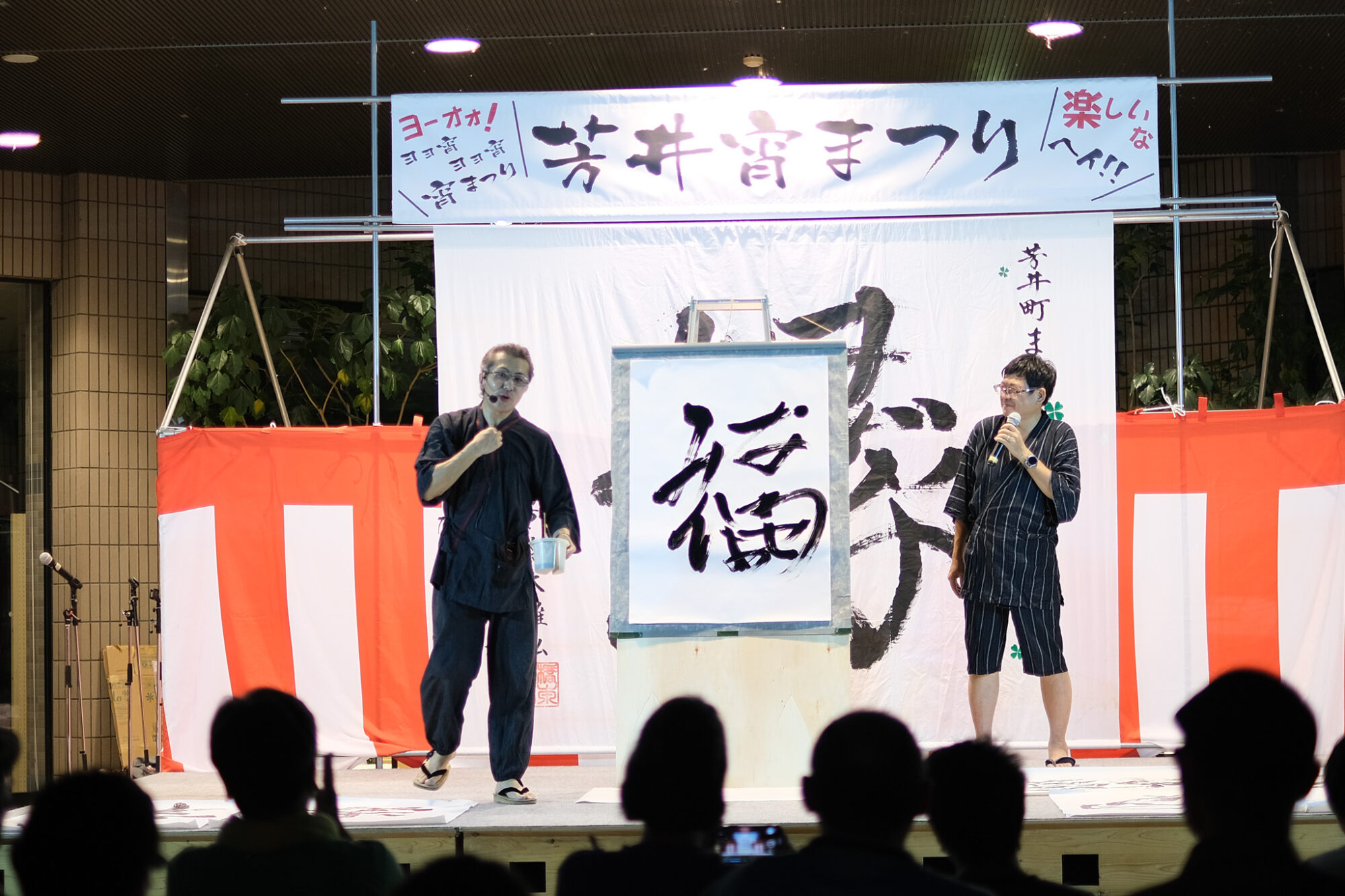
My first stage was the Yoshii Evening Light Festival in Yoshii-cho, Ibara City, Okayama Prefecture.
A proposal was made to create a corner displaying many large lanterns that glow softly, so I increased the number of works.
The following year, I performed a calligraphy performance writing on a large sheet of paper about 3m by 4m with a large brush.
Many people saw it, and my art calligraphy spread in the local area.
How do you construct the characters?
Hashimoto (no honorifics)
I think, "Is there something I can do that fits the meaning of this character?" and somehow it starts to become clear.
Sometimes, when I am not thinking about anything and am in a state of nothingness, like when I am taking a bath and zoning out, ideas come to me.
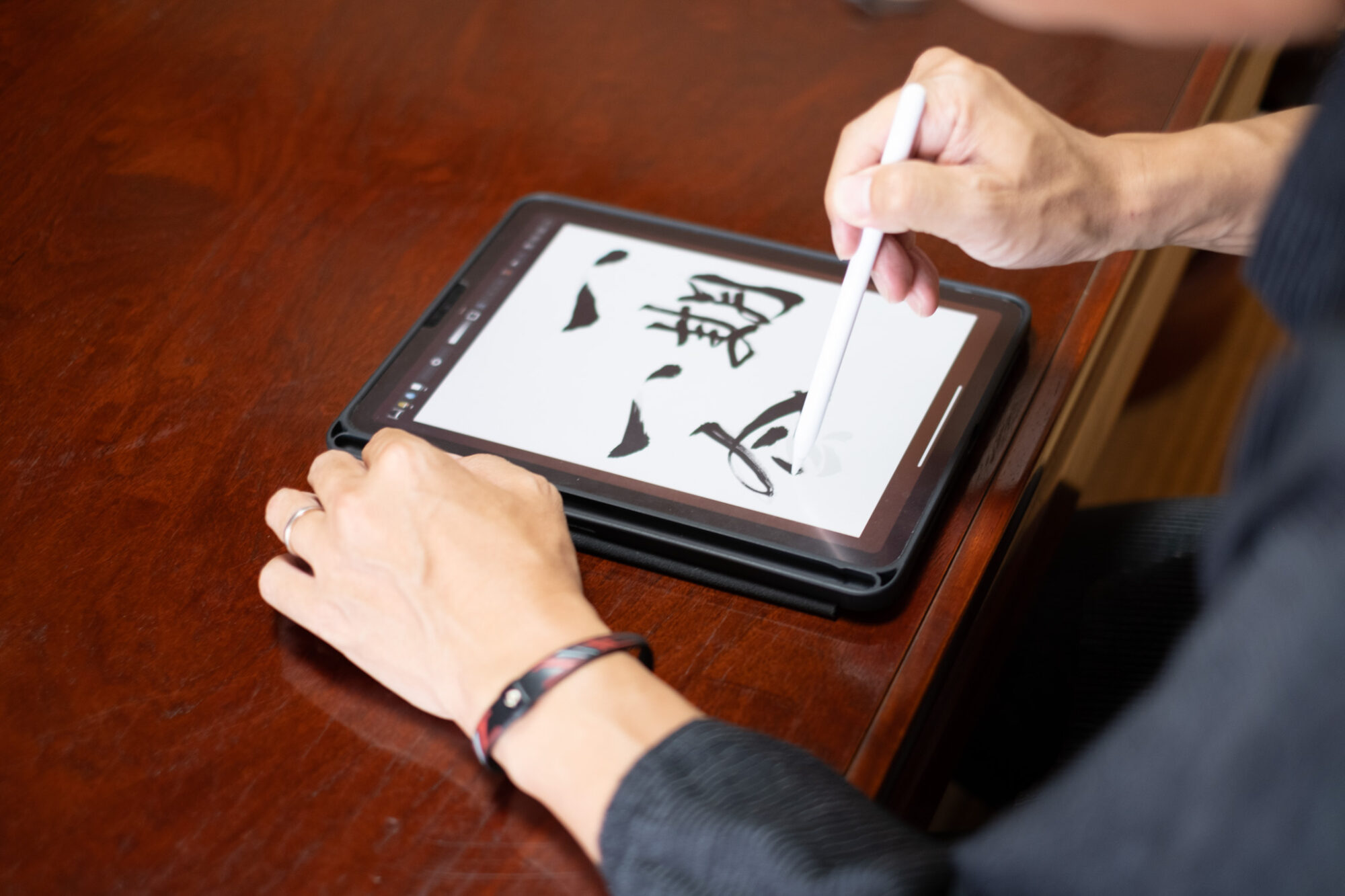
When I think, "Oh, I have an idea!" I trace the water droplets on the wall of the bath with my finger and write it down, thinking, "This will work!" and then immediately get out of the bath in my underwear and write with a brush pen.
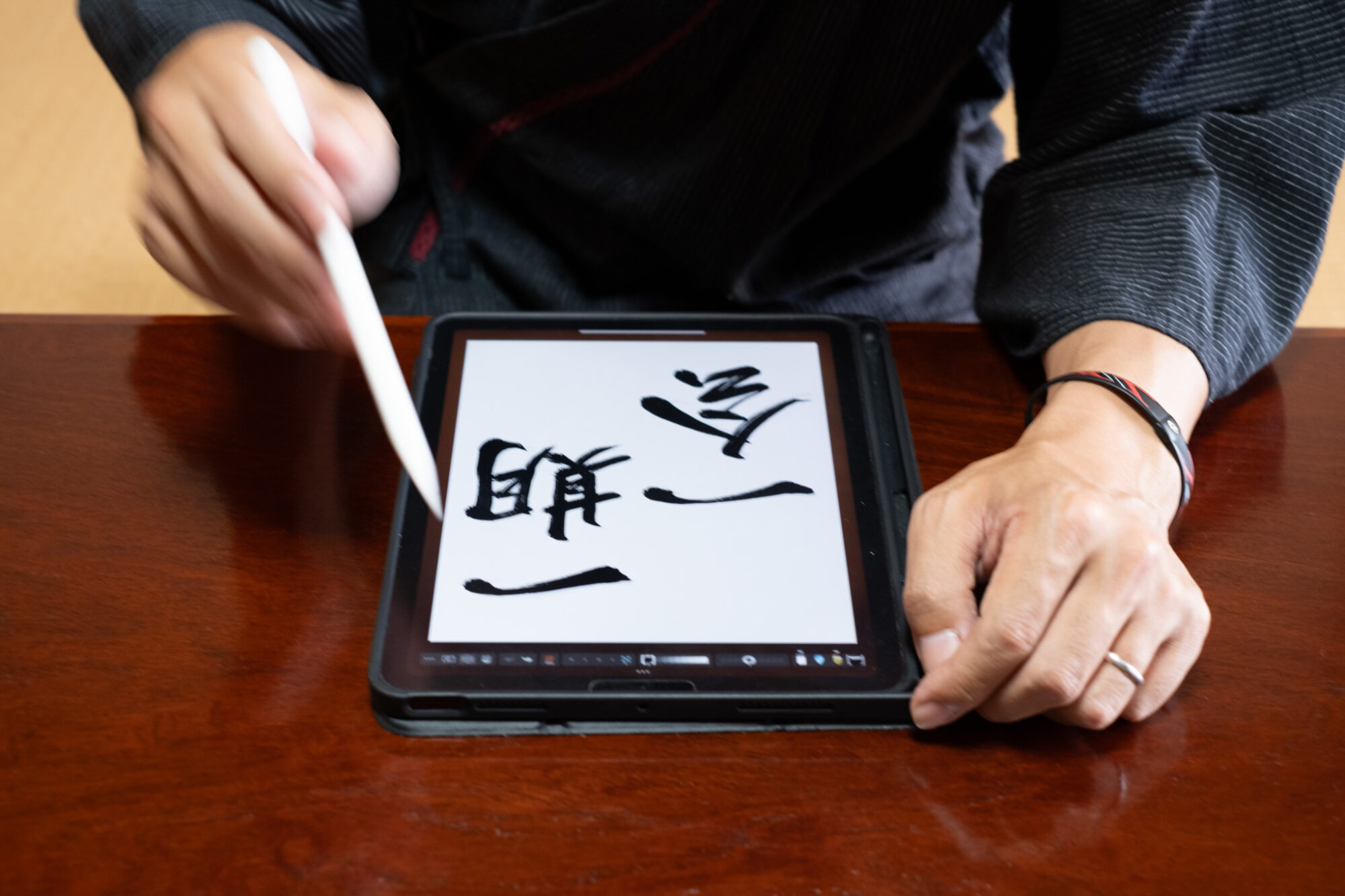
Nowadays, I have been using the iPad more for my creations.
As a Firefighter
How many years have you been working in the fire department? Also, what kind of work do you do?
Hashimoto (no honorifics)
I am in my 24th year working in the fire department.
Of course, I have been on the scene for emergencies and fires, but now I spend more time on communication dispatch operations and prevention work.
What is prevention work?
Hashimoto (no honorifics)
It covers a wide range of activities, including fire prevention publicity, evacuation drill guidance, hazardous materials regulation, and guidance on the installation of fire-fighting equipment.
Fire-fighting equipment is legally required to be installed based on the size of the building to prevent fires from occurring or to minimize damage if a fire does occur.
I believe that prevention is the frontline of saving lives in fire-fighting work.
Among those who want to become firefighters, very few come to do prevention work.
They may not even know about prevention work.
I have heard that in large cities, there are quite a few people who want to become firefighters to do prevention work, but in Ibara, the reality is that there are hardly any, so I want to change that.
I Actually Wanted to Work in Computers
Actually, I didn't become a firefighter because I wanted to.
I got hooked on computers in college and wanted to work as a system engineer or in a computer-related job, but it was a bit difficult with a degree in economics.
While I was struggling to find a job, my mother said, "How about becoming a public servant? There’s a recruitment for firefighters," so I applied.
As a result, I was hired and became a firefighter.
It is completely different from the profession I originally wanted, but it is a job for people, and I feel a sense of fulfillment.
What I Want to Convey to Children
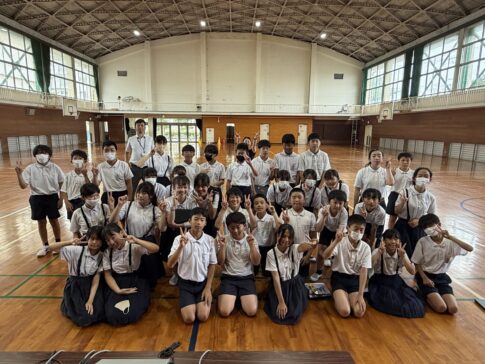
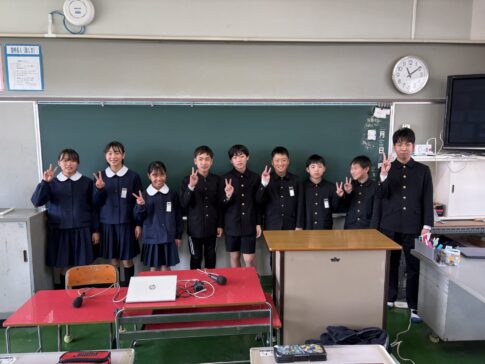
Sometimes I receive requests for career talks at elementary and middle schools.
I apologize to the children who only want to hear about being a firefighter, but I talk about both being a firefighter and being an Art calligrapher.
I went to a university in Kyoto, but I definitely wanted to return to my hometown when I got a job.
At that time, it was Yoshii Town in Katsumada District, but I really love this land and want not only my children but also the next generation to love Ibara.
I hope that watching the Art calligraphy performance at the local festival will become one of their fun memories.
It’s Not That My Dream Didn’t Come True
What do you want to convey to children?
Hashimoto (no honorifics)
I want to tell children that even if they think their dreams won't come true, if they pursue what they love to the fullest, things will work out somehow.
When firefighters are not responding to fires or emergencies, it may seem like they are just training, but there is also paperwork.
One day, an emergency medical technician who was struggling with a lot of paperwork came to consult me, who is good with computers.
I wasn't sure if I could do it, but I decided to try making software (an application) to improve office efficiency.
As a result, I was able to help the emergency medical technician who was overwhelmed with paperwork with the software I created.
Since then, I have been creating various management software for fire prevention targets and hazardous materials regulations, which are now being used within the fire department.
I couldn't become a system engineer, but I was able to do system engineer-like work in the fire department.
I was able to do it on my own through self-study.
Before I knew it, one of my dreams had come true.
I originally wanted to be a system engineer, not a firefighter, but I found myself doing system engineer-like work within the fire station.
While working as a firefighter, I am also doing Art calligraphy and helping to revitalize the community.
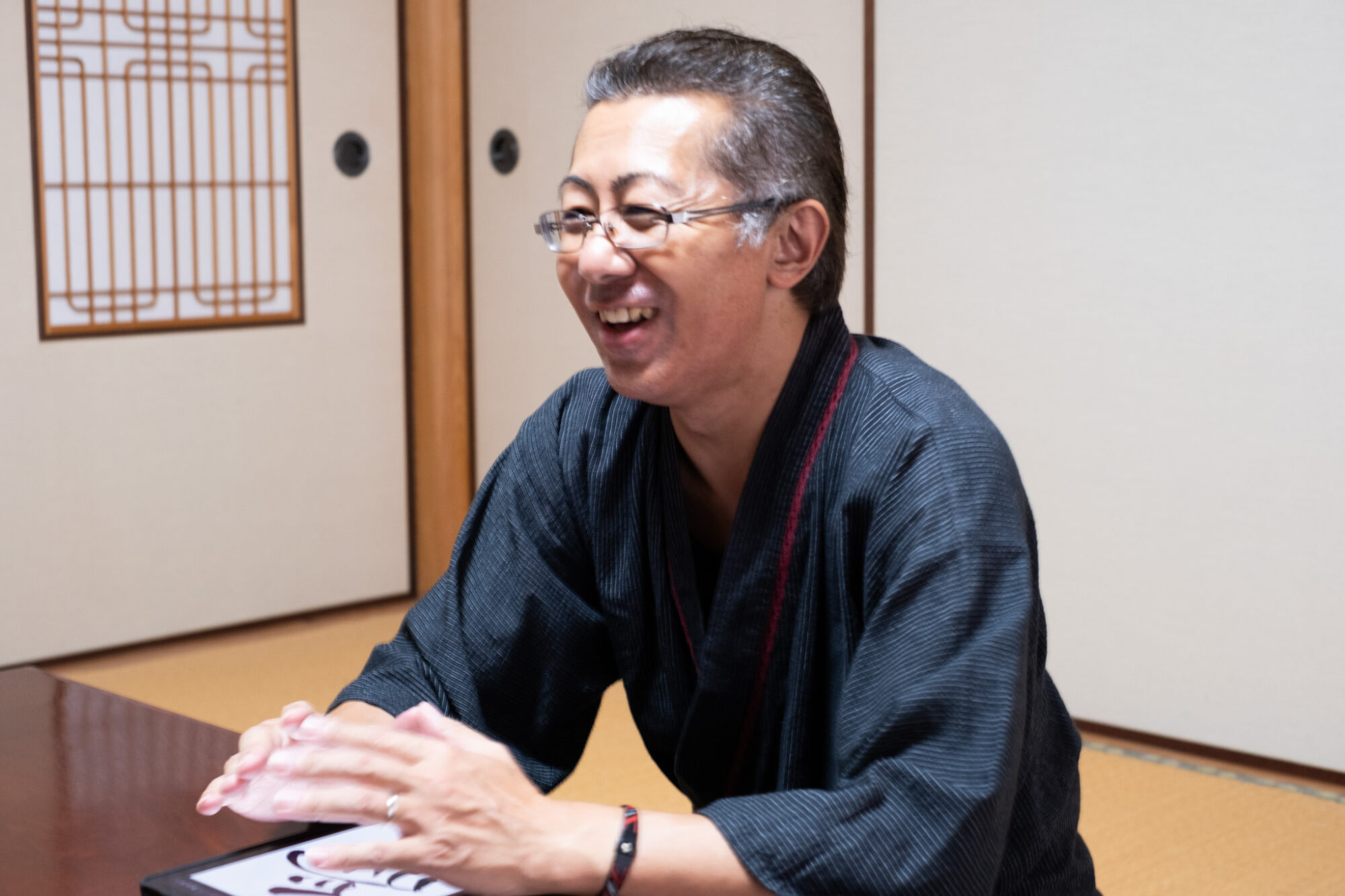
Right now, I am really enjoying life. I want to convey to everyone that they should also have a fun life.
Future as an Art Calligrapher Firefighter
What are your future prospects as an Art calligrapher firefighter?
Hashimoto (no honorifics)
As a firefighter, I take pride in my work in prevention.
I want to spread the message that "prevention" is the frontline of saving lives and make the role of prevention work more known to the world.
I want to increase the number of people who want to work in prevention.
I also want to continue my activities as an Art calligrapher to revitalize the community.
Seeing everyone’s happy faces makes me happy, and I enjoy it too.
Through career talks and Art calligraphy performances, I want to convey to children that dreams can come true in any form and make them love Ibara even more.
Conclusion
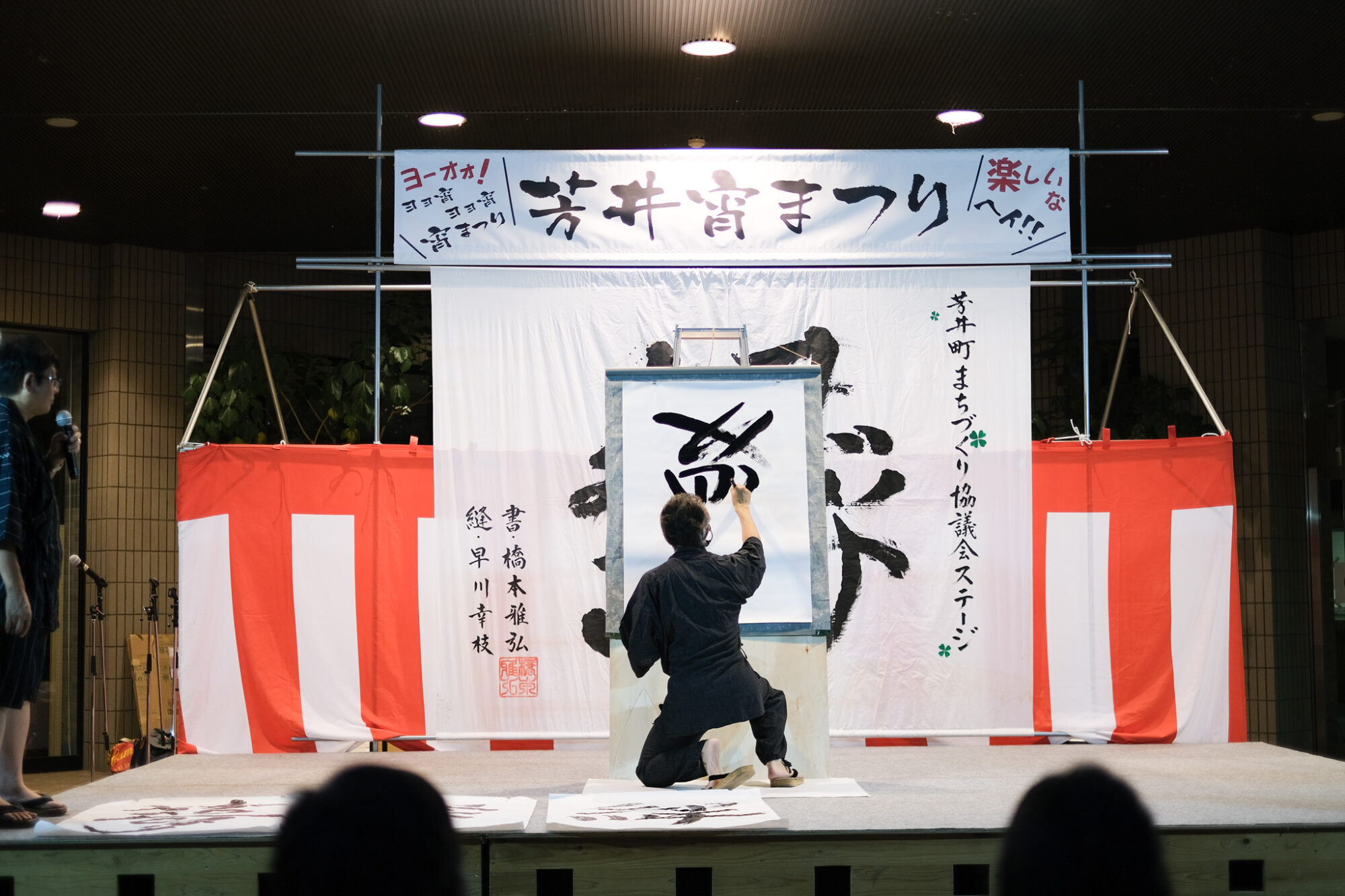
The summer festival "Shin-Yoshii Evening Festival" was held for the first time in two years in Yoshii-cho, Ibara City, Okayama Prefecture.
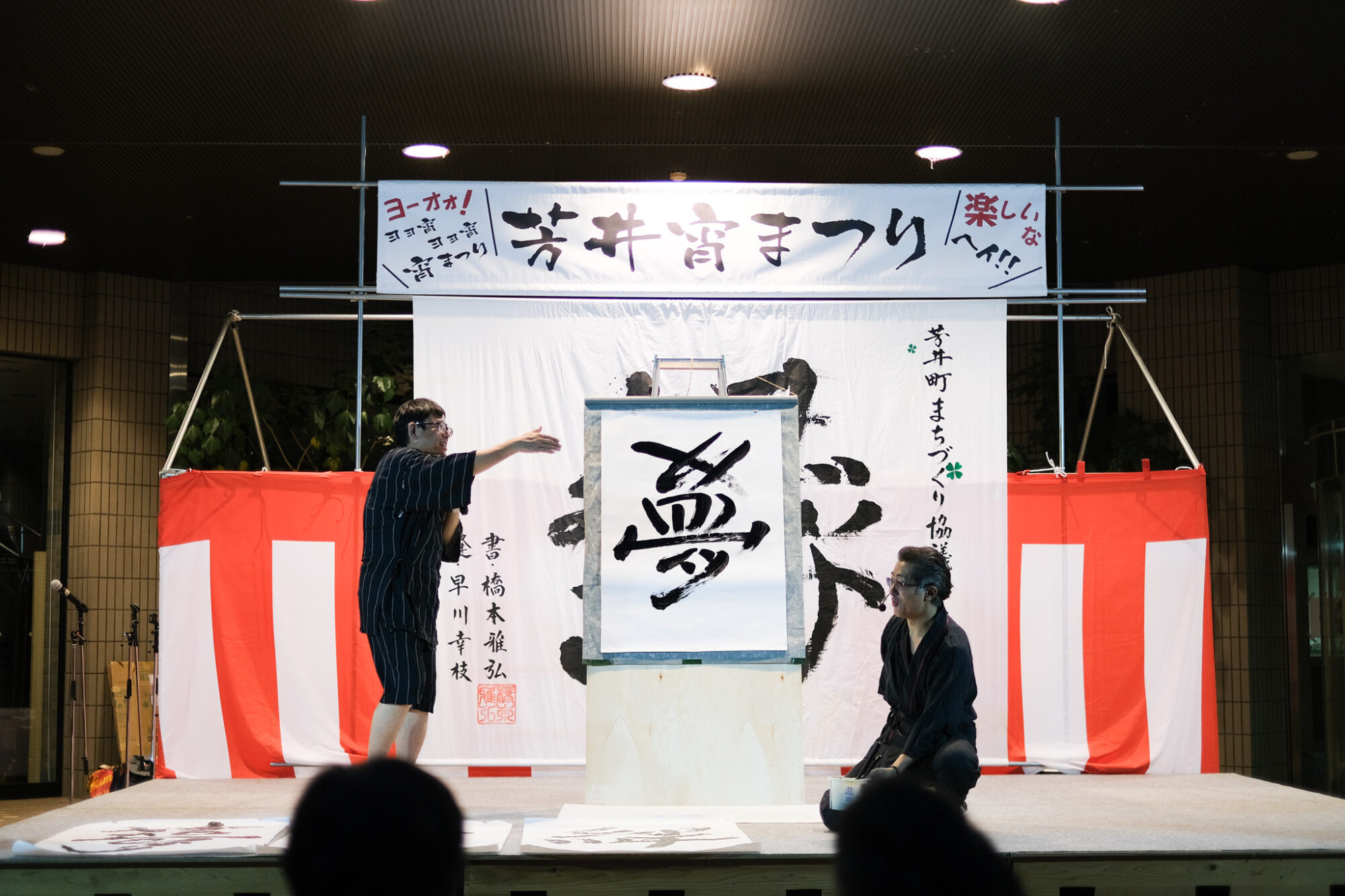
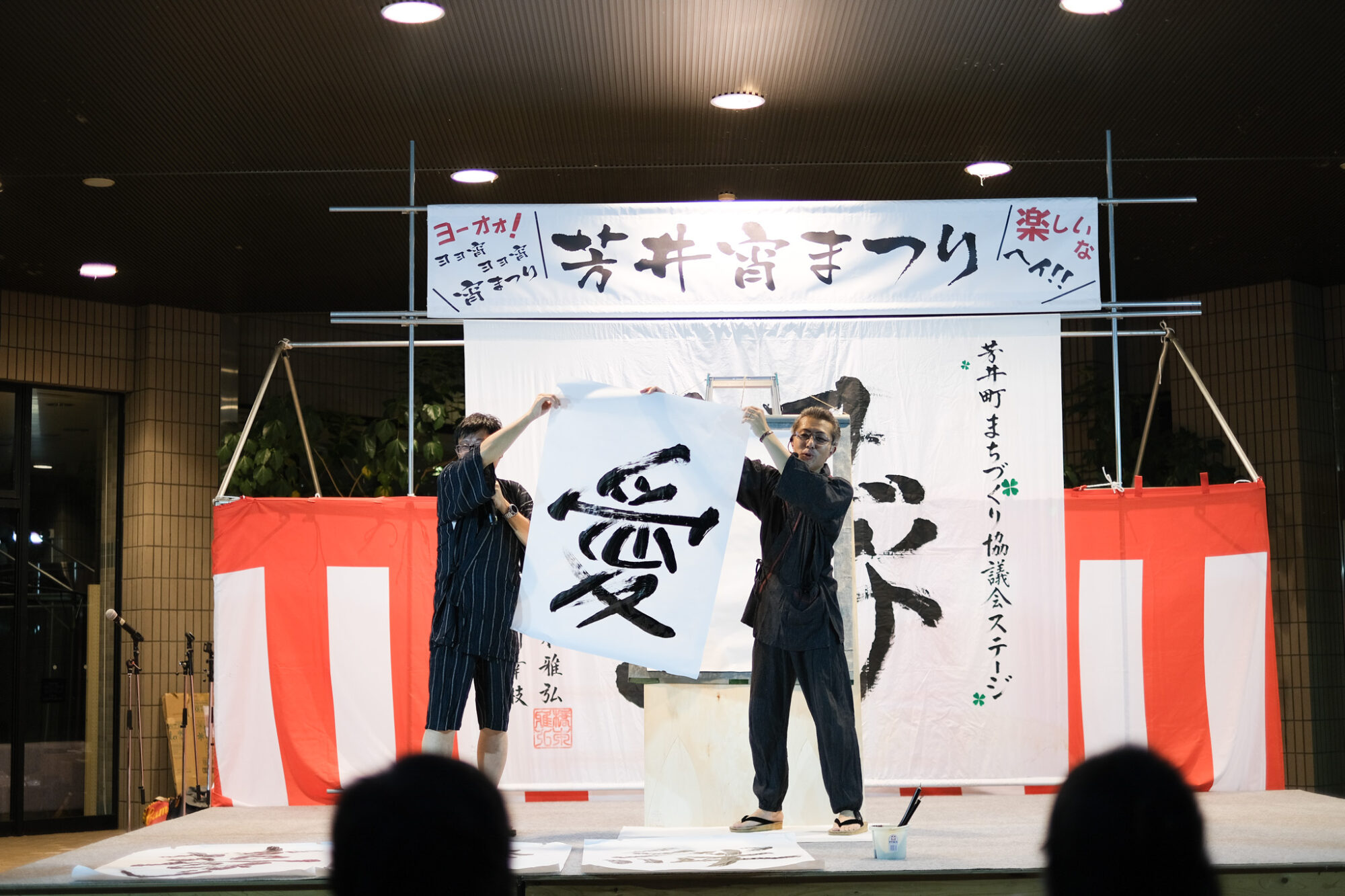
On stage, Mr. Hashimoto, holding a bucket filled with ink, is writing kanji on a large sheet of paper.
The audience gazes at Mr. Hashimoto's brush tip.
The completed characters may look like ordinary kanji at first glance, but some are composed of hiragana related to the kanji, and others appear as different characters when viewed from different angles.
The audience, seriously searching for the hidden tricks within the kanji, listens to Mr. Hashimoto's explanation and gasps, "Oh!" as applause erupts in the venue.
A scene from the "Art Calligraphy Performance."
As he writes, accompanied by lively talk, words like dream, love, connection, and bond emerge...
Although I couldn't become a system engineer, I was able to do work similar to that of a system engineer in the fire department.
By energizing the local festival with the Art Calligraphy Performance, the smiles of everyone who watched were the best.
I want children to come to love Ibara.
I believe Mr. Hashimoto's feelings are surely being conveyed.