On a cold winter night, in the quiet sake brewery, the moromi (fermenting mash) is bubbling and growing.
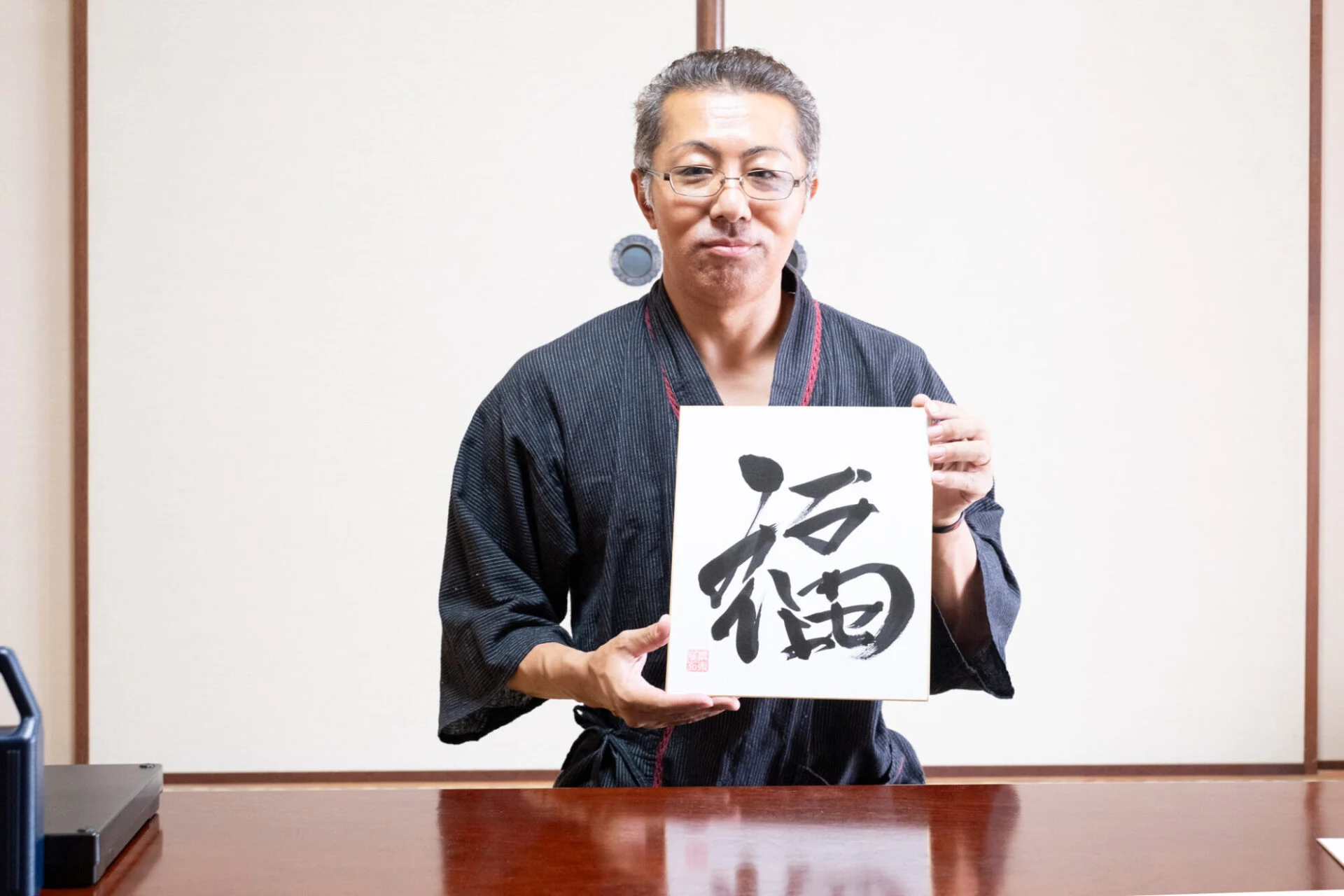
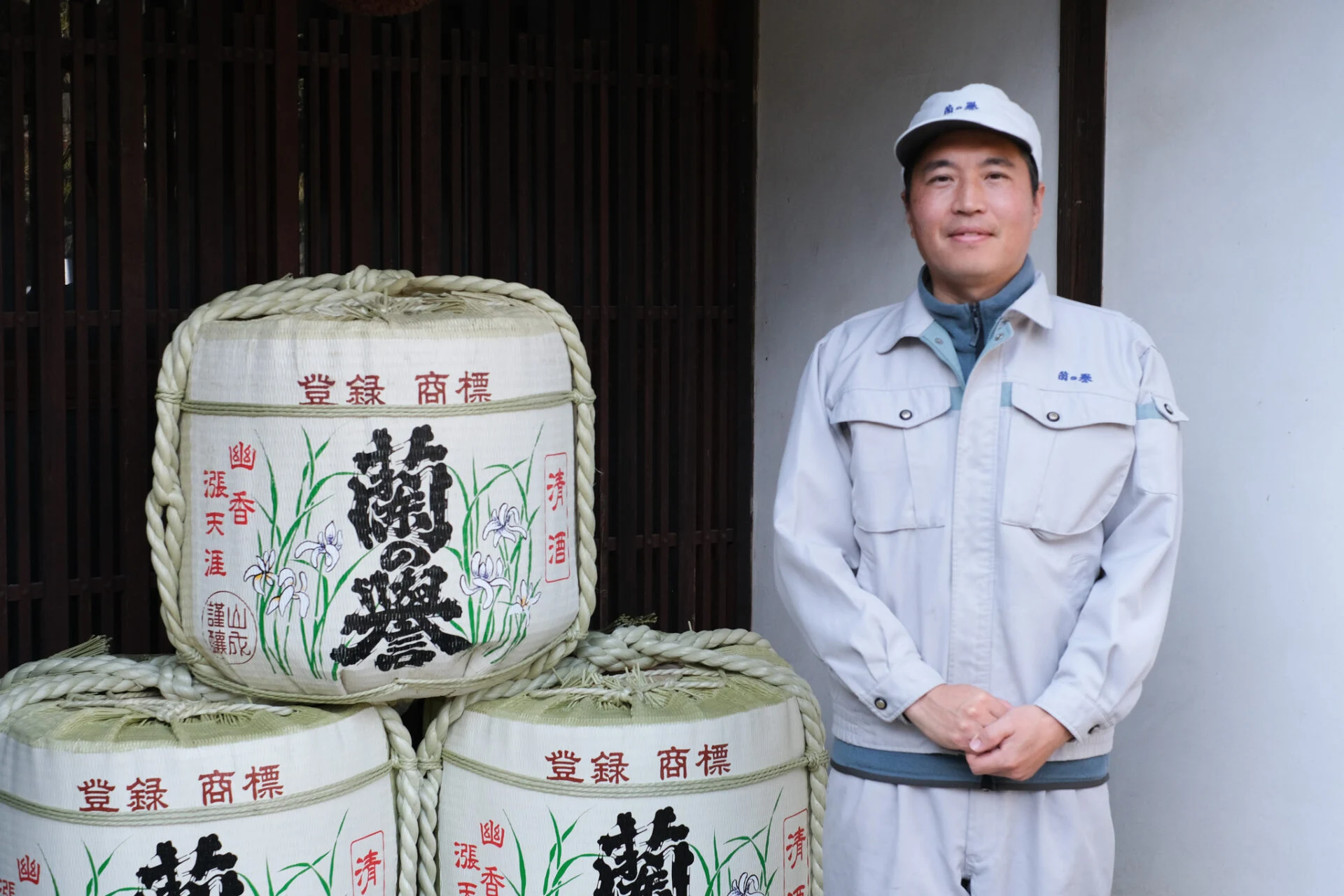
The one checking on the moromi is Watanabe Yoshio, the toji (master brewer) of Yamanari Sake Brewing.
At the beginning of the year, during the peak season for sake brewing, Yamanari Sake Brewing was busy preparing a year's worth of sake.
Yamanari Sake Brewing continues to produce sake using pure water drawn from the伏流水 (subterranean water) of the Oda River flowing near the brewery, carefully cultivated rice, and inherited techniques.
Introducing the historic Yamanari Sake Brewing located in Yoshii-cho, Ibara City, and its toji, Watanabe Yoshio.
Overview of Yamanari Sake Brewing
Yamanari Sake Brewing is located in Yanase, Yoshii-cho, about a 10-minute drive from the center of Ibara City.
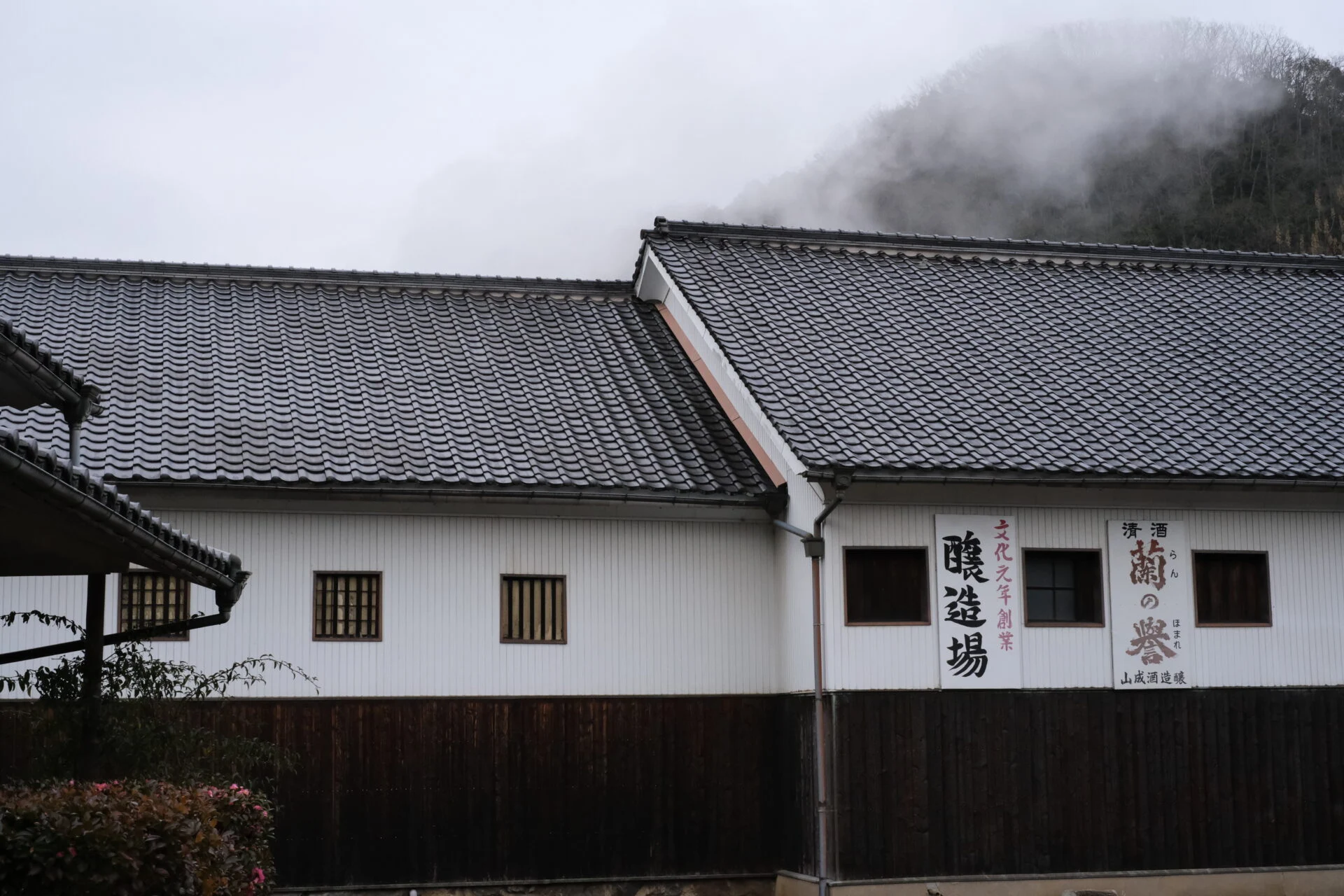
Founded in the first year of the Bunka era (1804), it has a history of 220 years.
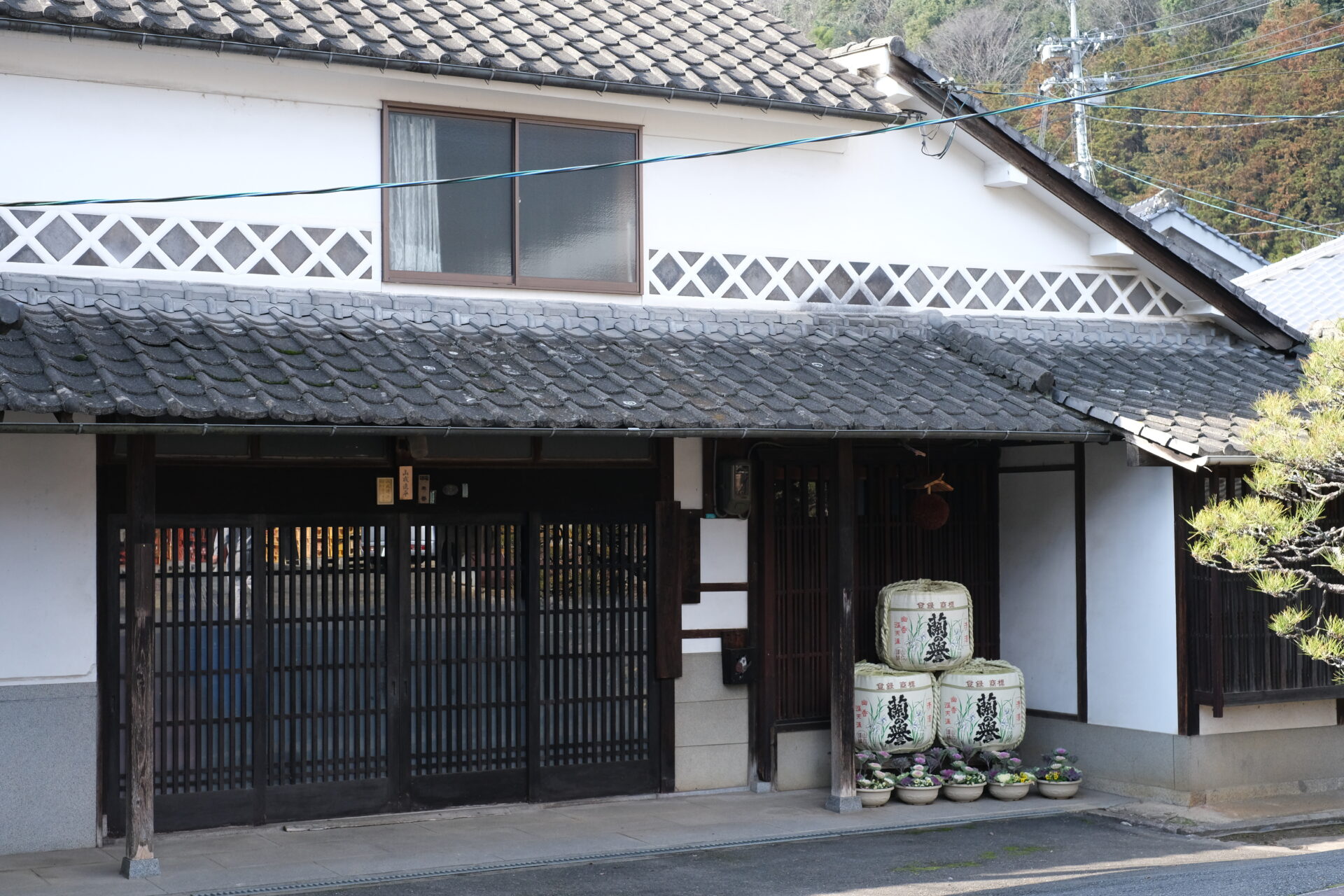
During the coldest season, they perform "kanjikomi" (cold brewing) to produce a year's worth of sake.
On the day of the interview, it was the peak season for sake brewing, and they were in the process of preparing the moromi.
The new sake pressed from the moromi will be available for purchase at the store in front of the brewery starting around mid-February.
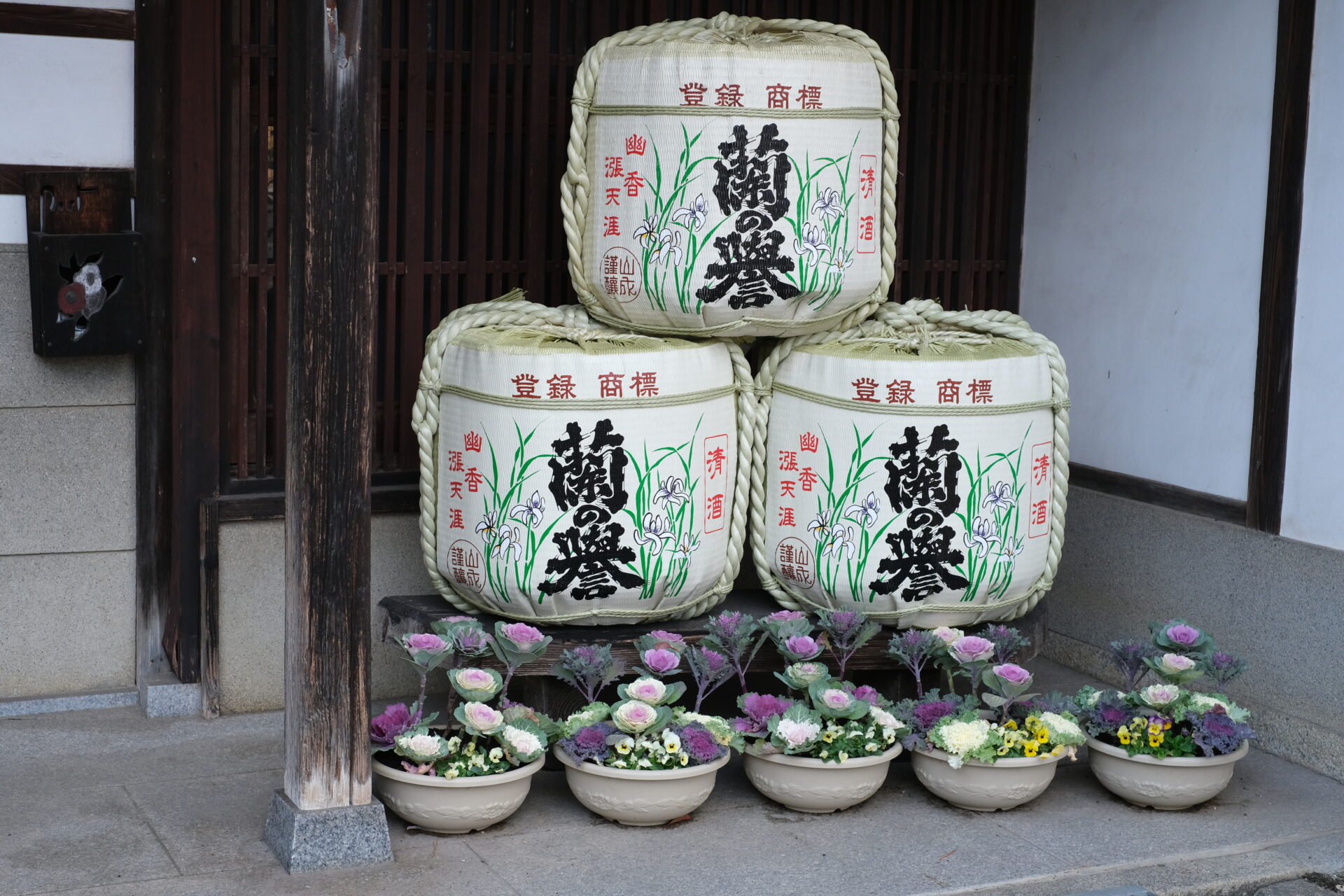
A large noren (traditional shop curtain) dyed with the words "Ran no Homare" serves as a landmark for Yamanari Sake Brewing.
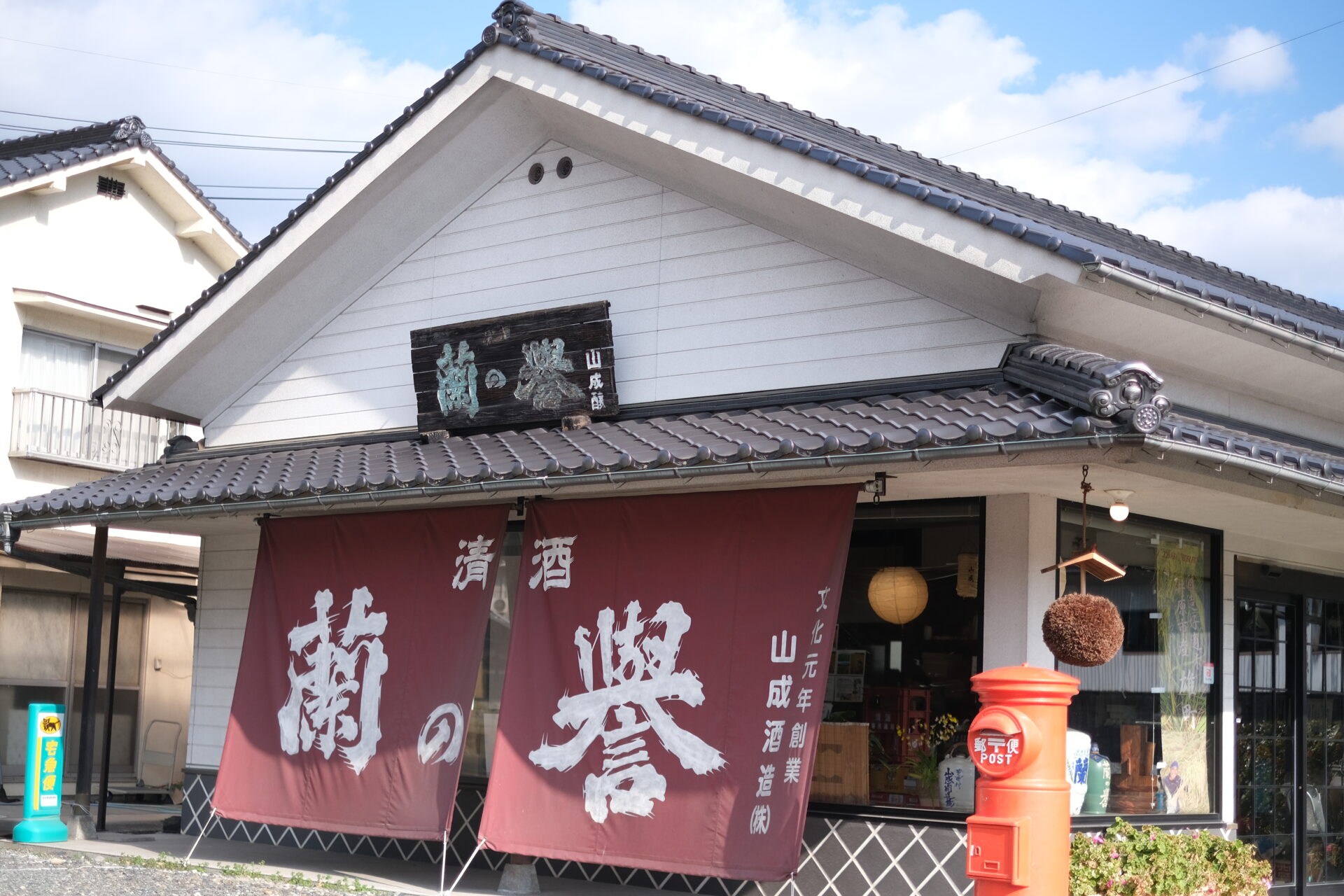
"Ran no Homare" is named after the phrase "Shutsuran no Homare" from the Analects of Confucius.
The meaning is that the blue comes from the indigo plant, and it is an honor when disciples or subordinates surpass their teachers.
Famous Figures Associated with Yamanari Sake Brewing
Yamanari Sake Brewing has connections with famous historical figures.
Sakata Roro, Shibusawa Eiichi, and Tanizaki Junichiro.
Sakata Roro was a Japanese scholar of Chinese studies who established a school and a private academy in Ibara City, teaching people. The private academy was called "Oukei Juku," and the school was "Kojo-kan," which later became Kojo-kan High School. Sakata Roro's mother and wife's family is Yamanari Sake Brewing.
Shibusawa Eiichi, known as the "Father of Modern Japanese Economy," met Sakata Roro during a business trip to Okayama and deepened their friendship.
The fourth son of Sakata Roro married the second daughter of Shibusawa Eiichi, creating a familial relationship.
The writer Tanizaki Junichiro has a niece who married into Yamanari Sake Brewing. Due to this connection, he enjoyed drinking their sake.
The Only Historic Sake Brewery in Ibara City
What used to be many sake breweries has now become just one, "Yamanari Sake Brewing," in Ibara City.
There are several reasons for the decline in sake breweries, including changes in lifestyle leading to fewer celebrations with sake, and the rise in popularity of shochu instead of sake.
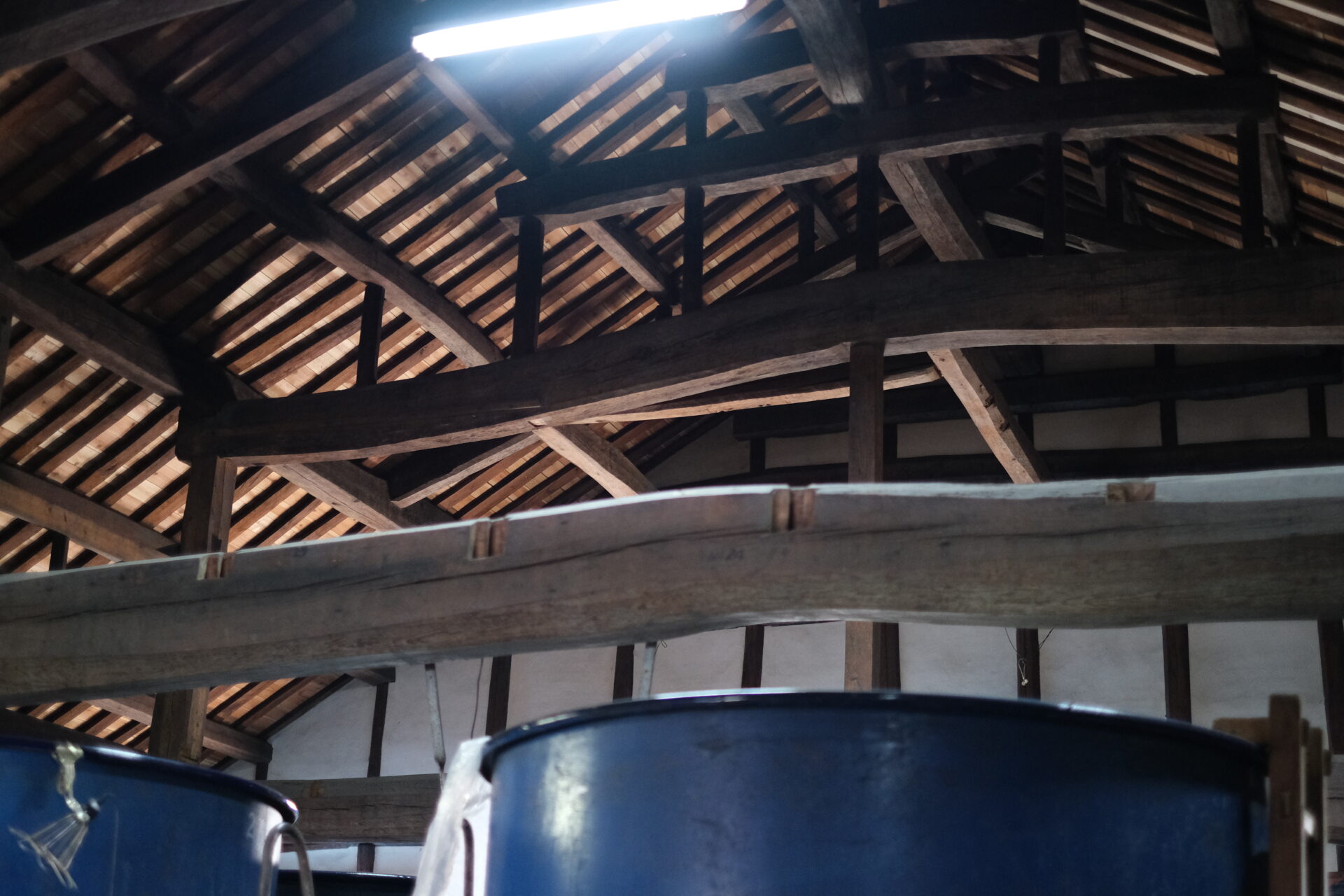
At the historic Yamanari Sake Brewing, six buildings, including the store and main building, and the east and west brewing warehouses, which have been in use since the Meiji era, are designated as important cultural properties by the national government.
The beams of the brewery, constructed with a single pillar, are magnificent.
Sake Brewing
Yamanari Sake Brewing uses cold brewing for their sake production.
As the new year begins, they enter the busiest brewing season of the year.
In mid-December, the steamed rice is kept at around 36.7 degrees Celsius, the same as human body temperature, and koji (mold) is inoculated in the muro (fermentation room).
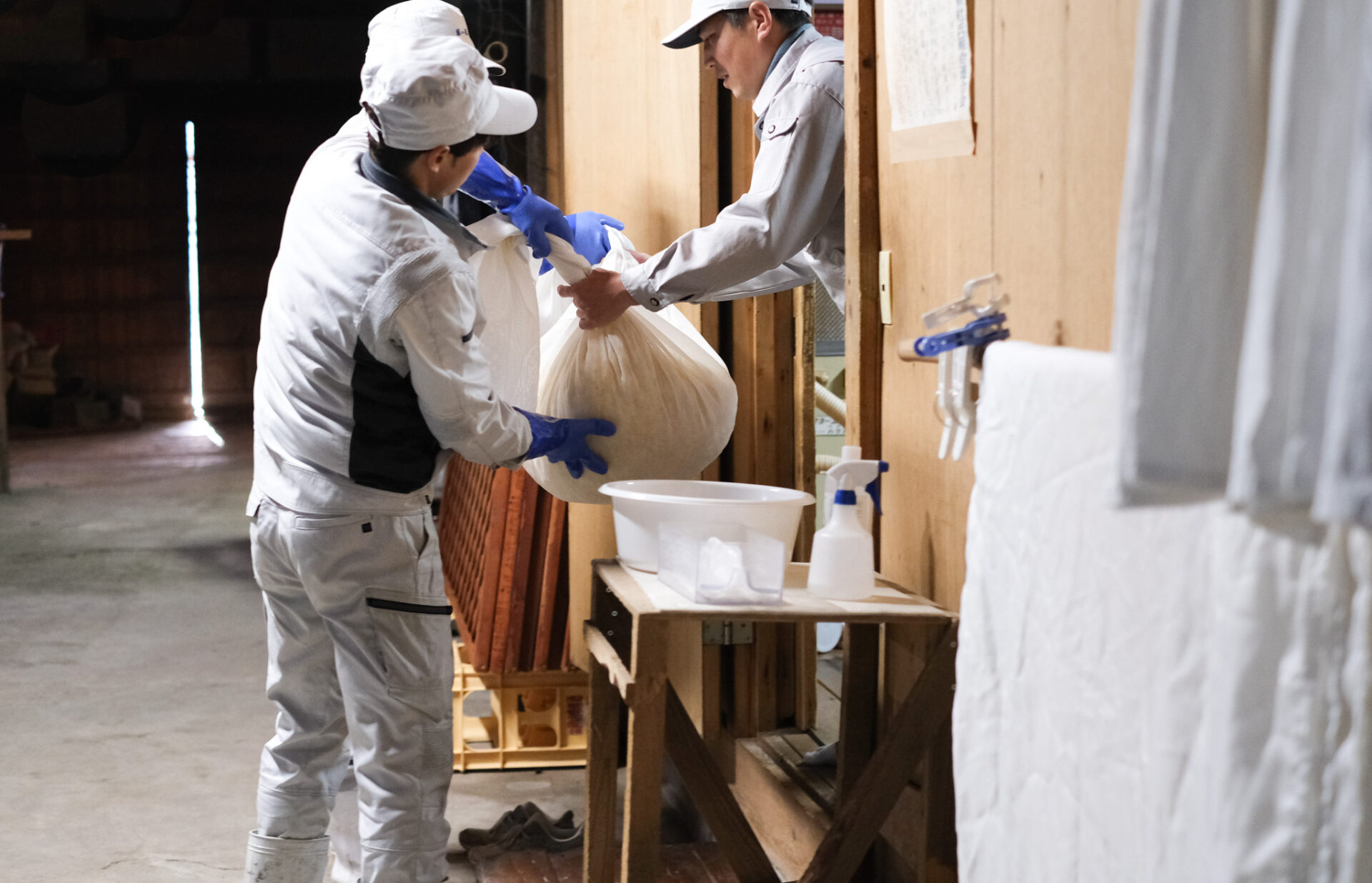
Once the koji is ready, it is combined with water to create the shubo (yeast starter), which is the base for the sake.
The shubo takes about two weeks to develop into yeast, and when it is ready, steamed rice, brewing water, and new koji are combined to create the moromi (fermenting mash).
The steaming pot for the rice is a traditional Japanese pot that has been in use since the founding of the brewery, and the steam from the sake rice can be seen rising from the brewery's roof along the national highway.
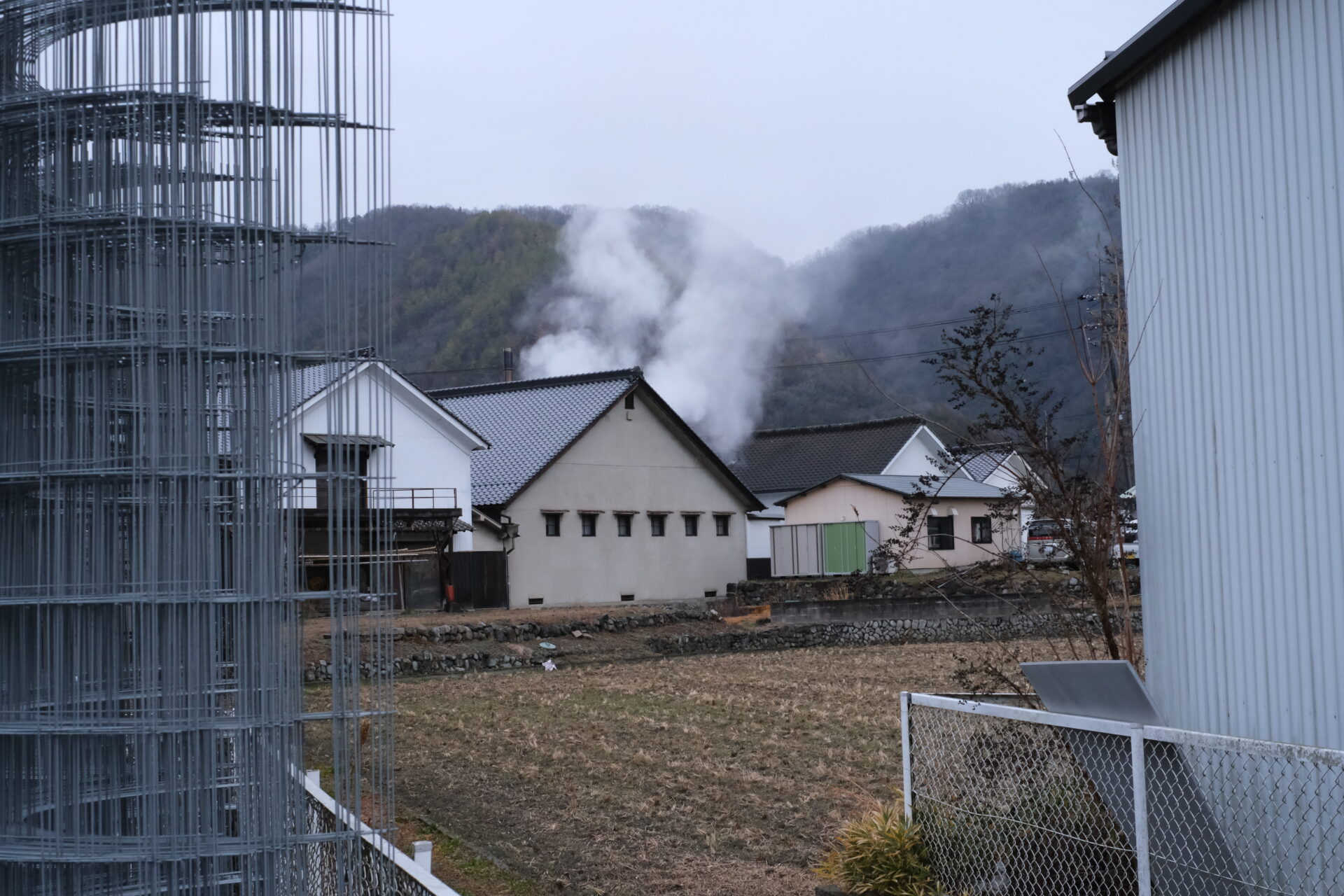
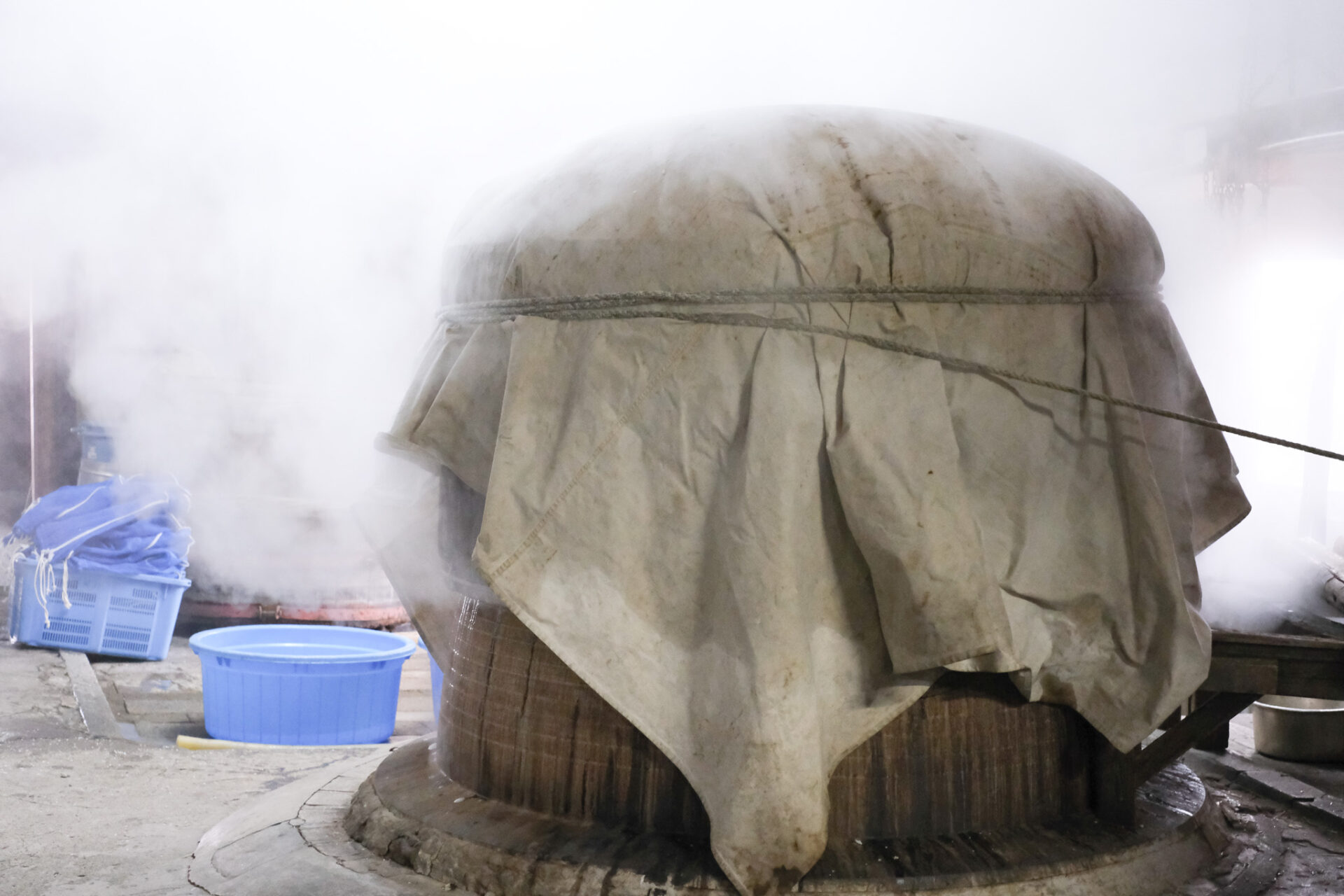
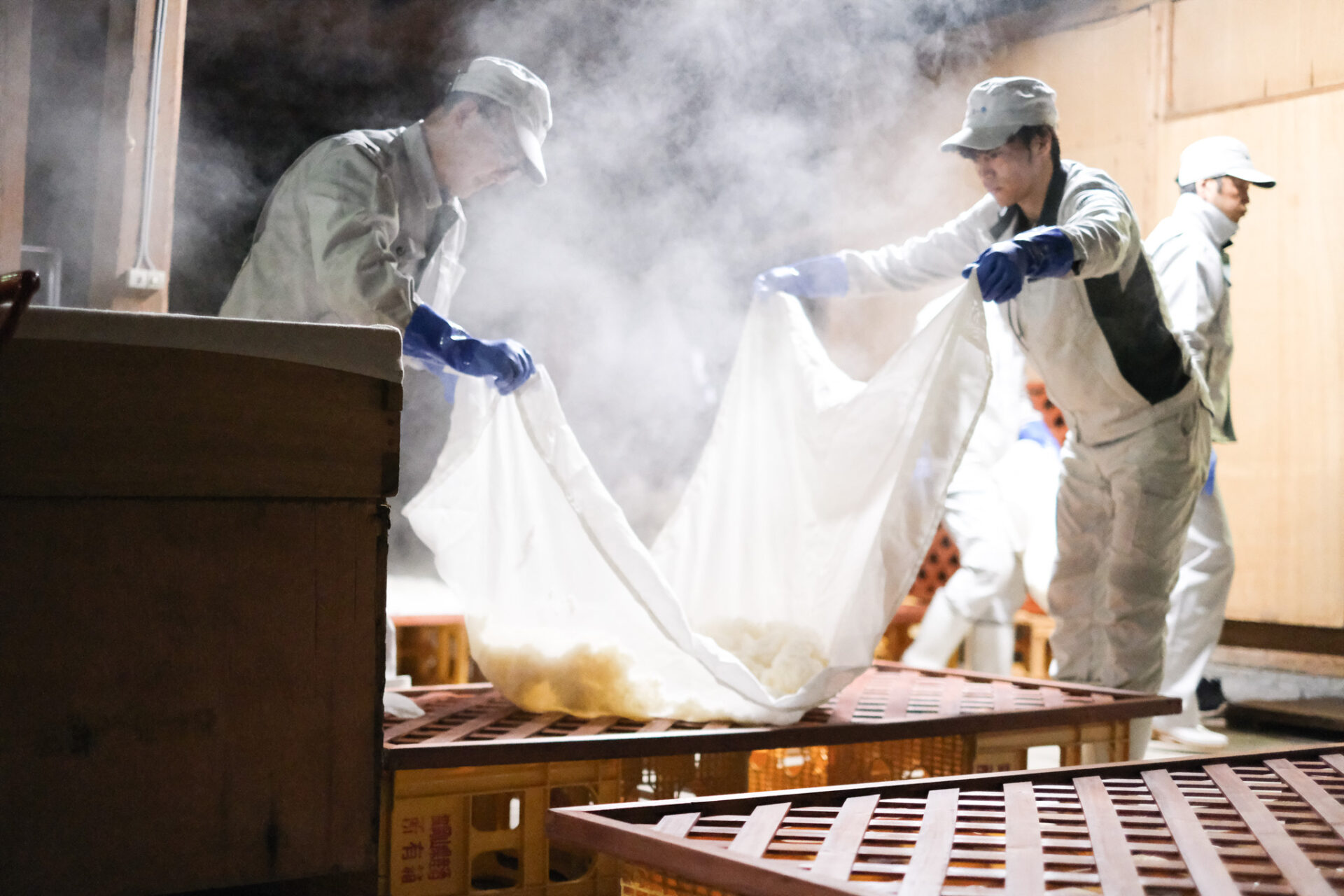
When the rice is steamed, the brewery workers cheerfully shout "Ikimasu!" (I'm going to do it) as they remove the stopper from the pot to release the steam. The steam bursts out vigorously, and in an instant, the area is enveloped in white.
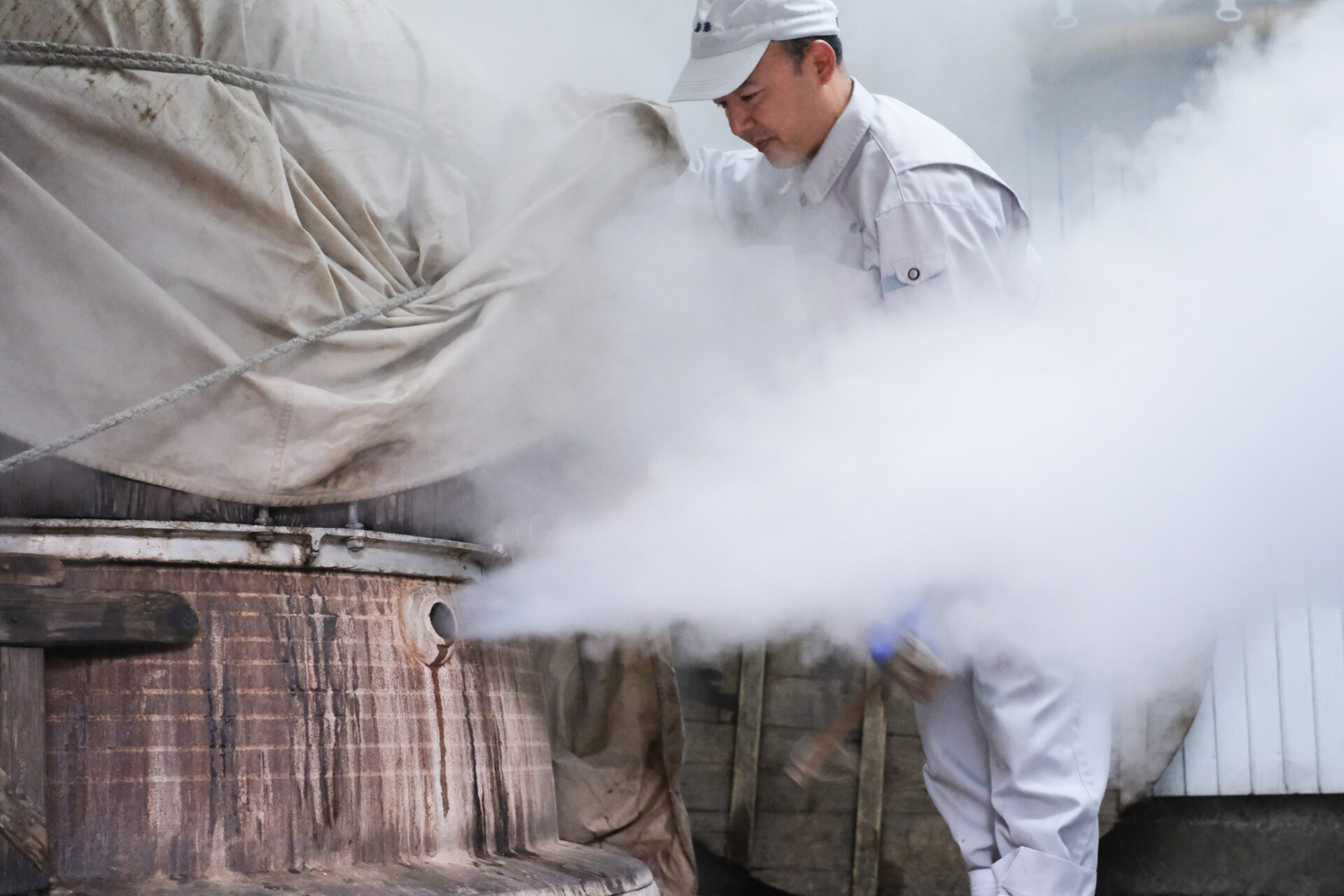
Inside the brewery, filled with steam, nothing can be seen for a while.
The steamed rice, now translucent and small grains, is carefully spread out on cloth to cool down to the designated temperature.
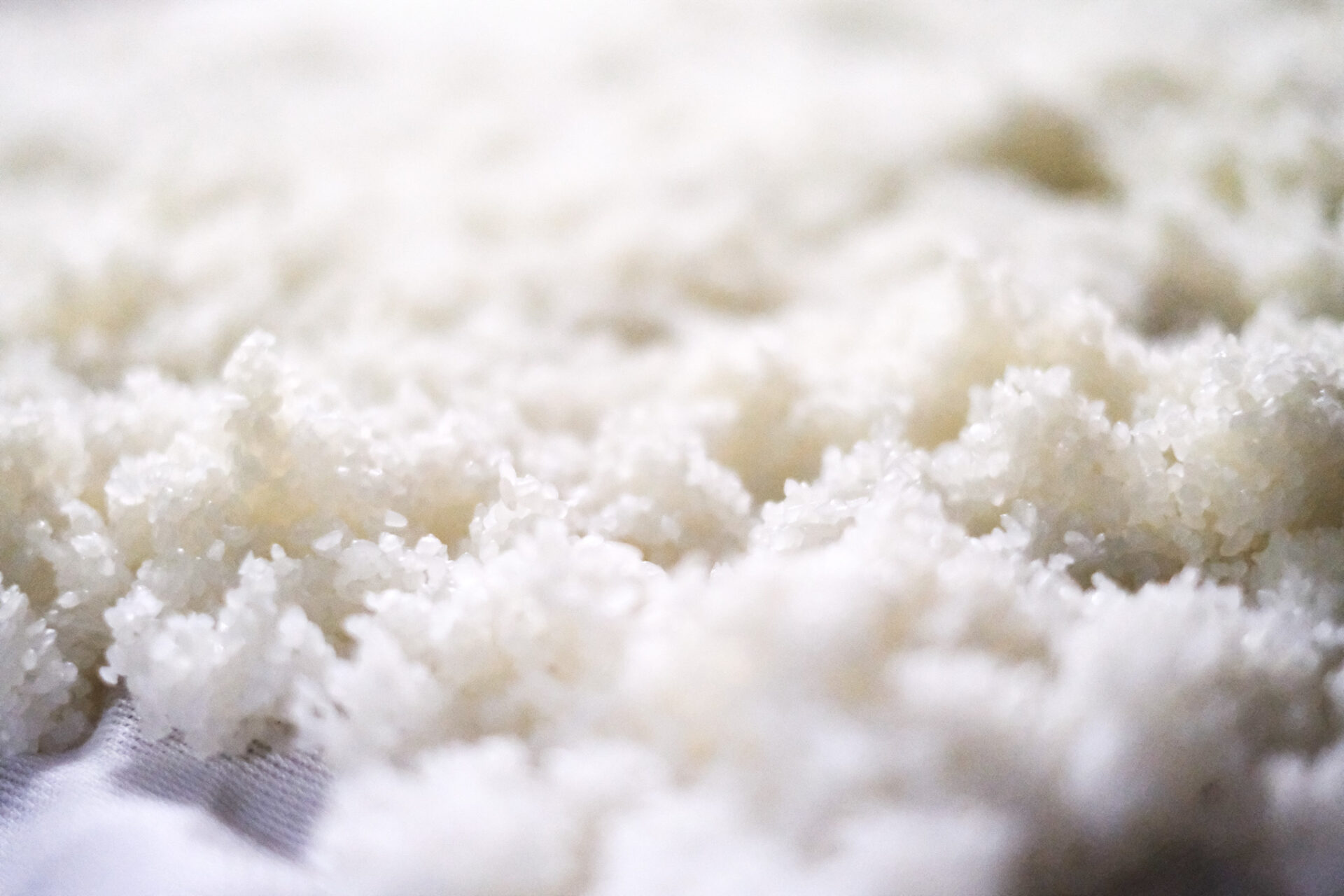
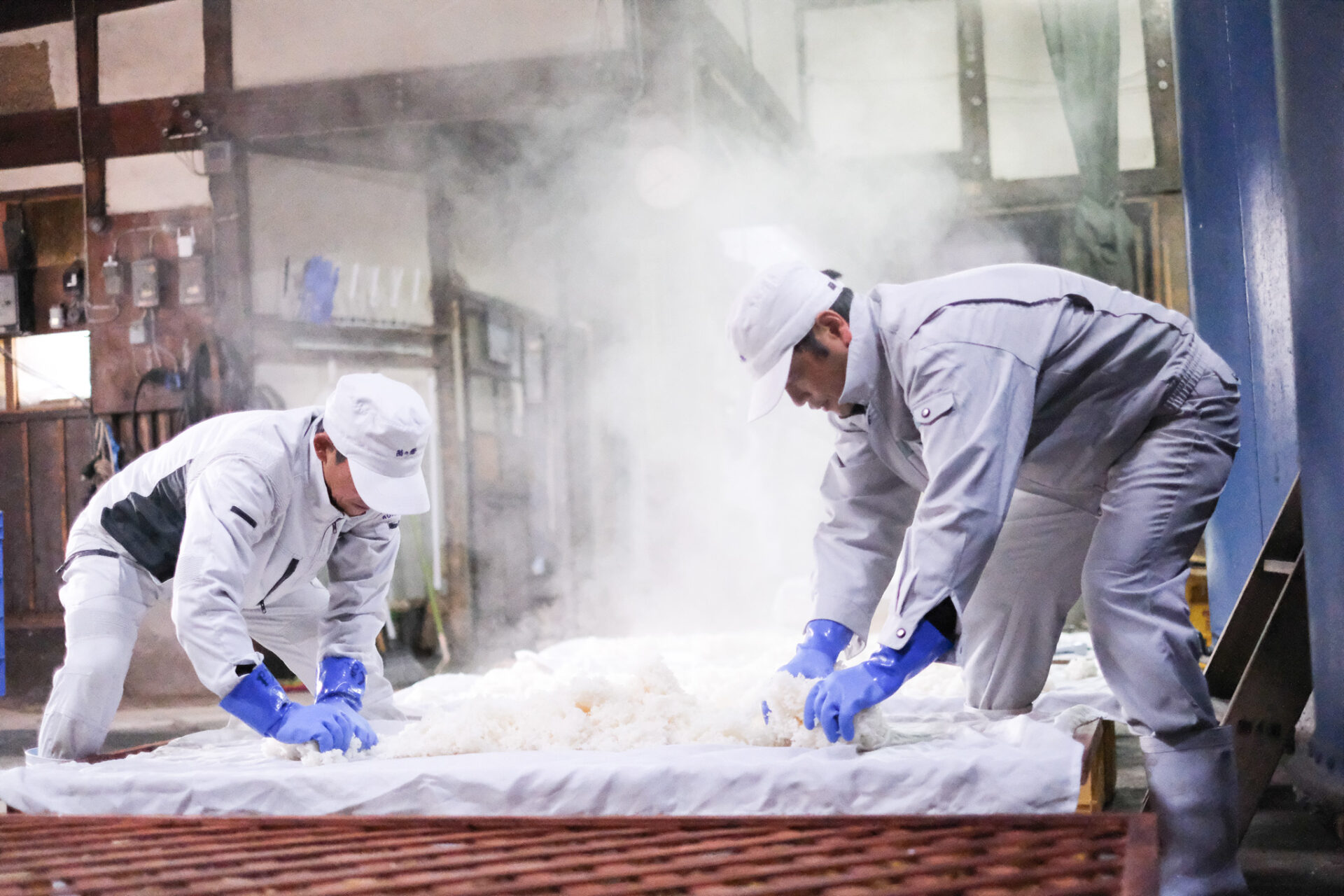
The cooled steamed rice is then placed into tanks one after another.
Watanabe checks the temperature of the moromi and the amount of steamed rice while mixing the tank containing the shubo, koji, brewing water, and steamed rice with a paddle.
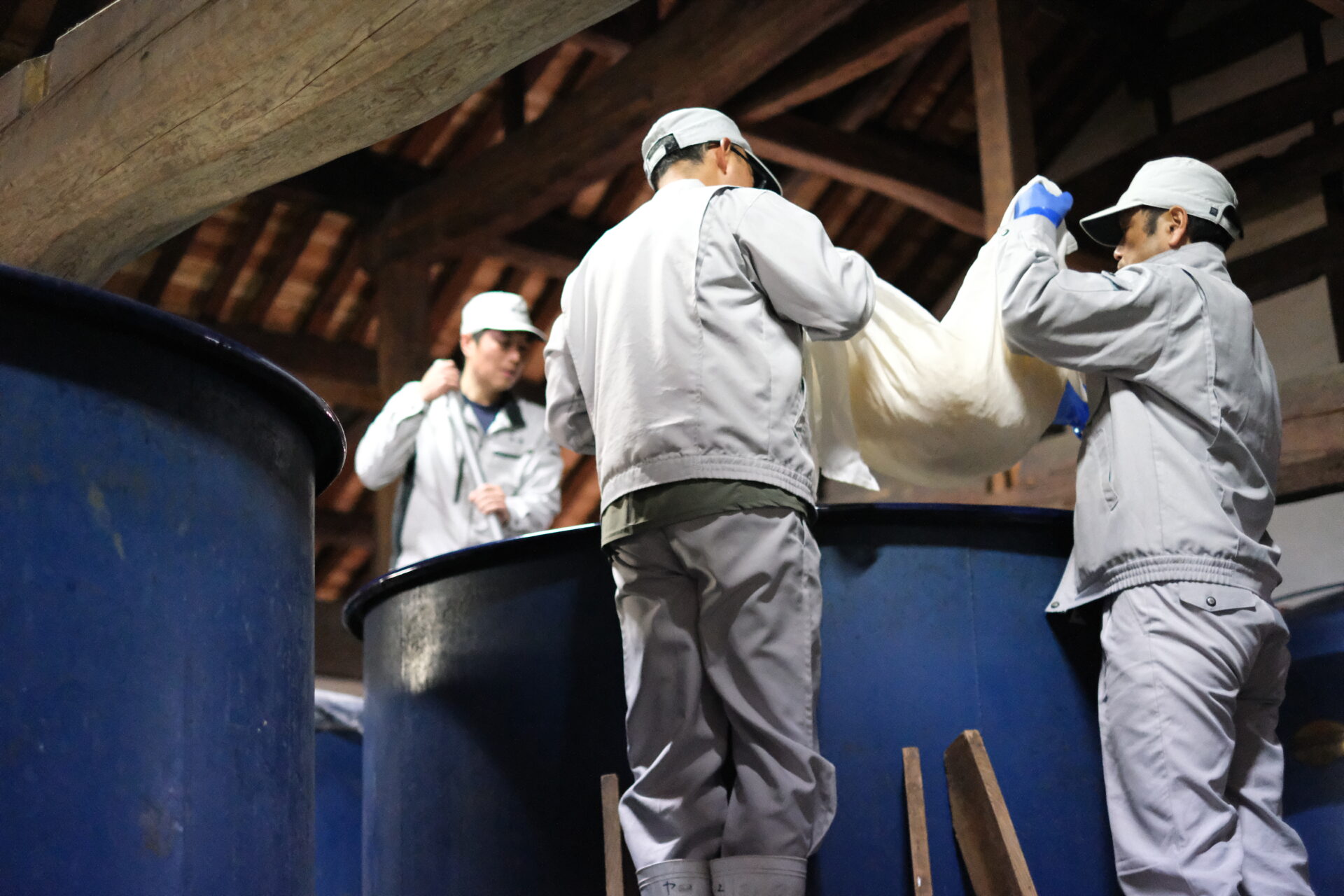
The moromi will mature and become sake in 20 to 30 days.
Types of Bubbles
As the sake matures, the shape of the bubbles in the tank also changes.
There are names for the bubbles that change as fermentation progresses, such as "Suji-bubbles," "Mizu-bubbles," "Iwa-bubbles," "Taka-bubbles," "Oka-bubbles," and "Tama-bubbles," and the toji uses the appearance of the bubbles to understand the state of alcohol fermentation.
| Bubble Shape | Brewing Progress | Fermentation Status |
|---|---|---|
| Striated Bubbles | Days 2-3 of Mash | Bubbles have taken on a striated appearance. Alcohol content is 5% and yeast is increasing. |
| Water Bubbles | Days 3-4 of Mash | Bubbles are forming in places other than the striated bubbles. Aroma and carbon dioxide are also slightly generated. |
| Rock Bubbles | Days 6-7 of Mash | Bubbles appear as clumps resembling rough rocks. Alcohol content is rising. |
| High Bubbles | From Day 10 of Mash | A large amount of bubbles is forming, threatening to overflow the top of the tank. Aroma is good and carbon dioxide is generated. |
| Falling Bubbles | From Day 14 of Mash | Bubbles gradually return to the liquid surface, but fermentation is active. |
| Ball Bubbles | From Day 18 of Mash | The surface bubbles become fine and film-like, with plenty of carbon dioxide, and the sake is almost finished. |
Products of Yamanari Sake Brewery
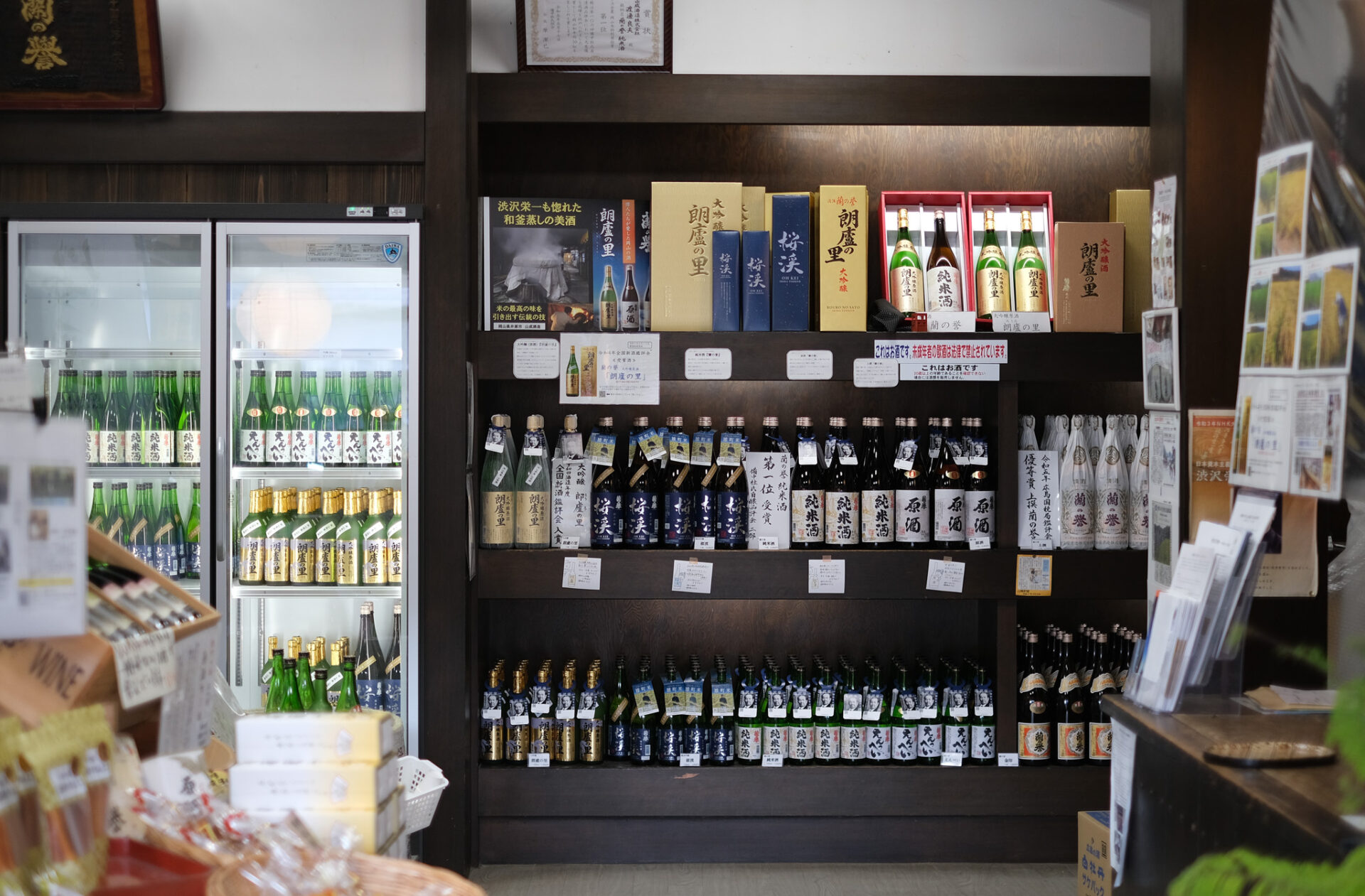
The representative sake of Yamanari Sake Brewery is as follows.
| Product Name | Features |
|---|---|
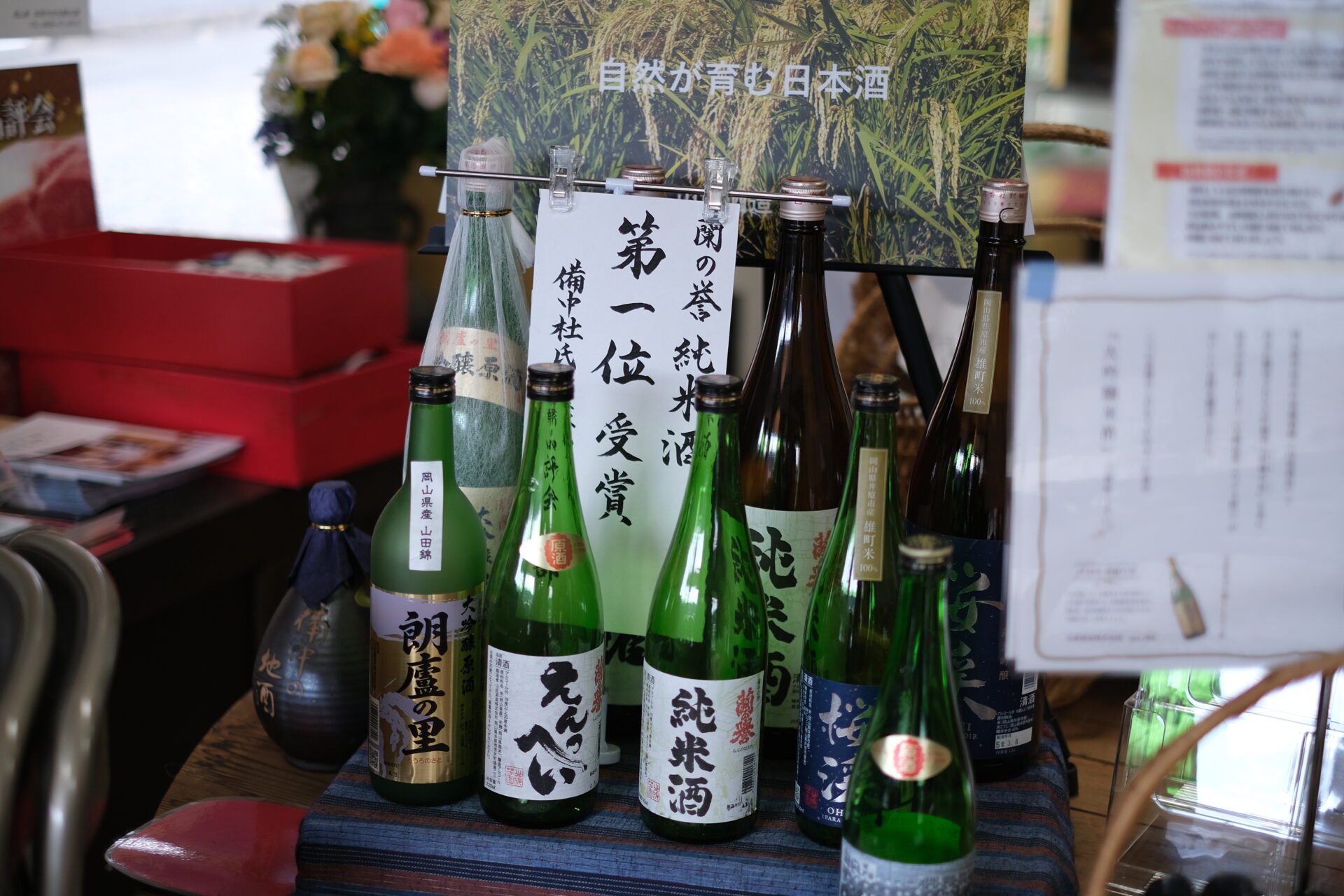
| Raw Sake - Ran no Homare | Raw sake brewed from 70% polished "Akebono" using a four-stage brewing process. Rich flavor with a hint of sweetness. |
| Junmai Sake - Ran no Homare | Junmai sake brewed from 70% polished "Akebono". Crisp and clean taste without any peculiarities. |
| Daiginjo Raw Sake - Roku no Sato | Daiginjo raw sake brewed from 50% polished first-grade "Yamada Nishiki". Elegant aroma and refreshing sweetness. |
| Junmai Ginjo - Sakurakei | Junmai ginjo raw sake brewed from 60% polished locally grown "Omachi". Unique acidity and gentle aroma of Omachi, with a soft mouthfeel. |
▼ Others.
- Raw Sake Ran no Homare Enpei (with the name of former toji Yamanari Enpei)
- Sake Lees
- Kōji
- Daiginjo Vinegar
- Nara-zuke (Nara pickles)
- Meiji Gobo Karinto, Yoshii-cho Yuzu Karinto, Ran no Homare Sake Lees Karinto "Kashi Kobo Yoichi"
- Raw Sake Cake "Orinoto"
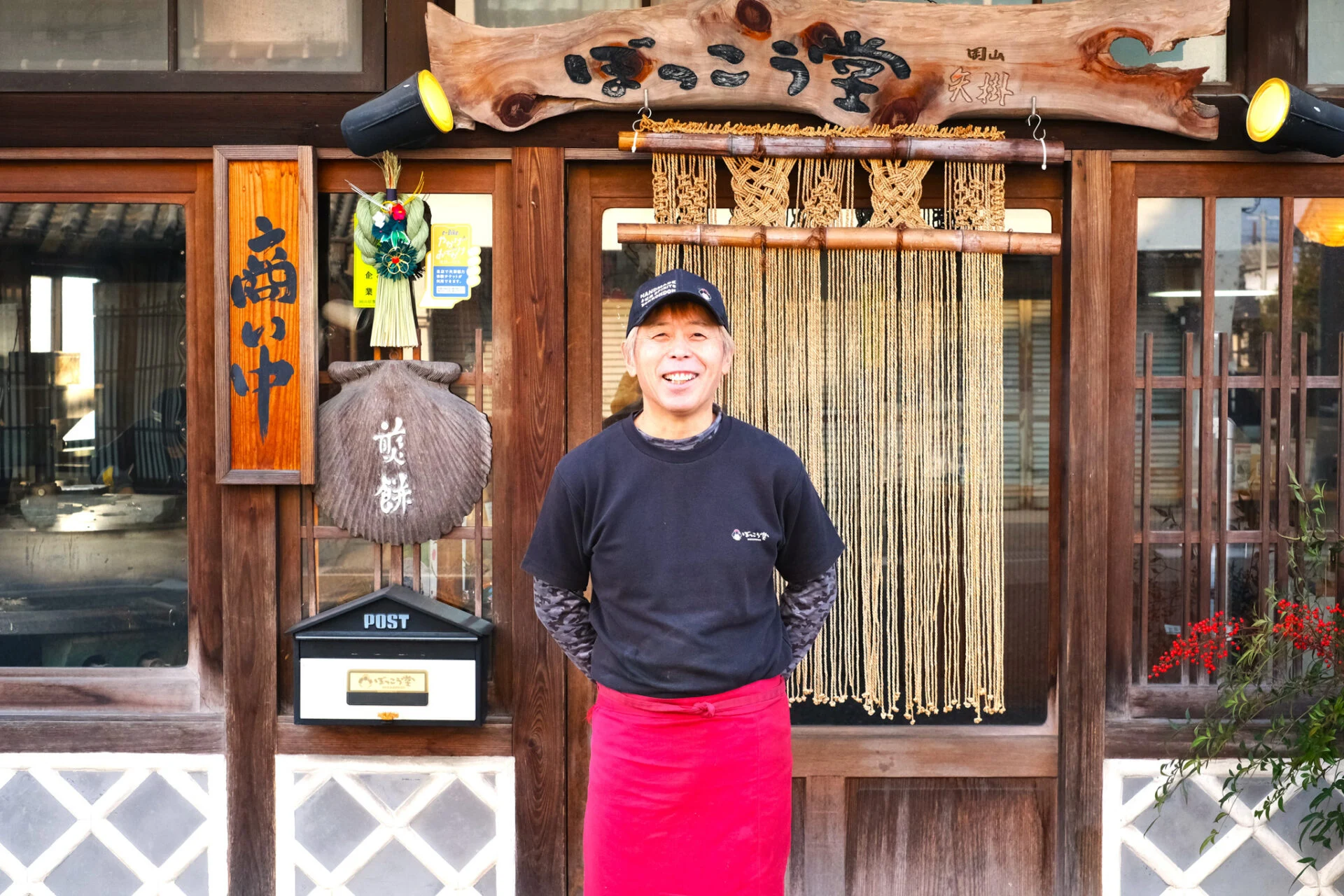
"Kashi Kobo Yoichi" is a karinto shop run by Watanabe.
Terroir Sake "Sakurakei"
Junmai ginjo "Sakurakei" is a new sake that was born in 2022.
Yamanari Sake Brewery wishes to brew a terroir sake full of local charm using local sake rice, water, and air.
Terroir means "the personality of the land" in French.
It was brewed with the underground water of the Oda River, the clear air with beautiful stars, and the sake rice "Omachi" successfully cultivated by local rice farmers.
"Sakurakei" is named after the private school "Sakurakei Juku" of Roku no Sato.
This sake is recommended to be enjoyed in a wine glass to appreciate its aroma, or on the rocks to highlight the characteristics of the high-concentration raw sake.
It pairs well with various dishes, including Western cuisine, Japanese cuisine, and meat dishes, as well as cheese and dark chocolate.
We interviewed Watanabe Yoshio, the toji of Yamanari Sake Brewery, about Yamanari Sake Brewery and the toji.
Interview with Watanabe Yoshio, Toji of Yamanari Sake Brewery
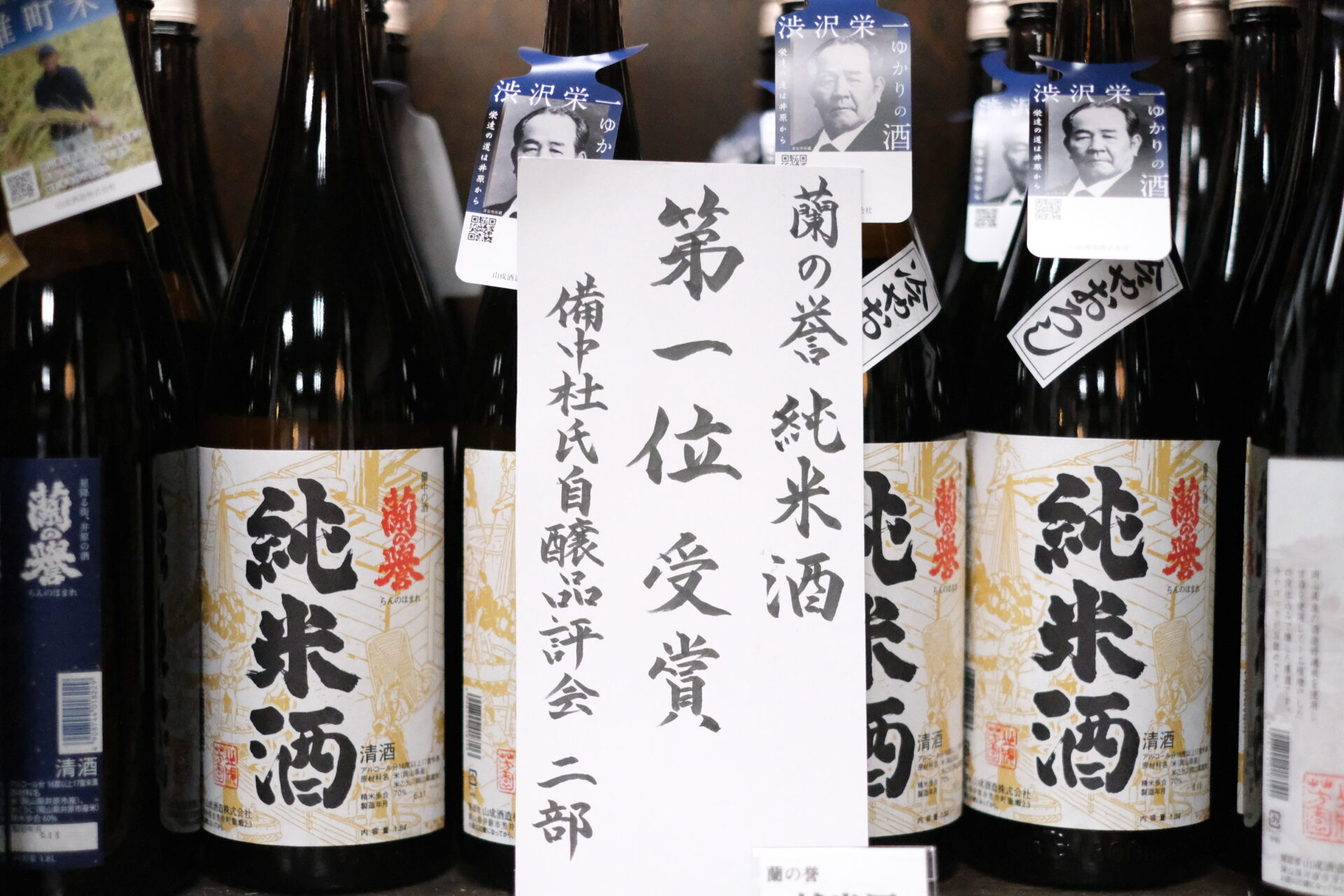
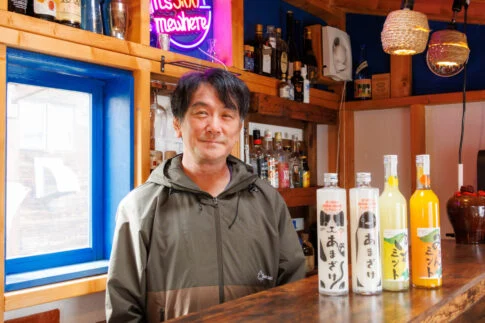
We asked Watanabe, the owner of the karinto shop, how he became a toji of Japanese sake that captivates people.
Please tell us how you became a toji.
Watanabe (no honorific)
In 2010, I started a karinto shop "Kashi Kobo Yoichi" with my wife next to Yamanari Sake Brewery, using local specialty products like Meiji gobo.
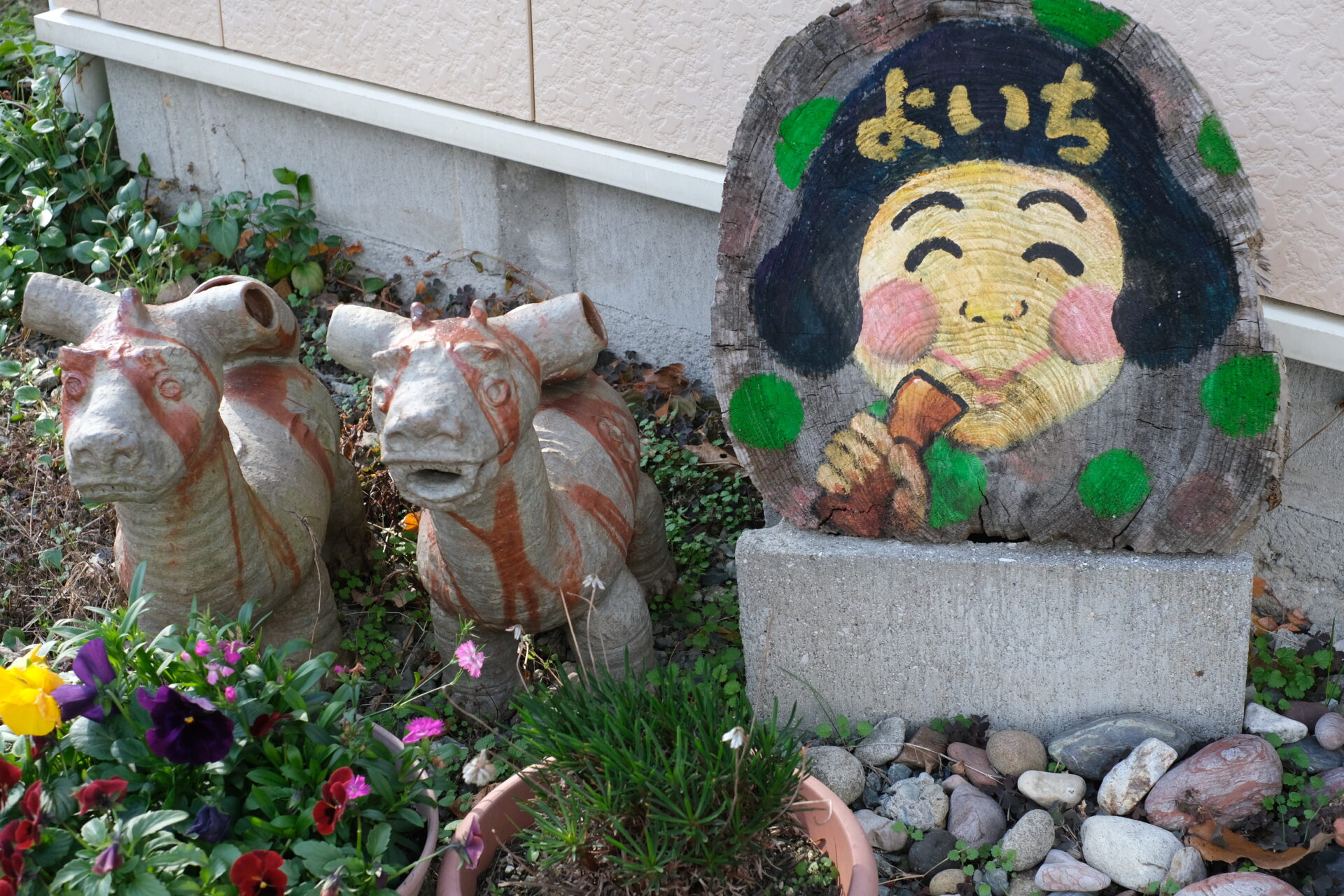
At that time, my wife asked me, "Would you like to open a karinto shop using Meiji gobo?" and I hesitated at first.
I had no experience in making sweets, and I had been working for about four years at a company, so my life was stable.
Meiji gobo is a specialty product of the Meiji district in Yoshii-cho, characterized by its thick, fibrous, soft texture and pleasant aroma, making it a high-quality burdock.
My wife's grandfather was a producer of Meiji gobo.
The person who was running the karinto shop was elderly and was about to close the shop.
I was moved by my wife's feelings of wanting to "convey the wonderfulness of the Meiji gobo that her grandfather made."
As a person who frequently moved due to job transfers, I moved to Ibara upon marrying my wife and happened to open a karinto shop next to Yamanari Sake Brewery.
Approached by the Toji of Yamanari Sake Brewery
Watanabe
One day in 2011, I was approached by Yamanari Sake Brewery's toji Yamanari Enpei, who said, "A person who was working only in the morning is leaving, so could you help us?"
I started helping at the sake brewery, but I usually drank beer or shochu and was not familiar with sake.
I had no intention of becoming a toji.
However, I was deeply impressed by the deliciousness of the "Raw Sake - Ran no Homare" that I drank for the first time here.
Raw sake is the sake that is pressed from the mash without adding water afterward.
I loved the freshly made sake and began to enjoy working at Yamanari Sake Brewery.
I felt very sad at the thought of not being able to drink this sake anymore
Watanabe
In 2017, when Toji Enpei's health deteriorated, I felt very sad at the thought that I might not be able to drink this sake anymore.
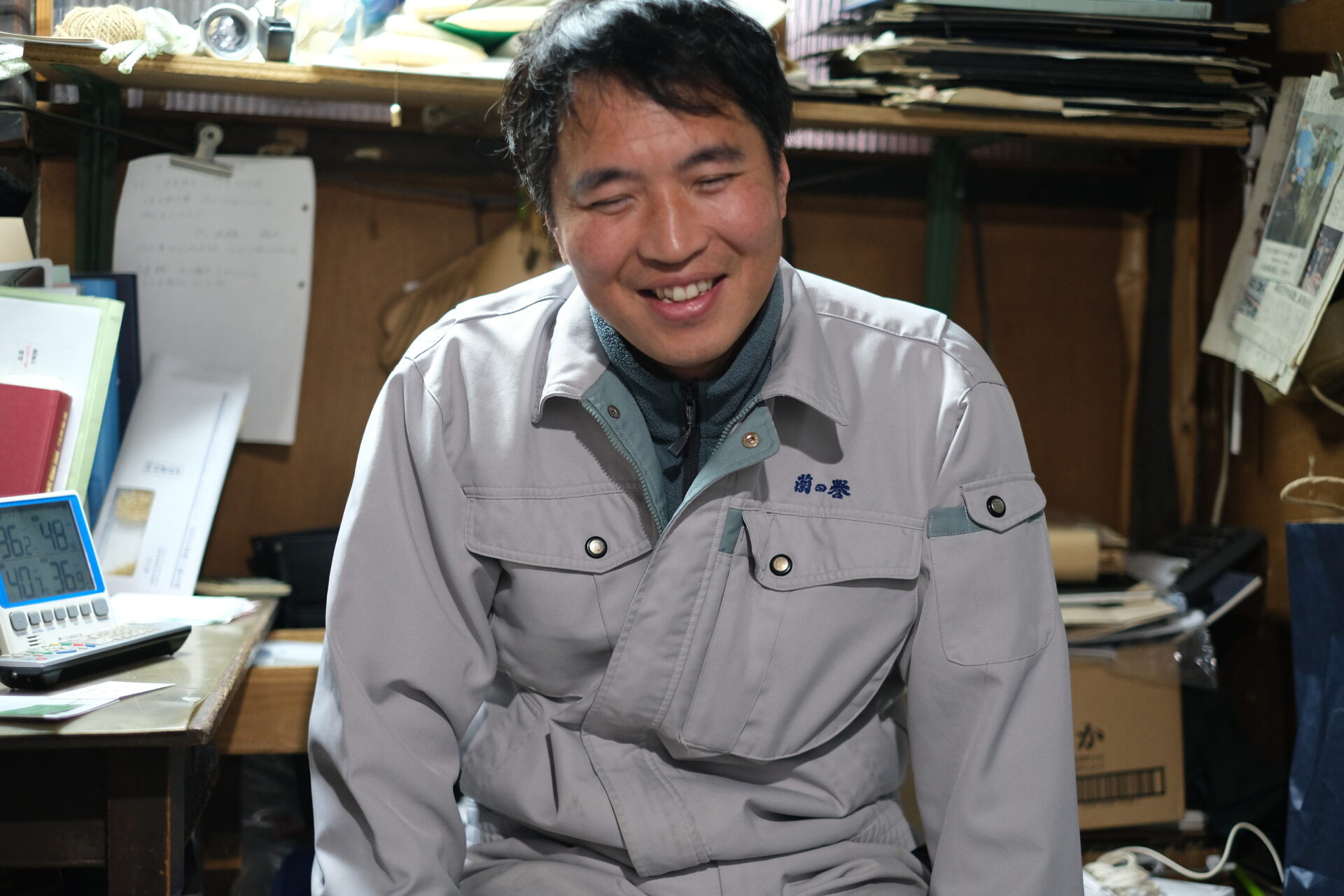
I thought strongly, "If I can't drink it anymore, I want to try being a toji myself. I want to make sake."
Was the karinto shop okay?
Watanabe
Sake brewing is very busy from around the end of the year to March, but during other times it is calm.
When the sake brewery is busy, my mother-in-law comes to help, so we manage somehow.
It didn't go well when I actually tried it
What was the path to becoming a toji like?
Watanabe
Having helped at Yamanari Sake Brewery for nearly 10 years, I thought I understood the flow of work, but when I actually tried it, it didn't go well.
I started as an apprentice toji in 2018 under Enpei's guidance.
The "Ran no Homare" of 2018 was at the same level as the previous year, but the daiginjo and junmai sake still did not reach the taste I had envisioned.
Without being satisfied with the sake I had made, I became independent as a toji in 2019.
I went to training at other sake breweries
Wanting to learn more about daiginjo, I went to training at other sake breweries.
I trained for two years at Kikuchi Sake Brewing Co., Ltd. in Kurashiki City, learning how to make daiginjo.
Kikuchi Sake Brewing Co., Ltd. starts brewing a little earlier than Yamanari Sake Brewery in October, so I went to learn around November, received a week of training, and returned to Yamanari Sake Brewery to serve as toji starting in December.
It was challenging to adjust the scale of sake brewing learned at Kikuchi Sake Brewing Co., Ltd. to our brewery.
There were issues such as how to handle processes that were easily done with Kikuchi Sake Brewing Co., Ltd.'s equipment using our equipment.
Have you been able to make the sake you envision now?
Watanabe
Yes. Thanks to Enpei's guidance and the experience I learned at Kikuchi Sake Brewing Co., Ltd., I am now doing well.
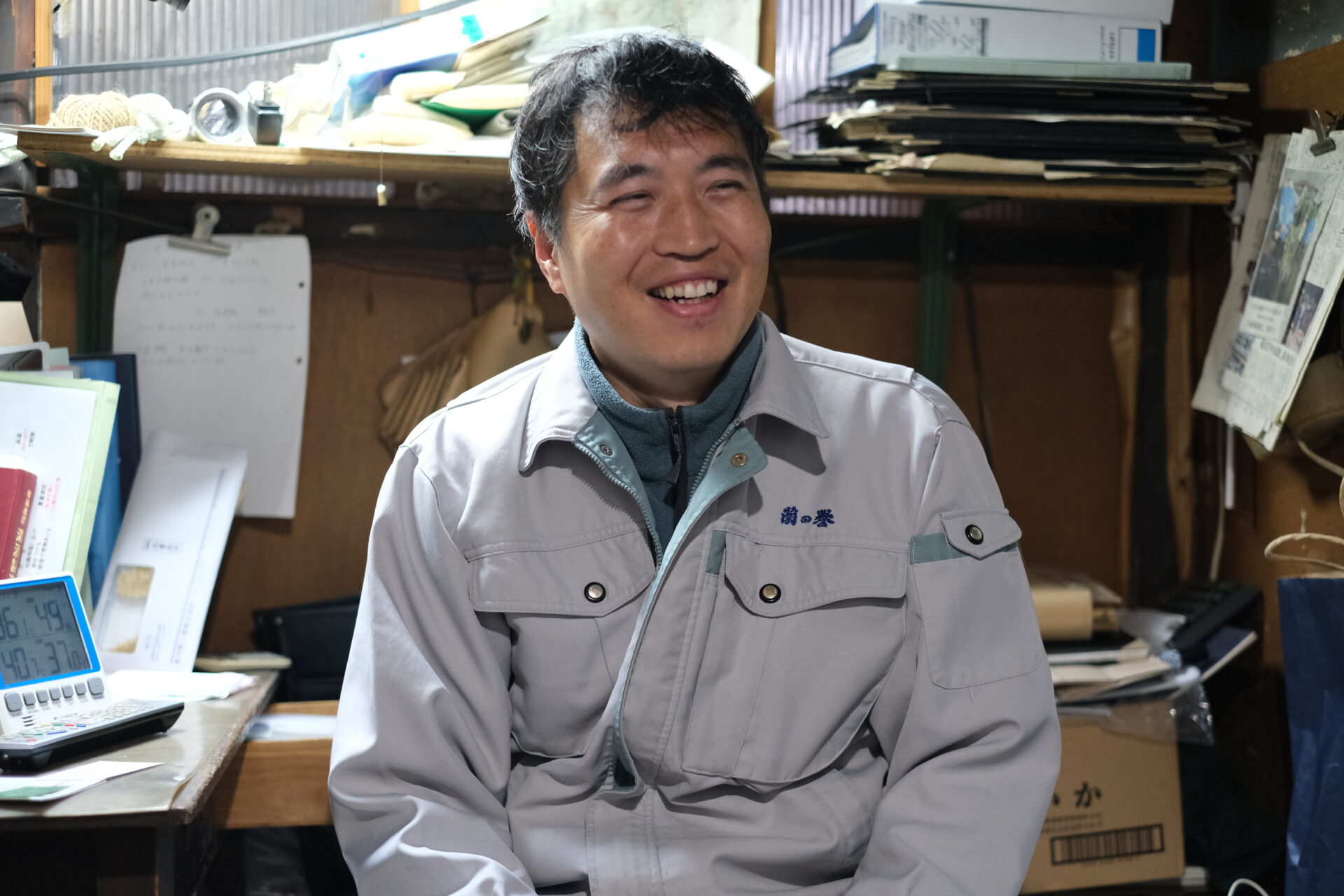
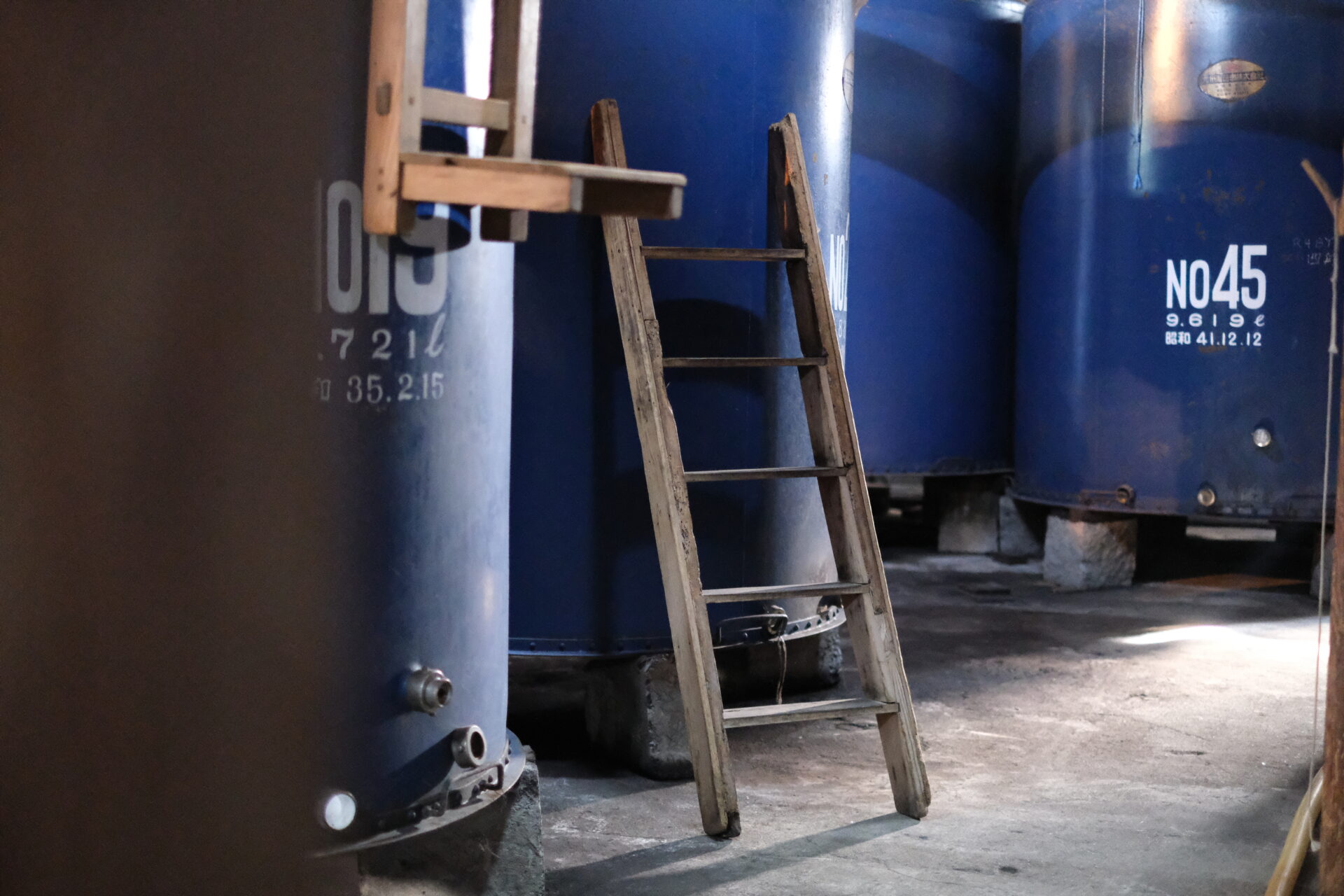
Quiet nights watching the growing koji, yeast starter, and mash
Do you have a favorite process in sake brewing?
Watanabe
During the day, I am busy with brewing, and time passes quickly.
In the evening, after the brewery workers have gone home, I come to check the temperature of the koji and yeast starter multiple times at night.
I enjoy going inside the brewery during the calm, quiet time.
The mash changes moment by moment, and I like that I can slowly observe what state the sake is in at that time.
"Label Buying" instead of "Cover Buying"
When you want to try drinking sake, how do you choose it?
Watanabe
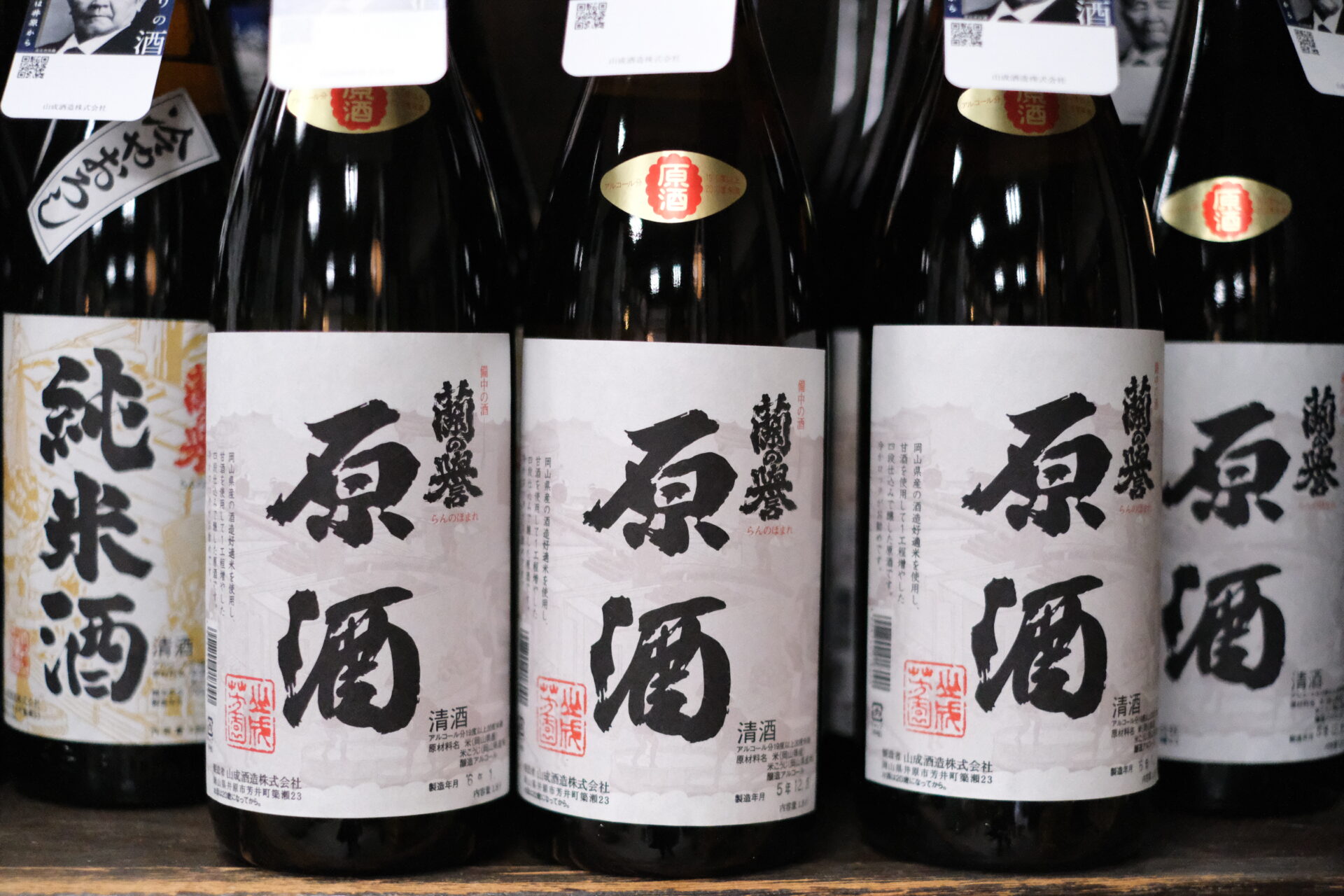
Choosing sake by its label is also a good idea.
Recently, sake labels have become very stylish.
I have also been buying sake more often by looking at the labels, and the taste of the sake tends to correlate with the label.
Cute labels tend to have light and easy-to-drink flavors, while sophisticated labels tend to have deep and calming flavors.
It's "label buying" instead of "cover buying."
If you find a sake with a label you like, be sure to give it a try.
I want to create sake that captivates
Do you have any challenges you want to take on in the future?
Watanabe
I want to create sake that can move someone, just like the raw sake "Ran no Homare" that I was first impressed by, and make sake that I can also be captivated by.
The newly born sake "Sakurakei" is inspired by the starry sky of Bisei-cho in Ibara City, and I hope it becomes a representative sake of Ibara.
Conclusion
Yamanari Sake Brewery is a historic sake brewery that produces sake using cold brewing methods.
Using the pure underground water of the Oda River, we brew with carefully cultivated rice and traditional techniques.
The new junmai ginjo sake "Sakurakei" has been born as a representative sake of Yamanari Sake Brewery.
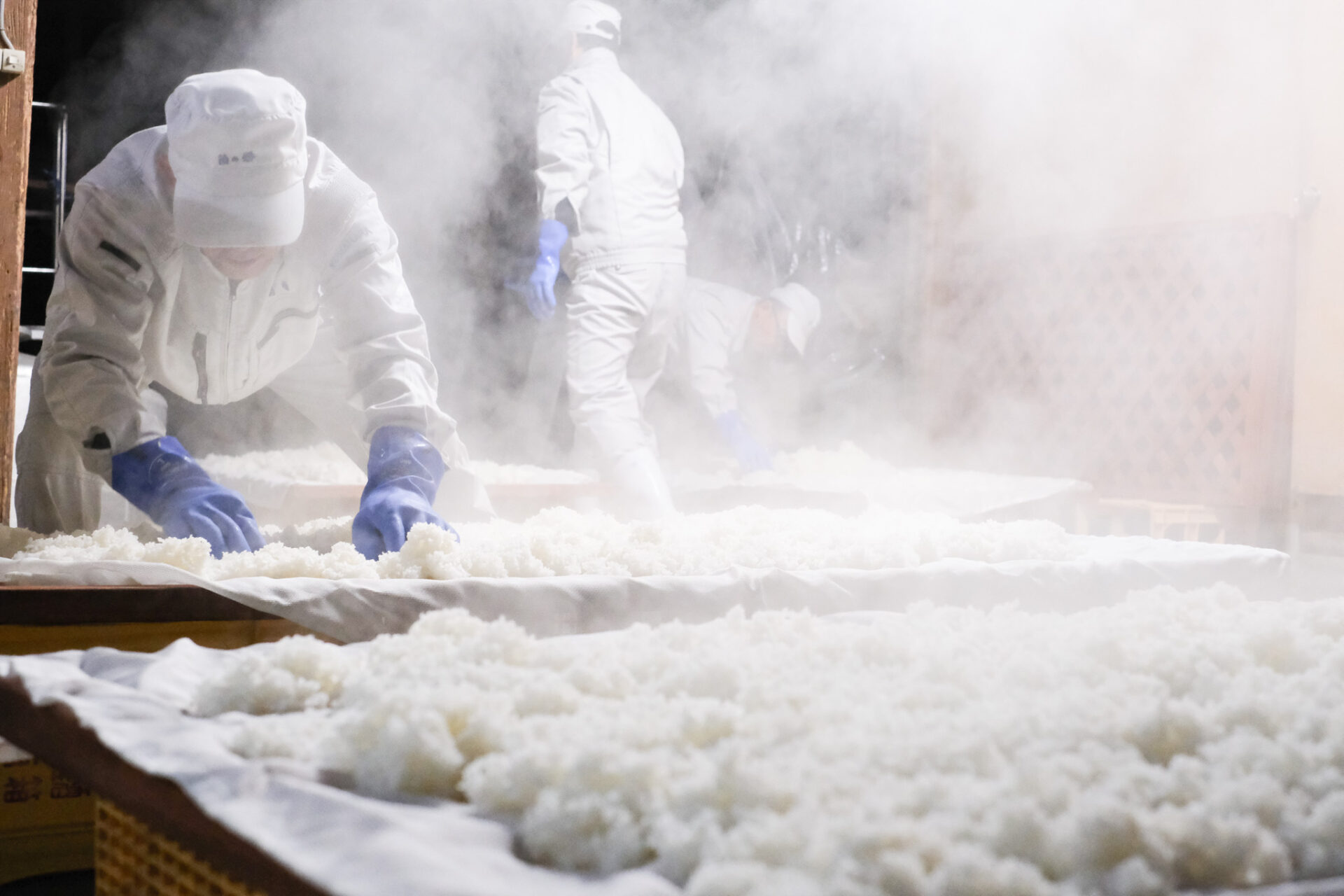
At the beginning of the year, the toji and kurabito are sweating as they steam sake rice in a large traditional pot and carry out the brewing process.
On a cold night with beautiful stars, Mr. Watanabe is watching over the growth of the moromi inside the sake brewery.
The first new sake brewed with care by Yamanari Sake Brewery has been completed.
Sales have started at the store in front of the sake brewery from February 9, 2024.
Please try the local sake, full of charm, brewed with rice, water, and air from Ibara.
Data of Yamanari Sake Brewery Co., Ltd.
| Organization Name | Yamanari Sake Brewery Co., Ltd. |
|---|---|
| Industry | Brewing |
| Representative Name | Yamanari Yoshinao |
| Year Established | Founded in 1804 |
| Address | 23 Yanase, Yoshii-cho, Ibara City, Okayama Prefecture |
| Contact | 0866-72-0001 |
| Website | Yamanari Sake Brewery Co., Ltd. |