
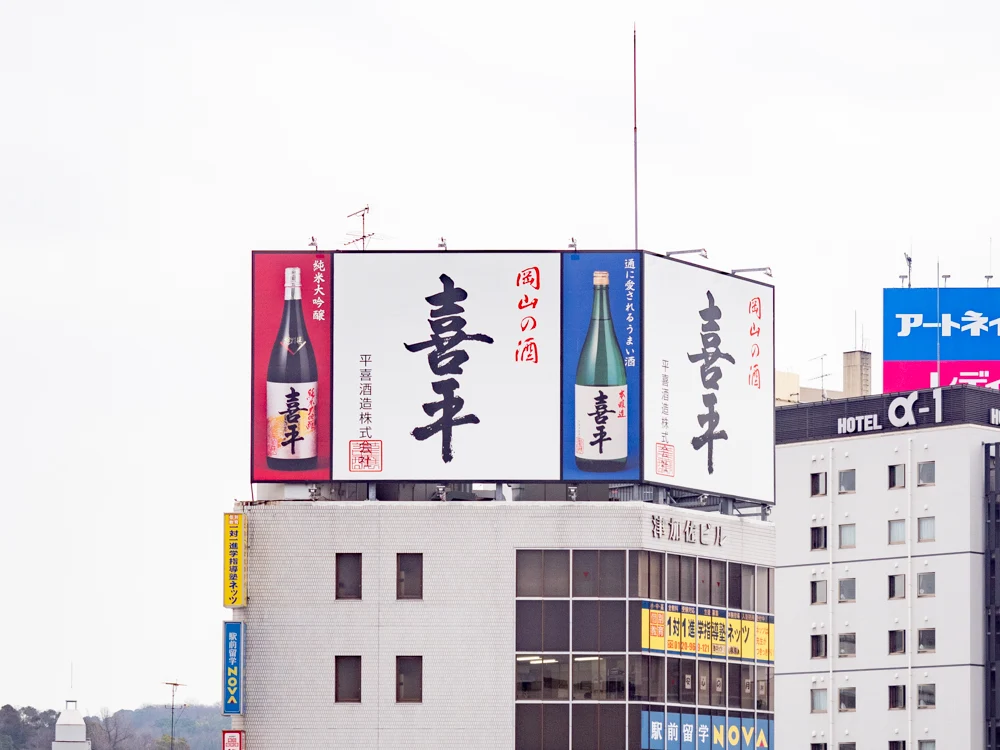
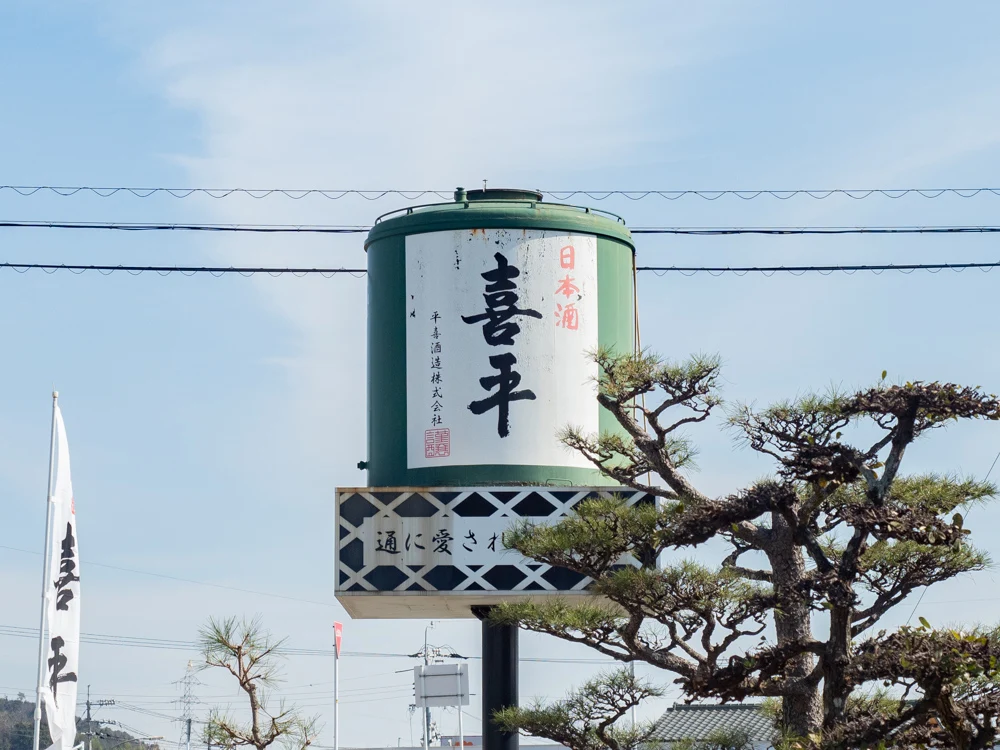
Have you ever seen the large rooftop sign with "Kihei" written on it when you exit the south entrance of JR Kurashiki Station?
Kihei is a brand of sake.
The manufacturer and seller of Kihei is Hiraki Shuzo, located in Kamogata-cho, Asakuchi City, which is adjacent to Kurashiki City.
The area including Asakuchi City has historically been a region where sake brewing has flourished, known for the group of sake brewing artisans called Bicchu Toji.
Also, don't you have an image of sake brewing as a handcraft using traditional methods?
In fact, Hiraki Shuzo utilizes the latest technology while leveraging the historical knowledge and techniques of sake brewing, with the concept of creating sake that pairs well with meals.
Let me introduce Hiraki Shuzo, the producer of the sake Kihei, which is often seen in the center of Kurashiki.
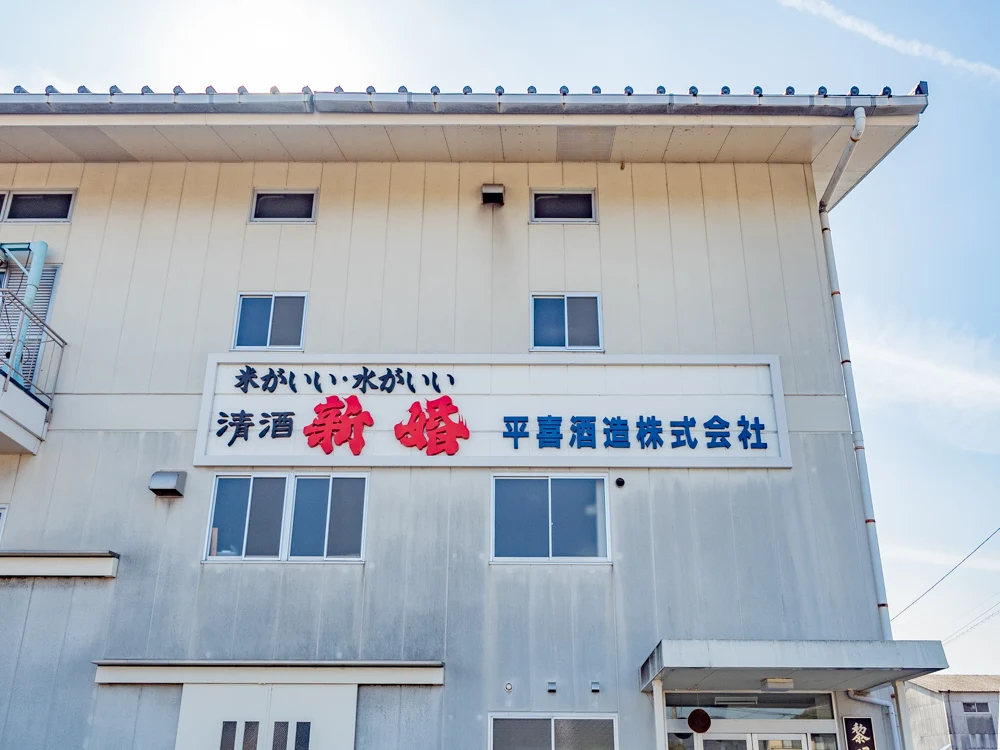
Hiraki Shuzo is known for sake brands such as "Kihei," "Shinkon," and "Shogun"
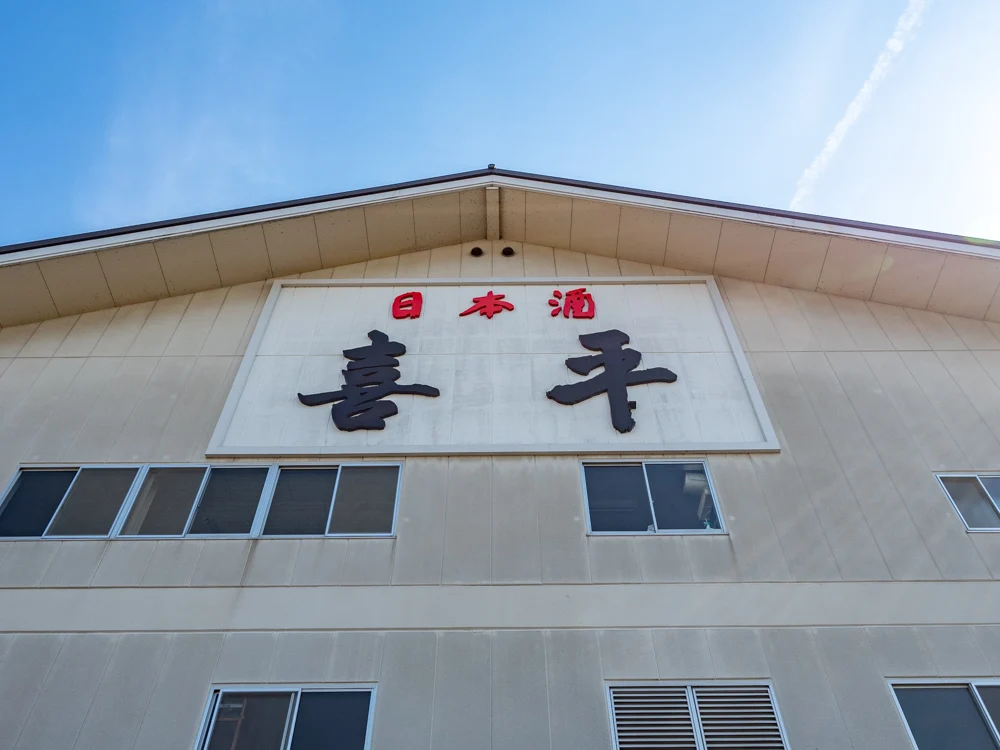
Hiraki Shuzo is a sake brewery located in Kamogata-cho, Asakuchi City.
It produces sake brands such as "Kihei," "Shinkon," and "Shogun."
Kihei is a sake that is commonly consumed not only in Asakuchi City but also around Kurashiki.
It is often found in restaurants in Kurashiki.
It is also commonly available in liquor stores in Okayama Prefecture and the Bingo region of Hiroshima Prefecture, as well as in the sake sections of supermarkets, and I have seen and purchased it myself.
The large three-sided rooftop advertisement visible when you exit the south entrance of JR Kurashiki Station is also famous.
The area from the western part of Kurashiki City (west of Nishi-Achi and Tsurajima districts) through Asakuchi City to the eastern part of Kasaoka City (east of Oshima district) was once called Asakuchi-gun.
Asakuchi-gun has historically been a region where sake brewing has flourished, with a professional group of sake brewers known as Bicchu Toji.
Bicchu Toji still exists today.
The land of Asakuchi is surrounded by mountains such as Mt. Yosho to the north, has clean flowing water, and enjoys good weather to the extent that an observatory was established, making rice cultivation active.
It is truly an ideal land for sake brewing.
Hiraki Shuzo is located in a region with a long history of sake brewing.
Born in Tōtōmi and brewing sake in Bicchu
In fact, the origins of the sake brewing that led to Hiraki Shuzo did not begin in Okayama Prefecture.
Tōtōmi Province (now the western part of Shizuoka Prefecture), specifically Kakegawa (now Kakegawa City), is the birthplace.
Kihei Tozuka, who was from Hirakijima Village (now the Hirakijima district of Kakegawa City), started a rice and grain wholesale business.
The shop name was taken from his birthplace and was called Hirakiyama.
Kihei Tozuka's son, Tozuka Tohira, utilized his experience as a rice wholesaler to start a sake brewing business in what is now Nito-cho, Kakegawa City.
He produced sake under brands such as "Shirafuji."
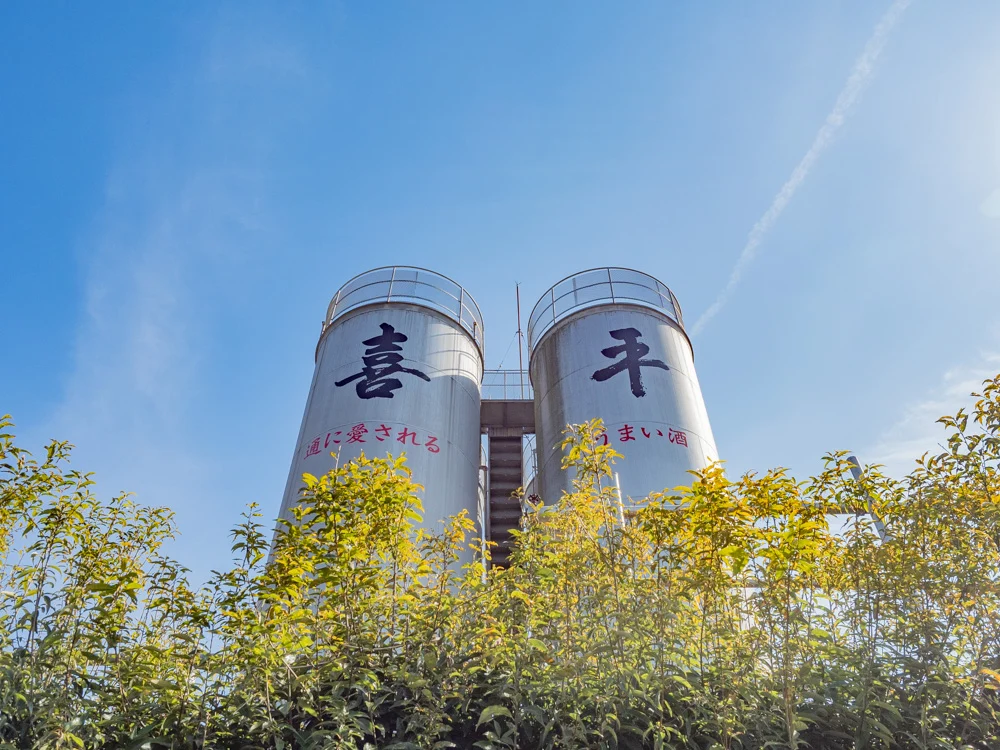
Tohira's son, Tozuka Shigeichiro, went on to Okayama University (then known as the Sixth High School).
As a result, he had many friends and acquaintances in Okayama Prefecture.
Later, Shigeichiro, who took over the family business, was approached by a friend from his university days in Okayama about taking over a struggling sake company in Okayama Prefecture.
Thus, he took over several sake breweries and, in 1928 (Showa 3), began sake brewing in Kamogata under the name Hiraki Shuzo.
The name Hiraki Shuzo is derived from the fact that the origin, Kihei Tozuka, was from Hirakijima Village.
"Hiraki" means Hirakijima's Kihei.
In 1967 (Showa 42), the sake brewing operations were consolidated at Hiraki Shuzo in Kamogata.
Then, in 2012 (Heisei 24), "Shizuoka Hiraki Shuzo Co., Ltd." was established in Shizuoka, marking a "homecoming" to Shizuoka and the revival of sake brewing there.
The sake brewery of Hiraki Shuzo
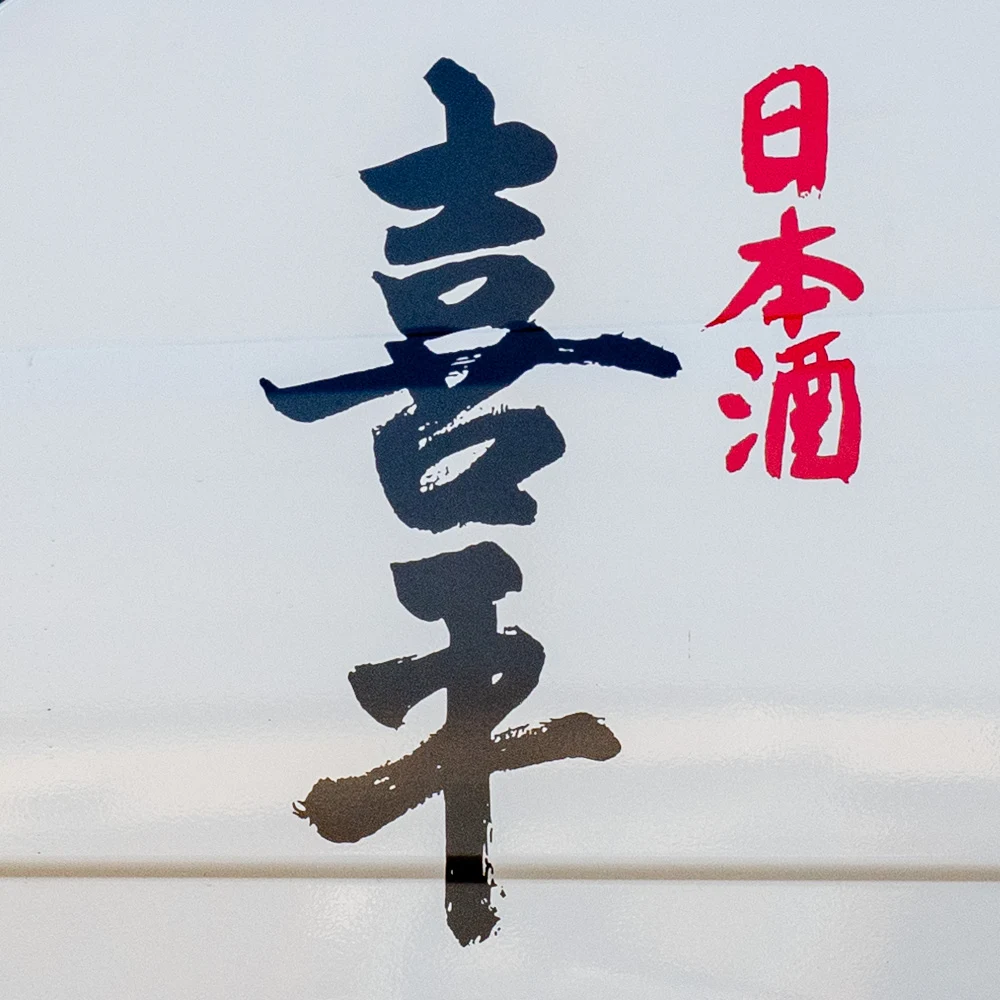
When you think of sake breweries and sake manufacturers, don't you imagine them using tools like wooden barrels and making sake by hand?
In fact, most sake production today relies on machinery for many tasks, with a few exceptions!
Hiraki Sake Brewery has introduced the latest equipment and technology into sake production.
This allows for sake production throughout the year, regardless of the season, providing a stable quality of sake.
Currently, Hiraki Sake Brewery does not conduct brewing during the summer.
During the non-brewing period, maintenance of the brewery is performed.
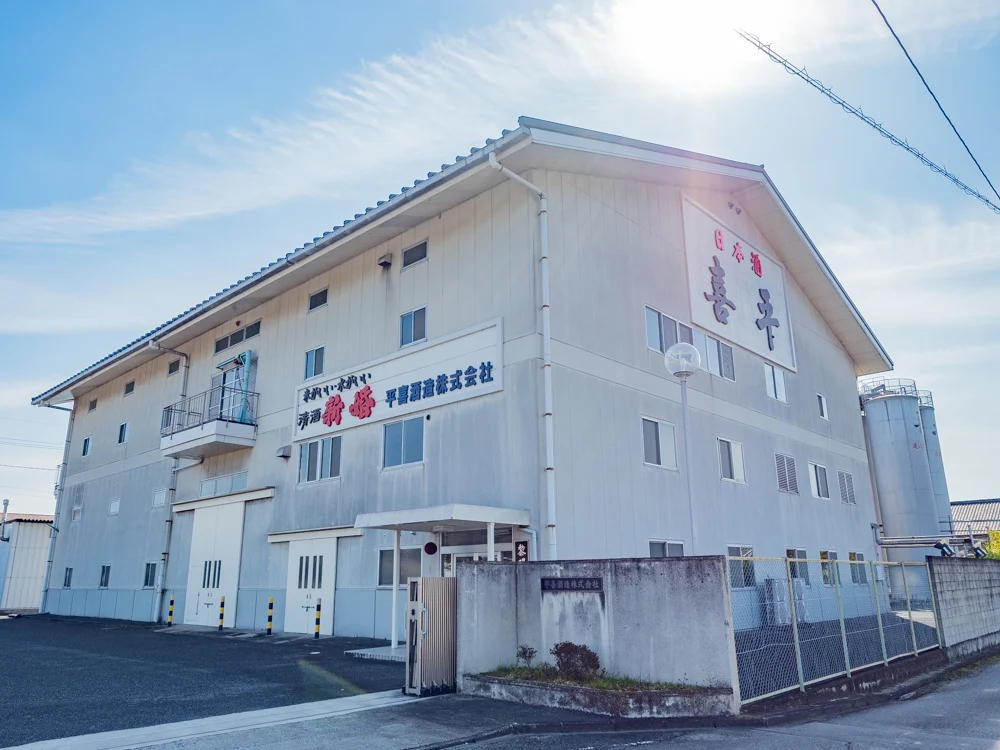
▼The main brewery, Reimei-gura, is a very large building.
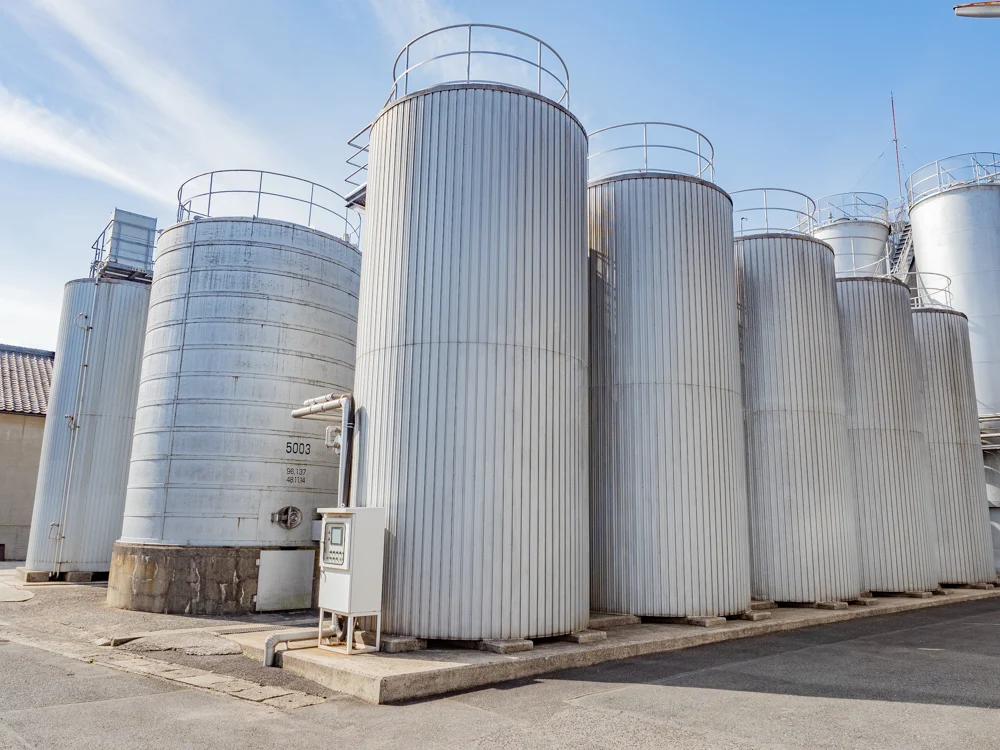
▼Next to the building, there are large tanks lined up.
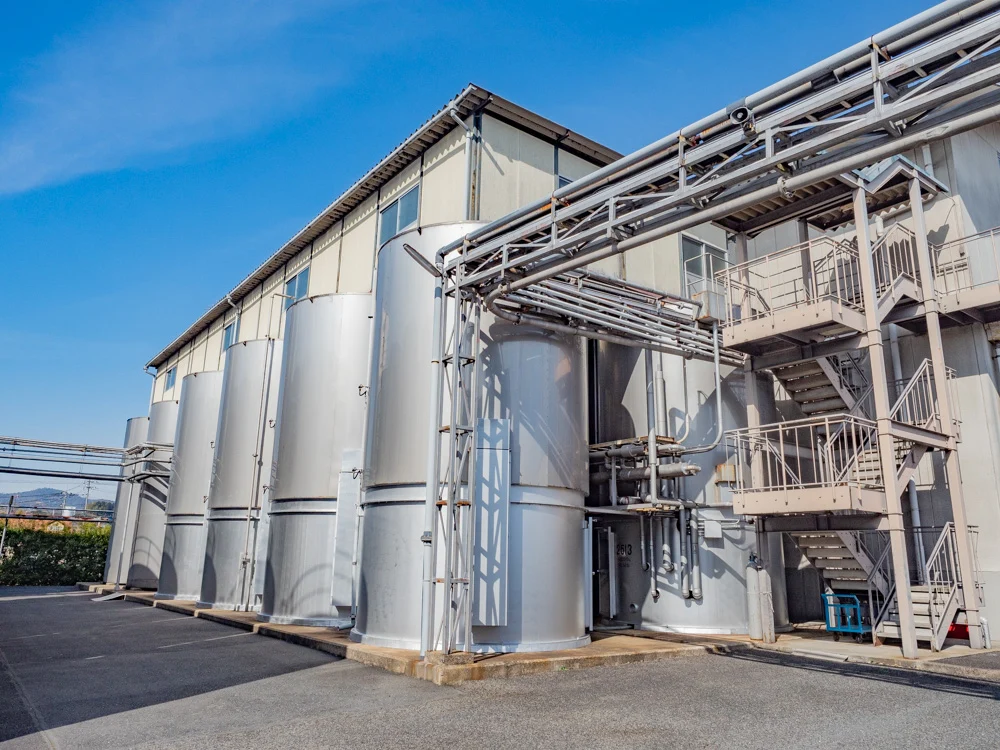
Inside these tanks, yeast microorganisms are actively fermenting.
▼This is a tank where sake is stored.
▼Inside Reimei-gura, there is a continuous rice steaming machine (renzoku mushimai-ki) and a cooling machine.
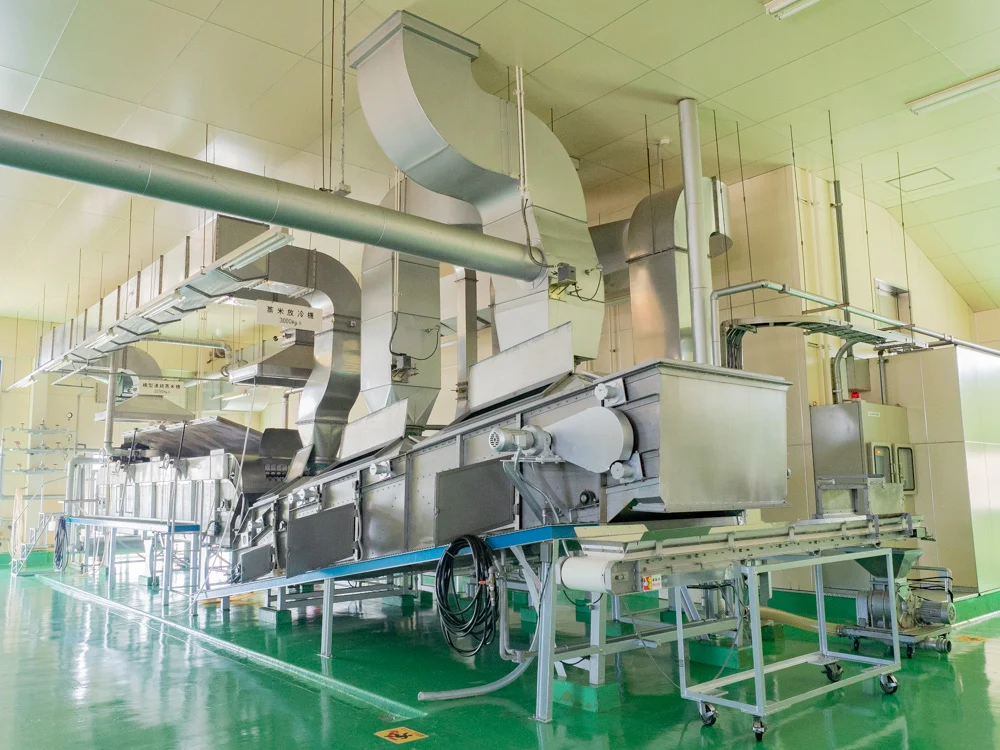
This is the machine that steams rice to create steamed rice (mushimai).
The steaming process is said to be so important that it can determine the quality of the sake!
▼This is the koji room (seikikushitsu).
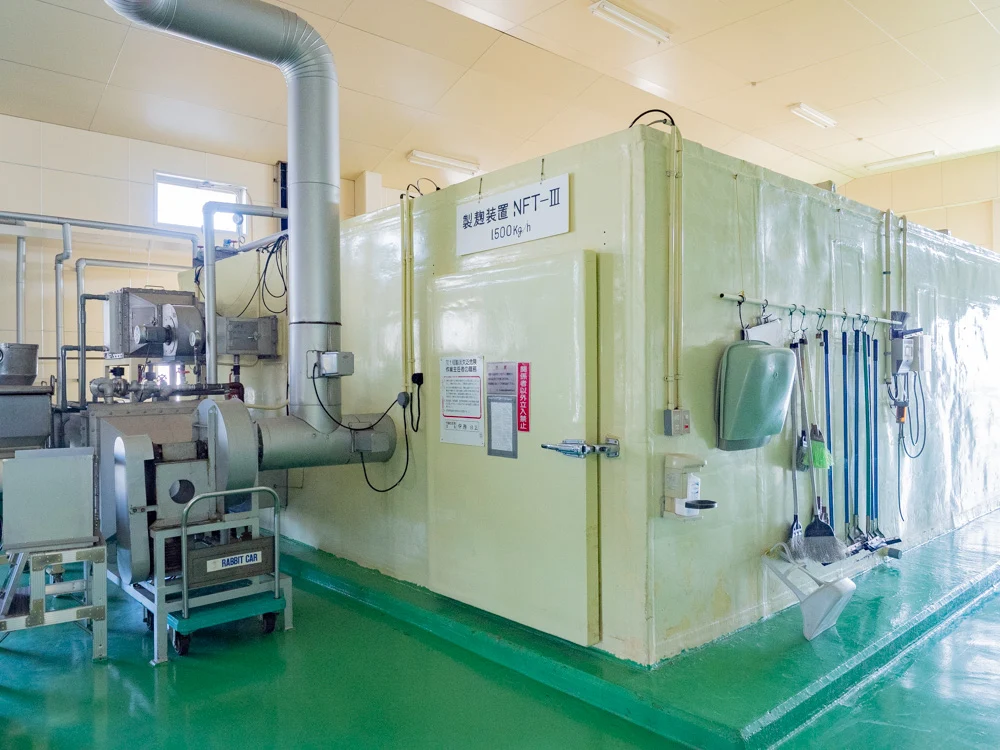
▼Inside, there is an automatic koji-making device.
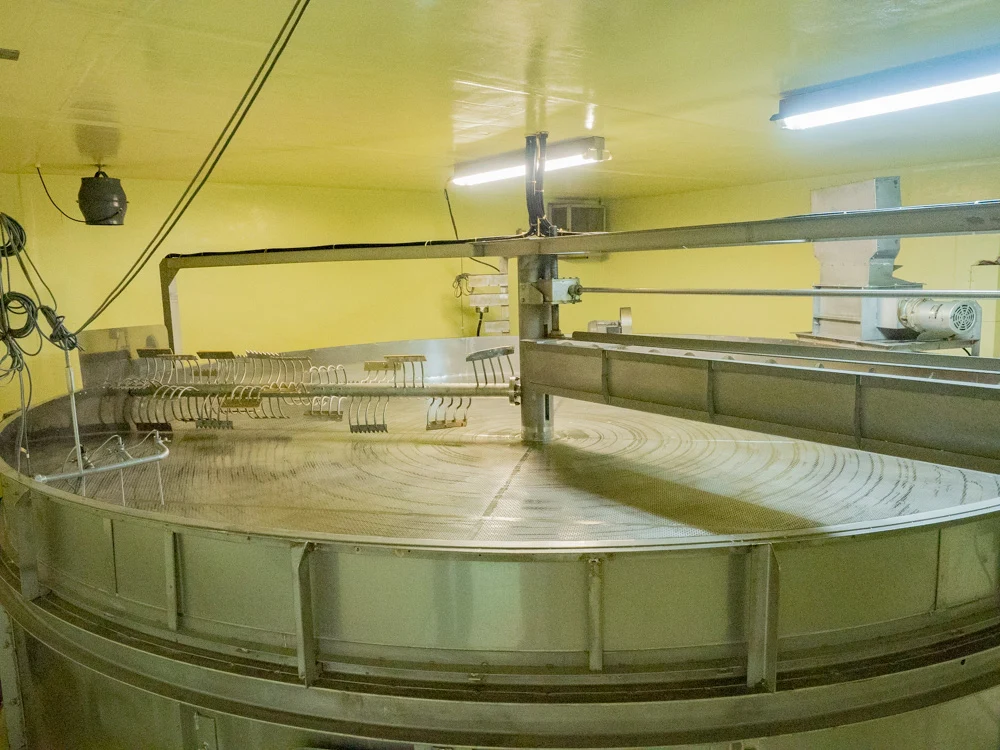
This large device produces the koji necessary for sake production.
With the introduction of the koji-making device, stable supply of high-quality koji has become possible.
▼This is the fermentation tank.
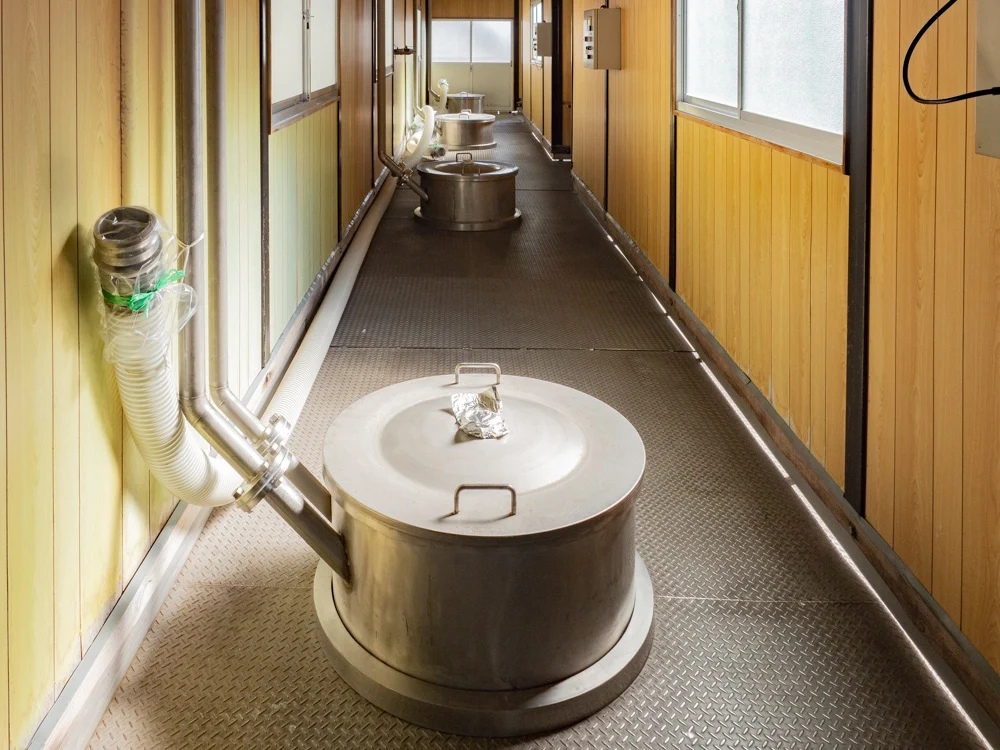
This is the top of the tank lined up next to the building that was introduced earlier.
During the interview, there was no sake inside, so I was allowed to open the lid and take a look inside.
▼Inside, you can see a large stirring machine (kakuhanki).
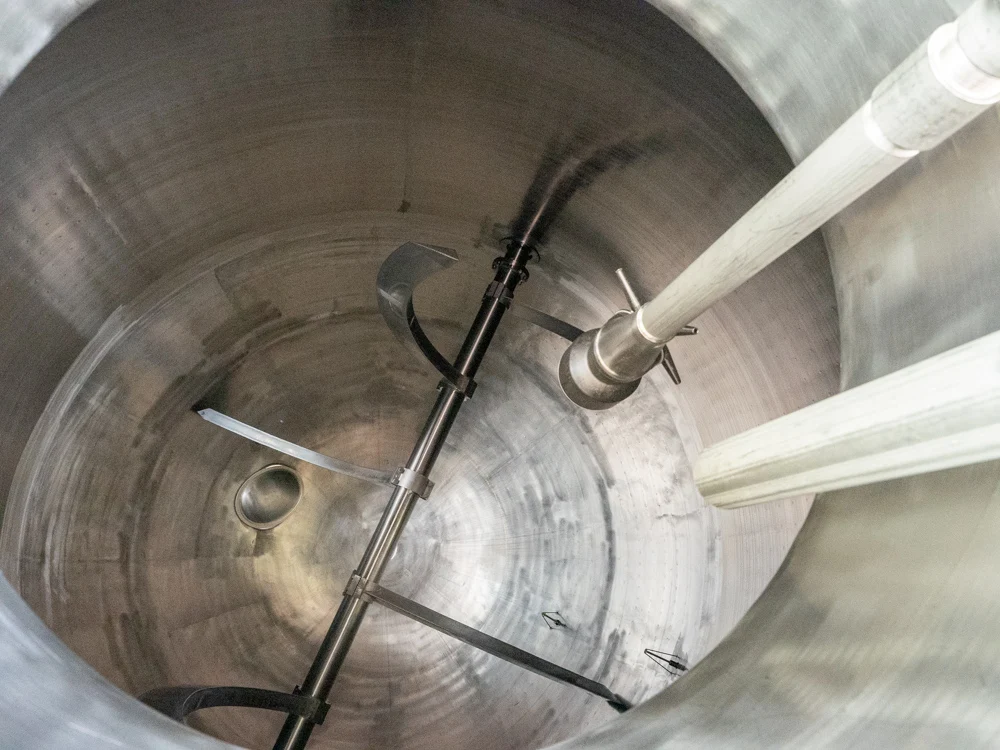
This tank holds about 45,000 liters of sake!
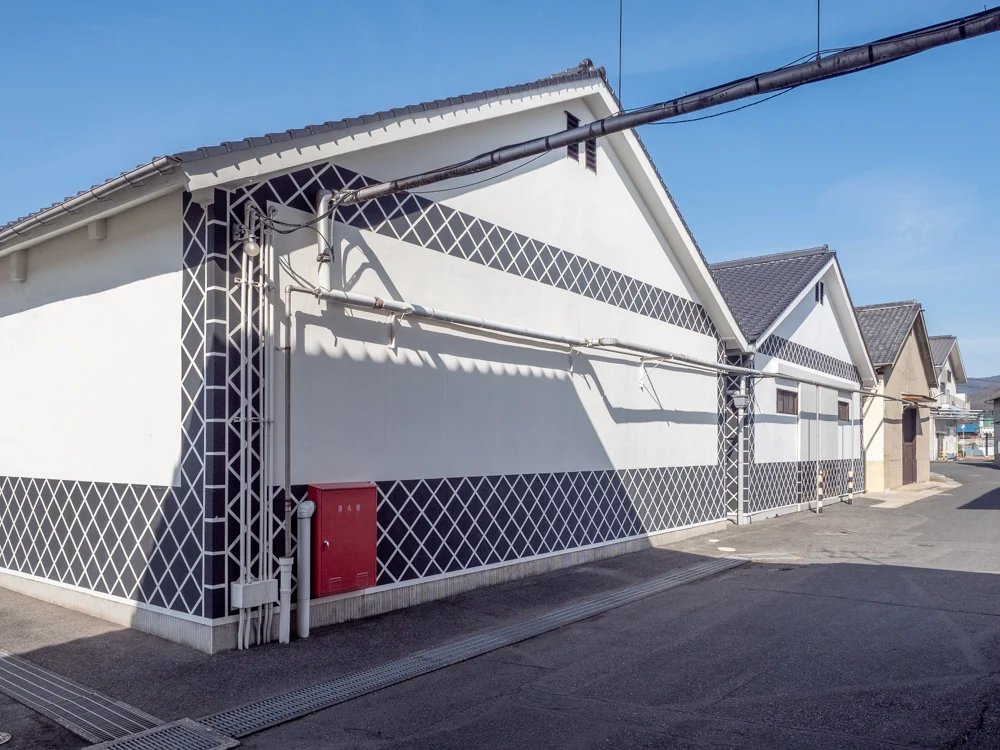
Hiraki Sake Brewery has a brewery equipped with the latest facilities.
However, some of their sake is made using traditional methods.
You can also see part of the traditional brewery.
▼ Sake rice is steamed in a large koshiki.
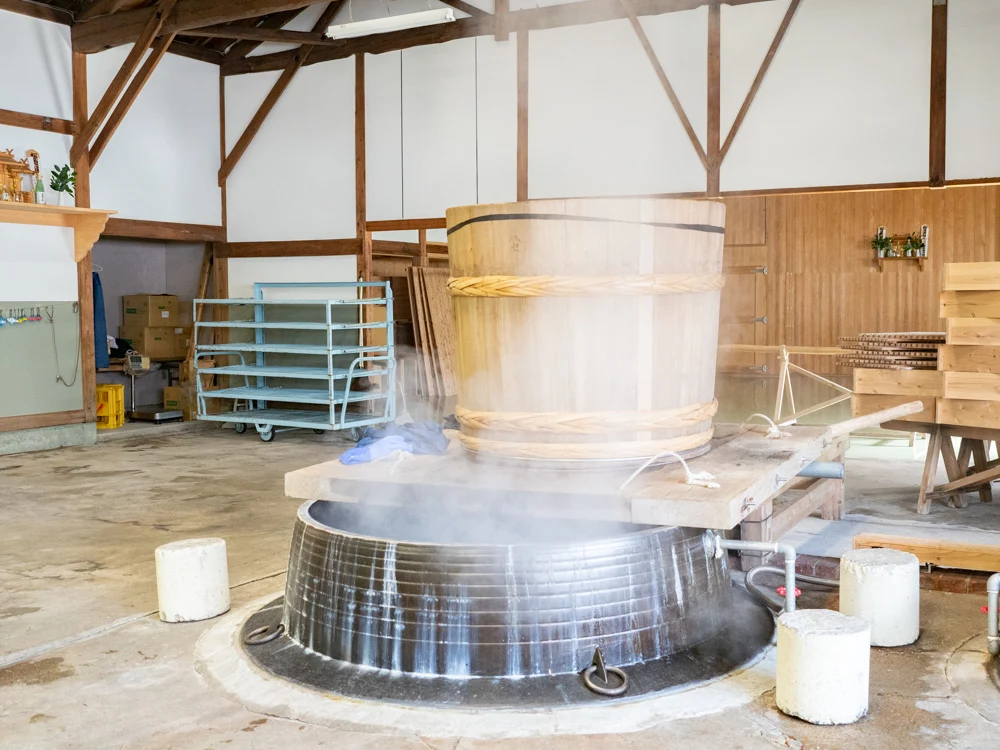
Steam was rising up in clouds.
▼ Sake is made in this large kioke.
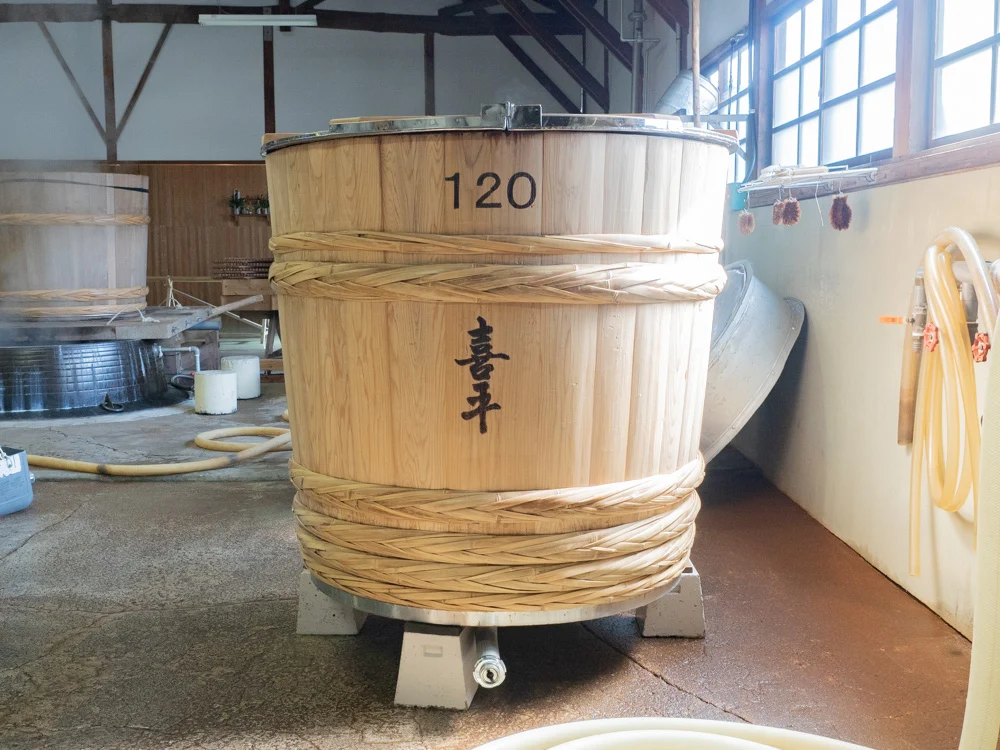
In the past, many wooden tools were used in sake making.
There are unique advantages to using wood!
▼ This is the space where the steamed rice is spread out to cool.
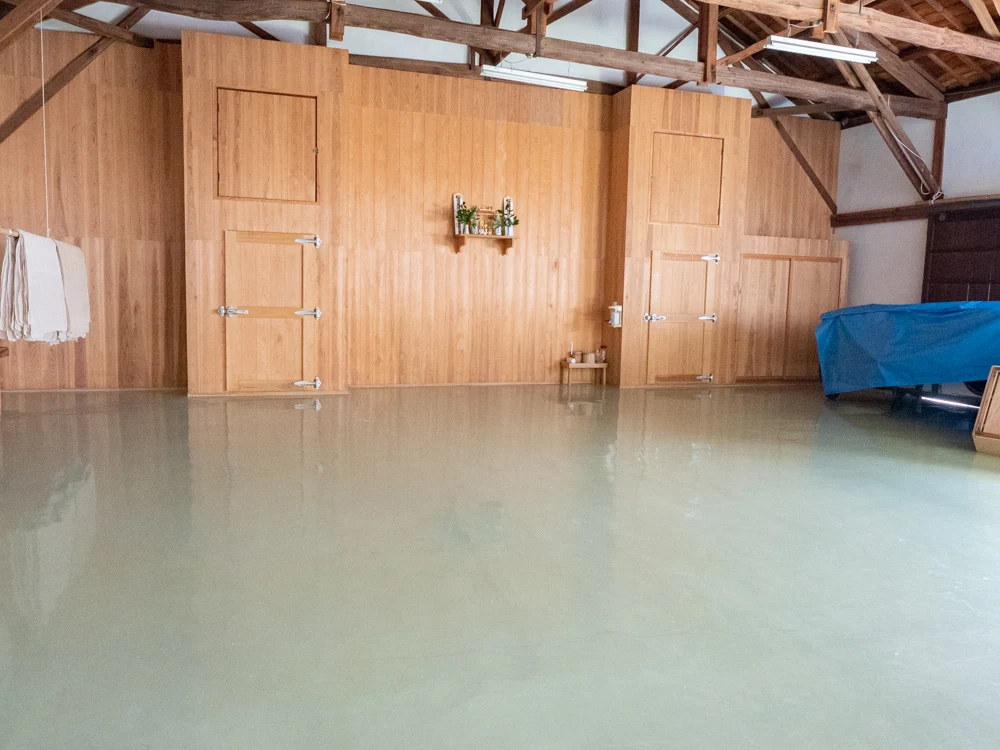
The room you see in the back is the muro.
Temperature-controlled rice is placed in the muro for koji making.
▼ This tank can store at 0 degrees even in summer.
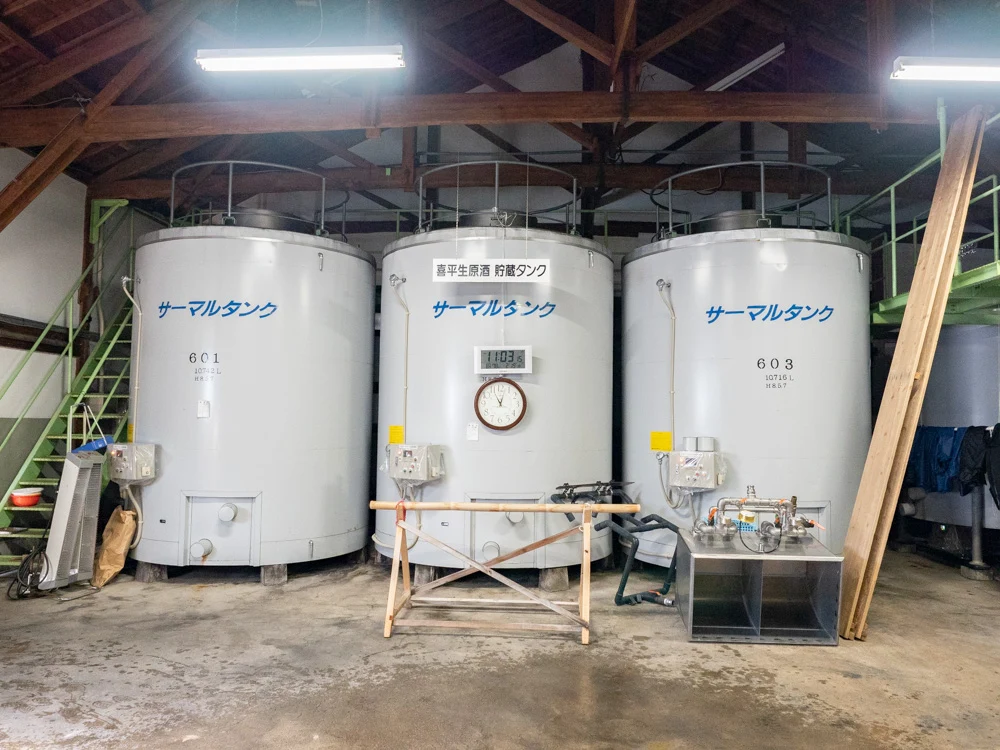
The sake brewing process is the same, but it is interesting to compare the modern brewery with the traditional one.
I learned a lot about the difficulties of traditional sake making and the innovations that have overcome them in modern sake brewing.
Brewery Tours Available
Hiraki Sake Brewery accepts brewery tours at any time.
It is possible for one person to join.
Depending on the situation, tastings may also be available.
Please be sure to call Hiraki Sake Brewery to make a reservation at this number.
The available hours for reservations are Monday to Friday from 8 AM to 5 PM.
Please note that there may be times when tours are not possible due to the brewery's circumstances.
Sometimes young women come to tour alone.
Please feel free to contact us!
The New Sake Festival "Kihei Sake Brewery Open Day" is Held Every March (Cancelled in 2020)
Hiraki Sake Brewery holds a New Sake Festival on its premises every March.
However, it was cancelled in 2020.
The name "Kihei Sake Brewery Open Day" is unique.
Kihei Sake Brewery Open Day mainly includes the following activities.
- Brewery tours
- Tastings
- Sales of limited edition sake for Kihei Sake Brewery Open Day
- Sales of regular products
- Sales of Daiginjo sake lees
- Sales of Kihei merchandise
- Amazake
- Stalls from shops in Asakuchi City
It offers a wide range of activities that can be enjoyed by both adults and children.
Recommended Brands and Types from Hiraki Sake Brewery
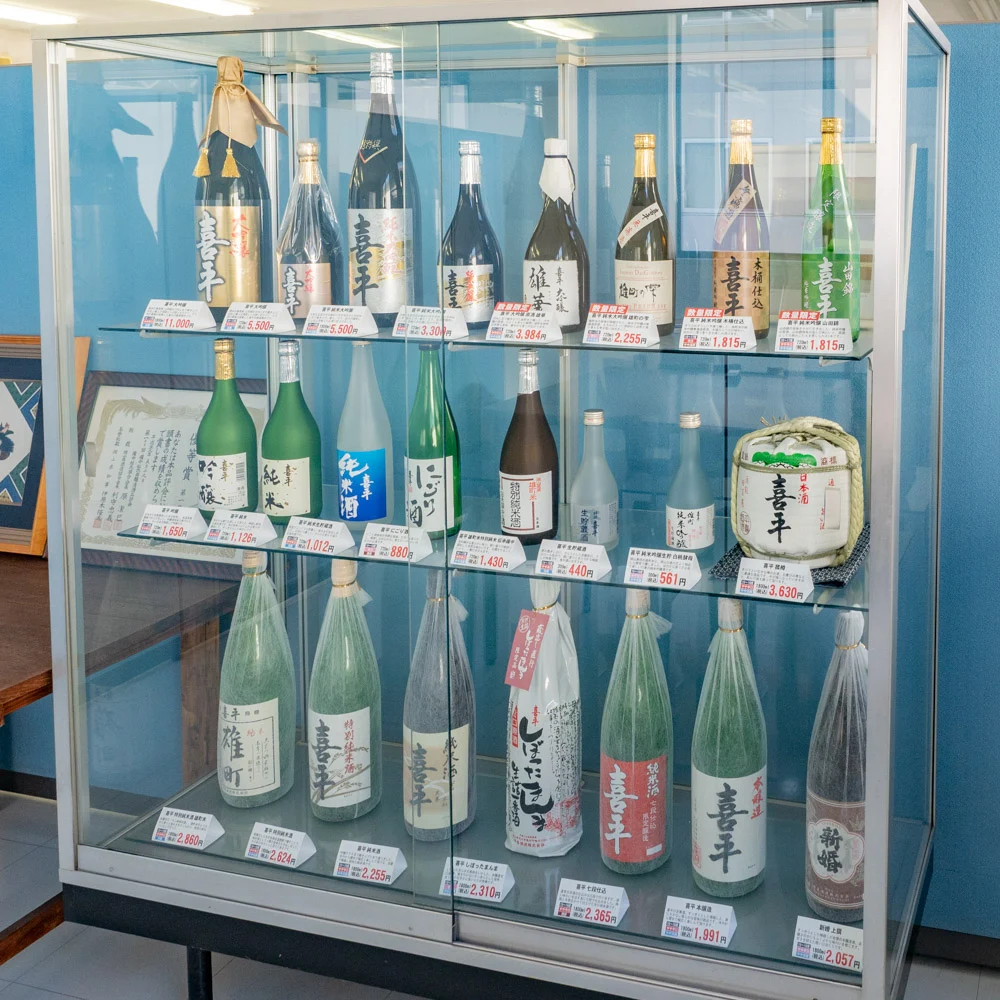
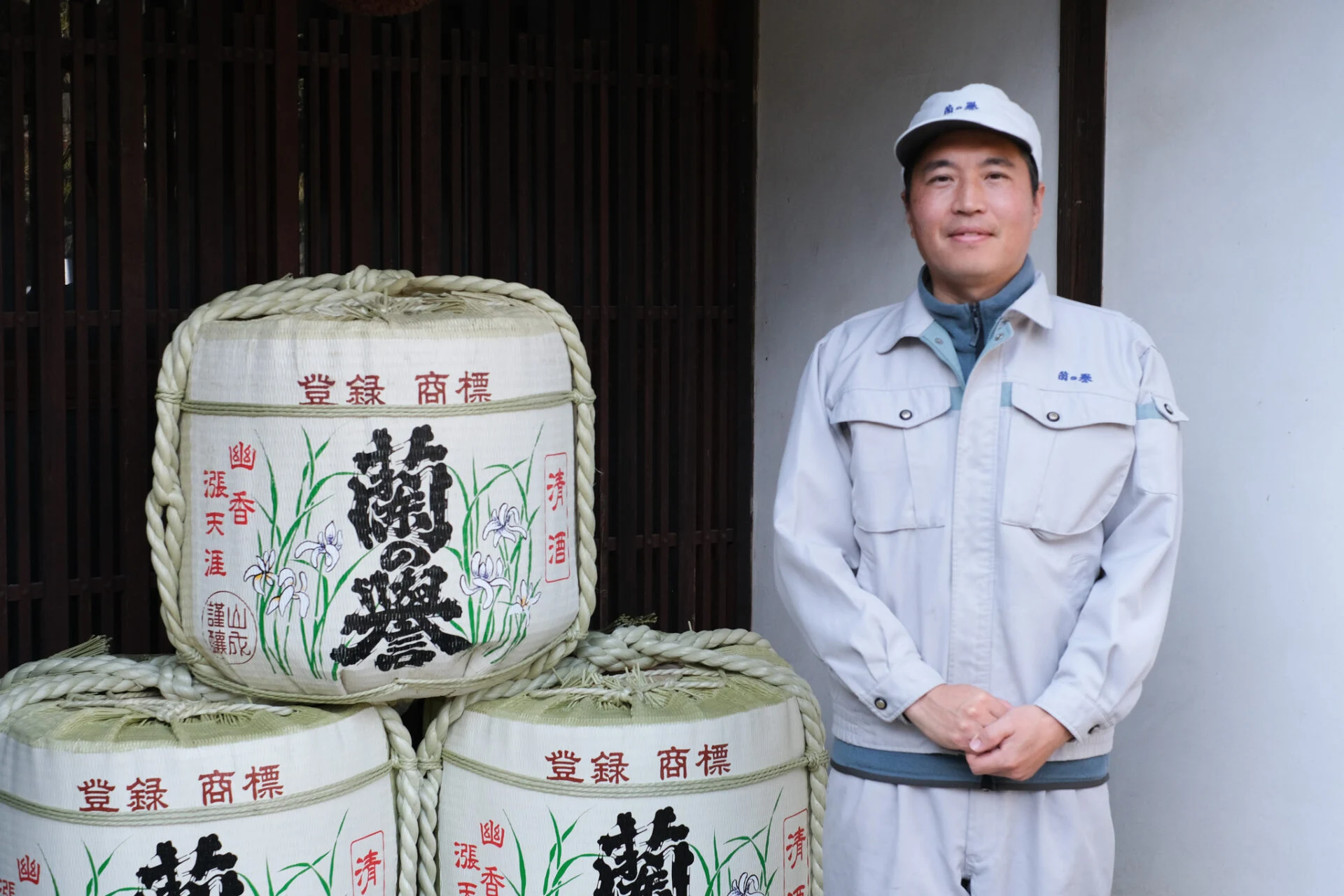
Mr. Masashi Honjo from Hiraki Sake Brewery introduced the recommended and popular brands and types.
Information as of 2020. Prices include tax.
For terms related to sake, please refer to the explanation on Sake Media.
“Kihei” Honjozo
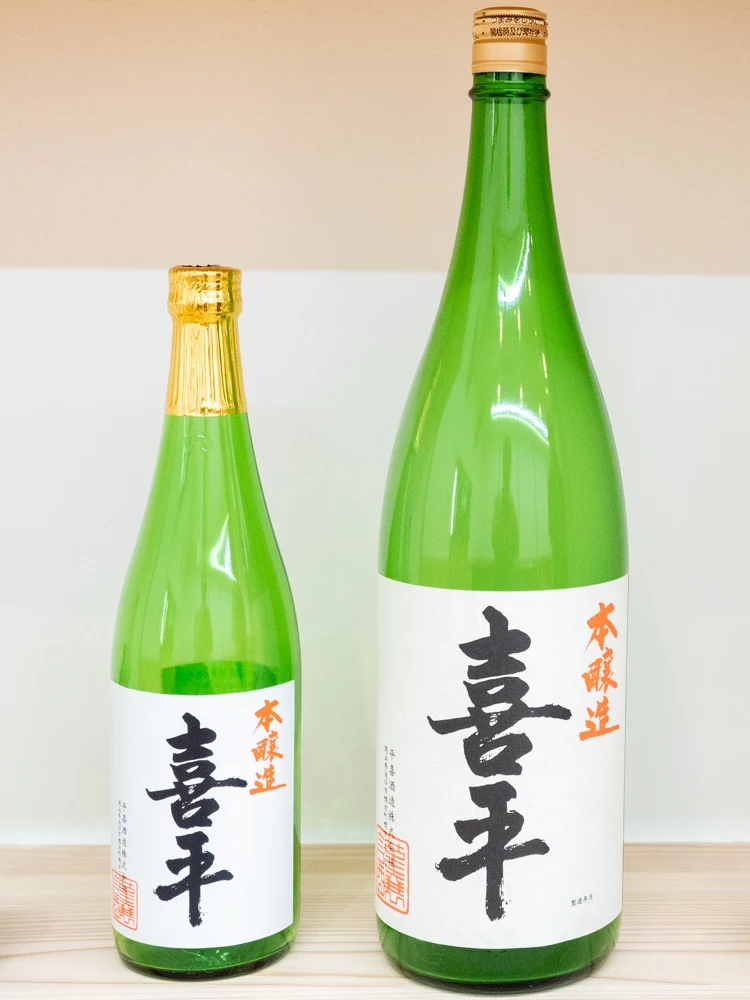
“Kihei” is a brand that can be said to be synonymous with Hiraki Sake Brewery.
There are many varieties of Kihei.
Among them, the most standard is Kihei Honjozo.
This is the sake shown on the right side of the rooftop advertisement south of JR Kurashiki Station.
It is often seen in liquor stores, and I have also had the chance to drink it.
The availability of a lightweight and compact paper pack is also a point.
Kihei Honjozo is slightly dry, with a refreshing and easy-to-drink flavor.
Enjoy it chilled or warmed!
| Volume | Price (tax included) |
|---|---|
| 1,800ml | 1,991 yen |
| 720ml | 800 yen |
| 300ml | 418 yen |
| 1,800ml (paper pack) | 1,991 yen |
| 900ml (paper pack) | 1,001 yen |
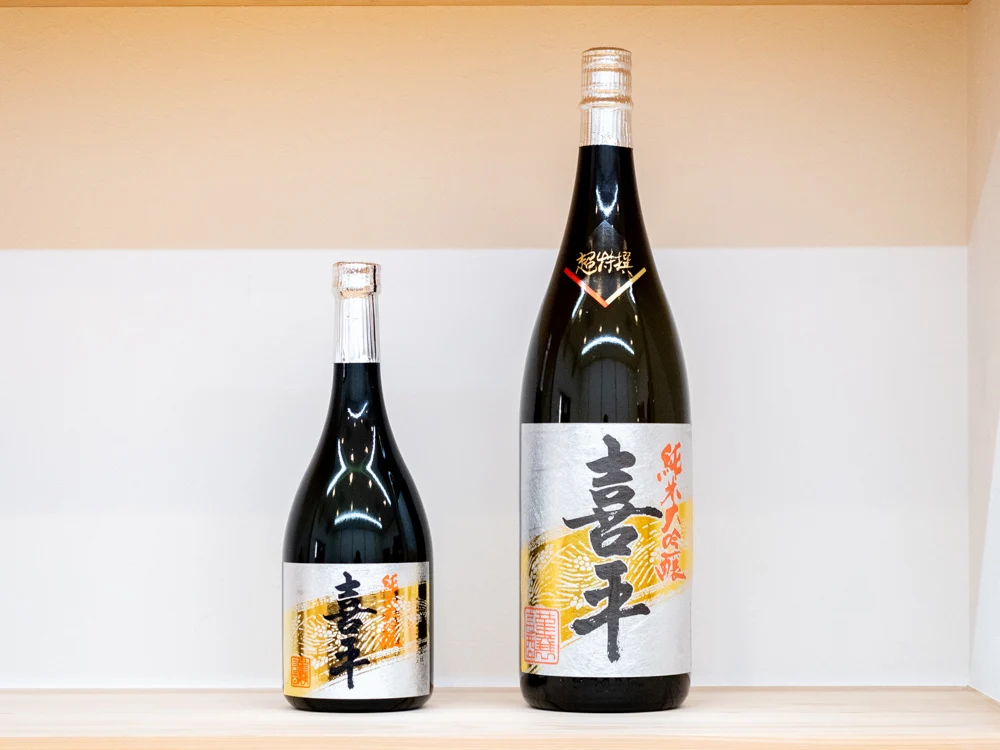
“Kihei” Daiginjo (Super Premium)
Kihei Daiginjo (Super Premium) is a higher-grade type among Kihei.
The rice used as the raw material is Yamada Nishiki, considered the best sake rice.
It is polished down to 35%, using only the best part of the center of Yamada Nishiki.
This is the masterpiece of Kihei!
| Volume | Price (tax included) |
|---|---|
| 1,800ml | 11,000 yen |
| 720ml | 5,500 yen |
“Kihei” Junmai Daiginjo (Super Premium)
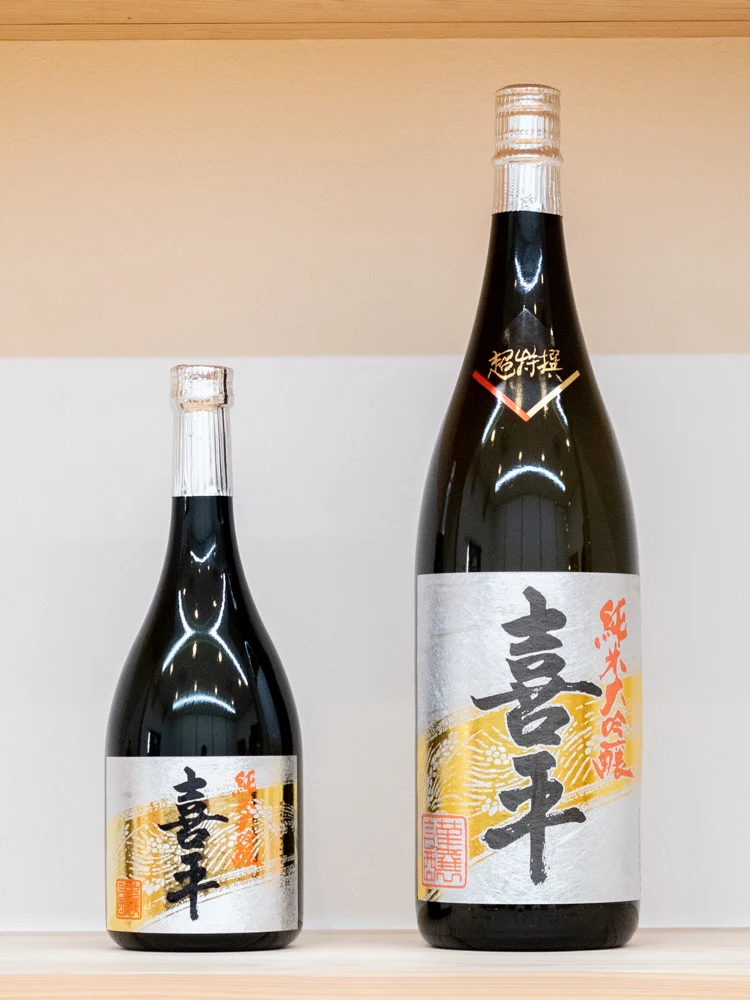
Kihei Junmai Daiginjo (Super Premium) is brewed using the rice variety Gohyakumangoku for sake making.
This is the sake shown on the left side of the rooftop advertisement south of JR Kurashiki Station.
Gohyakumangoku is a rice variety that is widely cultivated in the Hokuriku region, but for Kihei Junmai Daiginjo (Super Premium), Gohyakumangoku from Niigata Prefecture is used.
It is polished to use only the best part of the center of the rice.
Furthermore, it is a Junmai Daiginjo sake made only with rice, water, and koji.
Hiraki Sake Brewery once had a Echigo Toji from Niigata Prefecture who brewed sake.
The Kihei Junmai Daiginjo (Super Premium) was created by the Echigo Toji using a rice variety representative of his hometown.
Kihei Junmai Daiginjo (Super Premium) features a slightly dry, crisp flavor and a fruity aroma, making it a refined sake.
It is also very popular among women.
| Volume | Price (tax included) |
|---|---|
| 1,800ml | 5,500 yen |
| 720ml | 3,300 yen |
“Kihei” Junmai Ginjo Wood Barrel Brewed
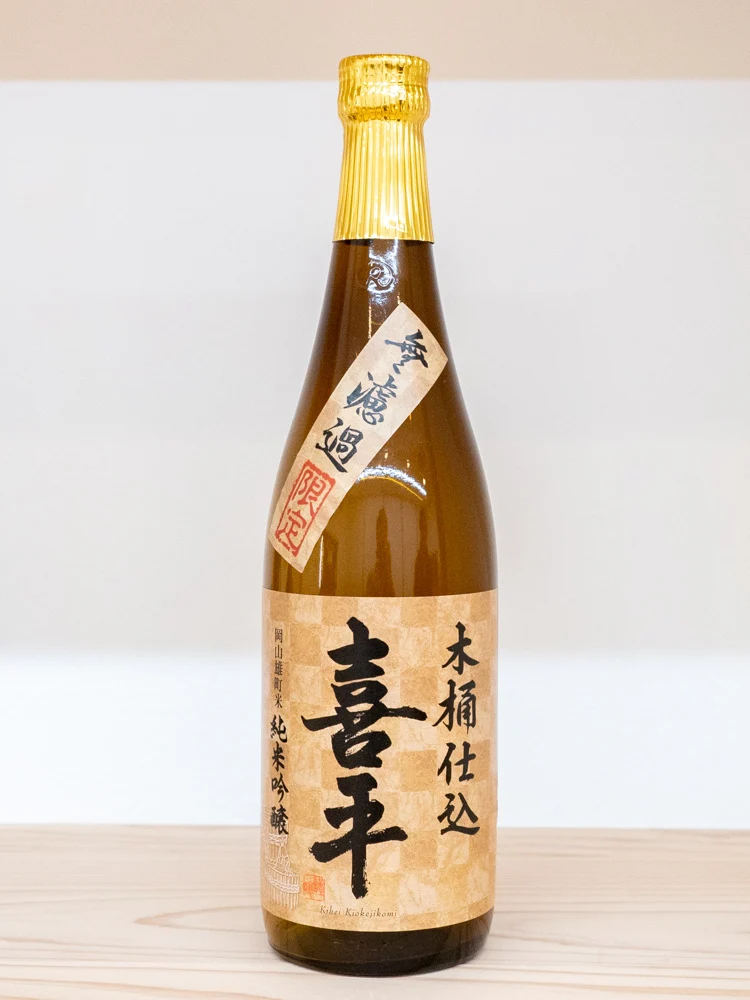
Kihei Junmai Ginjo Wood Barrel Brewed is sake made using traditional methods.
The use of wood barrels is intentional to bring out the mellow flavor unique to wood barrels and the subtle aroma of the wood.
The rice used is also carefully selected, using Omachi, a sake rice originating from Okayama.
Since it is sake in its pure form without any additives, you can enjoy its unique flavor.
This is a carefully crafted masterpiece from Hiraki Sake Brewery!
| Volume | Price (tax included) |
|---|---|
| 1,800ml | 3,575 yen |
| 720ml | 1,815 yen |
“Kihei” Junmai Sake Seven-Stage Brewed
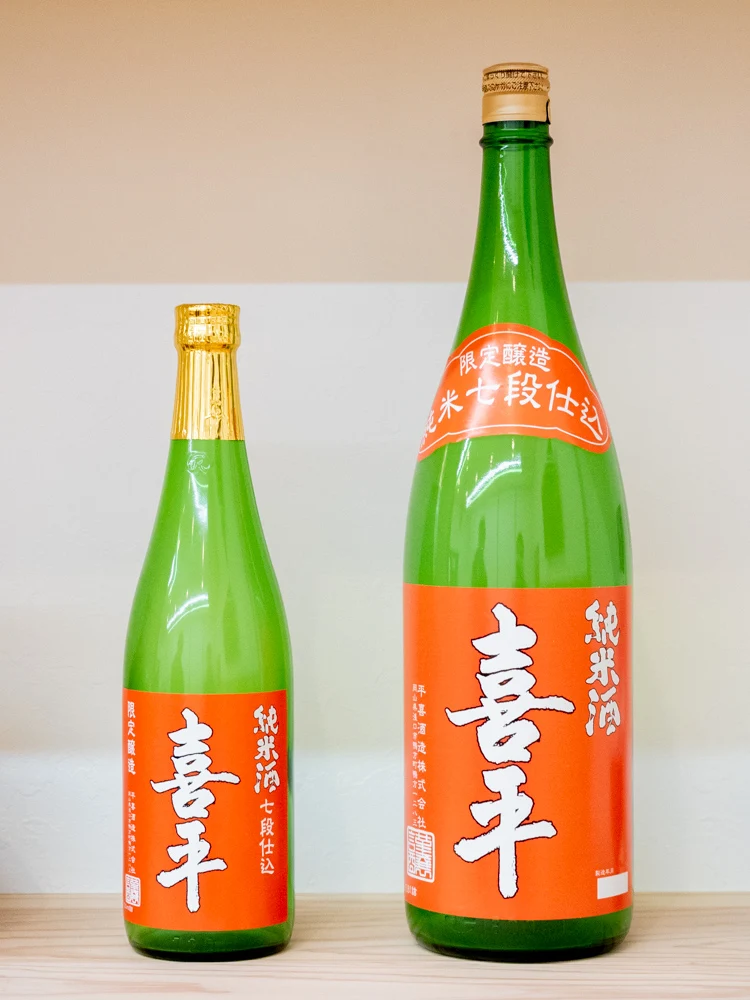
Kihei Junmai Sake Seven-Stage Brewed is sake made with great care and time.
Typically, the brewing of sake is done in three stages.
On the other hand, Kihira Junmai Sake Nanadankomi is, as the name suggests, a sake brewed in seven stages.
Taking time slowly, the umami of the rice is thoroughly and steadily extracted.
When you drink it, you can enjoy the mellow and deep flavor of the rice and its richness.
Kihira Junmai Sake Nanadankomi is perfect for warming!
| Volume | Price (tax included) |
|---|---|
| 1,800ml | 2,365 yen |
| 720ml | 1,089 yen |
Kihira Tokubetsu Honjozo Namagenshu
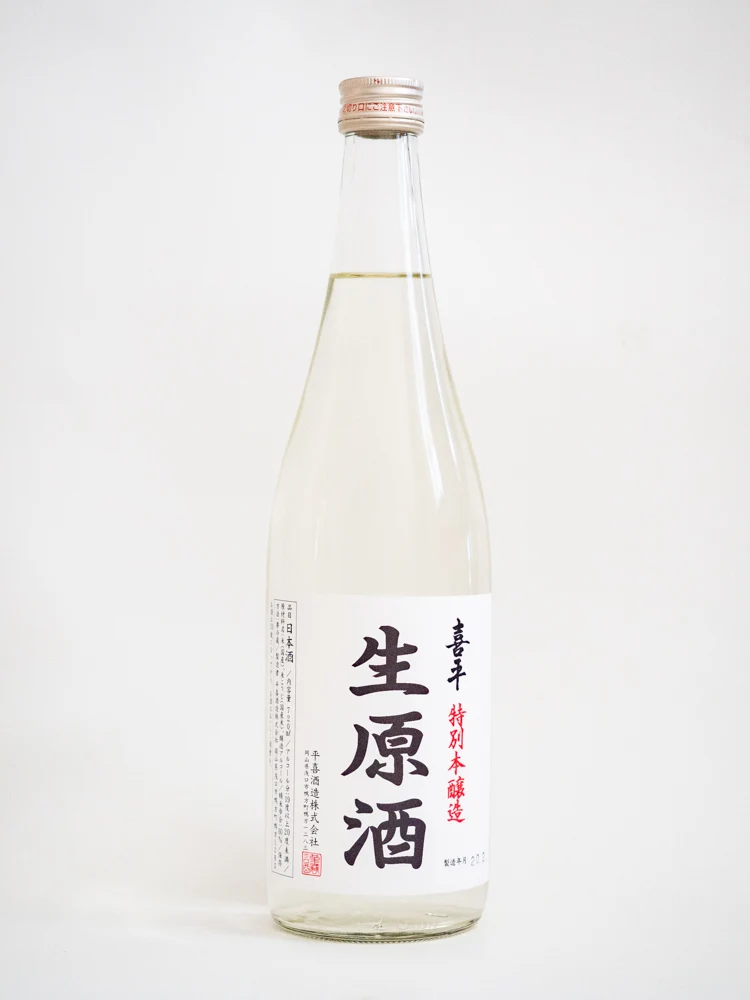
Kihira Tokubetsu Honjozo Namagenshu is freshly pressed raw sake that has been aged at low temperatures and bottled directly from the tank.
Moreover, since it is raw, it has not undergone heat treatment, and as it is raw sake, it has not been diluted with water.
Therefore, you can enjoy its fresh aroma and flavor.
This is a fresh and crisp sake that will change your image of sake, so I highly recommend it!
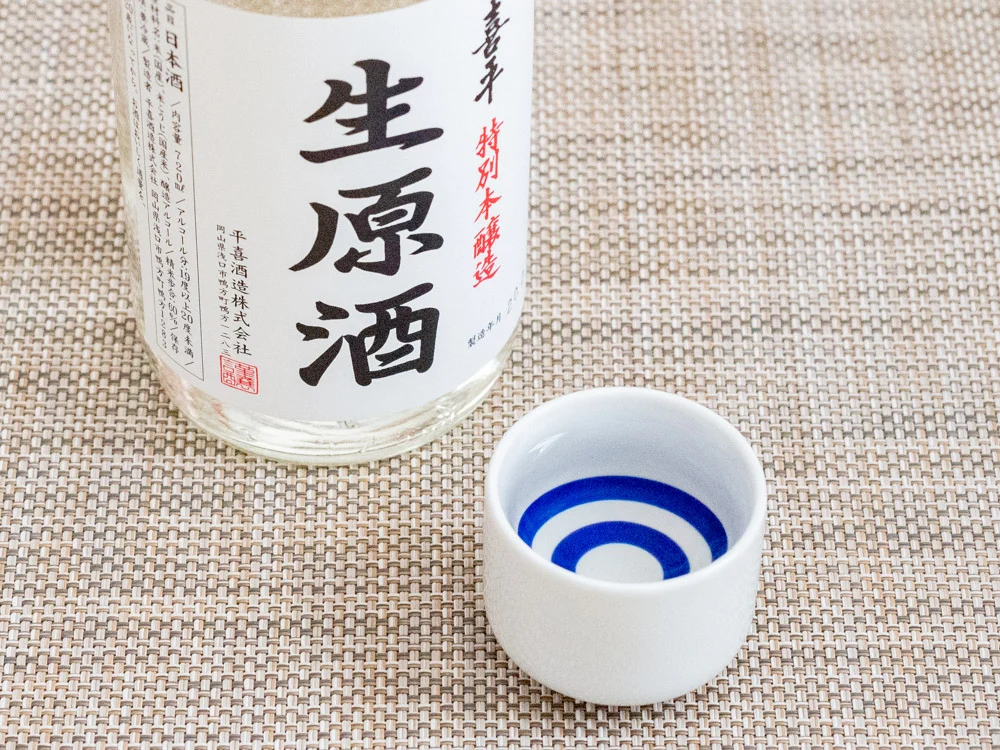
When you drink it, the strong flavor unique to raw sake and its rich taste spread in your mouth.
It is delicious when chilled.
Even on the rocks (drinking with ice), it can be enjoyed smoothly!
| Volume | Price (tax included) |
|---|---|
| 720ml | 1,155 yen |
| 300ml | 528 yen |
Shinkon Josen Honjozo
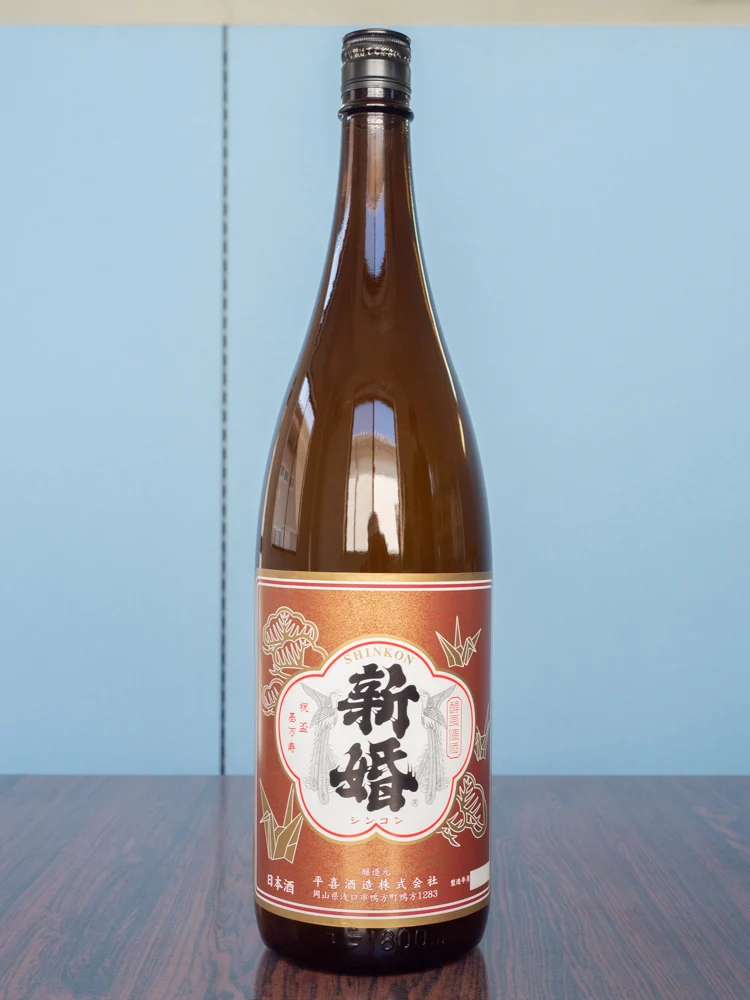
In fact, the "Shinkon" brand has a longer history than "Kihira".
It is said to be served often on special occasions, especially at wedding receptions, due to its auspicious name.
Shinkon is characterized by its slightly sweet flavor.
Shinkon Josen Honjozo is a well-balanced slightly sweet sake that is refreshing yet has a rich flavor.
| Volume | Price (tax included) |
|---|---|
| 1,800ml | 2,057 yen |
Shogun Shusaku
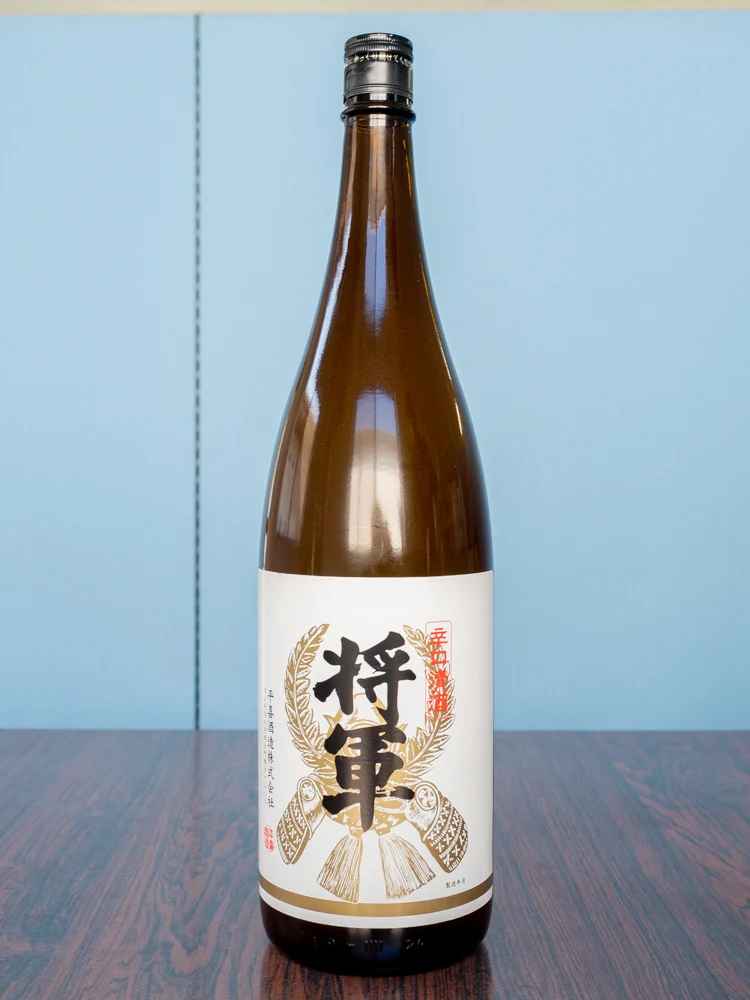
The "Shogun" brand also has an older history than Kihira.
While Shinkon is sweet, Shogun is a dry sake.
With a crisp flavor unique to dry sake, it is a smooth-drinking sake.
| Volume | Price (tax included) |
|---|---|
| 1,800ml | 1,799 yen |
| 1,800ml (paper pack) | 1,740 yen |
One of the well-known sakes in Okayama Prefecture is "Kihira".
We interviewed Masashi Honjo, the sales manager of Hiraki Sake Brewery, which creates attractive sake while utilizing the latest equipment.
Data of Hiraki Sake Brewery Co., Ltd.
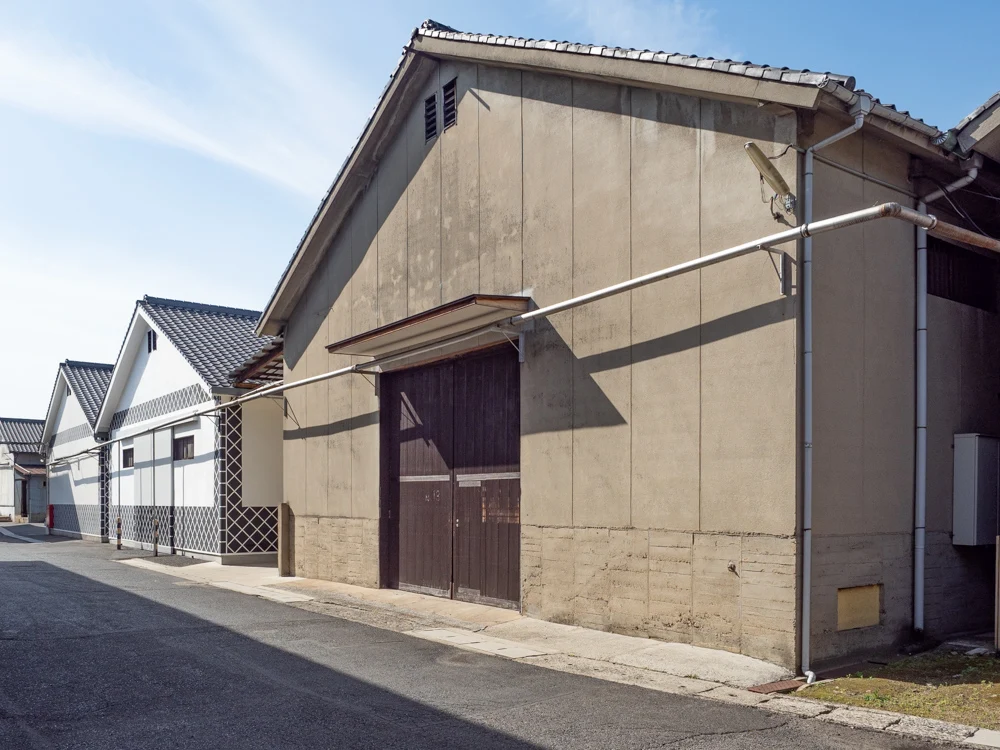
| Organization Name | Hiraki Sake Brewery Co., Ltd. |
|---|---|
| Industry | Food manufacturing and sales (alcoholic beverages) |
| Representative Name | Totsuka Atsuo |
| Year Established | Founded: 1928 (Showa 3), Origin: Early Meiji period |
| Address | 1283 Kamogata-cho, Asakuchi City, Okayama Prefecture |
| Contact | 0865-44-2122 |
| Website | Kihira Hiraki Sake Brewery Co., Ltd. Okayama Sake |




This tank can hold about 30,000 bottles of sake, each 1,800 milliliters!!