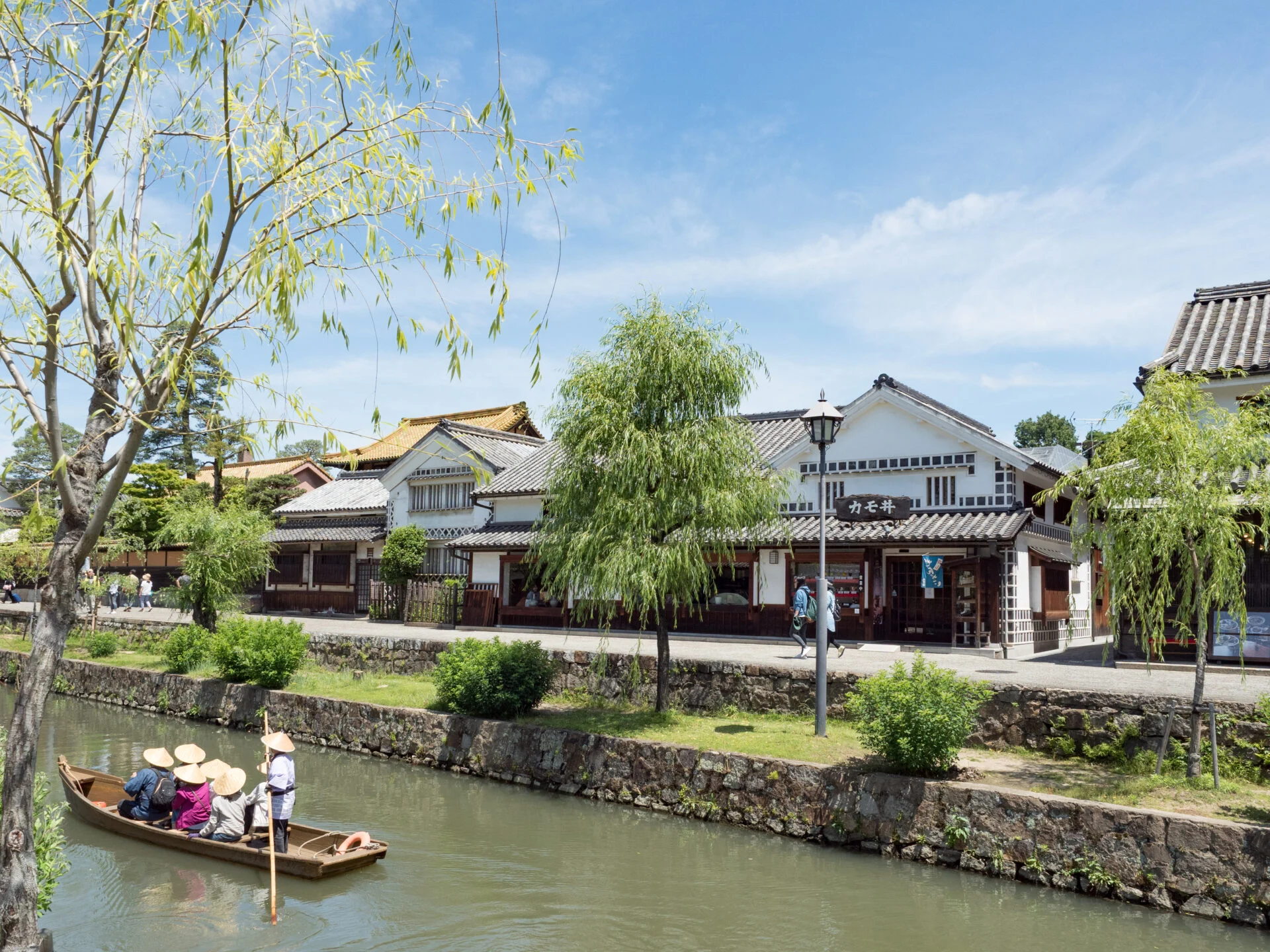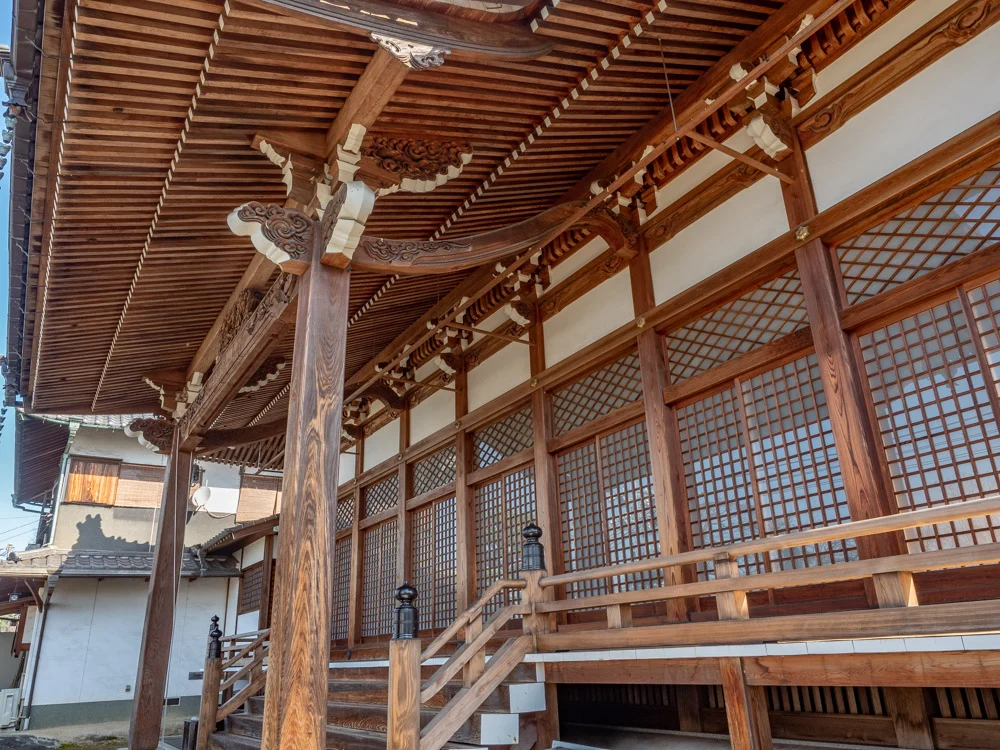
About 500 meters south of the Bikan Historical Area.
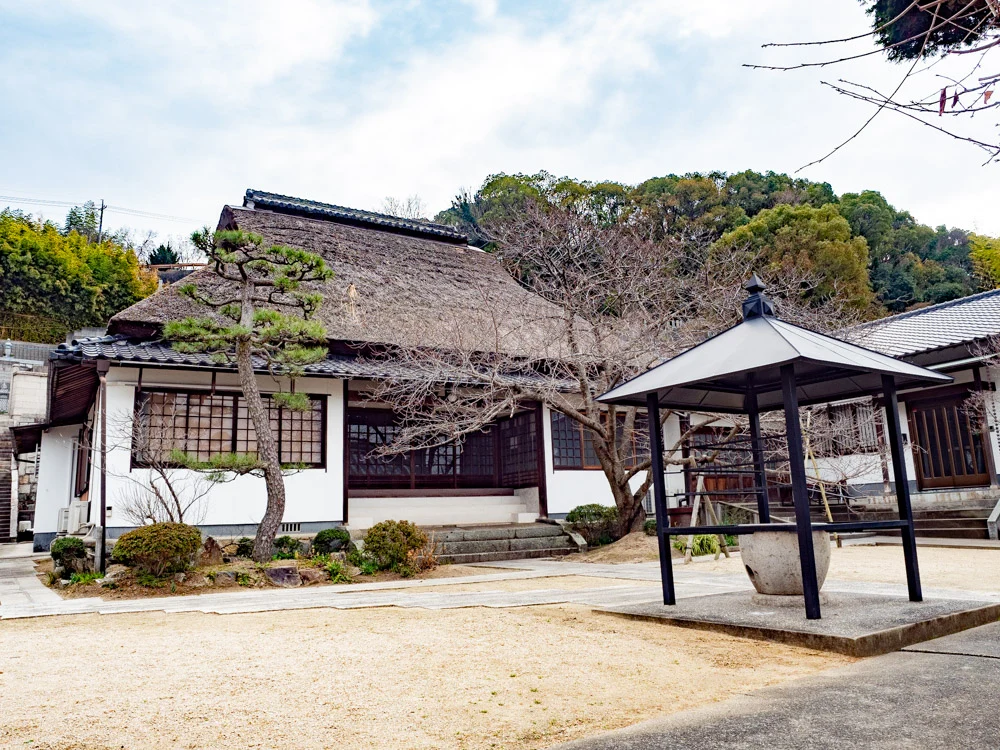
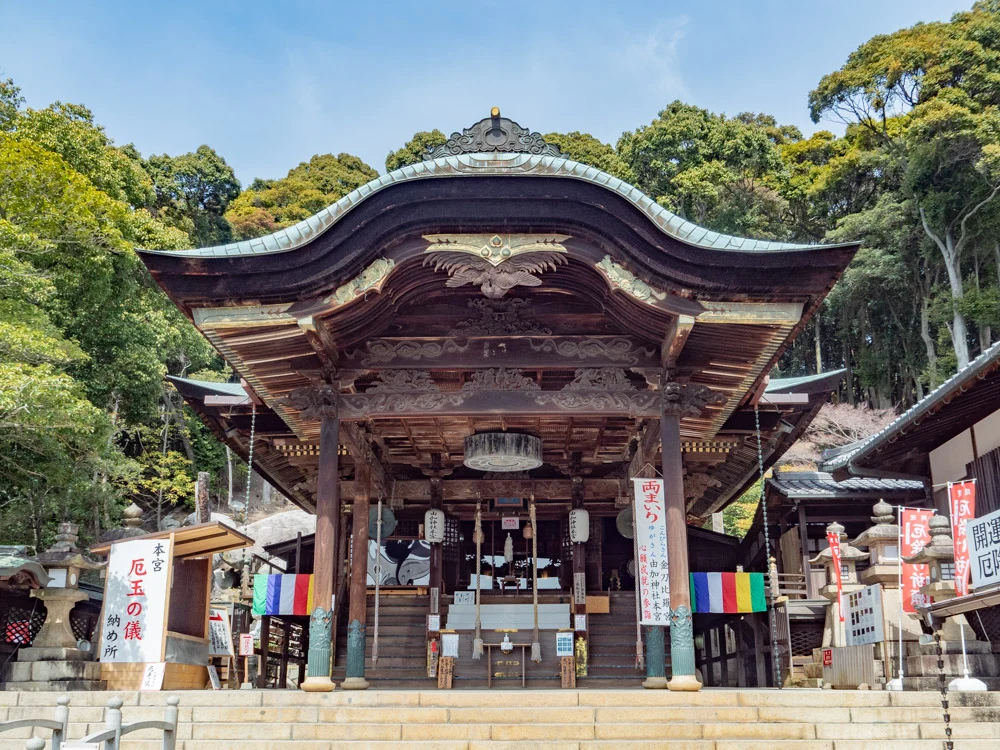
On a high ground, there is a temple called Chorenji Temple.
It is located in a place where you might wonder, "Is there a temple here?" but it is actually a historic temple that has been around since the Muromachi period.
Within the temple grounds, there are notable sites such as a well associated with the Bitchu governor and tea master Kobori Enshu and historical sites related to Morita Sessai, who dedicated himself to education in Kurashiki during the late Edo period.
Let me introduce you to the hidden gem of the Bikan Historical Area, Chorenji Temple.
Chorenji Temple is an old temple founded in the mid-Muromachi period
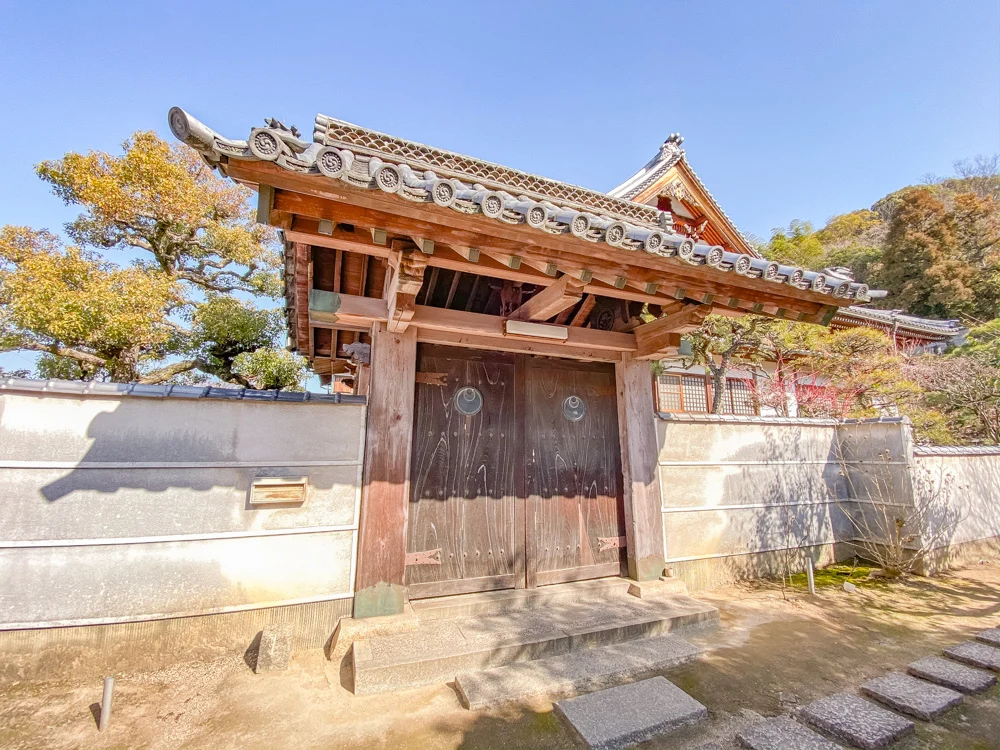
Chorenji Temple is a Jodo Shinshu Honganji sect temple located south of the Bikan Historical Area.
▼It is situated at the northwest foot of a mountain called Mukoyama, on a high place above stone walls.
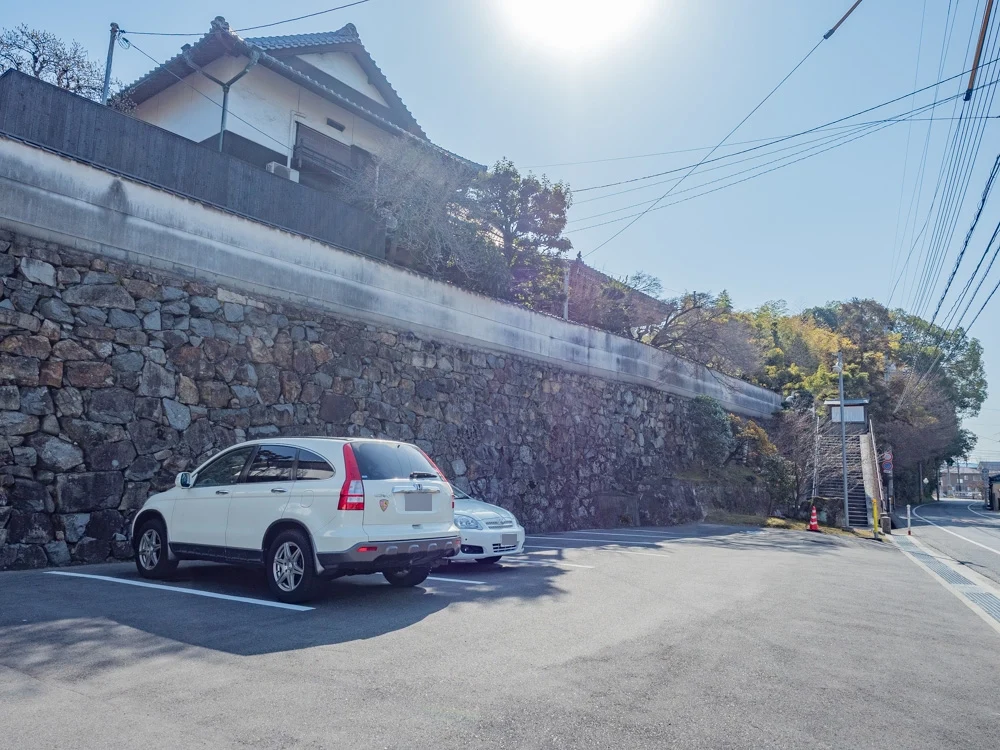
▼Therefore, you will ascend stone steps to enter the temple grounds.
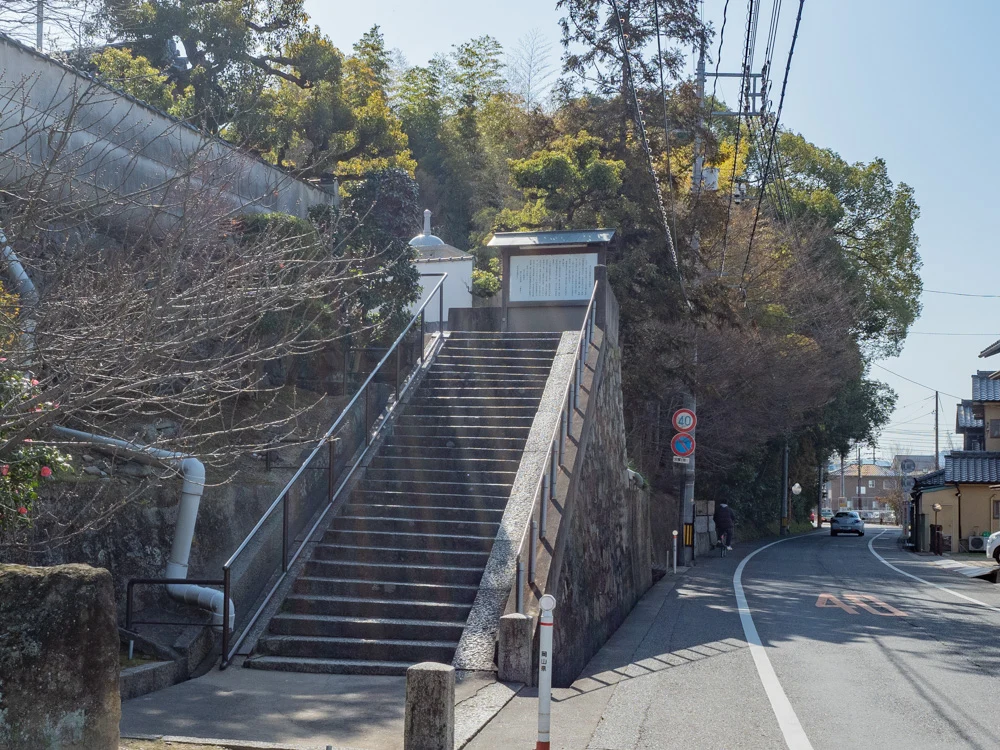
Chorenji Temple has been around since the mid-Muromachi period.
In the early Edo period, the famous tea master and samurai Kobori Enshu visited Chorenji Temple.
Highlights of Chorenji Temple
Within the grounds of Chorenji Temple, there are historically significant spots.
As I introduce below, please be mindful that all of them are located within a cemetery when visiting.
Enshu Well
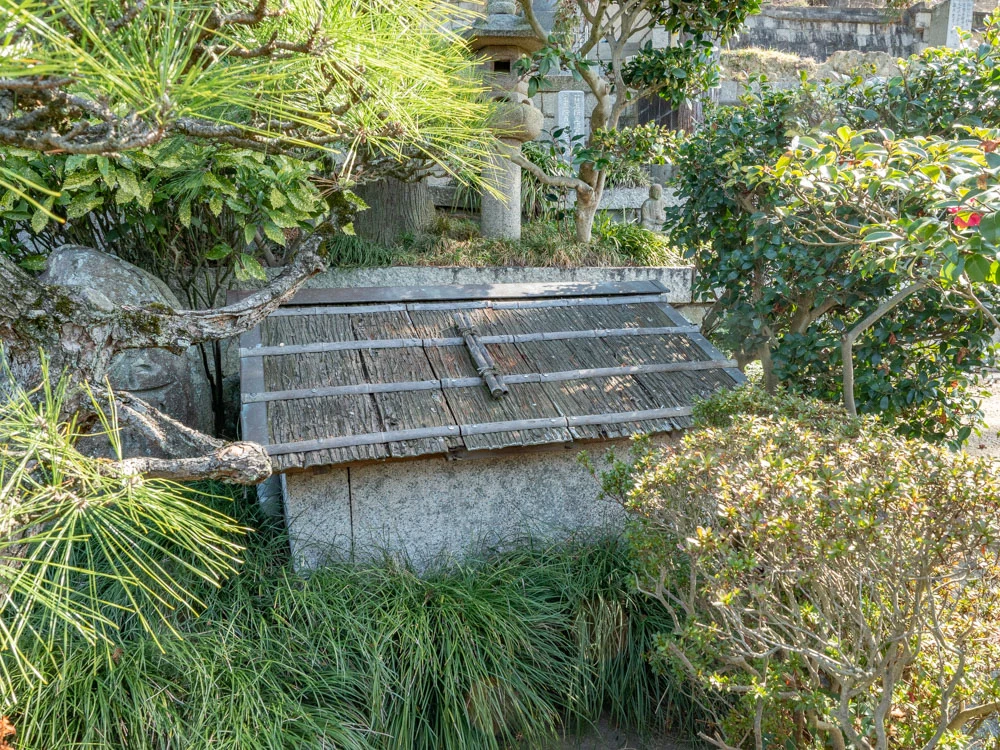
Enshu Well is a well located within the grounds of Chorenji Temple.
It is unclear when the well was dug.
It is said to have existed before Chorenji Temple was relocated to its current site.
The water is known for its high transparency and purity, and has been recognized as a famous water source since ancient times.
Even now, it is said to maintain a constant water volume throughout the year.
The name Enshu Well comes from Kobori Enshu, also known as Kobori Masaakazu.
Kobori Enshu became the governor of Bitchu, managing the Bitchu territory (directly governed by the Edo Shogunate) and became the lord of Bitchu Matsuyama Castle (now Takahashi City) in the early Edo period.
At that time, Bitchu Matsuyama Castle was also a direct territory.
Kurashiki Village (now the center of Kurashiki City) was a port used for transporting goods from the inland Matsuyama.
Additionally, Kobori Enshu was active as a samurai and tea master.
It is said that when he visited Kurashiki, he always used the water from Enshu Well to prepare tea in the morning and evening.
Since it was a well favored by Kobori Enshu, it came to be called Enshu Well.
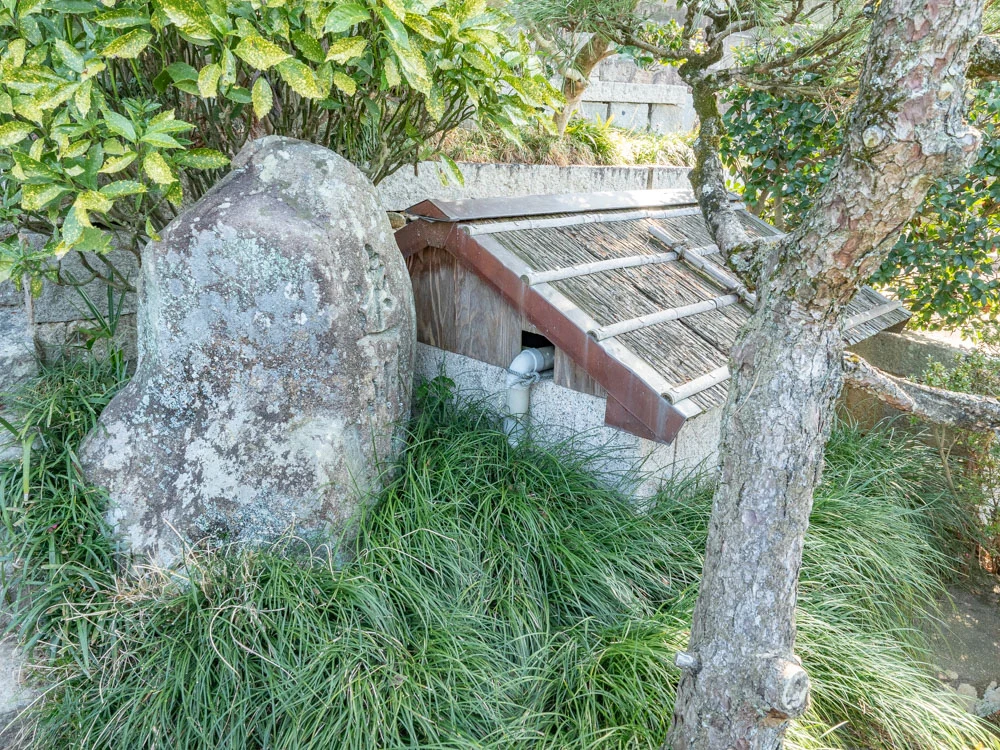
▼Usually, it is covered, and you cannot see inside the well.
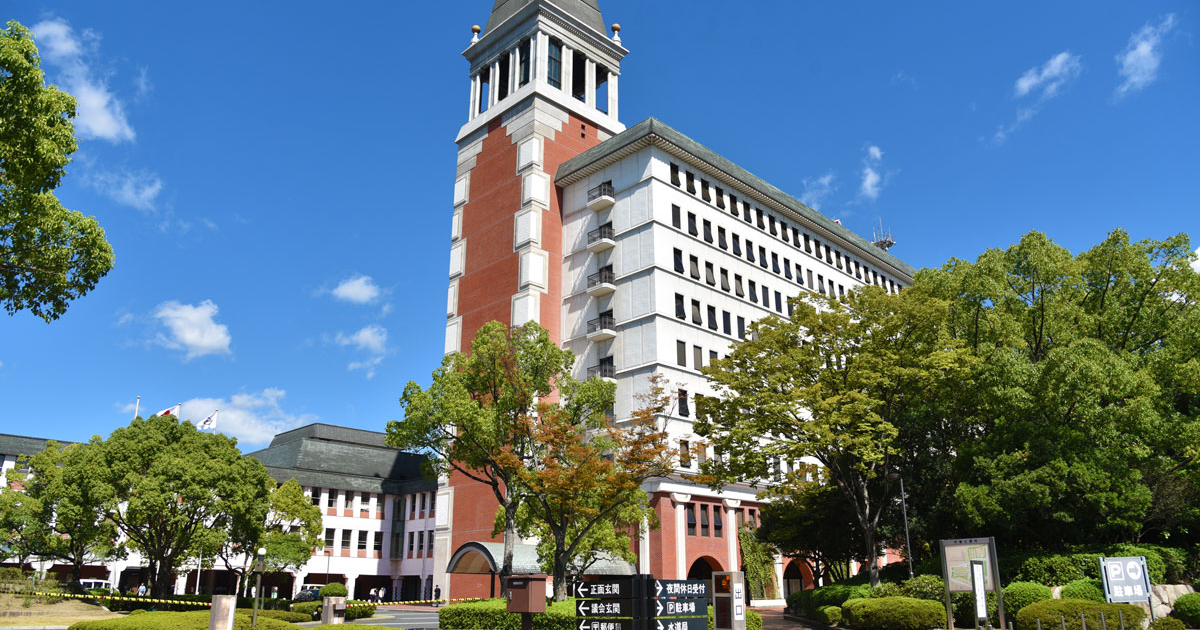
Additionally, on the official website of Kurashiki City, there are photos of the inside of the well.
Location and Access to Enshu Well
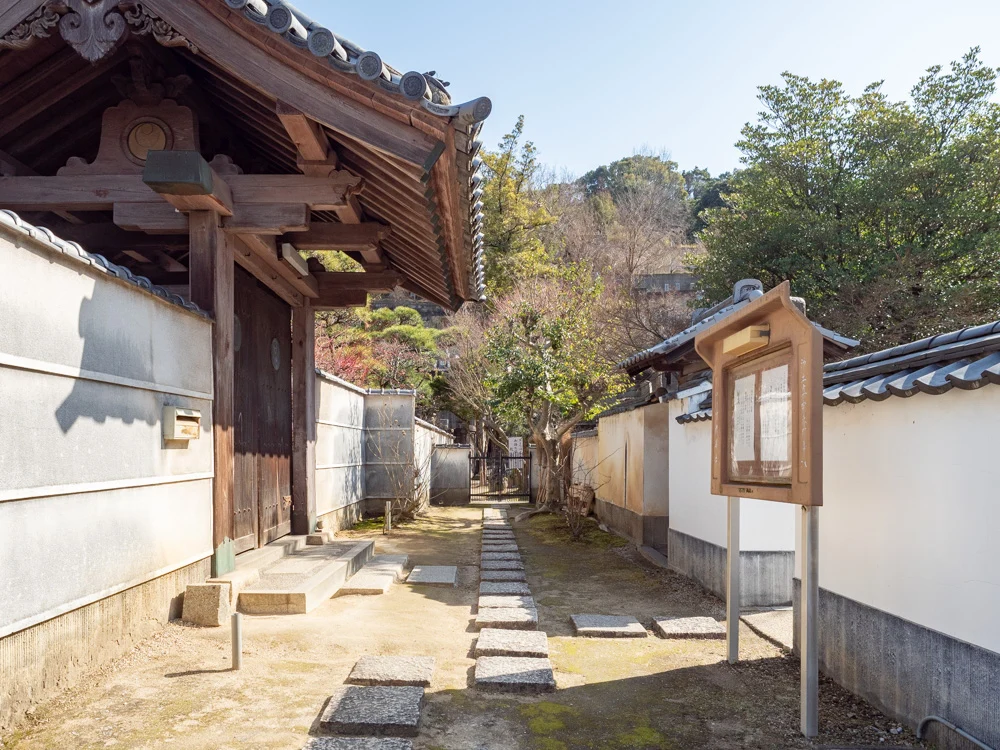
▼After climbing the stone steps and entering the temple grounds, go straight in front of the Sanmon Gate to find the entrance to the cemetery.
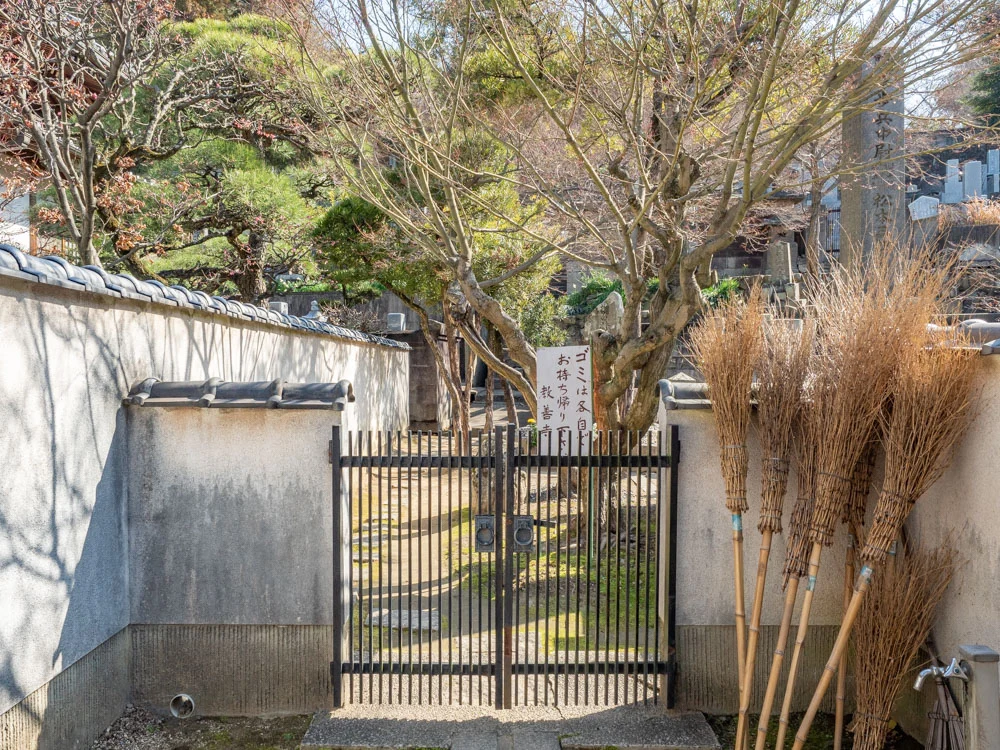
▼Open the gate and enter the cemetery, then go straight ahead.
▼You will see stone steps, so go up.
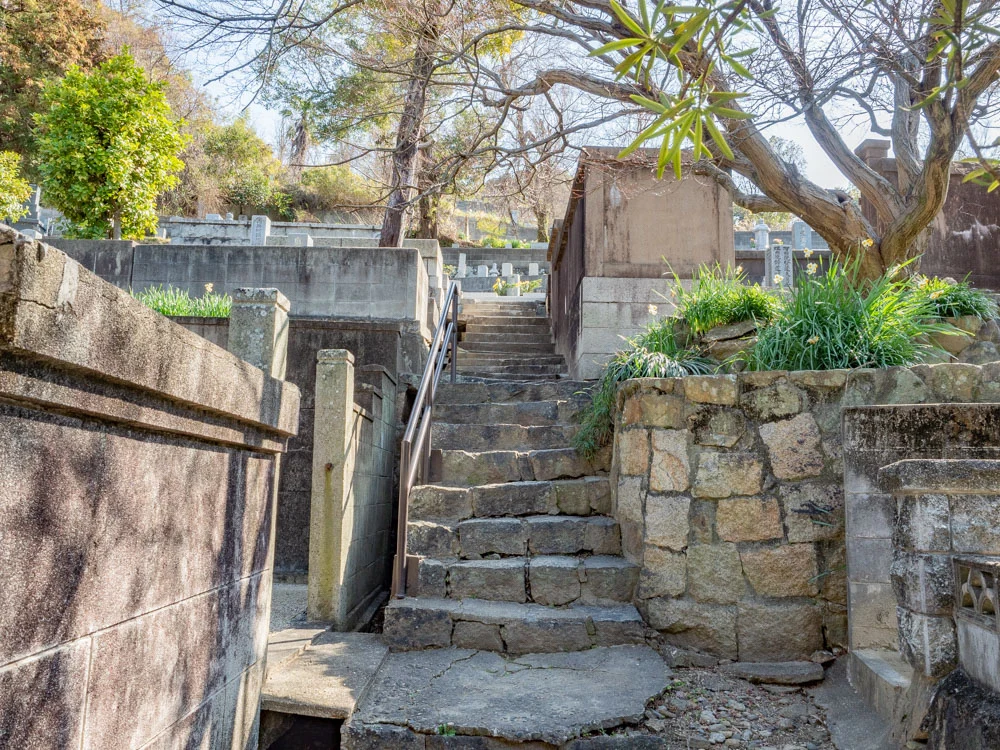
▼When you see a tree to the right in the direction you are heading, proceed to the left along the side path that extends from that spot.
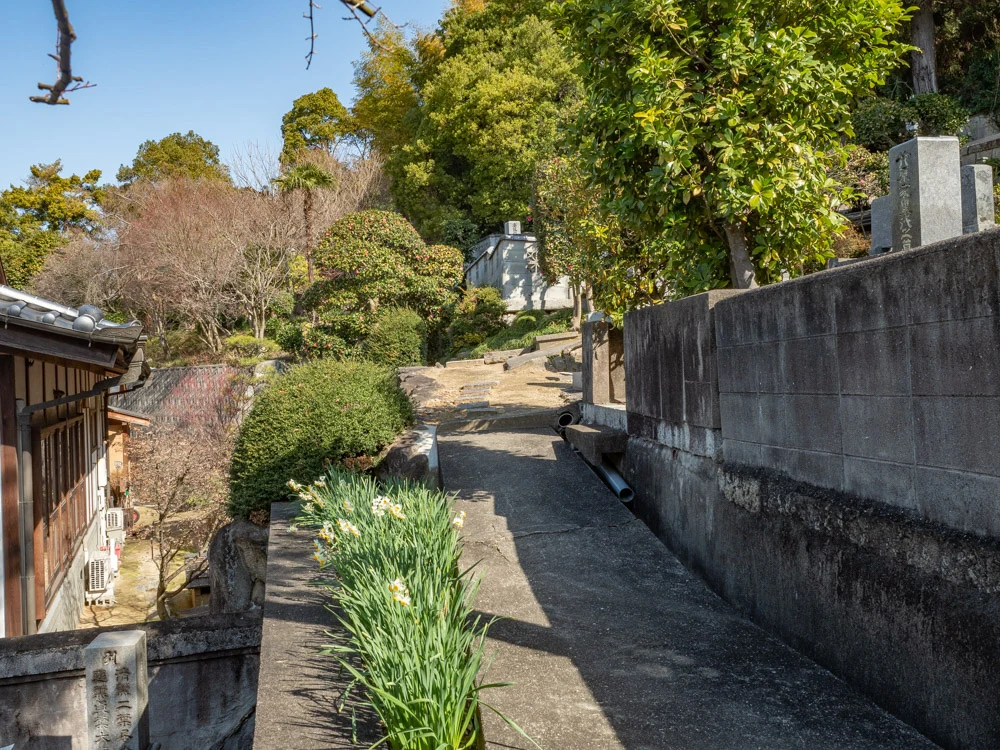
Please continue along the path as it curves sharply to the right.
▼You will see a place with trees on the right side in the direction you are heading.
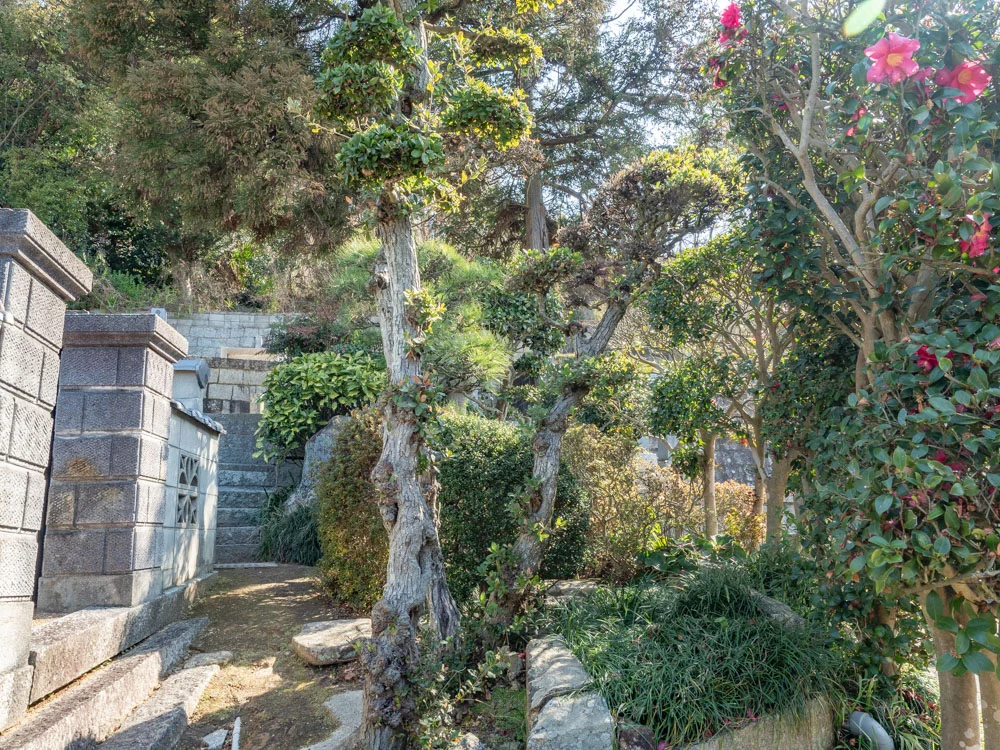
This is Enshu Well.
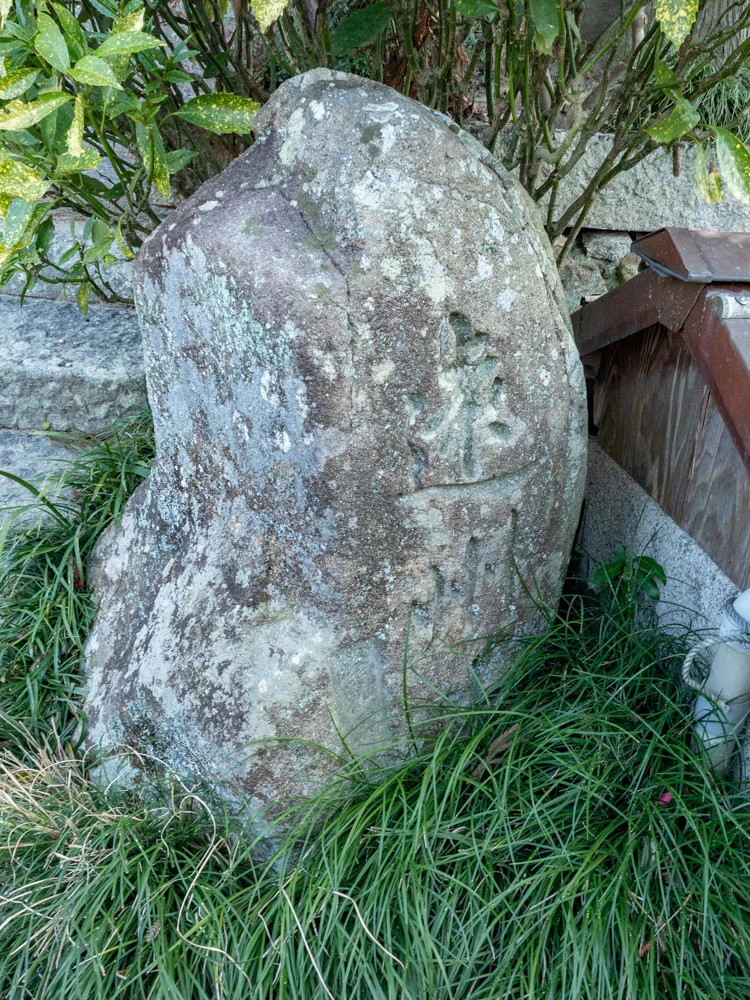
▼Next to the well, there is a stone engraved with "Enshu Well," so please use it as a landmark.
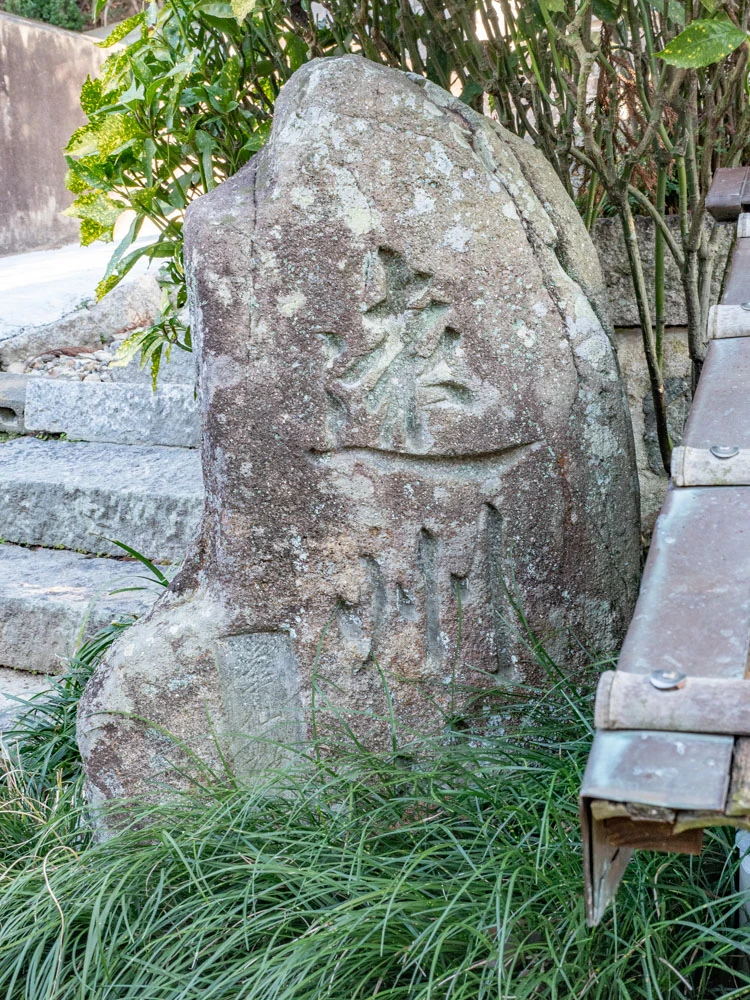
The area under the stone is overgrown with grass, and the "井" of Enshu Well was not visible.
Morita Sessai's Soul Tablet and Morita Amou's Grave
▼Another spot at Chorenji Temple is the Morita Sessai's Soul Tablet and Morita Amou's Grave.
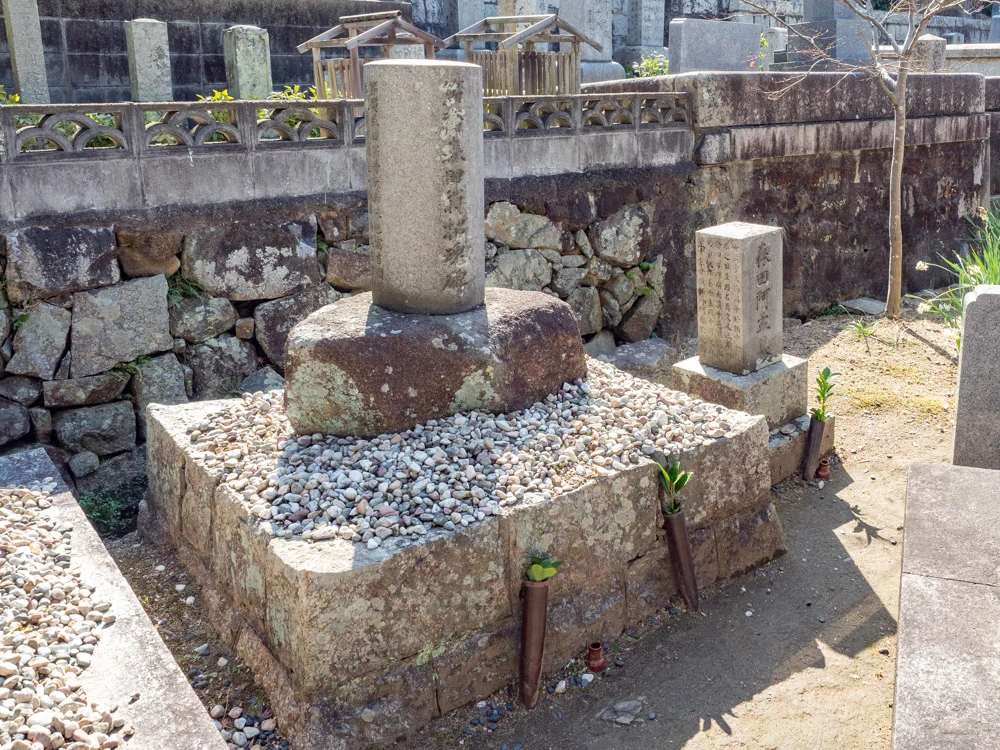
Morita Sessai and Morita Amou were a father and son from the late Edo period.
Sessai was born in what is now Gojyo City, Nara Prefecture, and was an intellectual active as a Confucian scholar, Chinese scholar, and poet.
After studying under Rai San'you, he wandered around various places.
He also stayed in Uwanari Village in Asakuchi District, Bitchu (now Tamashima Uwanari in Kurashiki City) and opened a private school.
In the spring of 1861, influential figures in Kurashiki Village, including Miyake Johei (Hiroe-ya), Ueda Buemon (Kojima-ya), and Hayashi Tokuichi (Osaka-ya, later the mayor of Kurashiki), called Sessai to Kurashiki.
They opened a private school called Kanjuku in the former residence of the Inoue family and provided education primarily for children.
While living in Kurashiki, a girl was born.
It is said that she was named Morita Amou because she was born during a lesson on Mencius.
However, he passed away from illness in 1863.
▼Grieving, Sessai carved the epitaph himself and built a grave for Amou at Chorenji Temple.
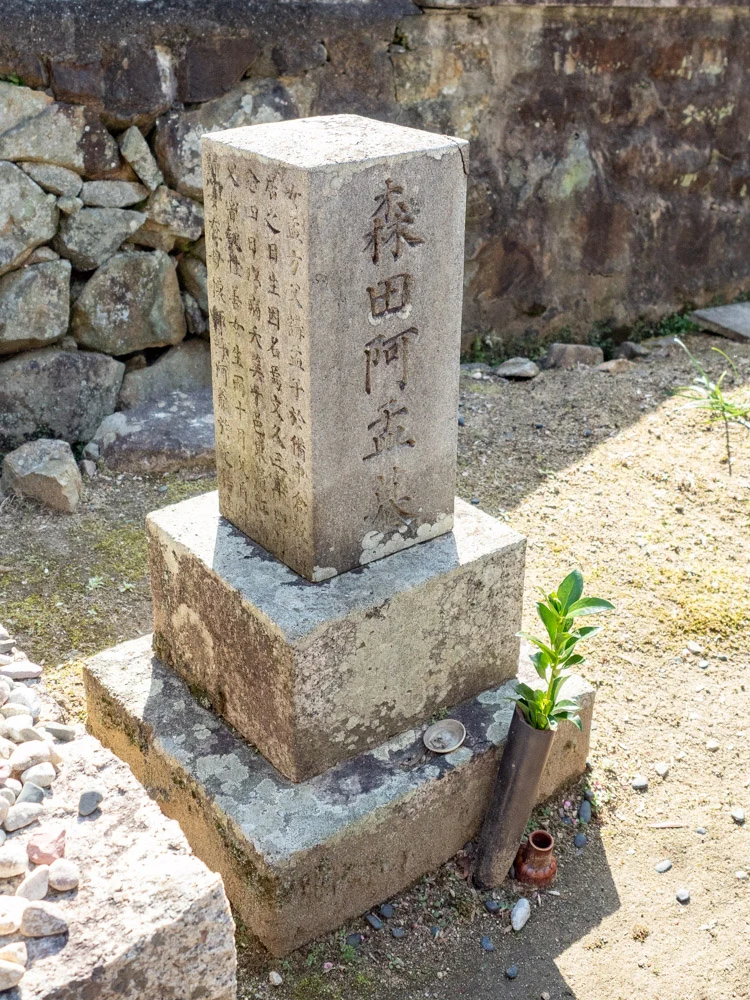
After that, Sessai left Kurashiki and passed away in Naka District, Kii Province (now Kinokawa City, Wakayama Prefecture).
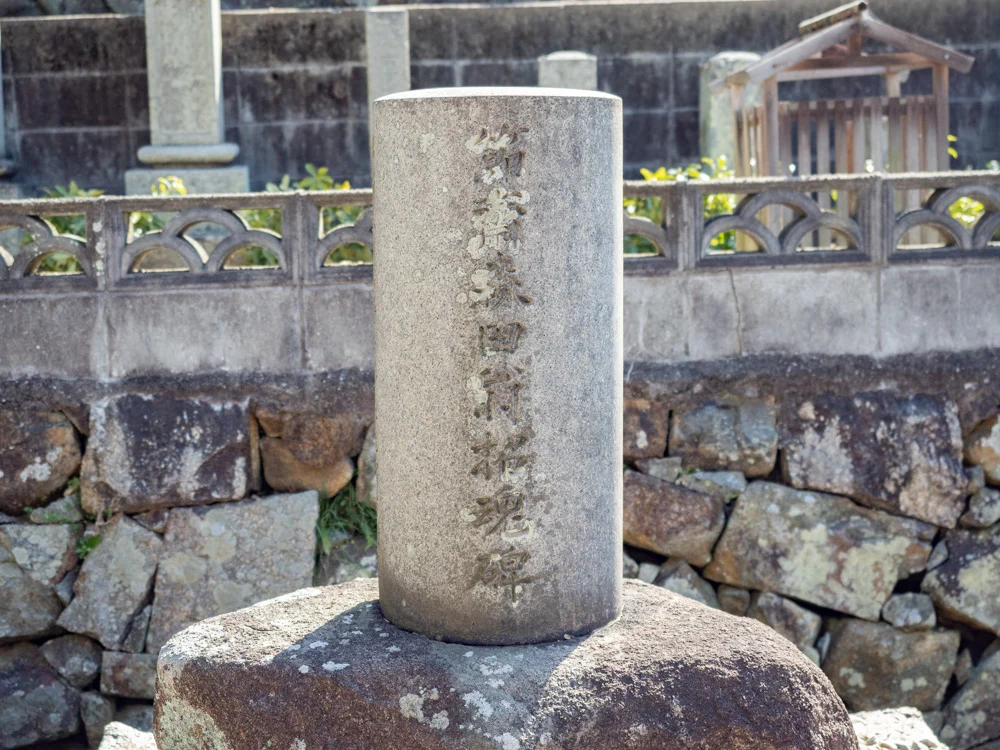
▼Therefore, next to Morita Amou's Grave at Chorenji Temple, the Morita Sessai's Soul Tablet was erected.
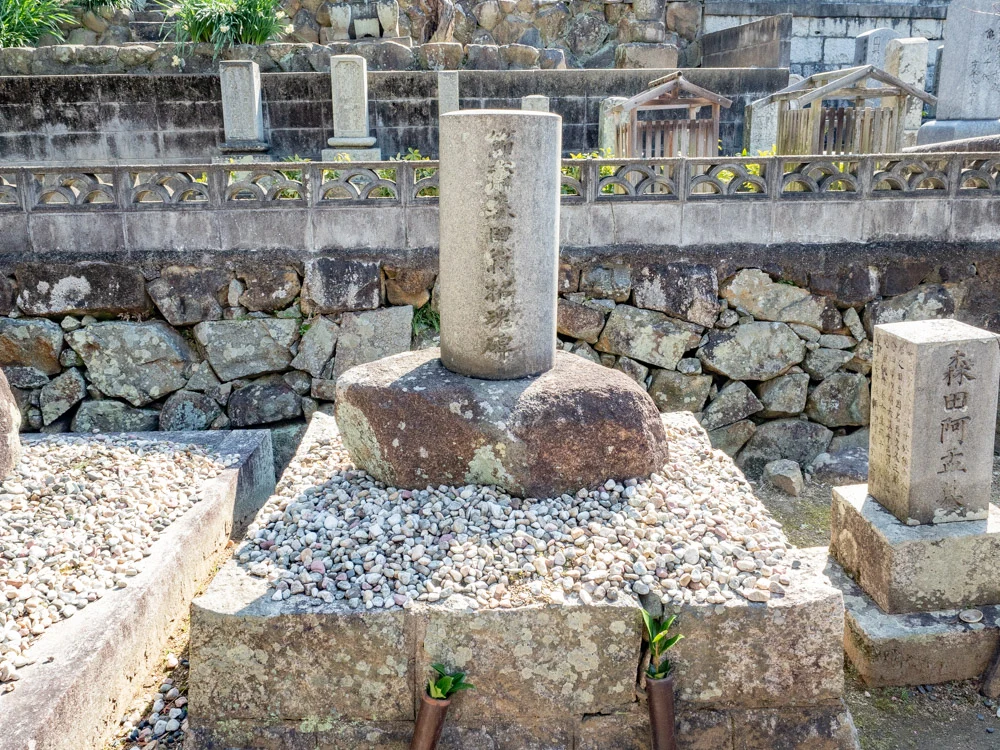
Perhaps they thought it would be lonely for a child to be alone.
Location and Access to Morita Sessai Shokunhi and Morita Amou's Grave
▼When you open the gate to the cemetery and enter, there are several graves lined up in the right front direction.
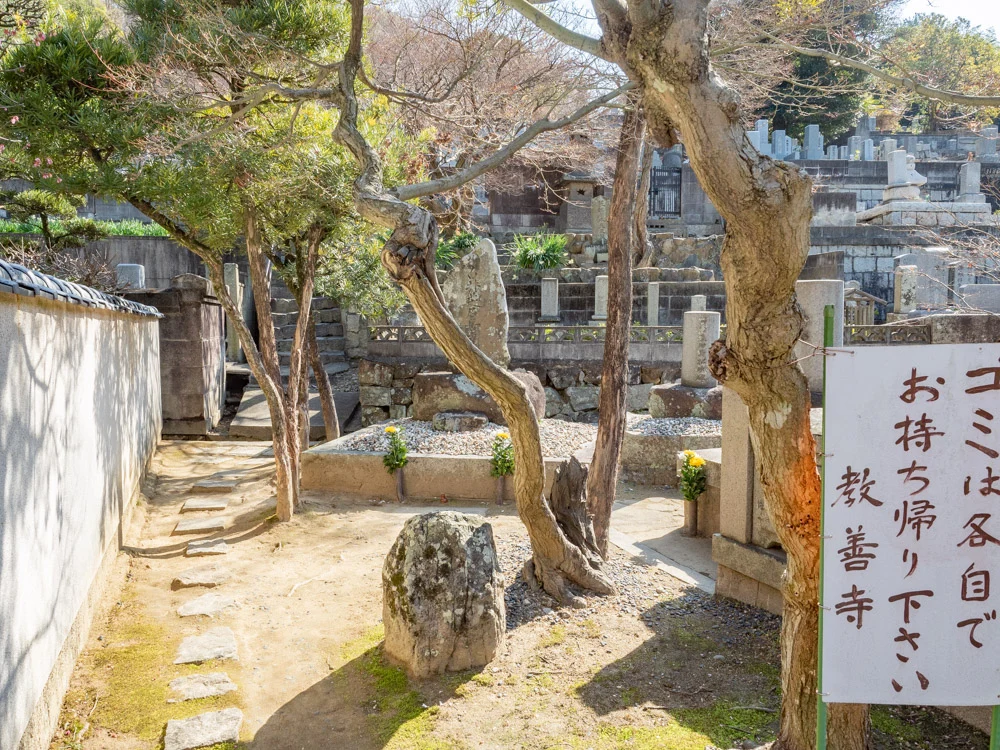
▼Among them, the Morita Sessai Shokunhi and Morita Amou's grave are lined up together.
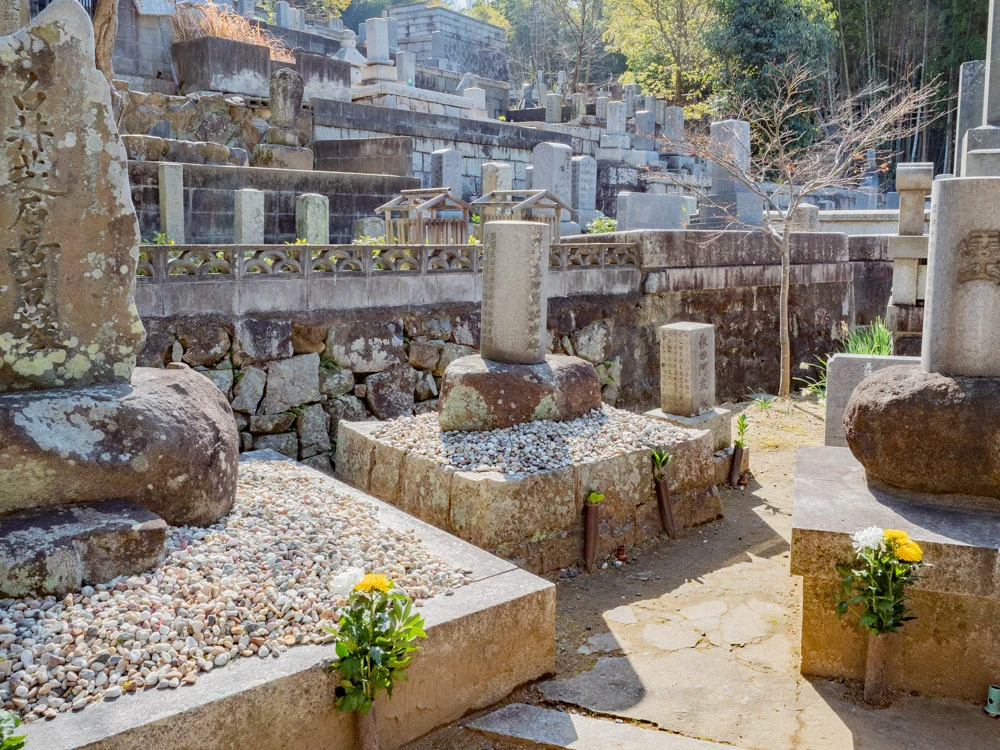
▼On the right side is Morita Amou's grave.
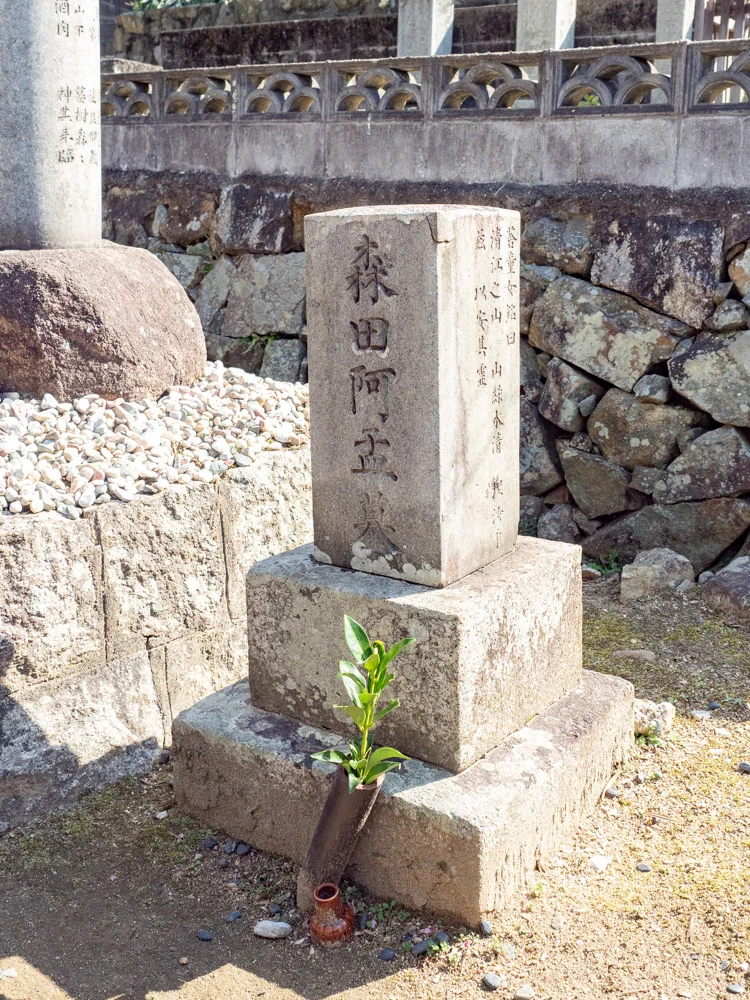
▼On the left side is the Morita Sessai Shokunhi.
No Goshuin at Kyozenji
Kyozenji is a Jodo Shinshu temple.
In Jodo Shinshu, with some exceptions, goshuin are not issued.
Therefore, Kyozenji does not have a goshuin.
History of Kyozenji
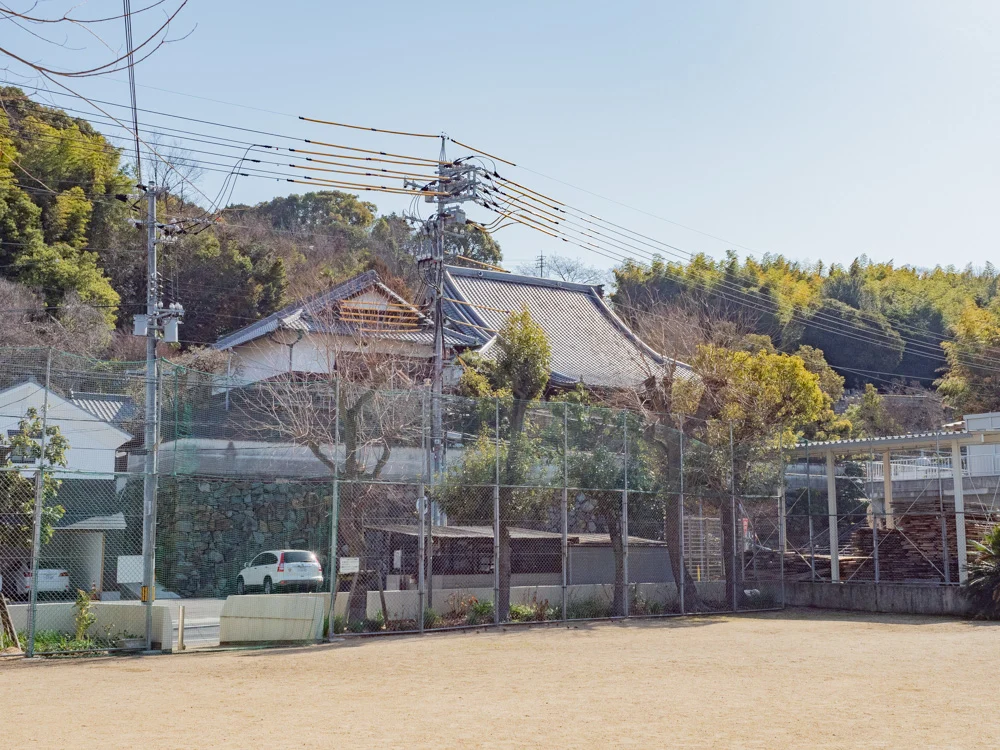
Kyozenji is said to have been founded in the second year of Entoku (1490) by a monk named Enkyo.
Enkyo was originally named Chiba Saemon Tokutada and was an official in charge of the Kyoto shugo.
Later, he became a monk and trained under Renyo of Honganji.
Eventually, he traveled around the country and arrived in Kurashiki.
In the second year of Entoku (1490), he built a hall called "Konkodo" on the top of Mukoyama and enshrined a statue of Amida.
This became the predecessor of Kyozenji.
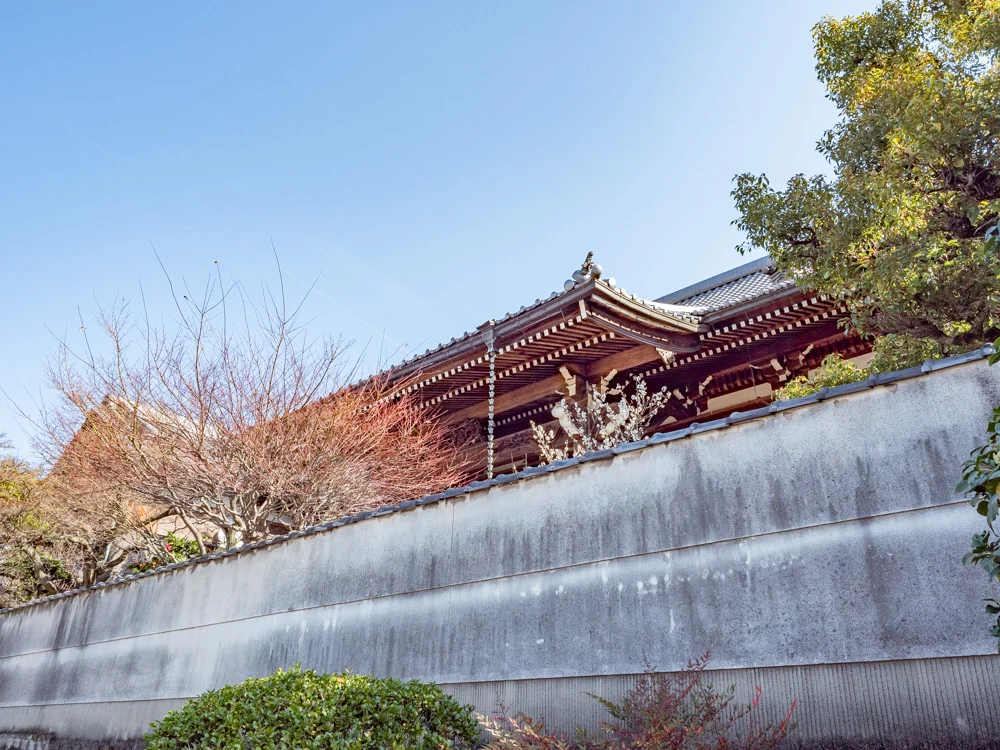
During the Azuchi-Momoyama period, in the first year of Kyōroku (1528), it moved to its current location in Honmachi, Kurashiki City (Mukiichiba-cho).
Furthermore, in the early Edo period, during the Kan'ei era (1624-1644), it began to be called Kyozenji.
In the mid-Edo period, during the Hōreki era (1751-1764), it was damaged by fire and burned down.
In the fifth year of An'ei (1776), it was relocated to its current site and the temple was rebuilt.
The current main hall was rebuilt in the 23rd year of Heisei (2011).
Conclusion
Kobori Enshu was at Bitchu Matsuyama Castle (Takahashi City), so I was surprised to find a connection to Kurashiki.
Kyozenji is a little south of the Bikan Historical Area, but it's just a short walk, so if you're interested in history, why not visit?
Exploring the hidden history of the local area is also a joy of tourism.
Data on Kyozenji
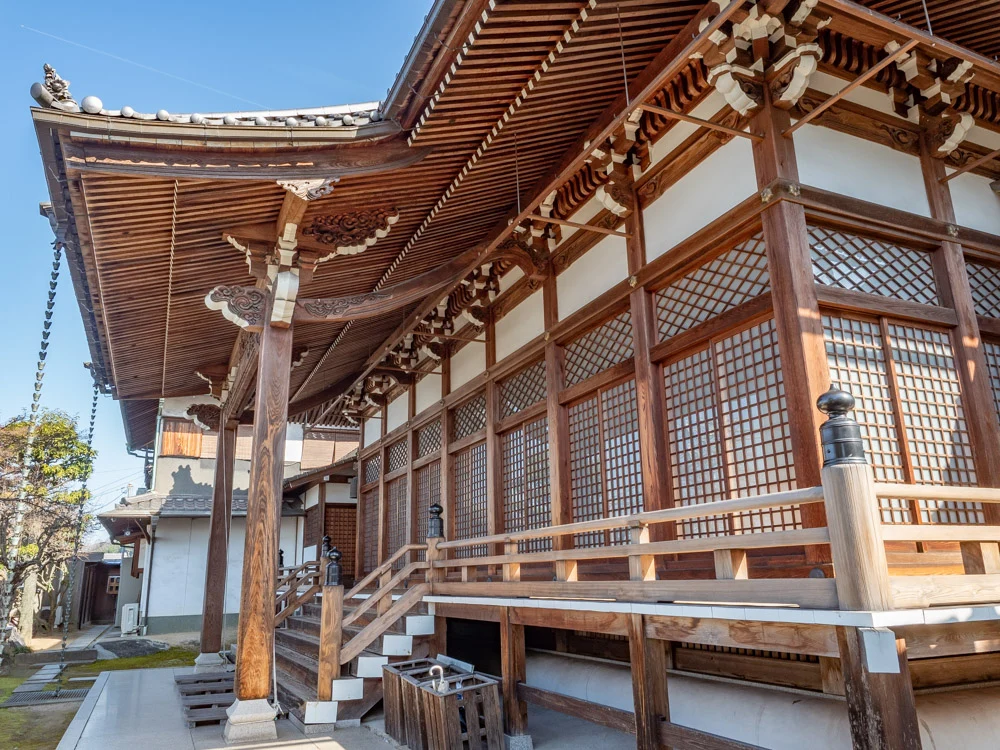
| Name | Kyozenji |
|---|---|
| Alternate Name | Seikyozan |
| Sect | Jodo Shinshu Honganji-ha |
| Location | 1604 Funakuracho, Kurashiki City, Okayama Prefecture |
| Contact | 086-422-1623 |
| Parking | Available |
| Goshuin (Offering Fee) | Not available |
| Visiting Hours | Daytime only |
| Closed Days | None |
| Admission Fee | None |
| Website | Kyozenji Religious Corporation |